LONDON FROM THE WINDOW OF A TAXI CAB


It had been a long time since I was in London for any reason, but recently we had the pleasure of being invited to a luncheon with my partner’s brother and cousins, a bit of a reunion you could say, and very pleasant it was. This meant that we would take a taxi ride from the train station to the venue, and sitting in the back of the vehicle I had quite a good view behind me and also from the side windows, so out came my mobile phone and I just snapped away. Not too unhappy about the result I decided to share some of the photos here. All these photos are taken somewhere in the central area. London has so much to see architectural wise, also delightful is to see all the people passing by, normally I am very careful about photographing people, I am always conscious of not wanting to be intrusive, so I was delighted to notice that I got quite a few people in my pictures this time, I find it so interesting, such an amazing diversity of humankind to be seen in this cosmopolitan city.  I was very impressed with the beautiful contemporary architecture of Kings Cross railway station.  Like being underneath a gigantic mushroom inside!
I am also always very interested in the trees that grow in cities, they make all the difference to and add enormously to the beauty of the buildings, even, and perhaps especially in winter.   I am thinking of the boulevards in Paris, the many mulberry trees in Lisbon, the pine trees around Athens, and the plane trees in Antwerp to name but a few.    It is also good to see that trees can still form part of modern city planning, more and more so in fact.

I’ve enjoy the short visit to London and after all it’s only an hour’s flight from Cork!


ANGLESEY ABBEY

During last week we were privileged to make a visit to Anglesey Abbey and gardens near the village of Lode in the UK. A faint sun and a slight cold wind made the walk around the gardens pleasant enough. There was so much to be seen, I did not know where to turn may attention first. The lovely fresh snowdrops made a carpet underneath the beautiful ancient trees their branches low to the ground.
Here and there I could see some yellow aconites among the snowdrops.  Further along a splash of bright lilac among the borders were the European cyclamen.  The hellebores also gave us a most pleasing show, many different varieties.

The lanes and walk ways weave along the shrubs and trees giving off a wonderful woody scent even in winter, now and then there was a gate which opened up into a landscaped space created according to historical values, all along there are interesting sculptures, some of them covered right now against the cold weather.

The abbey itself, was established in 1236 as an Augustinian priory, and is a beautiful Jacobean building in almost white limestone.  I did not get a chance to go inside the building but took the tour around it with a guide who told us a huge amount of history about the building.  Everywhere I saw beautiful features, the layout of the out-buildings and the surrounding gardens, especially the rose garden, were nice and interesting.  I could imagine how nice the scent of all the roses during the summer months.

We did not walk as far as the mill, but I am sure that I will visit this place again as we are due back in the area during the summer.  The place is in care of the National Trust by the way.

I do hope that you enjoy my photos, it just goes to show that even during the winter months there is so much to see and enjoy in nature, something to be very grateful for.


WINTER TREES

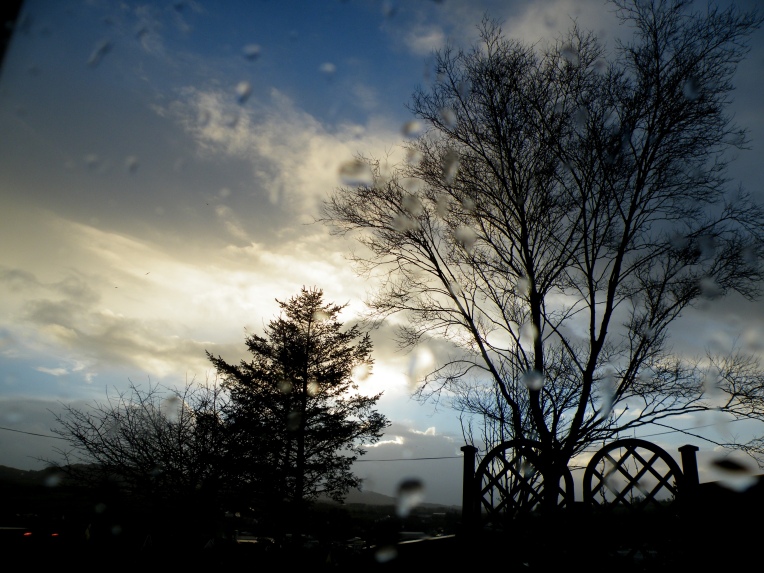
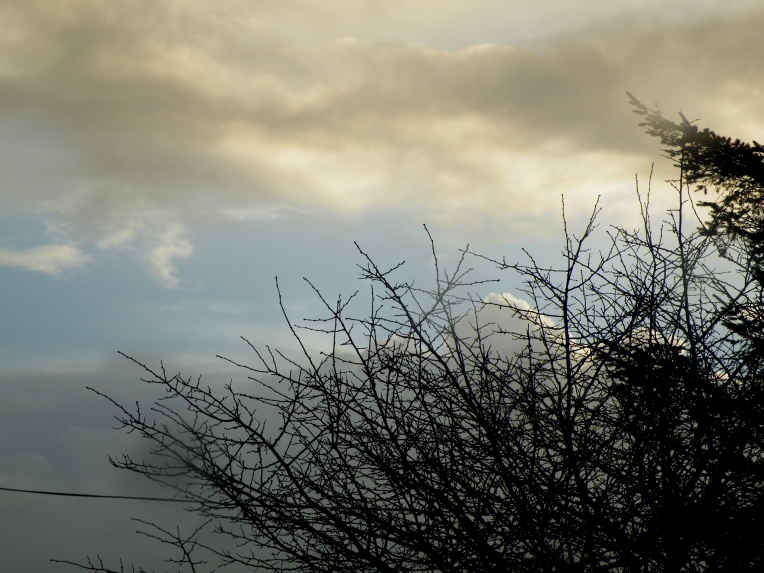
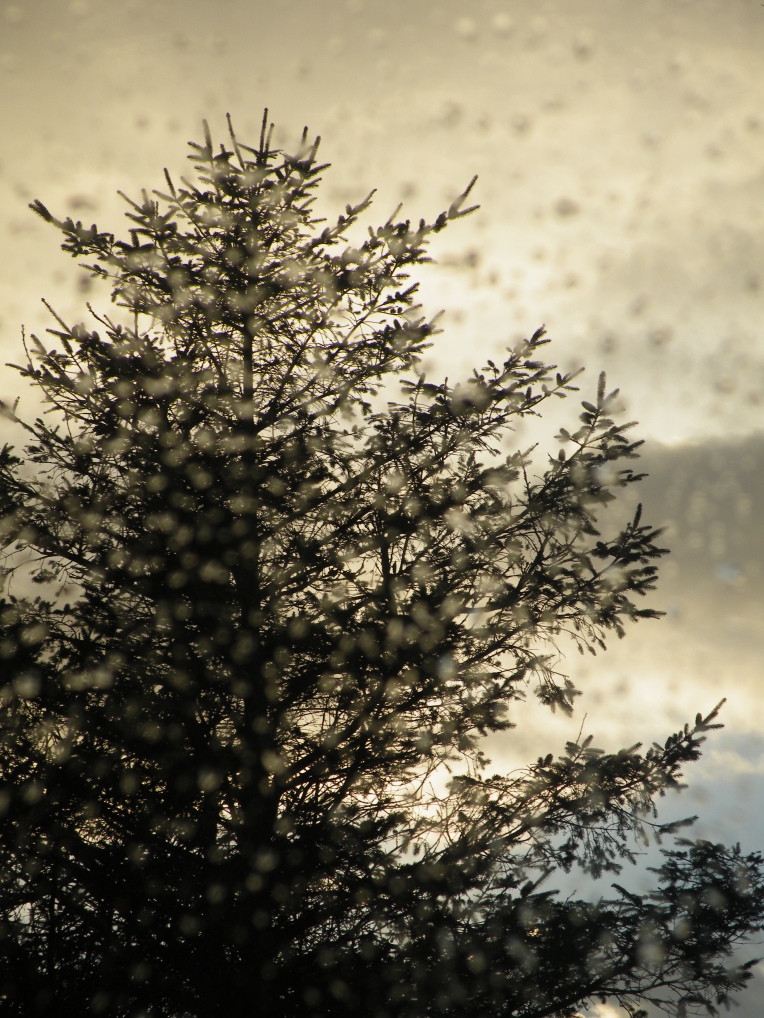
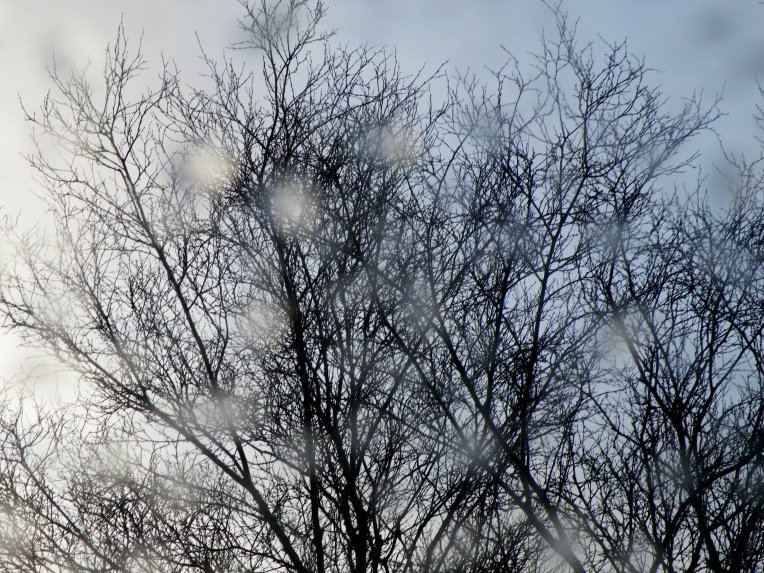
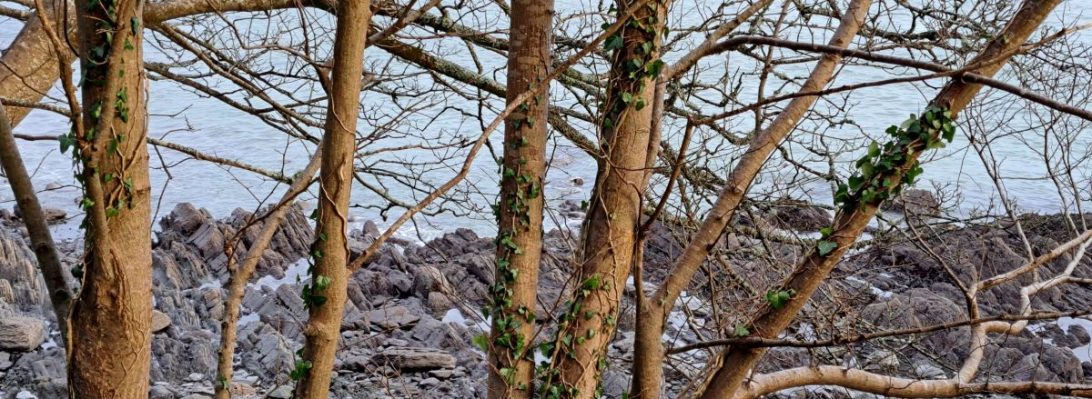
With the very wet winter we are having here in West Cork, it is rather showing up some beauty all of it’s own, it is how the trees look fresh, bringing out the colours of the trunk and branches, stark against a sometimes grey sky but now and then against clouds and sunsets. We have five trees in the garden, and these photos I took either from behind the glass if heavy rain, or outside, each brings out different aspects in the photo. Some bring out a rather foggy mood, some are melancholic, but some others bring out a bright clarity, it reflects the way that the mind is affected by the dampness, and according to Chinese traditional medicine, the mind is affected by the spleen, and the spleen is in turn very much affected by dampness, cold dampness, and that is what we get here in winter. It follows then that during these winter months the mind might become a little foggy if not careful, CTM advises us to eat warm stews made from root vegetables, with plenty of ginger to counteract this dampness inside… but that is going away from the trees a bit.
I love trees, I might even be a tree hugger, always want to touch their bark and admire their beauty, and beside that there is nothing as nice as using wood in the kitchen or wherever, the feel of it so smooth after it has been sanded, the lines and colourful markings are very nice too. I have wood on the ceiling and wall in one of our rooms, it often gives me pleasure to take in the many knots and lines visible to the eye. The scent also of wood is so pleasing.
Right now our trees are blowing in the wind, it is quite stormy and has been all winter, but they seem able for it. The silver birch moves most of all, it’s high and thin but the branches are very flexible. The Hawthorn moves very little – that is why the birds like to hide among it’s branches. The oak and the pine sway as if to the sound of their own music, while the chestnut watches over it all, stiff and majestic, even despite it has lost some of it’s branches last summer after we cut some down as they were making the garden far too shady. My trees are very much alive to me, I sense their moods, they are powerful and nothing fazes them, but they do like me to touch them when walking around the garden.
The trees, they give me much pleasure, I feel they are a blessing in our garden, and I am very appreciative.

DSCF1893

DSCF1889

DSCF1890

DSCF1891

DSCF1885

DSCF1894

DSCF1892

ST.BRIGID CROSS SYMBOL OF EMERGING LIGHT

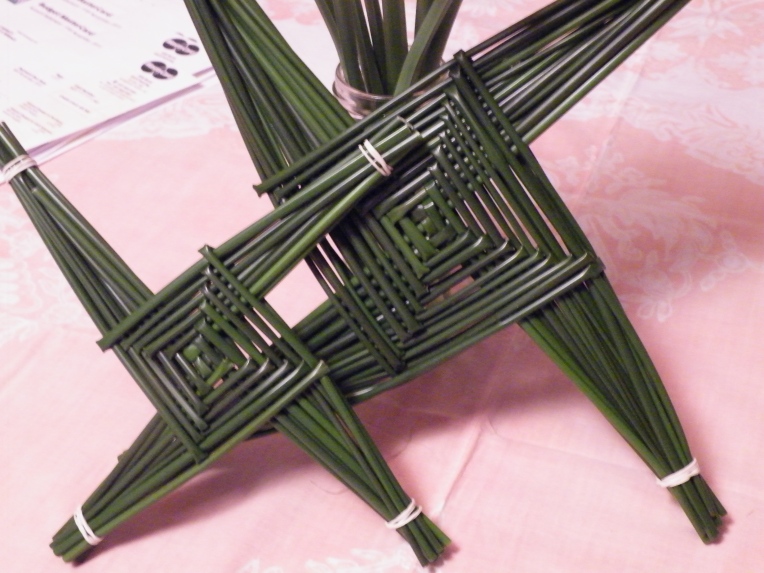
Making a St.Brigid’s cross, is an ancient tradition in Ireland, people young and old make these crosses from rushes of which there are plenty growing around the country. Tradition has it that the cross will protect the house from fire, hunger and evil if hung above the door. You can often still see them hanging in halls of houses. St.Brigid or as she is known “Mary of the Gael” is the patroness of Ireland, she was born in 450 A.D.

It is also suggested that this cross has pre-Christian origins and is related to the sun cross. The first of February is when St.Brigid’s day is celebrated, this is also the ancient Irish celebration of ‘Imbolc’ which marks the beginning of spring, and indeed spring starts on the first of February in Ireland! (According to the behaviour of the birds this morning in our garden, this must be about right).
Actually Wikipedia gives a real good write up about St.Brigid cross and that is why I am adding a link to it, far more information than I could know or share here, so enjoy if you are interested.
https://en.wikipedia.org/wiki/Brigid%27s_cross

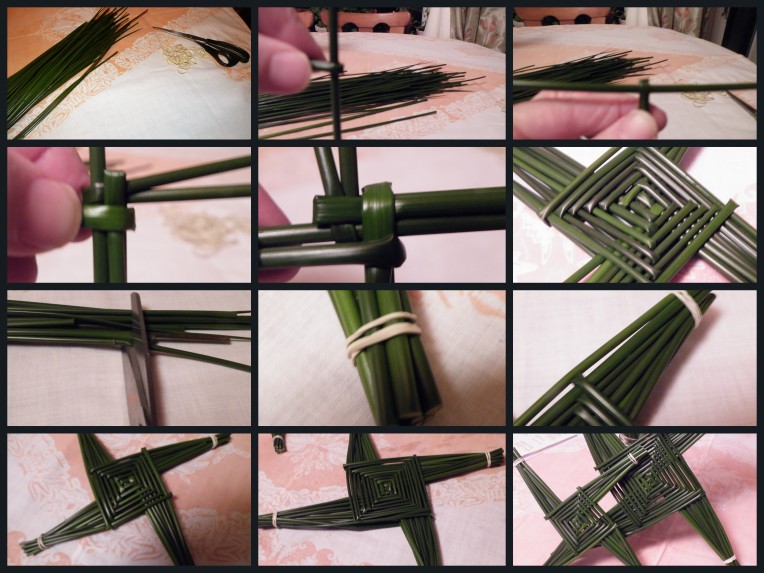
I have added some photos to show how the cross is made on request of some of my nice friends that follow my blog.  I made some of these crosses tonight. Went to pick the rushes earlier and kept them from drying out, this is important to work with them easily if not using straight away.

So here goes, I will do my best to describe:
First you hold one rush vertical in your hand, and you add another rush with your other hand bending it in the middle and sliding it across the vertical rush as seen in pic 2.  you then turn the vertical rush either clock-wise or anti clock-wise depending on whether you are right or left handed.  You keep adding one rush at the time constantly turning the original rush, you keep a tight hold of them.  When you have added enough and it becomes like pic 6 then you have to cut the ends but be careful as the whole thing might jump loose, so hold tight, fix an elastic band around the end and repeat this with all four sides.  Your cross is now ready to hang up.

I hope the explanation will do, and if you try I hope you have much fun.

The rushes or reeds used to make these crosses are called;

Soft Rush or Juncus effuses.     http://www.irishwildflowers.ie/pages-rushes/r-07.html

St

DSCF2223

THE SUN CAME OUT TODAY

Yes the sun came out today, and it shone over the valley here in Skibbereen, it was glorious and so welcome after all the days of mist, rain, and stormy weather. So I took a walk along the boreen* and found a few wild flowers making colour, their therapeutic effects did not stay behind, I felt so energized after that walk.

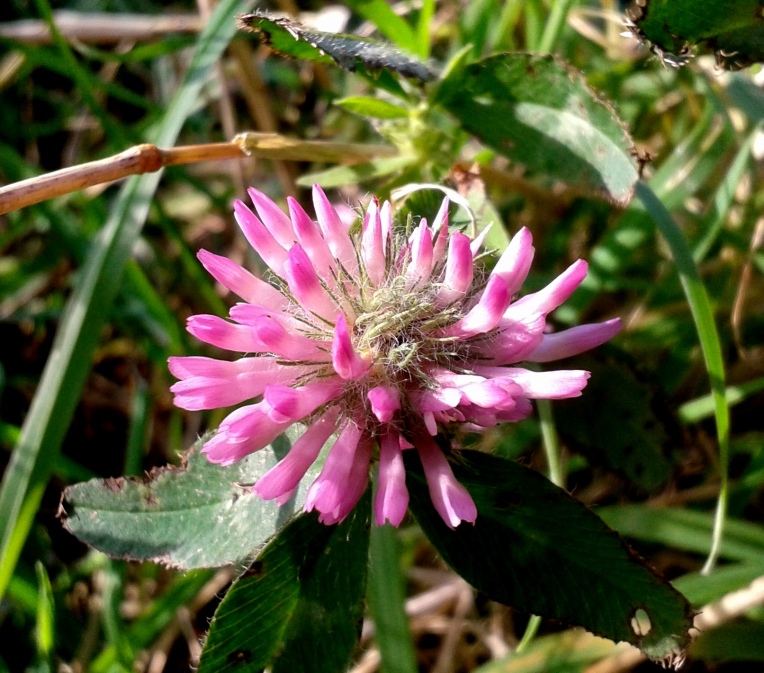
To find the red clover in flower was probably early in the year, but then the temperature is warmer than normal, it has been a steady 10C for a while now and today in the sun the temperature went up to 15C even despite a cold northern wind.
20160127_130051

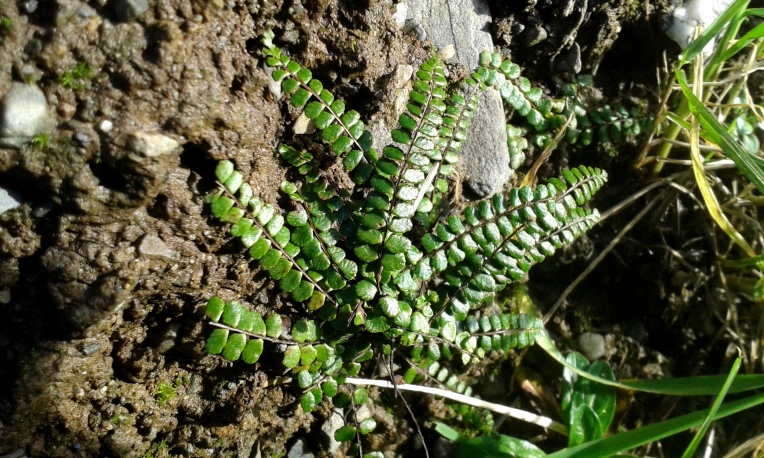
This beautiful little fern grows along rocks even in urban settings all over Ireland.  It’s most delicate and very hardy.

20160127_125537

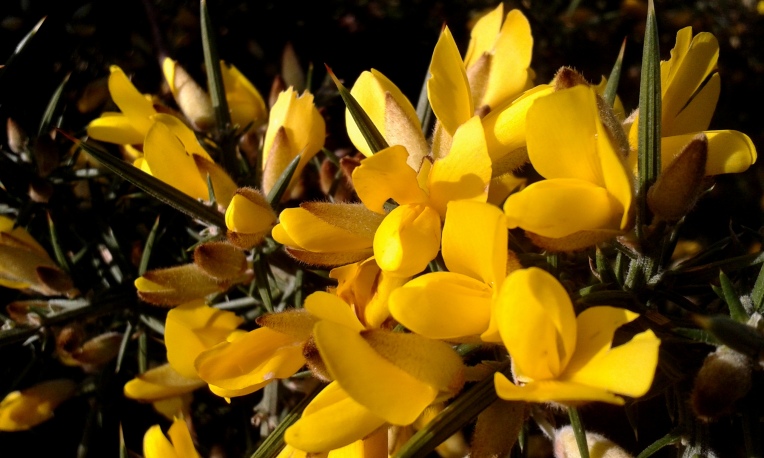
The gorse usually flowers twice a year, once in February,  and once in the summer.  It’s probably early this year, but I did not get any of its scent, we need stronger sunlight for that.

20160127_130143

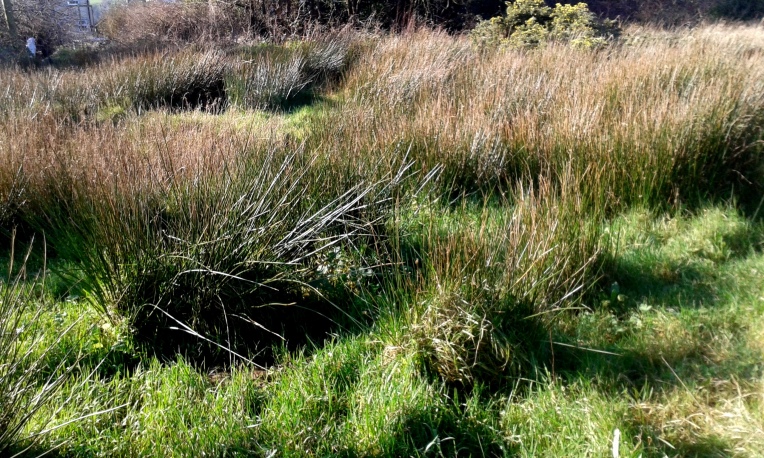
I took this photo behind our houses, it is waste land, the sedges are lovely, I like this sort of landscape too.  Soon St.Brigid will be celebrated in Ireland and people will use the sedges to make St.Brigid crosses, I used to teach people in the library to make those, it’s fun to work with the sedges.

20160127_130245

It is getting time that I start planning my garden, I have not done anything about it really because the weather has been so wet.  Today I started to take stock, and some of the raised beds wood surroundings have rotted!  The soil is still very wet.

Roll on warm and dry weather!

*    Boreen is an Irish word for a path in nature, (Irish: bóithrín,  pronounced [bɔːˈriːn]) it is a rural walking path.

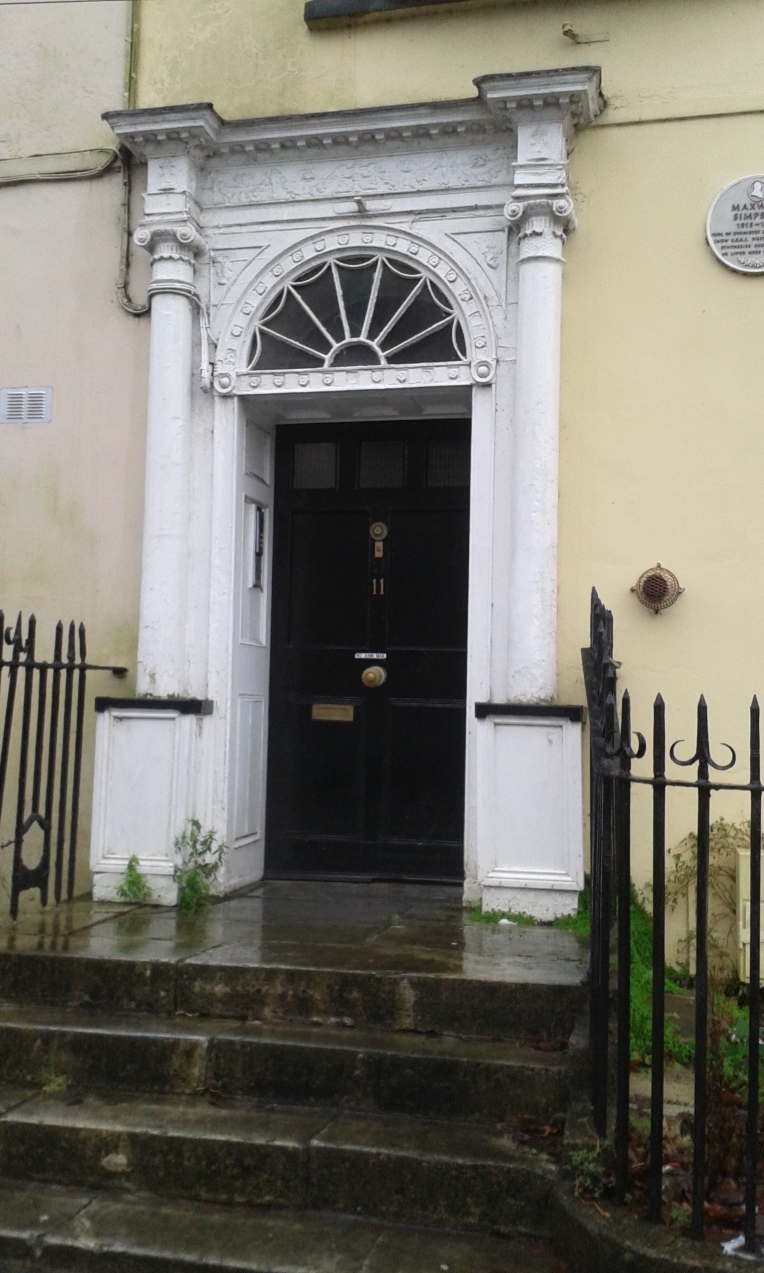
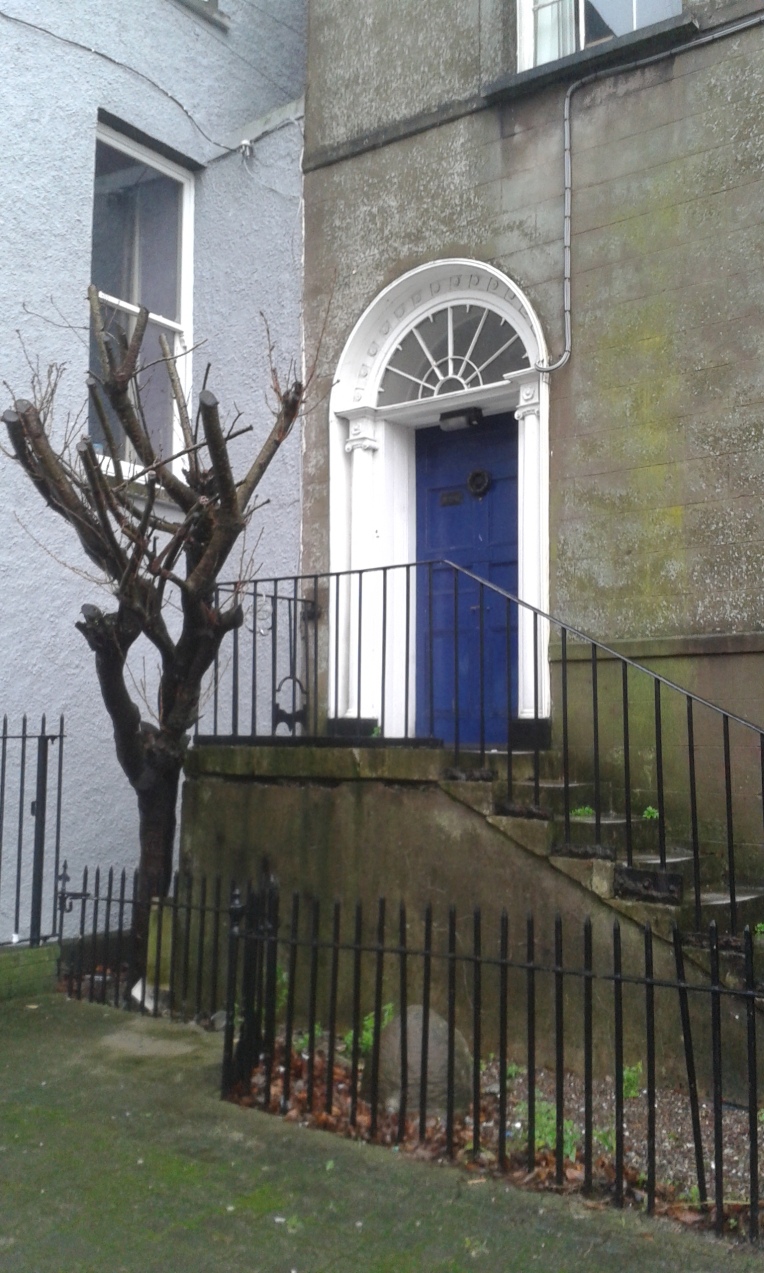
FANLIGHTS IN CORK CITY

20160121_152001

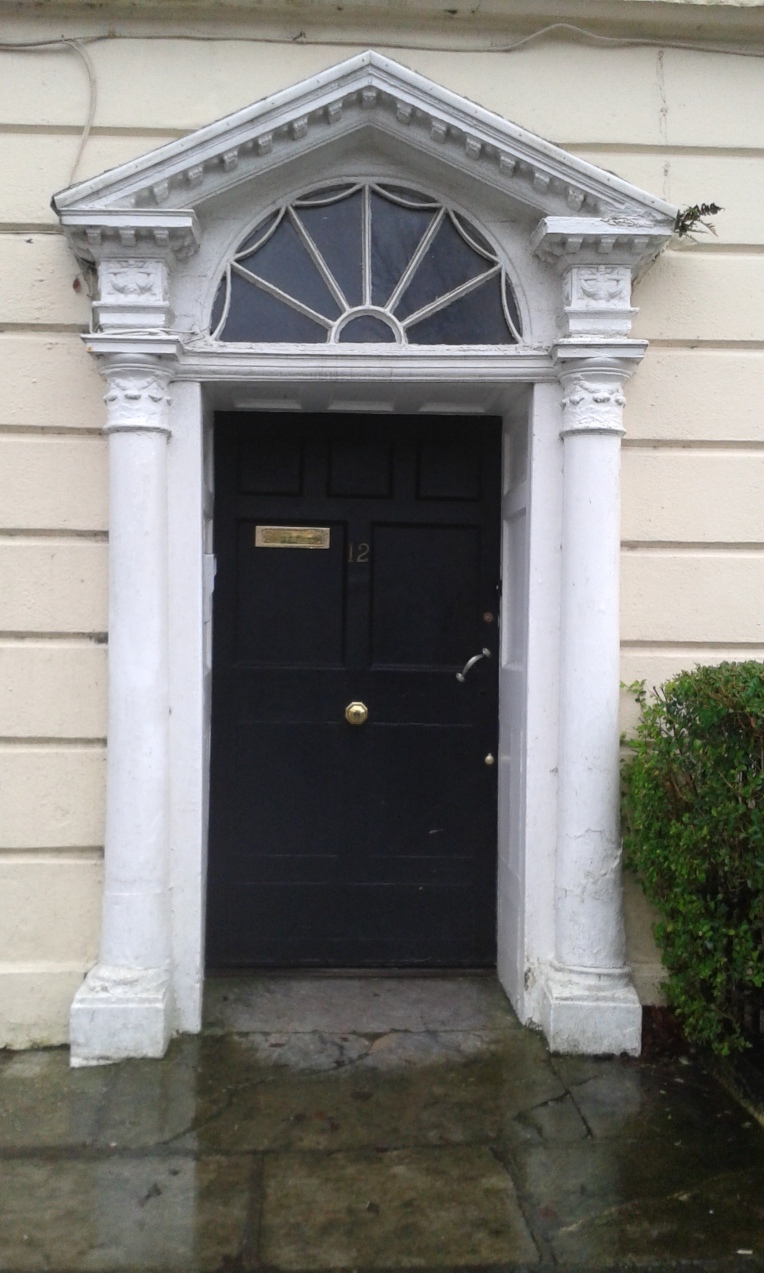
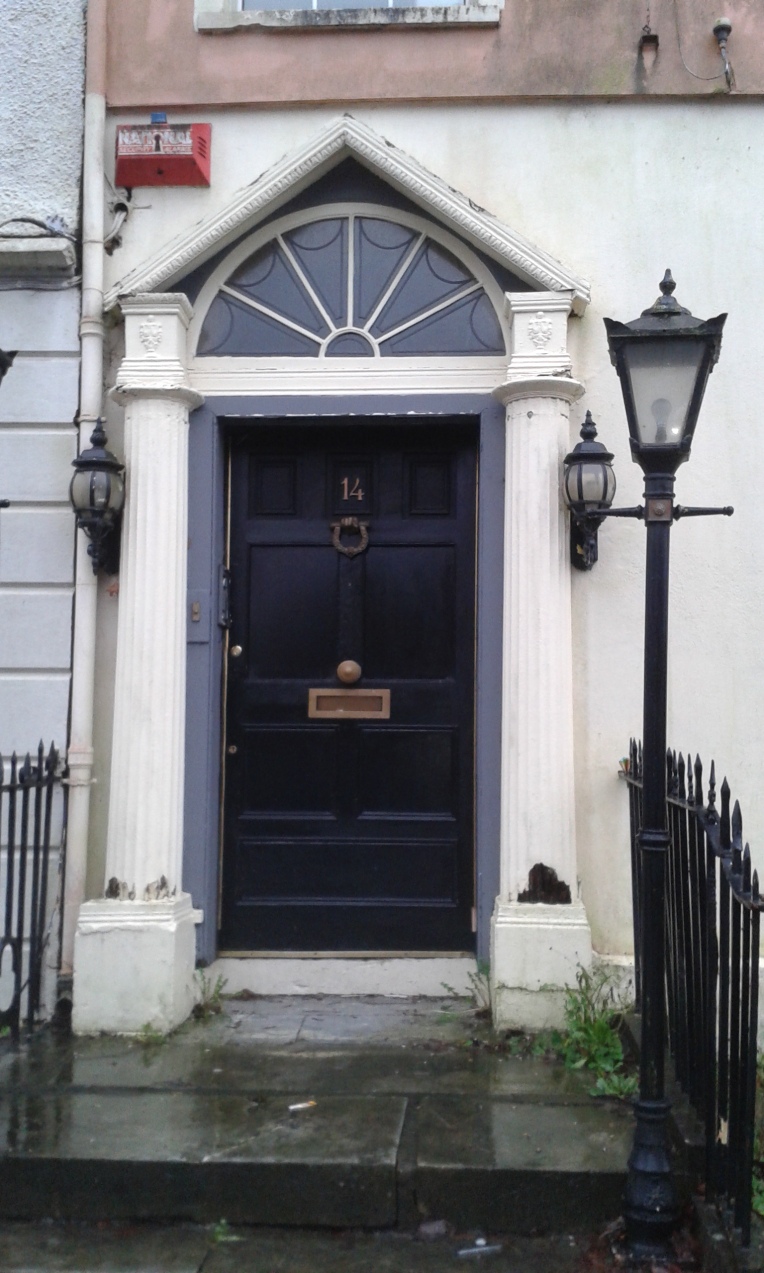
A fanlight is a feature of Georgian architecture, it is found of course in England, but it is also found in Ireland, and I think it is a beautiful feature.  It is a semicircle window above a main door, it is called a fanlight because several panes radiate like a fan outwards.  While it is a useful addition to any hall, it is also very decorative and in Ireland efforts are made to preserve these features in the many Georgian style houses.

While I was in Cork city the other day, I took some photos with my mobile phone.  I think these features are so nice and interesting.  I had to go and look up information on them and did not even know that they were called fanlights, I only knew that you see these features a lot in Irish cities.  Fanlights originated in England during George I (1714), and fettered by the year 1901. But in Ireland, the use of these fanlights lasted longer. Especially in the eighteen hundreds though they were a frequent architectural feature to be seen in Dublin, also in Cork and other cities.

During the nineteen seventies a poster was produced featuring some of the beautiful fanlights in Dublin, it is very popular to this day.  There are still many Georgian houses found in Dublin, also quite a few in Cork, fanlights only being one of it’s Georgian features of course.  Many of these houses are now neglected and some are almost derelict, efforts are being made to restore them, many, however have been demolished in the past.  But equally many have been restored and there still remain quite a variety of fanlights and they are very appealing to the eye.  It is also good to know some of the history behind it.  The fact that they started out as a useful feature, then became a decorative feature and remain like that today.  What I see today in modern doors is that the idea of a fanlight is actually build into the door and in this way throws light into the hall, that is, of course, not half as beautiful (just my thought).

I took my photos along the Dyke Parade in Cork city.  At some future date I would love to explore the city much more and make many more photos.

20160121_152029

20160121_152116

20160121_152242

20160121_152331

EMERALD GREEN FOLIAGE

Sometimes Ireland is called ‘the emerald country’, and it is no wonder, it is called this way because of the regular rain, this green is always a most beautiful, fresh and profuse colour. Seen from the sky the landscape does look like an emerald jewel.

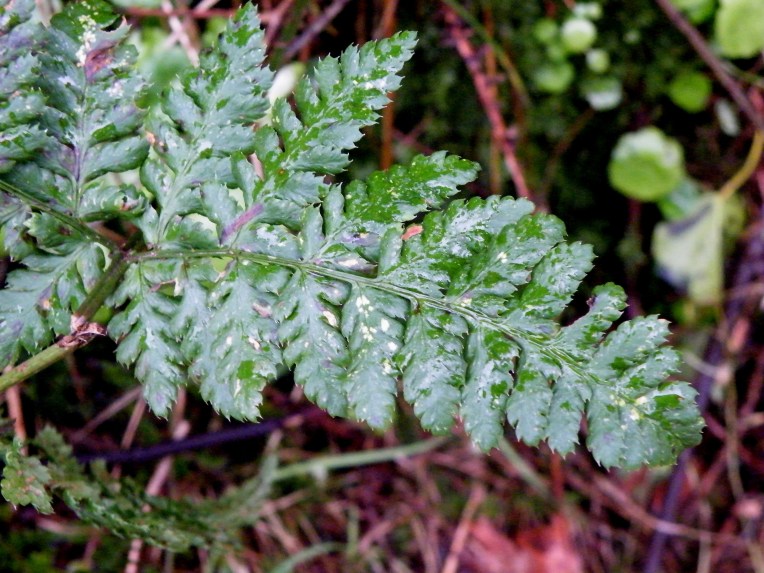
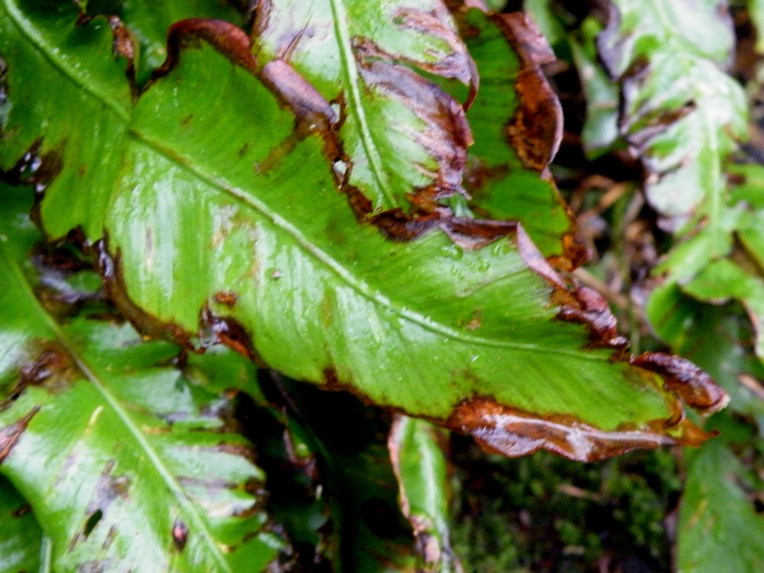
So it was no surprise that I found young green foliage today along the side of a country road.  Though early in the year, there are signs of a rebirth, and of green in the hedgerows.  The Fuchsia hedges have brown branches with here and there young leaves opening up.  The ferns are enjoying this particularly wet winter, a delight for the eye, their lacy leaves unfurling with a vigour that would surprise you, though having said that, some of the leaves had fringes of brown.

Nature is waking up slowly, spring can start very early in South West of Ireland.  Even the birds songs are changing just lately.

DSCF2151

DSCF2164

DSCF2154

DSCF2155

DSCF2157

DSCF2159

The lesser celandine plants are almost ready to flower.

NEW BEGINNINGS

Though colder the last few days, we are experiencing some sharp frost and even snow not too far away, there are nevertheless signs of early, very early spring and new life.

I took a stroll through the garden today, underfoot the grass is still very wet, because of the very mild but wet winter so far the slugs have not hibernated in great numbers and have been eating my kale with a relish, meanwhile creating real pieces of lacy art.

I found some white fungi on logs that are lying around waiting for dryer weather and to be stored properly.  Our little Korean Fir is back outside after the Christmas festivities, there are signs of new growth, fresh and delicate, a delight to the eye.

The sprouts, leeks and parsley are doing great in the garden, the rhubarb though, has disappeared, and as a result of all the damp and wetness there is moss to be discovered, beautiful bottle green moss, growing healthily and bountifully.

Normally during January I start to get a real early ‘spring’ feeling and it releases a lot of energy, the last few years this did not happen, however, this January I got the feeling back again, my energy is on the up, full of plans and excitement for the coming year, whether it is in the garden or in the house, the plans are being laid.  I have always like this saying:

Early in the year, early in the week, early in the day…. that is how I like to get things done, it works for me.  At the same time, life is not all about ‘doing’, it’s much about ‘being’.

I guess a balance in everything is the best.


DSCF1972
Korean Fir
DSCF1970
Korean Fir new leaves
DSCF1977
Hydrangea buds
DSCF1975
A fungus in the garden
DSCF1995
Bud on the Woodbine
DSCF1980
Winter Brussels sprouts
DSCF1979
Kale leaf after slugs
DSCF1994
Moss in the garden

RECYCLING AND THINGS VINTAGE

Sunday is my day of rest, I indulge in all sort of frivolous pastimes. Of late I have taken an interest in recycling crockery, our town here has six charity shops and there is always something to find, some treasure. I like to buy cups and saucers with patterns in blue and white, they look clean and cool. So I snapped some photos of my acquisitions.

The fine blue flowers of this cup look delicate against the shiny white porcelain, I found the cup and saucer separate from the plate, this was lucky.  The porcelain was made in Bavaria, Germany.  It’s called Winterling Renaissance Pattern China.  I use it everyday as I do not believe in saving or storing things away.

DSCF1926
 
Some of the other cups and saucers I obtained were made in England, in Staffordshire and they are Ironstone.  It is a type of vitreous pottery, it was  first made in the early 19th century.  You can plainly see that it is different from the Bavarian porcelain, more robust, but I like both.  They are called Ironstone because of their durability.

DSCF1956

DSCF1947

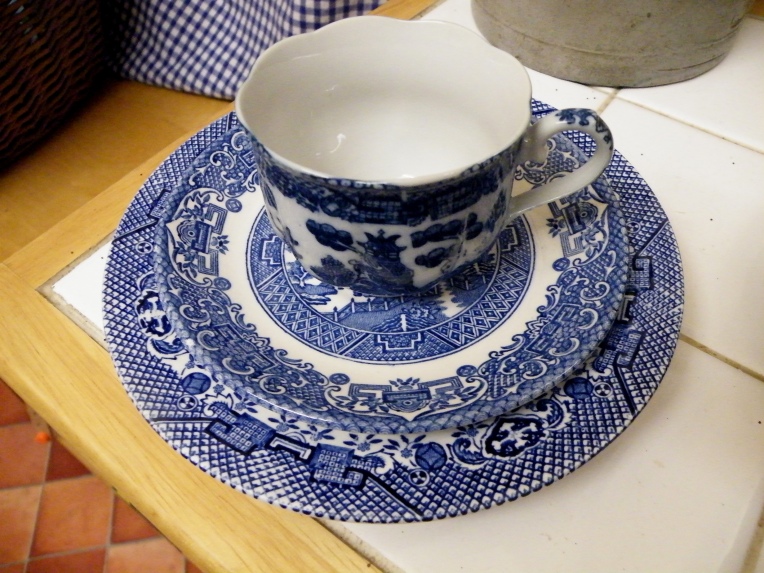
I particularly like this design, it’s also Ironstone, made in England.  For some reason my grandfather in Belgium had a tea set of this, the cups are larger than average and I remember the black coffee that was poured out of the everlasting ‘koffiepot’ which was constantly on the stove brewing, the coffee beans having been grinded in a ‘koffiemolen’, and put in a cotton bag that was hanging in the pot, a delicious aroma filling the room.  Good memories.

DSCF1942

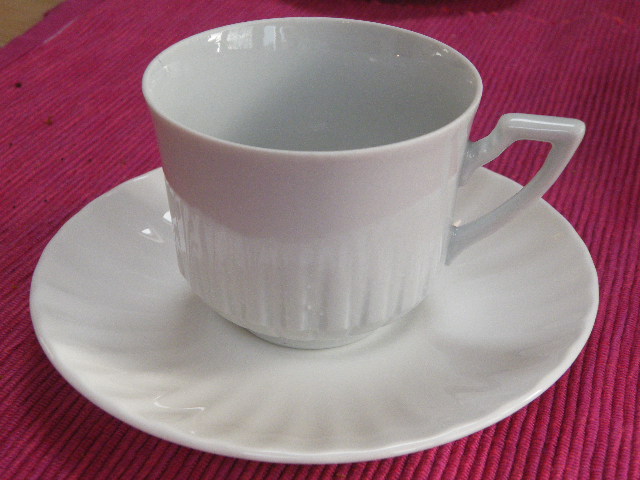
Here is another fine pure white cup and saucer, incredibly I found both cup and saucer separately again.  It is a rather small cup and it has no markings on it whatsoever.

DSCF1963

More Ironstone ware, all found separately and paid less than €1 for the lot.  They get used everyday, and great pleasure is got from the colour combination and a cheerful table setting.

DSCF1945

Here are a selection of plates and saucers.  The colourful porcelain plate has markings which places it in Bohemia.  The others are English Ironstone.

I particularly like the idea of recycling as much as we can, it’s fun looking for the stuff, and it really does save resources of the planet.  Seeing that a town of 2000 people can have six charity shops where people constantly get rid of their surplus ‘stuff’ it shows that there is an enormous amount of surplus around.  Re-using things is a good idea.

Apart from all that, I must say that I really enjoy hunting around in the charity shops, having decided that I need such and such items.  At this moment I am still on the look out for blue and white patterned crockery, it will give me innocent pleasure for a while yet.