OVERWINTERING HERBS IN WEST CORK

Rosemary – this plant is three years old

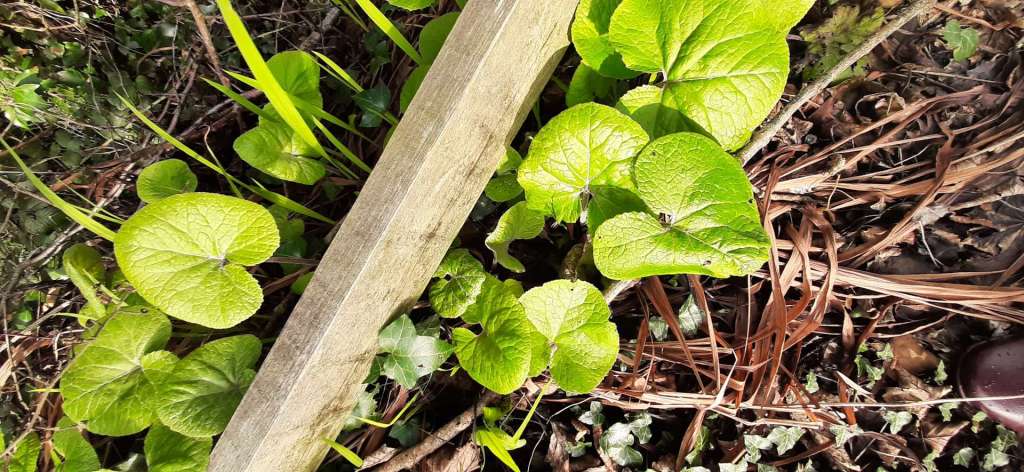
Currently it is the time to take stock and make plans for this coming growing season. I have done a little of that, and I’ve also gone through my last years garden journal to check on what did well and what is just not suited to our type of garden soil, the amount of light and the temperature, and I’ve made a few notes on that. While I was checking all the beds, seeing what is growing well during the winter months, I noticed that herbs and some wild plans do very well during the winter in this area – it being the SW of Ireland. Our climate here is influenced by the gulfstream, this makes our winters mild, usually we only get a little night frost, and this seldom harsher than minus 3 or 4. The plant hardiness zone in this oceanic climate is around 9. So today on the fourth of February I took some photos of what is growing right now, what I can use from our garden. And there is quite a lot.

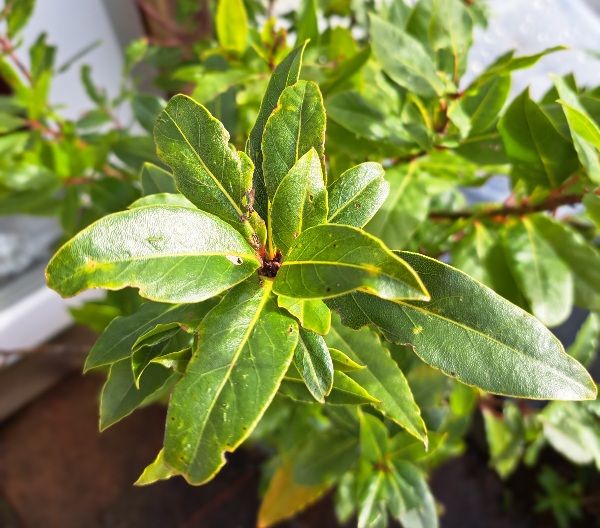
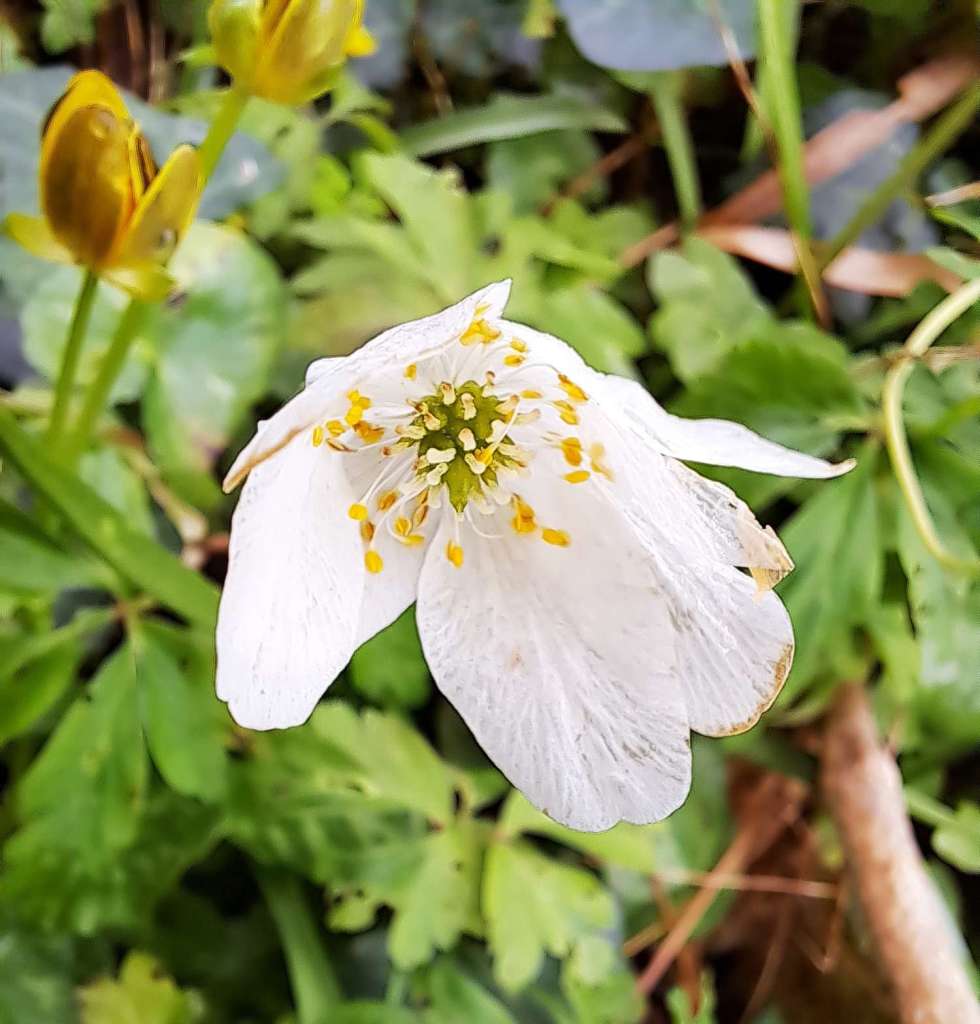
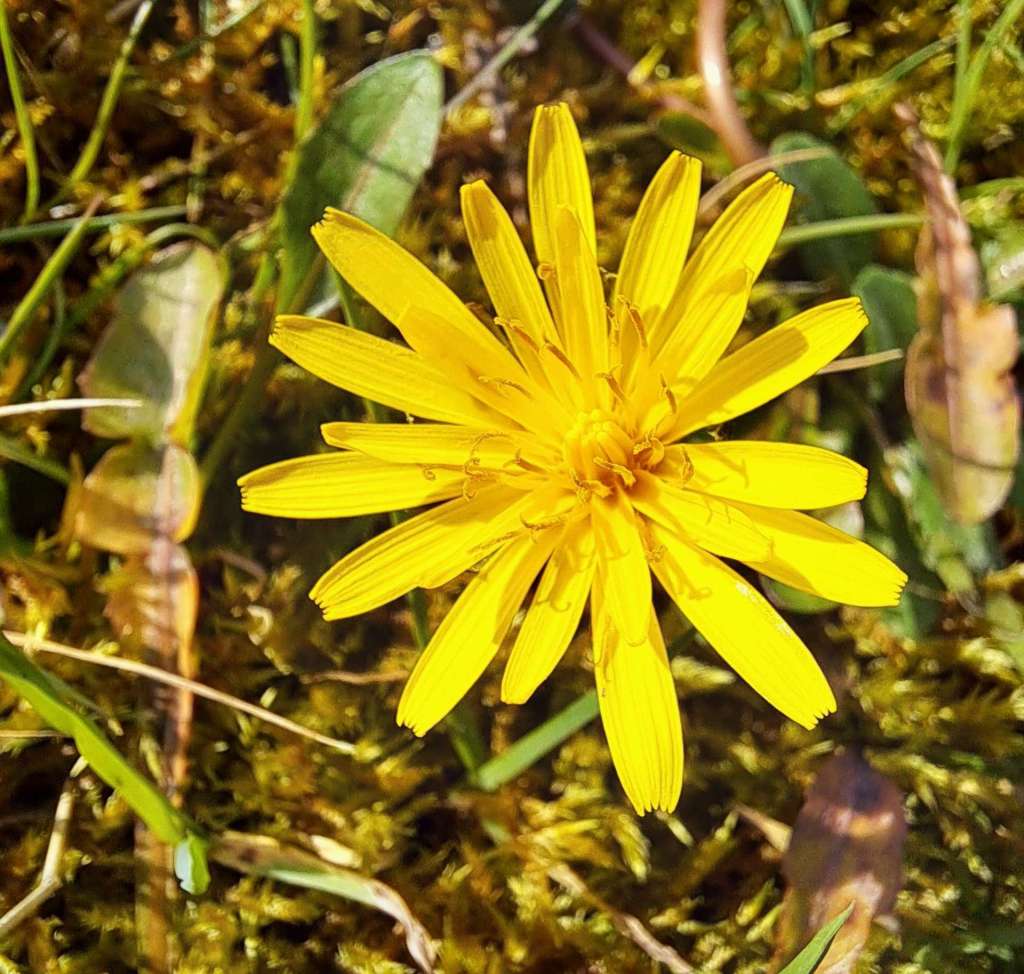
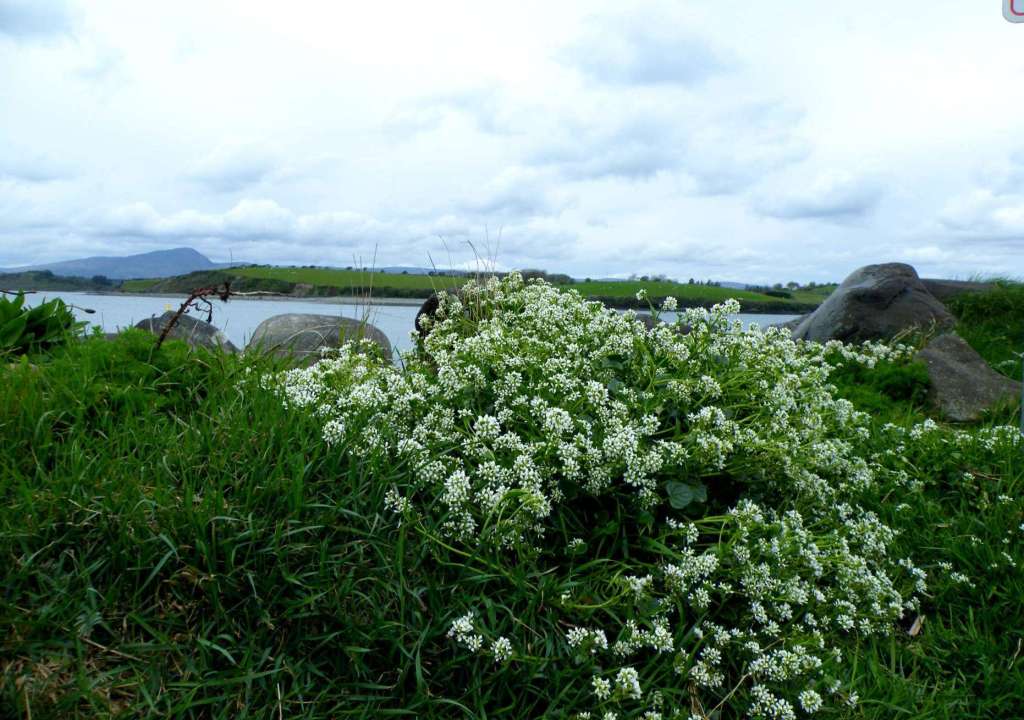
There are some large and strong lavender and rosemary plants, they are getting old now and a little woody, but still flowers profusely. Normally the rosemary blooms in the winter, beautiful pale blue flowers. I find that rosemary grows extremely well and fast here. The lavender sometimes blooms twice a year and gives a generous crop. Some years ago I planted a sage bush and it soon almost took over the plot, definitely overshadowing the oregano at the moment, again this plant gives beautiful darker blue flowers on spikes, which turn a rusty colour in the fall. Our oregano plants almost disappear during the winter, only a few leaves remaining, but they come up wonderfully well once the sun warms the soil. What does disappear are the different types of mint, the chives, and the lavas, but they also return with the warmer weather. The bay leaf plant grows in a pot, it is slow growing which suits me, I use it all the time. Curly parsley is another herb that stays green all winter. My French tarragon I’ve had to overwinter inside where it is doing ok. I have always loved growing herbs, because of their scent and of course because of their culinary uses. I like to cook with them. Other herbal plants in our garden, like the dandelion, three cornered leeks, borage, feverfew, shepherd’s purse, cleavers, and nettles, just appear and I only use some of them in my cooking, others like the feverfew for example I just like the idea of them being medicinal herbs, but because I don’t know enough about them – I do not use them. Nettles, cleavers, three cornered leeks, ransom, and dandelion I do use, but not for their flavour, more for their vitamin and mineral content. 

I enjoyed telling about my herbs and wild plants, I hope you enjoyed reading about them. Today I cooked a Gingered Sweet Potato and coconut stew with lots of cilantro (which does not do well during the winter here – at least not outside!) 

I saw a program recently where herbs were used in a border, and left to flower and bloom. It gave me an idea, I’ve tried it before with both celery and coriander plants, but I grew them in pots. I am now going try growing them in-between other flowering plants in my borders. I guess coriander is native to the Mediterranean. Celery, though, is definitely native to Ireland, there are still uncultivated wild celery plants growing on Irish soil. Their flowers are umbelliferous, lovely light delicate flowers which will definitely add interest to my border. 

When I’m reading, thinking, talking, or writing about plants, their origins, their uses, their benefits, and their beauty, and how many of them travelled from faraway places, then I’m as happy and interested as can be. So much to read and learn about them.

TAKING TIME OUT

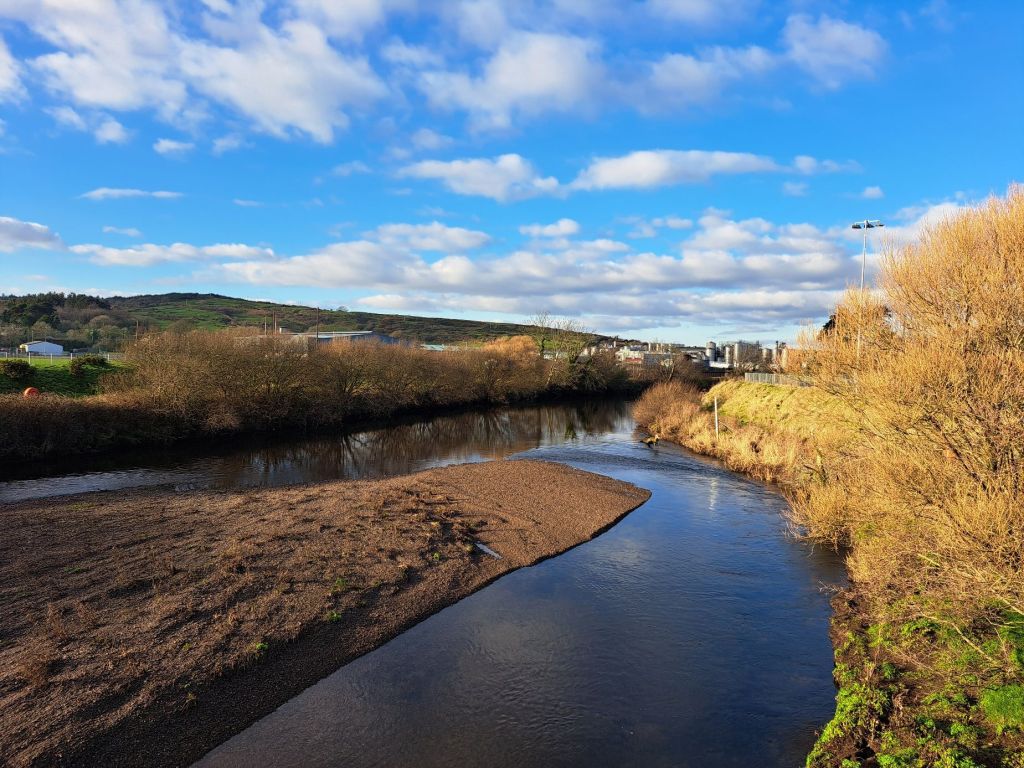
Nice walk along the N71 surrounding Skibbereen town. River Illen flows through the town and has many different faces, this time a faint reflexion of the blue sky and some light white clouds.

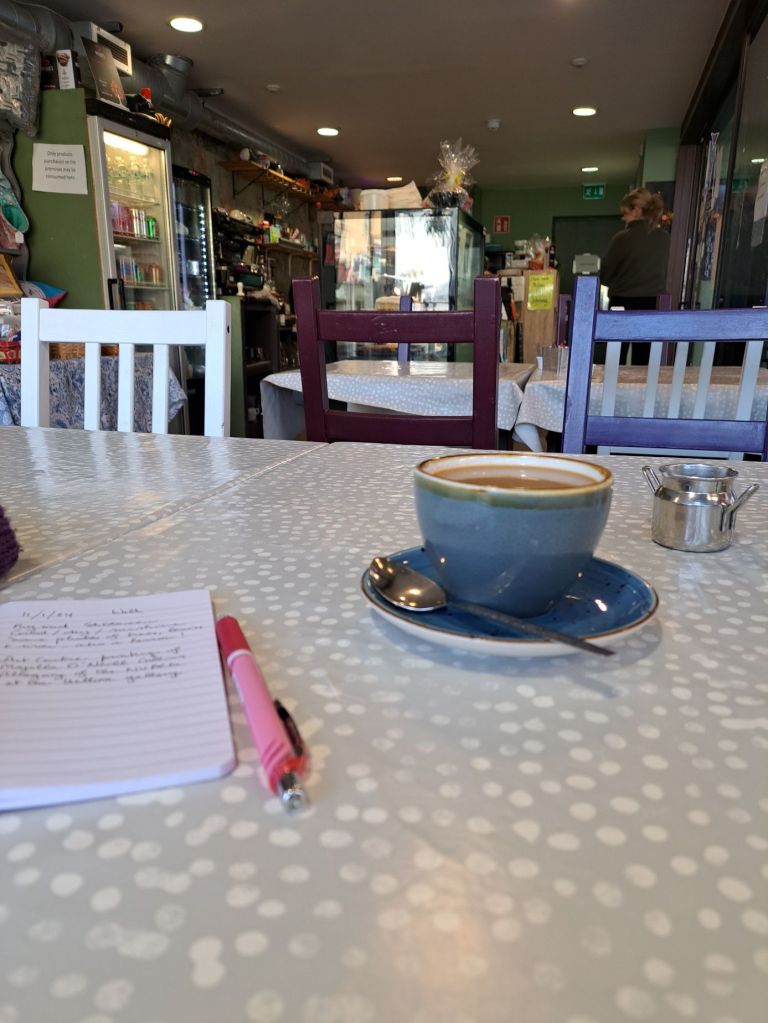
In the Uillinn Gallery I had a preview of Majella O’Neill Collins’ paintings which I think quite interesting, this time her paintings imagine the journey of the MV Alta, a merchant ship that was abandoned at sea in 2018, it washed ashore in West Cork during a storm in 2020. The wreckage is still there. I did get the distinct feeling that ships or a ship and the sea were her theme. Enjoyed some of her vibrant work. Her exhibition opens next Saturday.

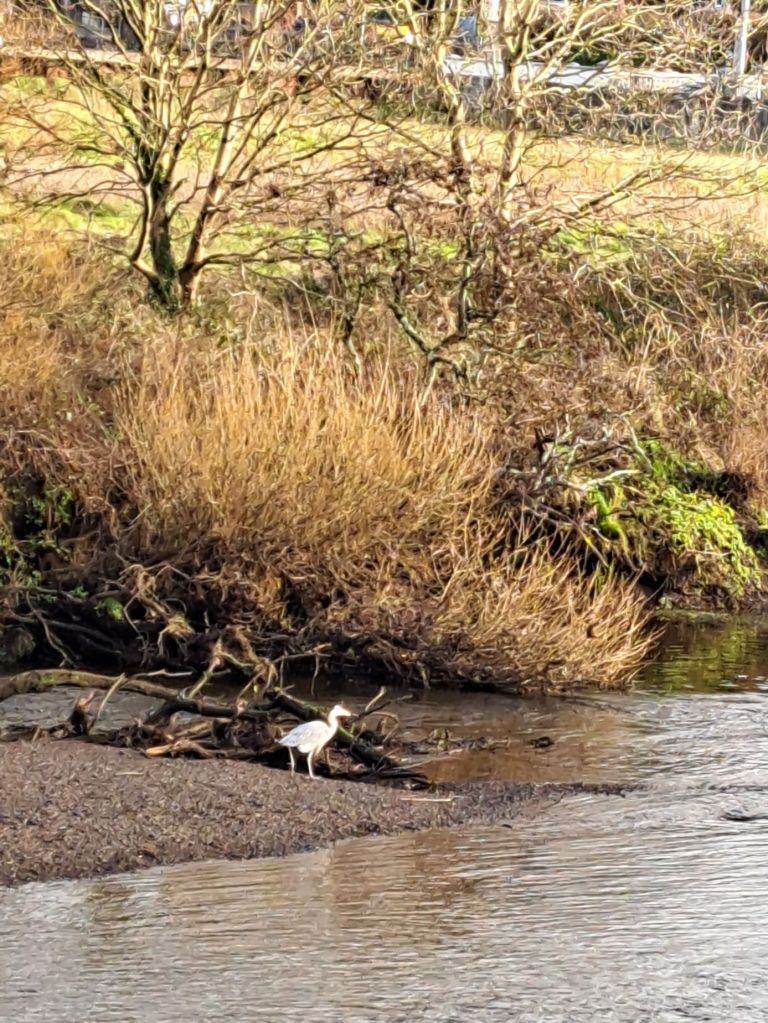
I was lucky enough to see a heron!

Love these pines against the blue winter sky. Birds have started singing!

Taking time out will be snippets of my walks and indeed of my time out

a BEAUTIFUL GARDEN INFLUENCED BY CHRISTOPHER LLOYD OF GREAT DIXTER

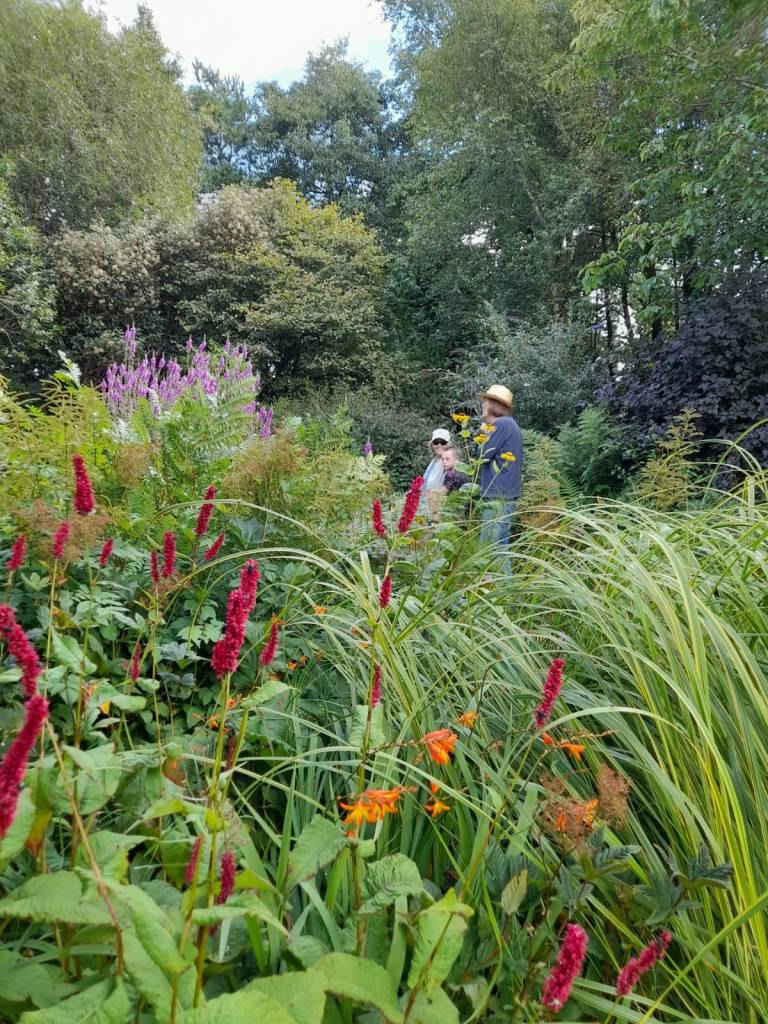
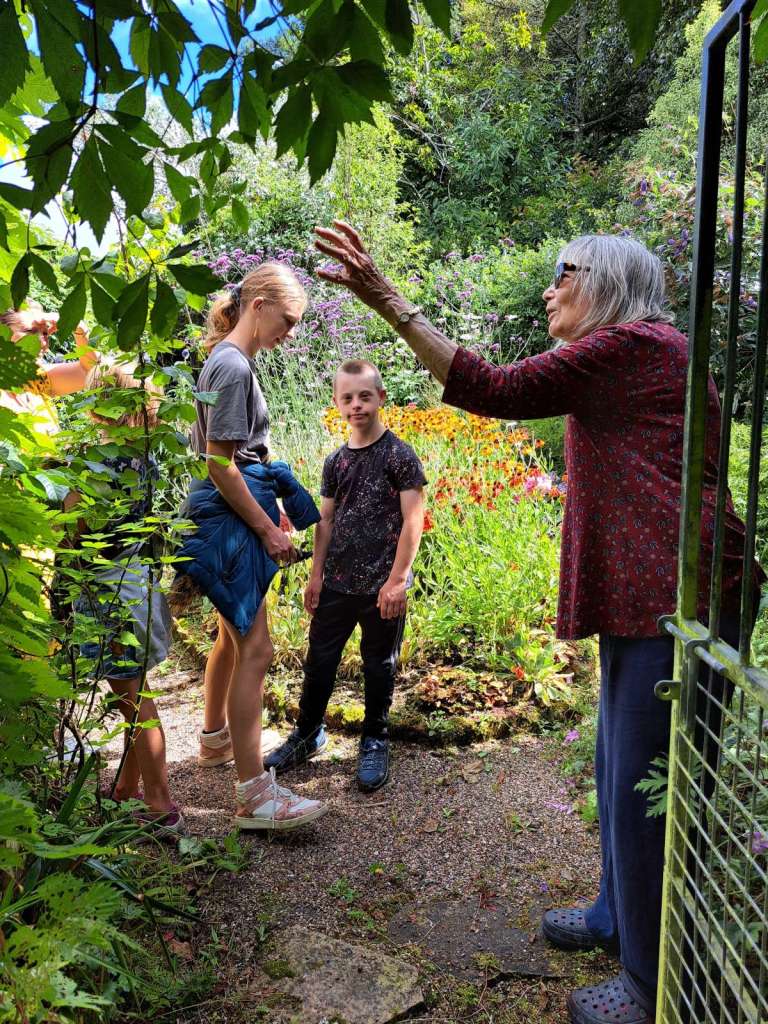
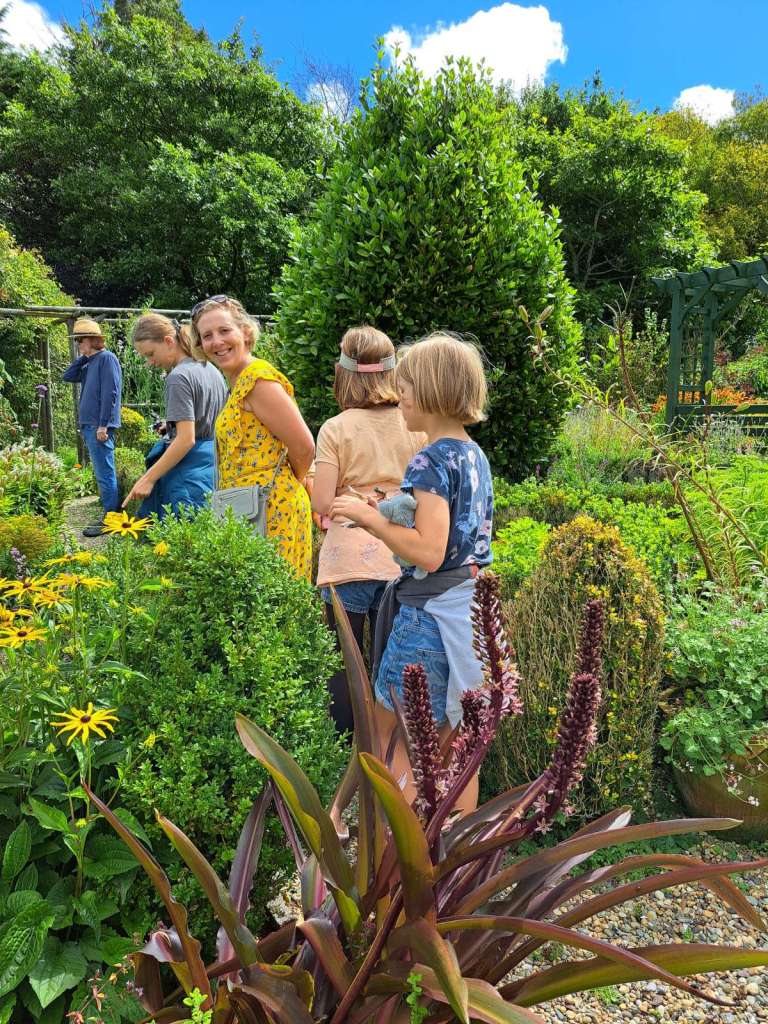
One of the most fine and inspiring gardens on the West Cork Garden Trail is situated near Dunmanway. It is the Aultaghreagh Cottage Garden which is beautifully created by Christine and Leslie Wilson who were in turn inspired by plantsman Christopher Lloyd of Dixter in East Sussex.  As part of our children’s summer holiday activities my daughter and I decided that we would visit this garden and make a nice day out of it.  We were not to be disappointed, and even the weather was with us, we enjoyed beautiful sunshine! And we were greatly inspired by our garden visit.

In his day Christopher Lloyd liked colour contrasts, he liked blocks of colour intermixed with foliage, and I saw this reflected in Christina and Leslie’s planting, their perennial borders were colourful and vibrant.  Coincidently this very year I myself was looking for ideas to improve our borders and I was sure to find that here.

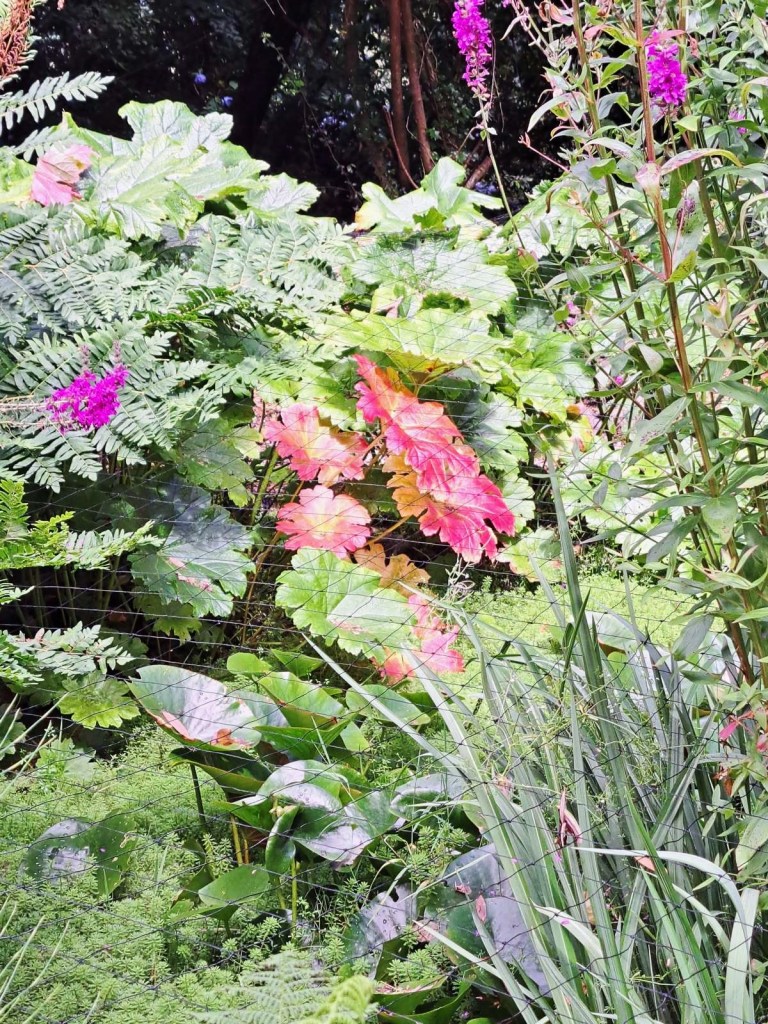
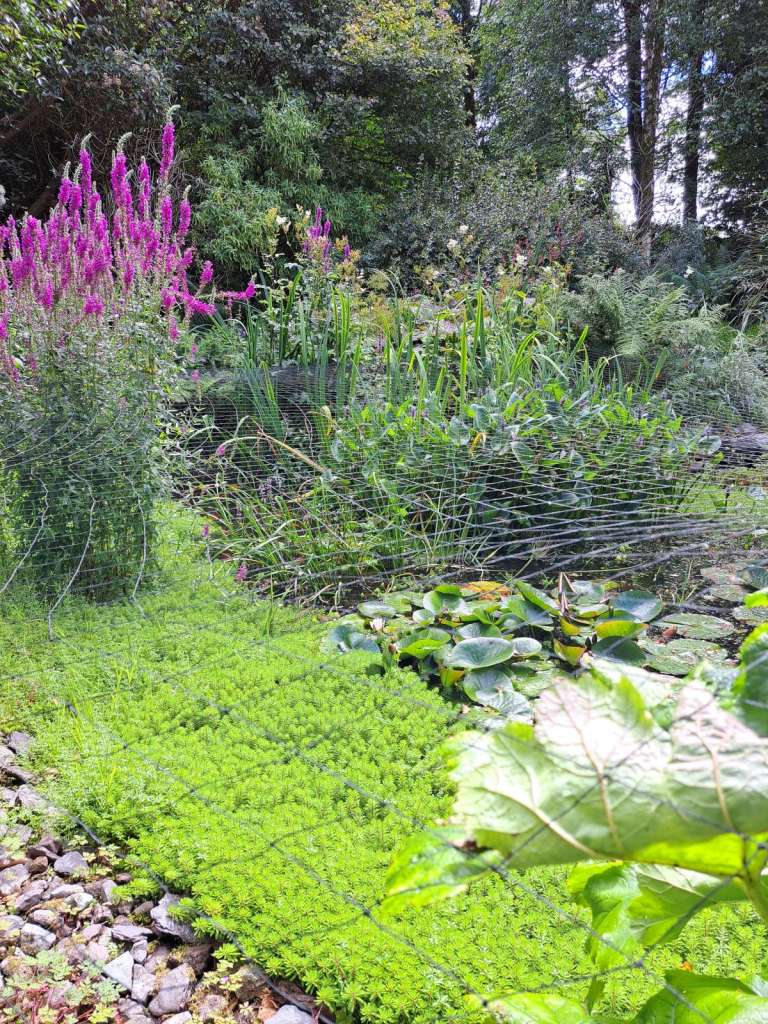
As we walked past rhododendrons, azalea’s and other acid loving shrubs we came to a secluded area surrounded with lush trees and we found a pond there where gold fish were swimming and water lilies abounded as well as other water loving plants.

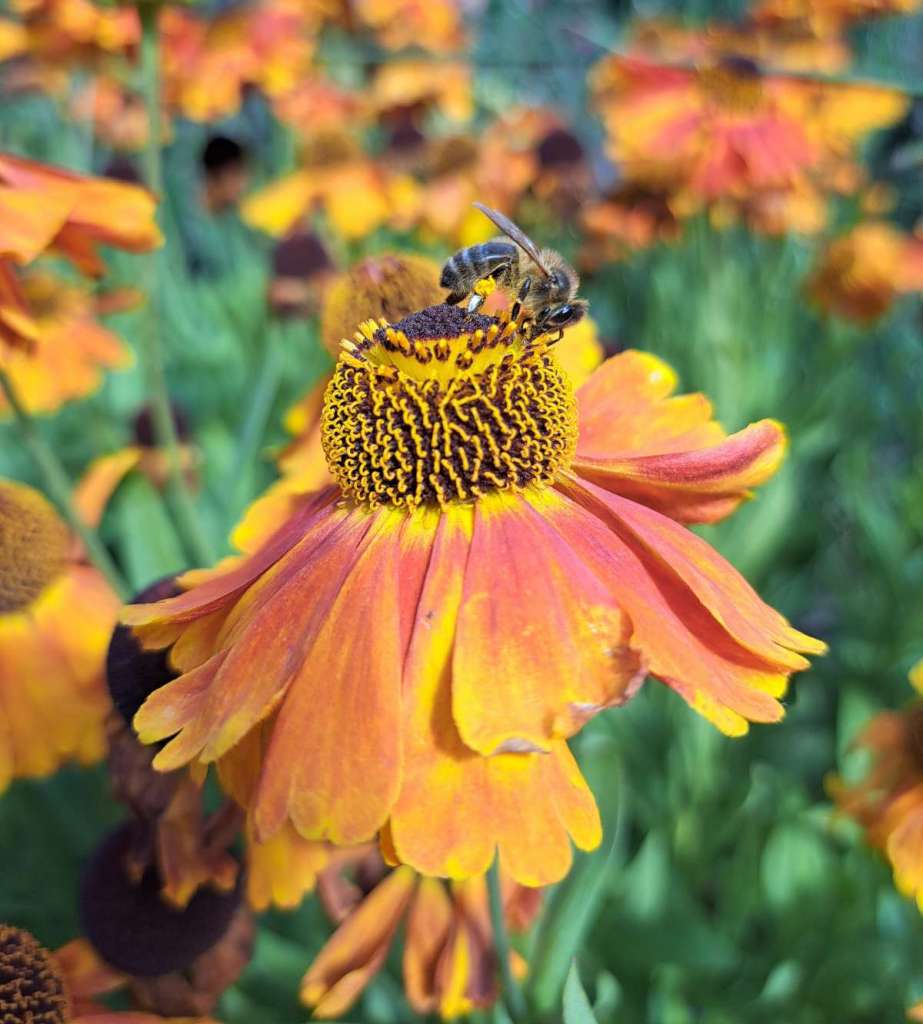
Beautiful flowers were visited by so many butterflies and other pollinators, a sight to behold. One of my granddaughters was able to capture a bumblebee.

To grow plants for all year round interest takes good planning and is so worth it.

After walking around the gardens with Christine and Leslie as our guides, we sat and had tea and cake, we heard the story of how they created the gardens from a bleak wide open field, they planted a lot of trees to start off with and added features bit by bit, it must have been hard work and the result is really very interesting. From the magical walled garden to the pond area, the many different sections each gave us another special feel of being close to nature. I loved seeing all the pots with day-lilies, now finished flowering and waiting to be brought into the tunnel for the winter season. We were given many tips and got answers to our many questions. We saw how much vegetables, berries and other fruit were grown, this too was inspiring.

One of Christopher Lloyd’s philosophical sayings was ‘My mother and I like plants to look like they are enjoying themselves’ and I think that’s got to be the thing that makes a garden sing! And this garden was singing all the way! We went away having enjoyed a lovely and inspiring afternoon.

LICHENS i FOUND GROWING IN WEST CORK

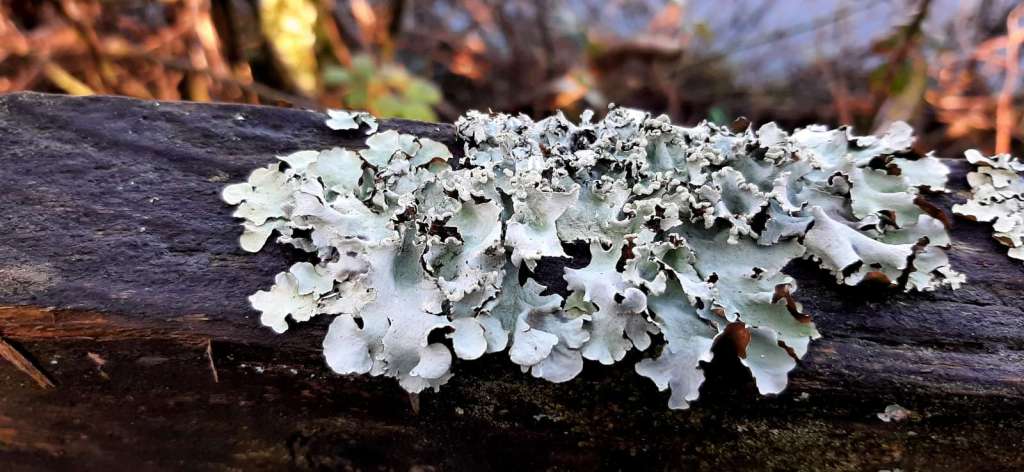
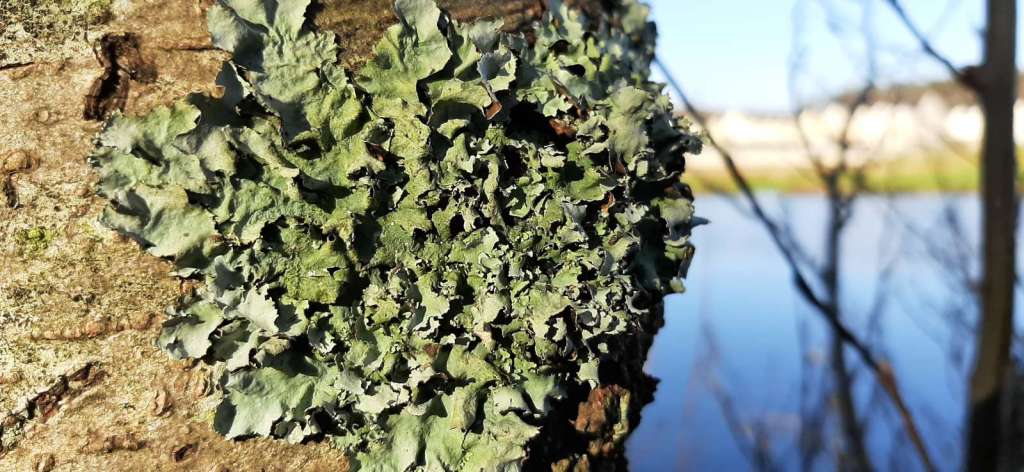
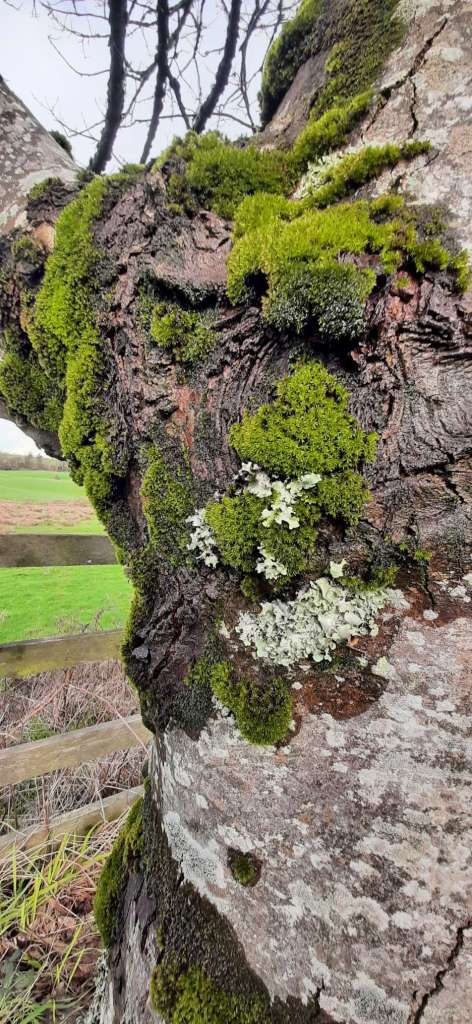
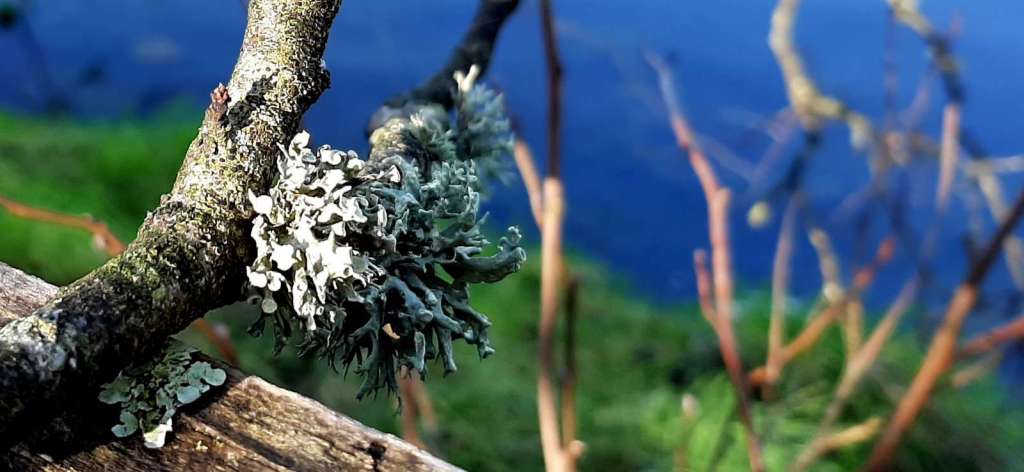
This Sunday afternoon I had a look through my recent photos of some of the lichens that I find growing in the area here, some of them in our own garden, others are found in the local forests of West Cork, growing on trees but also on rocks, on stone buildings, on roofs. Our own roof has some orange lichen (I read that this is a sign that we live in a clean environment… no pollution). I love lichen and find them fascinating but so far I have not had much luck with identifying them, for proper identification you need more than the naked eye, a microscope or at least a hand lens. So I’m not going to attempt to put identification with my photos as yet. Lichens are a combination of a fungus and one or more algae in a mutually symbiotic relationship. I read that the algae do the photosynthesis, providing the fungi with energy for reproduction, the fungi in turn provide structural form and protect the lichen from bright light . I find lichen beautiful and in fact would love a workshop on their identification, it would be very interesting especially as there are so many types of them growing here.

On the prompt of my brother-in-law I looked up this wonderful educational website: of the British Lichen Society ~ https://britishlichensociety.org.uk/learning/about-lichens: I’m sure it will be very useful for yours truly and for anyone else interested in lichen. Thanks Colin!

Lichens are found on so many trees.

Such an intricate pattern.

MYROSS WOOD ON A MISTY DAY IN APRIL

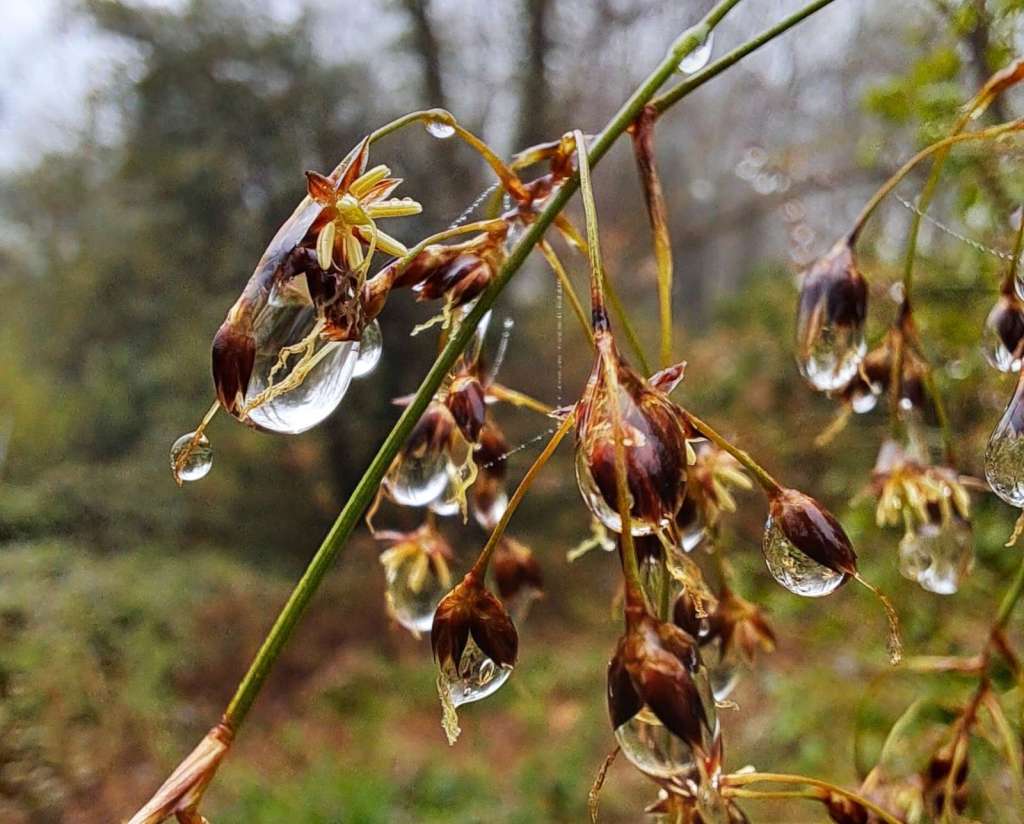
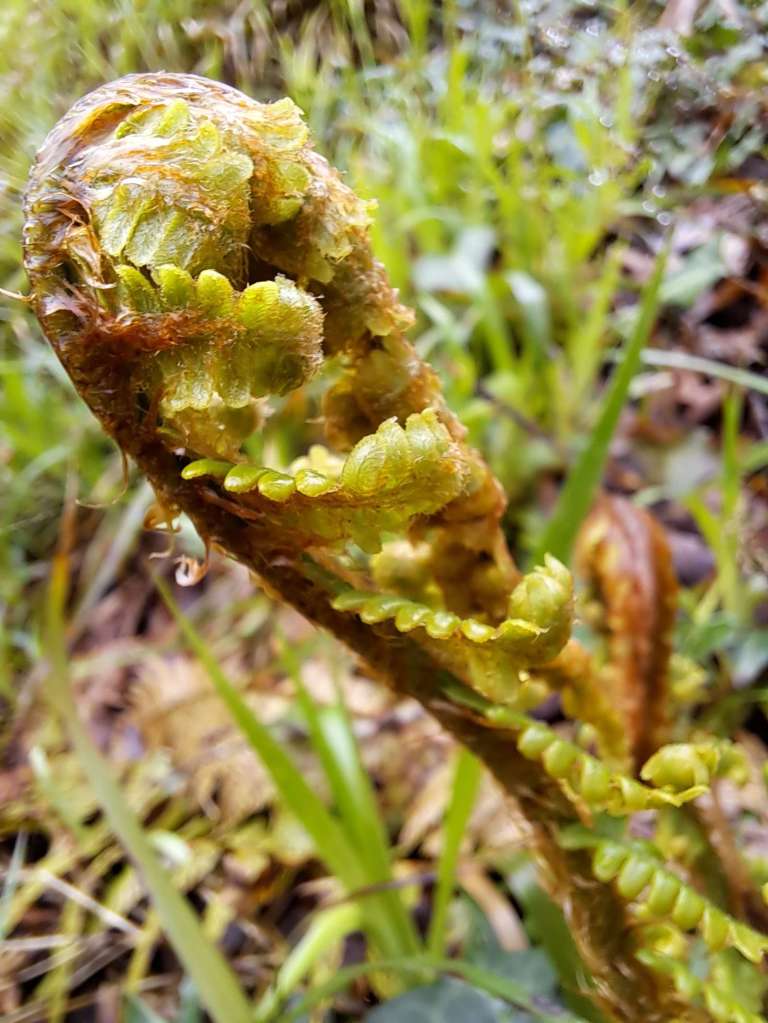
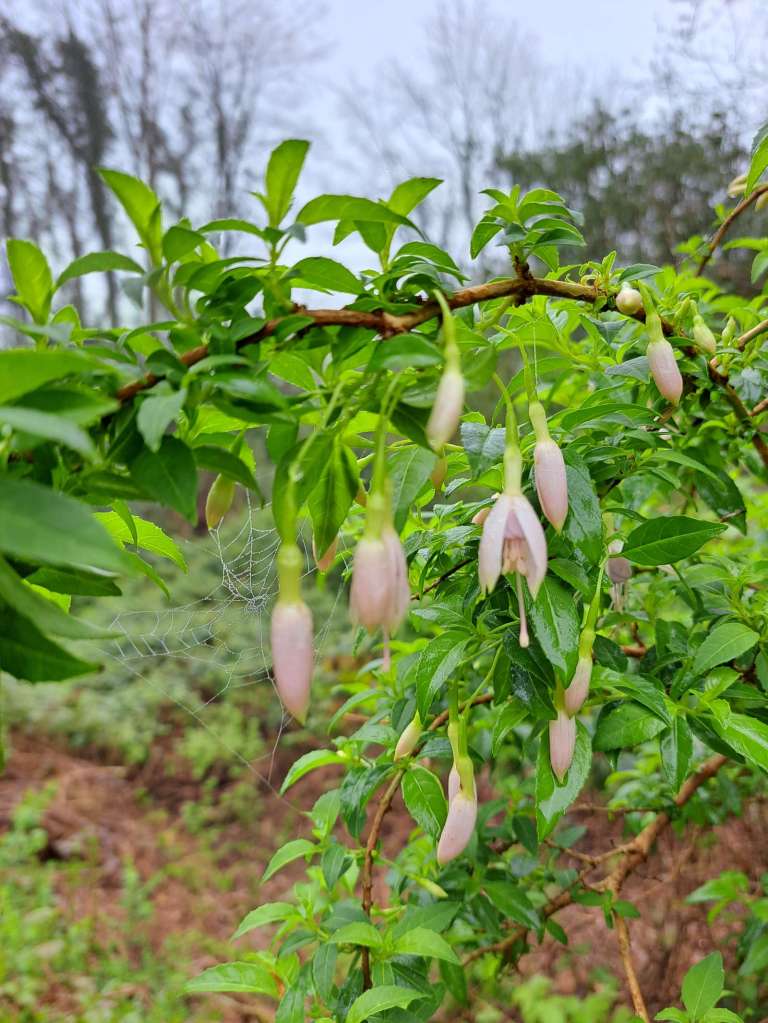
This misty Sunday afternoon was a good time for a walk in Myross wood. I’d been to the plant sale there and after picking some new plants for the garden, and a cup of tea that is just what I did. The birds were singing and there was a wealth of new life, flowers and plants, young leaves on the trees as well. I found plenty of beautiful mosses and lichens, also some fungi. As it has been rather wet the last week the woods were full of moisture and many of the plants had rain or mist drops dripping off them. An ideal way to see the forest, beautiful and calm, no wind. There were few other walkers. I could hear the brook from afar adding to an overall feel of dampness which in fact did not disturb me, rather it gave me a refreshing feeling. April in West Cork can be a nice month, still chilly at times but when the sun comes through it gives all of its warmth at once, a very nice feeling that is. Often the month of May is already our summer with temperature going over 20degrees Celsius. But seeing that it is still April the days can be unpredictable, today was misty and windstill, very quiet. The detail that is to be found on the forest floor among some of last autumn’s leaves is amazing, all the new life, so fresh and delicate, beautiful and interesting too. I found plenty of that today. The many photos that I took of the lichen I’ll be showing in another blog post, I simply love lichen and mosses too. Meanwhile enjoy what follows today and thank you for visiting.

a NATURE WALK WITH MY GRANDSON

Yesterday was a lovely spring day, full sunshine and only a little breeze, dry. My grandson Ruben was visiting and after cooking lunch together we decided to go and see which flowers and plants we would find in the hedgerow along our favourite walk. We took off in a gallop as Ruben is a very fit twelve and a half year old, he leads an active outdoor life and loves his gymnastics. During this walk he wanted to take photos and so, as you do, I handed him over my phone. Following are some of the pictures he took. I think he did very well and he concentrated on what was to be found hidden away, and finding he did; some water plants and fresh grasses. He also took a couple of photos while half climbing a tree. And in his pocket he carried a bag in case he came across other people’s rubbish! He is a good citizen in the making who cares about his environment. We both had an interesting time and we also had a good laugh and fun as he pushed me or pulled me and called me an old granny if I lagged behind because I was looking at some specimen of plants I wanted to have a closer look at, but all in good spirit of give and take. I felt very refreshed after our walk.

Above are five of Rubens photos, taken on our walk. He came across a ladybird, and was fascinated by a little brook and of what was growing in there.

Searching, observing and finding that spring has started and that lots of signs are to be seen all over the place.

It is lovely to see buds enlarging on the trees. This walk is safe as not many cars drive here, it eventually connects to the Castletown road at Rusha Mill. With the town of Skibbereen becoming more built up, this is a very valuable piece of rural beauty and long may it be that way.

A LITTLE DETOUR

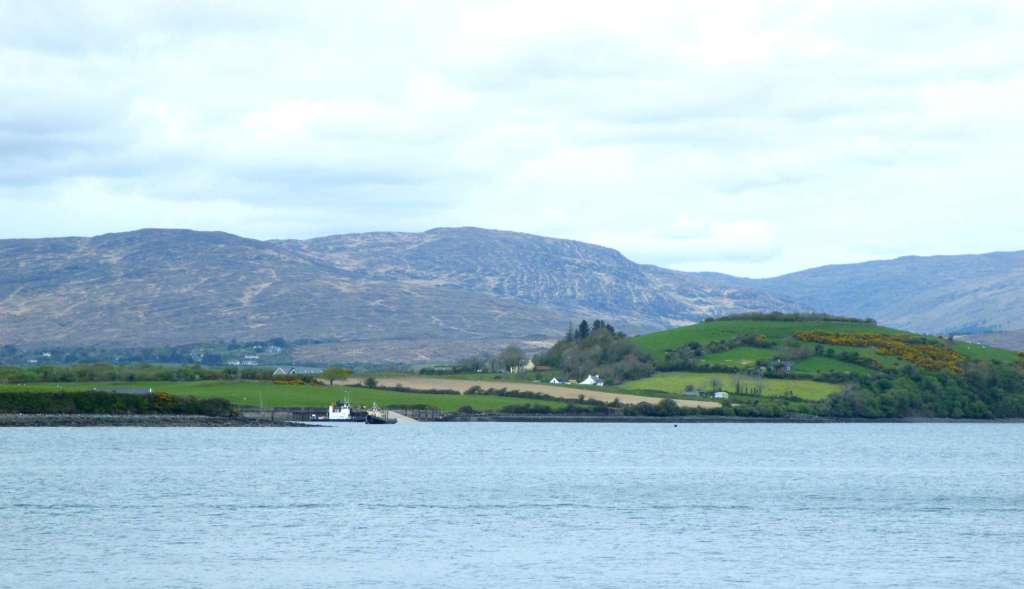
Bantry Bay

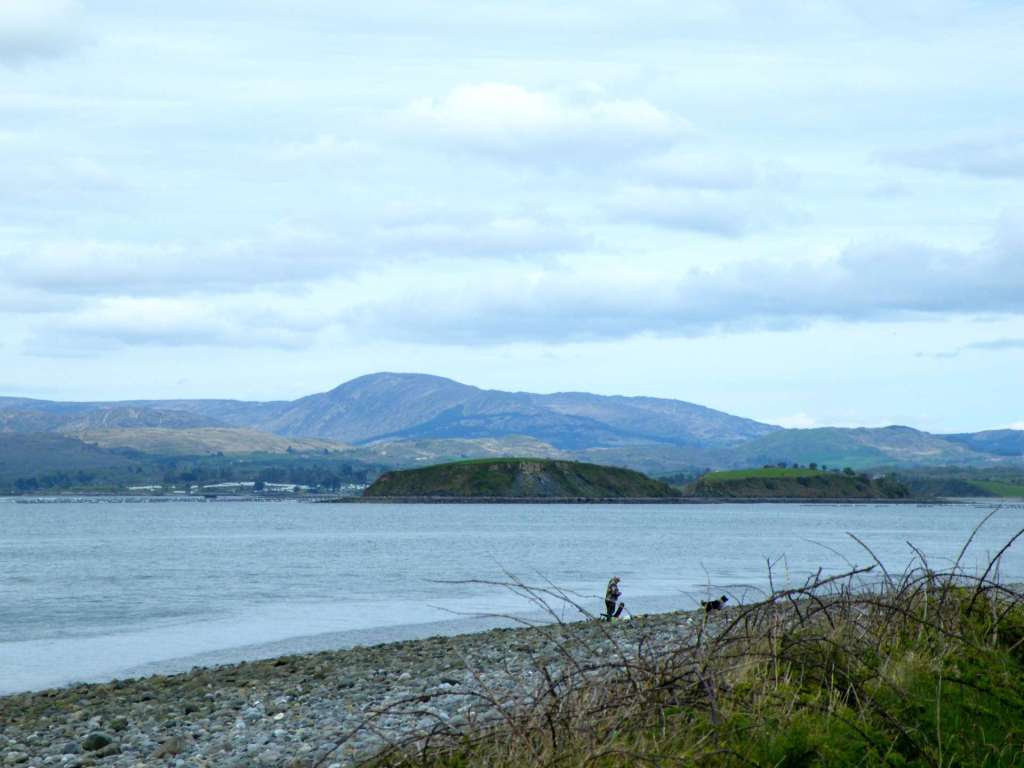
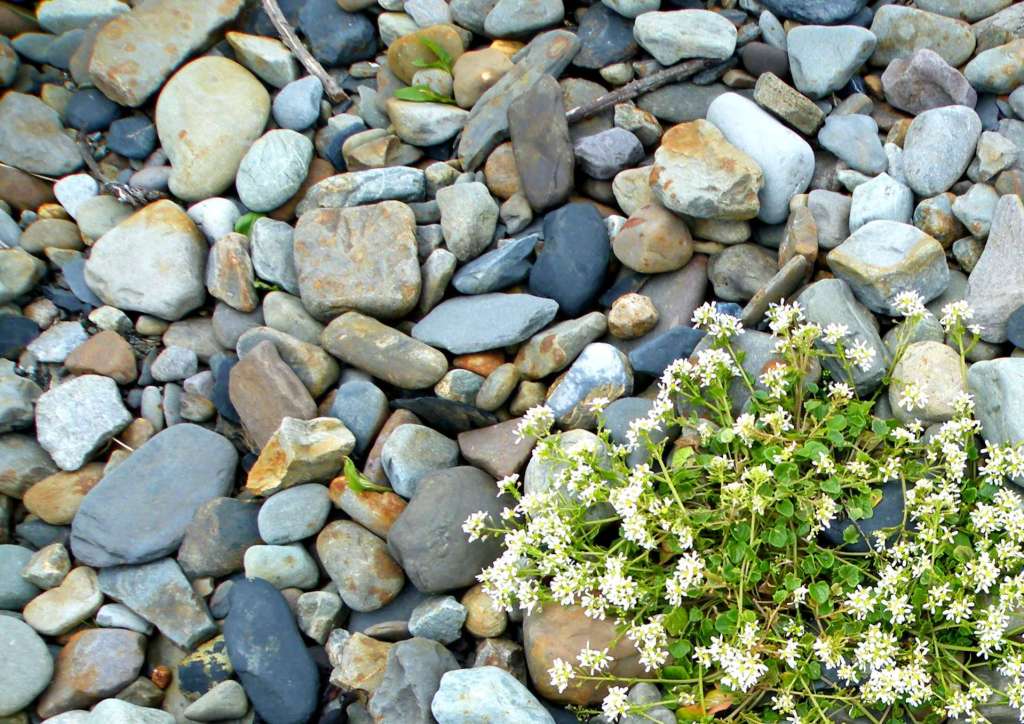
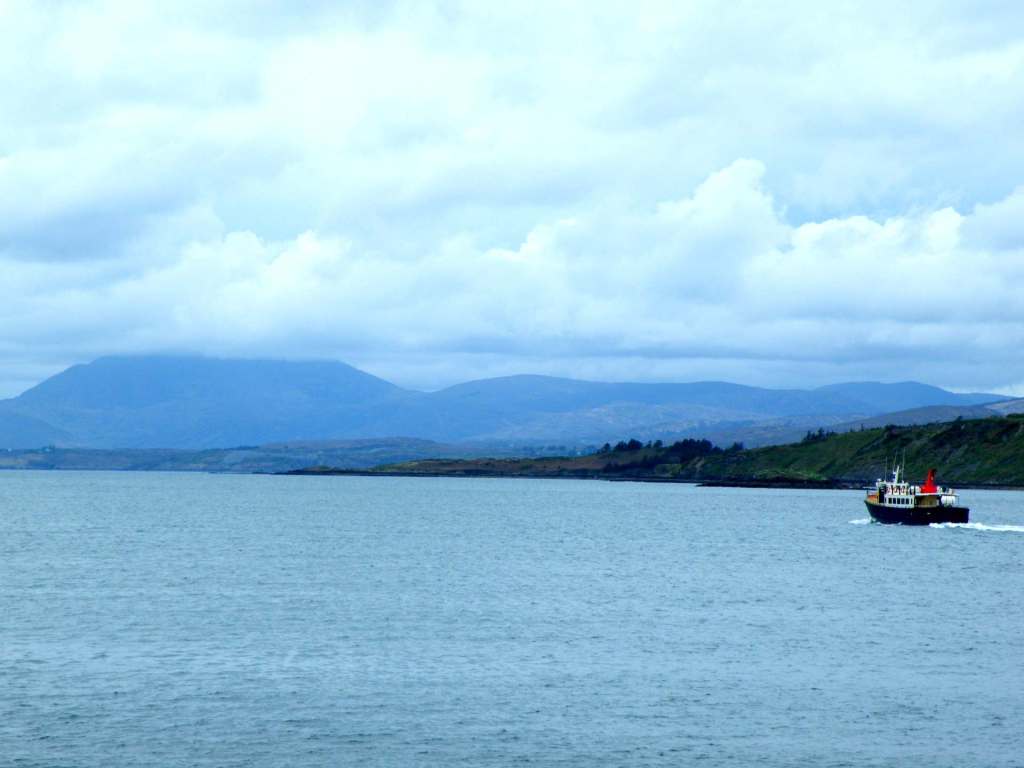
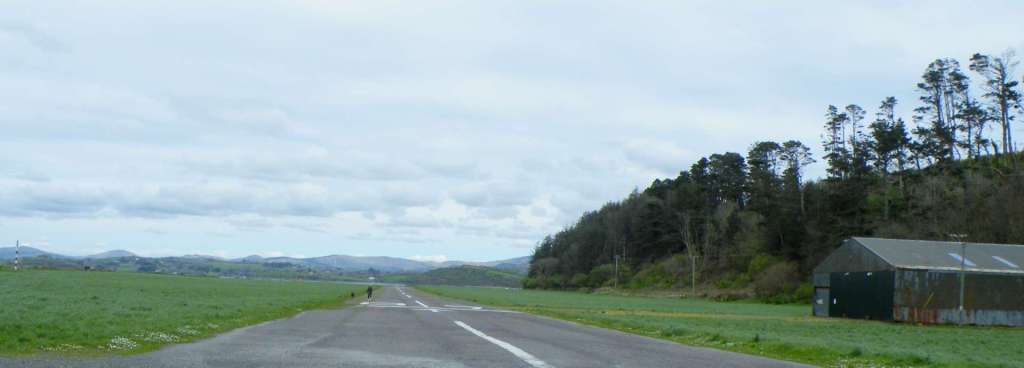
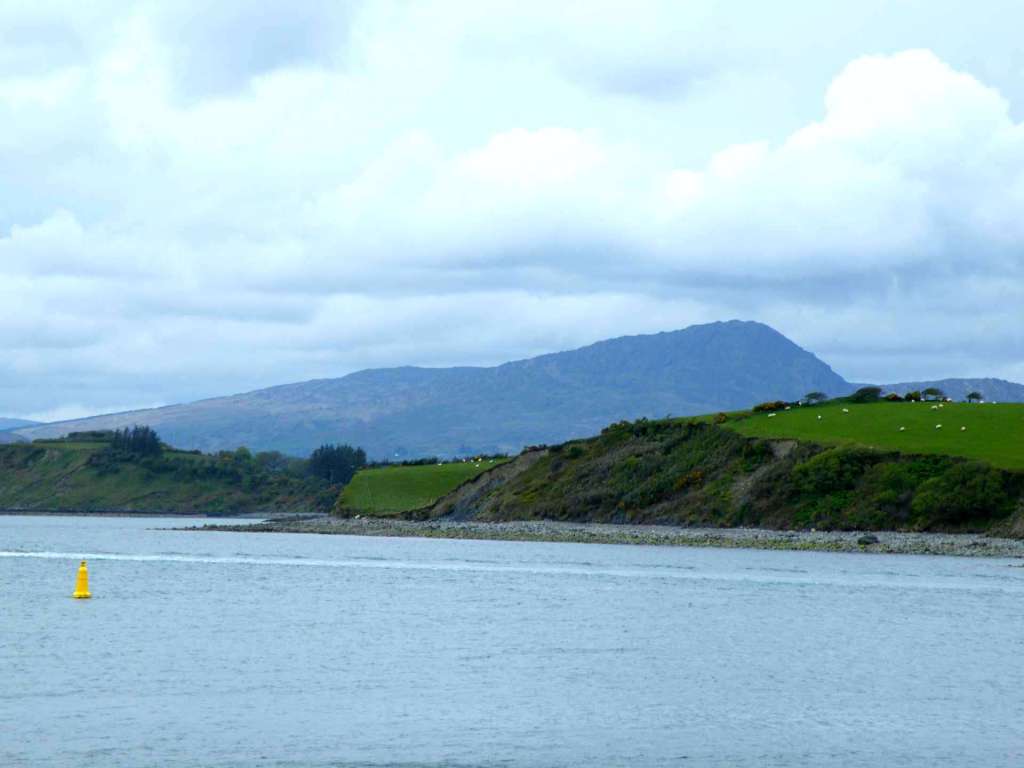
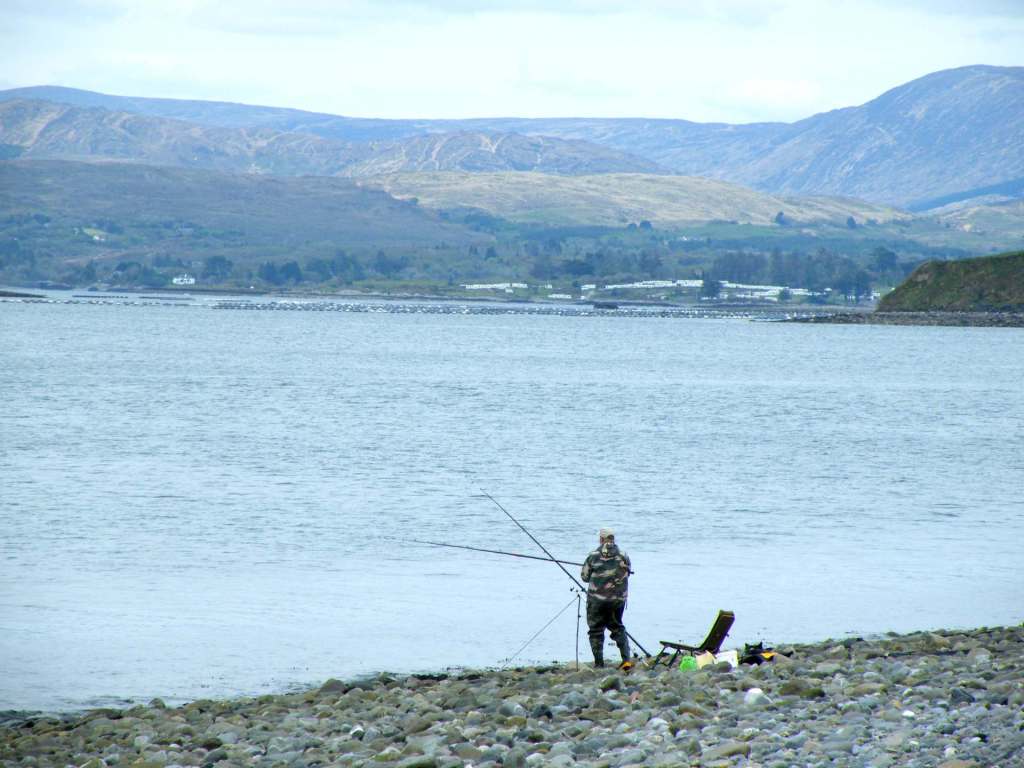
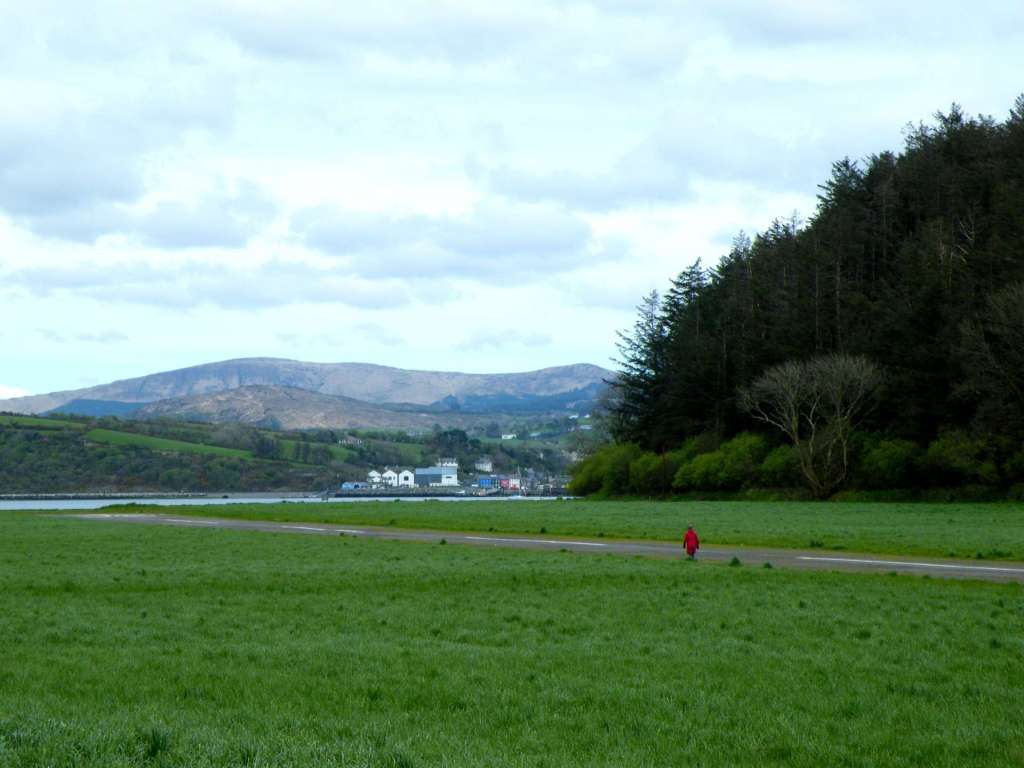
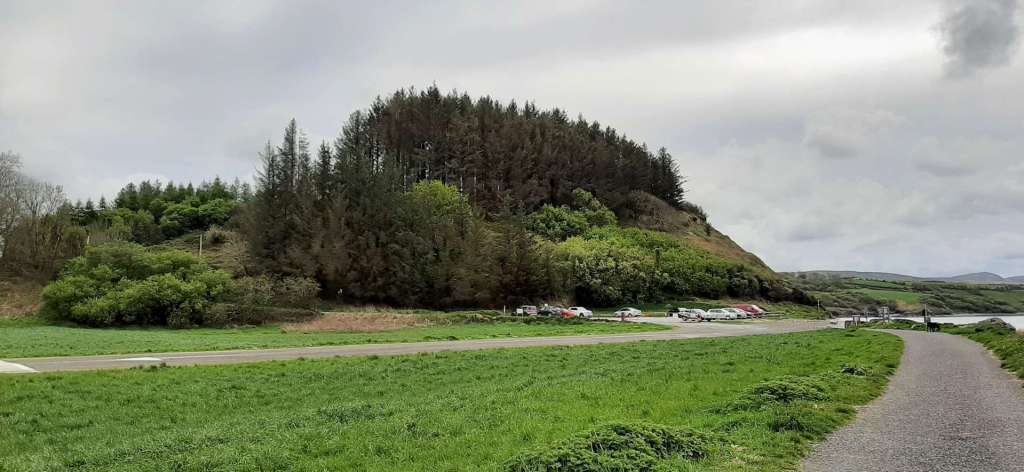
Yes a little detour in this remote part of Ireland is always exciting to say the least, I knew that I was going to do it, I knew that I was going to take photos and I also knew that it was going to be a lovely break. So after my appointment in Bantry I drove into a little side lane off the N71 and followed it down to the rocky seashore. Magnificent views of Bantry bay with the Caha mountains in the distance greeted me. I strolled along the path leading beside the air-strip, quite a few people and dogs were walking there and one man had his fishing rod out into the sea. The rocks were colourful. The air smelled of seaweed and was very fresh. Somewhere far away I could hear a blackbird singing, one of my favourite birdsongs. When I walked back to my car this last view surprised me, I thought that I could easily have been in Canada probably because of the lovely pine trees. Peaceful and at the same time invigorating, this little diversion to my day gave me plenty, I realised all of a sudden that I had been doing an exercise that my recently bought book on photography in nature advised me. That is, spending 10 minutes in nature, breathing deeply, really observing nature, taking note of what you see, hear, smell and how that makes you feel, how that affects the photos, and all that even while I often spend much longer in nature, but then I probably don’t always take it in so intensely.

View towards Shrone Hill
Sugarloaf mountain to the left
I’m actually totally in love with these mountains and hills
Beautiful Bantry Bay
This view gave me much pleasure

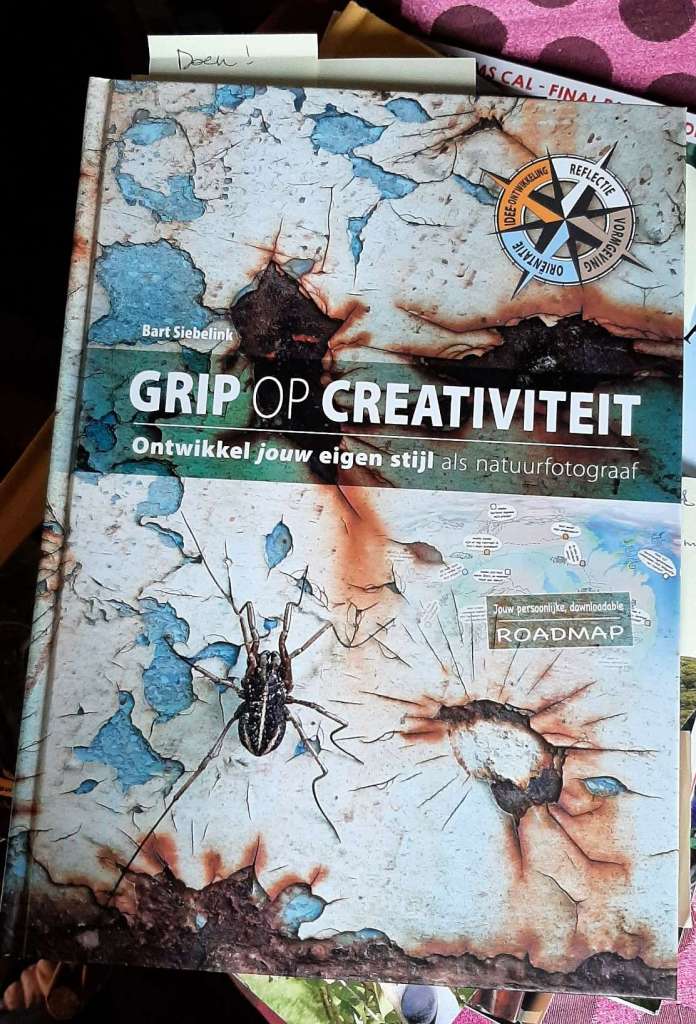
This book I am currently using to inspire my nature photography, only just started it and finding it helpful and enjoyable. (translation title… Grip on creativity, developing your own style in nature photography).
It gives me a new perspective on the endless photos that I take. It is mainly about creativity. I will talk more about this book when I have read and practised a bit more of what it teaches. Here’s one of my try-outs.

AN OLD RUSTY BARN

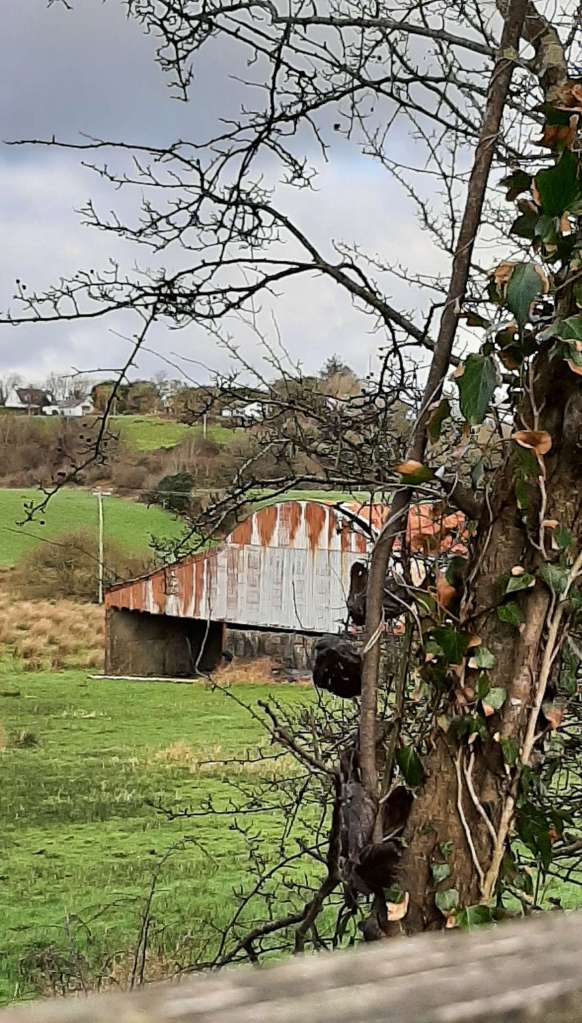
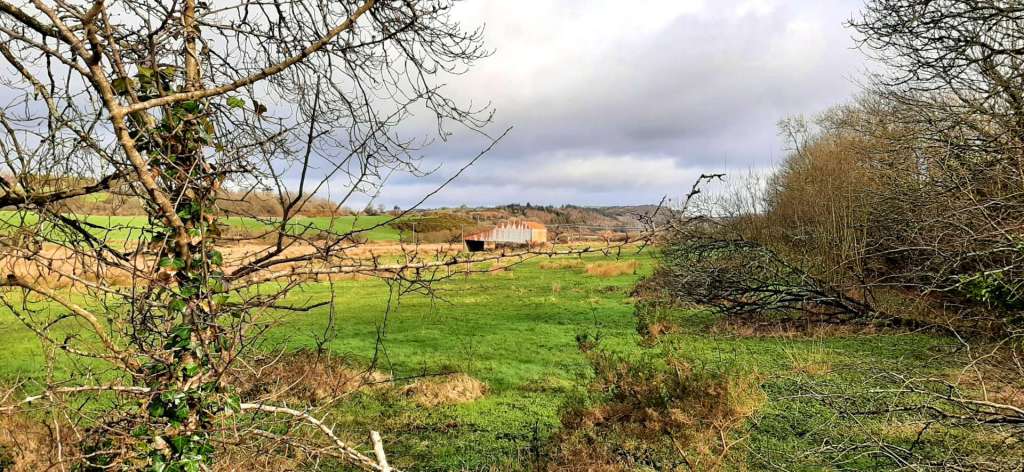
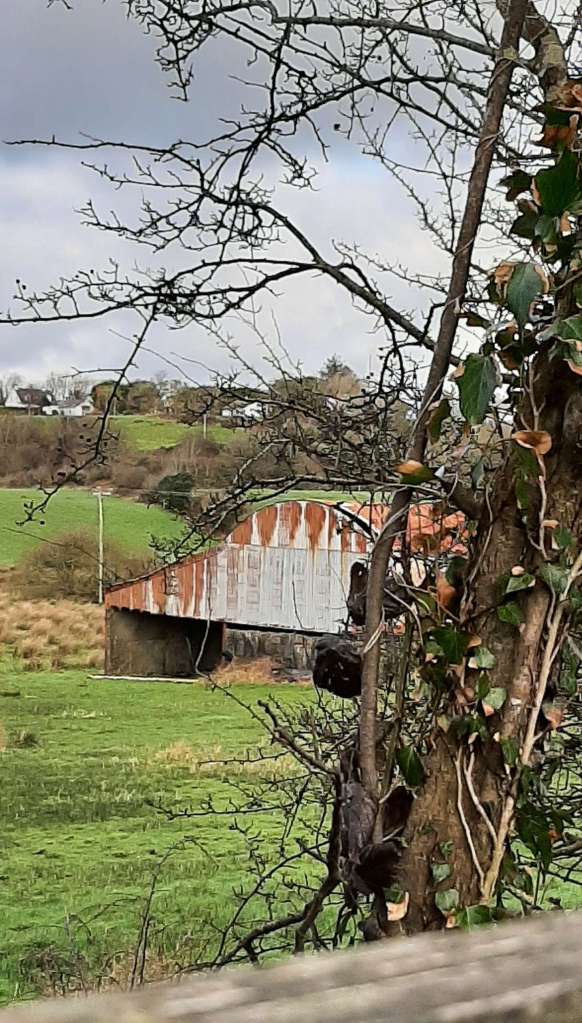
On my walk today I noticed an old rusty barn in the middle of a large field. It looked interesting and colourful in the landscape. The long valley in which Skibbereen town lies and where the river Ilen flows through on its way to the sea at Baltimore was this morning filled with sunshine, a beautiful early spring day. I was thinking that this barn would have had great use in the olden days, or maybe it is used still. It has its own beauty. I wonder at its story.

Signs of spring are also upon us, the buds of trees are to be seen all around. I think that it is a little early in the year to talk about real spring as it can still get very cold in February and March, but this winter has been mild and we have not seen the usual stormy and very wet weather. That the daffodils are open is normal for this time of year though.

The barn looks a little uneasy here, and seems to be surrounded by rushes which we know grow in wet ground

A nice short walk and yet so much to be seen even at this time of year, a real pleasure showing that things do not have to be perfect for us to enjoy them and that older building can have a beauty all of their own.

I feel that the old barn does make this landscape beautiful even in all its imperfection. Its colours blend perfectly into its surroundings. Along a modern highway it connects us with the past and with the people that were working the land, and maybe still are. I am particularly interested in the older buildings around town and around the area, always wondering about their story and the story of the people that lived and worked and built those buildings.

While preparing this post I came across a quote by Diana Athill which spoke to me so strongly, I know that what she is saying has been true for me and so I never take anything special that I see for granted. I have a large collection of these hidden gems in my mind that I can access anytime I want and I do and I find it very beneficial.

Here the quote: “Looking at things is never time wasted. If your children want to stand and stare, let them. When I was marvelling at the beauty of a painting or enjoying a great view it did not occur to me that the experience, however intense, would be of value many years later. But there it has remained, tucked away in hidden bits of my mind and now it comes, shouldering aside even the most passionate love affairs”.  Diana Athill
a GLIMPSE into our winter garden

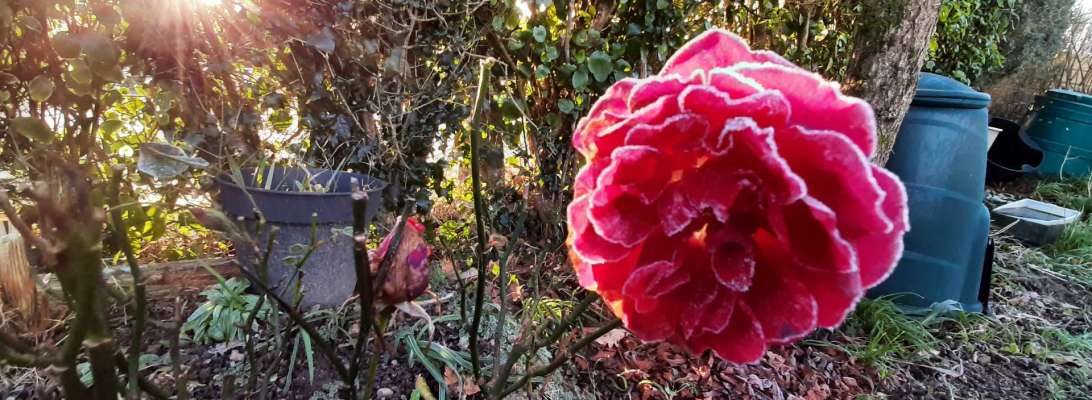
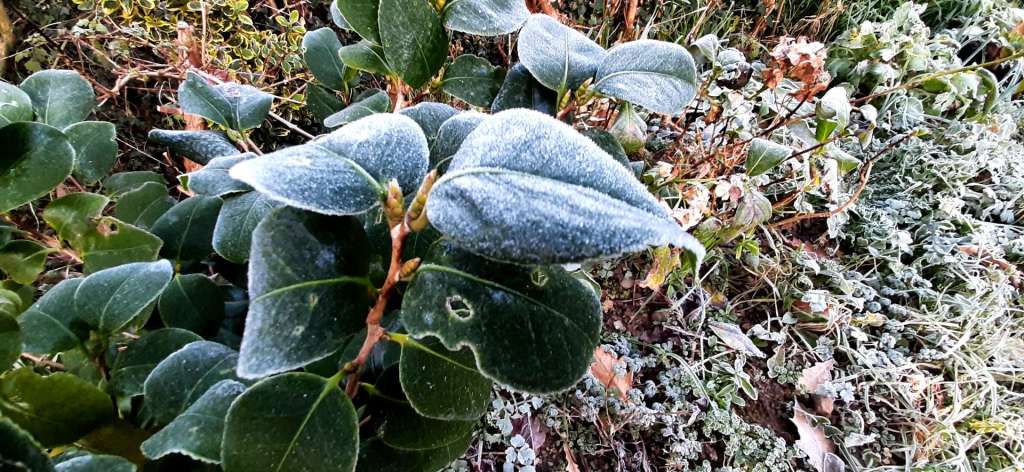
Early one morning about a week ago there had been a night frost. Everything in the garden looked sugar-coated until the first rays of the sun touched the plants. I took my chance to go out and enjoy all the beauty while shooting some pictures to share here, an enjoyable activity first thing in the day ! We have had a few small roses flowering since summer, this bush was a potted plant we received as a gift and I eventually transplanted it into the garden. It is doing very well. The young camellia bush does not seem to have large buds yet, but then it is only January. It only gave us one flower last year so I am hoping that in another few weeks we will get a nice display.

Young Camellia plant
The morning sun is already peeking through the hedge
A good supply of fresh dandelion leaves has been growing all winter, they are getting ready for our salad bowl!
Morning sun lighting up the background of these young foxgloves plants
As the sun melts the frost, the consistency of the ice changes
Early sunshine, like evening sun, has this special quality I always think and is more beautiful. And of course can look great in a photo.

Iced grass blades, and a look down the garden

Somewhere in the back of the garden I discovered this beautiful summer flower, still in full bloom and beautifully covered in crystals.

My thoughts at this time of the year turn to plans for next season’s growth, and this year I am going to revert back to what I did a few years ago – letting the wild plants do what they want to do – grow. I’ve made a list of over 38 herb and wild plants, some of which I use for food, that are growing now in our garden. And another list of a few that I need to buy at the market.

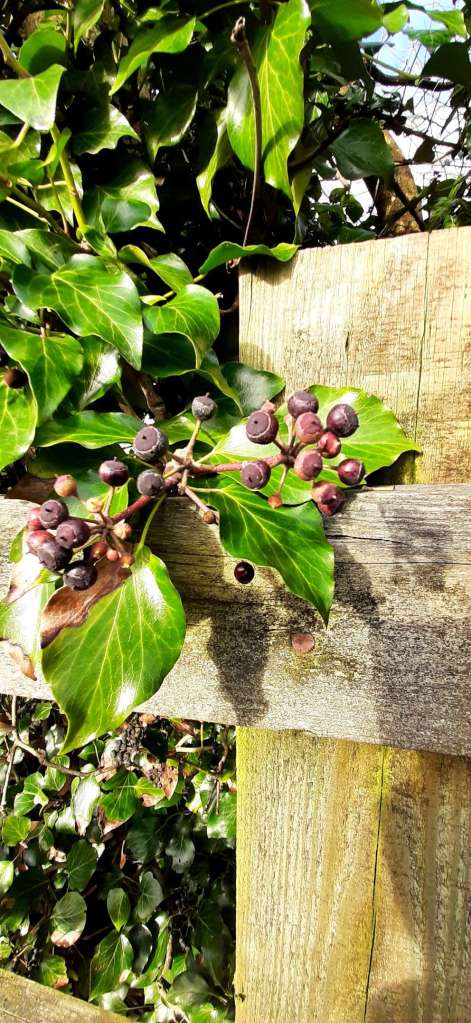
Plants already established are: Feverfew, Borage, Nettles, Mint (3 different types), Rosemary, Bay leaf, Lavender, Sage, Oregano, Thyme, Herb Robin, Dandelion, St. John’s wort, Lemon balm, Plantain, Sow-thistle, Tansy, Three-cornered-leeks, violet, comfrey, Lemon Verbena, Mallow, Rue, Cleavers, Wild Rose, Nasturtium, Willow herb, Calendula, Solidago, Shepherd’s Purse, Clover, Purple Loosestrife, Ivy, Dock, Mullein, Groundsel, and wild garlic. Quite a few of these self-seed every year, and some of course are perennials.

And those that I want to buy are: Yarrow, Fennel, Parsley and Evening primrose.

Most likely we will be seeing some of the larger purple Thistles which are good when they come into seed as they attract and feed Gold finches.

It is a time to get very excited about seeing all the wild plants and the herbs doing so well despite it being winter. I am looking forward very much to enjoying them all once spring starts, but for the moment I let them be dormant and let them enjoy their winter rest.

So how is your garden doing my dear readers? I will be most interested in reading your comments.