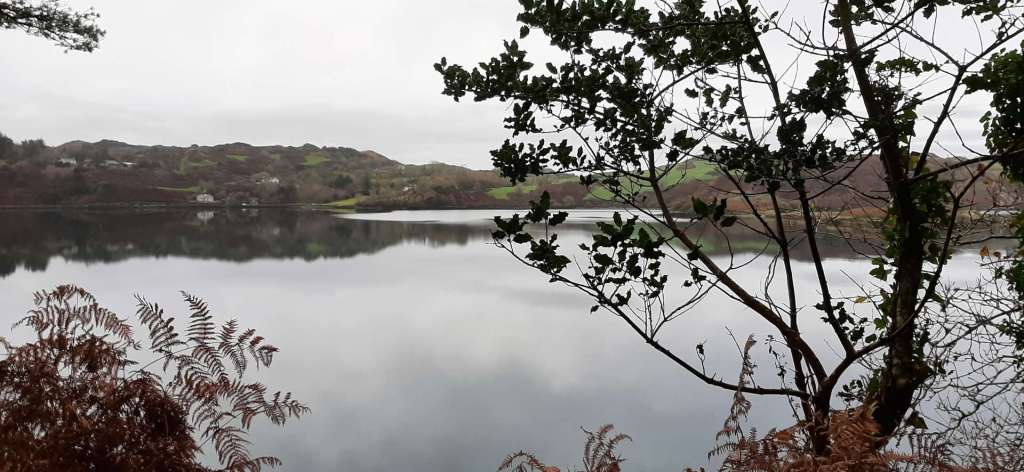
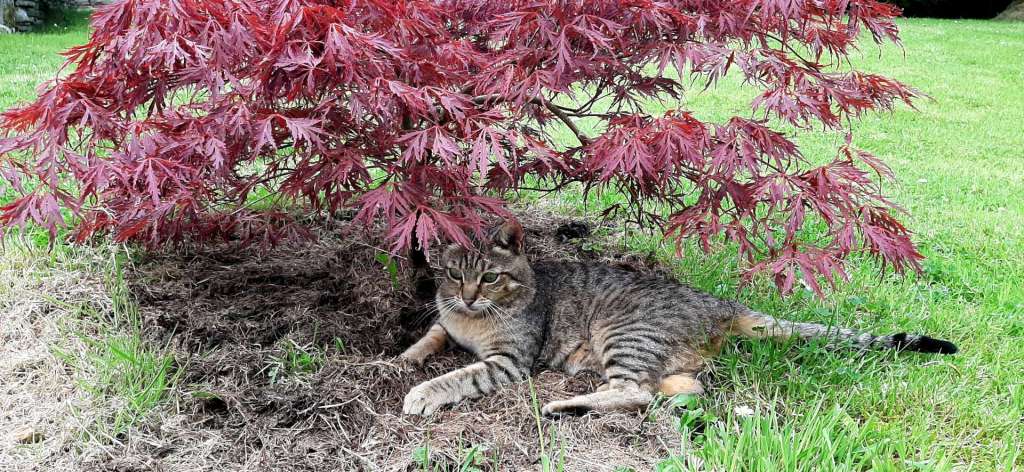
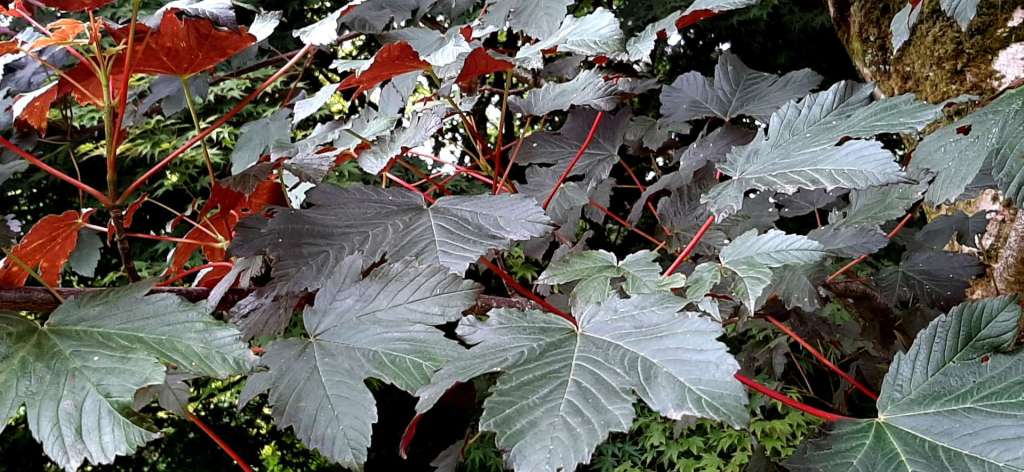
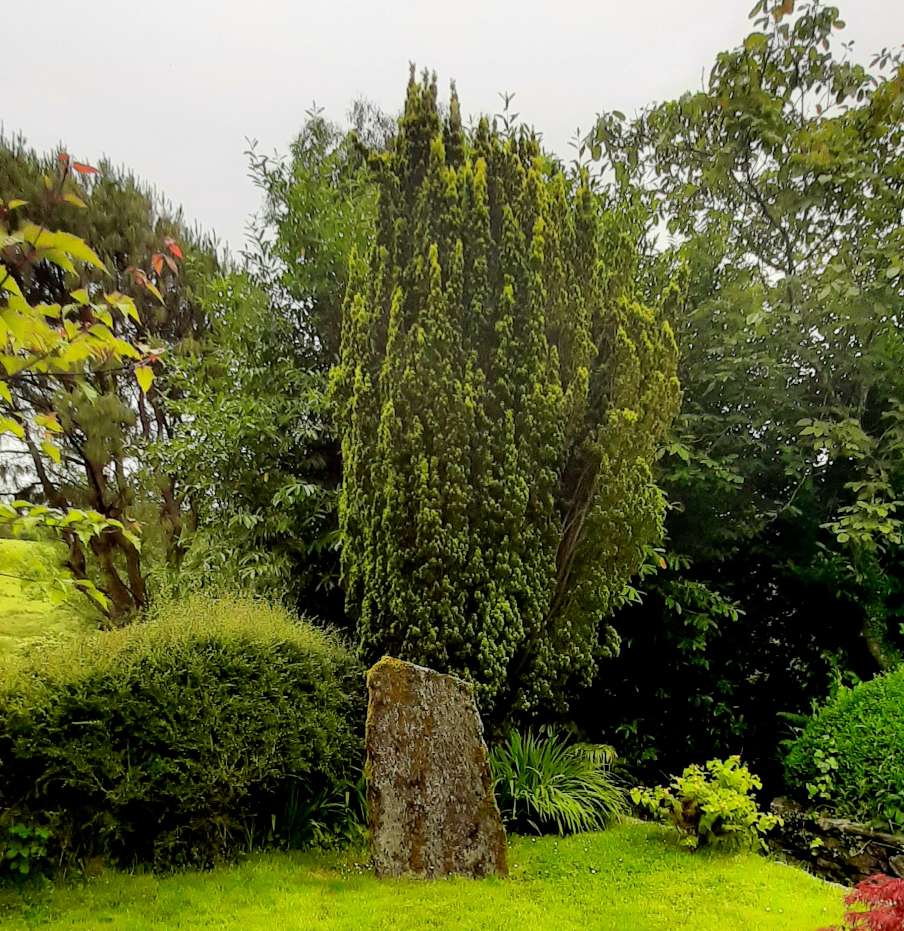
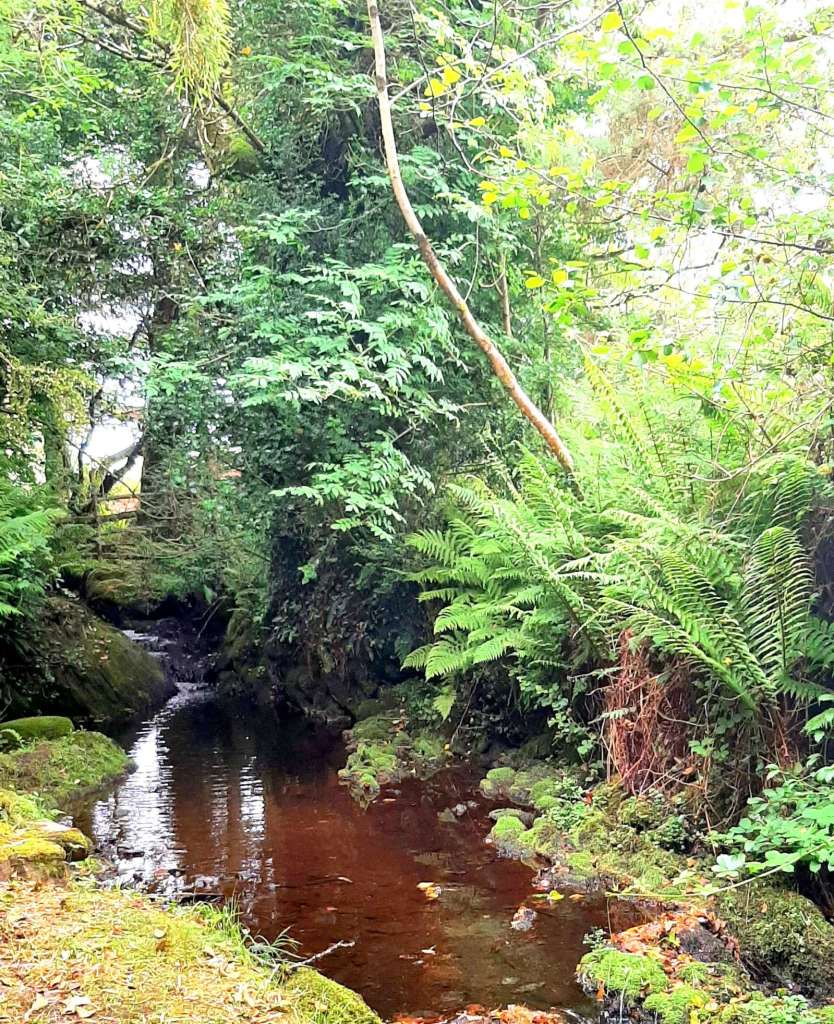
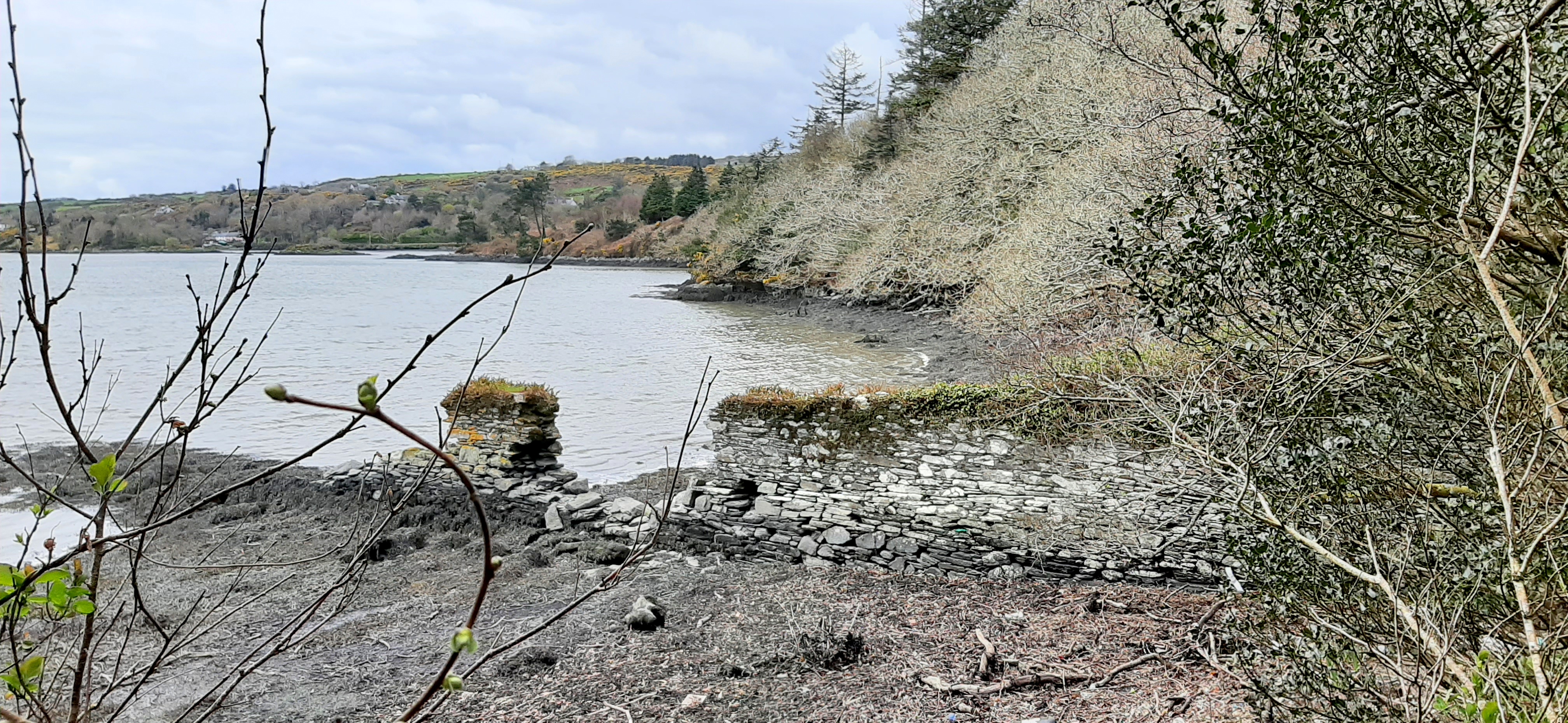
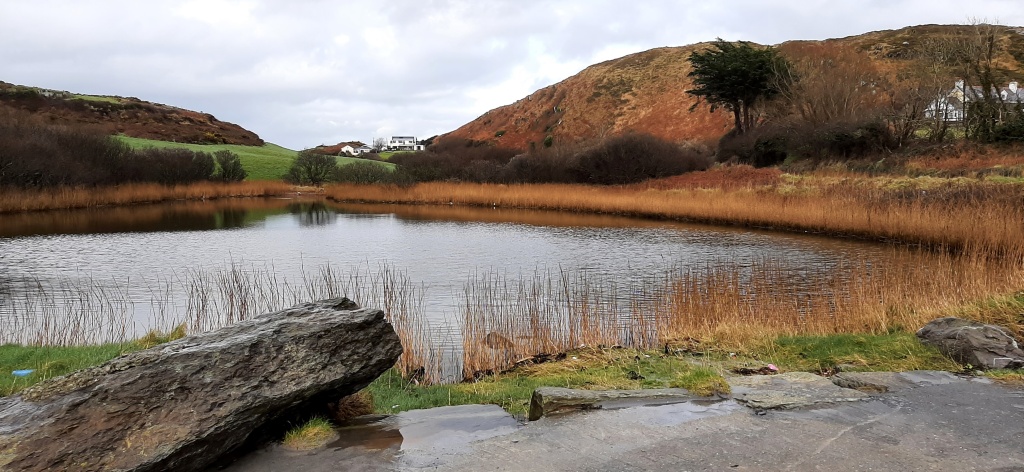
The light at the forested area around Loch Ine was subdued and the sun was missing from this lovely scene but that did not take away from the beauty of our walk. Across the lake we saw the early morning swimmers, a group of women who swim there right through the winter. I did not touch up my photos, the colour of the water here in this photo is really how we saw it, how it was. And it was beautiful and special, I think that it was a trick of the light.
My daughter Tjorven had invited me to go on one of her morning walks and I am so glad that I accepted, we had some great mother – daughter chats, lightly as we are both wanting to use time in nature cheerfully during this frustrating time of covid.
Bare gnarled branches, looking like some rheumatic old creatures, line the lovely country lane.
The lake, which by the way is a salt water lake, narrows into a creek just along here and the water was like a mirror just then.
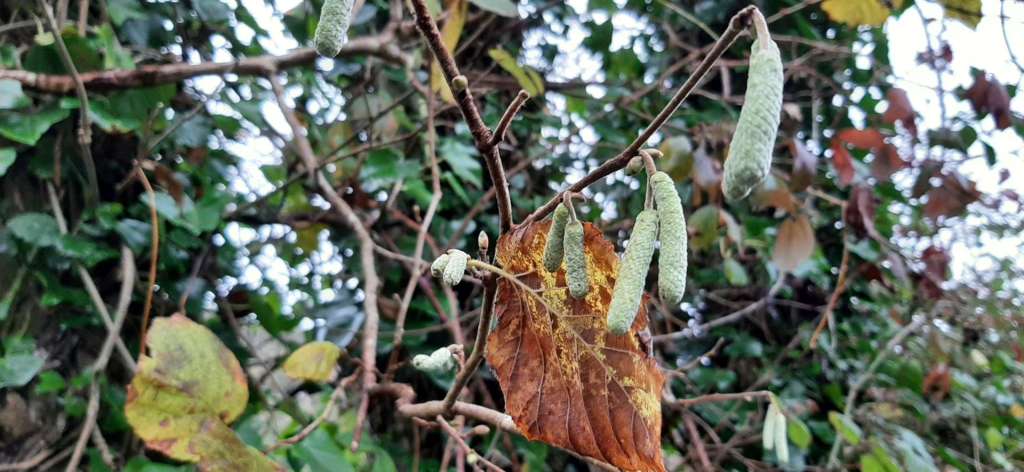
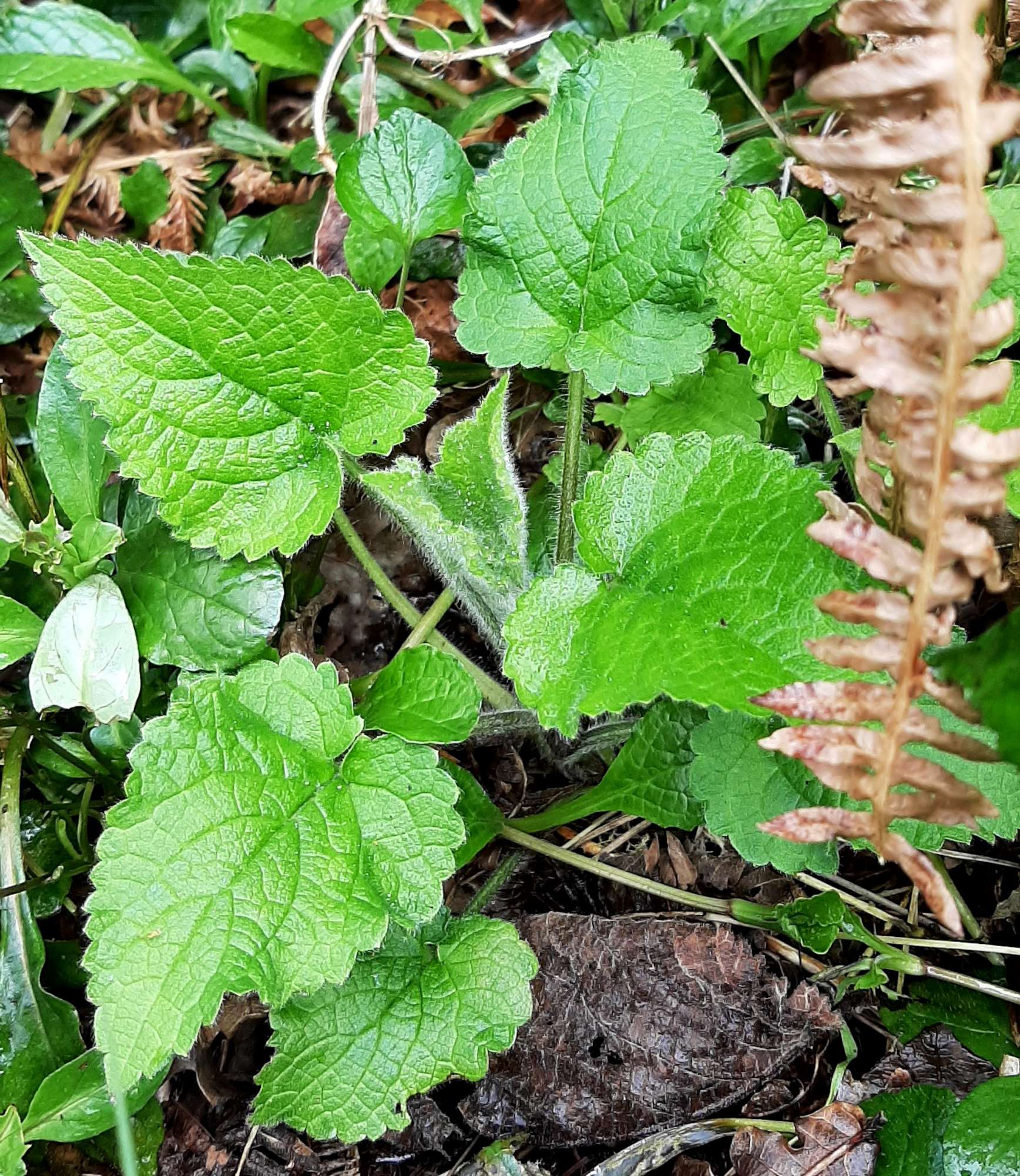
We saw catkins growing on the hazel tree, some different species of ferns, many of them, fungi and one lone snowberry.
Ebony the collie came with us and was off the lead for a little while, a very obedient young dog she is.
Our surroundings are so beautiful, it is good to enjoy them as much as we can.
“Take a quiet walk with mother nature. It will nurture your mind, body, and soul.” A.D.Williams
While we are well into November we are still experiencing mild, dry, and even windless weather which is a little unusual for West Cork at this time. What I observe in my garden is young growth all around, the garden is bursting with life! It promises to be an abundance of wild plants next spring and summer. I see strong young plants of foxgloves and borage, sturdy young nettles, feverfew, and tansy plants, mullein and forget-me-nots, comfrey, evening primrose and lemon balm, lemon verbena too. And fabulous displays of herb robin! The variety of green shades is wonderful and the vibrant energy coming from all this young life is super! I’m not worried that these plants will die during the winter unless we have an extra cold one, as this growth happens every autumn and you can see what you have in store for the following season. I might have to thin out some of the foxgloves even as there are so many of them coming up. I did not sow any of these plants, they self-seed, they get on with their own lives and I let them be. Such a pleasure to see them grow.
Flowers are still brightening some spaces in the garden which is important for any pollinators that are still around. We saw bumblebees well into October this year, it was so mild and there was very little rain and wind. This summer, late summer I should say as they did not arrive until August… there were more butterflies than I normally see in the garden. In the beginning I only saw the whites, but then it was mostly the tortoise but also some admirals and peacock butterflies. I will be making a better record next season after I recently read a book on butterfly conservation, I will also leave some branches at the back of the garden which I was planning to clear. Nature gives us less work if we start to understand it properly!
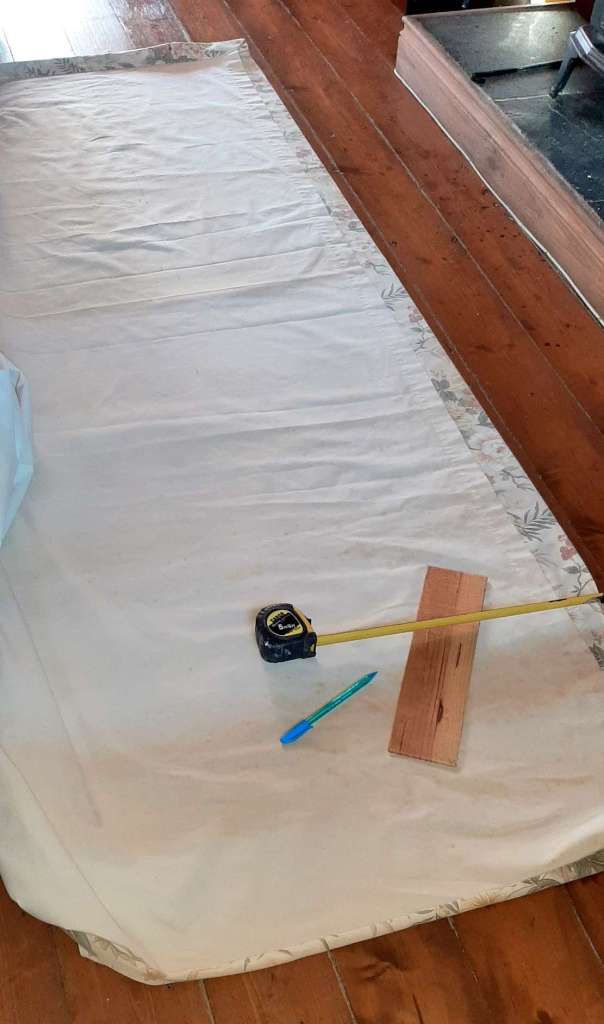
Some inside snaps, as the days draw in our attention also goes inside the house a little more. I am lining some of the curtains with thermal lining. Ian is working on his project, while I am enjoying my study very much too, it is cosy and we both enjoy each other’s company and are excited about our separate projects.
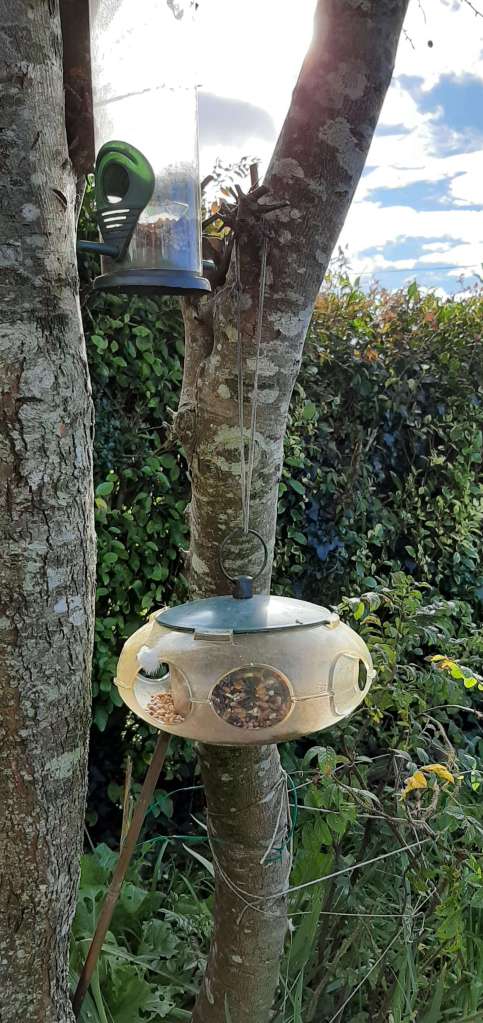
We have started to feed our wild birds again too, we are still waiting for the chaffinches to arrive. Last winter we had one or two with the dreaded disease trichomoniasis, it was sad to see this. We are really looking forward to their return soon, some of them are migrants, some are home-birds. Apart from a whole host of wild birds we have three collared doves that feed everyday in our garden.
Well, this is more or less what is going on during this first part of November. I wish you all a good autumn, enjoy and hope you are well wherever you are.
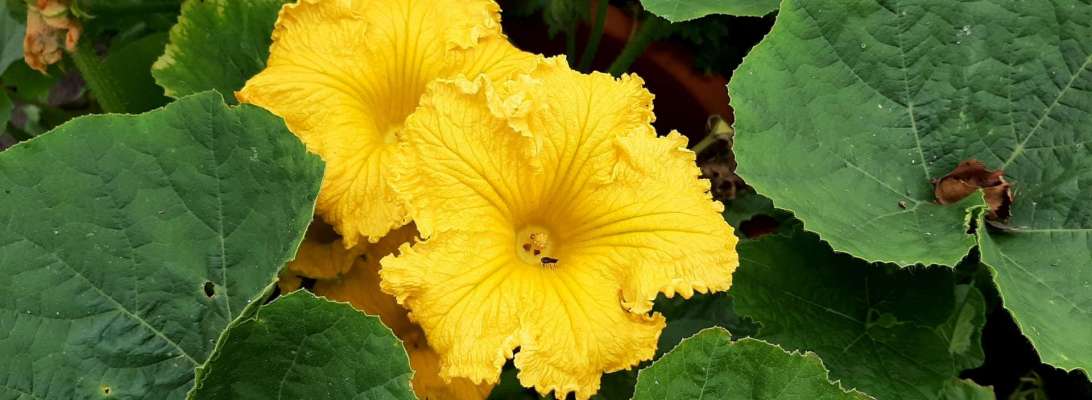
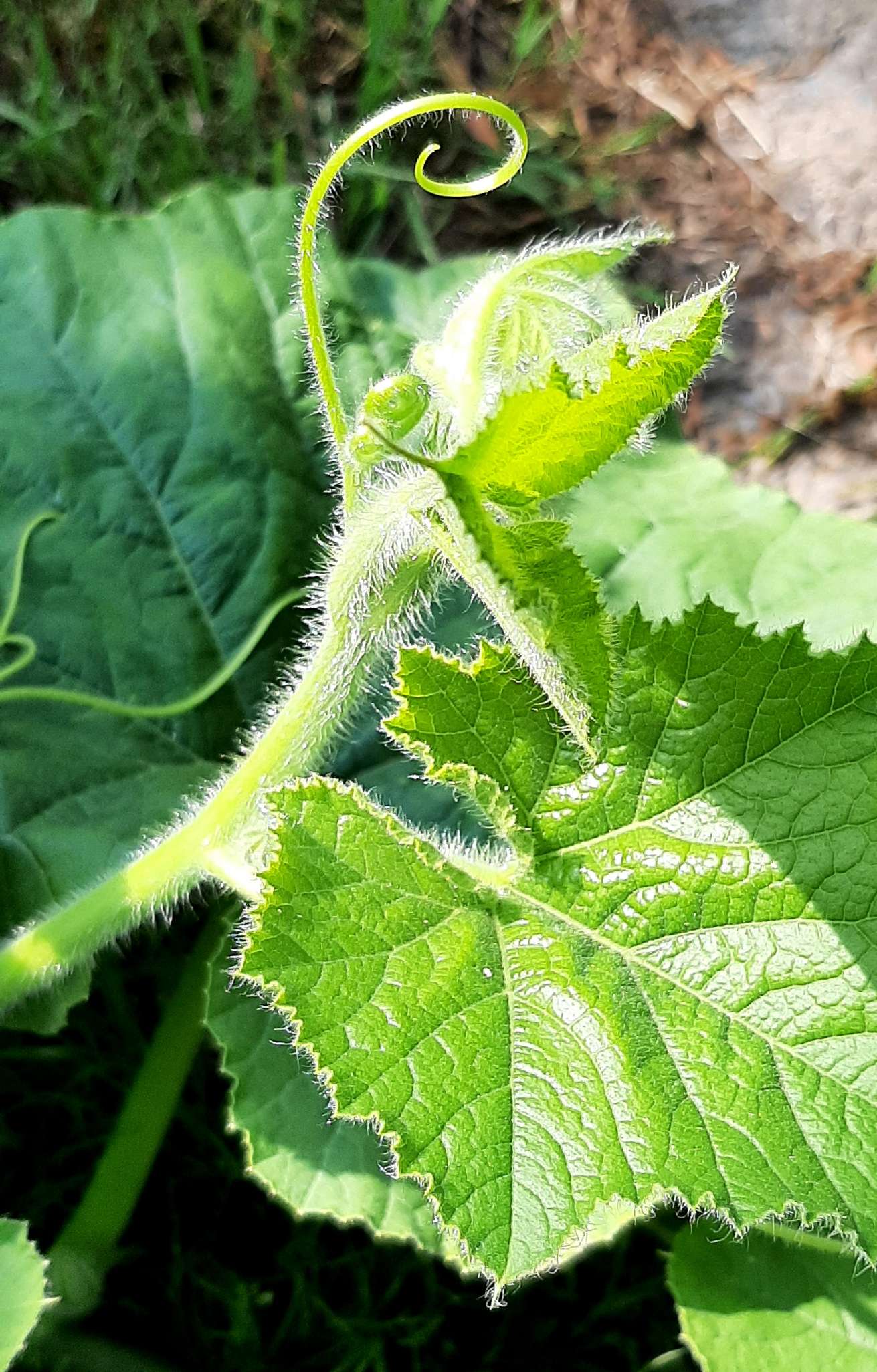
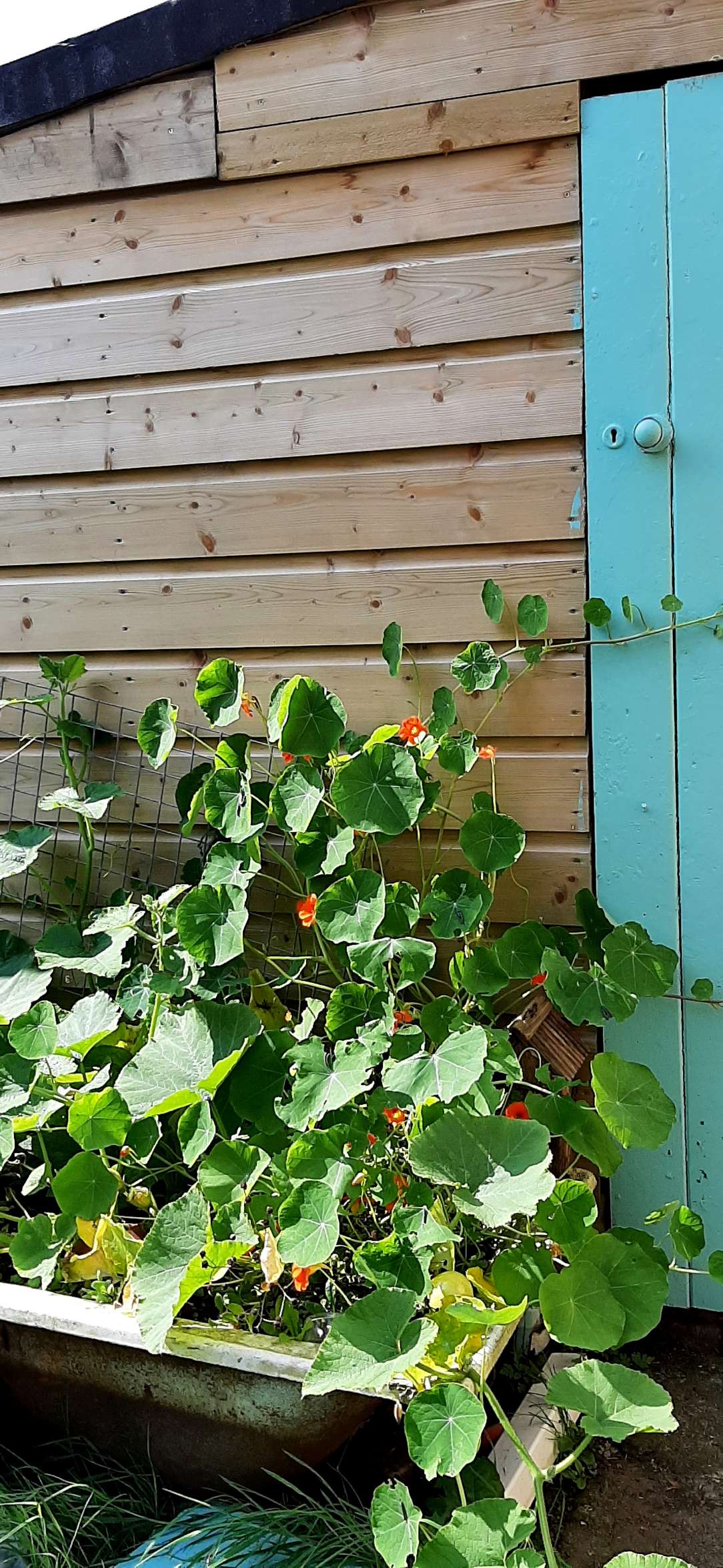
Not having worked in the garden for over a week, I am being surprised and delighted with all sorts of late summer growth. Our pumpkins (if indeed they are pumpkins) have really come on well, apart from having the most beautiful flowers, they have a subtle scent, and then there are the actual pumpkins that keep appearing among the foliage and surprise me with their fast growth, spreading over paths and over our bit of lawn, they are a joy to behold and I am thinking… pumpkin soup! In Gozo, while we were there, I used to make it often. The shops there are full of pumpkins during the winter and they sell these in slices so that you can buy a fresh supply everyday, it makes the most delicious soup.
The flowers are almost golden, such brightness cheering up an overgrown and sometimes tired late summer garden.
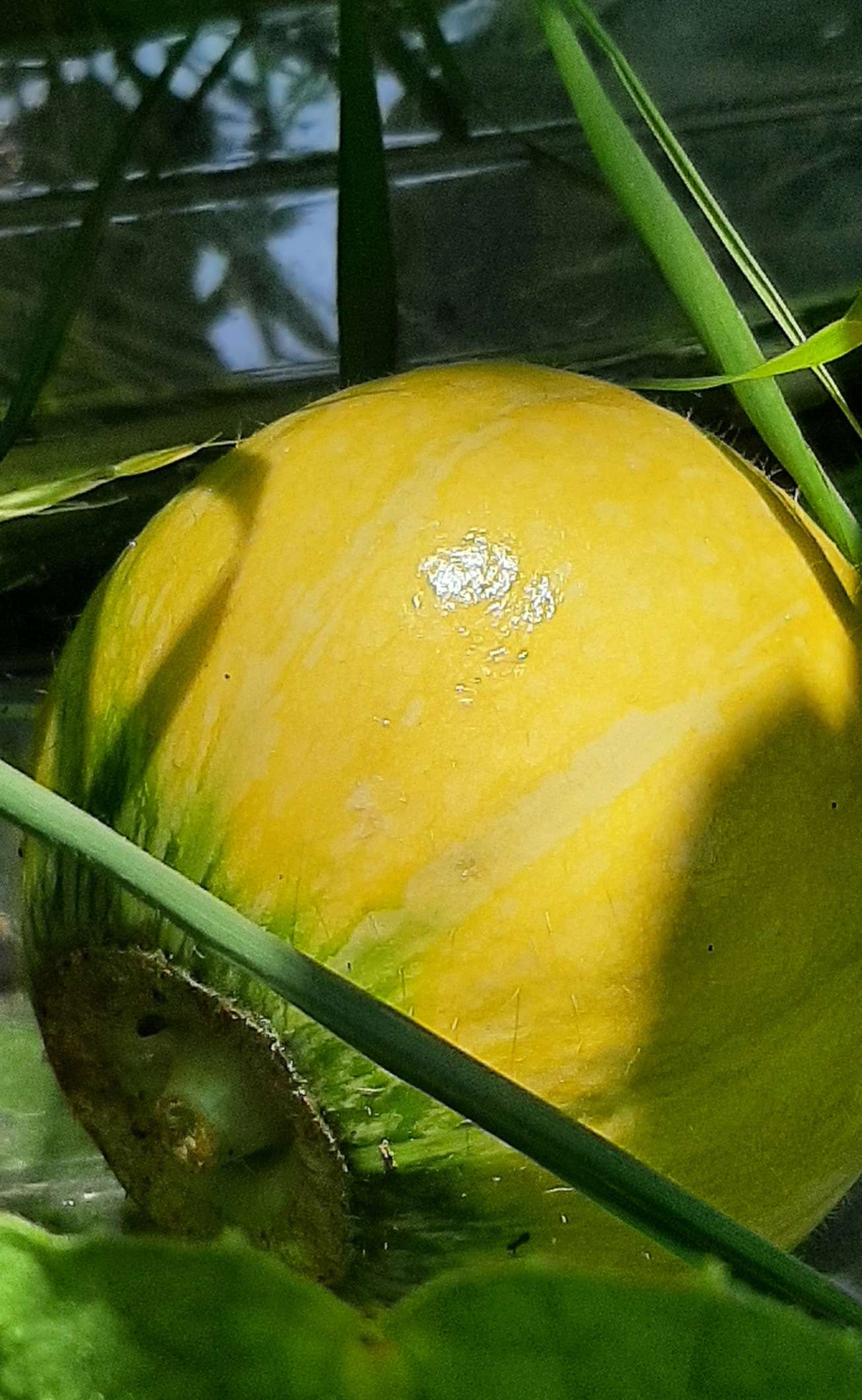
Pumpkins surprising me everywhere between the foliage, and many more in the earliest stage of development. If the weather stays kind then we should have a good harvest. Last year I saved seeds from a pumpkin that I used in cooking and these plants are the result. They actually don’t look to me like the orange pumpkins that I know but we’ll see what they turn into. It’s an experiment. The little yellow one came up as Lemon summer squash on Google.
A willow herb (epilobium hirsutum) that came growing beside the patio has almost totally covered the path down to the rest of the garden, but this wild plant has been so beautiful all summer and it has attracted so many insects. The large daisies were a gift from a kind neighbour, these will be lovely in the border next summer, they grow well here and multiply fast. The oregano I grew in an old bottomless bucket and it’s given us much joy all summer. A lone rudbeckia flower has a beautiful dark pink colour, and a tiny little bumblebee is taking nectar from a marigold.
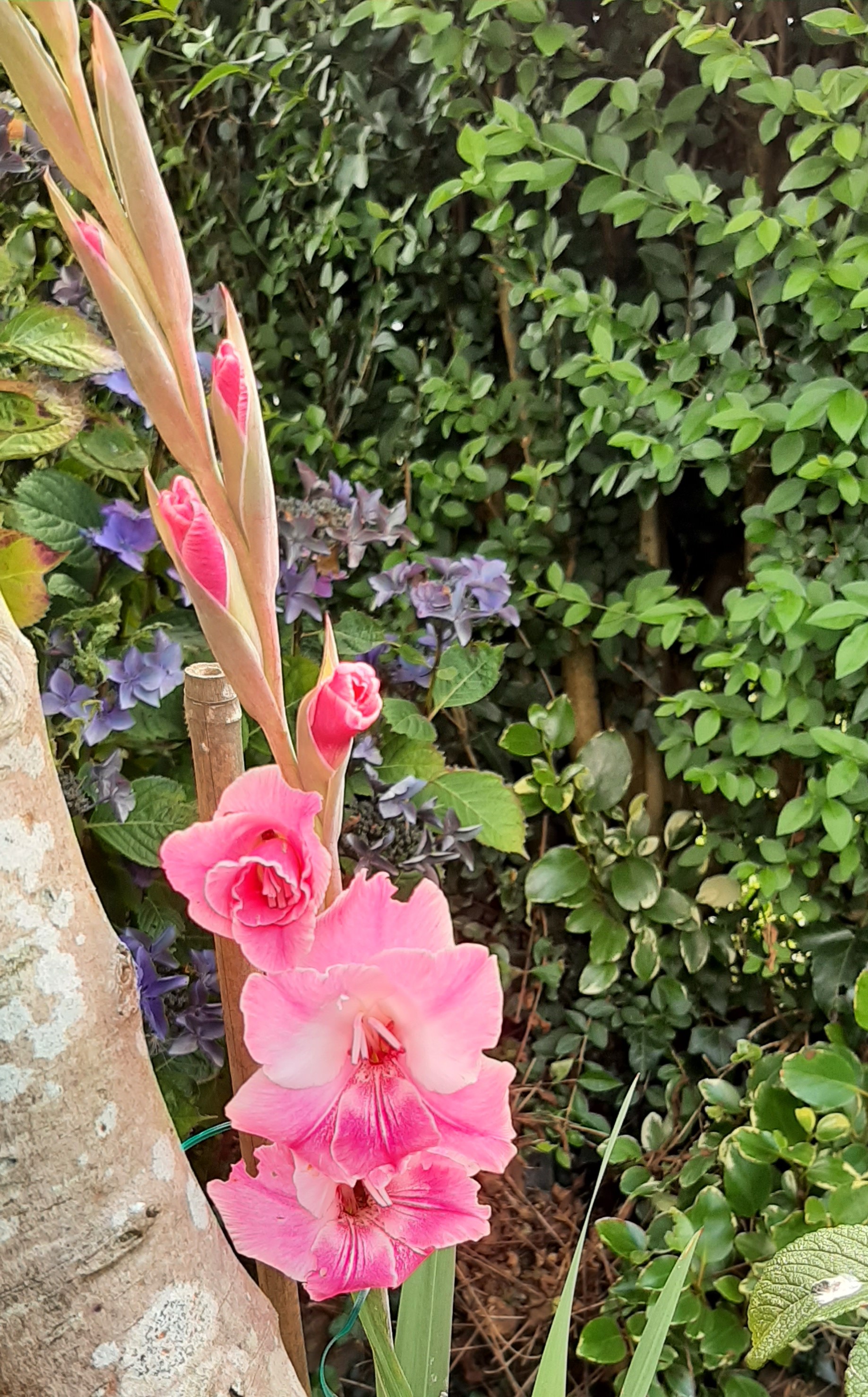
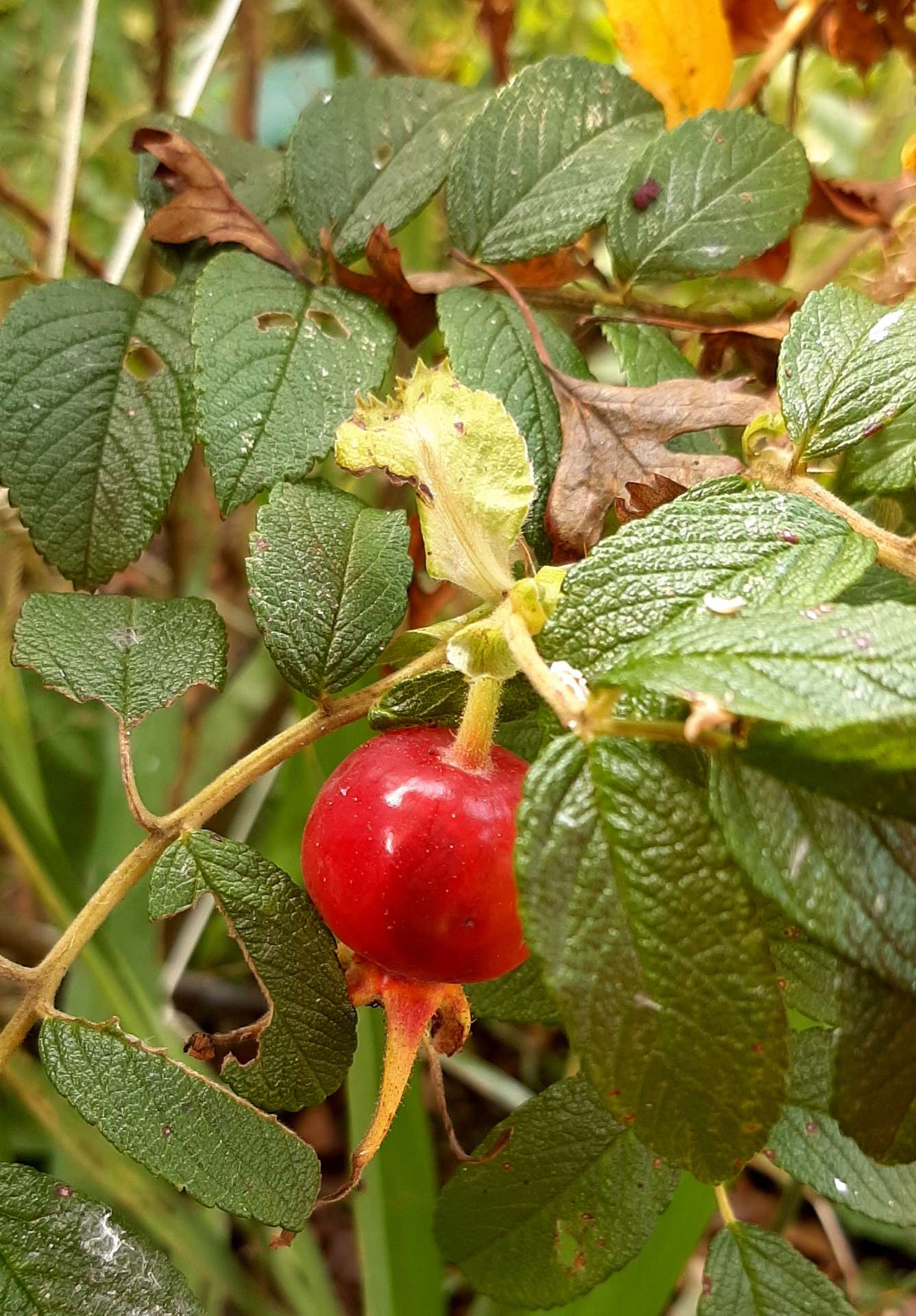
Above are the variegated oregano. Some marigolds, one of our wild purple marsh woundwort (Stachys palustris) and the wild scented roses have finally flowered and show some lovely red rosehips now. The gladiola is flowering for the first time and that was another nice surprise for me. The mallow I had planted this past springtime and it’s nice to see how this has spread and flowered all summer.
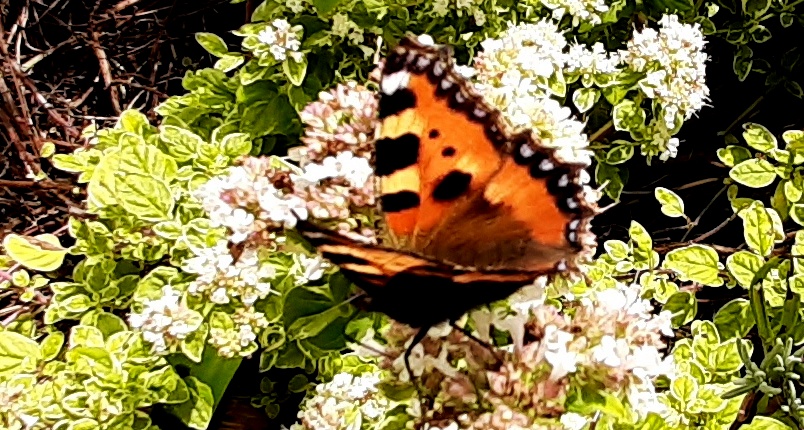
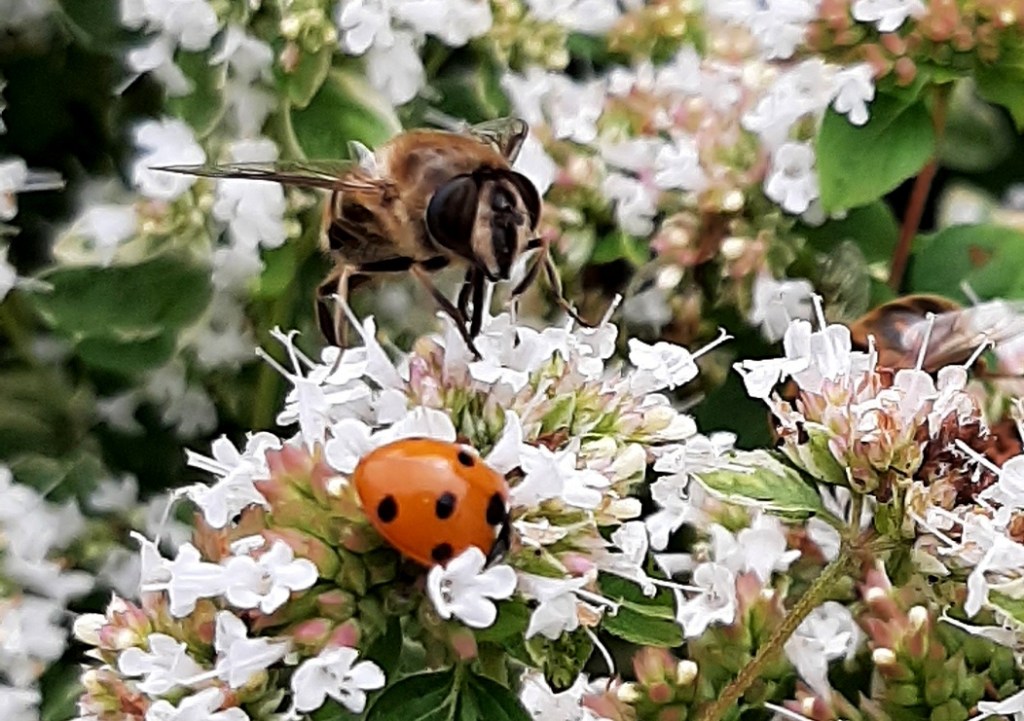
A little word about our variegated oregano (origanum vulgare) plant. I planted it about five years ago, it flowers during august and it attracts an enormous amount of insects, from bees to hoverflies, a variety of bumblebees, butterflies, ladybirds, drone flies, and many more lovely creatures. Oregano stays green all winter long although it dies down a good bit, the climate here is mild in the winter (so far so good) and that is why the plant survives so easily. Until I looked it up I never realised that oregano is a plant from the Mint family. Looking at it closely I can see it alright. It is a culinary herb but I don’t use it quite enough, I usually leave it to the insects.
Another nice surprise is that several young plants are now appearing by themselves, from experience I know that they will survive the winter and will flower beautifully next spring and summer. So far I have come across borage, foxgloves, comfrey, and feverfew, too many of them to leave them all grow, all of them self-seeded. Last year I had several evening primrose plants, but this summer they did not show up. My kale plants that I grew last winter is also self-sowing and some young plants appearing here and there. Last month I have planted some autumn leeks and they are doing well. Our potatoes were a disaster so hopefully next year better. In the next few weeks I will plant some more winter vegetables when I get to the market to purchase the plants.
Plenty to think about and to plan, the garden, as ever giving us much pleasure and also quite a bit of work, but that is good for me.
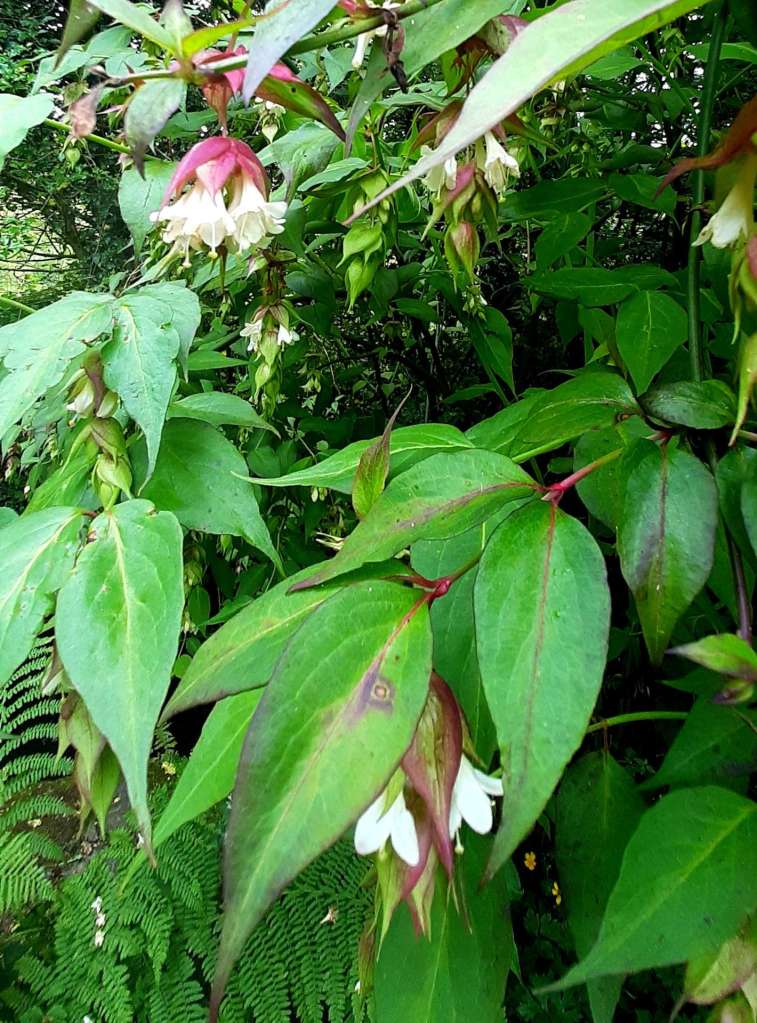
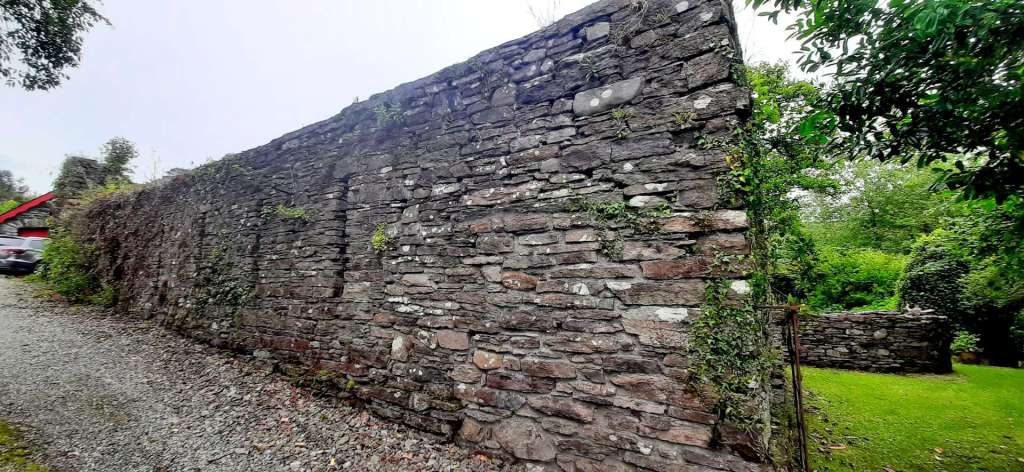
Last week saw my daughter Tjorven, my five grandchildren and myself visit a most lovely and atmospheric open garden in West Cork. It had been a very long time since we had the privilege of doing this and luckily the weather was with us. The garden is situated at the site of a 19th century dairy farm and there are fabulous ruins to be found there. The townland of Breeny Mor (Na Bruine Mora in Gaelic – meaning “Great dwellings of the fairies) lies a few kilometres south of and uphill from the village of Kealkill. Close by is the beautiful Mealagh Valley and also Coomhola. I tried to find some more information about this dairy farm by checking the Census but the earliest records I could find for Breeny Mor was of one family by the name of Cronin where both the man and wife were dairy workers and that was in the Census of 1901. There were no other records of dairy men to be found and so I am wondering if this farm was still a working farm in the beginning of the 20th century and if these people were descendants of the original dairy farmers or were they just working at that site.
The ruins are quite well preserved and I found the window slits interesting, the present owner of the place said they would have been great for airing the place. In my imagination this building was a dairy where from the fresh milk the butter, cream, cheese, and yogurt was made, but maybe this was just a stable for the cattle? I am not well up on this sort of thing. I’d love to know more, visiting this place has made me very curious about the history of farming and especially dairy farming in this region of West Cork.
Close by this garden there are to be found a stone circle and boulder burials, which we did not visit this time but I would like to do this in the near future.
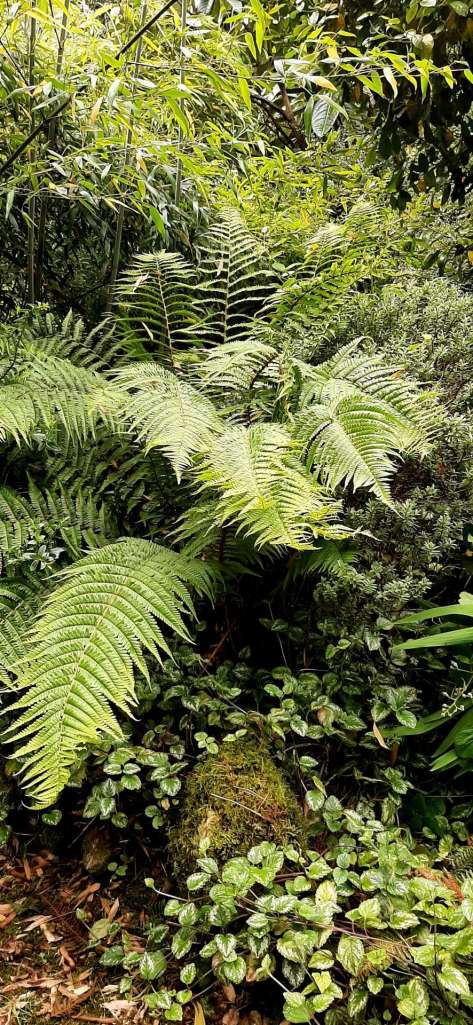
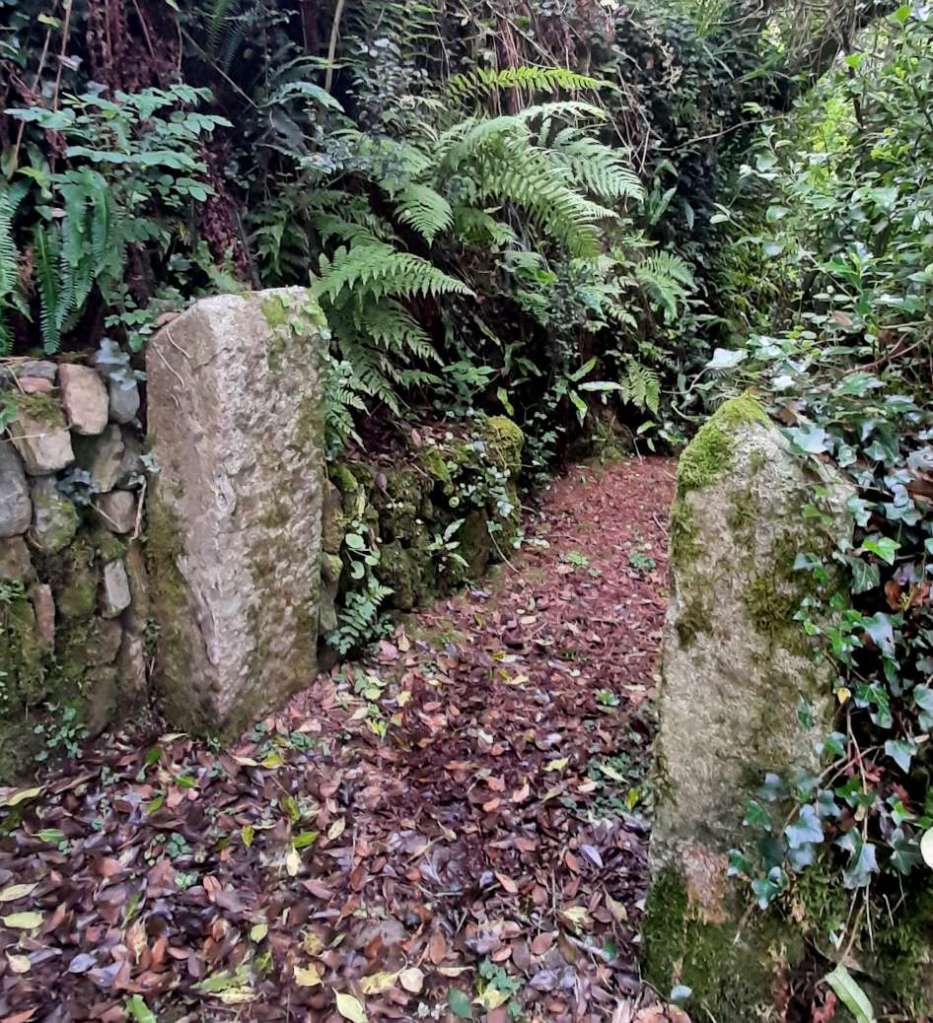
But for now I will let you all just wander around this place via my photos, I let you loose on this garden and hope you enjoy it too. For us and for the children it was a magical place.
Lovely ferns.
So much to enjoy.
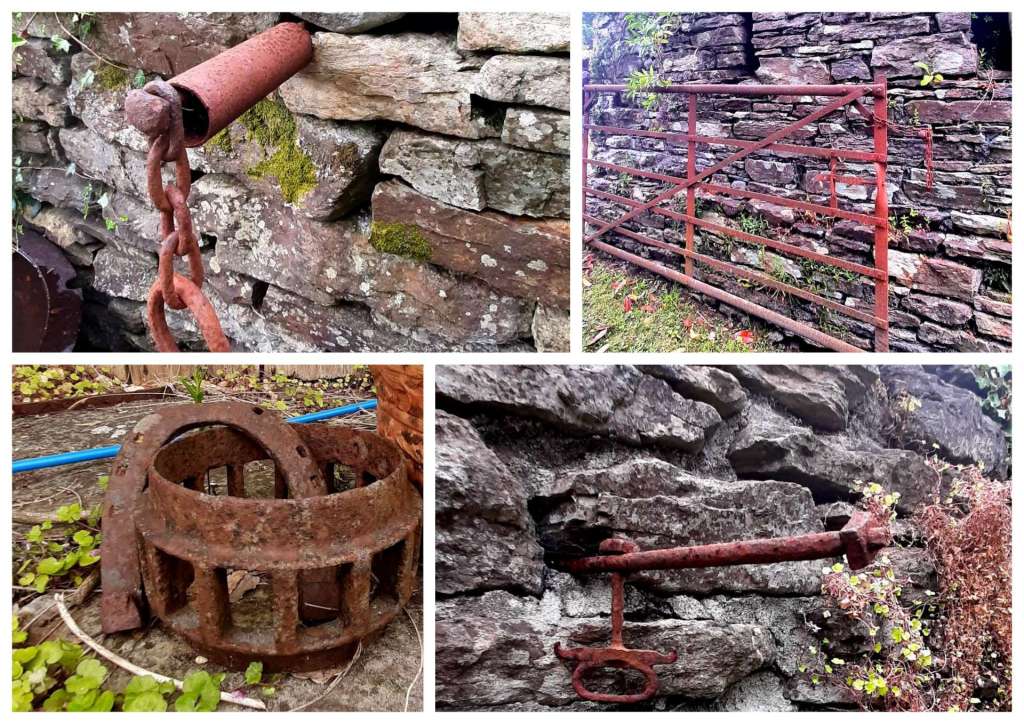
In the photos just above here I am showing some of the old farm bits and pieces.
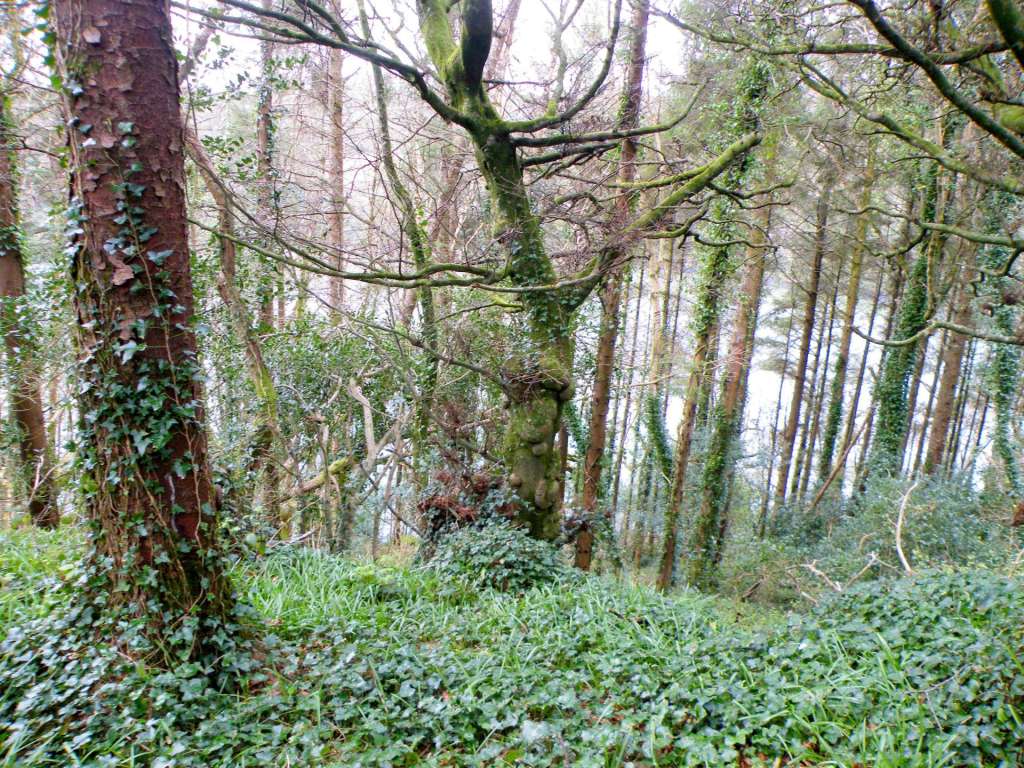
What is nicer and more calming than a walk in a forest. Listening to the sounds, the wind rustling in the canopies, smelling the trees and the herbs, looking at all the different shades of green or brown, feeling the roots or the rocks underfoot. Walking in a forest can be the ultimate sensory experience. When I walk in our local forests with my grandchildren I see them clambering over branches and rocks, paddling through some of the muddy paths, picking up pinecones and twigs with lichens or piece of old bark, and the youngest girl picks up and carries with her any dead branches and trails them behind her all along the walk. Their young minds are open to everything they see and experience no matter how often they actually do these walks. My daughter and son-in-law are real nature lovers and outdoor people and they take the children out on hikes, walks or beach days whenever they can. West Cork has good opportunities for this, and even the unsettle weather or rain does not faze them.
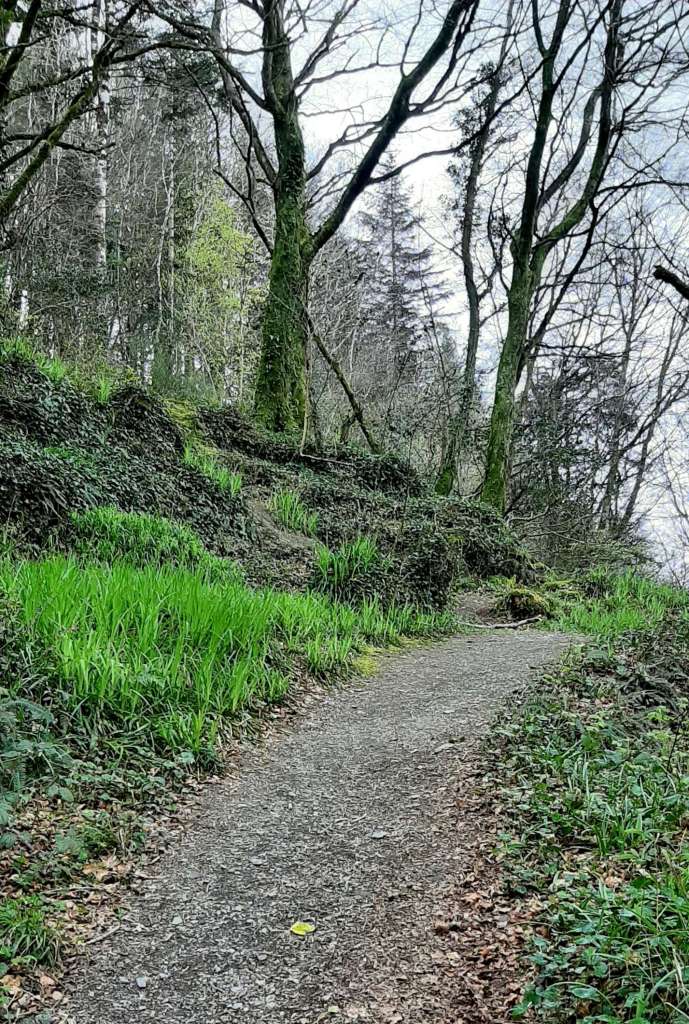
Walking the path
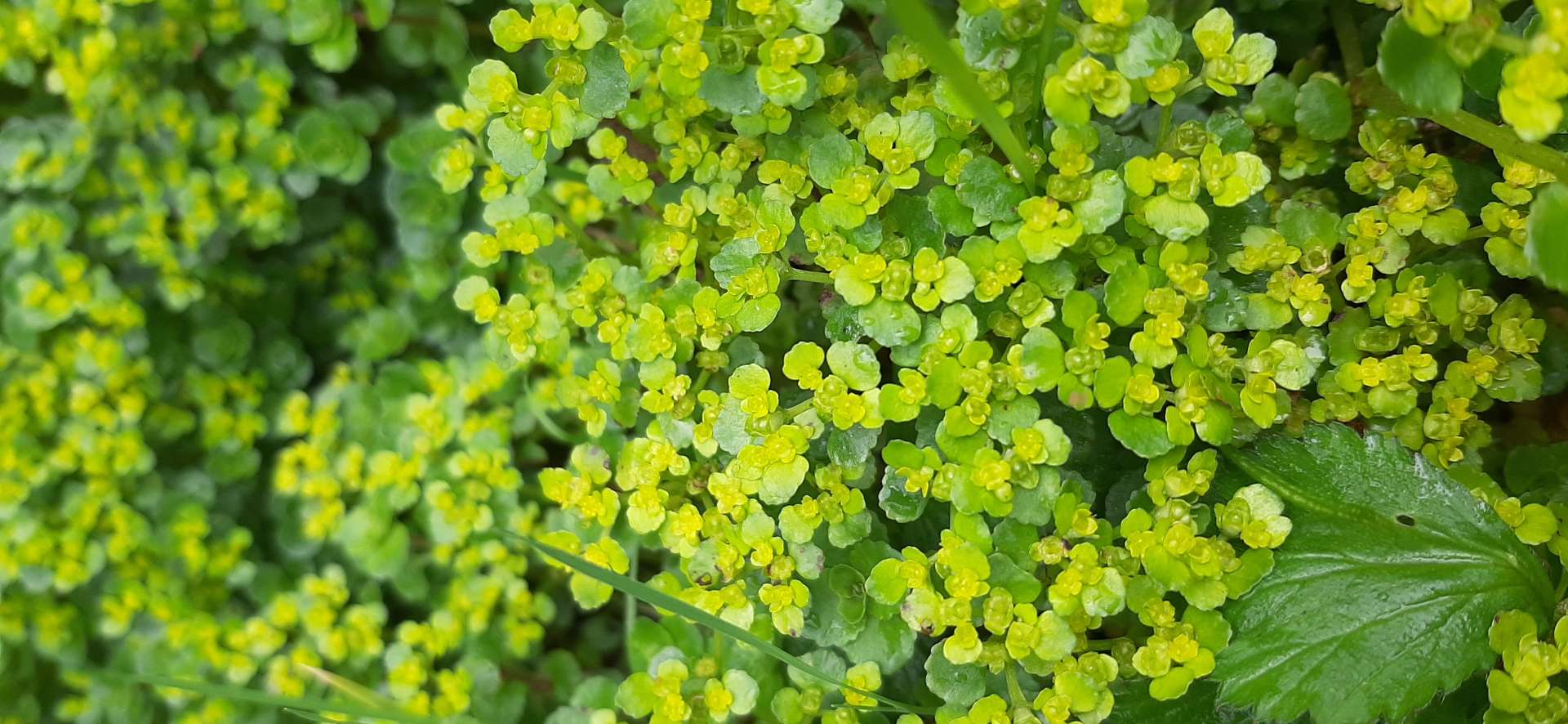
Lesser celandine out in full strength
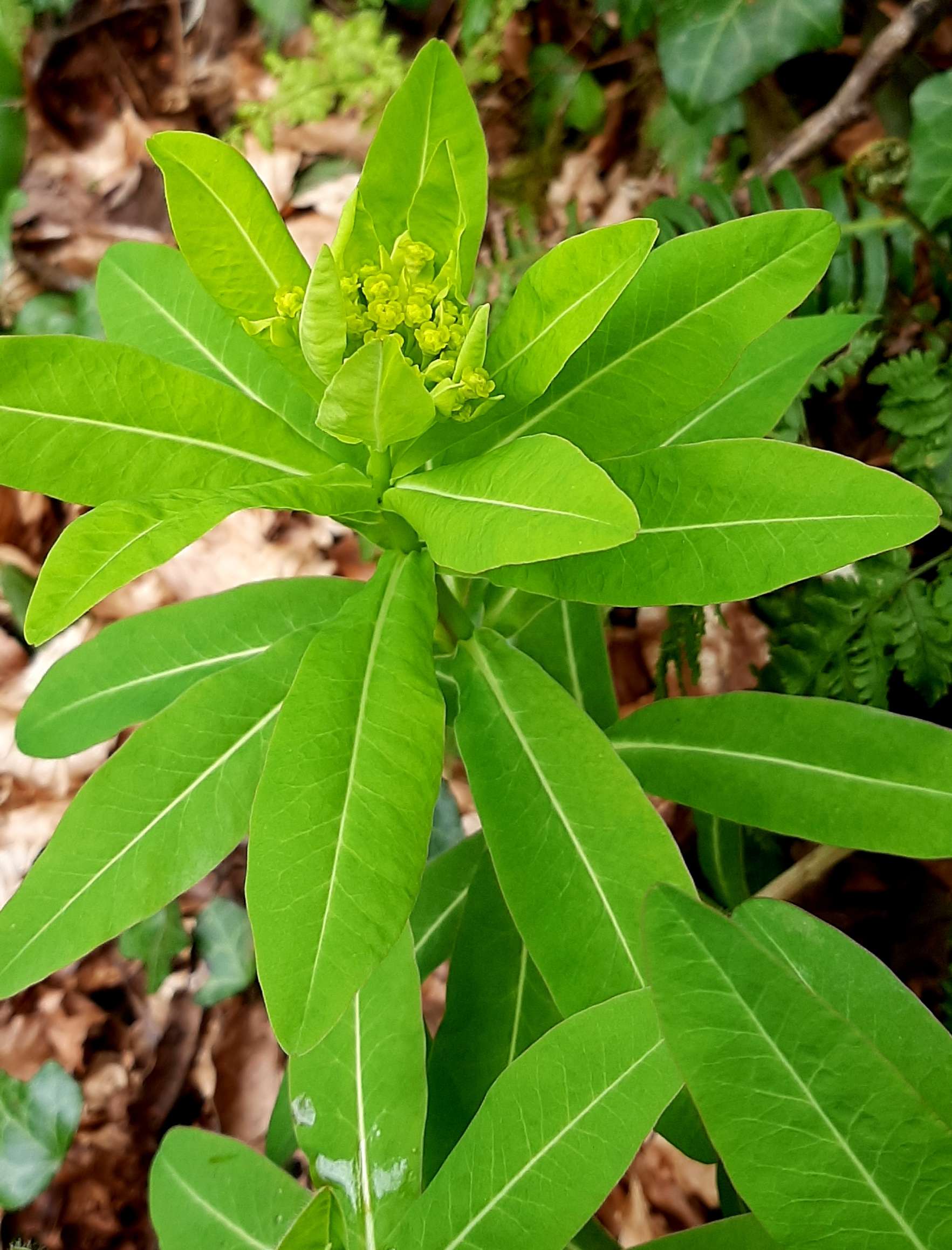
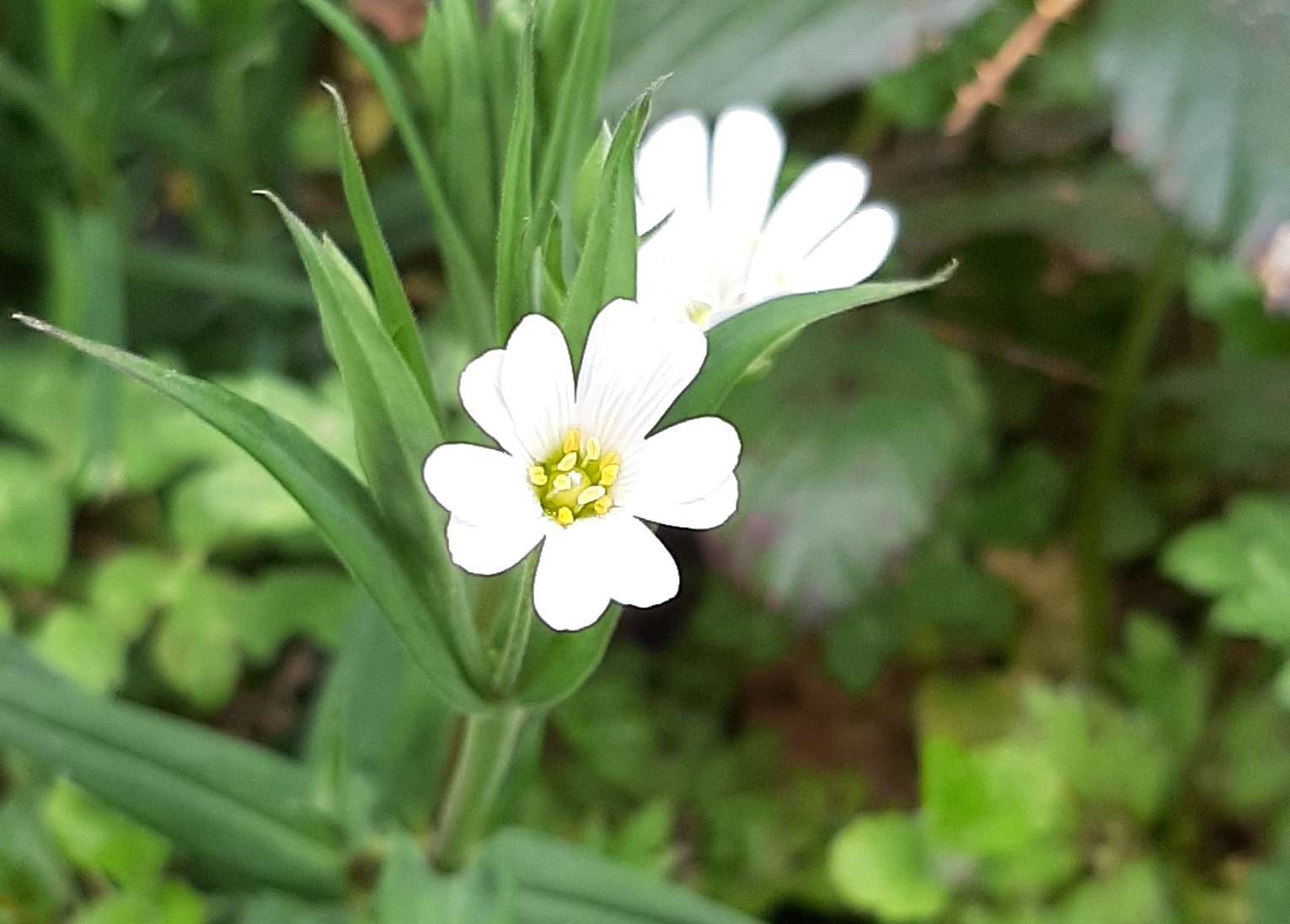
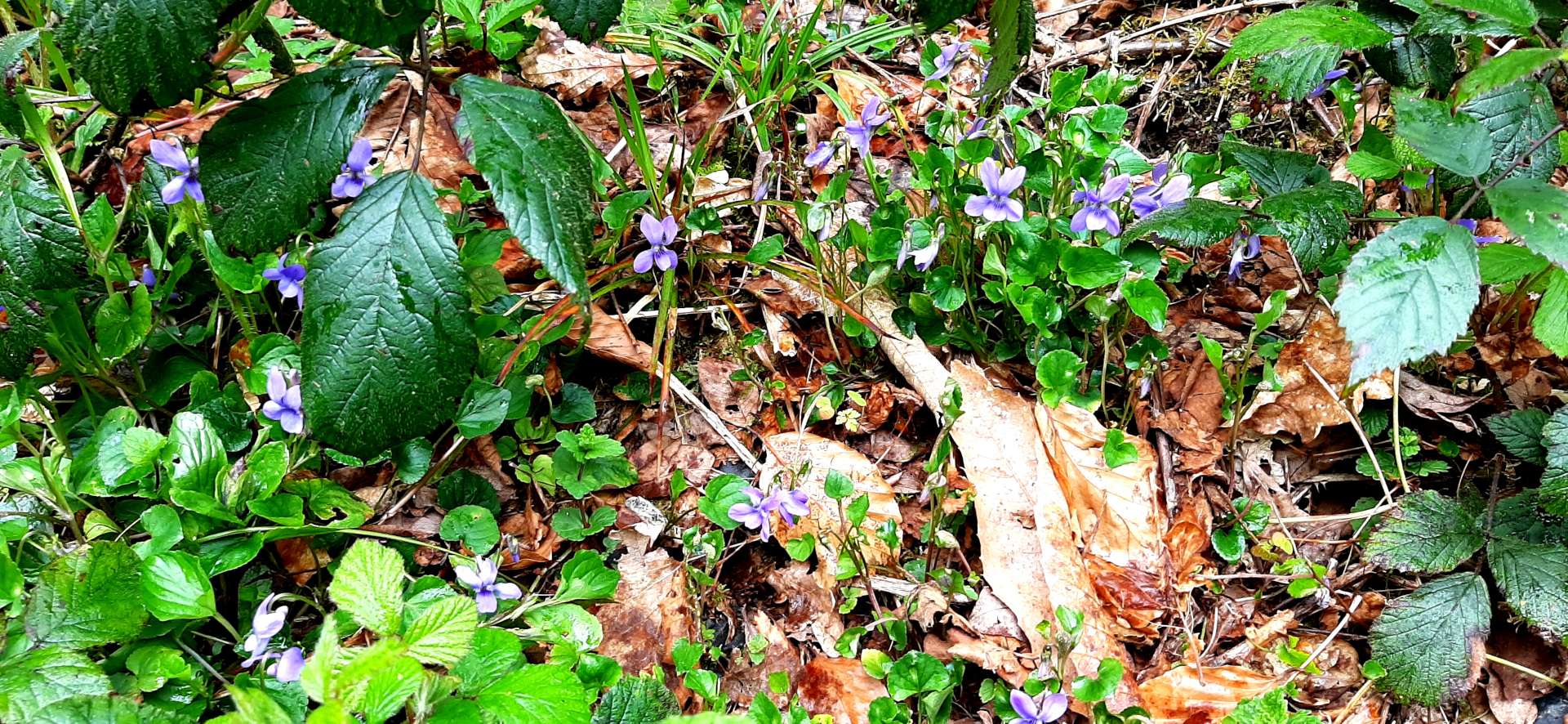
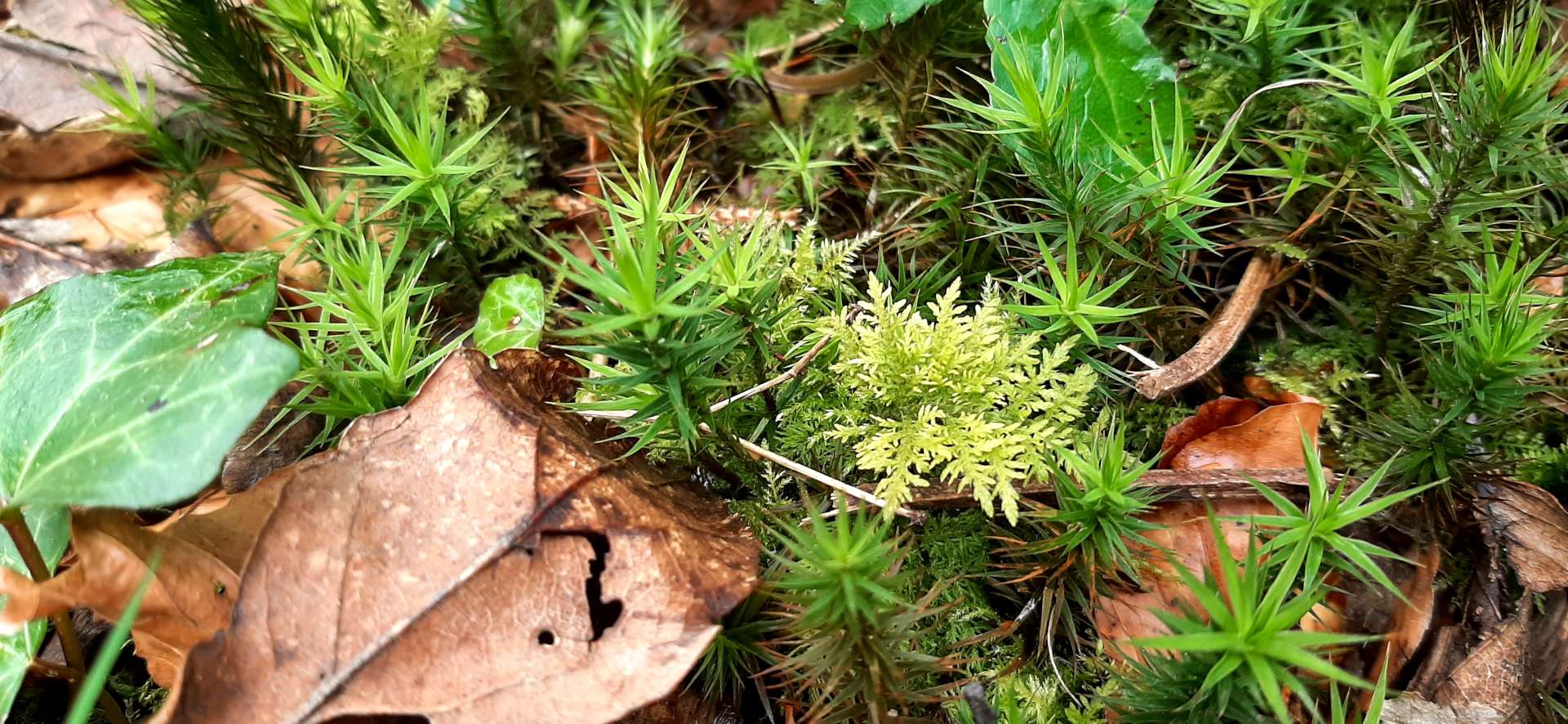
Right now the Irish native forests are full of new life, young plants, flowers and mosses. There are still night frosts and it is still a bit chilly but the sun is getting stronger by the day to our delight. We have had a real light April shower yesterday which refreshed everything and was good for growth. In the forest the spurges are giving a lovely show, the celandine, wood sorrel, blue bells, violets, stitchwort, and wild strawberries are equally blooming. The willow trees which are among the first to provide blossoms for the bees are now almost in full leaf. And already the bumblebees are buzzing!
I find a walk through the forest very calming but also refreshing, I think that it is the good air provided by the trees, the extra oxygen. But there is something more at work, Erich Fromm called it “Biophilia.” which is a love of life, an instinctive fondness for all that is living, our fellow humans, the plants, the trees, the animals. Our human brain craves greenery and an interaction with other living things. I read that we are naturally drawn to natural settings, and apparently things like ‘forest bathing’ can reduce our blood pressure, heart rate and lower our cortisol levels. But most of all it relaxes us and can quieten our often overstretched minds.
From a young age I have found it a need of mine to be surrounded by plants, whether it were houseplants or garden plants, now-a-days to see the green fields from some of our windows gives me great pleasure. But to actually be out in nature and get the full benefit of it has got to be far better still.
I hope that everyone is enjoying either spring or autumn seasons and also looking forward to less restrictions all over the globe.
On a bit of a ramble in our immediate area I enjoyed some spectacular sights and afterwards I researched some interesting little bits of history and knowledge of the area here.
I thought that I would take a drive as far as Traguma (Tráigh Omna), this beach is backed by marsh land and a small lake called Lough Abisdeally, this small lake (in the photo), is a real beauty it is very sought after by birdwatchers. This was a rather pleasurable attempt to get to know more about my immediate surroundings. Tragumna is supposed to get its name from the stumps of oak trees dug up out of this strand. (The Schools’ Collection, Volume 0298, Page 061). Sounds rather interesting!
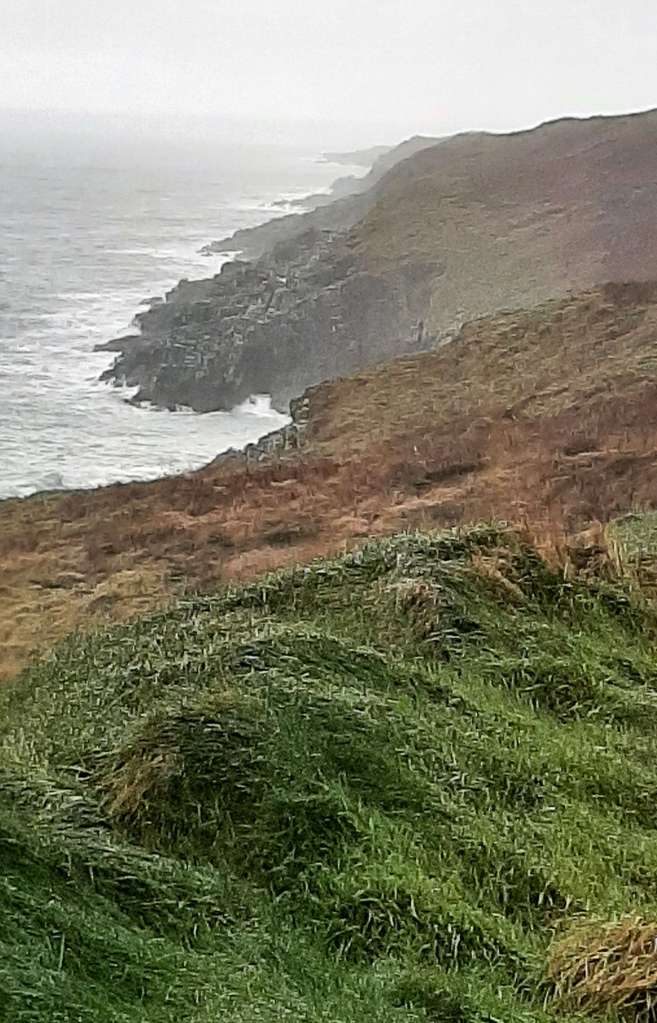
On the way there I took a wrong turn and kept driving along narrow lanes and got totally lost. Long ago there was a time when I wondered about all these myriads of little roads crossing the country side until I learnt about the famine roads. The Irish peasantry were made to build roads in order to get food under the strictures of the poor law during the famine. These included random and unneeded roads. That is what I am told. Anyway my journey became a little longer than expected. It was raining lightly and I took some photos out of the car window.
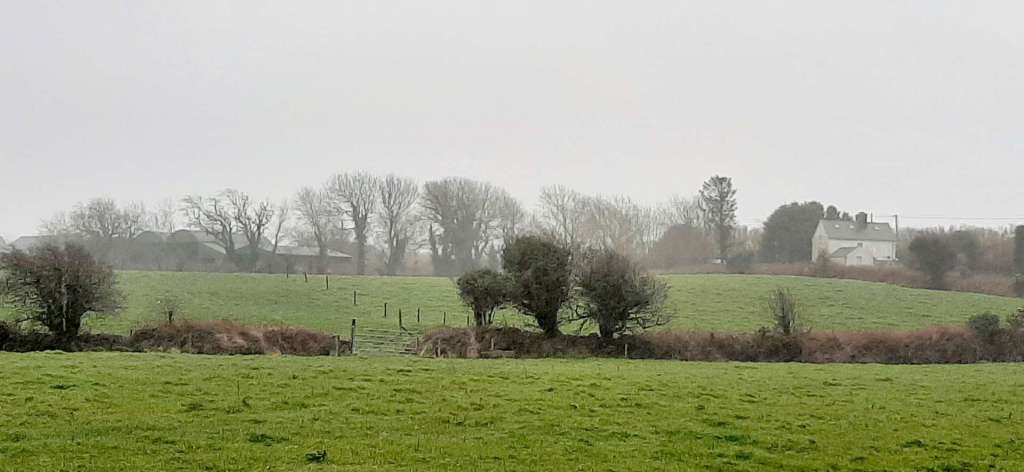
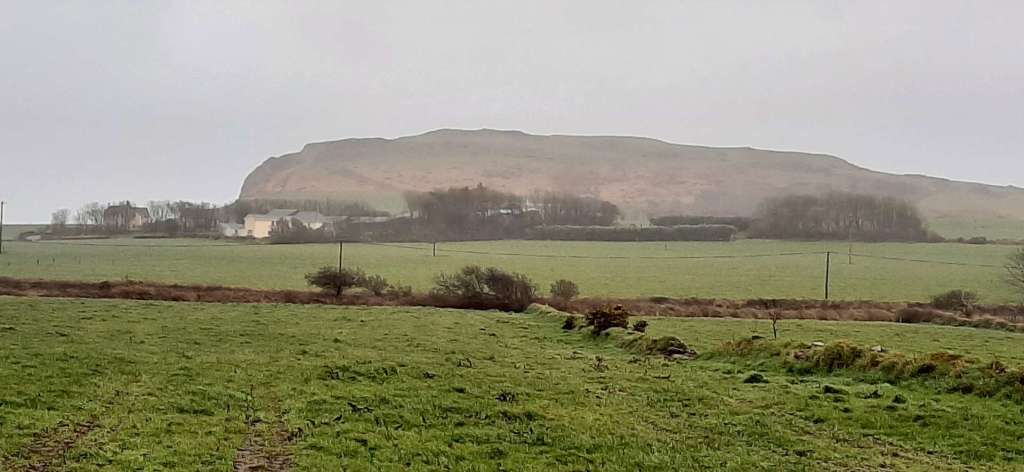
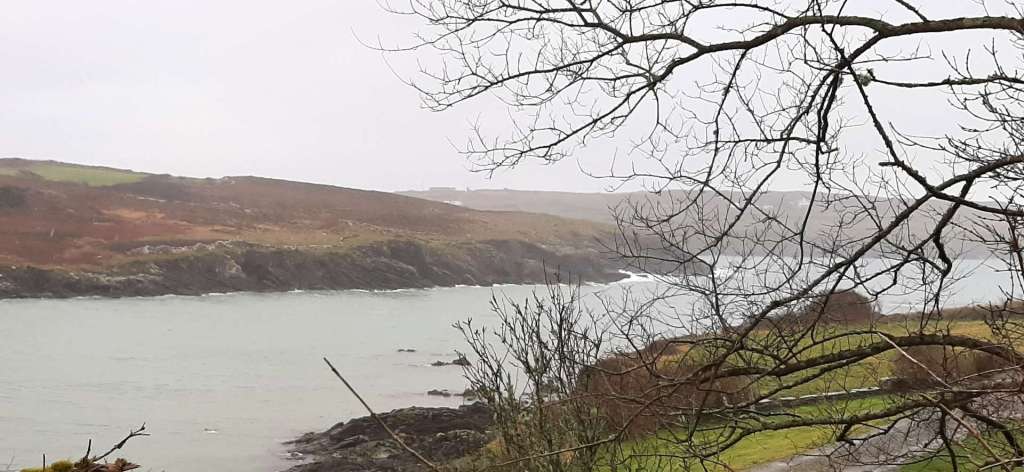
These are some views of the landscape that I passed, it was wonderful of course.
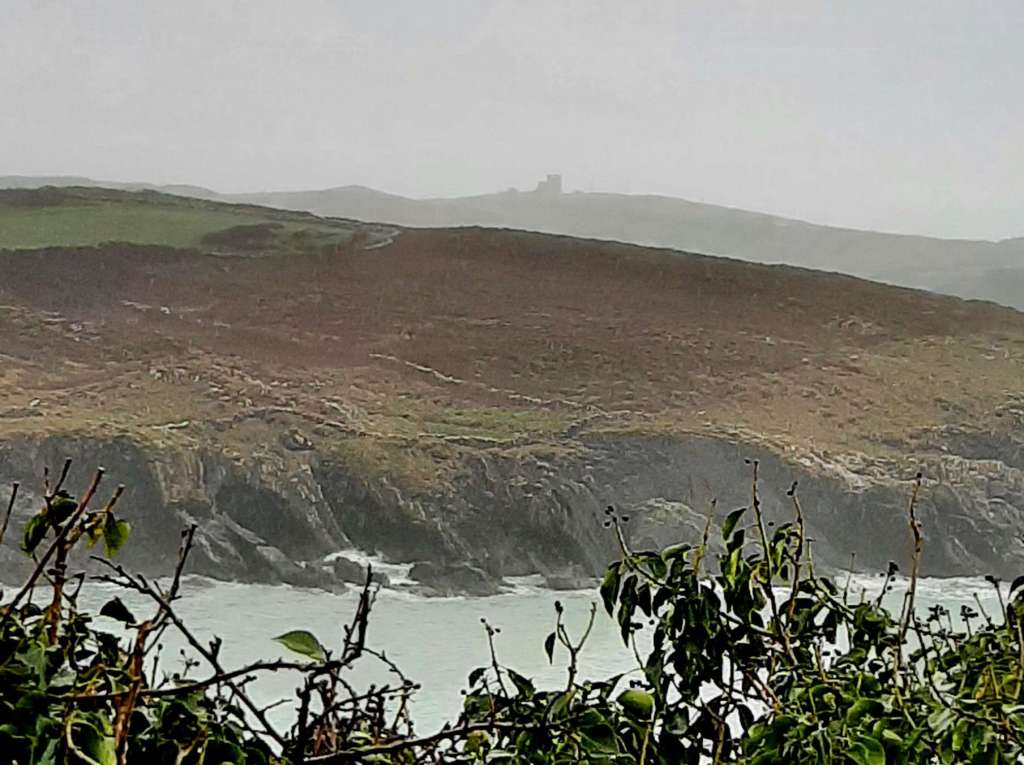
Toe Head Signal Tower in the distance
The tower in the distance is the ruin of Toe Head signal tower (Ceann Tuaitheat). These signal towers (dating back to 1805) were situated around the coast of Ireland and their duty was to spot an incoming fleet of invaders (they were afraid of French invaders at that time) and through signals warn the government in Dublin.
Photo from Google Earth
I worked this out (the identity of the tower in the distance) by using Google Earth interactive maps, I was able to fly over the hill and saw that there was no other possibly than that the tower (in my photo) was the signal tower at Toe Head. It was important to me to know the identity of this tower. Thank you Google earth.Then the open ocean, here to see some caves and rocky shores. And rain streaming down!
This is my favourite view!
The road still leading to I know not where at this stage so I just kept driving, the views were very scenic.
At this stage I found it exciting and a little lonely too.
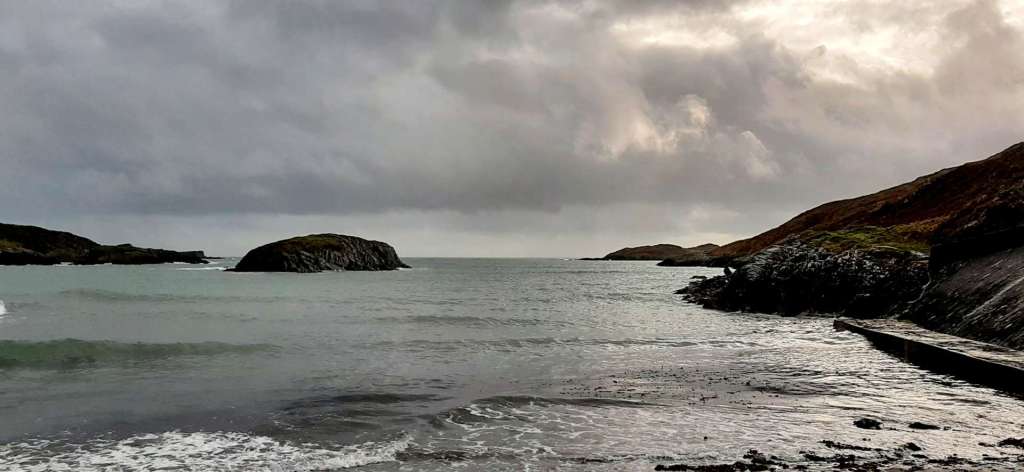
Finally to arrive at Tragumna beach after all, in a bit of round about way. Spectacular skies! About 100 metres from the beach lies the little island called Drishane Island. People swim here normally, now totally deserted of course though I did see one or two cars.
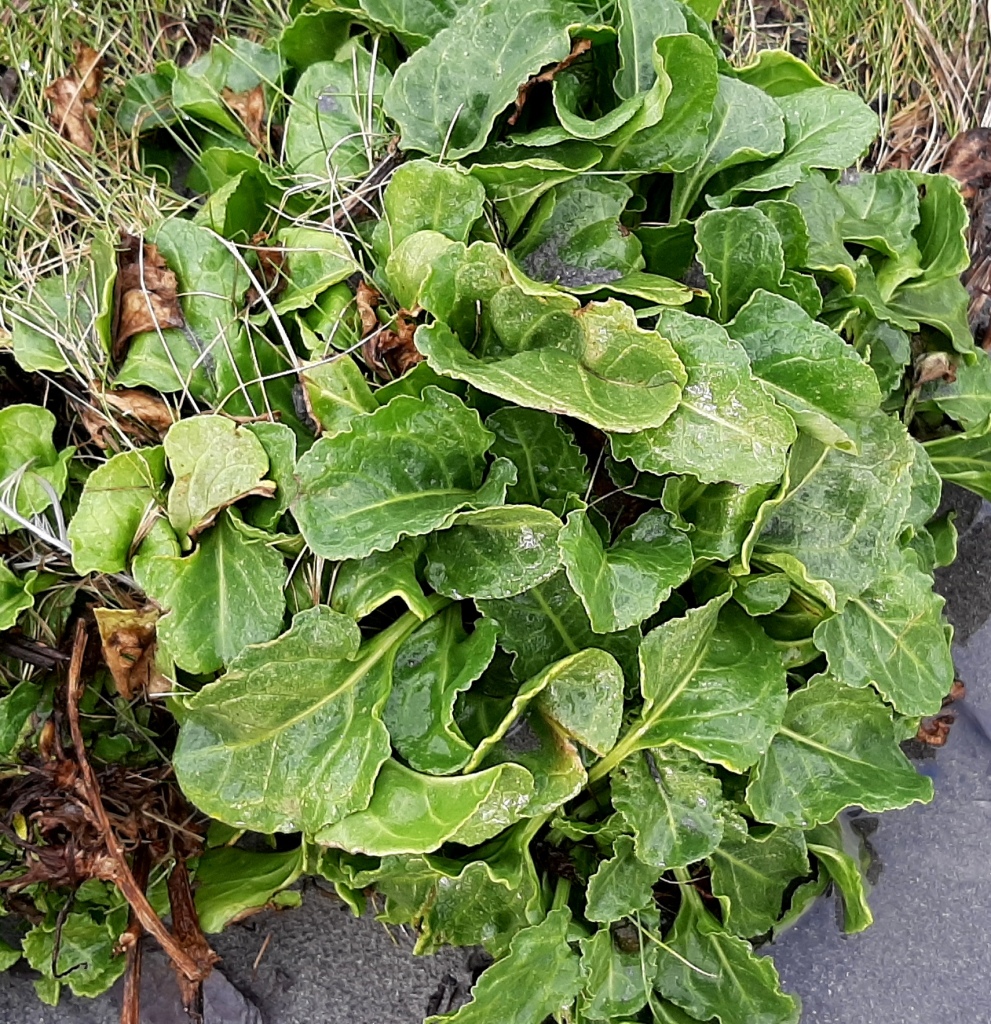
Local wildlife information
An early spring seaside plant
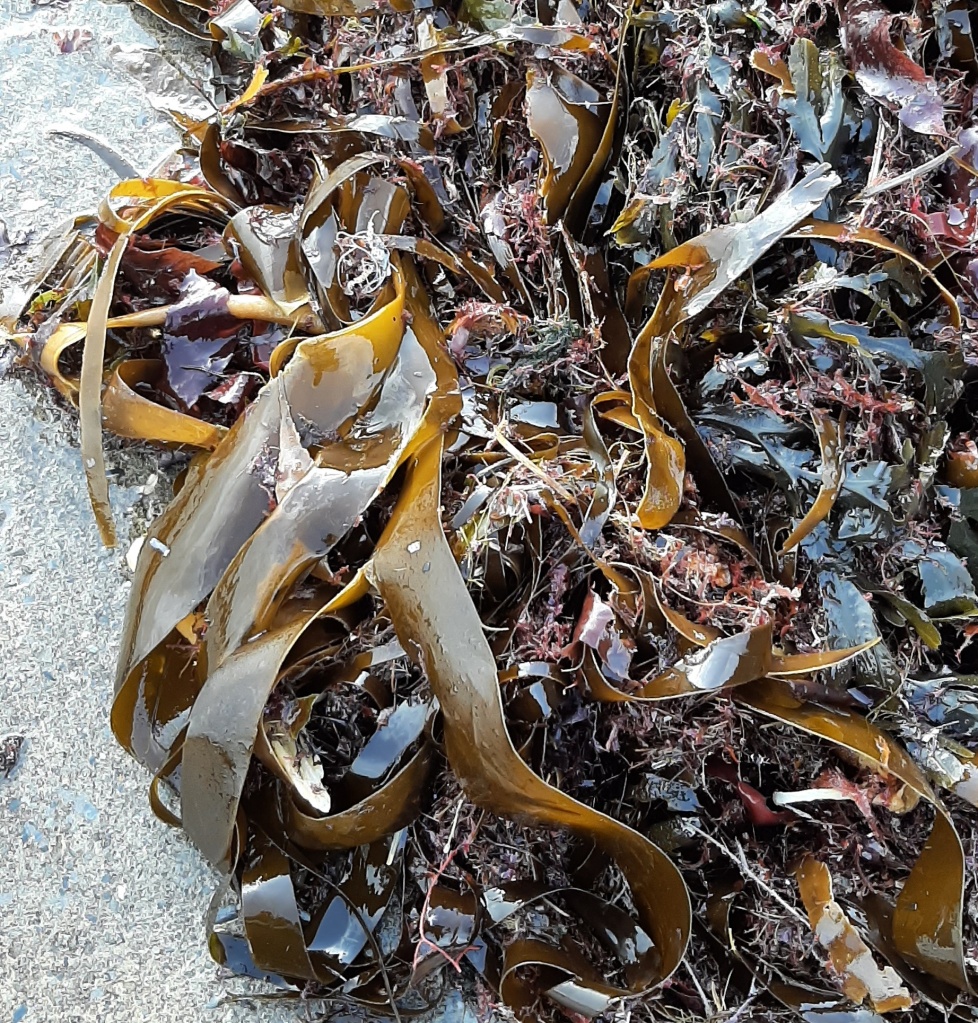
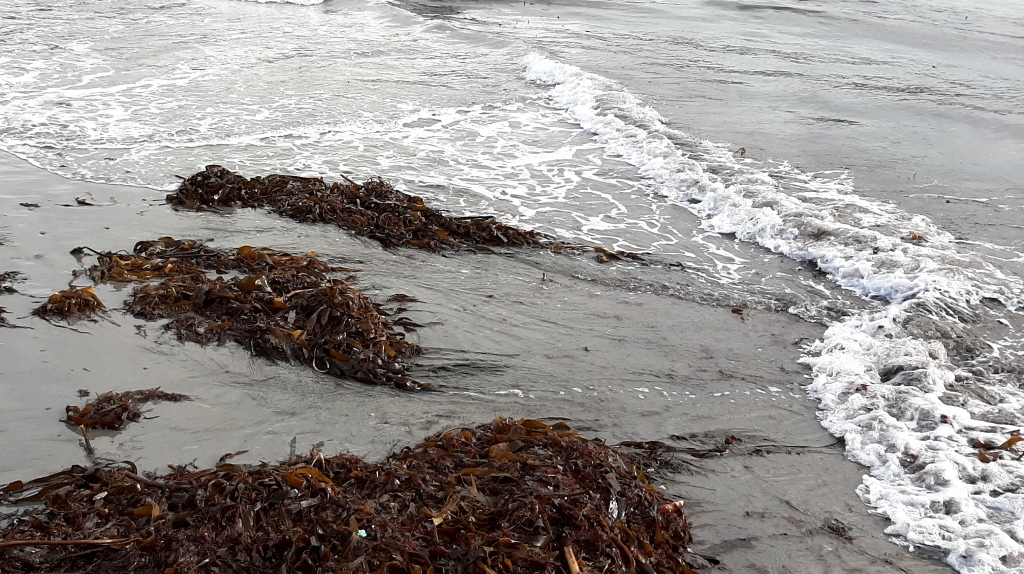
A variety of seaweed looking very healthy
And that was it, what was going to be a within 5km (just about) drive to help with my cabin fever turned into a tour of the little roads around the countryside. I felt so good after it, ready for another week back into the cabin (which of course I do love very much too). Mental health is so important and it is our responsibility to take care of it 🙂
It was quite unexpected that I came upon a Spindle tree (Euonymus europaeus), I first noticed the red berries now mostly decayed in the mud, and recognised them as being spindle berries. When fresh they are so very beautiful! So I looked out for the tree and found it growing beside a much thicker trunk of a tree unknown to me. Part of it had fallen down and is probably dead. The crown of the tree though was still full of the berries. Do some of the birds feed on them? I do not know. The first I ever heard of the Spindle tree was from a Dublin lady called Hilary. She used to read out her essays on nature on Sunday morning in a radio program called Sunday Miscellany. Although I was fascinated this was before the internet and Google search. So I never really bothered to look up something about what was said to be a very beautiful and also a native tree to Ireland.
The berry which contains the seeds
Seeds can be seen here
The winter appearance of the tree or bush you could say is rather confusing and I will return in spring and summer to check out more about the growth and its leaves, flowers. It is something to really look forward to, I believe that it already flowers in May. In autumn its leaves apparently turn a flaming red, now that should be worth looking out for. The Spindle tree is mainly found in hedgerows and that’s where I found it too although it wasn’t a hedge but rather the remains of an old stone wall. I also read that its wood is very hard and it was used to manufacture spindles for wool-spinning, I guess hence its name.
Finding this to me new and interesting tree was the highlight of my week, we might be in lockdown but there are still always new wonders to discover.
I just want to add a little note here. I am not being very active at the moment both in posting and in reading posts from others. I am very busy but also my inspiration seems to have taken a downturn. I know this won’t last so I am just going with it. It is good to have a period of reflection as well as a period of posting a lot. I’ll soon be reading all your blogs again dear friends and followers and I wish you all the very best. Thank you for reading my words.
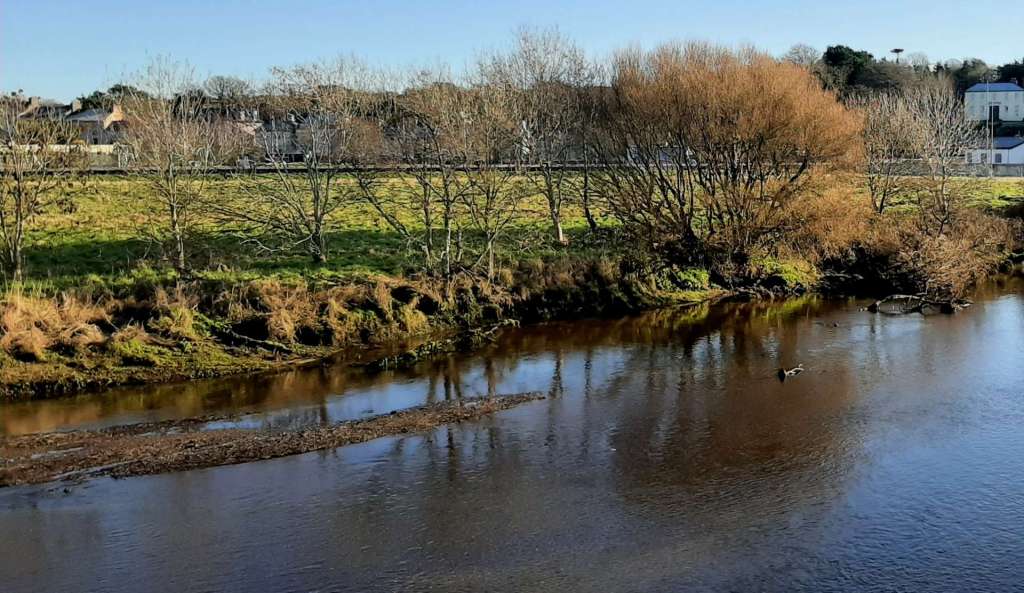
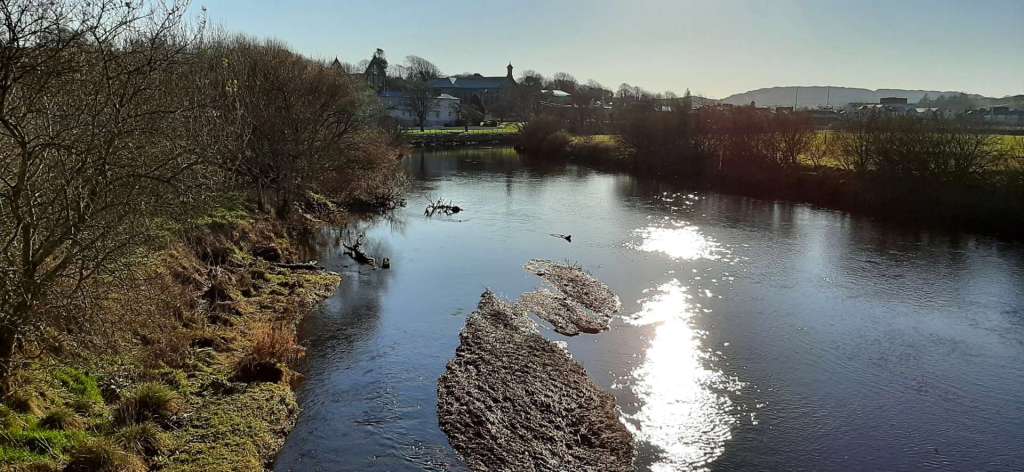
First I would like to wish all my friends and followers a beautiful new year ~ Let 2021 be a year filled with hope, many blessings, happiness and good health. That is my wish for everyone of you.My walk took me around our little town on the ring road, this road is relatively new and is flanked with interesting shrubs. It also gives lovely views towards the town and behind it some the hills that surround us. At some stage the road crosses the river Ilen. The view is always spectacular, the river is tidal, today the tide was high which saw the sun sparkling in the water.
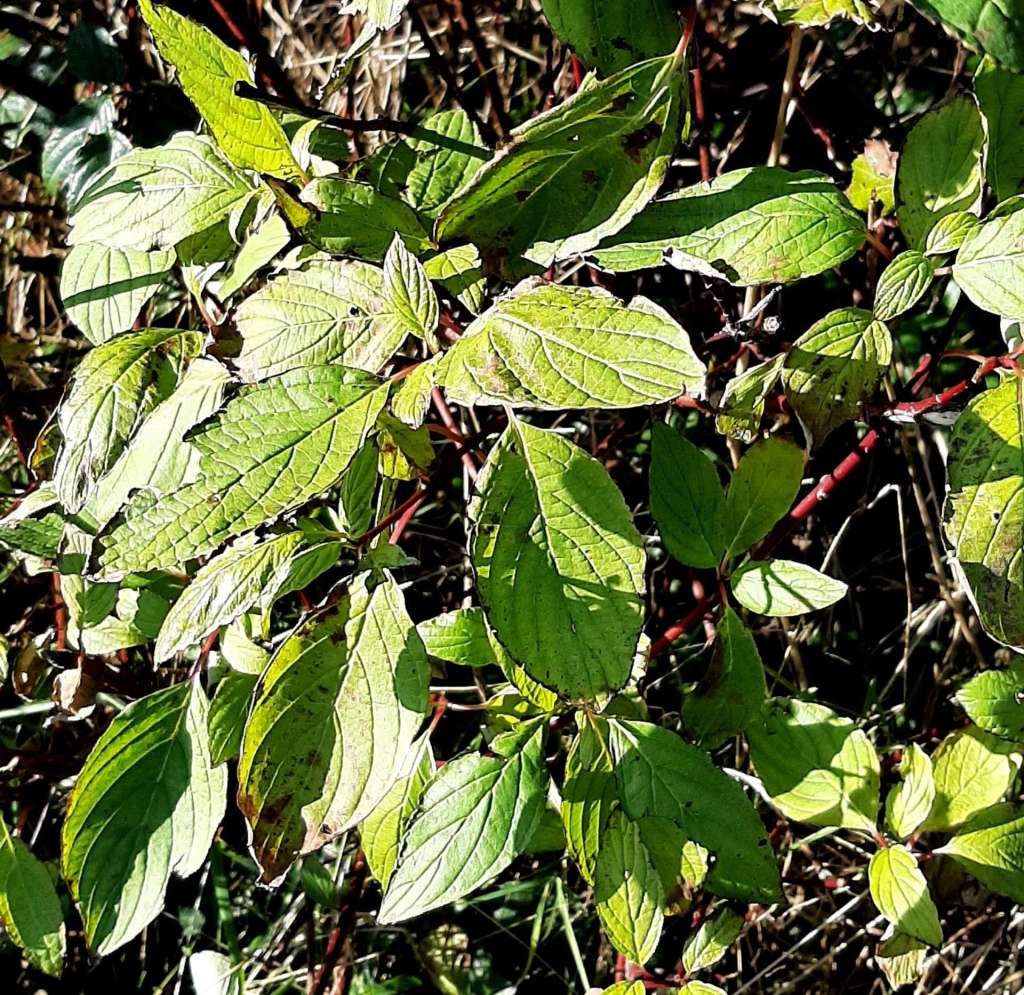
Red twig Dogwood in leaf
Red twig Dogwood during winter
One of the lovely shrubs along this road is the Red twig Dogwood, it is vibrant and adds bright colour to the otherwise bare branches all around. I have added this shrub to my garden plan for this coming planting season, I read that one of the varieties needs lots of moisture and it may well help to solve some of our waterlogged problems. It would also add great interest.
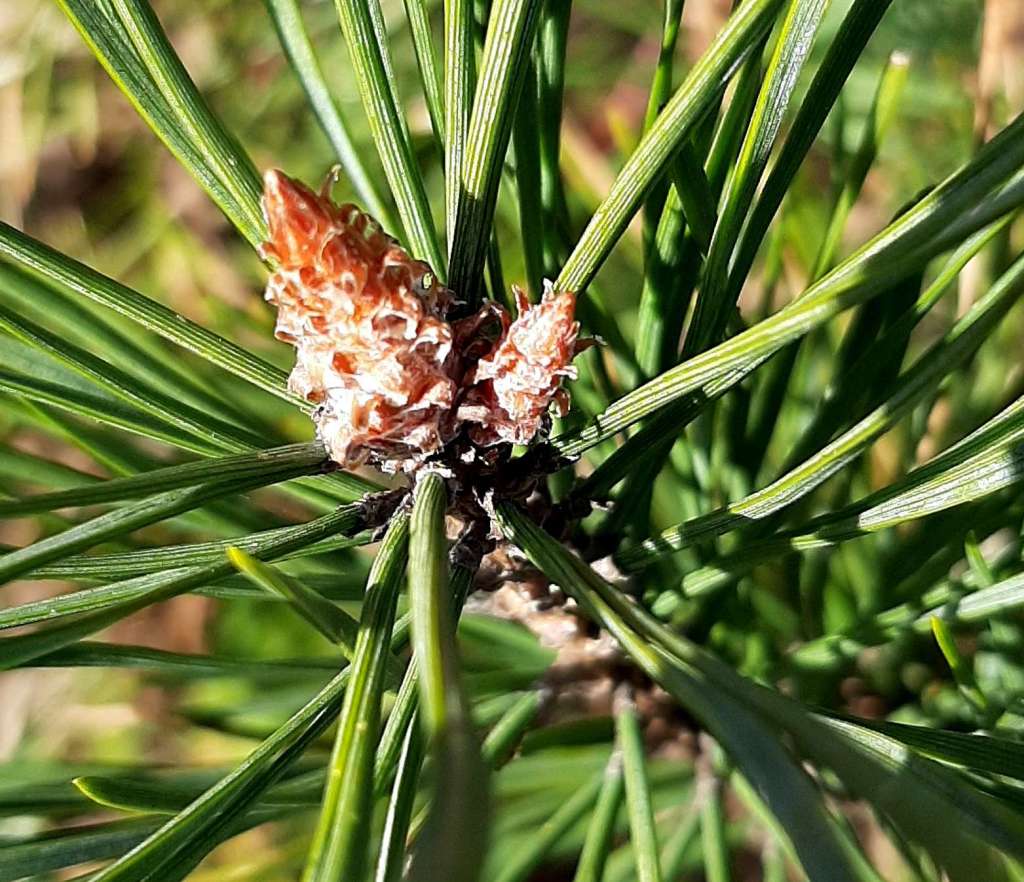
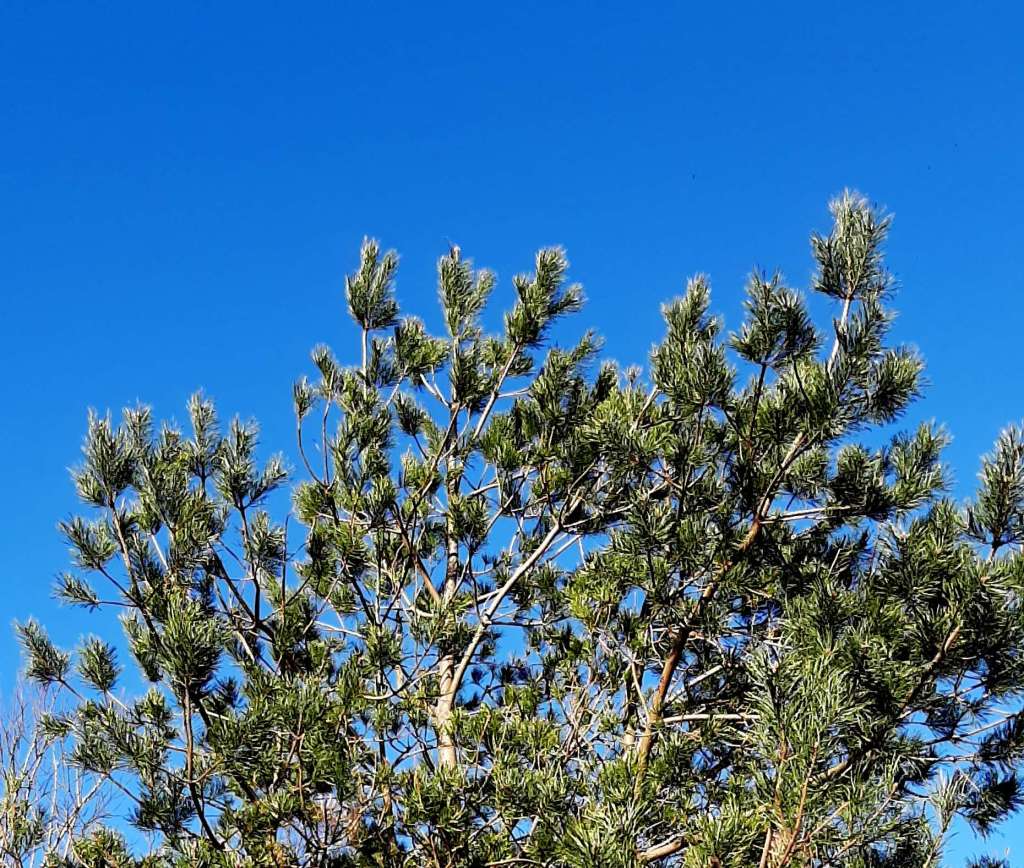
Type of fir
Budding soon
Beautiful blue sky
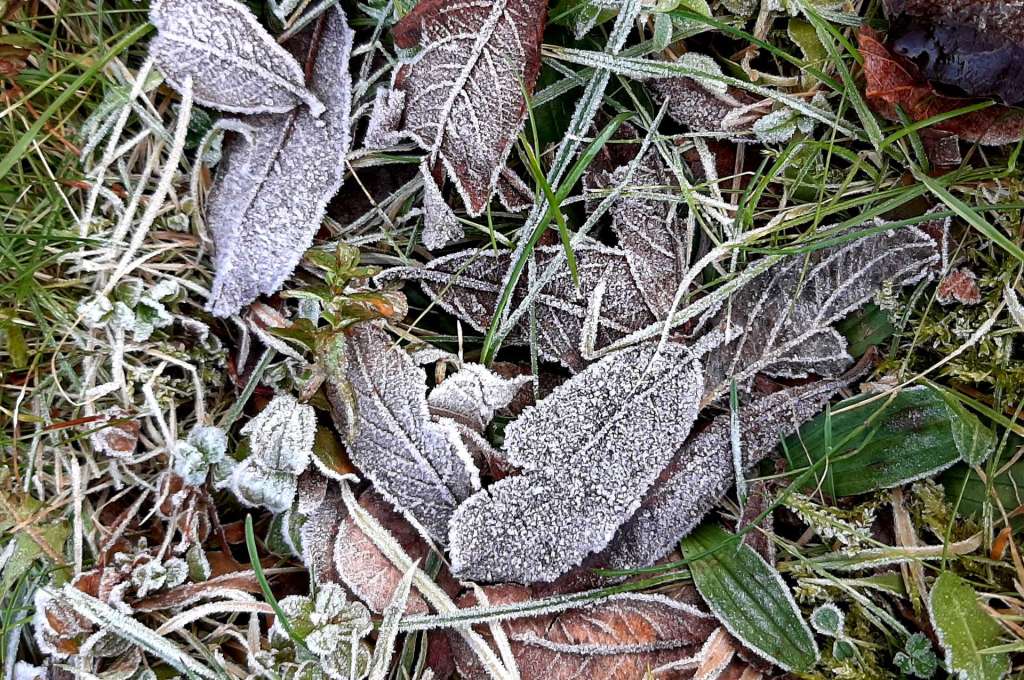
Frost still where shadow lives
We have been enjoying sunshine and very cold weather which is a bit unusual for West Cork area but is so lovely and healthy too. The sky was so blue the day I took these photos, a delight to the eye.
Fir tree
Willow catkins
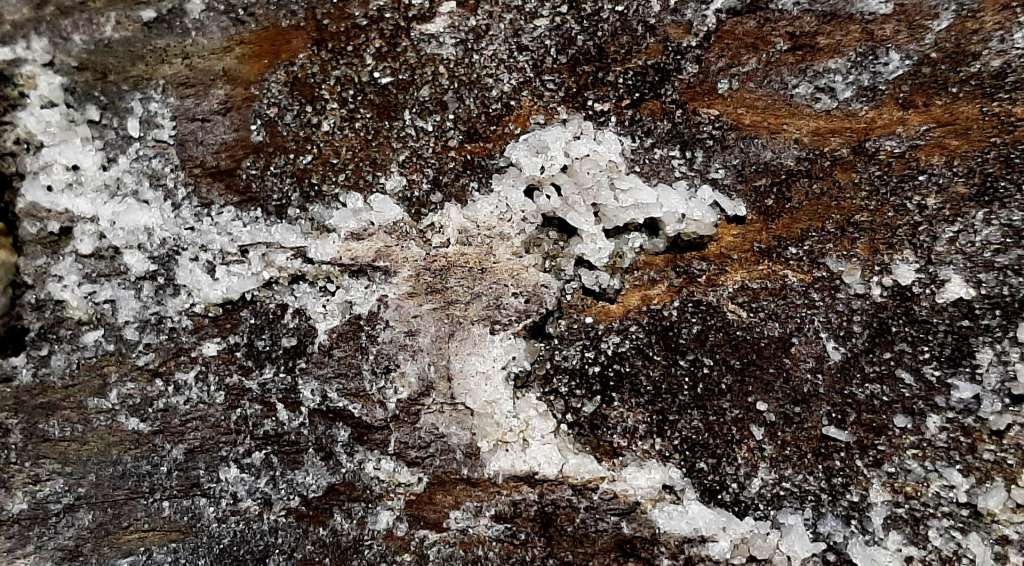
Crystals shimmering in the rock
And then to my surprise I found some willow catkins, nature sure is slowly waking up. On the way back to the car I noticed the sun was lighting up the crystals in the stones of the wall I passed, these quartz crystals are seen regularly in our stone walls and I’m always delighted to see them. They are a little camera shy though, I can never seem to take a good photo of them, nothing that does them justice as they are so beautiful.
I am hoping that you all stay healthy and happy during these frequent lockdowns. Sending you all much love. Let 2021 be a year full of hope and happiness.