SERRA DA ESTRELA IN CENTRAL PORTUGAL

Some years ago Ian and I spent a few weeks in Central Portugal.  In memory of all the forest fires which destroyed so much trees plants and animals (and most of all human life) that was lost there over last summer, I have decided to enter a few thoughts, photos, and words from my journal of those days.  It will show the fresh beauty of the place, and like many I hope that the land will recover in all its glory.

We were staying in a small village called Orca in the centre of Portugal, close to the town of Penamacor and Castello Branco.  It was very hot already during our stay even though it was only towards the end of April.  One day we decided to travel to Covhila which lies on the foot of the Serra da Estrella Natural Park and mountain range.  Here is a little of what I noted down at the time.

DSCF0552

Journal entry of April the 28th ~ INTERESTING ROCKS AND MAGNIFICENT VIEWS
We made a day trip to the Serra da Estela mountain range, the highest mountains in Portugal, while we were staying in a lovely little hotel in the historical centre of Covilha. It was possibly one of the most amazing days we spent in Portugal. The beauty of the landscape, plants and rock formations, topped up with actually being able to hold snow in my hand, while we had been baking in temperatures of over 30 degrees Celsius in the valley below, was lovely. There were interesting stones and flowers to discover. We drove down into the Glacial Valley where the village of Manteigas was to be found, the views leading up to discovering this village were wonderful.  It is a trip I would advice anyone to take when visiting central Portugal.

DSCF0394

LOOKING DOWN TO THE GLACIAL VALLEY

This was not only a fantastic view, it was also very interesting of geological interest.   This U-shaped valley was gouged out by a glacier during the last Ice Age. Manteigas is a very lush and quite large village surrounded by mountains, it lies bathed in the sun and water streams down to it from all sides. This assures a good supply to make everything grow well and look very green and fresh. We had a lovely traditional Portuguese soup there with Spinach in it, after a generous helping of fresh Olives and bread. We finished off the meal with a nice desert made of layers of coffee ice-cream and pastry, delicious!

DSCF0332

Granite rock formations

DSCF0483

You are climbing up to nearly 2000 meters high, a very good road, the views magnificent!

AMAZING SCENTS AND A WELCOME COOL BREEZE

The scents all over central Portugal are just so sweet and lovely, so much so, that you breathe with pleasure. The heat does help with this, but even high up on the Serra da Estrela I experienced these lovely scents. I wish that I could bottle it and bring it home, but meanwhile I did breathe with pleasure.

MAGNIFICENT VIEWS

SNOW AT A HEIGHT OF 1750M

Well I have enjoyed this little journey into my past.  I’ve got lots more that I will share.  At the moment I am going through many photos of the past few travels, on some of my memo sticks.  I’m taking at least a year off Facebook and it is amazing how much time more time I have to spend on other things.  Wading through thousands of photos is no mean task, but it is enjoyable.  I hope that you have enjoyed my journey into the past too.
GANDIKOTA FORT

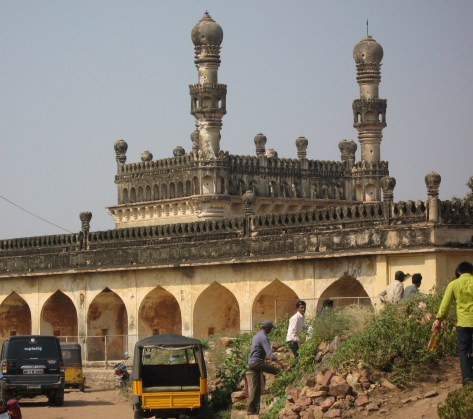
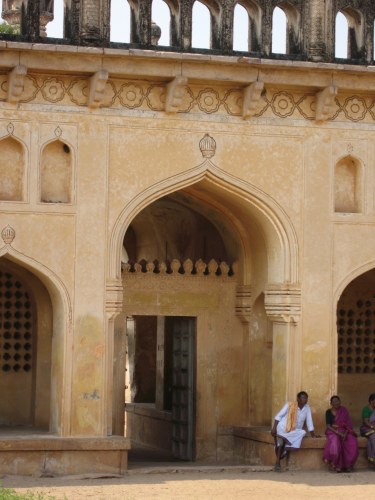
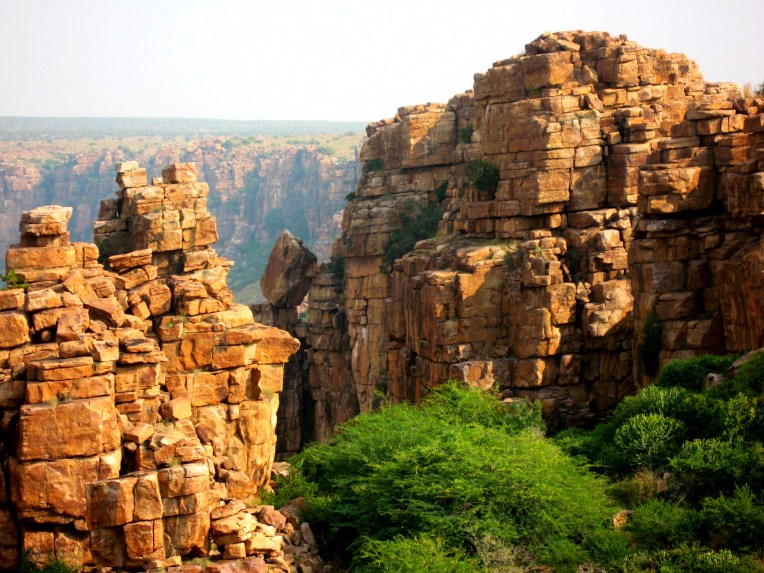
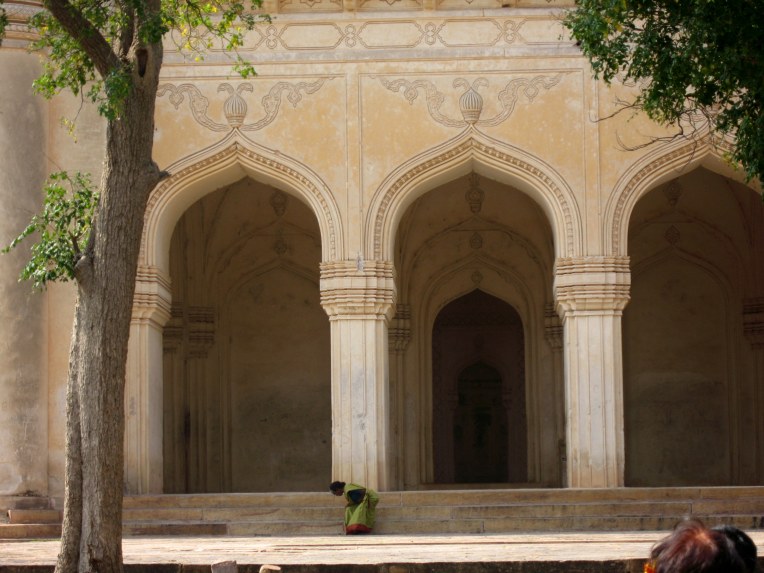
In India, somewhere about 15 km from Jammalamadugu in the Kadapa district, in Andhra Pradesh, there lies a village called Gandikota. It lies on the right bank of the river Pennar.  This river creates a deep gorge while it runs through the ancient red granite rocks of the Erramala hills, whole big bolders of them, a magnificent sight!  About seven years ago I was there. It was new years day of 2010 and together with some friends we visited the fort there and the temples and mosque all well maintained ruins now. Gandikota Fort was constructed around the 12th century during the Pemmasani Dynasty, and became one of the most prominent forts in the country. Gandi is the Telegu name for gorge and the village and Fort got their name as a result of that. There was quite a bit to see at Gandikota, most immediately when you enter the area there is the impressive ancient Jamia Masjid mosque with its beautiful architecture, its elegant arches. Then there is the granary which is a very robust and dark building, very cool inside while intense heat outside, only air vaults letting in a tiny ray of sunlight.  Before long the eye catches another interesting building, this is the ruin of the Ranganatha Swamy Temple, very impressive with its magnificent carvings and pillars. The carvings depicting scenes from the Mahabharata and Ramayana. There are also the ruins of the Madhavaraya Temple and some other ruins in the vicinity.

IMG_0435

IMG_0418

IMG_0430

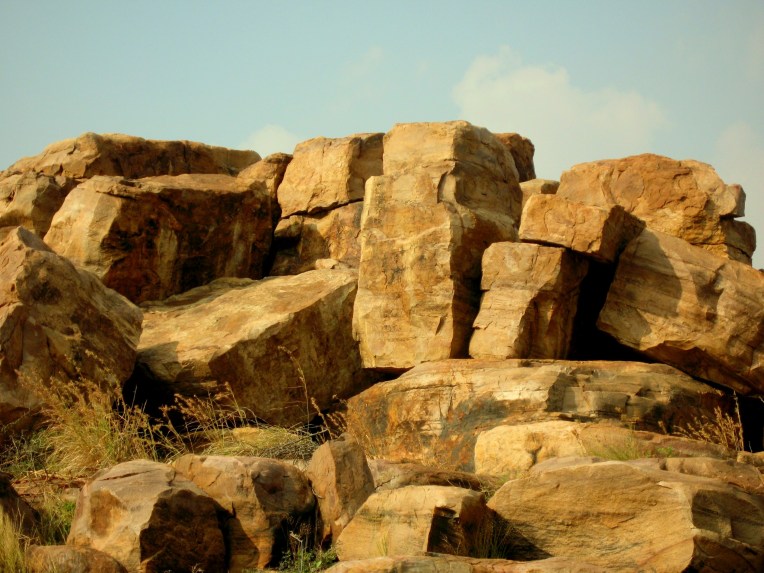
The rock structures of the gorge are magnificent, the red granite majestic in huge blocks precariously grace the tops of the gorge, you have to climb over them to get to the edge and see the view. Granite is an igneous rock made up of a variety of mineral, like quartz, feldspar, mica, and hornblende. The composition of small amounts of mica, amphiboles, and other mineral is what gives granite its red colour.

IMG_0512

IMG_0500
I spent many months in this vicinity over several years but alas it is now seven years ago I was there last.  This visit was one of the outstanding natural and archaeological beautiful places that I visited in Andhra Pradesh, but there are many more. It’s been too long since my last visit to India, me thinks.

FLASHBACK TO SOUTH INDIA

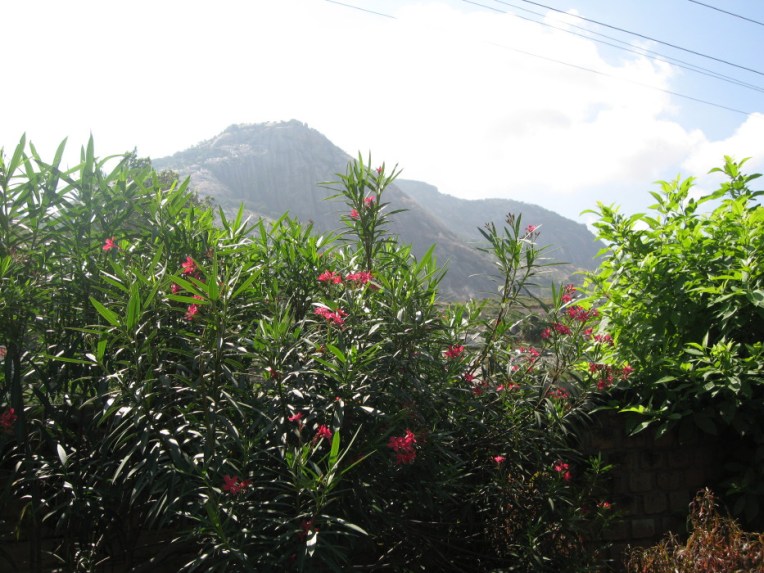
I would like to share some much treasured memories of my travels in South of India with you all.  Somehow being in Gozo reminds me of my time in India, not sure what it is that brings up the memories but there you are. A page out of my travel journal describes a trip that I made by taxi from Tiruvannamalai in Tamil Nadu to Tirupathi in Andhra Pradesh, it was a most interesting and beautiful journey.

We left very early in the morning while it was still dark, this meant that we would be able to watch the sun rise over the landscape.
I was simply glued to the window of the taxi, this was a large comfortable Indian taxi, in front the driver and our friend Ramesh and beside me the friend that I was sharing the journey with.
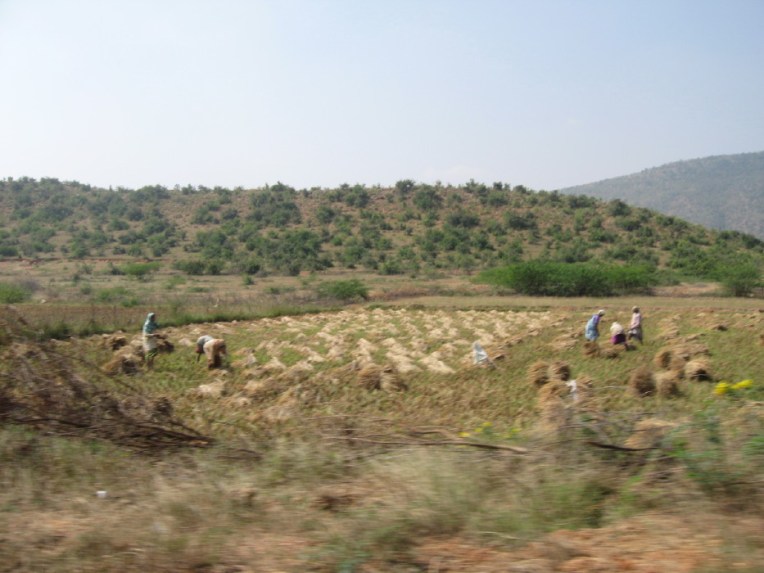
We travelled fast at first, there were many signs of people, of life starting to happen in the little hamlets which we passed, though I saw far less people than I had seen in Tiruvannamalai the last few weeks because of Deepam Festival.  I saw the sun rise over the farmers already working on the land, early and in the cool of the morning.

IMG_4860
The landscape started to change, the mountains became quite different in shape, edges more sharp and irregular.
The vegetation and the trees became very lush. In the hamlets along the roadside we passed women getting their children ready for school, we saw them carrying colourful plastic water containers on their head. We passed men herding large flocks of goats with silky coats.

IMG_4884
Many of the houses and huts, some of them circular in shape, were made of woven materials, making full use of locally produces building materials, the roofs becoming a bit higher as we got nearer to Andhra Pradesh, but we also passed many of the cement houses, they have flat roofs with railings and stairs leading up to the roof. Roofs are made good use of in India, these houses too were changing in appearance becoming more elaborate in their decorations, often with iron and stone trellises.

Andhra Pradesh
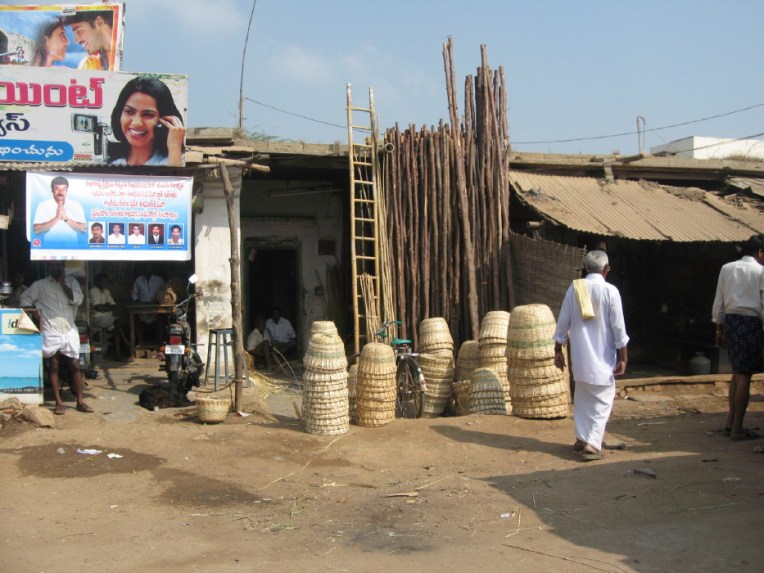
Many farmsteads have chickens running around. These hamlets and roadside villages are centres of commercial activity, shops, teashops, workshops, craft shops were people were working at making the crafts such as basketry.

IMG_5324

Outside the villages and along the road there were also many brick making places where people would be making the bricks and they would all be piled up and then baked either in the sun or in a special system of piling them and firing them.
Lots of basket weaving places near to Vellore also. Vellore is a large town with lots of colourful shrines and temples along the road, their use of colour reminding me of the choice of colour used in Celtic art, very vivid and bright.
It was very hot in the taxi, we were drinking some water to keep going.
There was so much to see along the way. I noticed two high Termite heaps which really impressed me.
The journey now took us into a much more agricultural land, with lots of crops tended along the roadside, crops such as peanuts and rice.

IMG_5338

Wonderful trees also, and banana plantations. In Kanumolapati we came across a very ancient Hindu temple, but the closer we came to Tirupathi the fewer the Hindu temples became, I was now seeing the equally lovely and interesting minarets of the mosques, some of them very beautiful.

In Kadapa town we had a bit to eat at the AP Tourism restaurant which had very good value for money, lovely food and good restroom facilities.
This journey took 12 hours, we stopped off at Agaral about 20km outside Tirupathi at the Park Avenue Hotel Gardens to have some excellent Thai.

All my memories of India are very precious to me.


FLINT STONE AND PILGRIMAGE

To say that England has a lot to offer in terms of history, interest, and beauty surely is an understatement. We have been here in Norfolk now for several days, while it is mainly as a family visit, the family has generously shown us around the area, and we took a great, long walk along the salt marshes at Burnham Overy Staithe. How nice to get to see this and get acquainted with a variety of the birds and plants found in this habitat.  I did hear a curlew, nice to hear as in Ireland they are heard less and less.

One of the main noticeable find here though are the what the houses are all built with lots of flint stones on their facades, no even all over the walls of the houses, I had never seen anything like it before and am fascinated. Flint is a very hard stone and those walls much be so strong and well able to endure the winds and weather in those areas. It is great to see locally sourced rock used as a building material. More information about the use of flint in Norfolk can be found here: http://belongathoughton.com/introduction-norfolks-natural-heritage/gallery ids=”13797,13790,13784,13792″ type=”rectangular”]

We took Ian’s grandchild and daughters on a steam train ride from Wells to Walsingham, the ride took us along many different wild shrubs and the berries were plentiful, among them hawthorn and rosehips. The birds will have plenty of food this winter!  The train ride was quaint, lots of time to take in all we saw along the track.

The flowing fields along the railway track were beautiful to watch.  Skies were also very  interesting.

We had cream tea in a teashop at a place which is dedicated to the virgin Mary in memory of her visitation by the angel Gabriel.  A pilgrimage from London to this village goes back a very long way.  There is a well there with waters that are said to cure people.  Mostly the place is very peaceful and beautifully laid out with lovely trees and flower beds.  In mediaval time pilgrimage was very popular but people had to go a long way and the road was often not very safe.  Today many people will visit places like these to get in touch with themselves and meditate on the meaning of their life.

DSCF3084

The history of Pilgrimage


MEMORIES FROM BOSTON

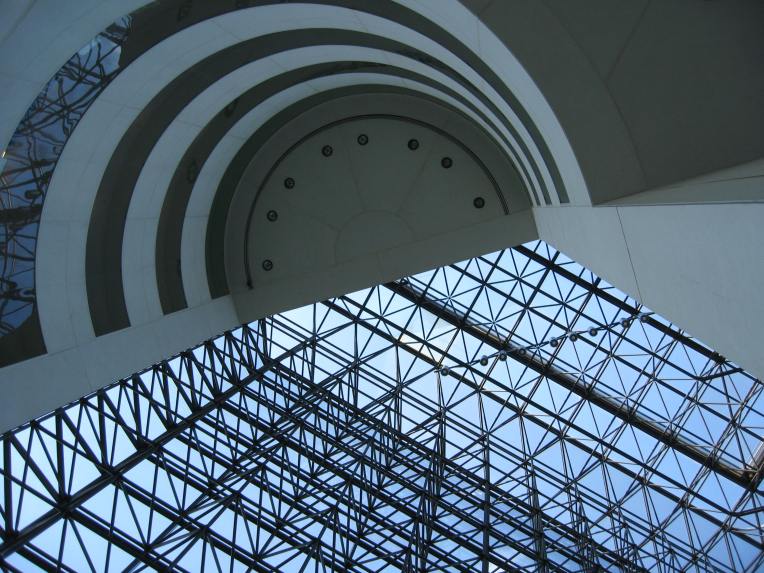
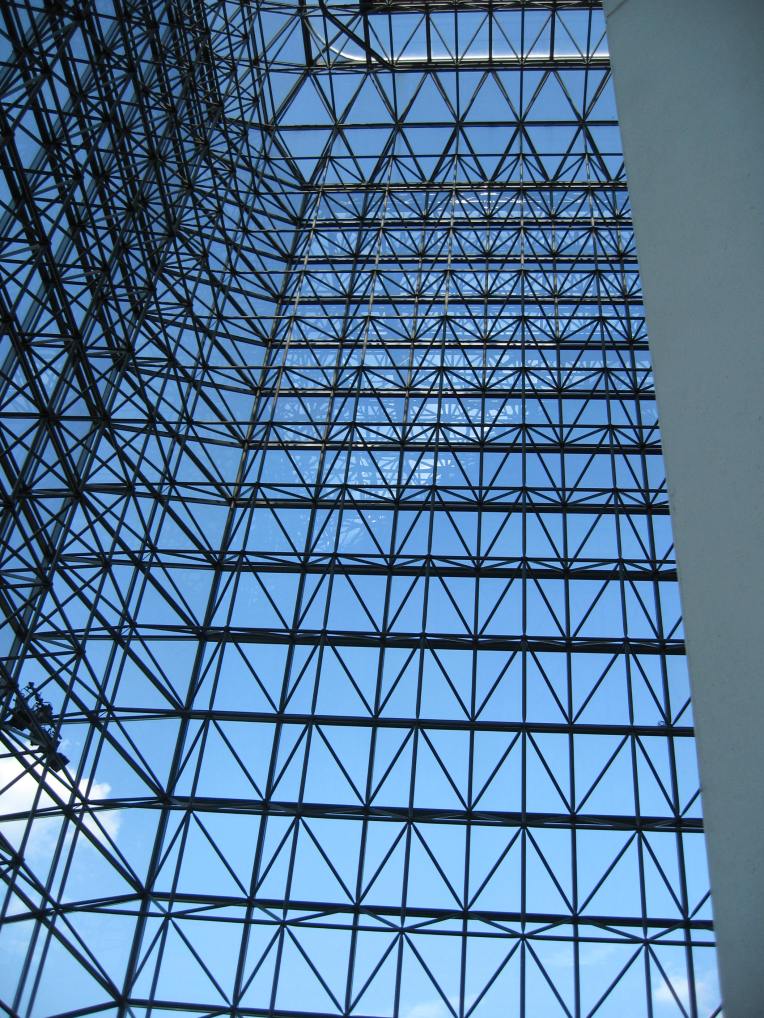
Architecture of the nineteen seventies – architect Ieoh Ming Pei.
JF Kennedy Presidential Library and Museum
The Pavillion
Archecture at JF Kennedy Presidential Library and Museum
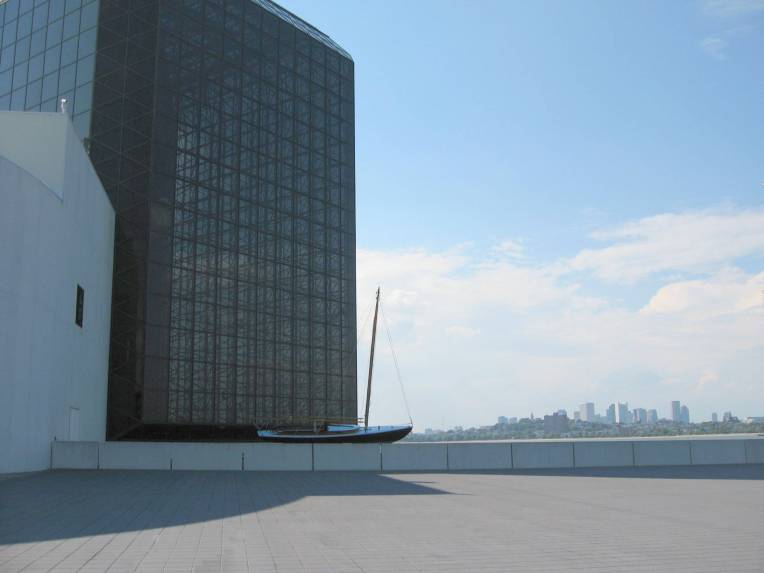
The sailboat Victura and the exterior of the library.
IMG_8744

If one would like to catch up with some historical and biographical information on John F. and Robert Kennedy, then it would be a good idea to visit the
J.F.Kennedy Presidential Library and Museum at Columbia Point in South Boston.

Apart from getting a good oversight of the life, the presidency and history of that period, a visit to the building itself is definitely worth it.
The building was designed by Chinese born American architect, I.M.Pei, and was build during 1977-79.
As you walk towards this massive construction, you see a stark contrast between its white concrete exterior and its black steel and glass façade, an unornamented expression in abstract shapes, a monument to modern American architecture.
Pei also designed other great buildings in Boston; like the extension to the
Boston Public Library, the West wing of the Museum of Fine Arts, the Hancock Tower.

I was particularly impressed to see how well old and new architecture can be together, this is shown over and over in the city of Boston, Boston is probably a good example to show how architecture has changed from the American Renaissance, to the Modern, in the 20th century, with the more modern buildings making a clear statement of what they are meant for, attracting visitors from afar, to not only look at the external building, but also see what is to be found inside, and what the buildings are used for.

It was interesting to learn that Pei was also the architect that designed the great pyramid shaped entrance and addition to the Louvre Museum in Paris, a piece of work that I have always admired very much.

Looking back I enjoyed very much taking photos of this building. And of course also learning a little bit about J.F.Kennedy. The friend who was with me was very knowledgeable on the history of all America’s presidents and he guided me around.
I have very many good memories of my stay in Massachusetts and Connecticut, especially visiting David Henry Thoreau’s and Walt Whitman’s Concord, and the Florences Griswolds museum in Old Lyme. I am looking at some of my photos and notes and hope to share more in future.

THE TOWN OF HERTFORD

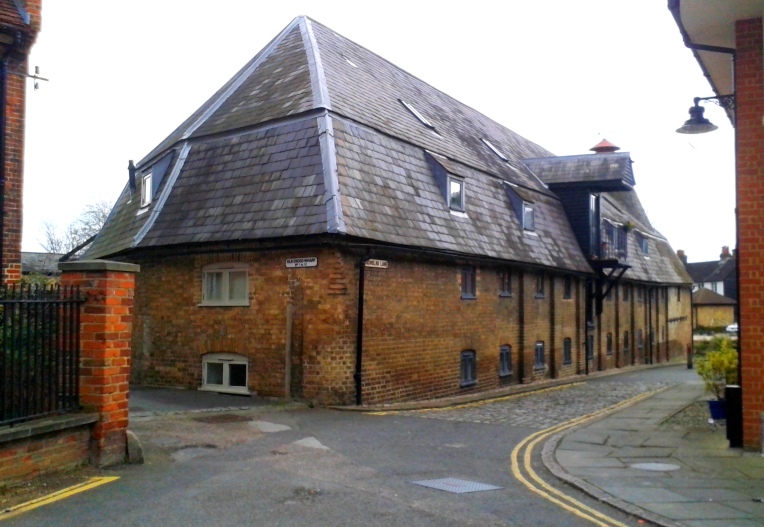
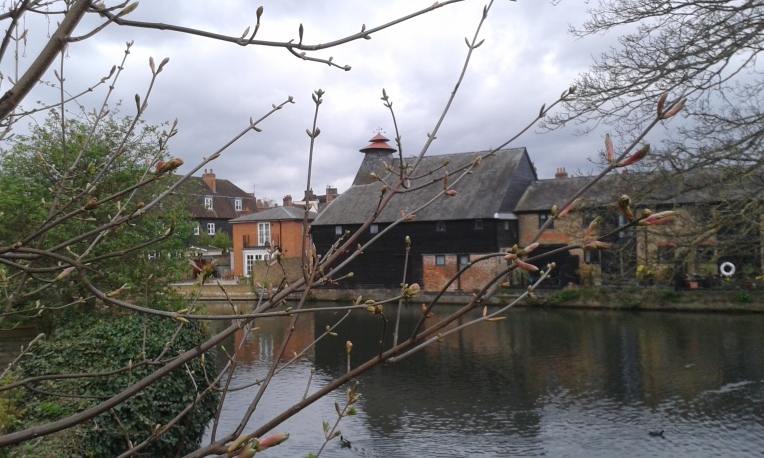
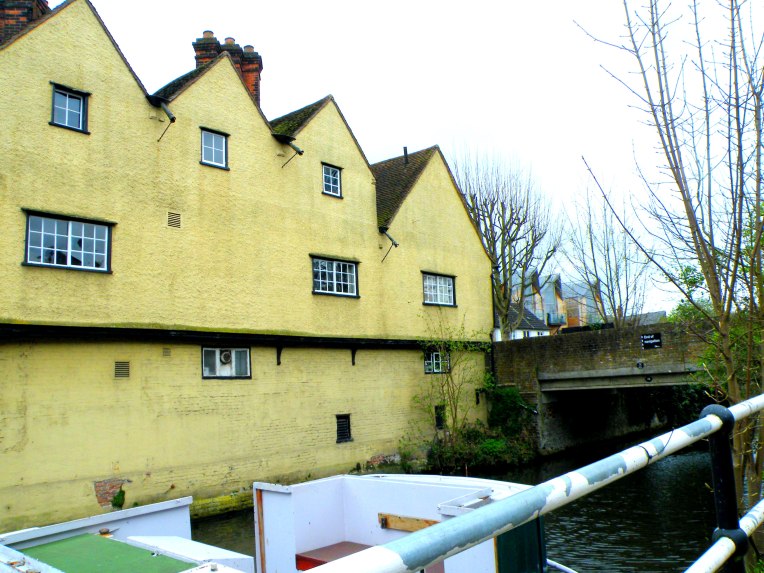
Some weeks ago we had occasion to visit the town of Hertford in England, it was a family visit but I was able to slip out for a few hours of town exploration which I greatly enjoyed because Hertford is such a lovely and picturesque place, so much of interest to see, a market town originally, most of the centre of the town is a conservation area, and this was plain to see in the many lovely facades of historical buildings. I felt a friendly and pleasant atmosphere there, people young and old looked carefree and happy that morning, it was the weekend. At first I crossed a little bridge over the river Lea, this river looked more like a canal actually, and it had some colourful narrow boats moored along its sides. Turning the corner I came upon a few market stalls selling local produce, nice one I thought, it is always good to see a market, it gives a homely feeling. I walked on just looking at the variety of town buildings, this must have been in the main street. I liked the facades of many of the buildings, highly decorative and a great variety. Turning back on my steps I decided to explore some of the many charity shops which in itself is a relaxing and nice thing to do, the thought in the back of my mind is always something like “I might find a lovely bone china cup in blue and white, or a precious book”. Anyway I knew very well that I could buy nothing as we were coming back from Gozo with three suitcases that were bulging as it was, end of story. But I did buy a book, it turned out to be the read of the year so far for me, I am enjoying it tremendously. It’s a biography cum garden history cum social history of a place in Shropshire called Morville and the author is Katherine Swift.
So far so good, walking on towards a church tower in the distance I then decided it was too far and turned back into the centre of the town where I saw more interesting buildings like the Old Cross Wharf of Nicholas lane. The Mill Bridge Rooms, this forms part of a 19th century Seed Warehouse. What’s very interesting about this place it that there is stored there a rare 4th century Roman Corn Dryer, that’s something I’d like to have seen all right. The Green Dragon Vaults – The Green Dragon Inn: The original inn existed already in 1621. And several other buildings. Very noticeable were some of the shapes of the roofs, I just loved them. There is an interesting museum too but I only got as far as the hall and talking with the people inside there, hoping to have time to visit later on but did not manage that.
In every shop I entered I found the people friendly and chatty, this is always a good way to glean information but there is also an excellent Tourist Office which was also exhibiting some paintings at the time.
A good all round and very pleasant visit it was, adding to the already lovely welcome we received from Ian’s daughter, all of which made for a wonderful experience.  A place I would love to return to for sure as I don’t think I saw half of it yet.

DSCF1596

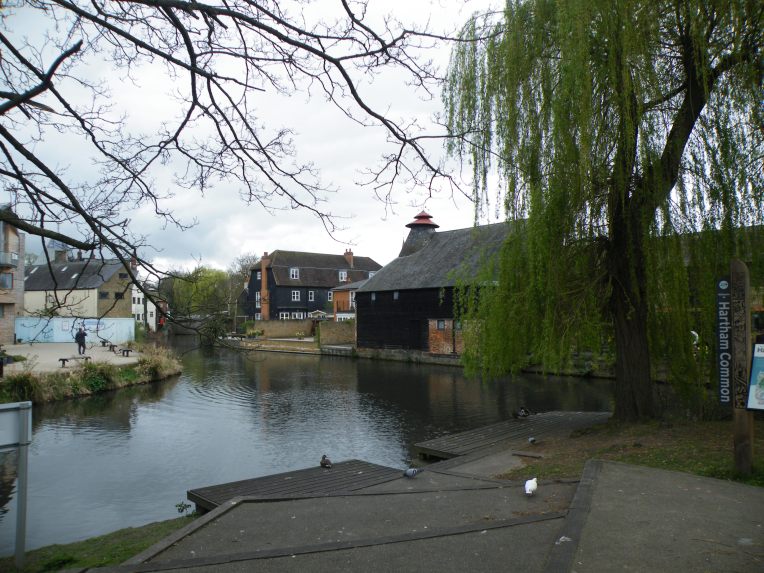
The river Lea and the Old Barge Pub on Folly island

20170331_133418

The Old Cross Wharf, historically used to as kiln, grain store, cart shed and tally house, more info on it found at https://historicengland.org.uk/listing/the-list/list-entry/1268795

Some beautiful decorative plaster work, this is called pargetting.

Here seen are the Mill Bridge Rooms and a photo of the Green Dragon Vaults/hotel

Some of the shopping areas and the market stalls

20170331_135952

This building across the river Lea here is quite distinctive looking, it is the other side of the Old Cross Warf above, but looking at it from across the river.  Cool!

20170331_133253

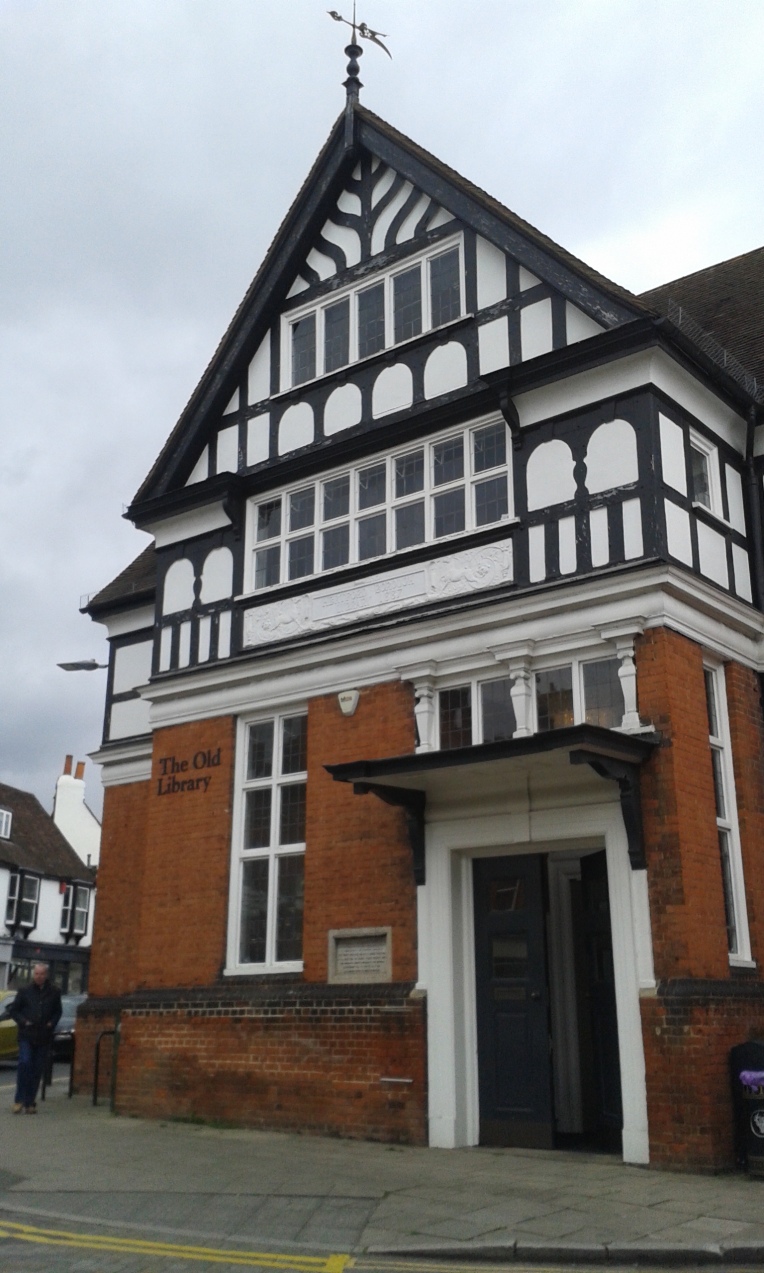
The Old Cross Library, this building was constructed by British architect Reginald Blomfield.

DSCF1593

Along the river Lea, or Lee.


FARE THEE WELL XLENDI

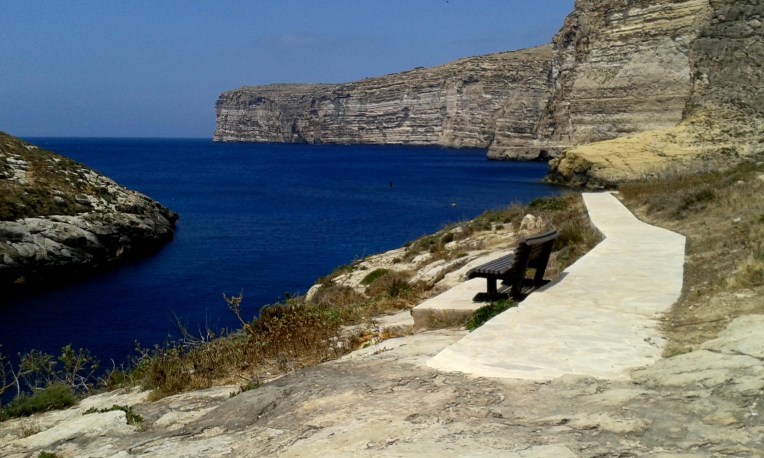
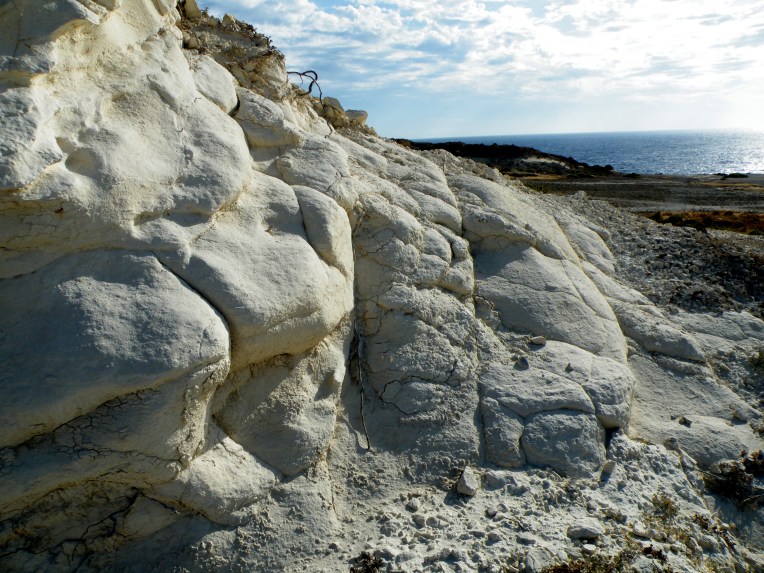
It is a fond goodbye to Gozo tomorrow morning early. I did my last walk along the cliffs this afternoon, noticing things that have given us so much joy, the sun most of all because we lack it so much back in Ireland, the flora and the fauna, the beautiful limestone rocks, the other visitors, most of them with smiles on their faces obviously enjoying similar sights to us, the colour of the sea which changes with subtle weather conditions, the sounds of the peacock, the geese, the starlings, and the crickets, the vantage point from our highly perched flat which has given us a fantastic eagle’s eye view over the sea and the village below. We have seen the sea boiling, producing white heads by strong winds, and we have seen the sea calm as a mirror, with colours of the water ranging from deep royal blue to a beautiful turquoise or azure blue. Here it has been a feast for the all our senses, we are very grateful that we had a full month of this soul nourishing holiday.
20160509_125006

DSCF5450


ALL THE GOOD OF LAND AND SEA

2016-05-04

Today I did a spot of cooking, but first I took the bus to Victoria, only ten minutes away, and I searched for and found the Fish Shop where I bought one large steak of fresh tuna, and two fillets of ling, the man in the fish shop offered me a recipe for cooking the tuna, it’s a great recipe he said, you will need oregano and other items, and as he said it he added a bunch of fresh oregano to the bag of fish, all for only €7 which I thought was very reasonable.  I then visited a vegetable stall, in Victoria these stalls are at the large car park near the bus terminal, and they are there most days.  From what I can see the produce is very fresh.  A friendly man helped me to a number of vegetables, as well as lemon, parsley, and an orange that I needed for my recipe.  He added a bunch of free celery leaves to my other shopping free of charge, the herbs and vegetables smelled good.  I love cooking with fresh herbs, and that is why I am enjoying the cooking quite a bit here, fresh fragrant herbs, especially oregano, rosemary, mint, basil, and sage, as well as tomatoes, olive oil, lemon, garlic, broad beans, green beans, and fish.  I may add that the long type of onions also are delicious, I’ve been enjoying those here.  To finish the tuna story, I made the marinade as instructed and cooked the fish  according to the recipe, and it was really delicious.

The man at the vegetable stall also informed me that the local produce would be best if I was looking for organic, which of course I was and I told him that, and he was selling a lot of local produce which is very nice.  Why would one import foods when they can be grown at home.

I was in a sort of garden centre shop as well this morning as I wanted to check what the situation is in Gozo regarding the use of ’roundup’ seeing that now it has been recognised by the WHO that the Glyphosate contained in roundup is a cancer causing ingredient.  The nice girl that I was talking to did not know about these matters, she did say that yes they sold roundup and that it is needed as it is very hard to grow produce on Gozo, and this is the second person that tells me that.  Some people that I encountered in the last few days have also told me that it would be impossible to grow organically on Gozo because of the drought, I wonder if I am overlooking something, as I never realised that you need more water to grow organically than with using fertilizer/pesticides.  It is all very interesting to learn how other countries/people think about these matters.

The produce that we have enjoyed here a lot are the local honey.  Depending on what month of the year it is, the honey will taste different and come from different plants.  The prickly pear jam was something new to us, for me it is too sweet, but I just got to try new things, so we bought some.  The basmatic vinegar of Gozo is delicious, I love it in a tomato dish.  The capers, which are grown locally too, are lovely and add a kick to the mixture which all people of the Maltese islands love on toast.  Joso, a nice woman I got to know in Malta, a neighbour of ours there, gave me this recipe for a nice breakfast, she told me to cup up some nice tomatoes, or use tomato paste and put that on toast, then add capers and some basil, it does taste delicious.

Another woman in the shop the other day showed me how the Gozitans use their herbs, also mixed with tomatoes and olive oil, left for half an hour to soak it all up, and then served with capers and toasted bread.  I am sure that this food is all very healthy, it does taste nice that is for sure.

I still wanted to add some photos of what we were discussing in my last post, about the swales, because today I took some pics in the park which is in the middle of the town of Victoria.  A lovely and well kept place where it strikes you how much attention is given to each individual plant or tree.  I saw how they use the swales, and water harvesting.  They dig a ditch around the plant or tree individually, which then keeps any water near the roots and lets the plant utilize the water to the full.  They also make ditches along plants so that even more water is harvested.  Though these photos I took in a park, I am sure these methods are being practised in general.

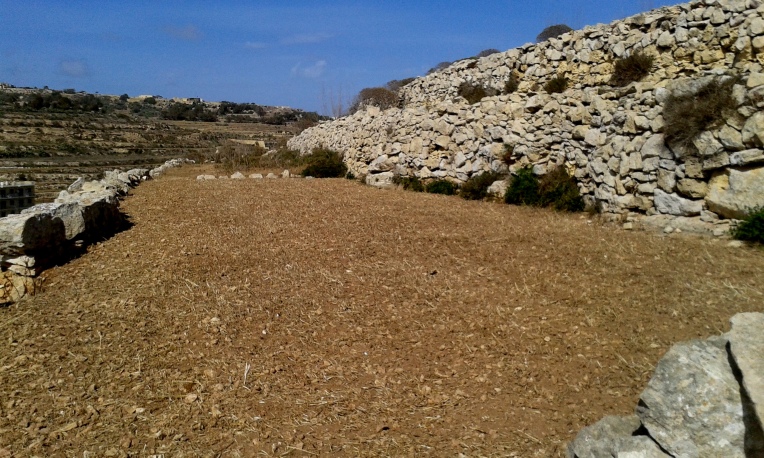
Just a few examples above.  Below an example of terraced crop growing, where the water will not just run down the slope but will stay on the terrace watering the crops growing there, or in this case the crops that will be sown here.

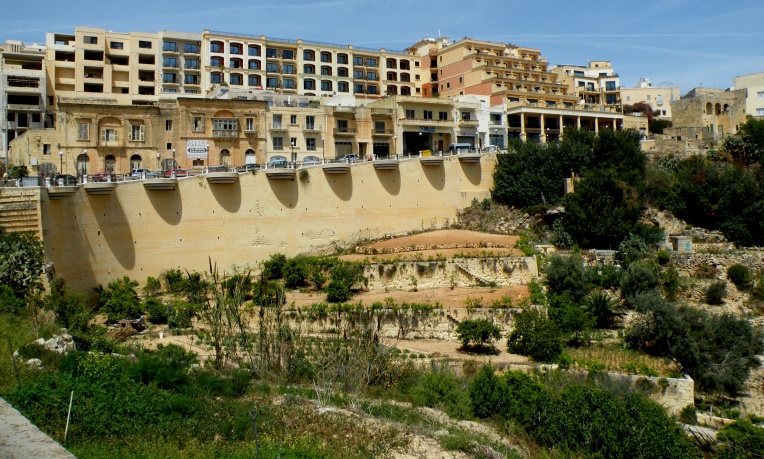
Terraced small fields at Xlendi

I’m enjoying all this getting to know about the life here, so interesting, but also what it does to me is, it makes me think more, and ask more questions to how things are done back in Ireland, where things are on a far larger scale because of the size of the country and the larger population, but still comparisons may be made in certain areas.

One question I still have for Gozo, I still have not seen any cows, sheep, pigs, only three goats, and one chicken, where is all the smallholders livestock?  Are they really all inside like I am told?  And if so how are they fed.  It seems most unusual not to see cows or other livestock on the land.  I look forward to getting answers to those questions some day.

MY OBSERVATIONS ON THE LAND

Even though I only wrote these observations the other day, I have gleaned more information today that I would like to add to this blog entry as it is relevant. As well as that, some of my dear blogger friends have asked me questions about the water situation in relation to farming and growing crops which I have tried to answer, but I am constantly learning more about the situation on Gozo and so I want to update my writing, it is still only my own observations, and they will change as I learn more about this beautiful and attractive island. Thank you to Lydia (Lyart) and Mary Tang for asking me questions which made me think deeper and search for more answers.

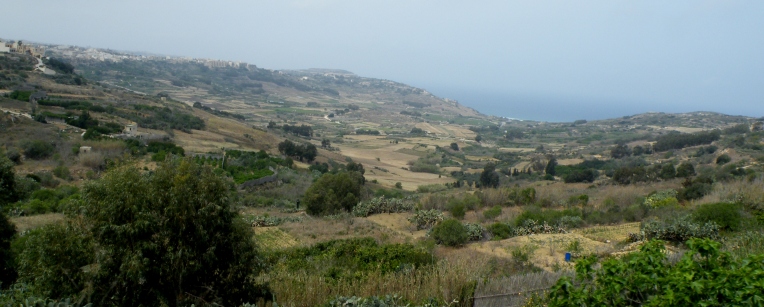
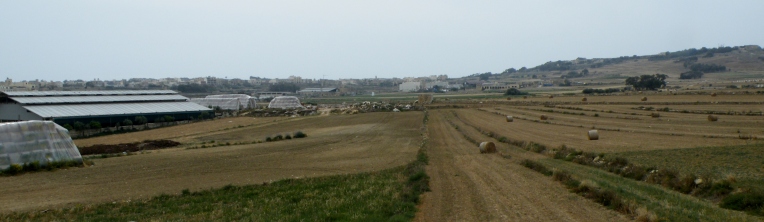
Ever since we came to the Maltese islands nearly two months ago I have been looking for signs of agricultural activity, and in particular have I wondered if there were people practicing permaculture, or growing vegetables organically. I have looked for signs, asked around and checked the internet, and slowly I am forming a picture of what is happening on this front here on Gozo. I think from what I gather from the papers that back in 2008 some people wanted to see Gozo turn into an ecological island, growing crops organically, preserving water and stone, but there are many challenges and they are not easily overcome, and I don’t think much progress has been made, but don’t take my word for it. I am only observing, one needs to be longer in a country to be sure of what the real story is, what the problems are, and what progress is being made. I did see quite a few crops even this early in spring, the grains such as barley or oats seem to have been harvested already. Large cabbages were in some of the small fields, as were plenty of onions. When we came early in March the vineyards were still looking very bare, but now they are beautifully green and flourishing despite the drought. Yes, it actually has not rained here since the New Year, you can see some of the wild plants are wilting, and growth is stunted.  From what I notice there are a lot of small farms, or areas for growing crops, apparently there are not that many full time farmers on Gozo, but quite a few part-timers, people who have inherited farmland and work the land as a matter of course.  It is very noticeable when travelling around the island that an effort is being made to utilise every bit of available land to grow crops.   But today we had a chat with a local woman at Dwejra, she gave us information about the small farmer, the ordinary householder who will have a garden full of vegetables, will keep chickens for the eggs, will grow plenty of tomatoes, and some of those who have more land will even grow some grapes for wine making.  She told us that when the produce was plentiful people would share out to family and friend, a practise which is age old and so sensible and to be appreciated.

Terraced small fields at Xlendi
Terraced small fields at Xlendi, soil looking good.

The prickly pear is used in jam and liqueur making, the local wines are delicious.

DSCF5262

20160422_163808

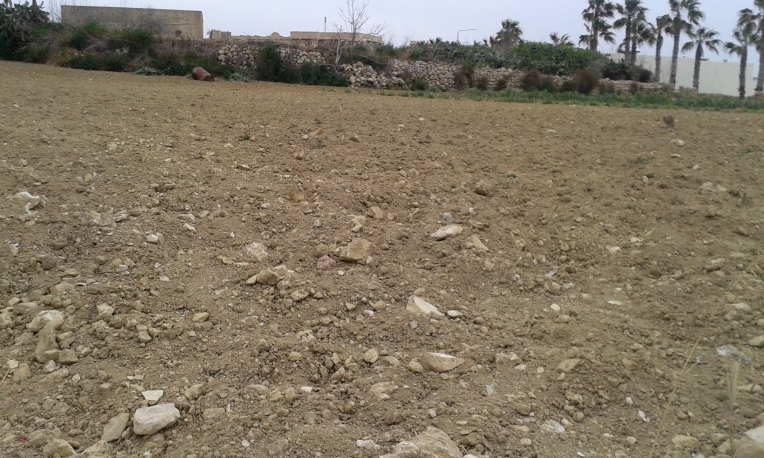
Some of the soil is very stony, just like it is in Ireland!  Of course seeing that it is a very dry climate here, the soil everywhere I looked was totally dried out, still the crops looked fresh and full of foliage, when items are planted the Gozitans make a bit of a pit and put the plant in there and water it, this keeps the plant more moist and preserves the water I guess.  The darker the earth, the more fertile it is.

On the water questions, many of the people on Gozo use their own wells, but the water table is becoming lower and lower because of the lack of rain. The Maltese islands do have a problem with drought, they get their water for a certain percentage from wells and the rest from desalination using electricity to transform it. Small organic farms may still be possible but there are other factors to consider, when it does rain there is often flooding. A lot of area on the island is urbanised but not enough water is collected and stored in cisterns (I read recently).  According to our local source the ground water is being depleted, which is not surprising when there is not enough rain to replenish it and at the same time there is more tourism and this industry uses a lot more water than does local living, what with swimming pools and many more people actually utilising water.  I am sure that there is much more to be said and thought about with regard to water provision and regulation, that I do not know about.  Gozo does have water reservoirs, and I read that there is constantly improvement being done. Check this document too http://www.fao.org/3/a-a0994e.pdf

Some kitchen gardens at Mgarr, typical between the high-rise flats

DSCF5296

This is a farm where, we were told are cows but we did not see any and were told that the cows are kept inside here on Gozo, not sure if this is true but I did not see more than two or three cows outside.  Some of the milk is imported from Italy.  There is excellent sheeps cheese produced on Gozo, a favourite of mine.  I also saw goats but was not able, so far, to source goats milk.

There is great potential for permaculture, and for growing vegetables, crops and vines without using pesticides and fertilizers, imagine what it could mean for Gozo if it became know for its pure and healthy food production, as there is a growing market for such produce all over Europe, and as the Maltese islands would not be at a danger of becoming contaminated with genetically modified pollination once seeds are kept out of the islands, this could be an ecological paradise.