BEARA A RUGGED BEAUTY

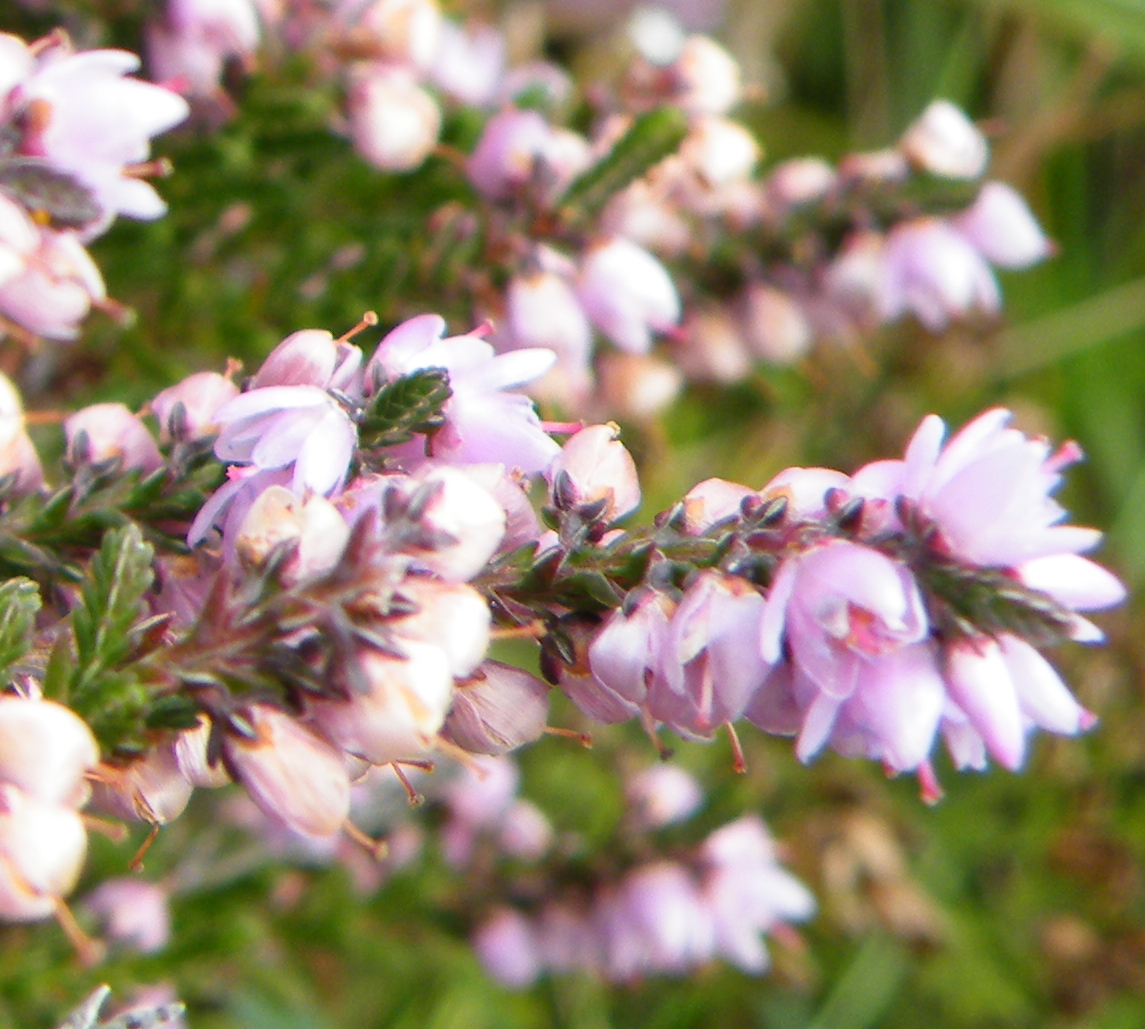
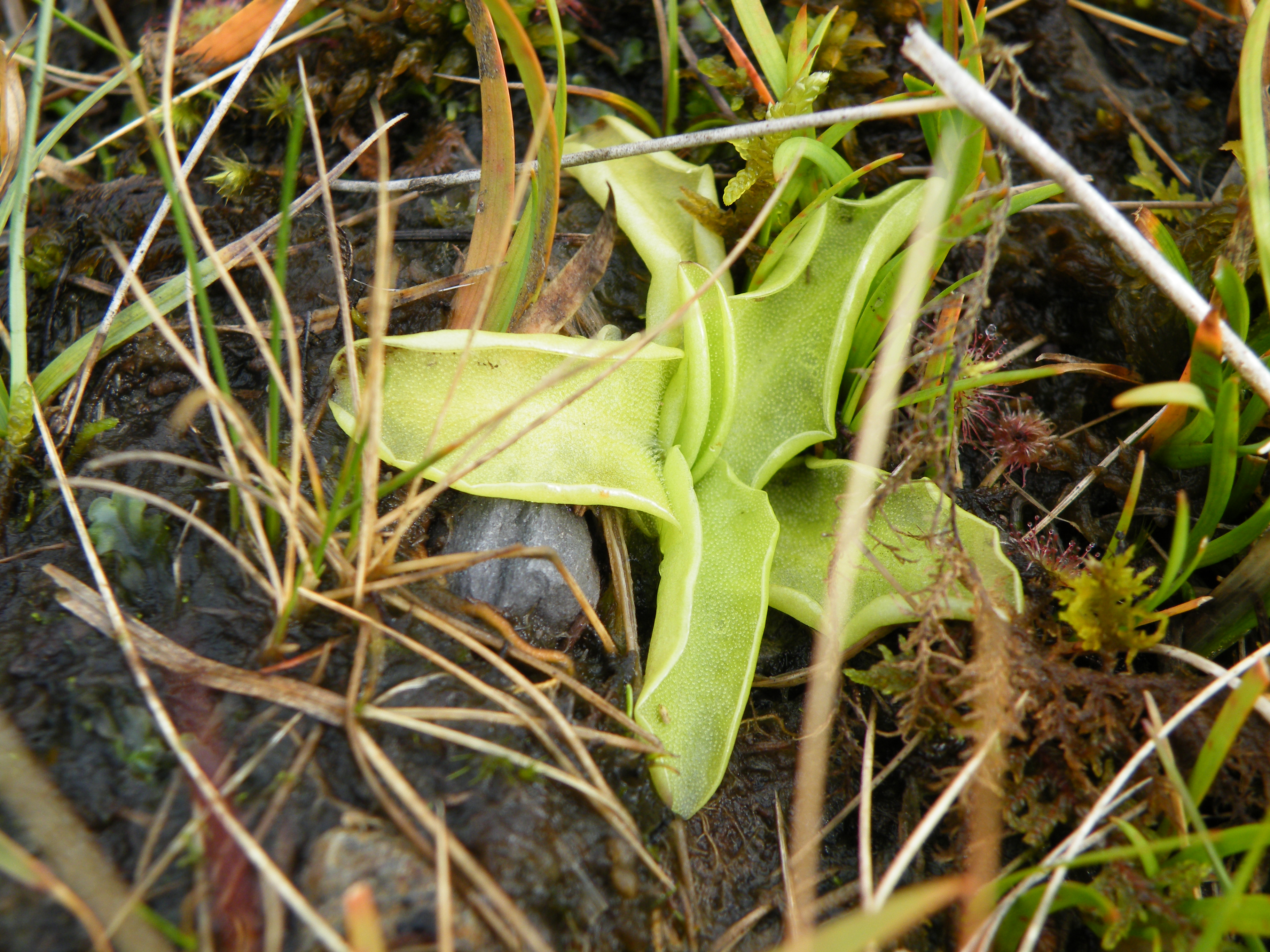
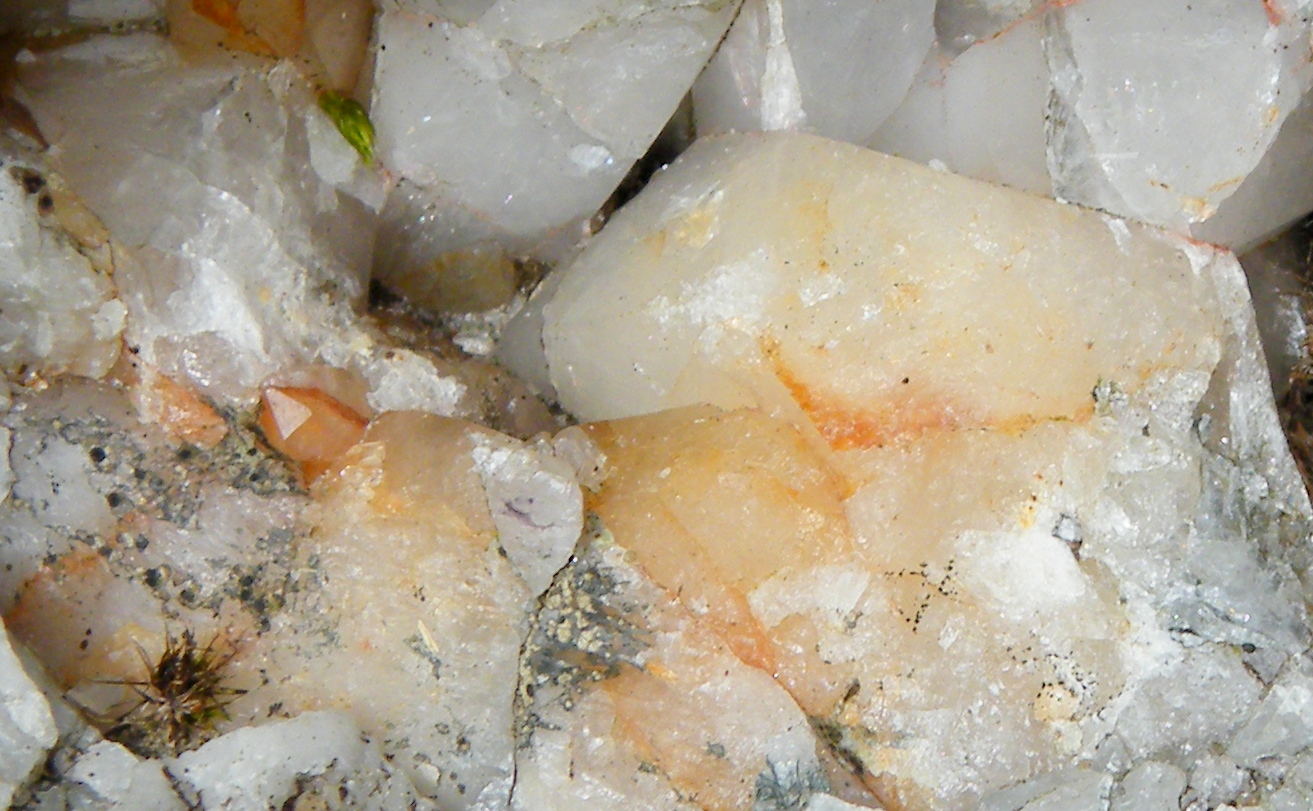
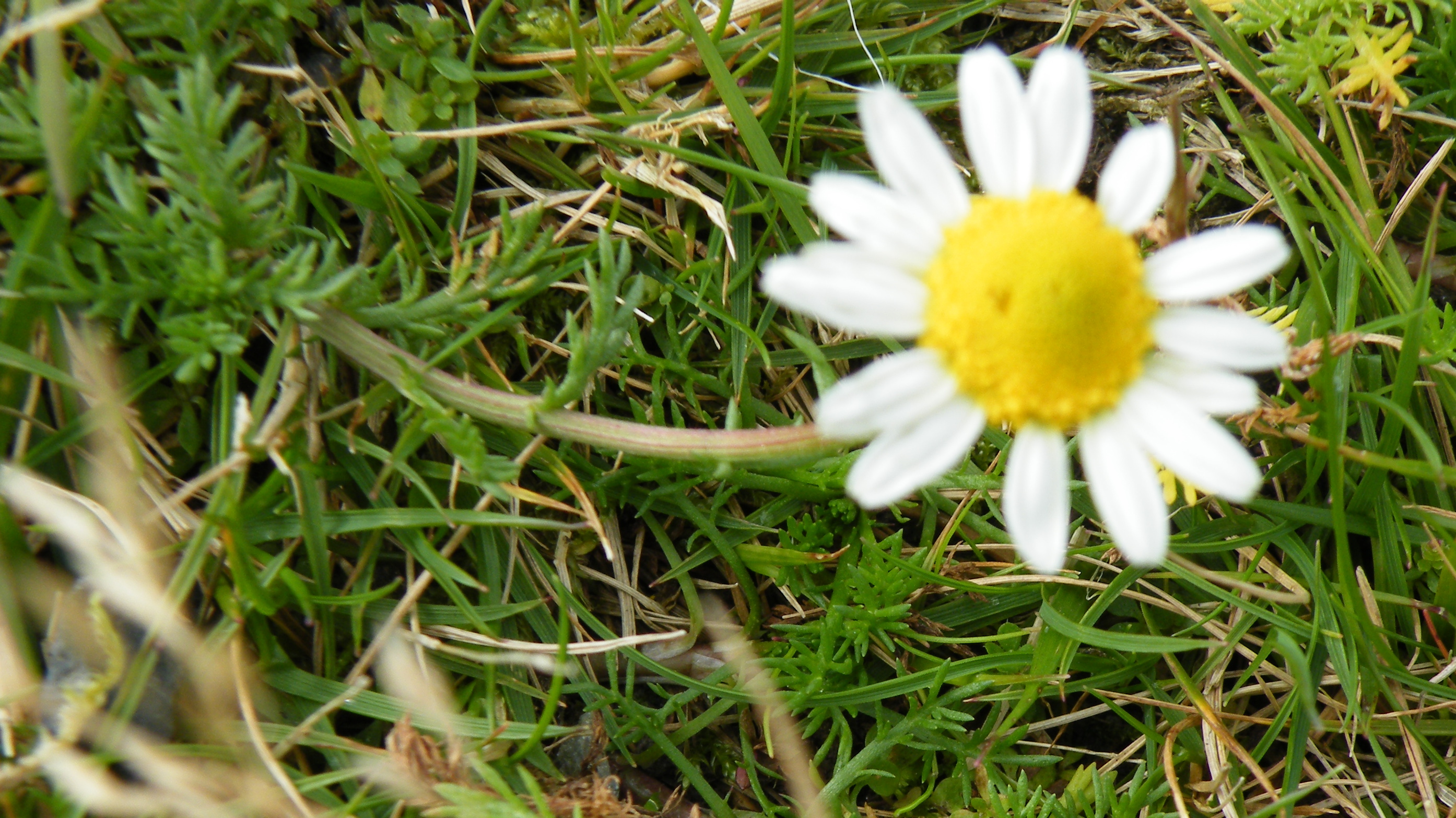
A few days ago saw us driving over the Healy Pass towards Lauragh in the Beara Peninsula, a most beautiful journey.  Leon Urus’ term, “a terrible beauty” certainly applies to this region. More and more rugged the higher you go, interesting rock formations, some quartz and crystals shining bright among the otherwise grey rocks. Insect eating plants, mosses, ferns, and very much lovely scented camomile flowers. Amazing views of bare rocky heights and lush green valleys.  Right at the highest point Glanmore lake can be seen and further down along the road plenty of Fuchsia, heathers, golden rod, and other wild flowers are still in bloom, and make for a lush tapestry of colour.
DSCF0131

DSCF0151

DSCF0166    DSCF0165

DSCF0152     DSCF0160

DSCF0142   DSCF0145

DSCF0140   DSCF0169

WORKSHOP ON SAVING VEGETABLE SEEDS

I spent a very interesting hour or two this morning at a seed saving workshop here close to the town where I live, it was held at the Brown Envelope Seeds farm, (which lies close to the Roaring water bay), in West Cork.
About a dozen of us listened intently as Madeline McKeever, the owner of the farm, explained how we could go about saving our own seeds. Giving an oversight of pollination, cross pollination, inbreeding, outbreeding, and F1 Hybrids, how to choose best varieties for seed saving, time taken to germinate, and seed coat dormancy.  She demonstrated how to save tomato seeds, and explained how best to store seeds, to store them cool and especially dry which is in this climate not so easy, or at least needs special attention. I was interested to learn that the seeds of one particular type of lettuce are so easy to obtain, just letting the plant go to flower and seed, but that they need cold to start germinating, that is something to remember.

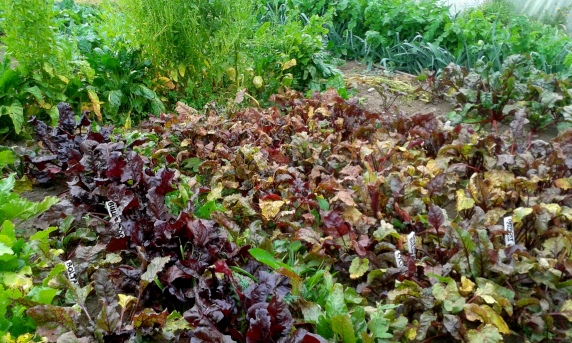
It was great to take a walk on Madeline’s farm and to see what she is growing. I liked the black dwarf beans, so easy to get at, low to the ground. I also noticed some different ways of trailing the peas, and beans, and even the courgettes, helpful for my own vegetable growing. Madeline is growing, among others, several types of beetroot in order to choose varieties for seed saving. Everywhere were piles of plant material drying out in order to harvest the seeds.  Also interesting was it to see the corn grown here, according to Madeline, it has become smaller over the few years she has grown it, it has acclimatised to the West Cork climate we were told, makes sense too.  So Madeline introduced a good heirloom American corn and sowed it among her local corn, this corn grows much larger, and the hope is that it will cross pollinate with the local corn and in doing so producing a good better local corn.  Exciting when you think of it, all experiments.
Several of the attendants agreed that if something does not grow well for you, not to bother with it in future. So for example, growing tomatoes outside is just a total no-no around here, I have tried it and it did not work out, Madeleine agrees, the climate is not suited to it, no matter what tomato type you try.  We were told that vegetables typically grown in South American thrive really well in West Cork’s climate, an interesting bit of information.  It is the first time that I am growing oca, a Peruvian vegetable as far as I know, and I am really looking forward to see my harvest later in the year.
I bought two packets of seeds to take home and try out, one is Red Orache, a mildly flavoured spinach type, and the other is winter purslane, also known as Miners lettuce or Claytonia, I have been wanting to grow this, I will still sow these this autumn, for winter harvest.
It has been a very interesting morning, been well worth putting in the time and effort, and I know that I for one have a lot to learn yet.
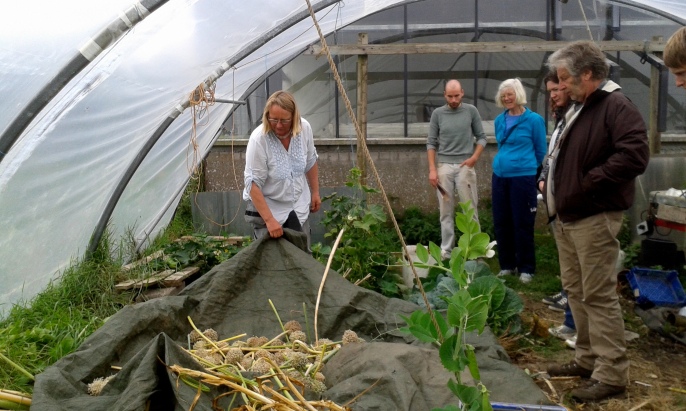
20150910_110916

Continuing instructions in one of the greenhouses.
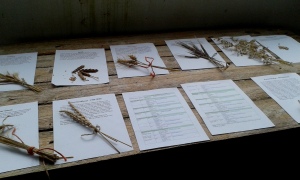
20150910_125718     20150910_125727

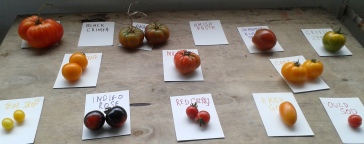
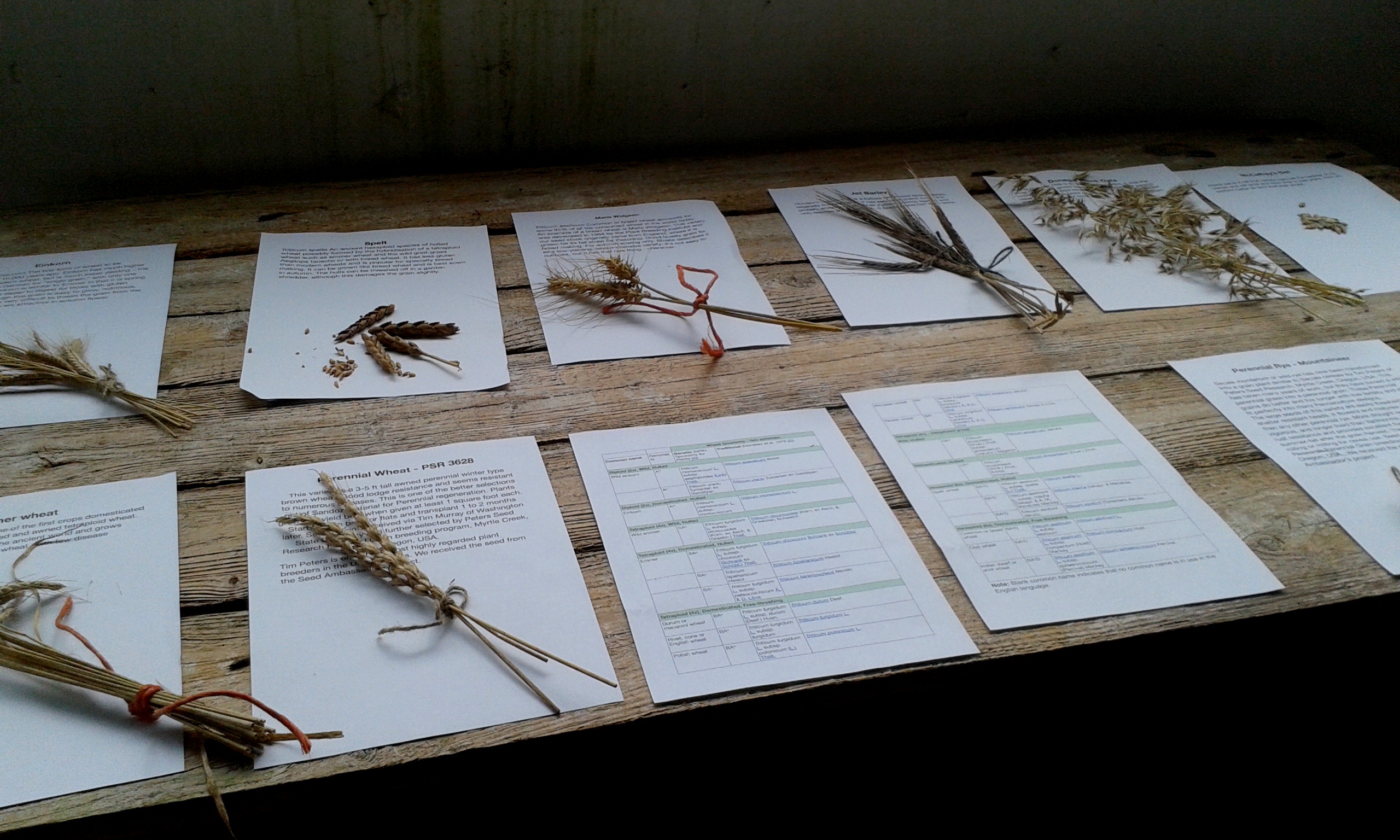
Showing us different types of grains growing in Ireland, and types of tomatoes currently popular around here.
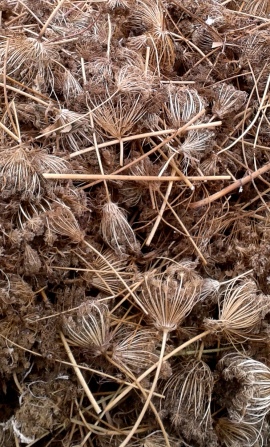
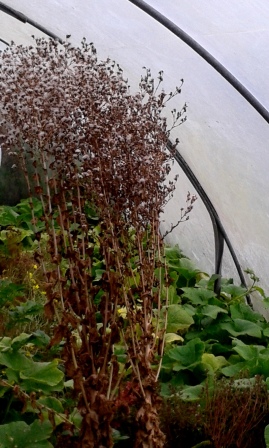
20150910_111729     20150910_122226

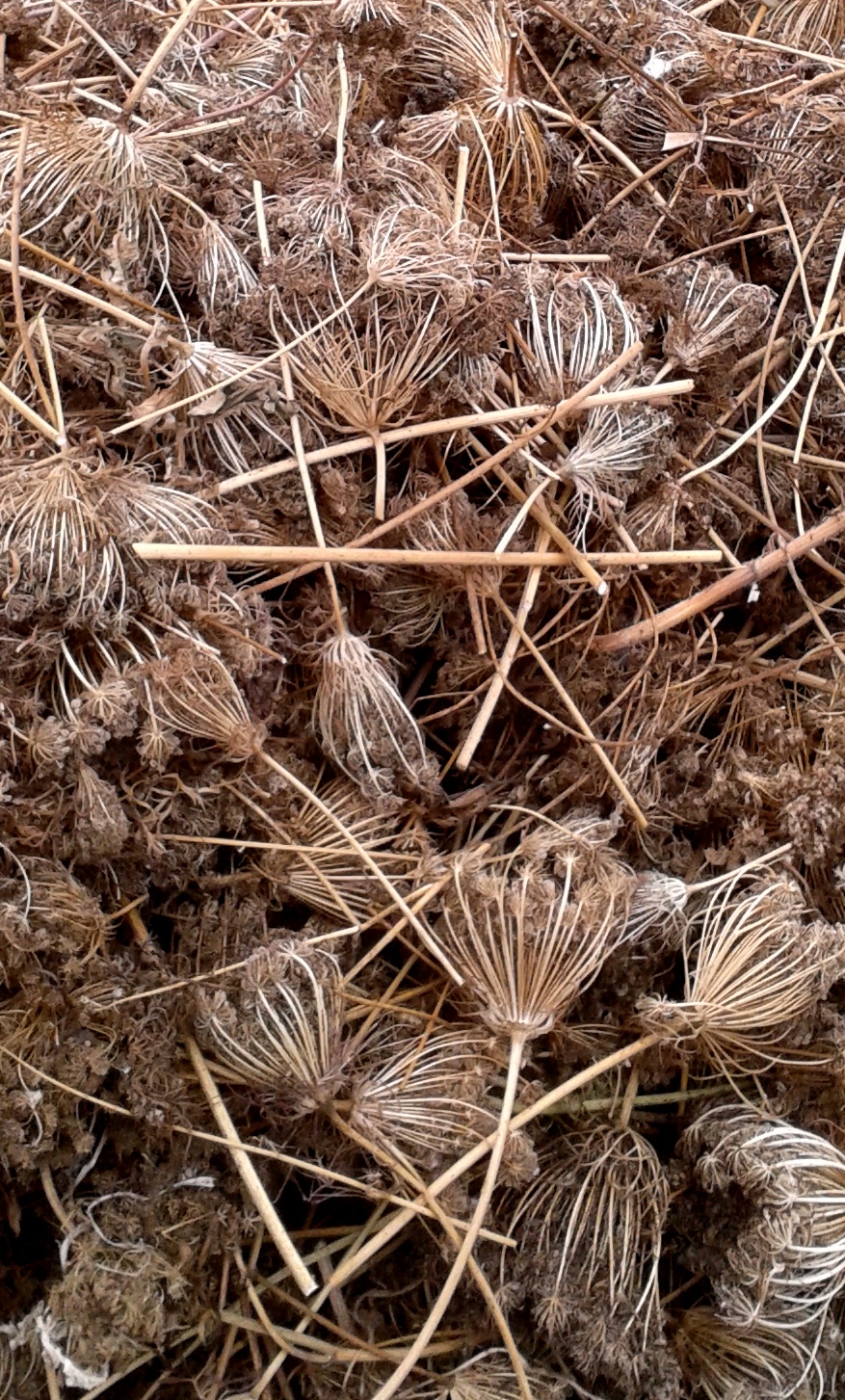
Coriander and lettuce seed heads.

20150910_120600

Different types of beetroot.
TREES SO MAJESTIC

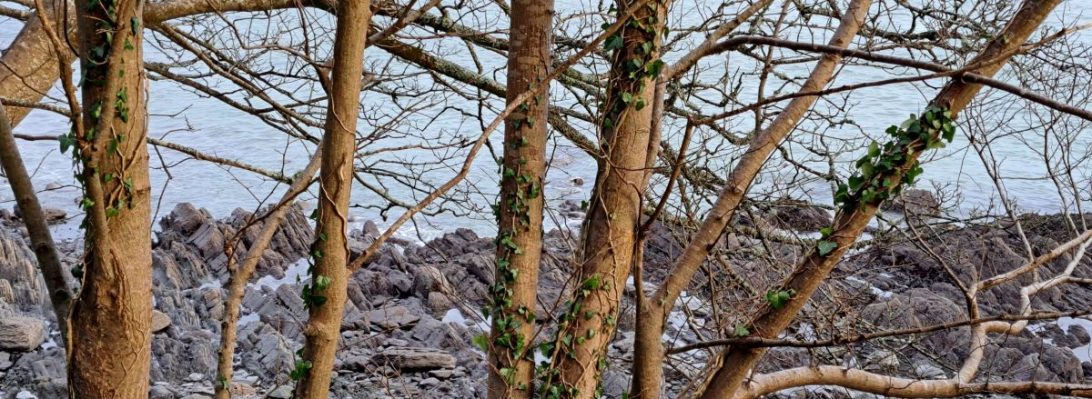
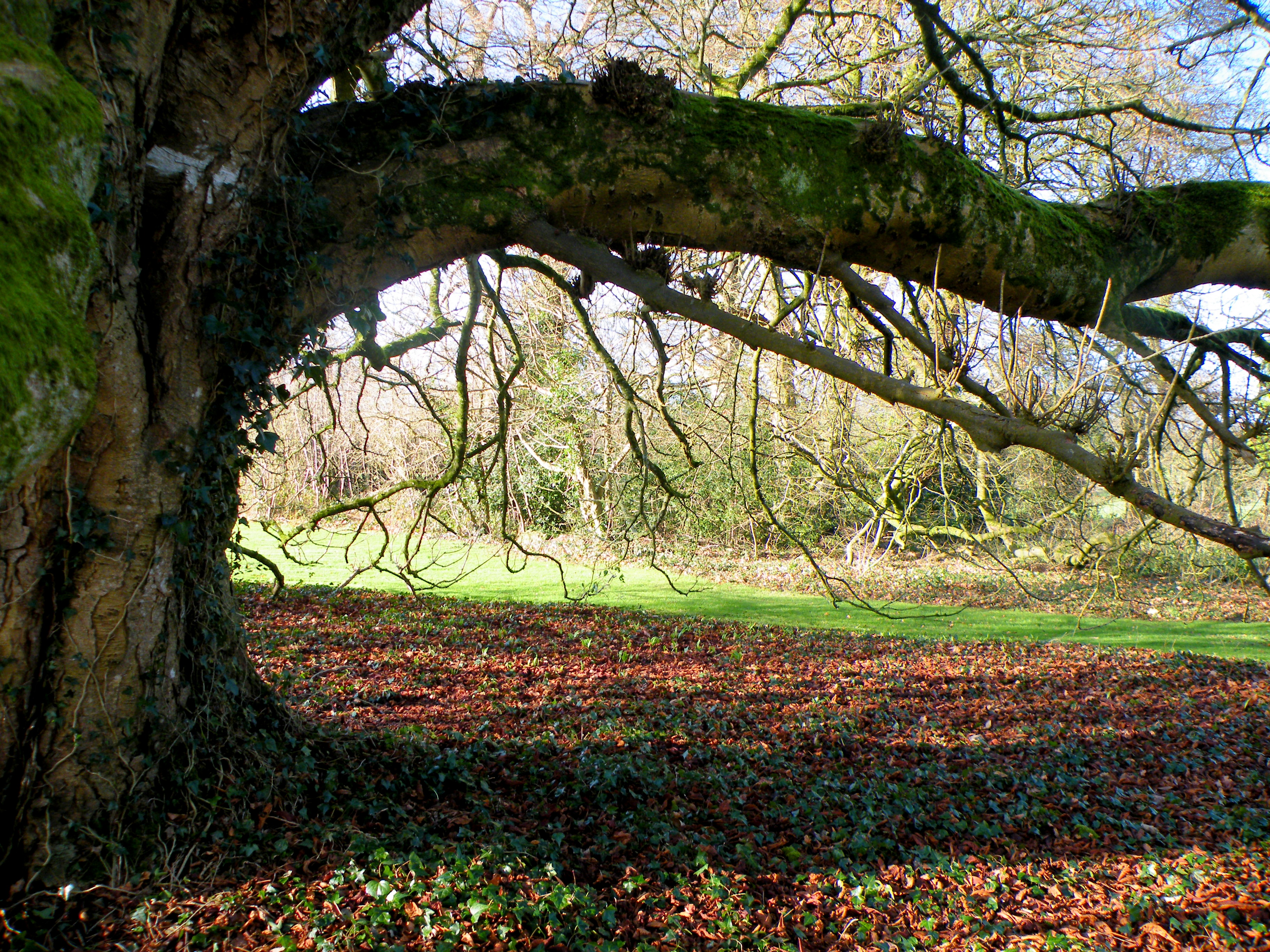
Trees are among the more beautiful, majestic and interesting wonders of nature. I have always had a good relationship with trees. My first memory ever was of walking or being pushed in a pram along a wall, and what I could see were trees, it was winter so the branches were stark, and I heard the bark of a dog. It is a good memory. While going to kindergarten I remember running across a yard lined with trees, it was a little scary at that time. After that our family moved into a street that was lined with wild chestnut and poplar trees, this was wonderful, we kids would use the leaves in our daily play, not only leaves were used but any pine cones or conkers we would find too, these were lovely natural items to use for play, I’m happy we had those. Another scare happened when a huge branch of a poplar tree fell through the roof of our bungalow during one winter’s storm, I was shaking with fright. Quite a few years later my sister and I went to school in Antwerp city, again a strong connection with trees was made in the inner yard of the convent school, beautiful trees. And it is in autumn that trees seem to come into their own, the scents of the leaves, the colours, the wind blowing through the branches and the leaves falling and falling. After coming to Ireland eventually, I got to know the awesome ancient oak trees in Glengarriff forest. I would not walk in that forest on my own then as I felt such a strong presence of the trees, too powerful.

During my life so far, trees have enthralled me, scared me, fascinated me, given me much joy, and I have loved them always.

DSCF5355

DSCF9264               20141028_134206

SHALE – A COLOURFUL ROCK

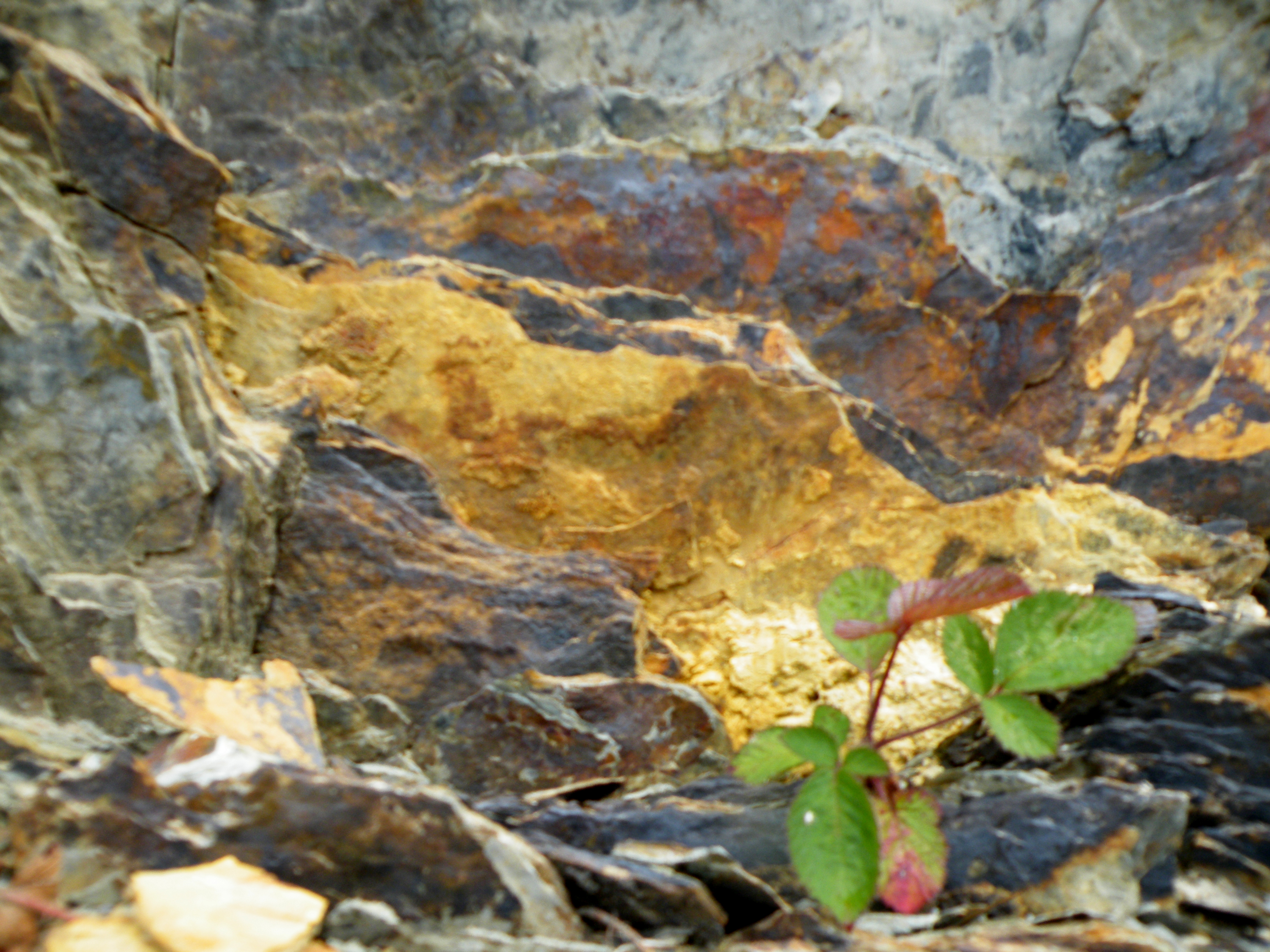
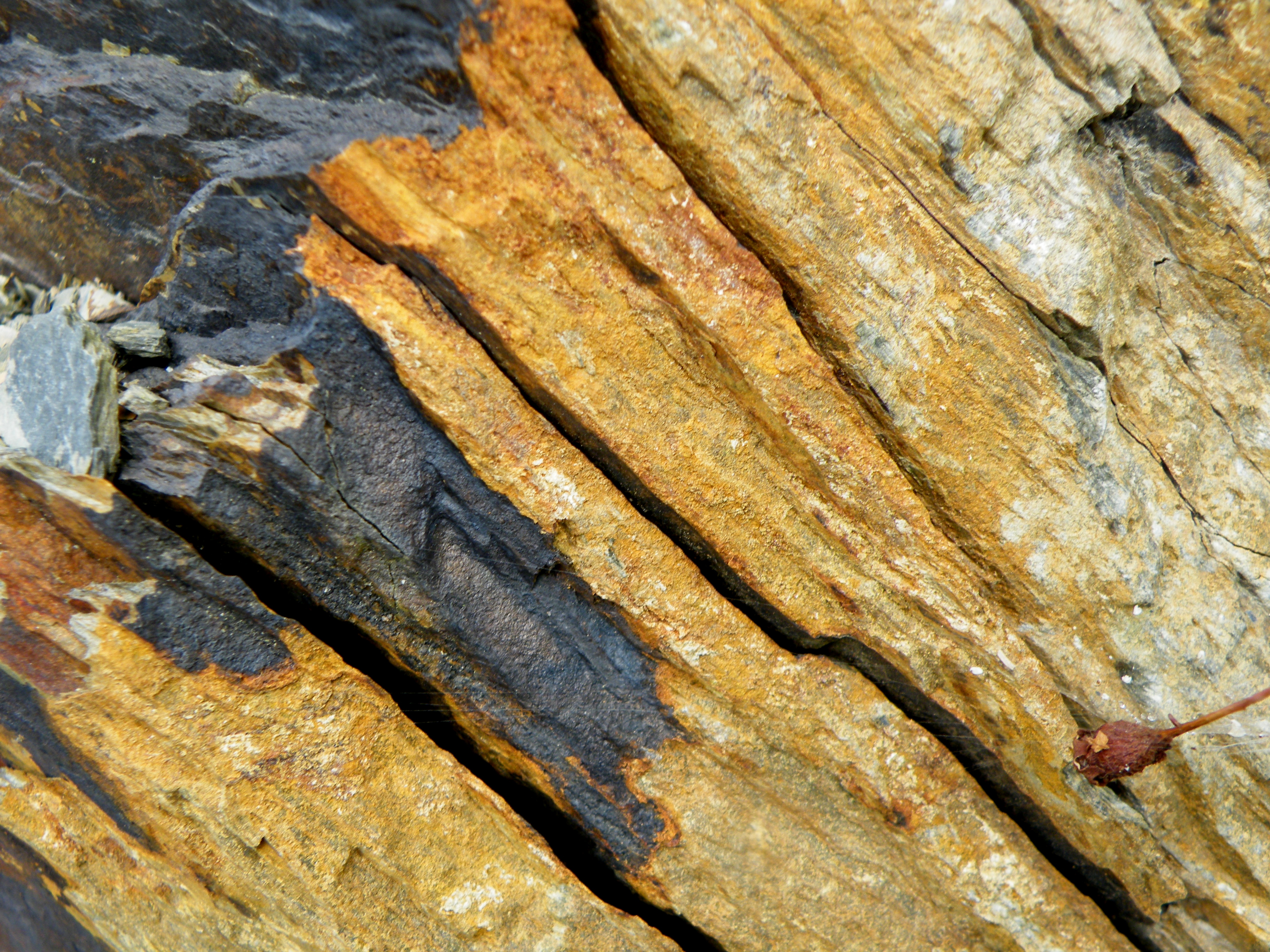
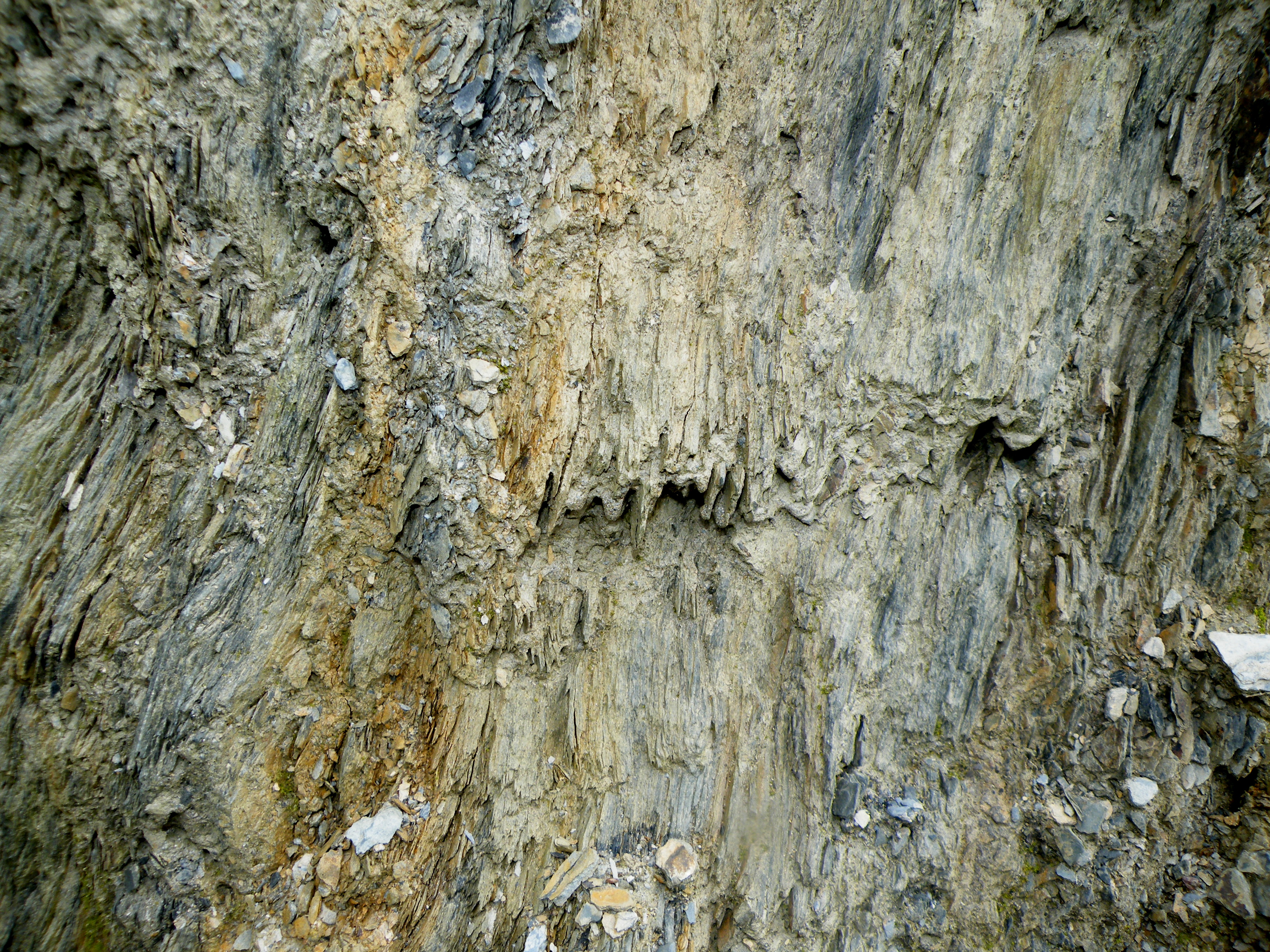
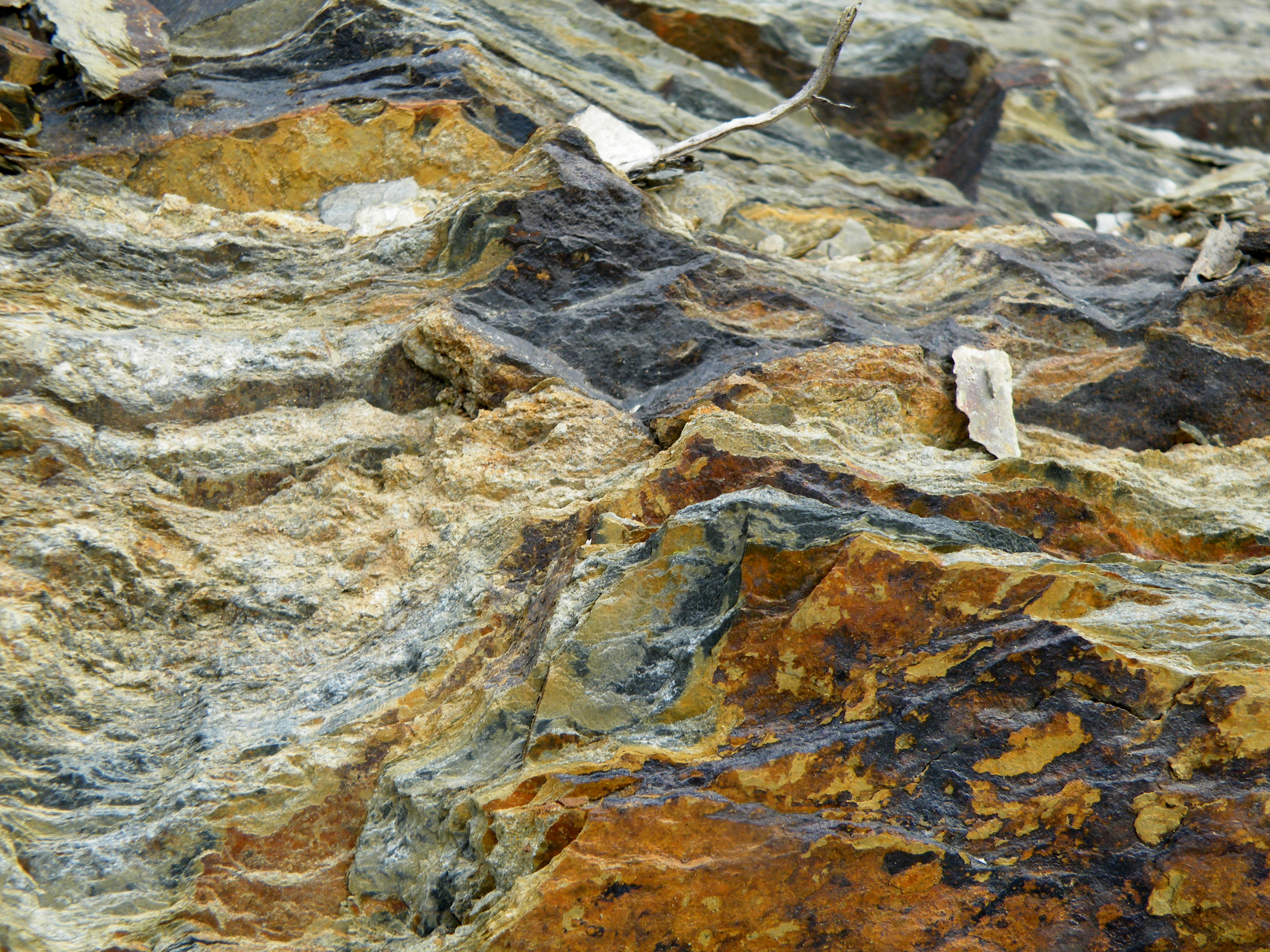
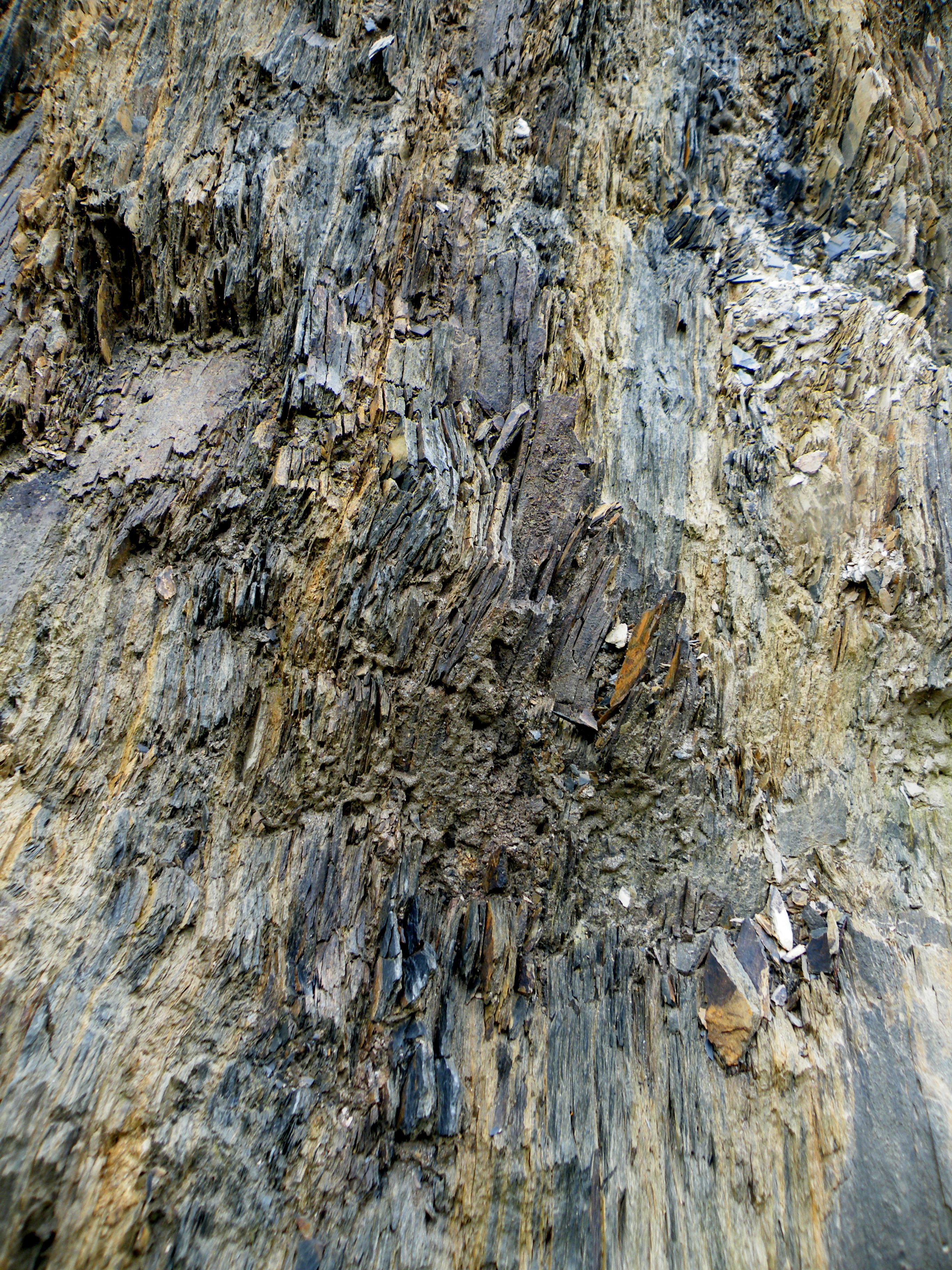
While documenting a procedure at Ian’s boat the other day, I had the opportunity to take a few photos of some of the local rock structures. I found these particular rocks, which had been exposed when the owners of the boatyard wanted to extend their working space, and just had to photograph them.

I believe these rocks are shale, but I am not a geologist. The whole rocky outcrop looked amazing, the colours of the shale quite bright and beautiful. I read that the yellow colours are caused by iron oxide or iron hydroxide which can cause reddish, yellow or brown colouring. The shale came apart in my hands, very poorly compacted material.

Ireland is an excellent place, like so many other places on the earth, to look at and have an interest in rocks and minerals. I have a large rock collection, I only wish that I knew more about it all, something that I always wanted to get absorbed in when I retired. It is a fascinating subject with plenty of examples all around us.

DSCF9293

DSCF9295     DSCF9313

DSCF9291       DSCF9304

DSCF9323

DSCF9322

DSCF9299     DSCF9311

MAURITIUS JOURNEY PART 2

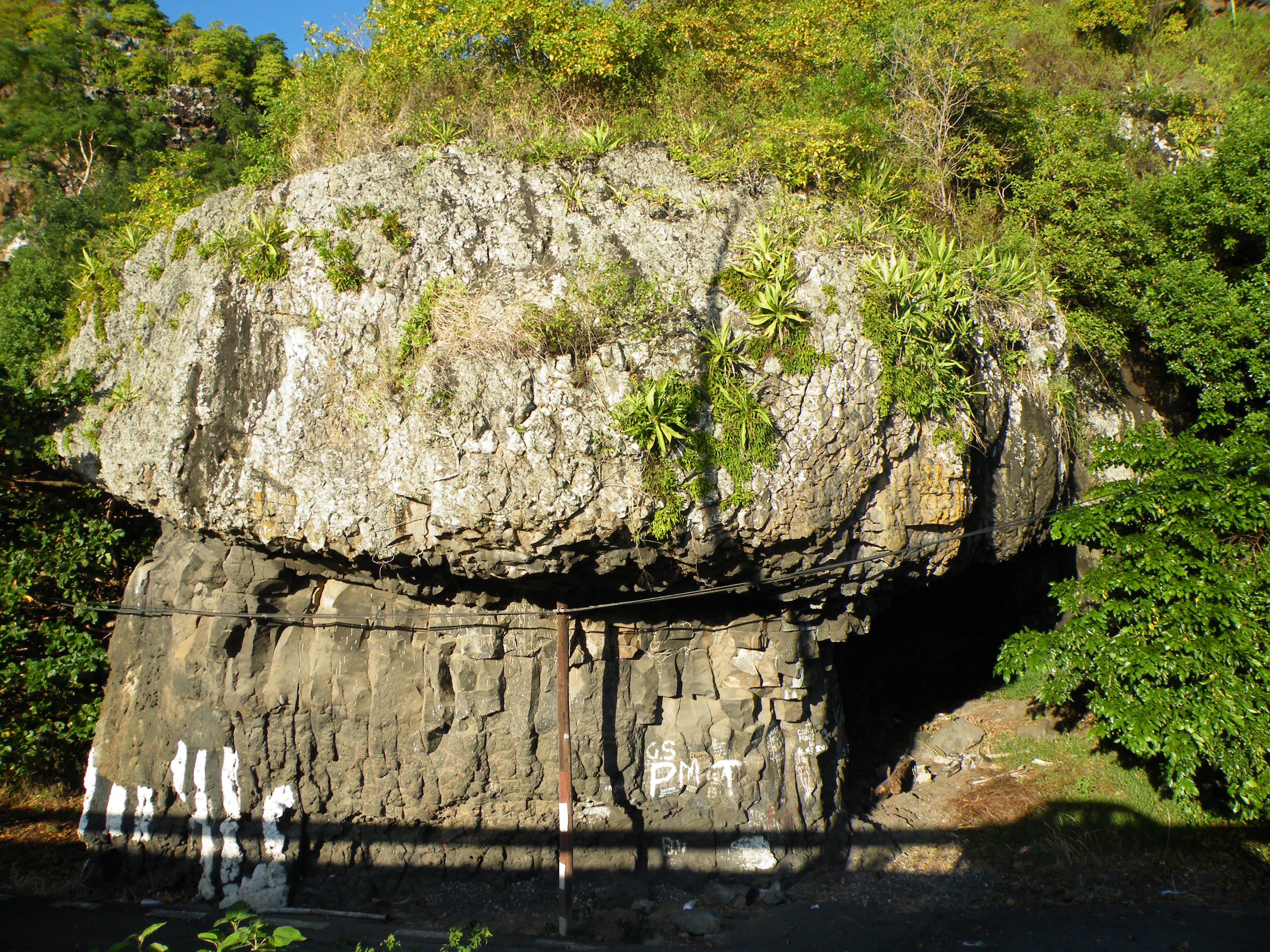
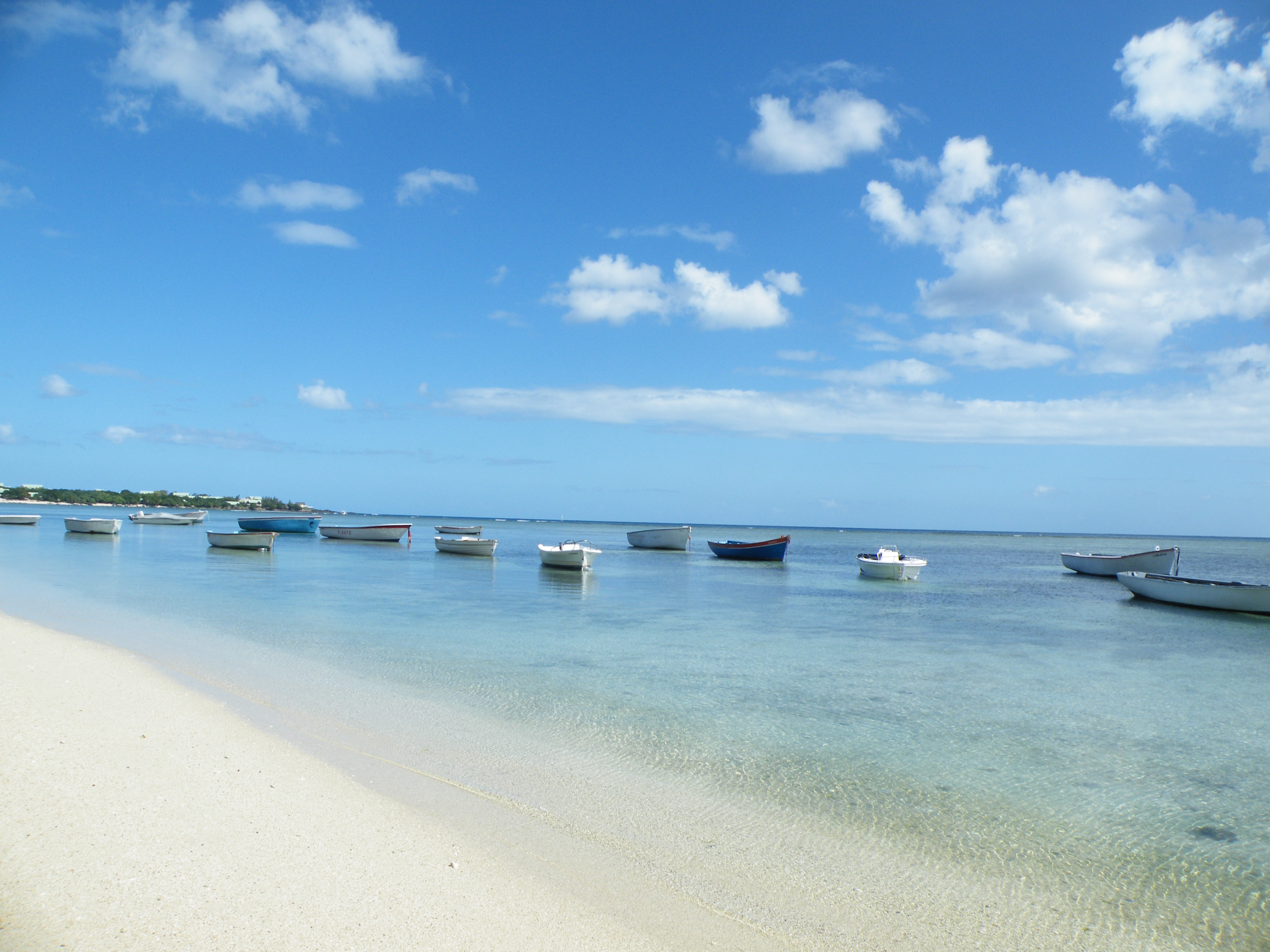
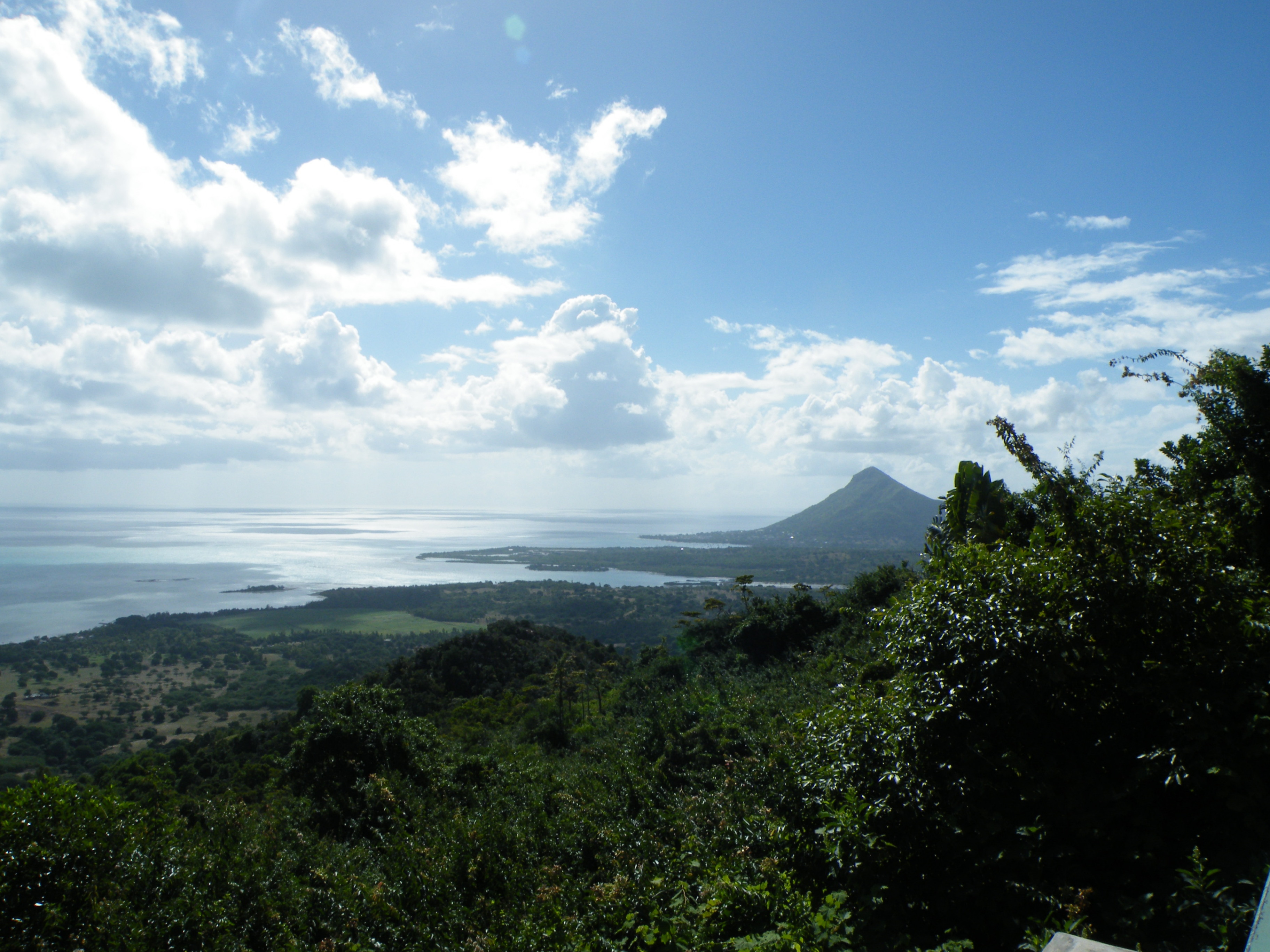
The beauty of the island of Mauritius, experienced some years ago when I went to visit a friend of mine from over there, and I was warmly welcomed by all his family and relatives. Situated on the less touristy South side of the island, It was a very interesting journey, with an introduction also to Mauritian foods, cooking, flora and fauna, and golden sand beaches where the women would dance to very cool music.  Very friendly and lively people, many are from Indian descent.   I was and am still very impressed.  I took so many photos some of which I am revisiting these days.

DSCF3960
DSCF3945
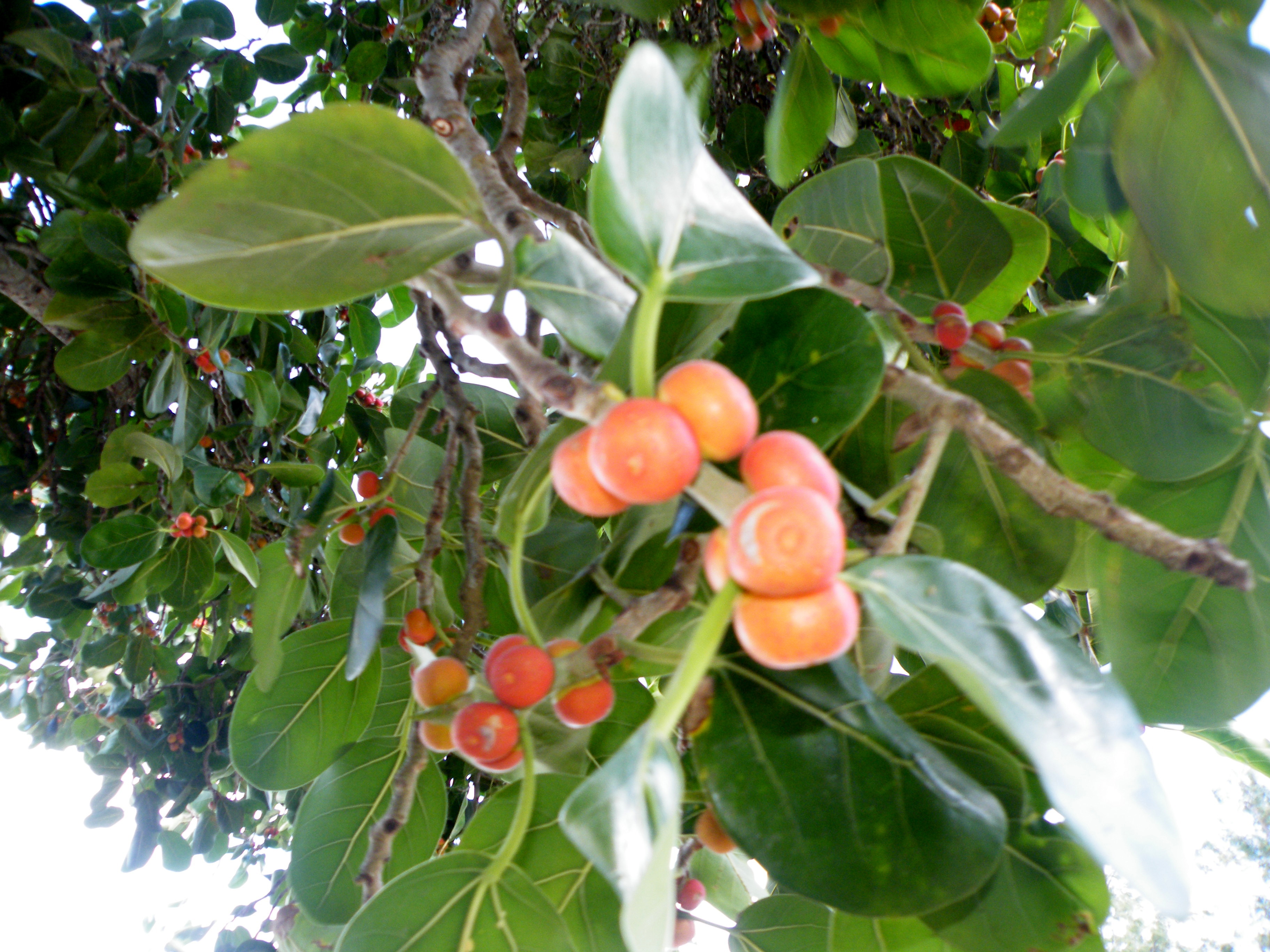
Fruit tree Mauritius

Some fruit tree, not sure what exactly it is called.

DSCF3908

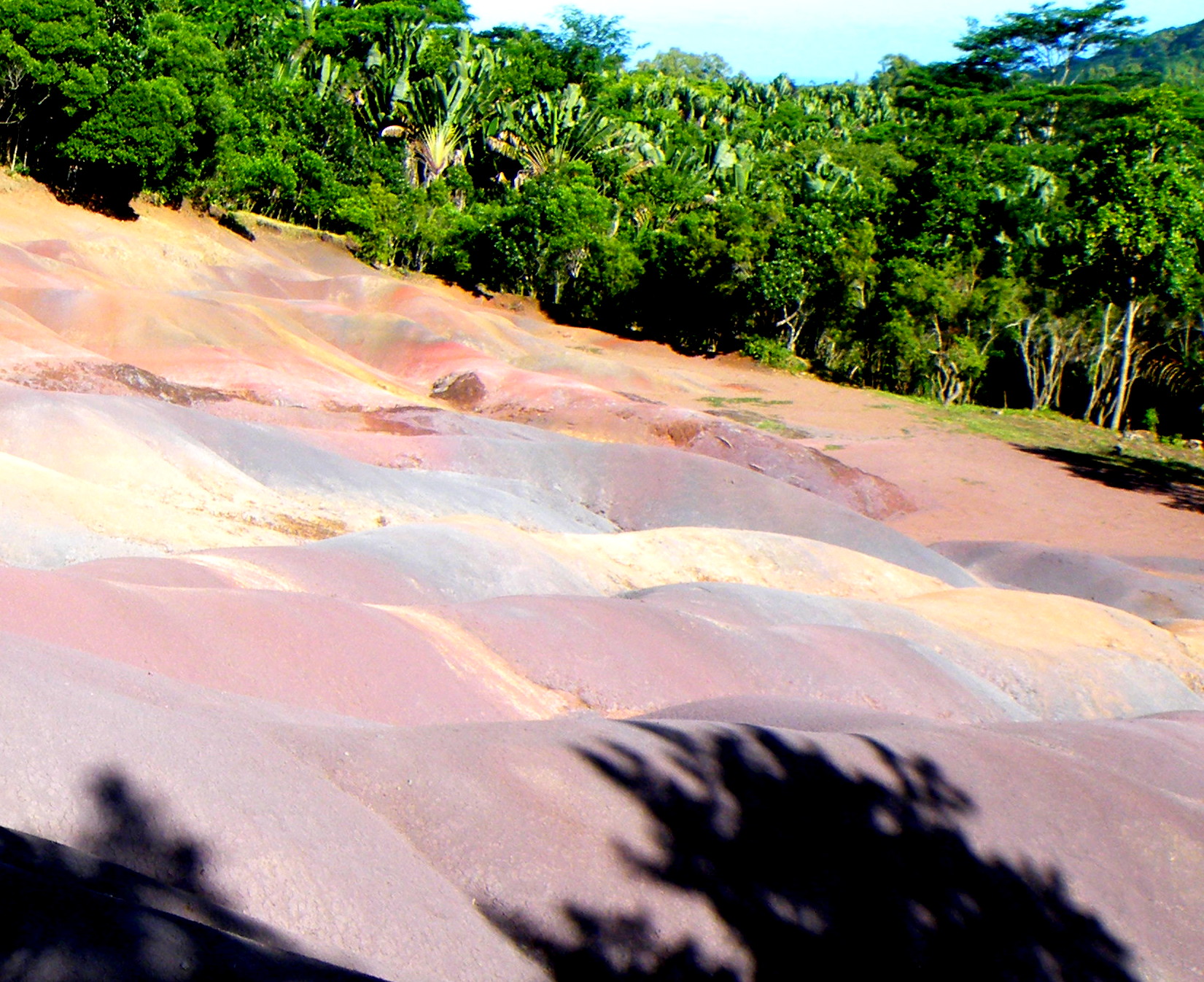
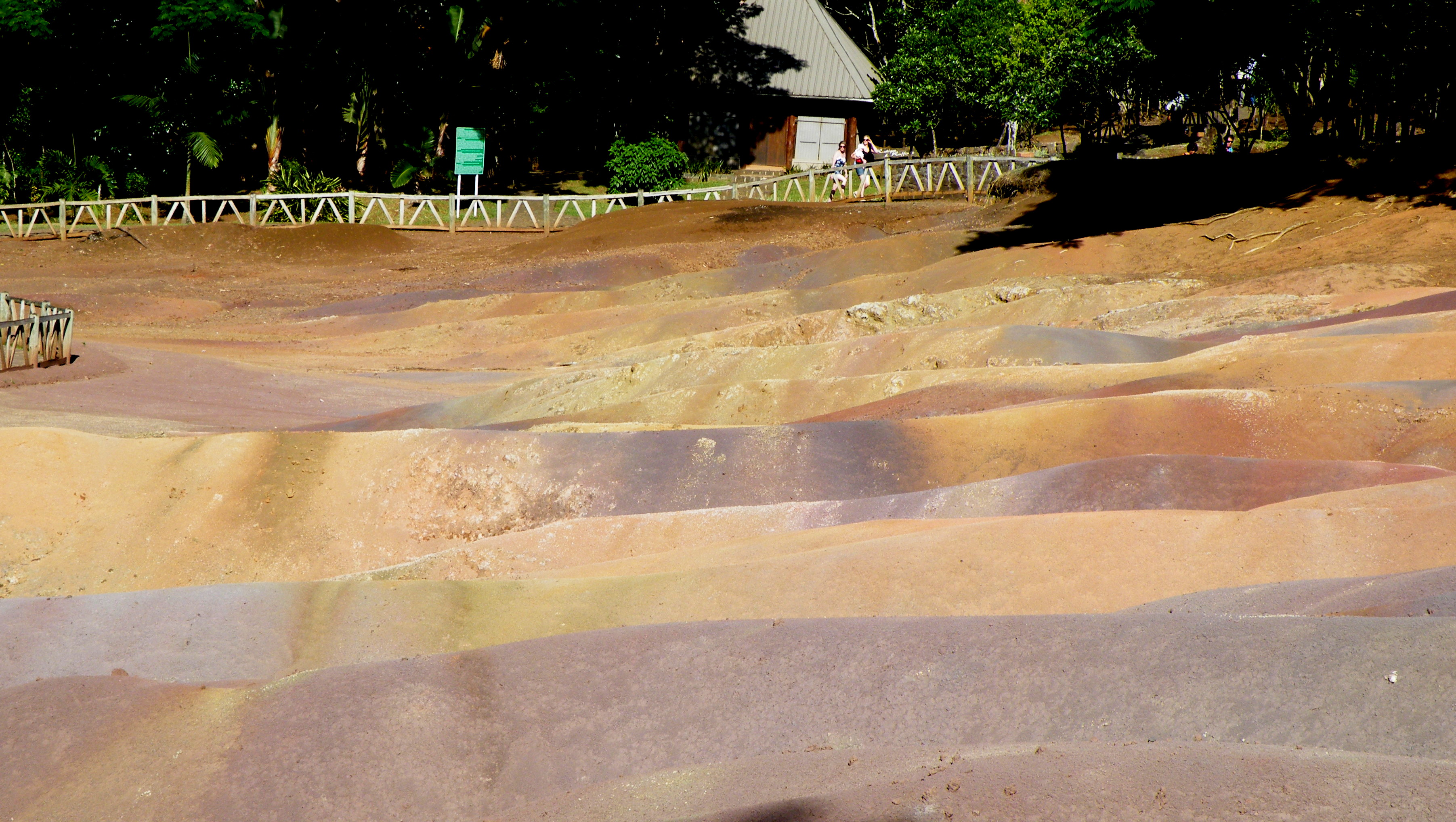
At the village of Chamarel, the coloured Earths, this natural phenomenon is due to decomposed basalt gullies.  The hot and humid climate helps in the decomposition of the (volcanic rock) basalt into clay.  As a result of total hydrolysis (chemical breakdown of minerals by water, leaving a large composition of iron and aluminium which constitute a ferralitic soil.  the iron sesquioxydes have a red and anthracite colour, whereas the aluminium sesquioxydes have a blue or purplish colour.  It is a most beautiful sight to behold.

DSCF3905
DSCF3939
DSCF3852
DSCF3875