MEETING WITH THE OMBU TREE

While on the island of Gozo I took notes of and enjoyed some of the trees unfamiliar to me. It is nice and interesting to find out what they are called and then to search on Google about their uses, growth, country of origin and so on, it keeps me quite busy at times. Then I will take many photos of all the different attributions, leaves, flowers, seeds, seed hulks, shoots, trunks etc. And of course I like to share this in my blog, my blog is after all a celebration of all that the earth so generously has to offer to us and to life itself. And so here goes, I hope you enjoy.


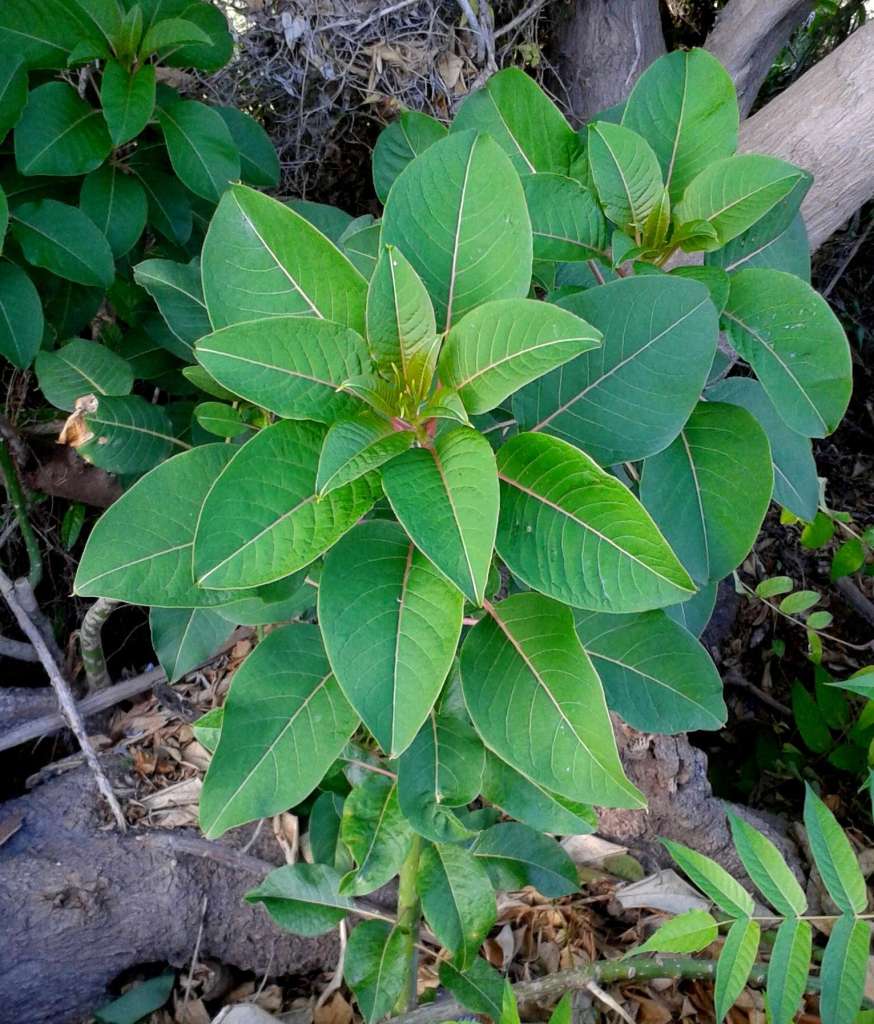
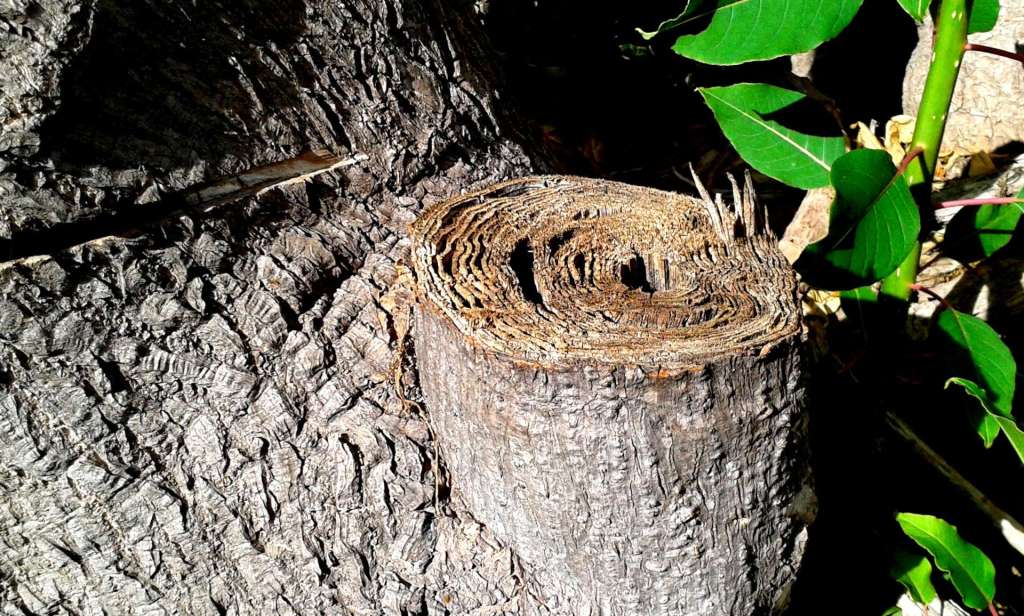
The Ombu tree, or to give it its proper name the Phytolacca dioica L. is an attractive tree. I found it growing in the area of Ghajnsielem along the main road. I was amazed to learn that this tree is actually an evergreen shrub that can become quite old and grow to look like a rather large tree. I became fascinated by the beautiful glossy dark green leaves, looking very healthy and growing very vigorously out of the trunk. Apparently the more you cut it, the more fiercely it grows. Its trunk is a soft spongy wood, the rings are loose and not at all like proper timber rings. It is resistant to fire and drought and this is due to its many trunks which store water very efficiently in its large base. Its sap is poisonous. The Ombu is a South American relative of the pokeweed (P. Americana) It is indigenous to Argentina, Brazil and Uruguay, there it grows easily in the wild, and it is there that it manages to survive on the pampas. Put to good use because of its large canopy it shelters both animals and humans alike, but is especially good for the many cattle and so it is of agricultural value.

Being a dioecious plant it produces male and female flowers on separate trees. The flowers are greenish white, little and many on one long spike. The fruit is green and is clustered in a bunch together, I see both flowers and fruits on the tree at this time (November). To date I have not myself seen the seeds but believe that they are brown, small and glossy. I shall be on the look out for them just to find out.
I learnt that extracts of the Ombu have Antifungal potencies which would probably make it interesting to Naturopaths or to pharmaceuticals.
Some of its uses are:
• Fodder – leaves are used as fodder in time of drought.
• Medicine – infusion of leaves has been used as a laxative, but don’t take my word for it please.
• Hot drink – locally the leaves may be used as a hot drink. (I am not planning to try it out myself not being sure of what the result will be).
• Soapy juice – containing salts of lime and potash.
• Shade in regions where other trees won’t grow – in the pampas it is the only tree that will naturally grow and provide shelter.
• Bonsais – something I did not know is that it is an ideal tree to grow as a bonsai, nice to know!
• Dyes – juice extracted from the berries can be used as a source of dyes.
• Berries – apparently the berries are eaten by birds as they are not affected by the toxin as the seeds contained within the berries passes through the bird intact.
I also read that in South Africa Ombu is treated as an invasive plant, possible because it grows so rapidly. Here in Gozo there is more and more emphasis on the growing of indigenous trees and plants, and eradicating to an extent the growth of invasive plants and trees. This is, of course, a tendency all over Europe these days. I am not sure at which time the Ombu tree was introduced in the Maltese islands and why, I wonder if it was introduced because of the high temperatures in the summer months, the drought some years, and the lack of tree cover in general.
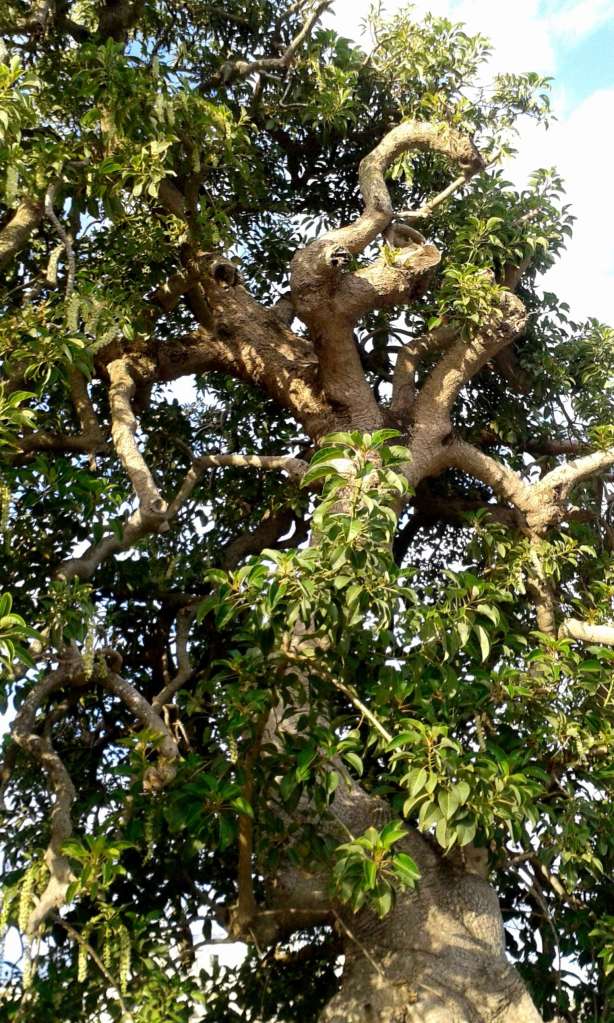
One of the beautiful and typical specimen of Phytolacca dioica L.

I hope you enjoyed this little bit of information on the beautiful and interesting Ombu tree which in fact is not a tree at all. I for one will enjoy twice as much when I am passing these trees in the knowledge of all its good uses.
And finally what I would like to know but could not readily find an answer to is whether the water stored inside the Ombu tree’s large trunk can be used in case of water shortage by cattle or people, or is it already juice in which case it is toxic? I would say, it is juice and it is toxic so it cannot be used. If anyone can shed more light on this please do.
THANK YOU FOR THE ROSES

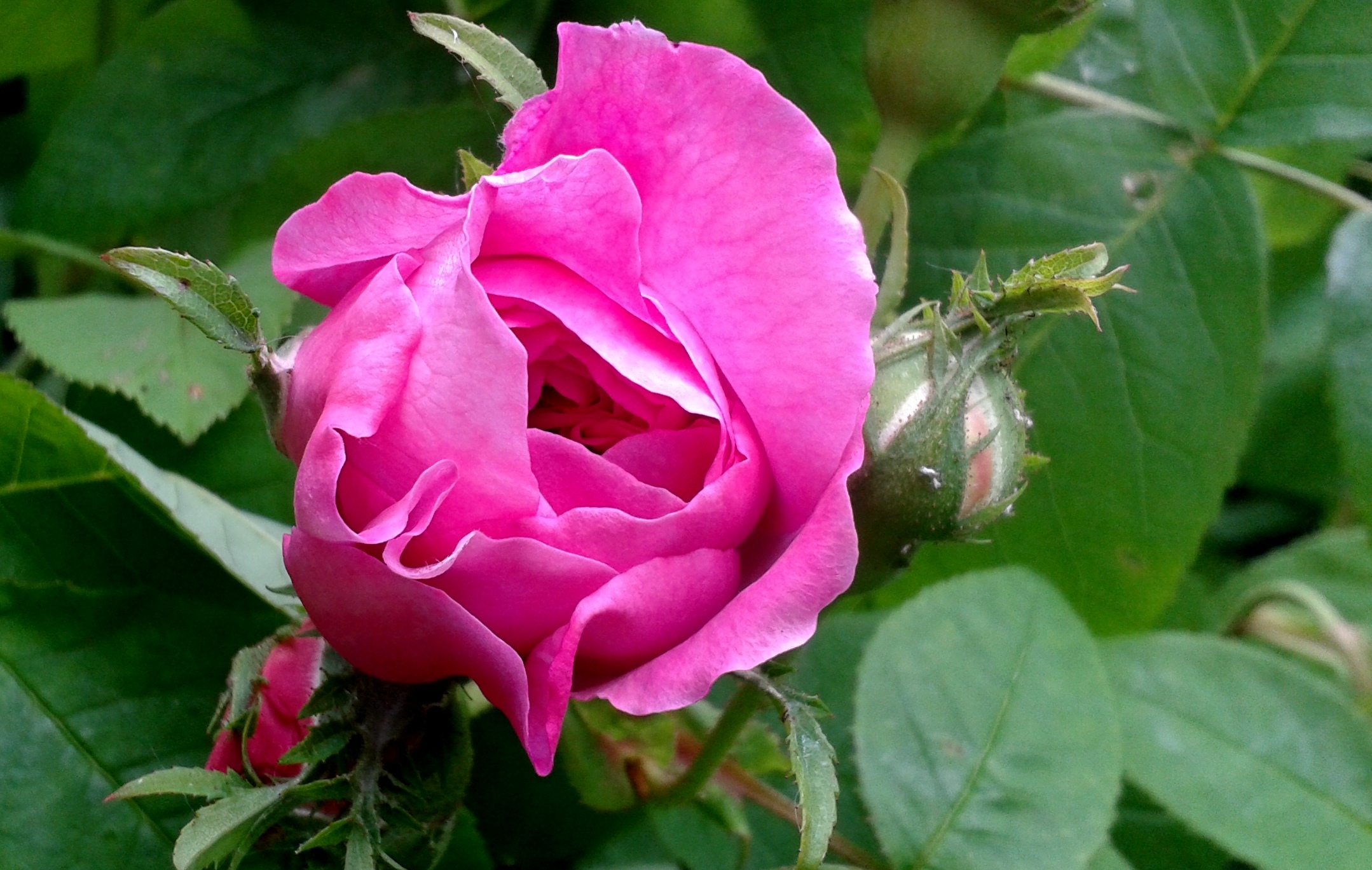
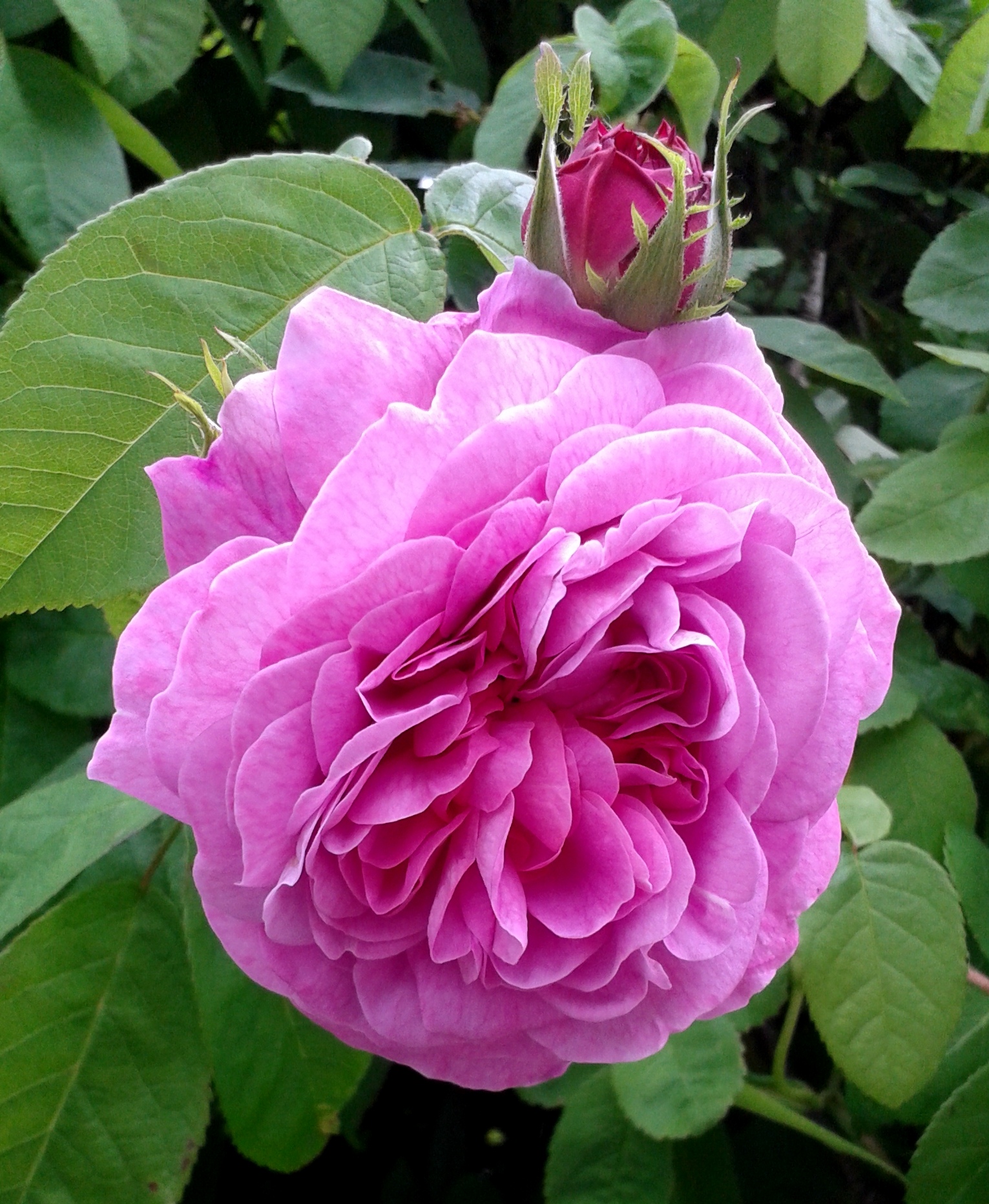
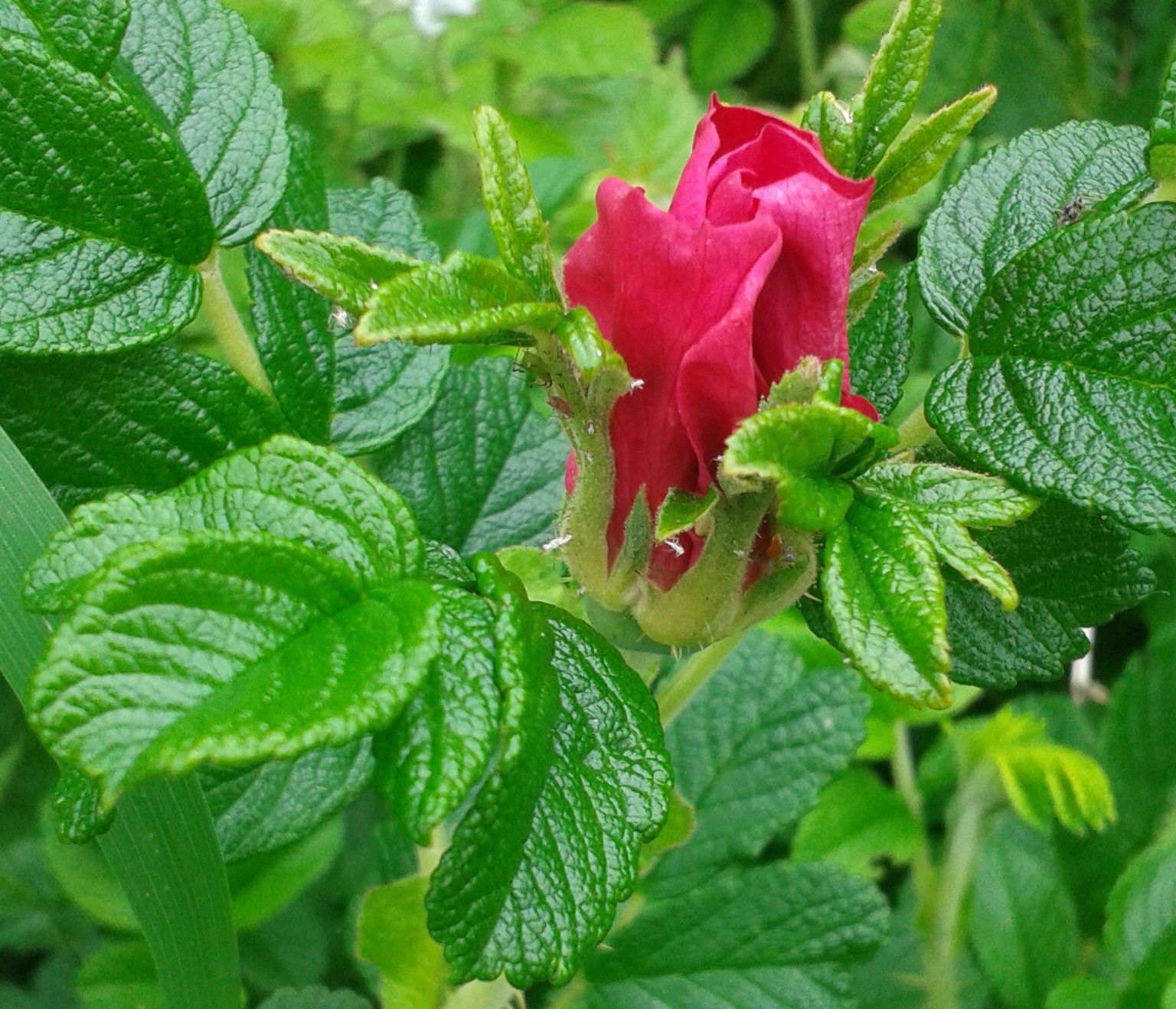
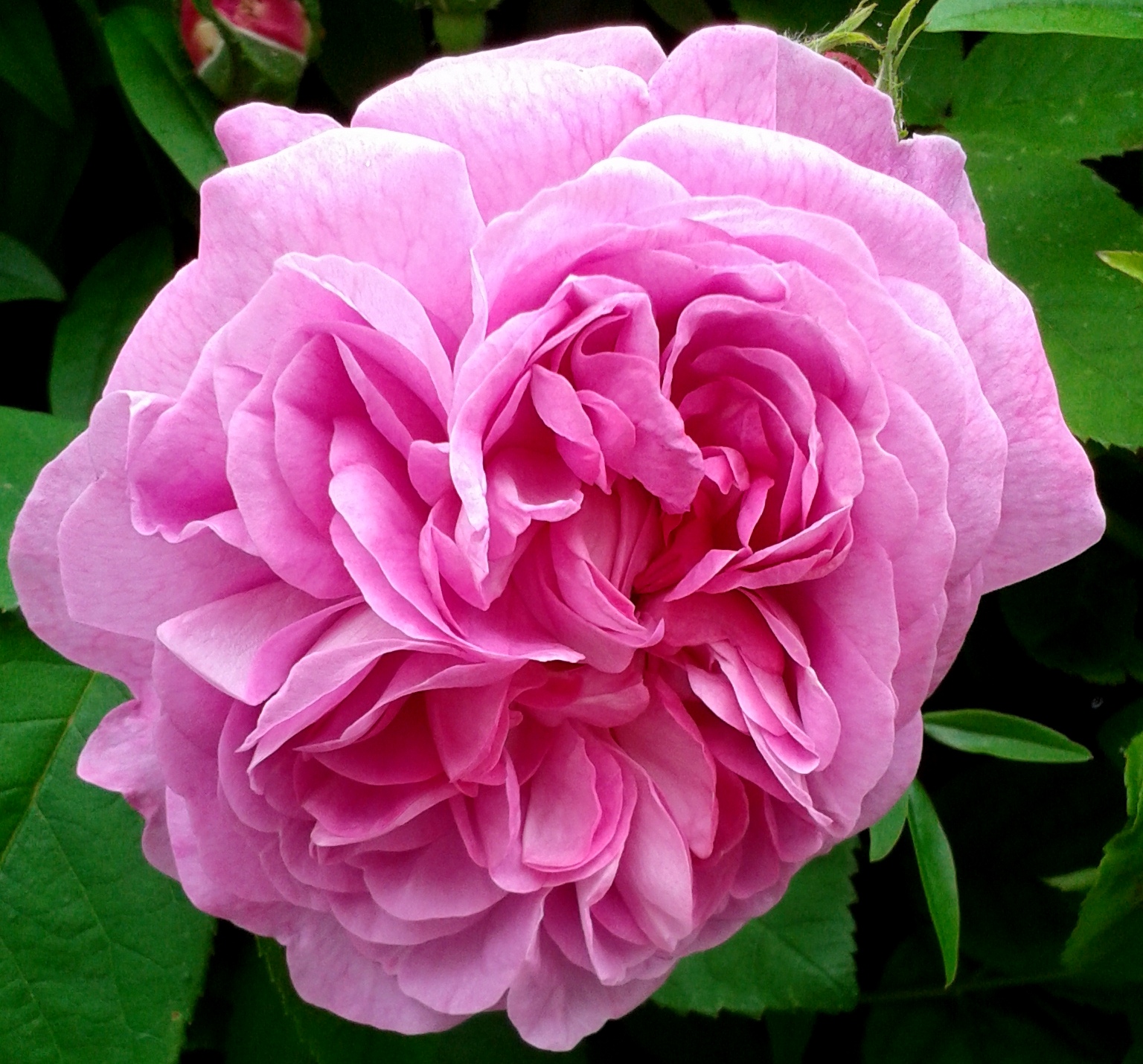
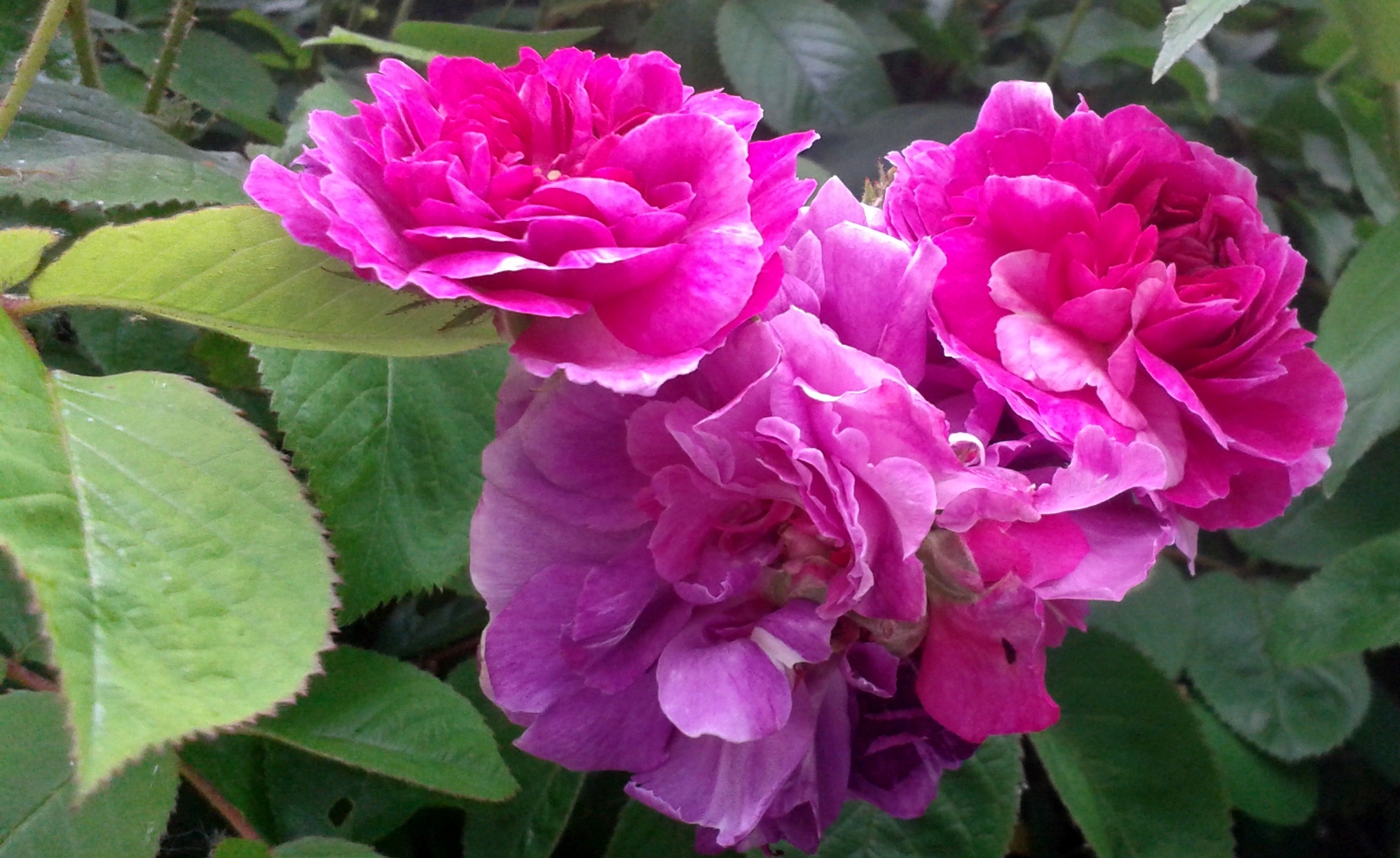
Yes, thank you for the roses, the beautiful sweet scented wild Irish roses that have been planted along the road, the link road in Skibbereen. What a foresight the town-planners had when they decided on what to plant along this road, the shrubs too are interesting and lovely, but most of all I love this time of the year because of the luxurious roses, what a delight for the eye and much nourishment for the mind and soul. I went for a walk today along this road and back through North street, I found more roses along a stretch there too. Could not resist illustrating this blog entry with full sized photos (phone pics)  just to feast our eyes on these roses.  Please enjoy this blessing.

“And the shower of roses spun around me, inviting me to take part in their ever-present waltz.”
Gina Marinello-Sweeney

20160609_125205

20160609_125106

20160609_125025


20160609_123946

20160609_125142

20160609_124035


20160609_124052

A WINTER GARDEN IN CAMBRIDGESHIRE

During the very early spring days of 2016 I had the privilege to visit a beautiful garden in the South-East midlands of Britain, in Cambridgeshire.  I received kind permission to use photos and information here in my blog from the lady who is the creator of this marvellous garden.
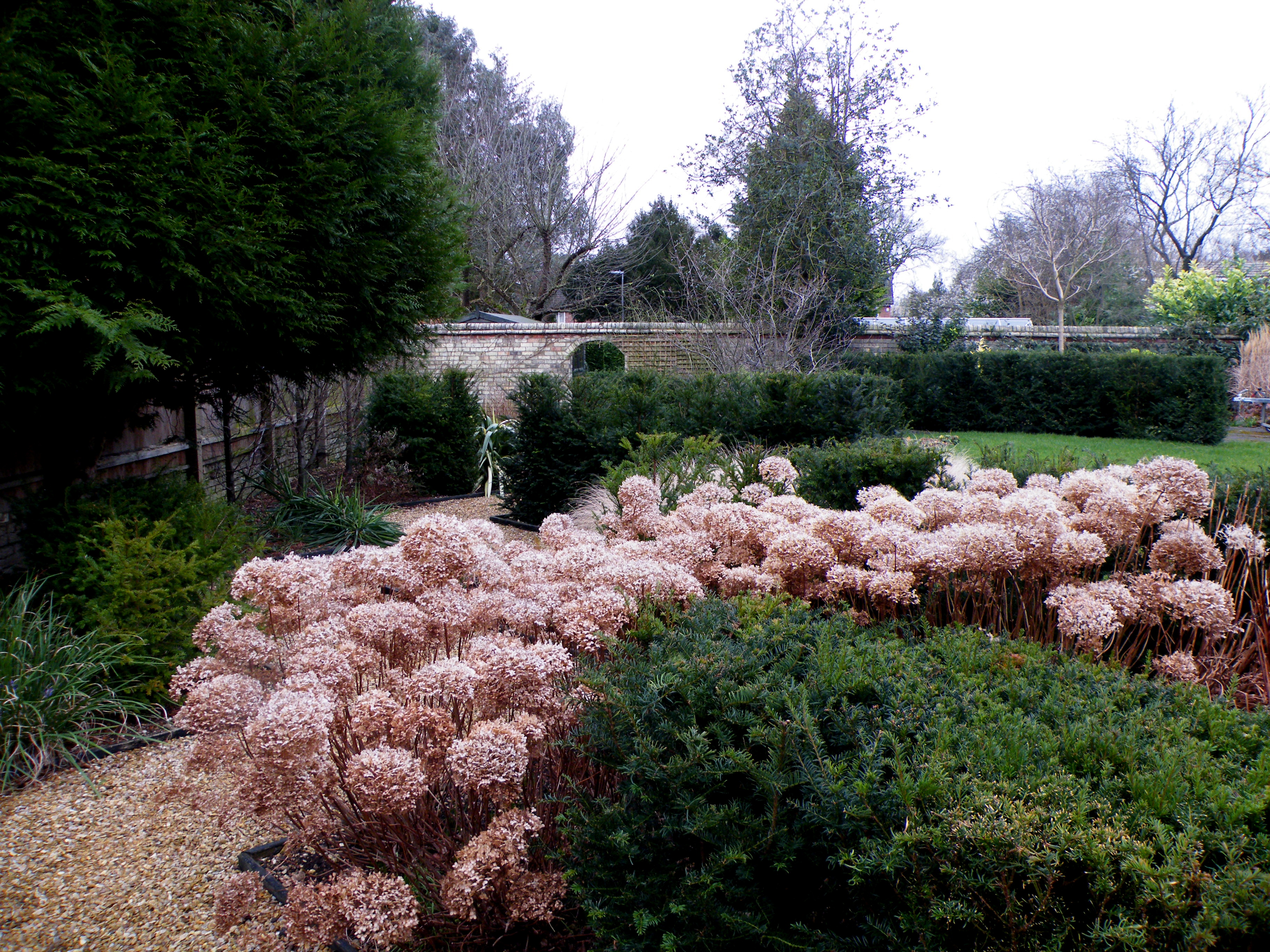
What appealed most to me was the way the eye was led effortless through a variety of colours and textures, shrubs, purposely dried flower heads, trees and their undergrowth, borders, arches, hidden corners, effective hedging and ornamental pebbles, trellises, wooden fencing, all making this garden into a whole that works, and that even in winter can, with ease, hold the interest of any visitor.

DSCF2270

The hydrangea arborescence Annabelle,  and the dry grasses here add some lovely beige colour in stark contrast to the evergreens.  The Iris Unguicularis flowers give a magnificent bright blue among it’s own rather dull foliage.  The Gold Dust Variegated Aucuba, looks indeed as if it has been dusted with gold, it is a lovely subject.  The spiky foliage of the, what I think is a Cordyline australis Variegata, but I could be wrong because I can’t rightly remember the name I was given, highlight sharply the more rounded subjects around it.  I enjoy such a variety of shapes and patterns.


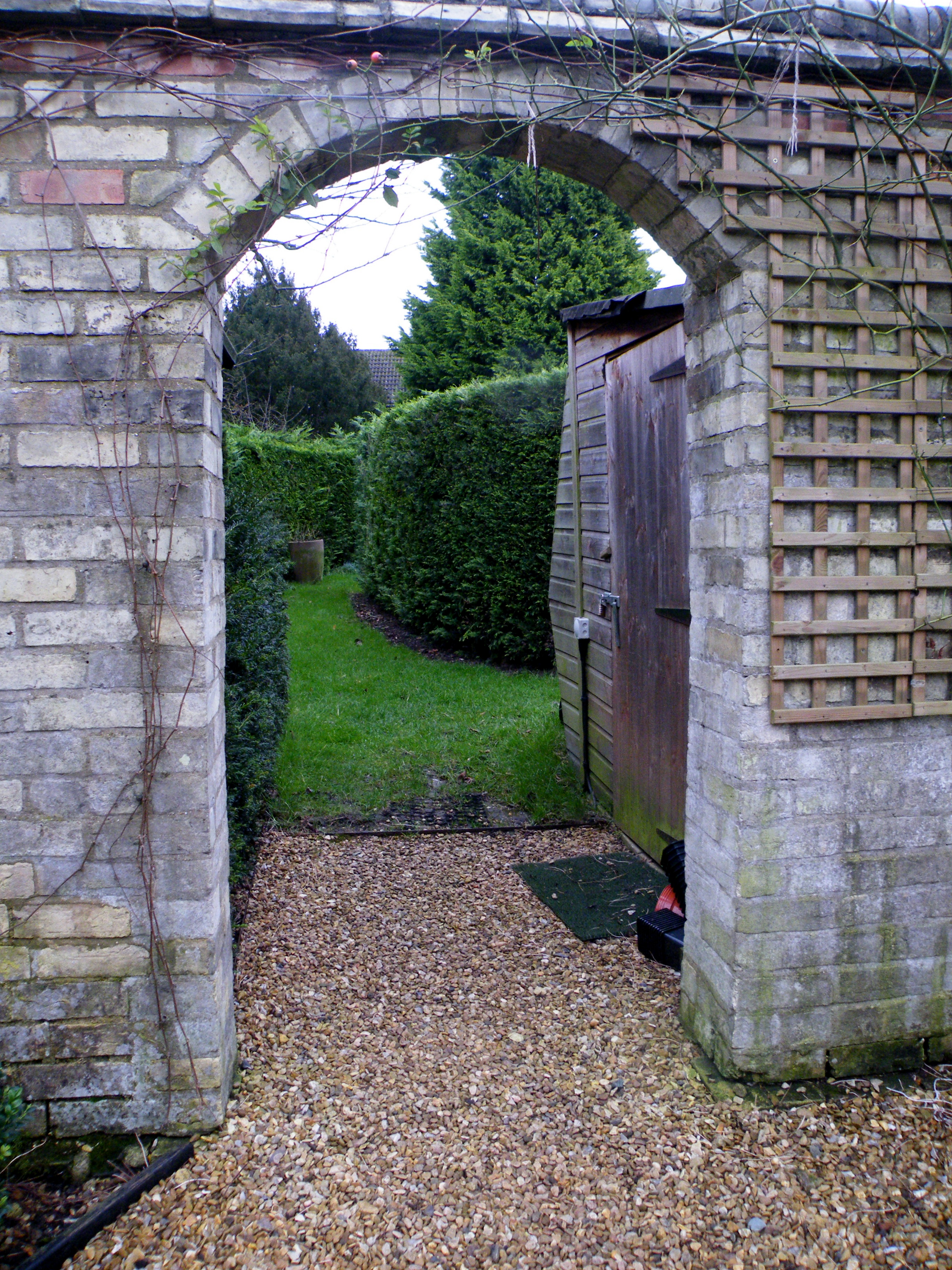
As you walk through this lovely arch you have entered into a grassy area where you will find a variety of trees and even some hidden corners, the undergrowth at this time are made up of colourful daffodils and snowdrops. You also enter a very organised and productive vegetable plot, all of it sheltered from harsh winter gales by the high fencing and the trees.  I found jasmine climbing along the hedgerow here, not quite flowering, but that must give a lovely scent in it’s season. Everything in this garden. as in the general area, is ahead of it’s time this year, I’ve heard so many people say this both in Ireland, and also here in the UK, blossoms are well ahead, the magnolia flowers are almost open. Daffodils are blooming gloriously.
DSCF2329


There is more to say and show about this lovely garden, but I could not load anymore photos, I want to talk about the ornamental shrubs and flowers in the borders, among other things, so I will follow this blog entry up with another one. I hope you enjoy as much as I do.

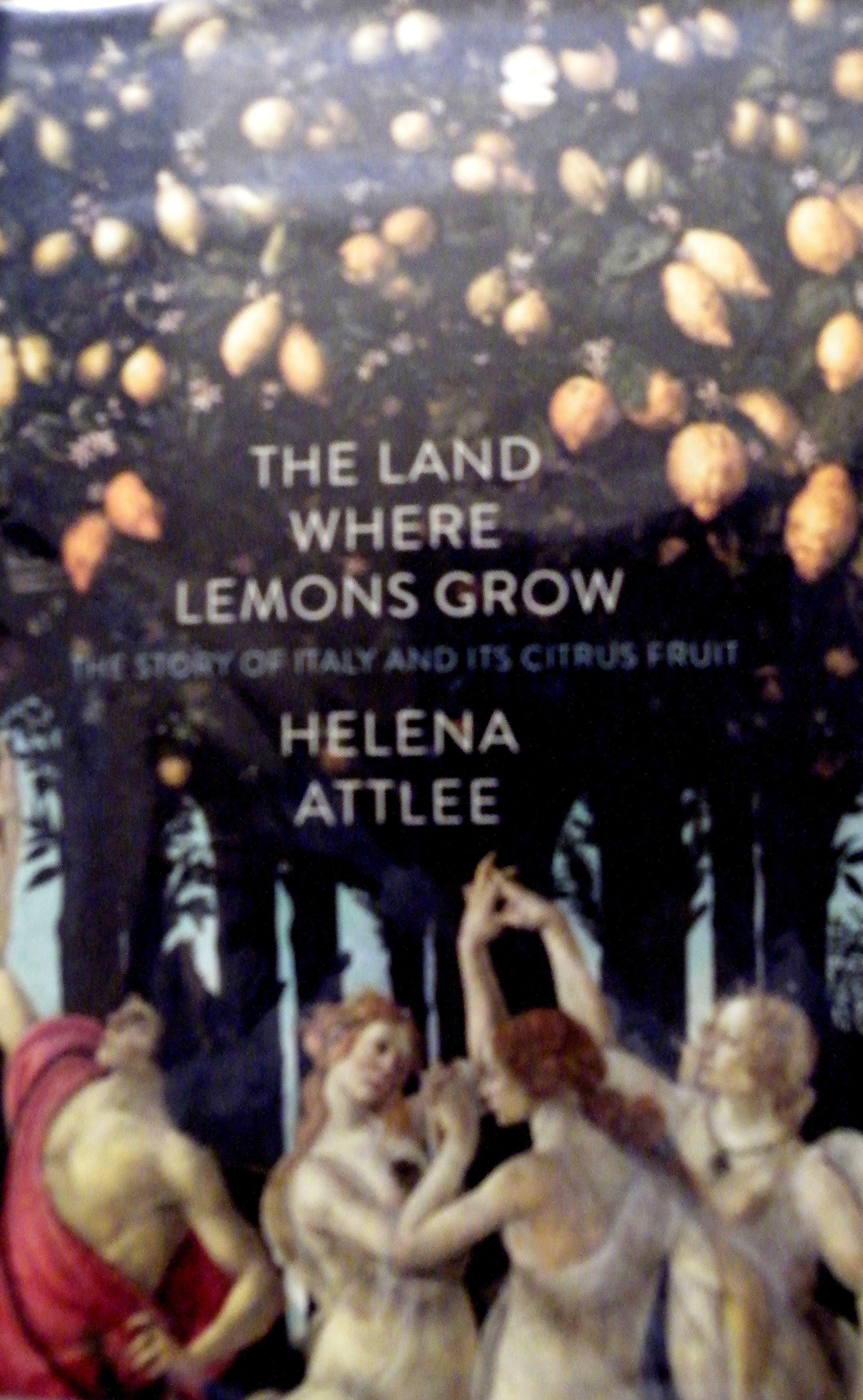
THE LAND WHERE LEMONS GROW – a wonderful book.

The past week or so has taken me through the history of citrus growth in Italy, this via Helena Attlee’s wonderful book which I’m reading. My senses are titillated by her words describing the scents and perfume of different lemons and oranges, their colours vibrant against a blue Mediterranean sky. Descriptions of use of these delicious fruits in local foods, drinks, candied skins, and marmalades bring the book to life. Helene brings one on a journey of the region back in time, and tells how the citrus industry took root there, something I did not know anything about, she tells how the Arabs first introduced the citrus trees to Italy. She covers the growth of them in Sicily and goes into some of the history of the Mafia there which is connected to what was a developing industry of growing citrus fruit and exporting it all over Europe and as far away as Russia.

Recently I caught a whiff of an orange blossom while in a garden centre in Cambridge, the scent was delicate, the flowers pale and beautiful.

One aspect of all I read has delighted me very much. It is the story of the essential oil of Nerola, an expensive oil that I once owned and the scent of which was most pleasant, lifting the senses totally. This oil is even now used as a principal ingredient in the manufacturing of modern perfumes. The Chinotto trees of Savona which produce a sour orange are used in the production of Nerola oil, it’s extracted from the citrus blossoms and fruit skins. Helena devotes a delightful chapter describing all of this.

I also learnt that the best marmalade ever is made from the organically grown oranges called tangelo, the flavour is supposed to be something else, it’s not available everywhere, but supposed to be exported to America, and available in London at Sloane Square under the name San Giuliano marmalade. I’d sure would like to try some one day.

Helene Attlee’s travelogue is exciting and written in a fluent, easy style. Oh and one other result from reading this book, I will never walk into a supermarket again and look at the display of citrus fruits in the same way, and that is a very pleasant result as I do not enjoy grocery shopping.
But honestly there is so much to read up on citrus fruits, the trees, industry, botany, cultivation and so on that it could keep one busy for a very long and pleasant time.

DSCF2754

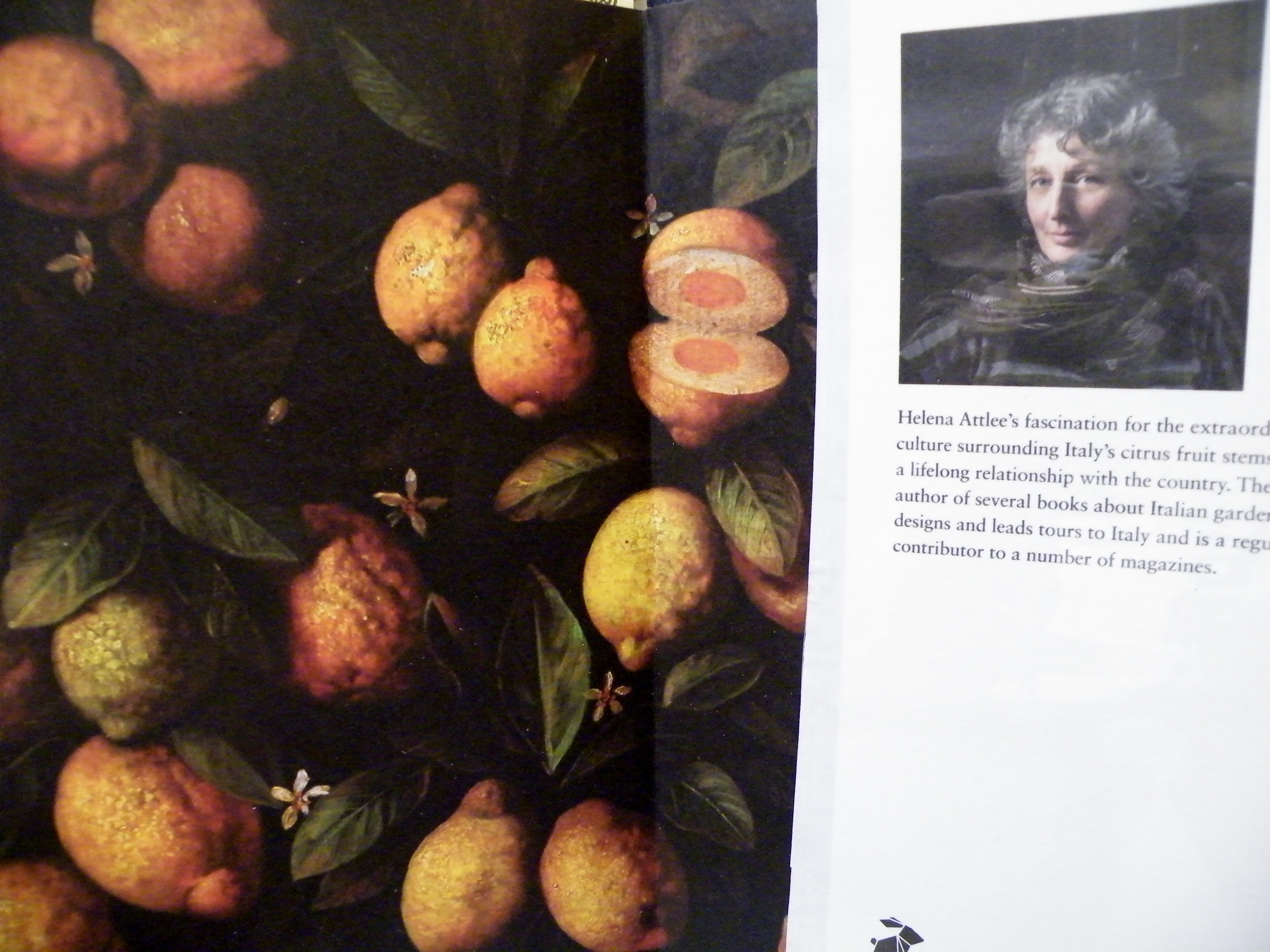
The inside of the cover from the book features Bartolomeo Bimbi’s painting of the many varieties of lemon grown in the garden of Cosimo de’ Medici, and a photo of the author.

DSCF2752   Cover of the book, available in the library system.

ANGLESEY ABBEY

During last week we were privileged to make a visit to Anglesey Abbey and gardens near the village of Lode in the UK. A faint sun and a slight cold wind made the walk around the gardens pleasant enough. There was so much to be seen, I did not know where to turn may attention first. The lovely fresh snowdrops made a carpet underneath the beautiful ancient trees their branches low to the ground.
Here and there I could see some yellow aconites among the snowdrops.  Further along a splash of bright lilac among the borders were the European cyclamen.  The hellebores also gave us a most pleasing show, many different varieties.

The lanes and walk ways weave along the shrubs and trees giving off a wonderful woody scent even in winter, now and then there was a gate which opened up into a landscaped space created according to historical values, all along there are interesting sculptures, some of them covered right now against the cold weather.

The abbey itself, was established in 1236 as an Augustinian priory, and is a beautiful Jacobean building in almost white limestone.  I did not get a chance to go inside the building but took the tour around it with a guide who told us a huge amount of history about the building.  Everywhere I saw beautiful features, the layout of the out-buildings and the surrounding gardens, especially the rose garden, were nice and interesting.  I could imagine how nice the scent of all the roses during the summer months.

We did not walk as far as the mill, but I am sure that I will visit this place again as we are due back in the area during the summer.  The place is in care of the National Trust by the way.

I do hope that you enjoy my photos, it just goes to show that even during the winter months there is so much to see and enjoy in nature, something to be very grateful for.


THE SUN CAME OUT TODAY

Yes the sun came out today, and it shone over the valley here in Skibbereen, it was glorious and so welcome after all the days of mist, rain, and stormy weather. So I took a walk along the boreen* and found a few wild flowers making colour, their therapeutic effects did not stay behind, I felt so energized after that walk.

To find the red clover in flower was probably early in the year, but then the temperature is warmer than normal, it has been a steady 10C for a while now and today in the sun the temperature went up to 15C even despite a cold northern wind.
20160127_130051

This beautiful little fern grows along rocks even in urban settings all over Ireland.  It’s most delicate and very hardy.

20160127_125537

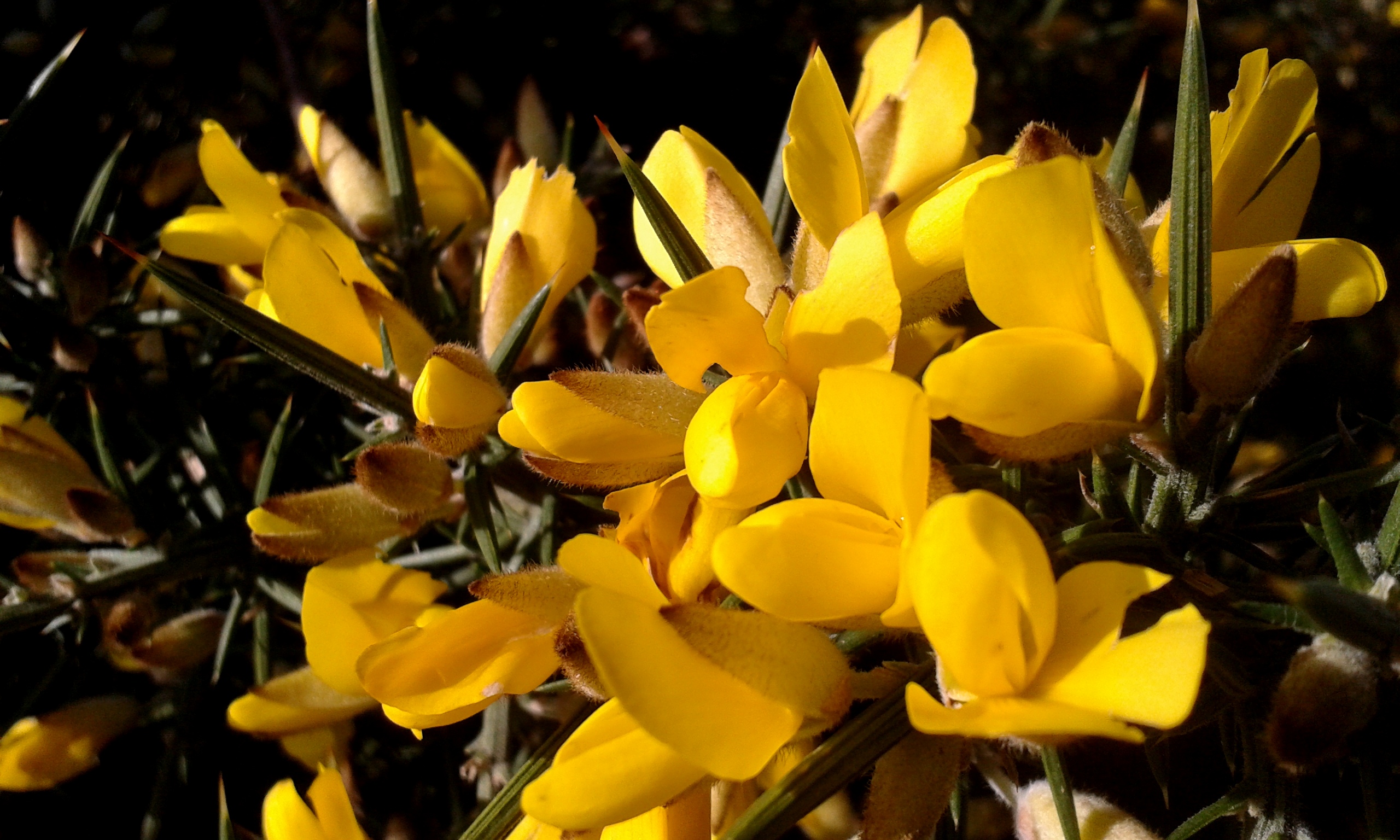
The gorse usually flowers twice a year, once in February,  and once in the summer.  It’s probably early this year, but I did not get any of its scent, we need stronger sunlight for that.

20160127_130143

I took this photo behind our houses, it is waste land, the sedges are lovely, I like this sort of landscape too.  Soon St.Brigid will be celebrated in Ireland and people will use the sedges to make St.Brigid crosses, I used to teach people in the library to make those, it’s fun to work with the sedges.

20160127_130245

It is getting time that I start planning my garden, I have not done anything about it really because the weather has been so wet.  Today I started to take stock, and some of the raised beds wood surroundings have rotted!  The soil is still very wet.

Roll on warm and dry weather!

*    Boreen is an Irish word for a path in nature, (Irish: bóithrín,  pronounced [bɔːˈriːn]) it is a rural walking path.

EMERALD GREEN FOLIAGE

Sometimes Ireland is called ‘the emerald country’, and it is no wonder, it is called this way because of the regular rain, this green is always a most beautiful, fresh and profuse colour. Seen from the sky the landscape does look like an emerald jewel.

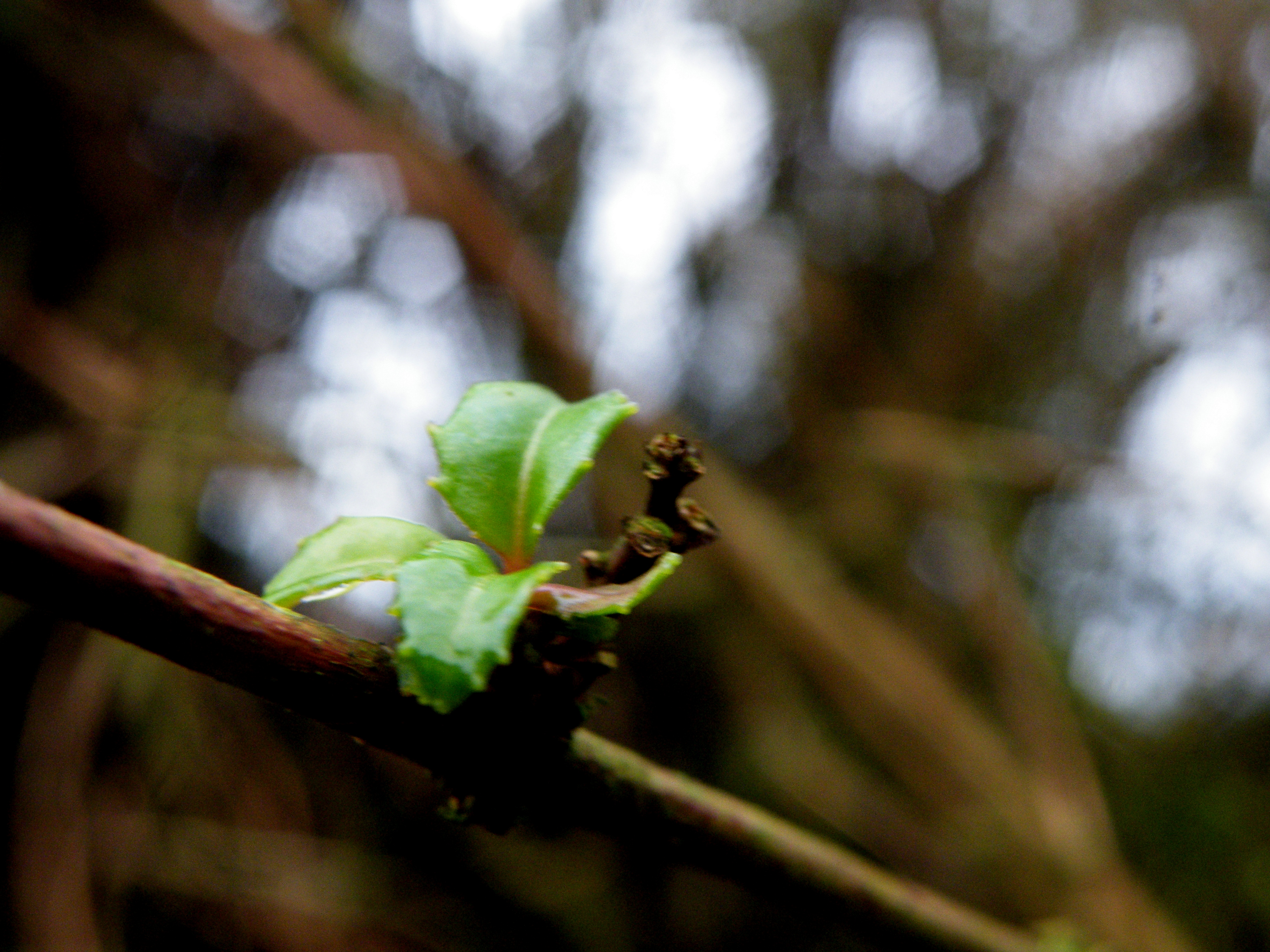
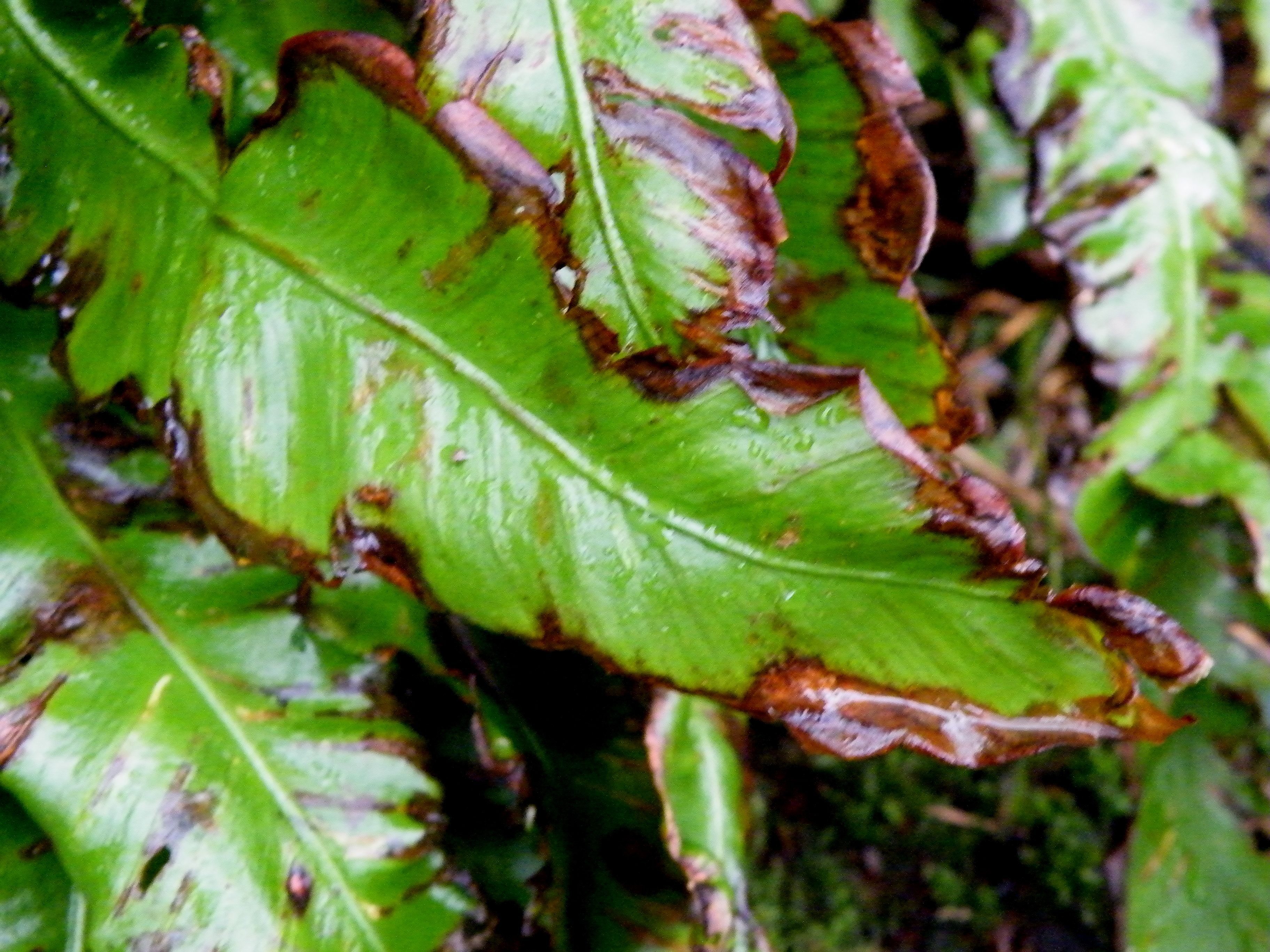
So it was no surprise that I found young green foliage today along the side of a country road.  Though early in the year, there are signs of a rebirth, and of green in the hedgerows.  The Fuchsia hedges have brown branches with here and there young leaves opening up.  The ferns are enjoying this particularly wet winter, a delight for the eye, their lacy leaves unfurling with a vigour that would surprise you, though having said that, some of the leaves had fringes of brown.

Nature is waking up slowly, spring can start very early in South West of Ireland.  Even the birds songs are changing just lately.

DSCF2151

DSCF2164

DSCF2154

DSCF2155

DSCF2157

DSCF2159

The lesser celandine plants are almost ready to flower.

AUTUMN MIRTH

“To-day I think
Only with scents, – scents dead leaves yield,
And bracken, and wild carrot’s seed,
And the square mustard field;

Odours that rise
When the spade wounds the root of tree,
Rose, currant, raspberry, or goutweed,
Rhubarb or celery;

The smoke’s smell, too,
Flowing from where a bonfire burns
The dead, the waste, the dangerous,
And all to sweetness turns.

It is enough
To smell, to crumble the dark earth,
While the robin sings over again
Sad songs of Autumn mirth.”

From a poem called DIGGING.”
Edward Thomas, Collected Poems

20151024_154310

20151024_153937

20151024_154319

20151024_154205

20151024_153054    DSCF0958

HERBAL MEDICINE WORKSHOP

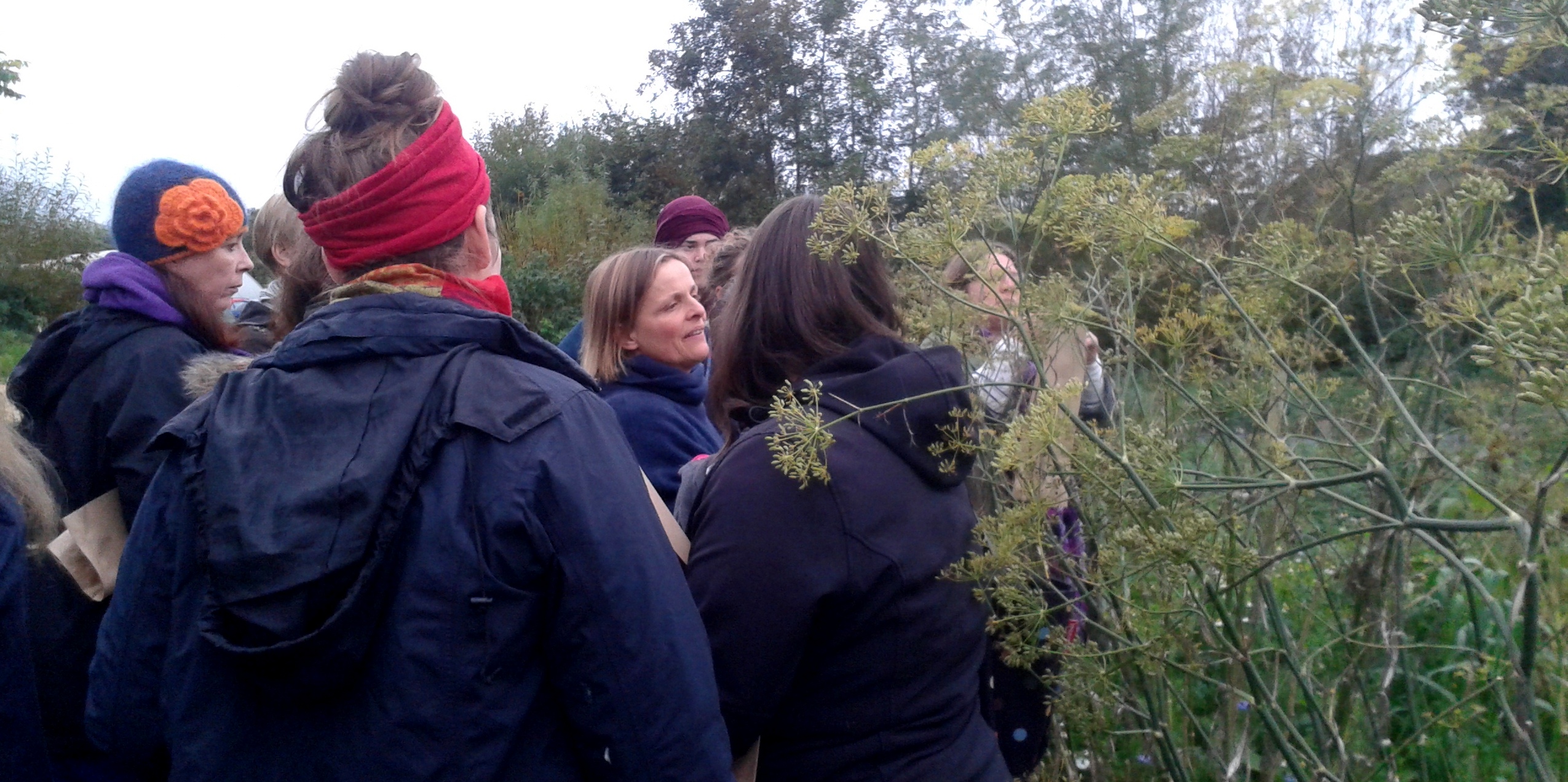
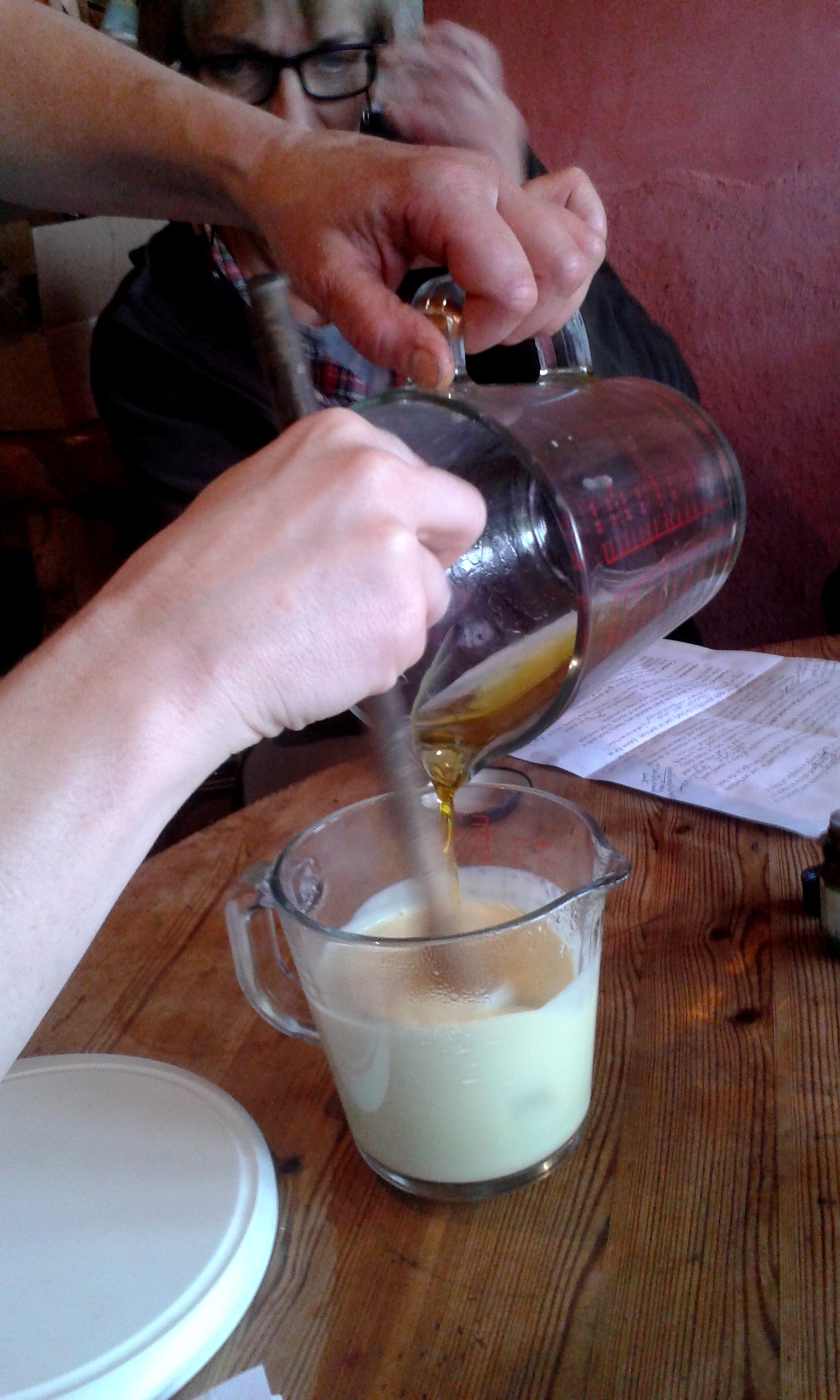
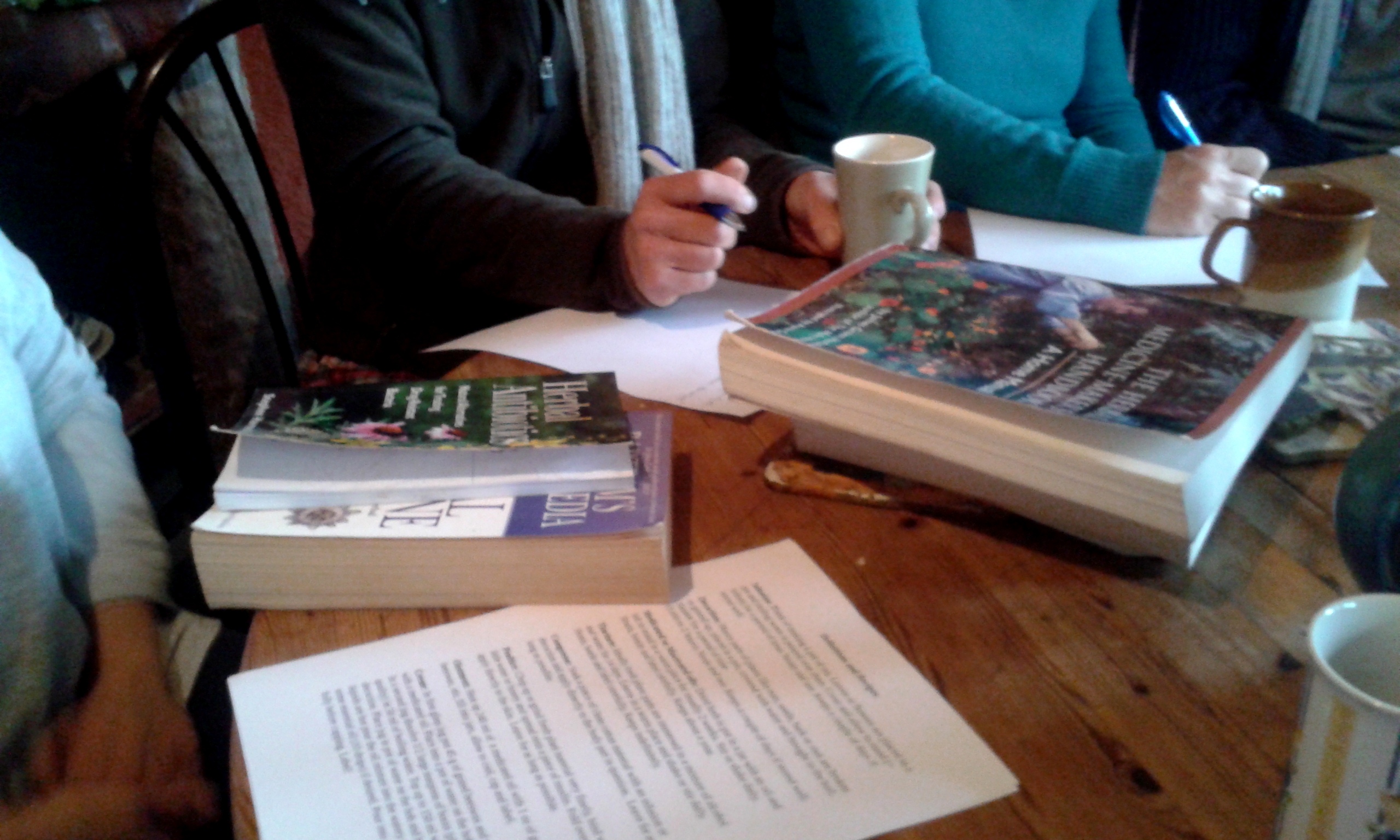
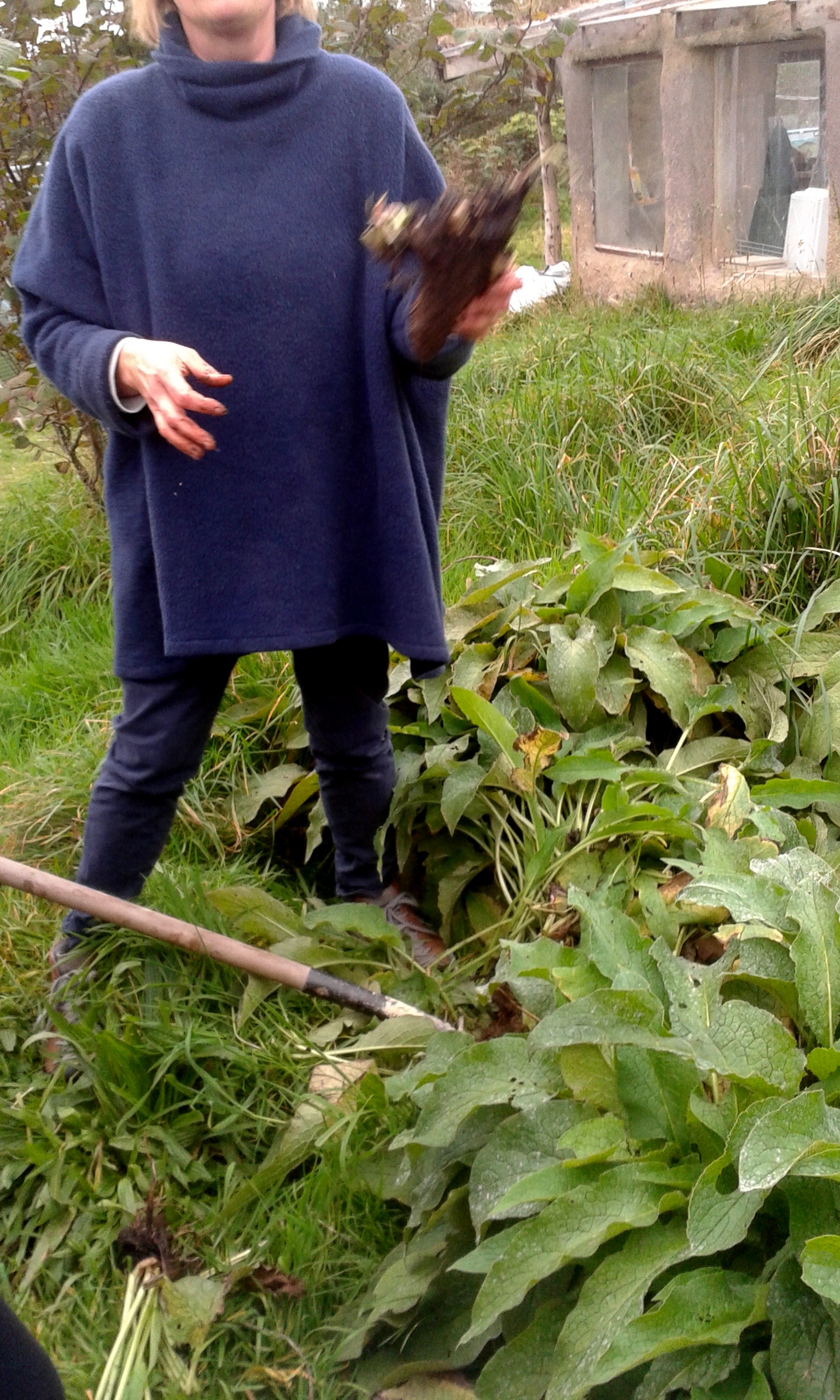
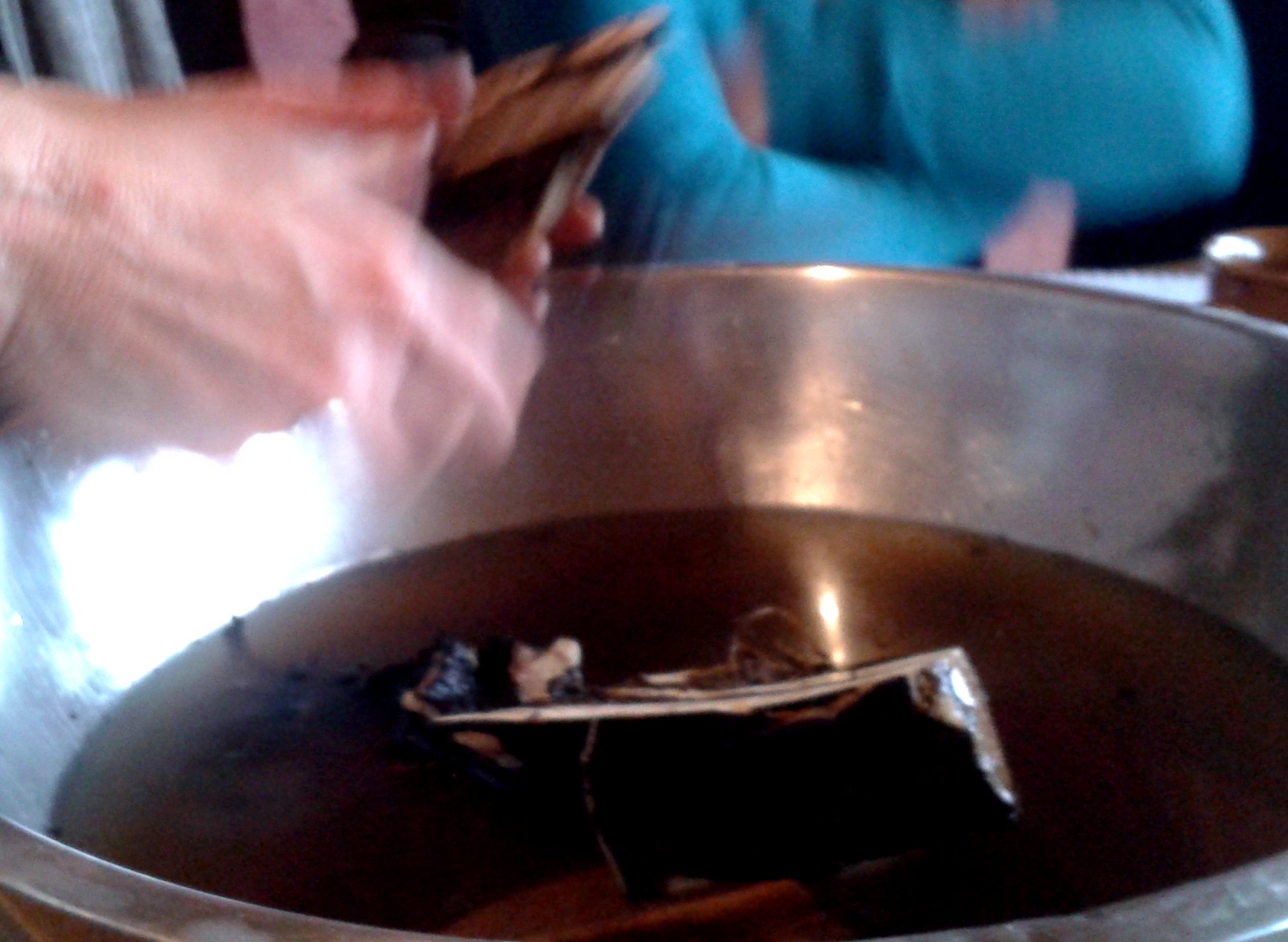
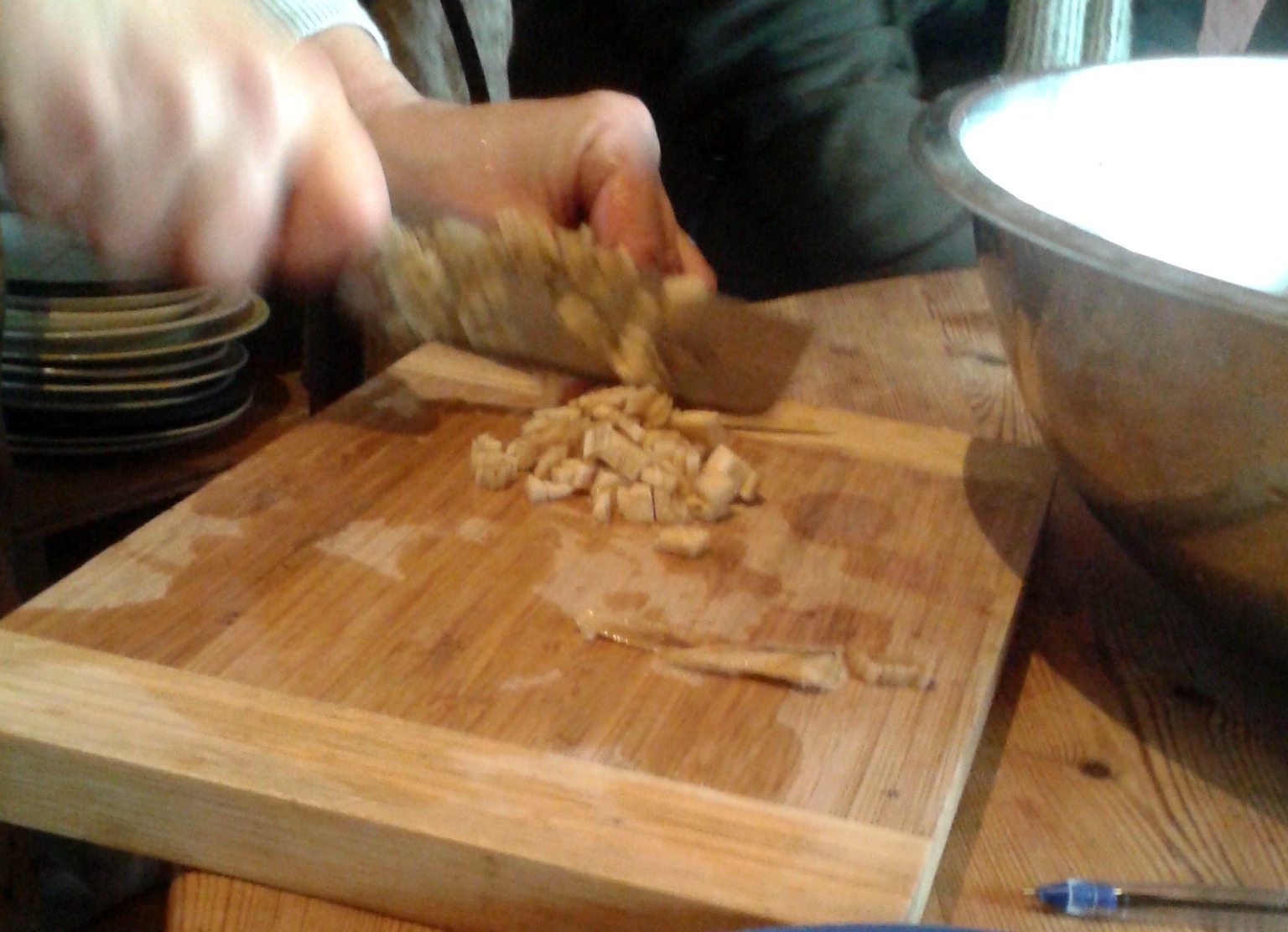
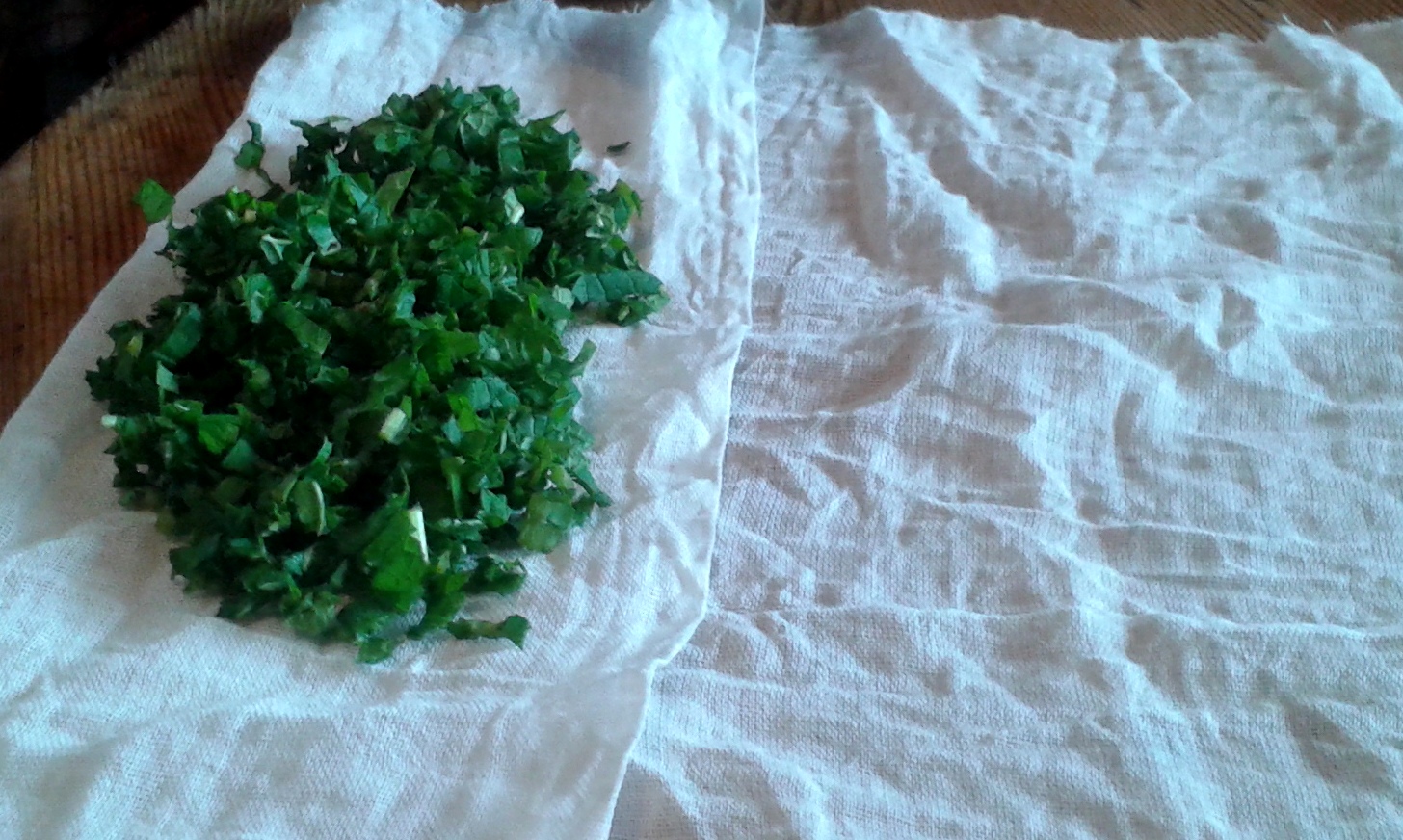
Today at the Hollies I attended a workshop which taught me more about how to make some medicinal herbal teas, tinctures, syrups, creams, and ointments for regular use, for small ailments. We learnt to identify the plants first on a walk through the land, as I have an interest in herbs for a long time, I had no difficulty recognising them all. What I was hoping to get out of the workshop was a bit more knowledge on how to make a cream or an ointment from infused oils, compresses, poultices, and I found it not only interesting, I also found it inspiring. We went through so much information, took notes, took photos, chatted, and listened, and of course we tasted and tried stuff we made, and we smelled every plant we used, and what a variety; Mullein, echinacea, hypericum, fennel, plantain, hawthorn, periwinkle, rosehip, sage, marsh mallow, calendula, rosemary, comfrey, yarrow, and elderberry. After a few hours of identifying and picking plants, we went inside and enjoyed a nice lunch of nettle soup, homemade bread and hummus, after that we got stuck into brewing up our stuff, first we chopped up some rosemary and also some comfrey root, we made a tea of the rosemary leaves, and cooked up the comfrey root in hot oil (au bain marie), we strained it, and added it to the beeswax which we had cut up and melted (au bain marie) also. Finally we mixed all the ingredients together and poured into little jars. This ointment is said to be good for sprains.

For the cream we made we used calendula flowers, and rosemary leaves, the method was straight forward enough, as was the method to make a tincture, or a syrup.

I think that I finally have found the motivation to use more of the herbs I am growing, and some of the oils that have been waiting to be turned into creams and ointments.

So much to look forward to.
20151018_103950

A great group of interested people gathered around so many herbs.

20151018_132738     20151018_144722

Making the cream was of even more interest to me, we made it of calendula flowers and rosemary, the result was great.

20151018_151913    20151018_122821

Stirring the cream before pouring it into the little jars, labelling is also very important.  Creams would usually last for about a year.  And of course we got good recommendation of books, some of which I might look out for.

20151018_114052    20151018_125906

Digging up the comfrey root, and washing it before taking the peel off and cutting it up for use.

20151018_130438   20151018_150557

Cutting the comfrey root, and pouring the finished product into little jars.

20151018_133242     20151018_110851

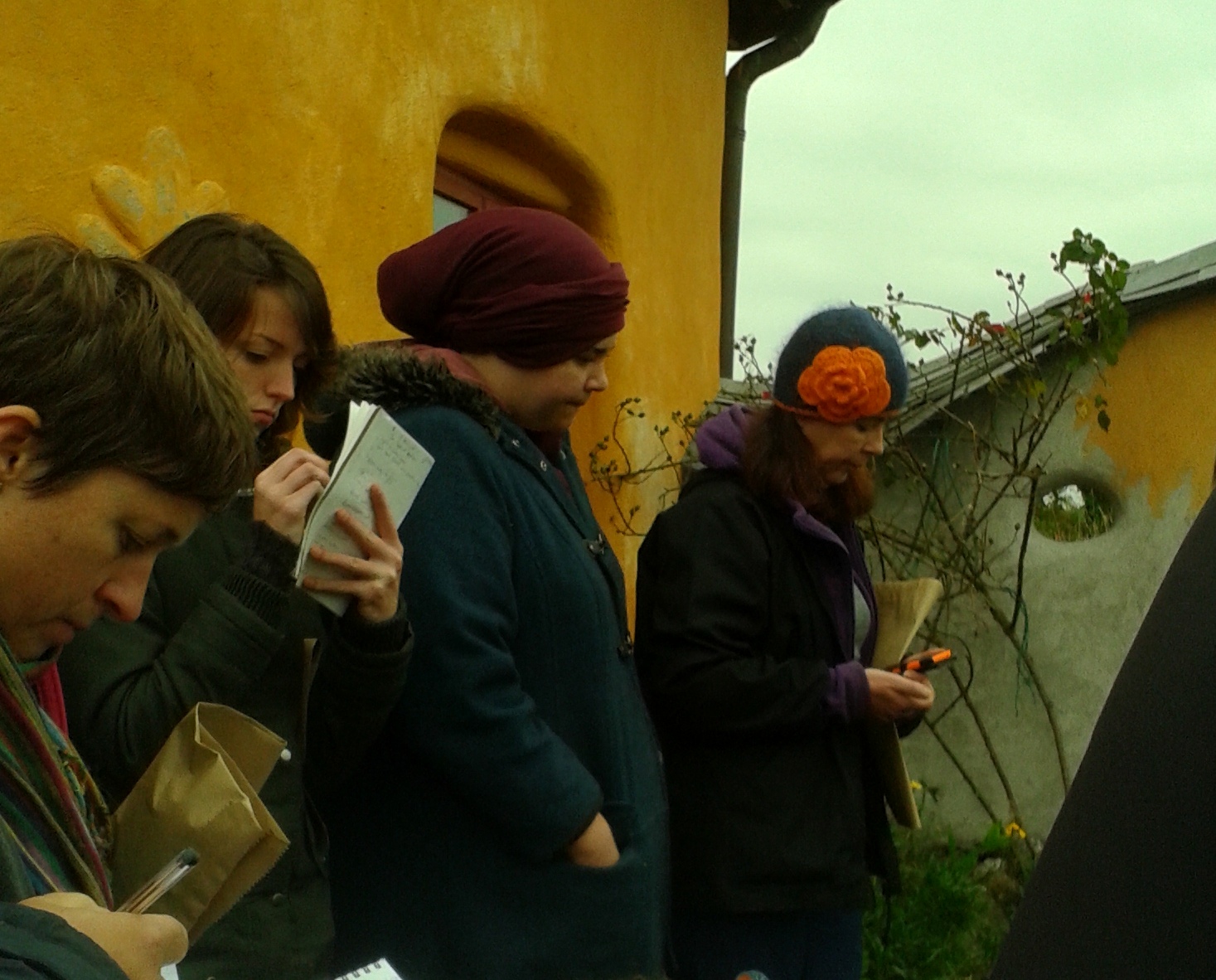
Comfrey used in a poultice, and students listening and taking notes in the gardens.

20151018_154928     20151018_163025

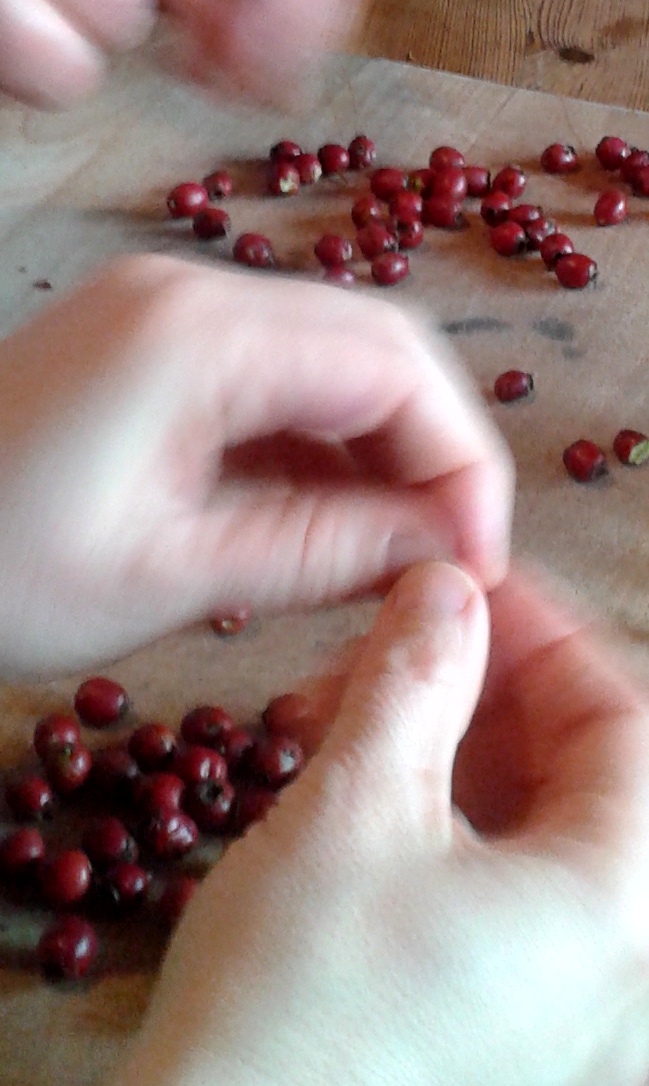
Picking off the elderberries to make a syrup, and getting the hawthorn berries ready to make a tincture.