MUSIC FOR THE SOUL

Ever since we came to Gozo, and from our own choice we have lived without radio or Television, because we wanted to do other things with out time. But we do use our laptops to keep up with world events. We are finding that we go about our business in the flat either singing, humming, or whistling and that’s fine, however, music means a lot to me, an awful lot if it is the kind I enjoy and so I have been keeping an eye on events here in Gozo, an eye on upcoming concerts. There have been quite a few during the winter and I have not always taken advantage of them. The Gozitans love their music, Ir -Rabat has got not one but two opera houses in full use. Many of the churches also have their choirs, and children’s choirs abound. I have heard their singing and it has been very appealing.

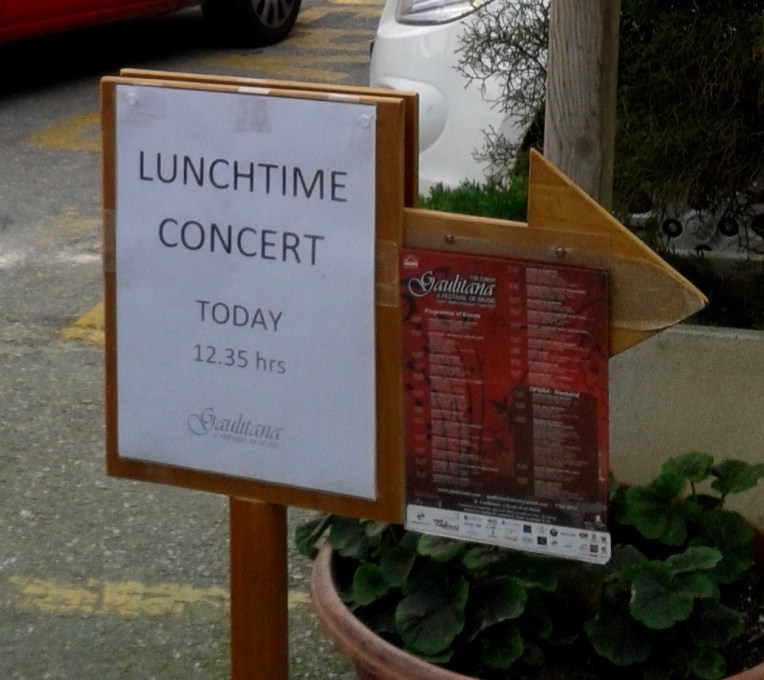
Anyway, the other day I saw this poster, it said Gaulitana – A Festival of Music and I noticed that this Festival was happening right now. Going down the list of concerts I found out that there was a lunch-time concert coming up the next day, to be held in the Old Hospital on St.Francis Square, this building is lovely to look at and houses the Minister of Gozo Hall now. One of its front halls is used to show exhibitions some of which I have attended, and the concert was to be held in the other hall which used to be the hospital’s chapel, a lovely room hung with paintings and having an arched ceiling. The program looked totally my cup of tea; recorder music of the early and Renaissance periods by Jacob van Eyck, Telemann and Jean Braun. The musician, Romero Ciuffa played on three different recorders, the Ganassi recorder for the first pieces, the Alt recorder for the Telemann and the bass recorder for the Jean Braun compositions. Romero explained all about the different types of recorders and a bit about the music too. It was wonderful, the music was so uplifting and the audience very appreciative you can imagine. What a wonderful way to spend a lunch time!

I often listen to some music on YouTube and find a good variety, I also follow some Facebook sites specialising in Baroque and early music, it gives me immense pleasure. Music is such a joy, it connects us with the very fibre of the land and with the souls of the people.
20170316_114457

Last two photos are the two opera houses in Ir -Rabat
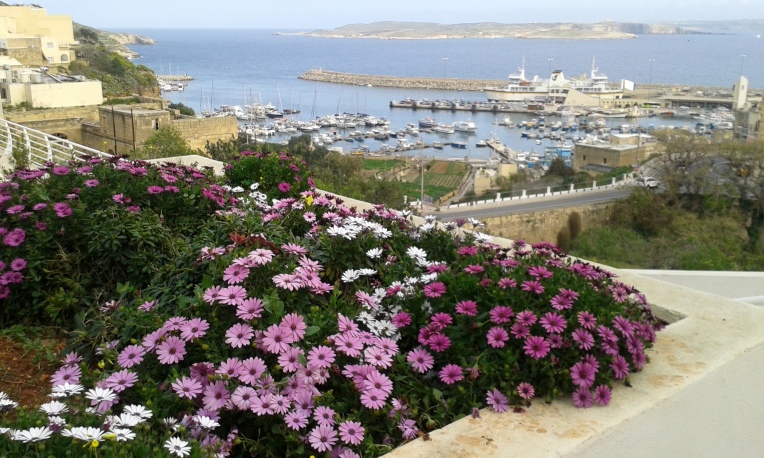
THE FERRY PORT OF MGARR

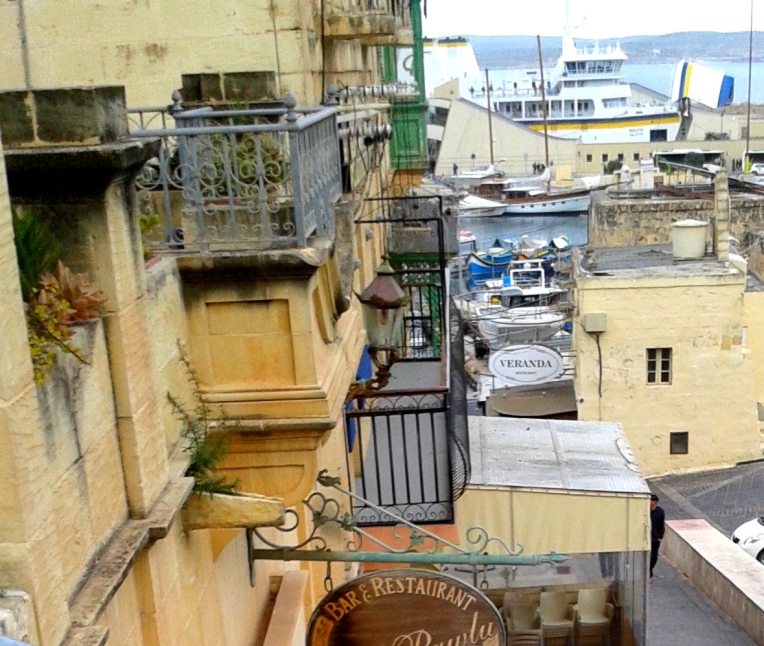
Mgarr in Gozo has been a fishing harbour and a Ferry port since medeaval times, since the thirteenth century. In the olden days a small jetty was used for passengers to board a ship and for fishermen to unload their catch, it is still there just below the Gleneagles bar.  (which by the way was the name of a ship which operated between Malta and Gozo 1885 – 1914)

The little town was build around this harbour. Further away from the port the rocky shore rises high and steep and is now quite built up in parts. The oldest part of Mgarr still has this feel of days gone by about it, and is quite charming. There are little restaurants and chairs and tables outside where one can watch the goings on of boats and fishermen, but also sample nice fresh seafood of course.  There is a chapel high up on the cliffs, and a plantation of trees near Fort Chambray which also overlooks Mgarr from the West.  We often come here as there is a lovely walk along the shore.  There is a great buzz also of comings and goings.  I guess though that there is even more to Mgarr and that I will discover more in future, something that to look forward to.   I have enjoyed it very much so far.

20170305_160918

Overlooking Mgarr Ferry Port, taken from Ghajnsielem.

20170305_153850

20170305_152924

20170305_170406

20170305_170246

20170305_170522
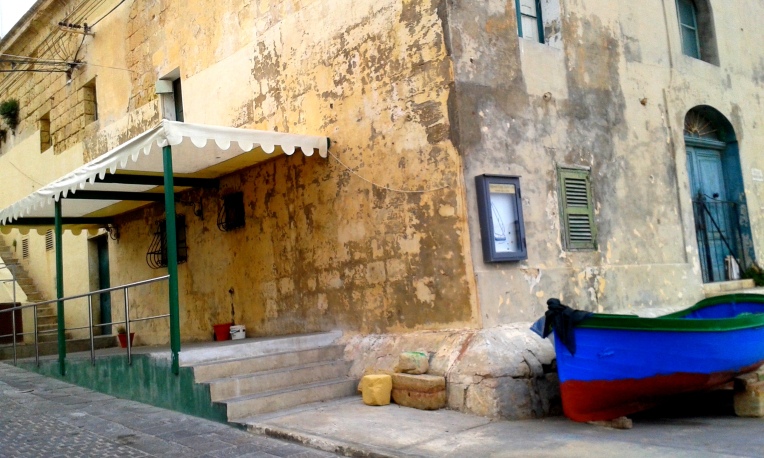
This is the
Il-Kcina Tal-Barrakka Restaurant during winter, so no tables outside.

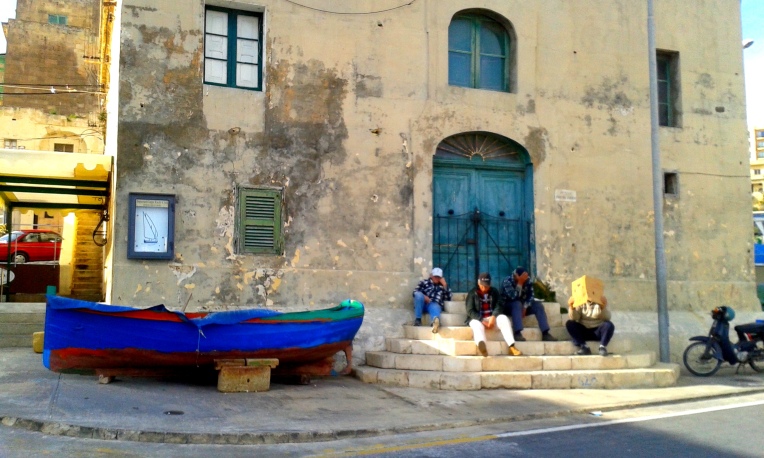
20170127_141115

A great vantage point where men sit, chat and watch the world go by.

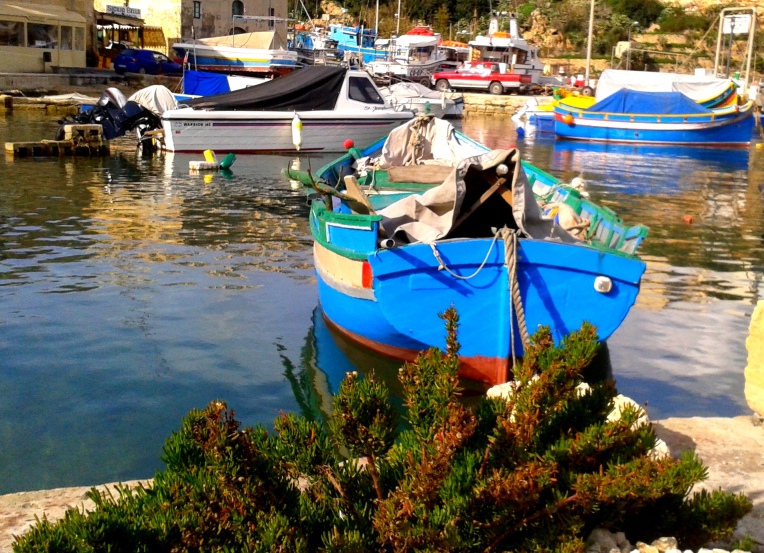
20170127_140839

Down at the water and the colourful fishing boat brighten everything up, there are also many modern yachts, and a variety of ferries and pleasure cruise boats.

WISHPERING TREES

“If you reveal your secrets to the wind, you should not blame the wind for revealing them to the trees.”  Kahlil Gilbran

20170305_151205
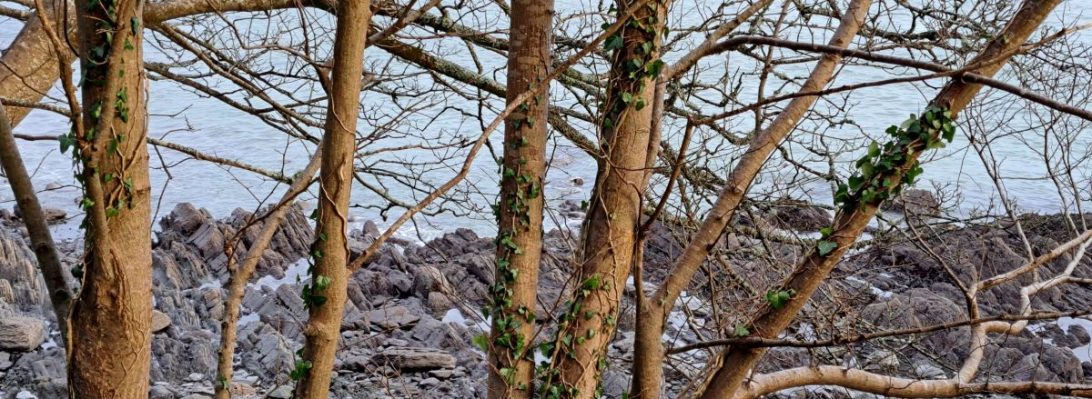
Trees have always been my among my best friends, I love the feel of being near to them, their scent, their whispering, rustling of leaves, the first buds opening in spring, their beautiful and delicately fresh young green filtering the first rays of the warming sunshine. So much about trees talks to me and inspires me. But I also like to know their botanical names, their medicinal uses, and their importance in the landscape and to the earth. I’ve been taking photos of trees here on Gozo, but obviously I am not familiar with most of them. Some of the trees that came to my attention a lot here are the Olive and the Carob tree, two most lovely trees that produce health giving and delicious fruits. The Eucalyptus grows here too, I’m quite familiar with this tree as it grow in Ireland too.  I know there is a lot more to learn and explore about trees on the Maltese islands, something to look forward to next winter.
I’m just going to add photos to my post as I am still working on identifying and looking up information on the tree in my pictures.

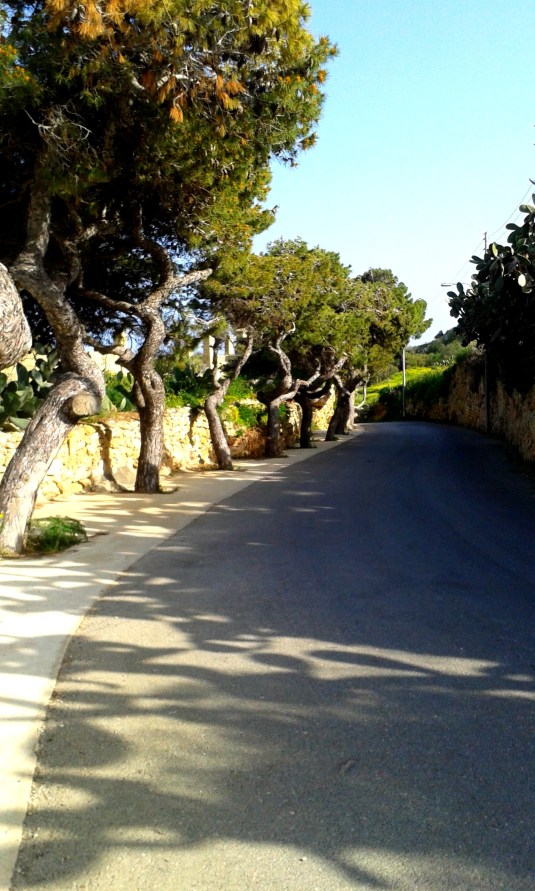
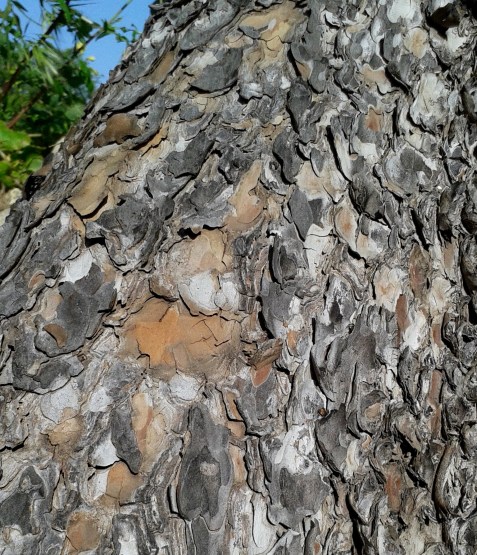
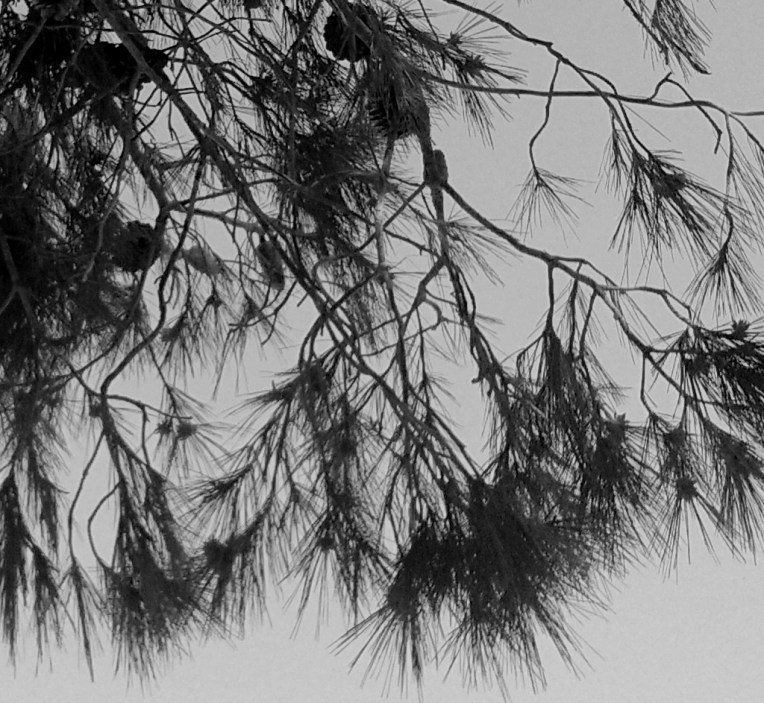
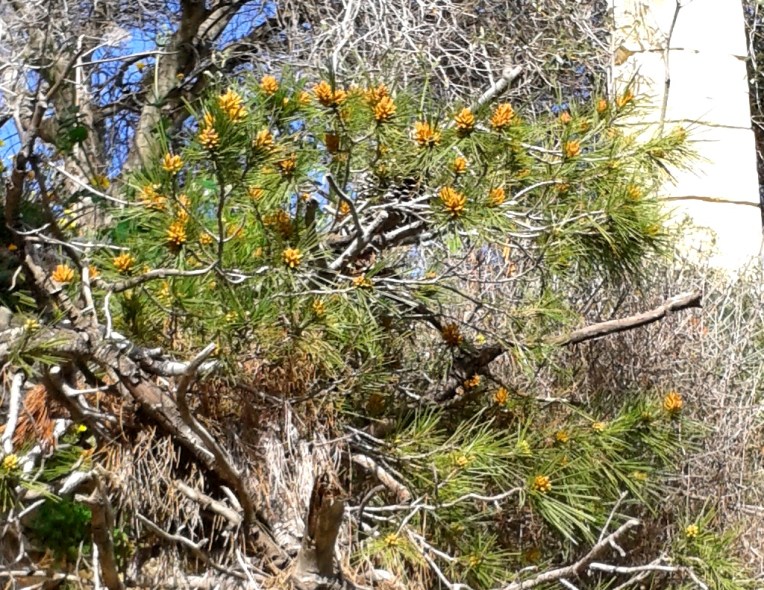
Foto above are a row of Aleppo Pine  Pinus Halepensis (Siġra taż-Żnuber/Siġra tal-Prinjol)

20170305_151310Bark of above Aleppo Pine
20170305_151355

More photos of the above Aleppo Pine.

20170305_151433

Young shoots.

Strongly scented sticky resin, and some of the open cones to the right.

20170305_151226


CARNIVAL IN VICTORIA – GOZO

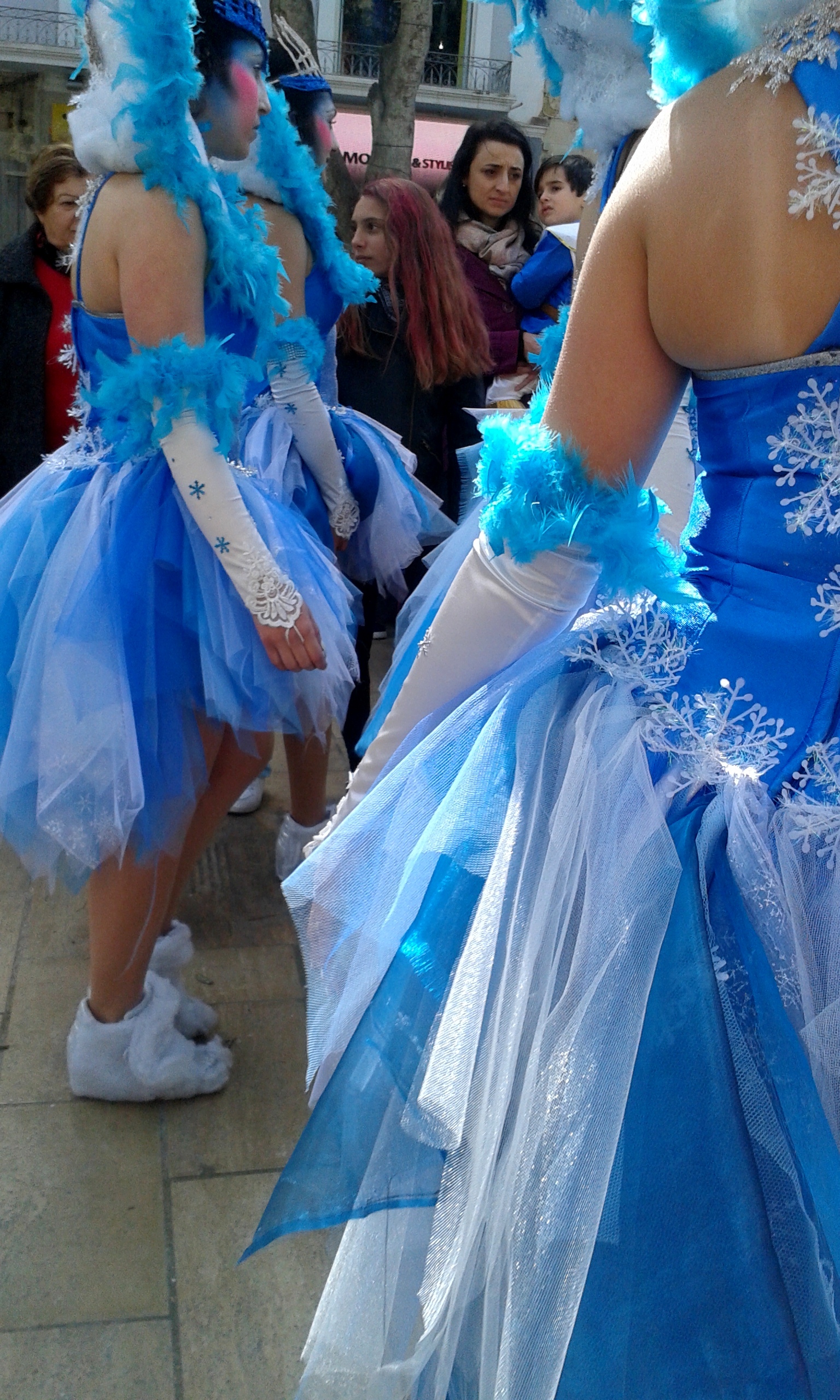
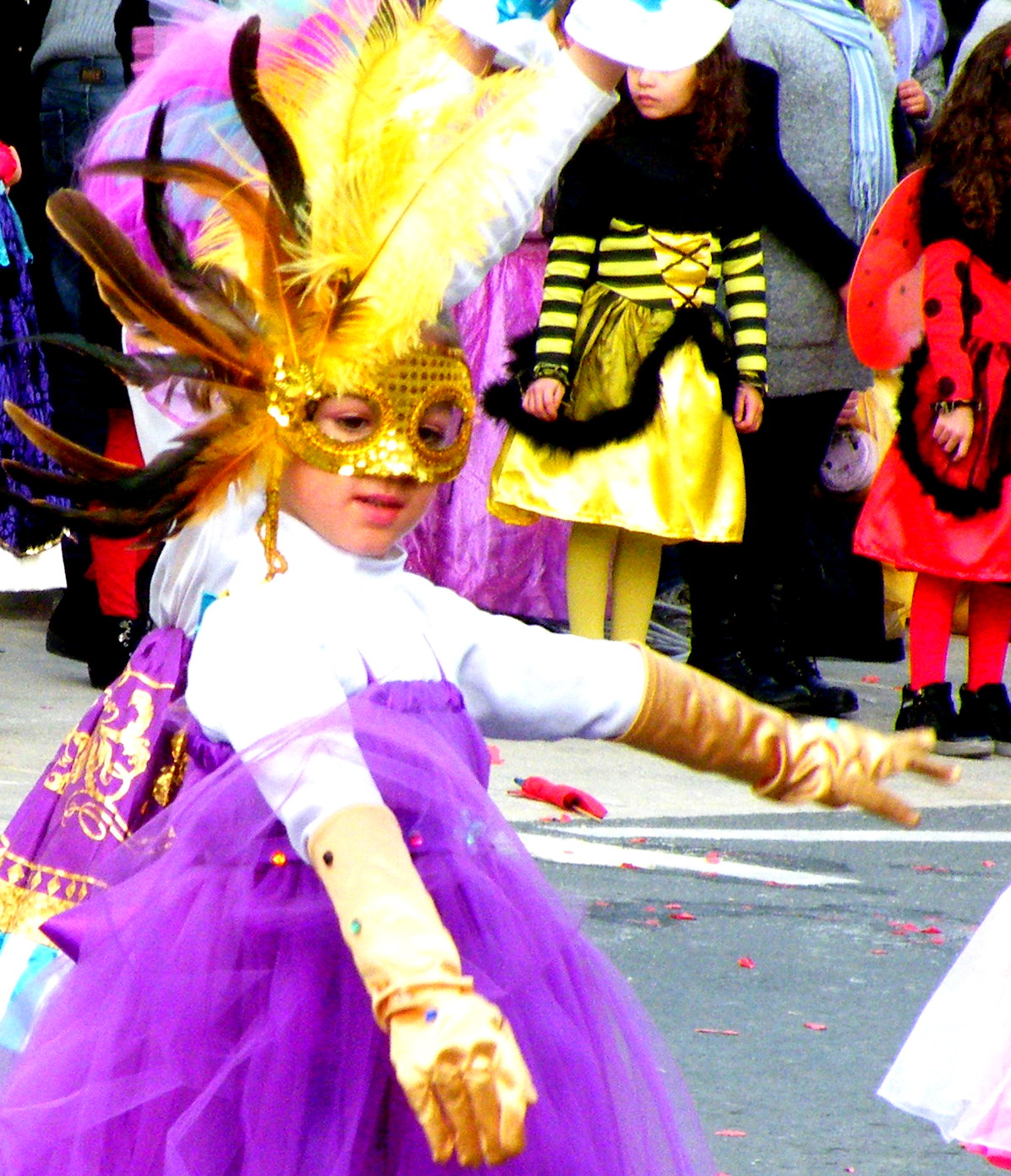
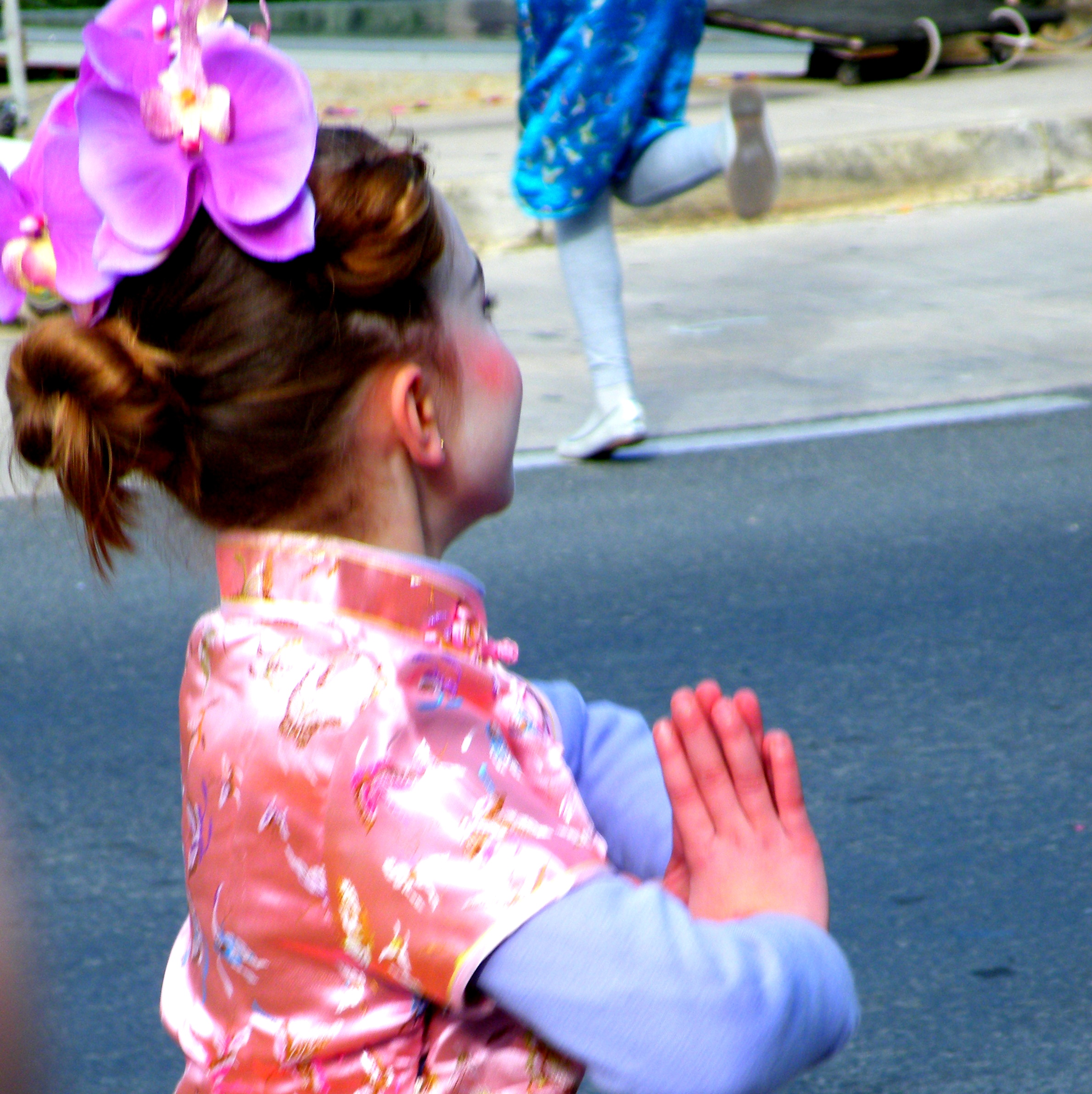
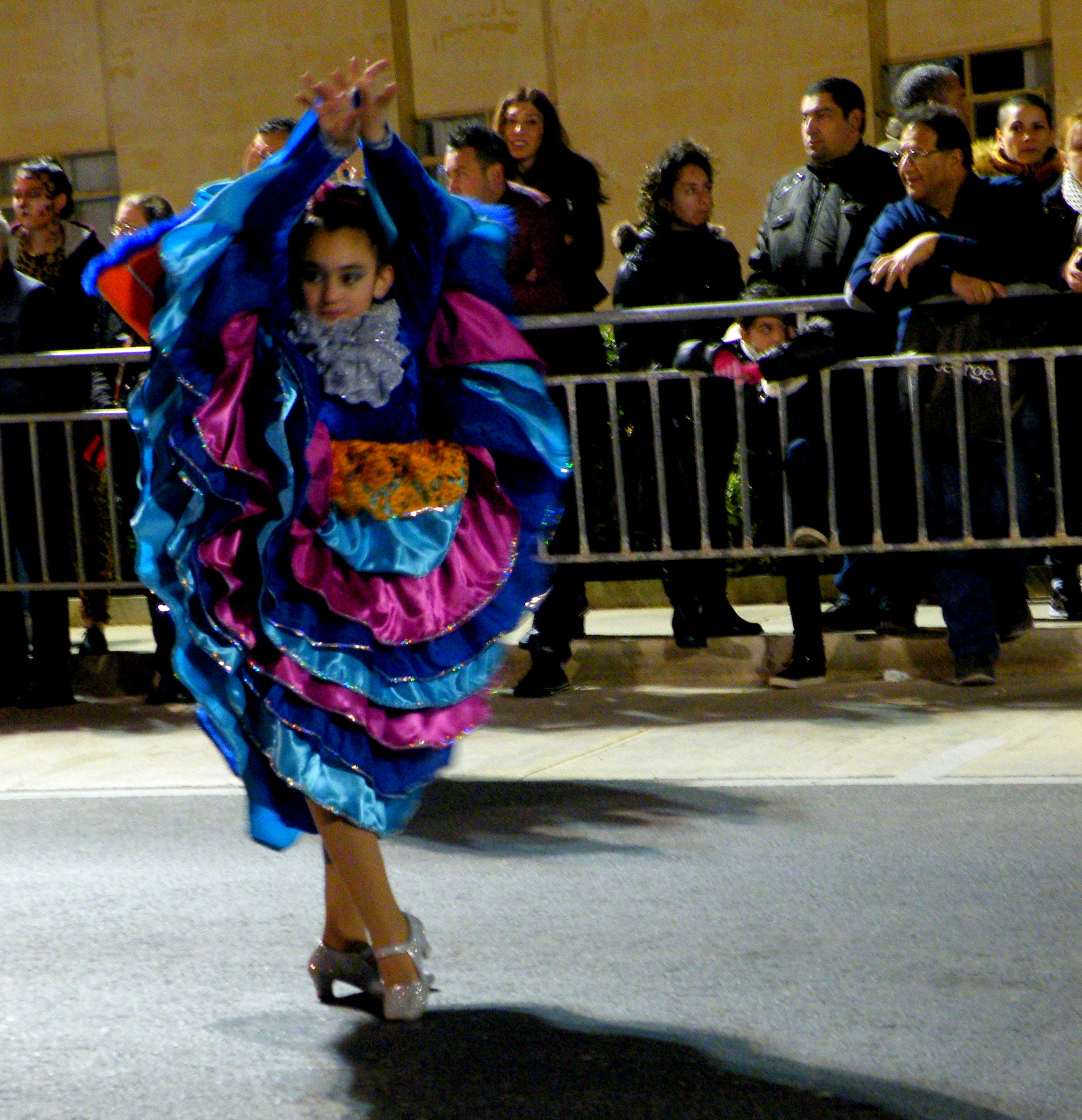
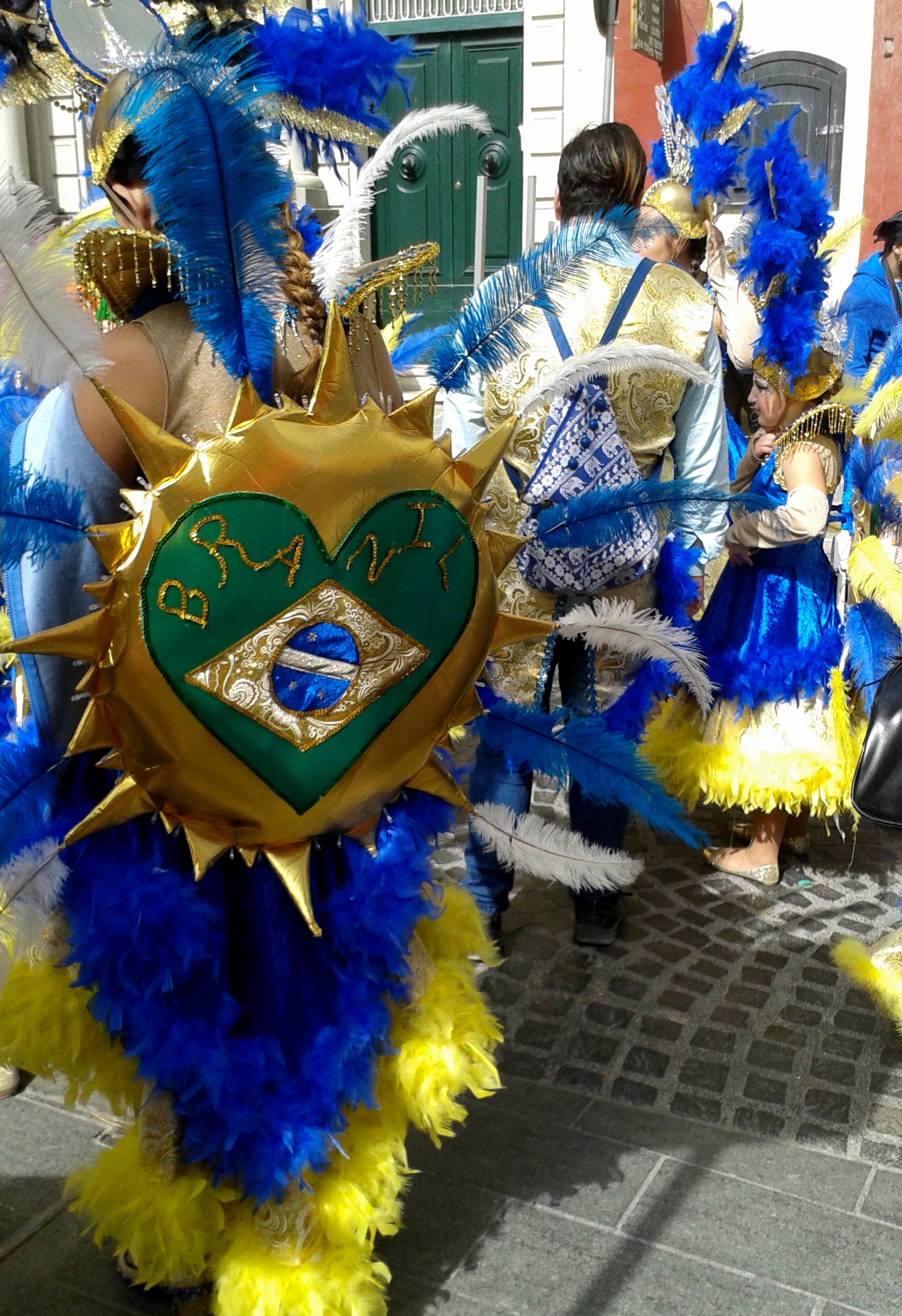
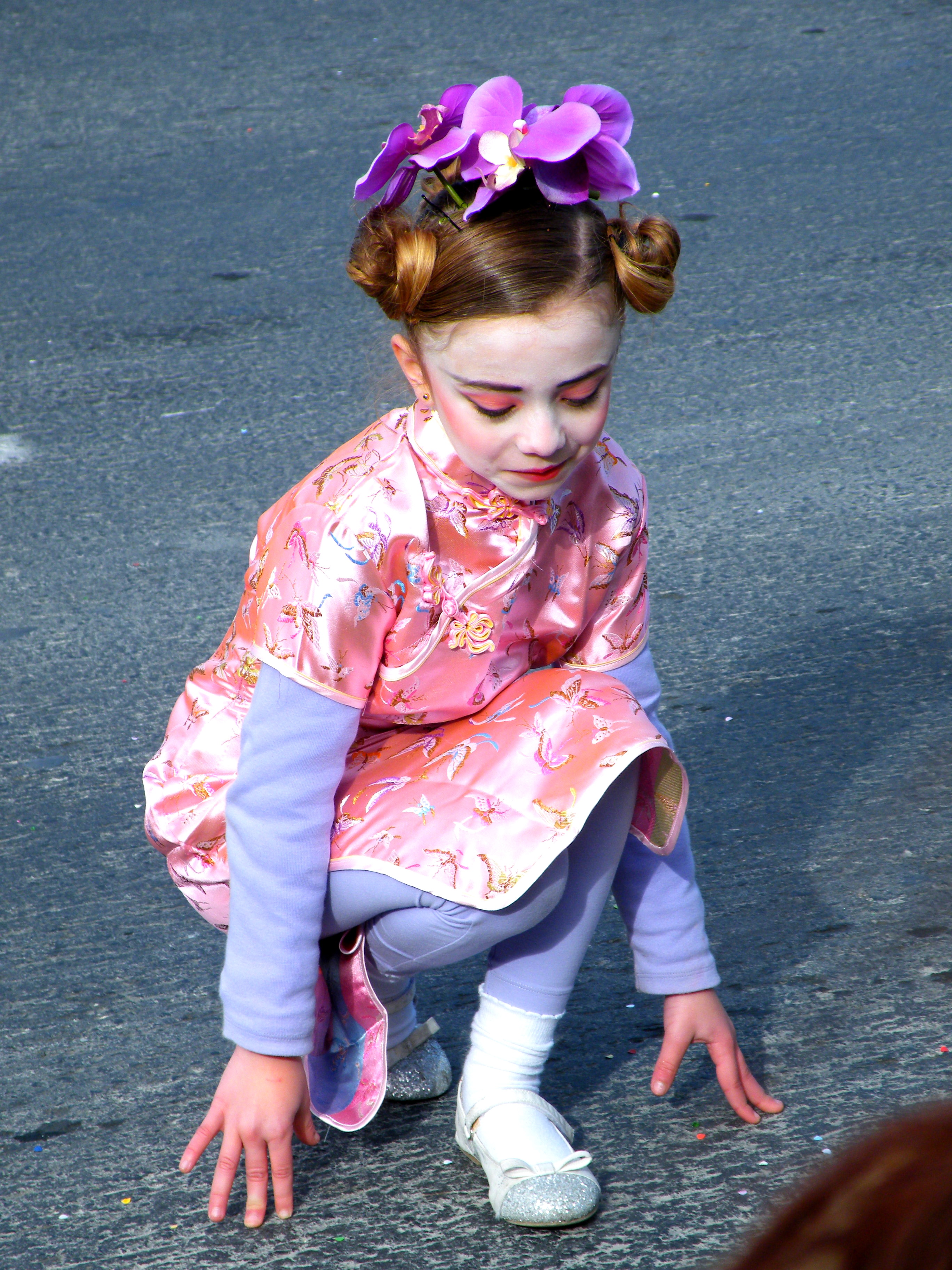
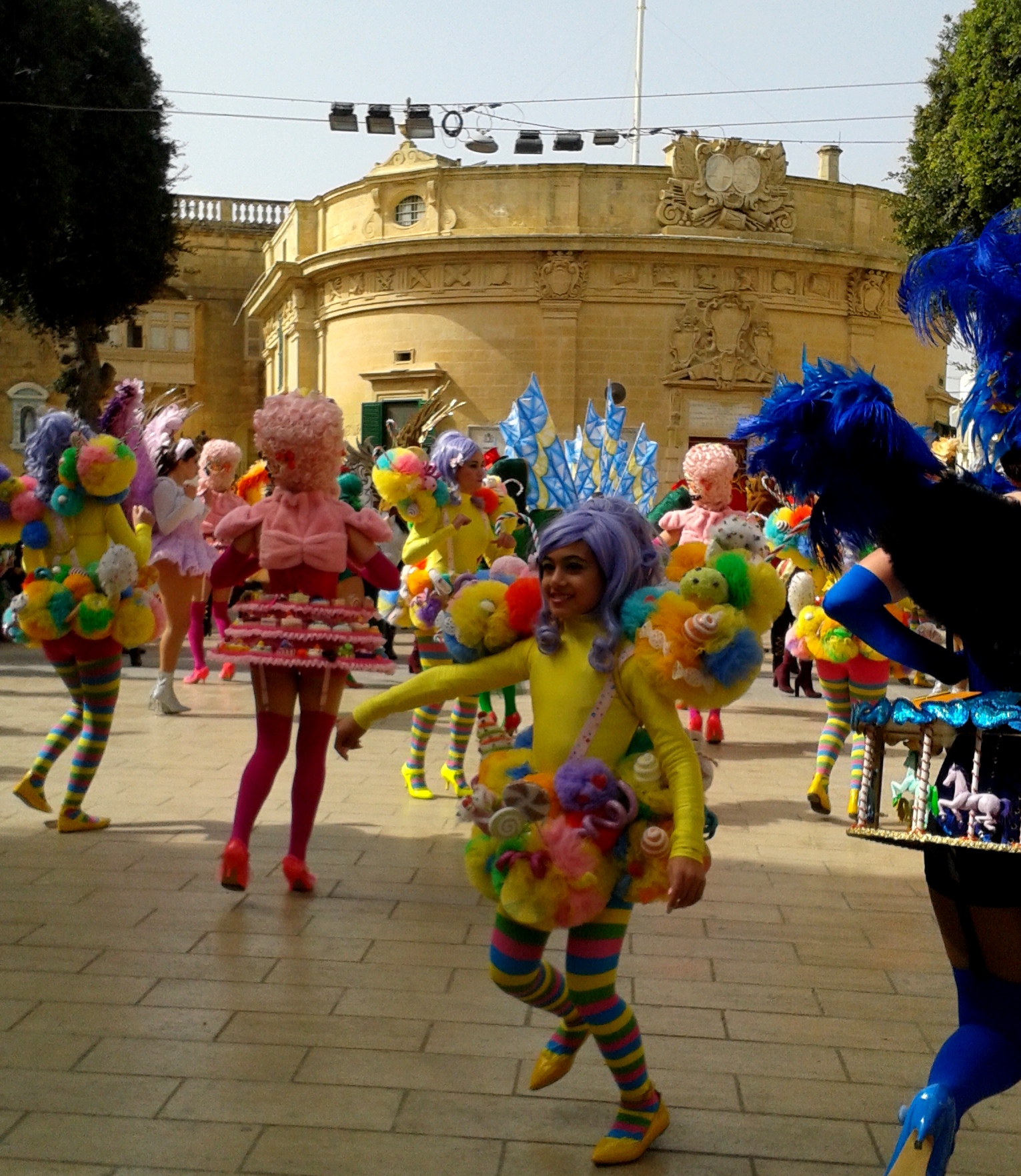
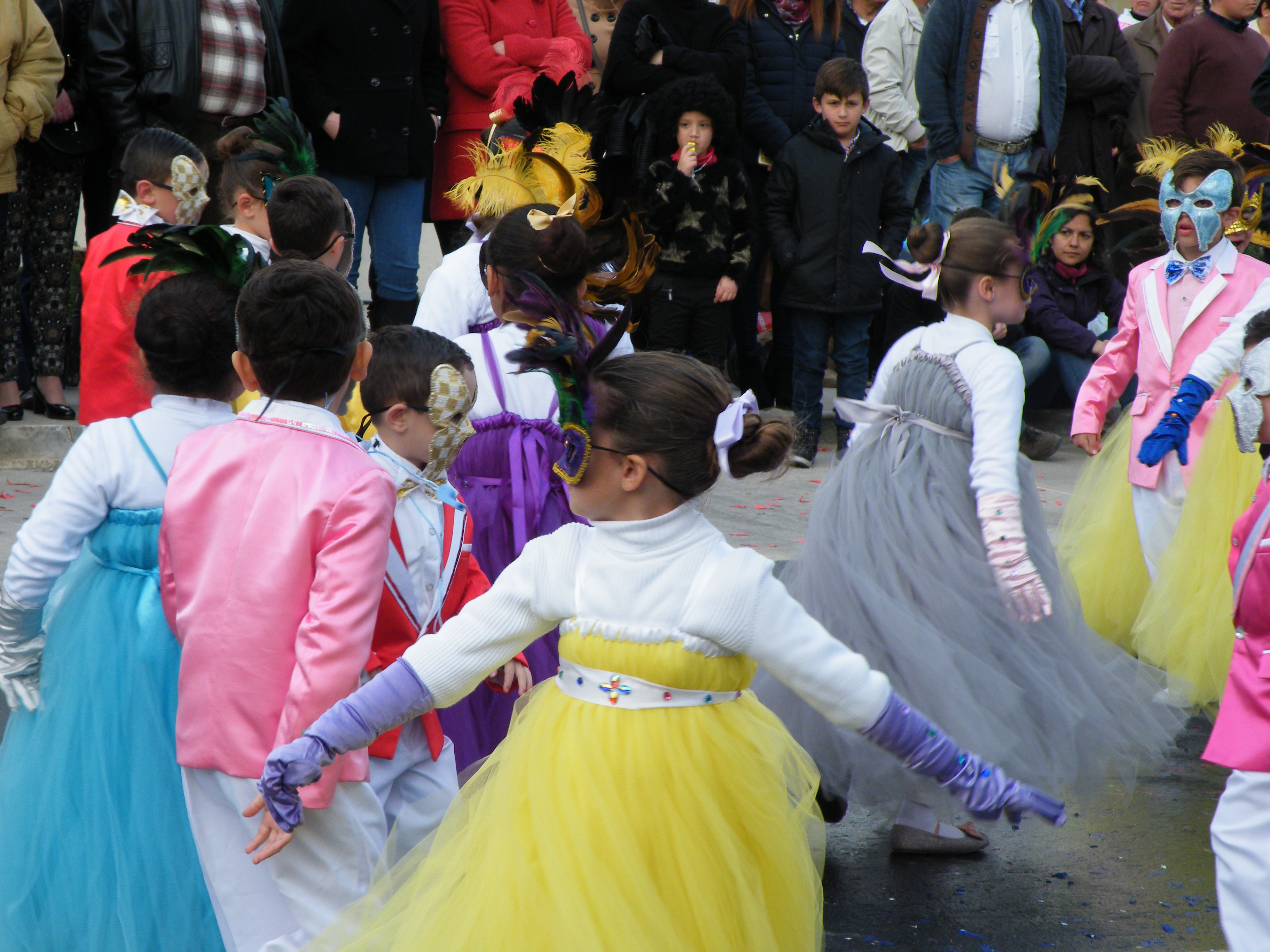
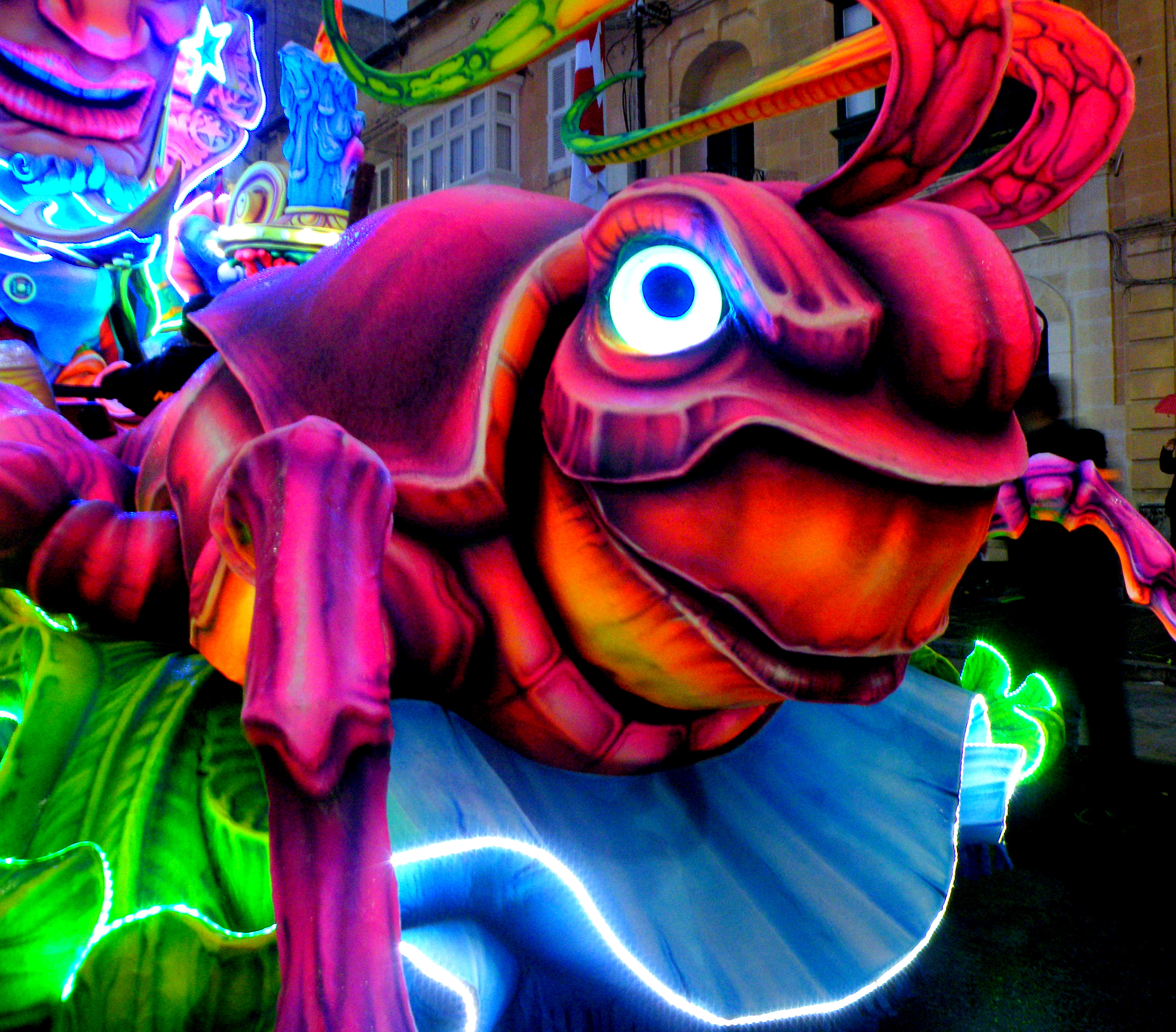
Last week, and for five days there were carnival celebrations on the Maltese islands. Gozo had celebrations in all the different villages, and then for several days also in Victoria, the main town. I’ve never been one for carnival, I had always looked down on the wildness that I had seen snatches of on TV, but I never knew it could be good fun too and here on Gozo it is a very family oriented festivity with plenty of choreographed dancing, some of it beautiful to watch, and very colourful. So many children and young people taking part. They work hard to get their moves all year long, it creates a good community spirit and comradery and that’s got to be good for a town. I’m just going to share some of my photos, in the past week I did not do anything on WordPress as I was out sick, and then I was touring Gozo with a friend, so no time or energy to write and post, but back on track now and I have plenty of new photos of Gozo to share.

dscf0365

A WILD FLOWER WALK

Yesterday I decided it was time to explore one of the cliff villages of Gozo. Ta-Sannat, and Il-Munxar were on the program, then to walk back from there to Ir-Rabat. It was a beautiful sunny and warm morning. Not sure what to expect as I had not read up on these villages, I was pleasantly surprised by the diversity of wild flowers that were in bloom, it really did fill out my inventory and photos of wild spring flowering plants that I have encountered so far here on Gozo. I was rather overwhelmed at the diversity, never having seen such a variety yet around the other villages, but that could be because the further in spring we get, the more flowers will be opened. The bees were buzzing, probably because the sun was rather hot, birds were singing, including the canary birds that many people here own and give fresh air whenever they can. Ta-Sannat also proved to be the first village where I heard a cock crow and saw horses and cattle outside. I got a lovely feel of the place, it is situated high enough for one to see the surrounding villages, like Ix-Xewkija, and Il-Munxar, I could also see the sea at L-Imġarr (Mgarr) from where I stood, and part of Victoria. A wide horizon is visible, and virtually the whole island of Gozo can be seen. The village itself was quiet, I was chatting with a lady in a small shop, apart from that and from the usual vegetable van which I had encountered on most of my village trips, all was still.
I know that there are quite a few things that I missed seeing around Ta-Sannat; the cliffs, the dolmen, the temple, and the ancient car ruts, but these were all outside the village and I did not like to go and see them on my own. I have a plan though, next time we spend the winter in Gozo I will link up with some friends to do things I do not like to do on my own, these activities will be on that list, I will organise that.
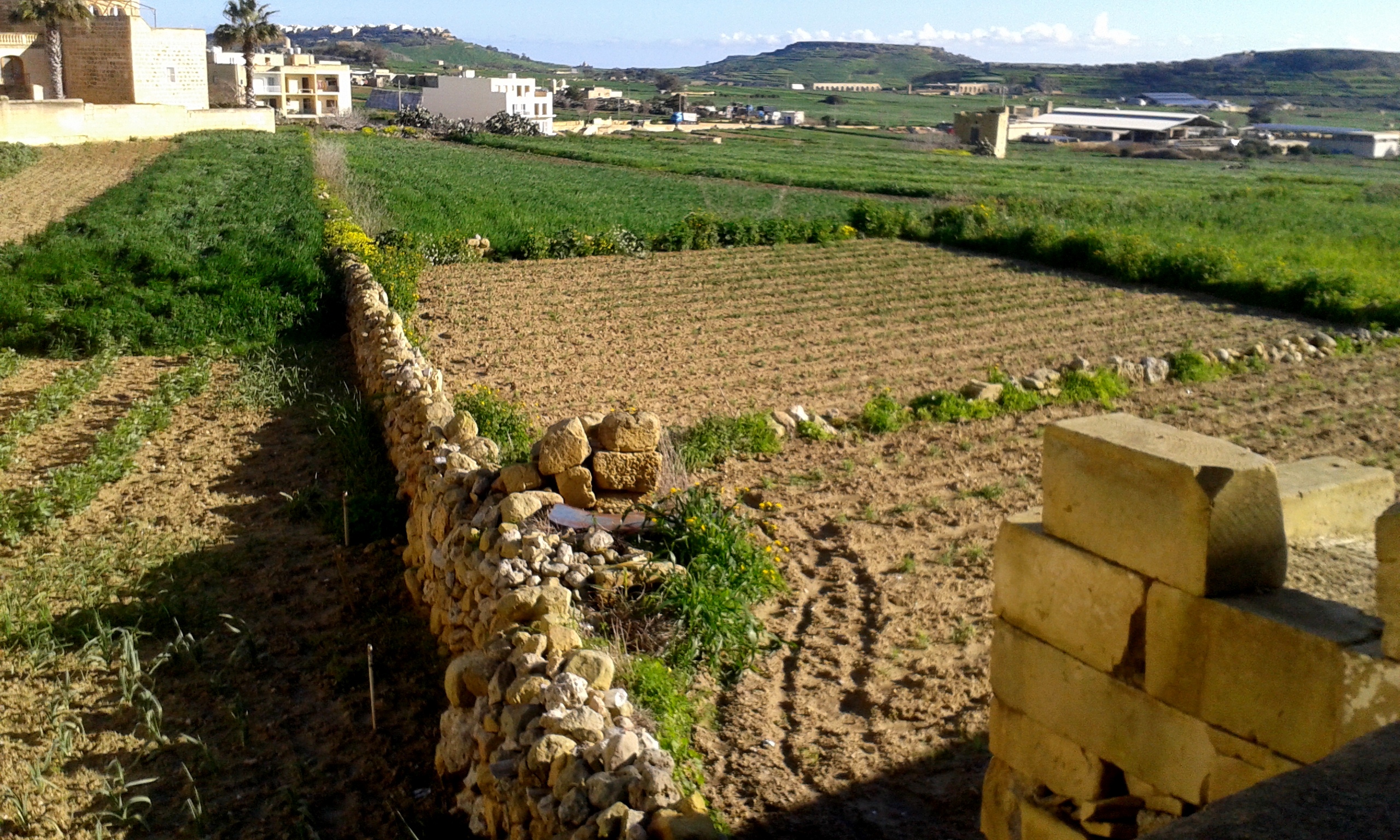
After taking many photos of the wild plants and flowers I started to walk toward the village of Il-Munxar. This is a very pleasant walk, it takes one along a whole stretch of farm land, land at this moment full of vegetables and here and there a farmer tending to his plants, heaps of manure were also to be seen lying ready to be spread out on places that were bare. I had a chat with one farmer who was obviously enjoying being on the land on such a sunny morning. Il-Munxar is another small village lying between Ta-Sannat and Ix-Xlendi, there is a walk that takes one from the Ferry Port of L-Imġarr (Mgarr) along these coastal villages toward Ix-Xlendi, the walk must be so beautiful as all along there are to be seen the highest cliff of Gozo. In Il-Munxar where I walked some bit out of the village, I saw meadows so full of flowers, like a painting with full blocks of bright yellow, so cheerful I just sat and watched it all and tried to take it in so I could take it away in my heart and mind, such a beauty!
Eventually I kept walking toward Ir-Rabat (Victoria) and reached there well in time to share lunch with Ian who had been at home meanwhile and working on writing his children’s book. We both excitedly shared our mornings adventures and decided once again how much of soulmates we really are and how thankful we can be for all that we are given day by day.

dscf9816

dscf9948

dscf9735

A SPRING IN MY STEP

Some days ago I decided on a trip to Santa Lucija, a village which is said to be probably the first human settlement in the Maltese islands. It’s not far from Ir-Rabat, but I took the bus and my plan was to walk back. The day was lovely, excellent weather for a long walk, the form was good, an inward smile that I sometimes find difficult to suppress, and which happens quite often when I’m walking on this great island, was making me light-hearted, and I had a spring in my step.

It is said that caves in the area (Il Mixta) of Santa Lucija were peopled by early settlers, this would have been around 5000-4500BC, or during the Neolithic period. At this stage people are said to have come to Gozo from Southern Sicily, according to similar pottery style found in both places. It is only after this period and around 700BC that the Phoenicians are said to have colonised Malta and Gozo. Remains of a settlement during the Punic period have also been found around this hamlet. The Punic period was followed by the Roman and Medieval times. The Romans took over from the Phoenicians in 218BC. Some sources think that Santa Lucia had a Roman settlement as shown by lots of Roman artefacts found at and around the village. After this time the Maltese islands were conquered by a whole variety of colonizers, at some stage nearly the whole population of Gozo was led into slavery or killed. Santa Lucija, like most other villages grew out of a hamlet, the hamlet was called St.Katerina at the time. It grew into a decent village with a good variety of different trades being practised, and many farms were to be found around the area too, to this day there are still many farms around this village, the land is very fertile due to natural springs. Like many of the other villages I visited on Gozo, there is a stillness about the streets, a tranquillity, only the birds I heard singing and the odd car would pass me. The little church was closed, the façade simple and small, but with a stylish bell tower.  The motto of Santa Lucija is “I pour light upon my fellow citizens” and this has everything to do with St.Lucija being the saint of the visually impaired, obviously people in the past would have travelled here for help with their eyesight.

I did not walk to the caves all though I did want to go and see them, but not on my own. I saw the old mill, and the remains of It-Torri tal-Warda. Because Santa Lucija is actually a hamlet belonging to the village of Kercem, I only had to keep walking direction Victoria to arrive in Kercem and later on to find myself back in Victoria, it was a lovely walk, a couple of kilometers. From various places I could see the dome of the St.George Basilica which showed me that I was still going in the right direction, and as it was, it was there that I was heading – to sit down in the square and relax with a well deserved cup of coffee.
20170208_084957

20170208_084823

20170208_091105

The It-Torri tal-Warda, this was a sort of watch tower, standing in the middle of the fields at the time it was apparently used by the landlord to oversee his field labourers and prevent thieves from stealing the produce of the land. The tower was damaged during a storm.

Top left is the remains of Il-mithna, the windmill which used to have sails to catch the wind and make it function.


20170208_090641
The whole village is surrounded by farmed land.

SIMPLICITY

“As we live and as we are, Simplicity – with a capital “S” – is difficult to comprehend nowadays. We are no longer truly simple. We no longer live in simple terms or places. Life is a more complex struggle now. It is now valiant to be simple: a courageous thing to even want to be simple. It is a spiritual thing to comprehend what simplicity means.”
― Frank Lloyd Wright, The Natural House
20170208_090625
Santa Lucija, Gozo

THE SCENT OF ALMOND BLOSSOMS

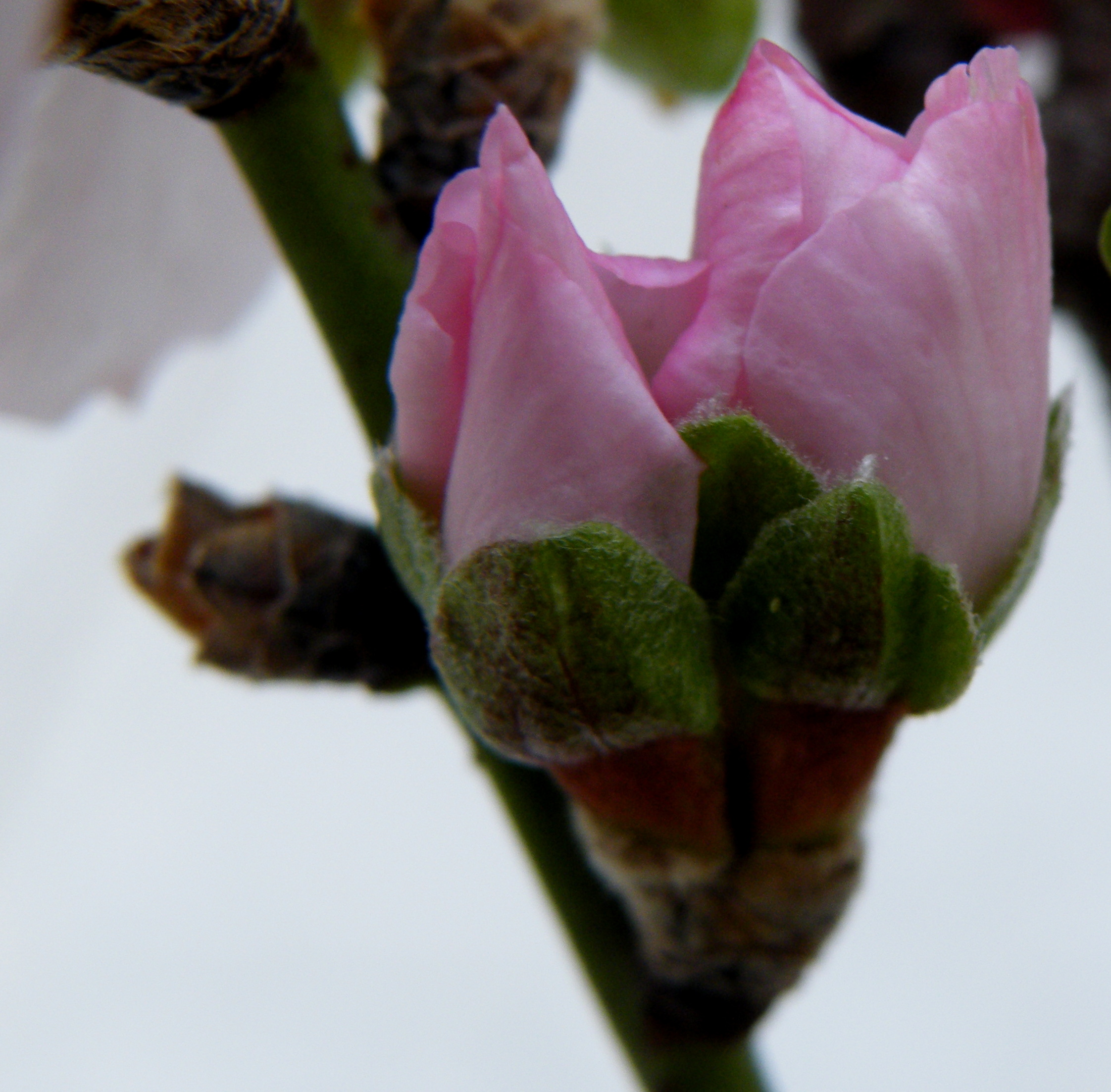
The Almond tree is in full bloom by now, at least those in sheltered places are and it’s a delight to the eye and the senses, their scent being subtle and sweet. To see these blossoms to me is just wonderful as it is something totally exotic in my book and my imagination is heightened merely by the beauty of this happening.
Great writers and philosophers have been inspired by the blossoms of the Almond tree. Here is a quote by Nikos Kazantzakis, from his “Report to Greco”
“I said to the almond tree, ‘Sister, speak to me of God.’ And the almond tree blossomed.”

And from his ‘Saint Francis’: “When an almond tree became covered with blossoms in the heart of winter, all the trees around it began to jeer. ‘What vanity,’ they screamed, ‘what insolence! Just think, it believes it can bring spring in this way!’ The flowers of the almond tree blushed for shame. ‘Forgive me, my sisters,’ said the tree. ‘I swear I did not want to blossom, but suddenly I felt a warm springtime breeze in my heart.”
dscf9525

dscf9509

dscf9516
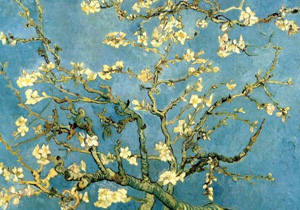
The Almond blossom has inspired literary and artistic people through the ages it seems. Van Gogh painted it beautifully and often when he was in Southern France, for him they signified awakening and hope.

Almond blossoms have been used in legends in countries like Portugal, and in the bible there is mention of them too in several place.
The Almond tree was first cultivated in the Mediterranean about 3000BC. It is said native to Syria and Palestine. Almonds were carried on the trade routes by the Greeks, Egyptians and Romans.

According to Greek mythology the Queen of Thrace, Phyllis was turned into an Almond tree by the gods.
I will never forget myself the rapture when watching a movie called ‘Venus’ which made good use of Wagner’s Tannhäuser Overture, at some point, during the performance of this opera the pilgrims chorus, which to me is the most beautiful part, the staff of a pilgrim starts to blossom, it was an Almond blossom, it was a stunning moment, never left me since.
According to the book: “Myths and Legends of Flowers, Fruits, Trees and Plants” by Charles M.Skinner, branches of the Almond tree are used to find hidden treasure.
Here is a link to the book, and there you can also read a summary of Wagner’s Tannhauser story and how the Almond branch figures in it.
https://archive.org/stream/mythslegendsoffl00skin#page/40/mode/2up

I was not really aware of the fact that to me also the Almond blossom has great significance, but it has, and to see the blossoms here on Gozo opening up over the last few weeks has delighted me beyond words.


MEADOWS FULL OF FLOWERS

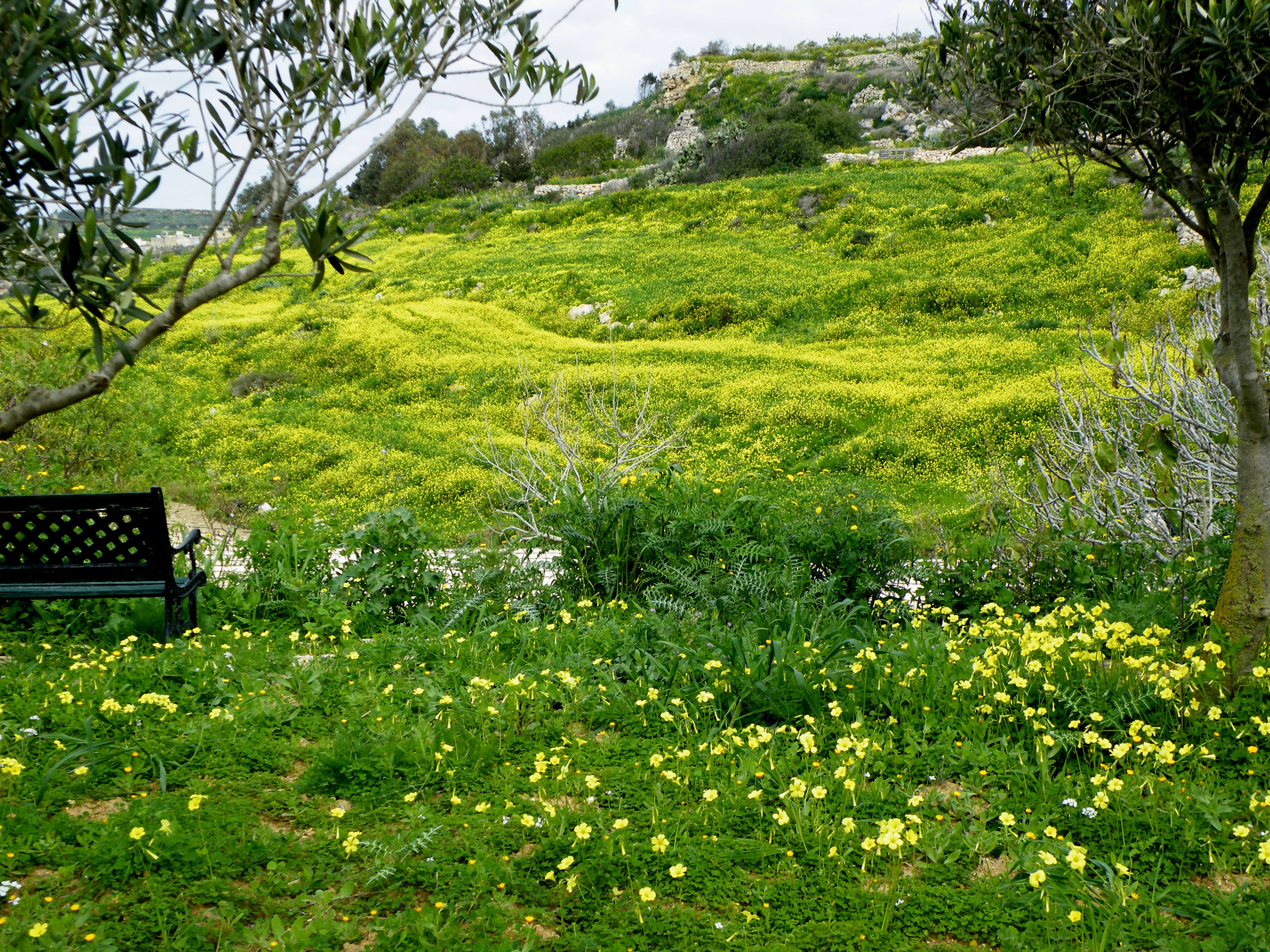
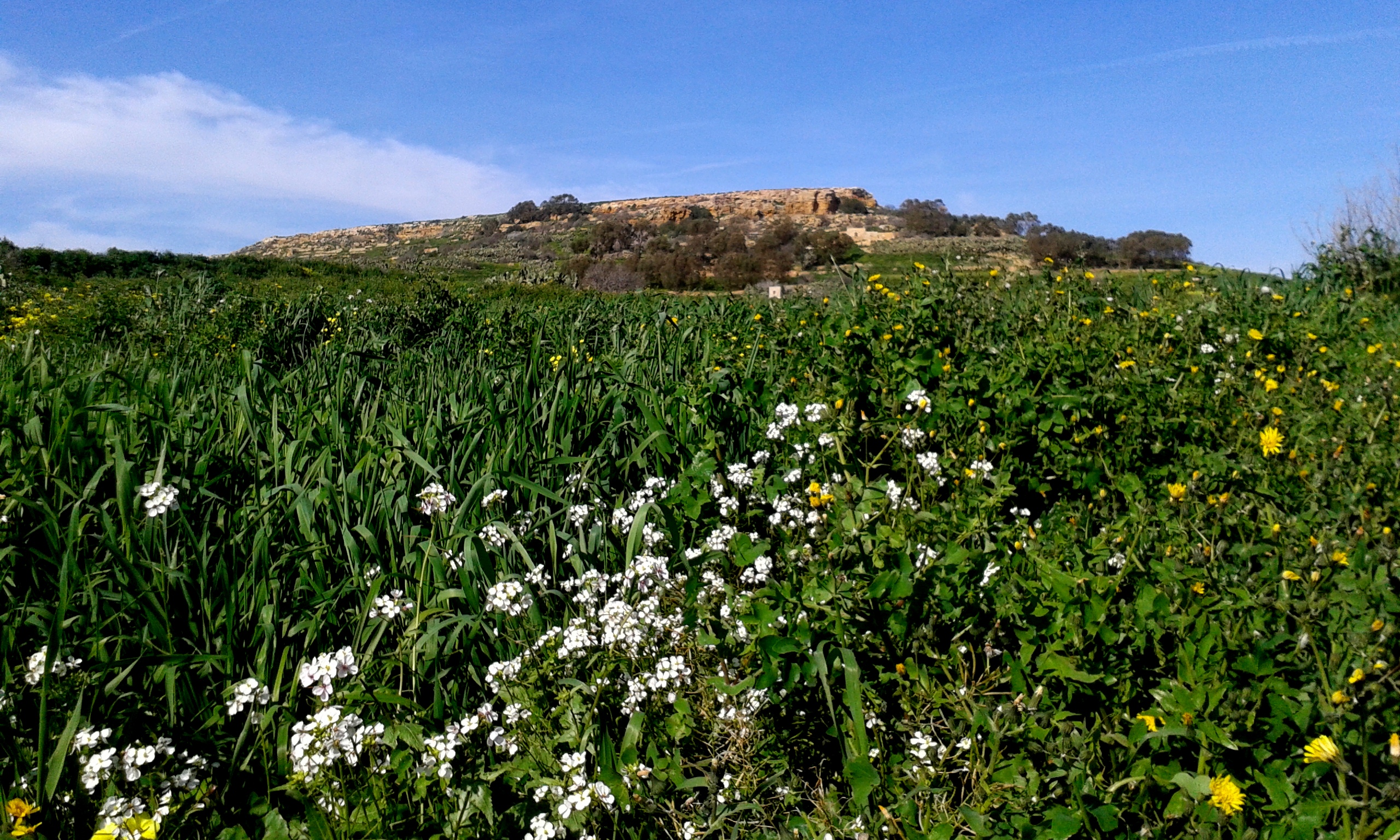
A very peaceful afternoon, the sun blazing down and smiling over mother nature and humankind, the birds singing, but otherwise stillness over the land. This was my walk yesterday. I decided that I would go see the meadows that surround the town of Victoria and see close up what is growing and flowering there. The views that greeted me were glorious to say the least, the colours a balm to the eyes, and not alone the dark and different shades of the green grass, but the way this brought out the bright yellow of the various flowers. My eyes had a feast. The warmth of the sun relaxed me and brought more than one smile to my face, oh the good that this does to the mind and the body! A few lizards were of the same thought as they were basking on the warm stones, but scuttled away before I came close.  It was lovely to see bees buzzing around, and little snails out in full strength.  The sun had encouraged nature to become alive again!

The air was pure, even so close to a major town. I could get the scent of the greenery, with a subtle whiff of flower perfume carried on the light breeze. I stood and enjoyed this for a long time. Spring is always nice, and meadows have always been my favourite, I used to watch a painting while still at school, it were a few children playing in a meadow filled with flowers. It gives a certain feeling of total peace. That peace is still with me and is heightened when I find myself among wild flowers and meadows. Our mum used to take us to a meadow when we were very small, I remember it though was only a toddler, she would sit with us among the flowers and we were allowed to pick some. Glorious days of the past, but yet with us always, renewed in the present day every springtime again and again.
Nature has so much to gift us, feelings of bliss and renewed strength at the end of winter.
20170204_125916

A Maltese bee getting nectar from the Cape Sorrel.

20170204_125340

Some of the wild flowers found in the meadow and along the road side too.

Below are some of the wild herbs I found yesterday, there is the Goose grass which in Ireland grows plentiful and which I use in soups, there is the Fumitory which is supposed to be a ‘liver’ herb, the Fennel of which there grows a lot around here, Borage which can be used in all sorts of ways, and the Nettle which is a real health giving herb and I use a lot of it in soups etc.  It is nice to see all the wild herbs growing very healthy.