DELIGHTS OF ART AND YOUNG MINDS

Last week there was the yearly Art Festival in our town of Skibbereen. It is getting better every year, and what nicer way to explore it than with my two growing grandchildren, who are little artists in their own way, and they take an intelligent interest in art.

So we set off on our exploration of some of the exhibitions, and there were many, they were held all over the town. We did not strictly stick to the Art Trail, we started off at the Uillinn Art Centre where we wanted to see the work of John Kelly. There were his beautiful landscapes, which were scrutinised by our young artists, including technique and paint finishes.  Our main interest though was Kelly’s group of paintings which he produced during his stay in Antarctica, and on his way there in 2013. The wall was covered with these works, large and small, the whole collection told us his story of that journey, and the girls were quite impressed. I wanted them to take away this idea of telling a story in a collection of small paintings. Later in the day we were going to get paints and boards to try our hands on this idea.
Some of Kelly’s other works did get some comments, even some raised eyebrows.
The paintings in Catherine Hammond’s Gallery got much approval, and favourites were picked, this exhibition was called ‘Contemporary Realism’. A little Gallery further along in Bridge Street was really interesting, at least for me it was, and the girls took it in their stride too. Vauney Strahan’s works were an education for me and I had to look her up on Google, I do like her art very much, here is a link to her profile; http://www.saatchiart.com/vauneystrahan
Least interesting to the young minds was the Old Bottling Plant where we saw works by Angela Flowers, though some of Angela’s works were fabulous.  And the exhibition by Paul Cialis, ‘Saints and Sinners’ did not even get a look into, which was just as well, because it was a little beyond their age group.

We were all three getting tired, taking in a lot of visual stimulation can use up energy fast! So we just popped into one last exhibit, a re-creation of a shop of the early twentieth century, the girls loved it, they were looking all over it. It showed them a example of shopping before the supermarkets started.

We went home after buying the art materials, and we started to paint, after a pizza meal, and lots of banter with Ian. Both grandchildren gave a very individual interpretation to what they saw during the day; my 9 year old painted a beautiful image of a horse, incorporating colours and combinations she noticed today, and my 8 year old painted an ice scene with penguins after John Kelly’s paintings.  It is very nice to be able to share the love of art with my grandchildren, and lovely to see young minds at work, and hearing their opinions on what they observe.


Paintings also exhibited were by Karen Billings, and earlier on in the week I attended an excellent event called ‘Dark Matter’, Greg Sholette in conversation with Katherine Waugh. The topic was ‘What’s missing in art and politics in an enterprise culture’. Enjoyed a lot.


The Souvenir Shop


Works by the two girls
THANK YOU FOR THE ROSES

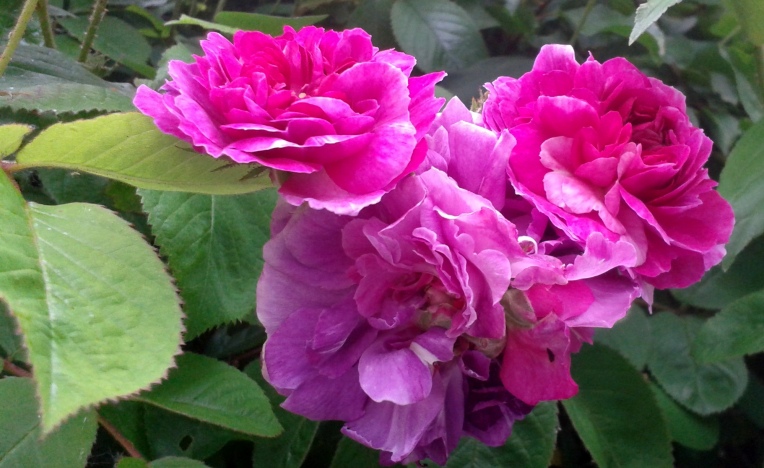
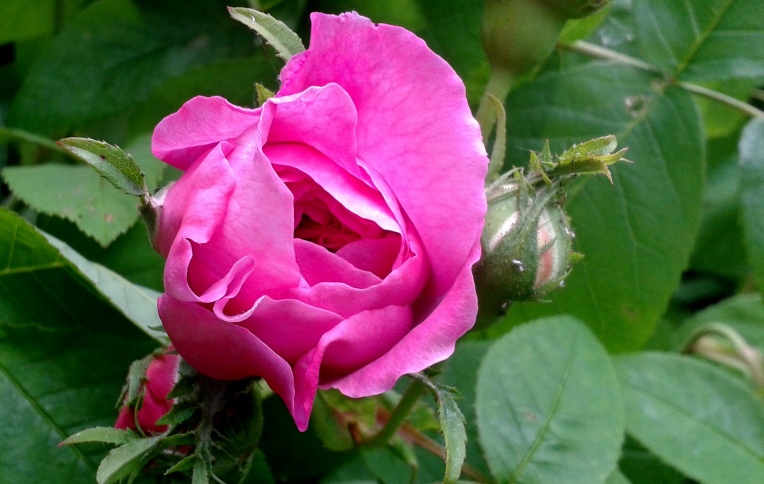
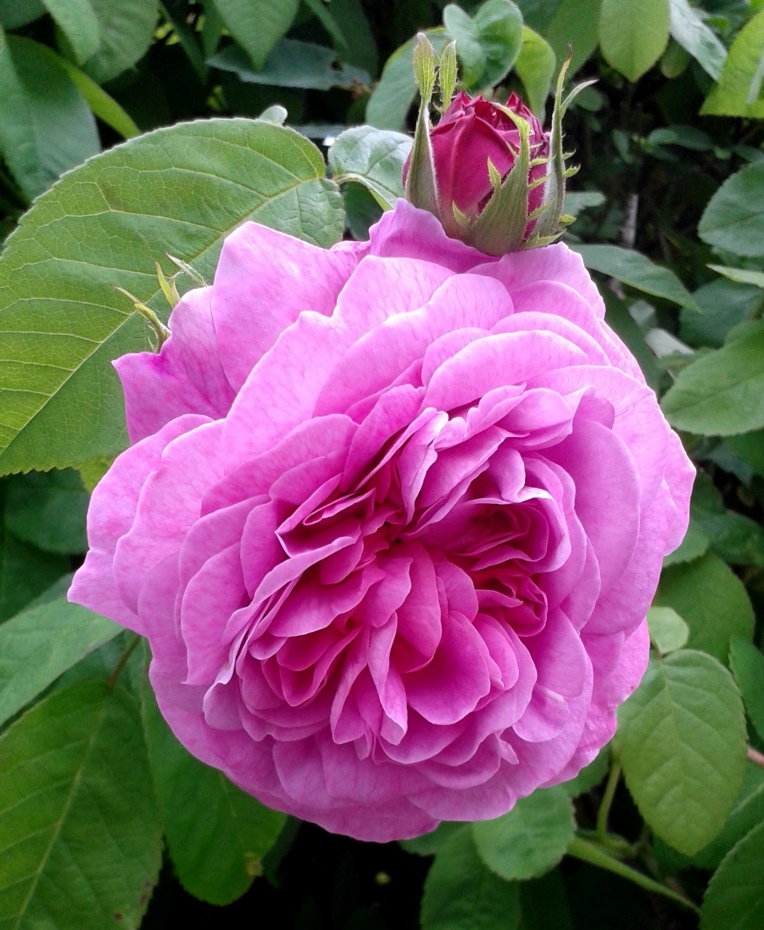
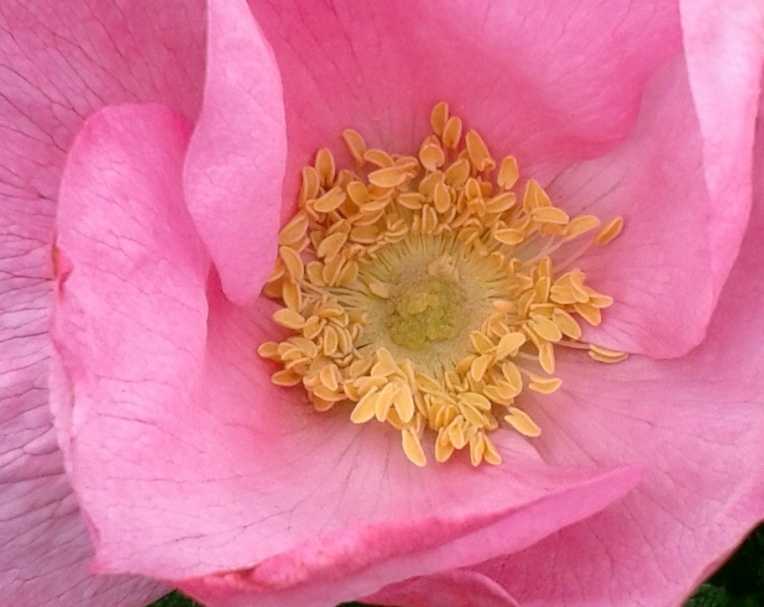
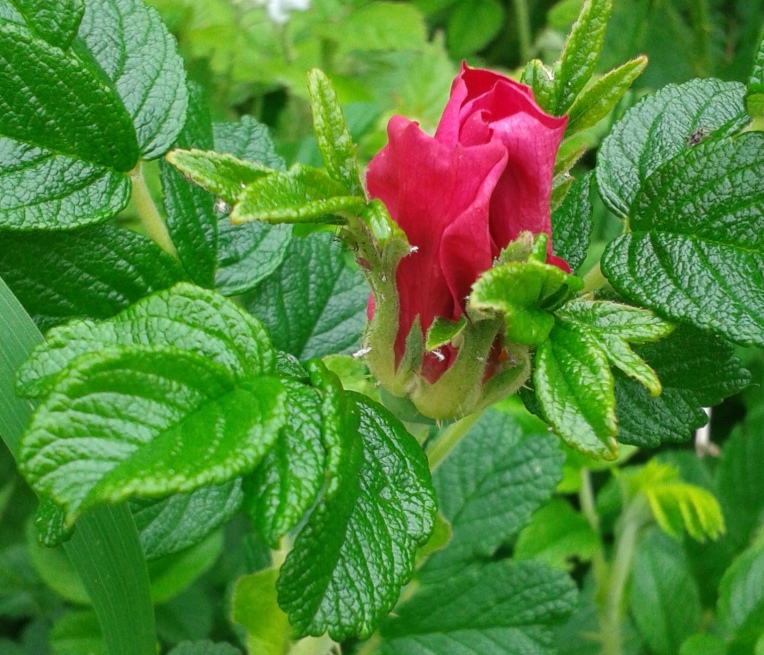
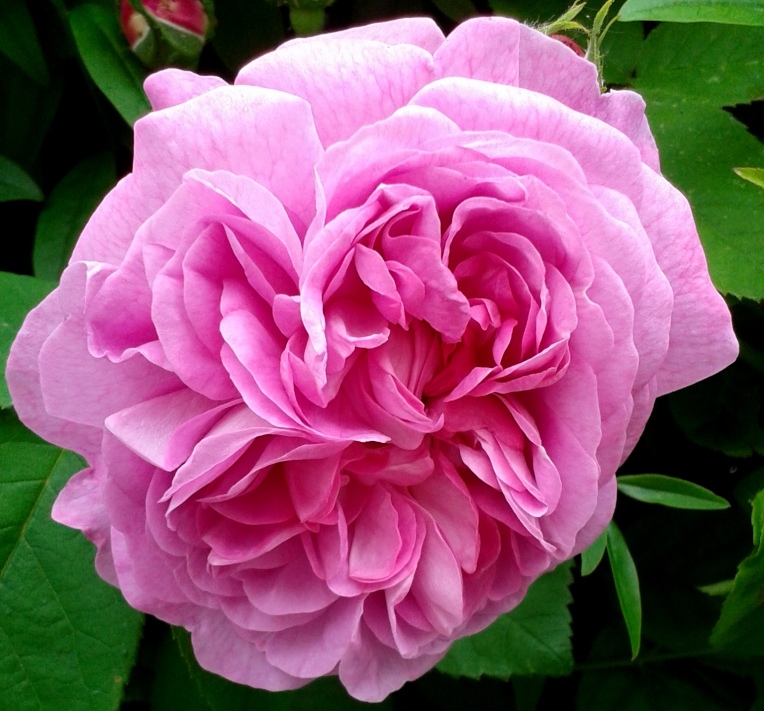
Yes, thank you for the roses, the beautiful sweet scented wild Irish roses that have been planted along the road, the link road in Skibbereen. What a foresight the town-planners had when they decided on what to plant along this road, the shrubs too are interesting and lovely, but most of all I love this time of the year because of the luxurious roses, what a delight for the eye and much nourishment for the mind and soul. I went for a walk today along this road and back through North street, I found more roses along a stretch there too. Could not resist illustrating this blog entry with full sized photos (phone pics)  just to feast our eyes on these roses.  Please enjoy this blessing.

“And the shower of roses spun around me, inviting me to take part in their ever-present waltz.”
Gina Marinello-Sweeney

20160609_125205

20160609_125106

20160609_125025


20160609_123946

20160609_125142

20160609_124035


20160609_124052

INISH BEG GARDENS SKIBBEREEN

On the road between Skibbereen and Baltimore, West Cork, there is a most beautiful garden, it is the Inish Beg Estate and recently Ian and I visited it together with my daughter and my five grandchildren, it was a lovely afternoon and being the month of May so many flowers were in bloom, the gardens were looking so very beautiful, the many trees with fresh green foliage, the Rhododendrons, all varieties, were flowering. From a herb and kitchen walled garden, to a fairy house among the trees, everything is thought of.  The children enjoyed it very much too, running along the paths and discovering all sorts of things including sticks which they then ended up comparing with Ian’s walking stick.  And of course they loved the fairy houses.  These gardens comprise 97 acres of woodland, organic pasture and farmland, formal gardens including a the before mentioned walled  garden.  There is an orchard, a bamboo grove and a sunken garden.  And something I did not know about but is mentioned in the brochure of the ‘West Cork Garden Trail’ is that there are 4km of carriage drives.  There is a lot more to this garden and it would be worthwhile to look it up on-line if you are coming to visit West Cork I think.  We just enjoy it as it is so close to where we live.  The birds were singing their hearts out, everything was so very peaceful and beautiful.  We were lucky with the weather, I think that this is Ireland at its best.

20160522_164533

COMMUNITY DEVELOPMENT AND FOOD FAIRS

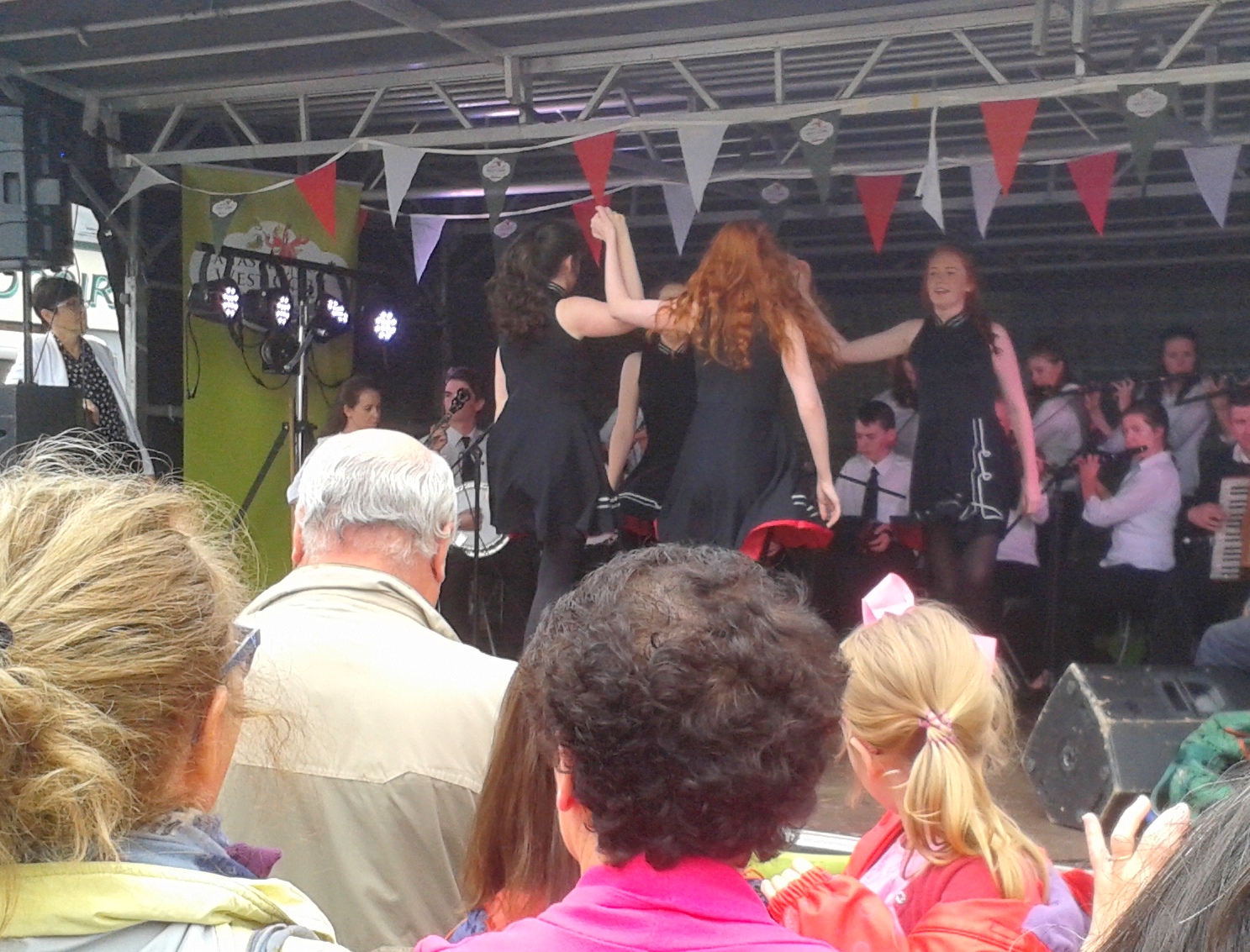
This past week has been very busy for the people and businesses of Skibbereen. The yearly food fare has been in full swing. The Taste of West Cork festival, which is a week during which Artisan foods produced in West Cork are highlighted. Today’s event was a street market, closing off the main street of the town, lots of food stalls, among which locals and tourists were alike were enjoying the ambience, the more so as the sun was shining over us all. Some of the stalls would be quite familiar to those attending the local market on Saturday mornings at the Fair Green, but there were other stalls too and one could get quite a good oversight of what is available food wise locally, and what West Cork in particular is known for. It was lovely to see so many children and adults enjoying themselves. We were listening to the music and enjoying the dancing provided by the local branch of Comhaltas Ceoltoiri Eireann, an organisation which promotes Irish music and culture. We enjoyed some excellent songs and among others, a brush dance by a young lad which I found very entertaining.
This morning over our usual breakfast conversations, my partner and I were, once again, discussing rural development, it is a subject close to my heart. We do live rural, on the outskirts of a town with a population of about 2000. In recent years many people, especially young people have had to emigrate due to lack of work. Many businesses have closed, but the town is still surviving and with the recent addition of a larger Art Centre, there is a lot going on in this town. Cultural events, different courses being run, societies and organisations, theatre groups, concerts, festivals, local colleges, library activities, a splendid voluntary Tidy Towns group, sport clubs, a fantastic river, a community garden, and much more.  Despite all this  I can still see room for improvements in and around the town. I can see pedestrian areas, better parking so as to clear the cluttered streets and make the town more people friendly. I could go on. It is up to us all to do something about our towns and areas, and develop our communities.
Small towns in rural Ireland are very healthy places to live in and around, rather than see them go down. Many of us are now not even bothering to go to the larger cities to do our Christmas or other shopping as we like to support our local shops.
20150913_144446

Looking towards the new Art Centre, and area that would be very suited to pedestrian walk way.  A little tributary of the Illen river, it’s called the Caol Stream.

20150913_140635      20150913_140109

Irish dancing by the members of the local branch of Comhaltas Ceoltoiri Eireann.  And a Garlic food stall.

20150913_140910    20150913_144340

More music by members of Comhaltas Ceoltoiri Eireann.  And something for the children to enjoy too.

20150913_140249

Artisan cheeses produced in several places in West Cork, and very tasty too.

WORKSHOP ON SAVING VEGETABLE SEEDS

I spent a very interesting hour or two this morning at a seed saving workshop here close to the town where I live, it was held at the Brown Envelope Seeds farm, (which lies close to the Roaring water bay), in West Cork.
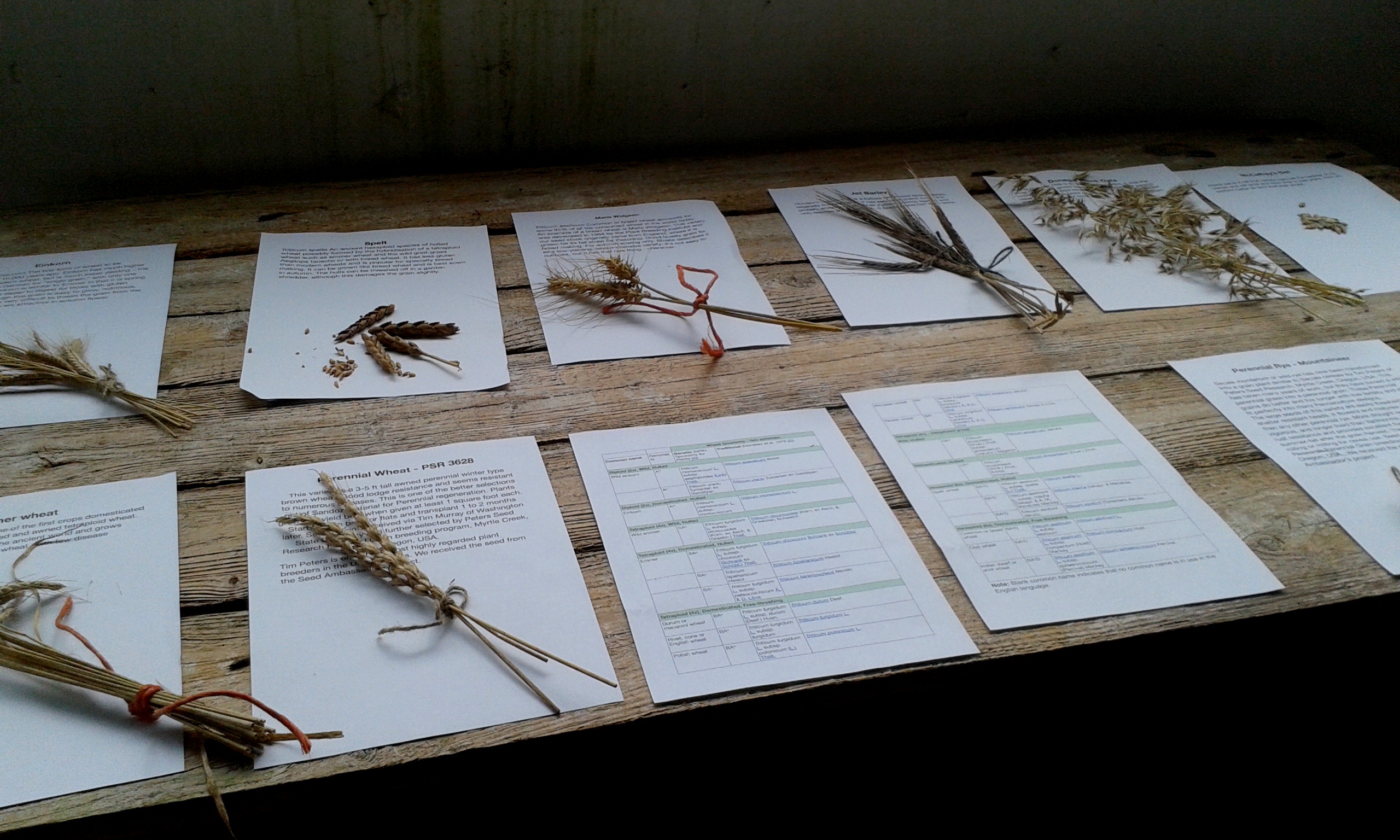
About a dozen of us listened intently as Madeline McKeever, the owner of the farm, explained how we could go about saving our own seeds. Giving an oversight of pollination, cross pollination, inbreeding, outbreeding, and F1 Hybrids, how to choose best varieties for seed saving, time taken to germinate, and seed coat dormancy.  She demonstrated how to save tomato seeds, and explained how best to store seeds, to store them cool and especially dry which is in this climate not so easy, or at least needs special attention. I was interested to learn that the seeds of one particular type of lettuce are so easy to obtain, just letting the plant go to flower and seed, but that they need cold to start germinating, that is something to remember.

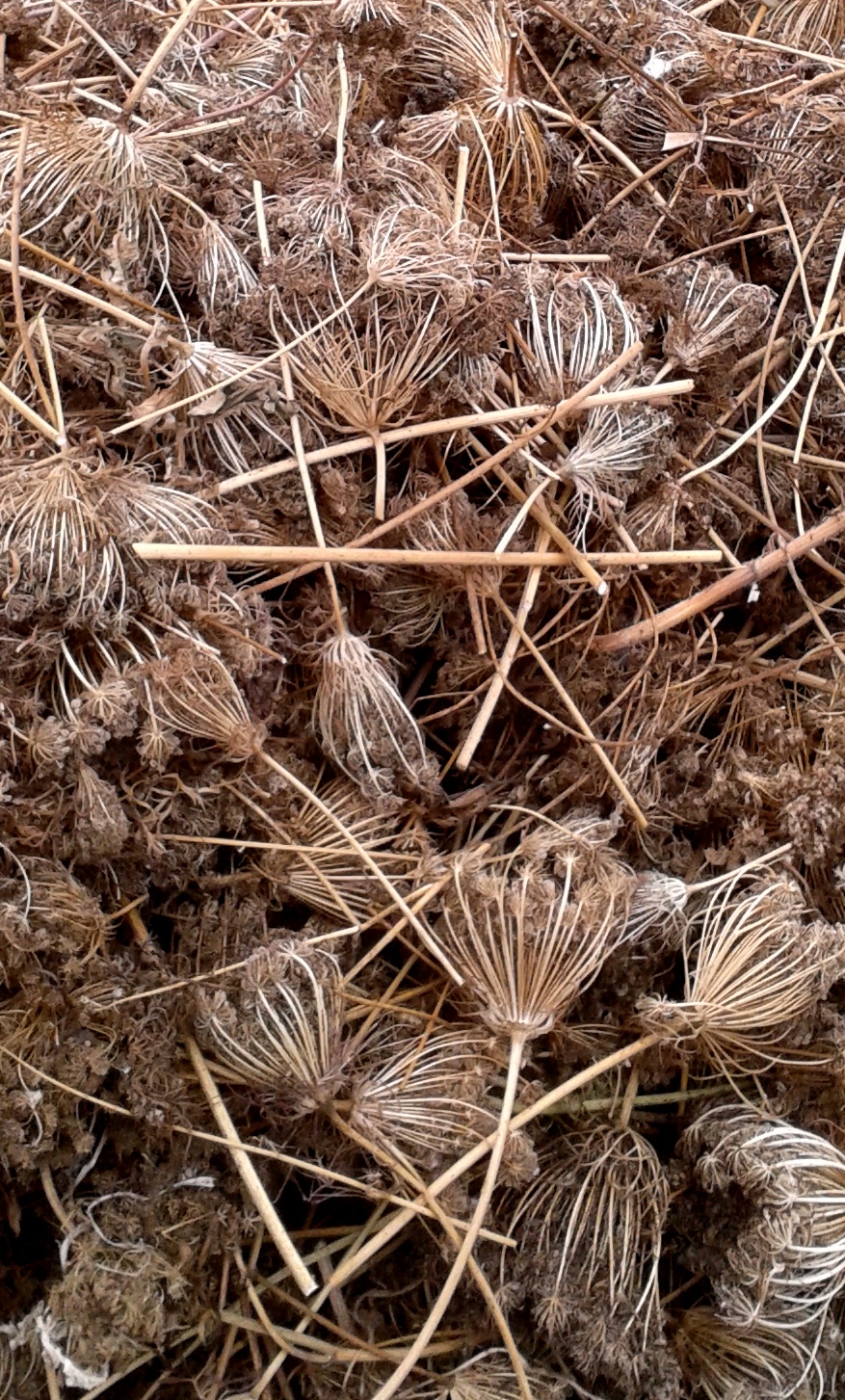
It was great to take a walk on Madeline’s farm and to see what she is growing. I liked the black dwarf beans, so easy to get at, low to the ground. I also noticed some different ways of trailing the peas, and beans, and even the courgettes, helpful for my own vegetable growing. Madeline is growing, among others, several types of beetroot in order to choose varieties for seed saving. Everywhere were piles of plant material drying out in order to harvest the seeds.  Also interesting was it to see the corn grown here, according to Madeline, it has become smaller over the few years she has grown it, it has acclimatised to the West Cork climate we were told, makes sense too.  So Madeline introduced a good heirloom American corn and sowed it among her local corn, this corn grows much larger, and the hope is that it will cross pollinate with the local corn and in doing so producing a good better local corn.  Exciting when you think of it, all experiments.
Several of the attendants agreed that if something does not grow well for you, not to bother with it in future. So for example, growing tomatoes outside is just a total no-no around here, I have tried it and it did not work out, Madeleine agrees, the climate is not suited to it, no matter what tomato type you try.  We were told that vegetables typically grown in South American thrive really well in West Cork’s climate, an interesting bit of information.  It is the first time that I am growing oca, a Peruvian vegetable as far as I know, and I am really looking forward to see my harvest later in the year.
I bought two packets of seeds to take home and try out, one is Red Orache, a mildly flavoured spinach type, and the other is winter purslane, also known as Miners lettuce or Claytonia, I have been wanting to grow this, I will still sow these this autumn, for winter harvest.
It has been a very interesting morning, been well worth putting in the time and effort, and I know that I for one have a lot to learn yet.
20150910_110916

Continuing instructions in one of the greenhouses.

20150910_125718     20150910_125727

Showing us different types of grains growing in Ireland, and types of tomatoes currently popular around here.

20150910_111729     20150910_122226

Coriander and lettuce seed heads.

20150910_120600

Different types of beetroot.

AN INTERESTING DIG IN SKIBBEREEN

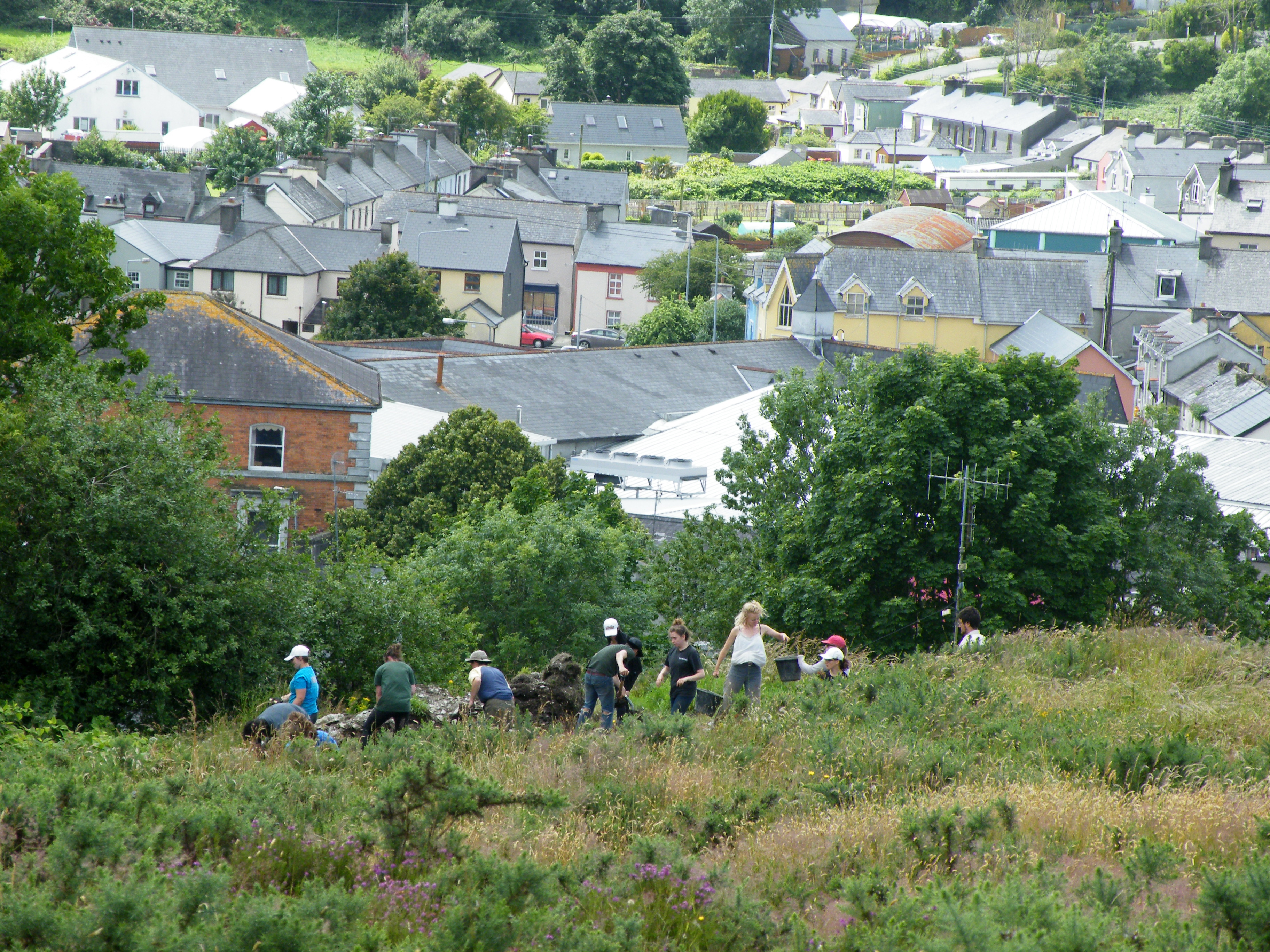
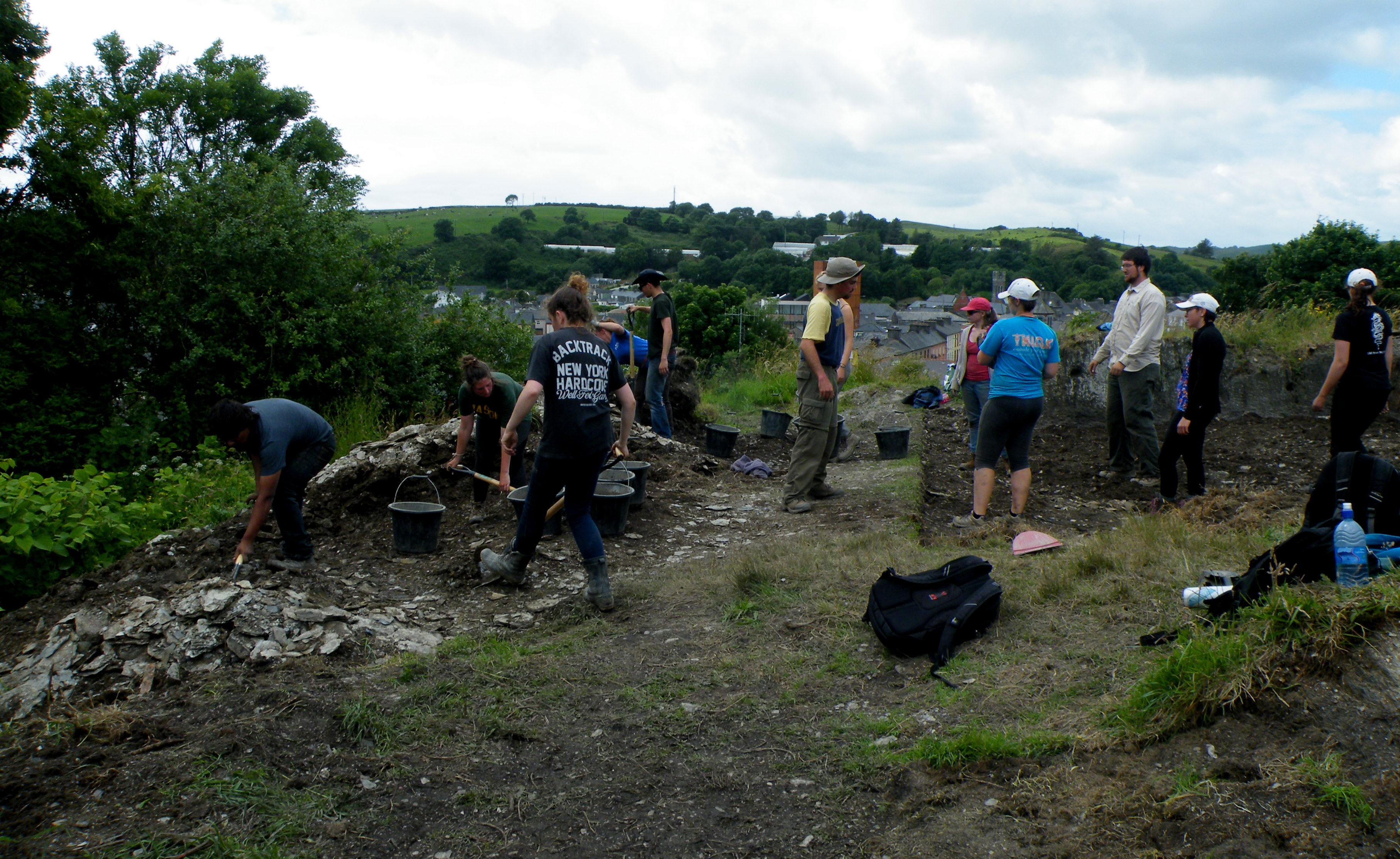
We recently had an archaeological dig here at Skibbereen in West Cork. The work was undertaken by students of the university of Maryland in US, under the supervision of their professor Stephen Brighton and Drew Webster.
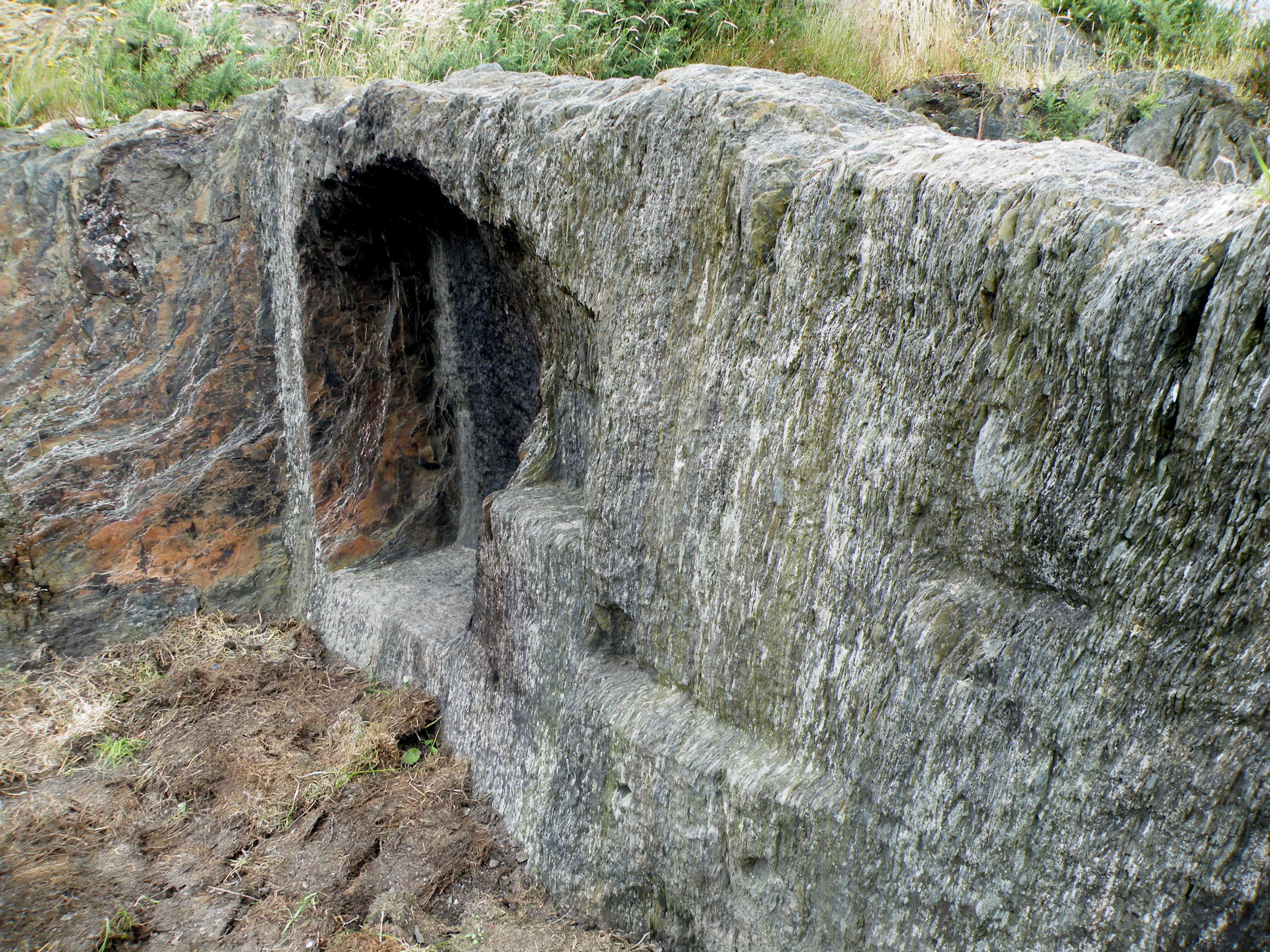
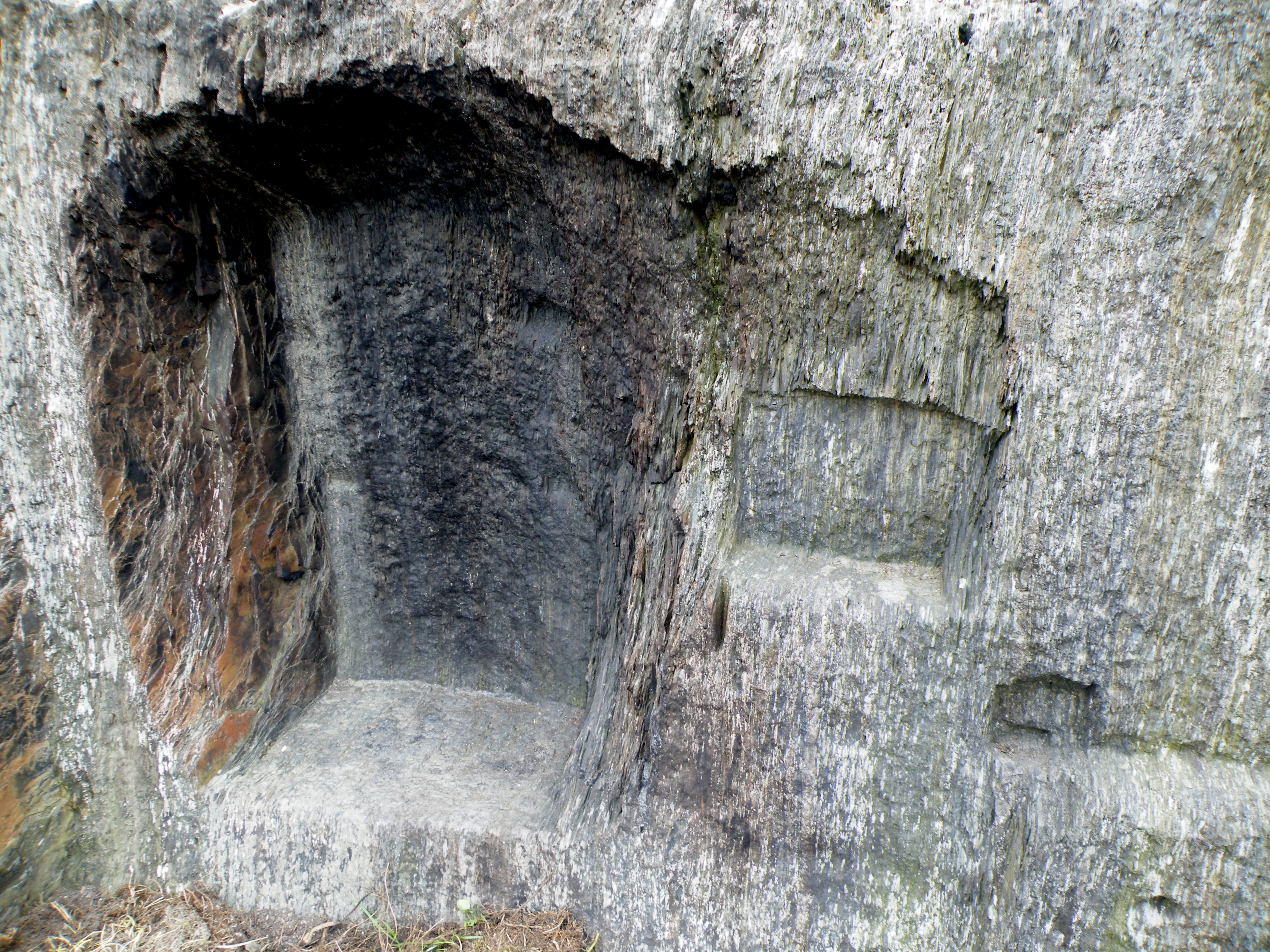
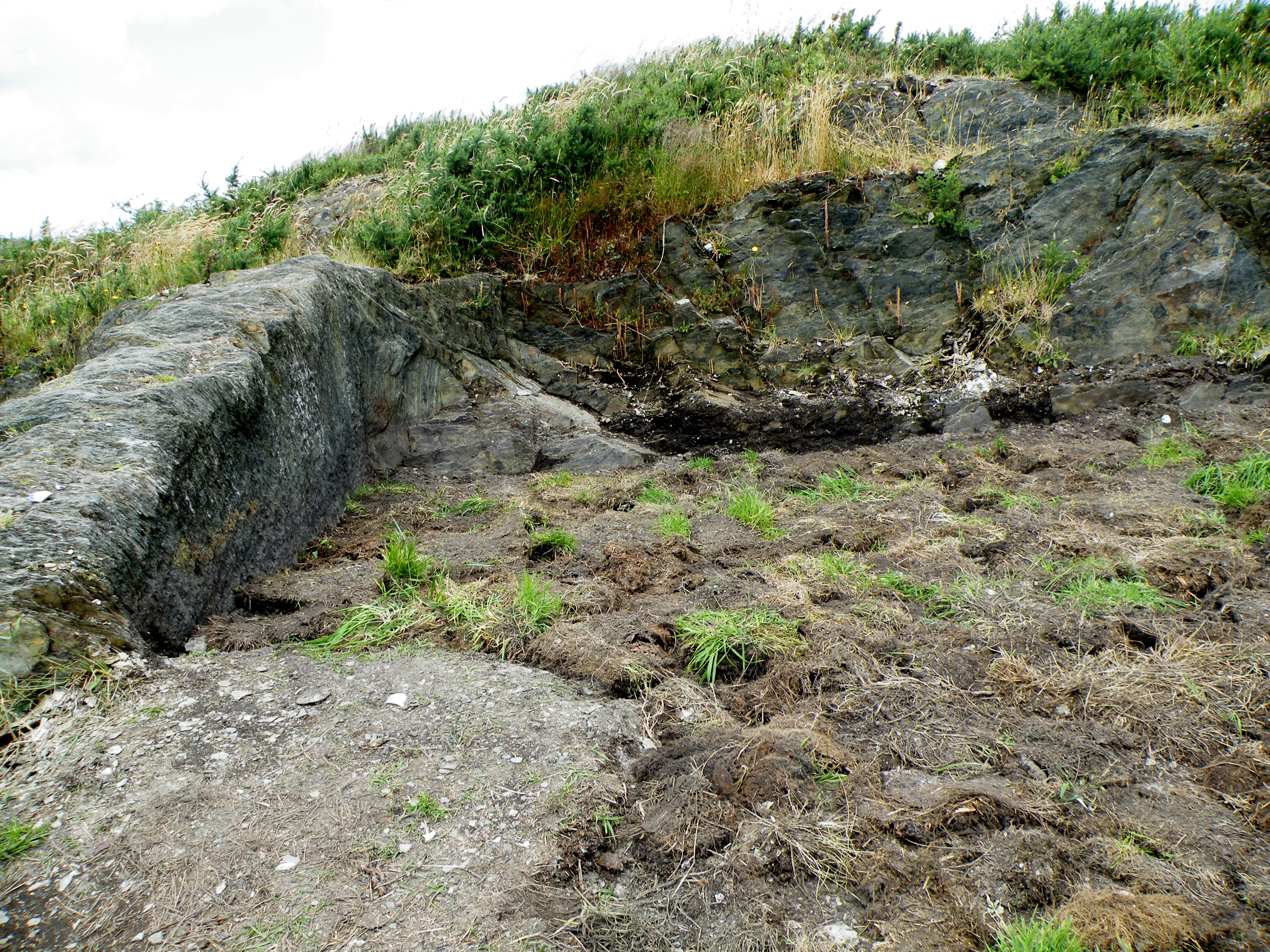
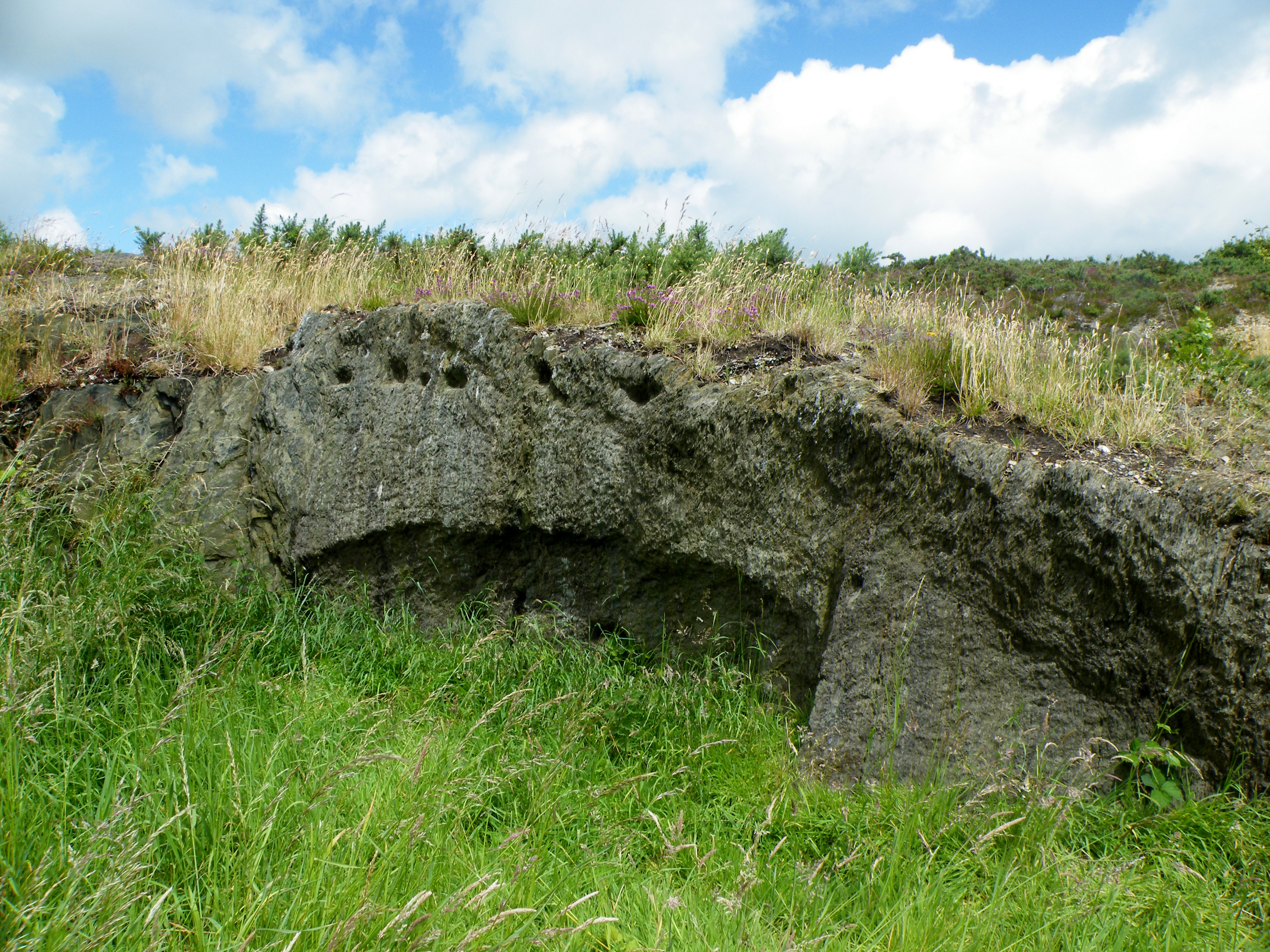
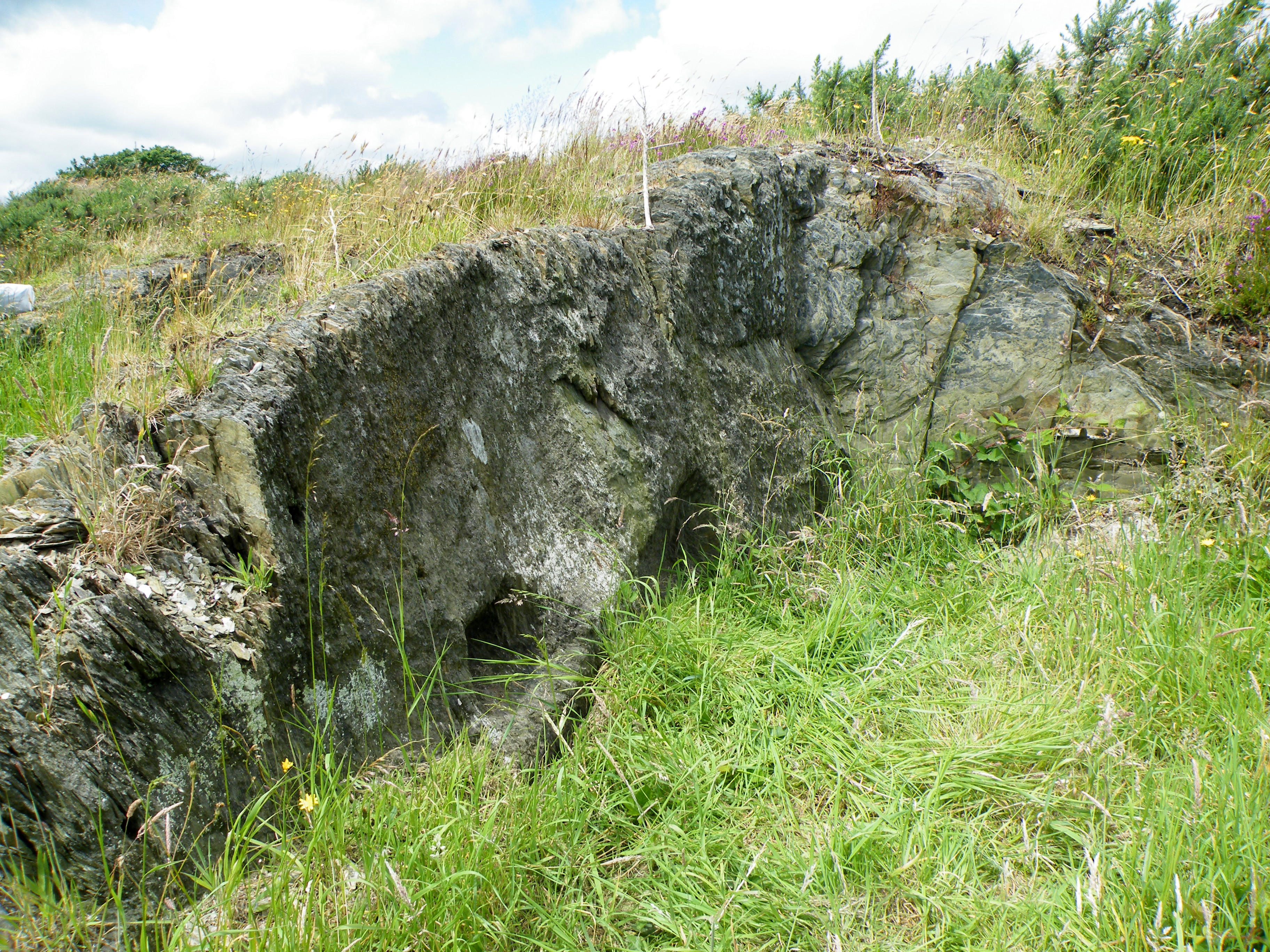
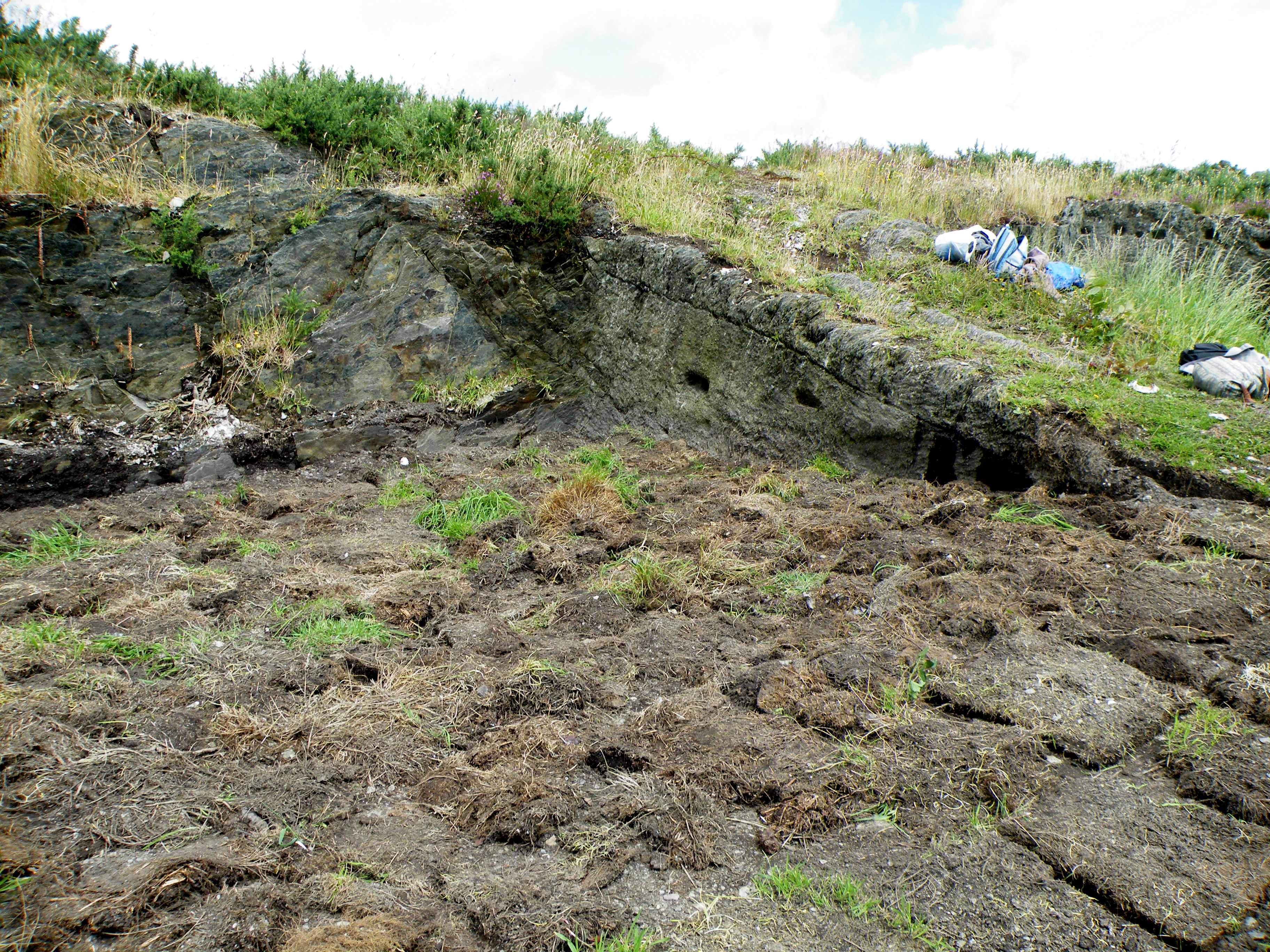
Seems that during the 19th century there was a lot of activity going on at the site of the  Rock, which towers above the town of Skibbereen behind the town hall and the houses of North street and High street. It was called Windmill hill. Prior to the structures hewn out from the rocks being used as houses, six of them, the place was probably used for industry, perhaps related to the windmill. The houses would probably have had grass roofs at first Dr S.Brighton told me, you can see where timbers had been inserted into the rock. It’s a very interesting site. By the time I reached it and made photos, the students were filling in the sights again after six weeks of excavations. Artefacts were found at the site, like potsherds and other bits and pieces. Please visit the Facebook site for more photos and information. And also the WordPress.com site at:
Archaeology of the Irish Diaspora and Modern Ireland

DSCF8845

Where the dig is situated above the town of Skibbereen

DSCF8861     DSCF8862

Seen here are what is thought to be indentations where timber would have been fitted, probably for industrial purposes when these sites were used previous to when people were living here in the 19th century.

DSCF8857   DSCF8851

More indentations seen in the rocks and pieces hewed out.  This site has been filled in again by the students.

DSCF8855    DSCF8859

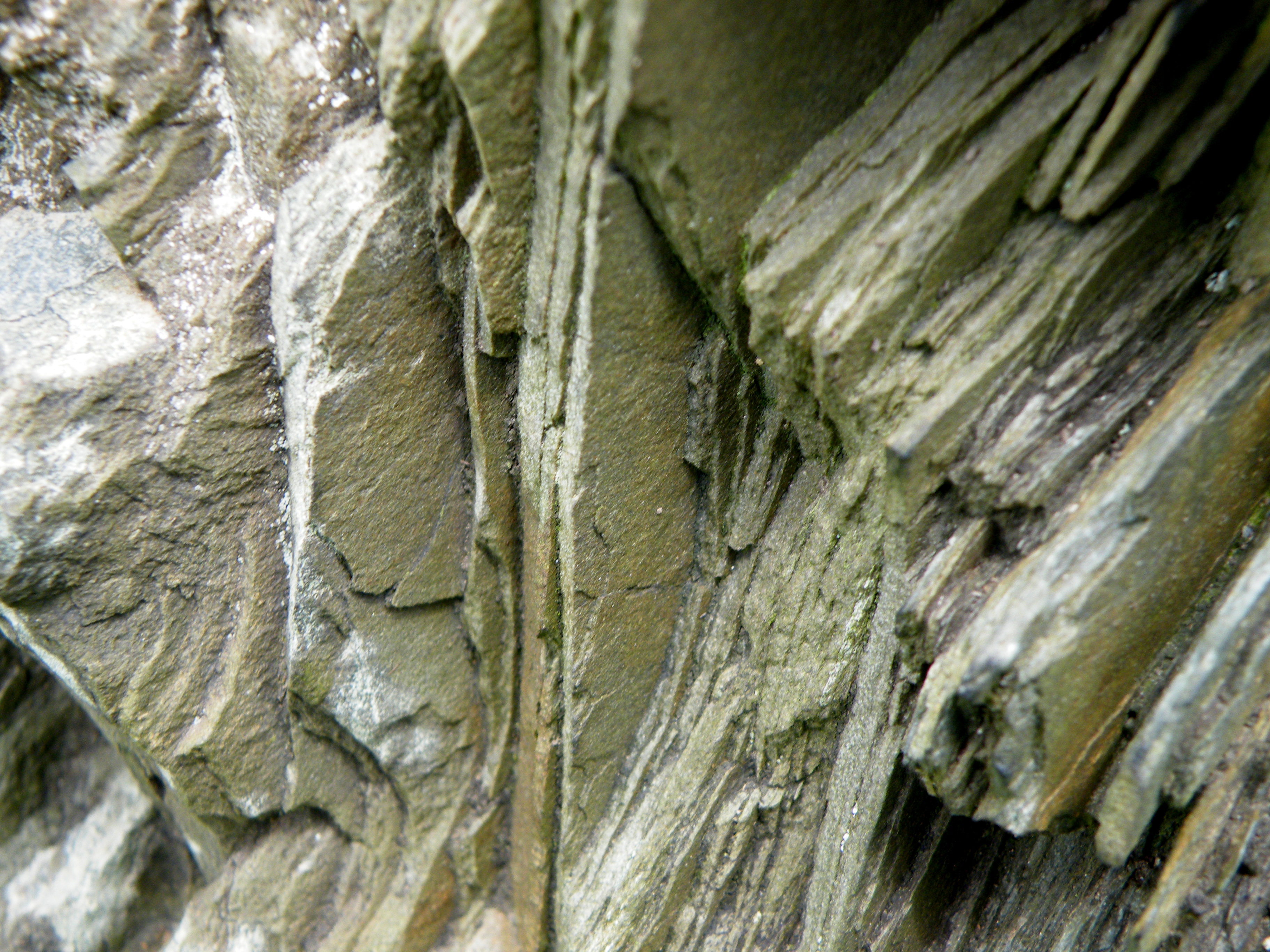
The type of rock found here, slate or shale.  And students at work.

DSCF8852   DSCF8856

More sites of the houses, there were six in total.  The floors of the houses consisted of flat rock, and a drain would have been hacked out in the ground to allow water running from the rock behind to drain away from the house.  It must have been uncomfortable living quarters.  Who lived there?  It’s quite an exposed area of Skibbereen, but high up and far away from the flooding which sometimes afflicted the town.  Then again as there was a windmill a few meters away from this site, there must have been work available for people.  A lane (Windmill lane) is there still today and one wonders if this lane linked up to other boreens (Irish for lane) in the area.  The houses were inhabited at the time of the Irish potato famine 1847-49, one can only wonder at what tragedy played out here among these rocks as the famine claimed so many lives here.

It’s all very interesting and I will hope to find out more.

PLACE WHERE THE WINDMILL USED TO STAND - ON THE ROCK

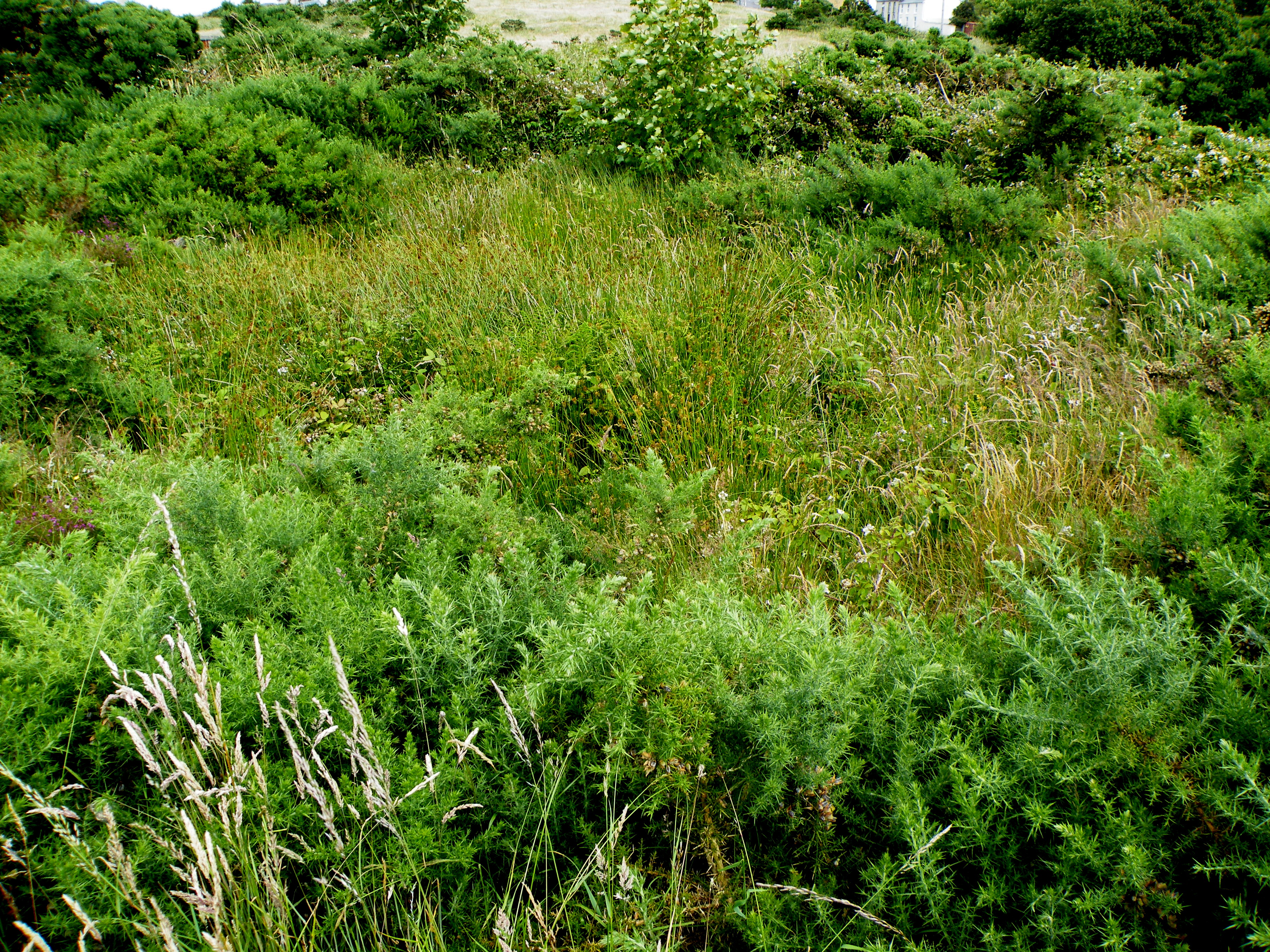
This overgrown site is where the windmill would have stood.  It is only a few meters away from the ruins of the houses.