OCTOBER SUNSHINE

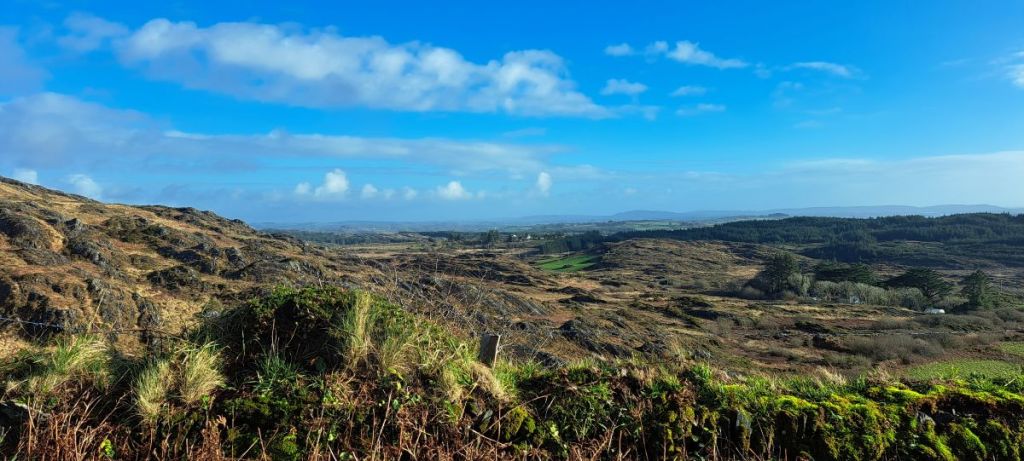
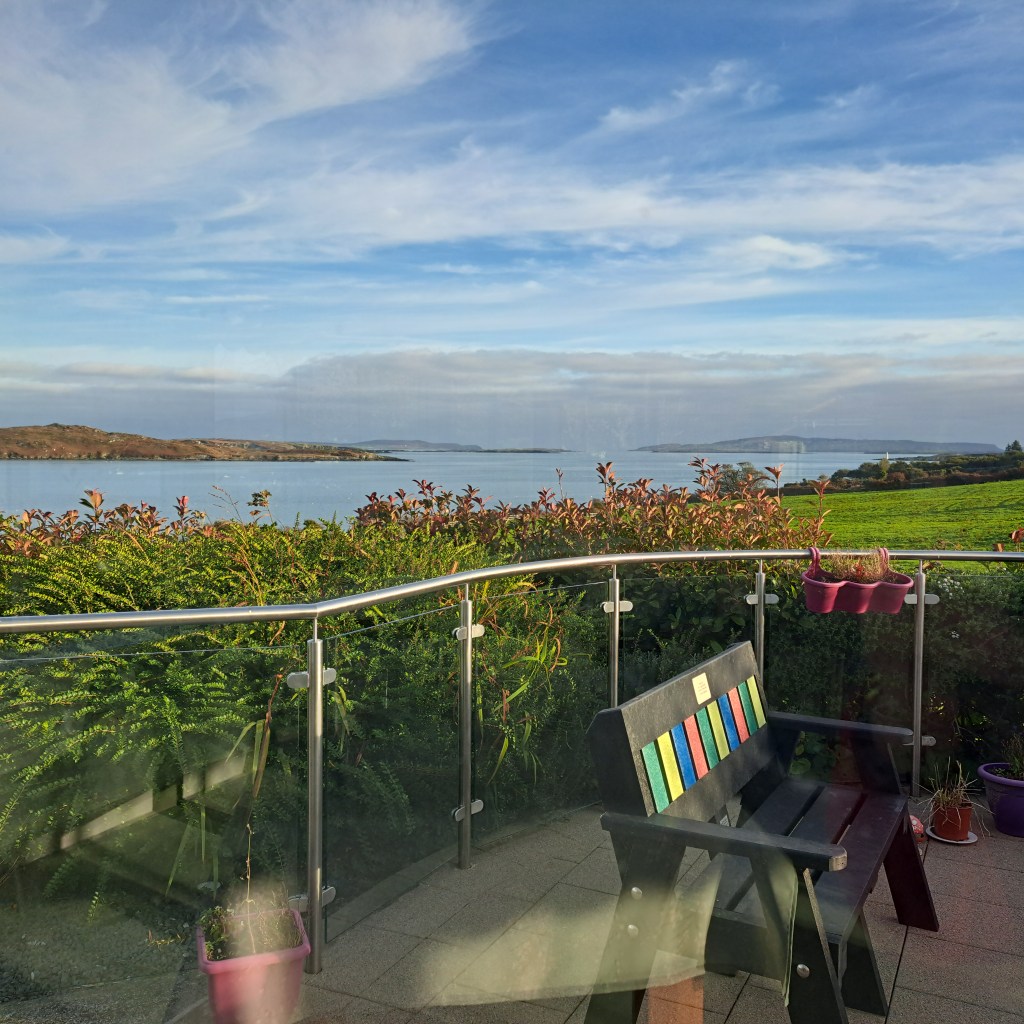
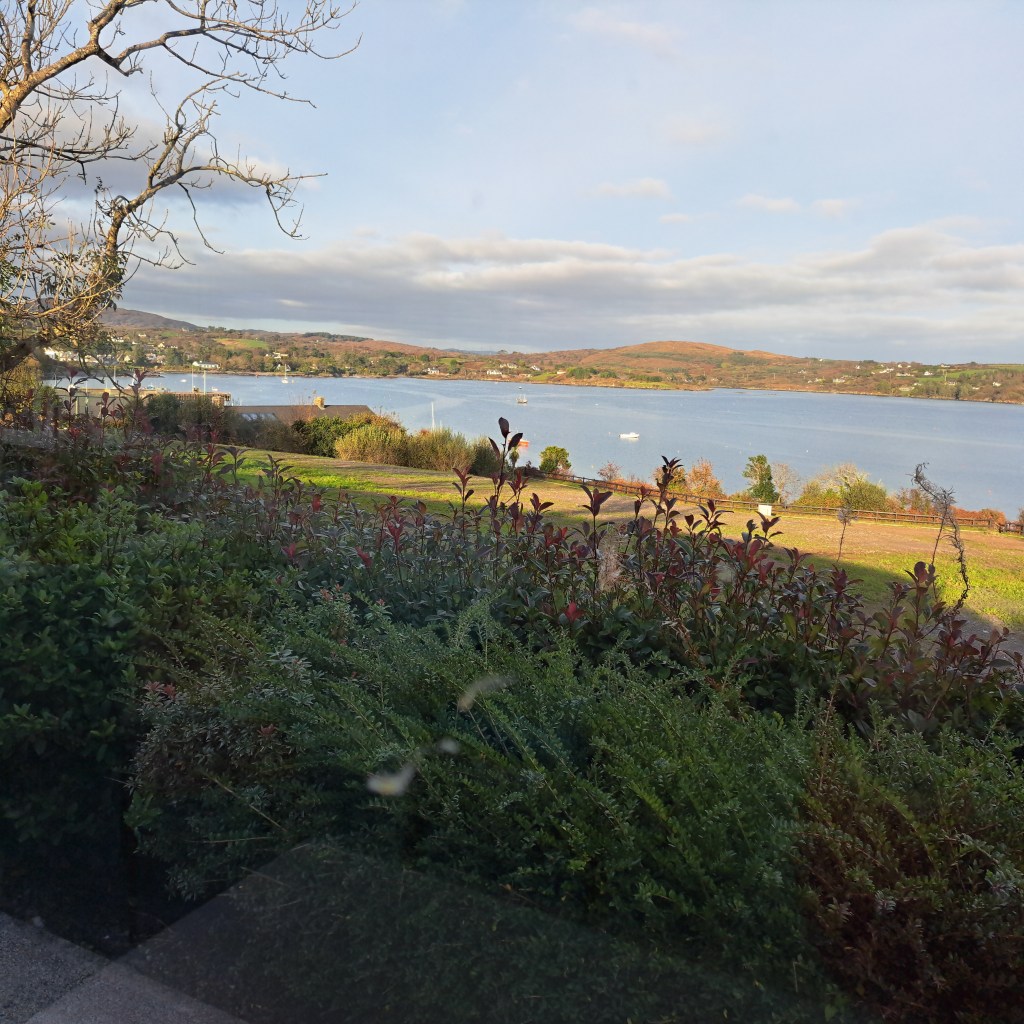
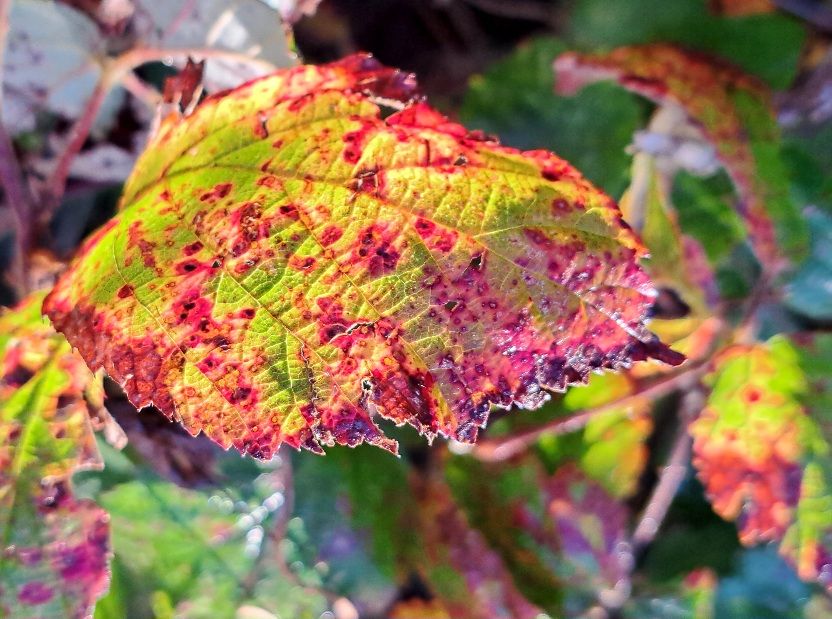
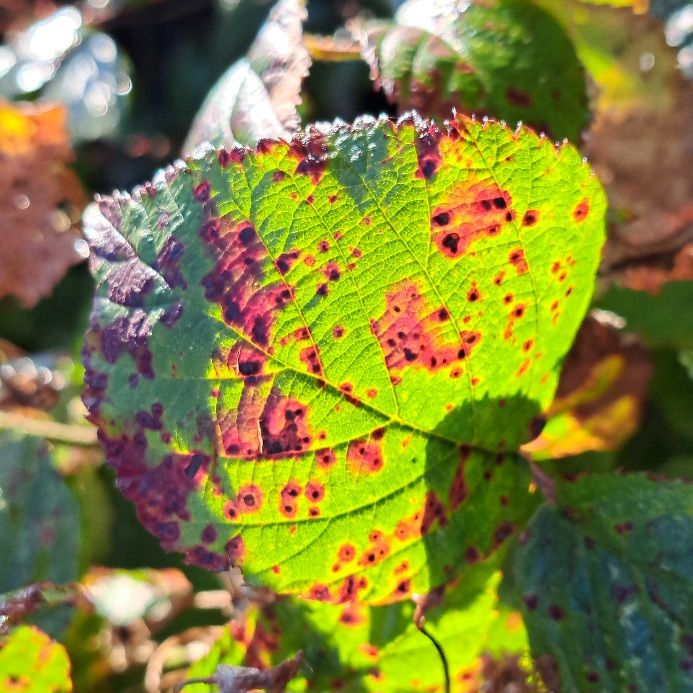
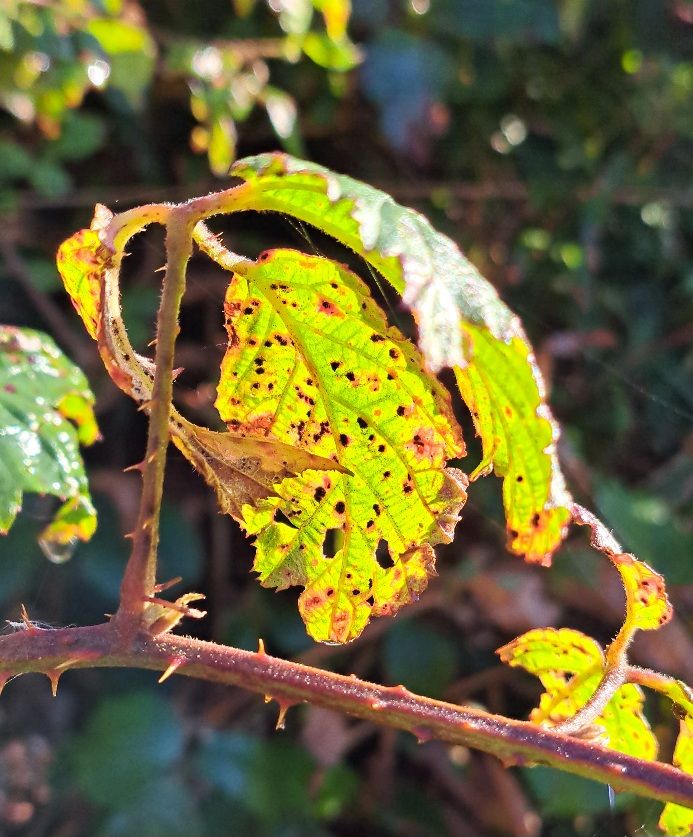
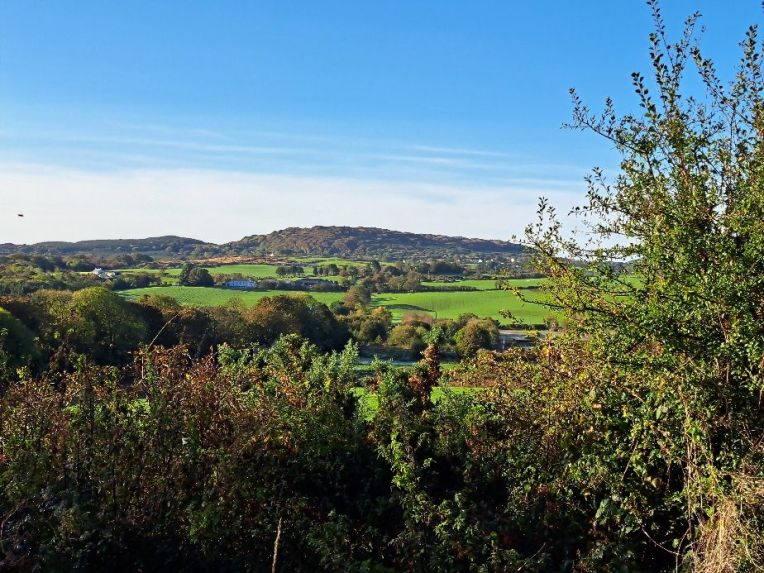
What a most beautiful autumn sunshine at the moment here in West Cork. After an incredible display of the Aurora Borealis last night, we woke up to a little bit white frost, nature has had a lot to offer this morning which I discovered during a much desired walk on the path to Russagh Mill. It’s one of my favourite walks, this path overlooks a long valley, still lush and green in the distance. Closer by I especially noticed the sunlight on the blackberry leaves lighting up their earthy colourings.

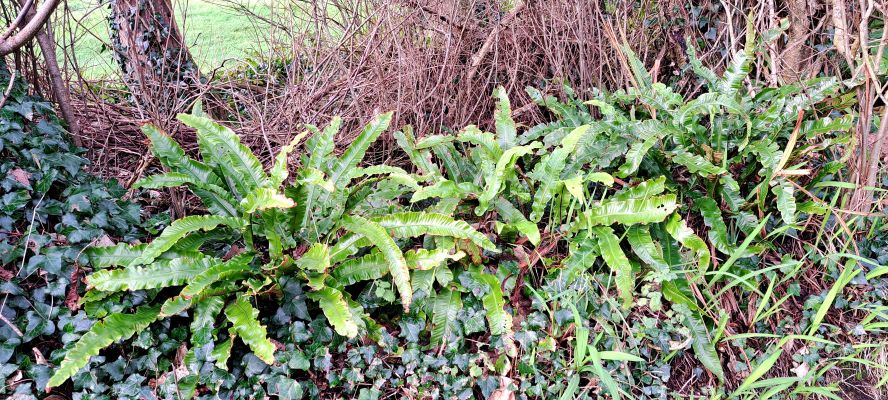
This walk also has many shaded areas with lots of ferns. The shade is created by the trees, mainly ash, willow, hawthorn, and other species too. In fact I discovered a new tree which had escaped my notice in the past. When I looked it up on my phone it turned out to be a White Willow (Salix alba), one of its common names is Golden Willow, I like that! A fact I’d like to share about this tree is that “Its inner bark – raw or cooked can be dried, ground into a powder and added to cereal flour, then used in making bread etc. It has a very bitter flavour, especially when fresh, and it is used as famine food when all else fails. The leaves and young shoots are not very palatable and used only in times of scarcity. The leaves can also be used as a tea substitute.” My Flora Incognita got this information from Wikipedia as far as I know, so that is my source of my information I want to acknowledge. I wonder if this tree was every used during the potato famine here in Ireland. Below is a photo of the said tree.

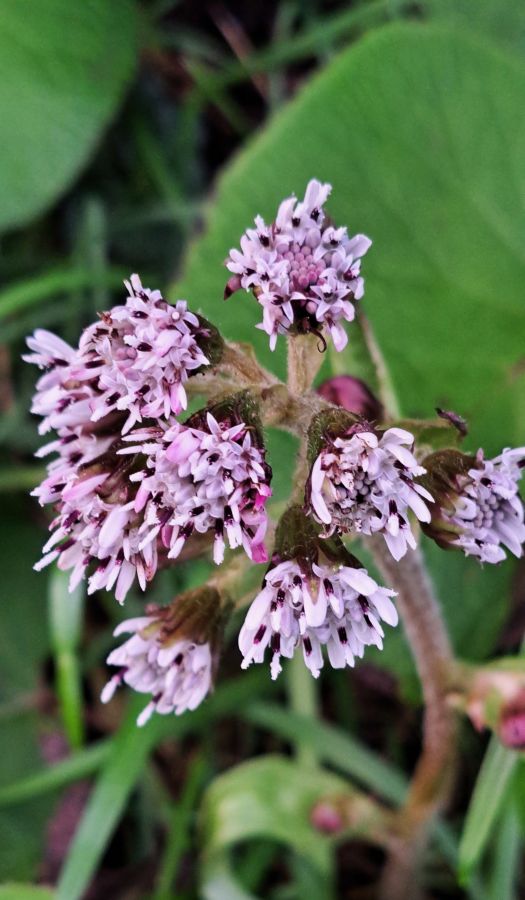
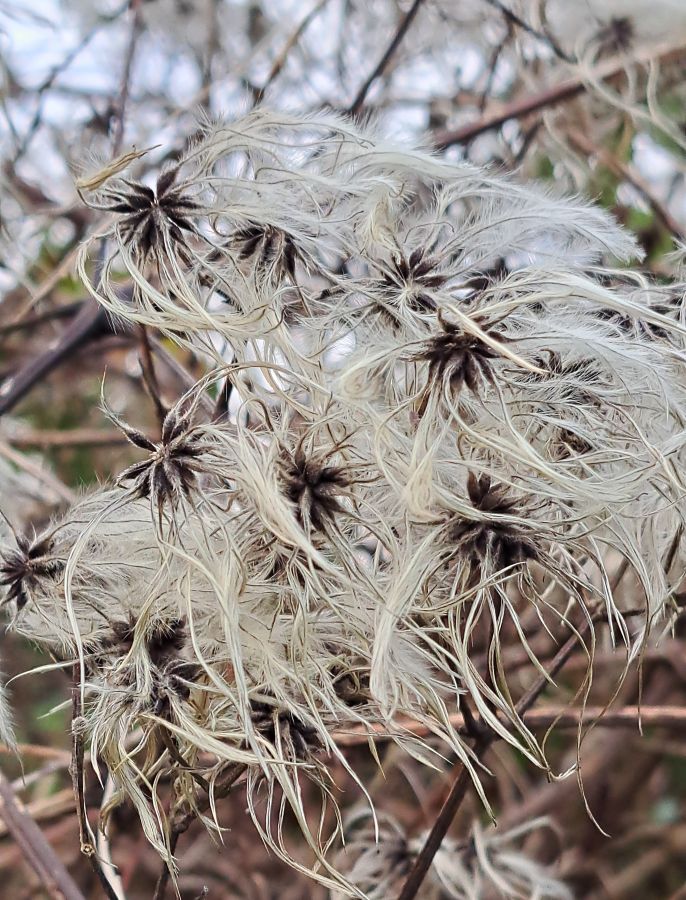
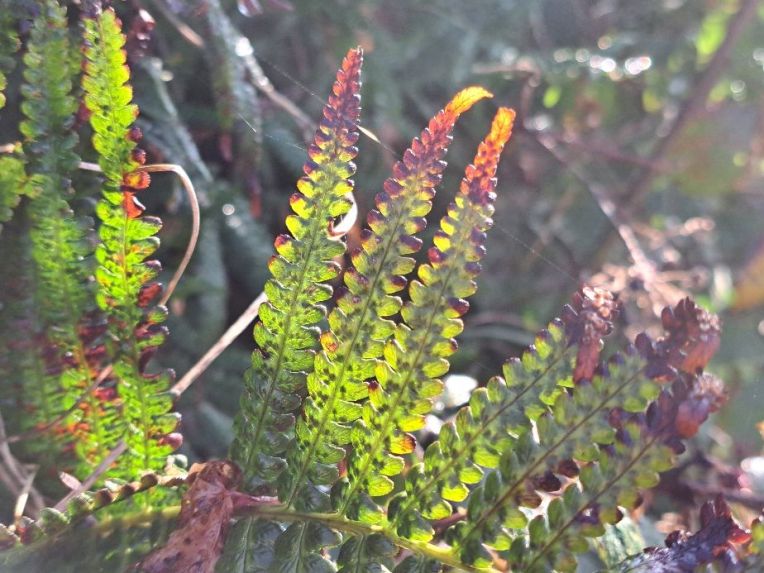
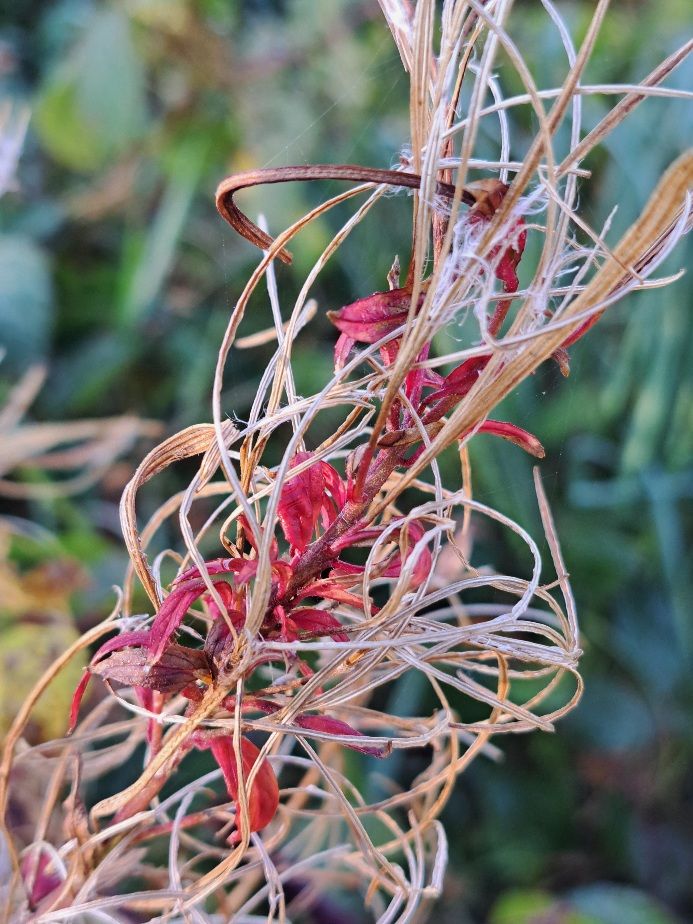
Below are the seedhead of Willow Herb, Hawthorn berries, Fern, and a late flower in the hedgerow.

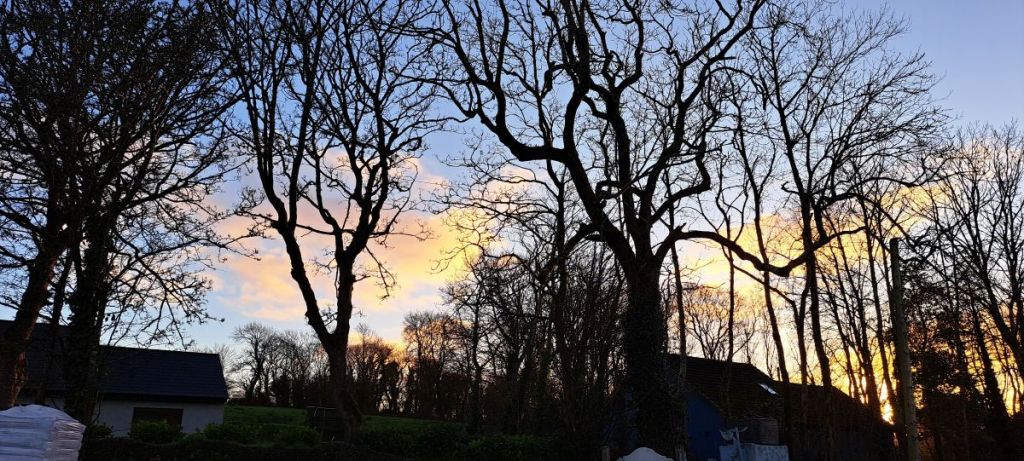
Blue sky during these autumn months is very welcome.

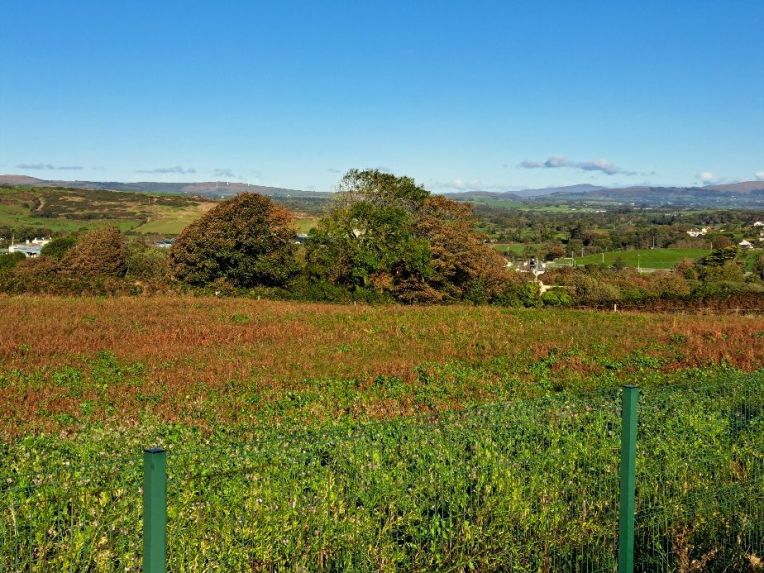
This last photo is on another part of my walk. The farmer here was growing a plant of the legume family with lilac flowers and thick looking seed pods, there is a whole field of it here, and further along there grows a lot of Dock, now in seed. What caught my attention here was the several dozen of birds fluttering and flying around all at the same time, and definitely looking as if they had a mission in common. I whipped out my phone and checked the evolving picture before me with my Merlin app and to my delight these birds came up as Eurasian Linnets (Linaria cannabina) I was so impressed as I had not seen those before here, and so many of them together. They belong to the Finch family. Apparently they are fond of flax seeds, hence their name. The male’s colouring is beautiful during the breeding season, lots of red.

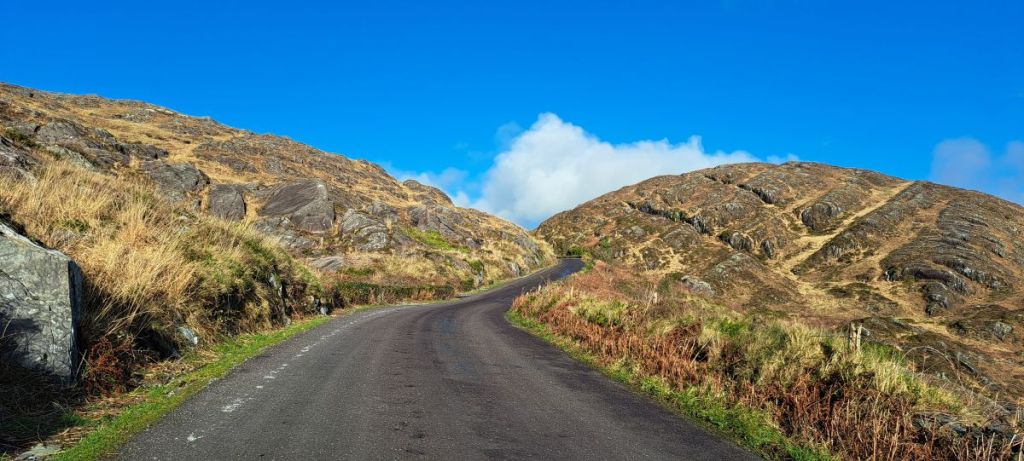
Well, that walk was so nice, and finally I’ve taken the time to write about it. I’ve missed my blog writing very much and I want to be back to it regularly. So much to research and write about. I’m still driving to Kenmare every week to see Ian, I travel through the Caha mountains and I love it, the beauty of that journey is a weekly joy. Every week something new and interesting to notice and discover. And after seeing Ian, enjoying a nice cup of tea and chat together, the journey back, very often I stop to look at a view or a rock or plant. It’s so dead quiet up in those mountains, even when I’m on a main road there are whole period of quiet. I’ll tell you more about that soon. Meanwhile, much love.

THE STORY OF THE KALANCHOE PLANT

The story of the Kalanchoe blossfeldiana is a nice one, at least in our household it is. Over the years I was often given one of these plants, and that in a variety of colours, red, white, yellow and rose mainly, but one year I received one with orange flowers, a real beauty!  In fact they were all beauties.  They fitted in alright with my other houseplants but I soon realised that the kalanchoe has something special, a strong will of its own, it grows how it wants, and rightly so.  After it has finished flowering for the first time, I cut away all the large leaves.  It then goes into its dormant period for a while.  Eventually it starts to grow again and quickly show flower buds, they take long before they bloom open.  The leaves it now produces are a lot smaller, growing into lovely rosette patterns.  The stems grow of course depending on the light source.  I leave my Kalanchoes (5) outside all summer but protect them from too much rain.  I take them in during the autumn as they are not frost tolerant.  I love seeing them coming into flower year after year.  At times the colours of the flowers change, for example, my orange one never became orange again. As the years go by they are inclined to grow into very individual and interesting shapes.

Kalanchoe is actually a genus of around 125 species of tropical, succulent flowering plants.  They are native to Madagascar and tropical Africa.  I was surprised to read that the plant we call ‘mother of thousands’ is also a type of kalanchoe. 

Although the genus kalanchoe was first described in 1763 by the French botanist Michel Adamson, it only became generally available and was commercialized in the 20th century after botanist Robert Blossfeld brought it to Germany and Paris.  He found it growing in the cool region of the Tsarantanana Mountains in Madagascar.  I know it to be a very adaptable plant.

Of interest is that Kalanchoe plants belong to the stonecrop (Crassulaceae) family. 

The plant has been used in folk medicine, but is also studied in scientific circles.  Co-incidentally a friend of ours in Tamil Nadu (South India) sent me a photo only recently of a flowering Bryophyllum Pinnatum which is also classed a subgenus within the genus kalanchoe.  Bryophyllum is a group of plant species also of the family Crassulaceae and is native to Madagascar.  Apparently these plants are used not only against kidney stones but in folk medicine are known to have anti-inflammatory, anti-oxidant and anti-histamine properties, also used for cancer treatment.  Especially mentioned were the Kane and Kurichiyar Tribal Communities of Kerala.  In Ethiopia this genus of plants is or was used for wound healing or tooth ache.  In the Philippines as a muscle relaxant.  For cats and dogs the Kalanchoe plant is toxic by the way. 

A little clarification about Kalanchoe plant classification: 

Crassulaceae is the family

Kalanchoe is the genus

Bryophyllum is the section or subgenus

Kalanchoe blossfeld is the species (and that is the species in the photos above and below).

The kalanchoe plant is known as a symbol of persistence and eternal love. In China where it is also a popular plant it is favoured at the New Year for its connection to prosperity.

SILENT NATURE WALK ON SUNNY SUNDAY MORNING IN JANUARY

On this first Sunday morning of the New Year I decided to visit the small seaside village of Union Hall in West Cork. It lies just 15 minutes drive from where we live and though it had frozen during the night, the sun was pouring over the land warming and beautifying everything.  I drove past Rineen Forest which is located on an inlet of the North Atlantic Ocean, on the eastern side of the townland of Castlehaven.  I’ve often walked in this forest together with my grandchildren and family.  It is a great stretch of interesting trees and contains the remains of a lime kiln.  The birds too are forever singing and there is a wealth of wild plants, a lovely place. But I was on my way down to Union Hall a further five minutes’ drive along a steep and winding road. 

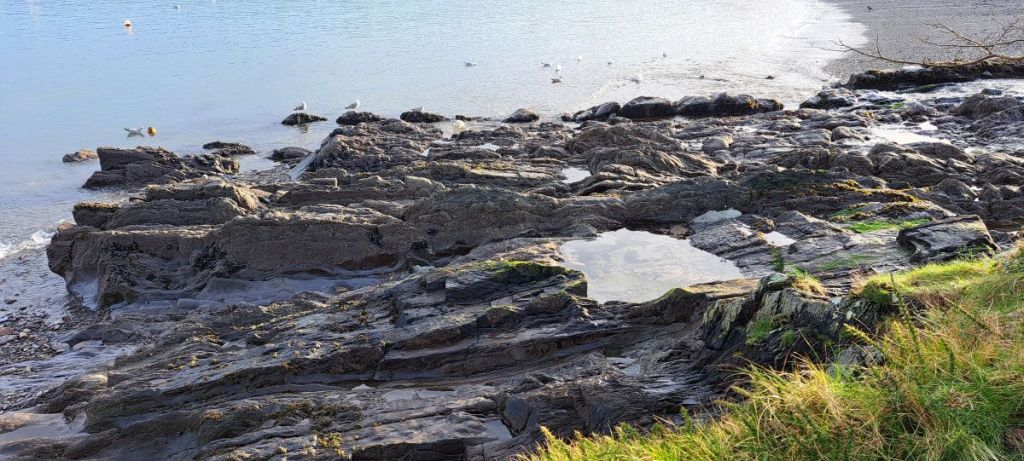
Union Hall, is a small fishing village, it is very scenic and peaceful there. I love walking along the seashore, especially to see the activity of the seabirds and the many lichen on the stone walls.  The road leads out of the village and onto the pier where there is a colourful variety of fishing nets, lobster pods and fishing boats.  I chose the place for a silent walk as I wanted to start the year with a clear head.  Locals did greet me and I did exchange a few words with other walkers and their dogs.  An occasional cry from the seagulls and other seabirds resounded over the water.  My breathing deepened from the sheer tranquillity and the refreshing sea air.  A calm descended over me like only a connection with nature can do.

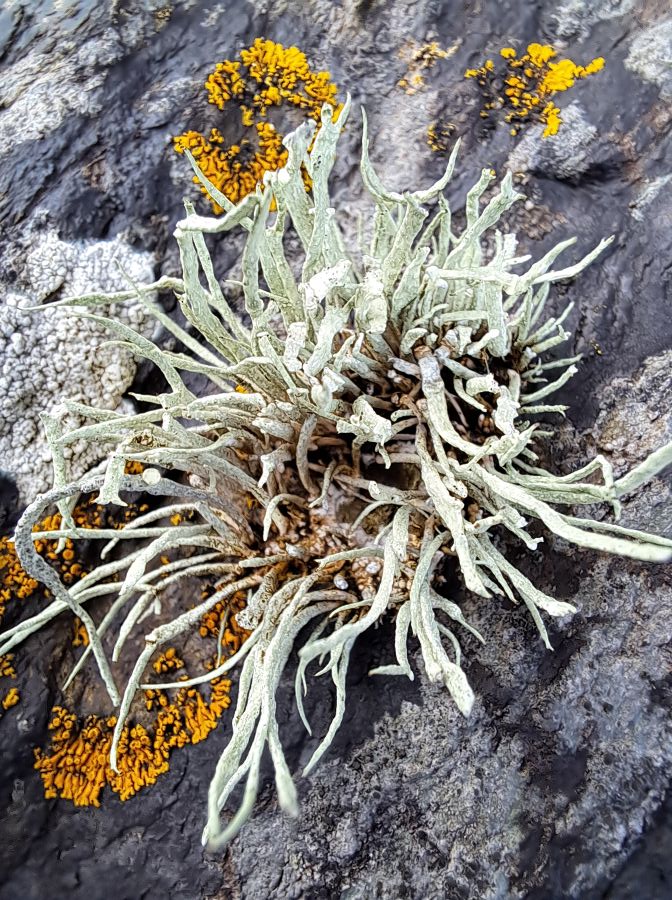
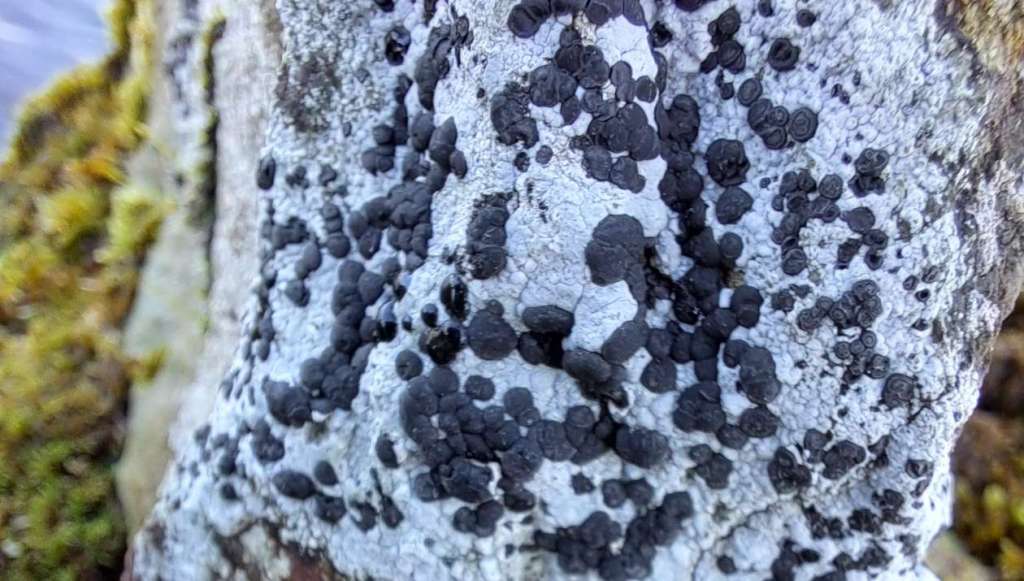
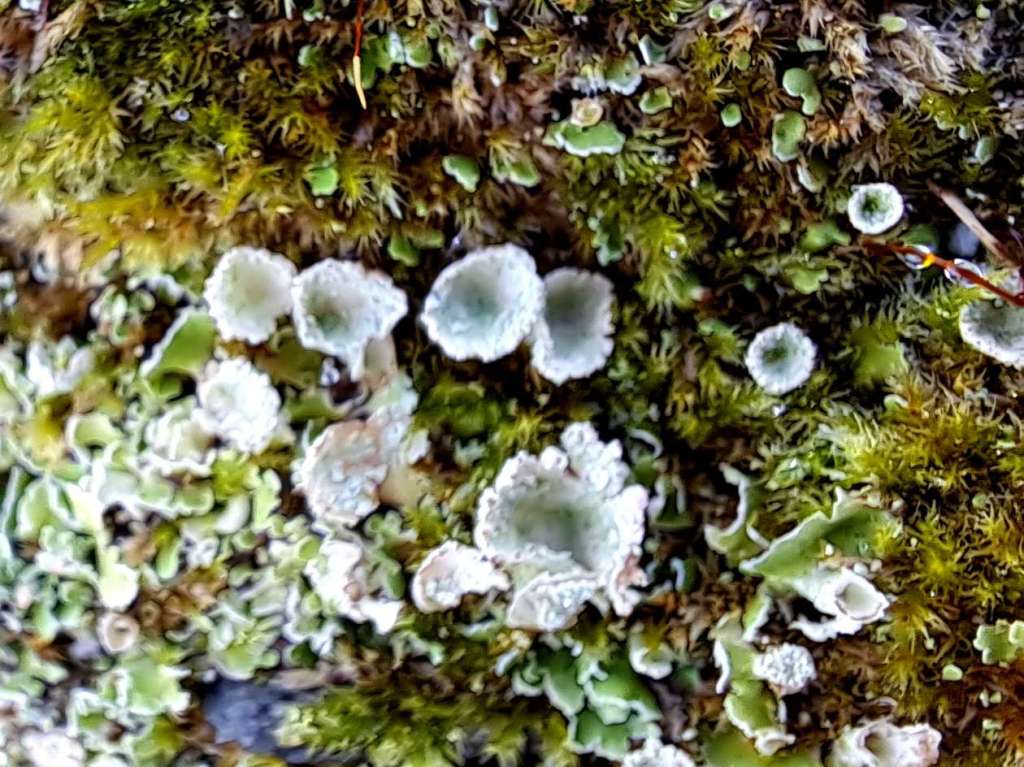
Over Christmas I obtained a little book on lichens, mainly about lichens of the National Forest in Glengarriff, but visiting that forest is for another time.  Reading through it did heighten my already interest in the lichen of the area here and I naturally took some photos of those I found while on my walk.  Lichens are fascinating, they are neither plants nor animals, they are living things that live in symbiosis with fungi. They are often very beautiful and intriguing.  I’ll learn more about them this coming year I think. 

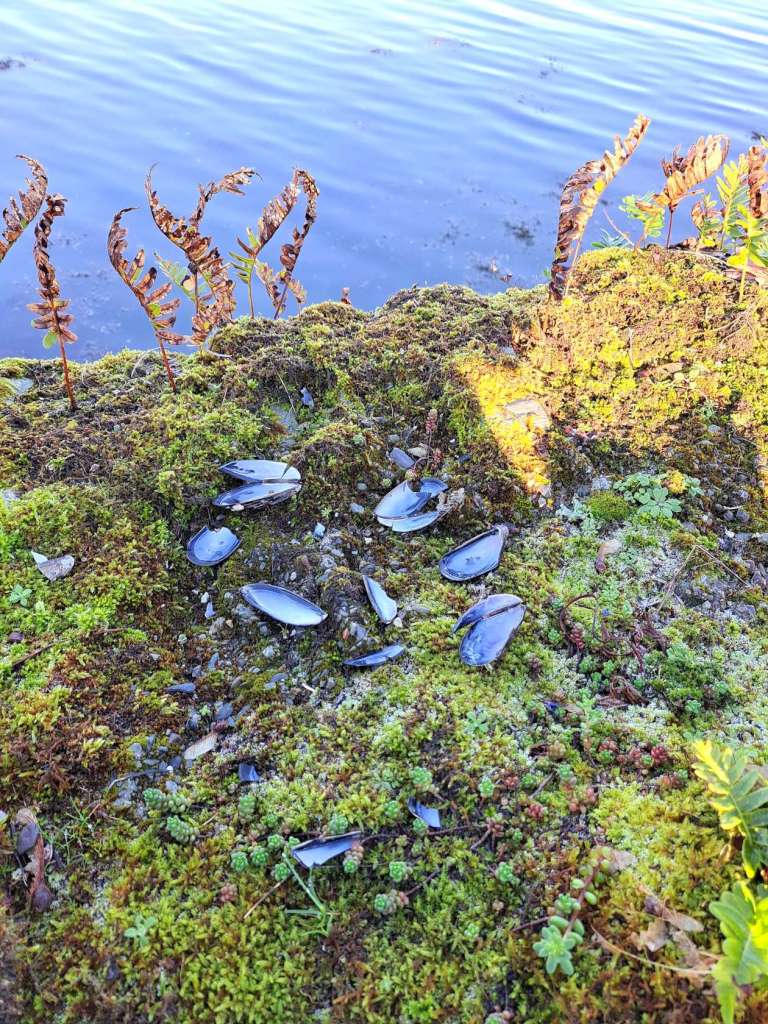
In the photo above are the mussel shells, the remains from meals of seabirds, mainly seagulls who drop those on the sea walls to break open feast on the contents.

Interesting looking old stone building, some sort of store no doubt. Much more to discover about this little place! 

RIVER LEE FLOWING THROUGH CORK

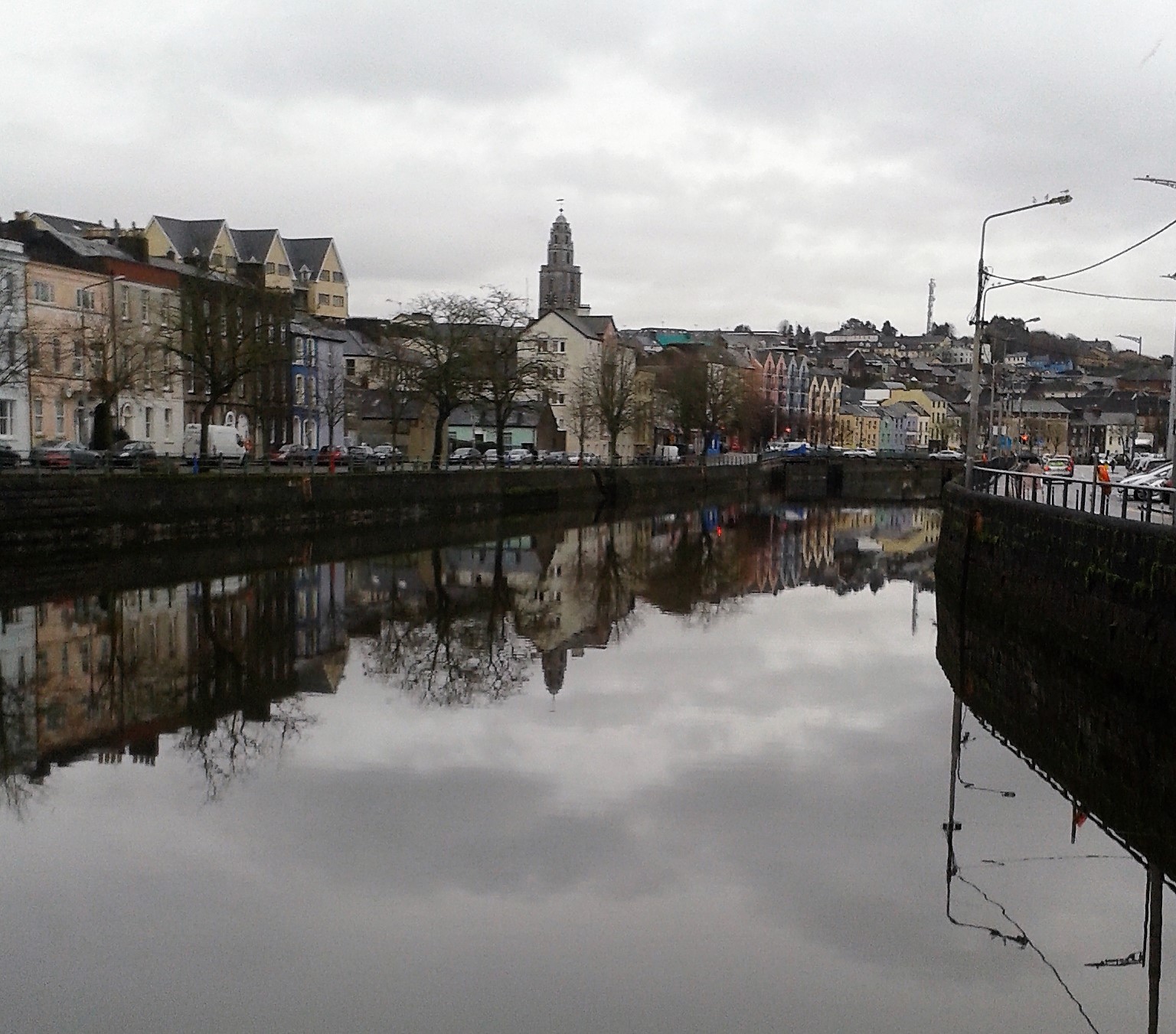
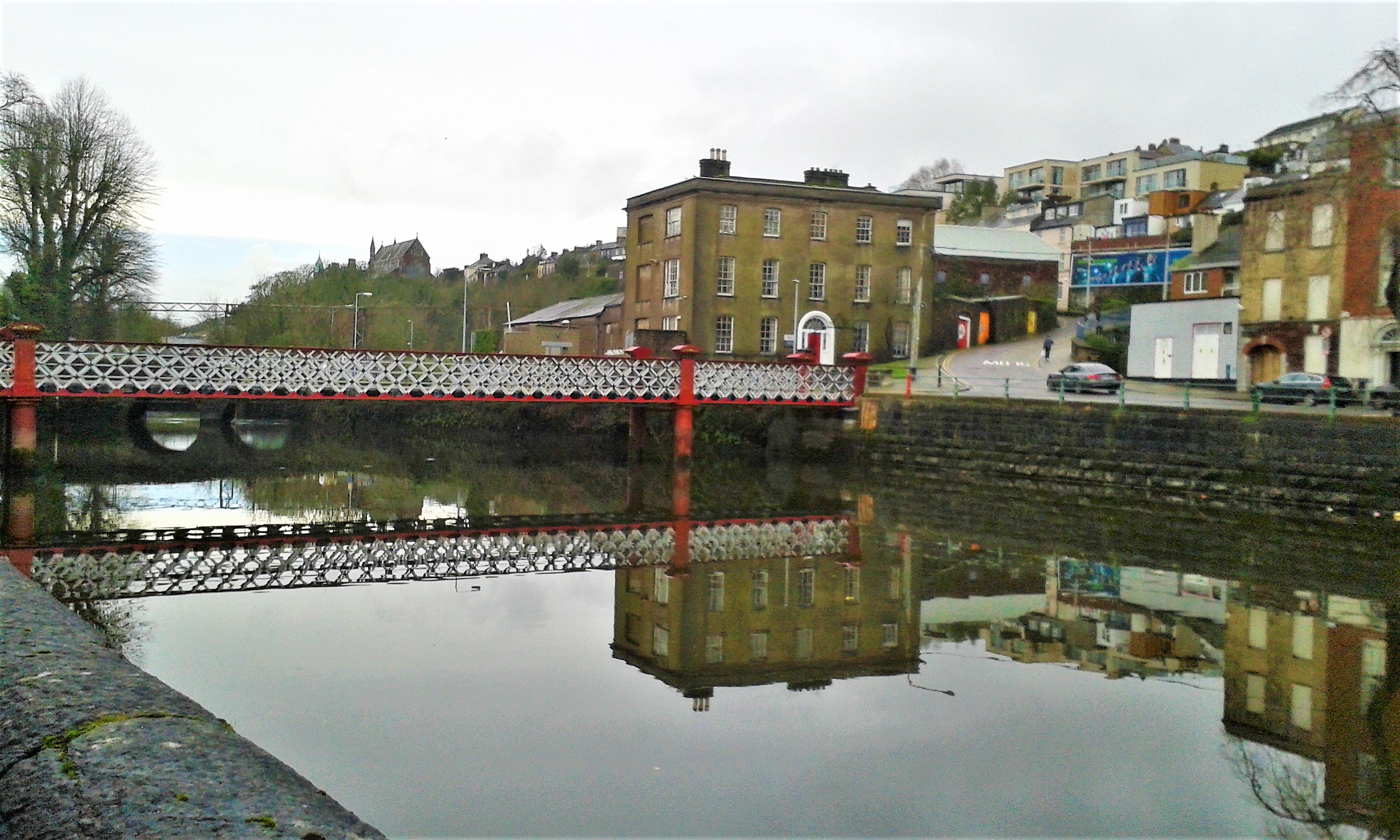
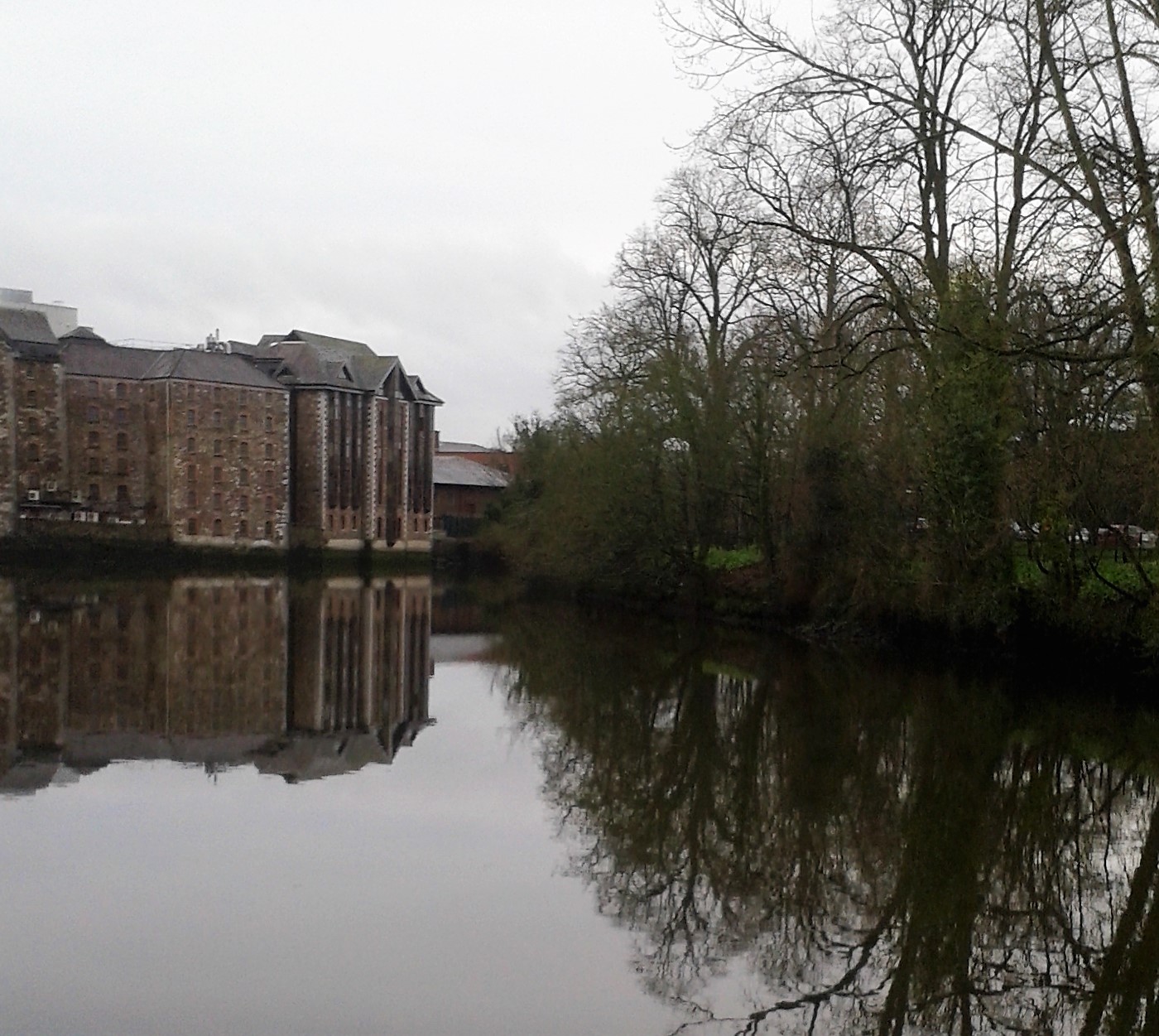
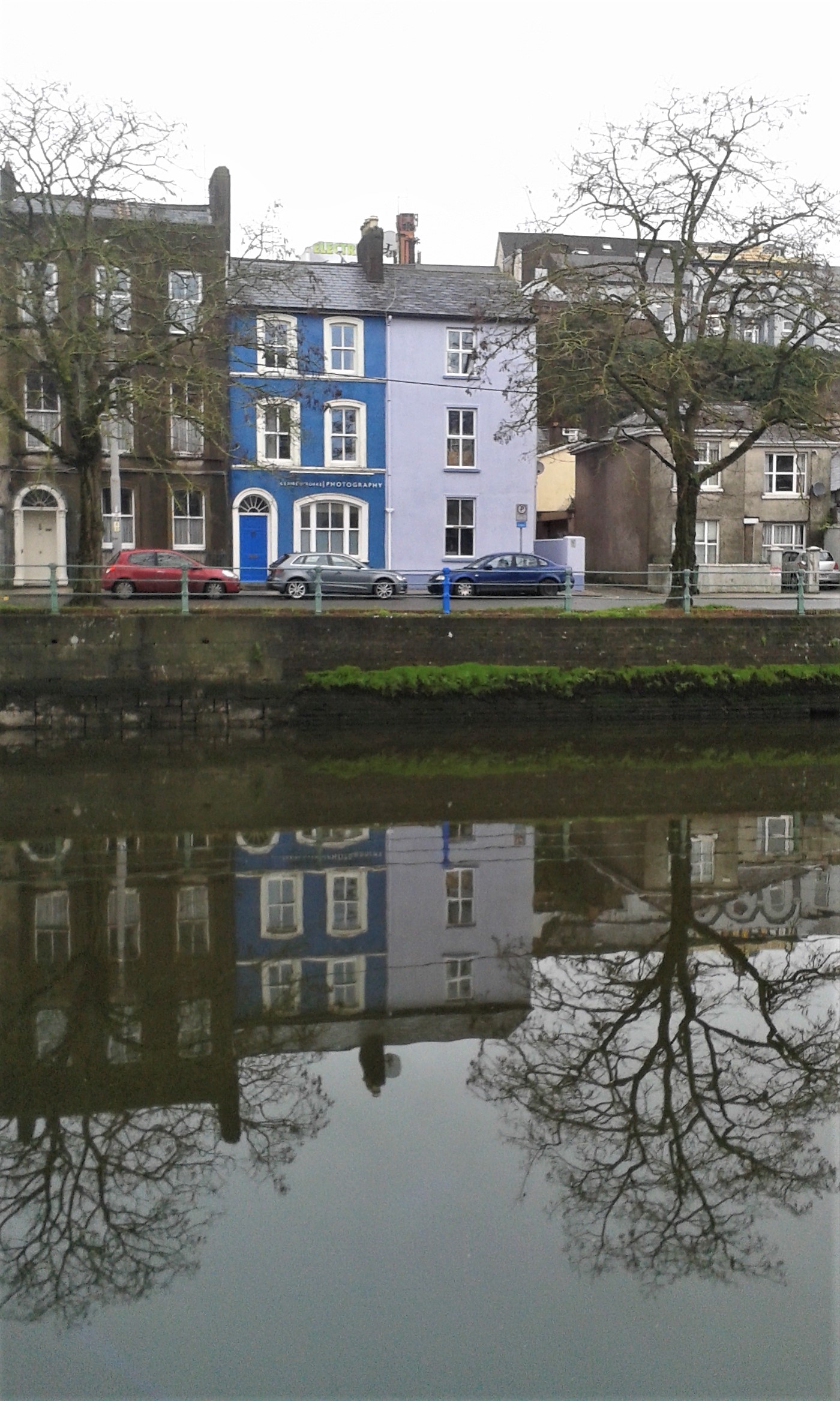
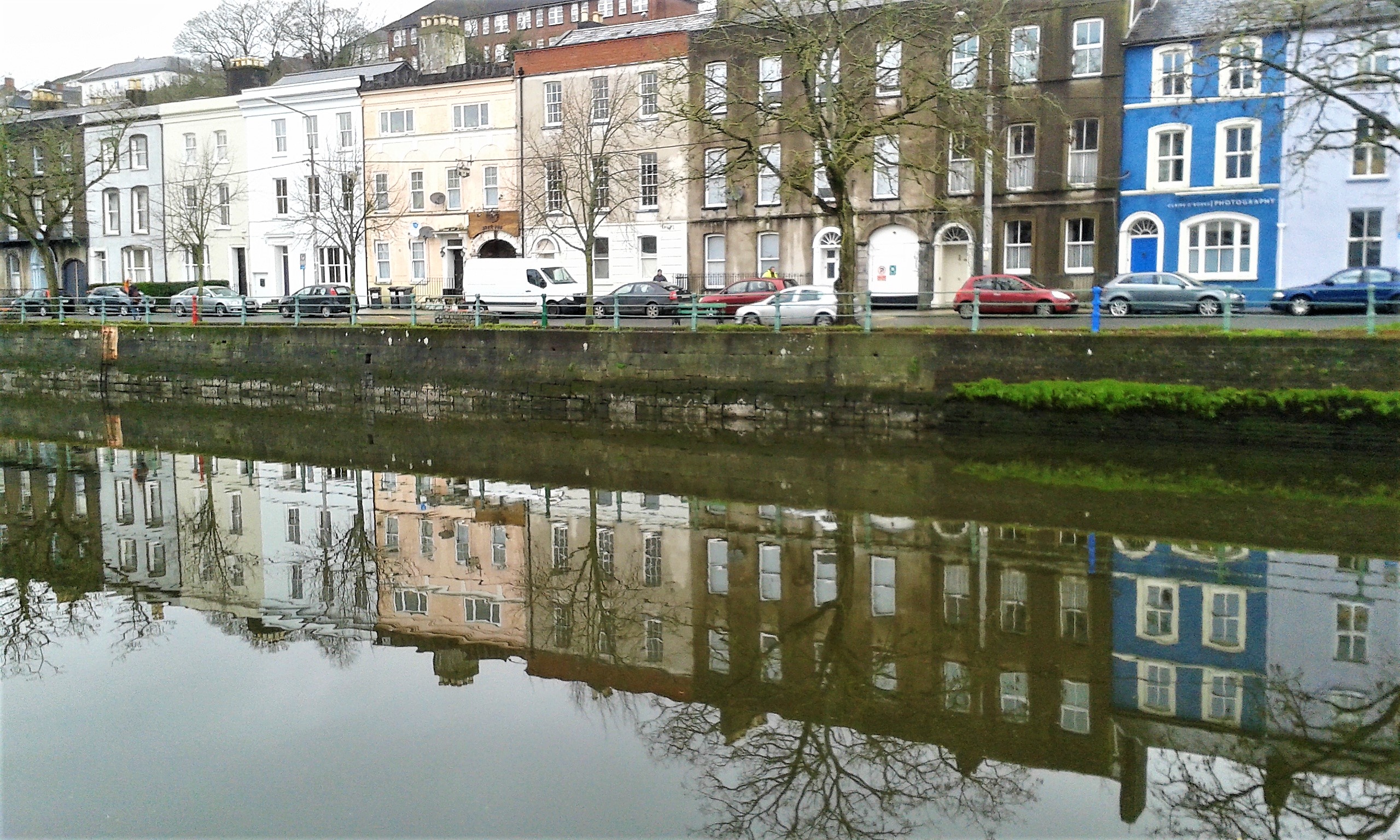
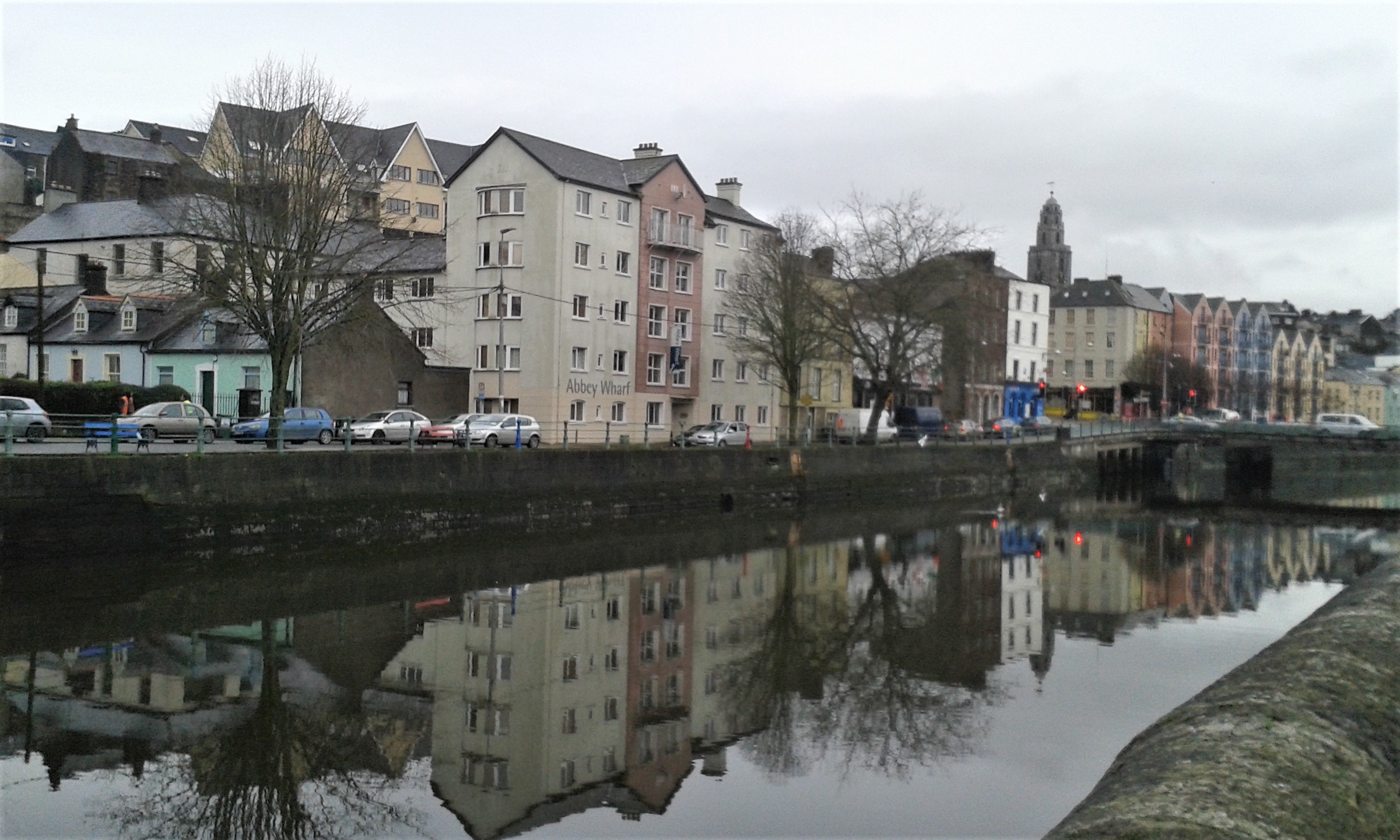
I was very lucky today because I seldom go to Cork city these days, it so happened that for the past few days I was there, unfortunately most of that time was spent with Ian in hospital, but while on the way back from parking the car in the multi-story carpark I took these snaps today. Most importantly Ian was seen to and is doing fine, and we are home again tonight. But as you can see for yourselves Cork, which is the largest city in County Cork, and to us the nearest city, an eighty minutes drive on a good day (without roadwork stops), it is above all a beautiful and charming city. Population is only about 417,211 souls. Cork was originally a Viking trade settlement around the year 915 and is now a thriving and very popular place to shop and visit.
20190131_120235
The river flowing through Cork, the river Lee, flows from a lake in Gougane Barra in the Shehy mountains on the Western border of county Cork, it winds its way down other lakes and eventually reaches Cork city where it splits into two, creating an island on which the centre of the city is built.

A lot more could be told about this lovely river but I will carry on and show you today’s photos of the views I enjoyed so much and which I hope you will enjoy too.
20190131_120052

Another iron bridge, this time it is just a narrow foot bridge, very much in use!

20190131_120258

20190131_115930

20190131_113925

20190131_120217
Here are some interesting and beautiful gables along the streets near the Lee river, I could not resist taking some photos of these too. Just love that gate!

20190131_115908

20190131_115901

20190131_120203

THE BEAUTY AFTER THE STORM

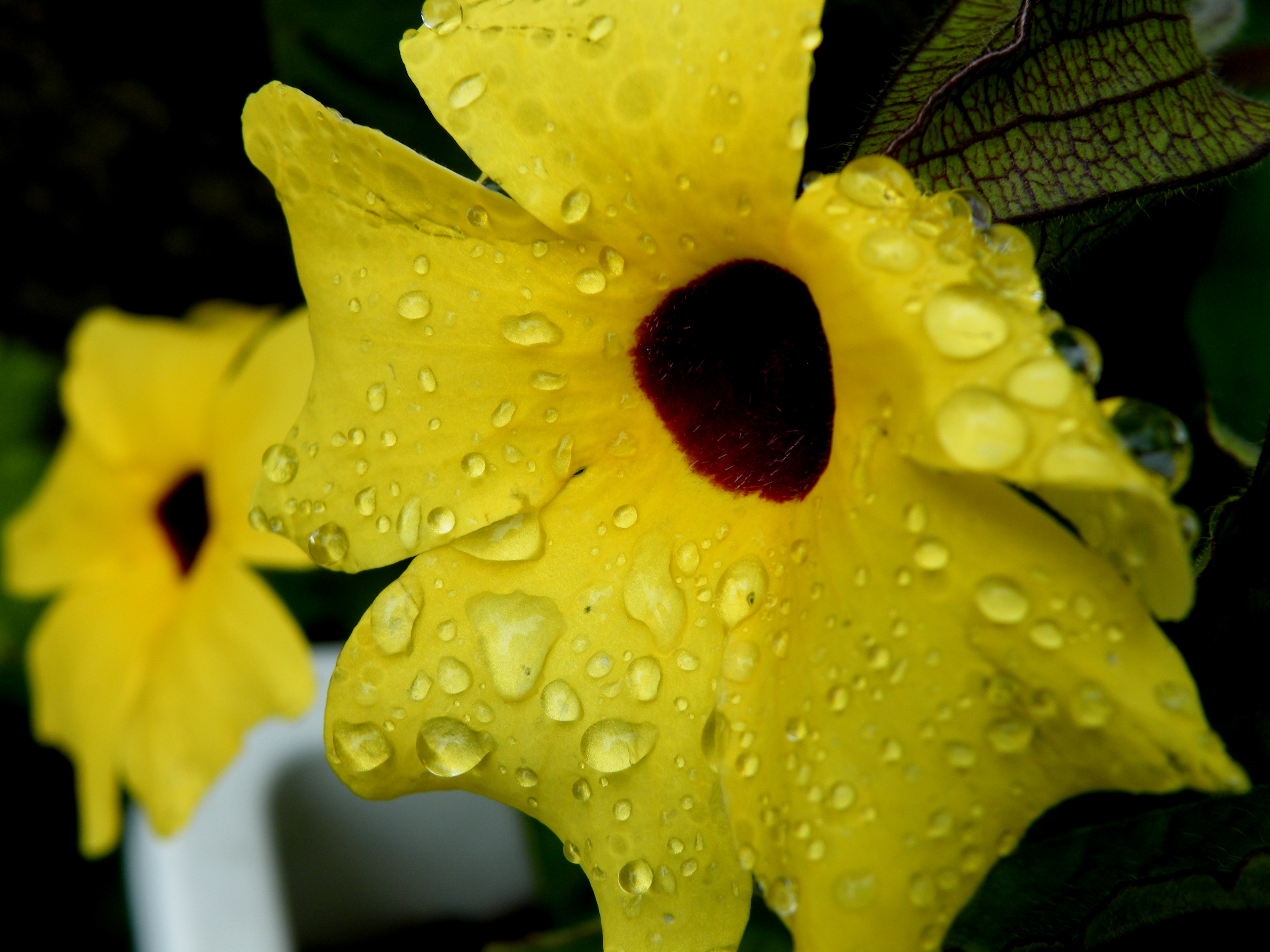
Beautiful raindrops shimmered on the flowers and leaves in the garden this morning, everything sparkled after last night’s rain and thunderstorm. There was a freshness about the garden and the scent was earthy. Soon the sun burned the mist away and the breeze dried out the raindrops but not before I had enjoyed their beauty. A fine summer’s morning in West Cork.
DSCF2606

DSCF2615

DSCF2611

THE FERRY PORT OF MGARR

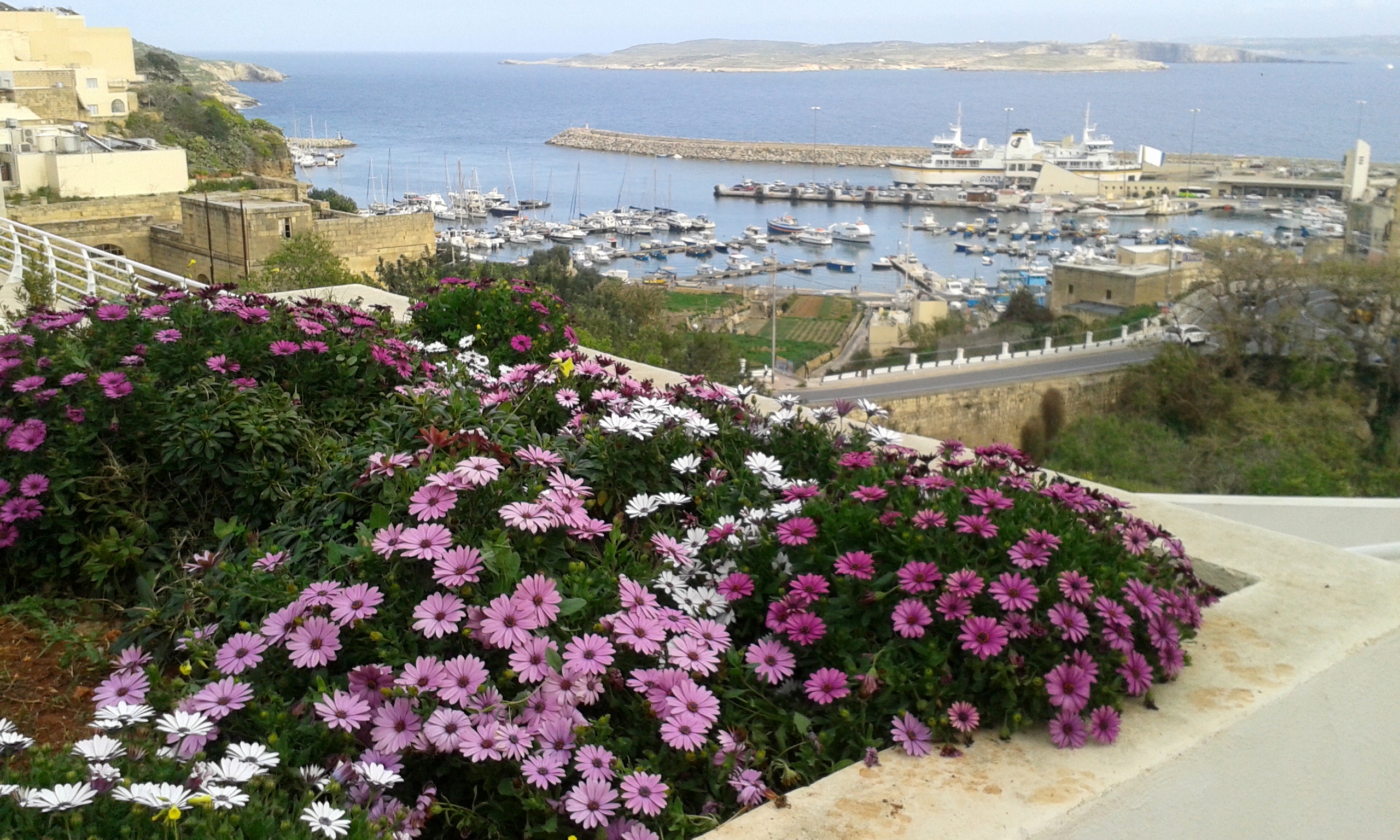
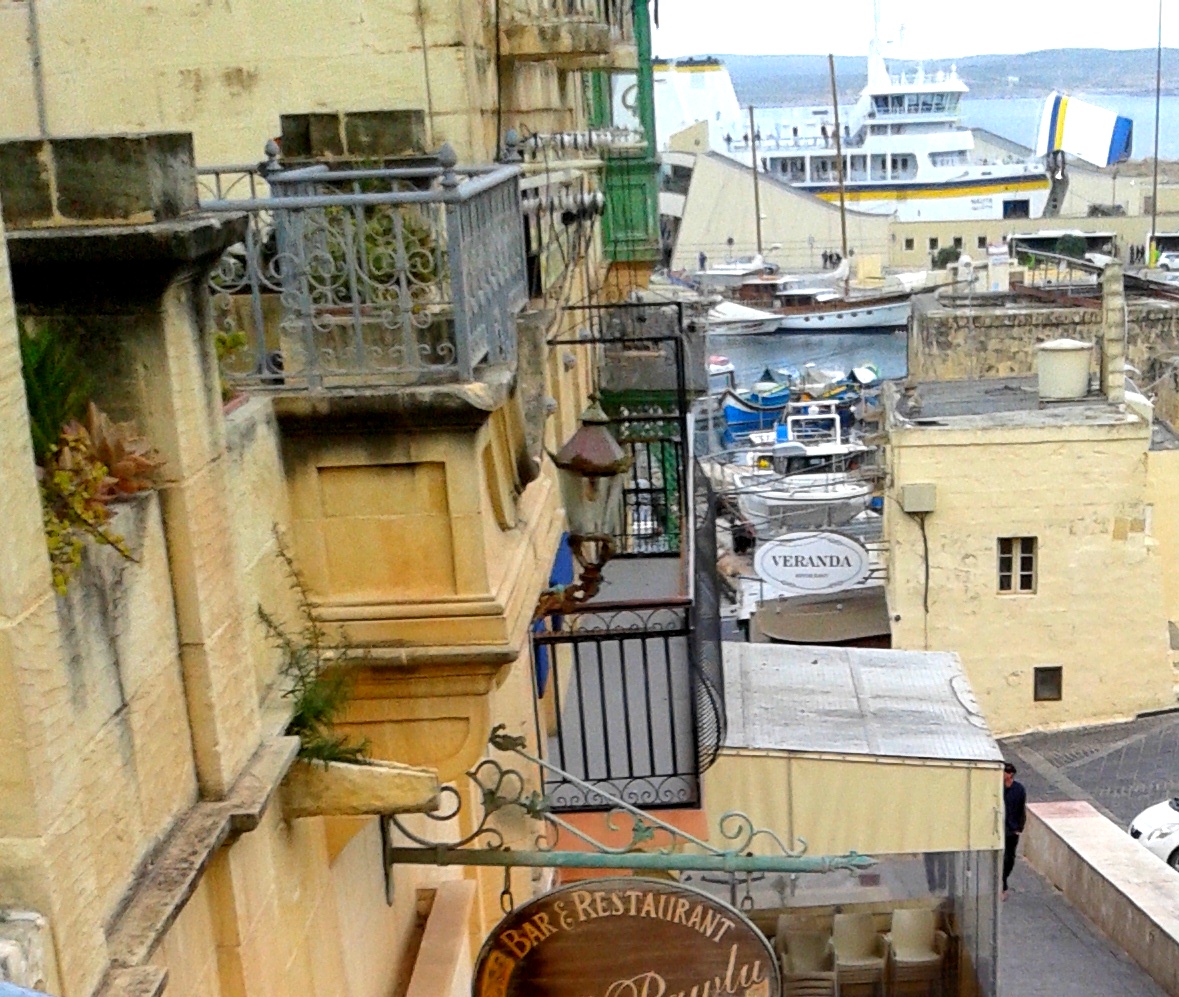
Mgarr in Gozo has been a fishing harbour and a Ferry port since medeaval times, since the thirteenth century. In the olden days a small jetty was used for passengers to board a ship and for fishermen to unload their catch, it is still there just below the Gleneagles bar.  (which by the way was the name of a ship which operated between Malta and Gozo 1885 – 1914)

The little town was build around this harbour. Further away from the port the rocky shore rises high and steep and is now quite built up in parts. The oldest part of Mgarr still has this feel of days gone by about it, and is quite charming. There are little restaurants and chairs and tables outside where one can watch the goings on of boats and fishermen, but also sample nice fresh seafood of course.  There is a chapel high up on the cliffs, and a plantation of trees near Fort Chambray which also overlooks Mgarr from the West.  We often come here as there is a lovely walk along the shore.  There is a great buzz also of comings and goings.  I guess though that there is even more to Mgarr and that I will discover more in future, something that to look forward to.   I have enjoyed it very much so far.

20170305_160918

Overlooking Mgarr Ferry Port, taken from Ghajnsielem.

20170305_153850

20170305_152924

20170305_170406

20170305_170246

20170305_170522
This is the
Il-Kcina Tal-Barrakka Restaurant during winter, so no tables outside.

20170127_141115

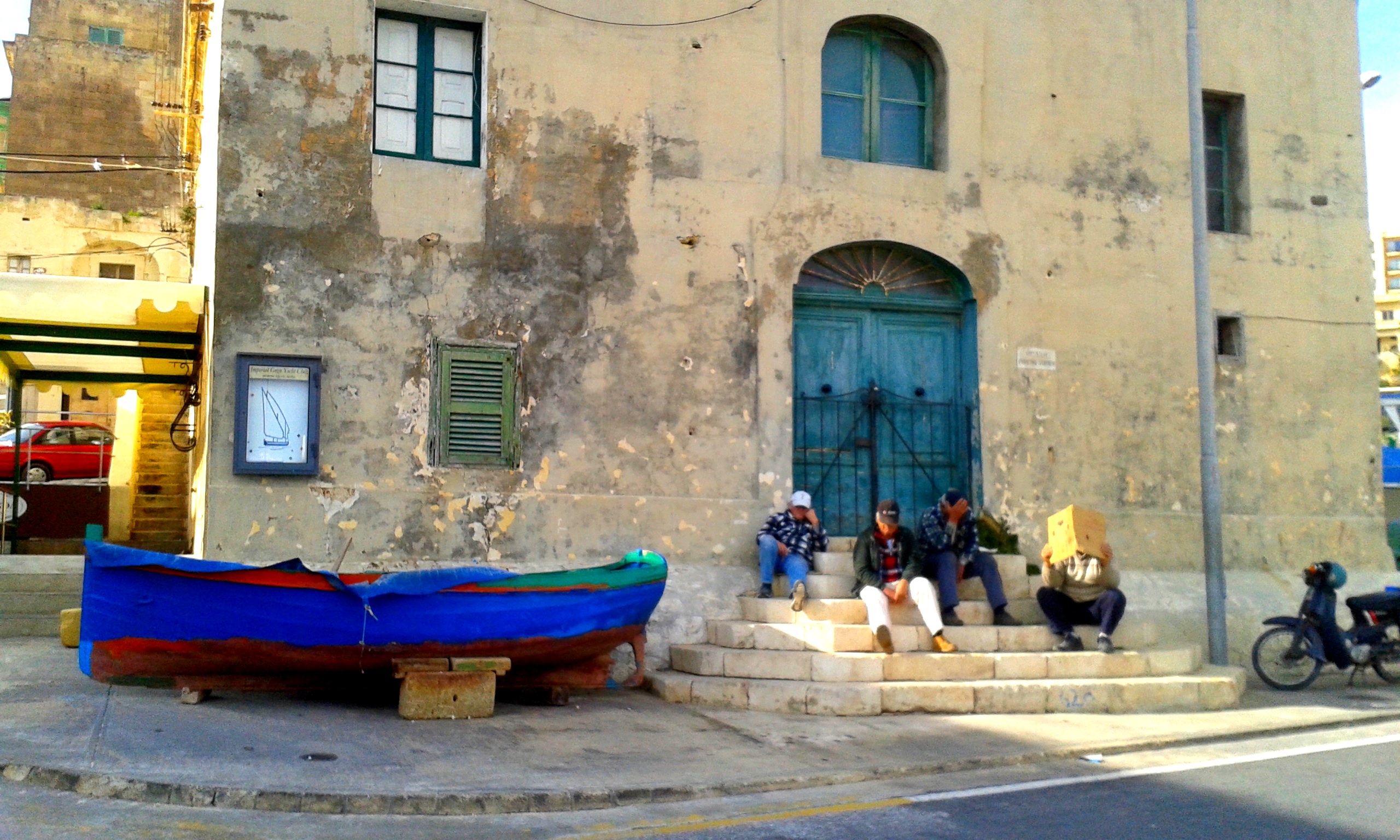
A great vantage point where men sit, chat and watch the world go by.

20170127_140839

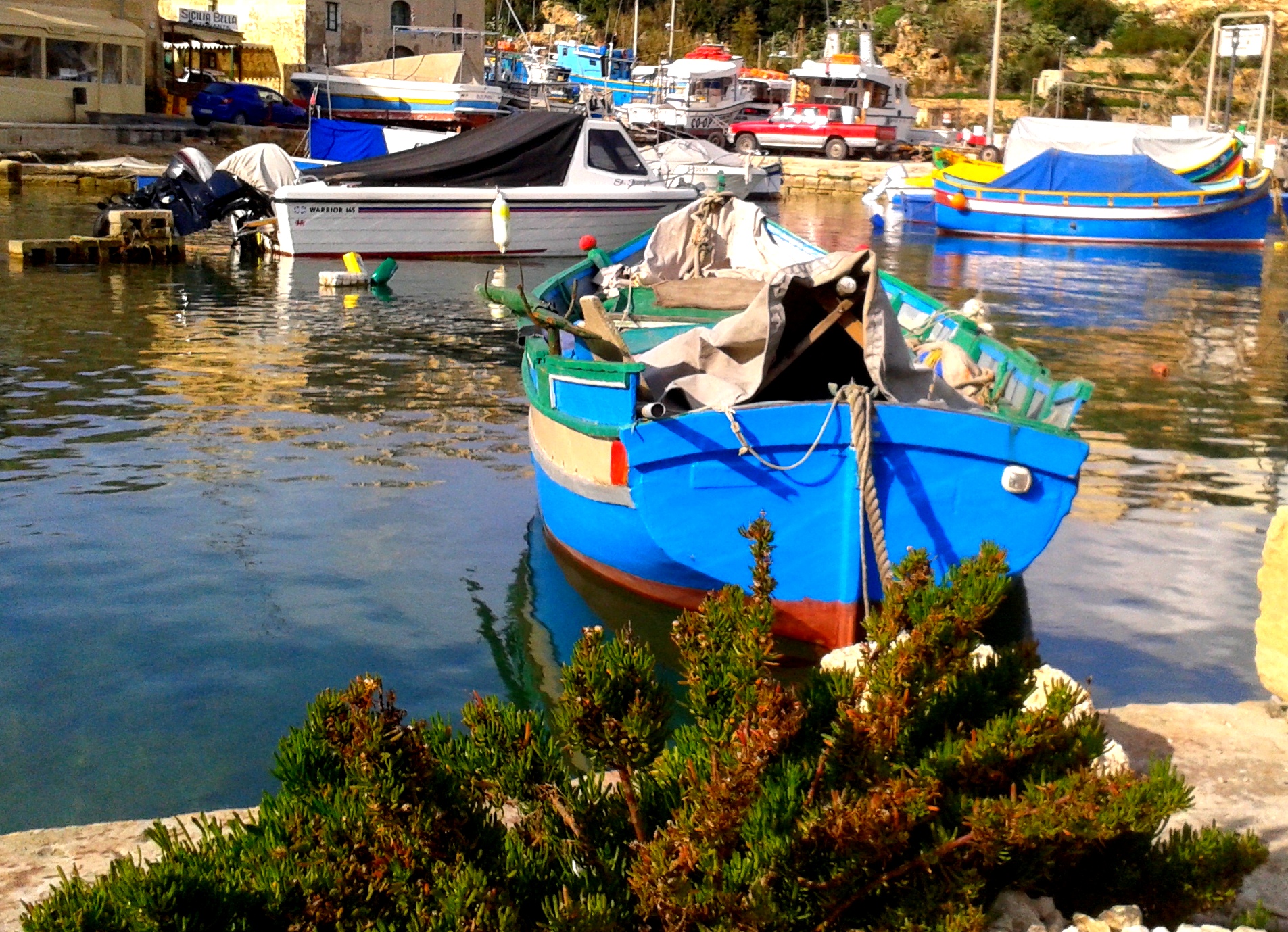
Down at the water and the colourful fishing boat brighten everything up, there are also many modern yachts, and a variety of ferries and pleasure cruise boats.

LILIES OF THE VALLEY

While doing some gardening today I discovered that the lilies of the valley were flowering, such a heavenly scent. I picked some for the house and got to play around with taking photos, then experimenting with editing, it is after all the weekend, we worked hard all day, and anyhow I have got writer’s block right now. I have one favourite among these pictures, I wonder would anyone guess which one. 🙂  Have a lovely weekend everyone.

DSCF6024


DSCF6032

DSCF6029

SOLID AND INTERESTING

While being driven through the late night lit up streets of the city the above thoughts went through my mind, the buildings solid and heavy, the serious looking people, the streets wide and straight, it all gave the impression of things being grounded.  Solid.
I loved it straight away and my extended walk around the old town of Pest did not disappoint the next day. I immediately noticed that even though the buildings appeared ‘heavy’ they were far from it. A variety of architectural styles;  neo-classical, neo-renaissance, neo-baroque, and  art nouveau.  Many beautiful buildings to be seen. I visited the St. Stefan Basilica first, all around it there were Christmas market stalls, the ambience was very pleasant. The basilica was impressive, the lightning gave just the right feel for the beautiful arches, capitals, the cupola, and other features, I took quite a few photos. When leaving, as I walked down the steps the bells rang out over the town, a sound that I truly love and enjoyed.
I wandered around part of the old town, looking up more than down and was amazed and delighted to see the ornate windows everywhere, again I tried to document some of these features as I’m quite fascinated by them.
This was only a three day visit to Budapest, we did not get to see the other part of the city which is called Buda and is across the river Danube. But we will return in May next year, looking forward to see and find out more.

As for the people, lovely and very polite, but more about that in another blog.  And plenty more photos too.  I’ve sure come away with nice memories.