AN OLD MALTESE RECIPE BOOK

20180203_122426

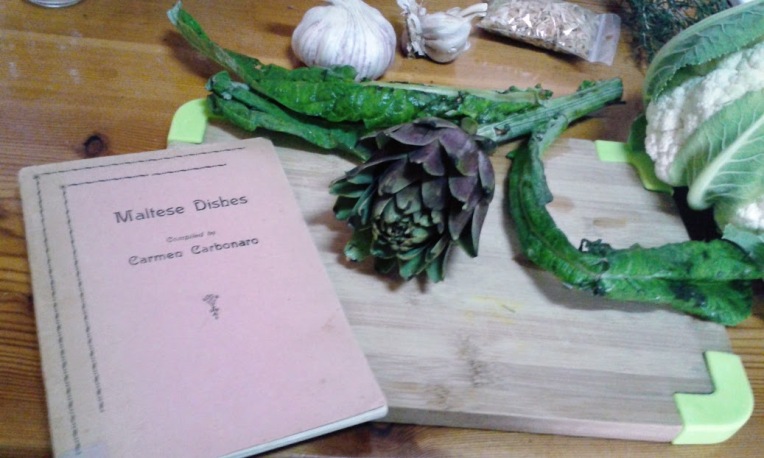
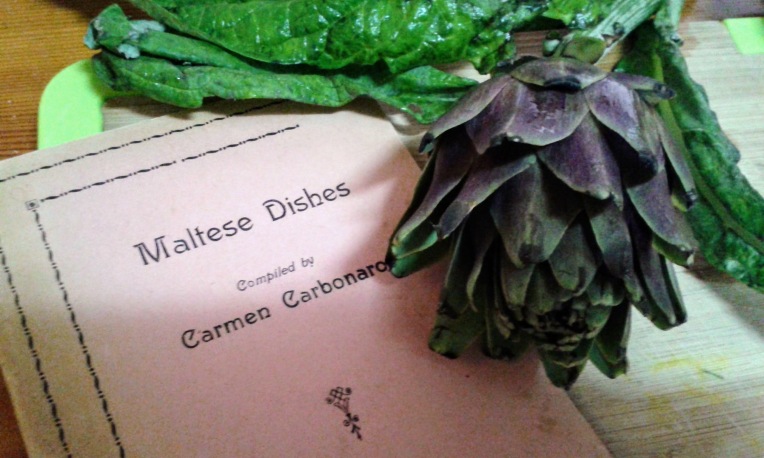
Today I found a very old recipe book in the library in Ghajnsielem. It dates back to 1958 and it was compiled by Carmen Carbonaro, it is called ‘Maltese Dishes’ and seeing that I cannot find copyright information I am going to use some of the information to share it here. It is a wonderful little book! Apart of the interesting recipes it has also got illustrated advertisings from the time period it was written in, fabulous bit of information for foodies and those interested in traditional facts of twentieth century Malta or Gozo.
Even before I got home and had a good look at it, the little book was the topic of conversation big time. I stopped at the organic vegetable shop in the village across from an ancient church with the nice baroque façade and on the pleasant Piazza Indipendenza. Doris, the young woman that owns the shop (Pomona) started to check the recipes, she told me that in the time of her grandmother people did not use butter in Gozo, only lard and this, she said was reflected in the recipes. In walked Charlie, one of her nice and regular customers and he added more information to the conversation, we had got on to vegetables, artichokes as a matter of fact, which is a vegetable that I have never cooked myself and was rather interested in and luck would have it that they are in season at the moment, so I bought some. I intend to try out the recipe on page 27 of the little book, there it gives the recipe for ‘Stuffed Boiled Artichokes’ or ‘Qaqocc mimli’ in Maltese. Among the ingredients I will need are Olives, Parsley, more Olives, Breadcrumbs, Anchovies and Chives. And of course globe Artichokes.

WHAAAAAAAAAAAAAT…… I have to ‘beat’ the artichokes it says!?! Beat them, but well that does not actually surprise me as Doris was telling me that in the ‘olden days’ they also used to ‘beat’ the calamari to tenderise them before cooking! What I am rather surprised of though is that at the end of the recipe it says to serve the artichokes when cool, with mayonnaise, and in those days that would have been home-made mayonnaise, the way we used to make it in Belgium last century. I guess that here it would be prepared using olive oil rather than corn oil like we did.
I cannot wait to try out this Artichoke recipe and, after making more marmalade from home grown bitter oranges today, I feel like a real Gozitan woman, getting into the spirit of this lovely island and enjoying it to the full.
Charlie, Doris and myself then got on to more about wild foods and how we can use the flowers of the artichoke to eat as well as the globe. The globe I presume is the flower bud. I glean so much local information from those two very pleasant people, I just love to shop there.

Other interesting recipes in the little book that I think might be worth trying out are:
• Chestnut soup (Imbuljuta)
• Ministra (a Maltese very delicious soup)
• Vegetable hot-pot (Kawiata)
• Timpana, a most popular dish on the Maltese menu it says.
• Rabbit stew and spaghetti (I have tried this out in a restaurant – very nice)
• Tunny fish stew
• Lampuki pie (a popular fish during August and September.
• Imqaret (date slices)
• Xkunvat – a special Maltese sweet.
• Marmurat, a sweet made with almonds
There are many more interesting looking recipes in the little book. At the end of it there is a menu for the week page, I had a look. Monday it says: Spaghetti, Meat Balls using the meat left over from Sunday dish, cheese and fruit. For Tuesday it says: Meat Soup. Meat from Soup (Buljut) with lemon juice and salad, Custard, Fruit. I won’t give the whole week but interestingly I read that on both Wednesday and Friday fish is recommended, I guess that in those days the church still had two fasting from meat days in the week. All the other days have meat on the menu.
Interesting too is that there are 24 different advertisements in the little booklet, the advertisements themselves are of interest if looking up dietary information of the time.
The little book was published by Empire Press in Malta. It sure is something to treasure. I’m going to have some culinary experiments with it in the next two weeks. I do look forward to learning and to tasty dishes.
20180203_122435

THE FERRY PORT OF MGARR

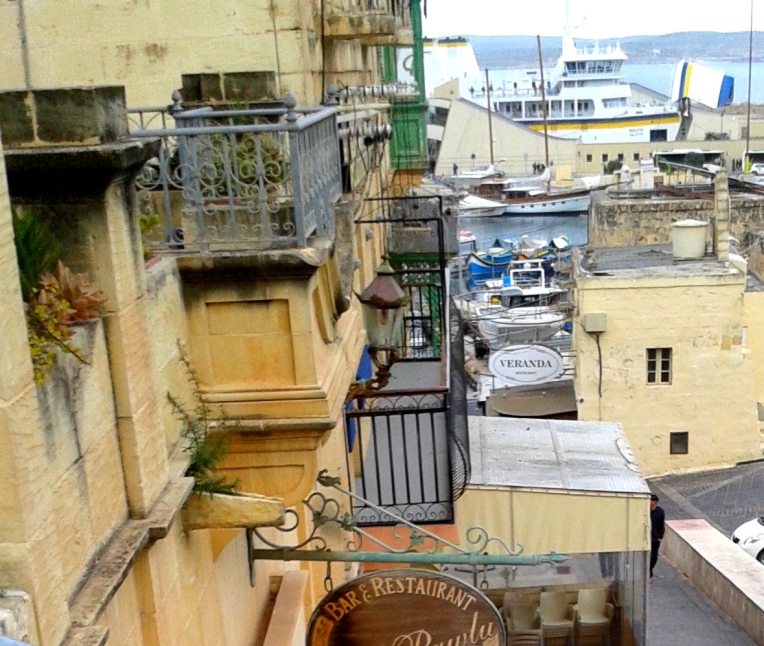
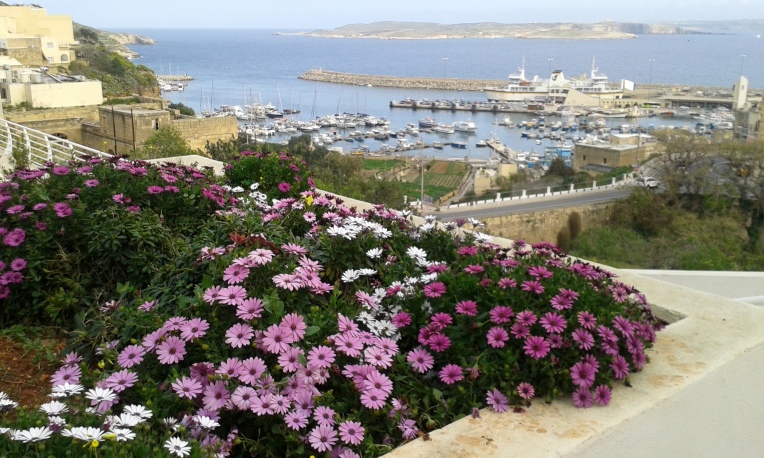
Mgarr in Gozo has been a fishing harbour and a Ferry port since medeaval times, since the thirteenth century. In the olden days a small jetty was used for passengers to board a ship and for fishermen to unload their catch, it is still there just below the Gleneagles bar.  (which by the way was the name of a ship which operated between Malta and Gozo 1885 – 1914)

The little town was build around this harbour. Further away from the port the rocky shore rises high and steep and is now quite built up in parts. The oldest part of Mgarr still has this feel of days gone by about it, and is quite charming. There are little restaurants and chairs and tables outside where one can watch the goings on of boats and fishermen, but also sample nice fresh seafood of course.  There is a chapel high up on the cliffs, and a plantation of trees near Fort Chambray which also overlooks Mgarr from the West.  We often come here as there is a lovely walk along the shore.  There is a great buzz also of comings and goings.  I guess though that there is even more to Mgarr and that I will discover more in future, something that to look forward to.   I have enjoyed it very much so far.

20170305_160918

Overlooking Mgarr Ferry Port, taken from Ghajnsielem.

20170305_153850

20170305_152924

20170305_170406

20170305_170246

20170305_170522
This is the
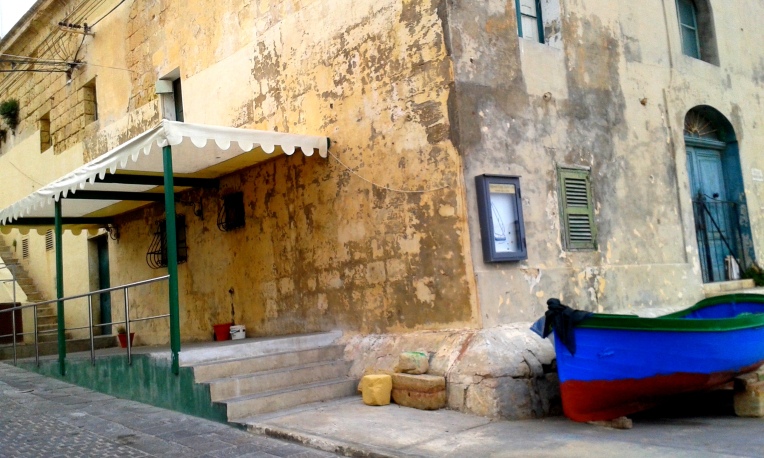
Il-Kcina Tal-Barrakka Restaurant during winter, so no tables outside.

20170127_141115

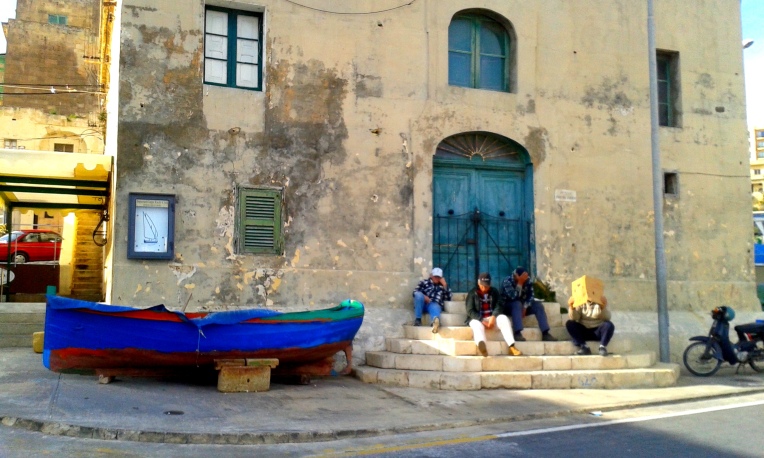
A great vantage point where men sit, chat and watch the world go by.

20170127_140839

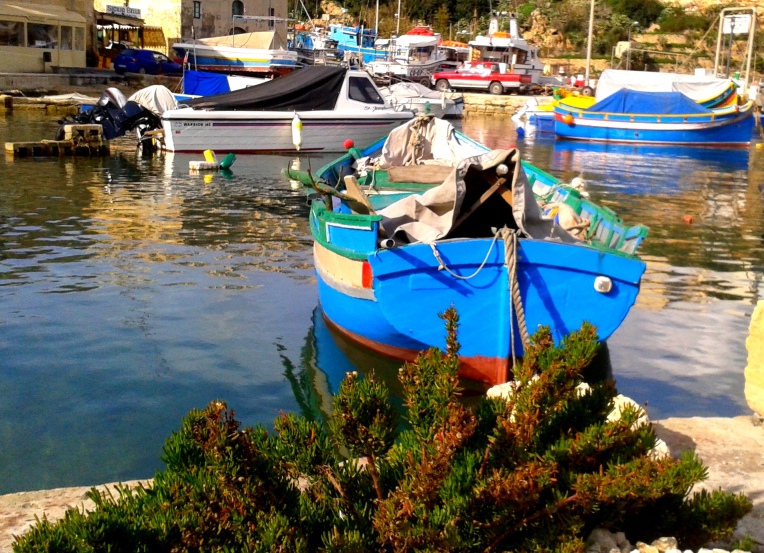
Down at the water and the colourful fishing boat brighten everything up, there are also many modern yachts, and a variety of ferries and pleasure cruise boats.

WISHPERING TREES

“If you reveal your secrets to the wind, you should not blame the wind for revealing them to the trees.”  Kahlil Gilbran

20170305_151205
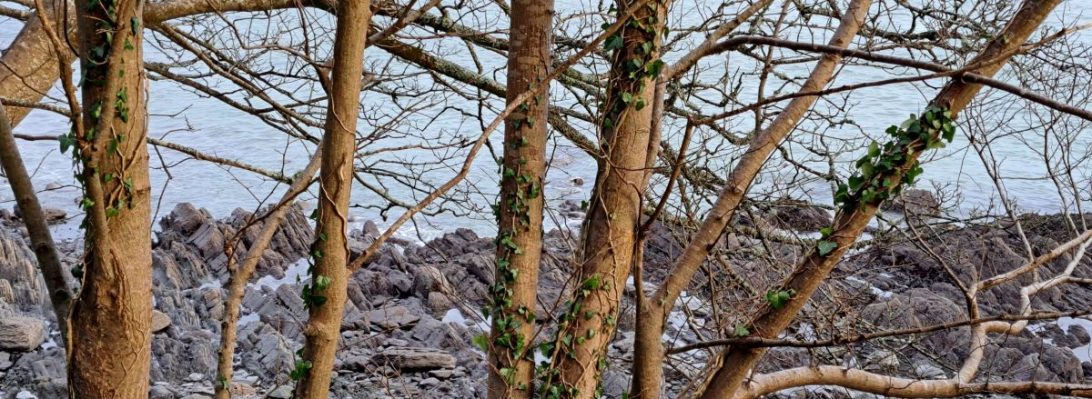
Trees have always been my among my best friends, I love the feel of being near to them, their scent, their whispering, rustling of leaves, the first buds opening in spring, their beautiful and delicately fresh young green filtering the first rays of the warming sunshine. So much about trees talks to me and inspires me. But I also like to know their botanical names, their medicinal uses, and their importance in the landscape and to the earth. I’ve been taking photos of trees here on Gozo, but obviously I am not familiar with most of them. Some of the trees that came to my attention a lot here are the Olive and the Carob tree, two most lovely trees that produce health giving and delicious fruits. The Eucalyptus grows here too, I’m quite familiar with this tree as it grow in Ireland too.  I know there is a lot more to learn and explore about trees on the Maltese islands, something to look forward to next winter.
I’m just going to add photos to my post as I am still working on identifying and looking up information on the tree in my pictures.

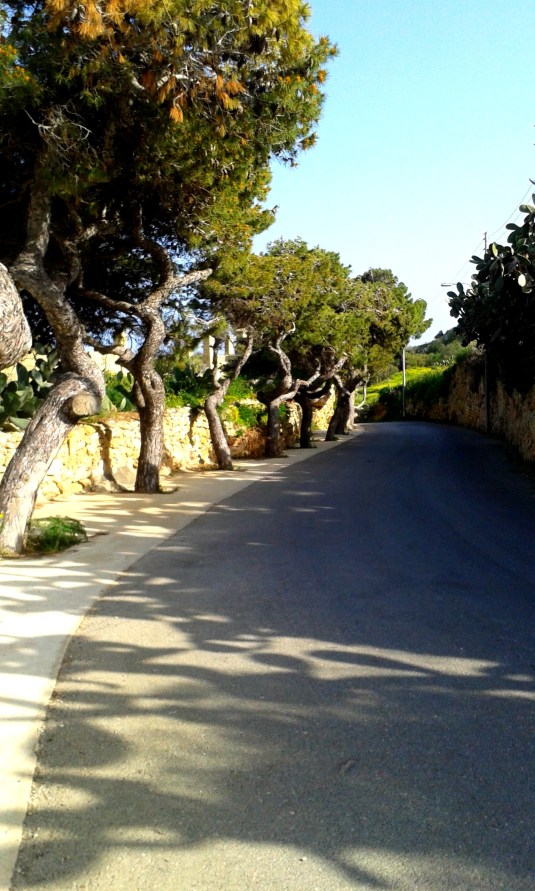
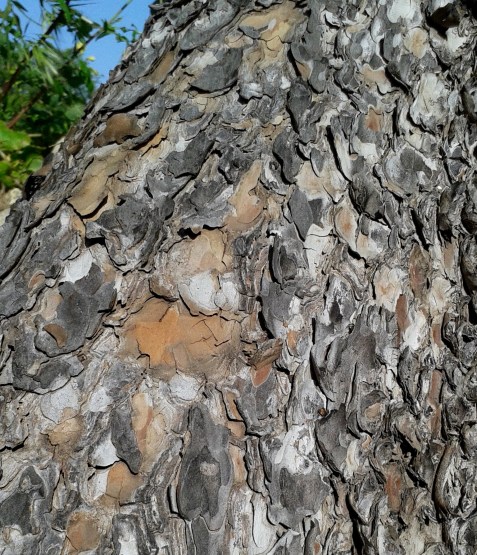
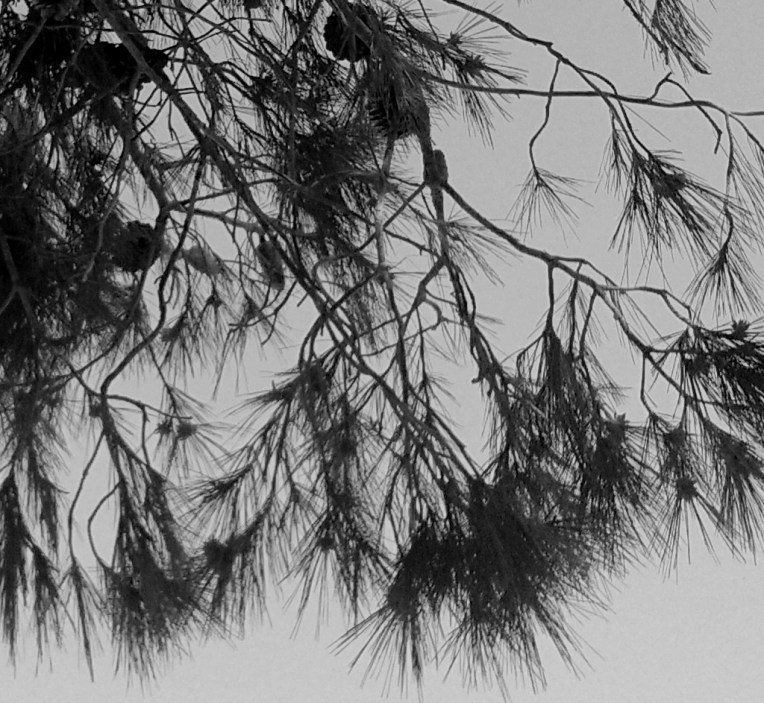
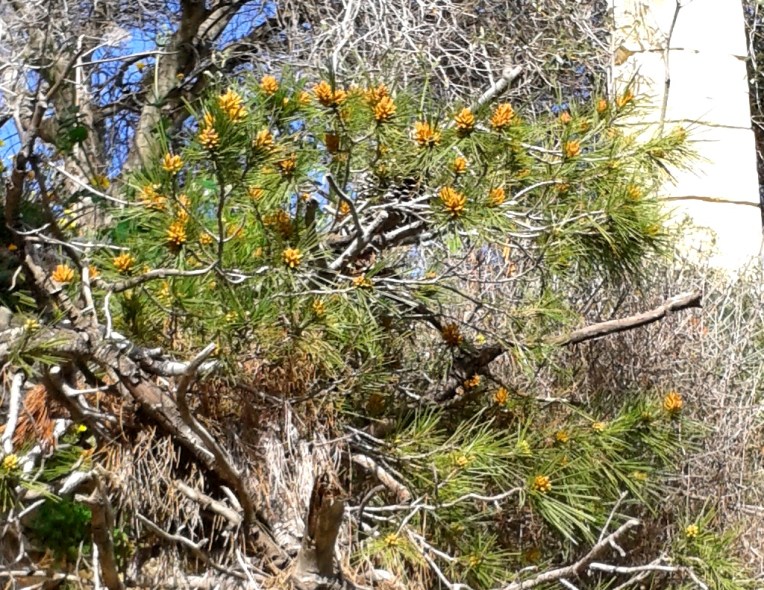
Foto above are a row of Aleppo Pine  Pinus Halepensis (Siġra taż-Żnuber/Siġra tal-Prinjol)

20170305_151310Bark of above Aleppo Pine

20170305_151355

More photos of the above Aleppo Pine.

20170305_151433

Young shoots.

Strongly scented sticky resin, and some of the open cones to the right.

20170305_151226


XLENDI WATCHTOWER ON GOZO

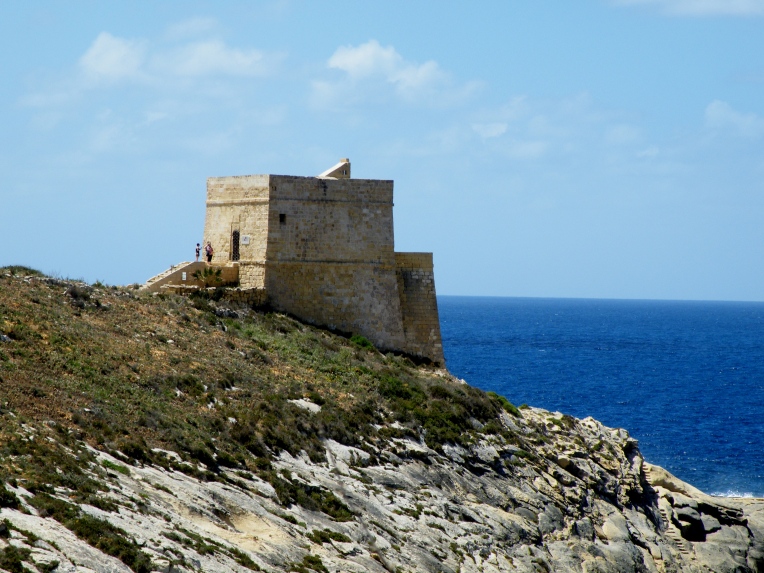
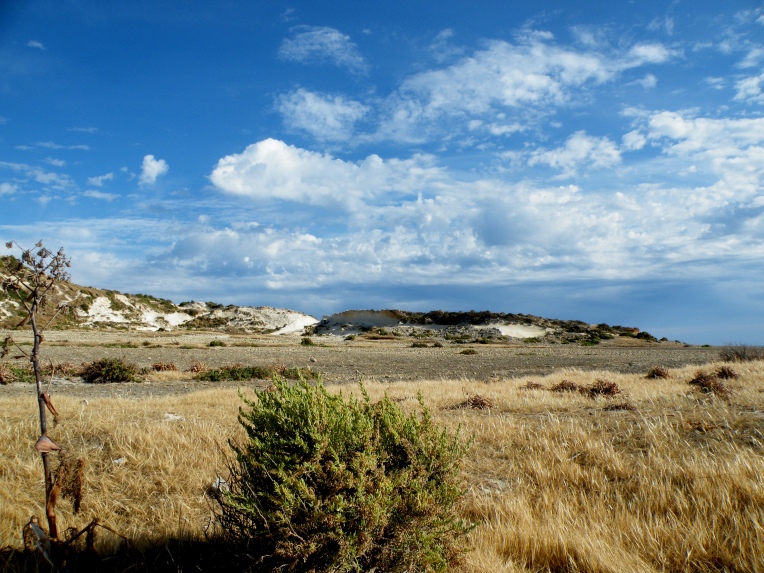
Our walk yesterday took us to the oldest watchtower on Gozo, the Xlendi watchtower. It was a nice walk to get to there, to our left the ever higher reaching stone terraces, and to our right a deep gorge, the Il-Kantra valley, sweeping down to the sea and lifting our heads up again to the cliffs on the other side of Xlendi bay, apart from the magnificent views a lot of wild plants and flowers made the walk interesting. Eventually we reached a plateau seemingly made partly out of pure white chalkstone, and partly out of other limestone types. Out towards the sea we saw the tower, it is lying just at the edge, and before the cliff steeply descends to the salt pans.
I read up a little about the watchtower. There are a number of them all over Malta and Gozo (I guess Comino too), they were built as a defence against the Ottoman invaders who would come and take the Gozitans bringing them home to use as slaves. I read that in 1551 there was a siege on Gozo, and 6000 Gozitans were taken into slavery. This is close to my heart because a small village back in Ireland, Baltimore, was raided back in 1631 by pirates from the Algiers, and the Ottoman Turks, they took nearly the whole village into slavery, the remainder of the inhabitants of Baltimore moved more inland, up river and established the town of Skibbereen, which is where I made my home many years ago.
The Xlendi tower dates back to 1650, it has been in continuous use both during the British rule and during the second world war, but it had become in disrepair and today it is being restored.
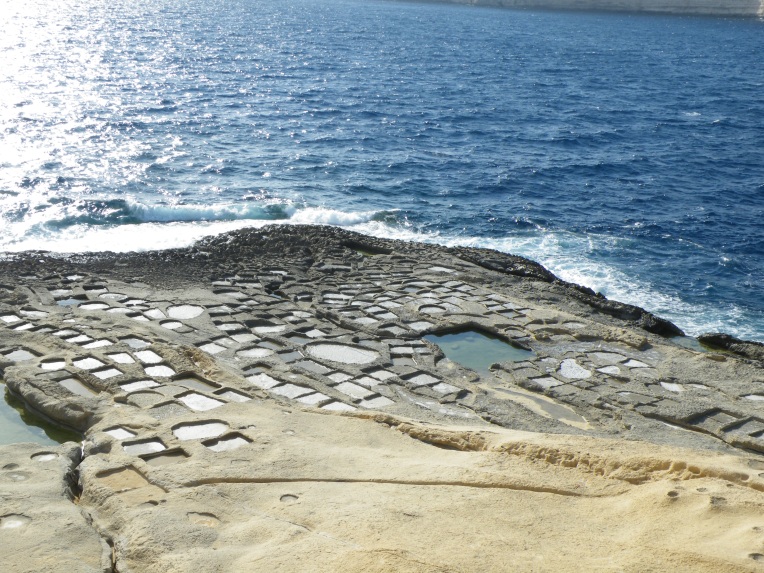
The cliff behind the tower reveals the salt pans which are as far as I know not in use anymore, but I could be wrong. They do look quite interesting, what a clever invention by humans to reap salt from the Mediterranean in this way. I wondered at the people working there and reaping the salt which the seawater left behind after the sun had done its drying out, it must have been hard work.
Looking back at the scenery in land from the tower the view is breath-taking, the rock formations brilliantly white, the vegetation scares but beautiful.
This is a walk I will not forget easily, nature at its most powerful, the winds were strong that day too. A walk that highlights a piece of social history, in a most beautiful natural setting, perfect for anyone.

DSCF5486

DSCF5408

DSCF5426

YOUNG TENDER SHOOTS AND COLOURS

I took a walk around the garden this mild spring afternoon. I went to see what vegetables are still growing, and what young tender shoots or flowers are hiding here and there, and of course they were. I came across a whole range of fresh young growth that shot up all of a sudden because of the sunshine in the past week.
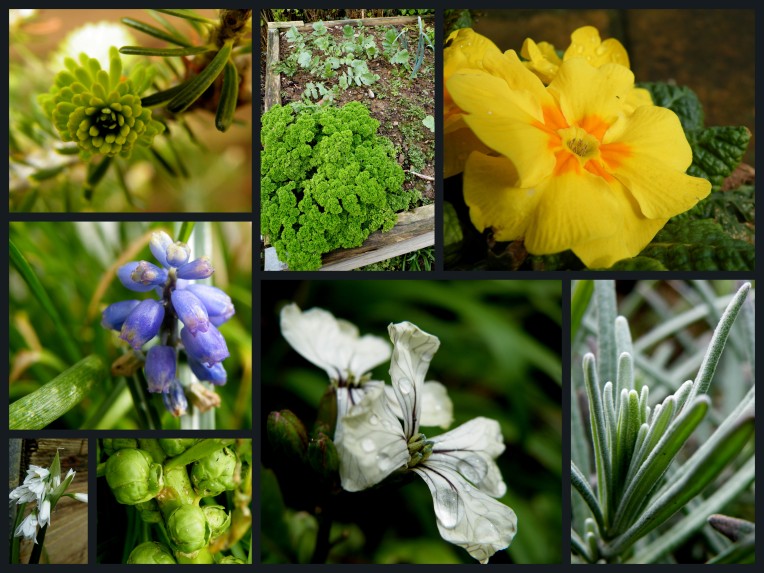
The comfrey, tansy, lungwort, hypericum, foxglove, wild leeks, are all throwing out young shoots, some are near flowering. My winter garden did not produce as much as I had planned, partly because the slugs ate some of the produce, and partly because the rain and storms destroyed some of the vegetables, in fact the soil became too wet for anything to grow. But the Brussels sprouts are still growing strongly, small as they are, they are looking good enough. My white round radishes are doing well, as are the beetroots and the leeks. And the kale is still lasting, even if we ate from the plants regularly. One of my kale plants has grown over 1.50m and is looking fabulous, I am leaving it as an experiment, it is now growing new small leaves among the large old ones, I want to see what happens next.  The lavender plants are shooting up well, the grey green young leaves adding to the variety of colours now in the garden, as are the primroses and grape hyacinths, they are just about flowering, they too are bringing some very welcome colour to the garden.  And our little Korean fir tree is really doing well, ever since I put it outside again after Christmas it has been showing an abundance of shoots, leaves but also cones, beautiful.

In another week or so we shall be going away for a month, and so my garden will have to take care of itself, which I am sure it is very well capable of, I am already curious what I will find when we return, will there be a lot of wild plants, to be sure there will be, I remember from last year that the goose grass had overtaken the garden fast enough.  I will let it be, I’ll tell my grandchildren to come and take away the produce that is there though.  One job that I will try and fit in is to spread some leaf manure over the raised beds, I think the soil will benefit from it greatly and I have plenty of it.

And now soon for us it will be looking at the flora, the insects, the architecture, the folklore, the rocks, and the people of the island of Malta, a whole new experience awaits.
YOUNG GREEN IN GARDEN