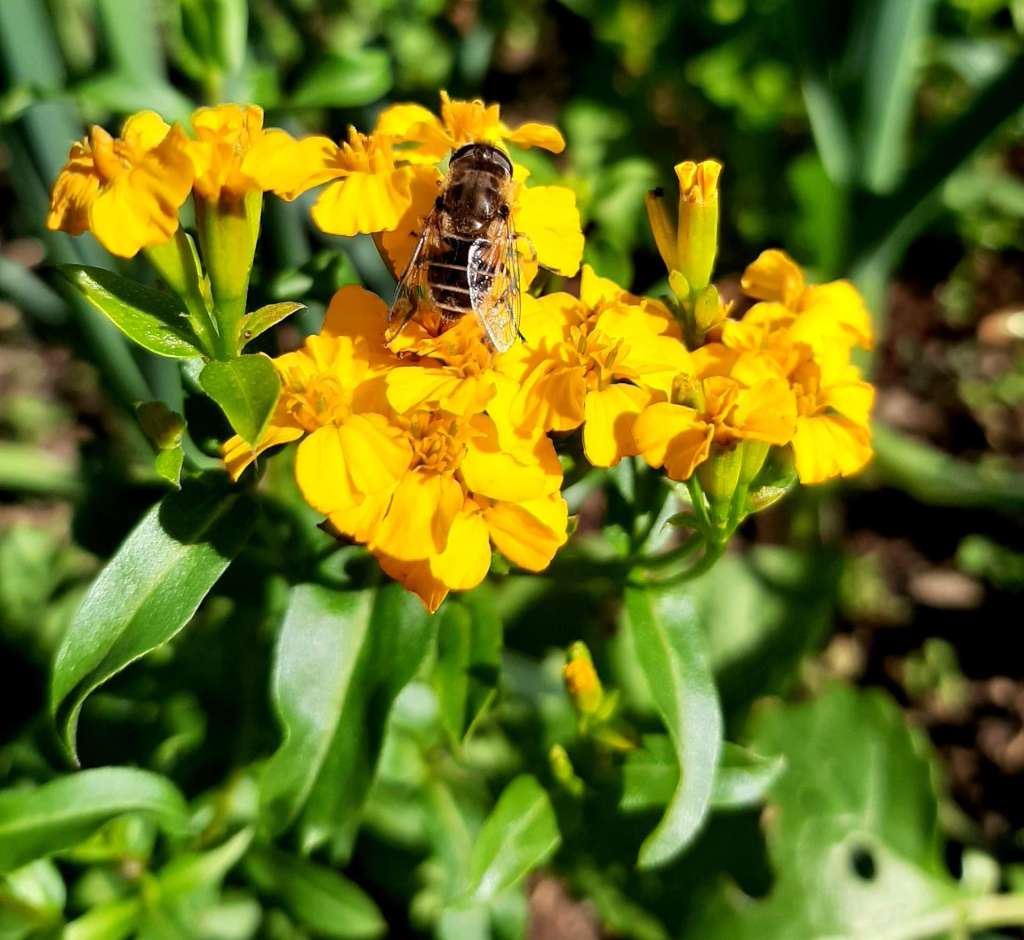

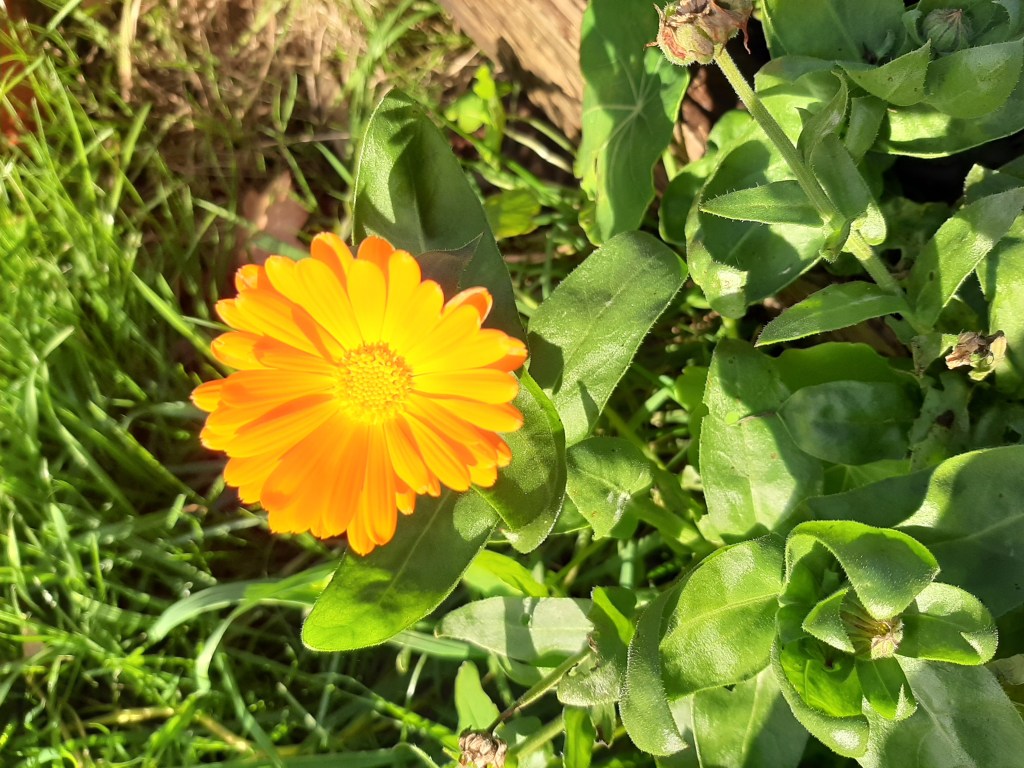
Last of the Calendula 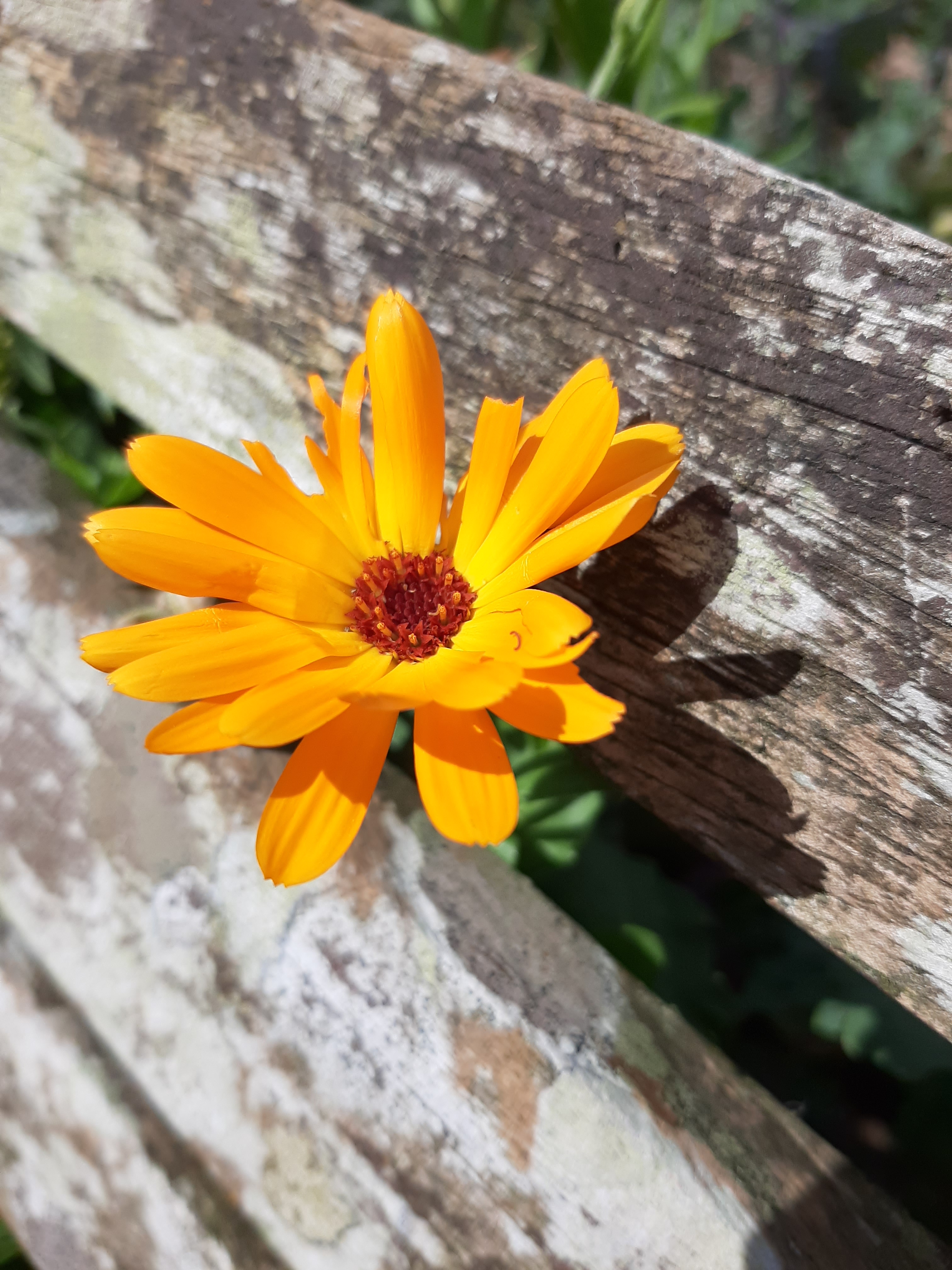

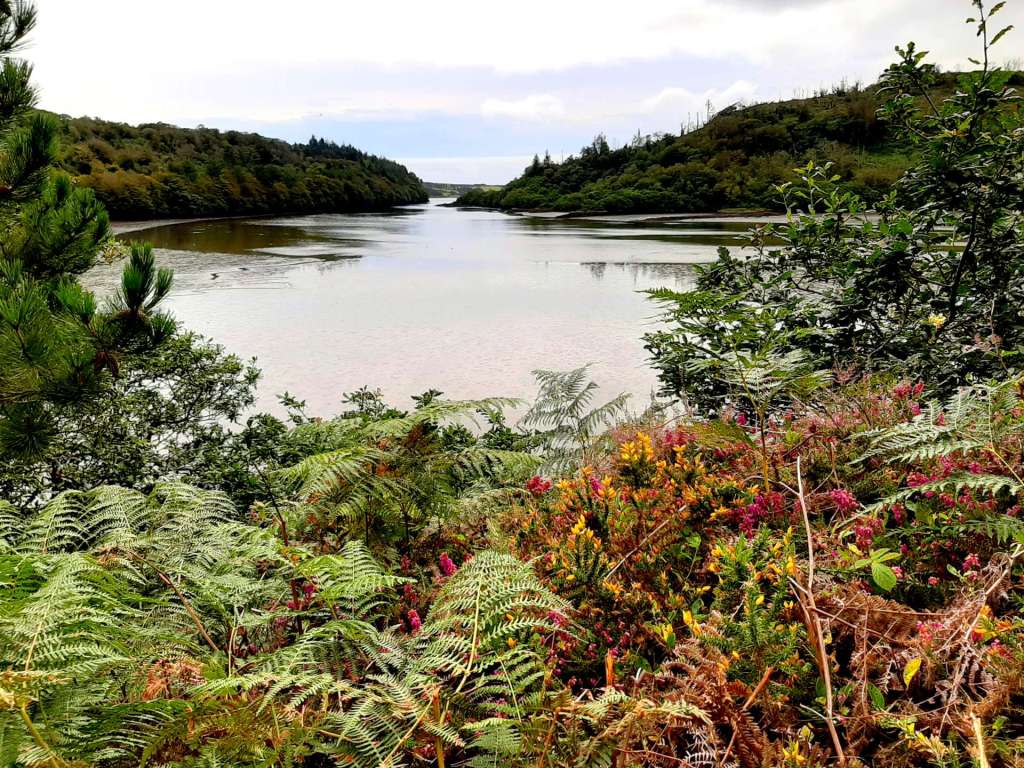
Bell and ling heather 
Rowan berries


Looking for signs of life whether in the past or in the now. This is what currently interests me in my photography. I’ve always been shy of taking photos of people, I have felt that it would be too intrusive, and because of my interest in nature I mostly take photos of plants, landscape or insects. This I enjoy. But recently it has come to my attention that I am always searching for signs of human habitation or activity, signs that the land has been worked, of structures having been used by humans; bridges, stone walls, gate posts, ruins, ancient pathways, old churches or houses or other structures. All these are interesting and give pleasure, not only from trying to find out more about them locally, from the internet or from books, but also from the sheer beauty of them.
My attention has been drawn by my friends and followers that you like to see this variety too in my blogs, and I find this very helpful and realise that by blogging and interaction with my other blogger friends I get to know myself better, and I define what I really want to record. I am grateful to everyone.
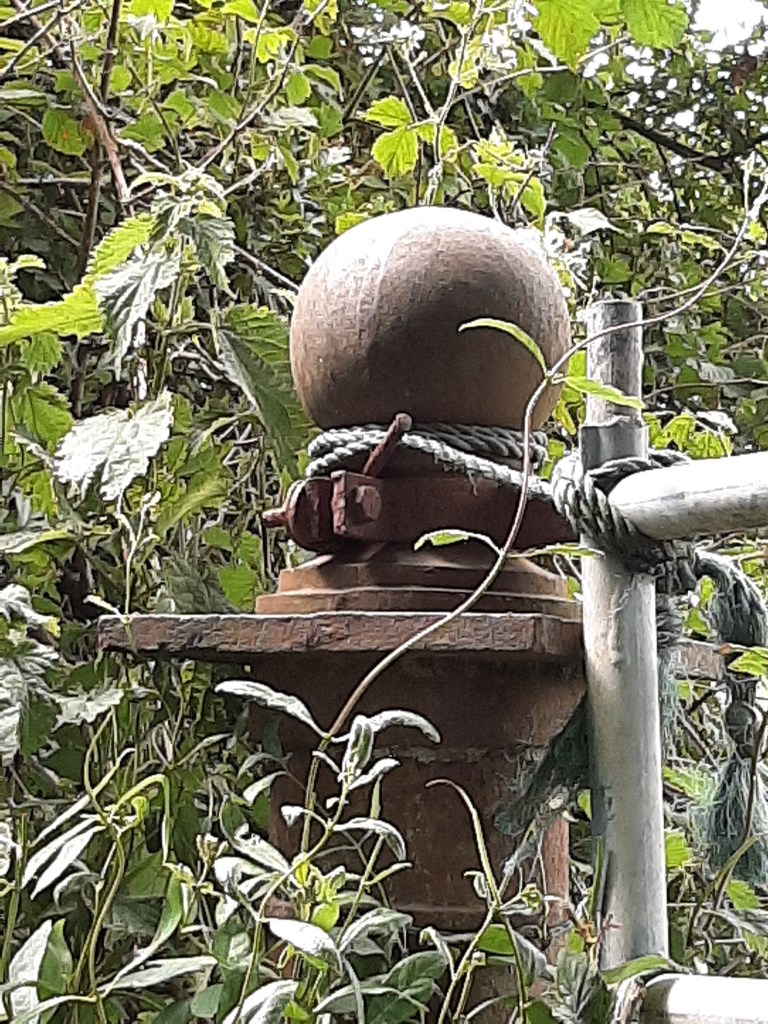
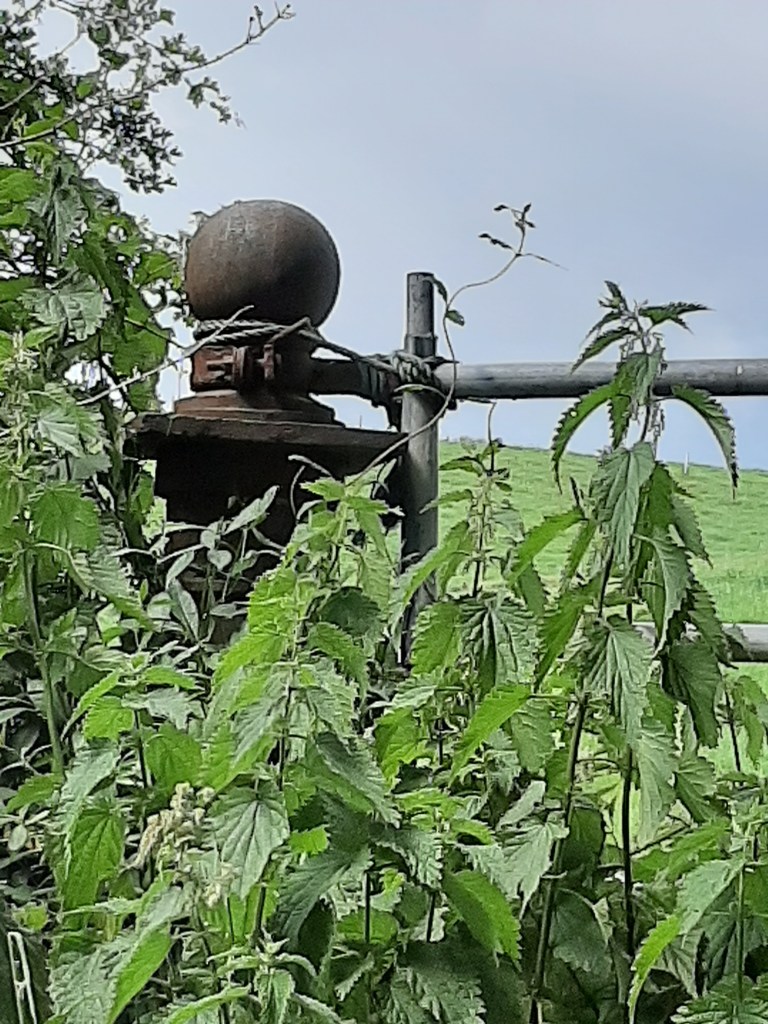
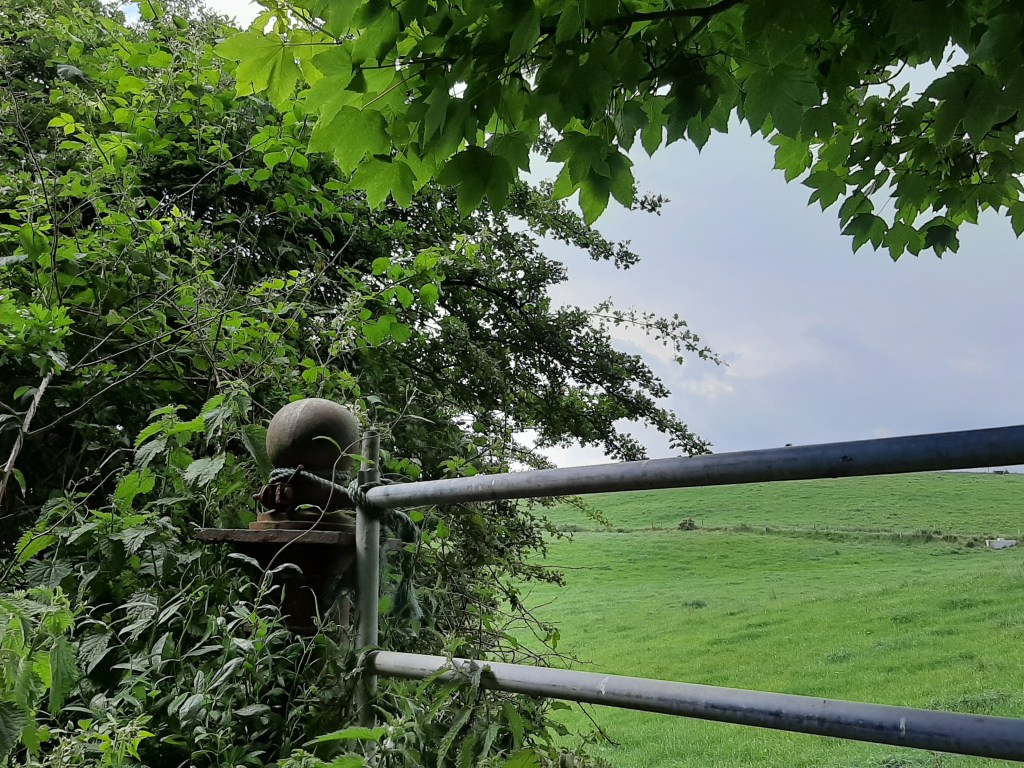
And so yes also on this walk last Saturday I did come across a broken old iron gate, rusty and fallen down, it has had its use in the past of that I am sure. And then I saw an iron gate post which is quite an unusual find around this area and I wonder how long it has been supporting this newish galvanised gate. Was this always a gatepost? Or did it start its life as something different on a farm in the area?
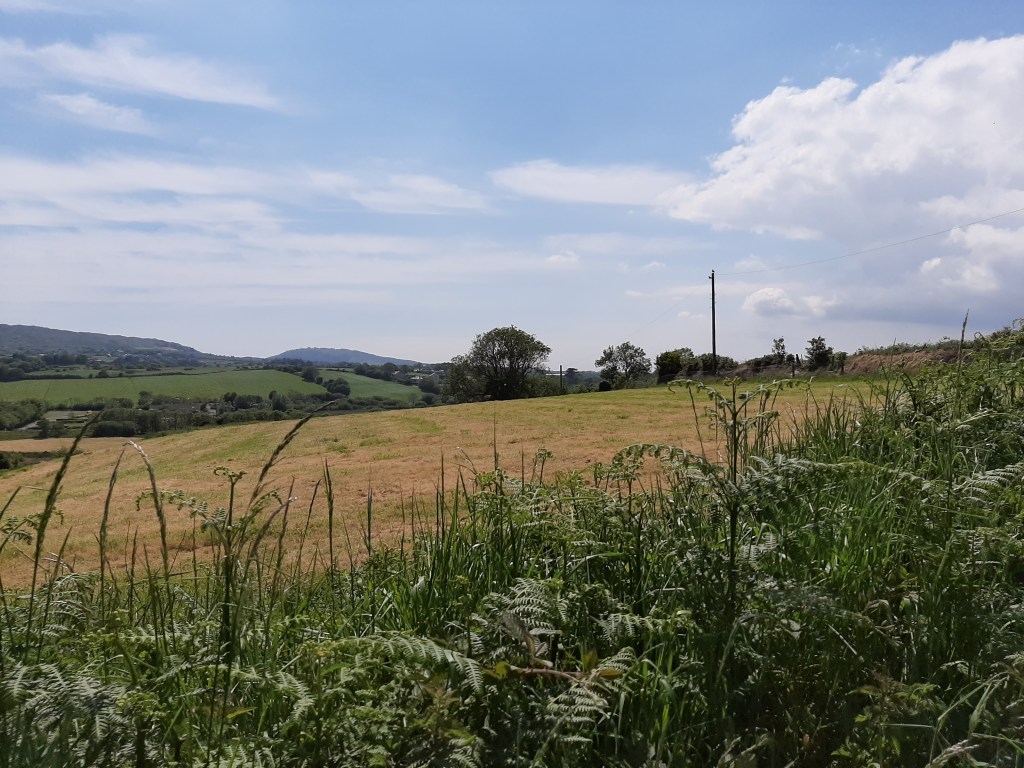
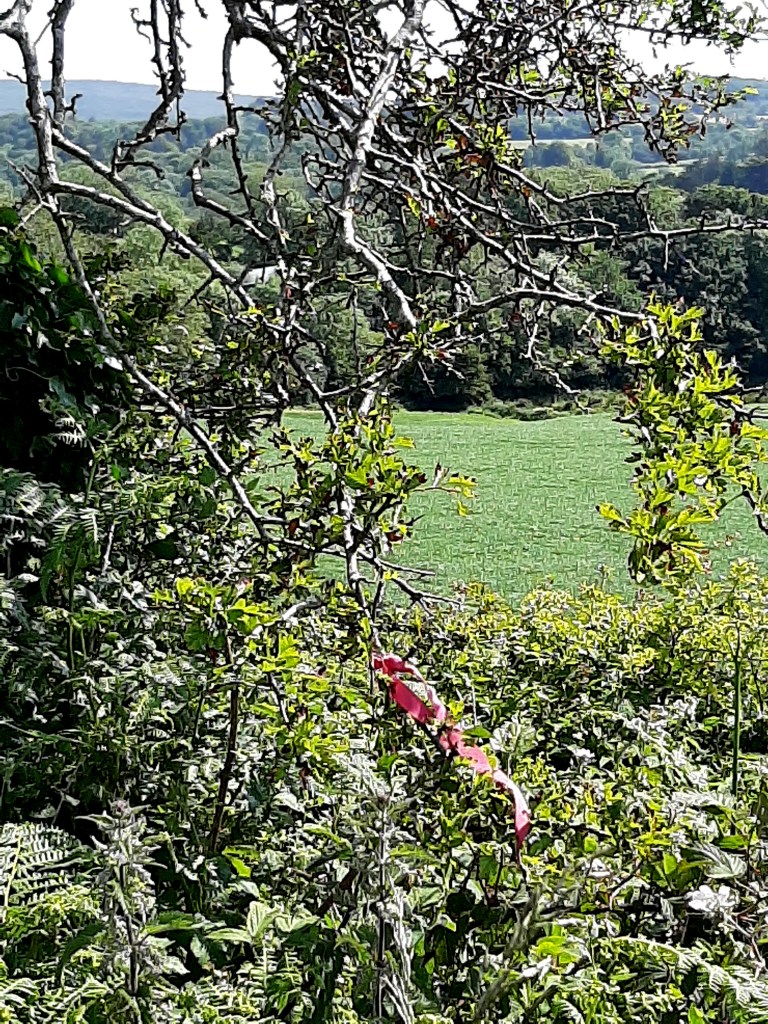
It is always lovely to see acres of crops, stretches of land that change colour according to the seasons and to what is grown on them, also fields or meadows sometimes with cattle. There is something so soothing and reassuring about a pastural landscape, I think that it goes very deep in a person, to see the land being used and crops being grown, it gives a deep feeling of safety and that all is still well with our earth despite all the environmental problems.


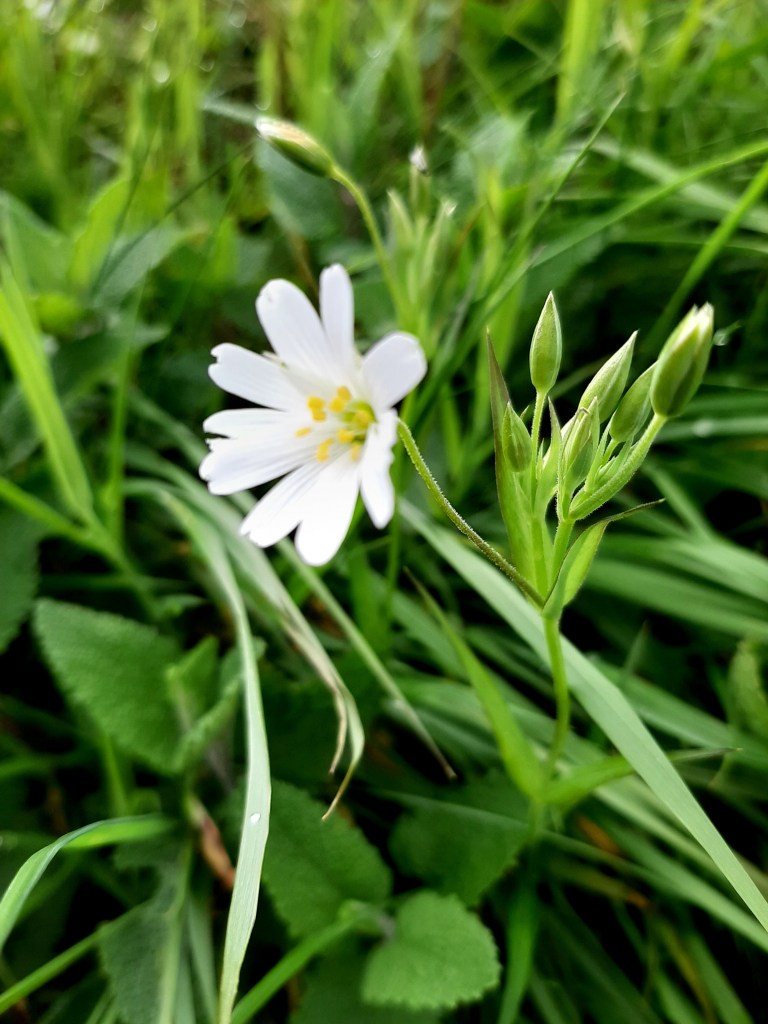
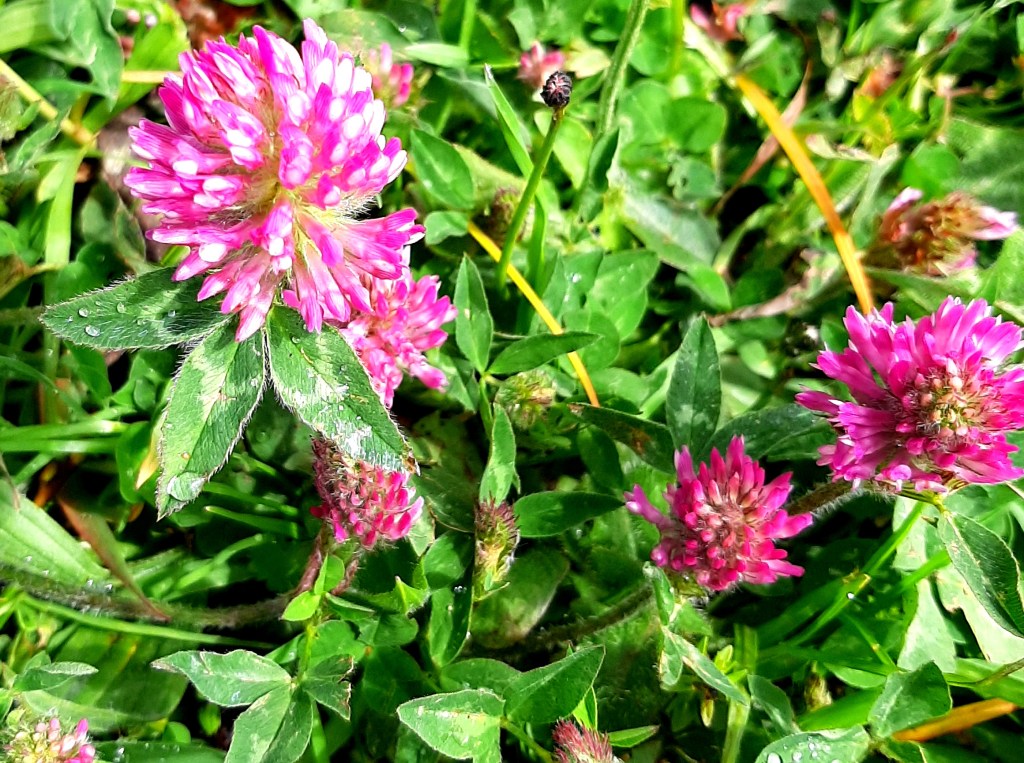
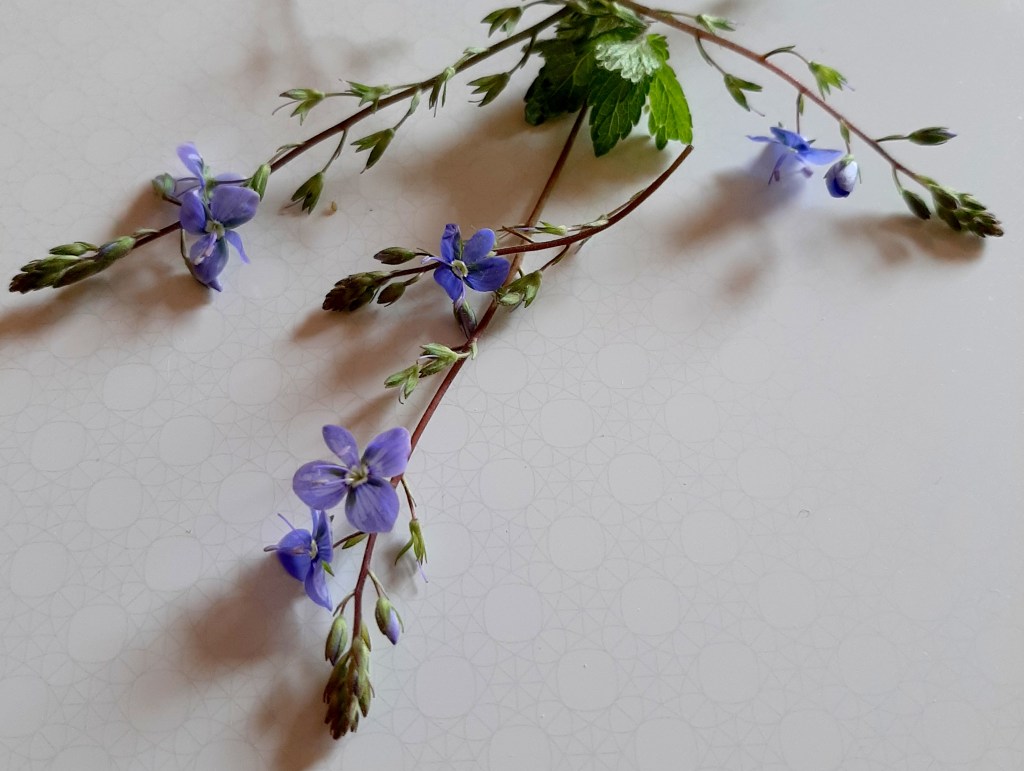
But here are also some of the wild flowers along my path, as always such a delight.
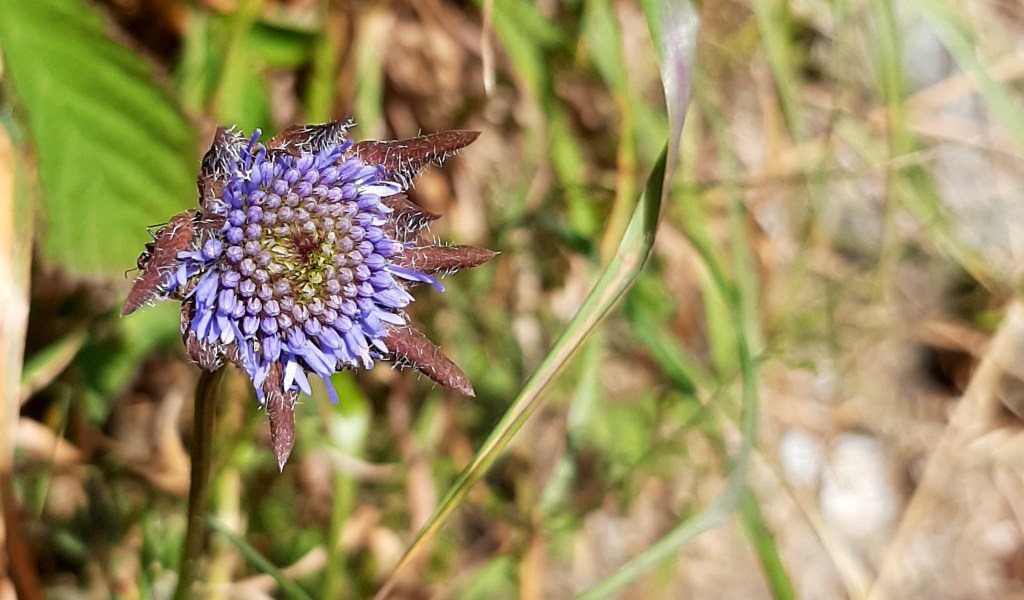
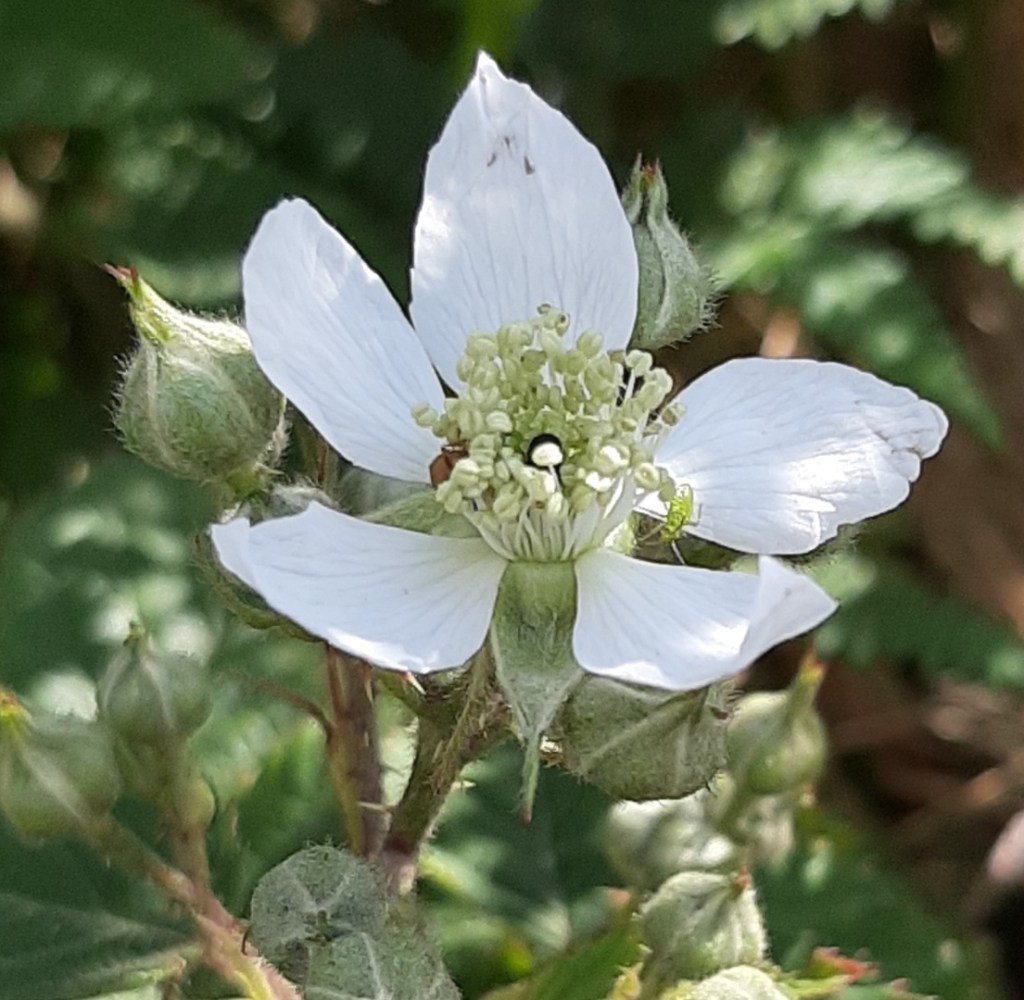

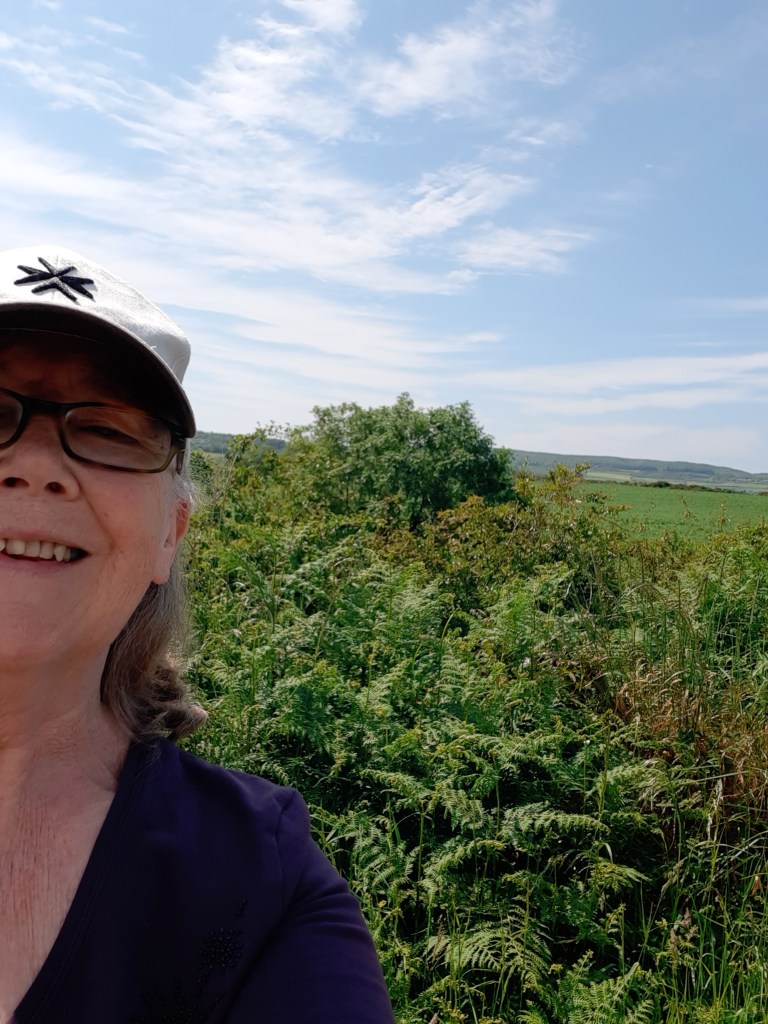


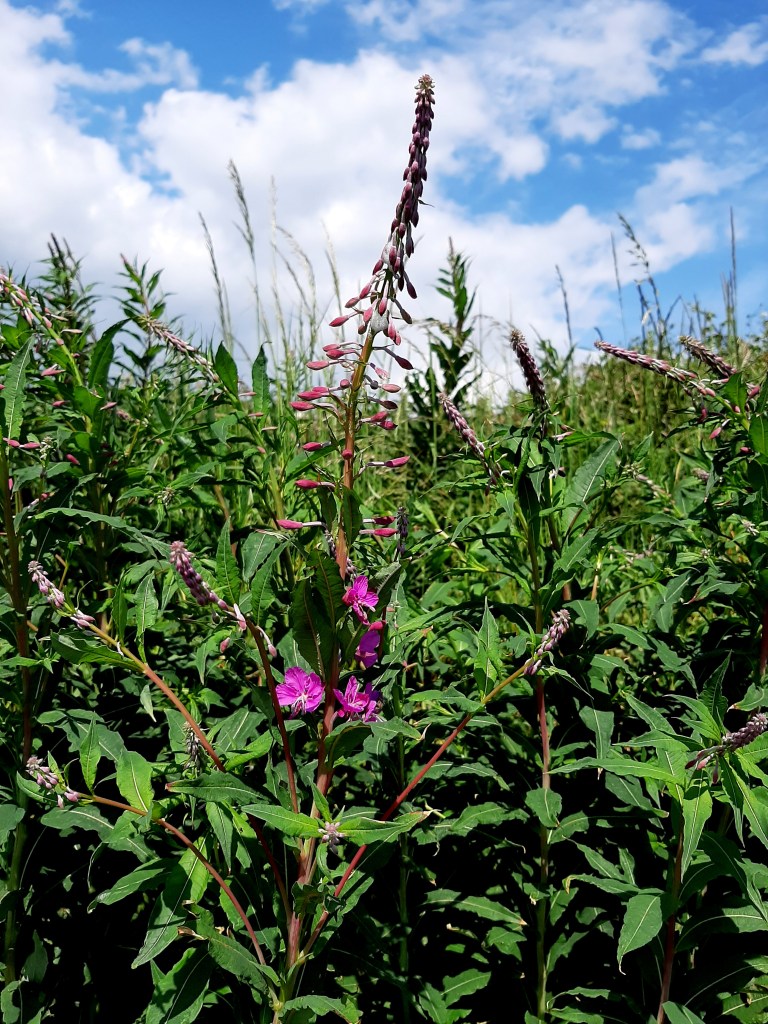


It has been another glorious day today after a real thunderstorm yesterday with a heavy rain shower, but it is this rain that makes the countryside in Ireland so green, lush and beautiful. We very seldom get thunder here usually only one clap and done, but this one took half an hour with brilliant skies and fantastic lightning and afterwards when the sky cleared and the rain stopped all was still, and then a blackbird started to sing!
Just now we returned from catching some fresh air and admiring the beauty of Loch Hyne some 10 minutes drive from here. There were many people, young and old swimming and more people chatting over cups of tea. The sun had come out and it was now actually warm. A most beautiful evening and a great ambience.
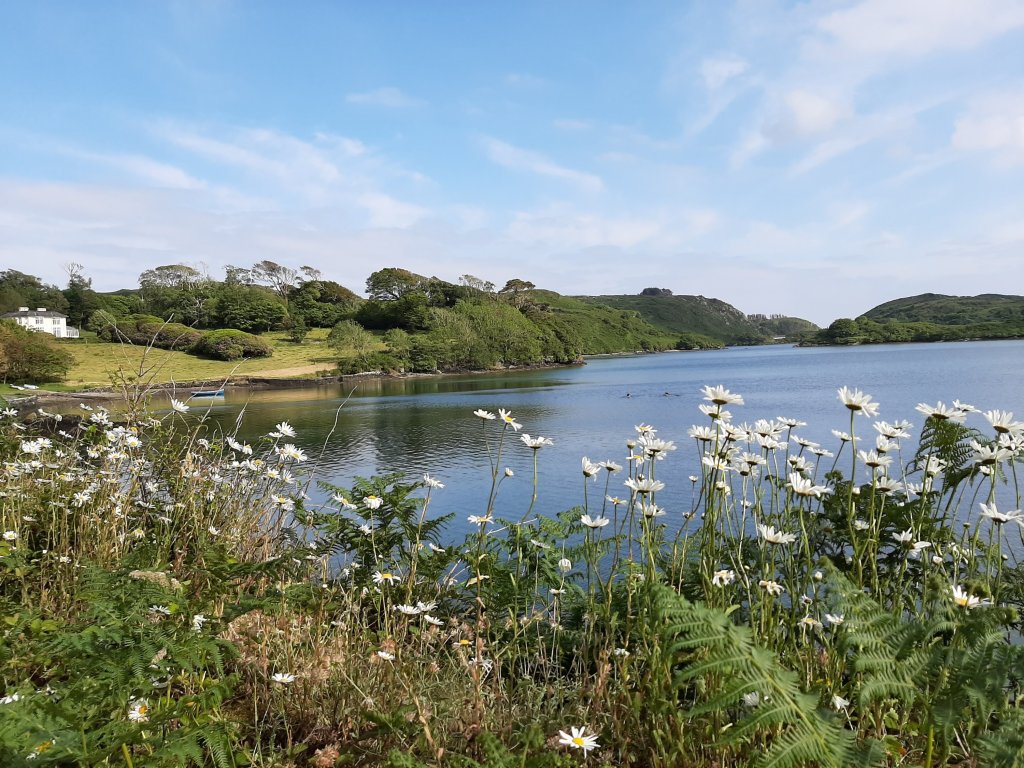
Tranquil and lovely


I noticed two new flowering plants that I want to identify. Ok I think that both these two photos are Sea Spurreys. The one on the right might be Greater Sea spurrey (Spergularia media) but I have a suspicion that it is actually Rock Spurrey but in order to confirm that I have to go back and check the underside of the sepals. This little flower has 10 stamens and the sepals are shorter than the petals. The photo on the left, I will also go and double check this little plant, it is a Spurrey but I am not sure which one, probably the same as the one on the right but not in as good a condition. So some homework for me to do.
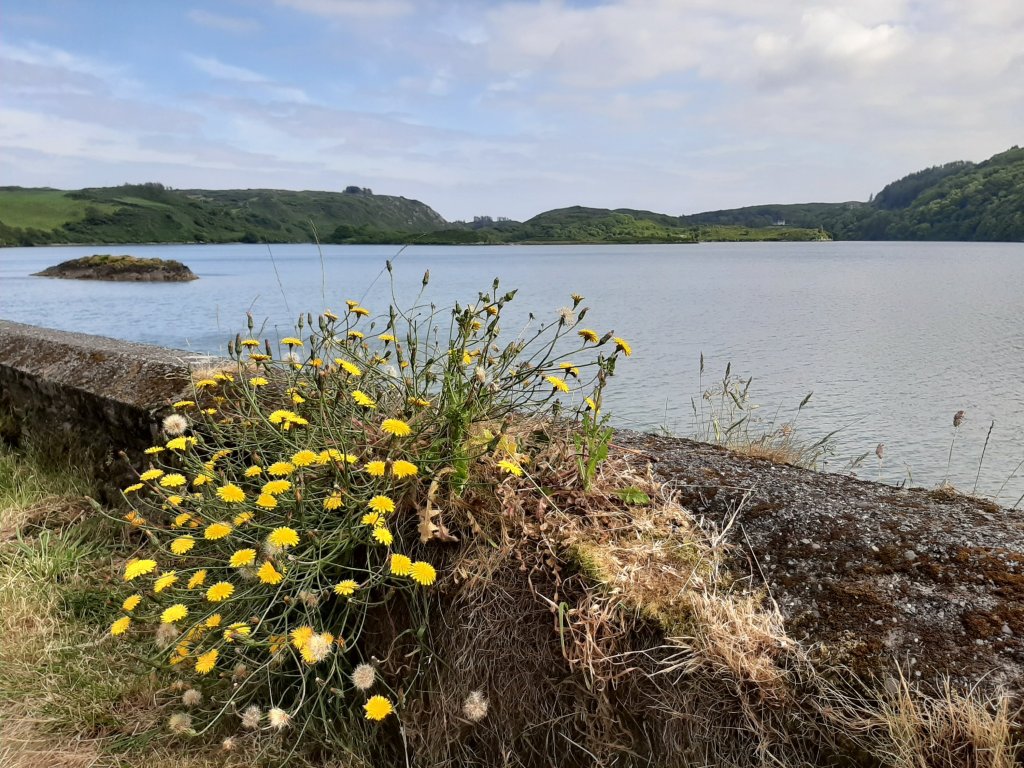
Cat’s-ear
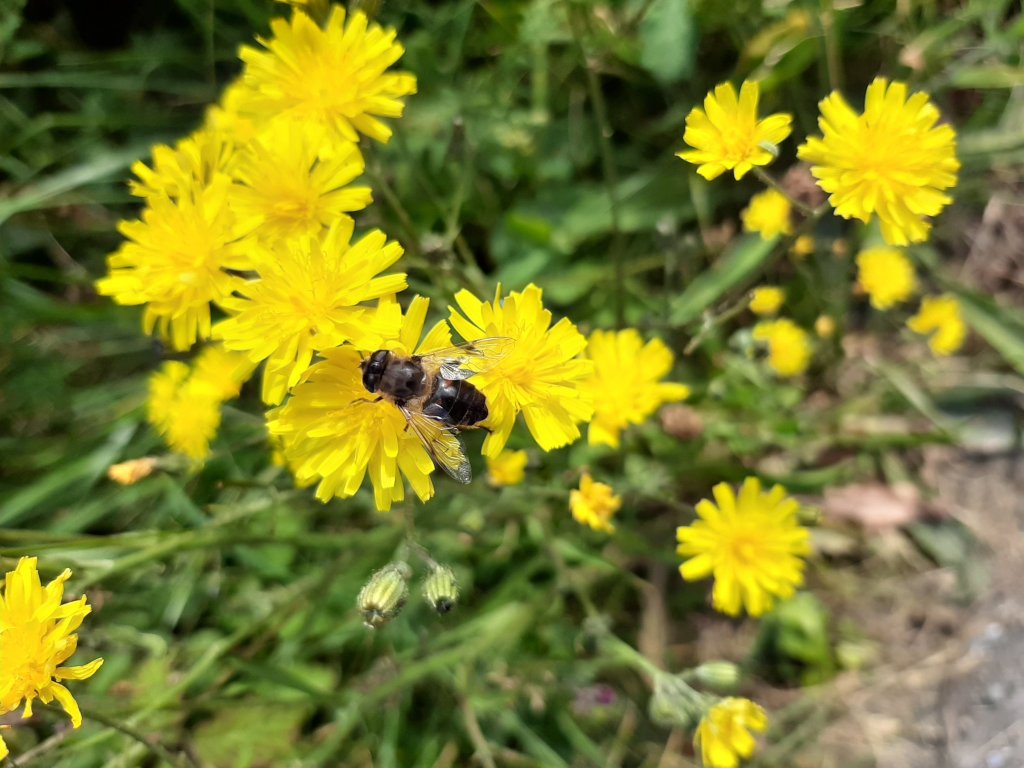
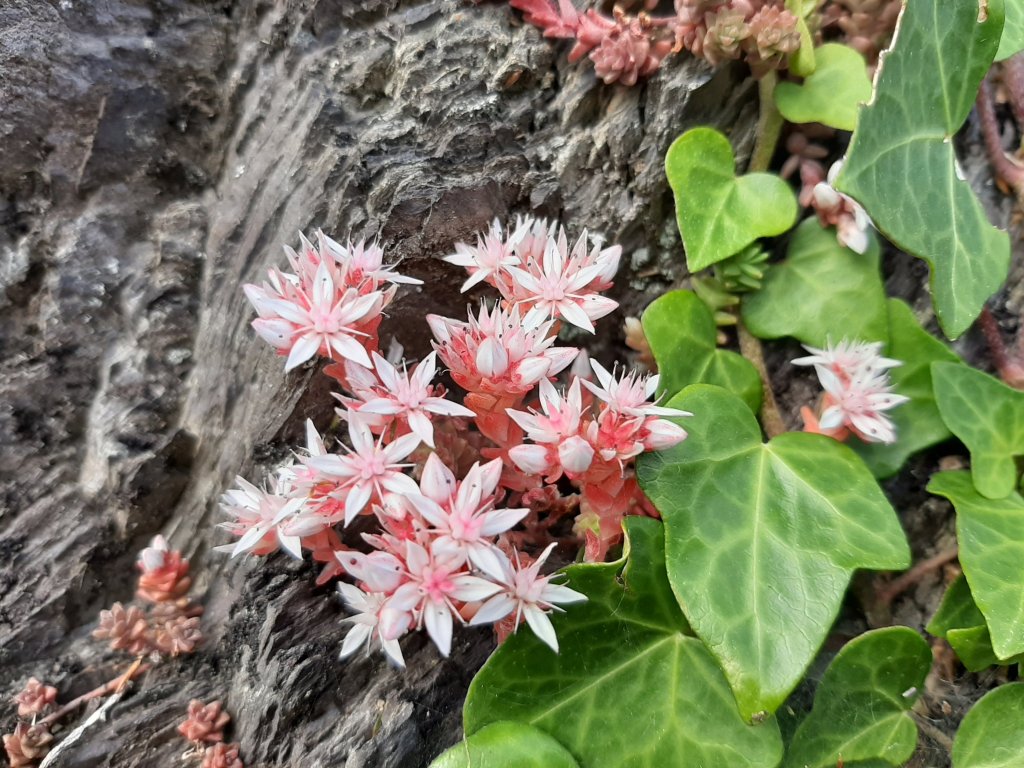
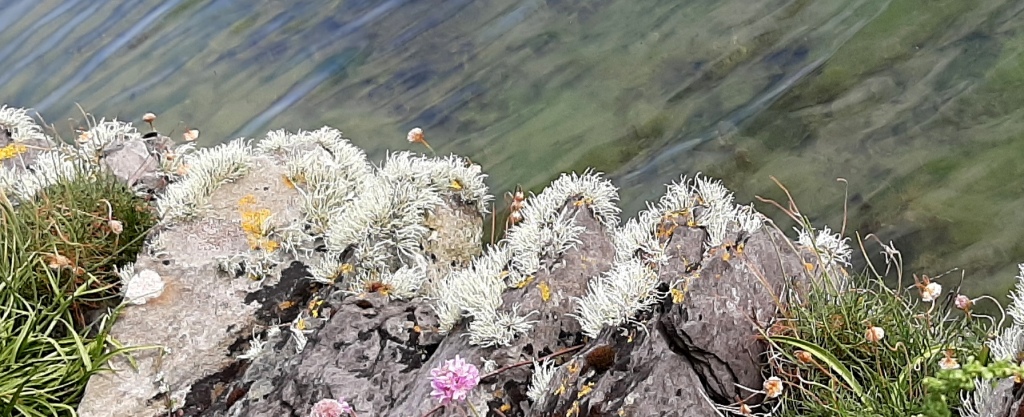

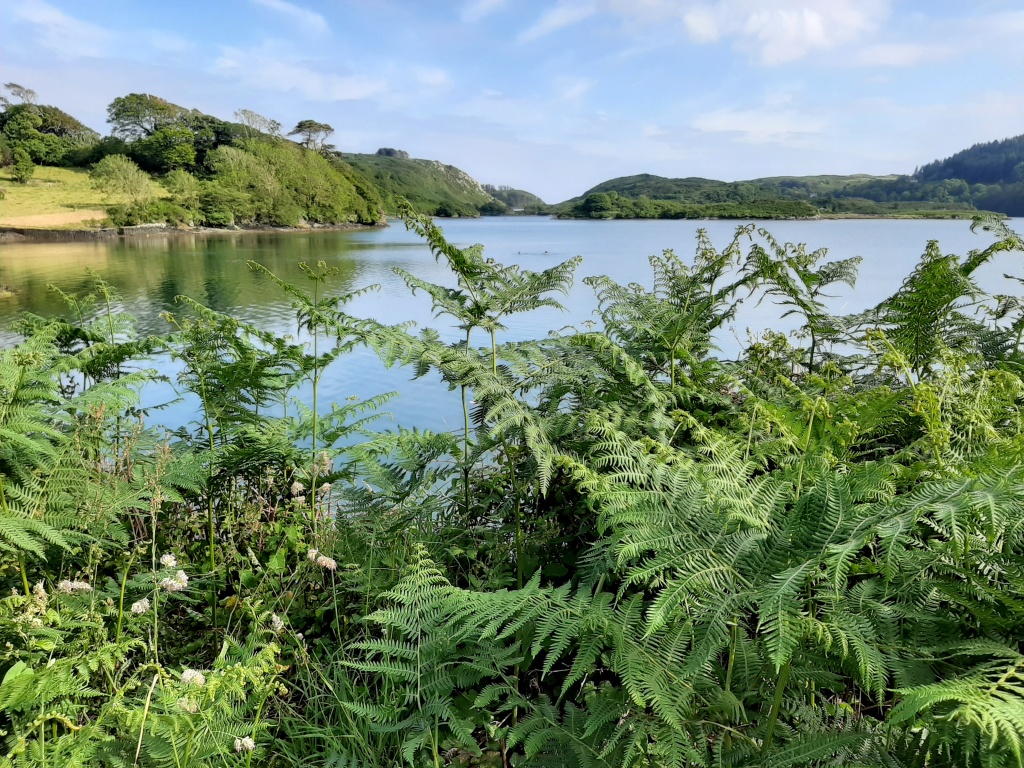
We both feel refreshed and ready to head into a peaceful night.
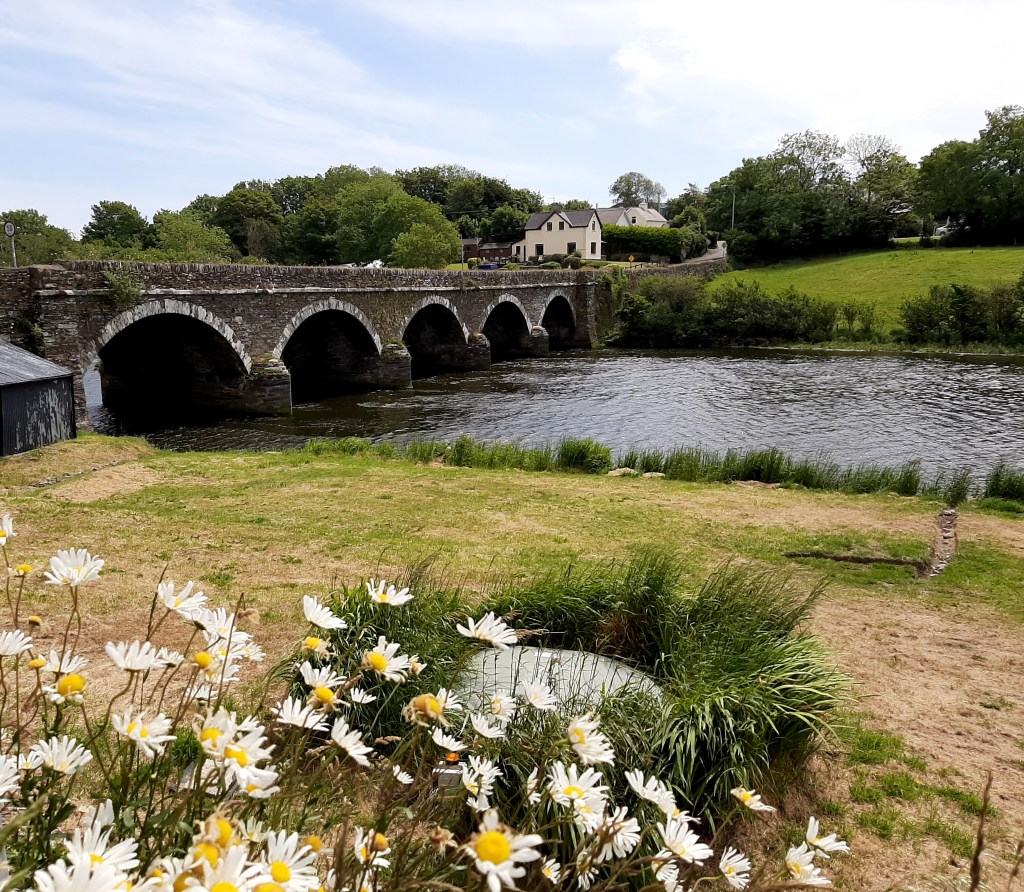
On a fine day like today I took a long walk along the river Ilen. After it has meandered through the town of Skibbereen it flows towards Old Court and this is where my hike took me. The Ilen river ‘An Aighlinnis’ in Gaelic, is beautiful. It flows from the Mullaghmesha mountain in the area between Drimoleague and Dunmanway. Skibbereen is the largest settlement along its way to the sea at Baltimore. Here, just outside the town and downstream a lot of young and sportive folks enjoy canoeing, and upstream it is salmon and trout fishing that attracts people to its waters. I have always personally liked the Ilen river because often when I pass it the surface would be like a mirror, reflecting the trees and houses, and that is so lovely. I think that this river makes Skibbereen and surrounding area what it is. A very scenic place.
On my walk today I crossed the ‘New’ Bridge, in my eye a beautiful bridge and I am glad to say that I found out some information about the design of this bridge. I love old bridges.
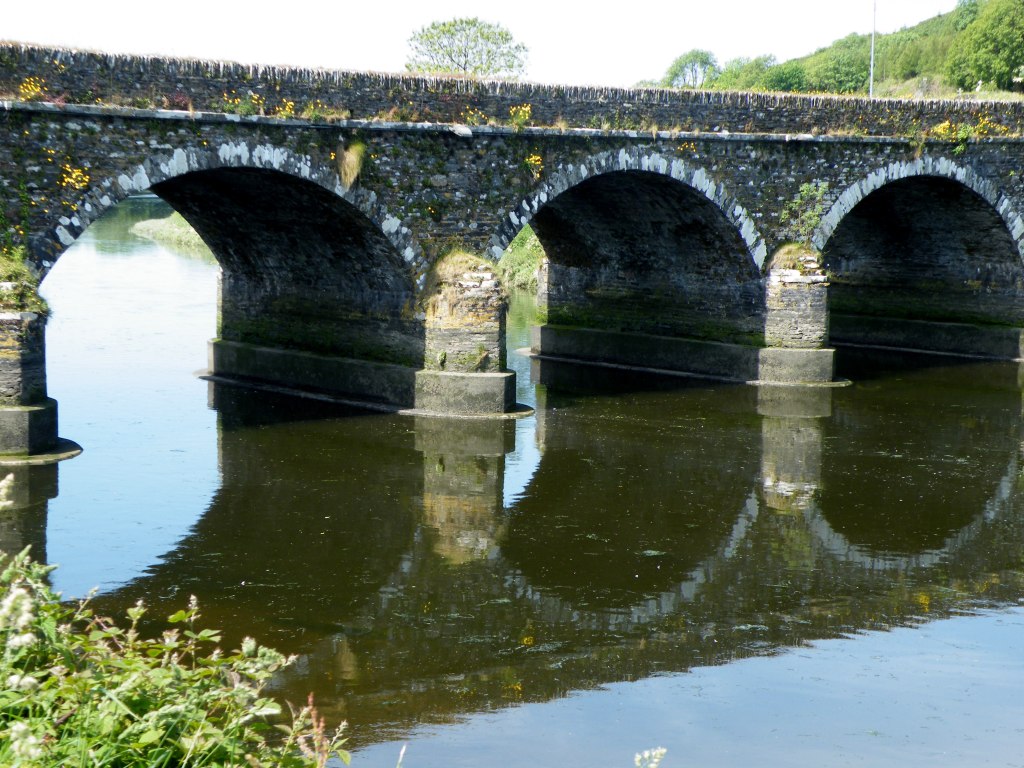
‘New’ bridge has got beautiful arches, this bridge has been constructed with segmental arches. This arch type is made from a segment of a circle, allowing for a flatter arch, which in turn allowed for flatter carriageways, and to reduce the hump-back profile. This hump-back profile was the result of an earlier design of a masonry bridge where the arch was constructed in a semi-circular form. These bridges are still very common in County Cork. The segmental style, however, became a common feature of 19th century bridges and ‘New’ Bridge in Skibbereen is a fine example of such a style. The bridge is constructed of limestone and sandstone which is the rock most commonly found in the area.
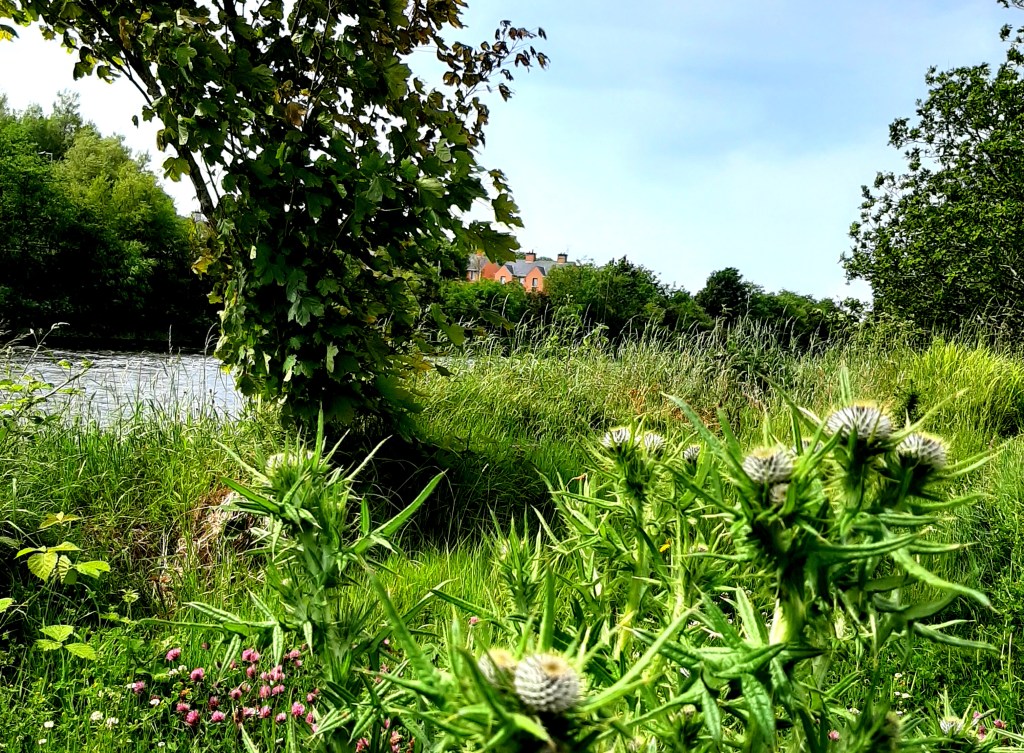


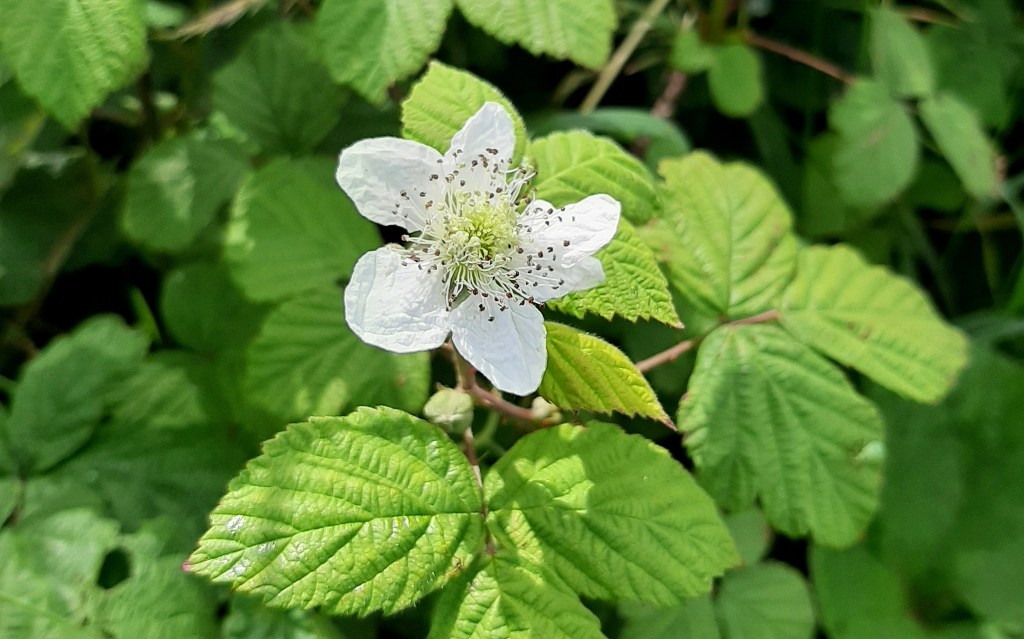

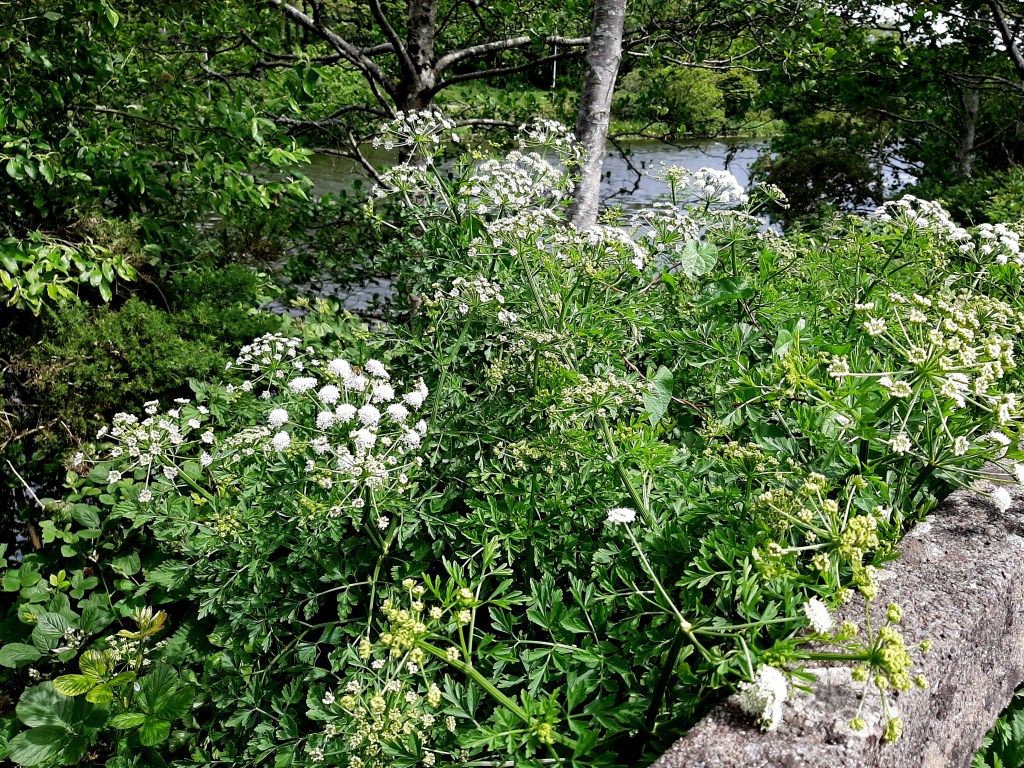


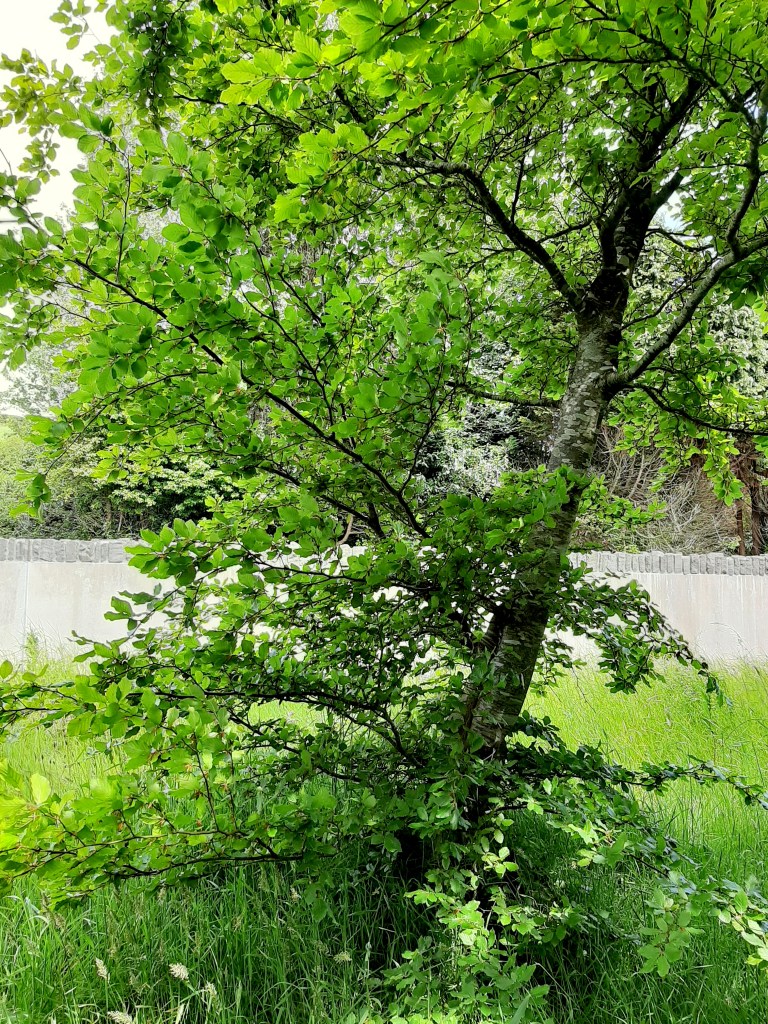


This walk took me one hour and was most pleasant and, at the moment, at least it was very quiet. The sun was blazing and the wind played in my hair and was very refreshing. What a treat after all the gardening work which was rather intense during the past week. I decided that I will keep Sundays for walking, although around here it is better not to stick to a certain day as you never know what the weather will bring.


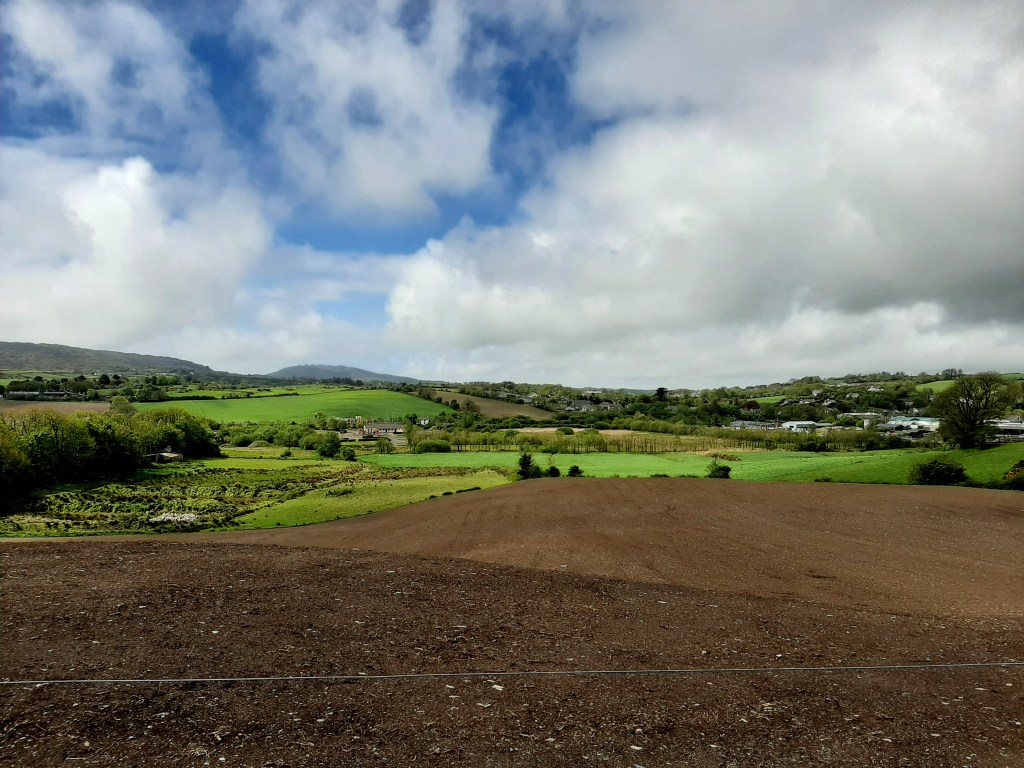






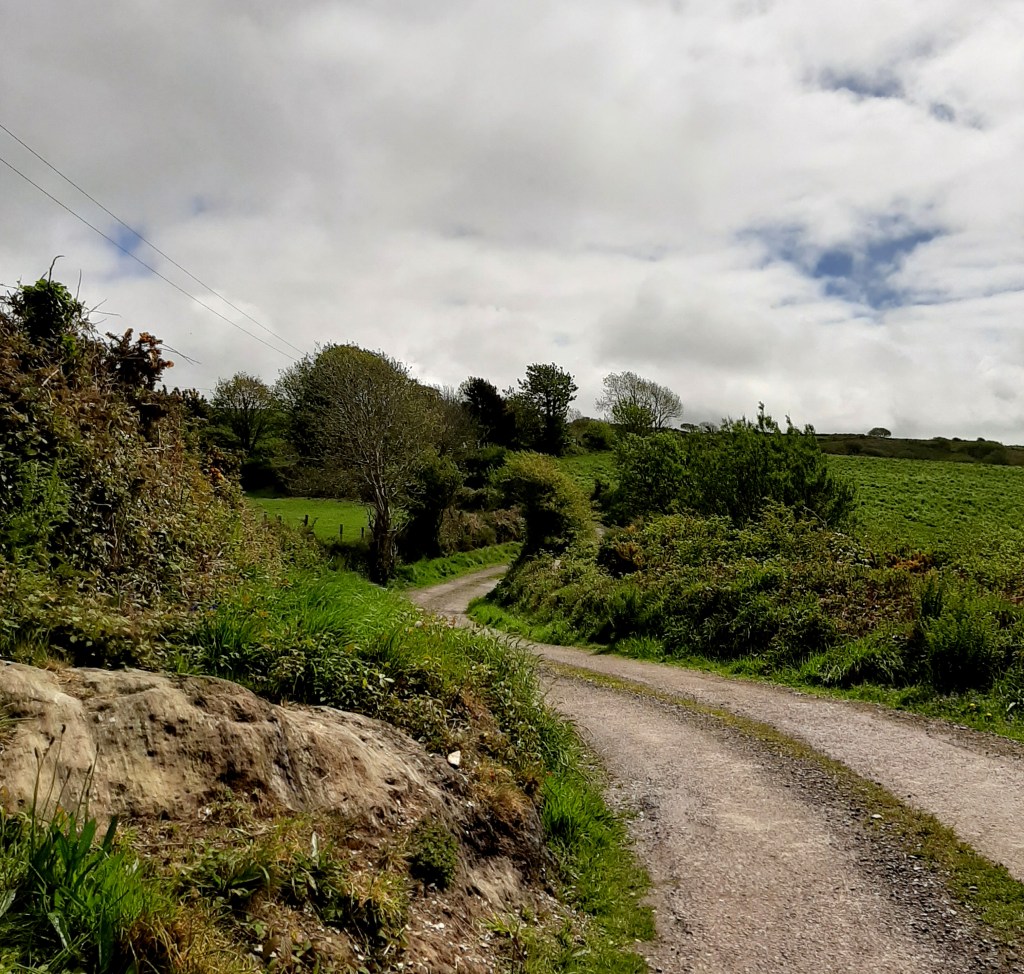


On this fine Saturday afternoon, two of my grandchildren and I decided to go for a walk on a land that leads towards the townland of Milland and to Russagh Mill Hostel. It was a fine distance and totally in pastural land. Ruben had come with his binoculars and his notebook, he wanted to draw some pictures of what he would see and find. Alice wanted to take photos of anything that would please her eyes; leaves, trees, plants and ourselves. I merely wanted the walk in nature and to see plenty of green countryside. (and take phots of course). We were not disappointed and between climbing some roadside trees and rocks and walk at leisure we had a wonderful time. I did not climb the trees though.



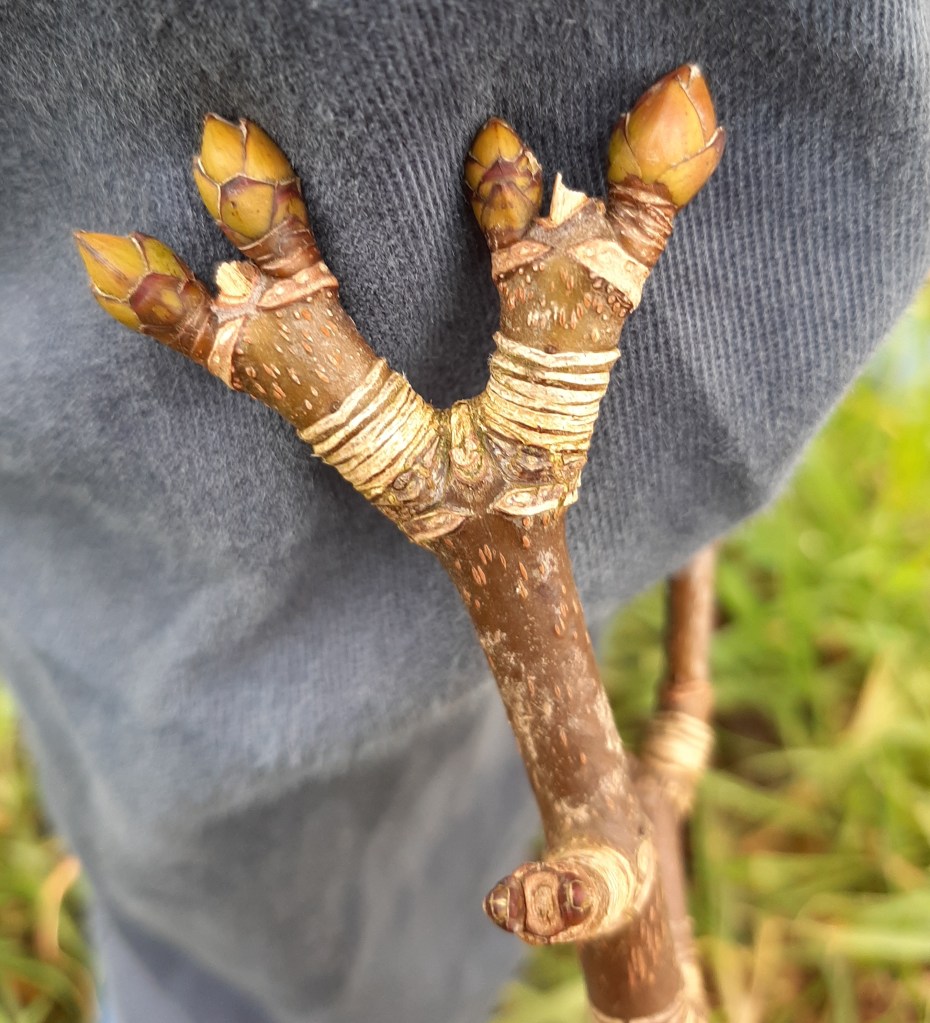



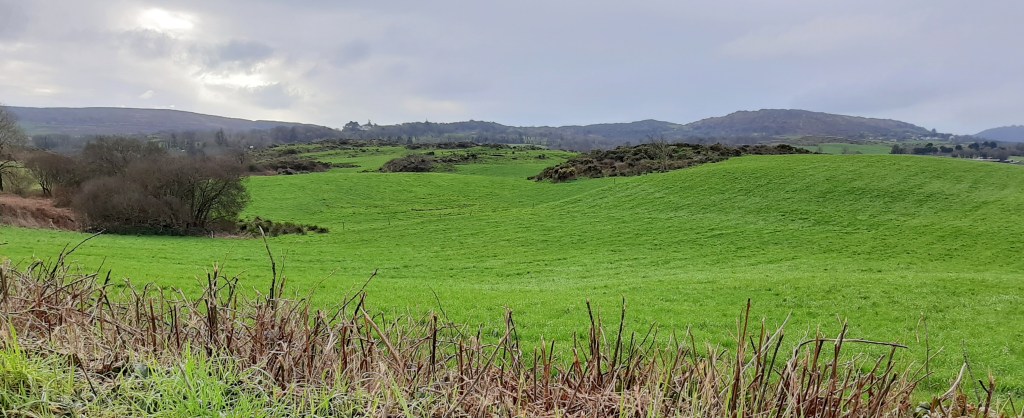


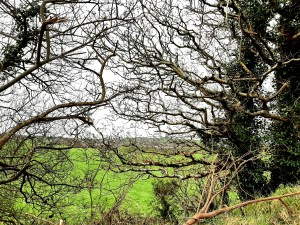
I was delighted when Ruben got out his copybook and pencil and started to draw what he saw, though I had to watch him as he plonked himself into the middle of the laneway at first and there might be the odd car passing. He was totally oblivious to all that, just wanted to do his thing. He is such a delightful boy.
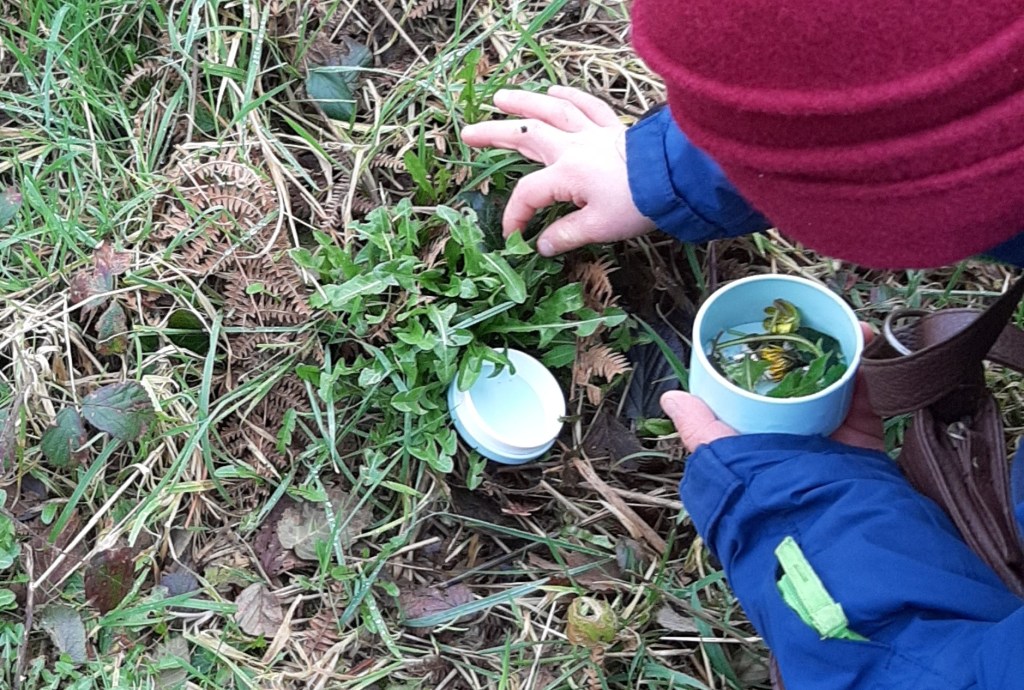
Our walk took us over two hours and was well worth it. Towards the end Alice picked some dandelion leaves which she wanted to give to our two new canary birds. We came home and made a big pot of spaghetti Bolognese which was soon emptied by my now hungry grandkids.
What better to do on a January Saturday 🙂 we loved every minute.
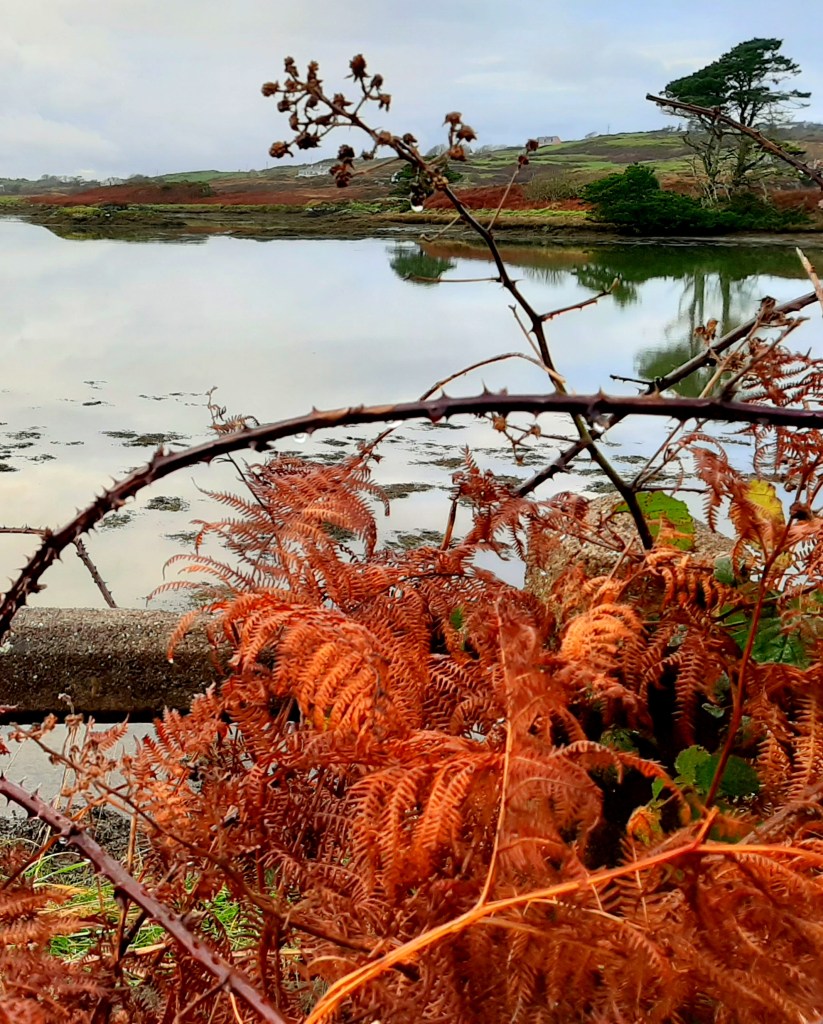
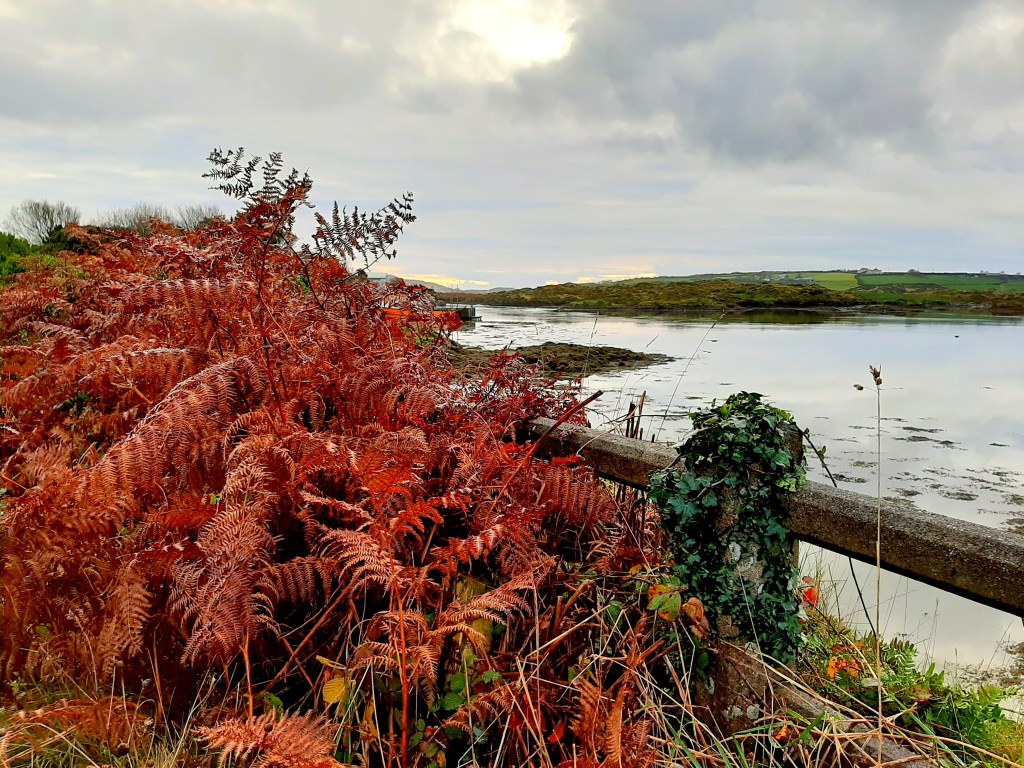
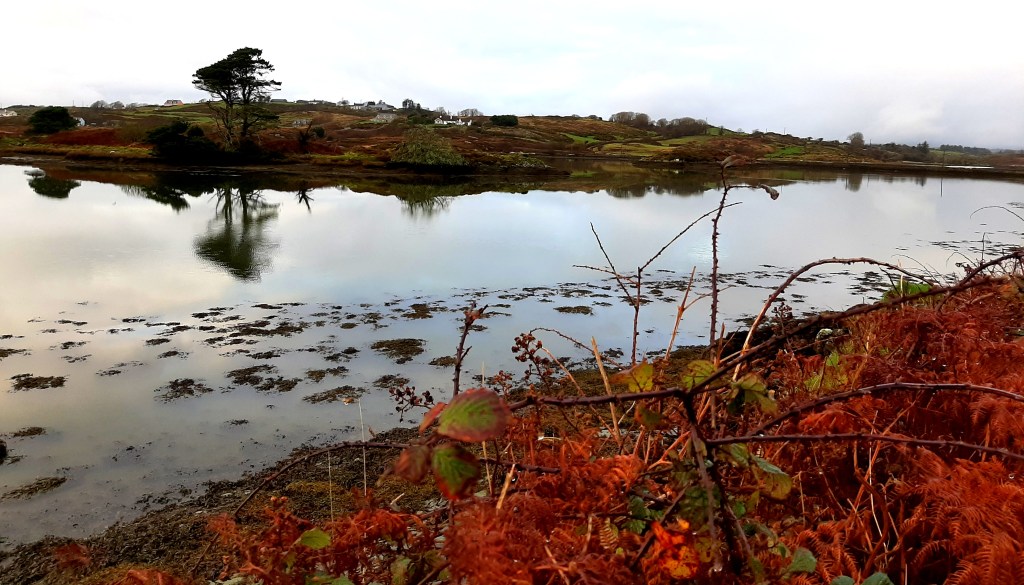


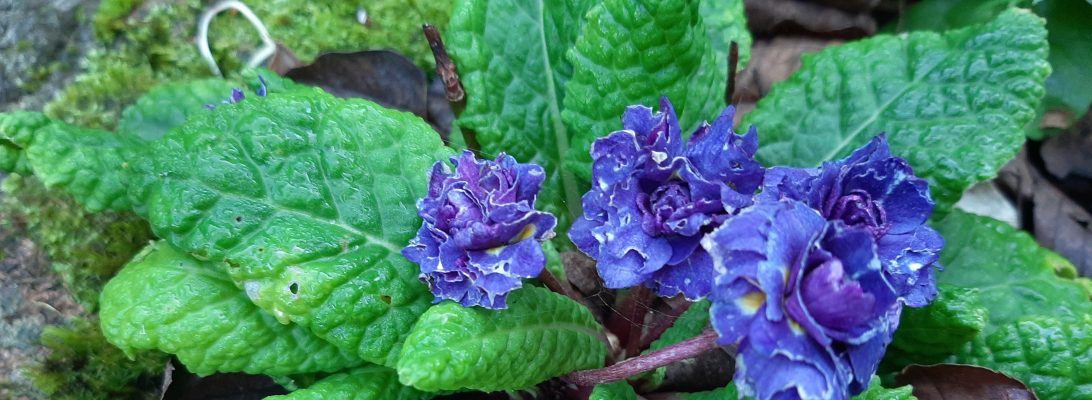

So right, we live in S.W. Ireland, and that means that we experience a micro climate due to the gulfstream passing by these shores, and normally we do have a mild winter, it seldom snows or freezes here, though we do get some light frost during or after January.
Even though it is quite cold just now, and the mountains in the distance have their tops covered in snow, in the garden the plant growth reminds me more of early spring. The temperature of the soil seems normal enough, it was 6 degrees Celsius the other day, and at night the outside temperature is between 6 and 8 degrees Celsius. And even today the cold wind made it feel very chilly. But yet something seems out of kilter, and I cannot actually put my finger on it clearly. Questions like; Is the planet really warming up? Is the climate changing? beg for answers everyday and all around us now. Here are some of my own observations.
And taking stock of the garden the other day here is what I found.




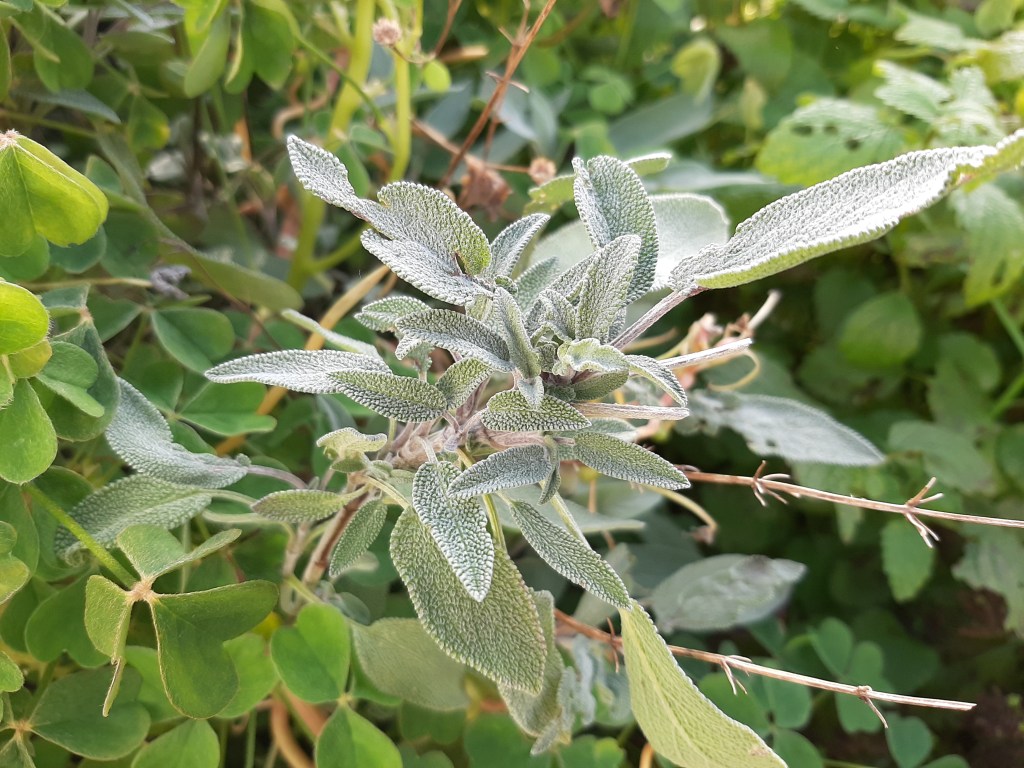


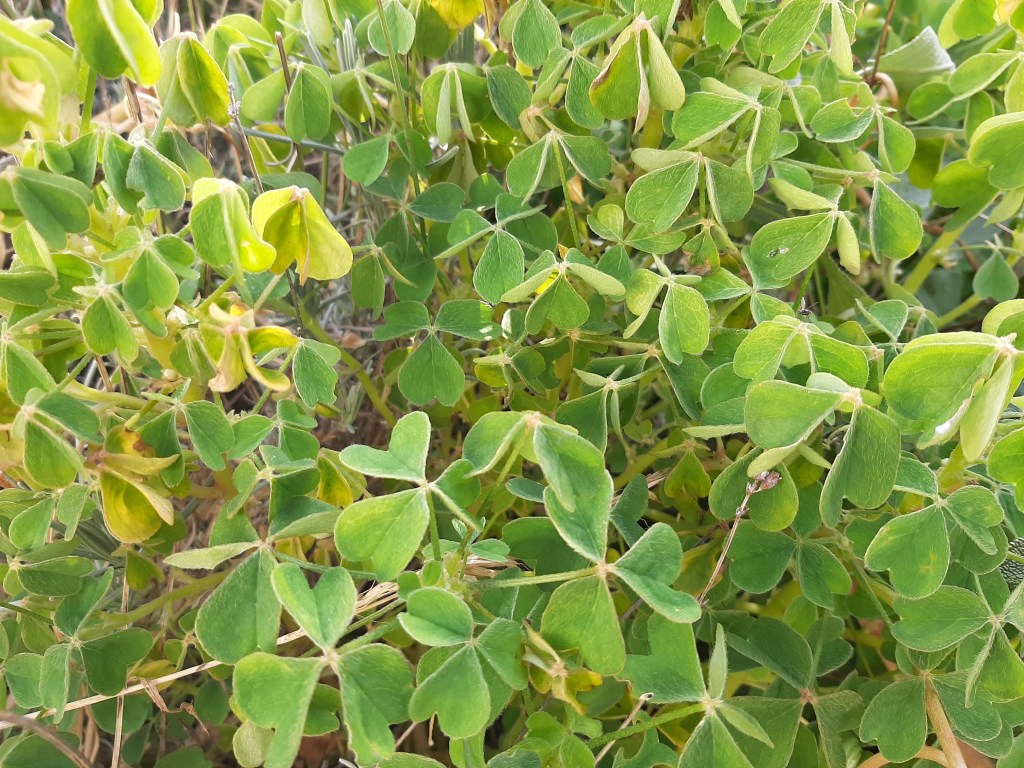
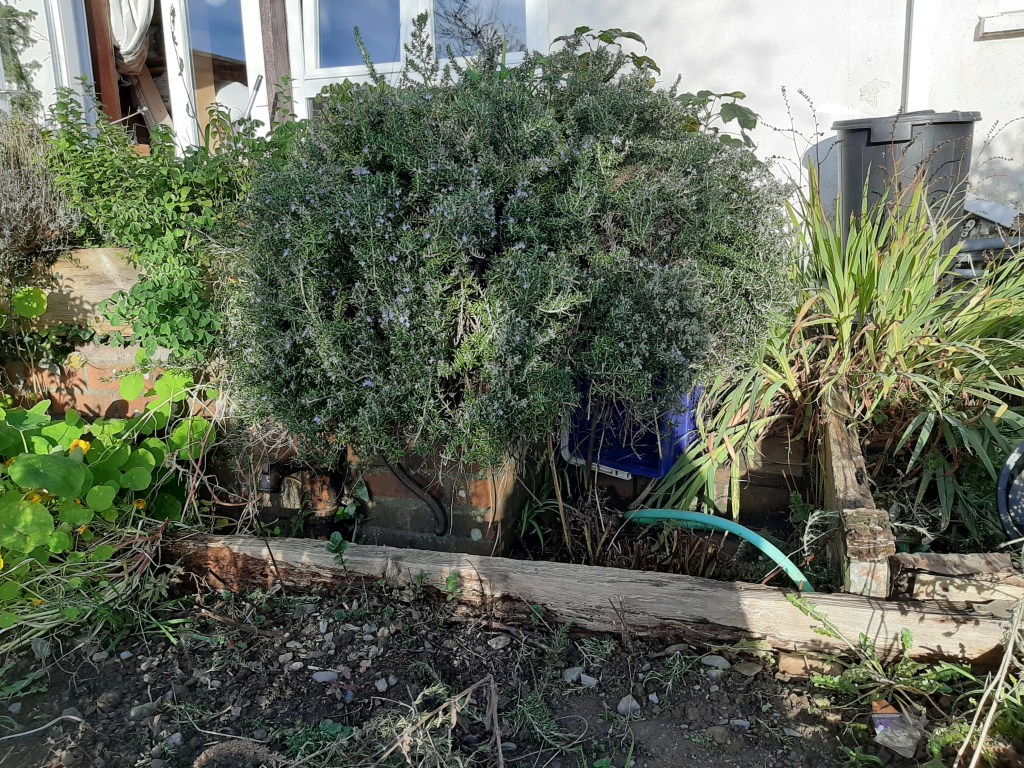


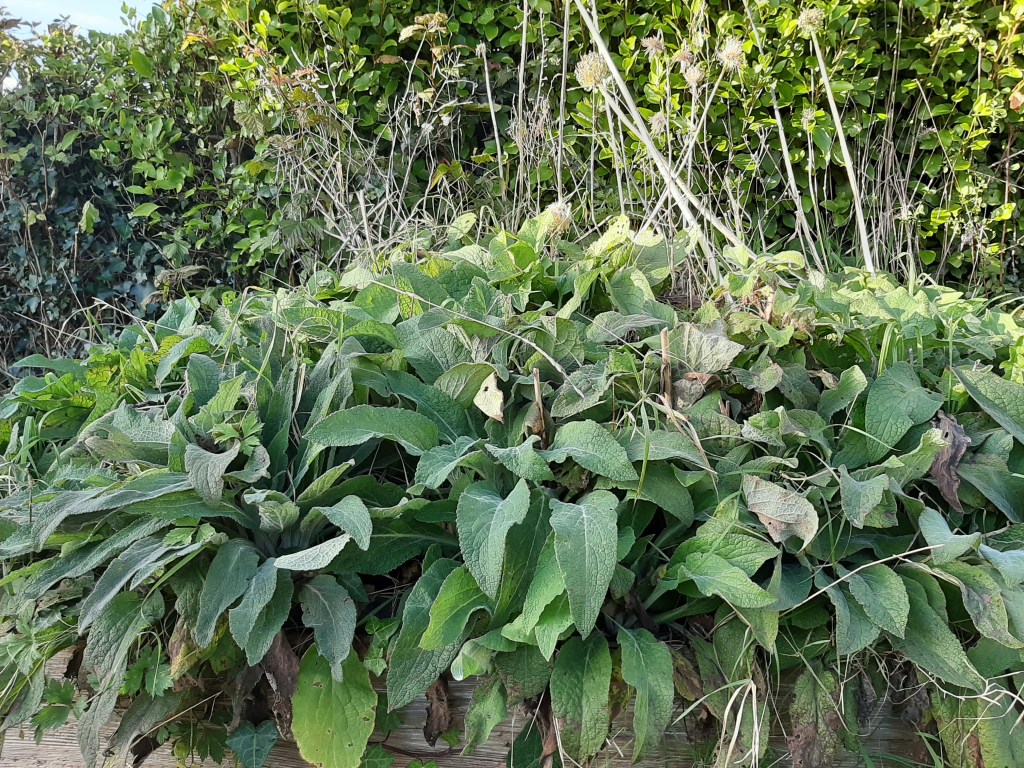
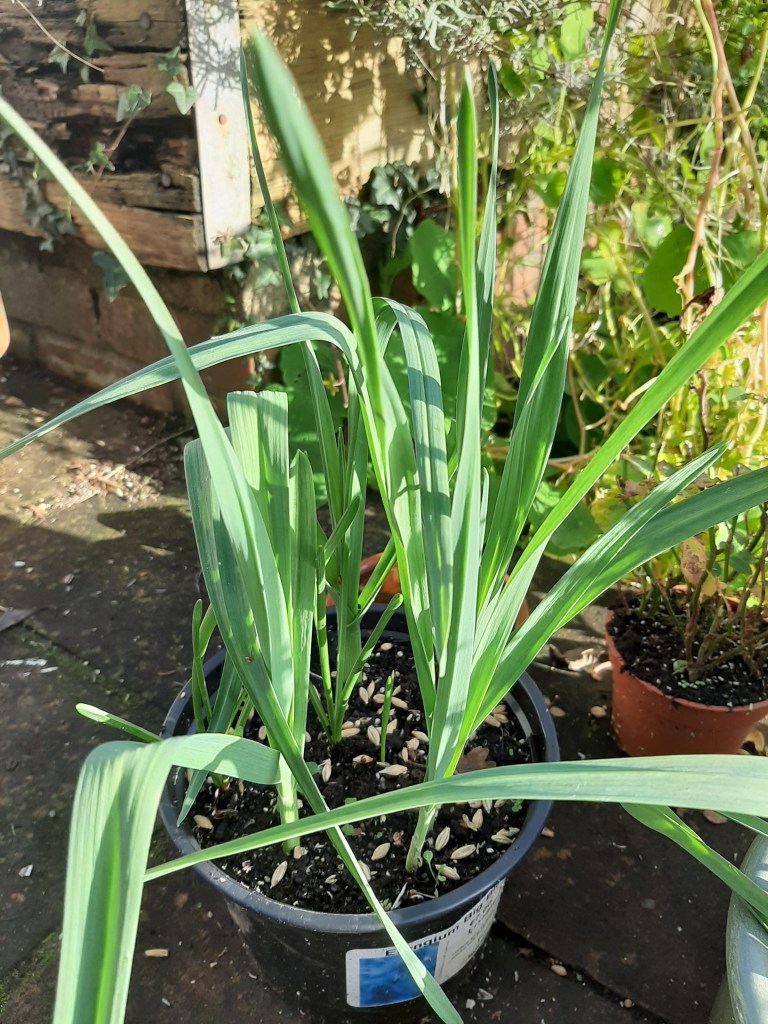


PS actually Oca is only harvested after the first night frost, they are a reddish sweetish little potato-like vegetable. I have found them relatively easy to grow but hard to peel or clean before eating. They are a nice plant though. Check this website if you are interested in them. https://www.thejournal.ie/readme/how-do-you-grow-oca-3113951-Dec2016/
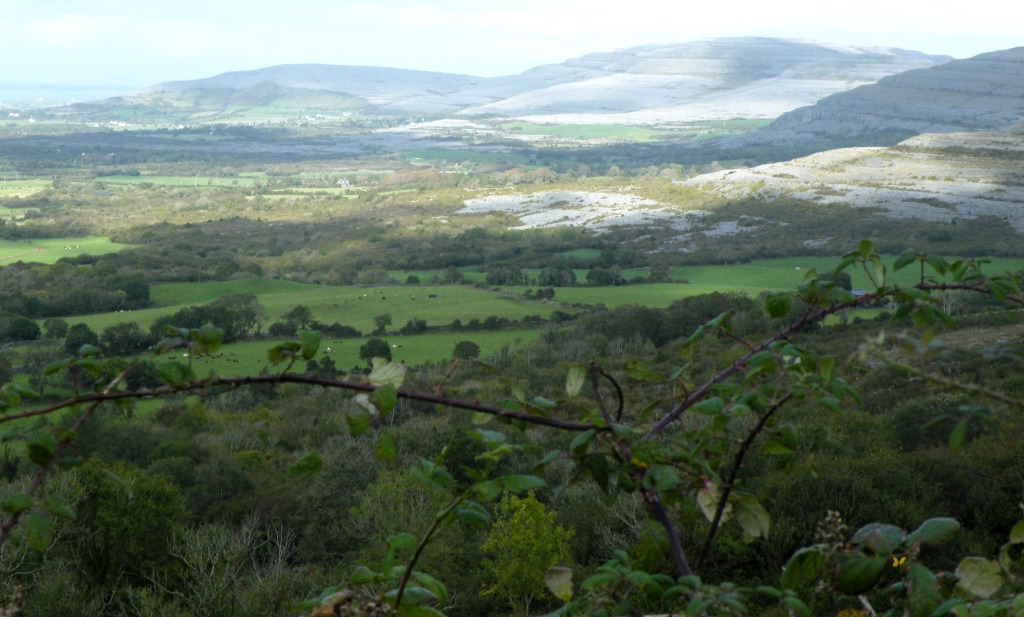
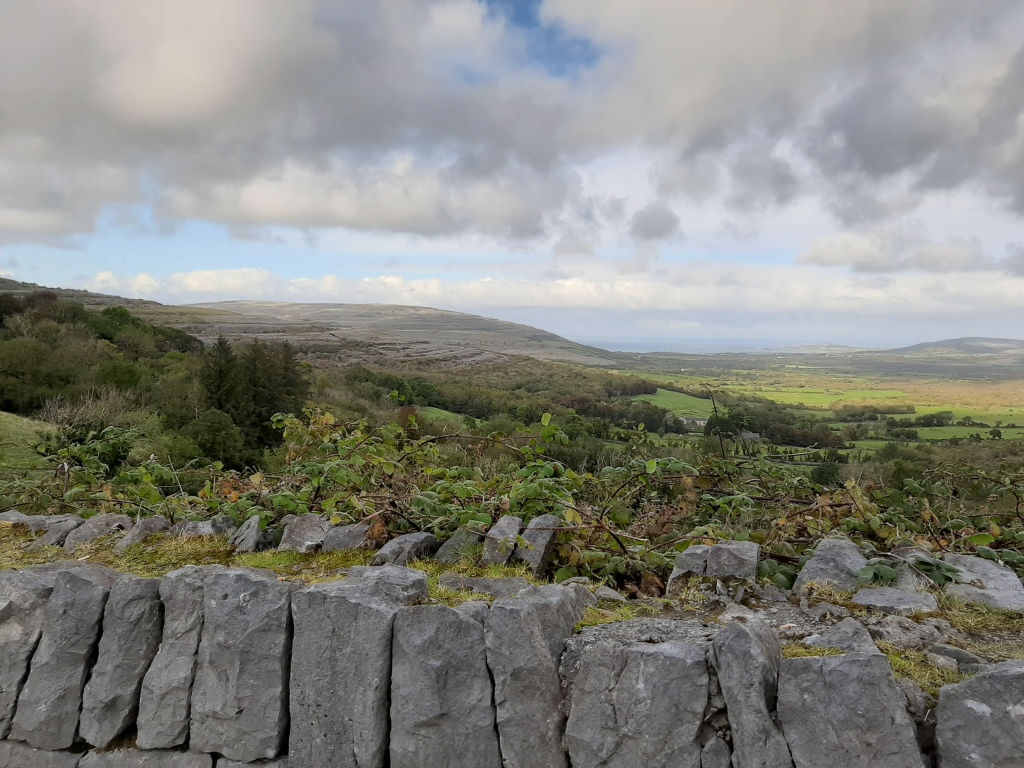
Some while back we drove through the area of county Clare called The Burren. Geologically speaking this is a fascinating place, also for botanist. This area is known for and covered in karst, limestone that is so weathered and cracked that several small plants and flowers grow in the cracks, some of the plants are only found in the Alpine and Mediterranean regions of Europe. Now we did not do any trekking or hiking, we just drove through the area and mainly looked at the interesting landscapes. Partly along the coast, and partly inland.

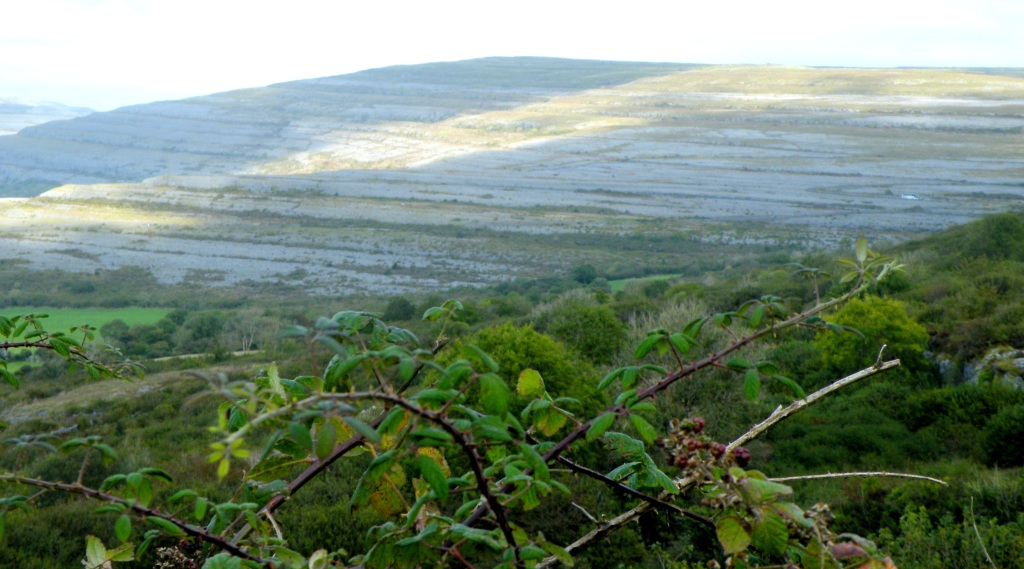

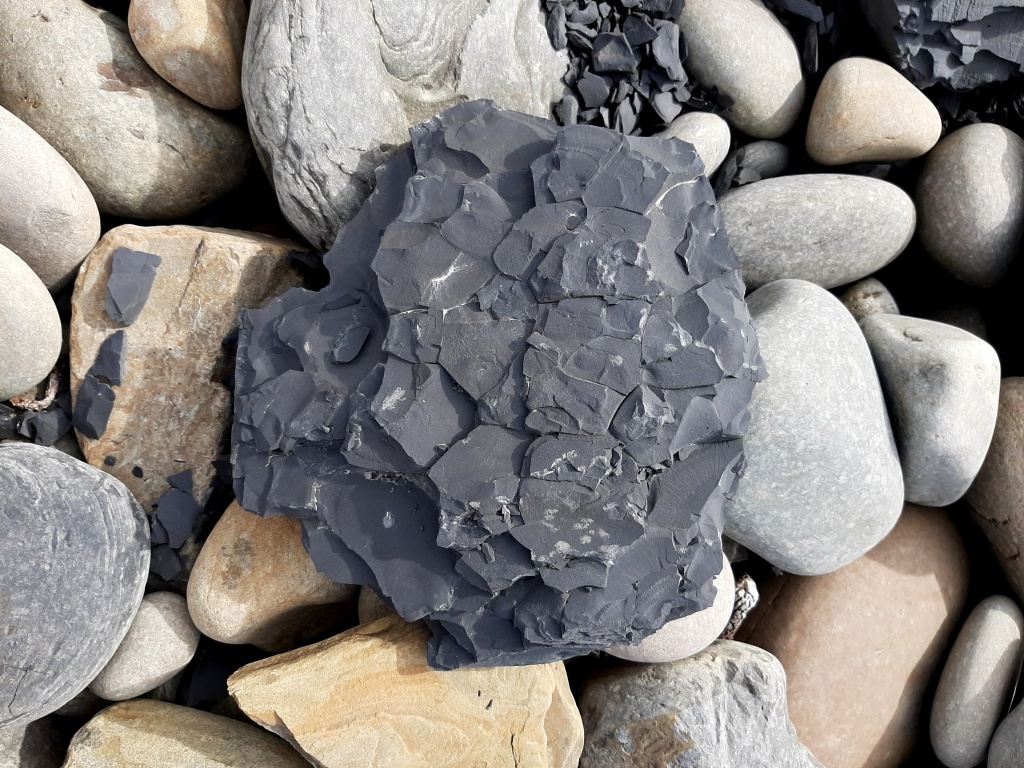


A typical and fine example of Karstic landscape. Karst is a special type of landscape that is formed by the dissolution of soluble rocks, in this case limestone. Whole landscapes are formed in this way and the Burren is one of those areas, as seen in the photo below.
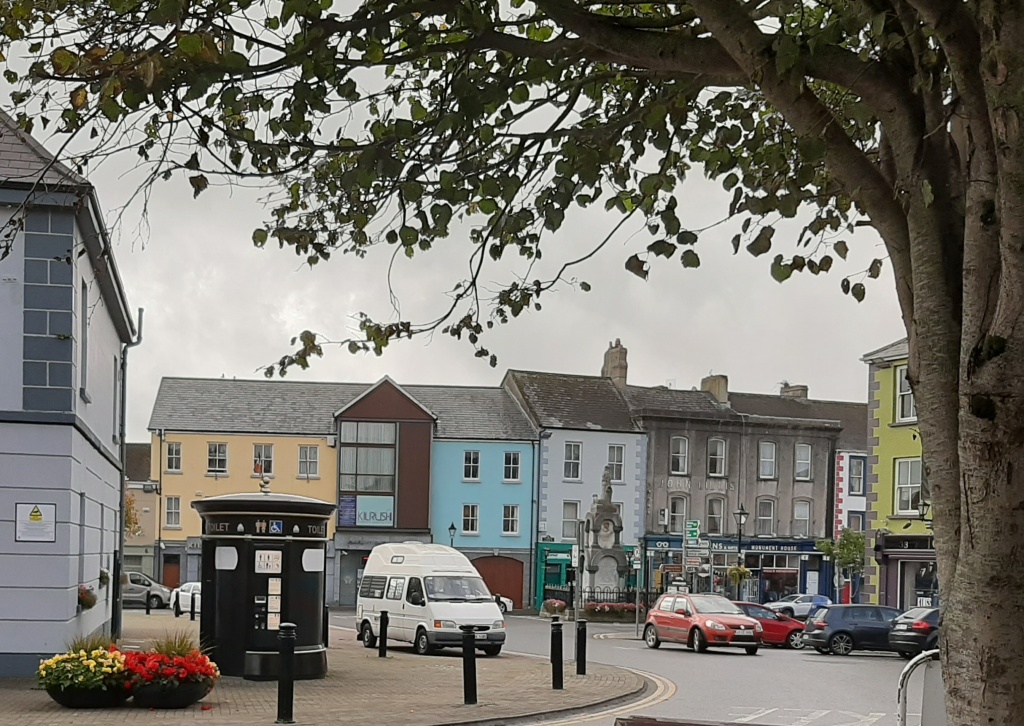
We decided to stop for lunch in Kilrush at a traditional Irish pub for some much needed nourishment.
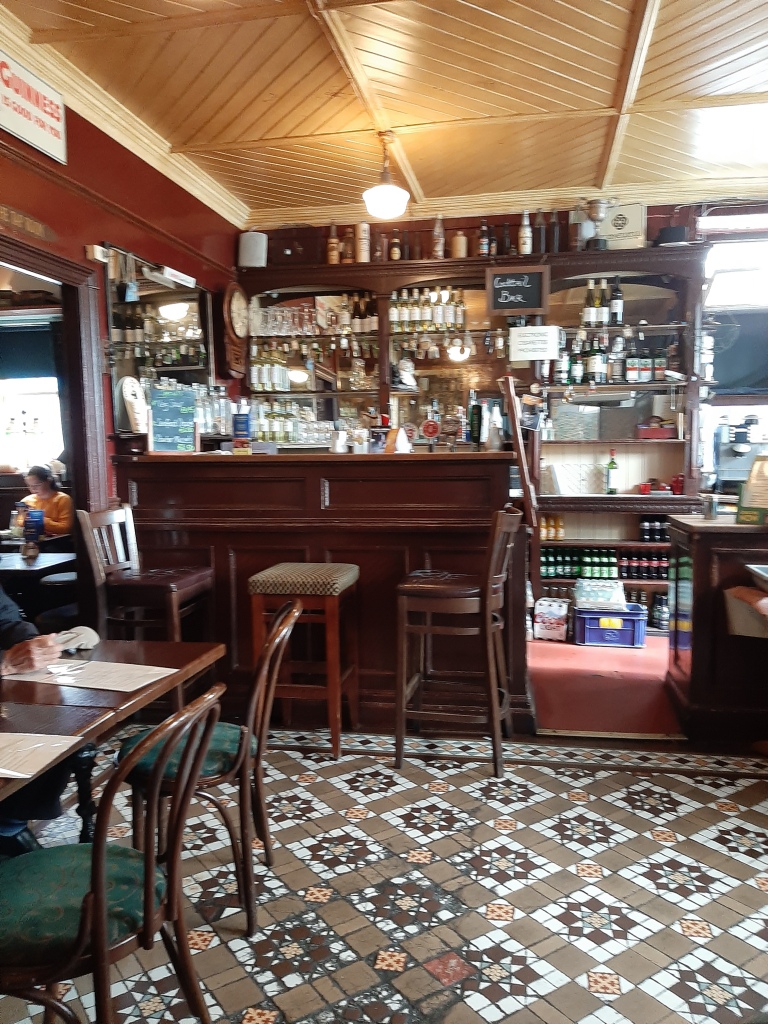
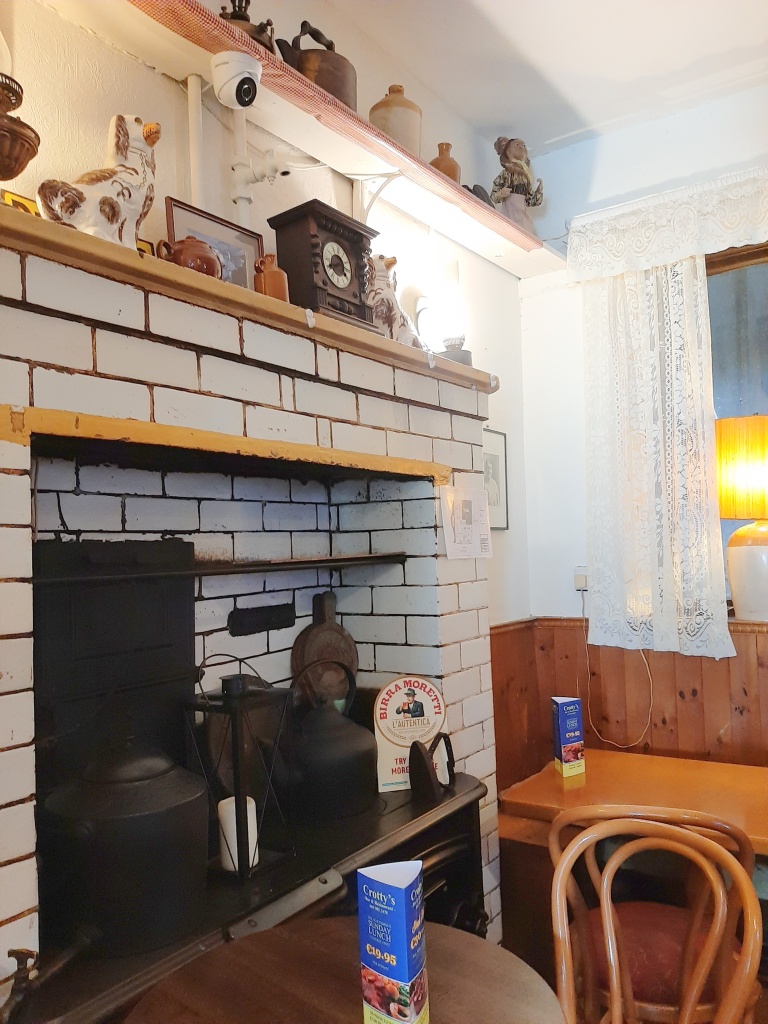

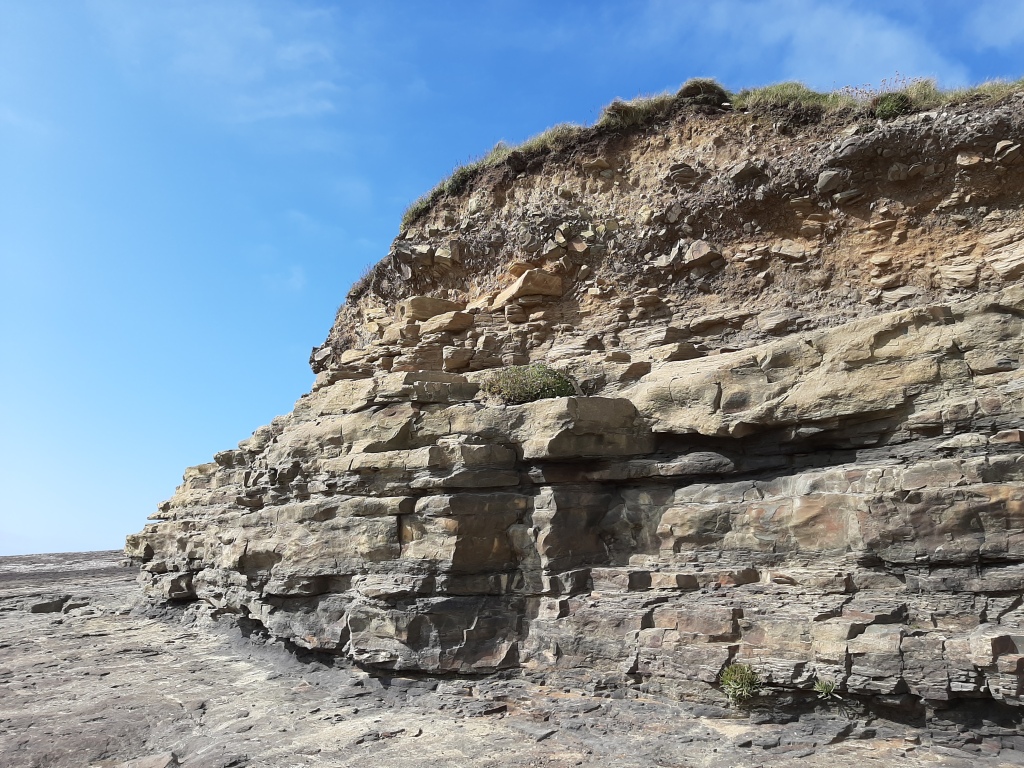
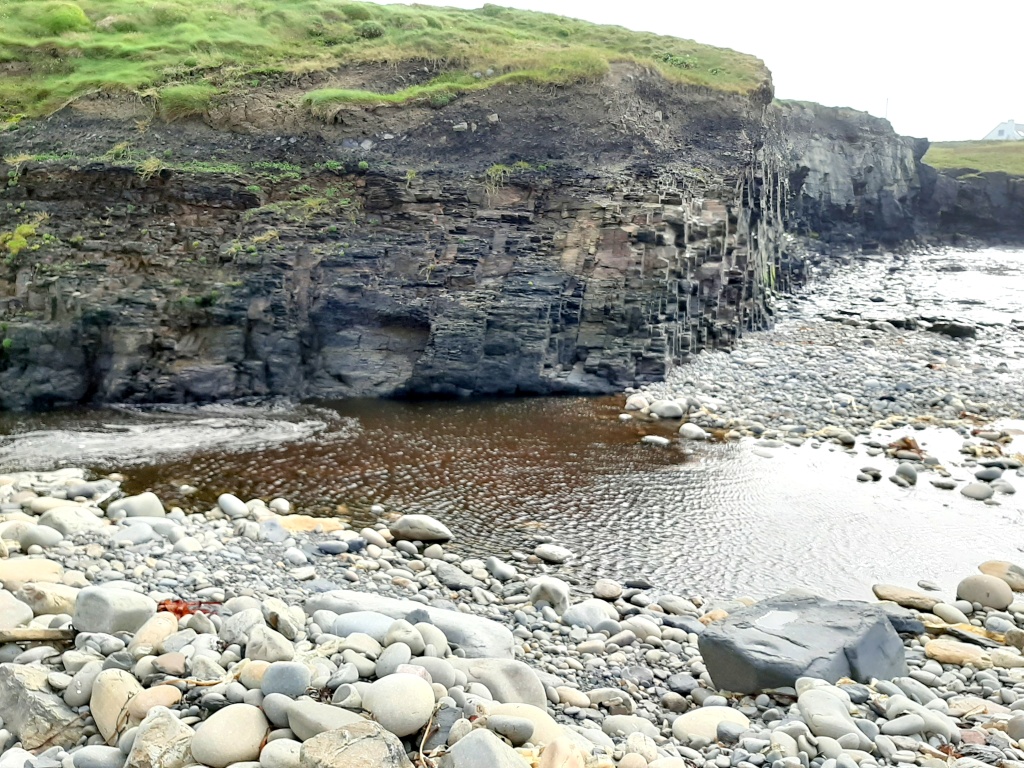

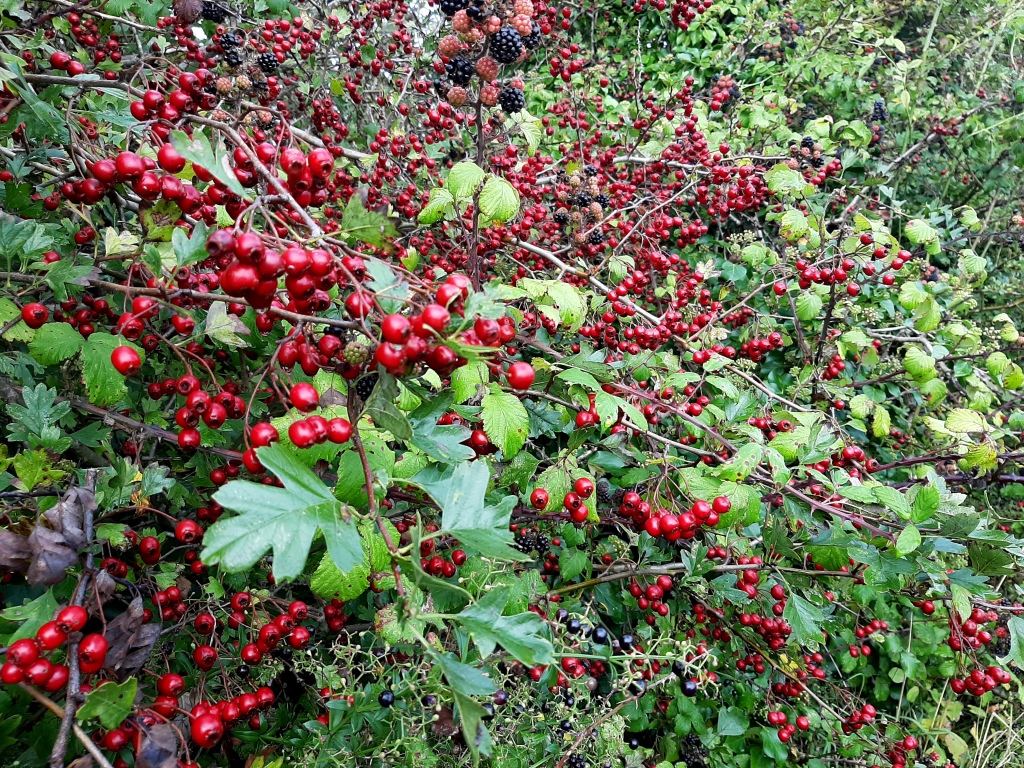
This is just yet another part of Ireland that’s nice to explore. There is plenty of interest there for anyone liking or studying geology, botany, or archaeology. We did not even scratch the surface. I hope it gave people a taste though.

