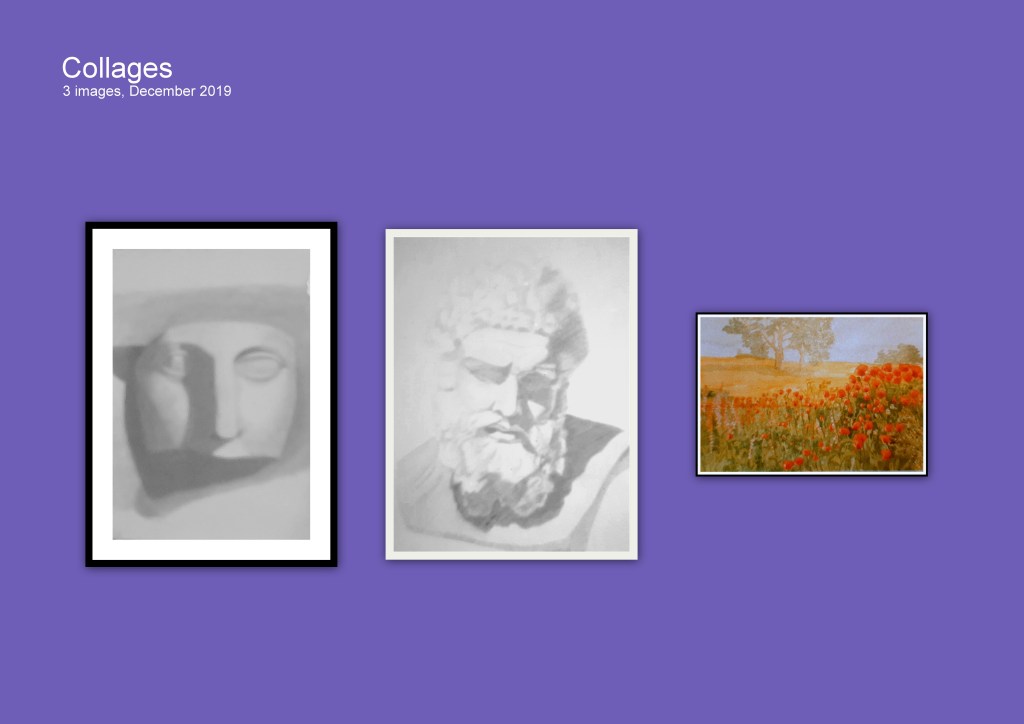
MEMORIES OF TIMES PAST
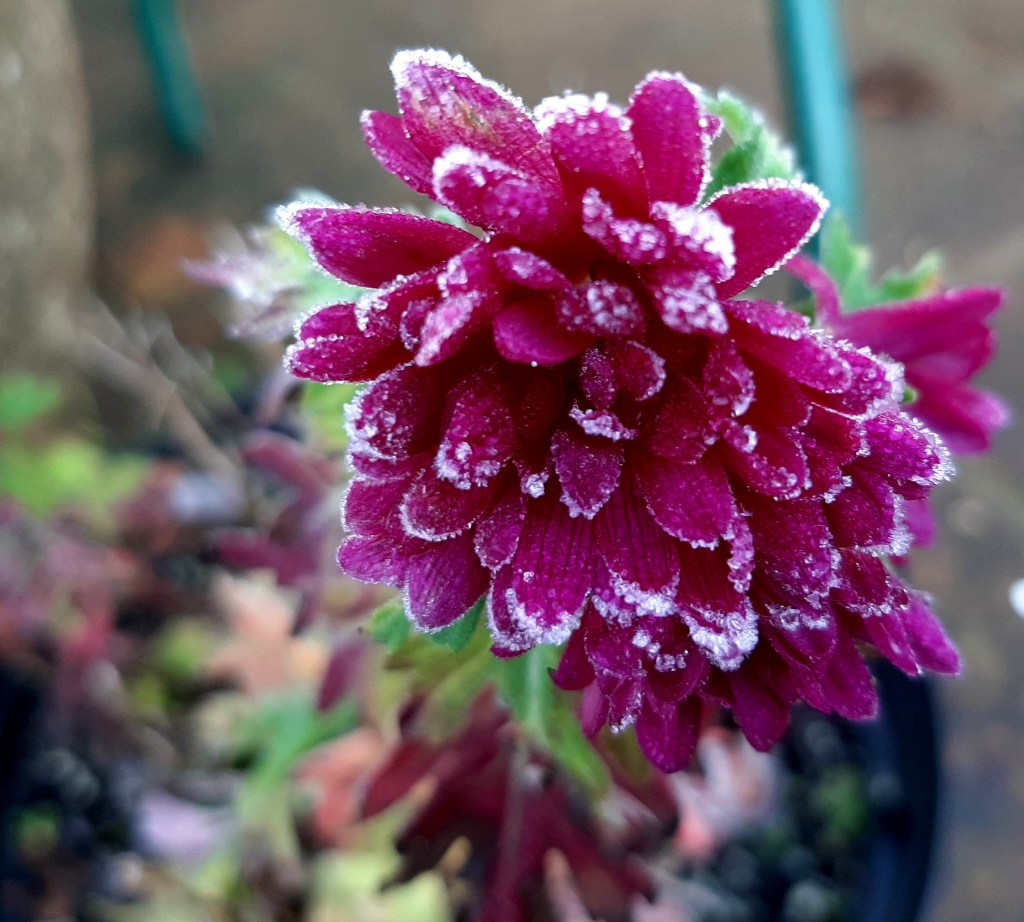
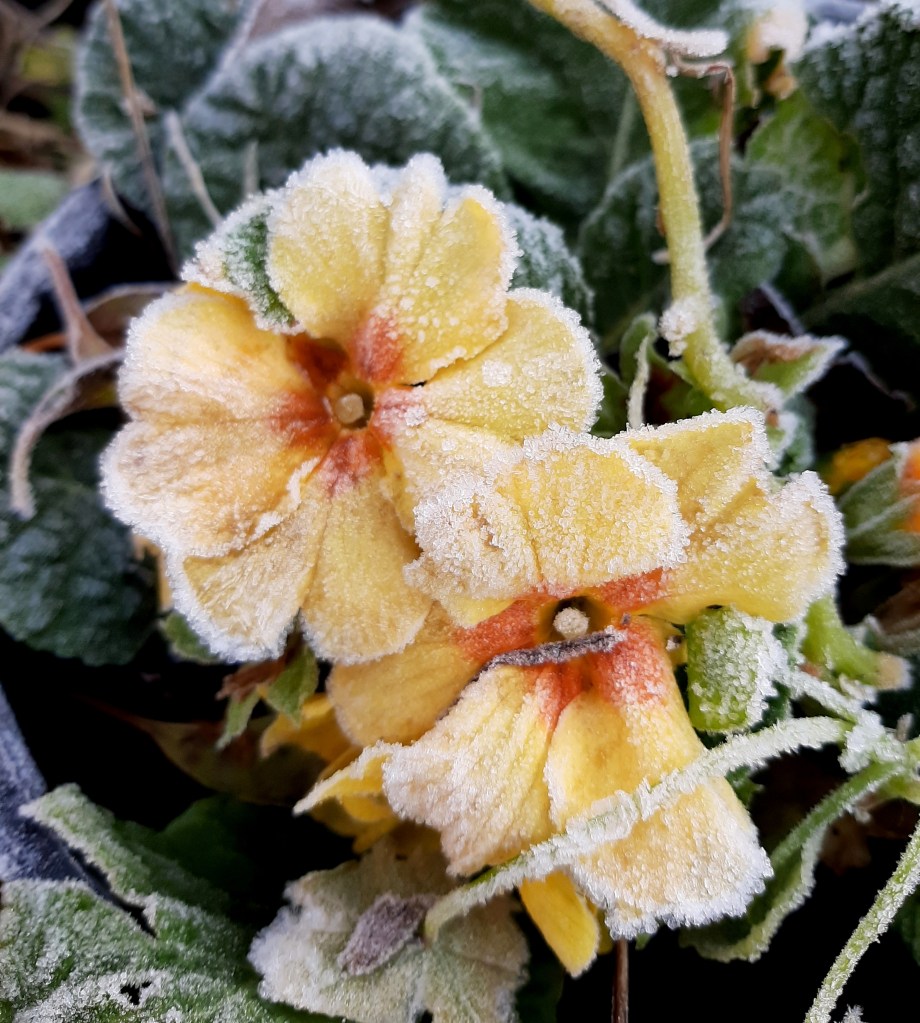
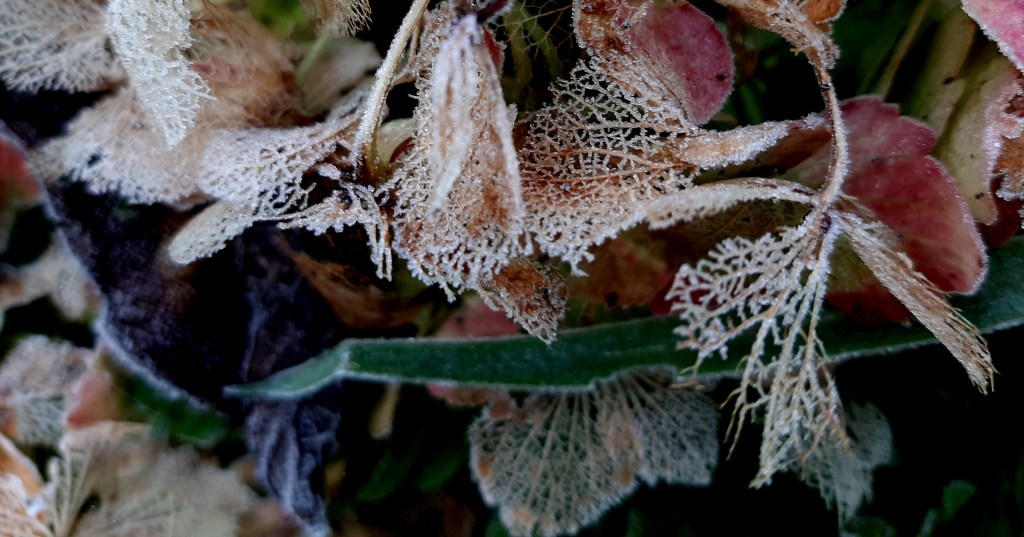
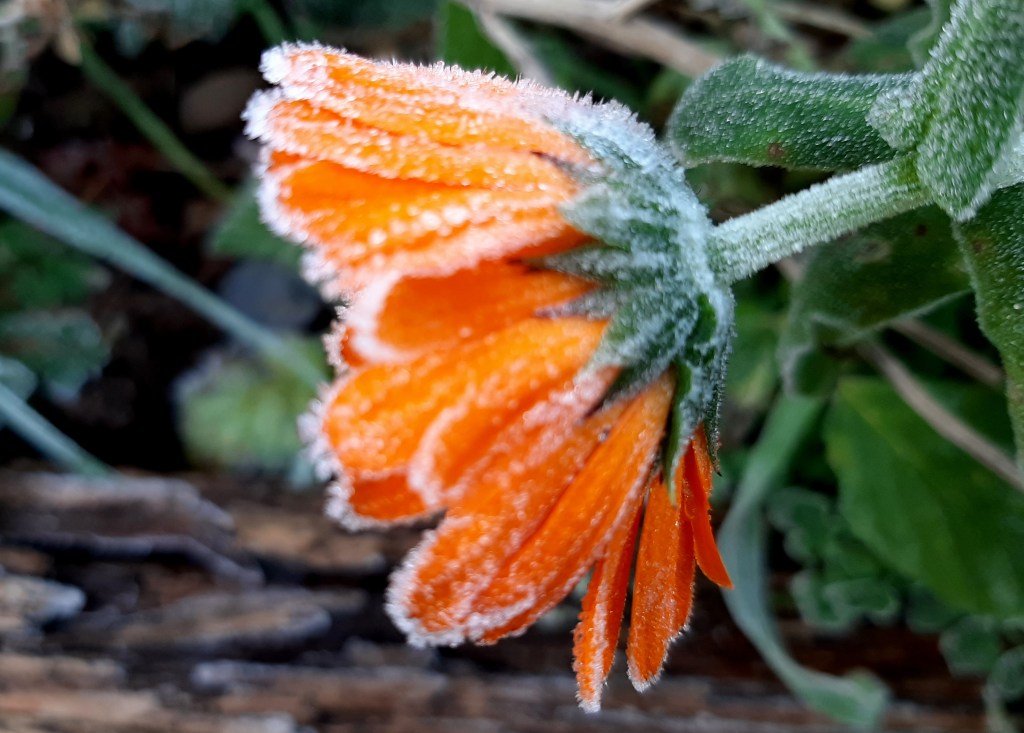
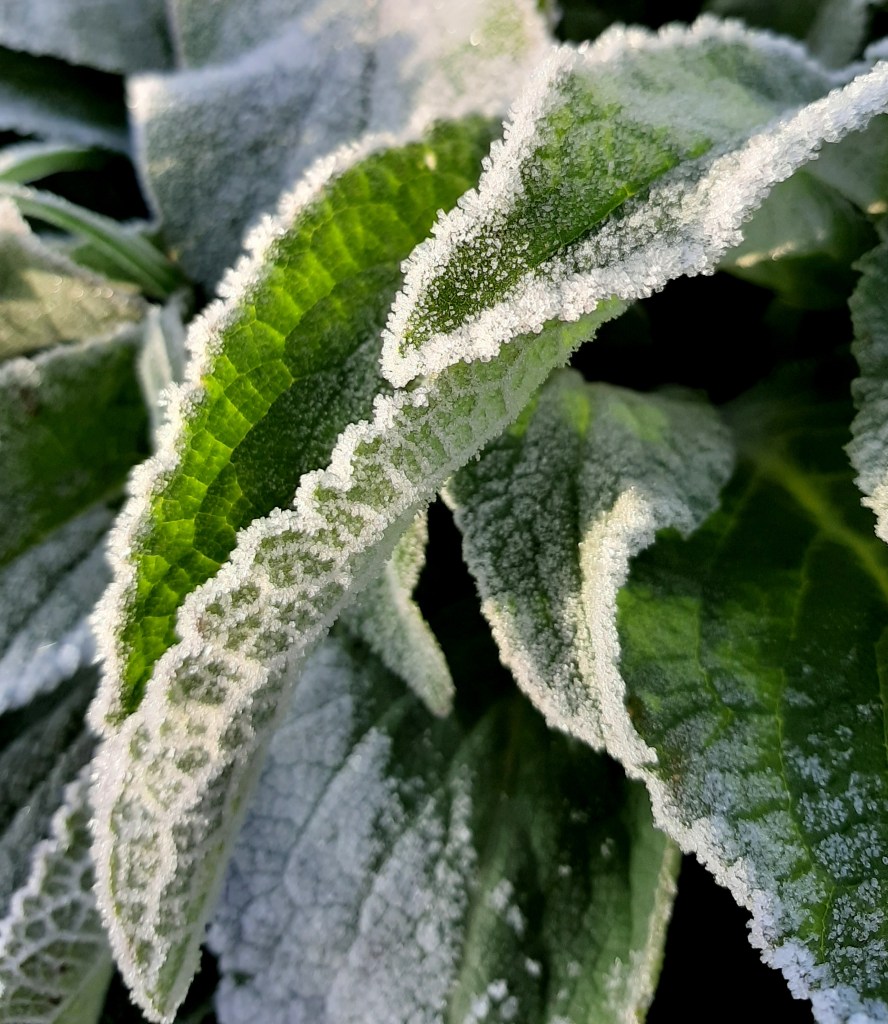
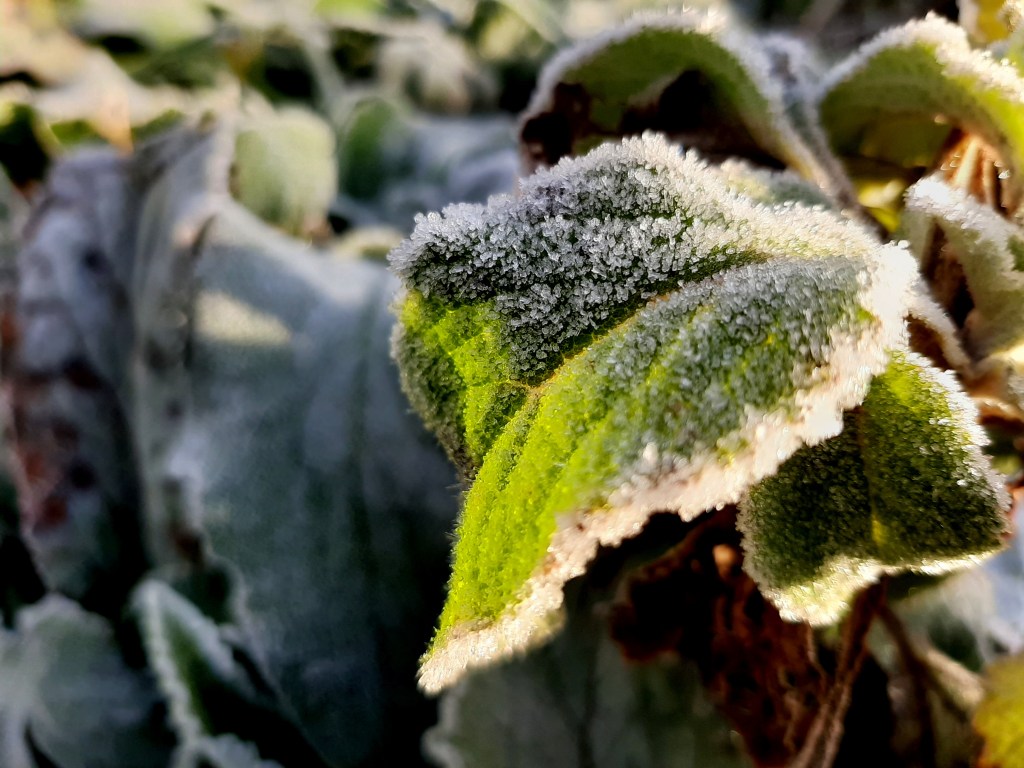
We woke this morning to an icy cold and beautiful sunny morning, yes it had frozen even here in usually mild West Cork. So I could not wait to get out and feast my eyes on all this frozen beauty, and I was not surprised to find that everything in the garden was gleaming in a sparkling white coat. Yes, old man winter had walked the land that was plain to see. The temperature was 4 degrees Celsius. But the sun had already come out and I could feel its warm rays on my skin, I had gone out without a coat or boots and soon my feet were freezing. The bright, beauty of the morning filled me with energy, it is such a change from all the rain.







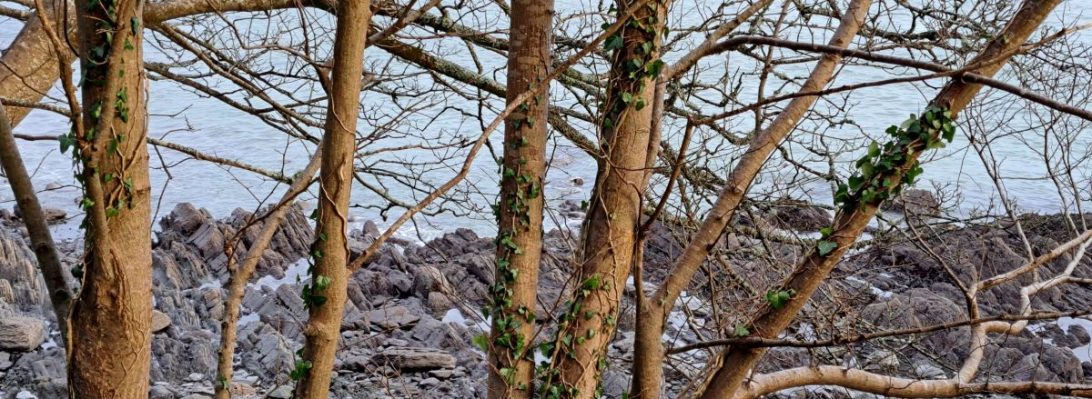
Yesterday found us in one of the most beautiful places in West Cork, a small fishing village along the coast. It was a quiet and a sunny day, a day like you might get in September or October, when the sun is golden, bringing out the colours everywhere and in everything. The air was crisp, and all along the hedgerows lashes of bright red fuchsia were still proudly in bloom, lifting the landscape and infusing in us a feeling of vibrancy and beauty.
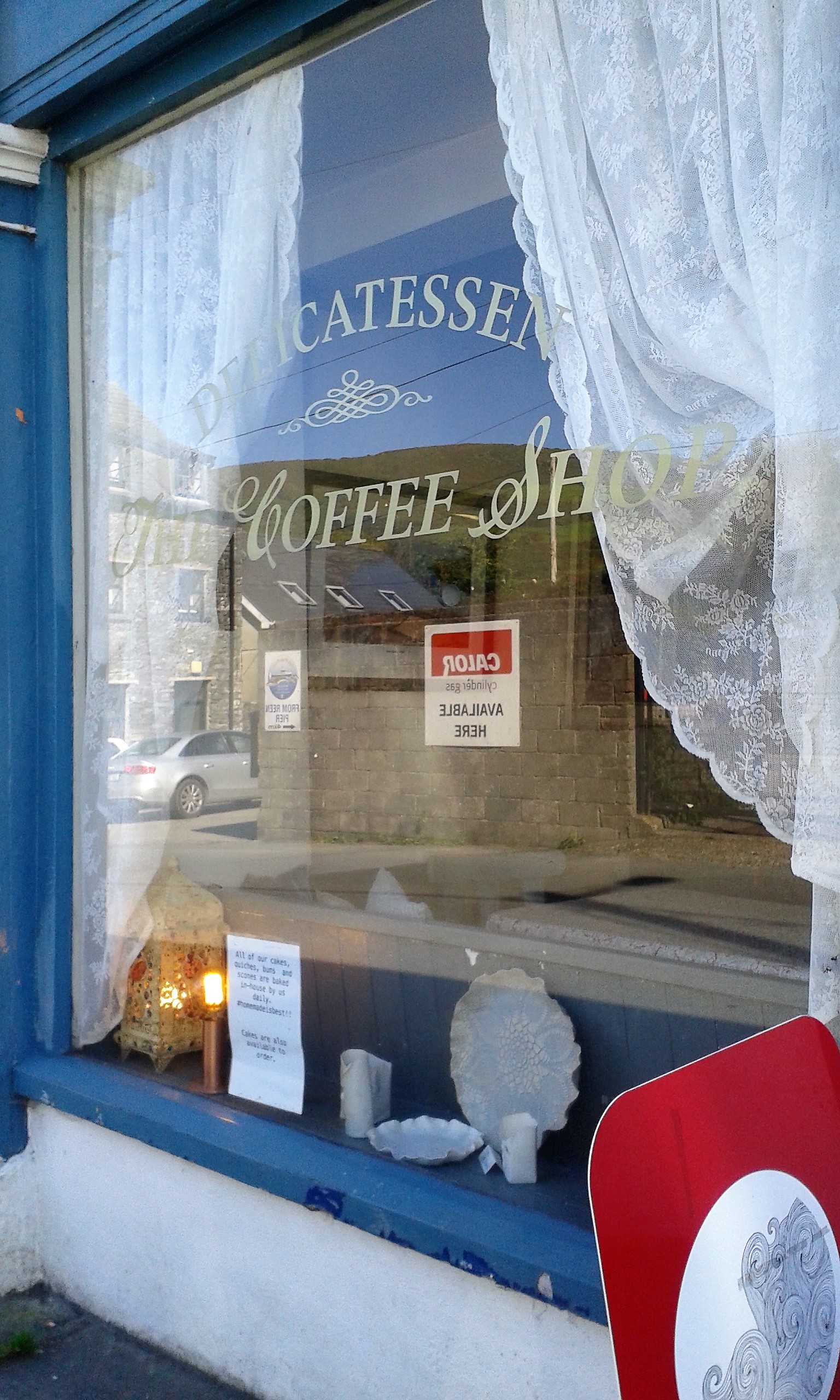


We walked to the pier to watch the fishermen mend their nets, bright colours were everywhere, whether the nets were new or old, or whatever other materials are used by the fishermen, there is a wealth of texture and colour to be seen.


Everywhere I looked I saw art and beauty, was it me or was it the reality of things?


Fishermen working on their nets, nice to watch, dedicated work.


Ian having a great walk down memory lane, and nets everywhere!
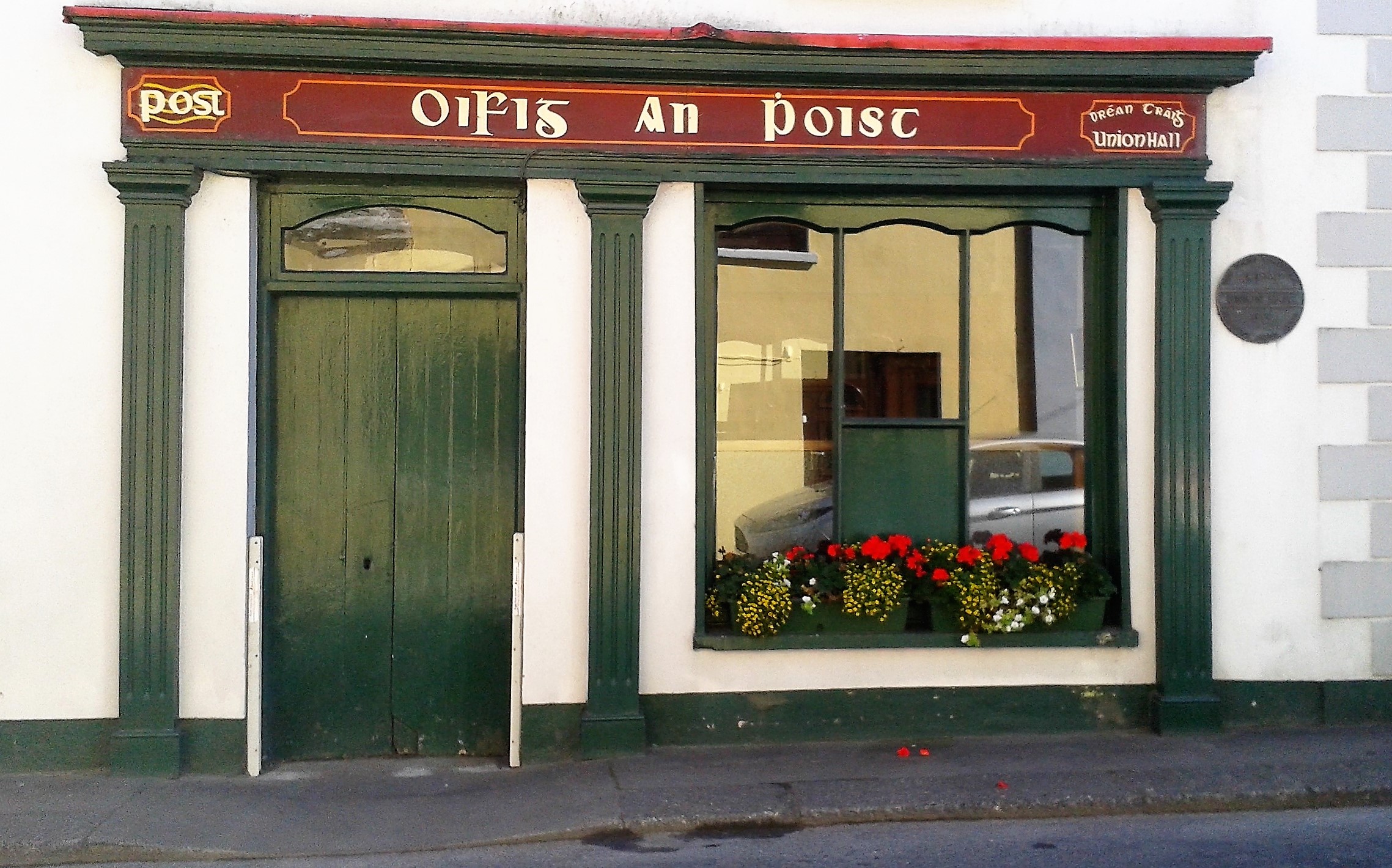
This is, or was the Post Office in this little village, the village of Unionhall.
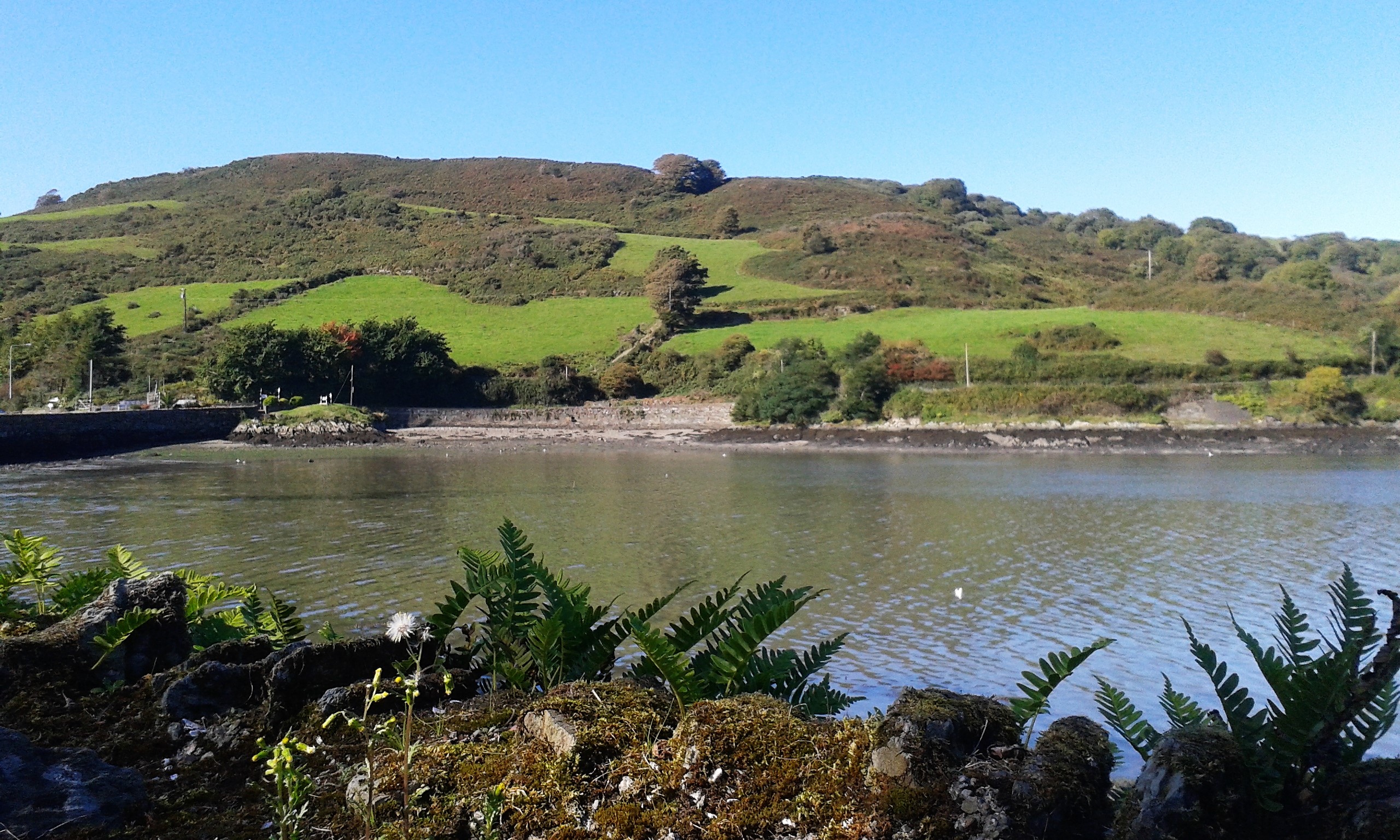
We were celebrating my 69th birthday and it was a wonderful way to do so.
Thank you Ian for helping to make this day so very special.
During my walk today I came upon a small exhibition of cribs in the local village. In Malta and Gozo it is very traditional to build nativity cribs named ‘presepju’, quite often a whole village scene is built around it too, the structure can become quite large and is always interesting as features are used that shows life, and incorporates items of farming or domestic scenes from long ago set in local landscape. The traditional figurines that are made here, are called ‘pasturi’ they are hand-made out of unfired clay or wax.
I have been fascinated by some of these cribs here in Gozo, last winter I saw some beautiful and very artistic ones in a shop window. The clothing of the figurines quite elaborate, my favourite was one crib where the figurines were all dressed in medieval textiles and clothing design of that day. This time too among the cribs in this exhibition there was use of textile in the making of one of the cribs and the effect was rather nice, down to the minutest details of for example a slipper, made in miniature with fine gold thread and use of deep reds and greens. There is no doubt that a lot of loving and patient work goes into making these cribs and it is fine to see exhibitions of them all over the island around this time of the year. I took some photos to show some of the variety for your perusal.


In this crib all the figurines have been dressed in beautiful textile.
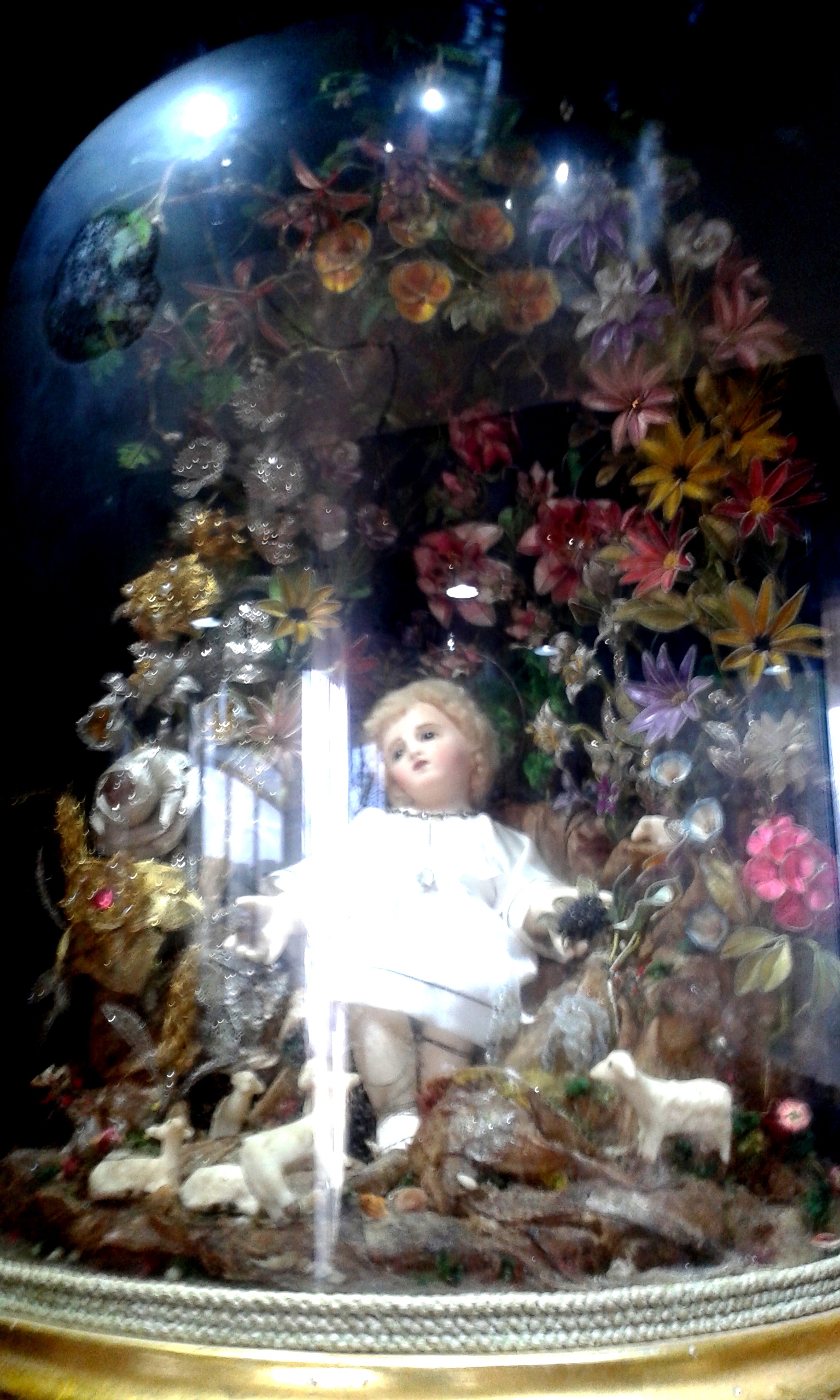
This Christ child is surrounded by traditional flowers made of metal wire, silk thread, beads, and or jewels. This work is done by hand and is called ‘ganutell’. I read that this beautiful art form was practised in monasteries. But it also mentions that the Maltese in the sixteenth century made use of the spiral gold and silver wire called canutiglia, and together with silk thread, glass beads, pearls, gems, and gold and silver wire would produce these beautiful flowers which are mostly kept under glass domes now – and here is one of them. One of my Gozitan friends has made me a flower bunch like that, she told me that it is very intricate work, and I believe her. For more information on Ganutell see this link: https://www.google.com.mt/search?q=ganutell+malta&sa=X&dcr=0&tbm=isch&tbo=u&source=univ&ved=0ahUKEwj8trq0v63YAhULbxQKHW10DQcQsAQILg&biw=1366&bih=622

Another one of the Christmas traditions in Gozo is putting a crib in the window, it is an old custom, and I saw it a lot in Victoria last winter. Here is an example, made as part of the exhibition.


And these are then some of the ‘pasturi’ made in unfired clay, some of them painted.


More ‘pasturi’ but larger this time.


 These is a collection of all the participant of this exhibition, I just wanted to include it in case anyone would like to know.
It was an unexpected and nice surprise to come across during my walk to fetch some milk today, things like this always teach me something more about Gozo and the Gozitans for which I am very glad and thankful.
Skibbereen town is currently running its yearly Arts Festival and the town is buzzing with people, whole families, and lots of children – what a nice atmosphere I found today down town. I went to see William Crozier’s exhibition ‘Edge of Landscape’ in our Uillinn Art Centre, which by the way puts on lots of interesting exhibitions and other activities very regularly. There was a guided tour and I thought it would be nice to know a bit more about Crozier’s work, though I know his paintings for a long time as he was living locally. The tour took us through some earlier works and also showed us some of the most recent before his death. I was impressed with his lines and colours, with his painting of West Cork as he saw it – though he painted from memory. He painted the landscape as it relates to people, as it was created by the people, so you have what one might recognise as hay stacks and fields with borders, always borders. In a lot of his work, of a certain period, he painted high horizons, again this creating a border around his fields.


Painting on the right is ‘The Ripe Field’ 1990
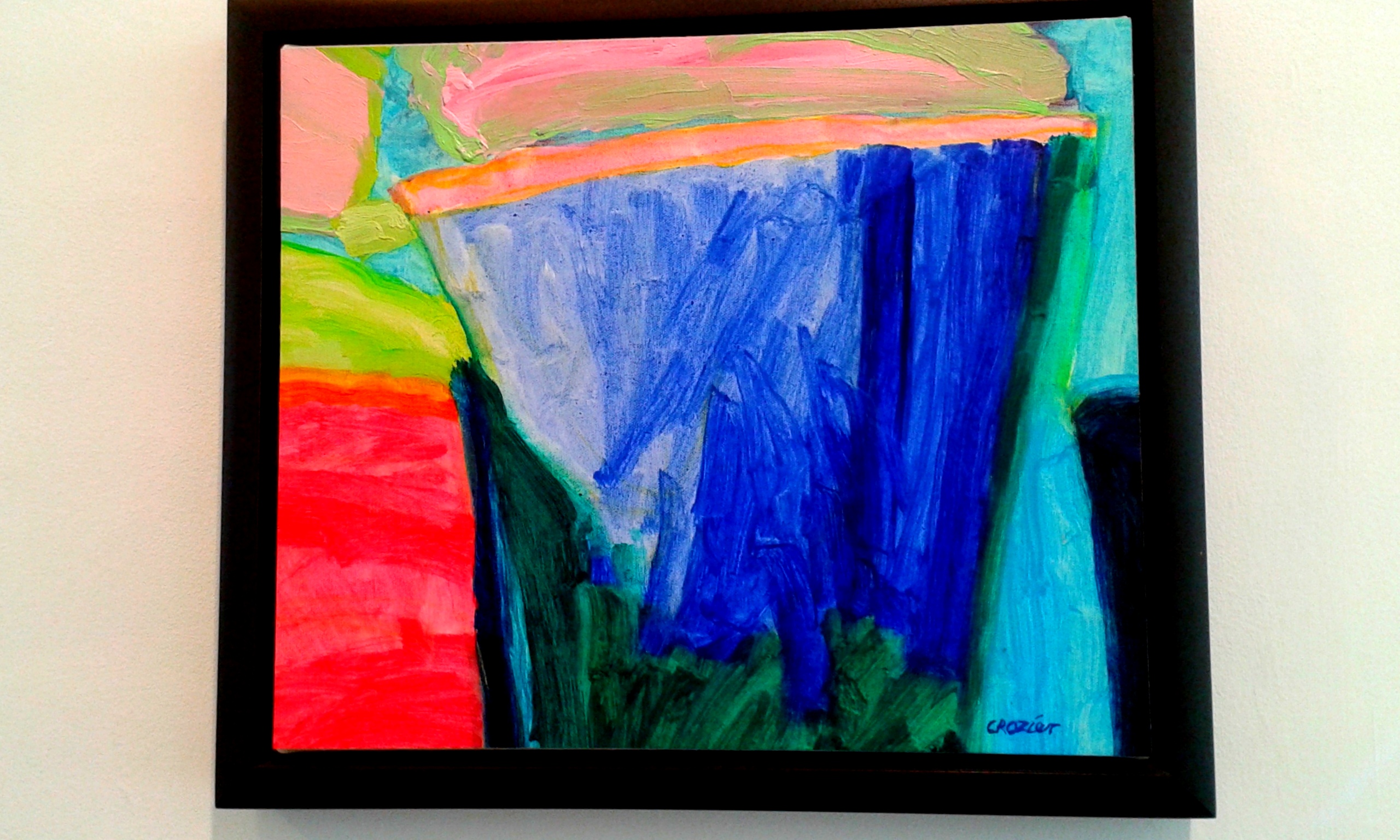
Painting above is ‘Wolf’s Castle, Toe Head, 1998


Above are some of his earlier works, on the right is a painting called ‘Winged Figure’ which he painted in the early seventies. He stopped using figures in his paintings though he had used them a lot in much of his earlier work before he came to West Cork. Personally I find his work which include figures much harder to look at and make sense of.


The painting above and below are much later work before he died, I love the simplicity of these and I agree with what one of the visitors said, that they reminded her a little of Matisse. We were told that Crozier was indeed influenced by Matisse, a thought that I liked.


I’ve always loved visiting art exhibitions. I discovered the value of this in my late teens when I used to go look at paintings in galleries both in Antwerp and in Dublin and was impressed with the energy that would affect me coming from the works, such a difference from looking at a reproduction or print. I was going to Art college at night in those days and I guess that urge to go see paintings never left me since. Luckily Skibbereen town has a thriving Art Centre and other galleries besides. West Cork is a real haven for artists and people who love art. I feel so lucky.


Today there was a bit of a whirlwind blowing through town, at least for us as we wanted to attend openings of three separate Art Exhibitions, one of which above showed the works of Maurice Henderson. Maurice, an old mate of Ian’s had sent him the invitation, and I was lucky to be invited along. I have been following Maurice’s work too for a decade or two and have always enjoyed his use of colour. I was very impressed with his current work, and the above photo is of my favourite painting, makes me think of a bluebell carpet in among trees in early spring. The exhibition is called: ‘Light and Atmosphere. It runs for another 9 days.


Second opening was later on in the evening. I went on my own to this. A great exhibition called: West Meets West – showing work from three artists from Cornwall. Phillip Booth, Matthew Lanyon, and Tony Lattimer. The above large painting is by Matthew Lanyon and it is my favourite, it immediately had a strong affect on me and just gave me such a good feeling. The widow of Matthew, a lovely lady, told me that this is one of the early works of Matthew. Very sadly Matthew passed away recently. Top sculpture above left I was also quite impressed with, very colourful and clever use of wood and metal. The artist, Philip Booth explained about his work to me which was very enlightening, his primal inspiration is the landscape of Cornwall, and in the case of the sculpture above it was the rocky shore along the coast. As I have been out of circulation in Skibbereen’s Art world, I am only getting back into the swing of things and was happy that while I was scanning the room for familiar faces several new people just started to talk with me, it felt good and we had interesting conversations. One of such conversations was with a woman called Anastasia, also an artist, an amazingly inspiring woman. I also finally got to meet fellow wordpress bloggers Finola and Robert of https://roaringwaterjournal.com. It was like meeting old friends as I follow there blog closely. Very nice.


The last opening of the night was at the smaller but nevertheless lovely Art Gallery in North Street in town. A young woman, Tara Laubach’s work was also a revelation, beautiful works of soft colours, with lots of expressions of emotion. I need to go back to get a closer look as there were so many people that it was difficult to get a good look tonight. The exhibition is called ‘Fiery little Ashes – a Cinderella story’. Much enjoyed the reading by the young artist.


And finally we were treated to poems by two different poets, these were short but good and they wrapped up an evening of culture in this small town in West Cork perfectly.
Afterwards I discovered that there was also a new exhibition in one of my favourite Galleries, the Catherine Hammond Gallery in Bridge street, which I missed the opening of today, but no doubt will visit during the week.
I think that I am finding my feet again in West Cork, saw a lot of lovely people today and interacted with them, always a good grounding method when you have been away for a long time, feel at home again even if it took me the best of two months.
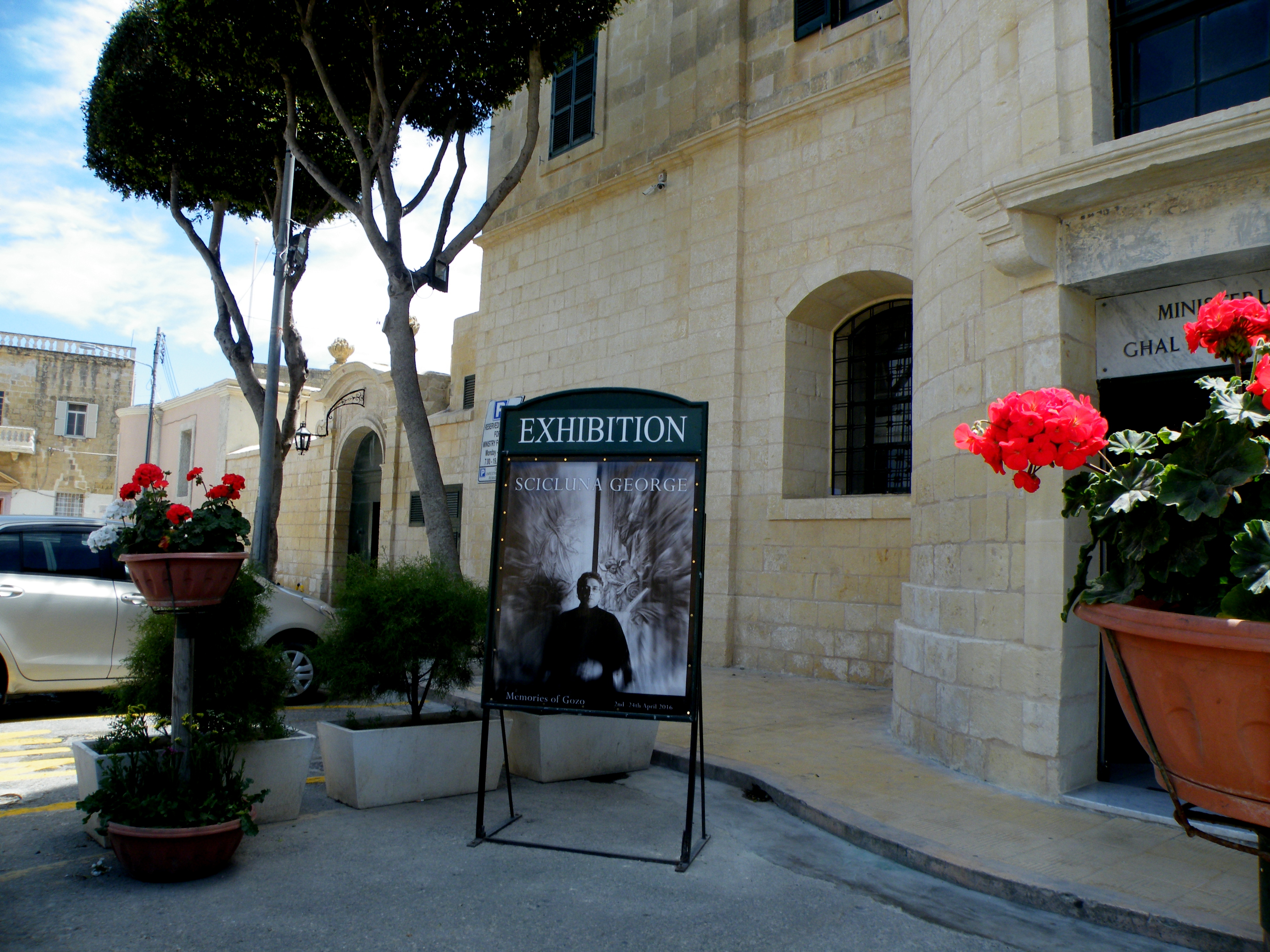
I’ve had my eye on this exhibition for a few days already, I did not know anything about the artist or his work, but I thought that I had to start somewhere if I wanted to discover the art of the Gozotian people, and that I wanted. So today I stepped inside the hall and immersed myself in the works of George Scicluna, an artist born right here in Victoria on Gozo. His work did not immediately appeal to the eye, you had to look at it long to try and get what was going on in the artists mind, I struggled a bit with that, I did notice that all of the large paintings had a religious motive, but not in a devotional way, I thought that the artist was looking for answers in his mind, in a most torturous way, looking for answers about life, about belief, faith, fear, torture, redemption, humankind. I could be totally wrong about all this. But I strongly believe that true ‘Art’ is supposed to allow or encourage the observer to ‘feel’ something, or to ‘experience’ something, and that it did for me, this exhibition of paintings made me feel how mankind does run around with deep anguish about its existence, about the why and how. I can relate to that very well.
That’s all, and that is good enough for me.
Later on I went to check out some more work of the same artist and found that he is also a sculptor, creating fine, sculptors in lime stone. Nice.

Some of the works in the exhibition, with the artist.
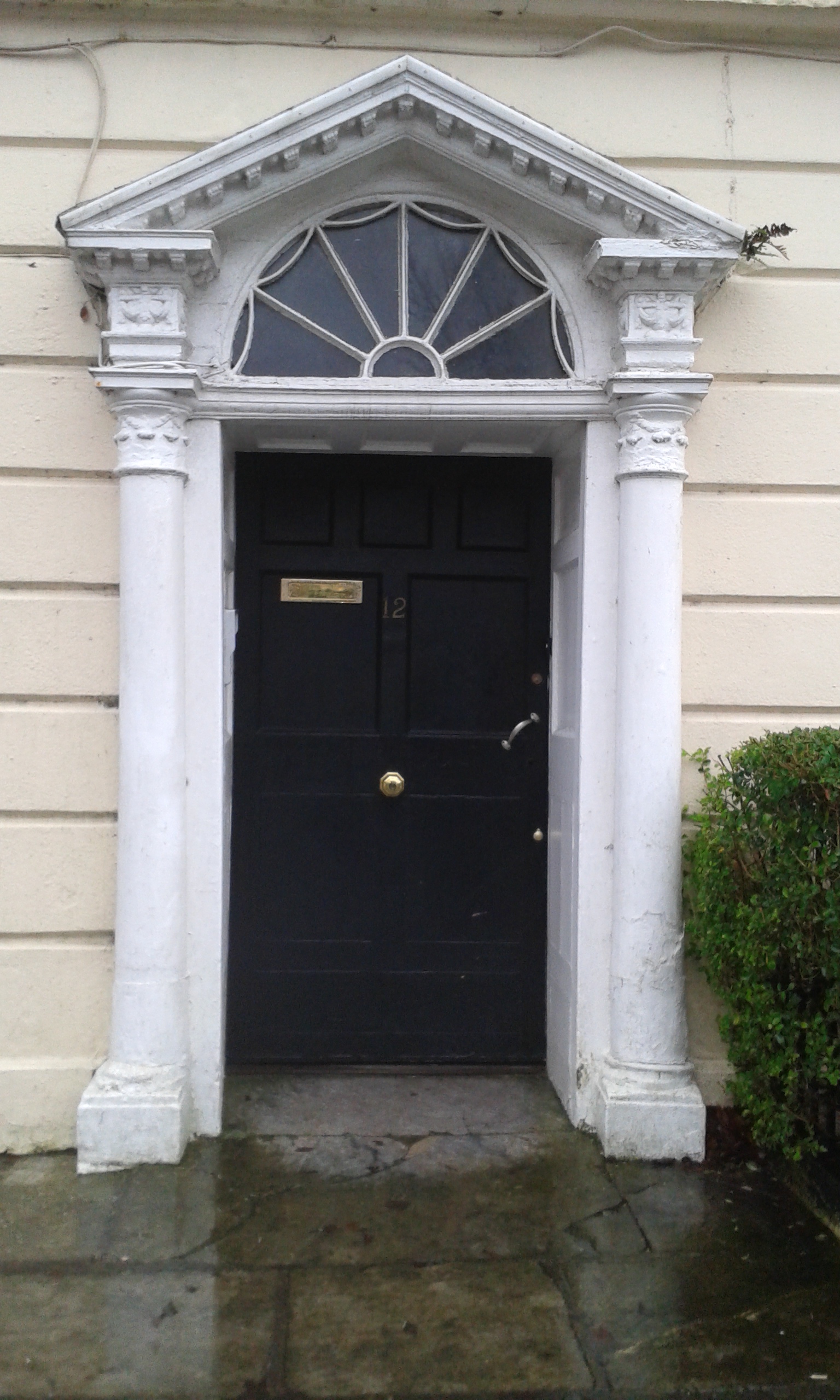
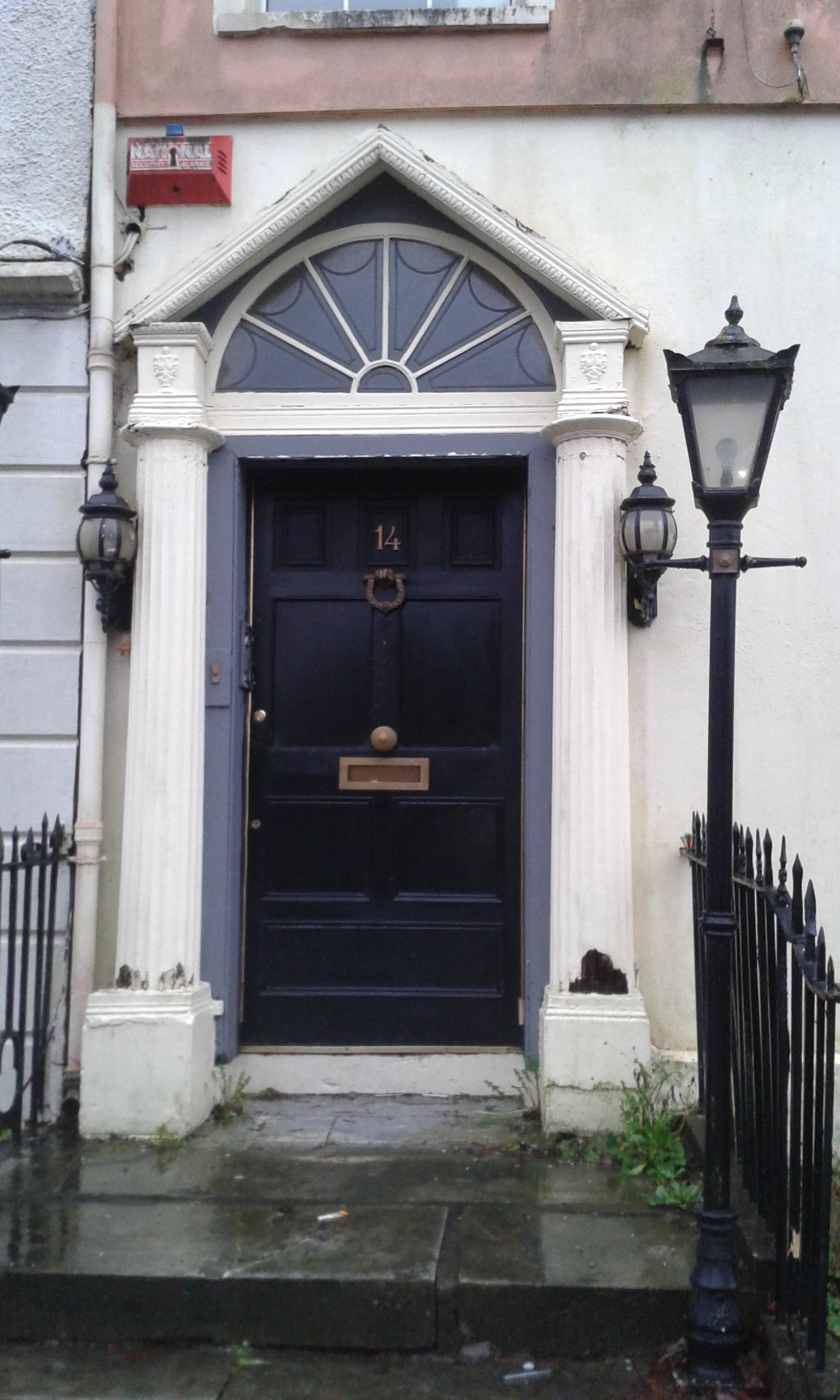
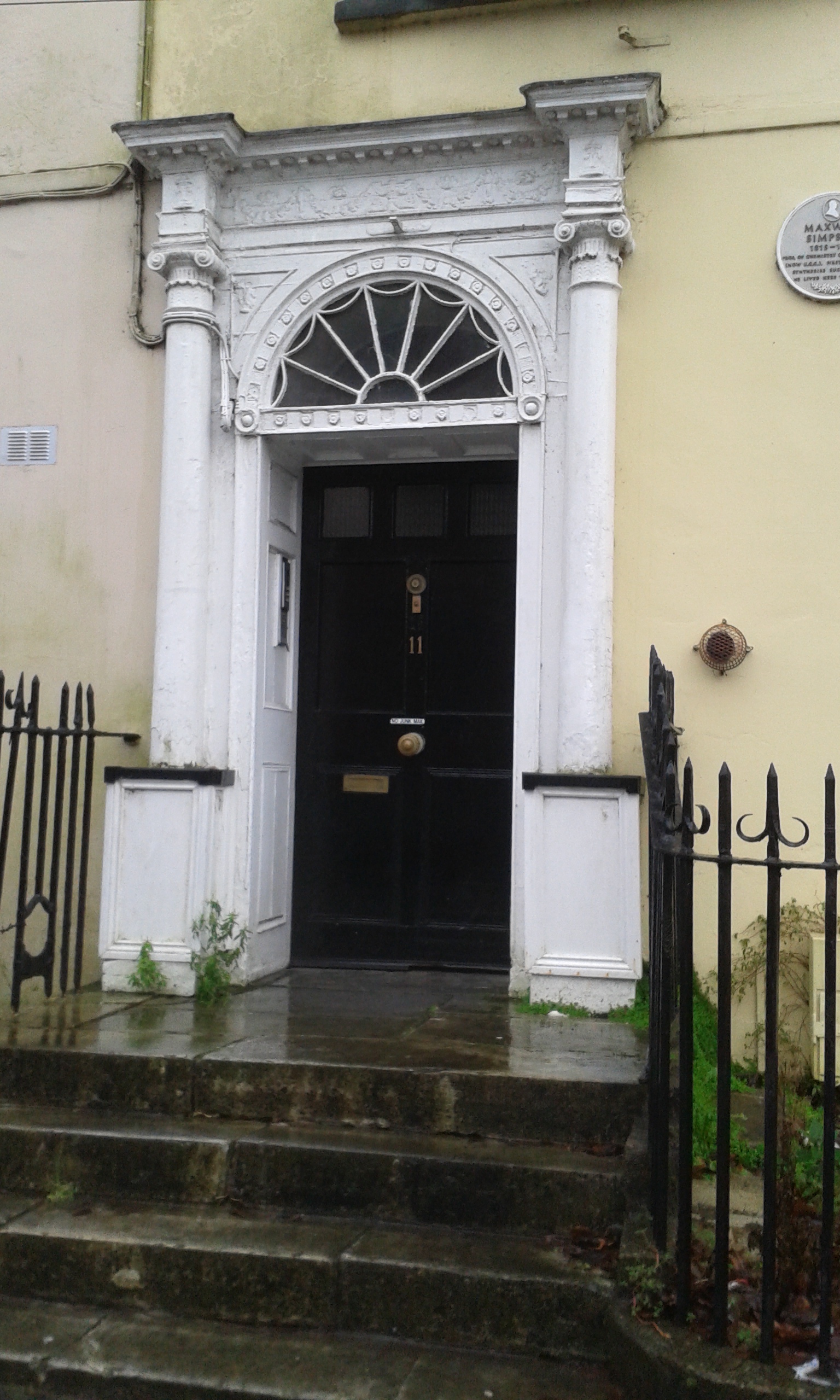
A fanlight is a feature of Georgian architecture, it is found of course in England, but it is also found in Ireland, and I think it is a beautiful feature. It is a semicircle window above a main door, it is called a fanlight because several panes radiate like a fan outwards. While it is a useful addition to any hall, it is also very decorative and in Ireland efforts are made to preserve these features in the many Georgian style houses.
While I was in Cork city the other day, I took some photos with my mobile phone. I think these features are so nice and interesting. I had to go and look up information on them and did not even know that they were called fanlights, I only knew that you see these features a lot in Irish cities. Fanlights originated in England during George I (1714), and fettered by the year 1901. But in Ireland, the use of these fanlights lasted longer. Especially in the eighteen hundreds though they were a frequent architectural feature to be seen in Dublin, also in Cork and other cities.
During the nineteen seventies a poster was produced featuring some of the beautiful fanlights in Dublin, it is very popular to this day. There are still many Georgian houses found in Dublin, also quite a few in Cork, fanlights only being one of it’s Georgian features of course. Many of these houses are now neglected and some are almost derelict, efforts are being made to restore them, many, however have been demolished in the past. But equally many have been restored and there still remain quite a variety of fanlights and they are very appealing to the eye. It is also good to know some of the history behind it. The fact that they started out as a useful feature, then became a decorative feature and remain like that today. What I see today in modern doors is that the idea of a fanlight is actually build into the door and in this way throws light into the hall, that is, of course, not half as beautiful (just my thought).
I took my photos along the Dyke Parade in Cork city. At some future date I would love to explore the city much more and make many more photos.


 agoyvaerts