A WINTER GARDEN IN CAMBRIDGESHIRE

During the very early spring days of 2016 I had the privilege to visit a beautiful garden in the South-East midlands of Britain, in Cambridgeshire.  I received kind permission to use photos and information here in my blog from the lady who is the creator of this marvellous garden.
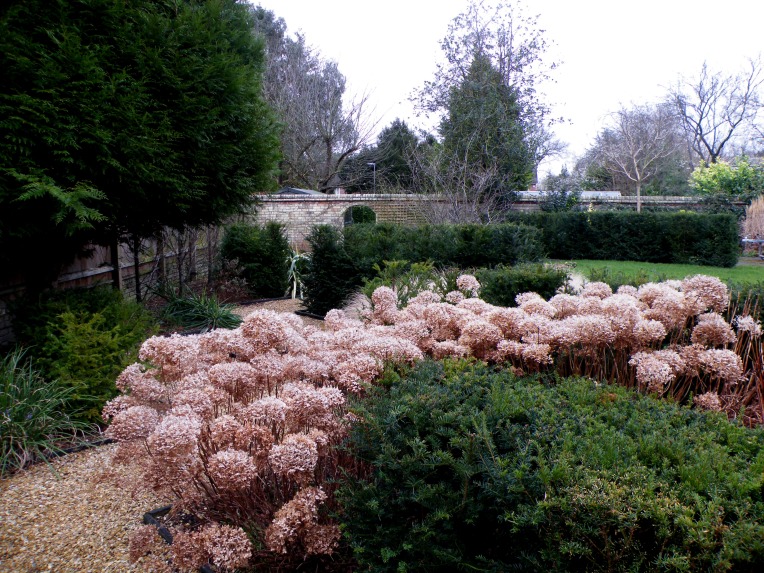
What appealed most to me was the way the eye was led effortless through a variety of colours and textures, shrubs, purposely dried flower heads, trees and their undergrowth, borders, arches, hidden corners, effective hedging and ornamental pebbles, trellises, wooden fencing, all making this garden into a whole that works, and that even in winter can, with ease, hold the interest of any visitor.
DSCF2270

The hydrangea arborescence Annabelle,  and the dry grasses here add some lovely beige colour in stark contrast to the evergreens.  The Iris Unguicularis flowers give a magnificent bright blue among it’s own rather dull foliage.  The Gold Dust Variegated Aucuba, looks indeed as if it has been dusted with gold, it is a lovely subject.  The spiky foliage of the, what I think is a Cordyline australis Variegata, but I could be wrong because I can’t rightly remember the name I was given, highlight sharply the more rounded subjects around it.  I enjoy such a variety of shapes and patterns.


As you walk through this lovely arch you have entered into a grassy area where you will find a variety of trees and even some hidden corners, the undergrowth at this time are made up of colourful daffodils and snowdrops. You also enter a very organised and productive vegetable plot, all of it sheltered from harsh winter gales by the high fencing and the trees.  I found jasmine climbing along the hedgerow here, not quite flowering, but that must give a lovely scent in it’s season. Everything in this garden. as in the general area, is ahead of it’s time this year, I’ve heard so many people say this both in Ireland, and also here in the UK, blossoms are well ahead, the magnolia flowers are almost open. Daffodils are blooming gloriously.
DSCF2329


There is more to say and show about this lovely garden, but I could not load anymore photos, I want to talk about the ornamental shrubs and flowers in the borders, among other things, so I will follow this blog entry up with another one. I hope you enjoy as much as I do.

THE LAND WHERE LEMONS GROW – a wonderful book.

The past week or so has taken me through the history of citrus growth in Italy, this via Helena Attlee’s wonderful book which I’m reading. My senses are titillated by her words describing the scents and perfume of different lemons and oranges, their colours vibrant against a blue Mediterranean sky. Descriptions of use of these delicious fruits in local foods, drinks, candied skins, and marmalades bring the book to life. Helene brings one on a journey of the region back in time, and tells how the citrus industry took root there, something I did not know anything about, she tells how the Arabs first introduced the citrus trees to Italy. She covers the growth of them in Sicily and goes into some of the history of the Mafia there which is connected to what was a developing industry of growing citrus fruit and exporting it all over Europe and as far away as Russia.

Recently I caught a whiff of an orange blossom while in a garden centre in Cambridge, the scent was delicate, the flowers pale and beautiful.

One aspect of all I read has delighted me very much. It is the story of the essential oil of Nerola, an expensive oil that I once owned and the scent of which was most pleasant, lifting the senses totally. This oil is even now used as a principal ingredient in the manufacturing of modern perfumes. The Chinotto trees of Savona which produce a sour orange are used in the production of Nerola oil, it’s extracted from the citrus blossoms and fruit skins. Helena devotes a delightful chapter describing all of this.

I also learnt that the best marmalade ever is made from the organically grown oranges called tangelo, the flavour is supposed to be something else, it’s not available everywhere, but supposed to be exported to America, and available in London at Sloane Square under the name San Giuliano marmalade. I’d sure would like to try some one day.

Helene Attlee’s travelogue is exciting and written in a fluent, easy style. Oh and one other result from reading this book, I will never walk into a supermarket again and look at the display of citrus fruits in the same way, and that is a very pleasant result as I do not enjoy grocery shopping.
But honestly there is so much to read up on citrus fruits, the trees, industry, botany, cultivation and so on that it could keep one busy for a very long and pleasant time.

DSCF2754

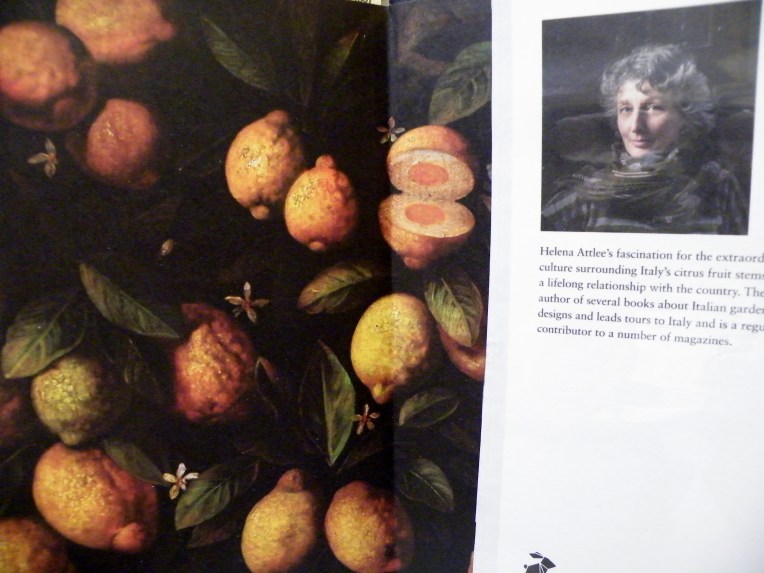
The inside of the cover from the book features Bartolomeo Bimbi’s painting of the many varieties of lemon grown in the garden of Cosimo de’ Medici, and a photo of the author.

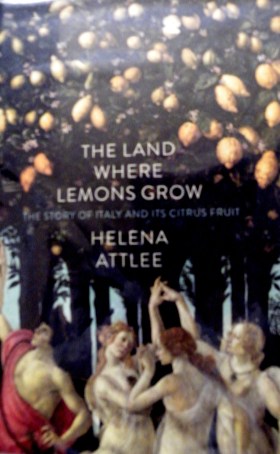
DSCF2752   Cover of the book, available in the library system.

ANGLESEY ABBEY

During last week we were privileged to make a visit to Anglesey Abbey and gardens near the village of Lode in the UK. A faint sun and a slight cold wind made the walk around the gardens pleasant enough. There was so much to be seen, I did not know where to turn may attention first. The lovely fresh snowdrops made a carpet underneath the beautiful ancient trees their branches low to the ground.
Here and there I could see some yellow aconites among the snowdrops.  Further along a splash of bright lilac among the borders were the European cyclamen.  The hellebores also gave us a most pleasing show, many different varieties.

The lanes and walk ways weave along the shrubs and trees giving off a wonderful woody scent even in winter, now and then there was a gate which opened up into a landscaped space created according to historical values, all along there are interesting sculptures, some of them covered right now against the cold weather.

The abbey itself, was established in 1236 as an Augustinian priory, and is a beautiful Jacobean building in almost white limestone.  I did not get a chance to go inside the building but took the tour around it with a guide who told us a huge amount of history about the building.  Everywhere I saw beautiful features, the layout of the out-buildings and the surrounding gardens, especially the rose garden, were nice and interesting.  I could imagine how nice the scent of all the roses during the summer months.

We did not walk as far as the mill, but I am sure that I will visit this place again as we are due back in the area during the summer.  The place is in care of the National Trust by the way.

I do hope that you enjoy my photos, it just goes to show that even during the winter months there is so much to see and enjoy in nature, something to be very grateful for.


THE SUN CAME OUT TODAY

Yes the sun came out today, and it shone over the valley here in Skibbereen, it was glorious and so welcome after all the days of mist, rain, and stormy weather. So I took a walk along the boreen* and found a few wild flowers making colour, their therapeutic effects did not stay behind, I felt so energized after that walk.

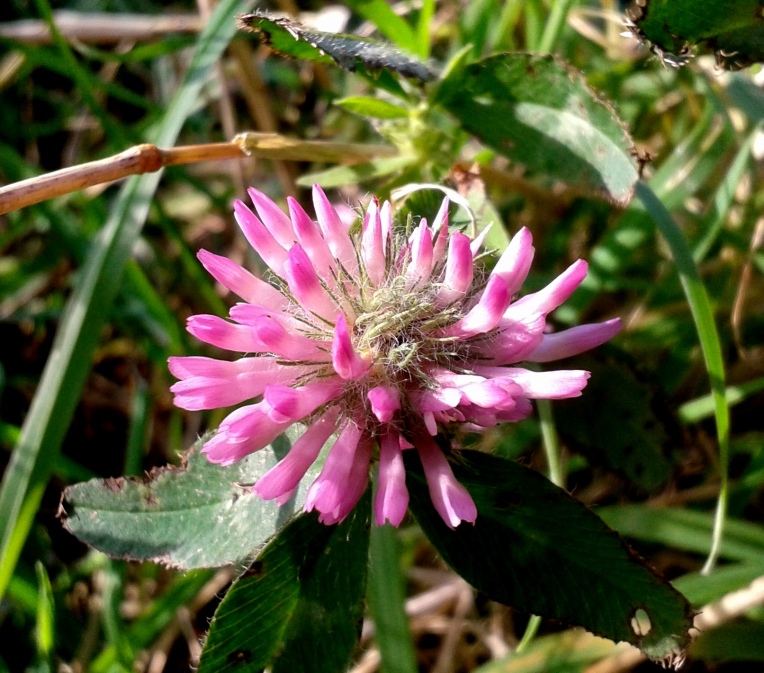
To find the red clover in flower was probably early in the year, but then the temperature is warmer than normal, it has been a steady 10C for a while now and today in the sun the temperature went up to 15C even despite a cold northern wind.
20160127_130051

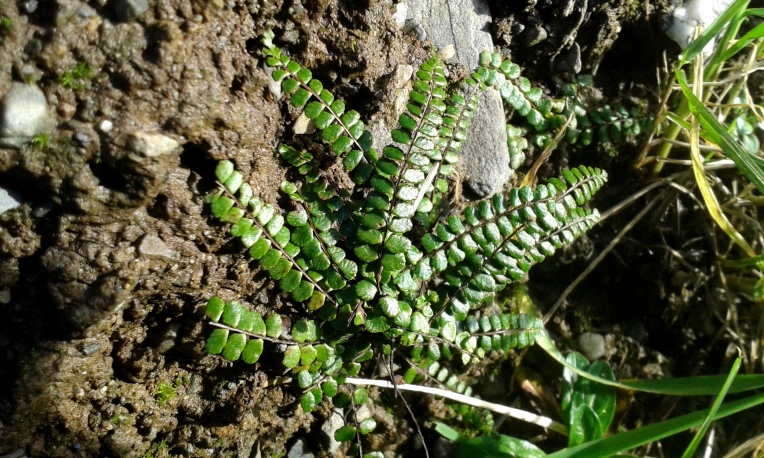
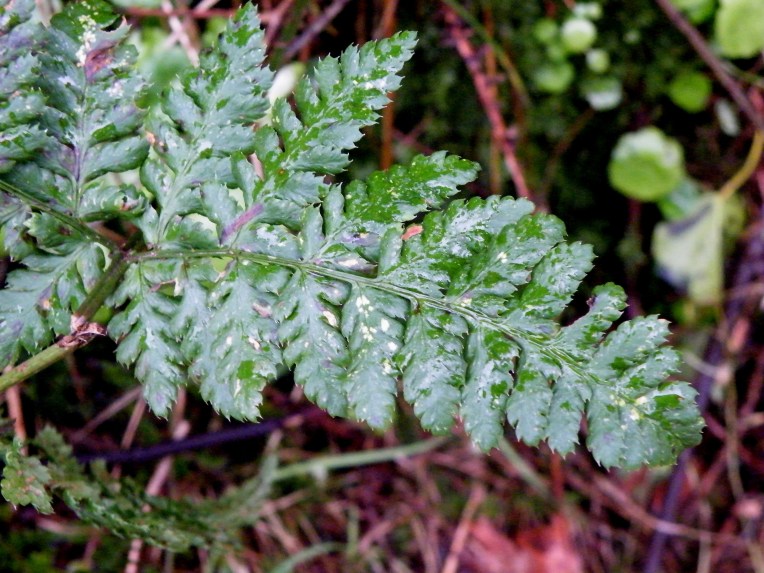
This beautiful little fern grows along rocks even in urban settings all over Ireland.  It’s most delicate and very hardy.

20160127_125537

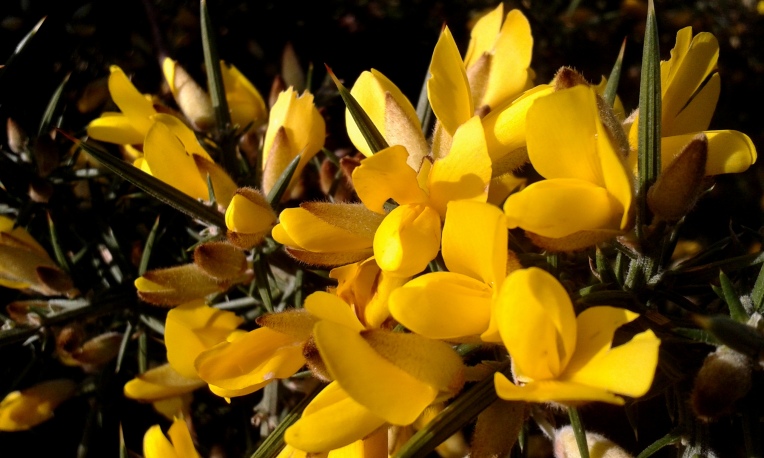
The gorse usually flowers twice a year, once in February,  and once in the summer.  It’s probably early this year, but I did not get any of its scent, we need stronger sunlight for that.

20160127_130143

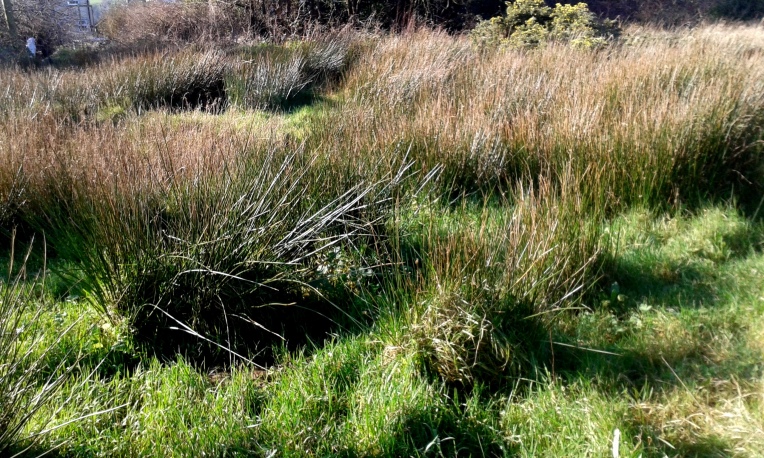
I took this photo behind our houses, it is waste land, the sedges are lovely, I like this sort of landscape too.  Soon St.Brigid will be celebrated in Ireland and people will use the sedges to make St.Brigid crosses, I used to teach people in the library to make those, it’s fun to work with the sedges.

20160127_130245

It is getting time that I start planning my garden, I have not done anything about it really because the weather has been so wet.  Today I started to take stock, and some of the raised beds wood surroundings have rotted!  The soil is still very wet.

Roll on warm and dry weather!

*    Boreen is an Irish word for a path in nature, (Irish: bóithrín,  pronounced [bɔːˈriːn]) it is a rural walking path.

EMERALD GREEN FOLIAGE

Sometimes Ireland is called ‘the emerald country’, and it is no wonder, it is called this way because of the regular rain, this green is always a most beautiful, fresh and profuse colour. Seen from the sky the landscape does look like an emerald jewel.

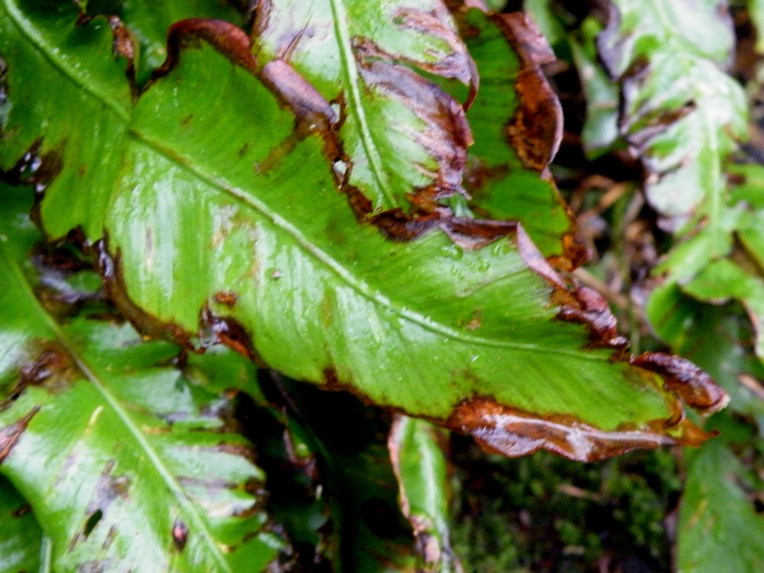
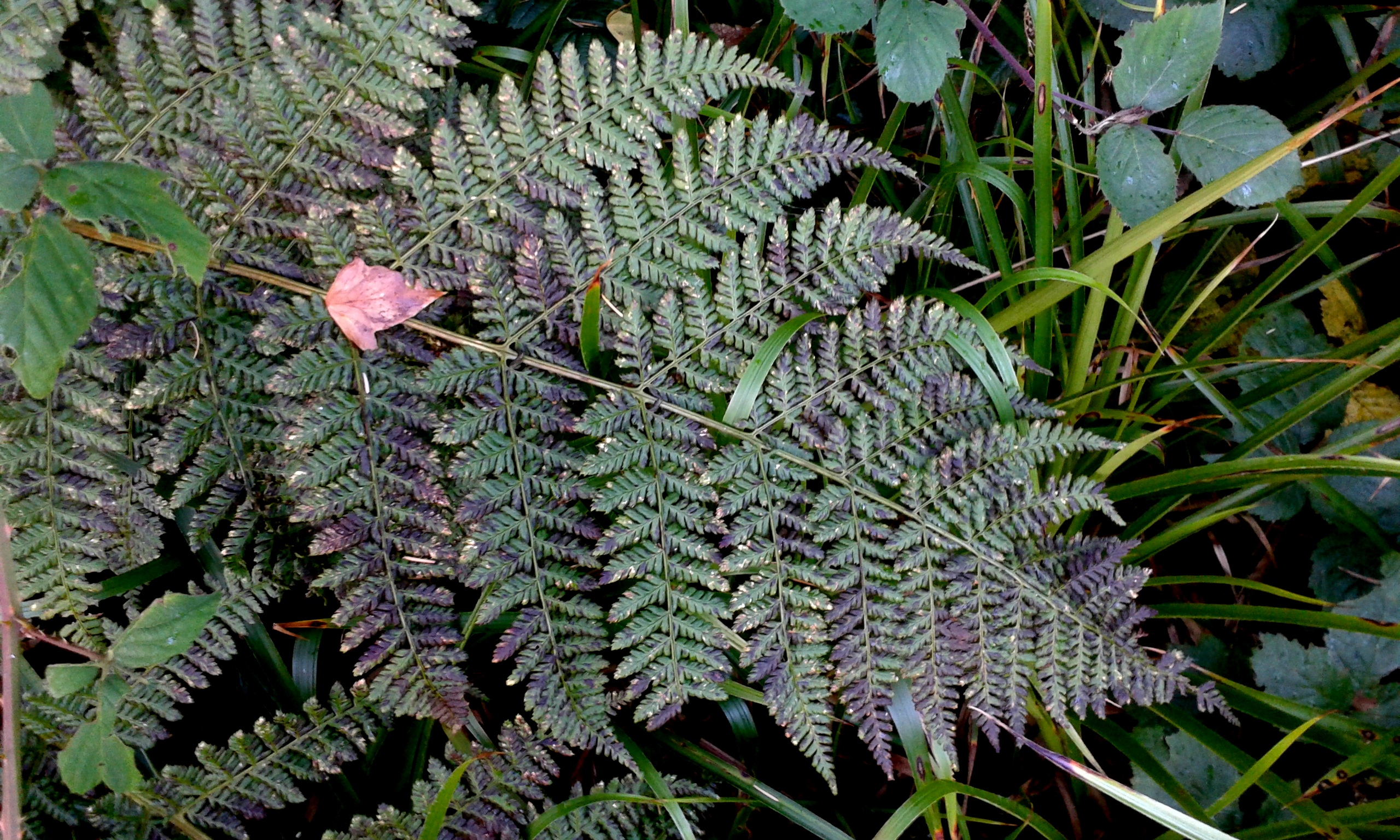
So it was no surprise that I found young green foliage today along the side of a country road.  Though early in the year, there are signs of a rebirth, and of green in the hedgerows.  The Fuchsia hedges have brown branches with here and there young leaves opening up.  The ferns are enjoying this particularly wet winter, a delight for the eye, their lacy leaves unfurling with a vigour that would surprise you, though having said that, some of the leaves had fringes of brown.

Nature is waking up slowly, spring can start very early in South West of Ireland.  Even the birds songs are changing just lately.

DSCF2151

DSCF2164

DSCF2154

DSCF2155

DSCF2157

DSCF2159

The lesser celandine plants are almost ready to flower.

AUTUMN MIRTH

“To-day I think
Only with scents, – scents dead leaves yield,
And bracken, and wild carrot’s seed,
And the square mustard field;

Odours that rise
When the spade wounds the root of tree,
Rose, currant, raspberry, or goutweed,
Rhubarb or celery;

The smoke’s smell, too,
Flowing from where a bonfire burns
The dead, the waste, the dangerous,
And all to sweetness turns.

It is enough
To smell, to crumble the dark earth,
While the robin sings over again
Sad songs of Autumn mirth.”

From a poem called DIGGING.”
Edward Thomas, Collected Poems

20151024_154310

20151024_153937

20151024_154319

20151024_154205

20151024_153054    DSCF0958

HERBAL MEDICINE WORKSHOP

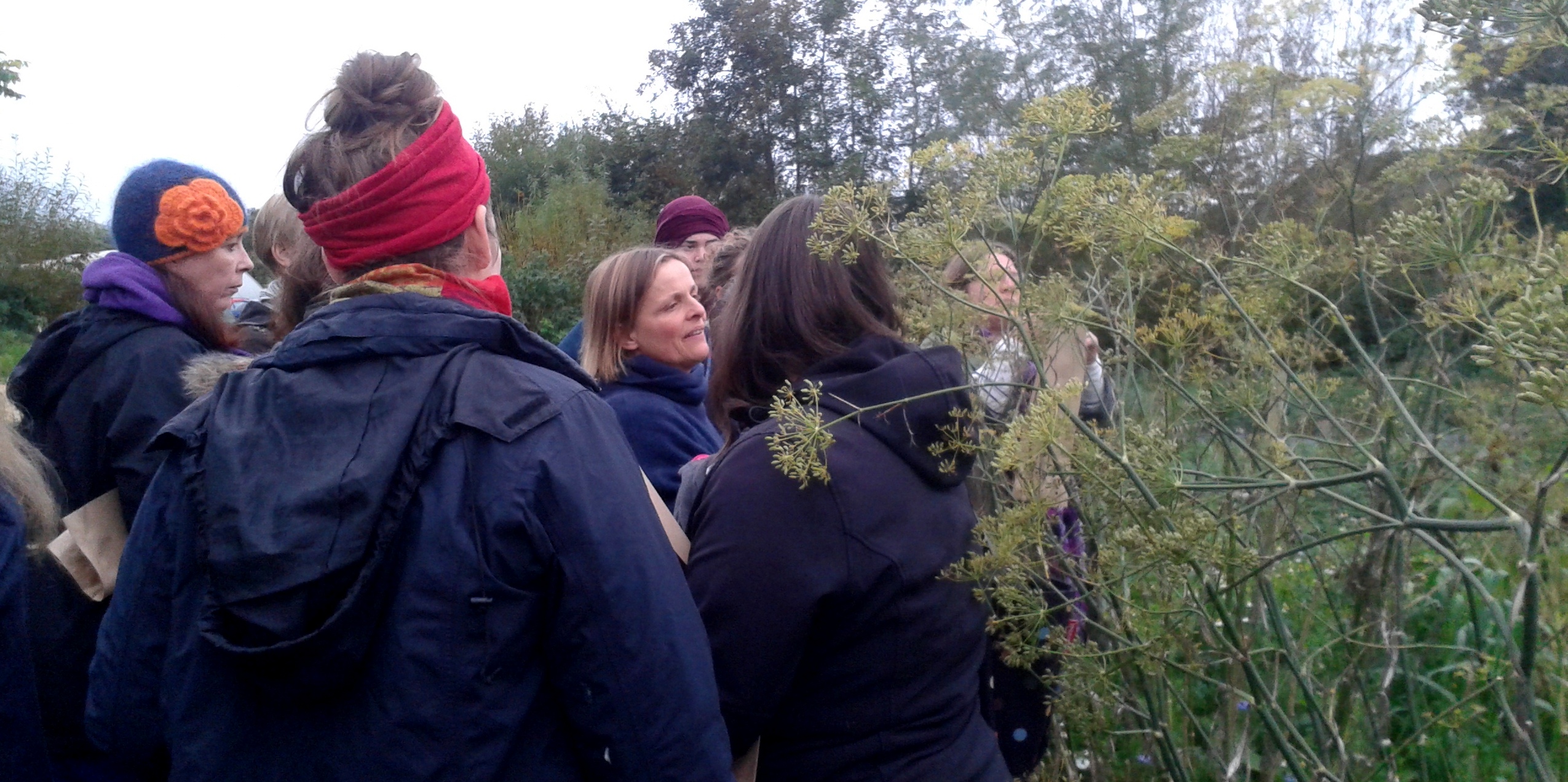
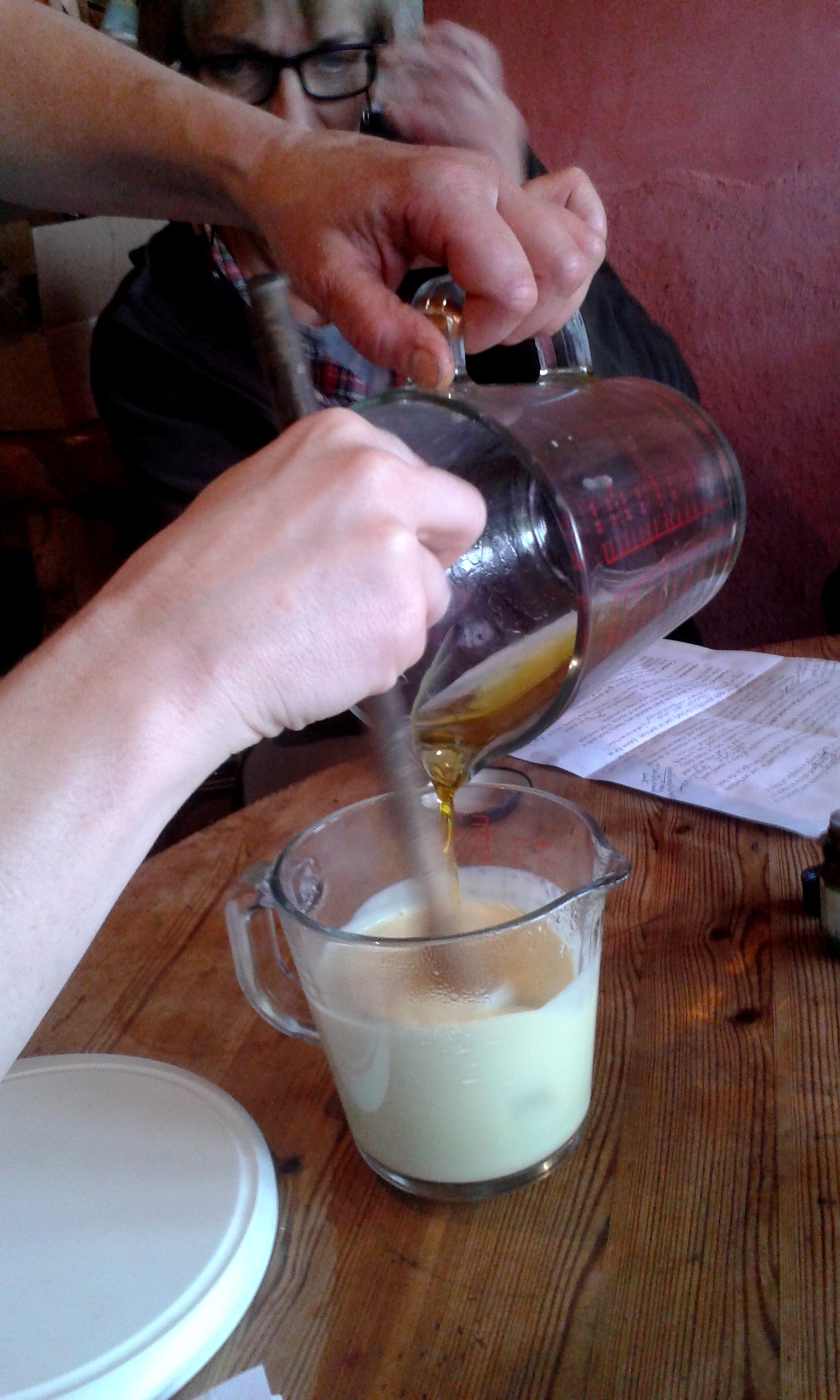
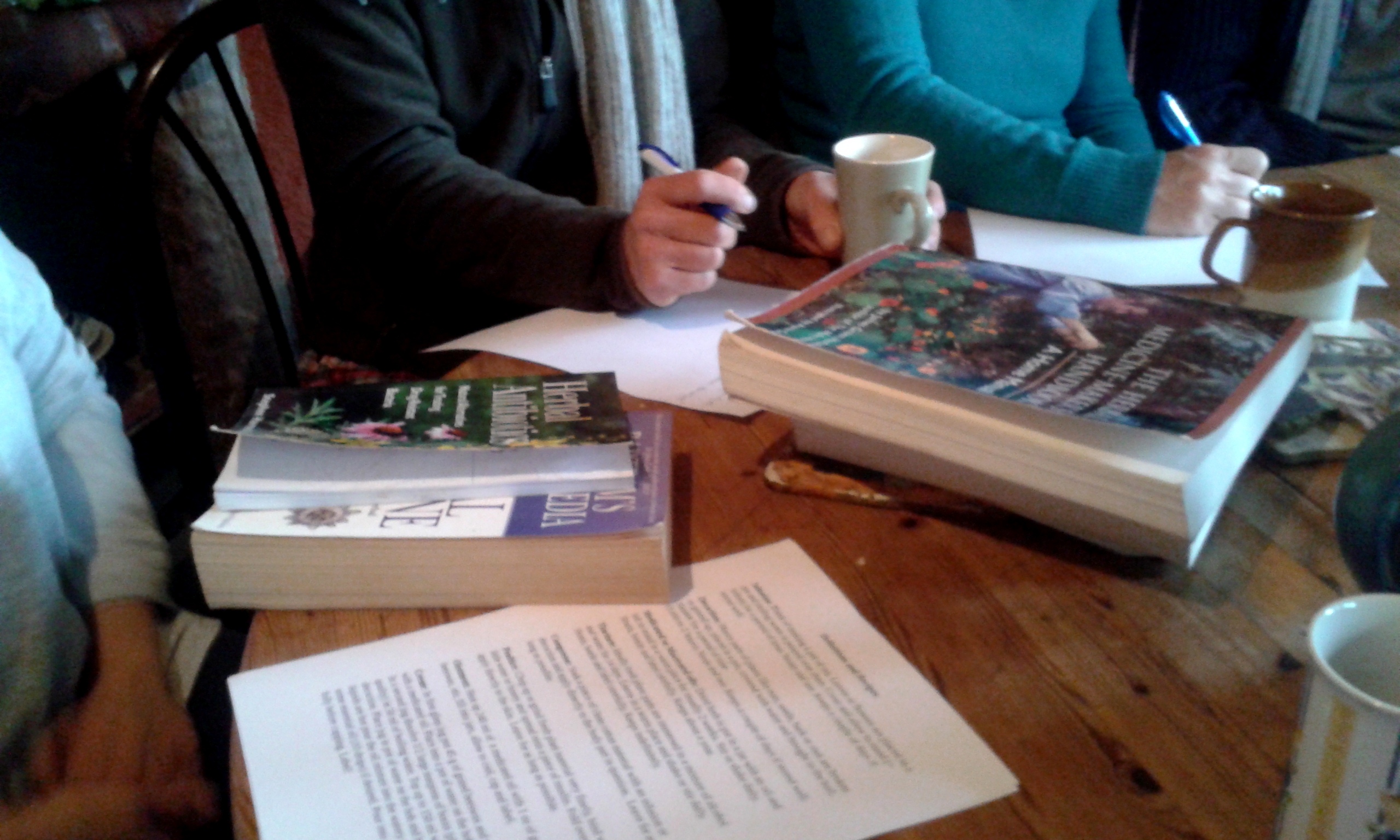
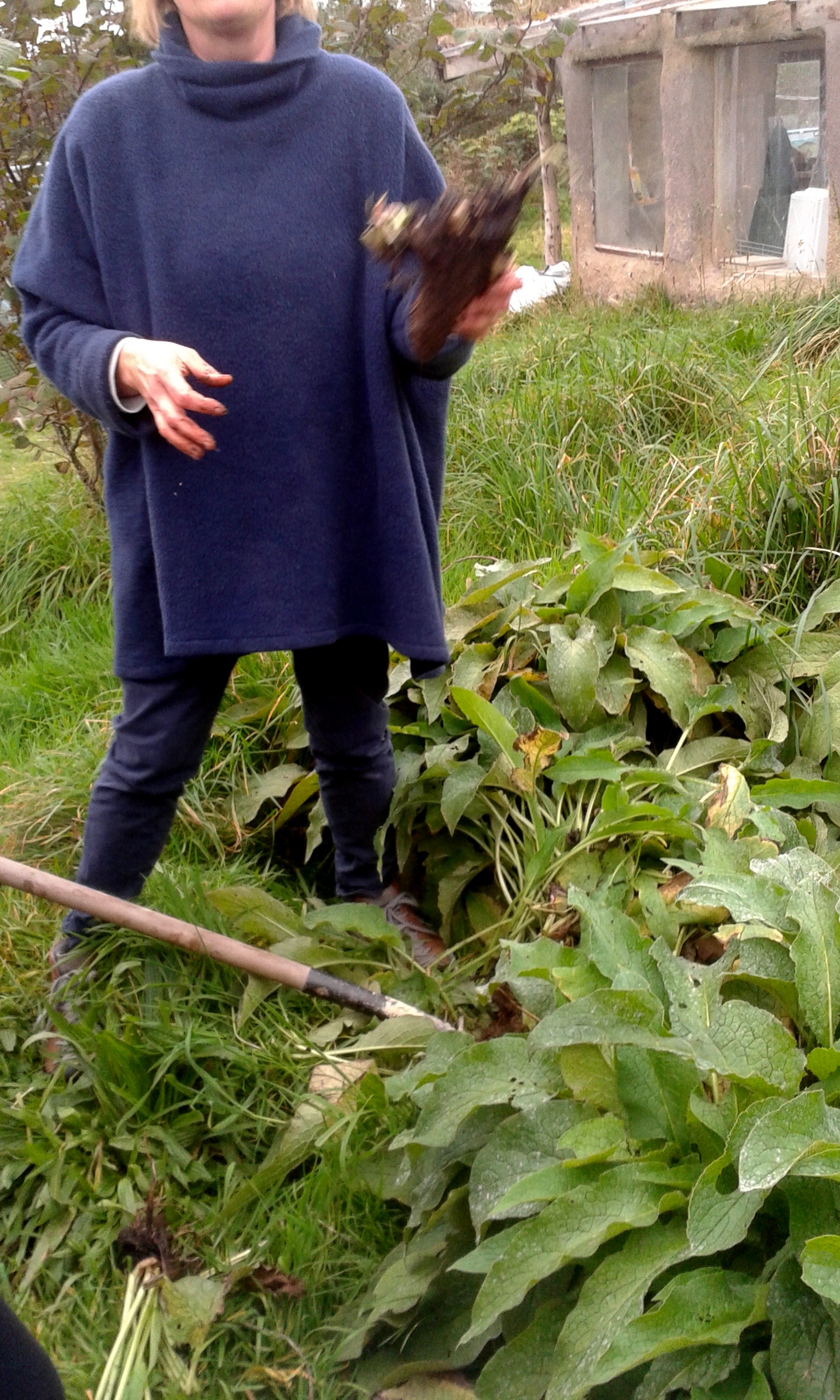
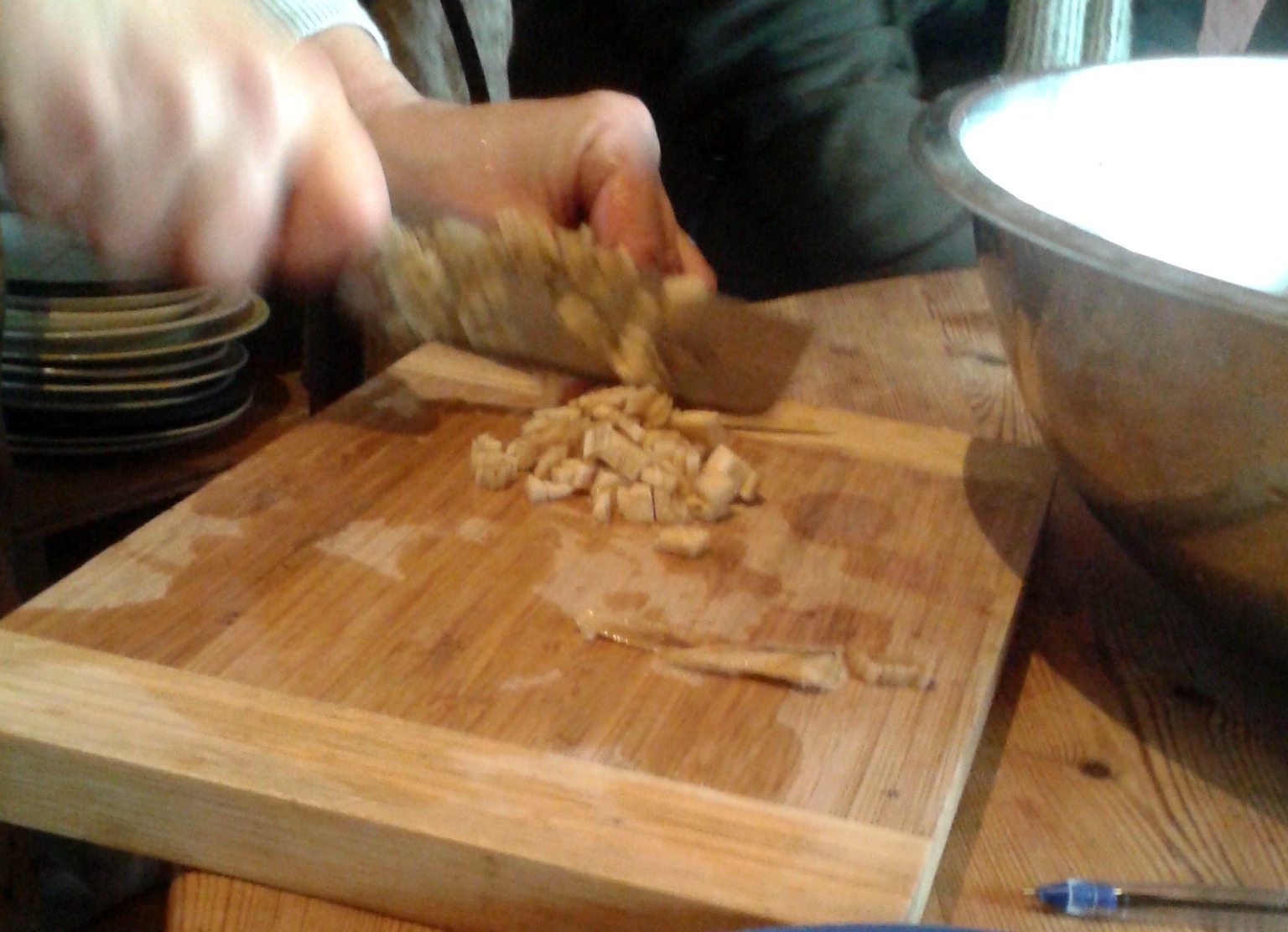
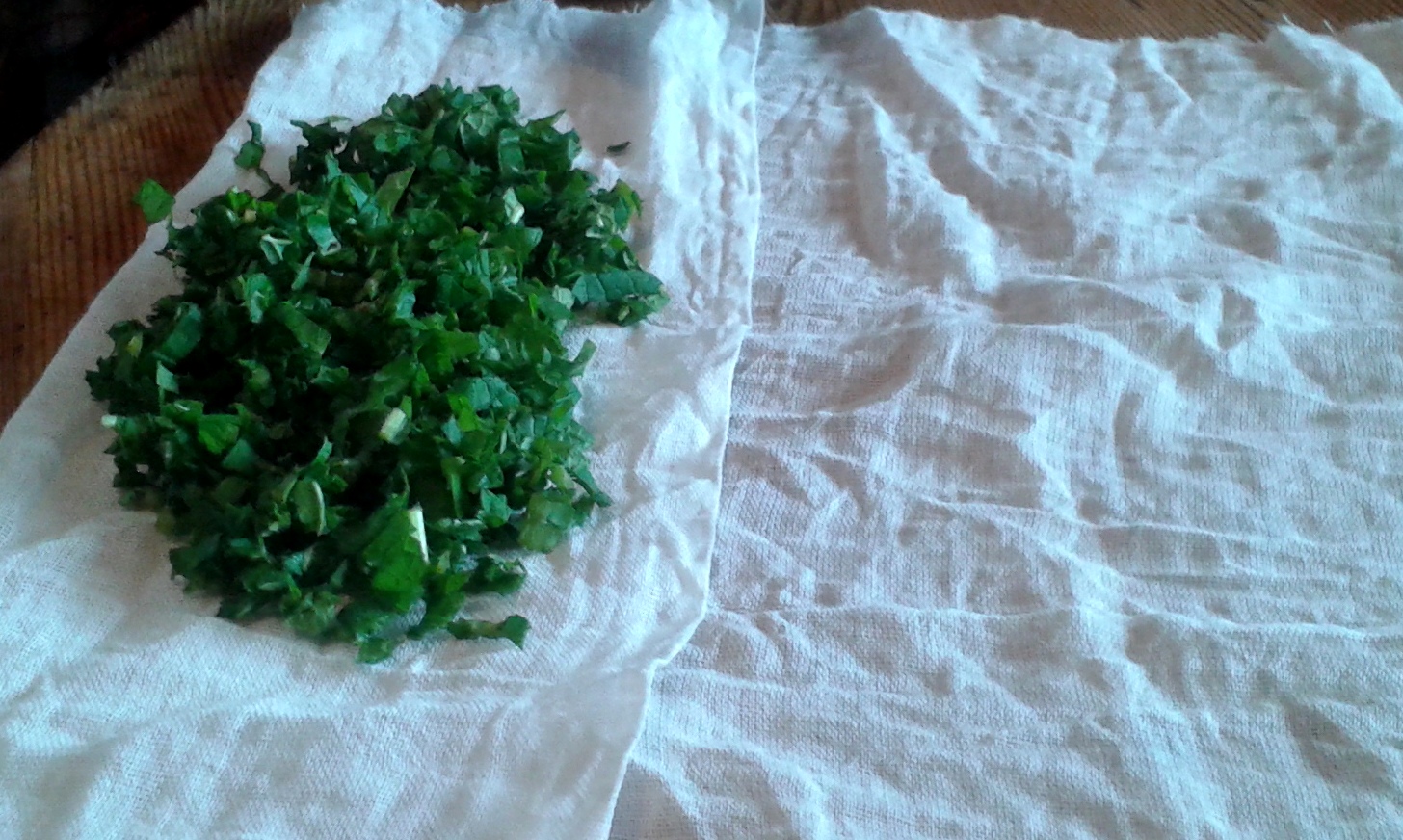
Today at the Hollies I attended a workshop which taught me more about how to make some medicinal herbal teas, tinctures, syrups, creams, and ointments for regular use, for small ailments. We learnt to identify the plants first on a walk through the land, as I have an interest in herbs for a long time, I had no difficulty recognising them all. What I was hoping to get out of the workshop was a bit more knowledge on how to make a cream or an ointment from infused oils, compresses, poultices, and I found it not only interesting, I also found it inspiring. We went through so much information, took notes, took photos, chatted, and listened, and of course we tasted and tried stuff we made, and we smelled every plant we used, and what a variety; Mullein, echinacea, hypericum, fennel, plantain, hawthorn, periwinkle, rosehip, sage, marsh mallow, calendula, rosemary, comfrey, yarrow, and elderberry. After a few hours of identifying and picking plants, we went inside and enjoyed a nice lunch of nettle soup, homemade bread and hummus, after that we got stuck into brewing up our stuff, first we chopped up some rosemary and also some comfrey root, we made a tea of the rosemary leaves, and cooked up the comfrey root in hot oil (au bain marie), we strained it, and added it to the beeswax which we had cut up and melted (au bain marie) also. Finally we mixed all the ingredients together and poured into little jars. This ointment is said to be good for sprains.

For the cream we made we used calendula flowers, and rosemary leaves, the method was straight forward enough, as was the method to make a tincture, or a syrup.

I think that I finally have found the motivation to use more of the herbs I am growing, and some of the oils that have been waiting to be turned into creams and ointments.

So much to look forward to.
20151018_103950

A great group of interested people gathered around so many herbs.

20151018_132738     20151018_144722

Making the cream was of even more interest to me, we made it of calendula flowers and rosemary, the result was great.

20151018_151913    20151018_122821

Stirring the cream before pouring it into the little jars, labelling is also very important.  Creams would usually last for about a year.  And of course we got good recommendation of books, some of which I might look out for.

20151018_114052    20151018_125906

Digging up the comfrey root, and washing it before taking the peel off and cutting it up for use.

20151018_130438   20151018_150557

Cutting the comfrey root, and pouring the finished product into little jars.

20151018_133242     20151018_110851

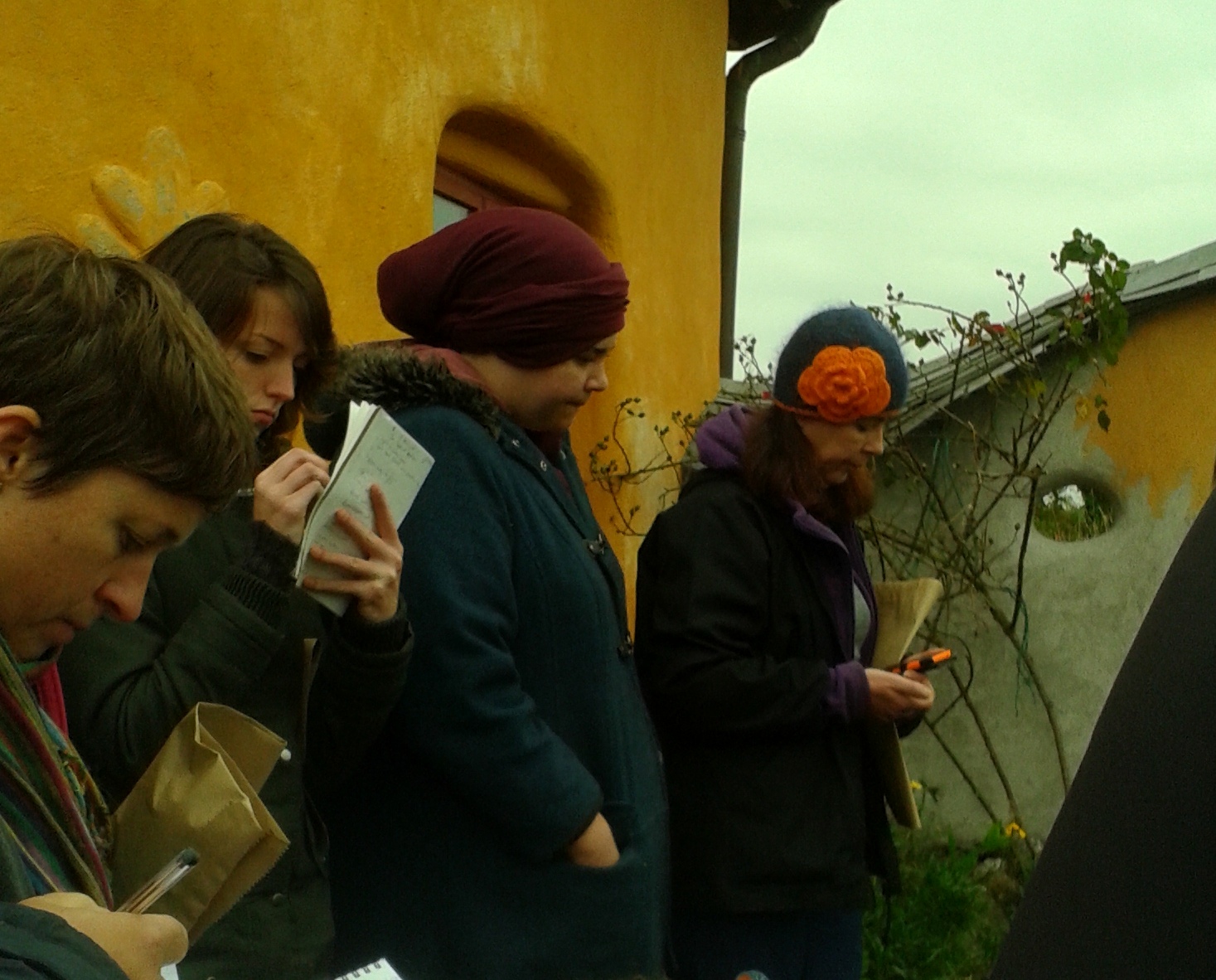
Comfrey used in a poultice, and students listening and taking notes in the gardens.

20151018_154928     20151018_163025

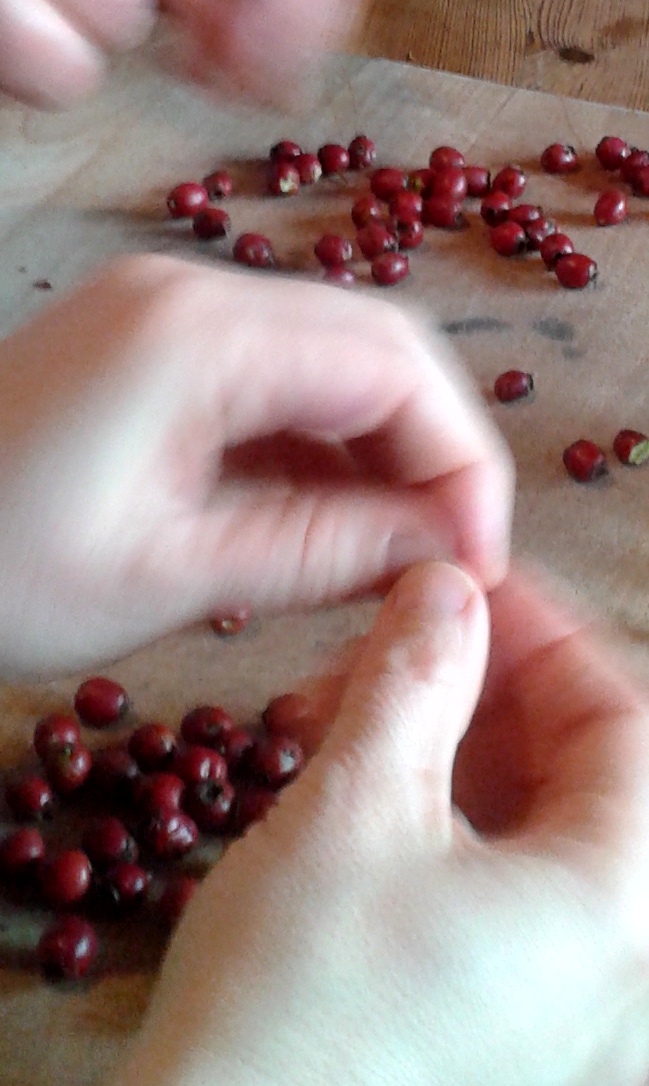
Picking off the elderberries to make a syrup, and getting the hawthorn berries ready to make a tincture.

THE LONG STRAND AND SEAWEED

A very refreshing walk on the beach at Long Strand this Sunday held a pleasant surprise for us, apart from being just wonderful as it was a mild, wind still day. The beach had just a few people and dogs walking on it, and there were some surfers playing on the waves, it was relaxing and very tranquil. And to our surprise we found a lot of loose seaweed lying around, the tide was coming in so we took some of it over to the car, to use in the garden, when it is well rotted and the salt is removed. So I have now got it soaking in the bath. I am really happy about finding the seaweed as it is priceless for use as compost. Nature is so bountiful, everywhere you turn it gives us rich pickings for use to improve our soil. The other day I gathered the brown leaves from the front garden to make it into leaf mould which is extraordinary stuff to use.

This new week is going to be a busy one in the garden, planting garlic, dealing with the seaweed, some pruning (got a book out from the library), taking down the last of the bean plants, taking out old strawberry plants, and much more… hopefully the weather stays calm and dry. This is a most beautiful time of the year, full of beautiful and vibrant colours and earthy scents, I love it so much.
A time to celebrate harvests of all sorts, and to be thankful for so many blessings.

2015-10-11

CENTRE FOR PRACTICAL SUSTAINABILITY

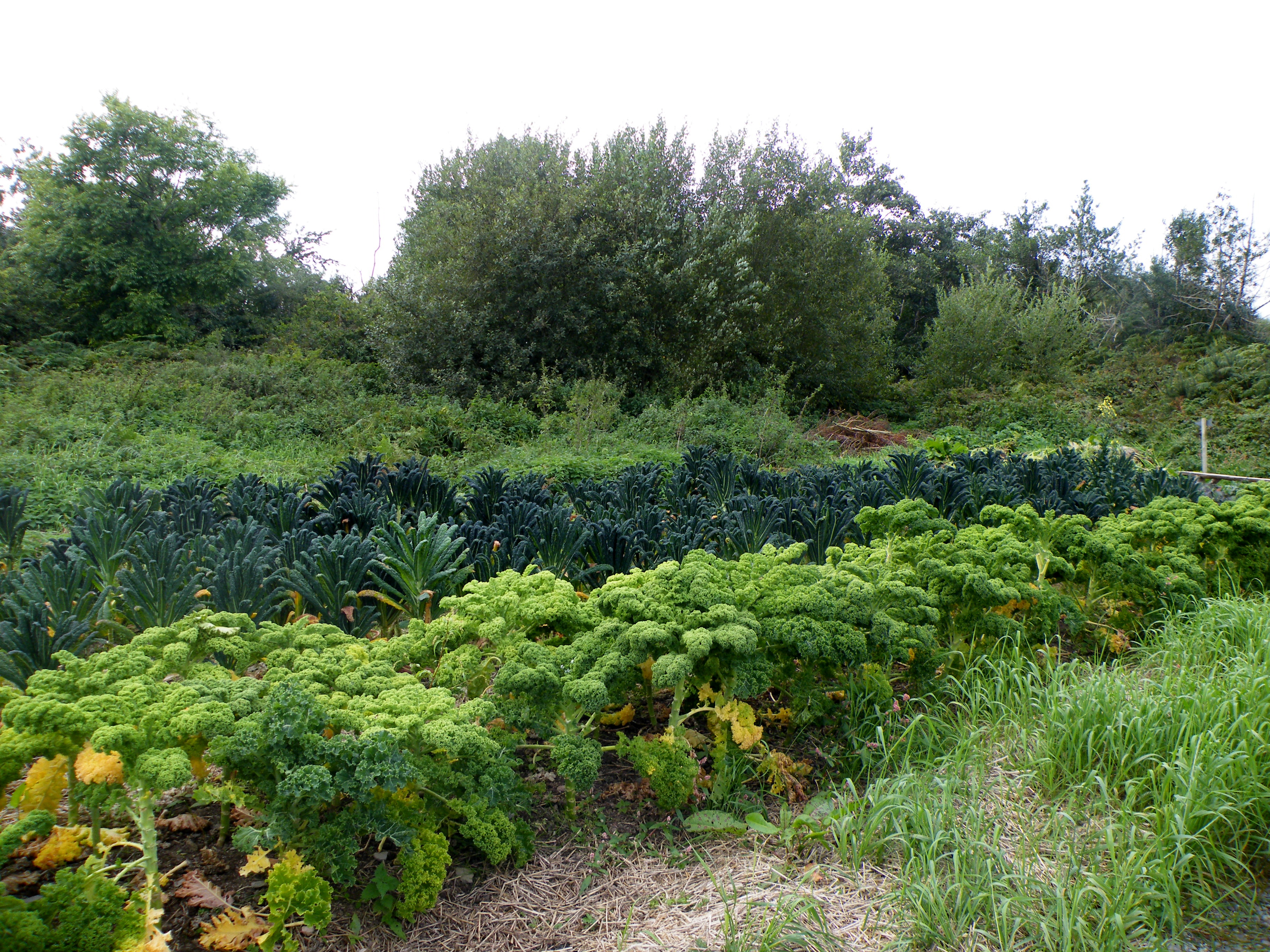
Last Sunday we visited the Hollies, not very far from where we live, this is a centre for practical sustainability. There was an open day, which we enjoyed very much and learnt quite a few things. We walked the gardens and I noticed how much flowers grew bordering the vegetables which were laid out in narrow plots to minimize compacting the soil.

This community offers a variety of courses, I have booked one of them for later in the month. Gardening skills are taught, managing poly tunnels, growing food for the family, wild food foraging, building a baking oven, and how to create a bio-diverse garden to name a few.
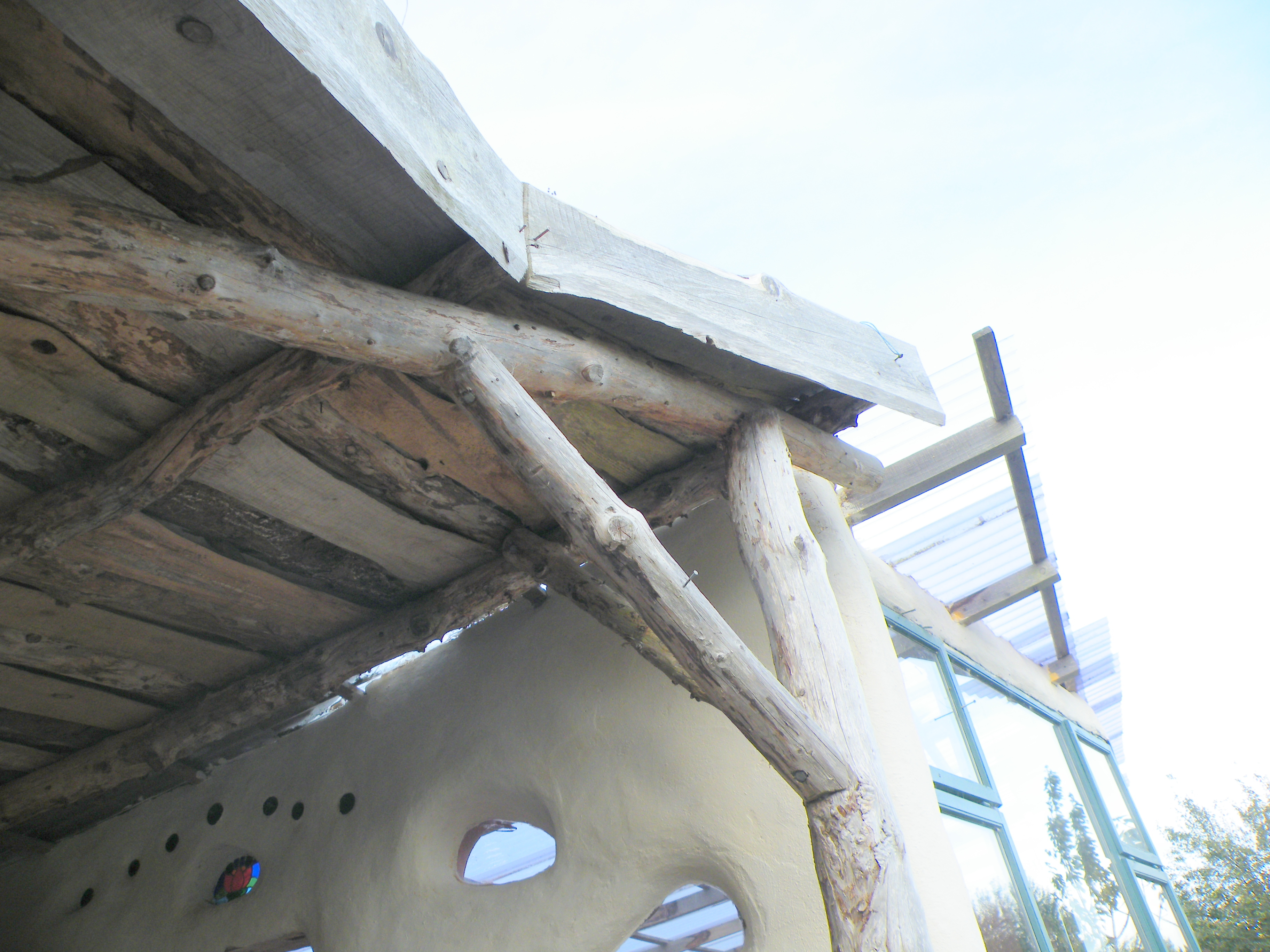
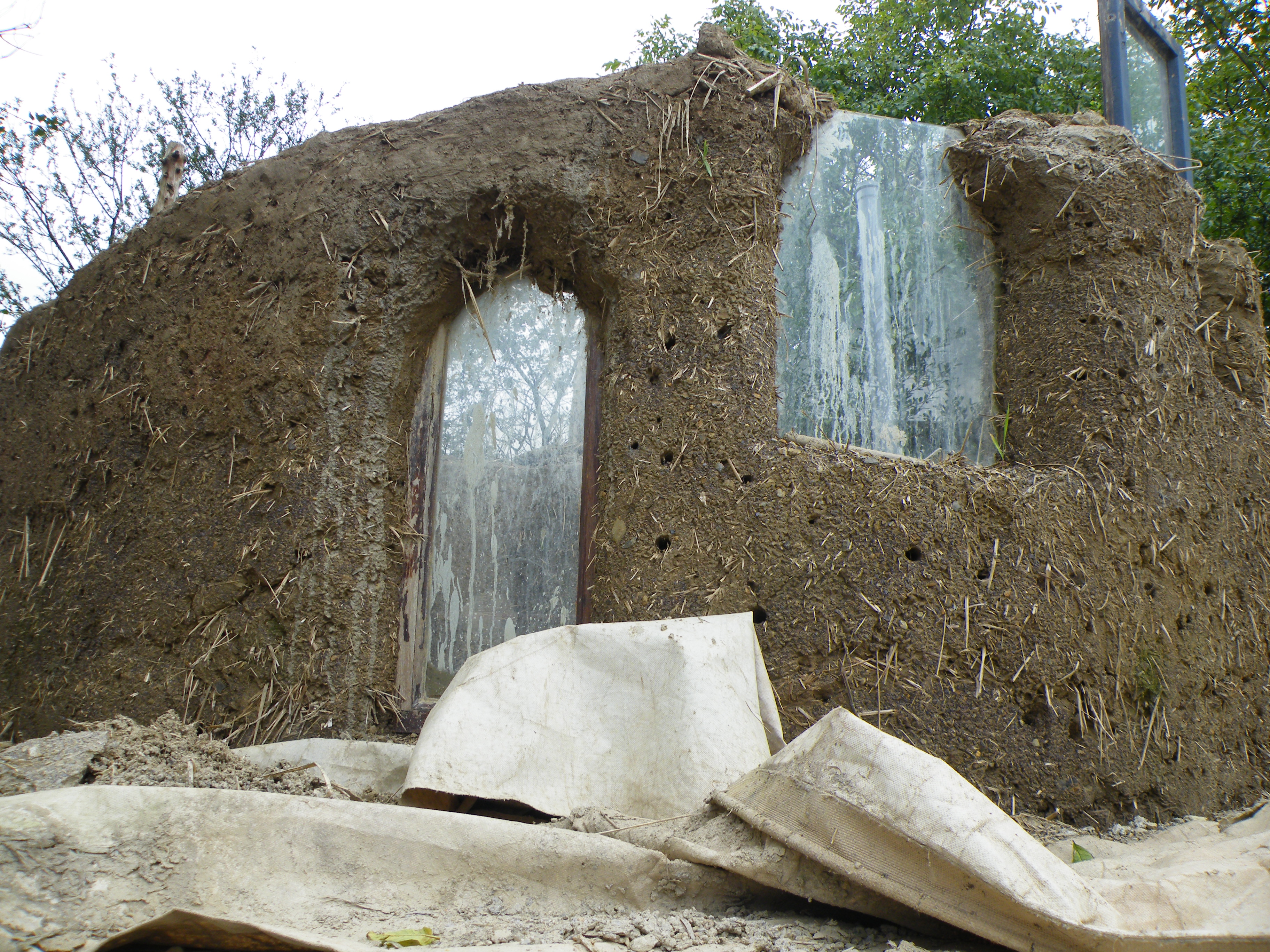
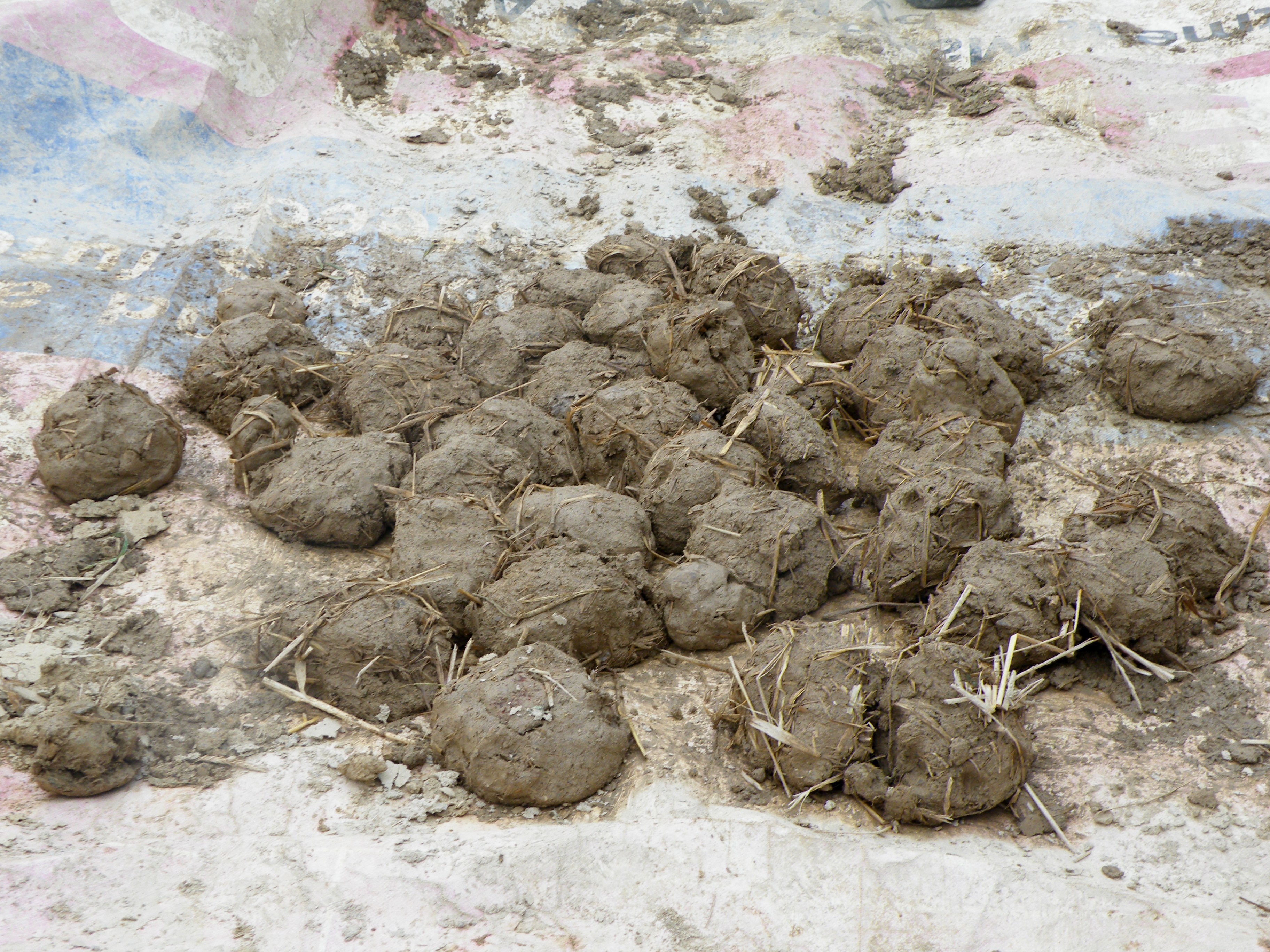
What I found most interesting, and new to me is the amount of cob houses that are on the land (around 30acres), some of them half built which gave us an idea what goes on in building them, all the different steps were explained to us on the walk. It is fascinating how a beautiful house can be build just using earth, some lime, clay, pebbles, and straw (I hope that I got that right). But building by this method takes a long time, as layer upon layer has to dry out before one can proceed.
This is what I picked up from going there for a few hours, it was a first introduction to this community but we will go there again and learn more.
DSCF0433

DSCF0430     DSCF0452

Discussing manure in one of the poly tunnels, and lots of leeks growing for the winter.

DSCF0442    DSCF0372

Some features of a cob house, and one half built.

DSCF0466       DSCF0461

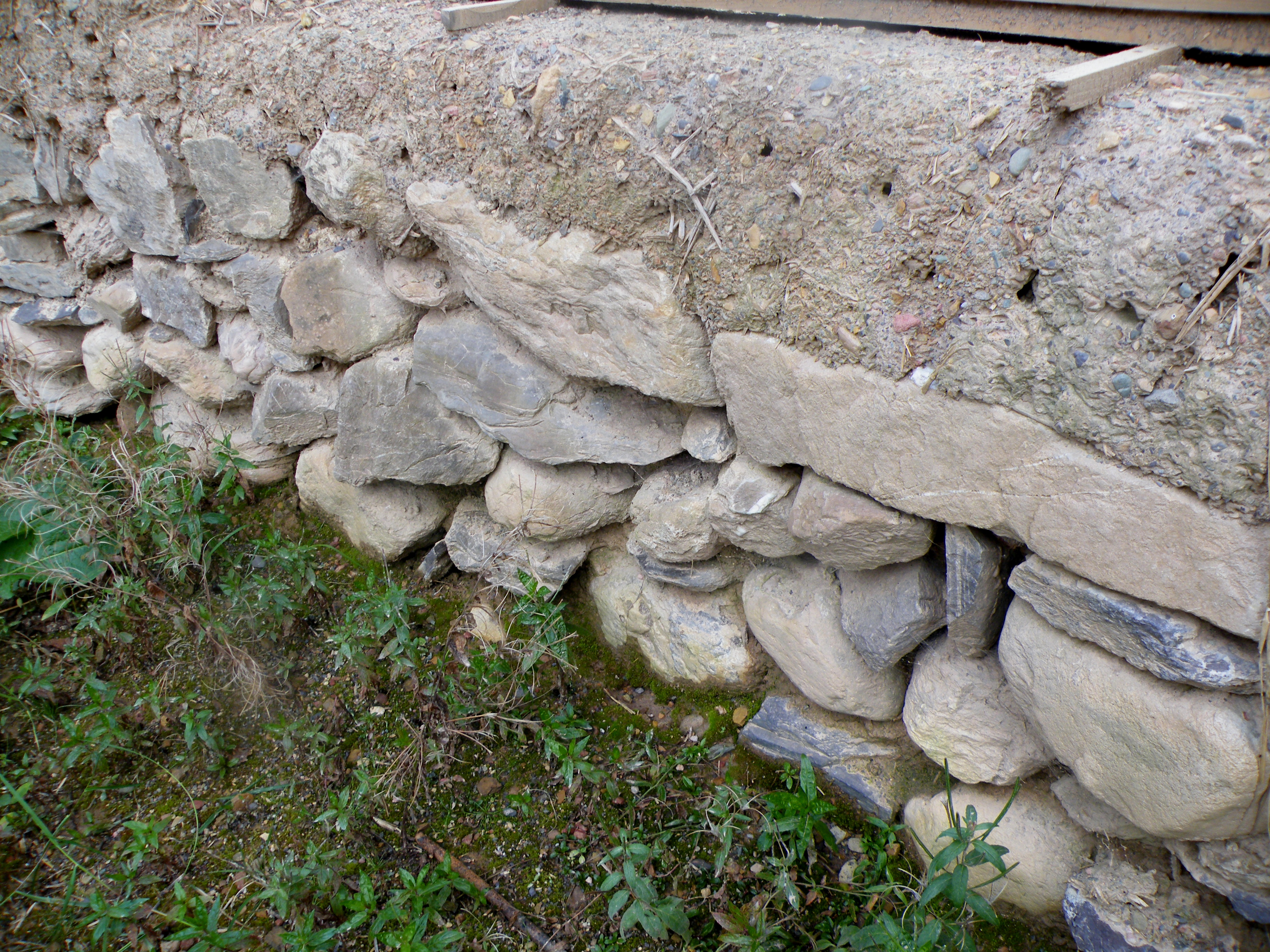
Dry-lining is not required, this is foundation under wall.  And the chimney in middle of room in this case.

DSCF0377   DSCF0484

A living roof, and some of the clay and straw ready for use.

DSCF0379  DSCF0380

A roof from the inside of a cob house, beautifully made, and other part of the room.