A BLESSED SUNDAY IN RURAL IRELAND

cropped-dscf1085.jpg

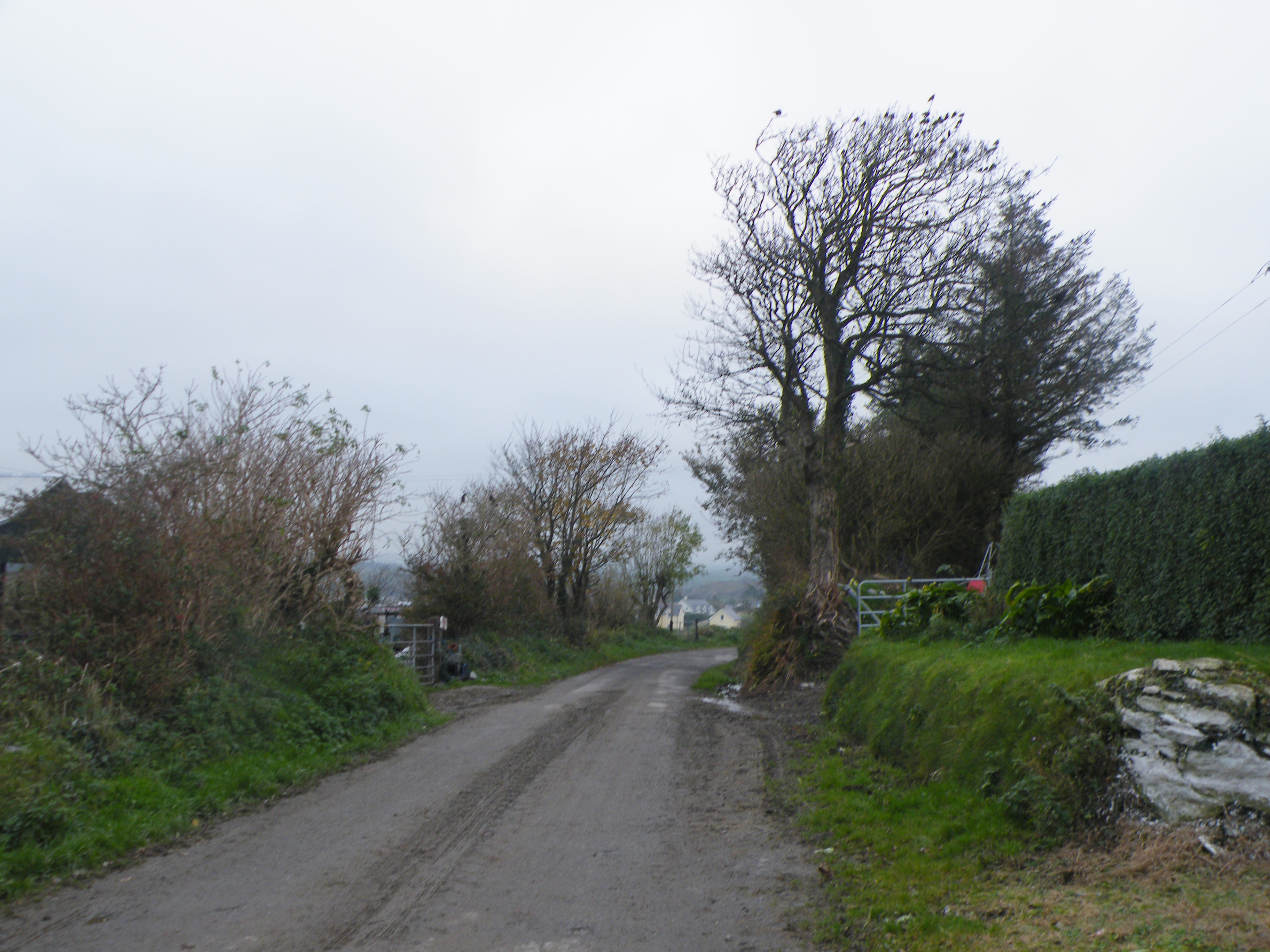
Harry Clarke is well known for his use of the most beautiful colours, deep blues especially delight the eye.  This is one of the stained glass windows in St.Barrahane’s Church in Castletownshend, Ireland, there are three windows designed by Harry Clarke in this little church. We spent some time here last Sunday as my latest grandchild was being christened.   Because of the week that was in it there was not much work done in the garden, apart from the hedge cutting.  I went on an outing with my daughter and grandchildren one of the days, we did some shopping but also walked along the estuary and bird sanctuary at Timoleague and saw the ruins of an old abbey there (http://www.timoleague.ie/abbey/default.html).  And on Friday we had a crafts day with the two oldest girls, we made a treasure box from scrap items which they thought was great fun!  Then on Sunday there was yet another outing to the christening, and a stroll along the country road where the starlings were making a racket but otherwise all was very peaceful.

Meanwhile it is the second of November and still the weather is mild and a golden sun burnt away the grey skies this morning.  So far we have been really blessed with the weather here which we gratefully accept after a rather cool and sunless summer.
DSCF1048

Sts Louis IX and Martin of Tours – stained glass window by Harry Clarke.
DSCF1078     DSCF1089
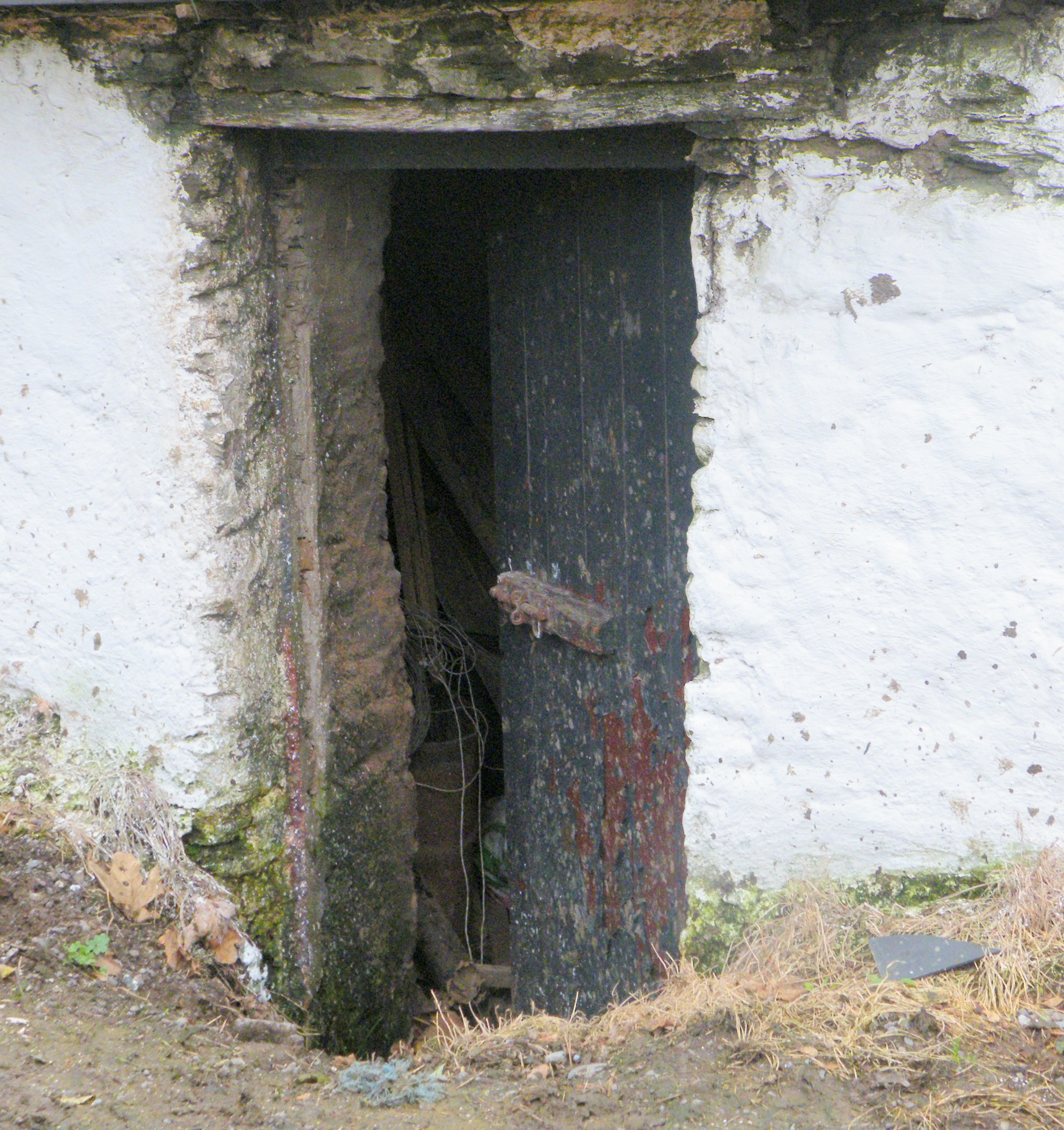
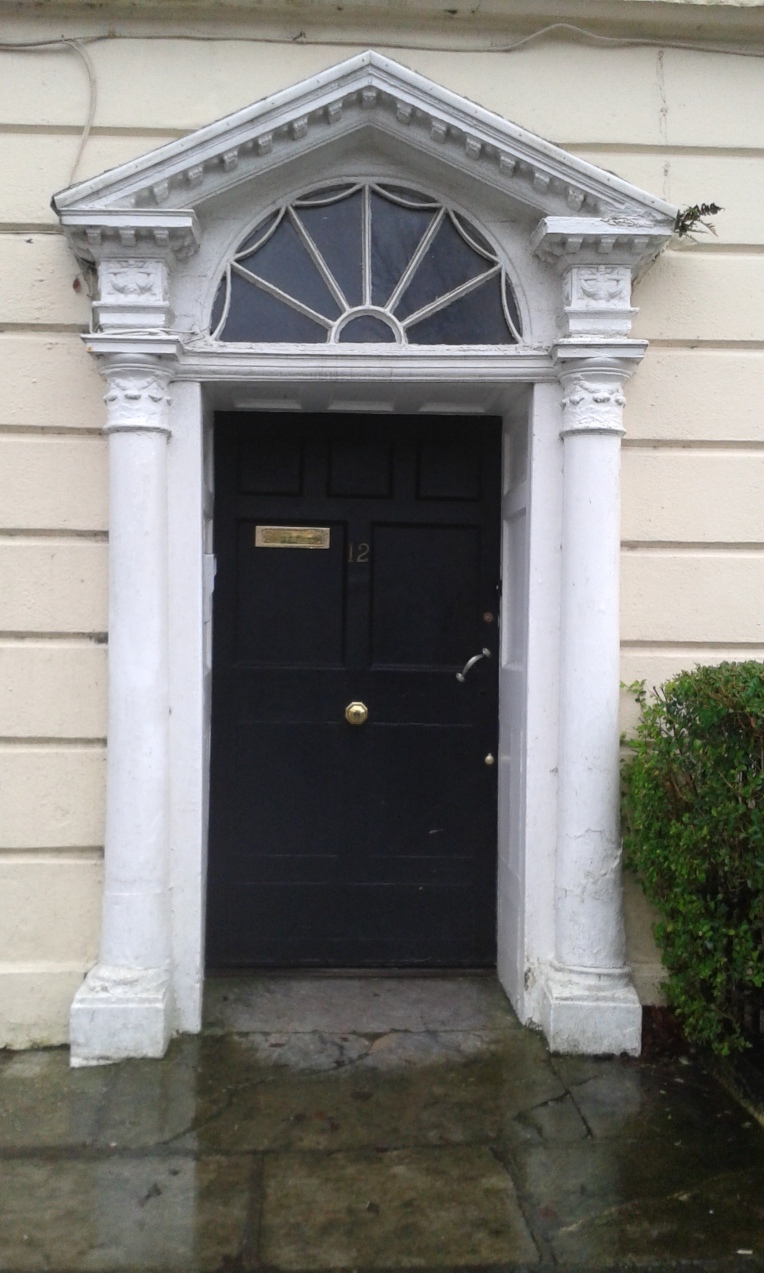
Sunday stroll around the old pub where we had lunch, an old farm door took my interest.
20151030_174645   DSCF1062
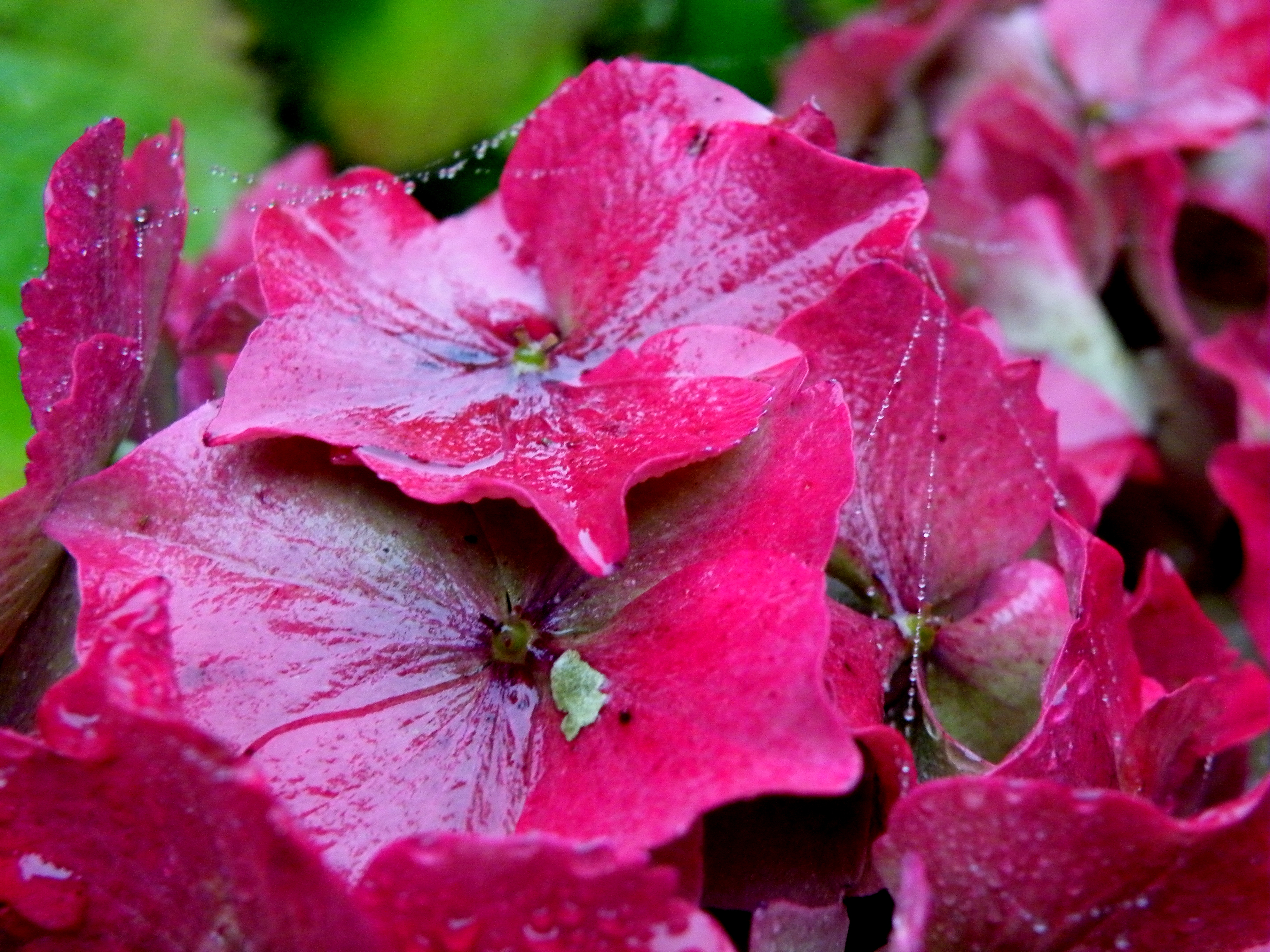
Magically recreated soap powder boxes.  And deep pink hydrangeas along the Irish country roads.
DSCF1090    DSCF1108
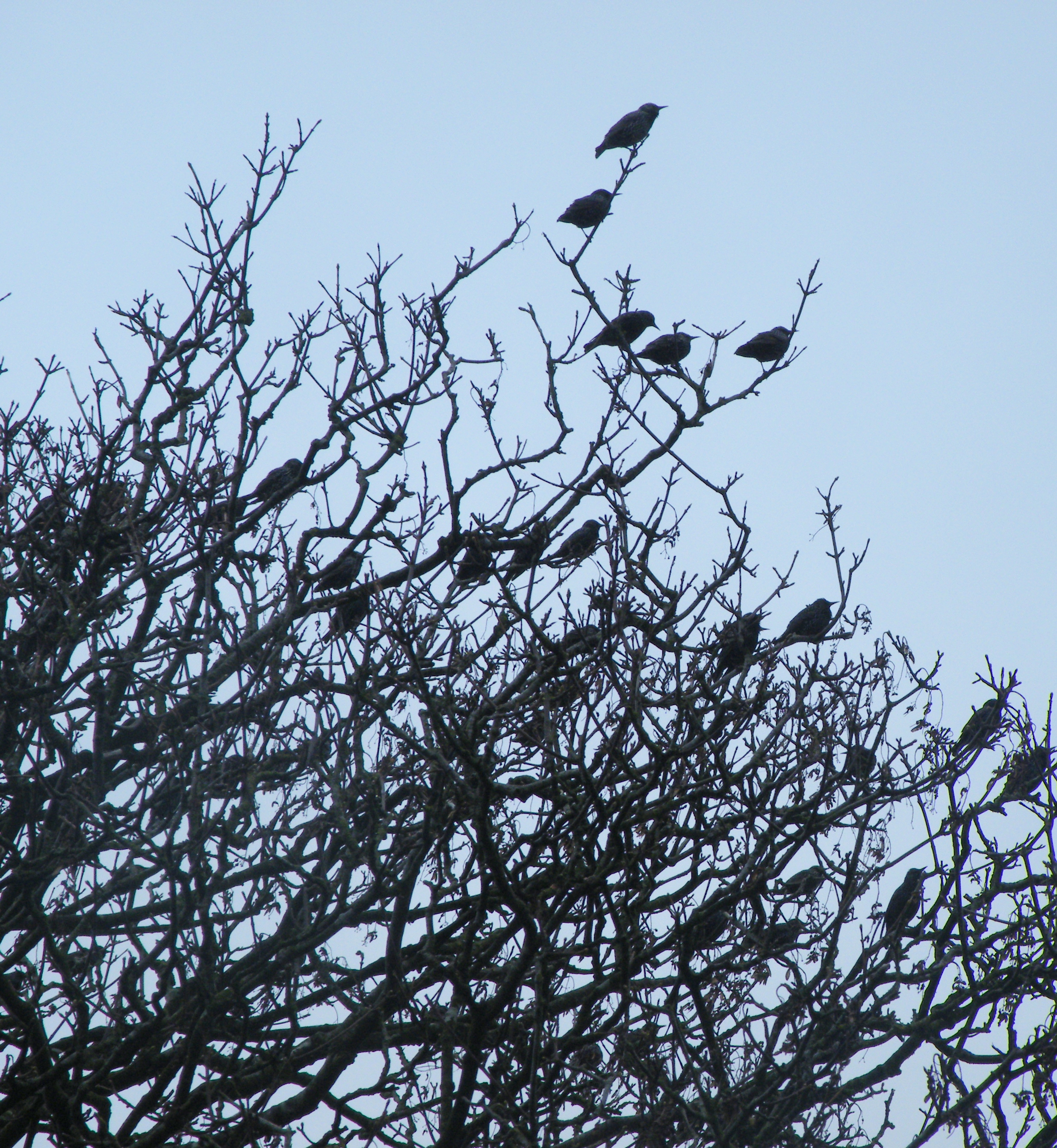
Starlings gathering in the trees, and autumn leaves all along the hedgerows.

AN INTERESTING DIG IN SKIBBEREEN

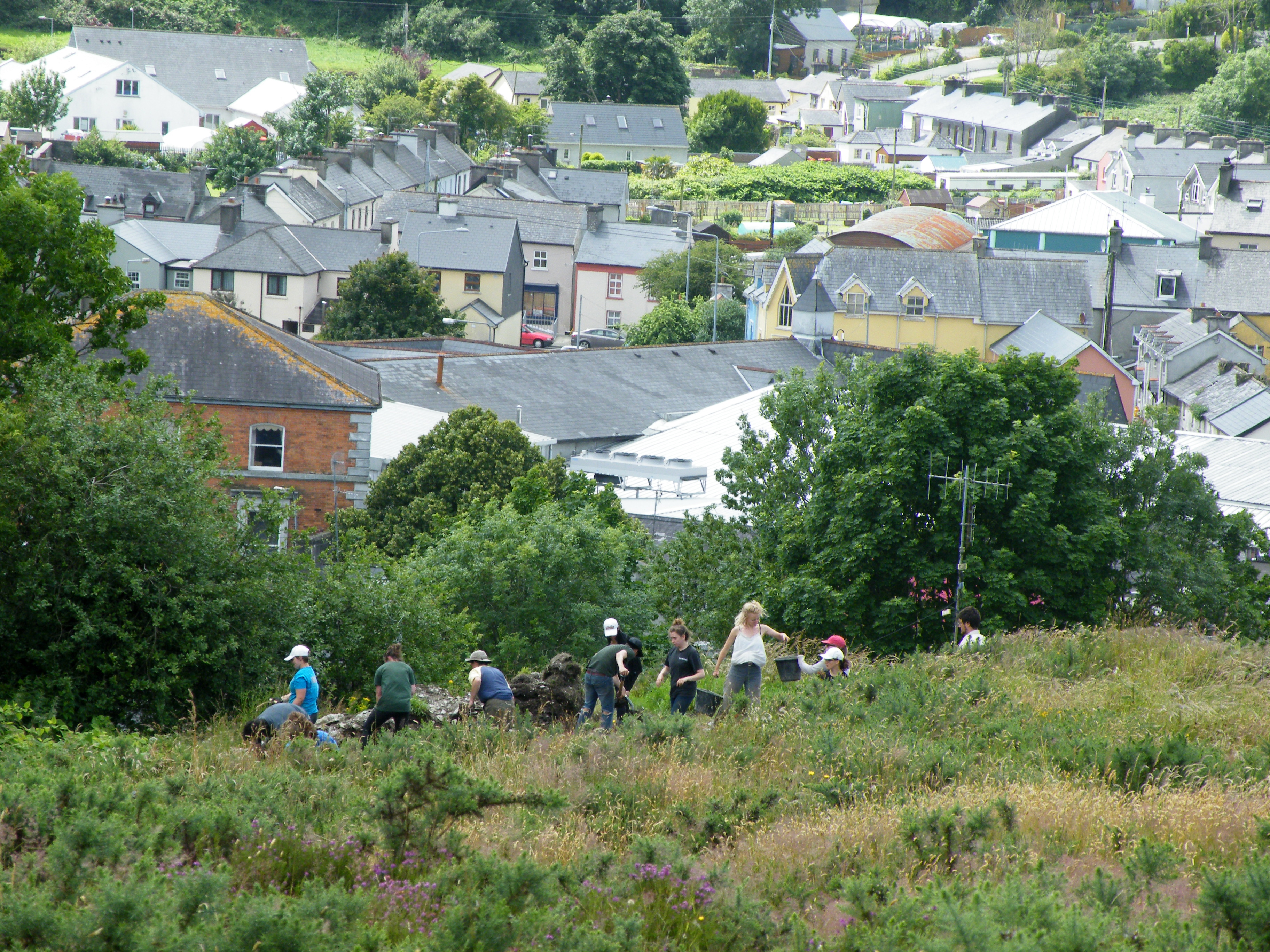
We recently had an archaeological dig here at Skibbereen in West Cork. The work was undertaken by students of the university of Maryland in US, under the supervision of their professor Stephen Brighton and Drew Webster.
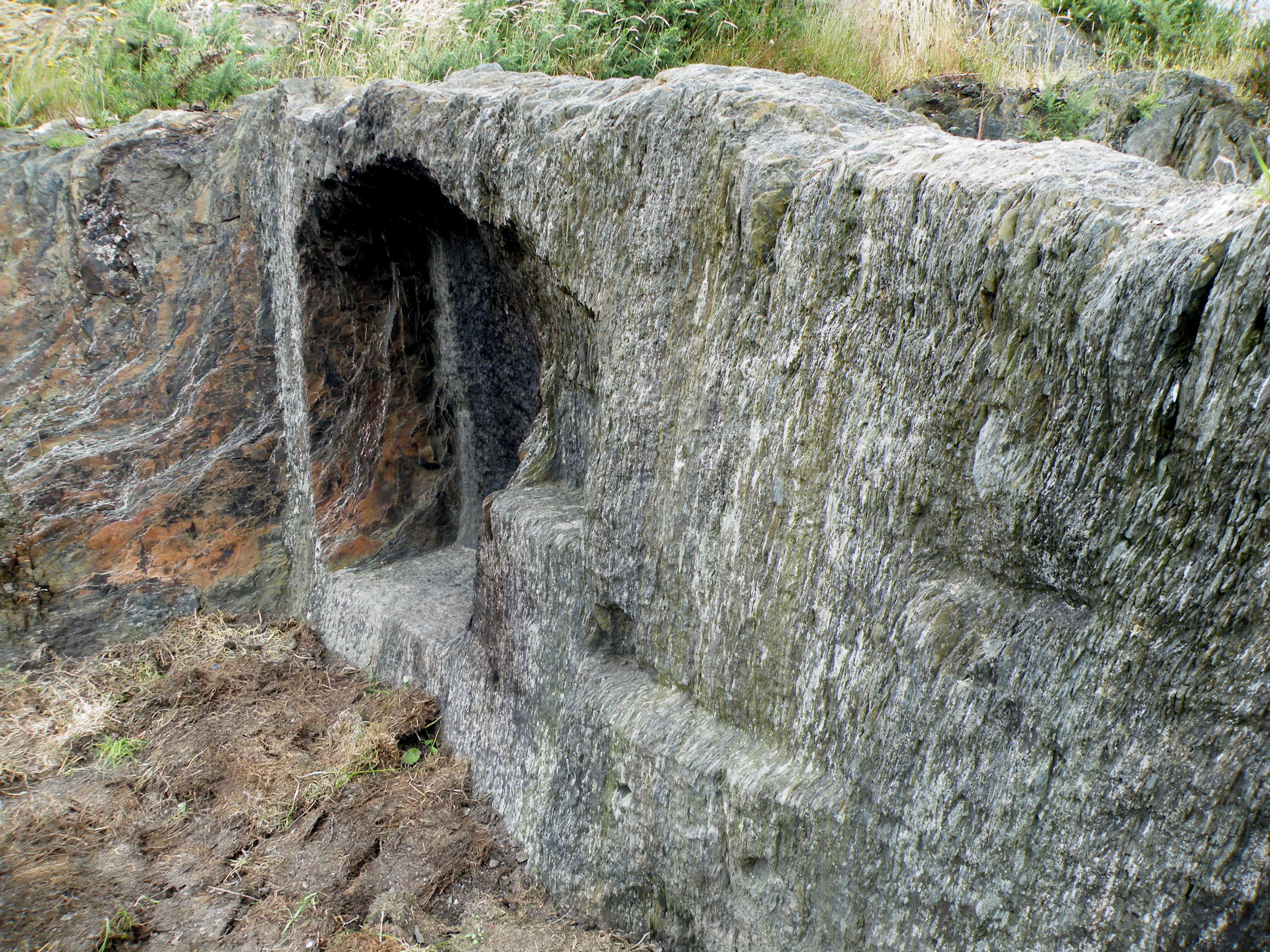
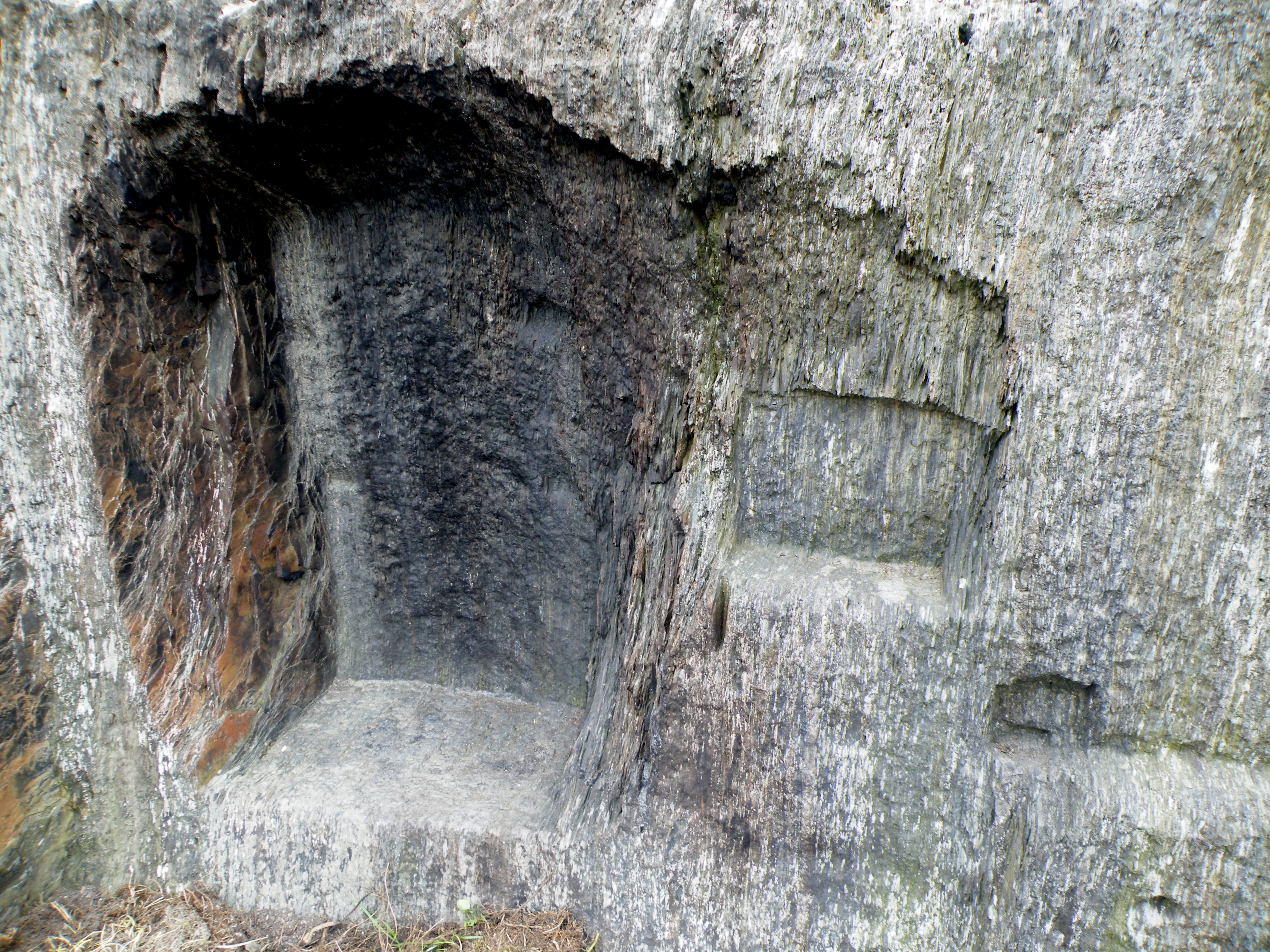
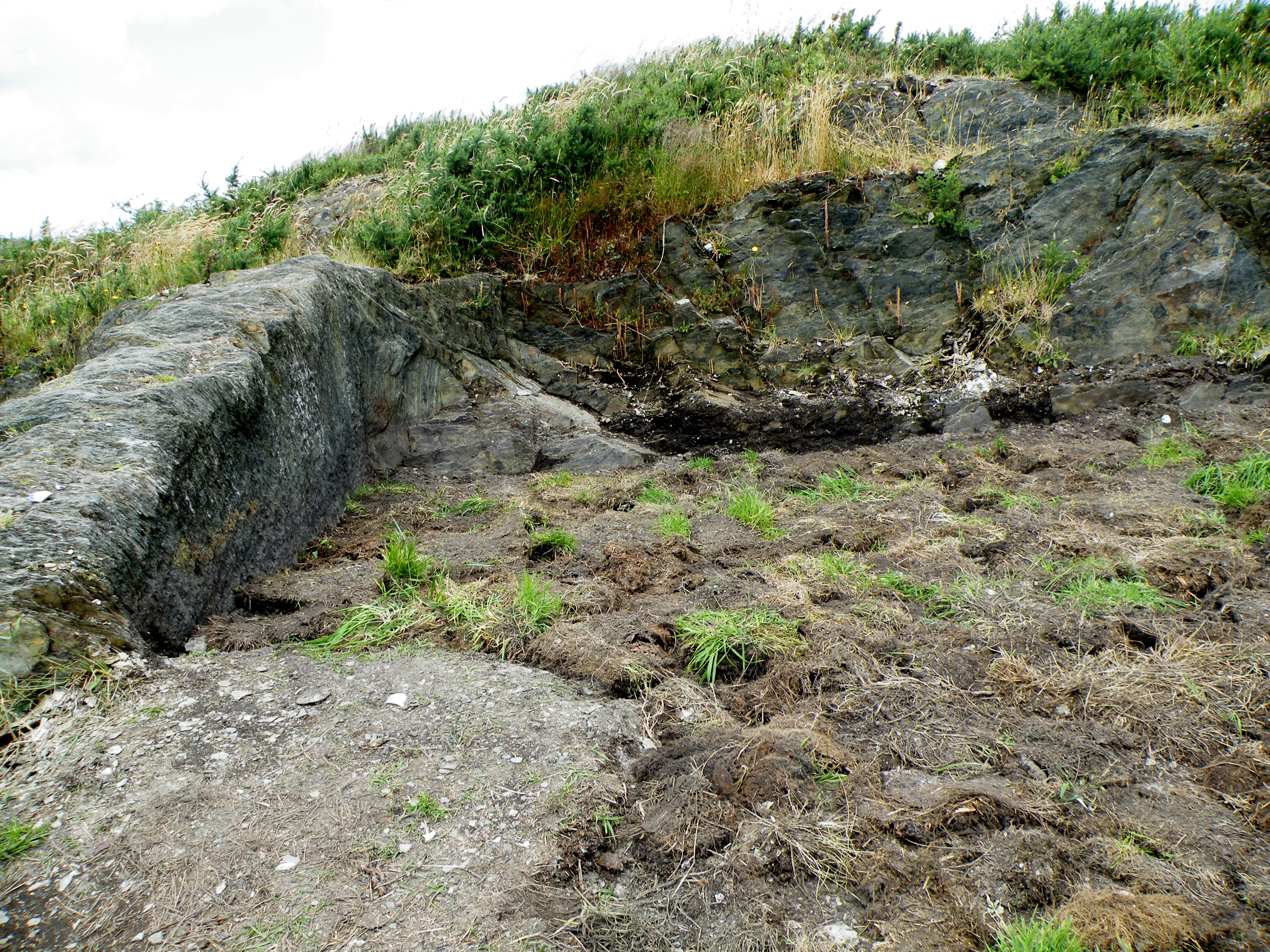
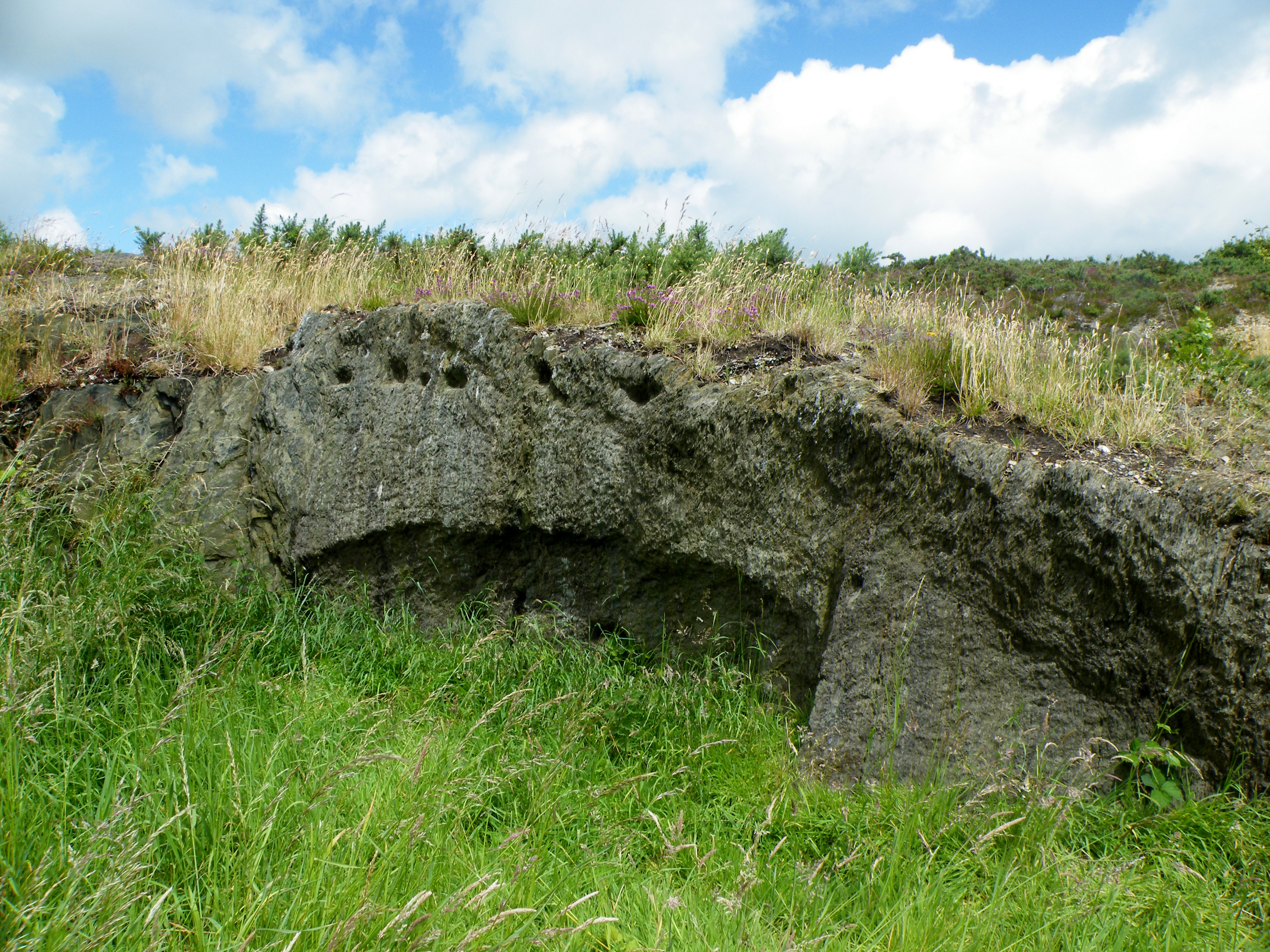
Seems that during the 19th century there was a lot of activity going on at the site of the  Rock, which towers above the town of Skibbereen behind the town hall and the houses of North street and High street. It was called Windmill hill. Prior to the structures hewn out from the rocks being used as houses, six of them, the place was probably used for industry, perhaps related to the windmill. The houses would probably have had grass roofs at first Dr S.Brighton told me, you can see where timbers had been inserted into the rock. It’s a very interesting site. By the time I reached it and made photos, the students were filling in the sights again after six weeks of excavations. Artefacts were found at the site, like potsherds and other bits and pieces. Please visit the Facebook site for more photos and information. And also the WordPress.com site at:
Archaeology of the Irish Diaspora and Modern Ireland

DSCF8845

Where the dig is situated above the town of Skibbereen

DSCF8861     DSCF8862

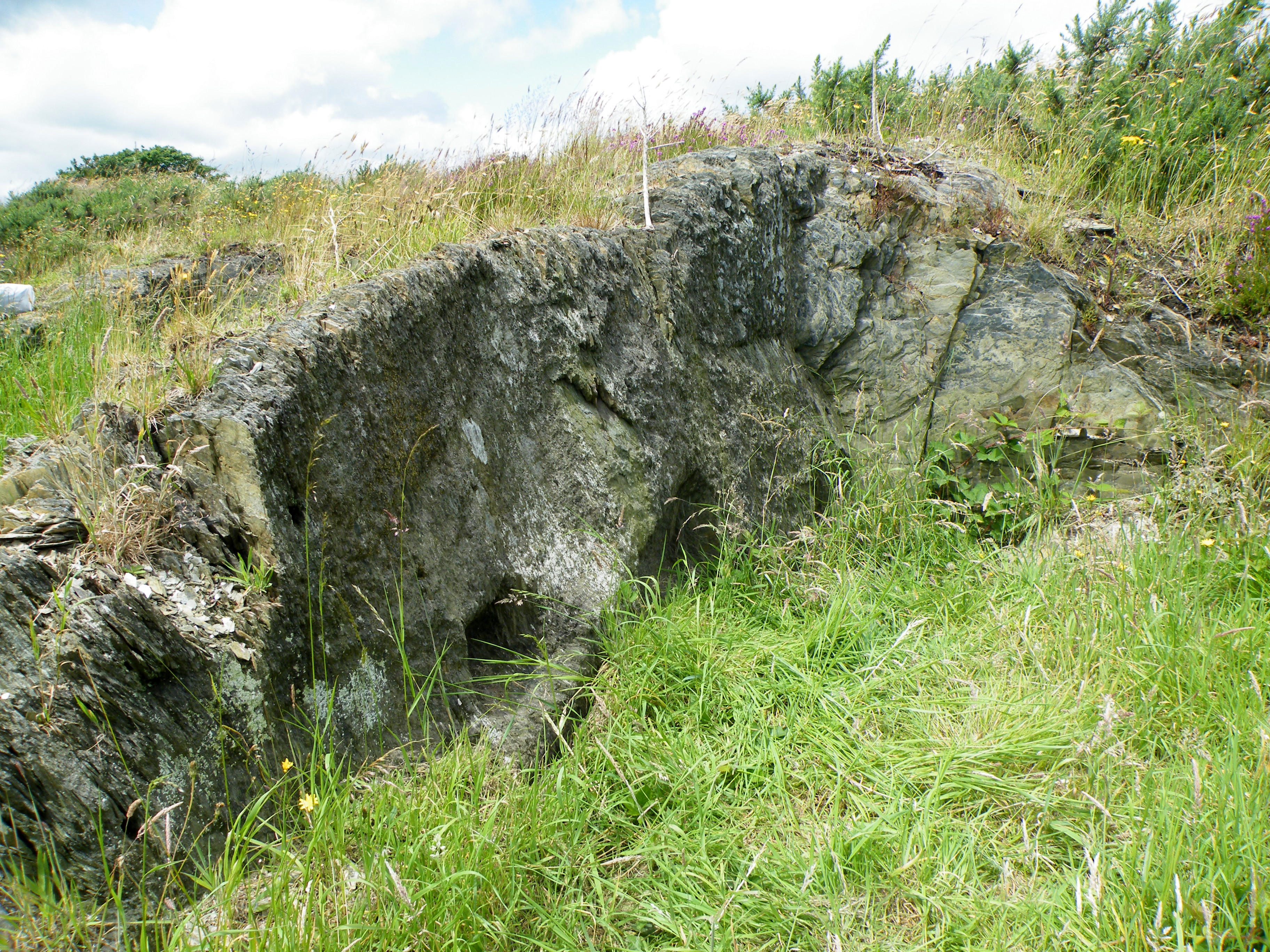
Seen here are what is thought to be indentations where timber would have been fitted, probably for industrial purposes when these sites were used previous to when people were living here in the 19th century.

DSCF8857   DSCF8851

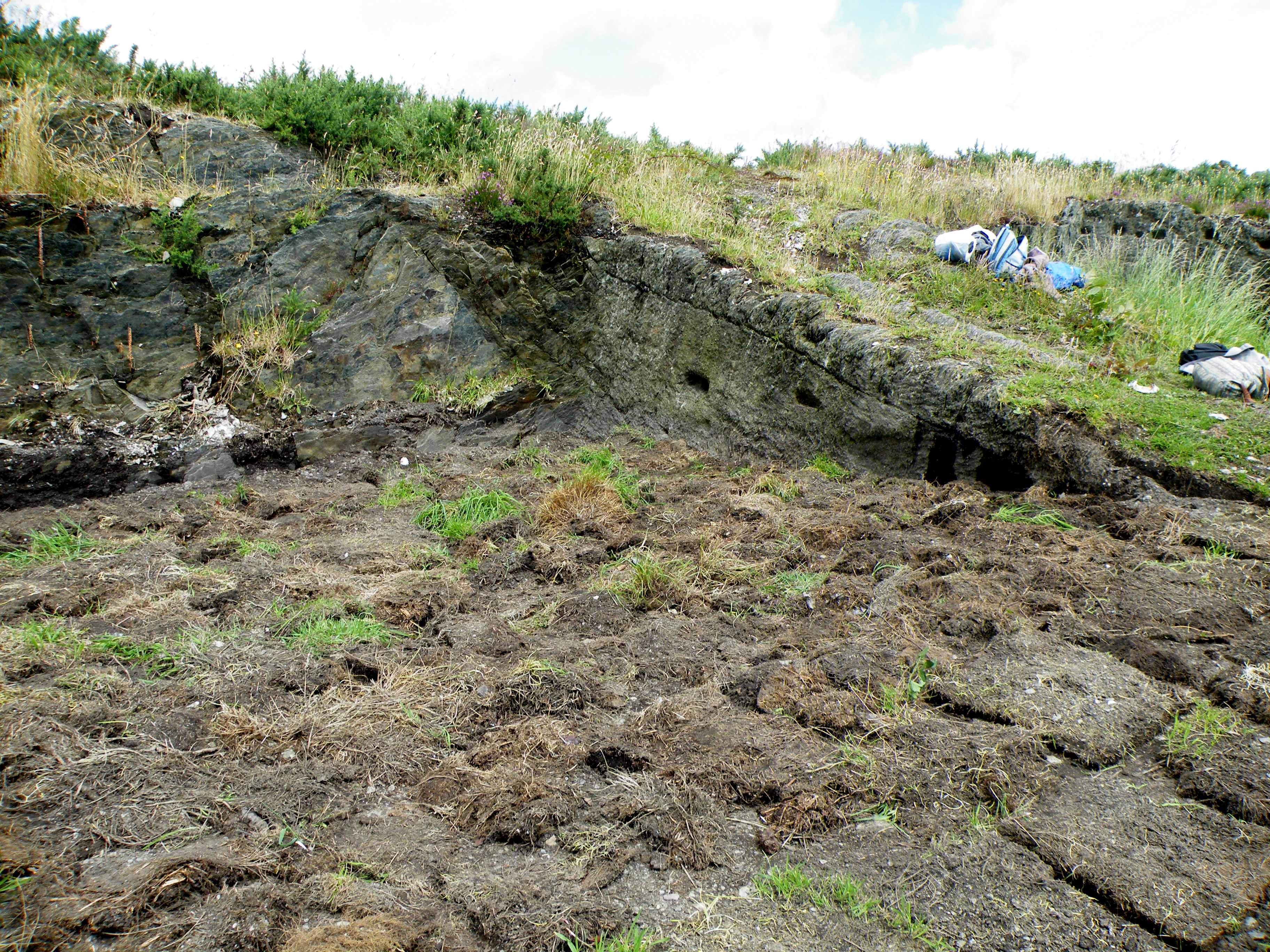
More indentations seen in the rocks and pieces hewed out.  This site has been filled in again by the students.

DSCF8855    DSCF8859

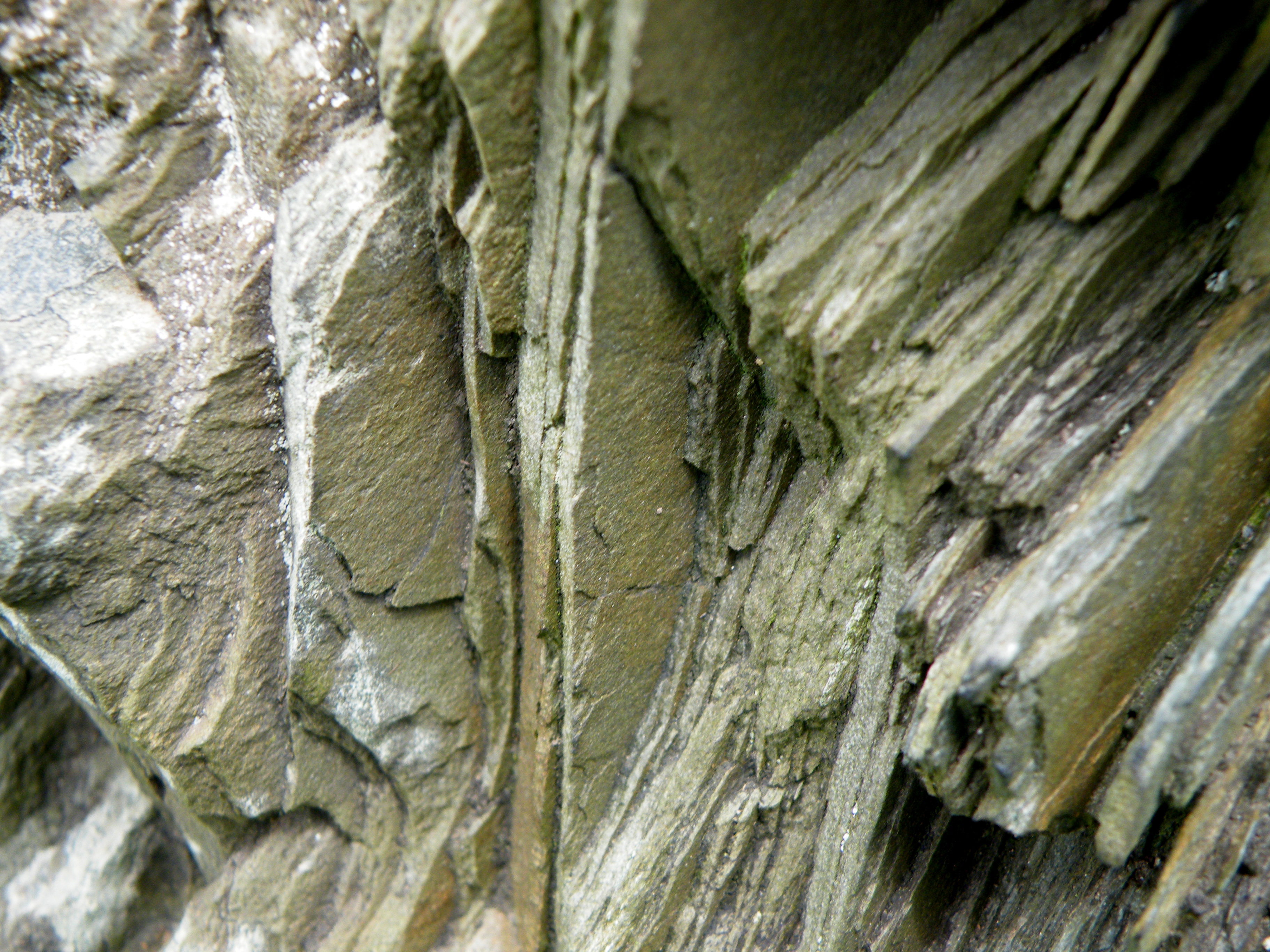
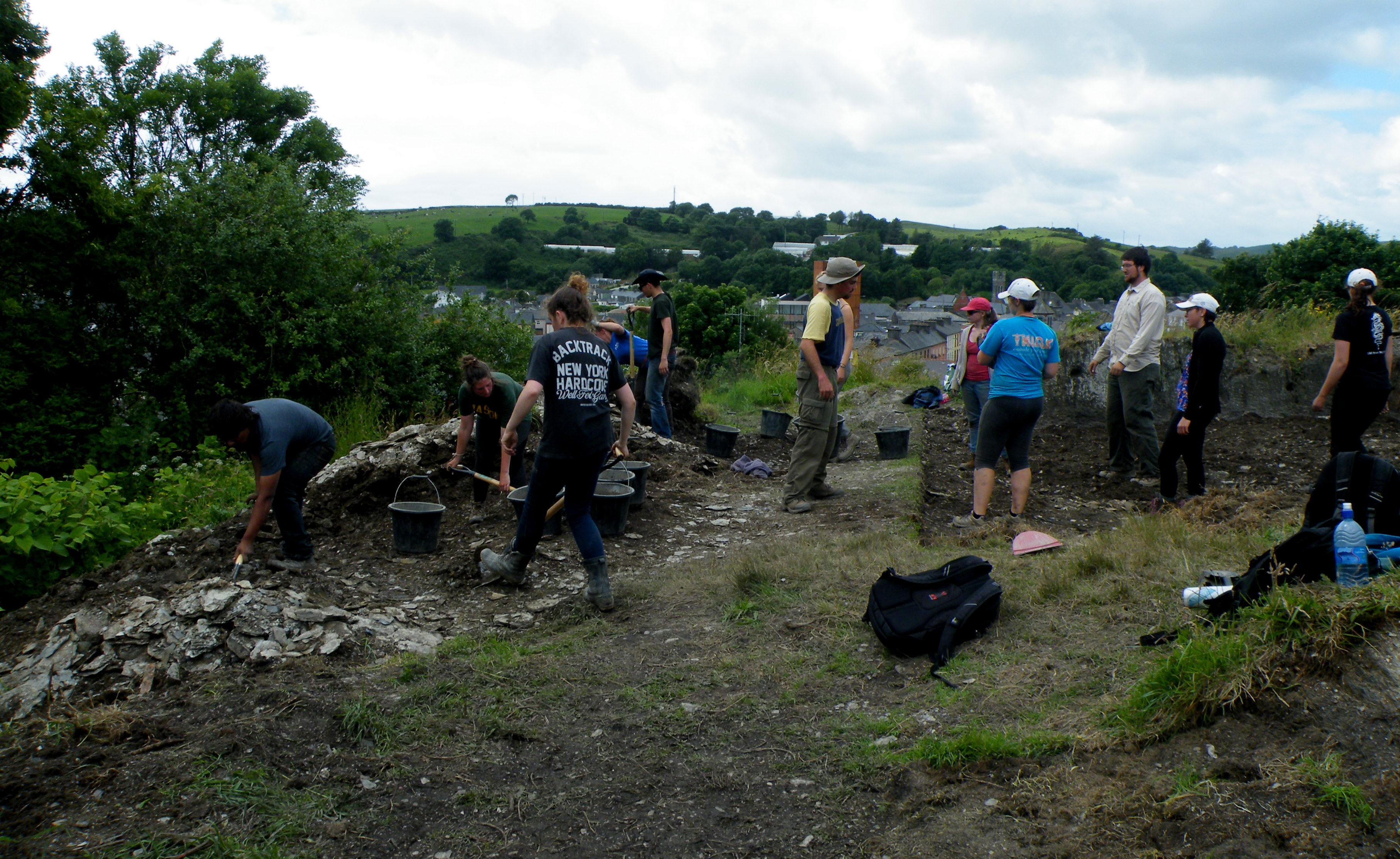
The type of rock found here, slate or shale.  And students at work.

DSCF8852   DSCF8856

More sites of the houses, there were six in total.  The floors of the houses consisted of flat rock, and a drain would have been hacked out in the ground to allow water running from the rock behind to drain away from the house.  It must have been uncomfortable living quarters.  Who lived there?  It’s quite an exposed area of Skibbereen, but high up and far away from the flooding which sometimes afflicted the town.  Then again as there was a windmill a few meters away from this site, there must have been work available for people.  A lane (Windmill lane) is there still today and one wonders if this lane linked up to other boreens (Irish for lane) in the area.  The houses were inhabited at the time of the Irish potato famine 1847-49, one can only wonder at what tragedy played out here among these rocks as the famine claimed so many lives here.

It’s all very interesting and I will hope to find out more.

PLACE WHERE THE WINDMILL USED TO STAND - ON THE ROCK

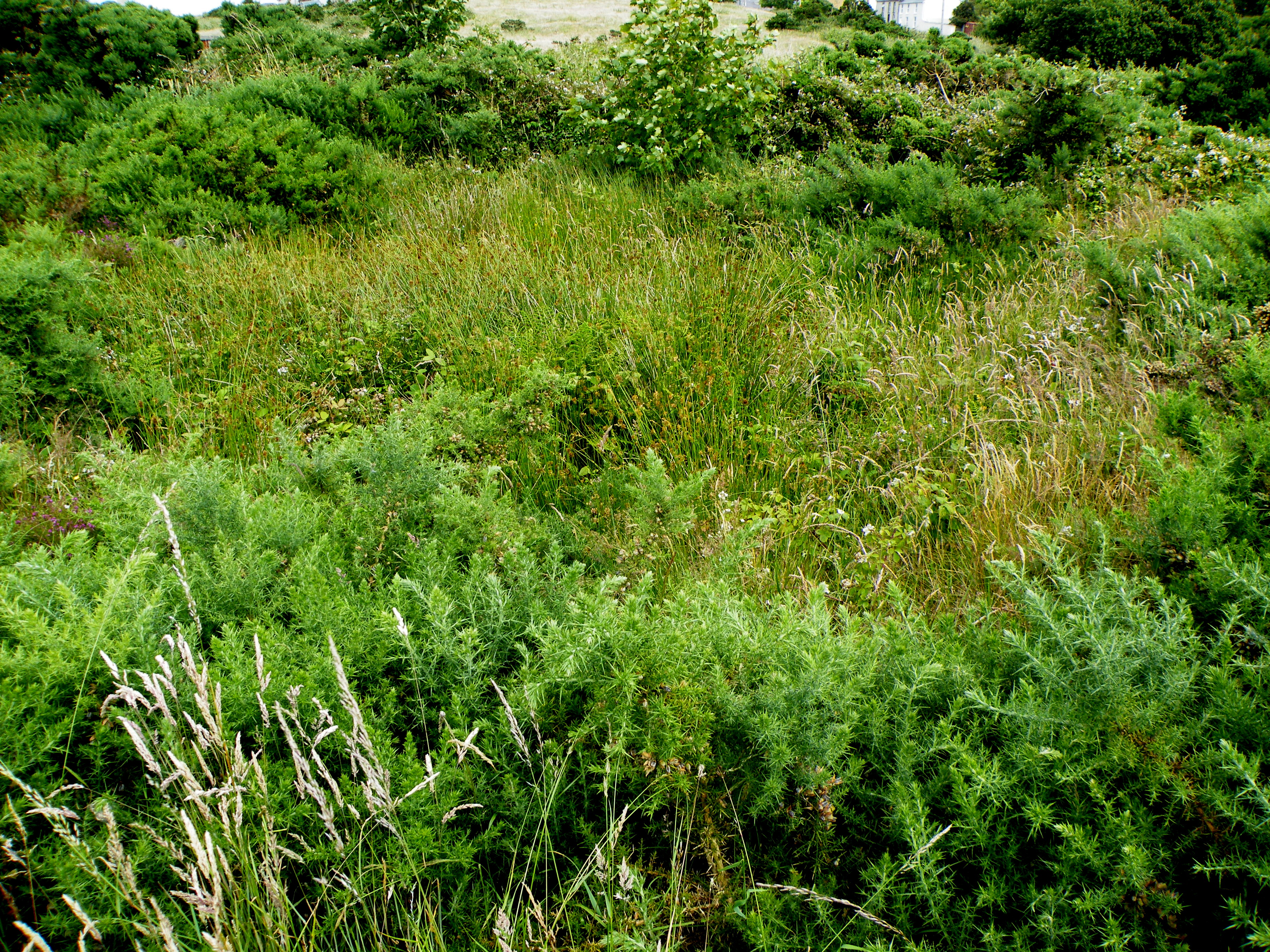
This overgrown site is where the windmill would have stood.  It is only a few meters away from the ruins of the houses.