
Last of the Calendula 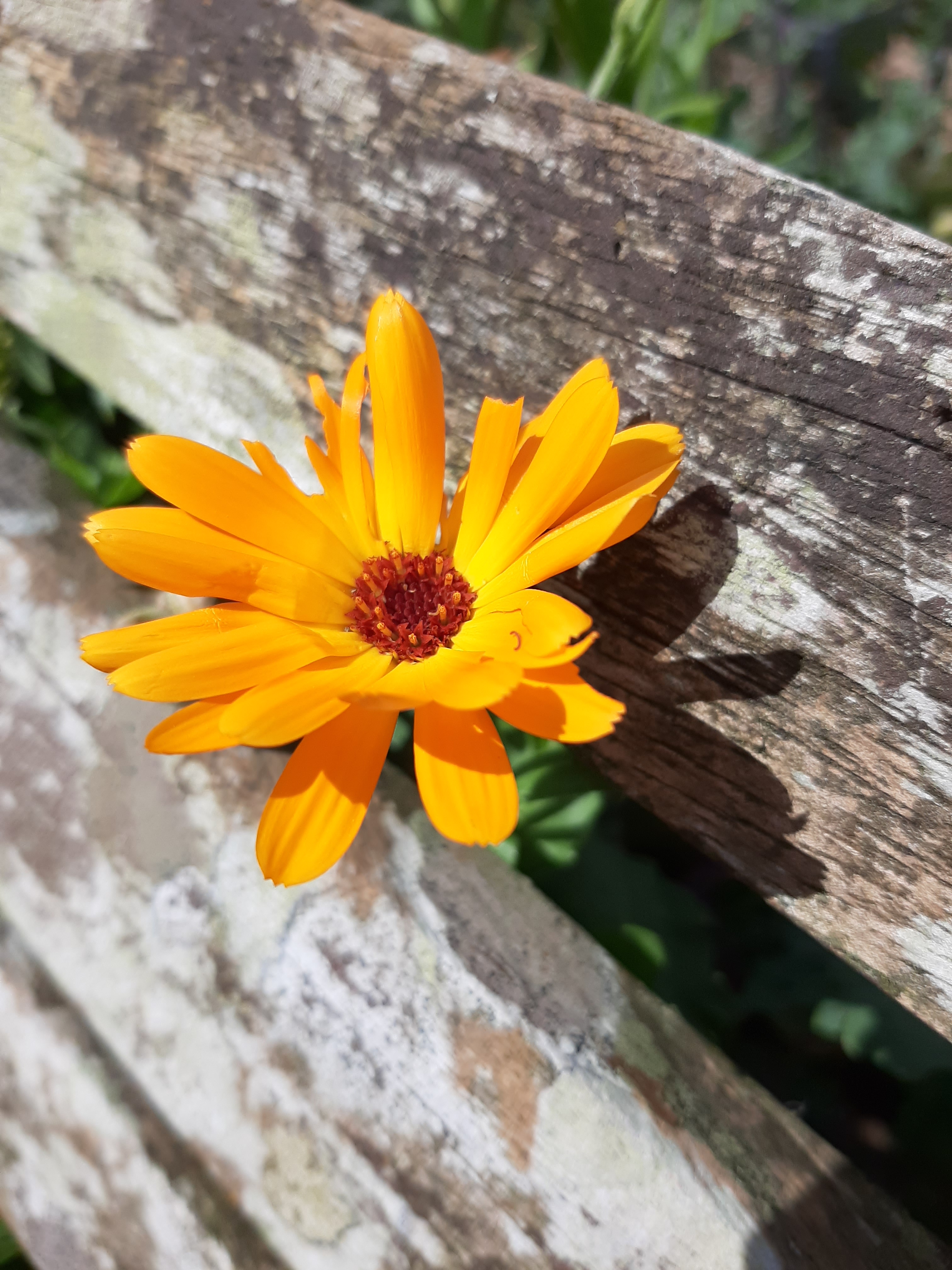

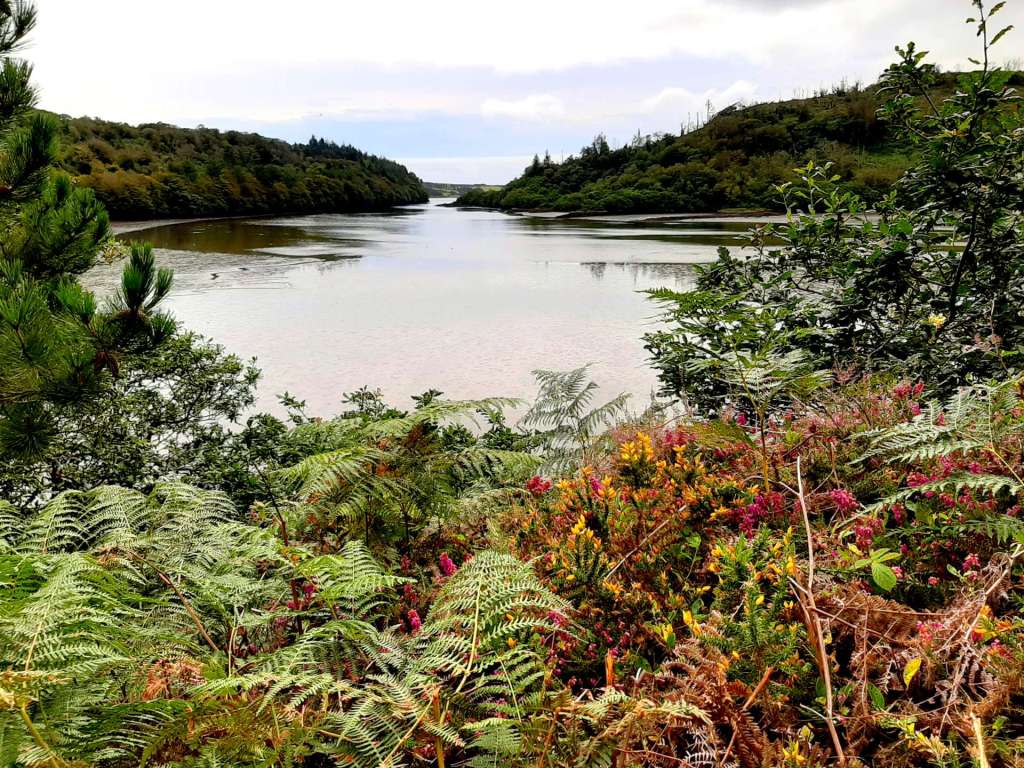
Bell and ling heather 
Rowan berries

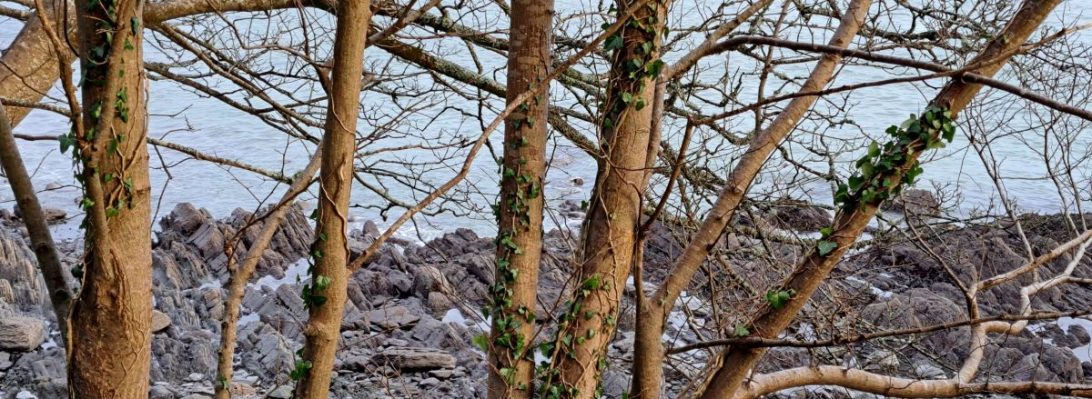
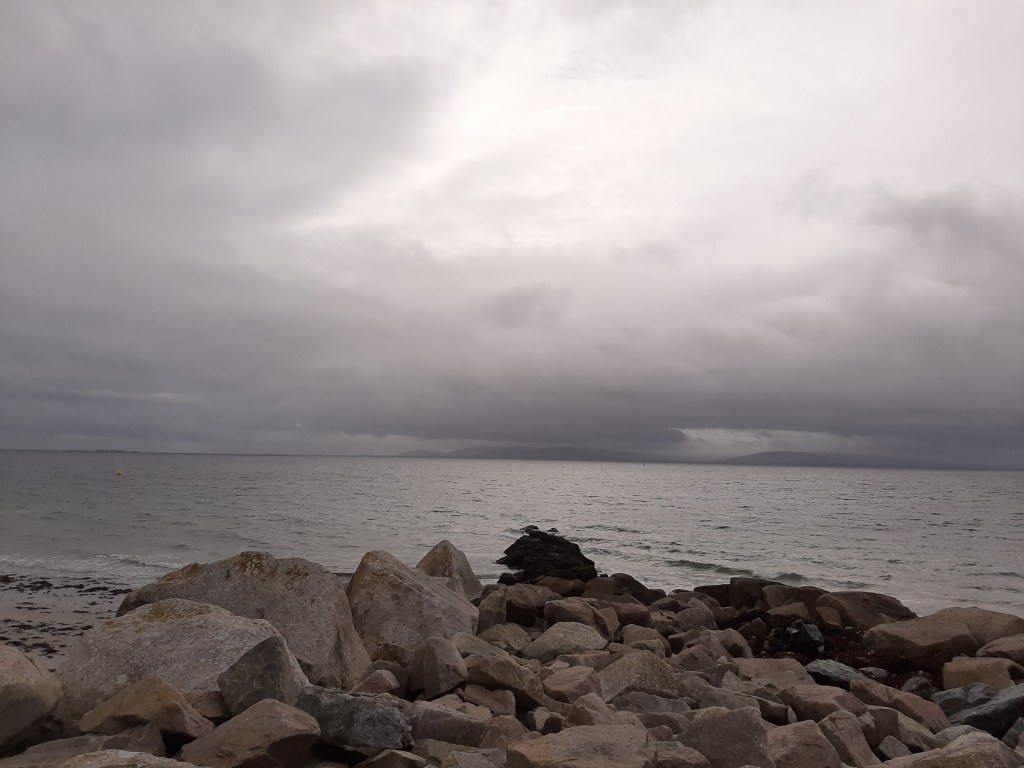

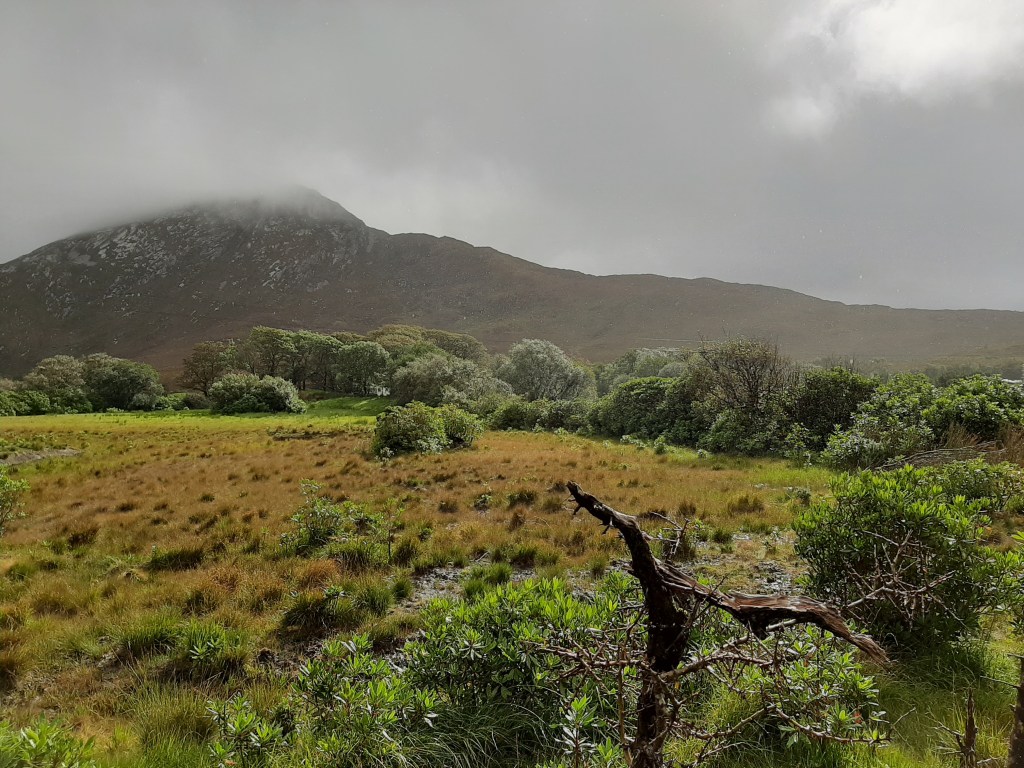
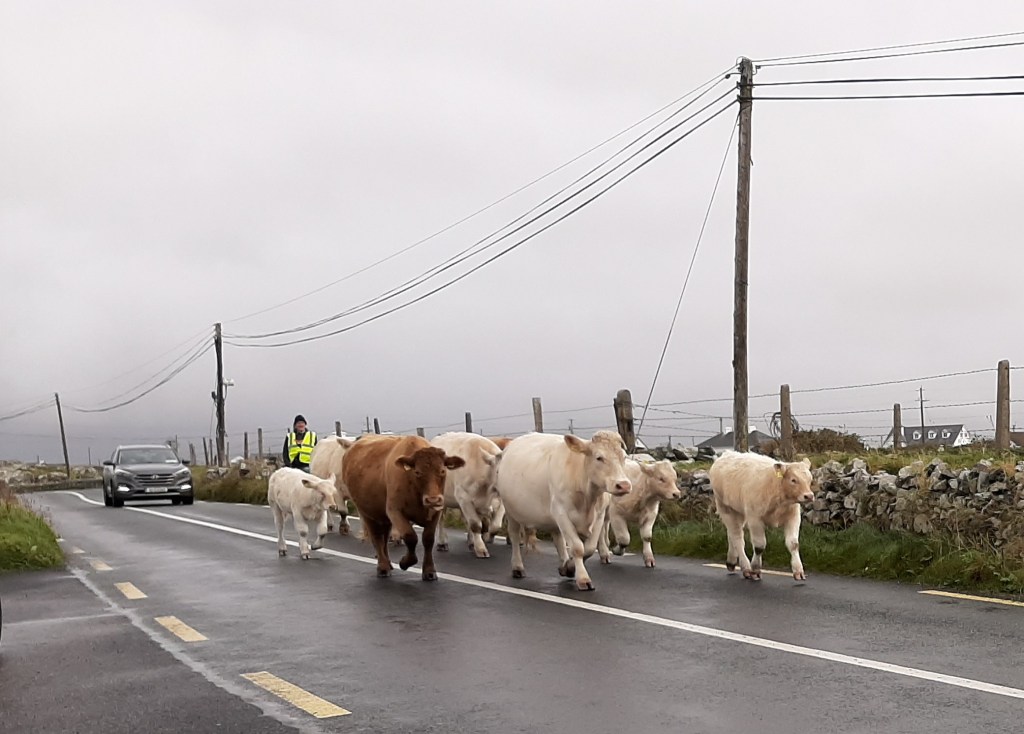




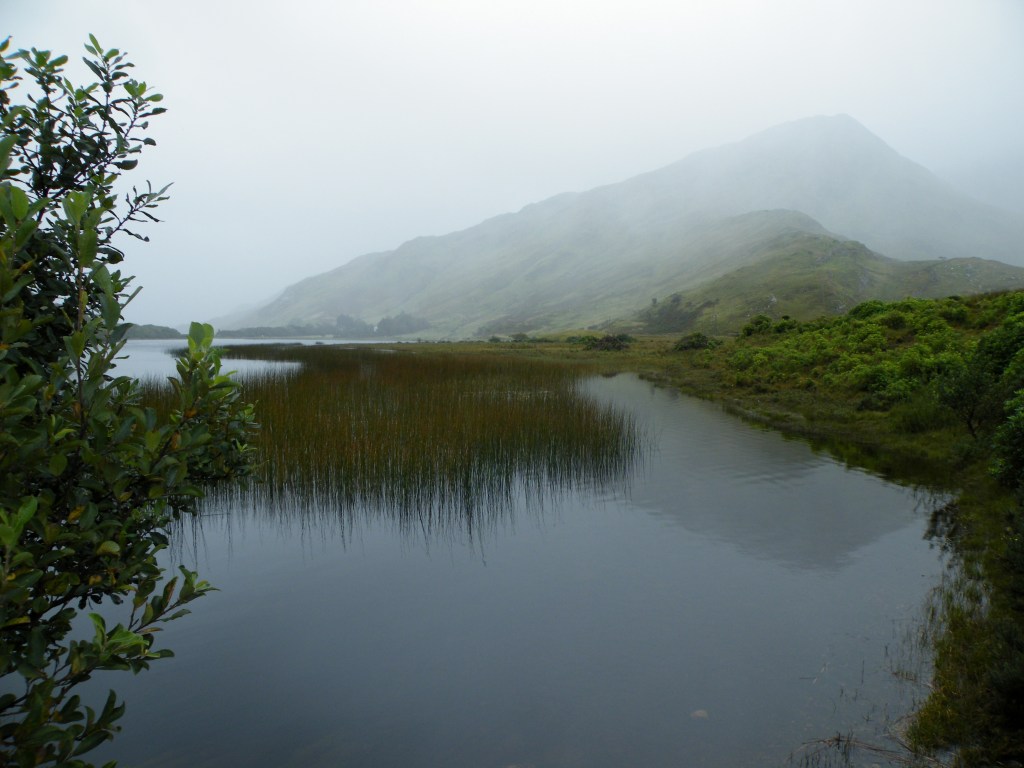
These are lovely memories of our time spent in Connemara. I hope you enjoyed a bit of our journey too.
We took this journey during early autumn 2019 to celebrate our marriage a few days earlier, it was a fantastic journey and I am thinking back to it during this time of lockdowns, no doubt we will be travelling in Ireland and no further afield this coming summer, we hope so anyway – a staycation they have called it – well we cannot complain, we are not short of interest or beauty in this island.
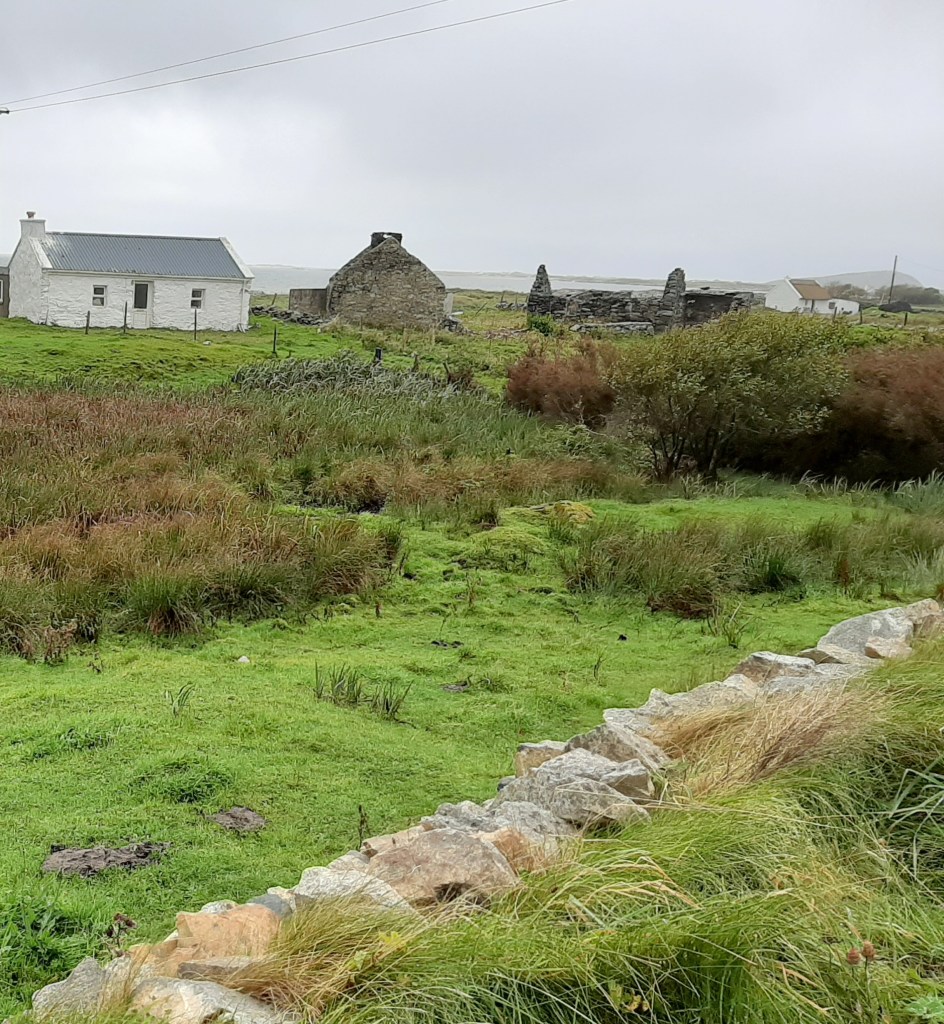
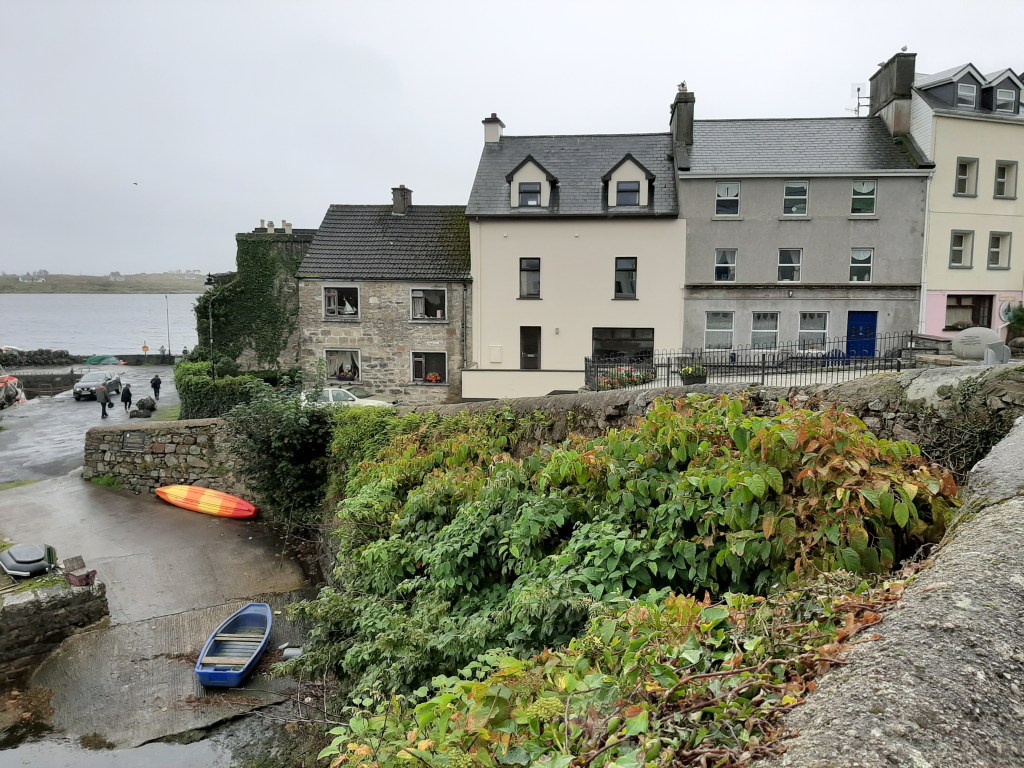
Connemara was not as isolated and remote as I expected it to be. At least the part of it that we toured was not so. Even on narrow roads that literally just lead to the coast over several causeways, houses and schools were frequently dashed over the otherwise barren landscape.
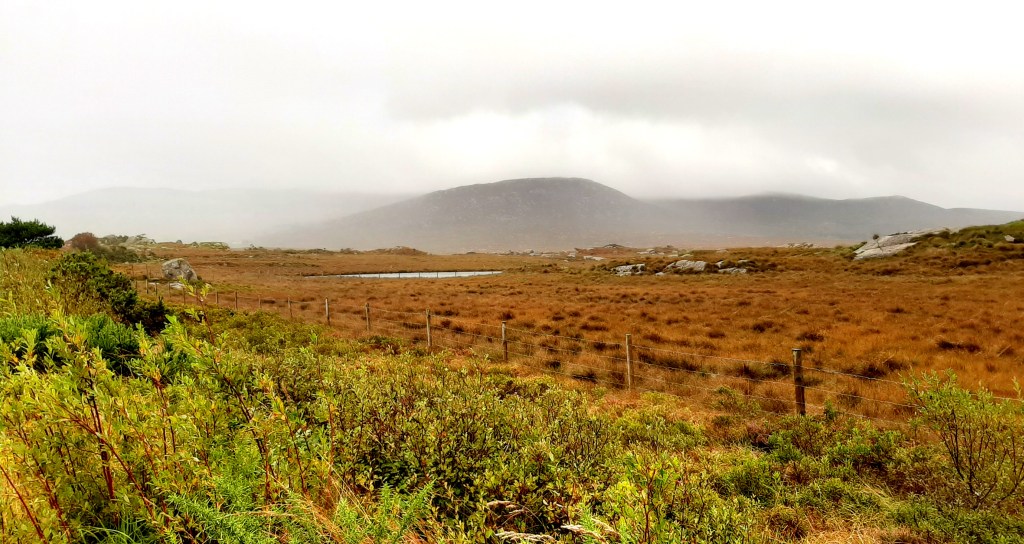
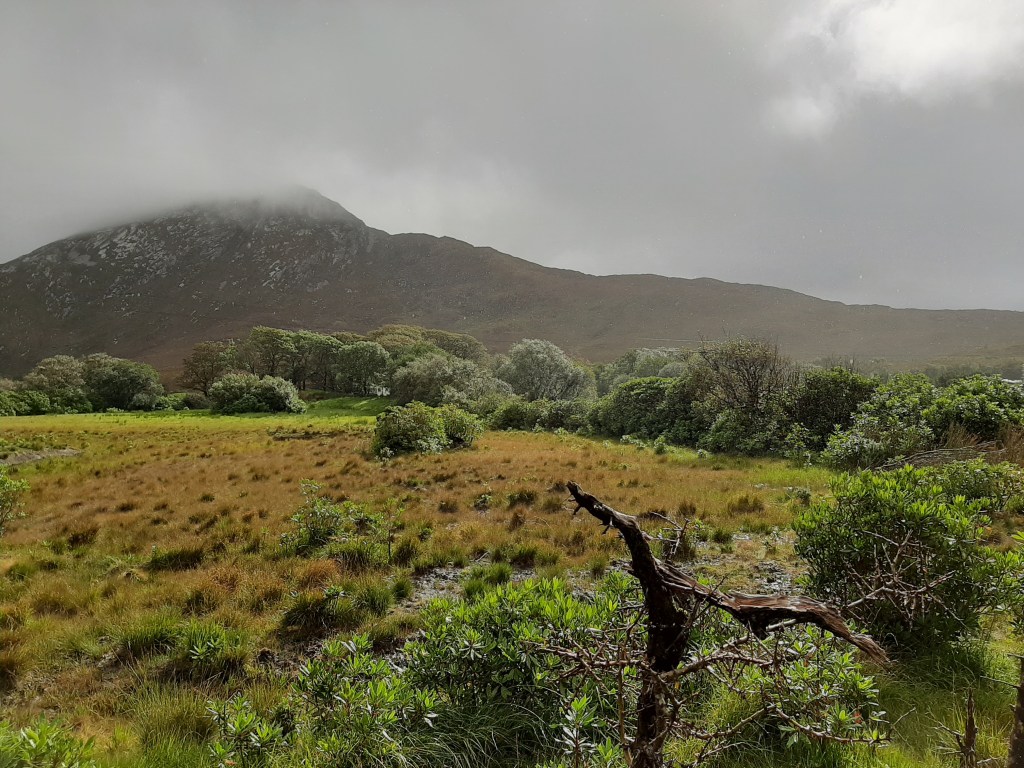
Connemara was magical, the more so because the mountains were half hidden in the mist and in low clouds, throwing an un-earthly light over the bogs, highlighting the rusty colours, the sepias, the deep chocolate browns, the ochre. Sometimes the sun would briefly take away the veil that covered the land, at other times the sky would darken and a very heavy rain would pour down on us. But the rain did not bother us, we were after all on honeymoon and it was hard to take the smile off our faces.
The old cottages dotted here and there took my interest but the roads made it so that I could not stop easily to observe them better. I did take in their oblong shapes however, many seemed to be empty and ruined, others were still very much lived in.

My favourite area was the road (R344) we took from Kylemore Lough, on to Recess. On our right were the Twelve Bens, a very beautiful mountain range which unfortunately was mostly hidden in the clouds, and to our left we saw some of the Maumturk mountains. Rusty bog land, softly covered in pale lilac heathers, and in strong yellow gorse, drew the eye further along to some lakes and more bogs. This was for me one of the highlights of our journey, the beauty and serenity that I felt there was incredible and filled my heart with joy. The scents of autumn-like growth and fresh mountain air were invigorating. My excellent navigator and new husband Ian had suggested this road, and I am so happy that we explored this area of Connemara.




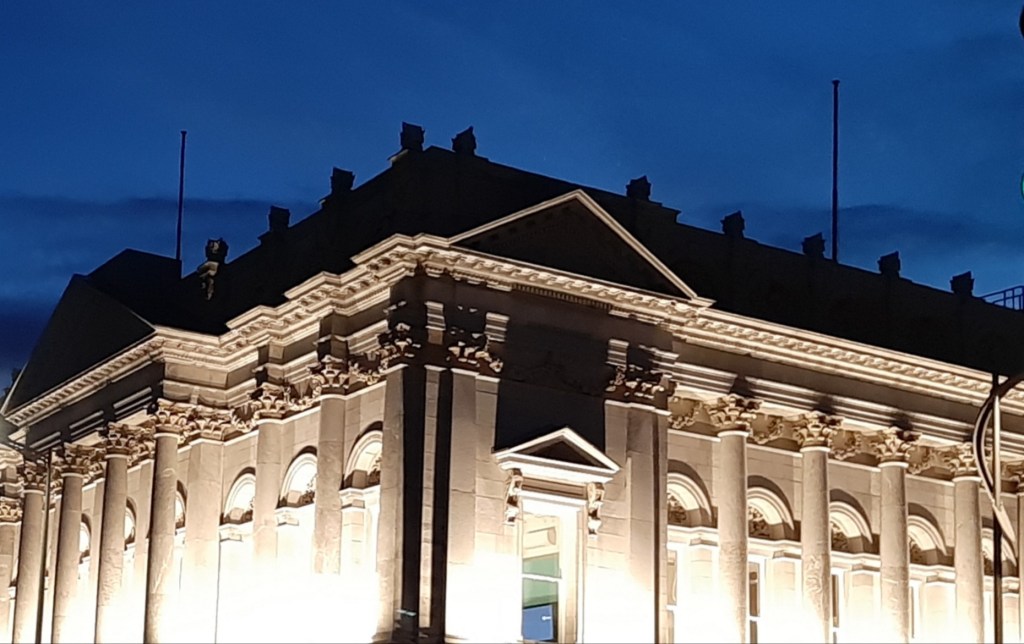
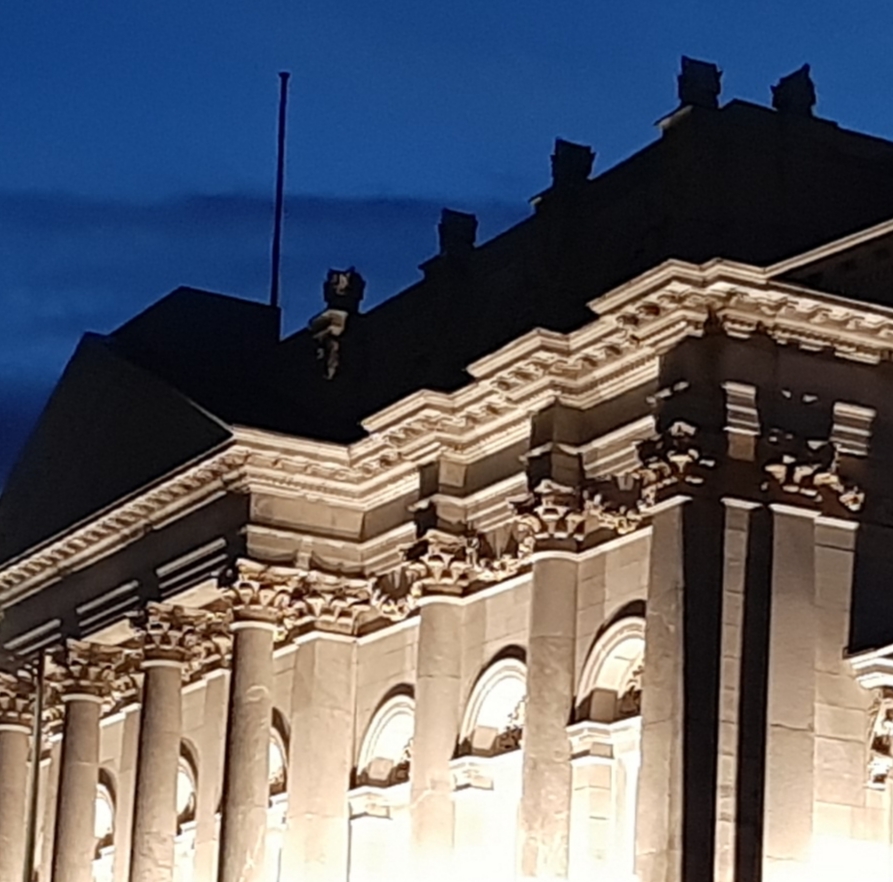
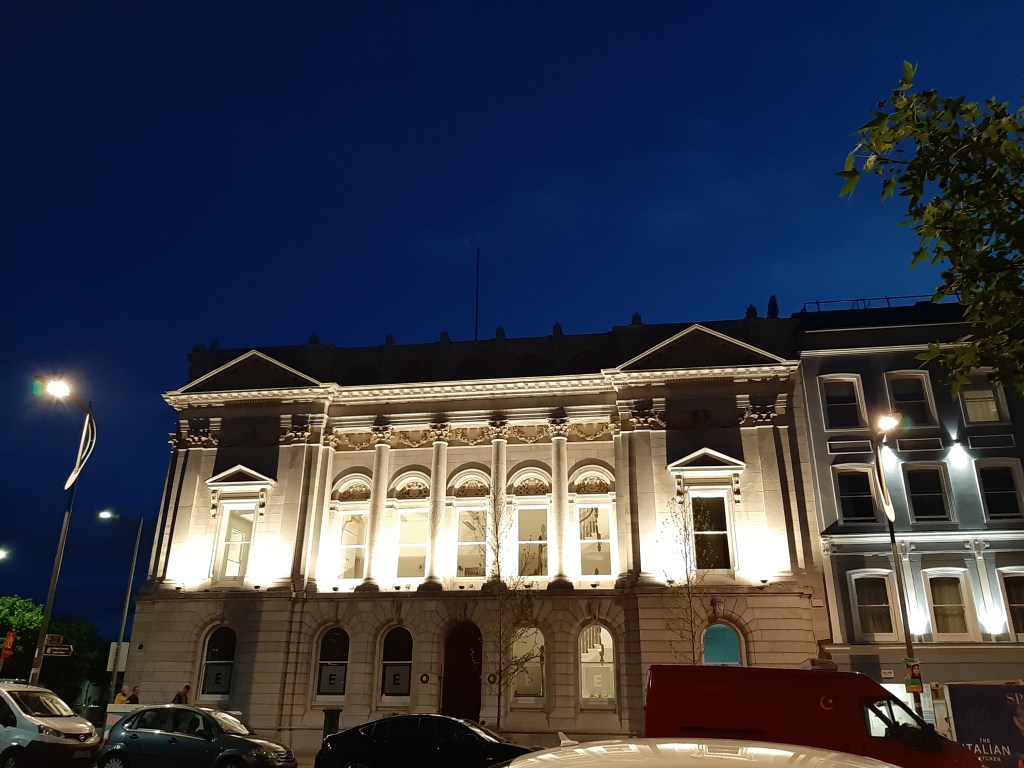

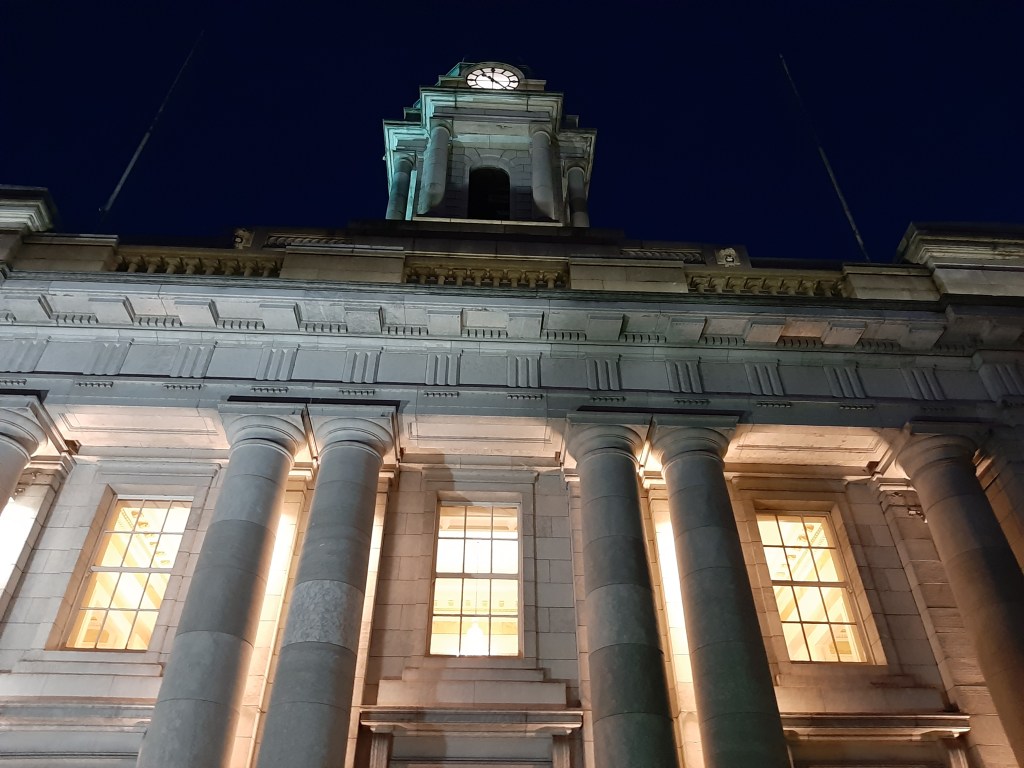
Historically speaking, this beautifully ornamented building is found in what was one of the main financial centres of Cork City. It is found on the South Mall and has recently been restored to its former glory. It is a branch of the Allied Irish Bank, the building was constructed between 1863 and 1865. To say a few words about the South Mall, this street is in the location of a former river channel and some of its 18th century buildings retain evidence of street-level boat houses which fascinates me but I have not photographed any of it to date.
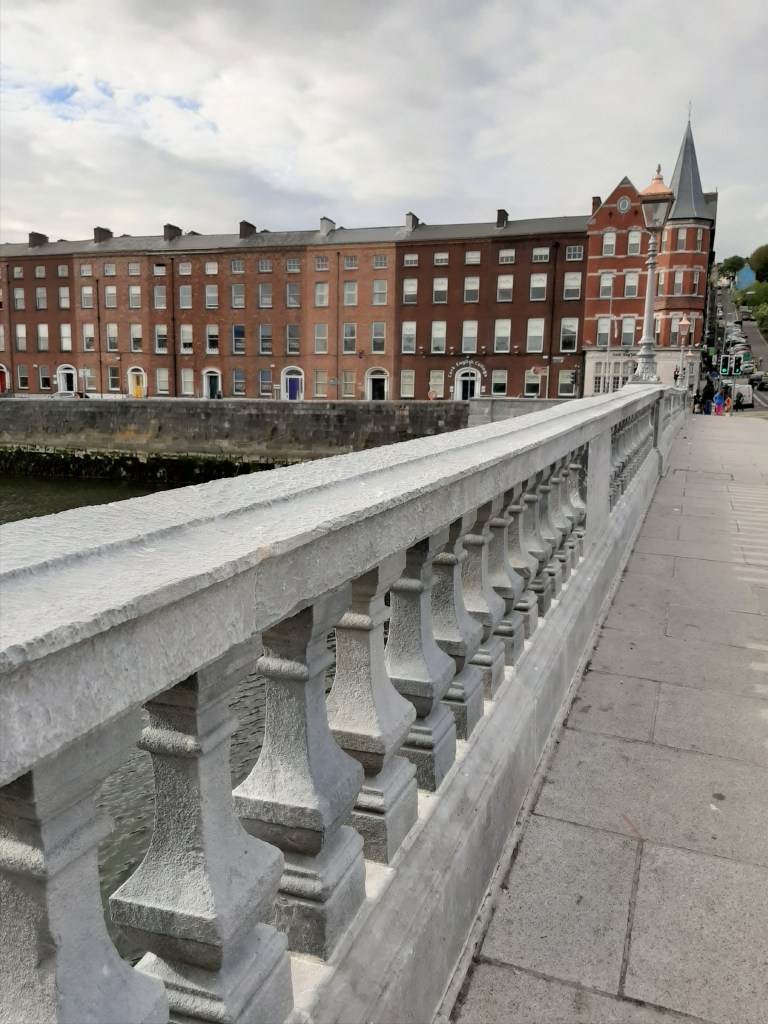
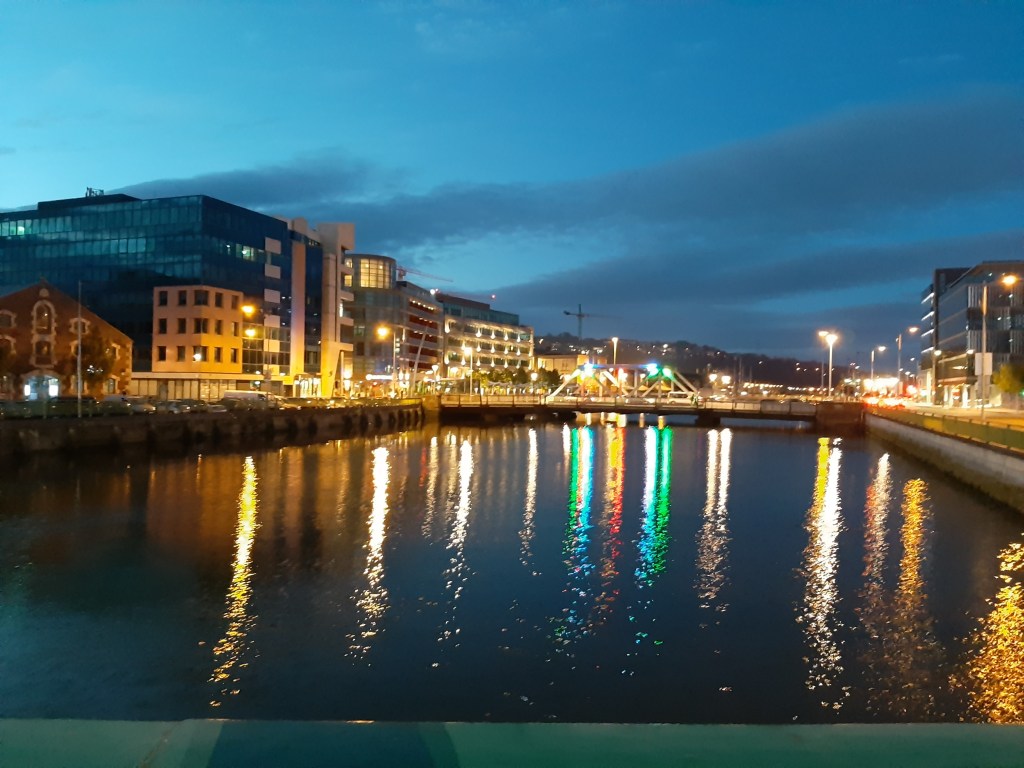
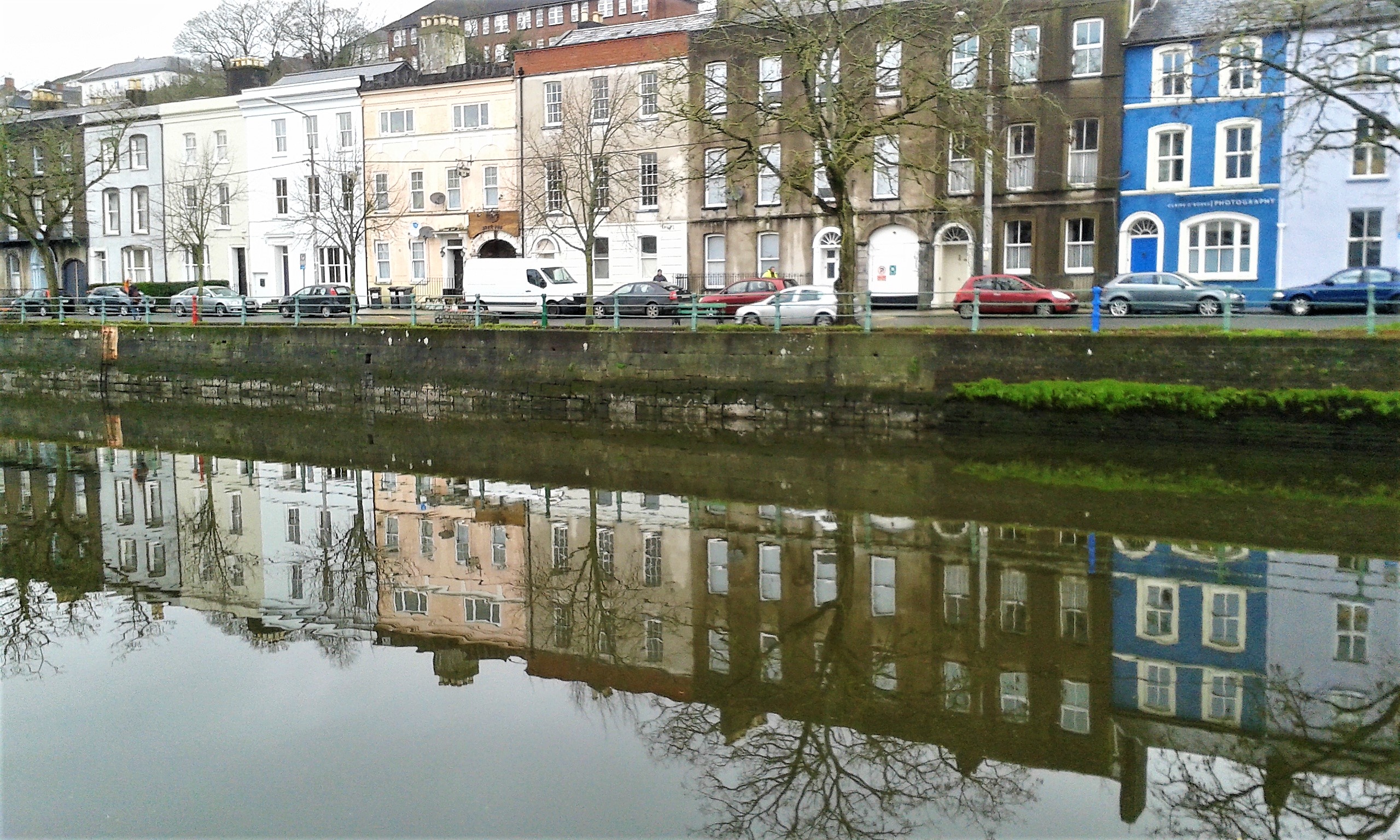
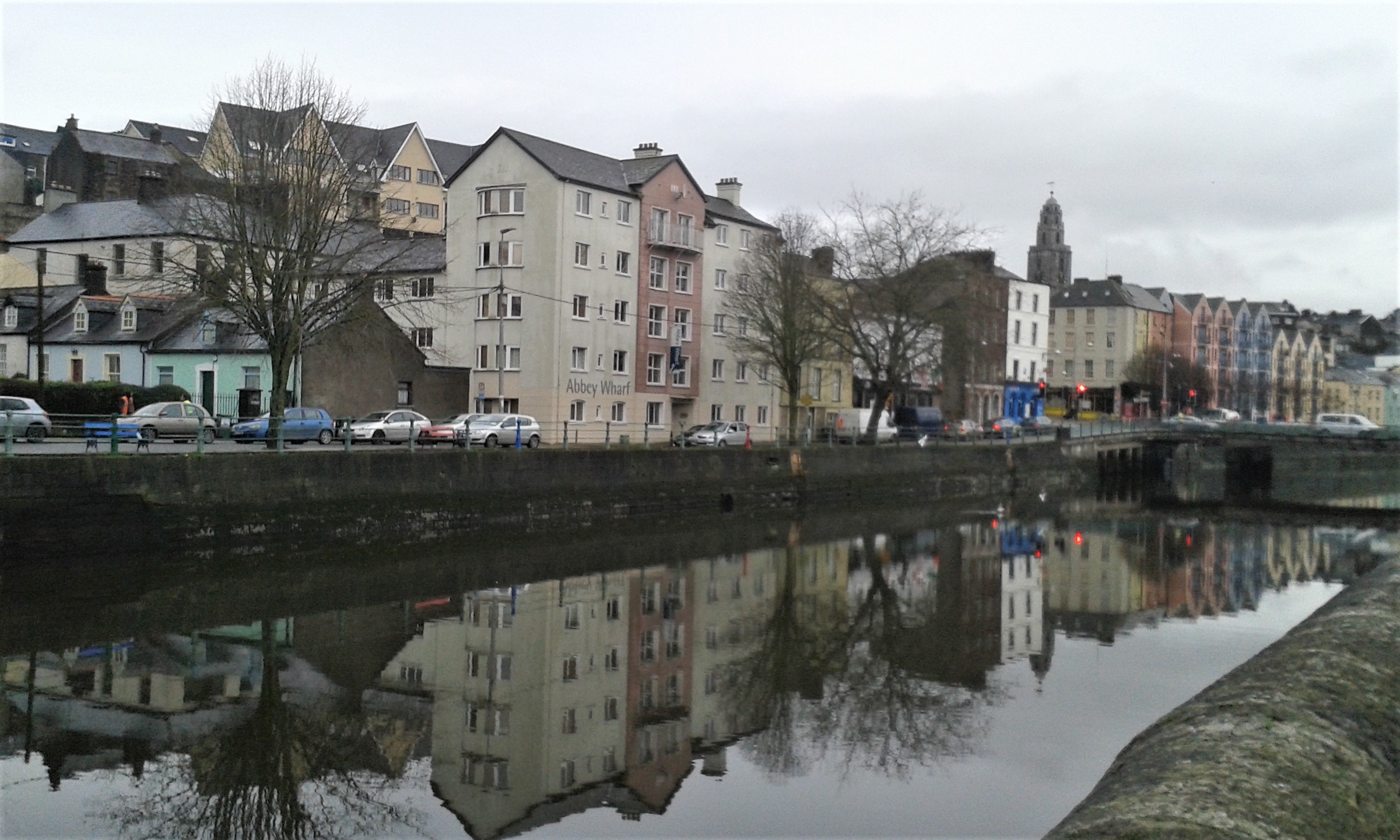
The red brick houses form a terrace dating back to the beginning of the nineteenth century, one wonders if they could have been old merchant houses lining the river? The bridge (St.Patrick’s) takes people and cars over the river Lee connecting Saint Patrick’s street and Bridge Street, and upwards to Patrick’s hill which is very steep. The bridge is built from limestone, and it’s a 158 years old. The interesting bit I read is that this bridge was originally set up to provide the butter merchants with a good link between the North side of the river and the warehouses and docks in the centre of the city.
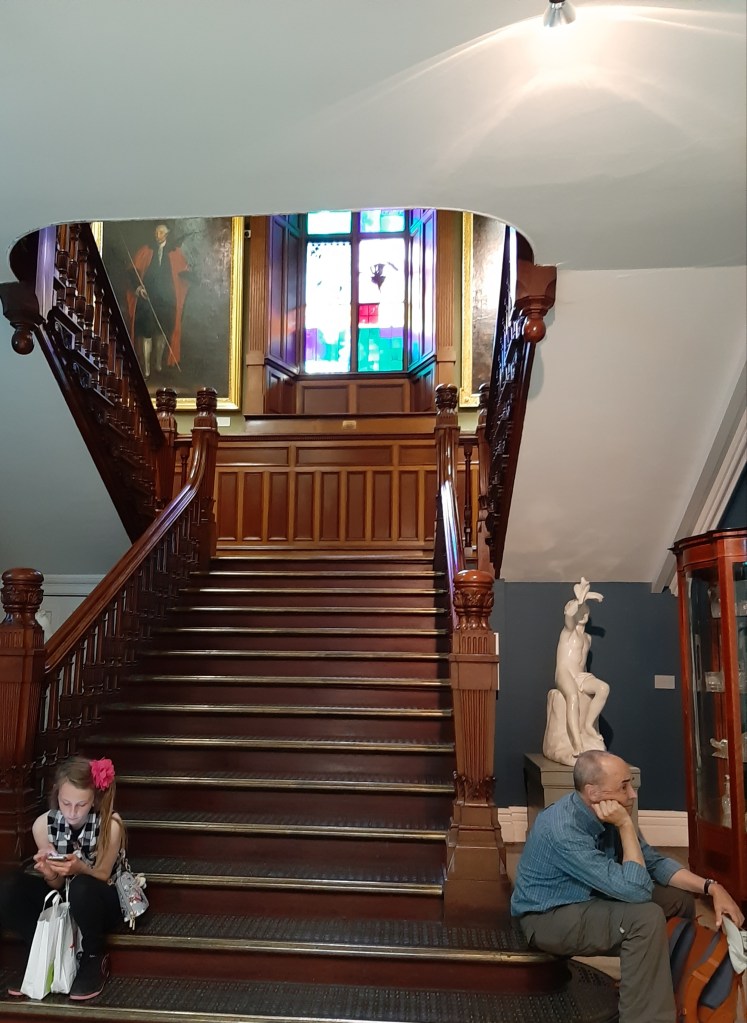

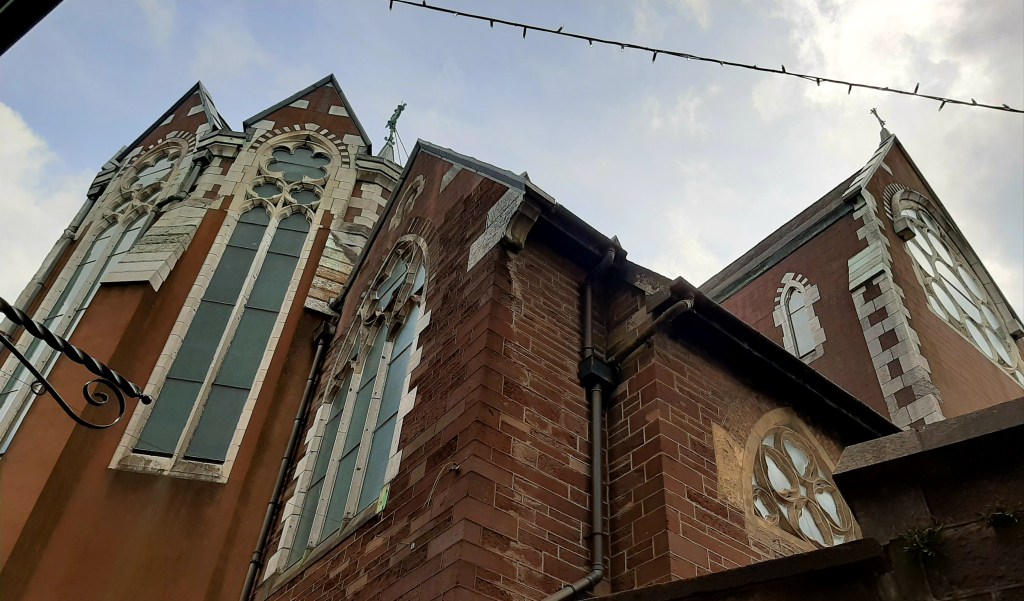
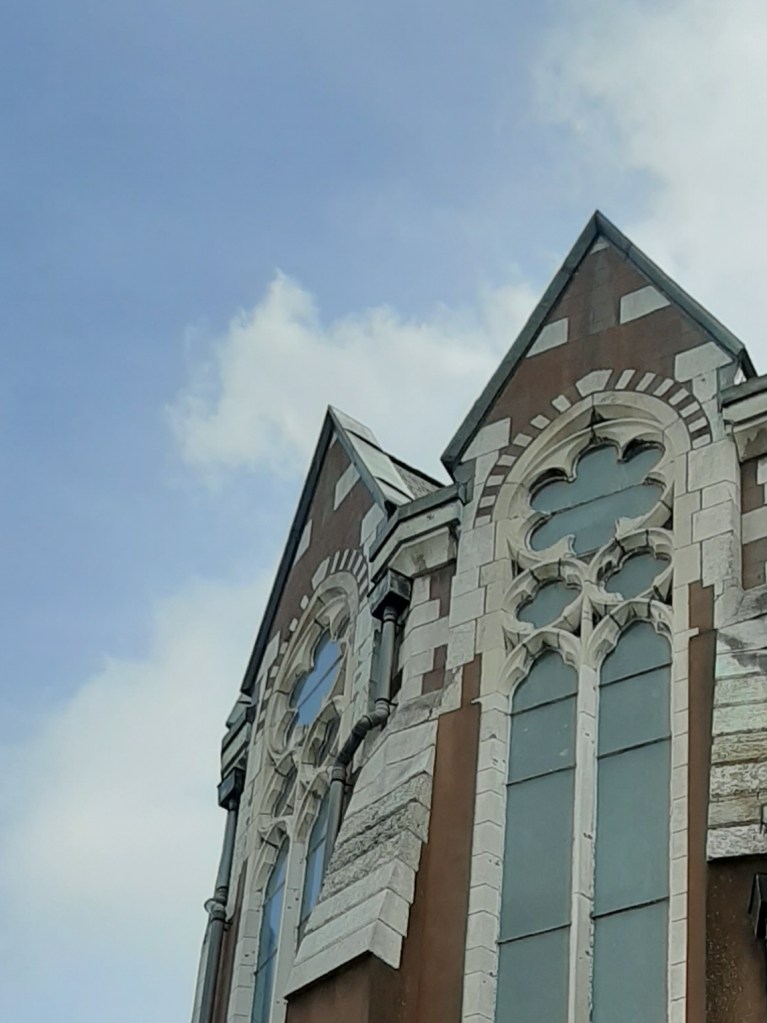
What we saw when we stopped for coffee in Carey’s lane in the heart of the city, was part of the present Saint Peter and Saint Paul church, which has been built on the site of the original parish chapel which served the centre of Cork city centuries ago. But what we see now dates to the beginning of the 19th century when a larger church was built in neo-Gothic architecture. It is said to have some fine features, but I have not been inside. Some of these appear to be the altar which is made from Sicilian marble, and the apse which is highly decorated, including blue and gold ceiling panels and beautiful stained glass windows. Russian oak has been used to create the pulpit and some of the carpenters were said to have been Flemish and Irish. Just as a note of interest, Gregorian masses are still being sang every Sunday at 12noon. (Photo above)

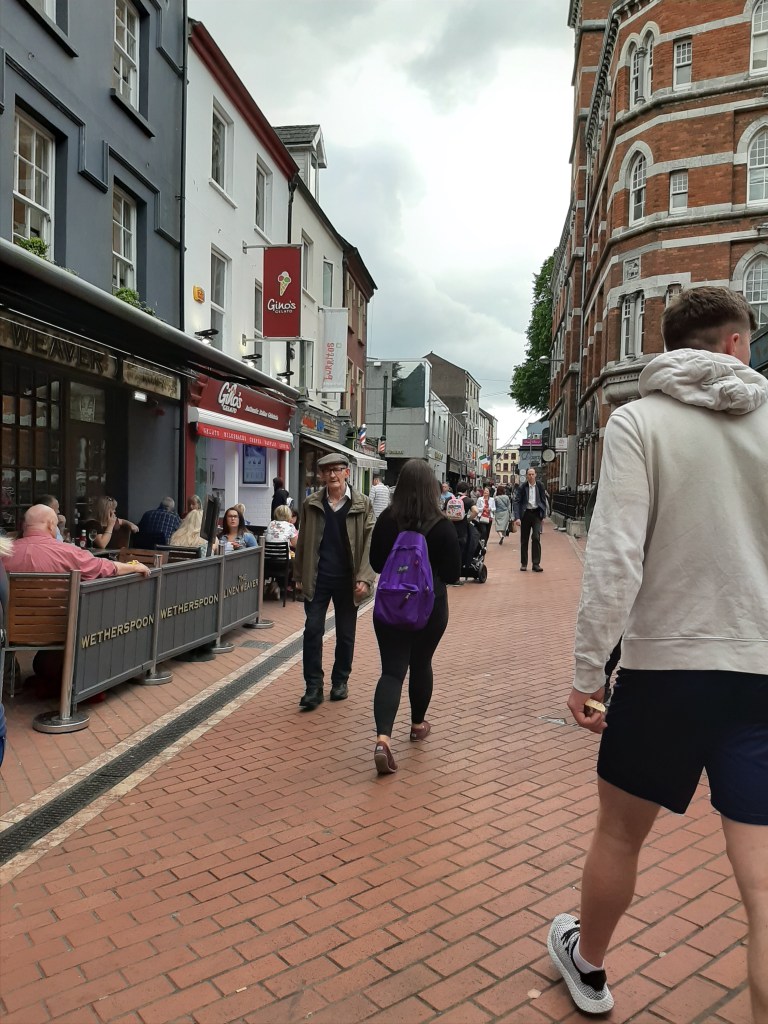
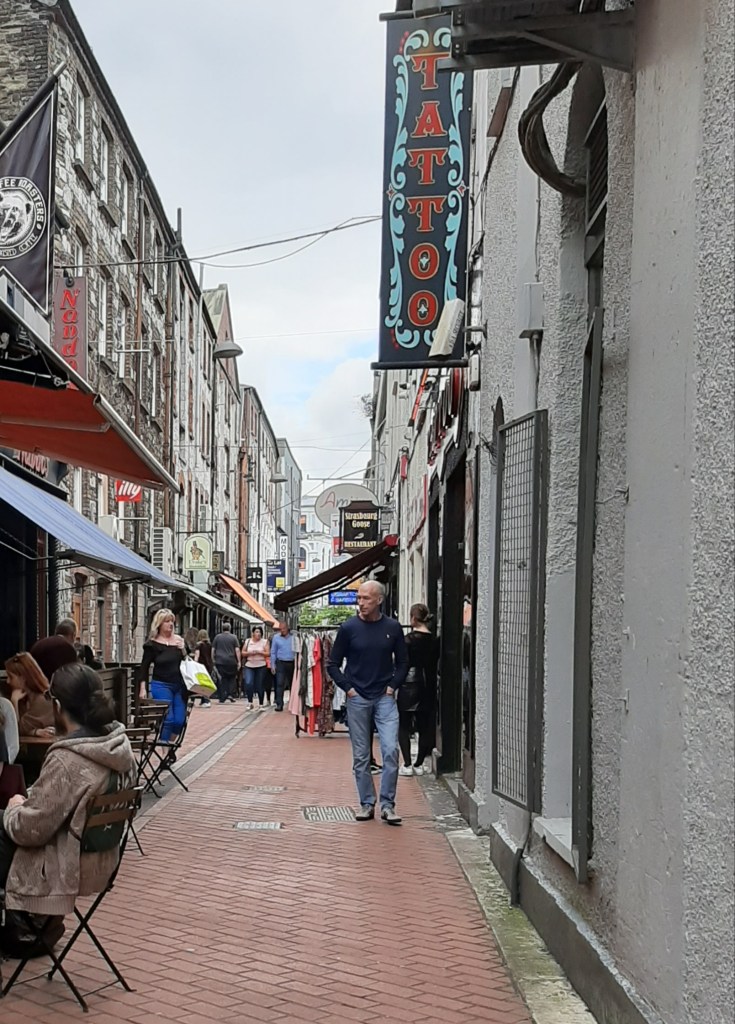



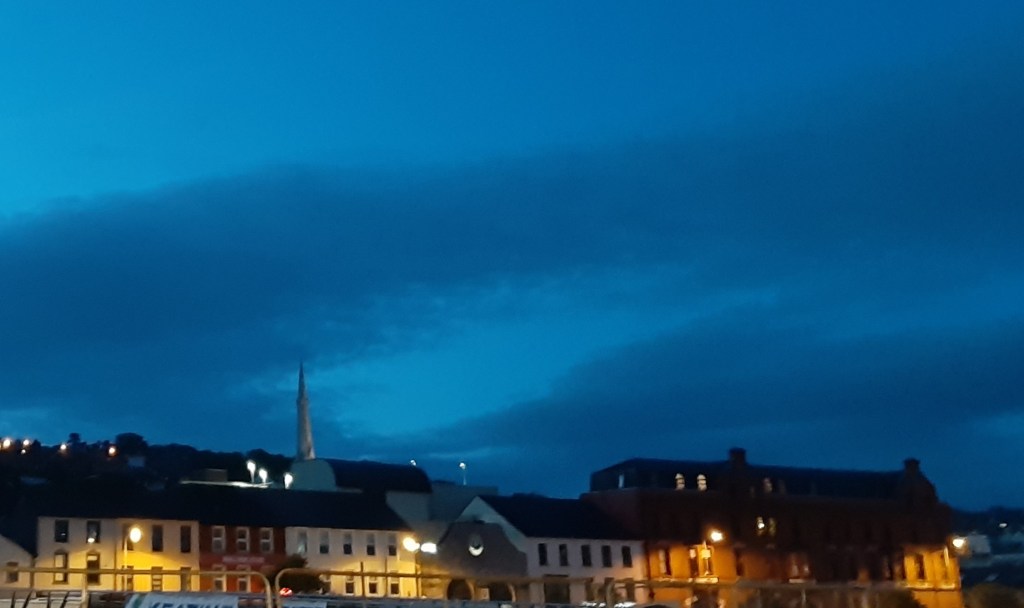
I always enjoy going up to the city of Cork, it is the nearest city to us and takes two hours driving these days because of road works among other things. But as of any city the history is always so very interesting even if it is only bits and pieces.
I was very lucky today because I seldom go to Cork city these days, it so happened that for the past few days I was there, unfortunately most of that time was spent with Ian in hospital, but while on the way back from parking the car in the multi-story carpark I took these snaps today. Most importantly Ian was seen to and is doing fine, and we are home again tonight. But as you can see for yourselves Cork, which is the largest city in County Cork, and to us the nearest city, an eighty minutes drive on a good day (without roadwork stops), it is above all a beautiful and charming city. Population is only about 417,211 souls. Cork was originally a Viking trade settlement around the year 915 and is now a thriving and very popular place to shop and visit.
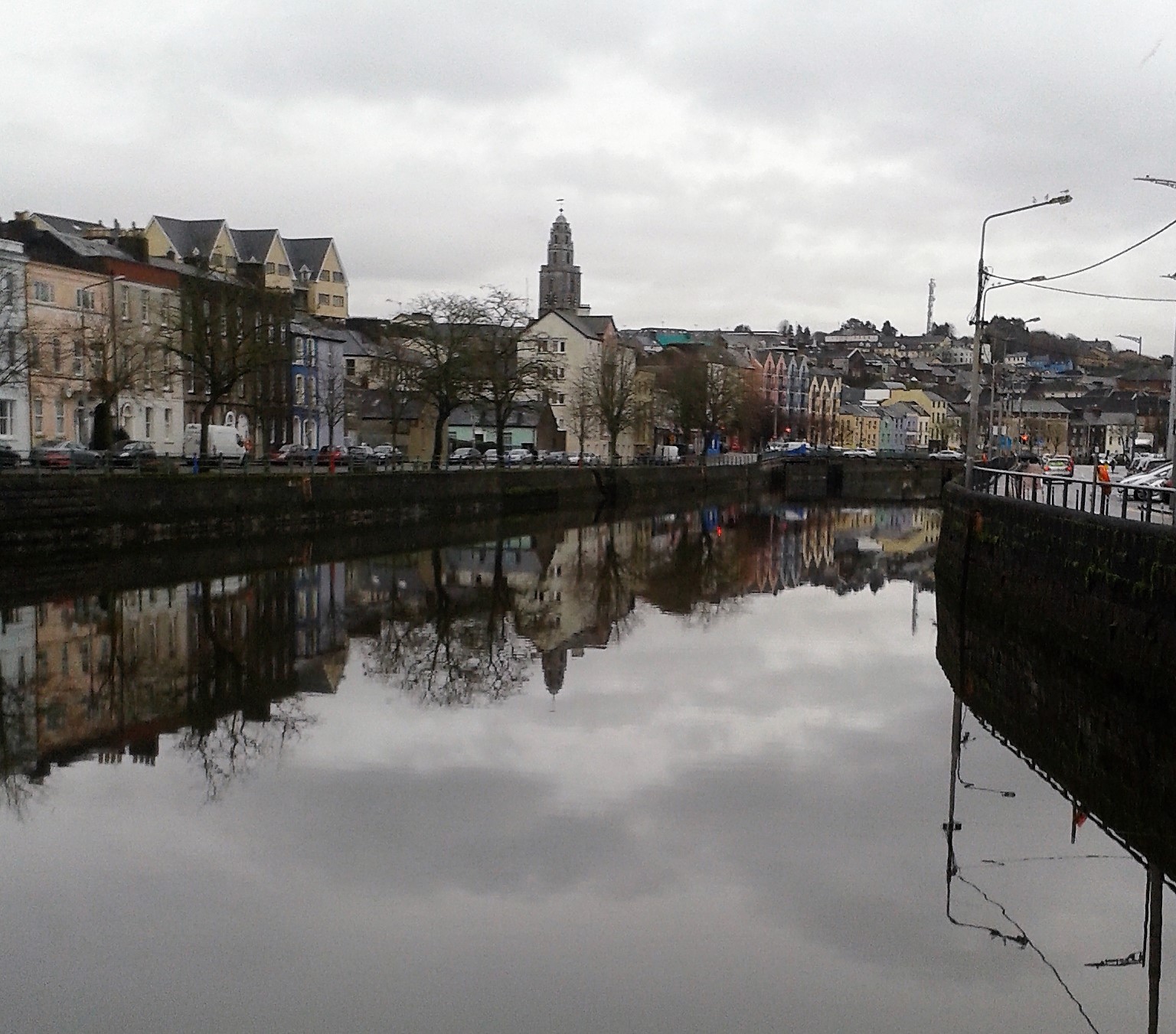
The river flowing through Cork, the river Lee, flows from a lake in Gougane Barra in the Shehy mountains on the Western border of county Cork, it winds its way down other lakes and eventually reaches Cork city where it splits into two, creating an island on which the centre of the city is built.
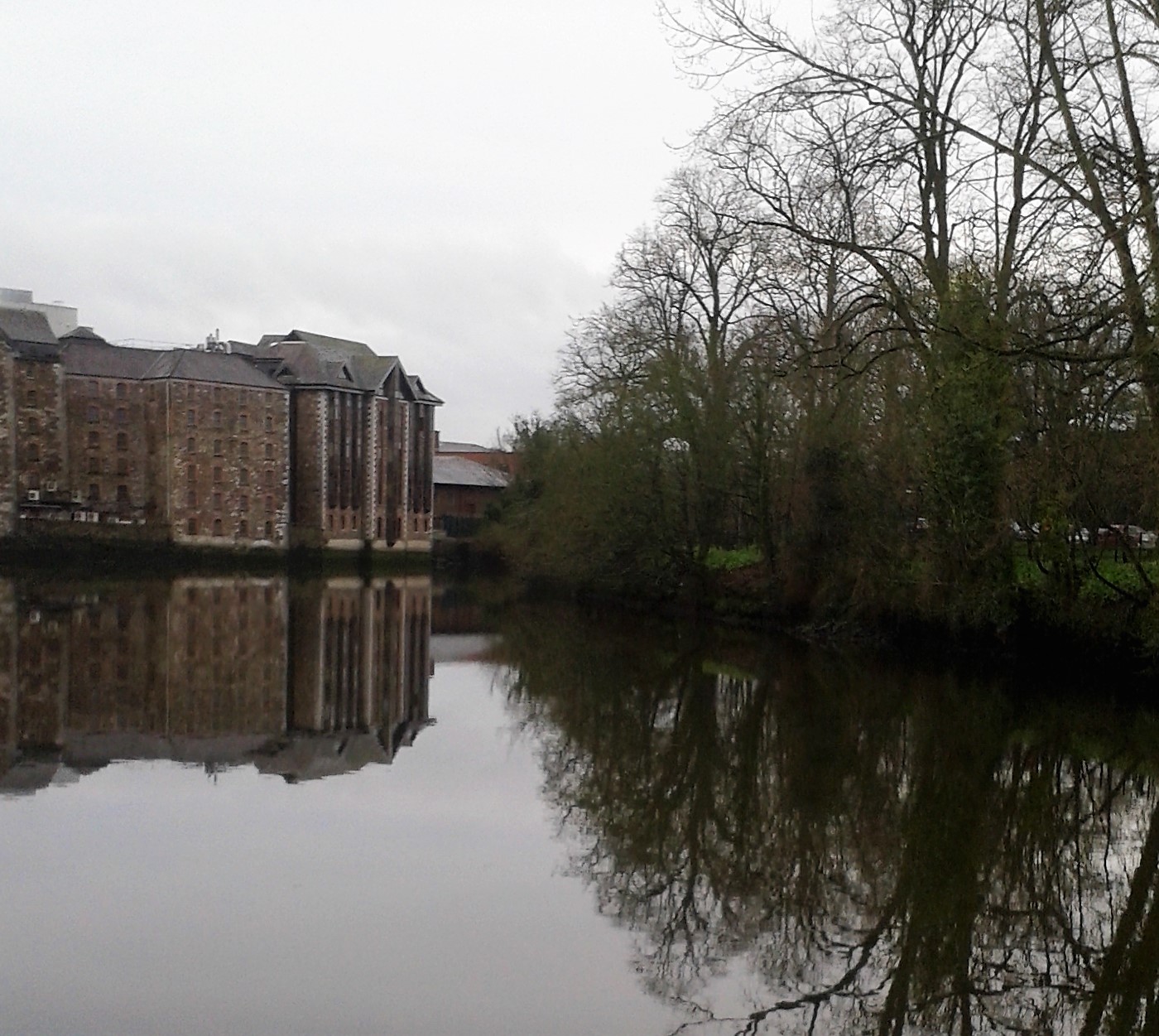
A lot more could be told about this lovely river but I will carry on and show you today’s photos of the views I enjoyed so much and which I hope you will enjoy too.
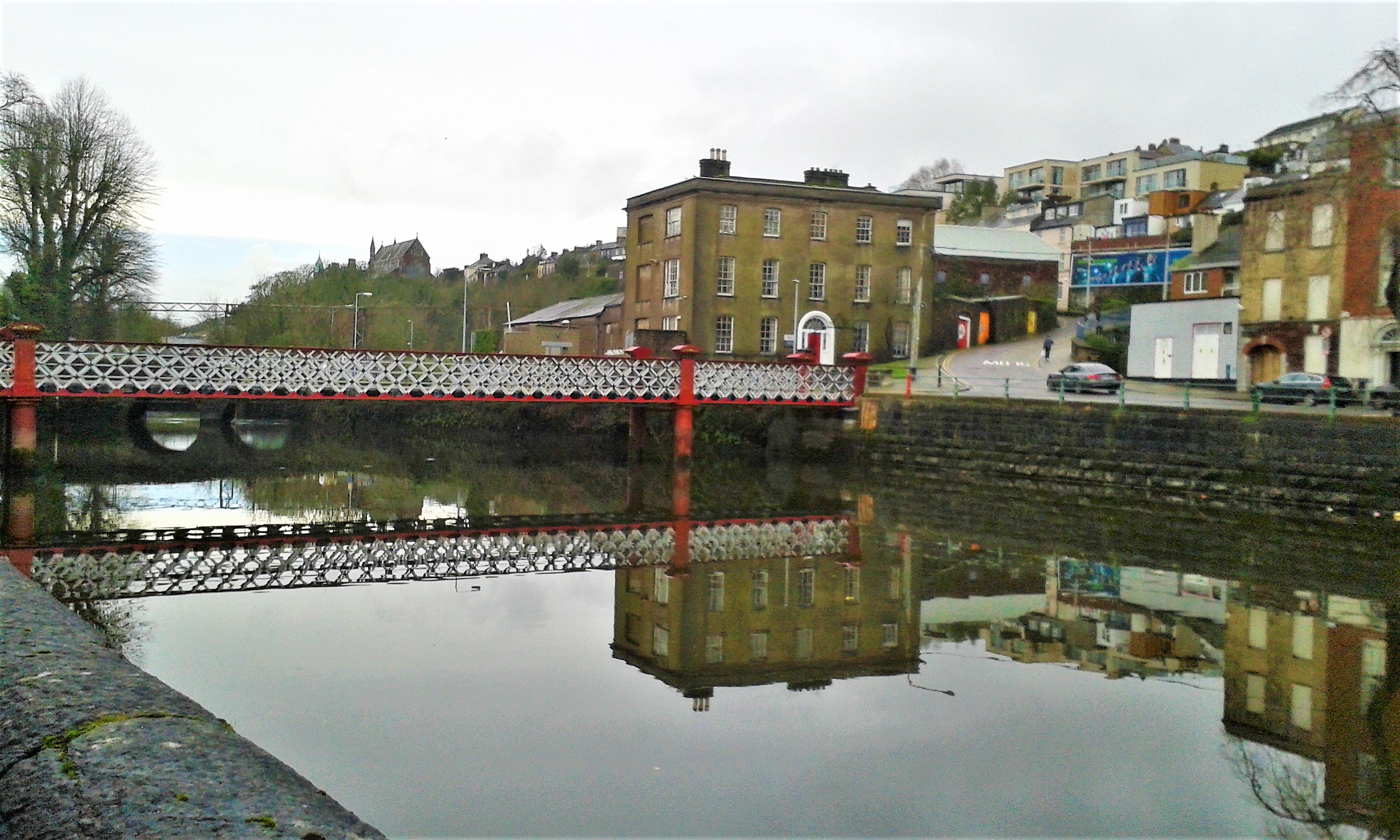
Another iron bridge, this time it is just a narrow foot bridge, very much in use!


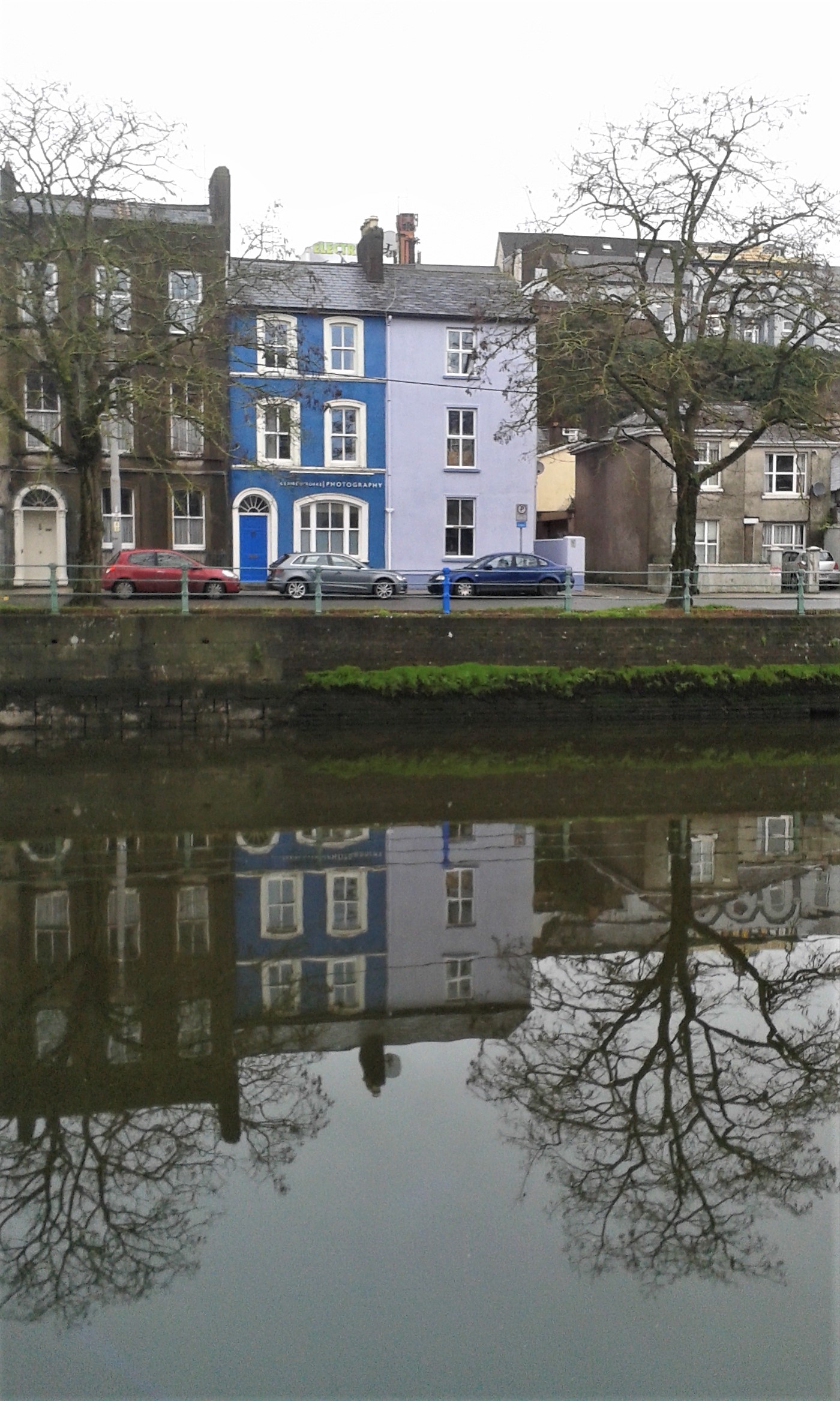


Here are some interesting and beautiful gables along the streets near the Lee river, I could not resist taking some photos of these too. Just love that gate!



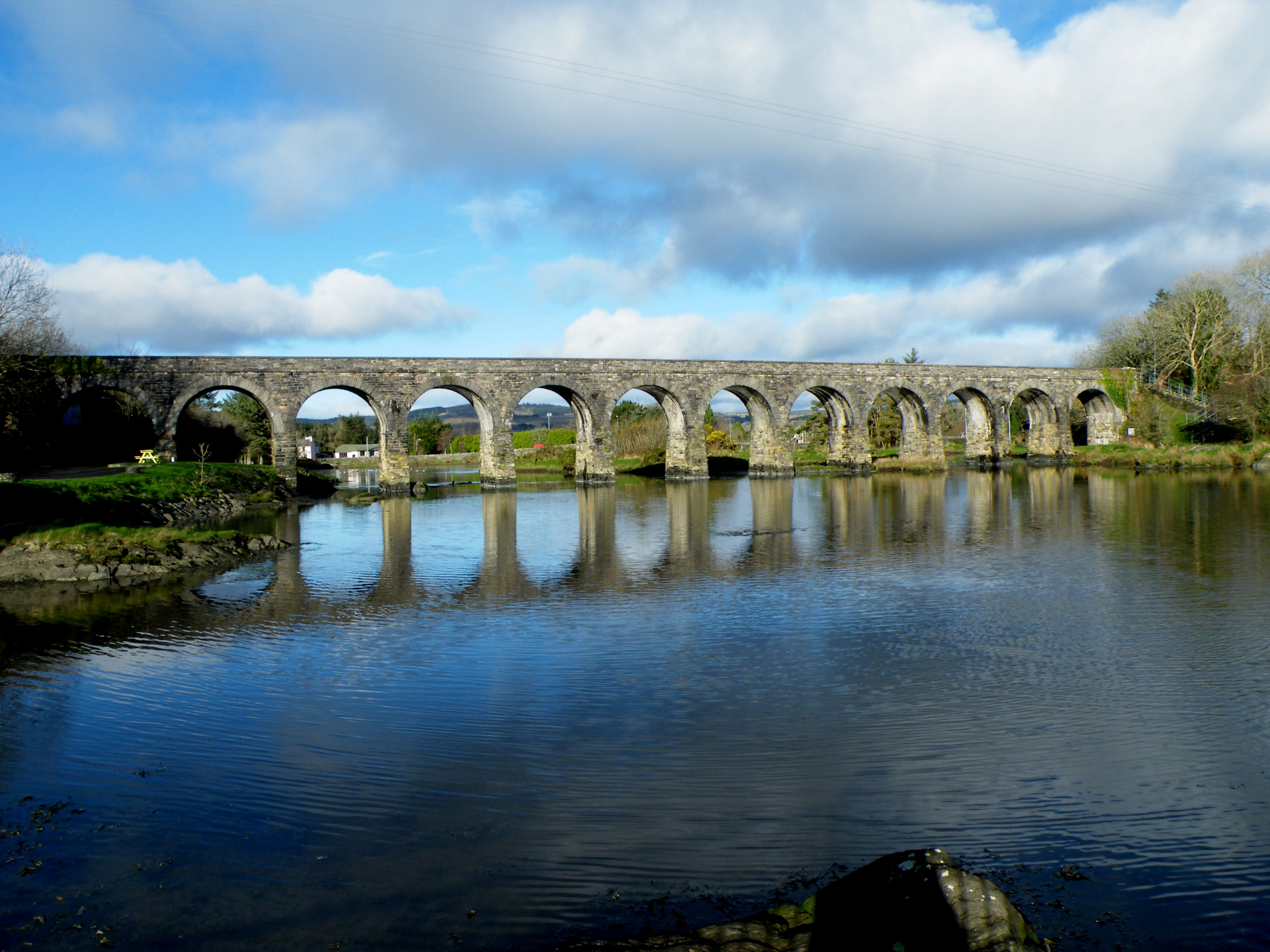
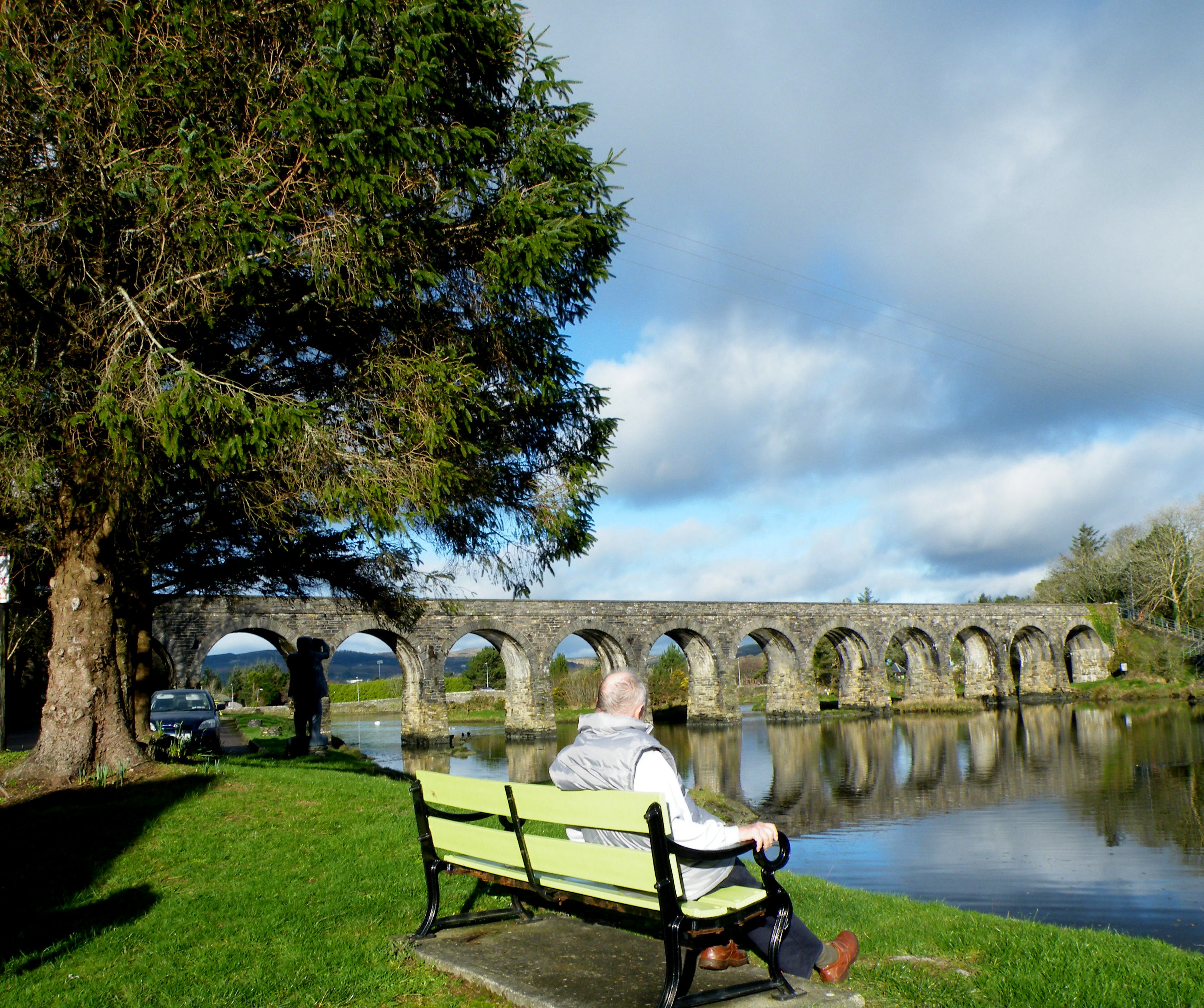
Ballydehob is a small and very charming village on the coast of West Cork, and along the Wild Atlantic route. It was once a thriving mining town, now-a-days it is still overlooked by Mount Gabriel which is where copper was mined back then. Its beauty is superb, and last Saturday we decided to go on the Nature Trail which leads around and over the old railway bridge which leads over one of Ballydehob’s two rivers, the Bawnakeane and Rathravane, but I am not sure which of the two it is! We took along one of my granddaughters, she is a real nature child and took delight in drawing pictures of some of the scenery in her note-book. Ian was well able for this walk and enjoyed it too. I took note of all the new growth along the way, there were several flowers open, Lesser Celandine, Daisies, and Herb Robert were among them. I also noticed young leaves of the March Violet, a wild Geranium, and quite a few very pretty ferns. The walk along the trail is easy for anyone and the views are magnificent. We finished our walk in the village with coffee and delicious cake at a delightful eatery called Budd’s.




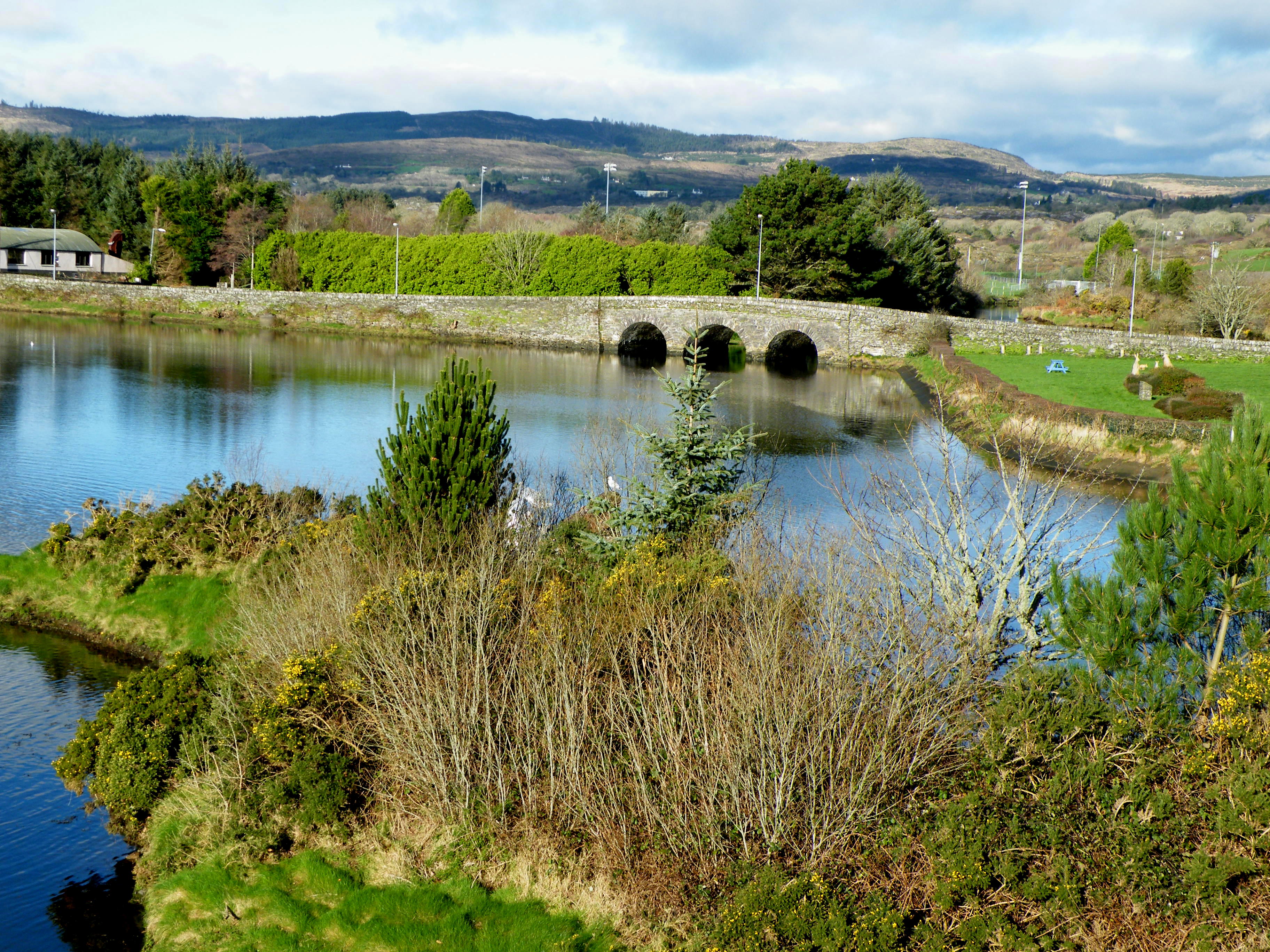

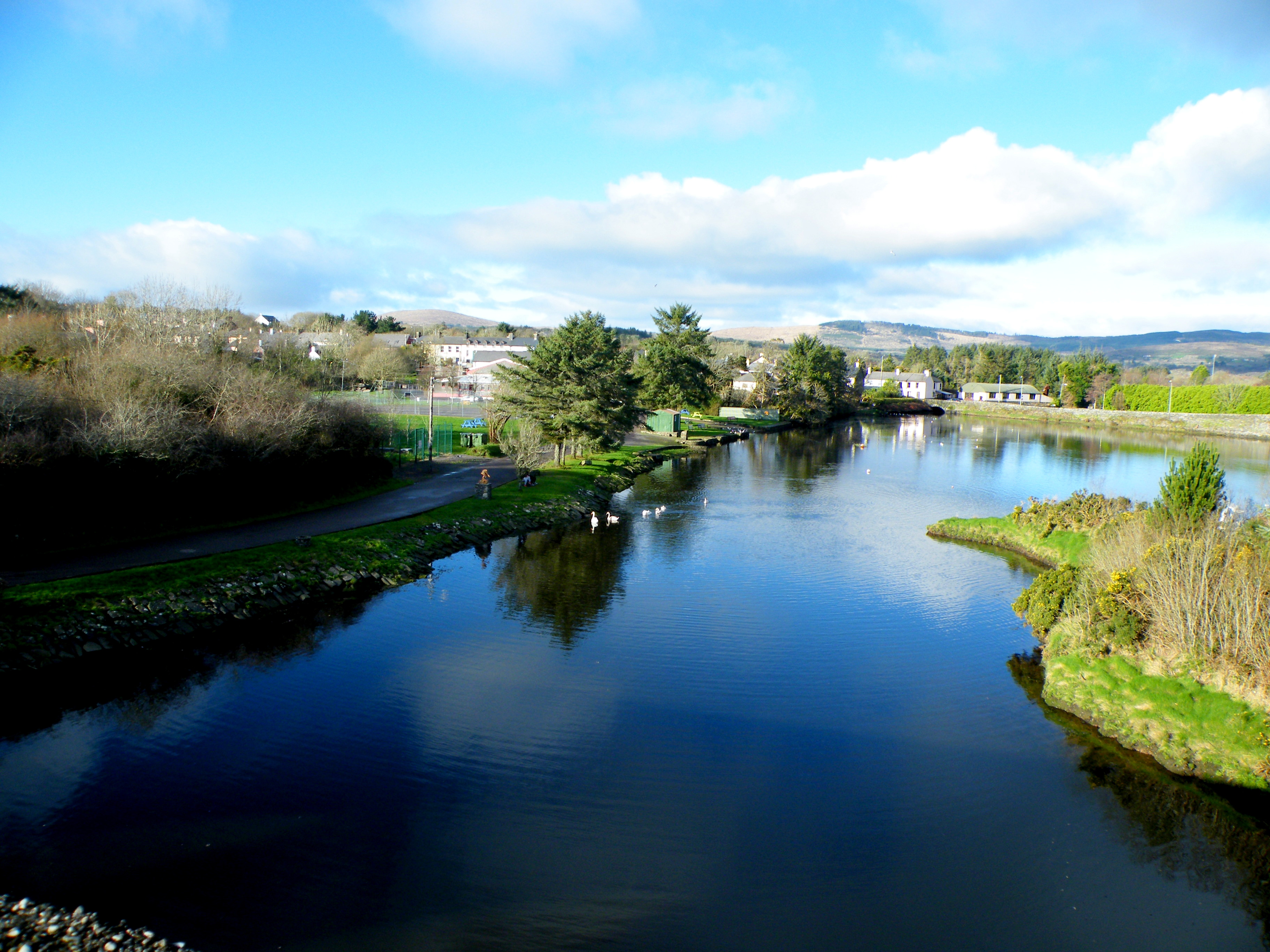
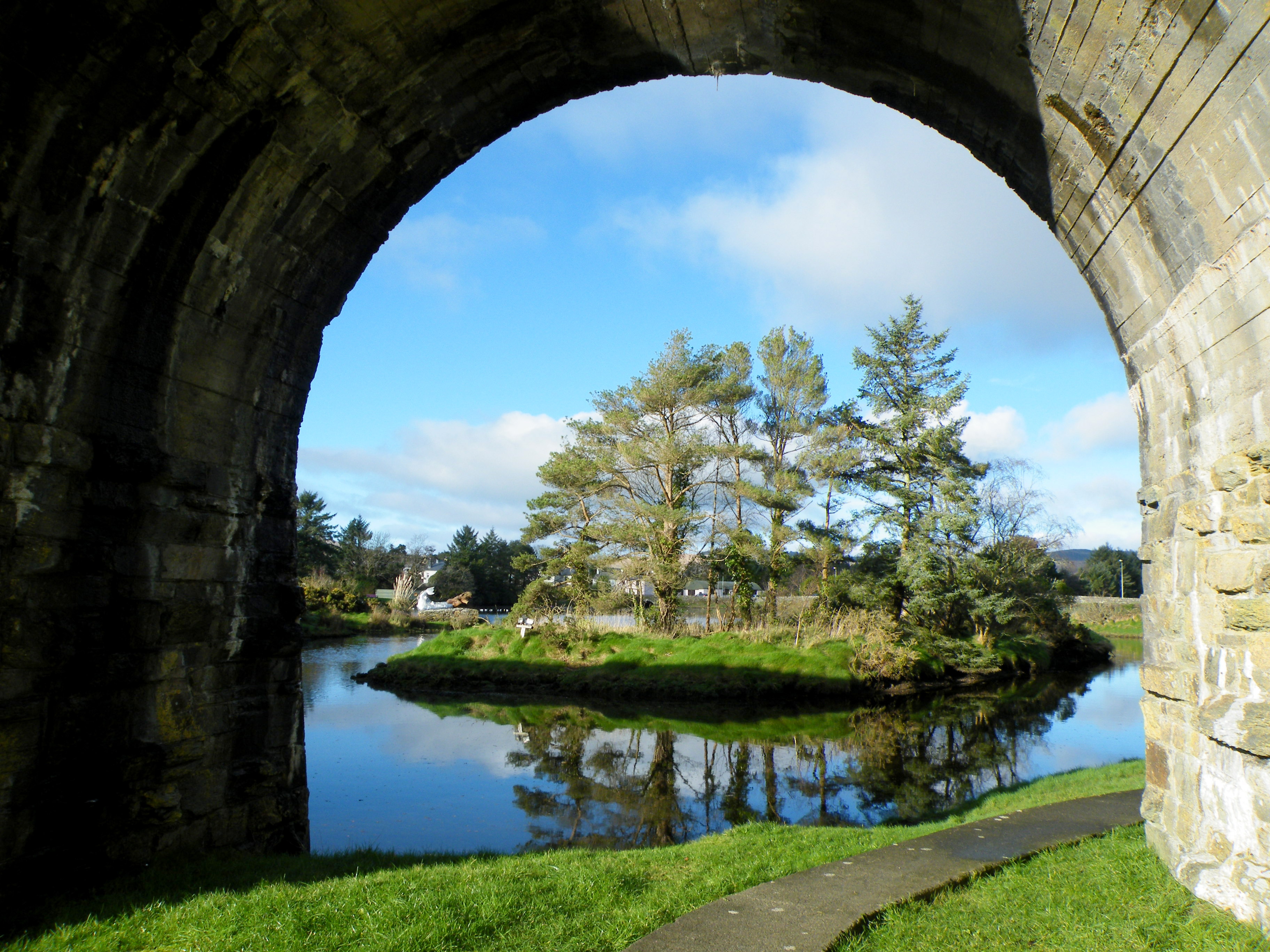

Yesterday found us in one of the most beautiful places in West Cork, a small fishing village along the coast. It was a quiet and a sunny day, a day like you might get in September or October, when the sun is golden, bringing out the colours everywhere and in everything. The air was crisp, and all along the hedgerows lashes of bright red fuchsia were still proudly in bloom, lifting the landscape and infusing in us a feeling of vibrancy and beauty.


We walked to the pier to watch the fishermen mend their nets, bright colours were everywhere, whether the nets were new or old, or whatever other materials are used by the fishermen, there is a wealth of texture and colour to be seen.


Everywhere I looked I saw art and beauty, was it me or was it the reality of things?


Fishermen working on their nets, nice to watch, dedicated work.


Ian having a great walk down memory lane, and nets everywhere!
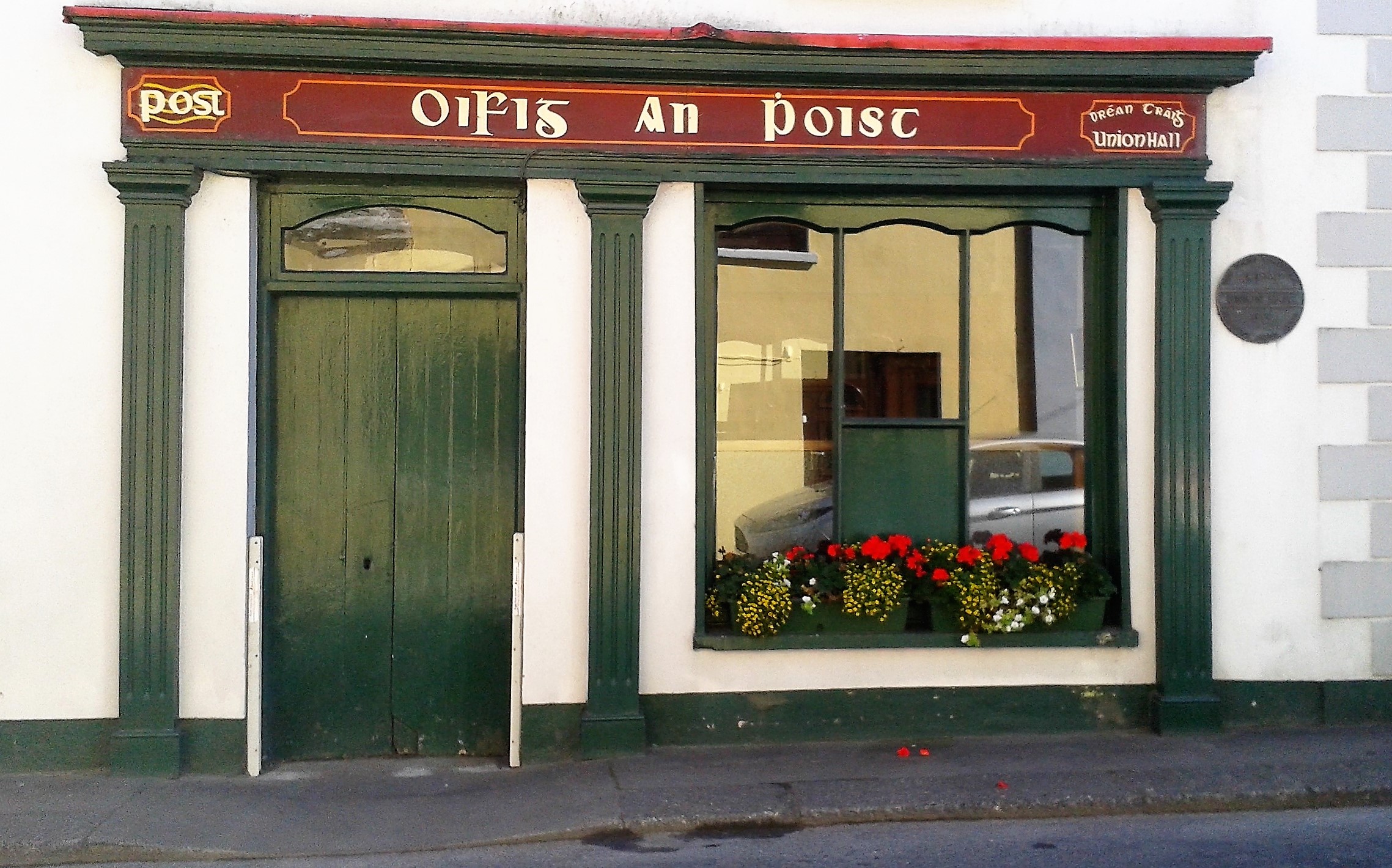
This is, or was the Post Office in this little village, the village of Unionhall.
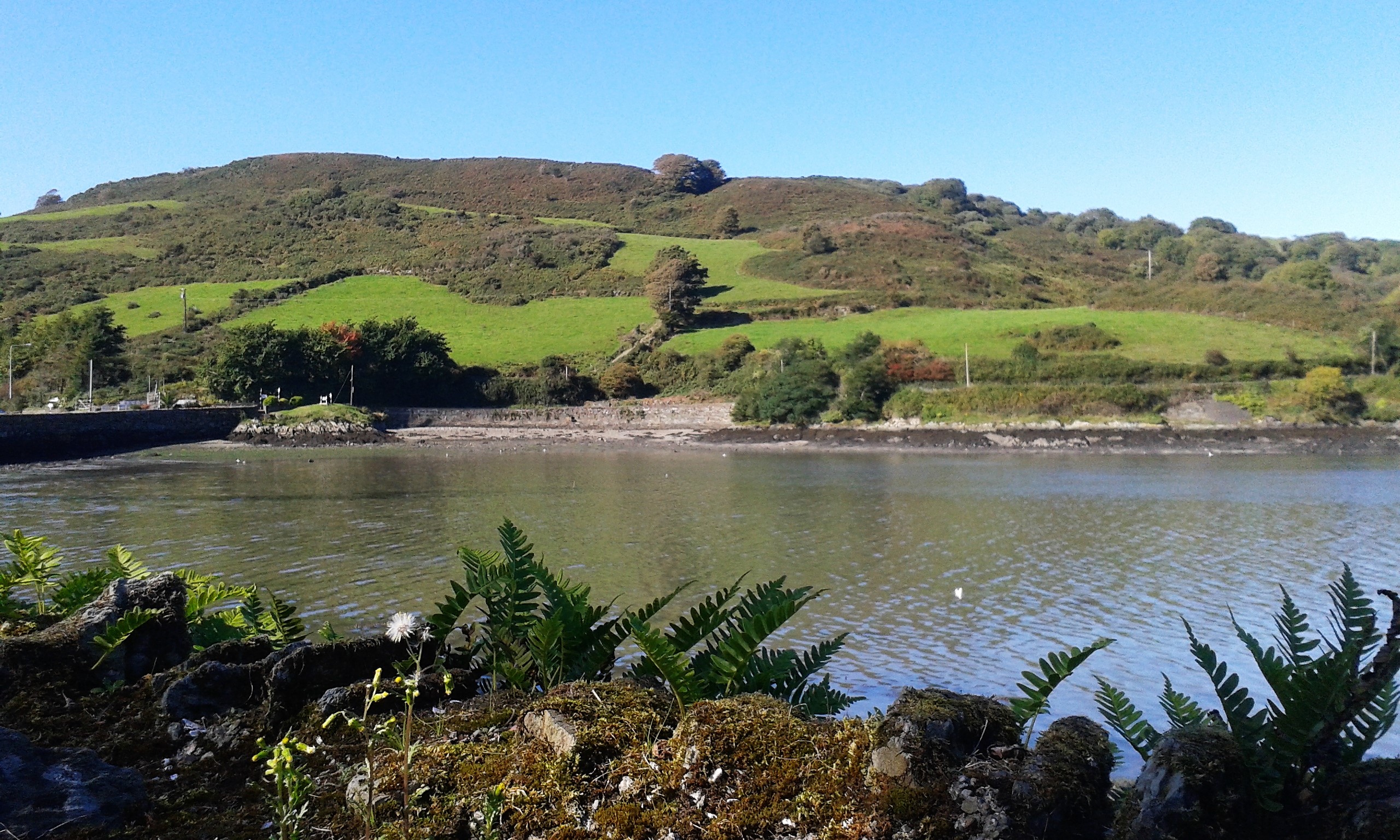
We were celebrating my 69th birthday and it was a wonderful way to do so.
Thank you Ian for helping to make this day so very special.

You have got to love these balmy summer days, when the wild roses are flowering along the hedgerows, and the dark yellow of the ragwort is blending in with the straw-coloured grasses now dried out from sun and water need. And the bright red of the fuchsia bells against the dark green foliage of the hedges all along the country roads. And the evenings when the scents fill the air, scents of night flowers, of grasses and trees, of the soil, delicious are the fragrances of the land as the earth cools down as the sun slowly disappears. How lovely these long and light summer evenings, stretches of brightness seen along the horizon as late as midnight – to reappear as early as four in the morning when the sky lights up again. I used to set my alarm to witness this magical moment to see the new morning appear, glad for another chance at life and anticipating a wonderful day. These are the restoring days of the year, the sun brimming with health giving vitamin D3 (well at least our bodies can avail of the sun to make it). It has been since 1976 that Ireland had a summer like this, with higher temperatures than we get here normally. And as the heat continues there is said to be a water shortage and resulting ban on using the water hose in the garden, so I’m keeping all my grey water and what is left in the rain water barrel for my vegetables. The dry earth soaks up the water eagerly.
At this moment I am very much out of routine, seems to be like this for a while now, my regular blog reading and writing has diminished. I miss it, but too much is happening and I’m getting little done. It is just that type of a summer I think – a summer of laziness, but also a summer of beauty and of enjoyment, of scents and sights.
I do hope that it is full of goodness for everyone of you too.


On the road between Skibbereen and Baltimore, West Cork, there is a most beautiful garden, it is the Inish Beg Estate and recently Ian and I visited it together with my daughter and my five grandchildren, it was a lovely afternoon and being the month of May so many flowers were in bloom, the gardens were looking so very beautiful, the many trees with fresh green foliage, the Rhododendrons, all varieties, were flowering. From a herb and kitchen walled garden, to a fairy house among the trees, everything is thought of. The children enjoyed it very much too, running along the paths and discovering all sorts of things including sticks which they then ended up comparing with Ian’s walking stick. And of course they loved the fairy houses. These gardens comprise 97 acres of woodland, organic pasture and farmland, formal gardens including a the before mentioned walled garden. There is an orchard, a bamboo grove and a sunken garden. And something I did not know about but is mentioned in the brochure of the ‘West Cork Garden Trail’ is that there are 4km of carriage drives. There is a lot more to this garden and it would be worthwhile to look it up on-line if you are coming to visit West Cork I think. We just enjoy it as it is so close to where we live. The birds were singing their hearts out, everything was so very peaceful and beautiful. We were lucky with the weather, I think that this is Ireland at its best.




 agoyvaerts