ODE TO OUR POLLINATORS

This week has been the week that we remember and show appreciation for our pollinators.

pw2017_sticker_eng

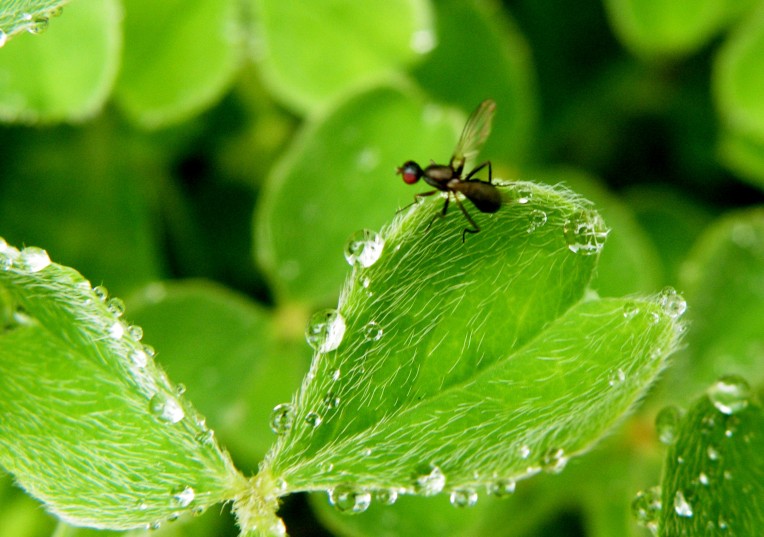
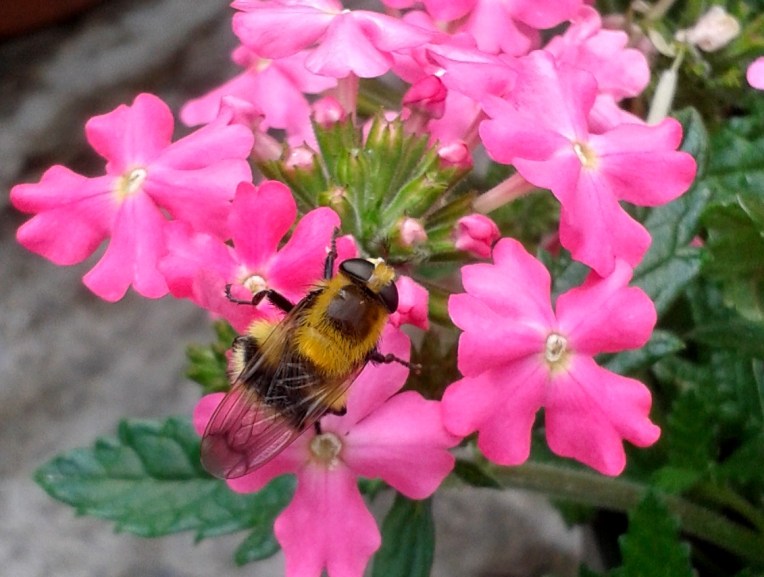
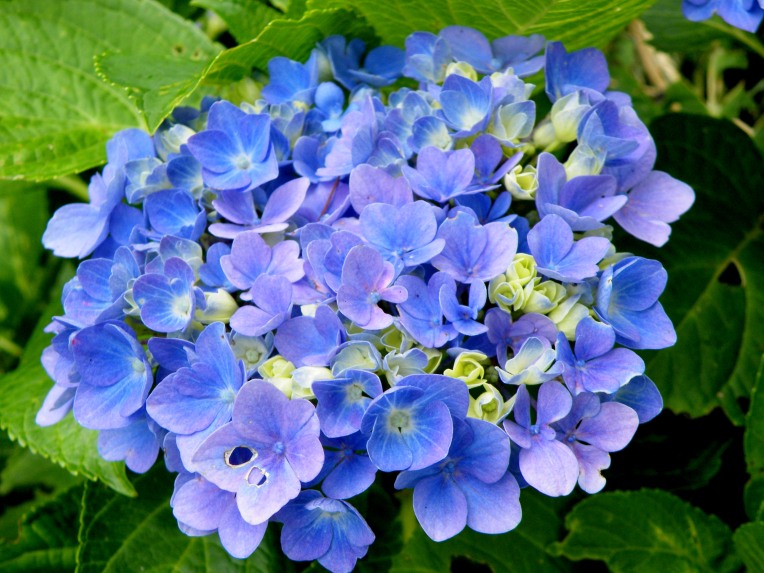
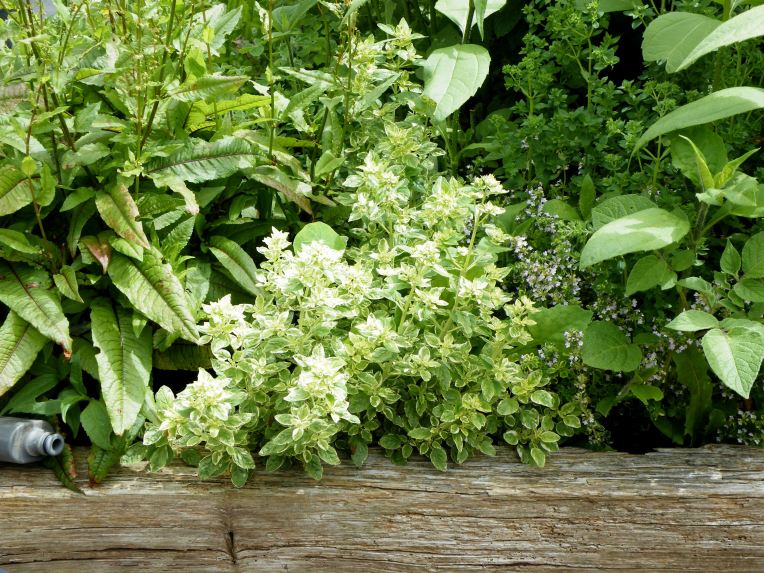
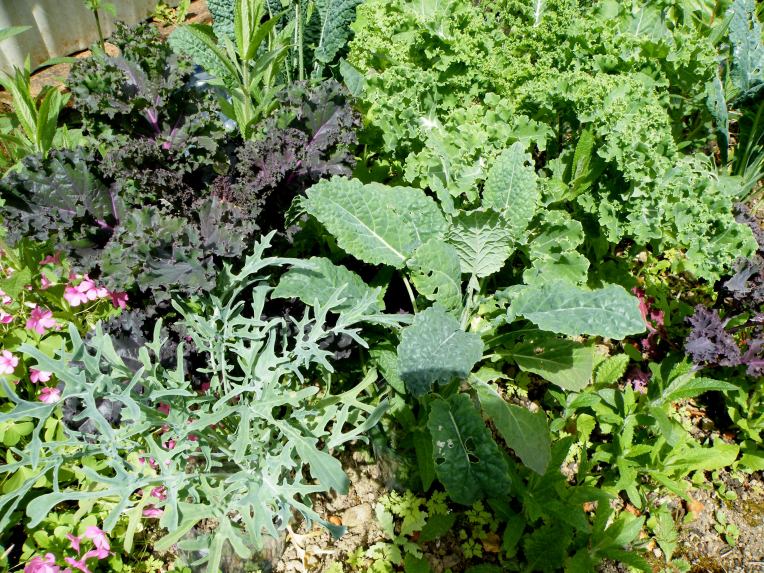
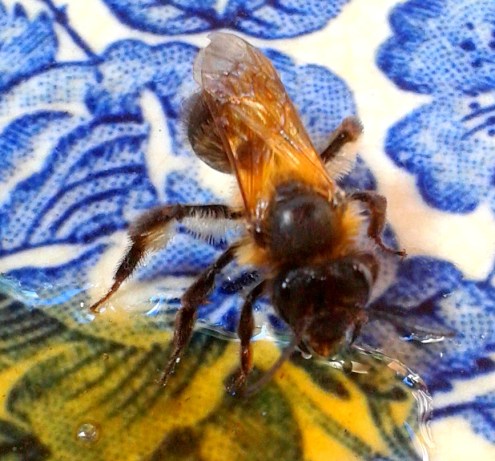
I read recently in the Irish Times that here in Ireland, bees are a crucial link in the supply chain of our apples, raspberries and other soft fruits. and that a third of the Irish species of bees is threatened with extinction. One can imagine what problems this will cause down the line. Personally we are having a great crop of raspberries and the pollination, as far as I have been able to observe, has been done by bumblebees. There is of course a large number of different pollinators, luckily.  I can’t resist taking photos of any wildlife I find in the garden, so here is a series of pictures taken this spring/summer of our pollinators.

20170518_115814

This bee was just lying there, I guess it was almost dead, but it soon revived with a little honey.

Also many other pollinators visit the gardens.

Thanks to Murtaghsmeadow’s blog for bringing Pollinators Awareness week to my attention.  This is a link to her blog.

A week in celebration of pollinators?

Here is another interesting link:  http://www.biodiversityireland.ie/projects/irish-pollinator-initiative/all-ireland-pollinator-plan/


WORK TO BE DONE!

Yes work to be done, and that in our front garden.  The back garden is taking care of itself for the moment, quite wild, but all the same some vegetables are growing and fruit is being harvested already.
But the front garden has hardly been touched for the past six years.  For years I could not do anything much as I had a bad flare up of fibromyalgia.  For the moment that is under control.  And so the work has been waiting and it is a pleasure to do it now.  Trouble is that I have several ‘projects’ on the go at once.  All maintenance has to be done otherwise in this damp climate everything rots, wood especially.  And so, apart from power washing the patio, there are the pillars to paint, the woodwork of the fence to be sanded and treated with Sadolin or something like that, and the hedges need cutting also.  And I have been and still want to introduce more container plants, especially the Hosta which I adore.

Wellingtons waiting!  And as can be seen there is much work, especially the red brick I want to get really clean as it looks lovely when they are done.  All the same I am very aware of not wasting water!!!  But what else can one do, I decided to concentrate on the red bricks.   And to remove the moss, if I could achieve that I would be happy enough.

DSCF2196As can be seen….lots of moss and dirty bricks!

This is the end result more or less after several hours of work and too much water wasted (where is it all going?  Underneath the house?  I have all these questions and in a way I am happy that I am only doing this job every so many years.

These Verbena I potted up the other day, l love the colours and they give a cheerful face to the front garden.  The Buddleia is also almost flowering, that will bring many butterflies!  The Rose pot which used to be in the back garden I am now enjoying when I look out the kitchen window while cooking, it is a joy!
In Gozo, last winter I did see lots of lovely and well kept front gardens, the plants were mainly succulents, often in containers, beautiful.  I started then to fantasize about putting more containers with flowers in our own front garden to brighten it up.

While I am wrecked tonight, it has been well worth the effort today.

I think that I deserve another visit to the Garden Centre tomorrow!

ART EXHIBITIONS IN TOWN

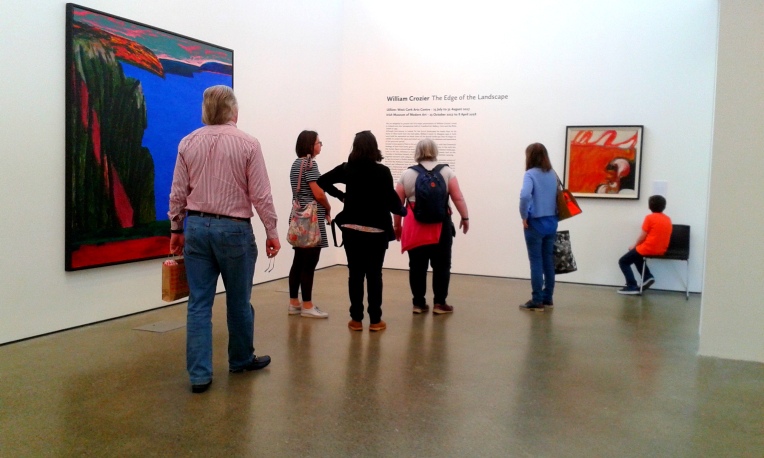
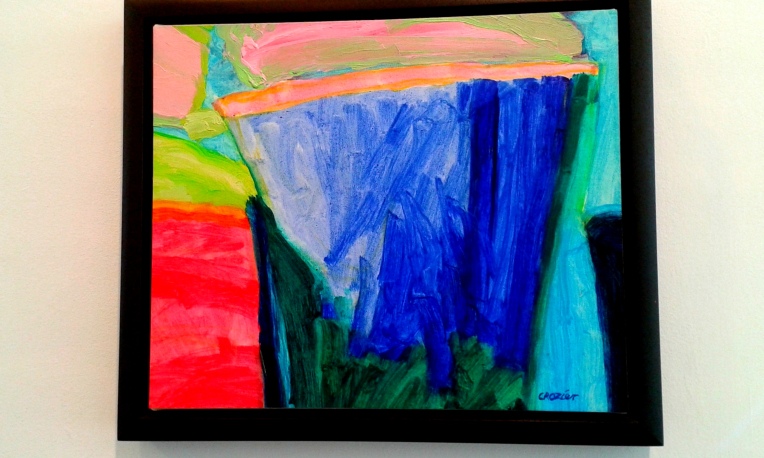
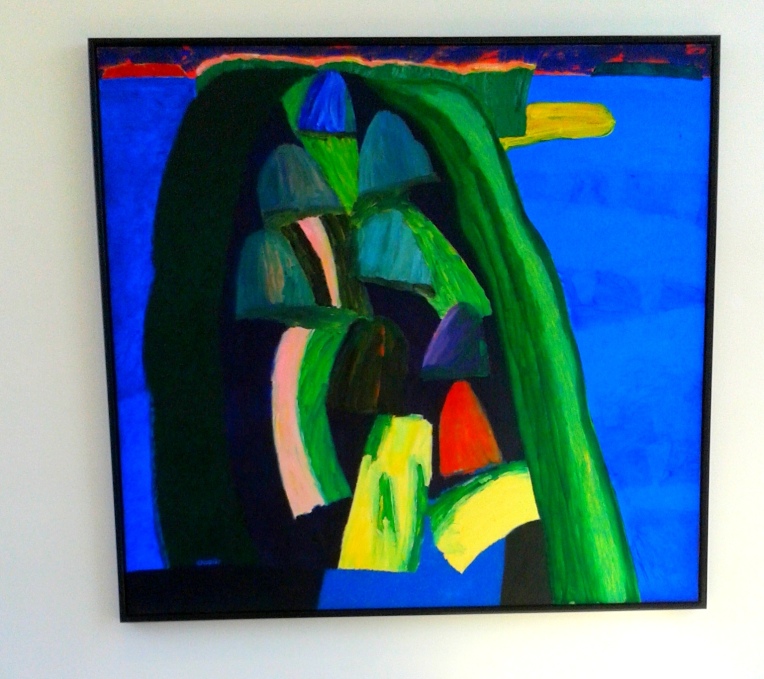
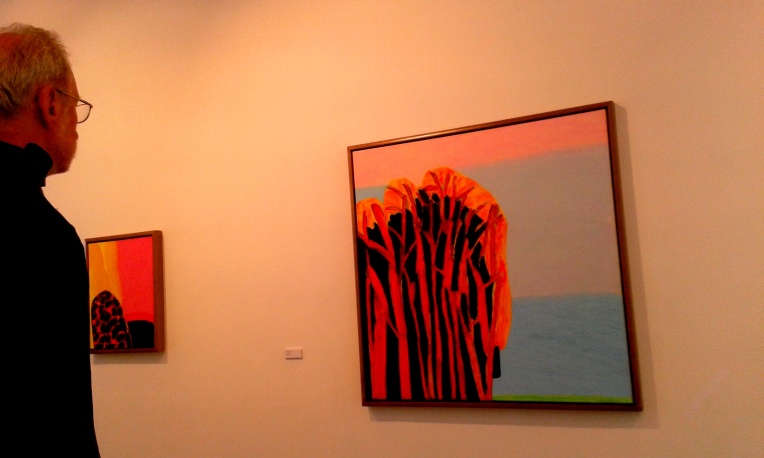
Today there was a bit of a whirlwind blowing through town, at least for us as we wanted to attend openings of three separate Art Exhibitions, one of which above showed the works of Maurice Henderson.  Maurice, an old mate of Ian’s had sent him the invitation, and I was lucky to be invited along.  I have been following Maurice’s work too for a decade or two and have always enjoyed his use of colour.  I was very impressed with his current work, and the above photo is of my favourite painting, makes me think of a bluebell carpet in among trees in early spring.  The exhibition is called:  ‘Light and Atmosphere. It runs for another 9 days.

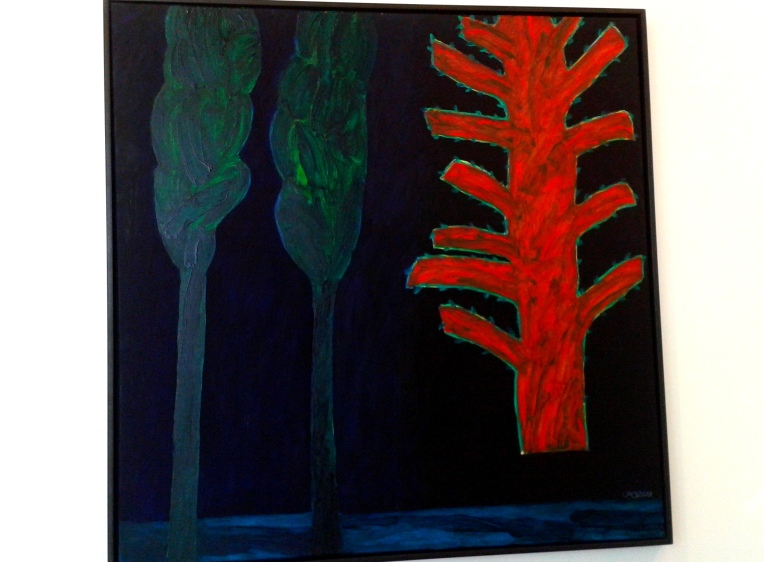
Second opening was later on in the evening.  I went on my own to this.  A great exhibition called: West Meets West – showing work from three artists from Cornwall.  Phillip Booth, Matthew Lanyon, and Tony Lattimer.  The above large painting is by Matthew Lanyon and it is my favourite, it immediately had a strong affect on me and just gave me such a good feeling.  The widow of Matthew, a lovely lady, told me that this is one of the early works of Matthew.  Very sadly Matthew passed away recently.  Top sculpture above left I was also quite impressed with, very colourful and clever use of wood and metal.  The artist, Philip Booth explained about his work to me which was very enlightening, his primal inspiration is the landscape of Cornwall, and in the case of the sculpture above it was the rocky shore along the coast.  As I have been out of circulation in Skibbereen’s Art world, I am only getting back into the swing of things and was happy that while I was scanning the room for familiar faces several new people just started to talk with me, it felt good and we had interesting conversations.  One of such conversations was with a woman called Anastasia, also an artist, an amazingly inspiring woman.  I also finally got to meet fellow wordpress bloggers Finola and Robert of https://roaringwaterjournal.com.  It was like meeting old friends as I follow there blog closely.  Very nice.

The last opening of the night was at the smaller but nevertheless lovely Art Gallery in North Street in town.  A young woman, Tara Laubach’s work was also a revelation, beautiful works of soft colours, with lots of expressions of emotion.  I need to go back to get a closer look as there were so many people that it was difficult to get a good look tonight.  The exhibition is called ‘Fiery little Ashes – a Cinderella story’.  Much enjoyed the reading by the young artist.

And finally we were treated to poems by two different poets, these were short but good and they wrapped up an evening of culture in this small town in West Cork perfectly.

Afterwards I discovered that there was also a new exhibition in one of my favourite Galleries, the Catherine Hammond Gallery in Bridge street, which I missed the opening of today, but no doubt will visit during the week.

I think that I am finding my feet again in West Cork, saw a lot of lovely people today and interacted with them, always a good grounding method when you have been away for a long time, feel at home again even if it took me the best of two months.

A SENSE OF WONDER – INTENSE JOY IN NATURE

DSCF1538

I just finished reading Michael McCarthy’s book “The Moth Snowstorm” in which he describes and talks about the decline in biodiversity of birds, moths, butterflies, and other creatures worldwide but especially in his own Britain.  He gives examples of his own experiences and that of other nature lovers, where they have witnessed this decline.

His emphasis, though, is on the intense joy that the natural world can and does bring to humankind.  The book is also part memoir, his reasoning about wildlife decline is interspersed with his own memories, and of how his childhood trauma played a role in his discovery and his passion for the natural world, the joy that nature stirs inside us humans.  And this resonated with me so well, I too developed this passion at an early age, not perhaps through childhood trauma, I’m not sure why.  The point that McCarthy makes is that this is something very innate in us, that we have developed this over the thousands of years of life when our ancestors were hunter gatherers, living lives in very close contact with nature.  This joy, I used to think of it as my very own when I was still a young woman until I discovered that it was just out there for anyone to tap into; watching a beautiful sunset, the opening of a beautiful flower, seeing a marvellous butterfly, listening to the dawn chorus, or indeed the sound of the cuckoo in early spring, all of these scents, sounds, observations, experiencing the natural world with our senses can bring intense joy into our lives, the natural world is very good for us, essential even, and studies have showed that too now, scientists agree on this, worldwide there is a trend from professionals to advise walks in nature for mental and physical well being and health, happiness even.

This book also highlights the destruction of our planet which has been going on for over one hundred years and he gives many details of this – but it never becomes a depressing read as McCarthy always bring us back to this joy that nature gives us and shows why he believes we are wired for this and how it will be the best resource for survival in that when more and more people realise this they will unite to save the planet starting with saving its biodiversity, its birds, its animals, its insects, and all the wonderful creatures.

So once again I came to realise that it is not childish or silly to be totally blown away or inspired by the discovery of say a moth, a spider, a butterfly, the sound of the robin or blackbird early in the morning, the first signs of spring, or the sun throwing its first rays of light over the horizon.  All these intense pleasures are deeply ingrained in our beings and if tuned into them they can move us and bring total peace of mind and happiness.

I would love to hear what you feel about this, is having a sense of wonder about the natural world an inspiration in your life?

AN ALMOST TOTALLY WILD FLOWER GARDEN

DSCF2152
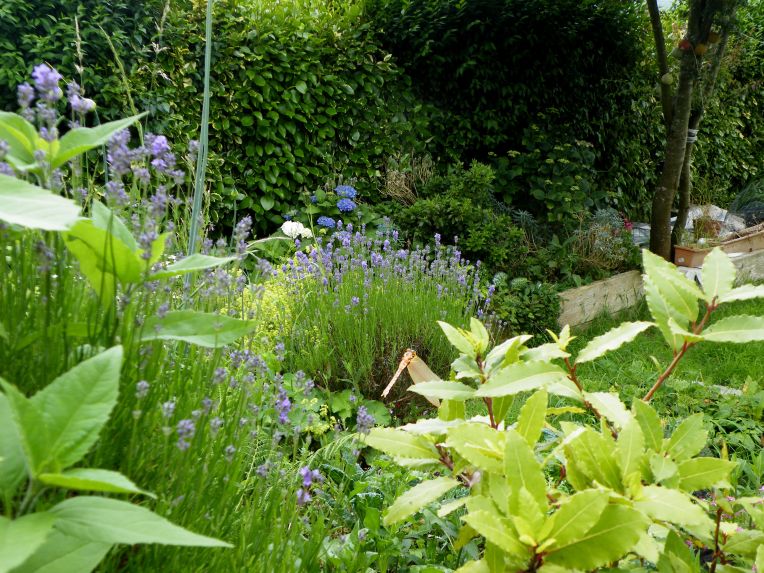
These days as we find ourselves getting towards the end of the beautiful month of May, I am delighted with the many birds, bumblebees and other insects that I am finding in our half wild garden.  Every morning I listen to the dawn chorus of blackbirds, robins, and other little birds who are nesting in our overgrown hedge.  It is a wonder to see the wealth of these creatures enjoying our smallish garden and we in turn enjoying their company and song.  The butterflies and bees have still to come, maybe the temperature is not warm enough.  Yesterday, a day of heavy rain freshened up all the plants and today the bumblebees are out in full force, the sun is out and it is warmer, a glorious day!  We are expecting friends for lunch and it seems like a day we might be able to sit outside.
DSCF2192

I have found a beautiful fern growing around the old pump and the red stone wall, both of which are in this garden from the time we first created it decades ago, my then husband Ron was a great garden creator, though I owe the present raised beds to my partner Ian who has put in a lot of work creating these also.  But the creation of the present lush wild flowers and plants has come about totally as a gift from nature, and happy I am about that.  It seems all I have to do this spring is walk around in this luxurious growth and admire the colours and shapes that nature throws out there, what a palette, what a beauty.

DSCF2188

DSCF2160

20170518_181812And so spring is slowly turning into summer, at least its got that feel about it.  Weather- wise it seems to be warming little by little, in fact we were able to sit outside sharing a lovely meal and glass of wine with friends, chatting into the late evening surrounded by the sounds and scents of our garden, wind still.  I would not wish to be anywhere else at moments like this and feel very grateful to be able to enjoy this wealth.  The moisture and warmth after a day of rain in West Cork is something you have to taste before you can believe it.


Our friends brought us some young asparagus seedlings which they planted out with me, in two years time I should be able to harvest some of them and make a lovely soup, Ian’s favourite.  This bed was full of ranunculi and it took me a whole morning to get all the roots out, much as I love buttercups, they had to make space for the asparagus.  There is great satisfaction in creating something in the garden apart from enjoying all the wild plants.

HAWTHORN – THE SACRED TREE

20170518_191407

That I am writing about the Hawthorn tree is because the other day while sitting around the table talking, my mind drifted away at seeing our Hawthorn laden down with its beautiful blossoms gently being carried up and down by the wind, this tree is probably the favourite in our garden, mainly because it chose to grow in that very spot all by itself some years ago.

Crataegus monogyna, or common Hawthorn tree is very wide spread in the South-West of Ireland. A nice tree or bush it is especially beautiful in spring or autumn because of its profusion of creamy white blossoms and or dull red berries.  The tree or bush is often used in hedgerows or as a boundary of land or property.  Its Irish name is Sceach gheal. The flower has five petals, one style and numerous stamens with pink or dark anthers. 

DSCF2037

According to folklore the hawthorn was the most likely tree to be inhabited or protected by Faeries.  In Ireland these trees were considered sacred and could not be cut down for fear of attracting some fatal misfortune, even the branches or flowers could not be brought inside a house. 

http://treesforlife.org.uk/forest/mythology-folklore/hawthorn/  excellent article by Paul Kendall

Many people would refer to the leaves of the Hawthorn as ‘bread and cheese’, they would eat them.  I’ve tasted them myself often and they are ok.

Another good website where I found lots of information on the lore of the Hawthorn is:

http://www.plant-lore.com/217/hawthorn/

DSCF2031

About the scent of the flowers I also found it interesting to learn that in Teutonic lore, Hawthorn symbolized death and was used in funeral pyres.  It’s not altogether surprising because according to some sources;

Mediaeval country folk asserted that the smell of hawthorn blossom was just like the smell of the Great Plague in London. Botanists later discovered that the chemical trimethylamine present in hawthorn blossom is also one of the first chemicals formed in decaying animal tissue”.  (Paul Kendall)

And hence in times when people would have had their loved ones laid up after dead inside their home, they did not want to be reminded of the scent of death by bringing the Hawthorn flowers into their houses, it is thought that from this the superstition originated.

I’ve always found the scent of the flowers strange and could never say that it is sweet.  But the flowers are very beautiful, being from the Rose family – Rosaceaethey are white, sometimes with a hint of pink.  In the town of Skibbereen we also have two mature deep pink trees but I think that they are cultivated species, beautiful to look at, not sure of their medicinal qualities though.

From the berries one can make a tasty liquor and a jelly, and from the blossoms wine can be made.  Some years ago I made a Hawthorn honey, I used ripe berries (the berries taste tart) and a good quality honey, when ready I used it all winter to good advantage.  Even just making something totally different in the culinary way was just such a joy.  The jelly I made many years ago, my mother always made it too and it was delicious, apparently the berries contain a lot of pectin.  So nice to know that we can use natural and wild produce all around us.  It is known that the berries can cause irritation if ingested, the little seeds need to be removed in order to avoid this.  I think one has to be careful with this, I’m not recommending anything, let each one do their own research.

20150902_155541

Some of the ideas I got from the following website;

http://www.witchipedia.com/herb:hawthorn

We would drink a cup of the tea made from the flowers and leaves to strengthen the heart and lower blood pressure or cholesterol.  My mum always used to say that this tea was also used during the war when China tea was hard to get by.  During the First World War the berries were used in Germany as a coffee substitute. 

The birds also do enjoy the berries, our tree is always full of birds, from sparrows, to finches, to blackbirds, it is a wonderful sight to behold, and of course we always leave plenty of berries as their winter food.  The flowers are known to be very attractive and beneficial for butterflies.  The tree is also native to Ireland which is quite important, more and more importance is given planting native trees these days.  The fact that it is widespread in hedges means that hawthorn also plays an important role in supporting the many species that live in and around Irish hedgerows. 

20170501_151716

Our own tree is now mature and it gives us shade during the summer months, lovely to sit under it and share a meal with friends or family.

There is more to be told about the Hawthorn tree, much more, remains it to be said that I love this tree and that it gives us a lot of pleasure.  I hope that all my lovely readers and followers of my blog have enjoyed some of the story that I have shared.

“The earth laughs in flowers.” Ralph Waldo Emerson.

“What we do see depends mainly on what we look for. … In the same field the farmer will notice the crop, the geologists the fossils, botanists the flowers, artists the colouring, sportsmen the cover for the game. Though we may all look at the same things, it does not all follow that we should see them.”
John Lubbock, The Beauties of Nature and the Wonders of the World We Live in.

20170512_154601

A variety of rhododendron flowers in beautiful shades.

20170512_154825

And Azalea’s too!

My sister smelling the Lilac flowers, a sure favourite of her and mine.

20170512_160414

These flower photos I took in the gardens of Rolf’s Country House, (http://rolfscountryhouse.com/) in Baltimore, Ireland.  We partook of a lovely cup of coffee and some scrumptious cakes and pies, to celebrate the birthday of one of my grandchildren.  The garden is interesting and beautiful.
THE BEAUTY OF ESSEX – HENHAM VILLAGE

The village of Henham lies in rural England, in Essex.  We visited there a few weeks ago to see Ian’s delightful grandchild, daughter, and son-in-law.  For me it was also another first visit of the village and area and I loved it.  Like I have seen in many English villages they are picturesque and peaceful, with many original houses intact or restored, and this village has a great deal of that to show.  Above are; left: The old Village school building, right: a sign for the Cock restaurant, and underneath: the village church.  This village church has six bells, I heard them (love the sound of church bells).  There is a lovely write up with photos and a sample of the bells ringing on this website:  http://www.henhamhistory.org/StMarysBells.html

Listed buildings, some with thatched roofs, timber framed cottages some with casement windows, some of the cottages I recognised from the Henham website, these are Friar’s Cottage (above right), Cedar Cottage (above).

It was also early spring, and we made a long walk along the fields and roads, there was plenty new growth to be discovered.  The Blackthorn was in full bloom, the wild Chestnut tree just about to start opening its flowers, but I was sorry to hear that some of them were due to be copped down because of a disease.  The Hazel already had its catkins, and the weeping willow already its leaves.

Some of the wild spring flowers which were a joy to behold and plentiful.

Henham as a village dates back to pre Roman times, there is mention of it in the Anglo-Saxon period, saying that at that time the village was described as the little clearing on top of the hill.  Apparently Henham is one of the highest lying villages in Essex.  For more about the history of the place and the parish please visit their website at: http://henhamhistory.org

Certainly England has a lot to offer in well preserved historical buildings, it’s delightful to discover this.  It was of course a delight to be taken for this long walk around part of the village and surrounding fields by Susie and Jared, and a very energetic little Phoebe.  Thanks again for showing us such a nice welcome, lovely to share time with you.


THE TOWN OF HERTFORD

Some weeks ago we had occasion to visit the town of Hertford in England, it was a family visit but I was able to slip out for a few hours of town exploration which I greatly enjoyed because Hertford is such a lovely and picturesque place, so much of interest to see, a market town originally, most of the centre of the town is a conservation area, and this was plain to see in the many lovely facades of historical buildings. I felt a friendly and pleasant atmosphere there, people young and old looked carefree and happy that morning, it was the weekend. At first I crossed a little bridge over the river Lea, this river looked more like a canal actually, and it had some colourful narrow boats moored along its sides. Turning the corner I came upon a few market stalls selling local produce, nice one I thought, it is always good to see a market, it gives a homely feeling. I walked on just looking at the variety of town buildings, this must have been in the main street. I liked the facades of many of the buildings, highly decorative and a great variety. Turning back on my steps I decided to explore some of the many charity shops which in itself is a relaxing and nice thing to do, the thought in the back of my mind is always something like “I might find a lovely bone china cup in blue and white, or a precious book”. Anyway I knew very well that I could buy nothing as we were coming back from Gozo with three suitcases that were bulging as it was, end of story. But I did buy a book, it turned out to be the read of the year so far for me, I am enjoying it tremendously. It’s a biography cum garden history cum social history of a place in Shropshire called Morville and the author is Katherine Swift.
So far so good, walking on towards a church tower in the distance I then decided it was too far and turned back into the centre of the town where I saw more interesting buildings like the Old Cross Wharf of Nicholas lane. The Mill Bridge Rooms, this forms part of a 19th century Seed Warehouse. What’s very interesting about this place it that there is stored there a rare 4th century Roman Corn Dryer, that’s something I’d like to have seen all right. The Green Dragon Vaults – The Green Dragon Inn: The original inn existed already in 1621. And several other buildings. Very noticeable were some of the shapes of the roofs, I just loved them. There is an interesting museum too but I only got as far as the hall and talking with the people inside there, hoping to have time to visit later on but did not manage that.
In every shop I entered I found the people friendly and chatty, this is always a good way to glean information but there is also an excellent Tourist Office which was also exhibiting some paintings at the time.
A good all round and very pleasant visit it was, adding to the already lovely welcome we received from Ian’s daughter, all of which made for a wonderful experience.  A place I would love to return to for sure as I don’t think I saw half of it yet.

DSCF1596

The river Lea and the Old Barge Pub on Folly island

20170331_133418

The Old Cross Wharf, historically used to as kiln, grain store, cart shed and tally house, more info on it found at https://historicengland.org.uk/listing/the-list/list-entry/1268795

Some beautiful decorative plaster work, this is called pargetting.

Here seen are the Mill Bridge Rooms and a photo of the Green Dragon Vaults/hotel

Some of the shopping areas and the market stalls

20170331_135952

This building across the river Lea here is quite distinctive looking, it is the other side of the Old Cross Warf above, but looking at it from across the river.  Cool!

20170331_133253

The Old Cross Library, this building was constructed by British architect Reginald Blomfield.

DSCF1593

Along the river Lea, or Lee.