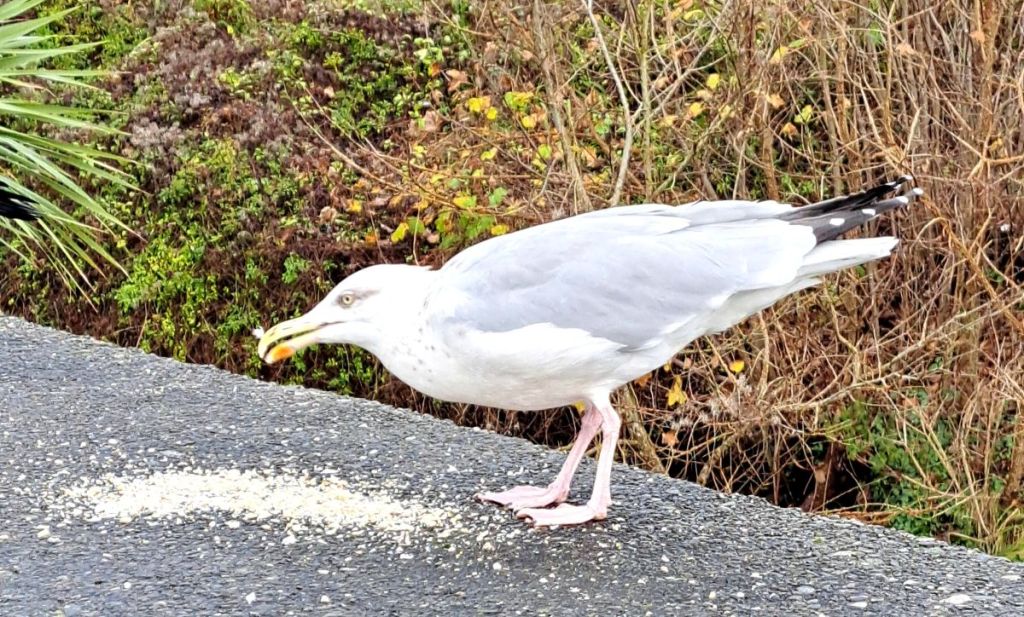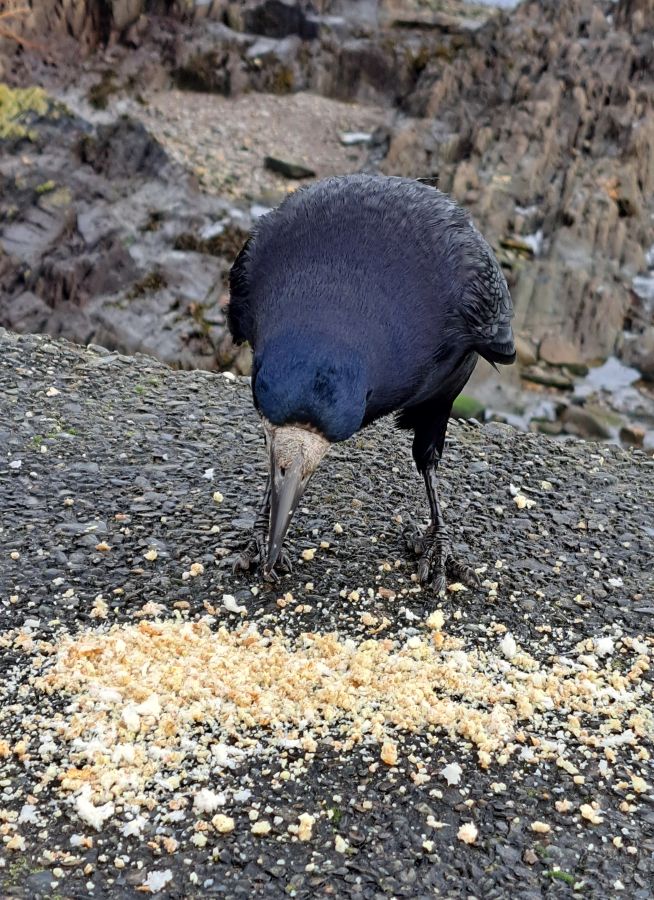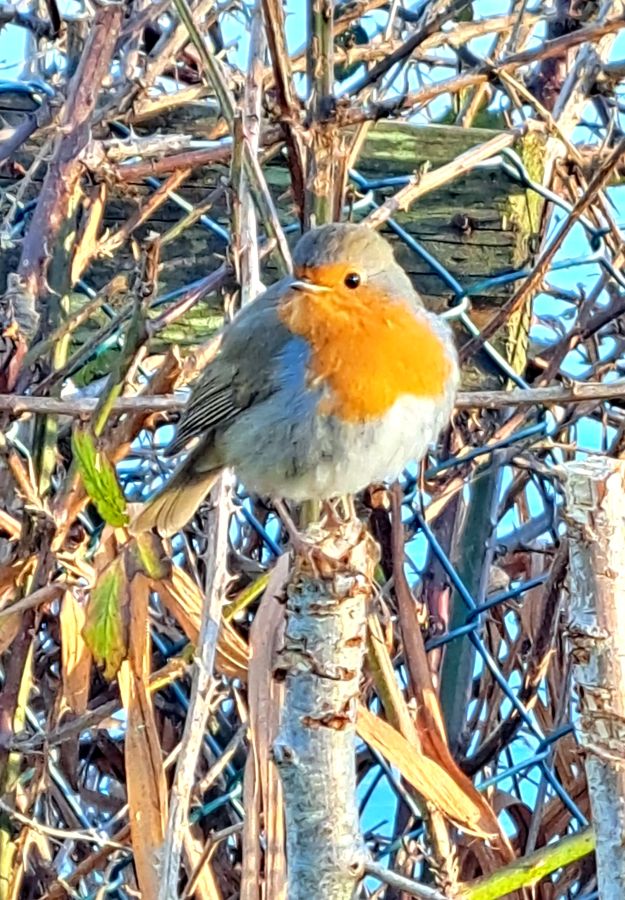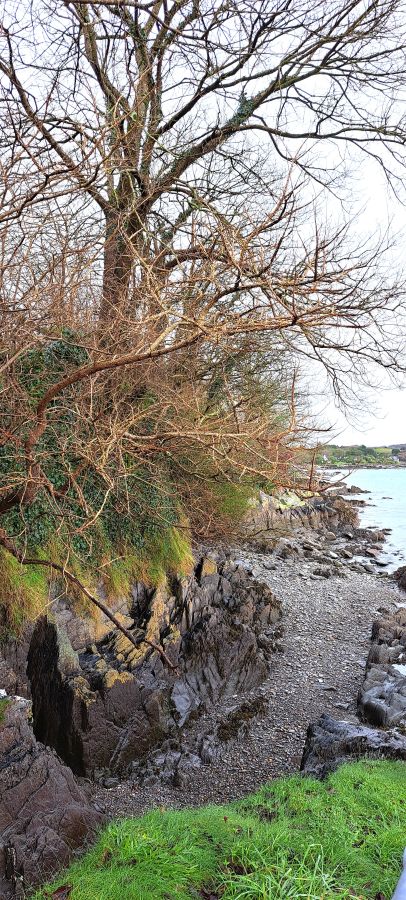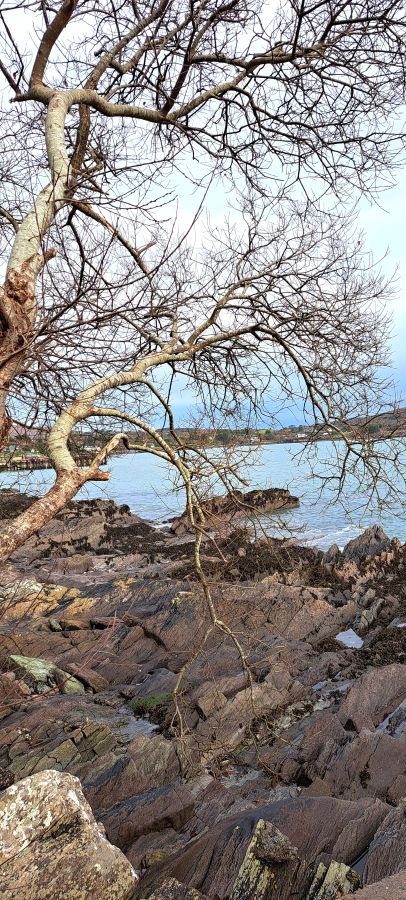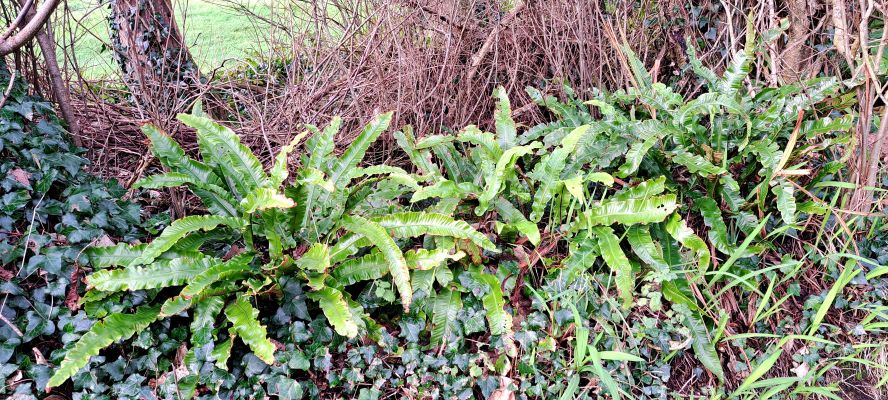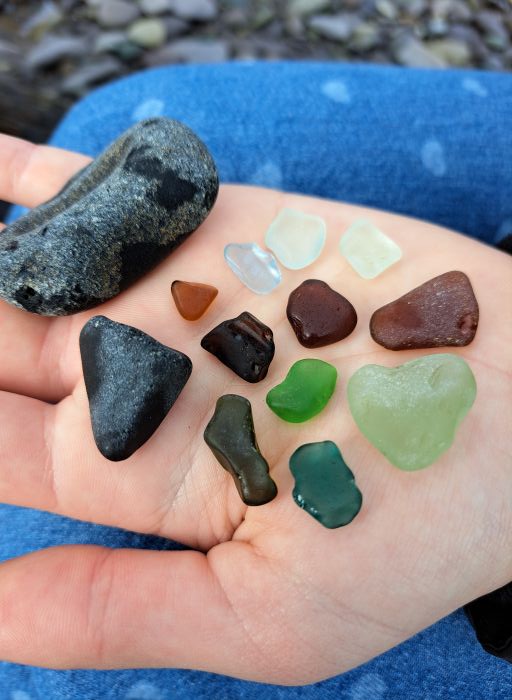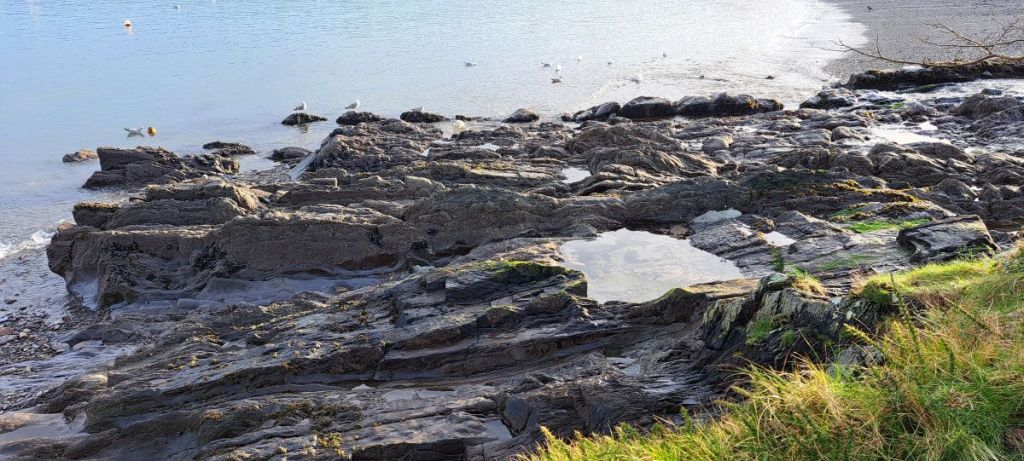
ON THE ROAD TO DURRUS

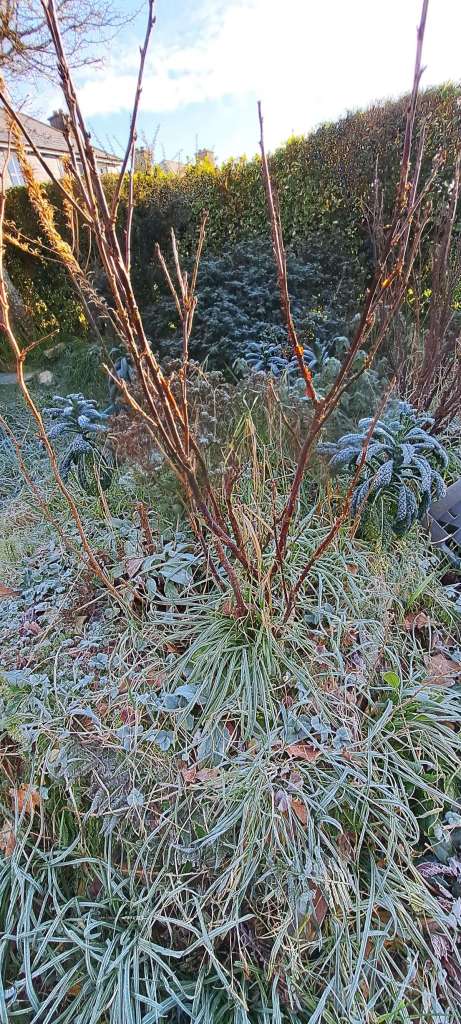
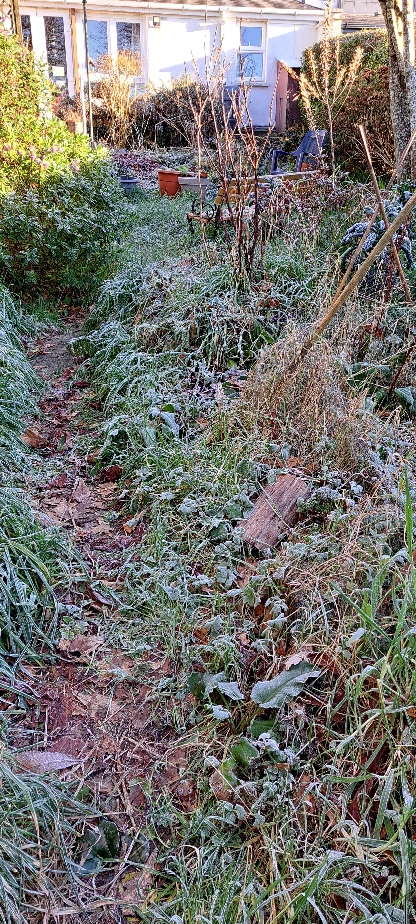
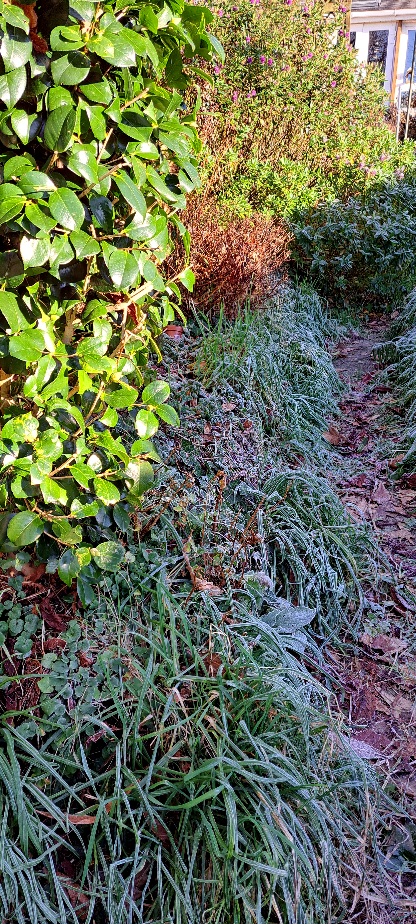
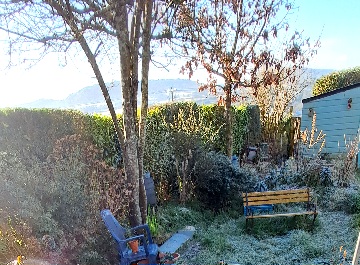
It has been a beautiful,  long, and busy summer with very little rain and pleasant warm temperatures.   I’ve collected a number of photos and writing which I’ll blog about over the winter months,  over the rainy season, but for now just some recent pictures.  

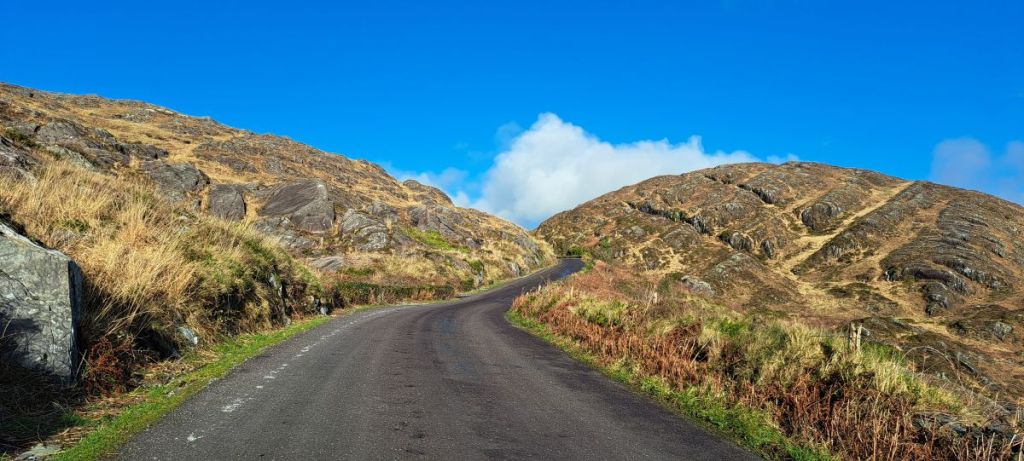
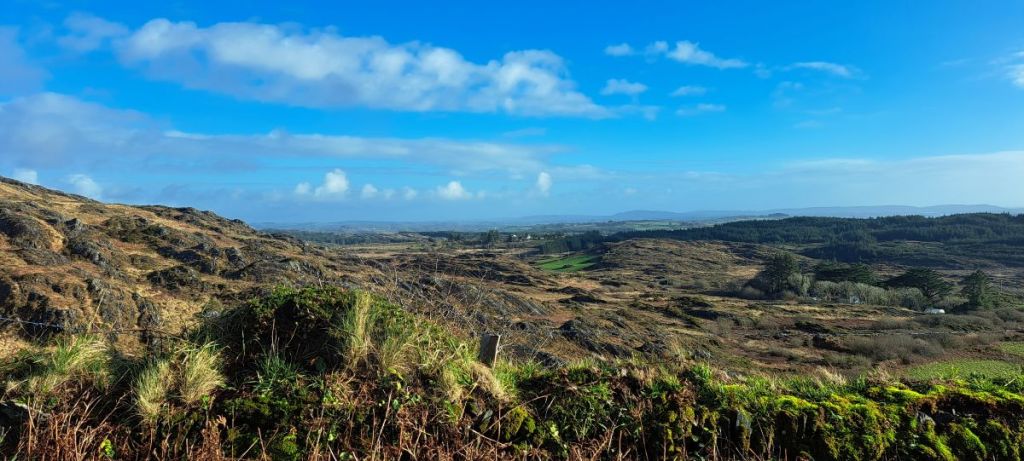
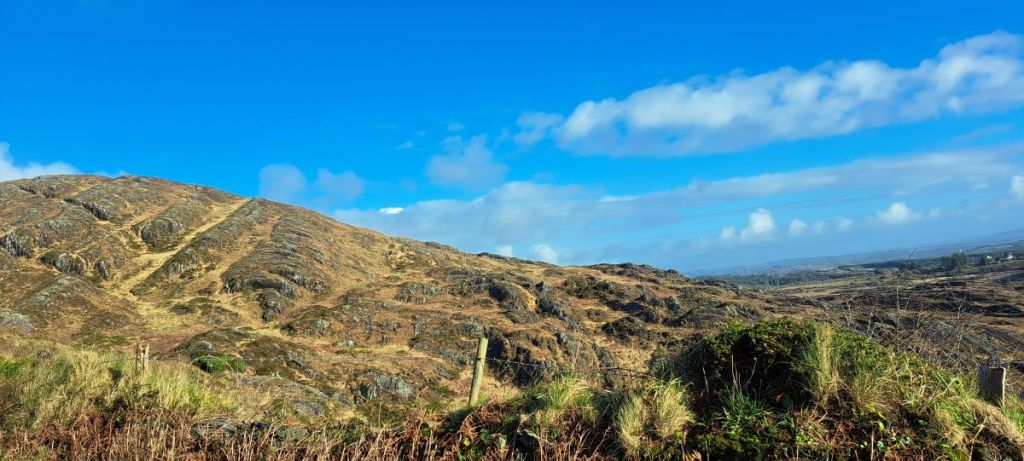
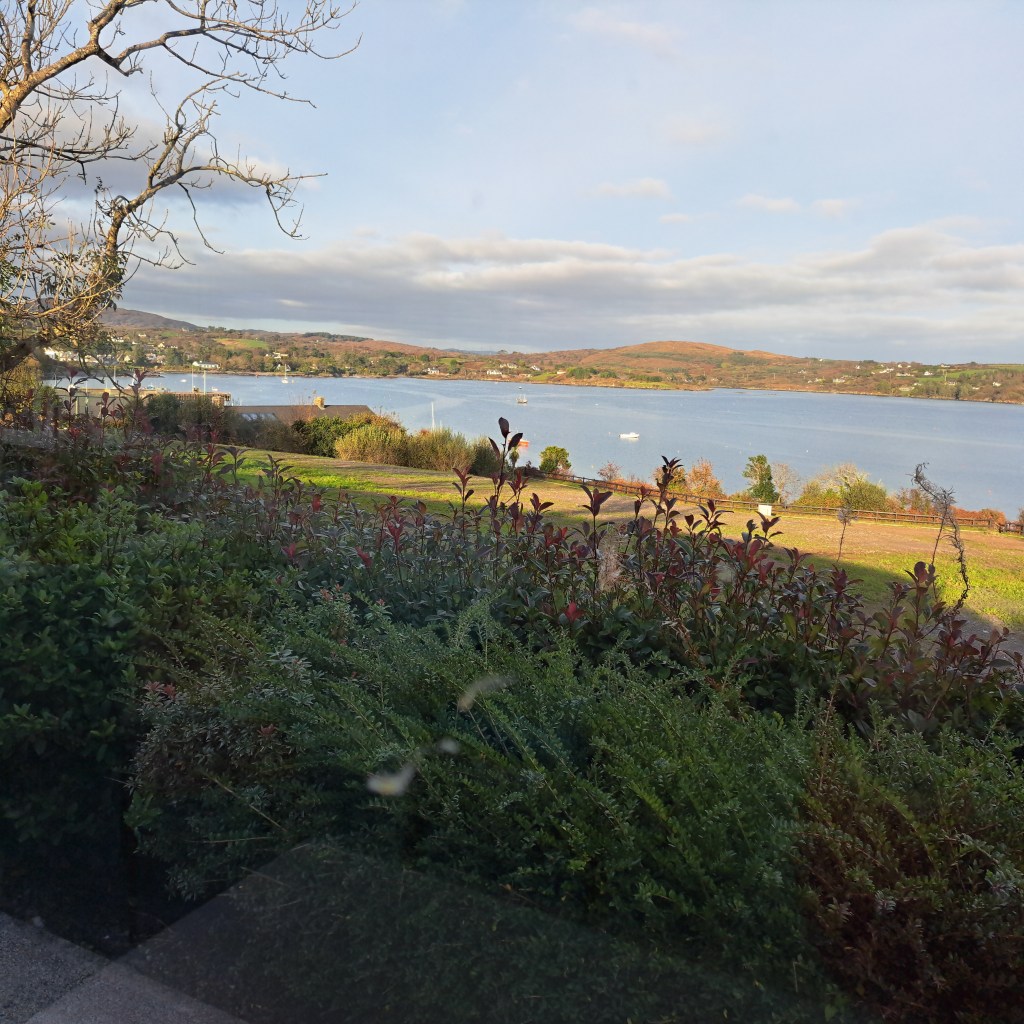
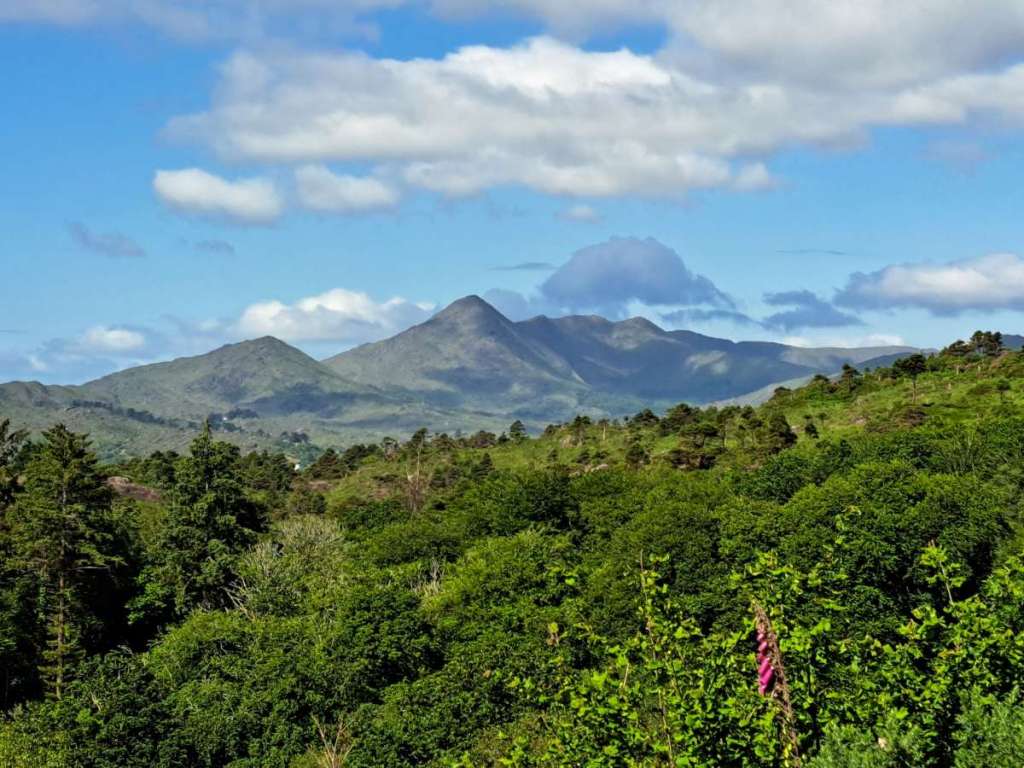
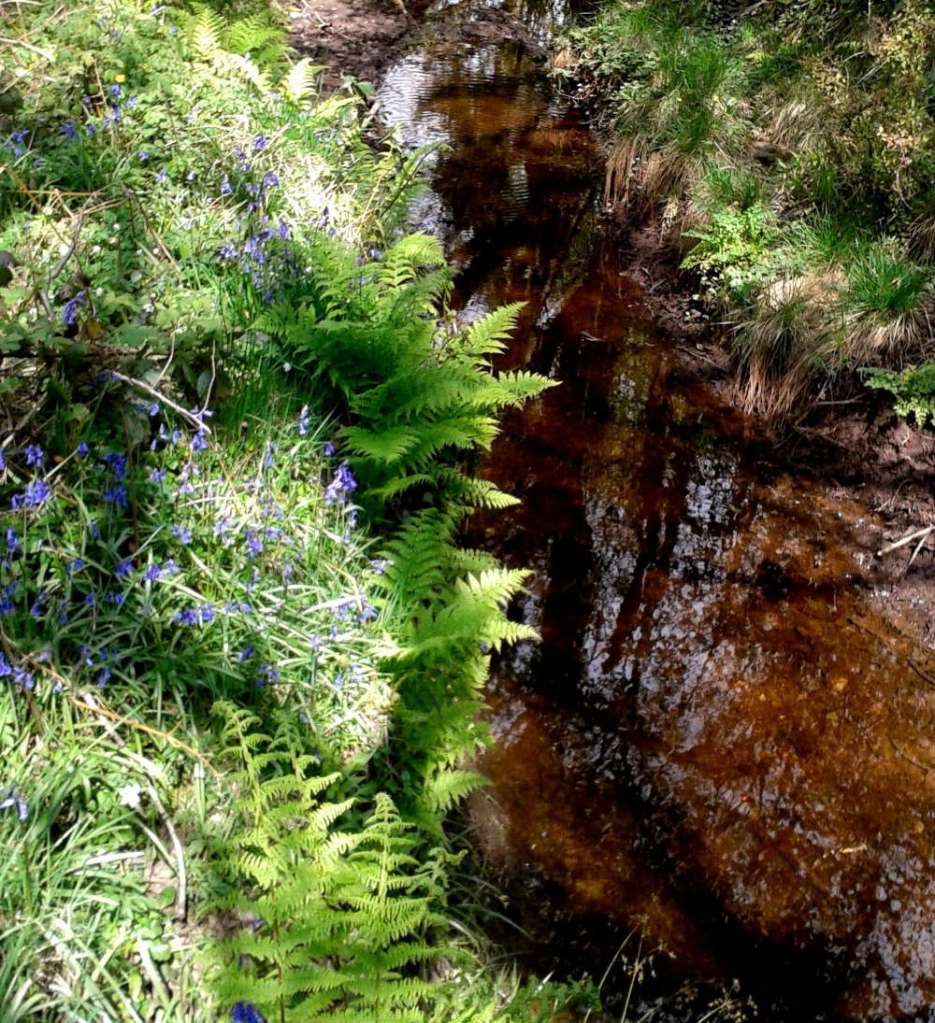
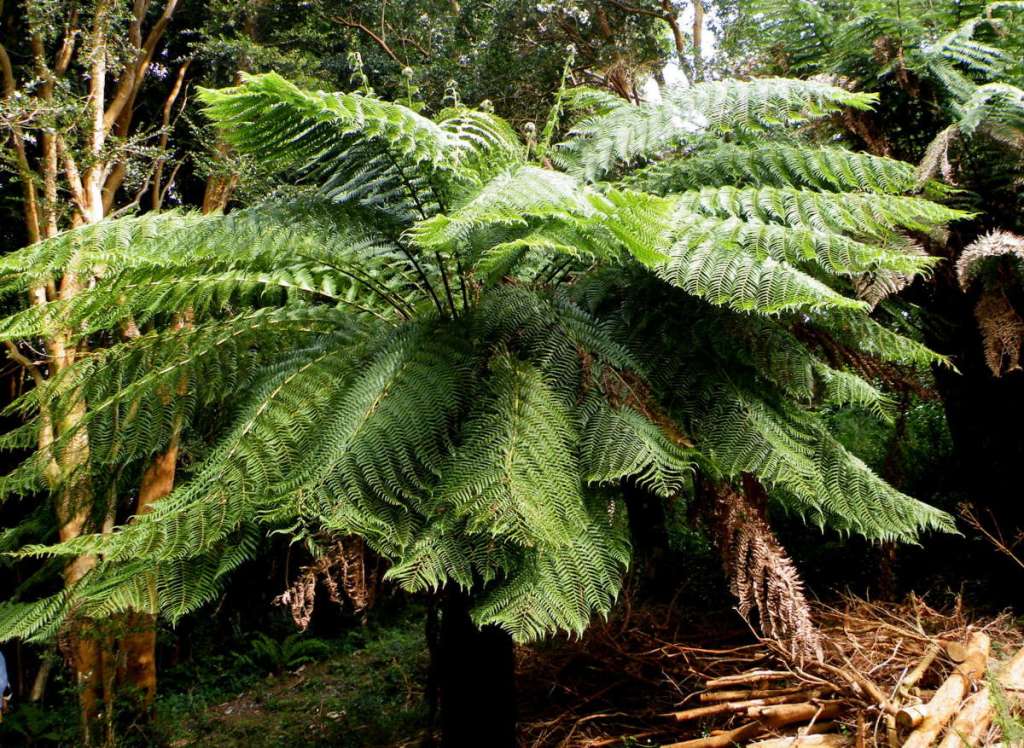
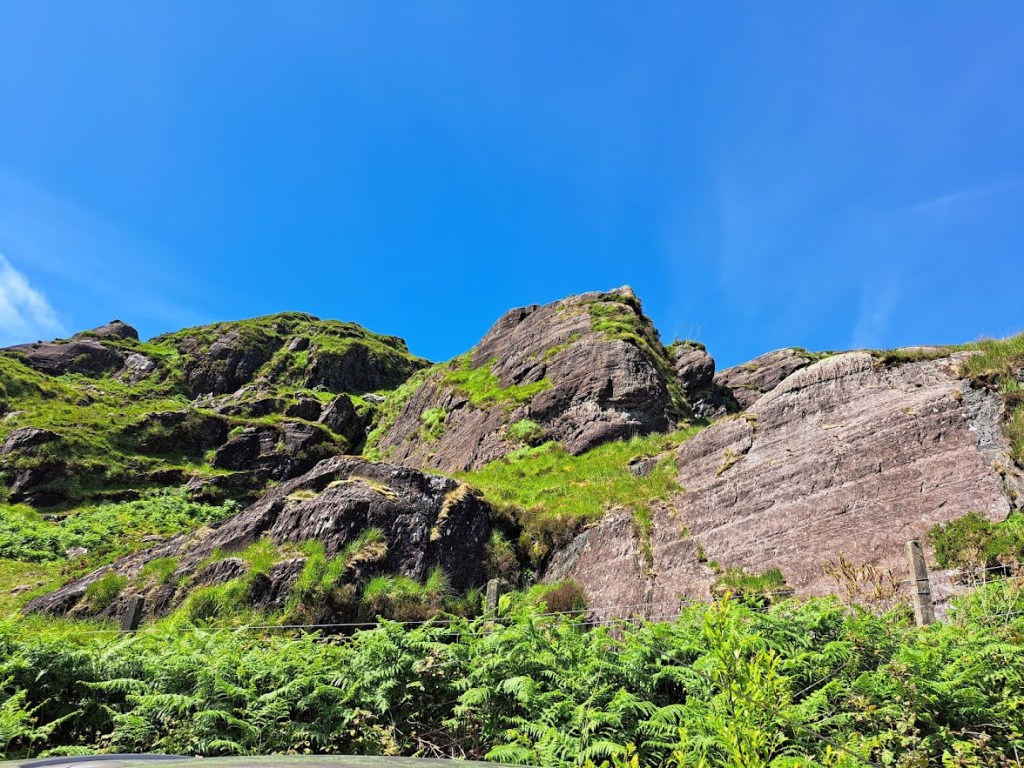
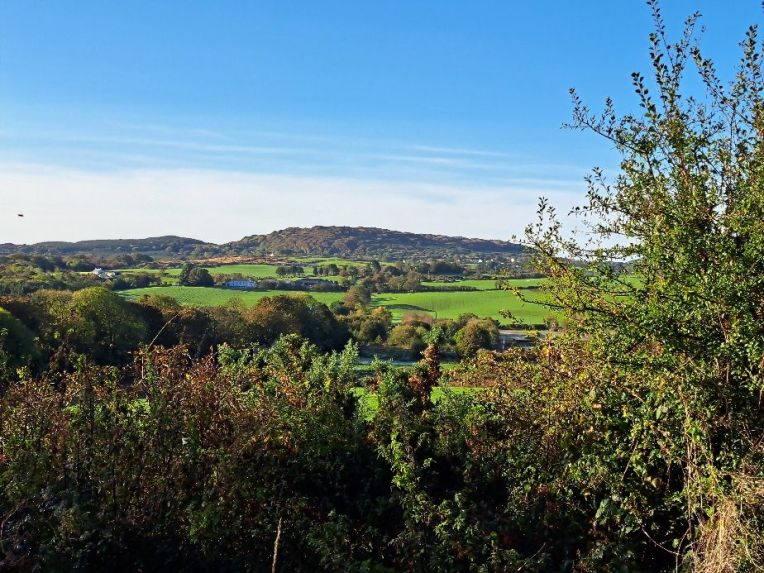
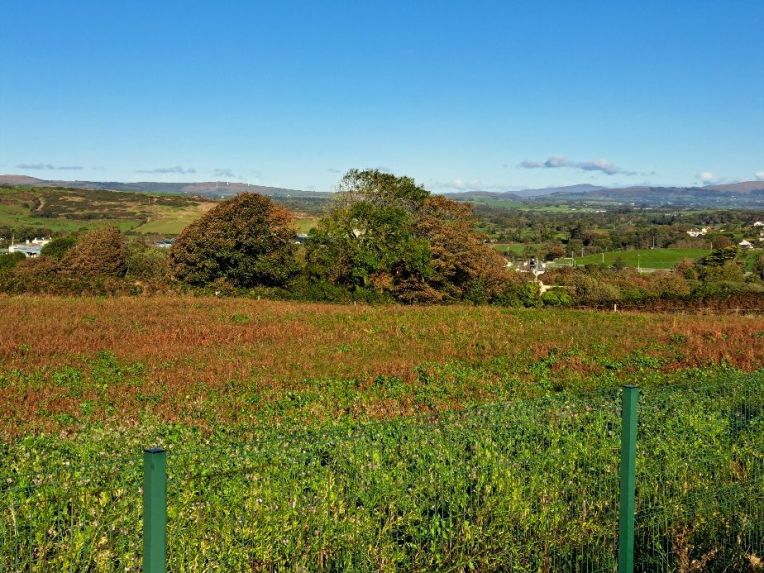
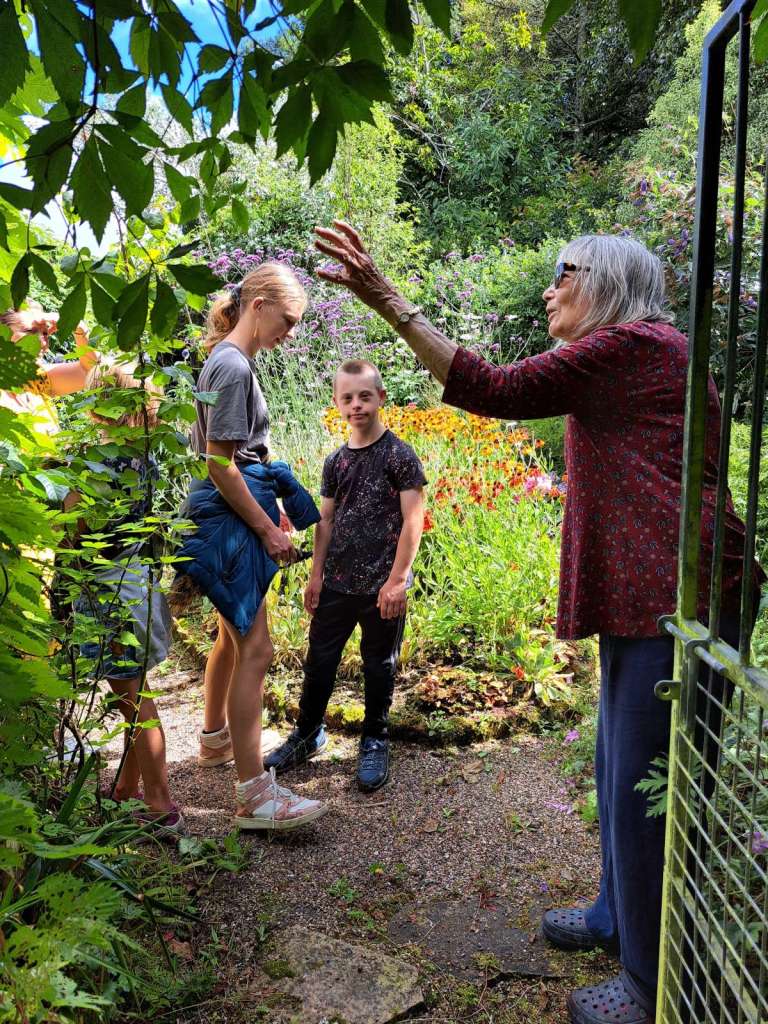
Driving over the Mine Road to Durrus in West Cork
A typical Irish house of last century
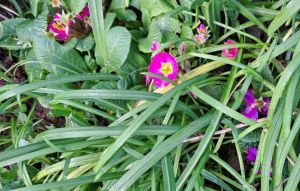
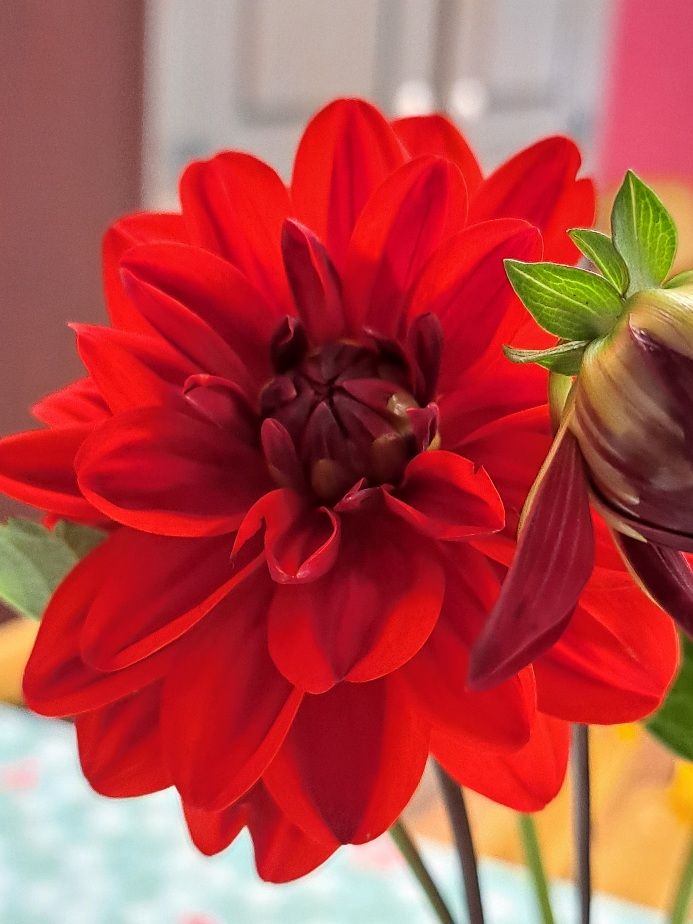
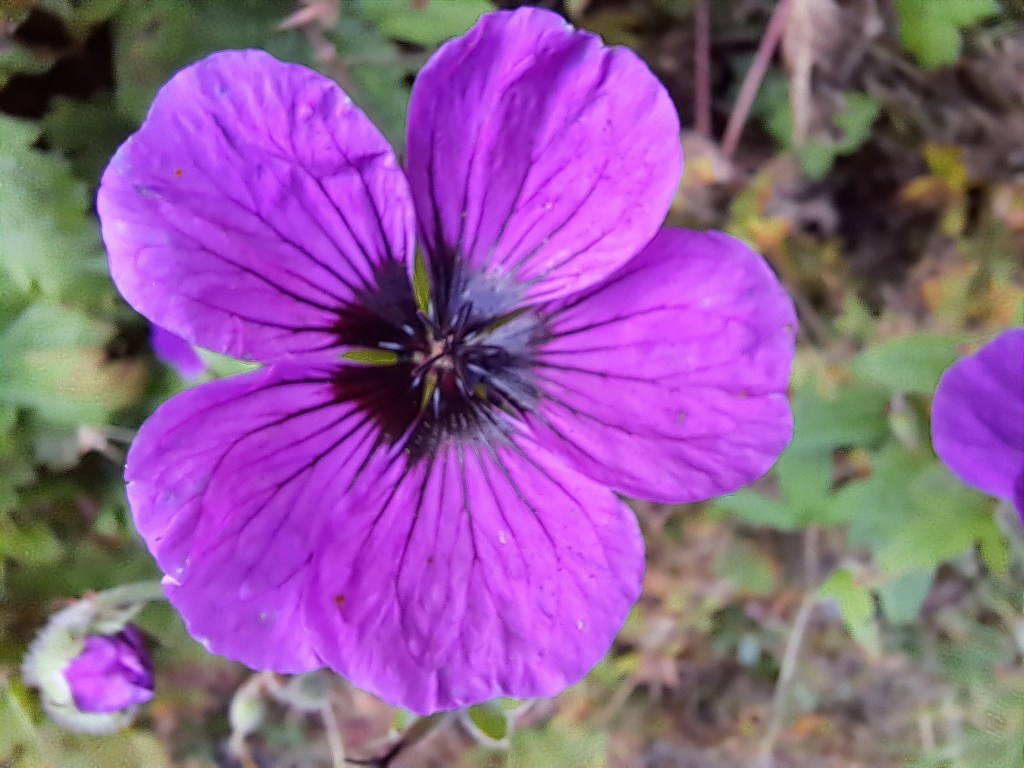
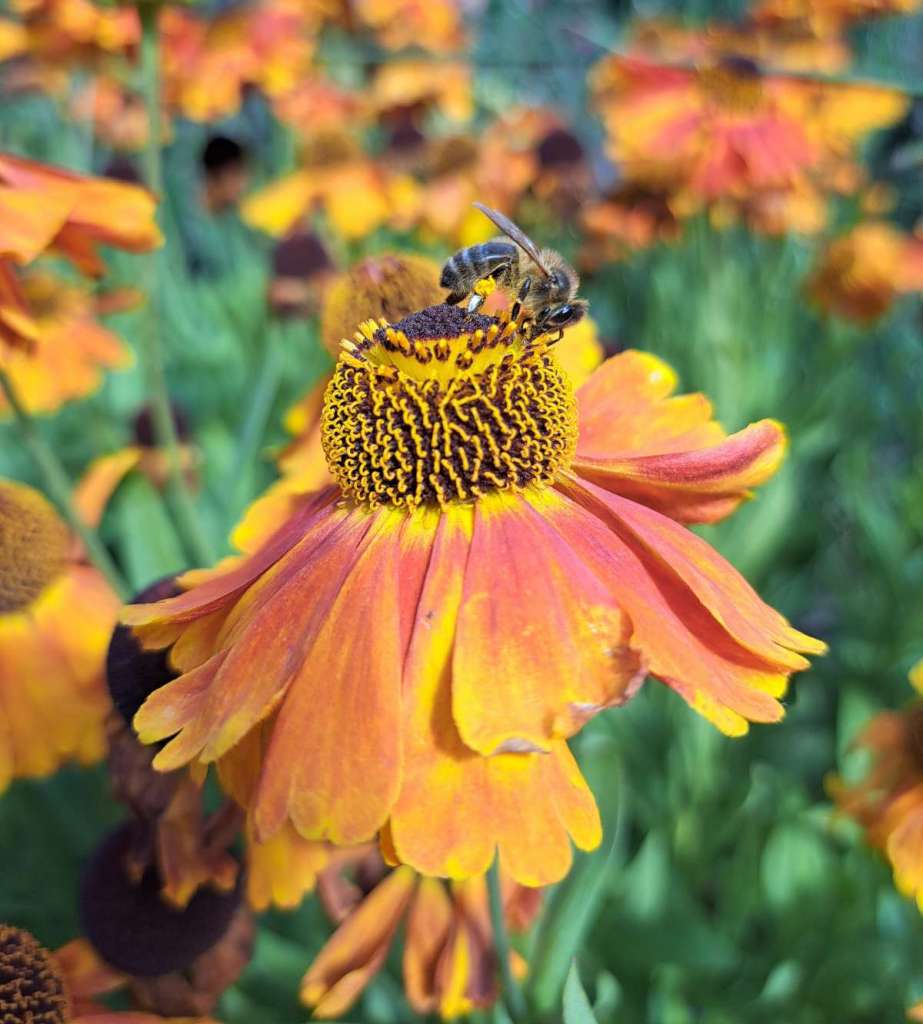
I just came across this dahlia somewhere
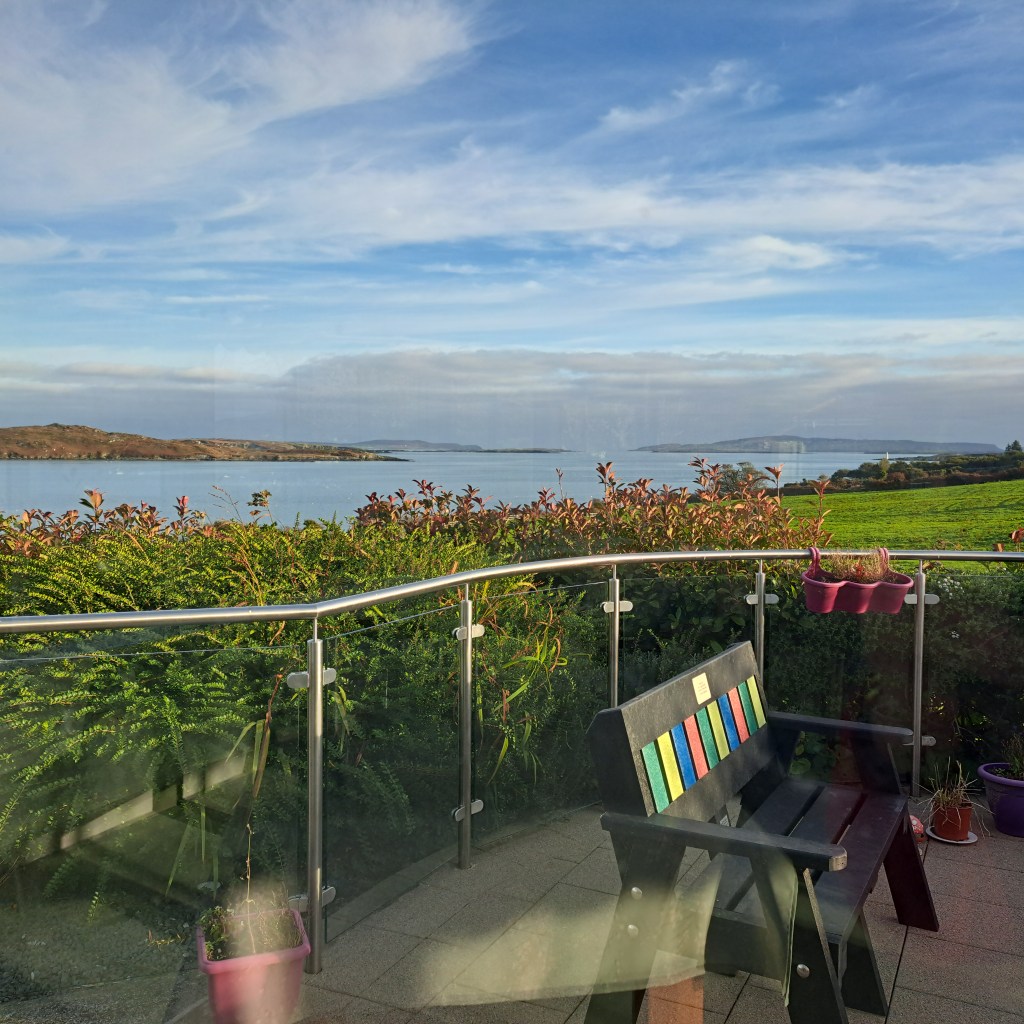
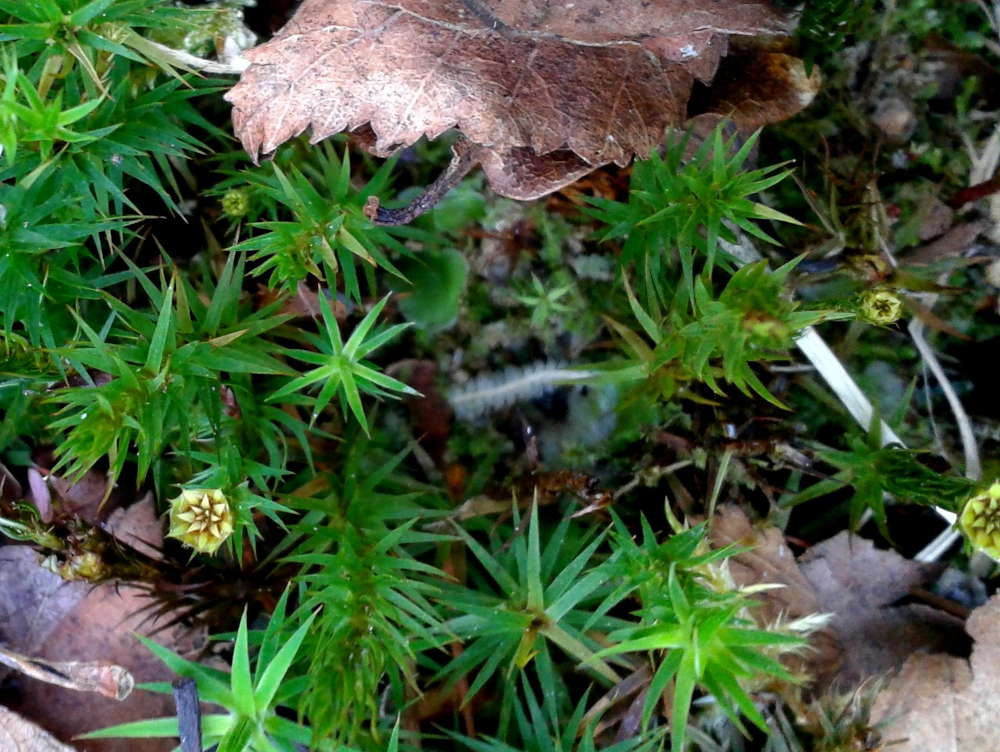
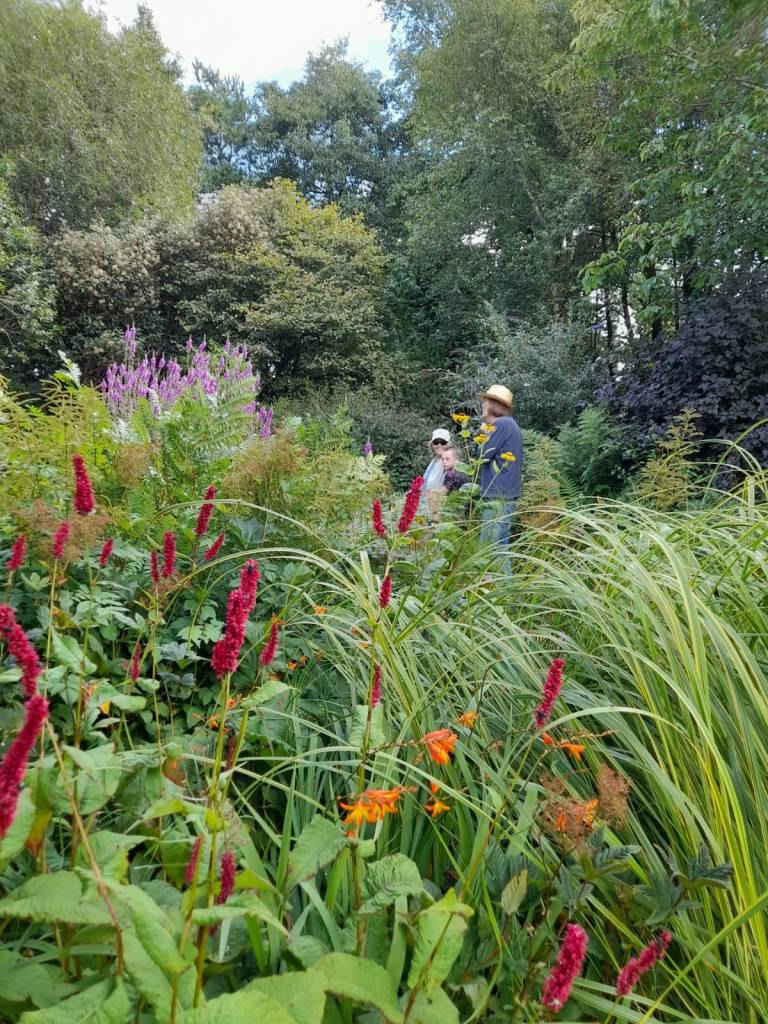
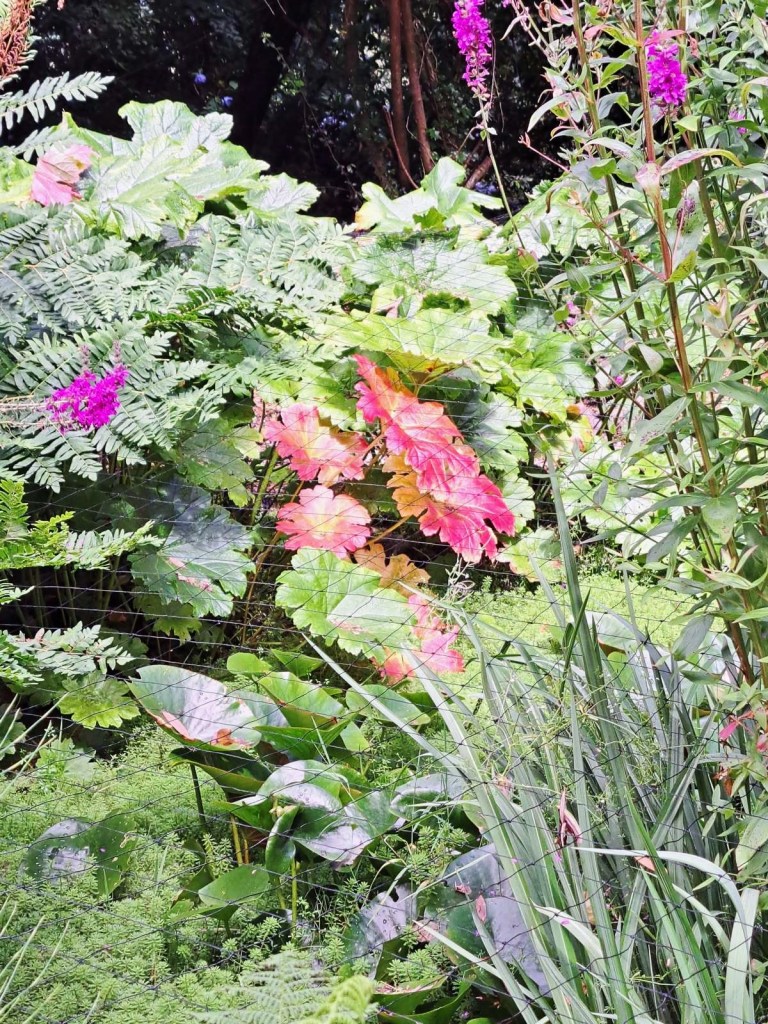
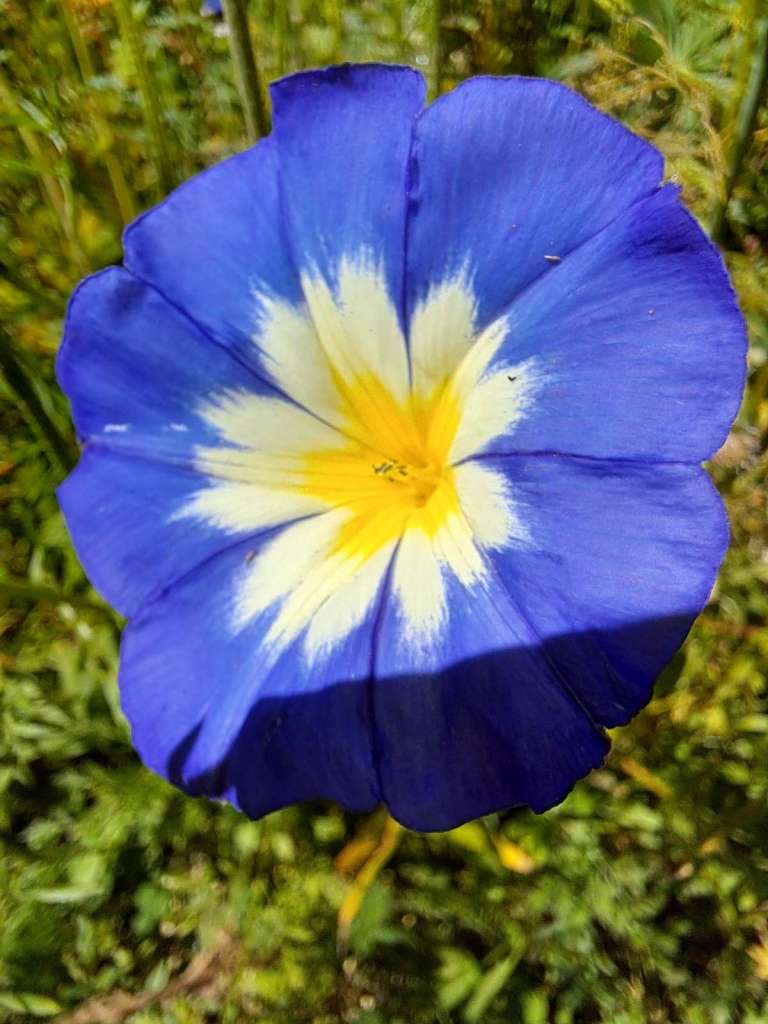
One late summer morning in the garden

I’m looking forward to catch up with everyone during the next while.

A FINE HOSTEL IN WEST CORK

Some days ago I took the notion to spend a few days in Glengarriff in West Cork. Glengarriff is a peaceful village lying in a lush valley surrounded to the south and east by the Caha and Shehy mountain ranges and to the west by the Bantry Bay. Its climate is subtropical and this is seen in the lush plant growth, home to several rare plants and trees, like the Strawberry tree (Arbutus unedo) and the royal Fern (Osmunda regalis) for example. Close by are the Italian gardens, situated on a small island better known as Illnacullin island, a beautiful place to visit.

Sugar mountain and Shrone hill, part of the Caha mountains in which glacial valley Glengarriff lies.

The Blue Pool, accessible right from the village

I think that most of all Glengarriff is a place where you can relax and unwind, but also a place where, in the village itself, people congregate in and outside of pubs and eateries, and so a lovely ambience resides. I often travel through this little village, I always stop to soak up what Glengarriff really is, a place of beauty, of peace. Even the scent is full of fragrance, the fragrance of fresh air, of oxygen. Very restorative!

Early spring in the village 2025

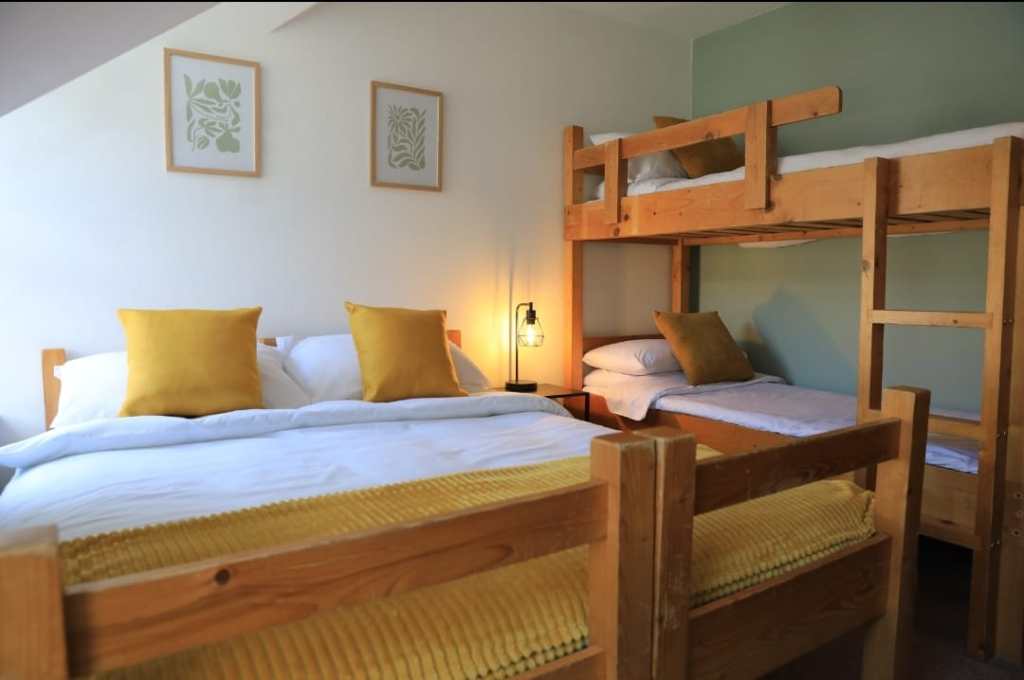
Why am I writing about Glengarriff? First of all I love the place and have spent time there, and secondly because of where I stayed. I like to put the Glengarriff Hostel on the map because it is an amazing place. I’ve always loved and travelled using hostels, and this is one of the best. What a nice way to travel and meet new places and people in a way that is adventurous and affordable. Glengarriff Hostel has a mixed dorm, a female dorm, family and private rooms. A comfortable sitting room and a great kitchen with a terrace looking out towards the Blue Pool and Shrone hill. Find out more on https://glenhostel.ie/

The Hostel with Shrone hill behind it

One of my favourite things about Glengarriff is the Nature Reserve which is just a stone’s throw away from the village on the Kenmare road. This is an original Oak forest, lined with pathways and walking trails, both long and short. Very interesting are the lichens, the mosses and the polypody ferns found here. The Glengarriff river runs through this forest. Both this reserve and the surrounding area is a wonderful place for hikers, hill walkers and for those interested in geology, botany and nature in general. People who like the sea can also live it up in Glengarriff, there are boat trips, fishing, and swimming.

For the horticulturist there are several gardens to visit with interesting and sub-tropical species. Springing to mind are The Bamboo Gardens, The Ewe Experience, Garnish island. And Ardnatrush gardens which are my favourite, this is the garden developed by botanist Ellen Hutchins and where she did research into seaweeds among other things. Here are some photos I took there at my last visit.

Following is a link to a website about Ellen Hutchins:

And some links to other gardens in Glengarriff to visit.

https://bamboo-park.com/

https://www.theewe.com/

https://heritageireland.ie/places-to-visit/ilnacullin-garinish-island/

Glengarriff is easily reached by bus from Cork, via Bantry and from Killarney via Kenmare.

I’ve enjoyed looking up some websites for information, but basically I’m quite familiar with the gardens, the botany and the interesting things about Glengarriff. It is the place where in 1965 my family emigrated to from Antwerp in Belgium. Us eleven children have since dispersed all over Ireland and Belgium too, with a huge number of descendants.

The surrounding mountains are a great place for the geologist.

OCTOBER SUNSHINE

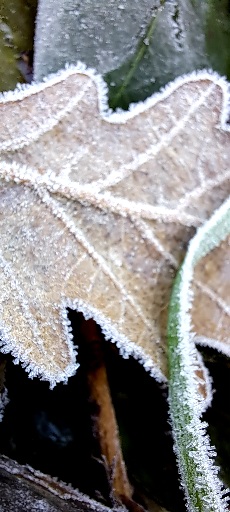
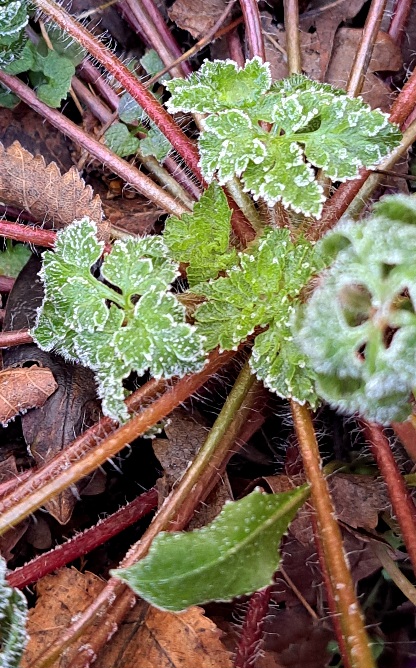
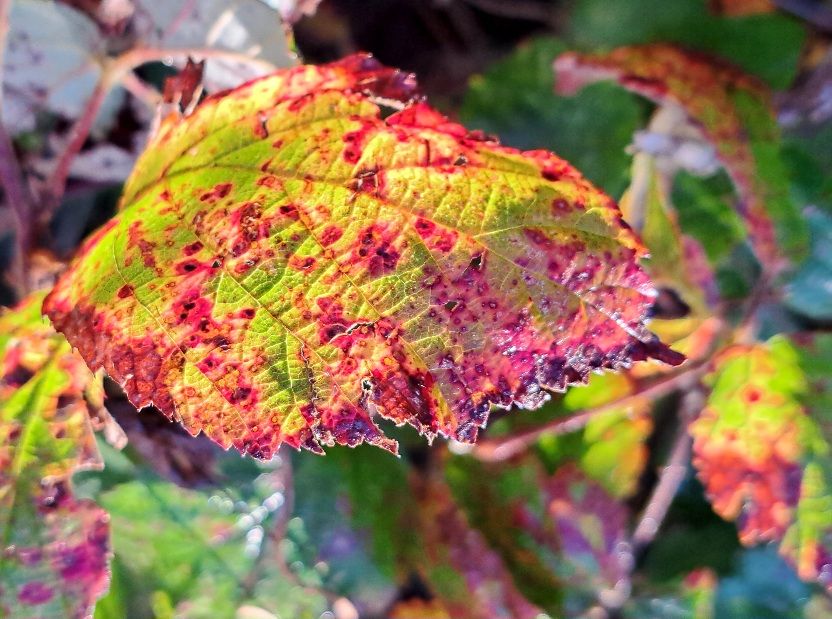
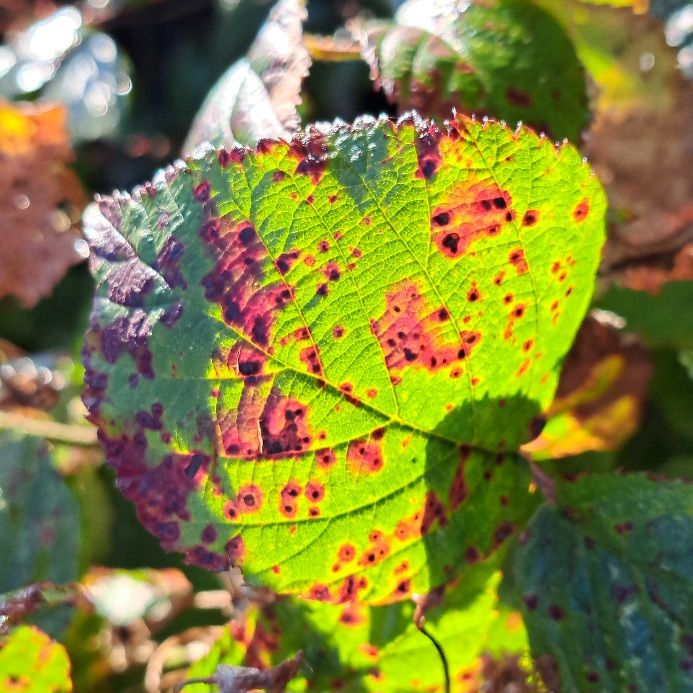
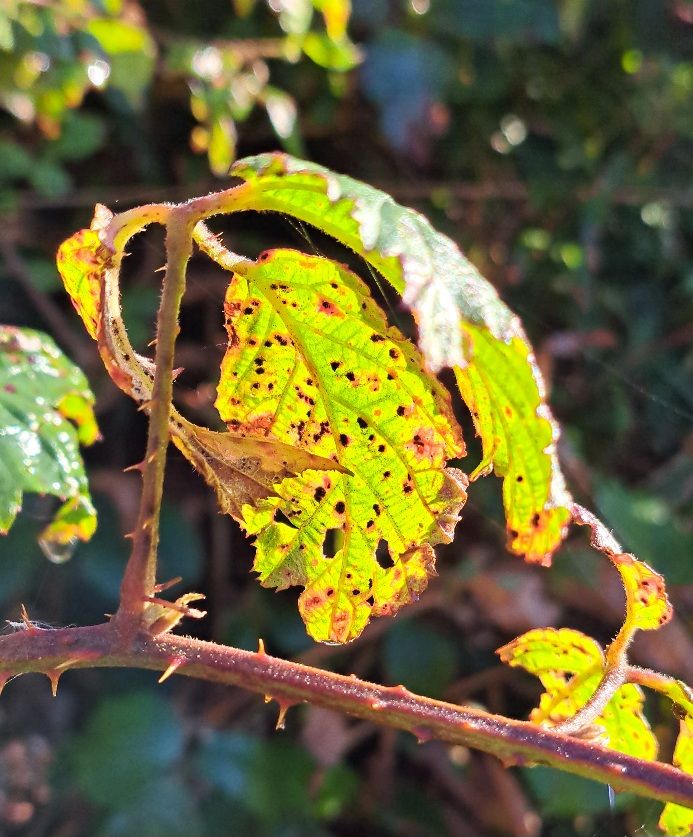
What a most beautiful autumn sunshine at the moment here in West Cork. After an incredible display of the Aurora Borealis last night, we woke up to a little bit white frost, nature has had a lot to offer this morning which I discovered during a much desired walk on the path to Russagh Mill. It’s one of my favourite walks, this path overlooks a long valley, still lush and green in the distance. Closer by I especially noticed the sunlight on the blackberry leaves lighting up their earthy colourings.

This walk also has many shaded areas with lots of ferns. The shade is created by the trees, mainly ash, willow, hawthorn, and other species too. In fact I discovered a new tree which had escaped my notice in the past. When I looked it up on my phone it turned out to be a White Willow (Salix alba), one of its common names is Golden Willow, I like that! A fact I’d like to share about this tree is that “Its inner bark – raw or cooked can be dried, ground into a powder and added to cereal flour, then used in making bread etc. It has a very bitter flavour, especially when fresh, and it is used as famine food when all else fails. The leaves and young shoots are not very palatable and used only in times of scarcity. The leaves can also be used as a tea substitute.” My Flora Incognita got this information from Wikipedia as far as I know, so that is my source of my information I want to acknowledge. I wonder if this tree was every used during the potato famine here in Ireland. Below is a photo of the said tree.

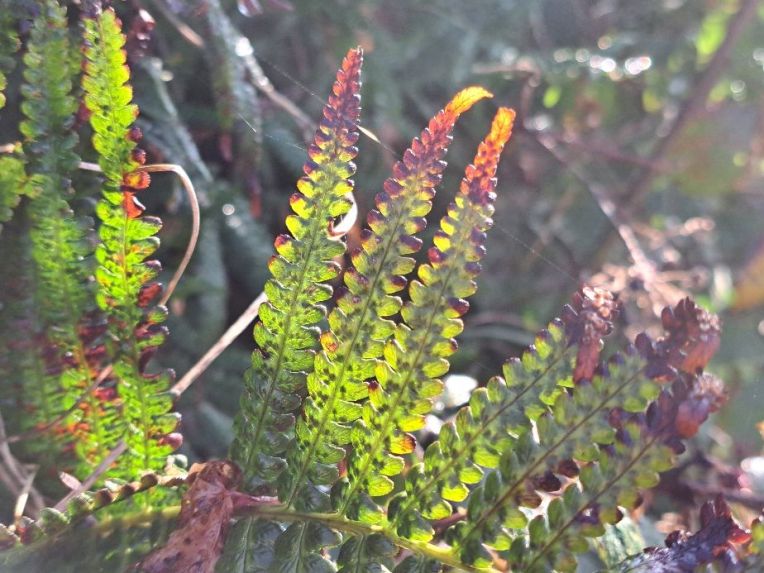
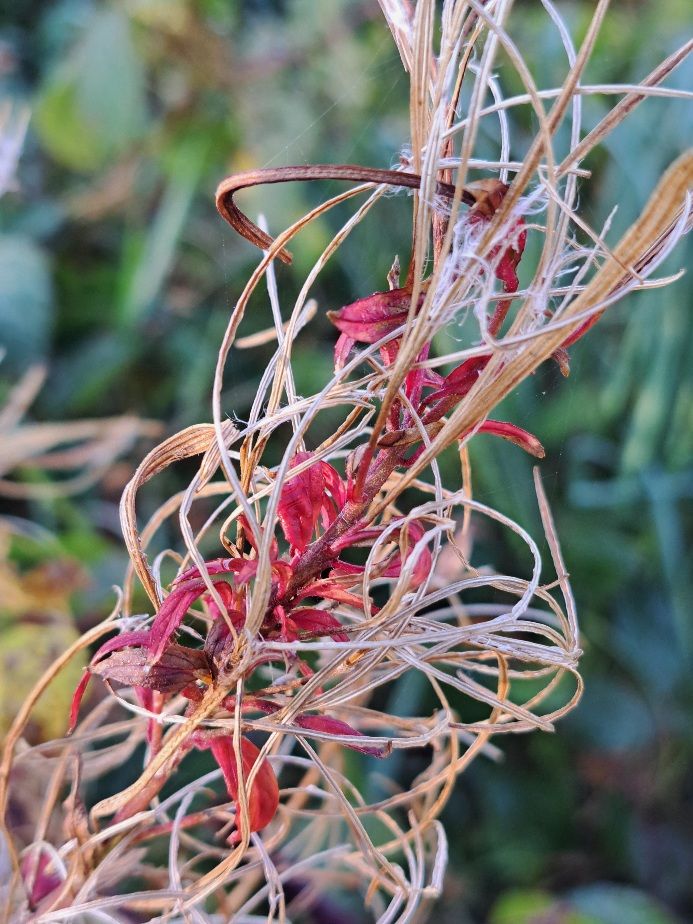
Below are the seedhead of Willow Herb, Hawthorn berries, Fern, and a late flower in the hedgerow.

Blue sky during these autumn months is very welcome.

This last photo is on another part of my walk. The farmer here was growing a plant of the legume family with lilac flowers and thick looking seed pods, there is a whole field of it here, and further along there grows a lot of Dock, now in seed. What caught my attention here was the several dozen of birds fluttering and flying around all at the same time, and definitely looking as if they had a mission in common. I whipped out my phone and checked the evolving picture before me with my Merlin app and to my delight these birds came up as Eurasian Linnets (Linaria cannabina) I was so impressed as I had not seen those before here, and so many of them together. They belong to the Finch family. Apparently they are fond of flax seeds, hence their name. The male’s colouring is beautiful during the breeding season, lots of red.

Well, that walk was so nice, and finally I’ve taken the time to write about it. I’ve missed my blog writing very much and I want to be back to it regularly. So much to research and write about. I’m still driving to Kenmare every week to see Ian, I travel through the Caha mountains and I love it, the beauty of that journey is a weekly joy. Every week something new and interesting to notice and discover. And after seeing Ian, enjoying a nice cup of tea and chat together, the journey back, very often I stop to look at a view or a rock or plant. It’s so dead quiet up in those mountains, even when I’m on a main road there are whole period of quiet. I’ll tell you more about that soon. Meanwhile, much love.

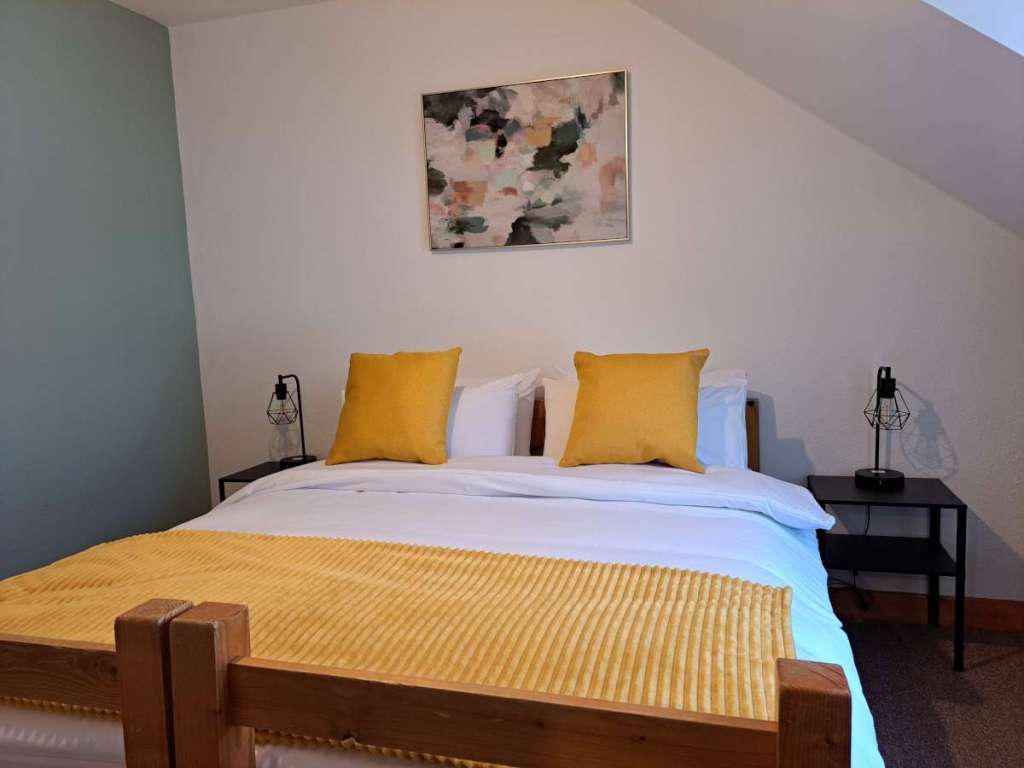
OVERWINTERING HERBS IN WEST CORK

Rosemary – this plant is three years old

Currently it is the time to take stock and make plans for this coming growing season. I have done a little of that, and I’ve also gone through my last years garden journal to check on what did well and what is just not suited to our type of garden soil, the amount of light and the temperature, and I’ve made a few notes on that. While I was checking all the beds, seeing what is growing well during the winter months, I noticed that herbs and some wild plans do very well during the winter in this area – it being the SW of Ireland. Our climate here is influenced by the gulfstream, this makes our winters mild, usually we only get a little night frost, and this seldom harsher than minus 3 or 4. The plant hardiness zone in this oceanic climate is around 9. So today on the fourth of February I took some photos of what is growing right now, what I can use from our garden. And there is quite a lot.

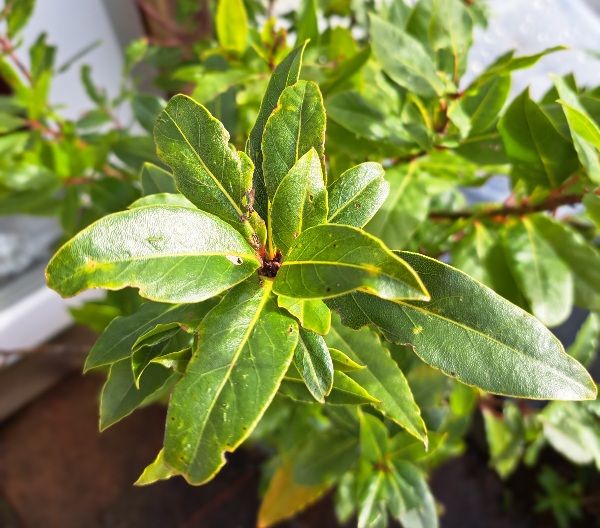
There are some large and strong lavender and rosemary plants, they are getting old now and a little woody, but still flowers profusely. Normally the rosemary blooms in the winter, beautiful pale blue flowers. I find that rosemary grows extremely well and fast here. The lavender sometimes blooms twice a year and gives a generous crop. Some years ago I planted a sage bush and it soon almost took over the plot, definitely overshadowing the oregano at the moment, again this plant gives beautiful darker blue flowers on spikes, which turn a rusty colour in the fall. Our oregano plants almost disappear during the winter, only a few leaves remaining, but they come up wonderfully well once the sun warms the soil. What does disappear are the different types of mint, the chives, and the lavas, but they also return with the warmer weather. The bay leaf plant grows in a pot, it is slow growing which suits me, I use it all the time. Curly parsley is another herb that stays green all winter. My French tarragon I’ve had to overwinter inside where it is doing ok. I have always loved growing herbs, because of their scent and of course because of their culinary uses. I like to cook with them. Other herbal plants in our garden, like the dandelion, three cornered leeks, borage, feverfew, shepherd’s purse, cleavers, and nettles, just appear and I only use some of them in my cooking, others like the feverfew for example I just like the idea of them being medicinal herbs, but because I don’t know enough about them – I do not use them. Nettles, cleavers, three cornered leeks, ransom, and dandelion I do use, but not for their flavour, more for their vitamin and mineral content. 
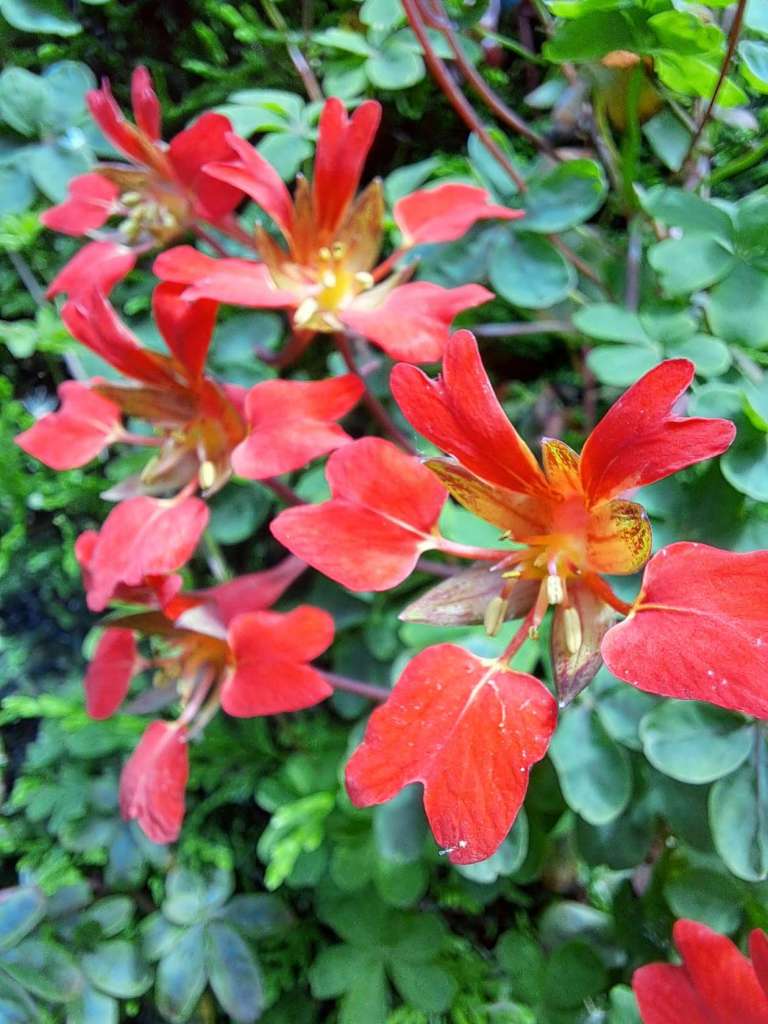
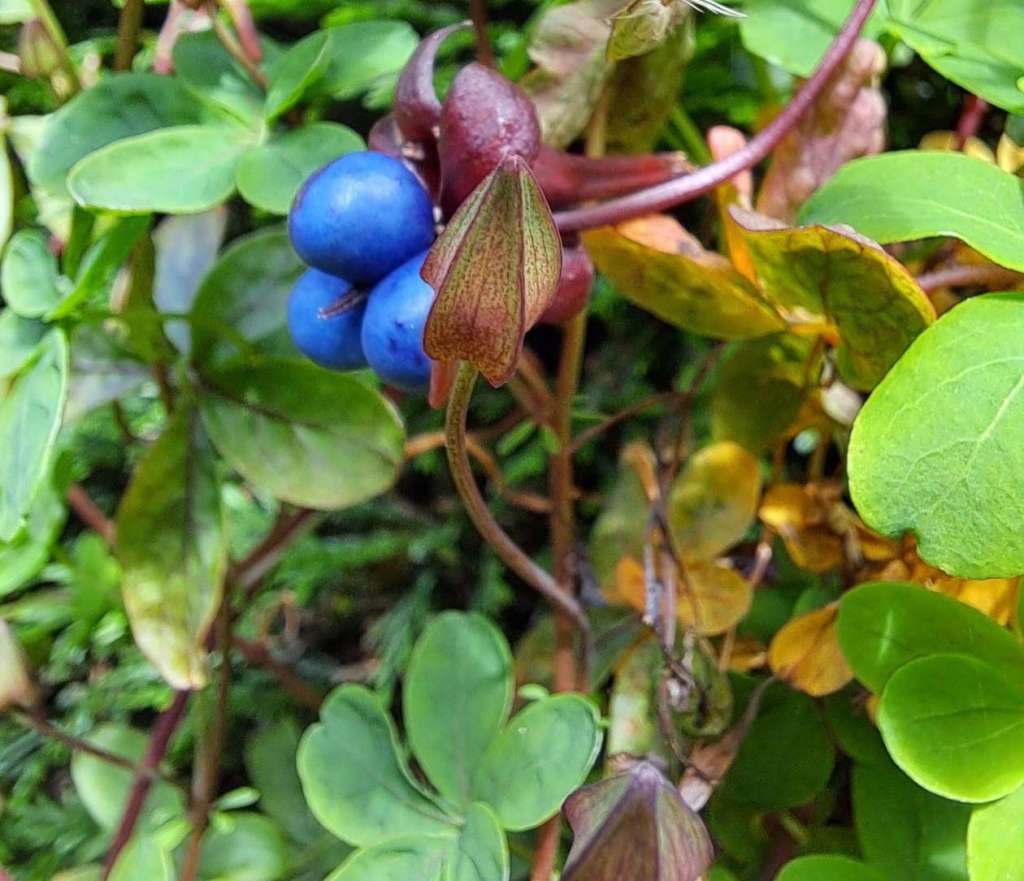
I enjoyed telling about my herbs and wild plants, I hope you enjoyed reading about them. Today I cooked a Gingered Sweet Potato and coconut stew with lots of cilantro (which does not do well during the winter here – at least not outside!) 

I saw a program recently where herbs were used in a border, and left to flower and bloom. It gave me an idea, I’ve tried it before with both celery and coriander plants, but I grew them in pots. I am now going try growing them in-between other flowering plants in my borders. I guess coriander is native to the Mediterranean. Celery, though, is definitely native to Ireland, there are still uncultivated wild celery plants growing on Irish soil. Their flowers are umbelliferous, lovely light delicate flowers which will definitely add interest to my border. 

When I’m reading, thinking, talking, or writing about plants, their origins, their uses, their benefits, and their beauty, and how many of them travelled from faraway places, then I’m as happy and interested as can be. So much to read and learn about them.

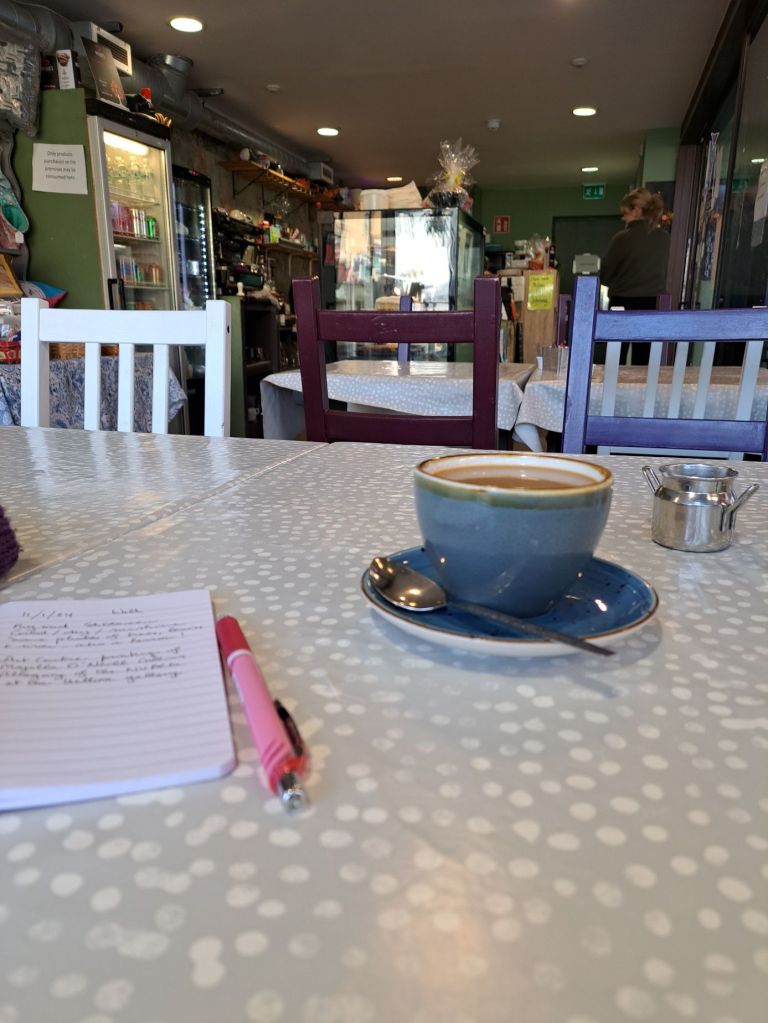
TAKING TIME OUT

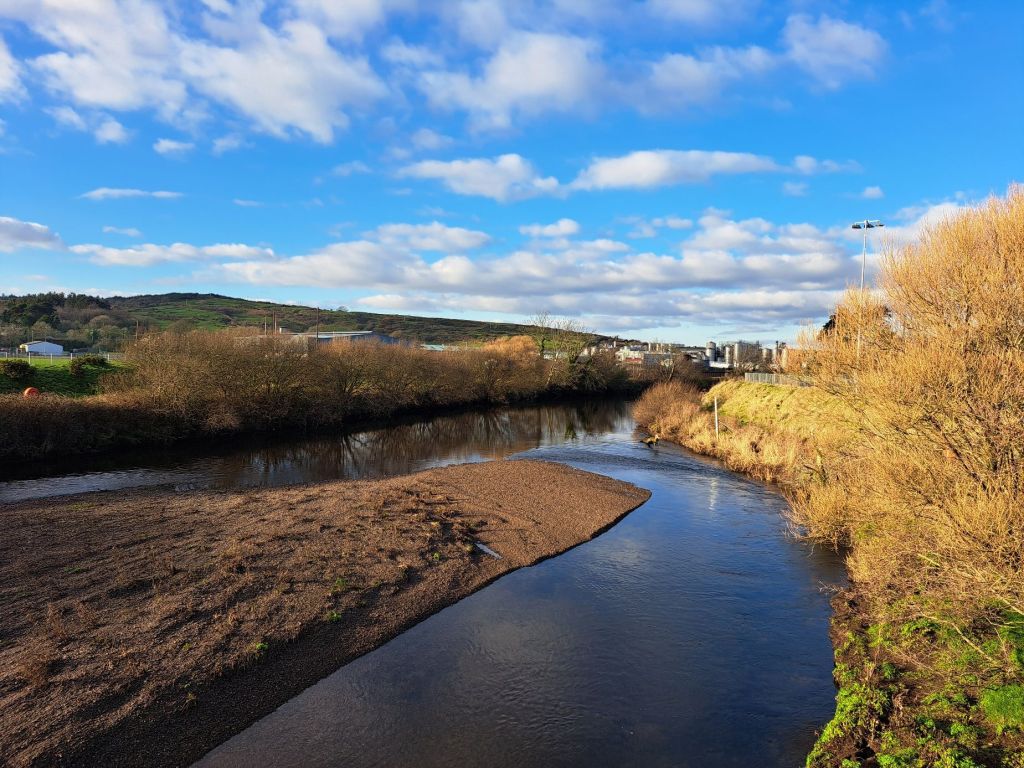
Nice walk along the N71 surrounding Skibbereen town. River Illen flows through the town and has many different faces, this time a faint reflexion of the blue sky and some light white clouds.

In the Uillinn Gallery I had a preview of Majella O’Neill Collins’ paintings which I think quite interesting, this time her paintings imagine the journey of the MV Alta, a merchant ship that was abandoned at sea in 2018, it washed ashore in West Cork during a storm in 2020. The wreckage is still there. I did get the distinct feeling that ships or a ship and the sea were her theme. Enjoyed some of her vibrant work. Her exhibition opens next Saturday.

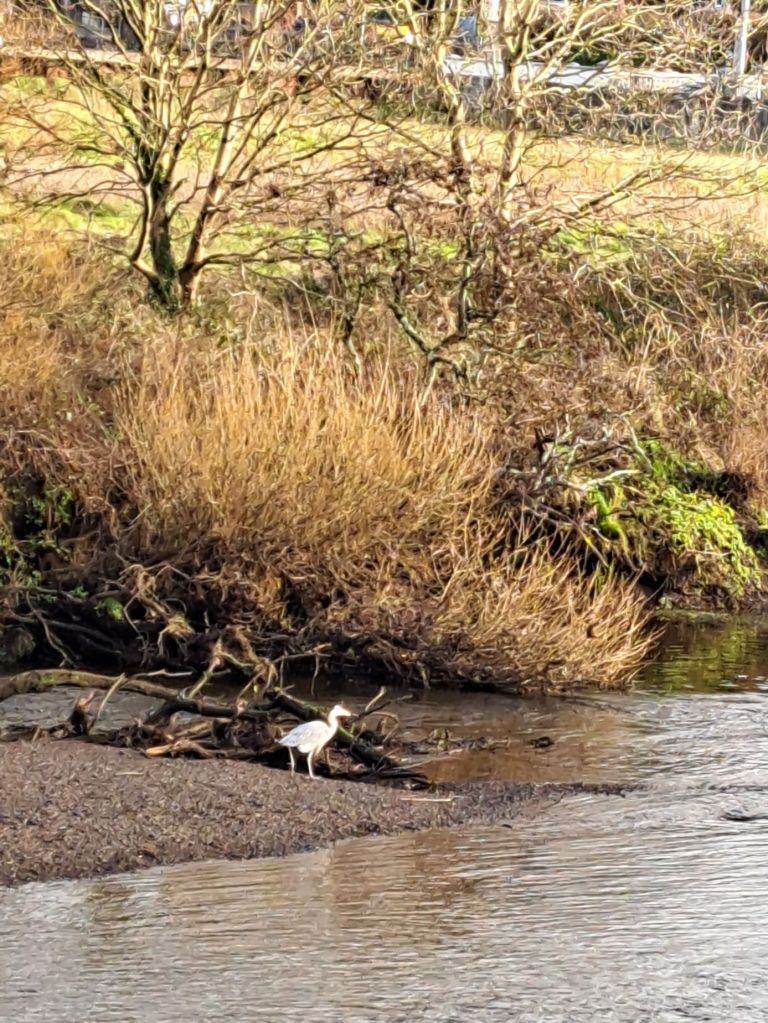
I was lucky enough to see a heron!

Love these pines against the blue winter sky. Birds have started singing!

Taking time out will be snippets of my walks and indeed of my time out

a BEAUTIFUL GARDEN INFLUENCED BY CHRISTOPHER LLOYD OF GREAT DIXTER

One of the most fine and inspiring gardens on the West Cork Garden Trail is situated near Dunmanway. It is the Aultaghreagh Cottage Garden which is beautifully created by Christine and Leslie Wilson who were in turn inspired by plantsman Christopher Lloyd of Dixter in East Sussex.  As part of our children’s summer holiday activities my daughter and I decided that we would visit this garden and make a nice day out of it.  We were not to be disappointed, and even the weather was with us, we enjoyed beautiful sunshine! And we were greatly inspired by our garden visit.

In his day Christopher Lloyd liked colour contrasts, he liked blocks of colour intermixed with foliage, and I saw this reflected in Christina and Leslie’s planting, their perennial borders were colourful and vibrant.  Coincidently this very year I myself was looking for ideas to improve our borders and I was sure to find that here.

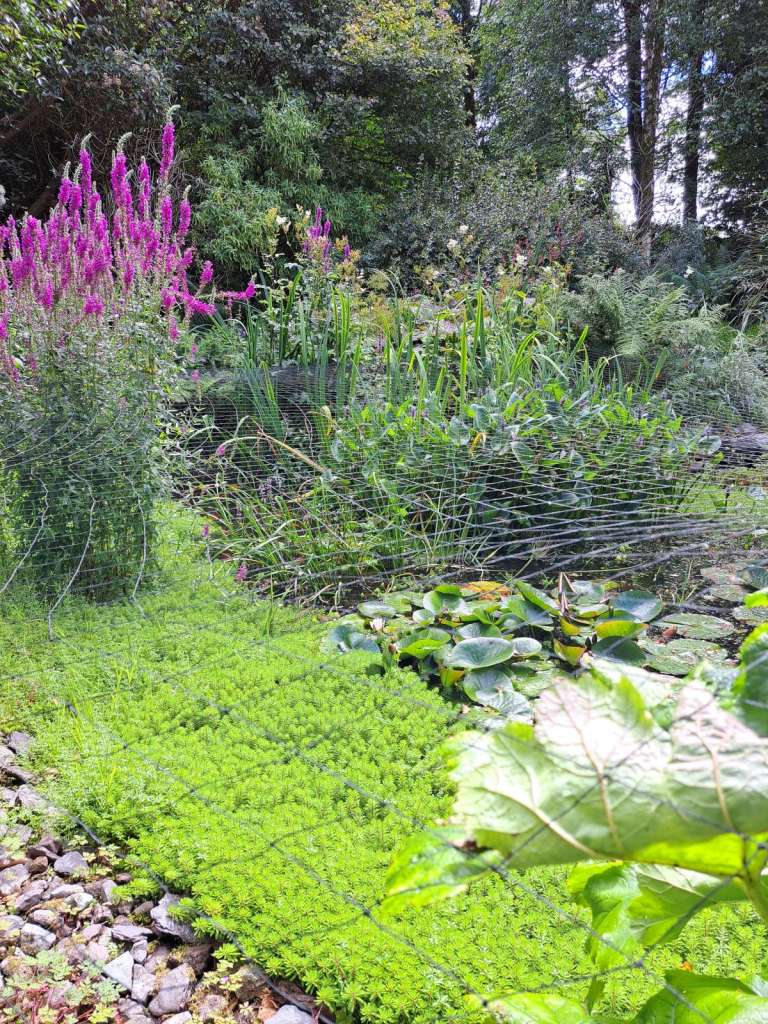
As we walked past rhododendrons, azalea’s and other acid loving shrubs we came to a secluded area surrounded with lush trees and we found a pond there where gold fish were swimming and water lilies abounded as well as other water loving plants.

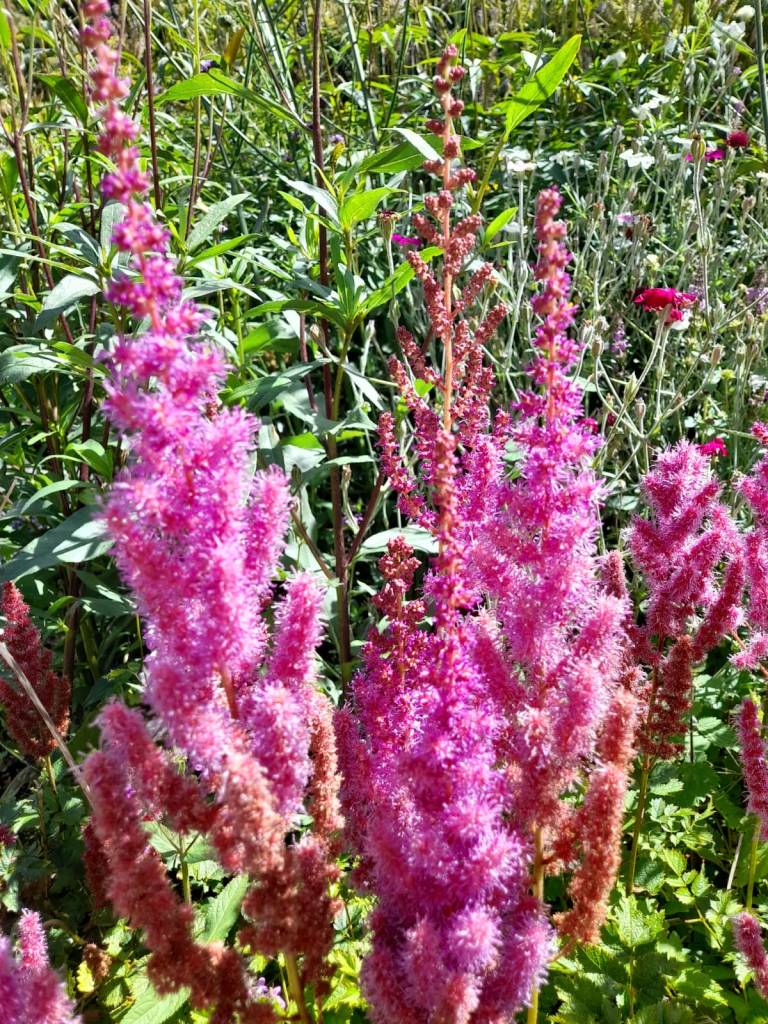
Beautiful flowers were visited by so many butterflies and other pollinators, a sight to behold. One of my granddaughters was able to capture a bumblebee.

To grow plants for all year round interest takes good planning and is so worth it.

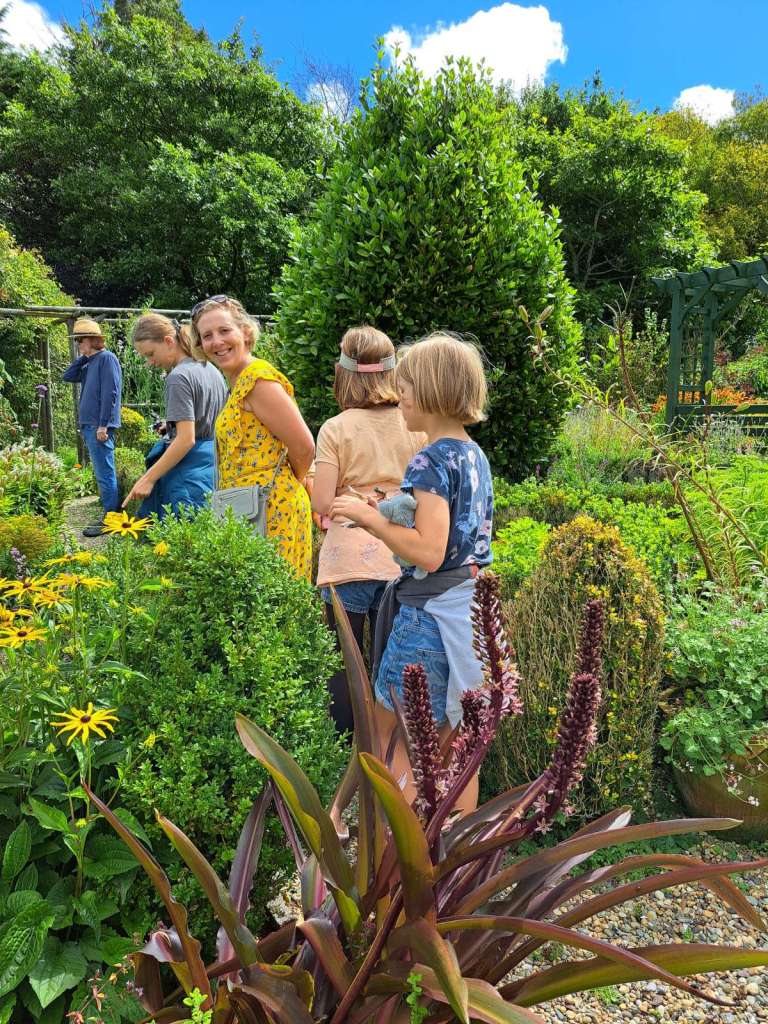
After walking around the gardens with Christine and Leslie as our guides, we sat and had tea and cake, we heard the story of how they created the gardens from a bleak wide open field, they planted a lot of trees to start off with and added features bit by bit, it must have been hard work and the result is really very interesting. From the magical walled garden to the pond area, the many different sections each gave us another special feel of being close to nature. I loved seeing all the pots with day-lilies, now finished flowering and waiting to be brought into the tunnel for the winter season. We were given many tips and got answers to our many questions. We saw how much vegetables, berries and other fruit were grown, this too was inspiring.

One of Christopher Lloyd’s philosophical sayings was ‘My mother and I like plants to look like they are enjoying themselves’ and I think that’s got to be the thing that makes a garden sing! And this garden was singing all the way! We went away having enjoyed a lovely and inspiring afternoon.

LICHENS i FOUND GROWING IN WEST CORK

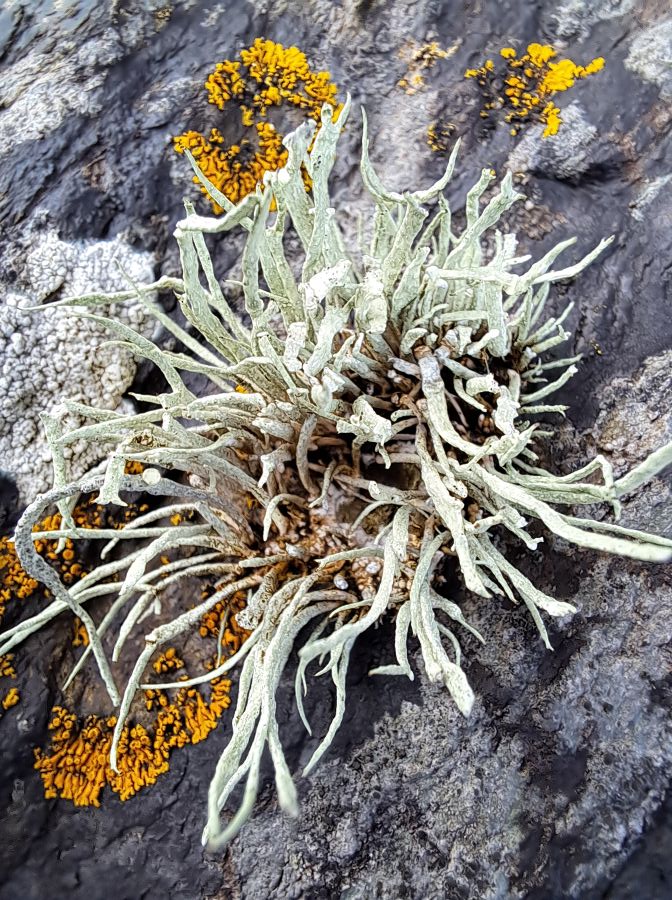
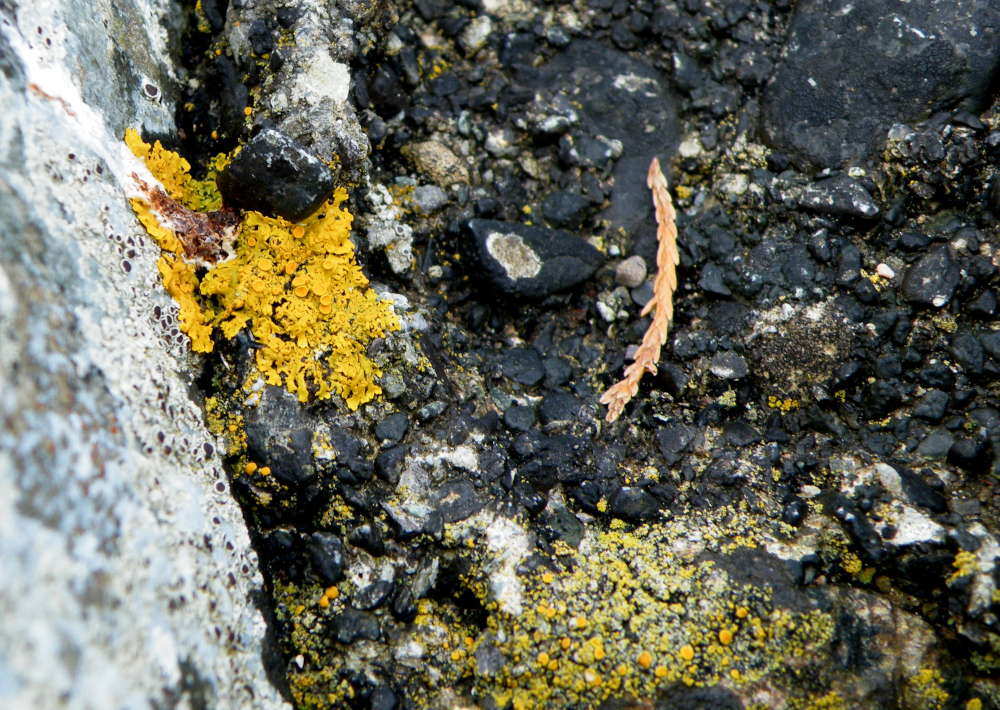
This Sunday afternoon I had a look through my recent photos of some of the lichens that I find growing in the area here, some of them in our own garden, others are found in the local forests of West Cork, growing on trees but also on rocks, on stone buildings, on roofs. Our own roof has some orange lichen (I read that this is a sign that we live in a clean environment… no pollution). I love lichen and find them fascinating but so far I have not had much luck with identifying them, for proper identification you need more than the naked eye, a microscope or at least a hand lens. So I’m not going to attempt to put identification with my photos as yet. Lichens are a combination of a fungus and one or more algae in a mutually symbiotic relationship. I read that the algae do the photosynthesis, providing the fungi with energy for reproduction, the fungi in turn provide structural form and protect the lichen from bright light . I find lichen beautiful and in fact would love a workshop on their identification, it would be very interesting especially as there are so many types of them growing here.

On the prompt of my brother-in-law I looked up this wonderful educational website: of the British Lichen Society ~ https://britishlichensociety.org.uk/learning/about-lichens: I’m sure it will be very useful for yours truly and for anyone else interested in lichen. Thanks Colin!

Lichens are found on so many trees.

Such an intricate pattern.

MYROSS WOOD ON A MISTY DAY IN APRIL

This misty Sunday afternoon was a good time for a walk in Myross wood. I’d been to the plant sale there and after picking some new plants for the garden, and a cup of tea that is just what I did. The birds were singing and there was a wealth of new life, flowers and plants, young leaves on the trees as well. I found plenty of beautiful mosses and lichens, also some fungi. As it has been rather wet the last week the woods were full of moisture and many of the plants had rain or mist drops dripping off them. An ideal way to see the forest, beautiful and calm, no wind. There were few other walkers. I could hear the brook from afar adding to an overall feel of dampness which in fact did not disturb me, rather it gave me a refreshing feeling. April in West Cork can be a nice month, still chilly at times but when the sun comes through it gives all of its warmth at once, a very nice feeling that is. Often the month of May is already our summer with temperature going over 20degrees Celsius. But seeing that it is still April the days can be unpredictable, today was misty and windstill, very quiet. The detail that is to be found on the forest floor among some of last autumn’s leaves is amazing, all the new life, so fresh and delicate, beautiful and interesting too. I found plenty of that today. The many photos that I took of the lichen I’ll be showing in another blog post, I simply love lichen and mosses too. Meanwhile enjoy what follows today and thank you for visiting.

a NATURE WALK WITH MY GRANDSON

Yesterday was a lovely spring day, full sunshine and only a little breeze, dry. My grandson Ruben was visiting and after cooking lunch together we decided to go and see which flowers and plants we would find in the hedgerow along our favourite walk. We took off in a gallop as Ruben is a very fit twelve and a half year old, he leads an active outdoor life and loves his gymnastics. During this walk he wanted to take photos and so, as you do, I handed him over my phone. Following are some of the pictures he took. I think he did very well and he concentrated on what was to be found hidden away, and finding he did; some water plants and fresh grasses. He also took a couple of photos while half climbing a tree. And in his pocket he carried a bag in case he came across other people’s rubbish! He is a good citizen in the making who cares about his environment. We both had an interesting time and we also had a good laugh and fun as he pushed me or pulled me and called me an old granny if I lagged behind because I was looking at some specimen of plants I wanted to have a closer look at, but all in good spirit of give and take. I felt very refreshed after our walk.

Above are five of Rubens photos, taken on our walk. He came across a ladybird, and was fascinated by a little brook and of what was growing in there.

Searching, observing and finding that spring has started and that lots of signs are to be seen all over the place.

It is lovely to see buds enlarging on the trees. This walk is safe as not many cars drive here, it eventually connects to the Castletown road at Rusha Mill. With the town of Skibbereen becoming more built up, this is a very valuable piece of rural beauty and long may it be that way.