ANGLESEY ABBEY

During last week we were privileged to make a visit to Anglesey Abbey and gardens near the village of Lode in the UK. A faint sun and a slight cold wind made the walk around the gardens pleasant enough. There was so much to be seen, I did not know where to turn may attention first. The lovely fresh snowdrops made a carpet underneath the beautiful ancient trees their branches low to the ground.
Here and there I could see some yellow aconites among the snowdrops.  Further along a splash of bright lilac among the borders were the European cyclamen.  The hellebores also gave us a most pleasing show, many different varieties.

The lanes and walk ways weave along the shrubs and trees giving off a wonderful woody scent even in winter, now and then there was a gate which opened up into a landscaped space created according to historical values, all along there are interesting sculptures, some of them covered right now against the cold weather.

The abbey itself, was established in 1236 as an Augustinian priory, and is a beautiful Jacobean building in almost white limestone.  I did not get a chance to go inside the building but took the tour around it with a guide who told us a huge amount of history about the building.  Everywhere I saw beautiful features, the layout of the out-buildings and the surrounding gardens, especially the rose garden, were nice and interesting.  I could imagine how nice the scent of all the roses during the summer months.

We did not walk as far as the mill, but I am sure that I will visit this place again as we are due back in the area during the summer.  The place is in care of the National Trust by the way.

I do hope that you enjoy my photos, it just goes to show that even during the winter months there is so much to see and enjoy in nature, something to be very grateful for.


WINTER TREES

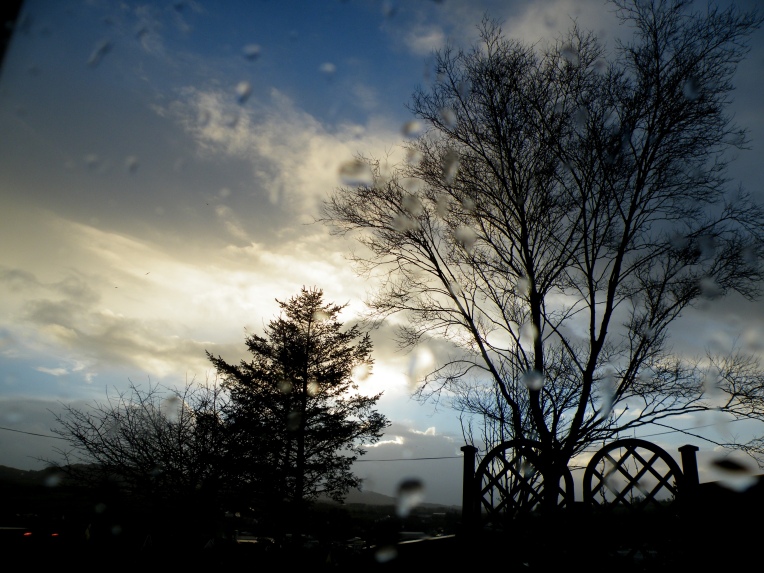
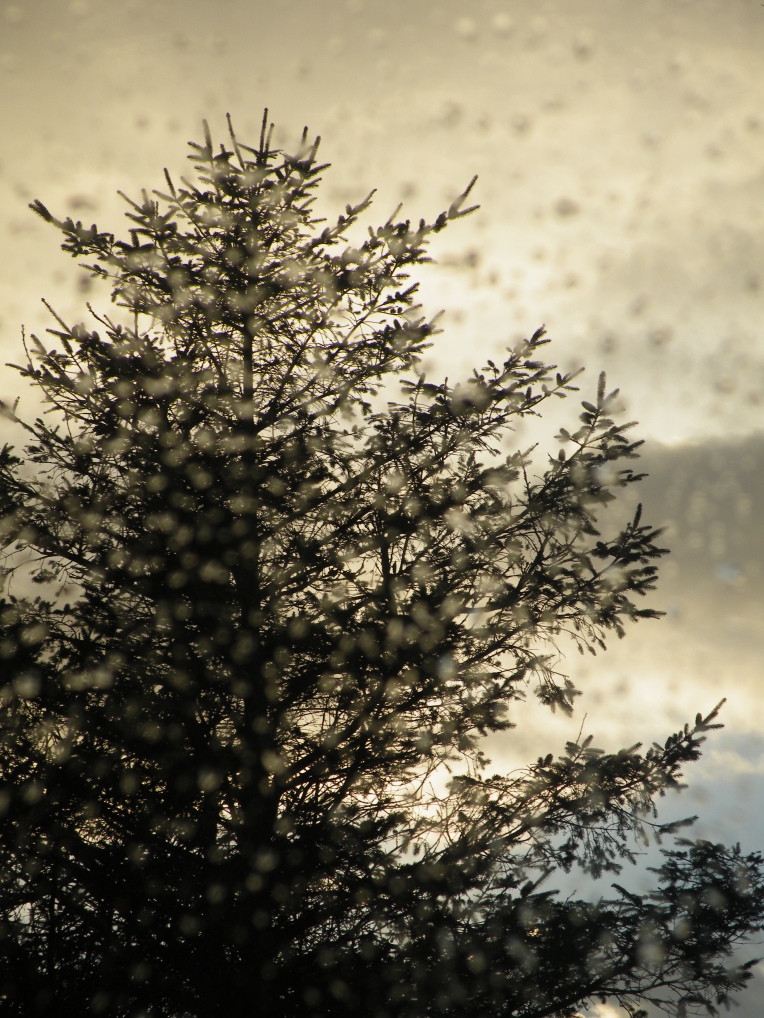
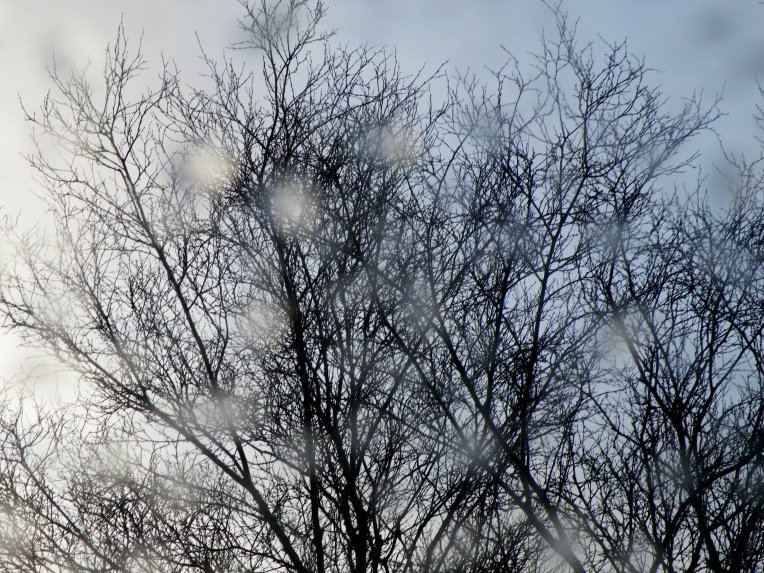
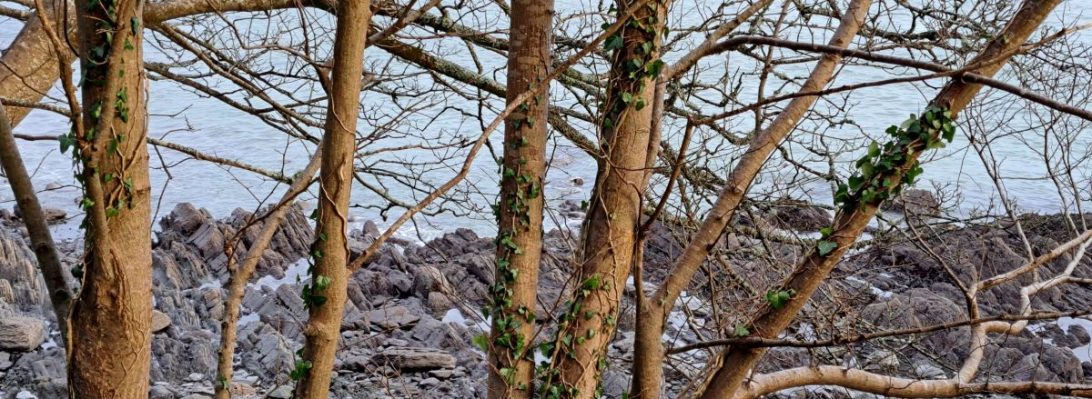
With the very wet winter we are having here in West Cork, it is rather showing up some beauty all of it’s own, it is how the trees look fresh, bringing out the colours of the trunk and branches, stark against a sometimes grey sky but now and then against clouds and sunsets. We have five trees in the garden, and these photos I took either from behind the glass if heavy rain, or outside, each brings out different aspects in the photo. Some bring out a rather foggy mood, some are melancholic, but some others bring out a bright clarity, it reflects the way that the mind is affected by the dampness, and according to Chinese traditional medicine, the mind is affected by the spleen, and the spleen is in turn very much affected by dampness, cold dampness, and that is what we get here in winter. It follows then that during these winter months the mind might become a little foggy if not careful, CTM advises us to eat warm stews made from root vegetables, with plenty of ginger to counteract this dampness inside… but that is going away from the trees a bit.
I love trees, I might even be a tree hugger, always want to touch their bark and admire their beauty, and beside that there is nothing as nice as using wood in the kitchen or wherever, the feel of it so smooth after it has been sanded, the lines and colourful markings are very nice too. I have wood on the ceiling and wall in one of our rooms, it often gives me pleasure to take in the many knots and lines visible to the eye. The scent also of wood is so pleasing.
Right now our trees are blowing in the wind, it is quite stormy and has been all winter, but they seem able for it. The silver birch moves most of all, it’s high and thin but the branches are very flexible. The Hawthorn moves very little – that is why the birds like to hide among it’s branches. The oak and the pine sway as if to the sound of their own music, while the chestnut watches over it all, stiff and majestic, even despite it has lost some of it’s branches last summer after we cut some down as they were making the garden far too shady. My trees are very much alive to me, I sense their moods, they are powerful and nothing fazes them, but they do like me to touch them when walking around the garden.
The trees, they give me much pleasure, I feel they are a blessing in our garden, and I am very appreciative.

DSCF1893

DSCF1889

DSCF1890

DSCF1891

DSCF1885

DSCF1894

DSCF1892

THE SUN CAME OUT TODAY

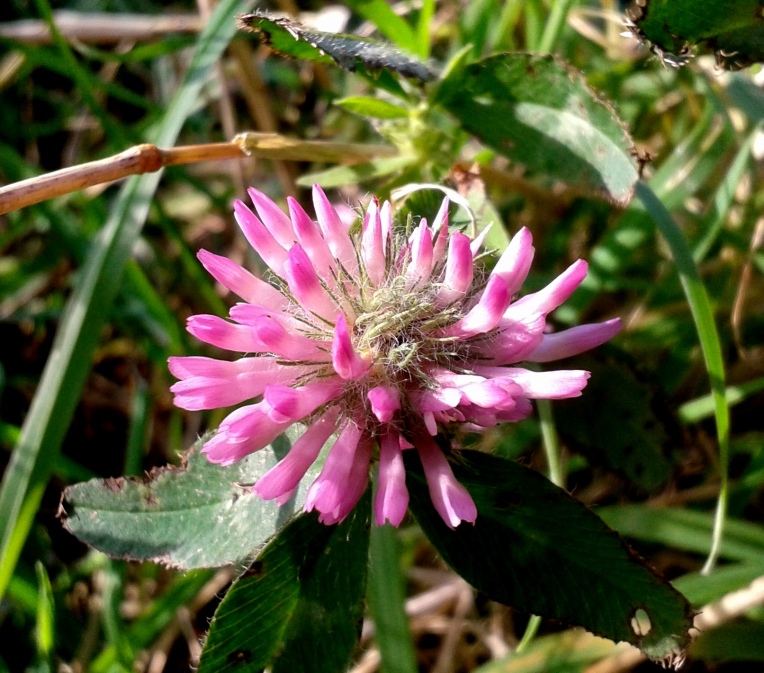
Yes the sun came out today, and it shone over the valley here in Skibbereen, it was glorious and so welcome after all the days of mist, rain, and stormy weather. So I took a walk along the boreen* and found a few wild flowers making colour, their therapeutic effects did not stay behind, I felt so energized after that walk.

To find the red clover in flower was probably early in the year, but then the temperature is warmer than normal, it has been a steady 10C for a while now and today in the sun the temperature went up to 15C even despite a cold northern wind.
20160127_130051

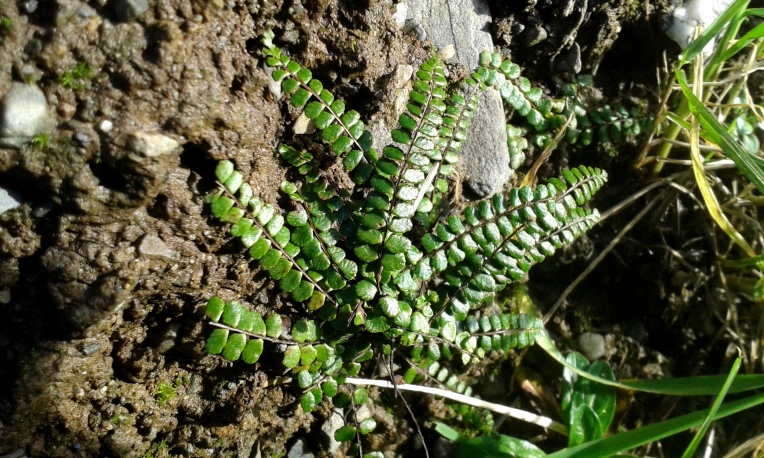
This beautiful little fern grows along rocks even in urban settings all over Ireland.  It’s most delicate and very hardy.

20160127_125537

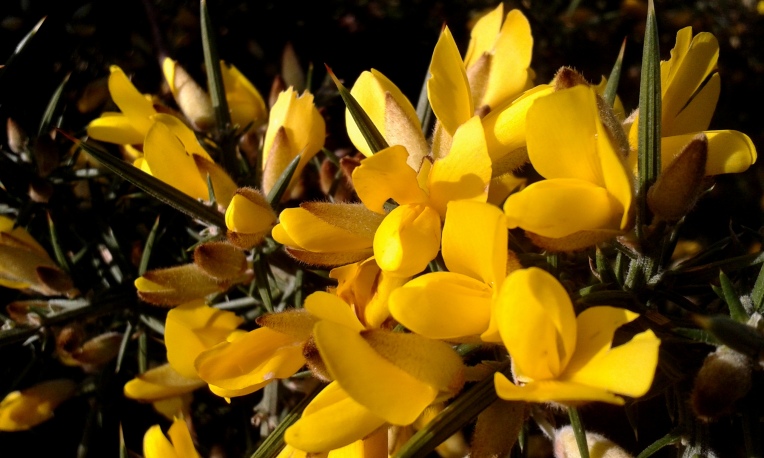
The gorse usually flowers twice a year, once in February,  and once in the summer.  It’s probably early this year, but I did not get any of its scent, we need stronger sunlight for that.

20160127_130143

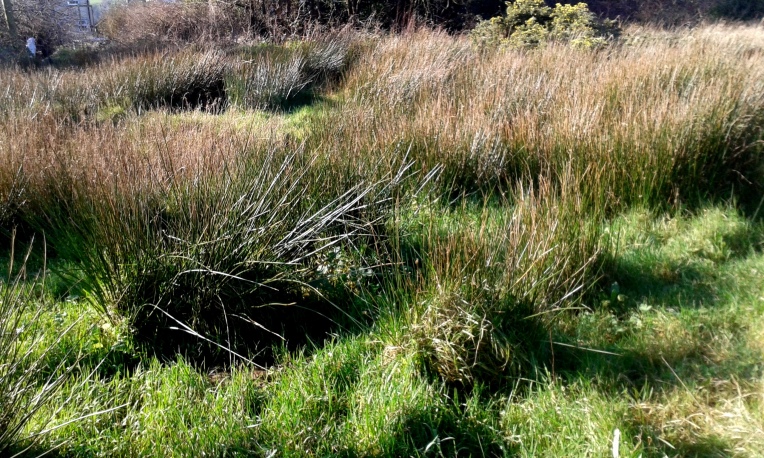
I took this photo behind our houses, it is waste land, the sedges are lovely, I like this sort of landscape too.  Soon St.Brigid will be celebrated in Ireland and people will use the sedges to make St.Brigid crosses, I used to teach people in the library to make those, it’s fun to work with the sedges.

20160127_130245

It is getting time that I start planning my garden, I have not done anything about it really because the weather has been so wet.  Today I started to take stock, and some of the raised beds wood surroundings have rotted!  The soil is still very wet.

Roll on warm and dry weather!

*    Boreen is an Irish word for a path in nature, (Irish: bóithrín,  pronounced [bɔːˈriːn]) it is a rural walking path.

EMERALD GREEN FOLIAGE

Sometimes Ireland is called ‘the emerald country’, and it is no wonder, it is called this way because of the regular rain, this green is always a most beautiful, fresh and profuse colour. Seen from the sky the landscape does look like an emerald jewel.

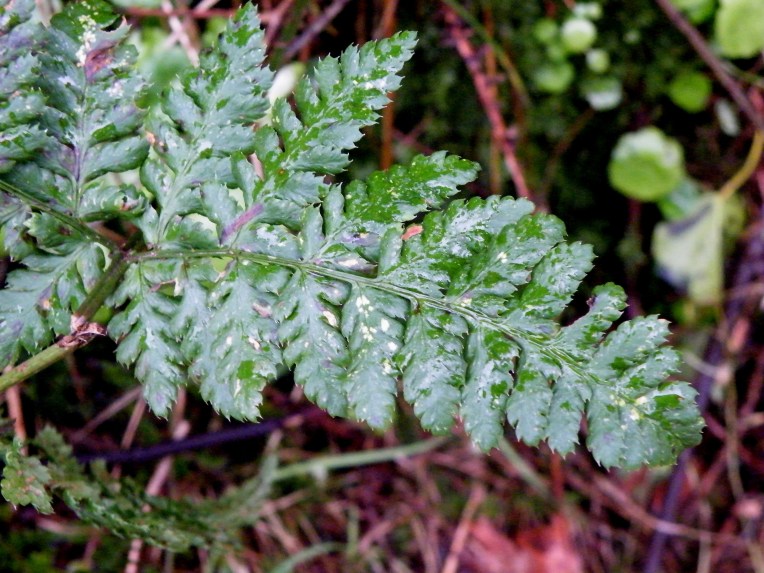
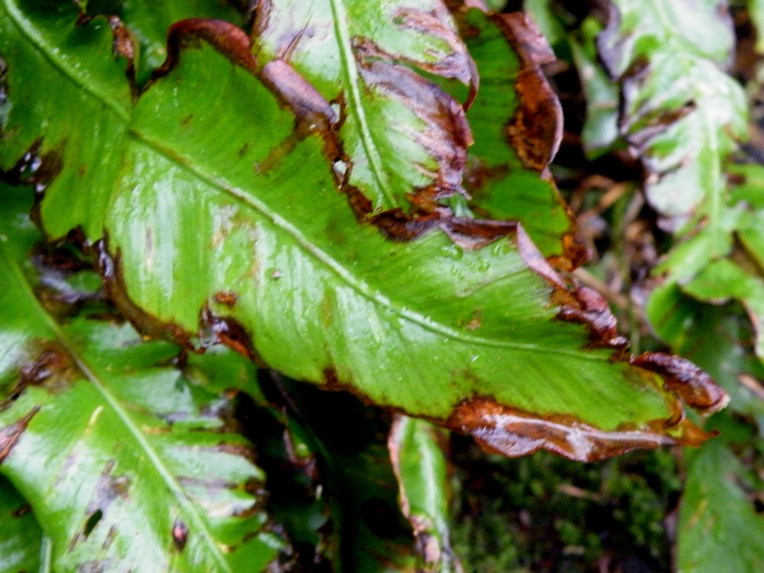
So it was no surprise that I found young green foliage today along the side of a country road.  Though early in the year, there are signs of a rebirth, and of green in the hedgerows.  The Fuchsia hedges have brown branches with here and there young leaves opening up.  The ferns are enjoying this particularly wet winter, a delight for the eye, their lacy leaves unfurling with a vigour that would surprise you, though having said that, some of the leaves had fringes of brown.

Nature is waking up slowly, spring can start very early in South West of Ireland.  Even the birds songs are changing just lately.

DSCF2151

DSCF2164

DSCF2154

DSCF2155

DSCF2157

DSCF2159

The lesser celandine plants are almost ready to flower.

MEMORIES OF FLOWERS

What better to think about and plan while the weather remains wet and stormy, and yet we feel that the new gardening year will soon enough be upon us. Flowers, wild and cultivated, beautiful and colourful, reminding us of summer, of sunshine and warmth.

Looking back at many of the flowers we had in the garden last year, I know that some of them I will certainly repeat this time around. The sweetpeas gave us such pleasure, we picked bunch after bunch, the scent was heavenly and made for a very cheerful breakfast table, so that is a definite Yes. The coriander and oregano  are also a definite Yes! These are herbs my kitchen simply cannot do without, and the flowers, though small are pretty, when plentiful they can be used as part of a herbal flower decoration. The nasturtiums are always there also, I sow them yearly, they are pretty for their flowers but I also use both leaf and flower in salads, or I might eat some of the leaves while walking in the garden. As for the hydrangea, I have four different bushes growing, a deep lapis lazuli blue one, a pretty pink one, and two pure white ones. Some years ago I tried to change the colour of one of my white hydrangeas with a product I bought in the garden centre, but I did not succeed, and it did not matter, I will try again some time. The Ph of the soil here in my raised beds is 7, so total balance between alkaline and acid, and the colour depends on the Ph of the soil.
Marigolds grew profusely in the garden last summer, they just kept on flowering, I like the orange types, they are definitely on the list for this season also.  The poppies are self seeding, they are beautiful and great for the bees and other flying creatures, but they do have a habit of coming up among the vegetables and become too large sometimes.  The fuchsia flowers are seen all over West Cork, in a good year some of the hedgerows are coloured red with them, lovely.  They flower from May onwards, and might still be in flower in November.  I have them only at the back of the garden, in the hedge.

The big bright yellow flower was going to be a lovely round pumpkin, only last summer all my pumpkins rotted, so while the promise was there in the flower, it did not come to fruition.   The blackberry flowers are frilly and white, they also just form part of the hedge and I let them grow mainly for the bees and butterflies.  It is great to see all the insects and butterflies come and feed in the garden.

Finally after about three years my wall flowers have started to produce lots of dark rose velvety flowers, nice, and they give off a faint scent, it brings me memories of gardens and flowers in another period of my life, precious memories of flowers.

BEAUTIFUL DAY IN THE GARDEN

Today, a most beautiful, sunny, and warm autumn day, generously watered by a few heavy showers saw me getting a lot done, and also saw me discovering yet again the abundance and beauty of nature. To my delight I was able to capture some of this once again on camera in order to share. So enjoy and take delight.  Tomorrow more on what is happening garden work wise, and on the propagation that I was doing today.
DSCF0039

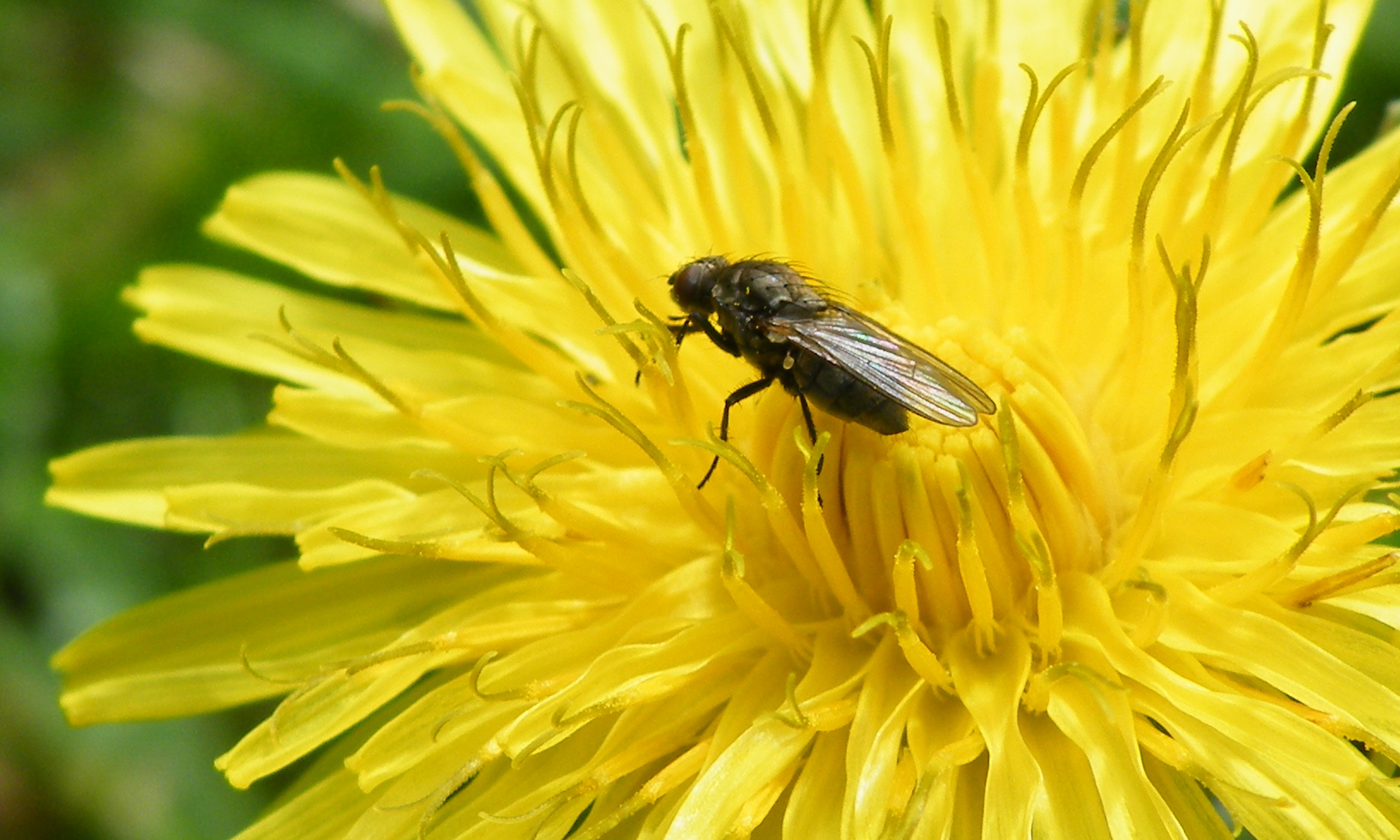
A house fly on the dandelion

DSCF0035

A hoover fly on a poppy

DSCF0041

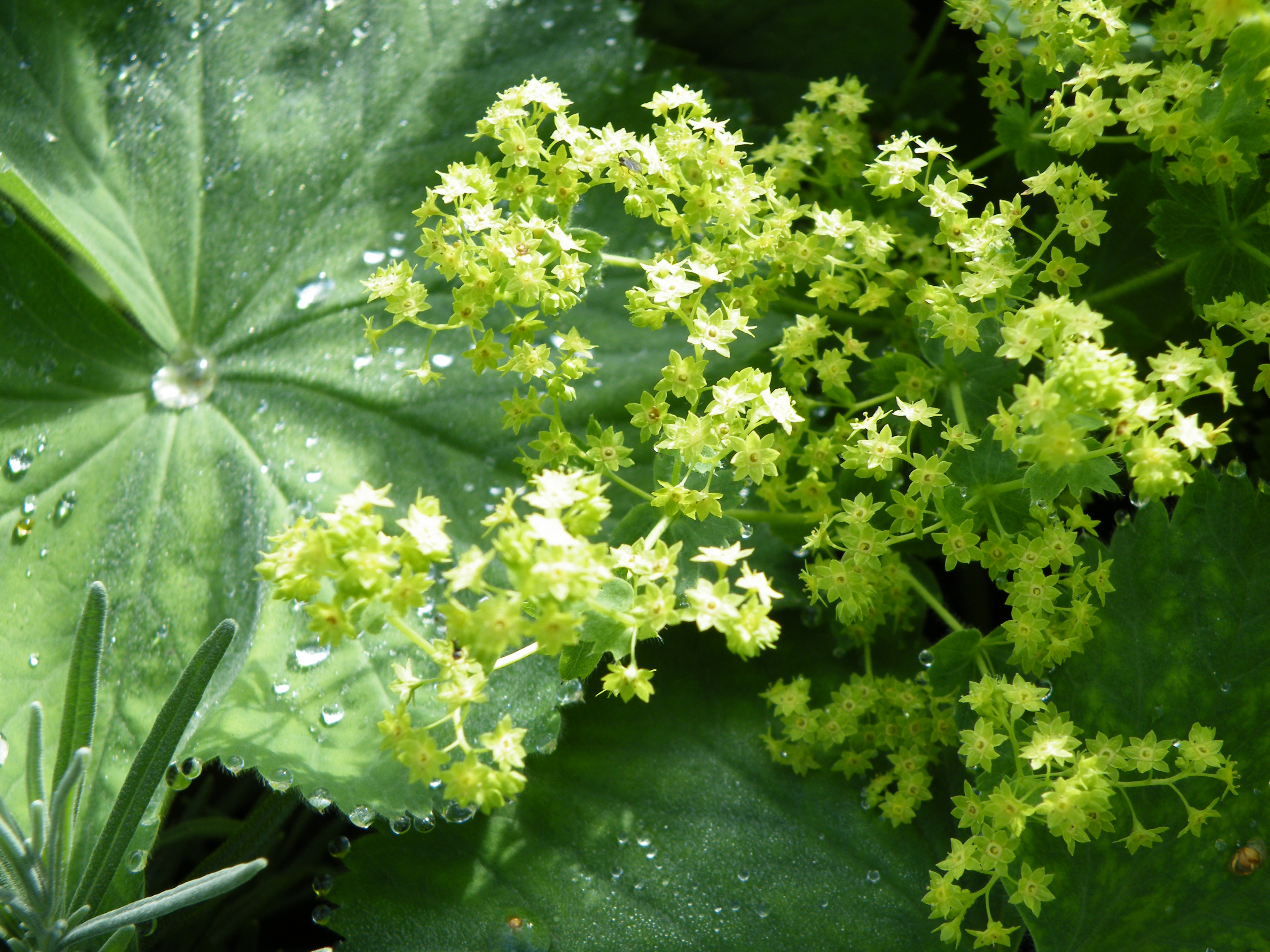
Lady’s mantel, lavender and rain drops and the sun playing with it all.

SHALE – A COLOURFUL ROCK

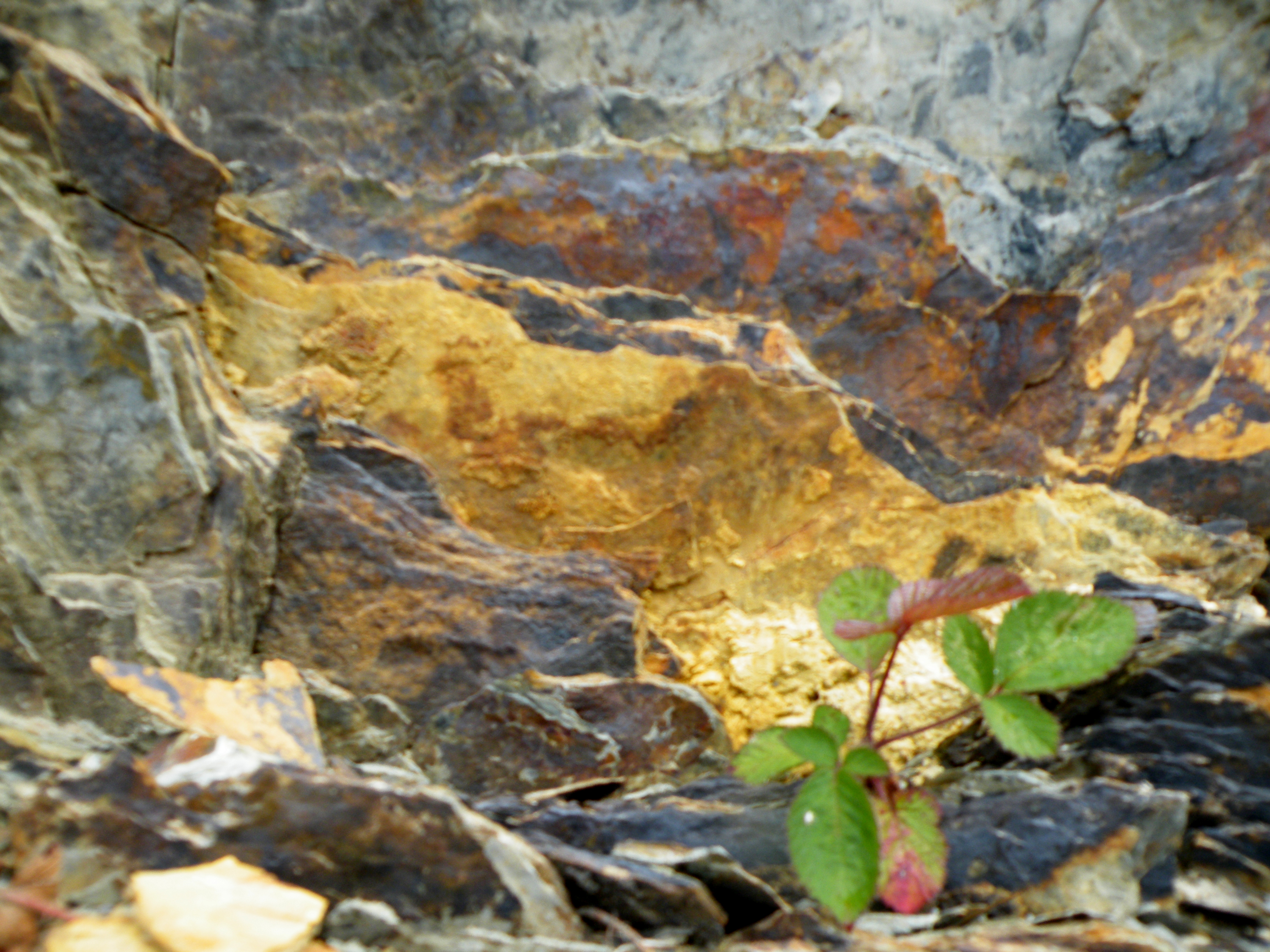
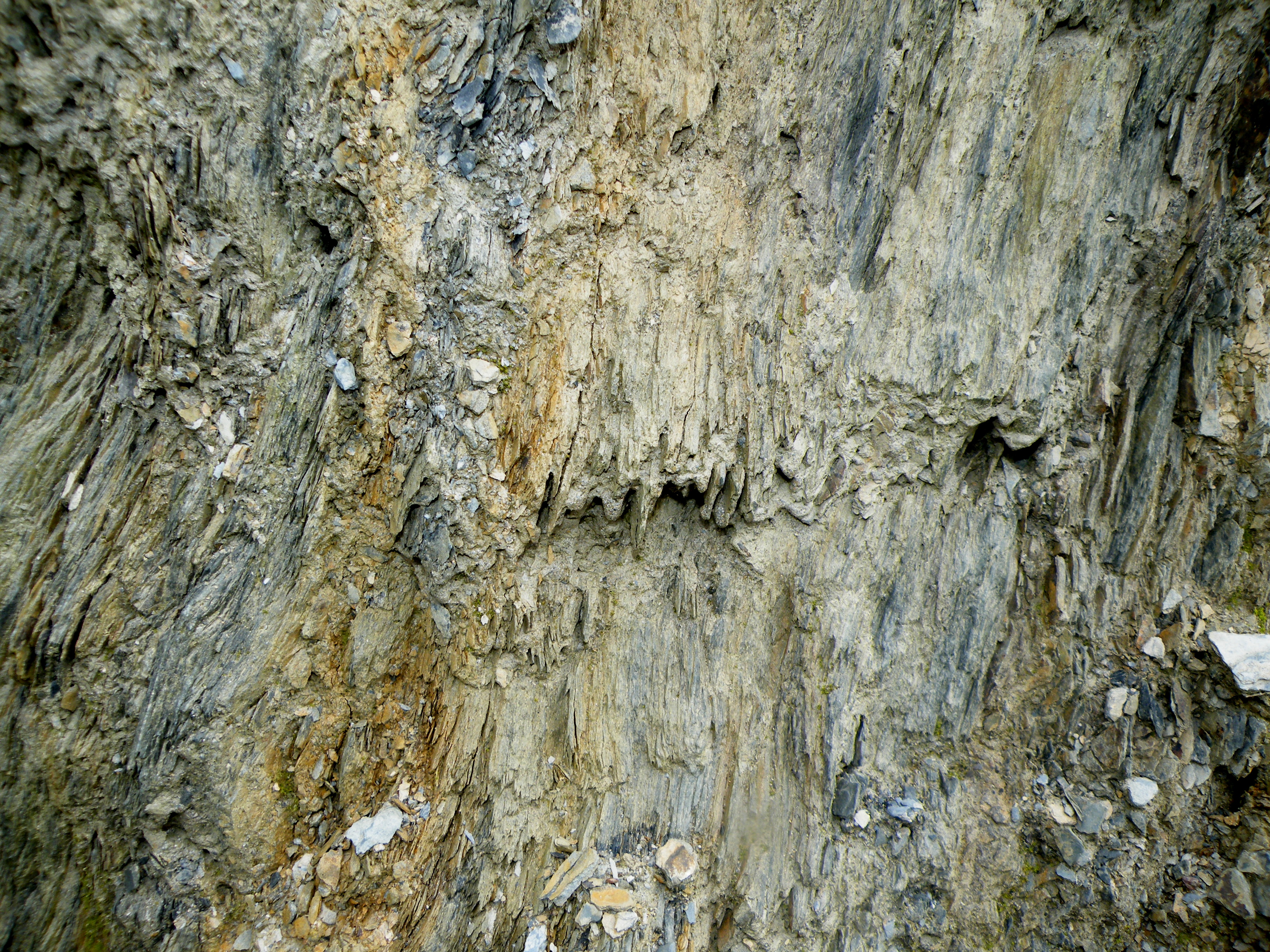
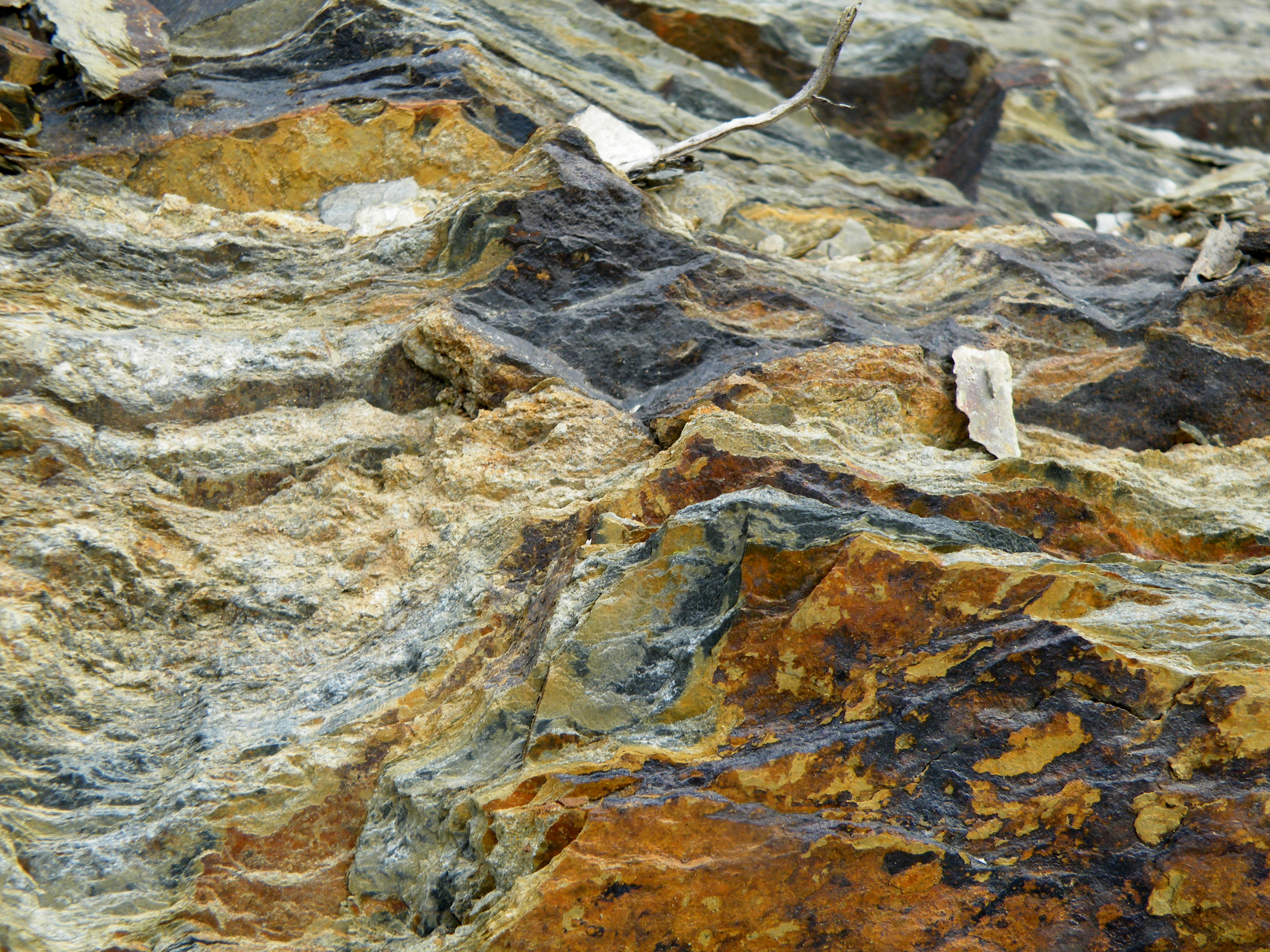
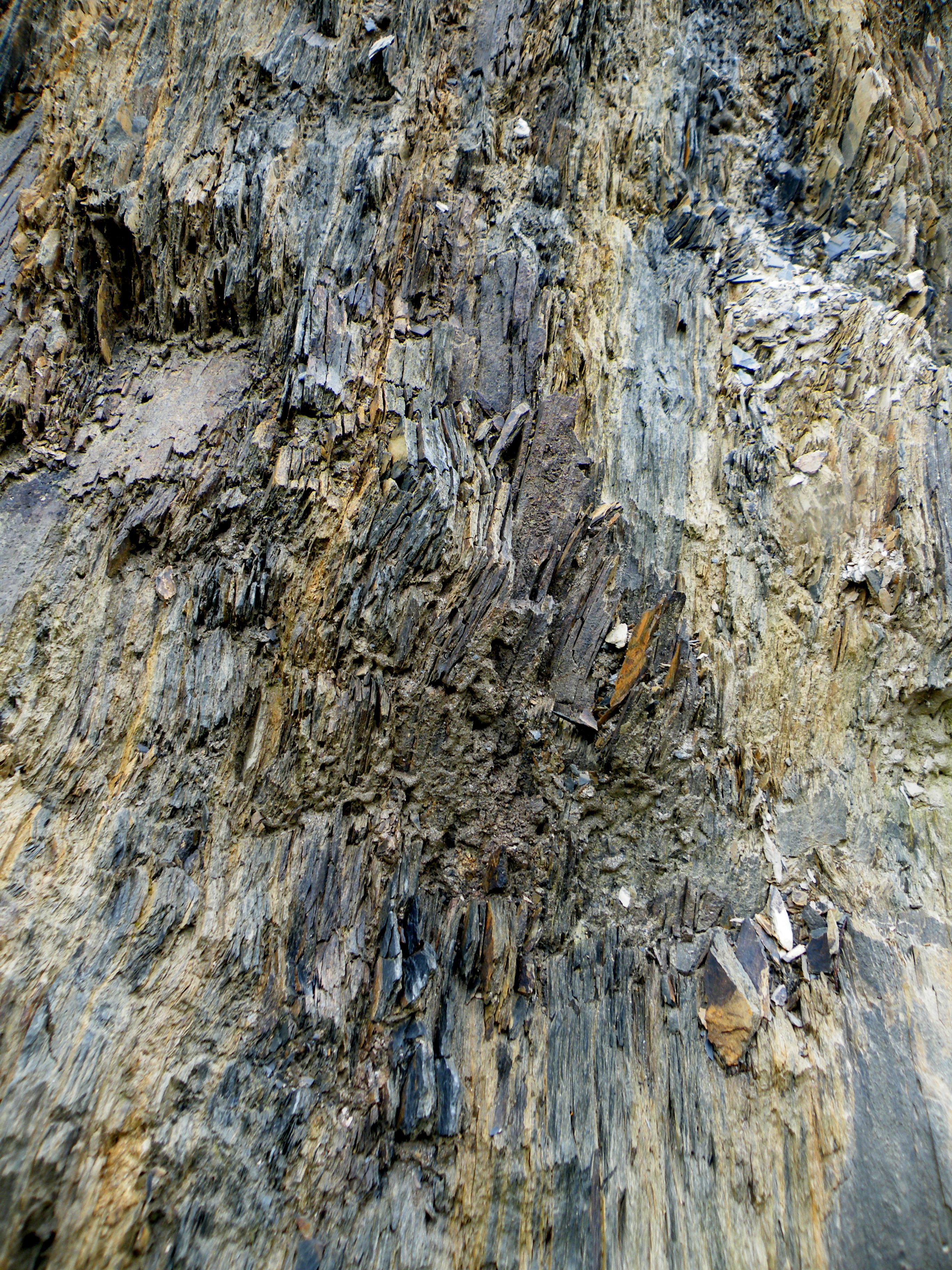
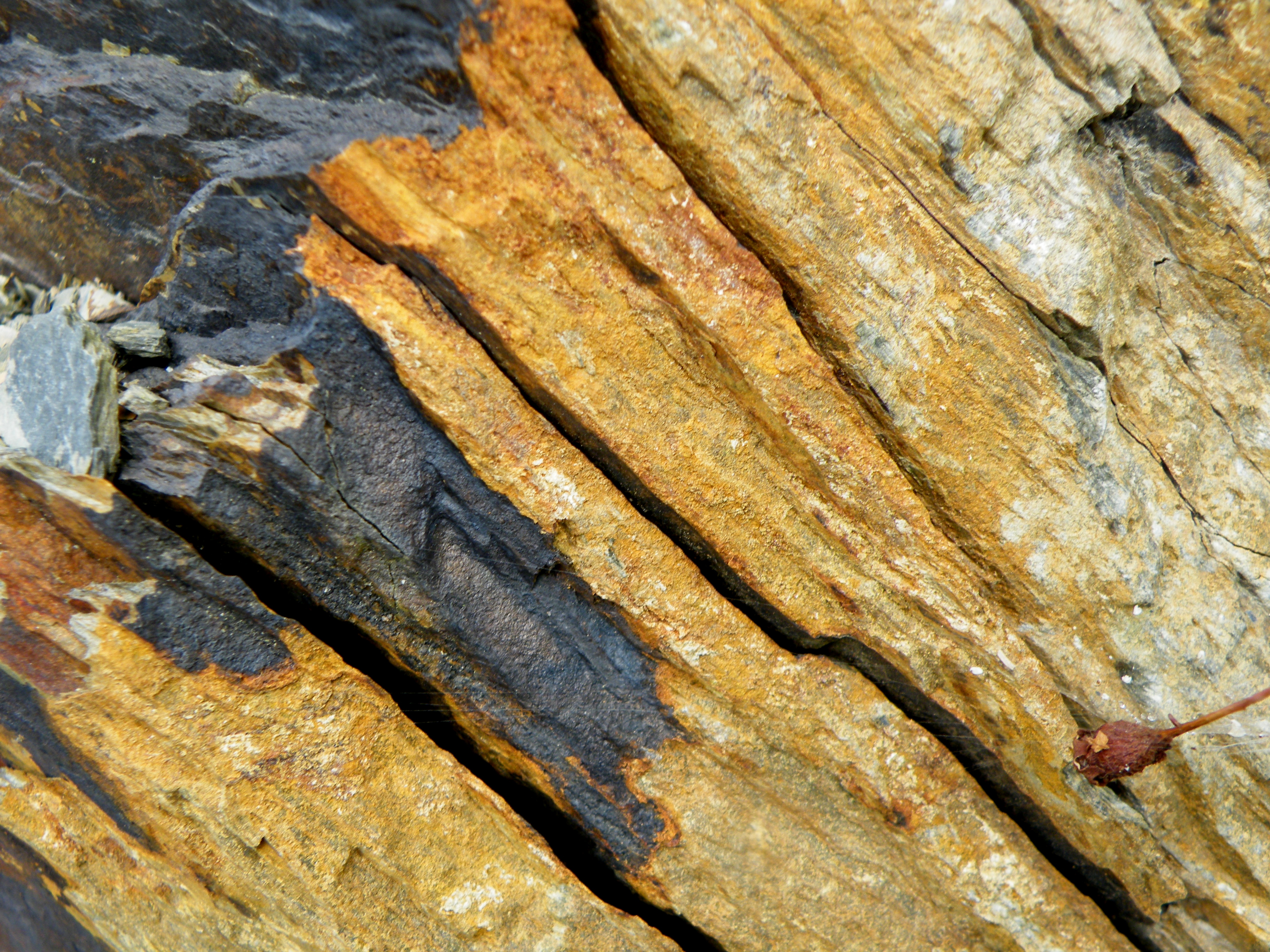
While documenting a procedure at Ian’s boat the other day, I had the opportunity to take a few photos of some of the local rock structures. I found these particular rocks, which had been exposed when the owners of the boatyard wanted to extend their working space, and just had to photograph them.

I believe these rocks are shale, but I am not a geologist. The whole rocky outcrop looked amazing, the colours of the shale quite bright and beautiful. I read that the yellow colours are caused by iron oxide or iron hydroxide which can cause reddish, yellow or brown colouring. The shale came apart in my hands, very poorly compacted material.

Ireland is an excellent place, like so many other places on the earth, to look at and have an interest in rocks and minerals. I have a large rock collection, I only wish that I knew more about it all, something that I always wanted to get absorbed in when I retired. It is a fascinating subject with plenty of examples all around us.

DSCF9293

DSCF9295     DSCF9313

DSCF9291       DSCF9304

DSCF9323

DSCF9322

DSCF9299     DSCF9311

MAURITIUS JOURNEY PART 2

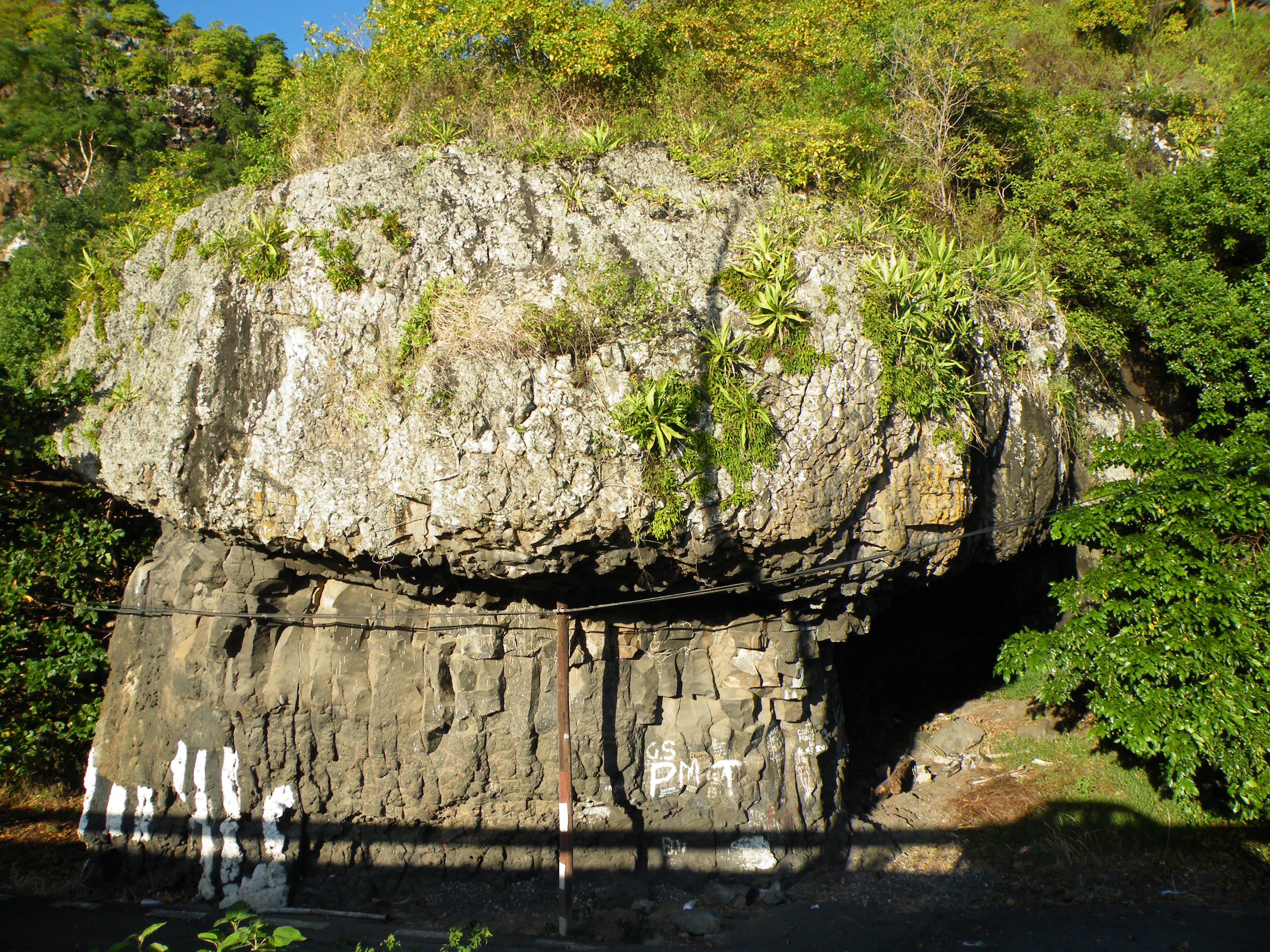
The beauty of the island of Mauritius, experienced some years ago when I went to visit a friend of mine from over there, and I was warmly welcomed by all his family and relatives. Situated on the less touristy South side of the island, It was a very interesting journey, with an introduction also to Mauritian foods, cooking, flora and fauna, and golden sand beaches where the women would dance to very cool music.  Very friendly and lively people, many are from Indian descent.   I was and am still very impressed.  I took so many photos some of which I am revisiting these days.

DSCF3960
DSCF3945
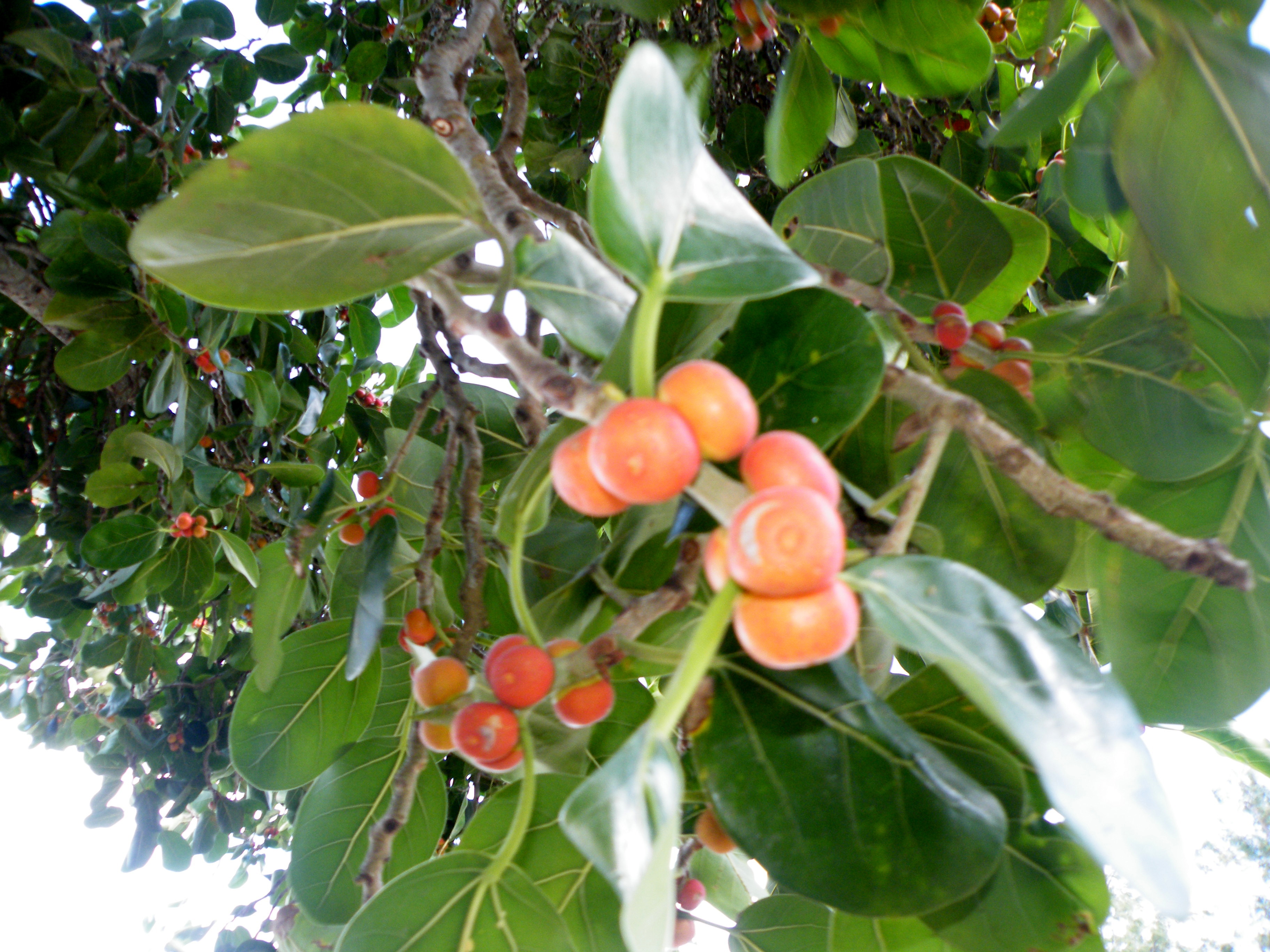
Fruit tree Mauritius

Some fruit tree, not sure what exactly it is called.

DSCF3908

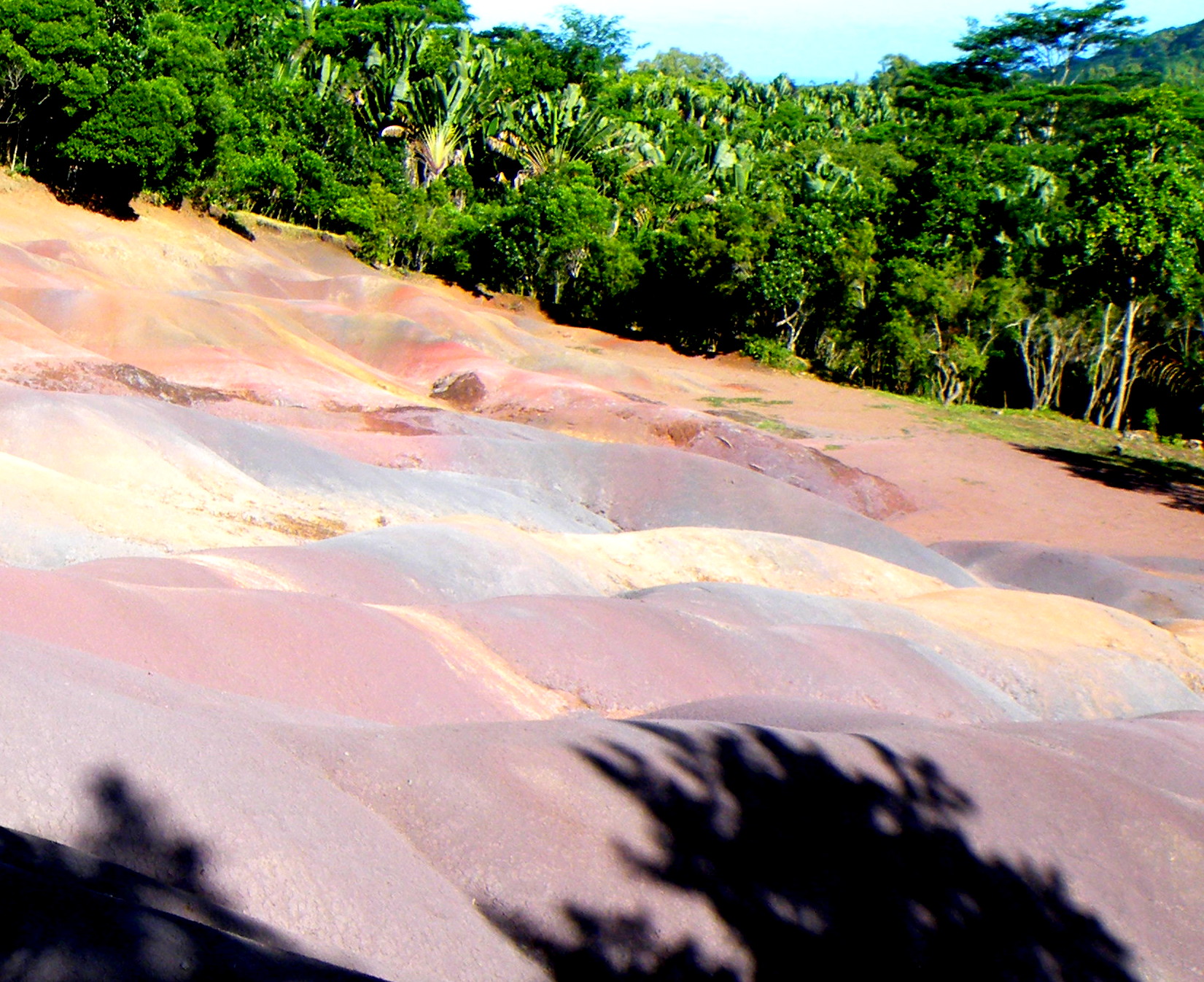
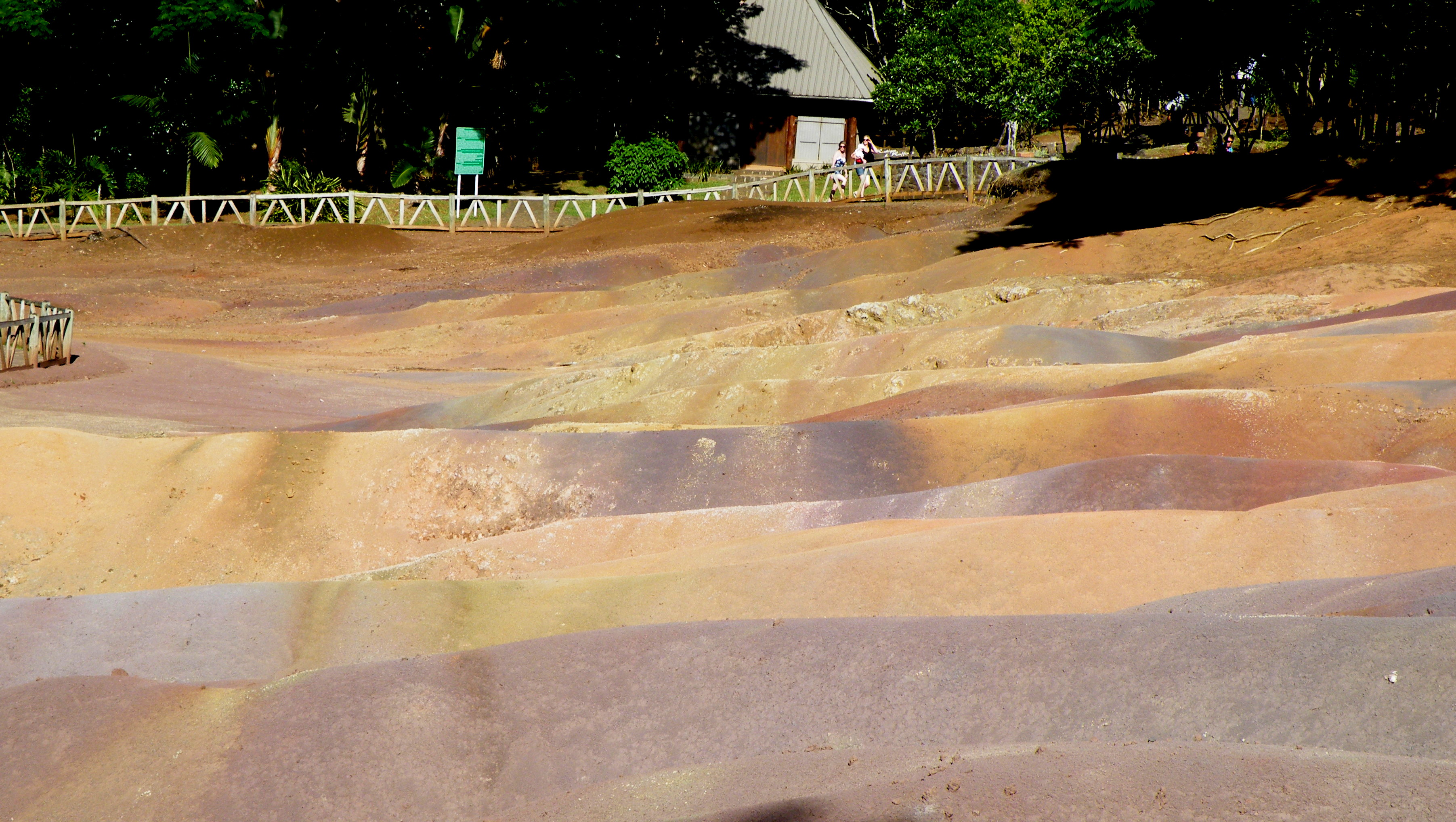
At the village of Chamarel, the coloured Earths, this natural phenomenon is due to decomposed basalt gullies.  The hot and humid climate helps in the decomposition of the (volcanic rock) basalt into clay.  As a result of total hydrolysis (chemical breakdown of minerals by water, leaving a large composition of iron and aluminium which constitute a ferralitic soil.  the iron sesquioxydes have a red and anthracite colour, whereas the aluminium sesquioxydes have a blue or purplish colour.  It is a most beautiful sight to behold.

DSCF3905
DSCF3939
DSCF3852
DSCF3875