ONCE I HEARD A BLACKCAP SING

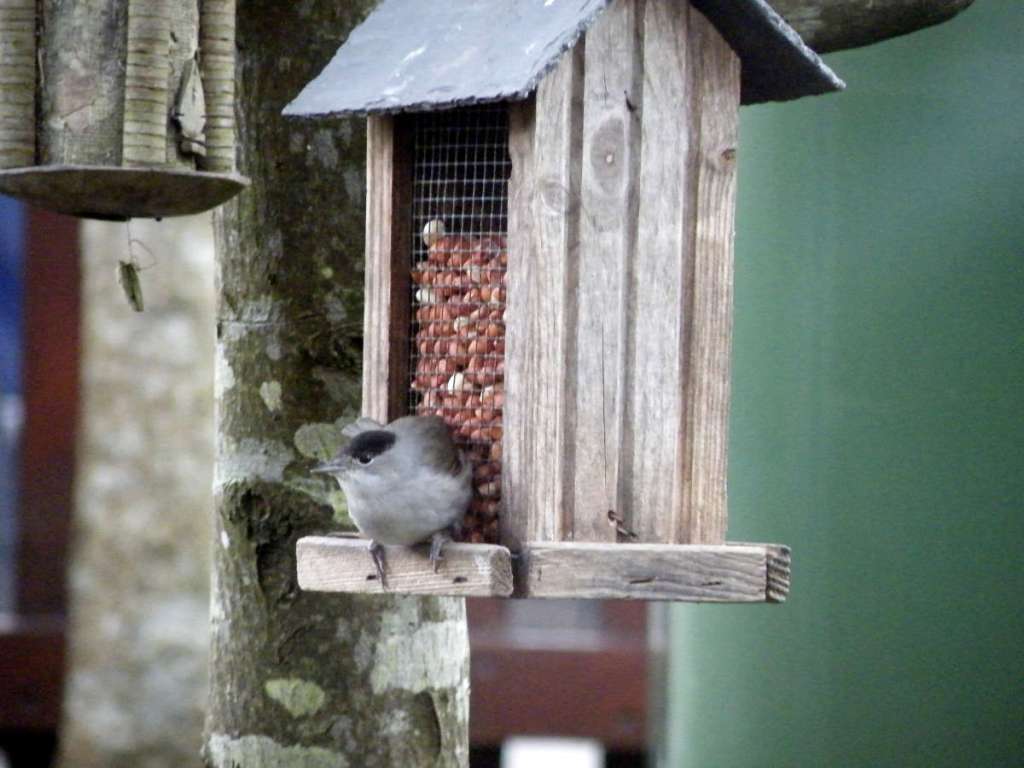
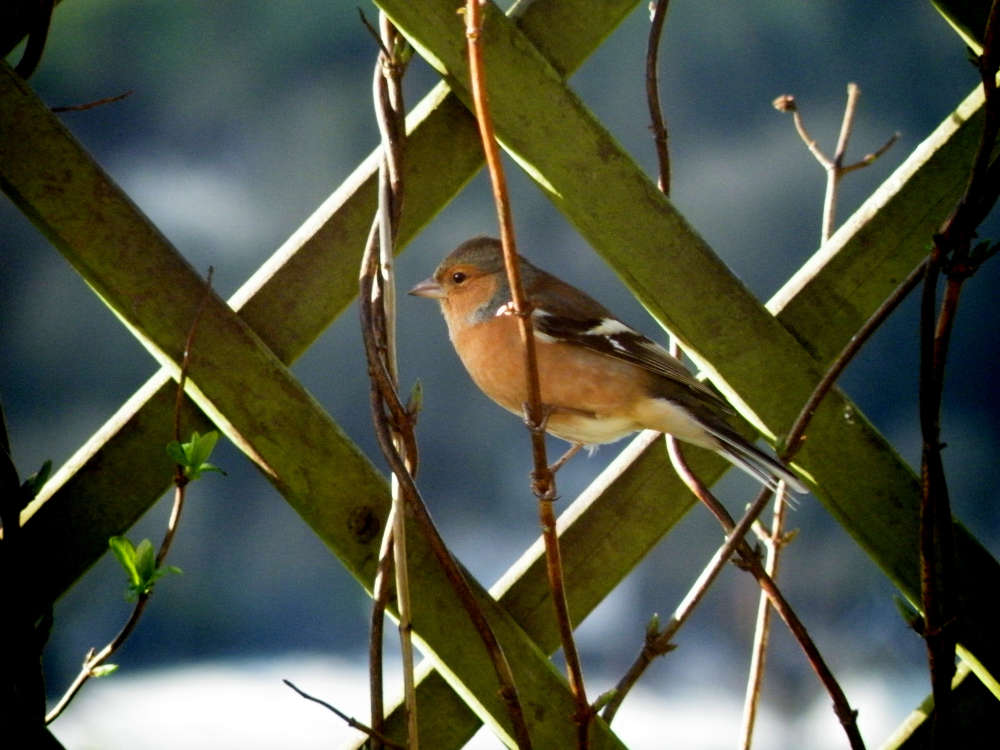
Recently I heard a delightful warbling song coming from the garden, it stopped me in my tracks.  I did not recognise this song and so I turned on Merlin app on my phone to identify it, and was told that it was the song of the blackcap.  I knew that, from time to time there are blackcaps in our garden, both male and female.  They are easily recognisable by their black (male) or chestnut brown (female) cap on their head.  They come to my peanut filled bird feeders.  It was some years ago also in January that I first saw them in our garden.  Another identifying mark is their beak which is black and sharp, useful as they feed on insects and berries, but also on peanuts it seems!  It is a handsome bird, its wings and tail some shade of grey.  And like I mentioned above its song is beautiful, no wonder then that it is sometimes called ‘the northern nightingale’.

Blackcaps (Sylvia atricapilla) belong to the warble family, they are found these days also during the winter in Ireland, they used to spend their winters in the Mediterranean regions.  I read that they nest in this country but they originate from mid-Europe.  Their conservation status in Ireland is ‘green’, so we don’t have to worry about their disappearing yet, luckily.

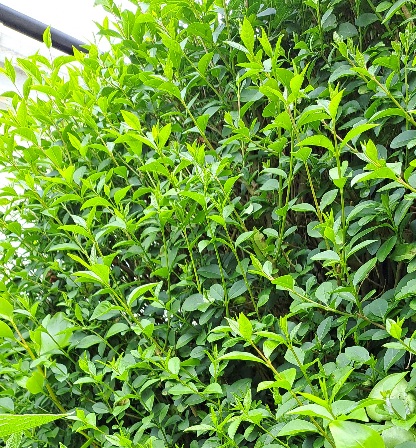
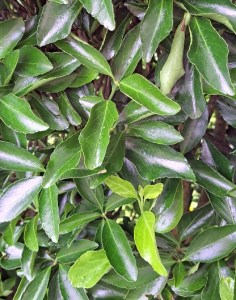
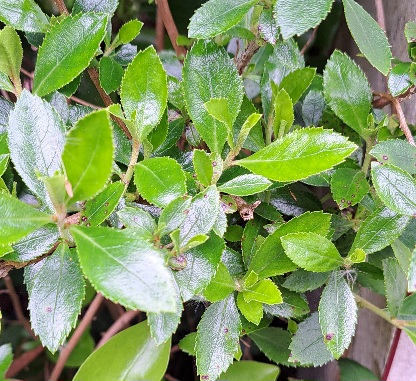
It is no wonder that they like our garden as we have lots of berry bushes and even a currant tree (amelanchier lamarckii) which also produces a multitude of lovely berries. As well as cotoneaster (Franchetii) and a hawthorn tree (crataegus monogyna), and Berberis darwinii, all attracting and feeding birds.  Another plus point is our very thick hedges, originally we planted cuttings, and they grew into an ever expanding hedge, among them are privet, griselinia, fuchsia, escallonia, spiracaea nipponica, and last but not least the evergreen spindle (euonymus japonicas). I know that there are wrens nesting there for years, also blackbirds, and the sparrows disappear in the hedgerow often, I sometimes wonder if that is where they go at night, or when it rains!  Anyway, I digress, the blackcap is known to nest in hedgerows, and our hedges only get a cut once a year in September or there about.
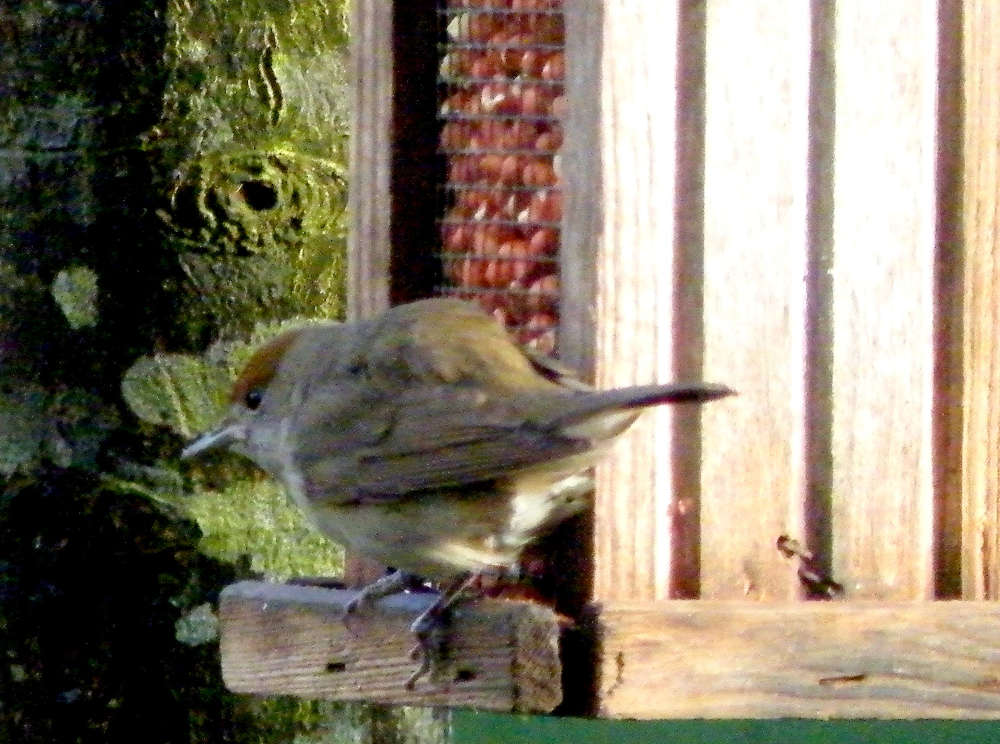
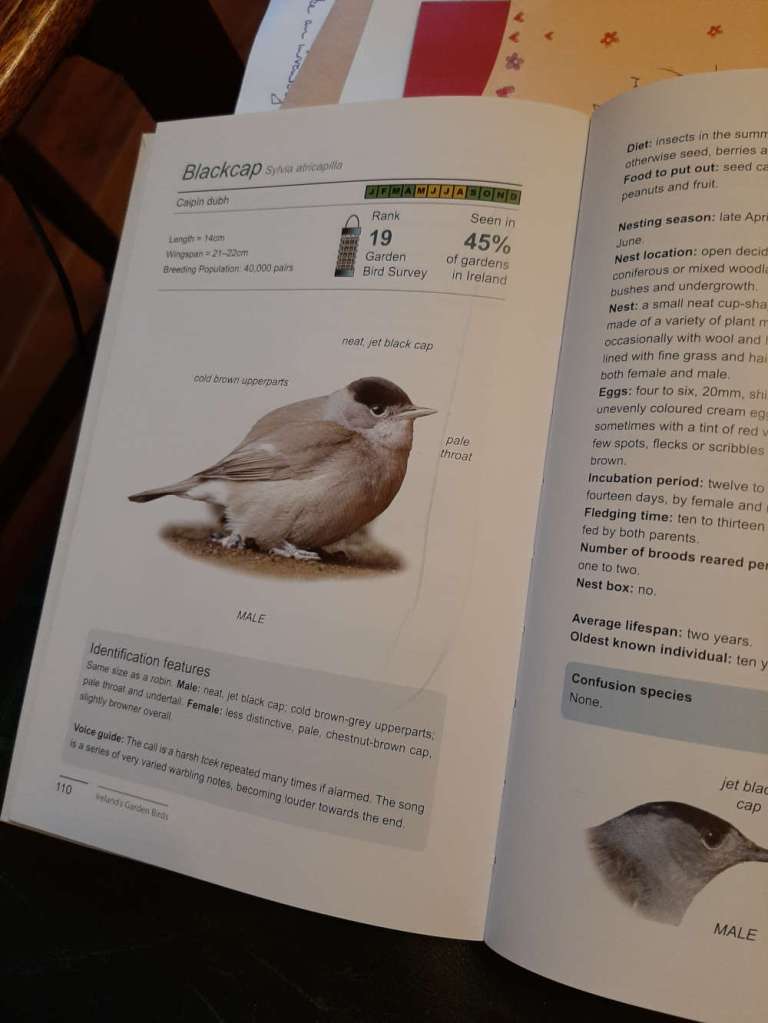
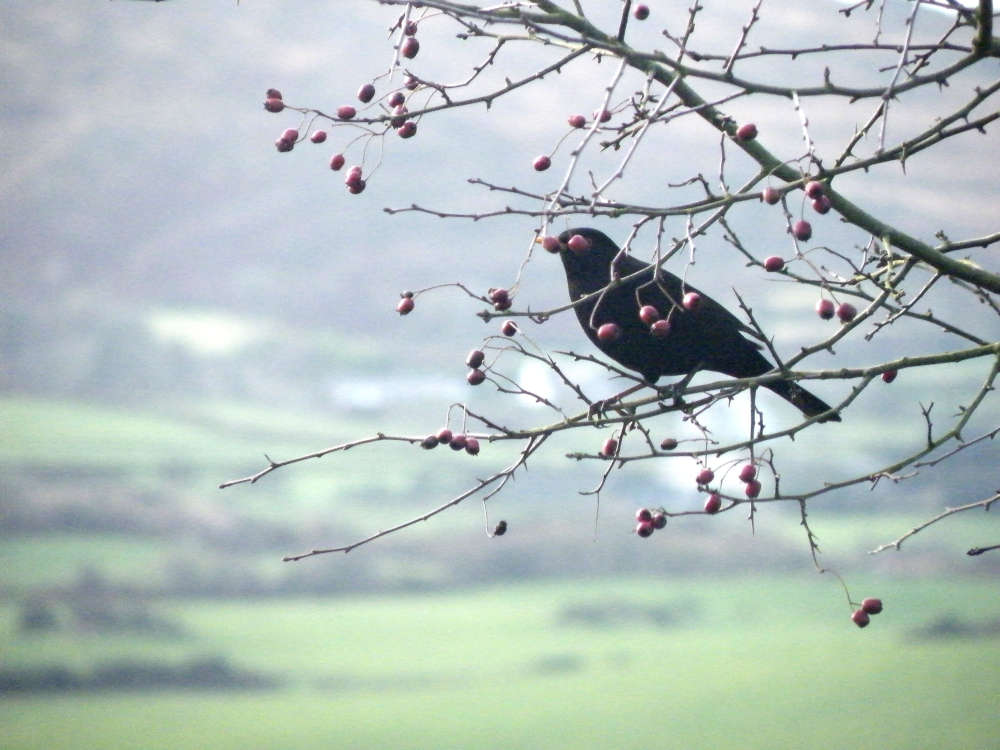
Female blackcap

Now that I’ve heard the blackcap, I’ve become interested in other birds of the warble family, birds like the chiffchaff (phylloscopus collybita) for example which I hear here all day long recently.

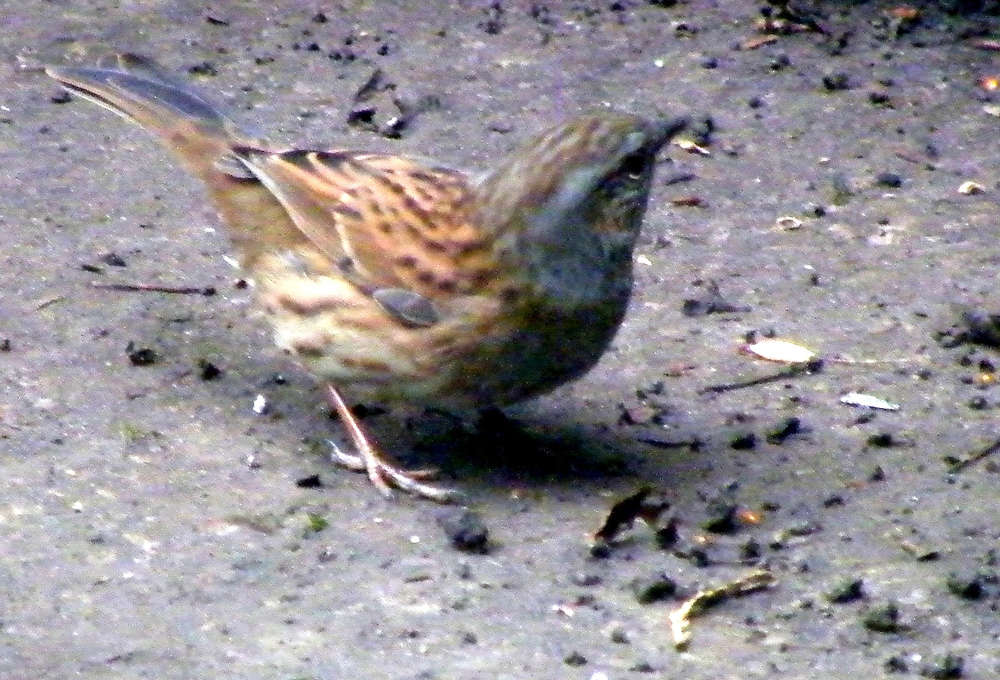
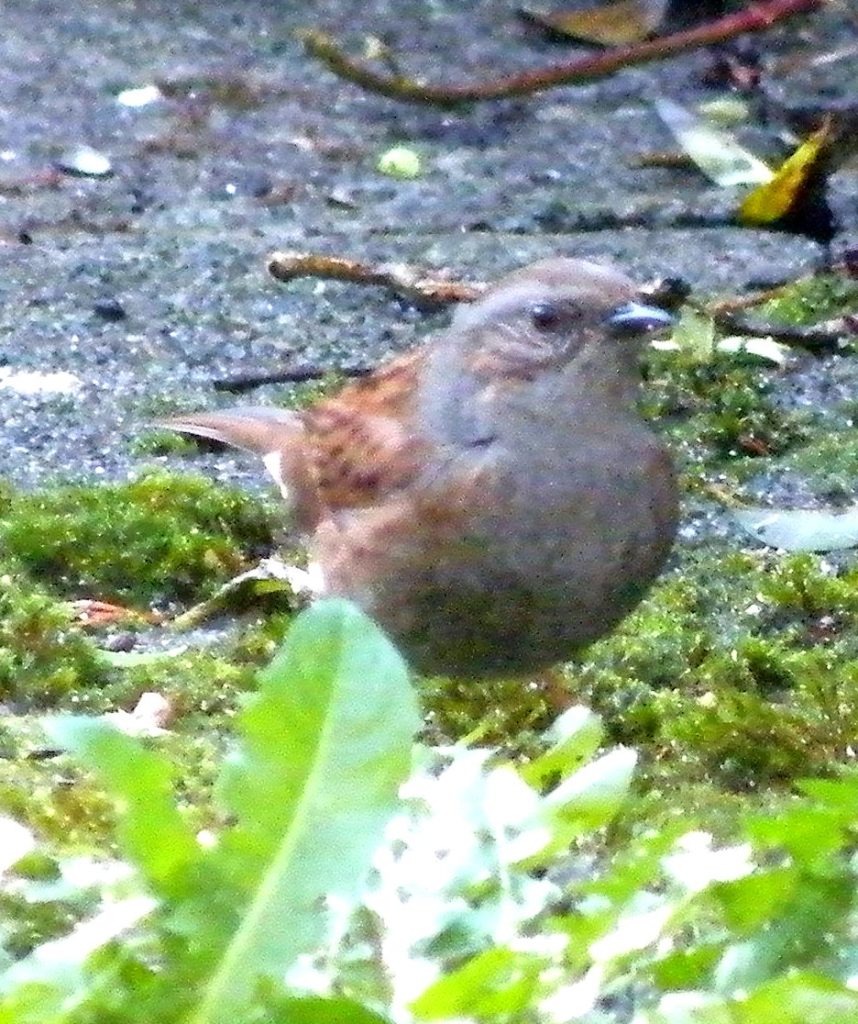
Another lovely singing bird is the Dunnock, I have two of them every winter and even now, they are there picking up the grains on the ground that fall from the bird feeders (I’ve stopped feeding though now).  Striking brown colouring, easy to mix up with sparrows but having a distinctive different beak, their colour move vivid.  I love their song and hear them regularly.
It is amazing how many bird species are found in suburban gardens.  I was delighted last winter to spot a flock of long-tailed tits feeding and flying very fast among the shrubs close by, delightful birds. Lovely to spot them.

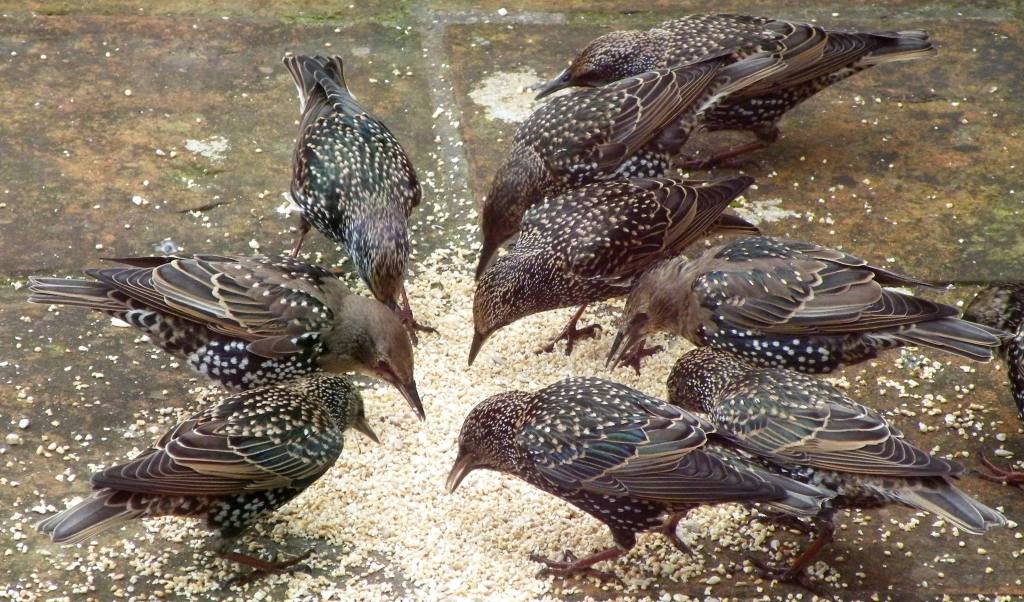
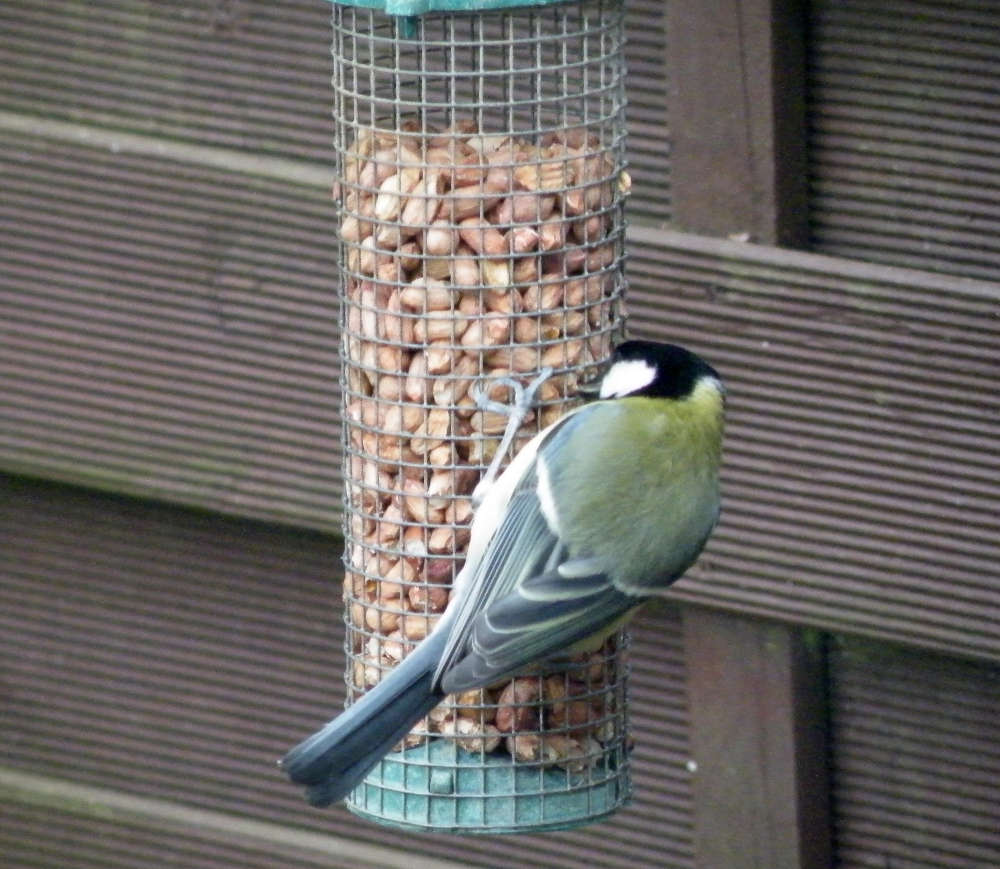
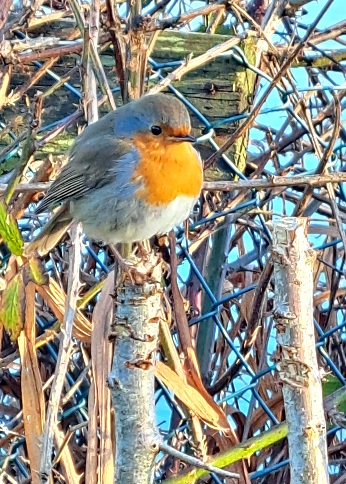
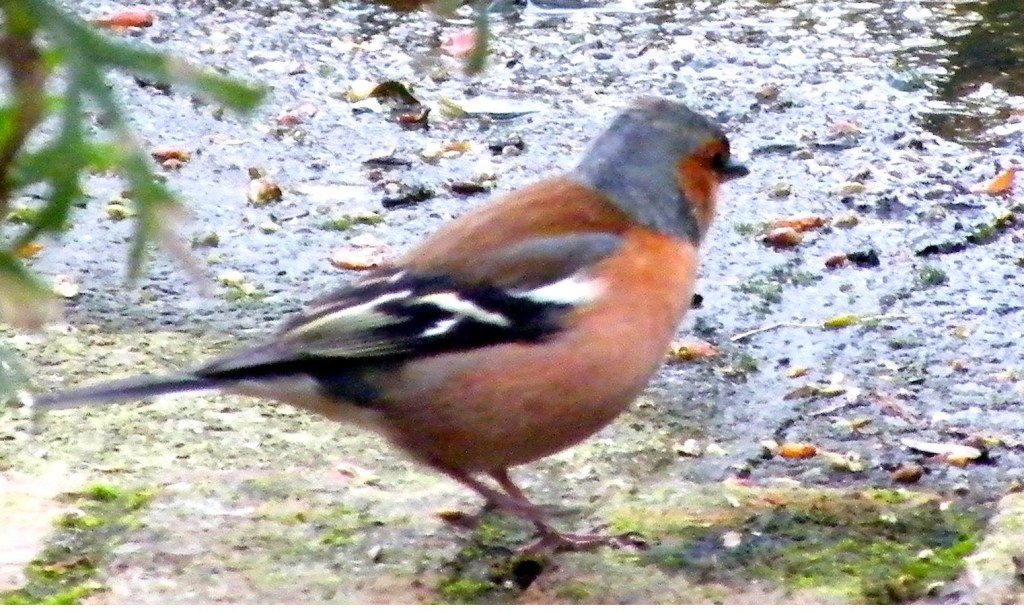
The two collared doves (it used to be six), also come every winter.  And the blue and great tits are plentiful always, as are the starlings, jackdaws, rooks, and sparrows.  Recently also pied wagtails came to feed.  But the chaff finches are diminishing, only about four of them now visiting our garden.  We do have a resident wren, robin and two blackbirds, thankfully.  They nest nearby, most probably in our hedges.

Goldfinch have been in our garden every winter due to the seed heads that I grow especially, or rather grow plants like evening primrose, tansy and others, and leave the seed heads for them.  And last winter I saw a bullfinch, the one bird that I seldom see, and a very beautiful bird I think.  
I do the Irish Garden Bird Survey every winter and I spend a lot of time looking after the garden birds, watching them and recording, in the end it becomes easy to even identify them just by their silhouette or by their behaviour.  Much fun actually.

Our houses here were built in 1933 which meant that for a long time their eaves would have been exposed, and birds like the swifts and swallows used to nest there.  Today this is not the way as a lot of houses have closed eaves.  My neighbour told me that long ago there were a multitude of swallows flying over these houses and nesting here, but much less so now.  The swifts which I have watched myself for many years have much reduced numbers now.  One can get swift nesting boxes, my next-door neighbour has them and every summer I hear the young swifts, such a delight.  But the swift numbers above our houses have dwindled from two dozen some 20 years ago to about 6 arriving and raising about 2 or 3 young during the summer.  A real disappointment, but hoping that the numbers will increase again, there is a lot of awareness about swift conservation these days, I think in fact that the numbers are rising.  We could all add some nesting boxes to help things along…. (Note to self).
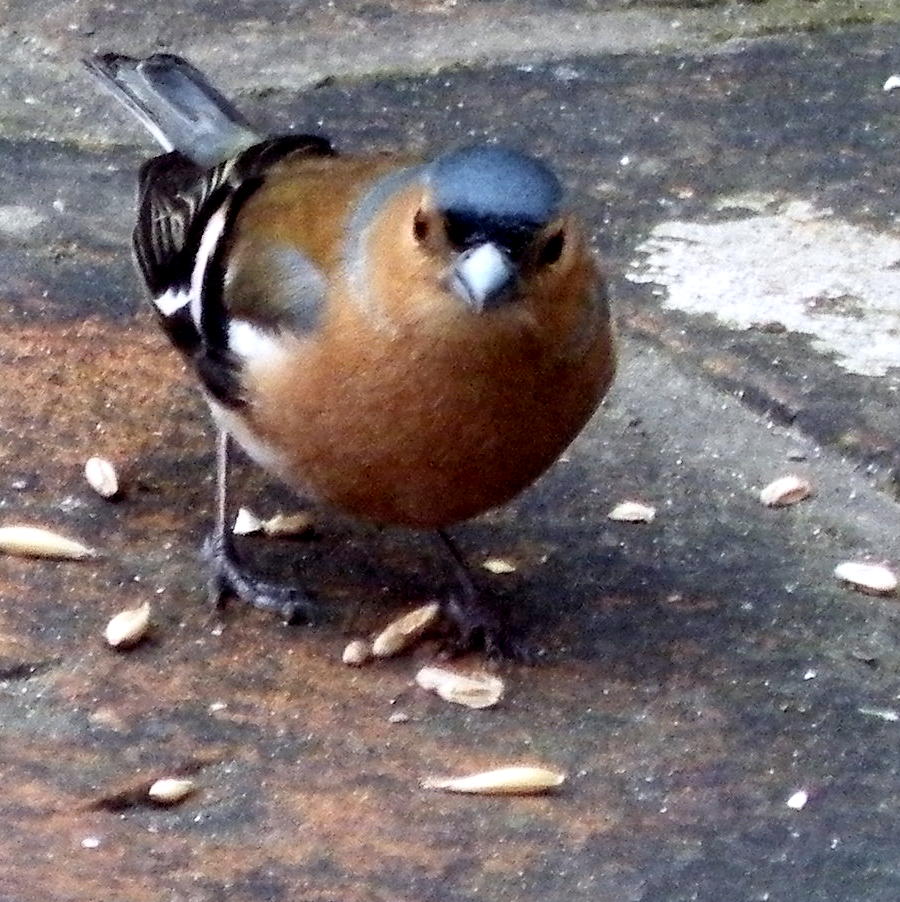
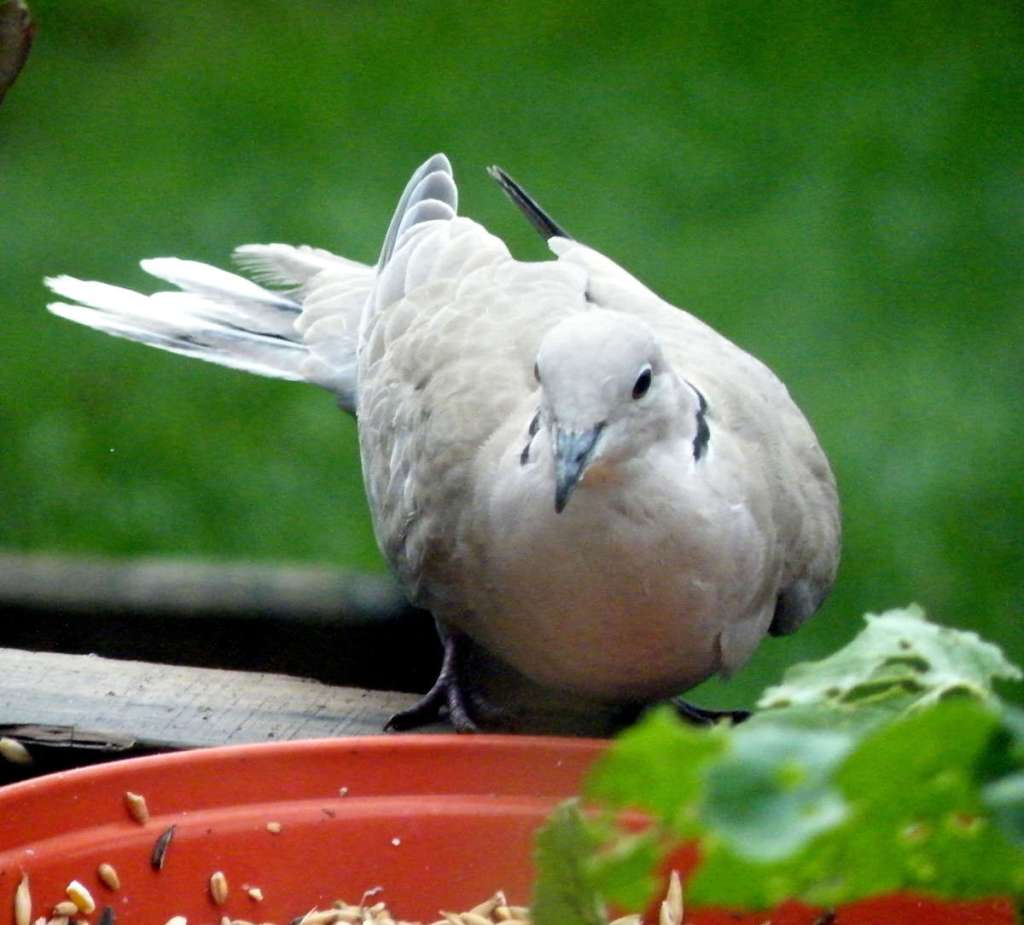
Collared dove

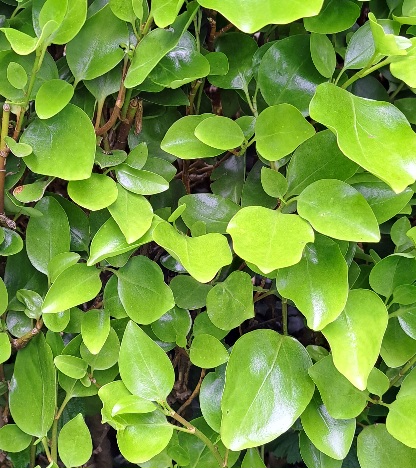
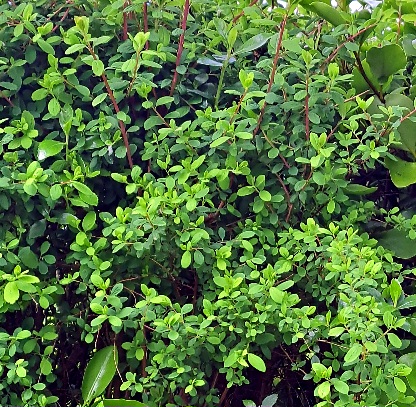
Some of our hedges below

DISTRACTED BY LIFE

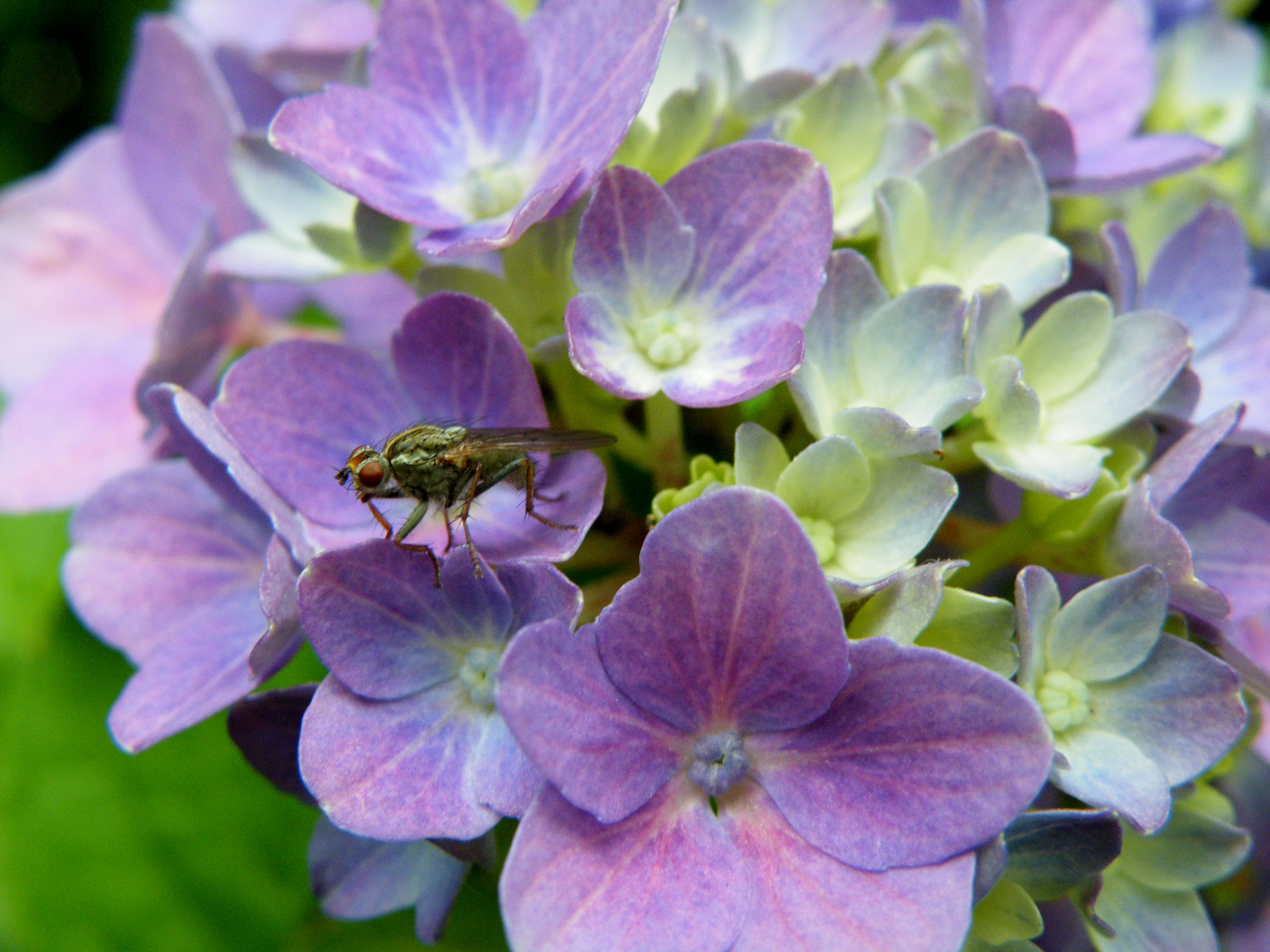
As it was an overcast but still very nice day, I decided to do some work in our own garden. I cleared one raised bed ready for growing some plants, but I am delighted with what is growing there already, there are plenty of herbs, such as rosemary, lemon balm, lavender, evening primrose, oca, oregano (two types), and of all things some Jerusalem artichokes have come up too. So I just took out some grass and some other stuff that was smothering those plants. Ian decided to come and work with me, so he cleared the path on his knees with a small little knife, no easy task to be sure.  Now and then we took a rest, either for tea or chat, or to admire the creatures flying or crawling around.  Meanwhile I took a few shots of them.

DSCF6426

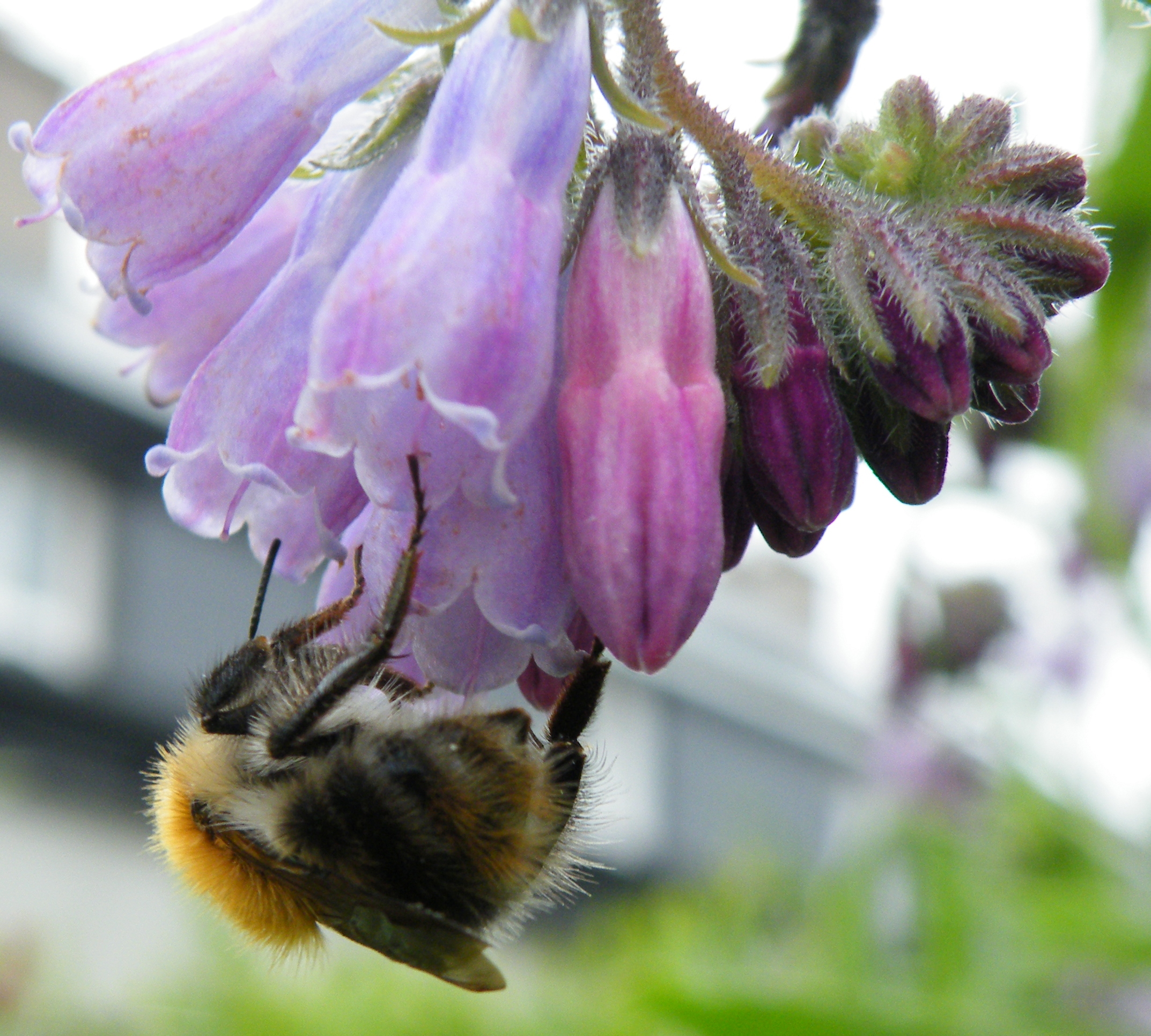
These are three wild plants that I am keeping my eye on very closely, number one is a huge thistle, it is almost in flower, I know that the seeds are what the gold finch feed on and that is why I want to keep it, to attract these birds and see how it goes.  The second one is our comfrey plant, it’s flourishing and what I am watching is the amount of insects that are using it, most of what I see are the bumblebees and I would love to see some honey bees on the comfrey too, of course.  The third plant is two years old, I grew it as a salad plant but it was so beautiful that I did not want to eat it, so I let it grow, and when we returned from Gozo it was so large and I recognised it as a plant you see a lot around here in the wild, a type of sorrel perhaps.  These three are on my watch list.

DSCF6424

DSCF6441
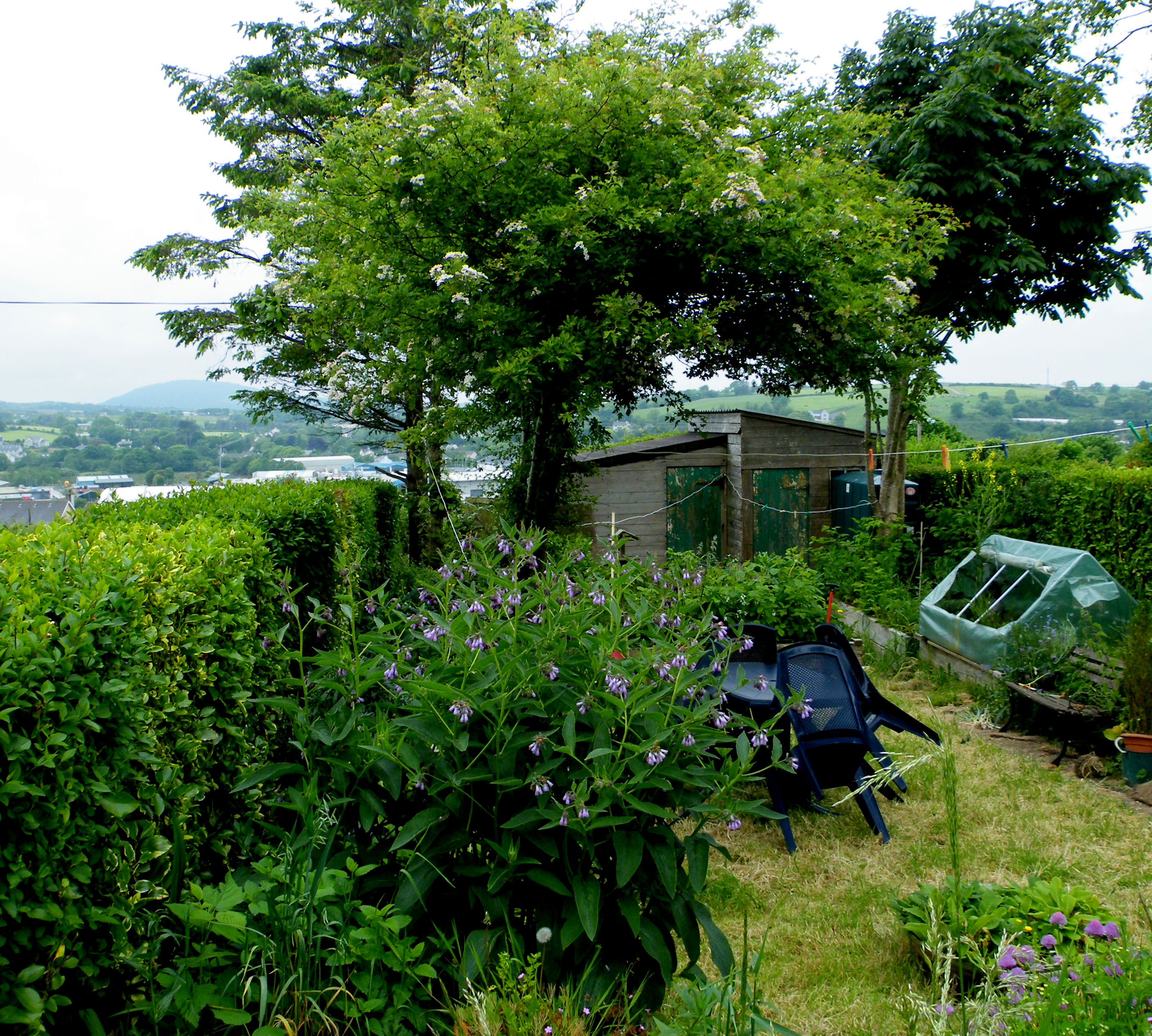
And this is a view of our garden, we have had the pleasure to sit under the hawthorn tree all week for our meals, in the dappled sunlight with the garden scents all around us and the birds singing, what a perfect summer weather, aware that for people in other lands, not as lucky just then because of rains and floods.

Always nice to appreciate what we have in the moment.

GARDEN SURPRISES

It’s amazing what can be of interest or beauty in the garden even in December while all the tree branches are bare and stark against the winter sky.  For a while I have been watching the barks of our five trees, and the knots one can see in them, I actually never knew the connection between a knot in the bark and a branch, and that a knot is a branch that got enclosed in the wood of the trunk during years of growth. I see these knots all the time in the wood panelling inside the house. Today I took note of them outside in the garden. My Hawthorn tree has many knots, the douglas fir, chestnut, oak and birch less so. While observing the fir tree bark I found a variety of colours, some quite red, the bark is also covered in white in certain areas, not sure if it is lichen, fungus, or even bird droppings, there are quite a few birds that like to use this tree, this morning a lot of twittering came from it, there was only one starling sitting on it’s branches though.   On the fir I came across a tiny little snail, and on the hawthorn bark around the knot there was a slug to be seen, so I guess bark is quite important for wildlife.  Once I was thinking that I would have to cut down the fir, but during last summer I observed so many of our garden birds using this tree, I decided to keep it despite having to sacrifice a little bit of vegetables due to less light, as birds are after all so precious, and some of them are declining, sad to say.

At this moment another big storm has been forecasted for Ireland, we have had more stormy days than quiet ones the last week or two, but today was a perfect day, wind still and 10C.

As Barbara Winkler once said:

“Every gardener knows that under the cloak of winter lies a miracle. . .
a seed waiting to sprout, a bulb opening to the light, a bud straining
to unfurl.  And the anticipation nurtures our dream.”

shapes in the garden1


THE CROW FAMILY AT HOME

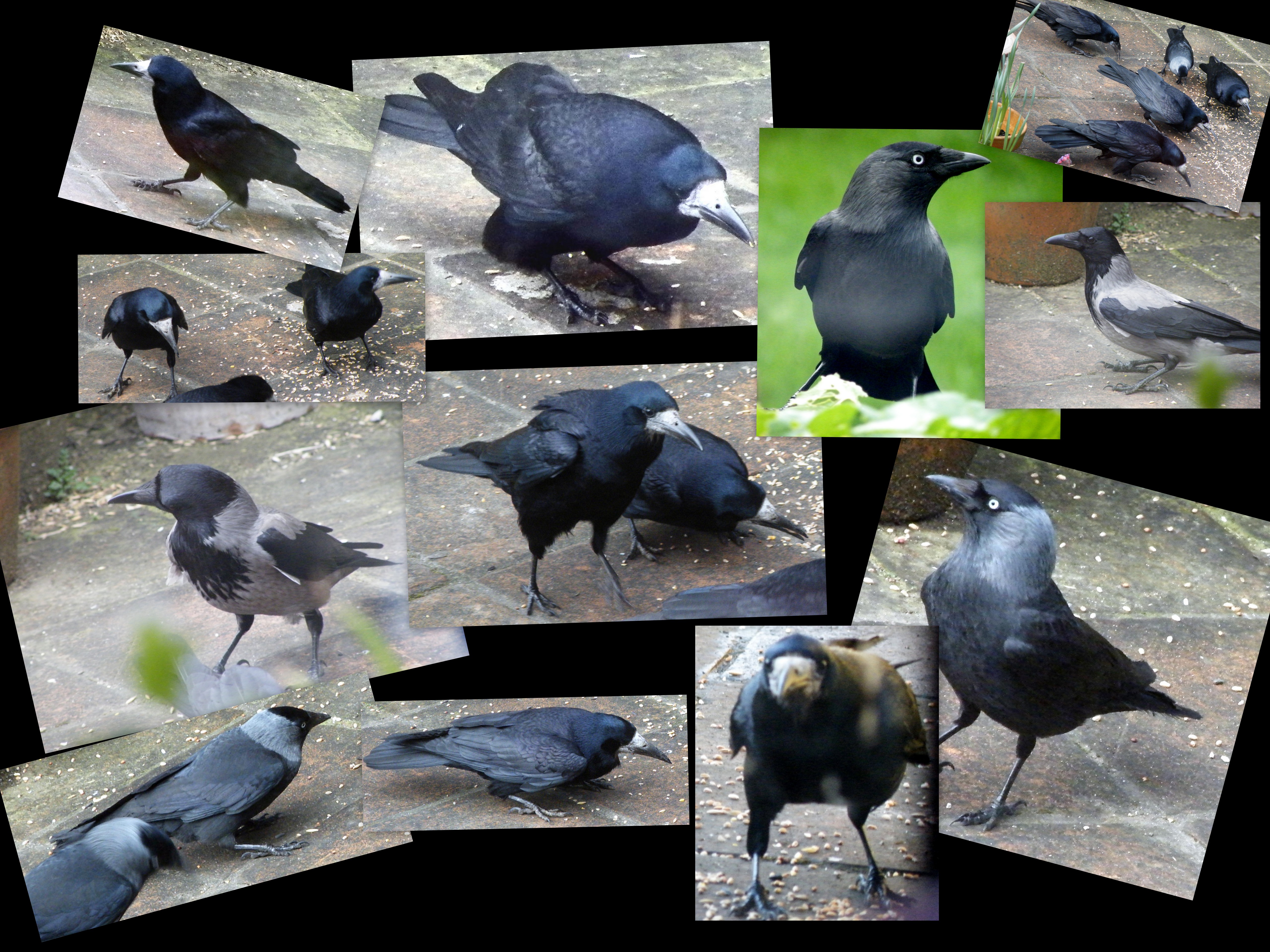
For many years some of the crow family have felt very much at home in our garden and on top of the roof, eating from the bird table and nesting in an old empty chimney. When seen in detail they are all very beautiful birds. The rooks have a bluish shine on their very finely preened feathers, they shine. The hooded crows have both black and grey feathers and they only venture on to the patio from time to time, they mostly feed on carrion somewhere else. The jackdaws, also belonging to the crow family feed side to side with the rooks, they are not afraid of these black birds with huge beaks. One of the rooks, we call him Charlie, is very noisy and demonstrates his superior voice quality whenever there is something happening that he does not like around the place. Rooks are very sociable and we see them in groups of about a dozen, intermixed with jackdaws. They are said to hide food into a hole but I have never seen them do that around here. I have seen them play catch in the skies above the garden here, while being very vocal they fly after each other creating great manoeuvres. At times when I go into the garden, one of them, sitting on the roof will give out being very vocal and goodness knows what he is communicating to the others, they know I feed them every day in winter (mainly seeds and peanuts, sometimes table leftovers).
It is a pleasure to have them around, though in a way I might be fonder of the little birds with highly coloured feathers. The crow family are very welcome in our garden, and quite interesting to observe.
The Crow family

YOUNG ROBIN AND PLANTING OUT FOR WINTER

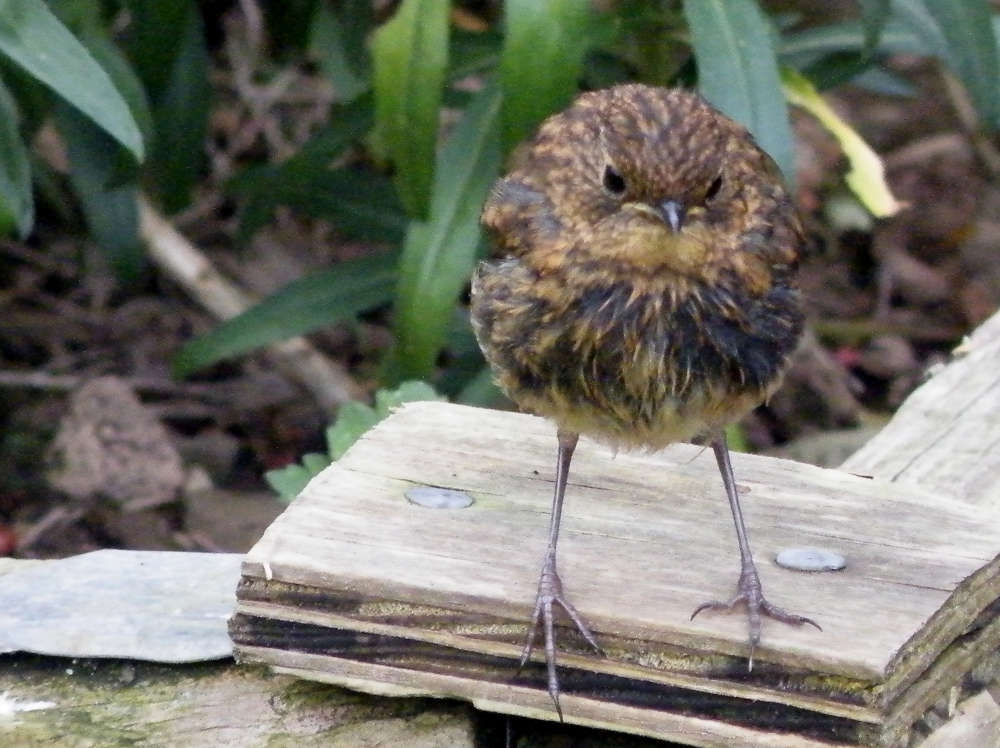
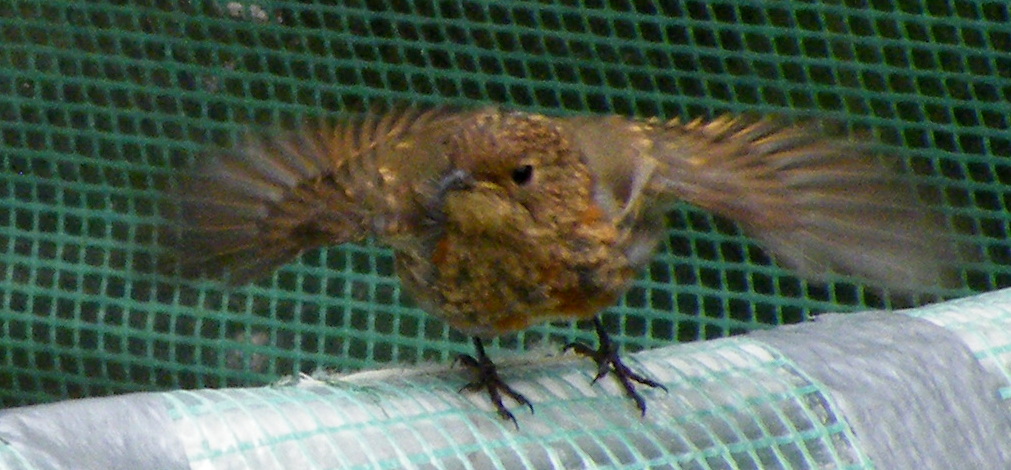
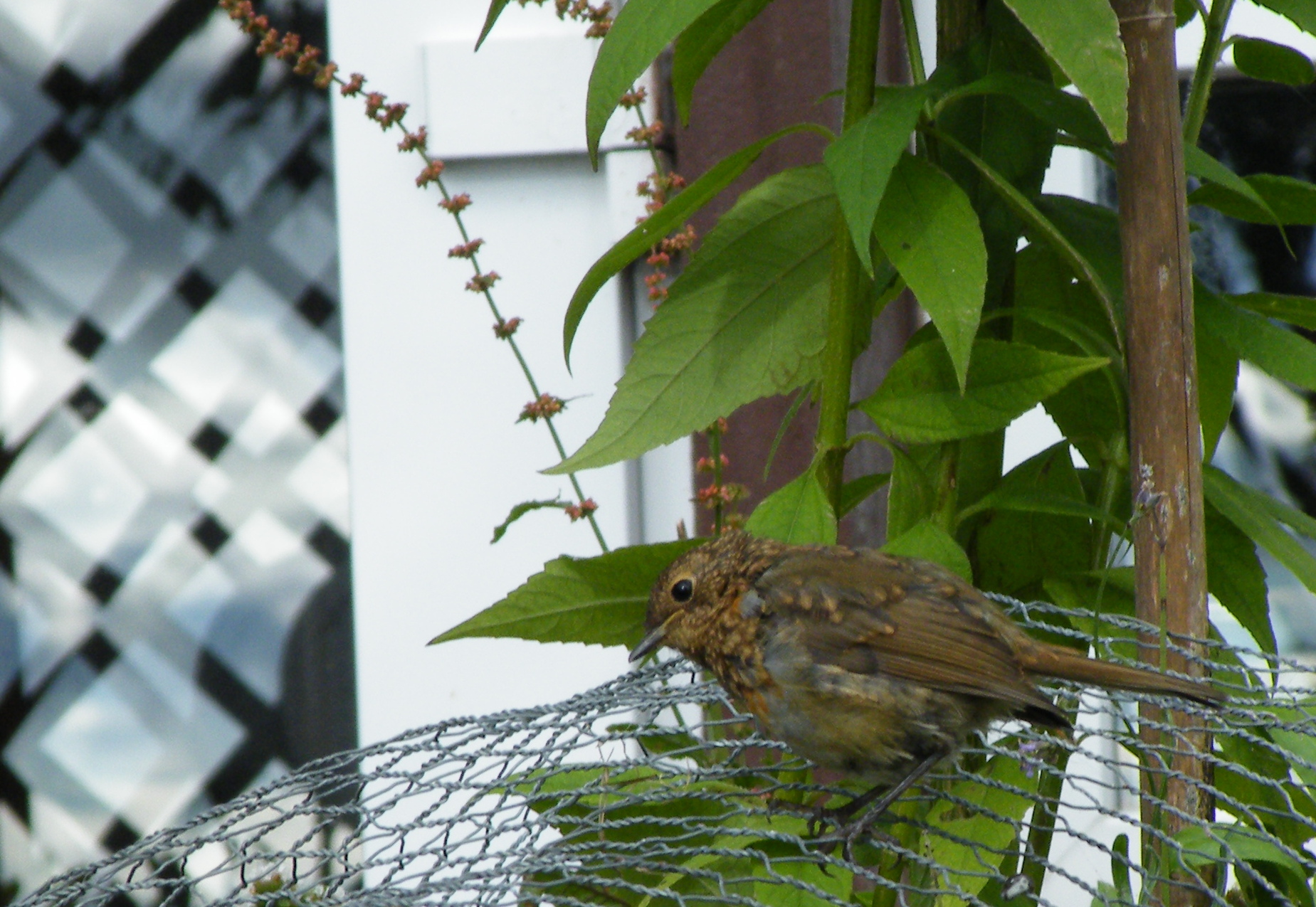
For some weeks now we have a new friend, and she is becoming more and more familiar with us, coming inside and exploring, hovering up any crumbs under the table. When I am in the garden she comes very close. Nice to see wildlife in the garden, it’s such a joy.

This morning it was already 20C in the sun and the day has not disappointed, if we get an Indian summer this will be very much appreciated by both humans and plants!

In between some showers during the afternoon I found some energy to plant out 10 salad plants for the winter months, and some rocket also. Hopefully the slugs will only take one or two. The garden is very full up with all sorts of vegetables and it is a pleasure to see it all grow so well. Ireland is never sort of rain water and even while we get much less sunshine than everywhere else, there is still good enough growth. The winters are mild also. Several vegetables, herbs or flowers will give a second crop during the long growing season. For example, my lemon balm, nettles, dandelions and comfrey plants are on to there second show of lush leaves. Flowering broccoli also is giving a second show, and the marigolds are flowering fully again too. I put lots of my dried leaves into jars today and labelled them with name and date. Used up last years dried nettle in the soup too today.

It is reassuring to see the profuse harvest of all sorts of foods coming in from such a small garden.
DSCF9851

DSCF9857       DSCF9856

DSCF9853