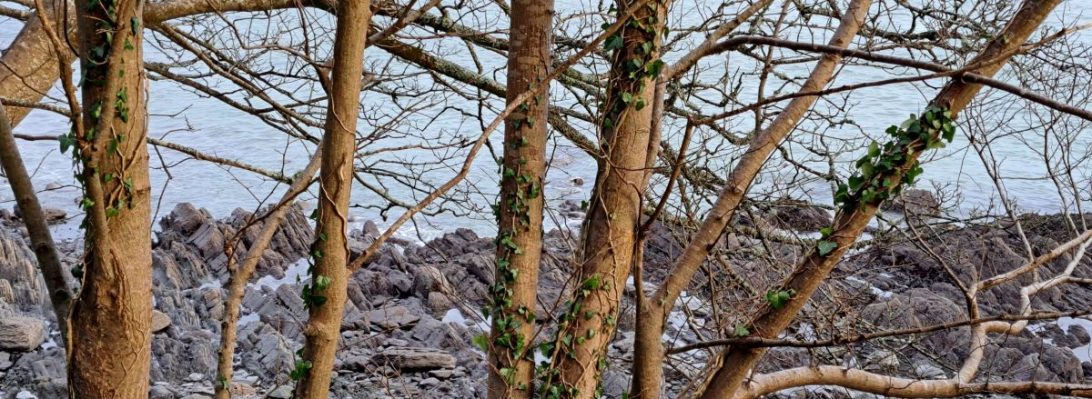
Some weeks ago now I had the opportunity to visit my native country again for a short time. So it was with delight that I departed from Dublin airport to arrive to the welcome of my dear sister Josephine in Brussel. It had been many years, since before covid, that I had been back. Her son-in-law Emile drove us home to Lier which is where my sister lives. This medieval town has special significance for our family as some of our ancestors used to walk its cobblestoned streets. It is no wonder then that when walking in Lier I get a strong feeling of its history, I love it. Our great grandfather was a cattle merchant there, I can see him doing deals with other folk, inspecting, selling and buying cattle. I looked for the Veemarkt, the historical cattle market area of the town, and found it, but that is for further explorations.

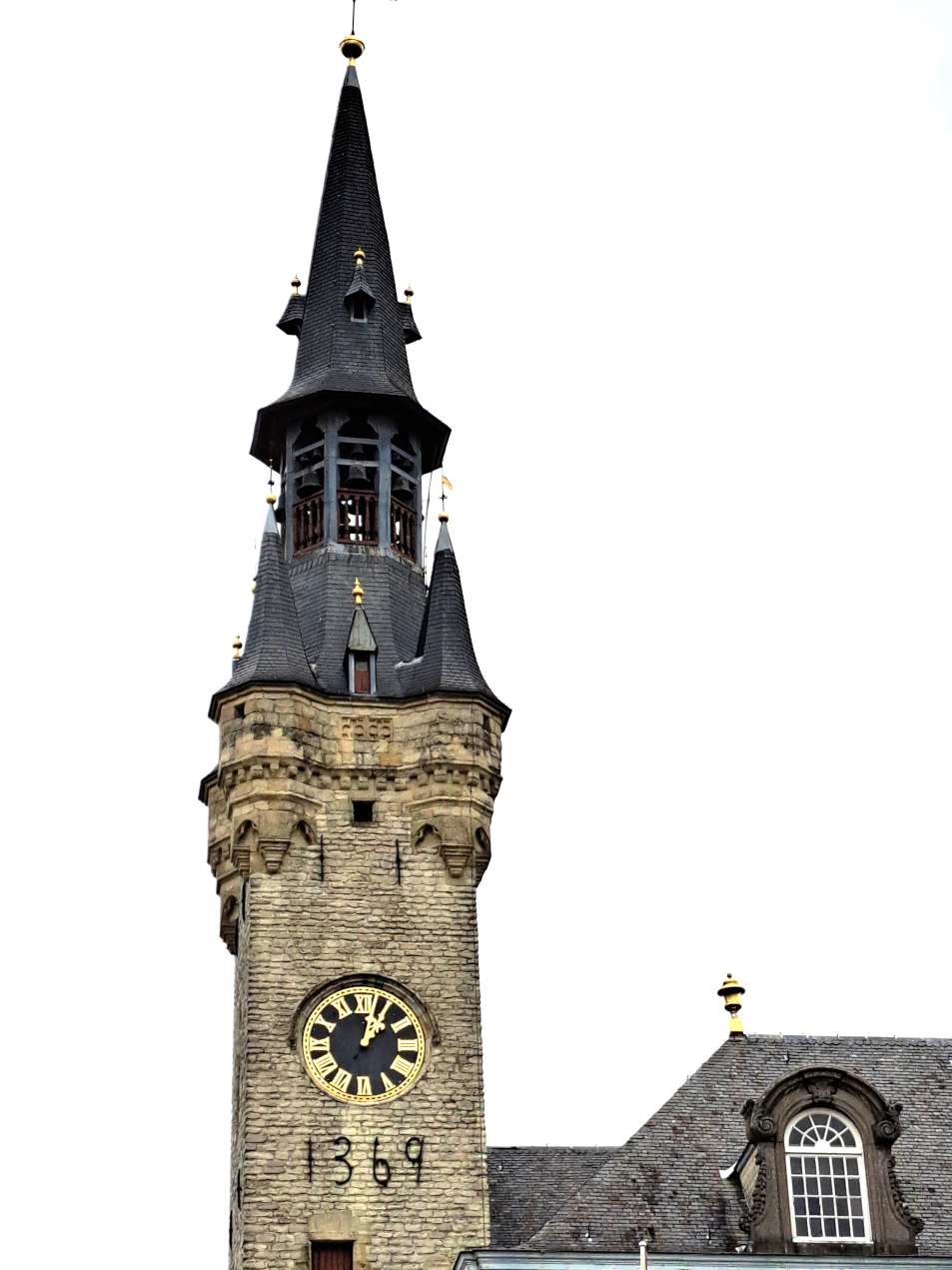
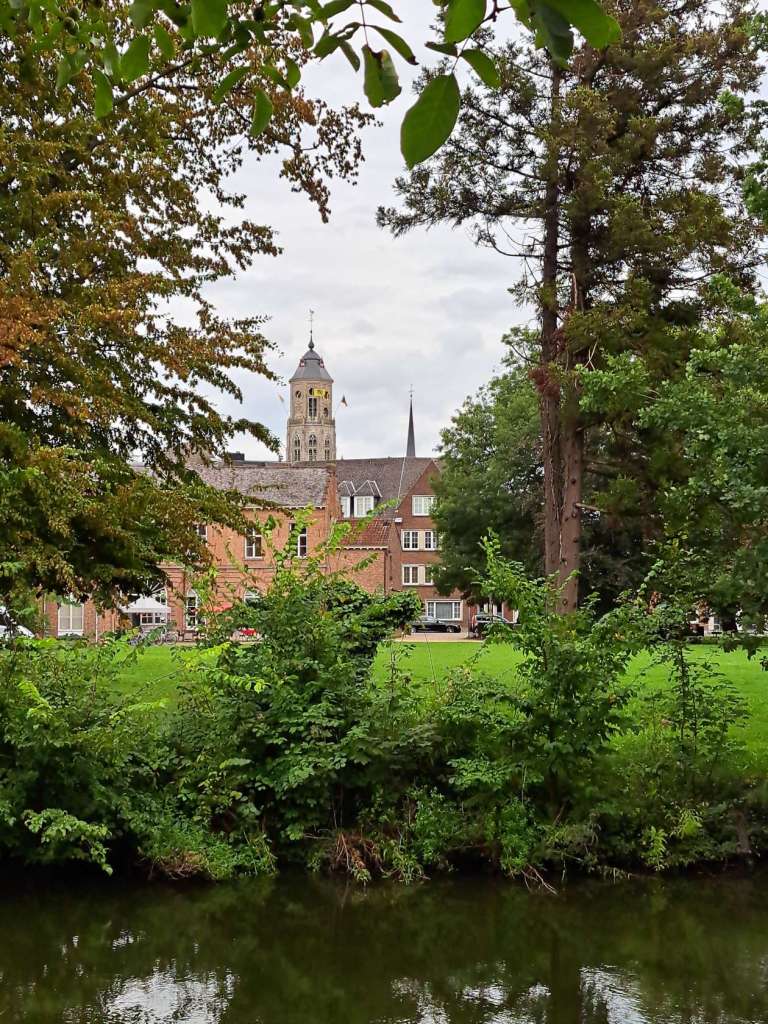
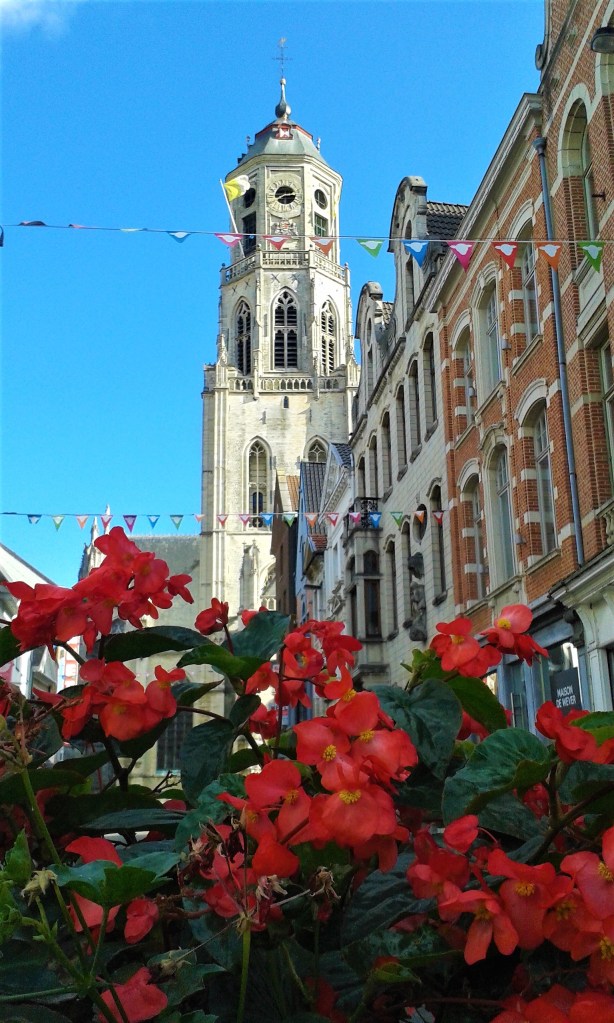
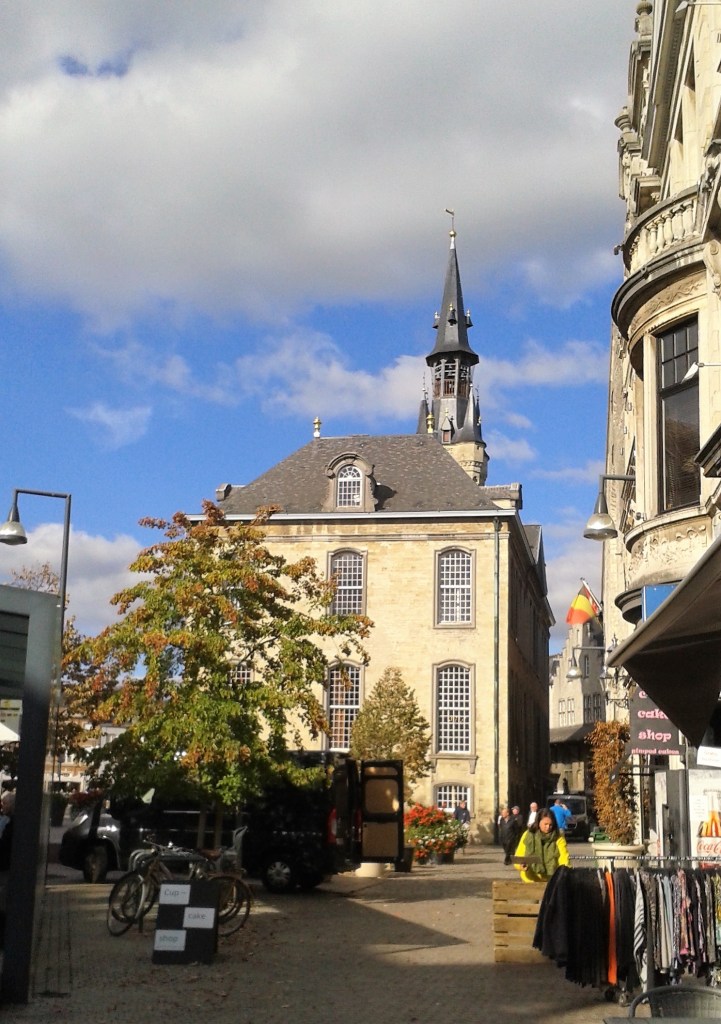
I would like to say a little about the townhall with its belfry. During the 14th century Lier had a thriving textile industry and in 1367 a Cloth Hall was built. This stood at the site of the present town hall. The beautiful belfry adjacent to the hall was built earlier, a bell in the tower was used to warn the town’s people of any danger, but also it contained the charters. It housed, and still does, a carillon with 23 bells which ring out regularly over the town square. In 1418 the function of the cloth hall was moved to the nearby guild hall of the butchers, the cloth hall became the present town hall, its extensive restoration was completed in the 18th century. A beautiful oak stairway, incredible ceiling paintings, and beautiful interior was designed and can be admired today. The present building is finished in Brabantic rococo style.



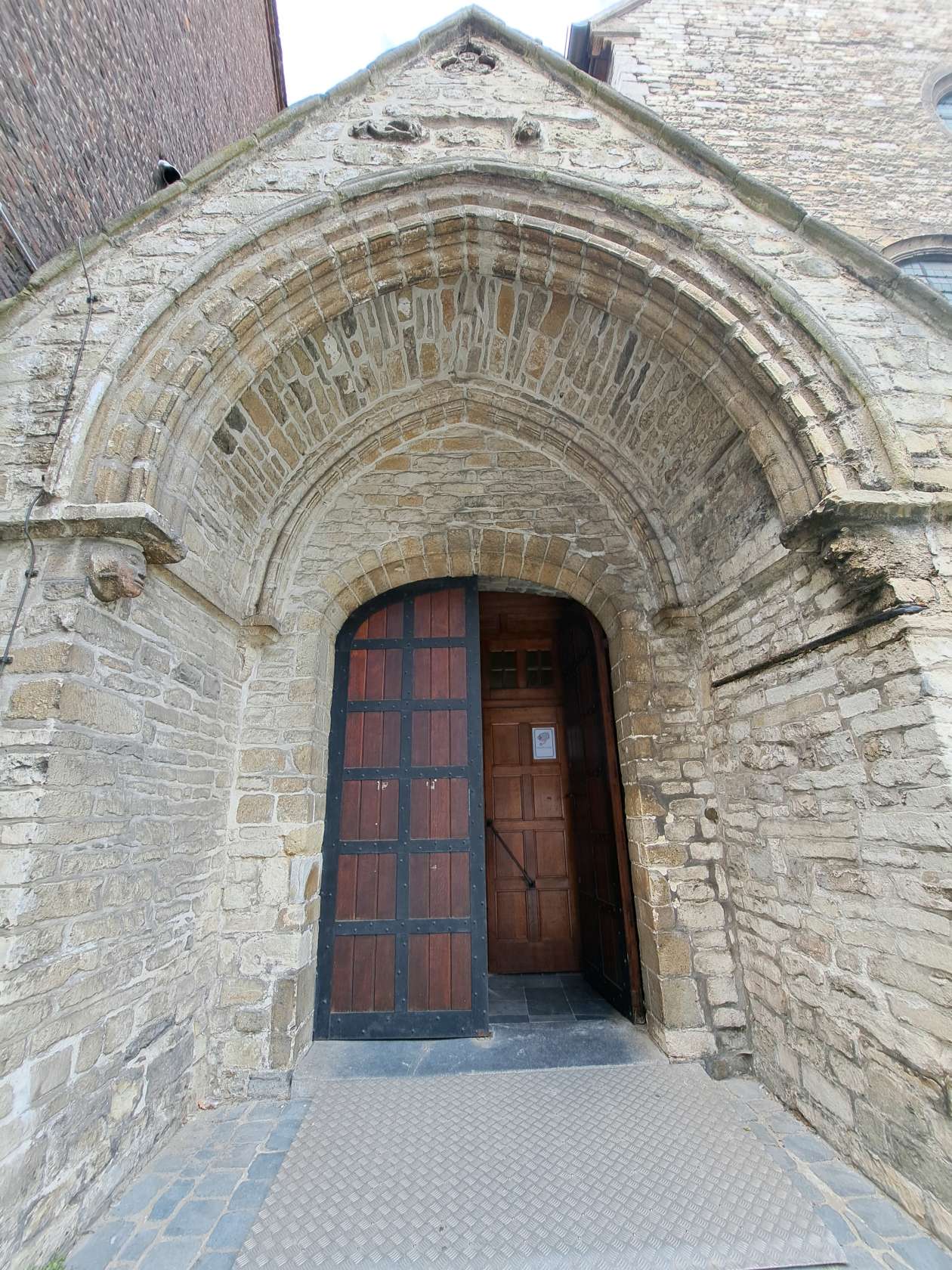
This is a story, according to folklore, about saint Gommarus, the patron saint of Lier. In the 8th century this big landowner and son of a lord became a hermit after he had served some time in the military. The town of Lier is said to have grown up around his hermitage. Gommarus is said to have saved a tree from death by tying his belt around it after it had been chopped. The tree lived. Subsequently miracles happened and saint Gommarus is since said to be protecting folks from fractures. The interesting Romanesque St.Pieter’s chapel (see photos below), built ca.1225, stands on the site of a wooden prayer room where saint Gommarus used to pray. The present chapel has undergone extensive restorations. It is situated in a very old part of the town.




Lace in Lier is not bobbin lace, it was and is still made using a small crochet needle making chain stitches in various thicknesses of cotton that are embroidered on tule, which is stretched onto an embroidery frame. I found these pieces in one of the museums, I thought it to be beautiful work.

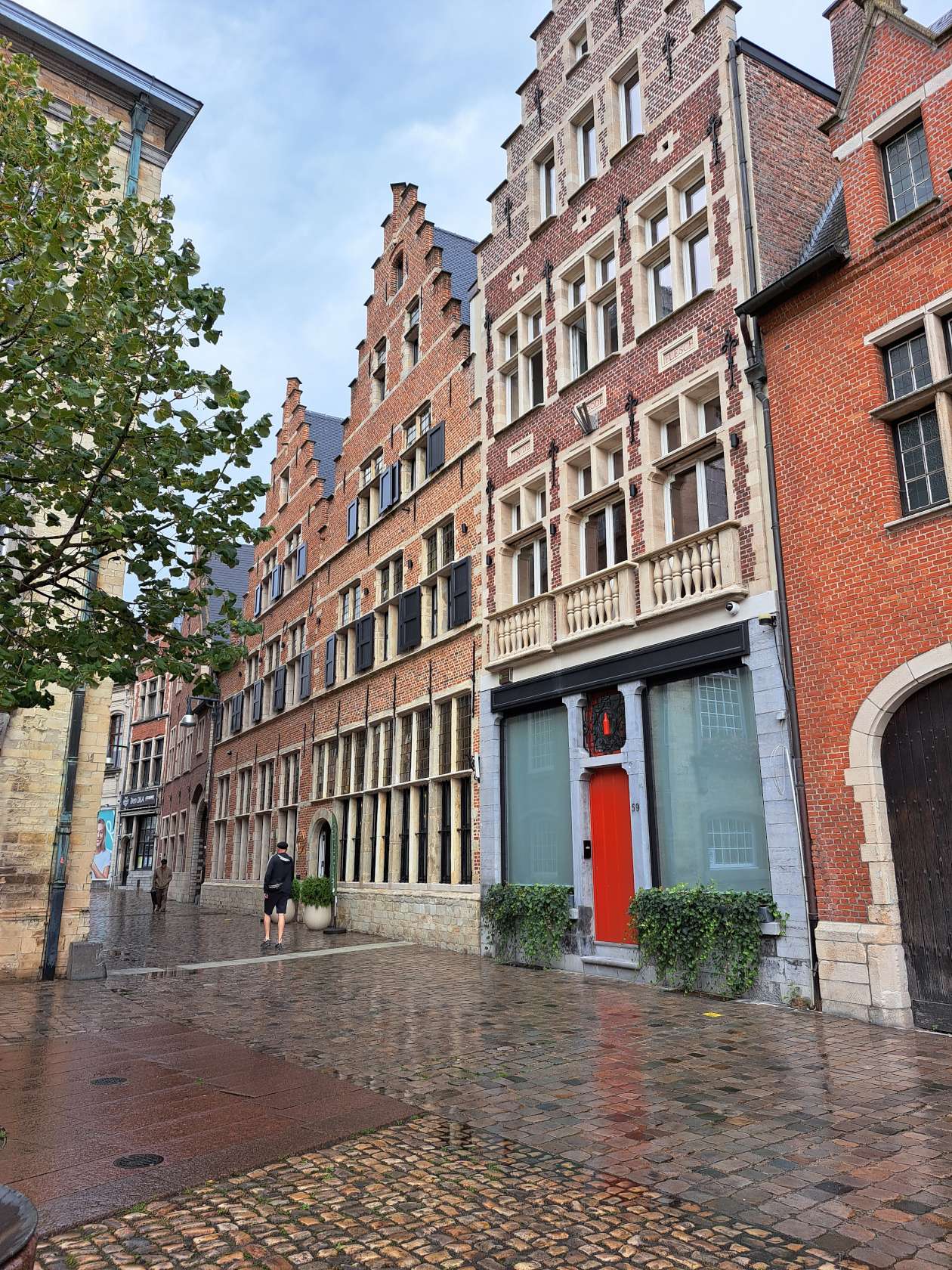


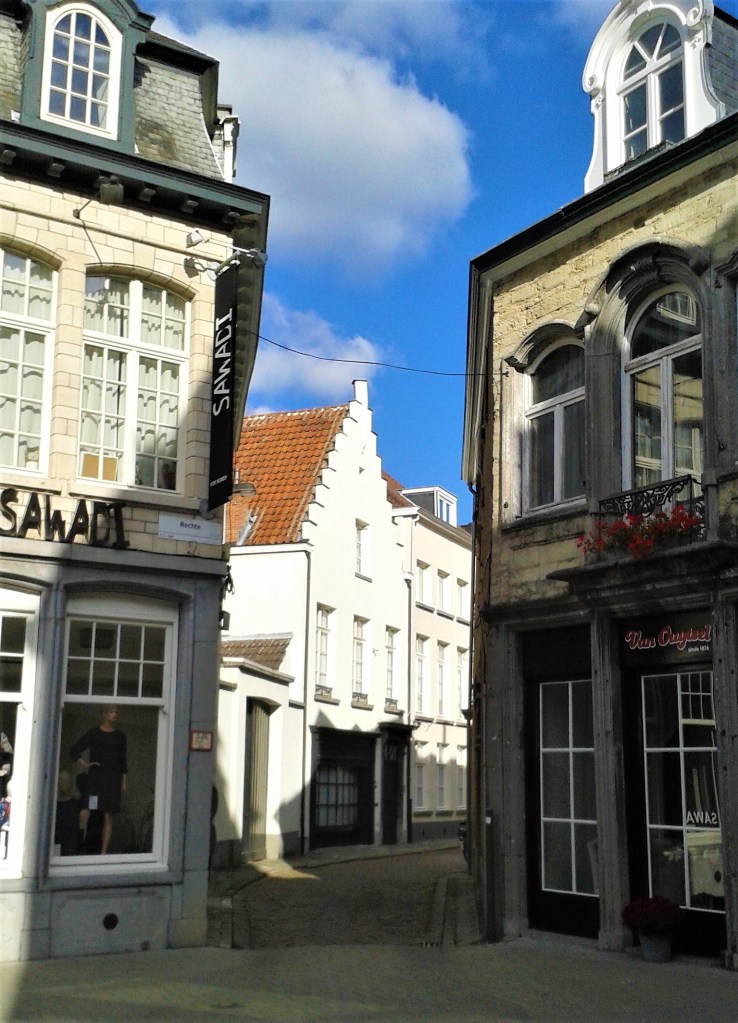
Some more beautiful facades of the town square and on the far left is what was the guild hall of the butchers (vleeshuis).


In 1383 a start was made with putting down cobblestones on the huge market place, these are called ‘kinderkopjes’ in Lier, meaning little heads of children! On the right is a photo of the St.Jacob’s chapel which was extensively damaged during WI but rebuilt.

Below some photos of the beguinage, which at the moment is being restored in several places. It is a place which is so peaceful and has beautiful corners. It’s great to read up on the history of it.


The river Nete flows through Lier, and Lier has some wonderful greenery circling the town, this is the area of the Vests, where the original town walls were, they have been made into lovely walks. We saw a red squirel there!




Left is one of the remaining historical gates of the town which gave entry to the area lying within the town walls. This one is called the gevangenispoort, meaning the jail gate, this because at some time in the past it was used as a jail. Right is the famous Zimmer toren which is such a wonder in itself.


We had such a nice time, reminiscing and looking up history and taking photos, and of course all this while have plenty of stops for coffee and confectionery!

Here is a paling schuit, a type of fishing boat which was used to fish for eels.

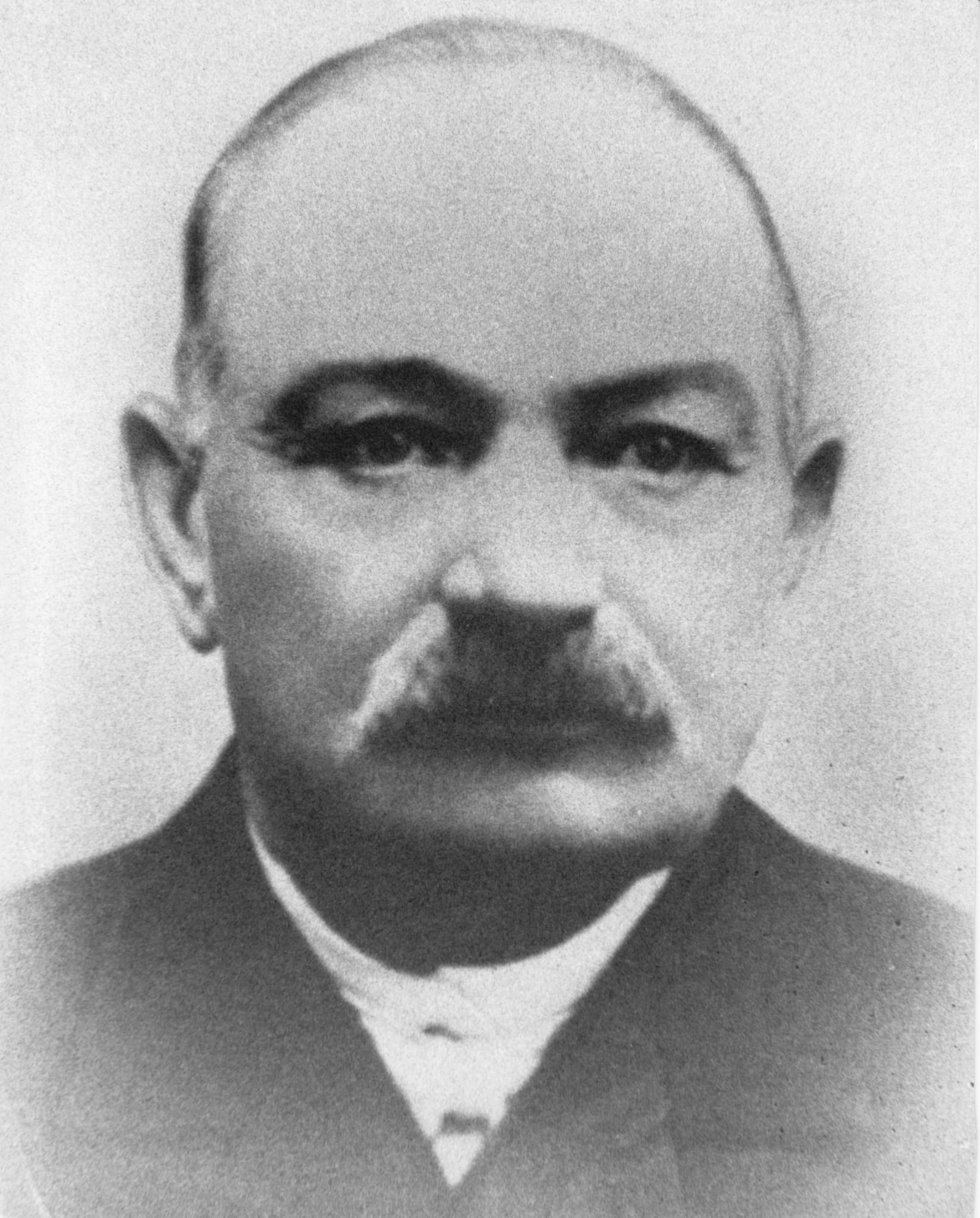

And here is a photo of our great grandfather, a Lierenaar. And my sister Josephine who is wearing her sensible shoes in order to have an easy journey over the cobblestones! We only had rain on the first day. It was a short visit but it was brilliant! And I have a lot more to say about Lier. The day that I had to travel again came too soon!












































 I’m always fascinated with the vegetable types that I am not familiar with, here are quite a few on display, the okra, and the bitter gourd (though I have tried to grow these in Ireland), not even sure what the purple vegetable is. I would want to try them all out. And when I find spices or herbs between them I go altogether enthusiastic. Loving it all.


 agoyvaerts