A SPRING IN MY STEP

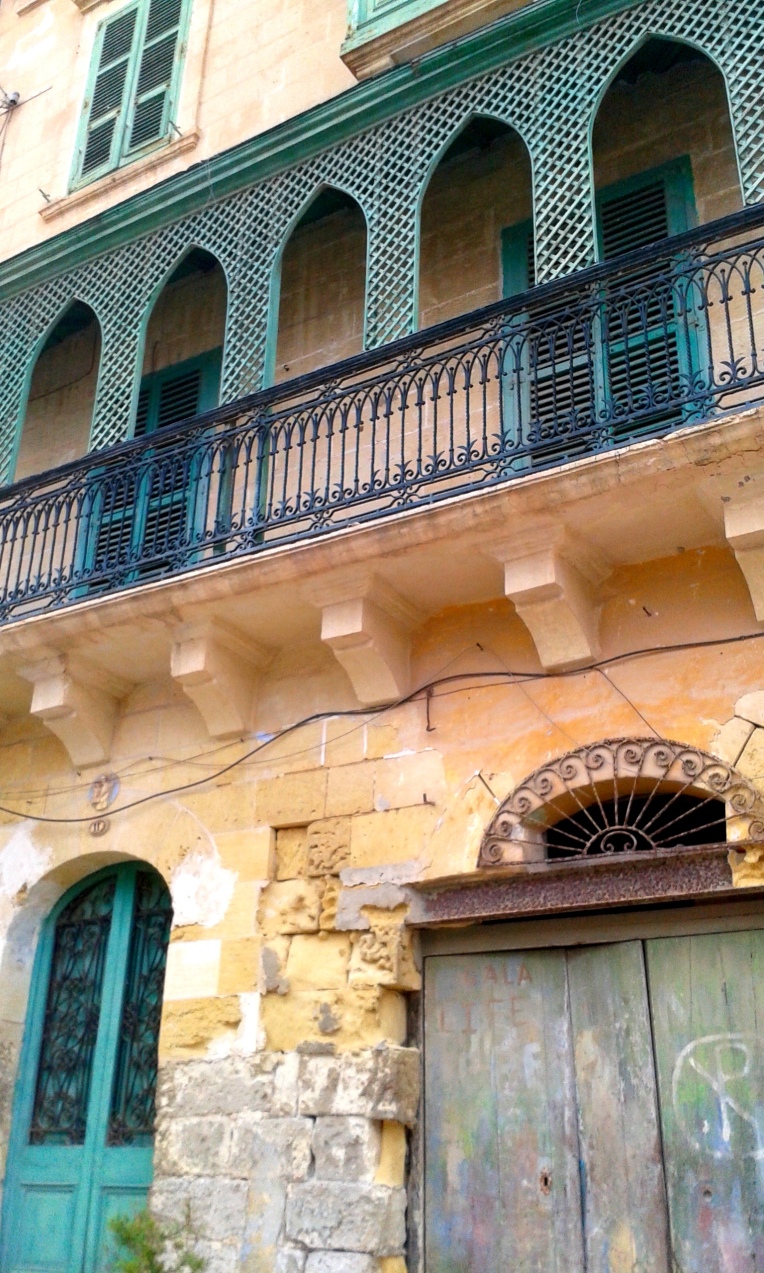
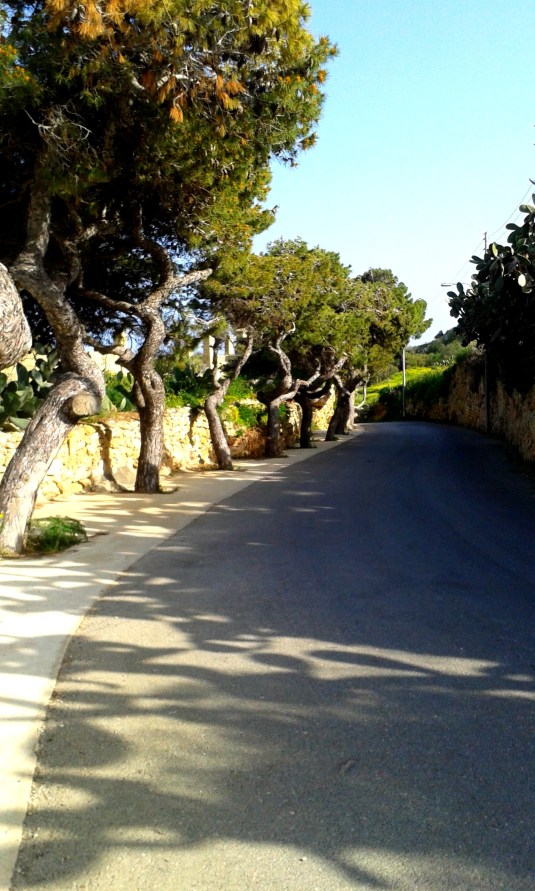
Some days ago I decided on a trip to Santa Lucija, a village which is said to be probably the first human settlement in the Maltese islands. It’s not far from Ir-Rabat, but I took the bus and my plan was to walk back. The day was lovely, excellent weather for a long walk, the form was good, an inward smile that I sometimes find difficult to suppress, and which happens quite often when I’m walking on this great island, was making me light-hearted, and I had a spring in my step.

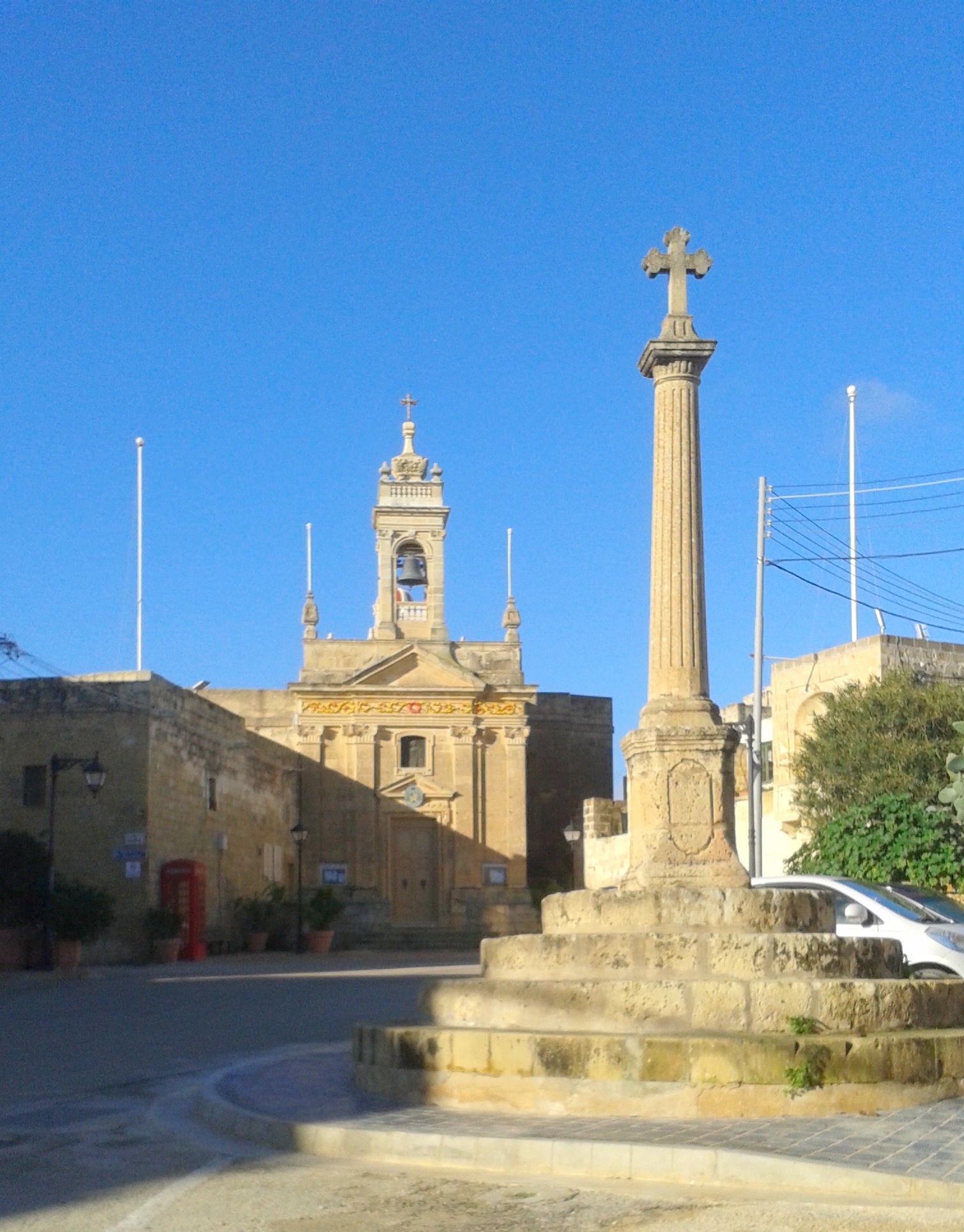
It is said that caves in the area (Il Mixta) of Santa Lucija were peopled by early settlers, this would have been around 5000-4500BC, or during the Neolithic period. At this stage people are said to have come to Gozo from Southern Sicily, according to similar pottery style found in both places. It is only after this period and around 700BC that the Phoenicians are said to have colonised Malta and Gozo. Remains of a settlement during the Punic period have also been found around this hamlet. The Punic period was followed by the Roman and Medieval times. The Romans took over from the Phoenicians in 218BC. Some sources think that Santa Lucia had a Roman settlement as shown by lots of Roman artefacts found at and around the village. After this time the Maltese islands were conquered by a whole variety of colonizers, at some stage nearly the whole population of Gozo was led into slavery or killed. Santa Lucija, like most other villages grew out of a hamlet, the hamlet was called St.Katerina at the time. It grew into a decent village with a good variety of different trades being practised, and many farms were to be found around the area too, to this day there are still many farms around this village, the land is very fertile due to natural springs. Like many of the other villages I visited on Gozo, there is a stillness about the streets, a tranquillity, only the birds I heard singing and the odd car would pass me. The little church was closed, the façade simple and small, but with a stylish bell tower.  The motto of Santa Lucija is “I pour light upon my fellow citizens” and this has everything to do with St.Lucija being the saint of the visually impaired, obviously people in the past would have travelled here for help with their eyesight.

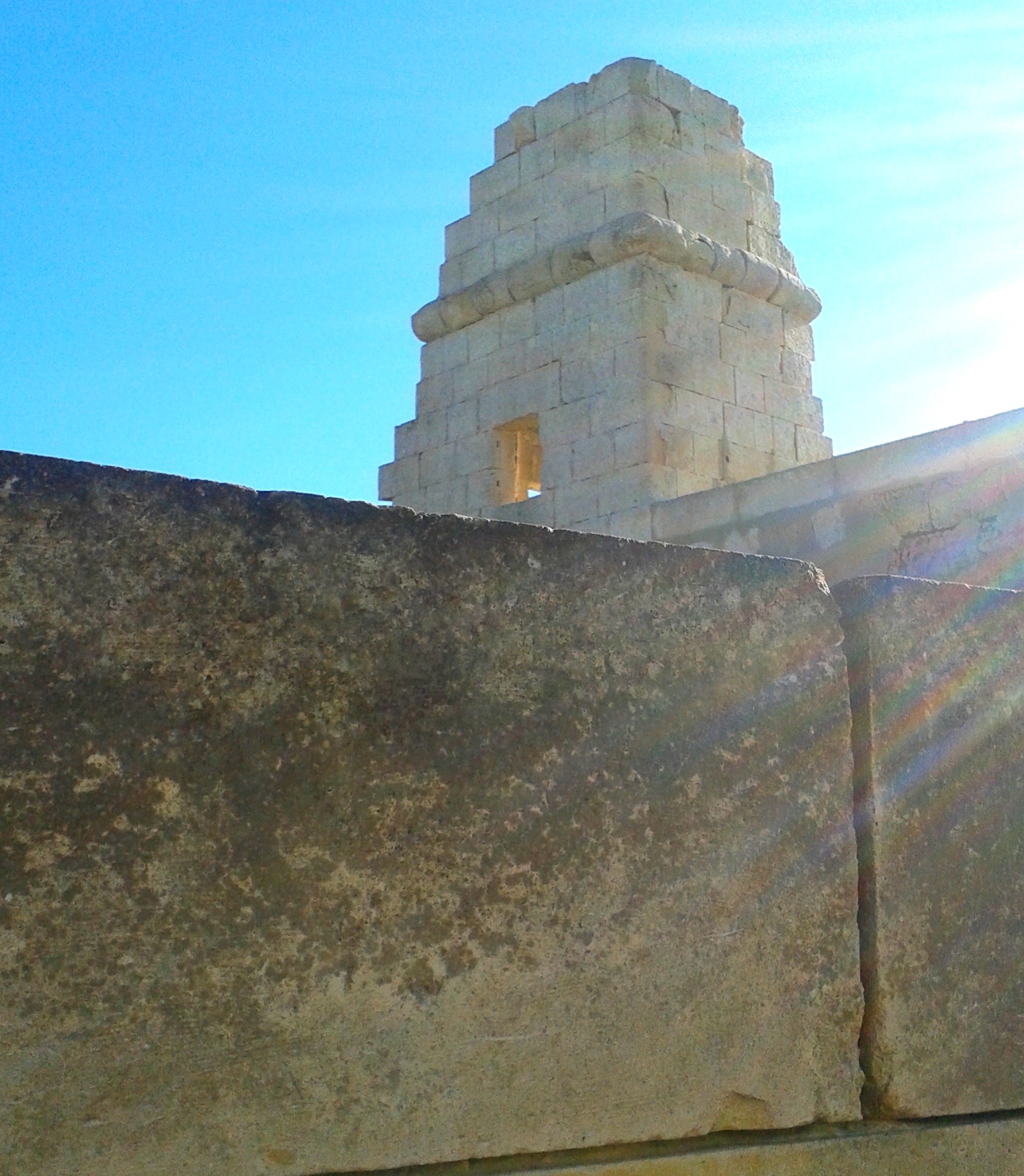
I did not walk to the caves all though I did want to go and see them, but not on my own. I saw the old mill, and the remains of It-Torri tal-Warda. Because Santa Lucija is actually a hamlet belonging to the village of Kercem, I only had to keep walking direction Victoria to arrive in Kercem and later on to find myself back in Victoria, it was a lovely walk, a couple of kilometers. From various places I could see the dome of the St.George Basilica which showed me that I was still going in the right direction, and as it was, it was there that I was heading – to sit down in the square and relax with a well deserved cup of coffee.
20170208_084957

20170208_084823

20170208_091105

The It-Torri tal-Warda, this was a sort of watch tower, standing in the middle of the fields at the time it was apparently used by the landlord to oversee his field labourers and prevent thieves from stealing the produce of the land. The tower was damaged during a storm.

Top left is the remains of Il-mithna, the windmill which used to have sails to catch the wind and make it function.
 

20170208_090641
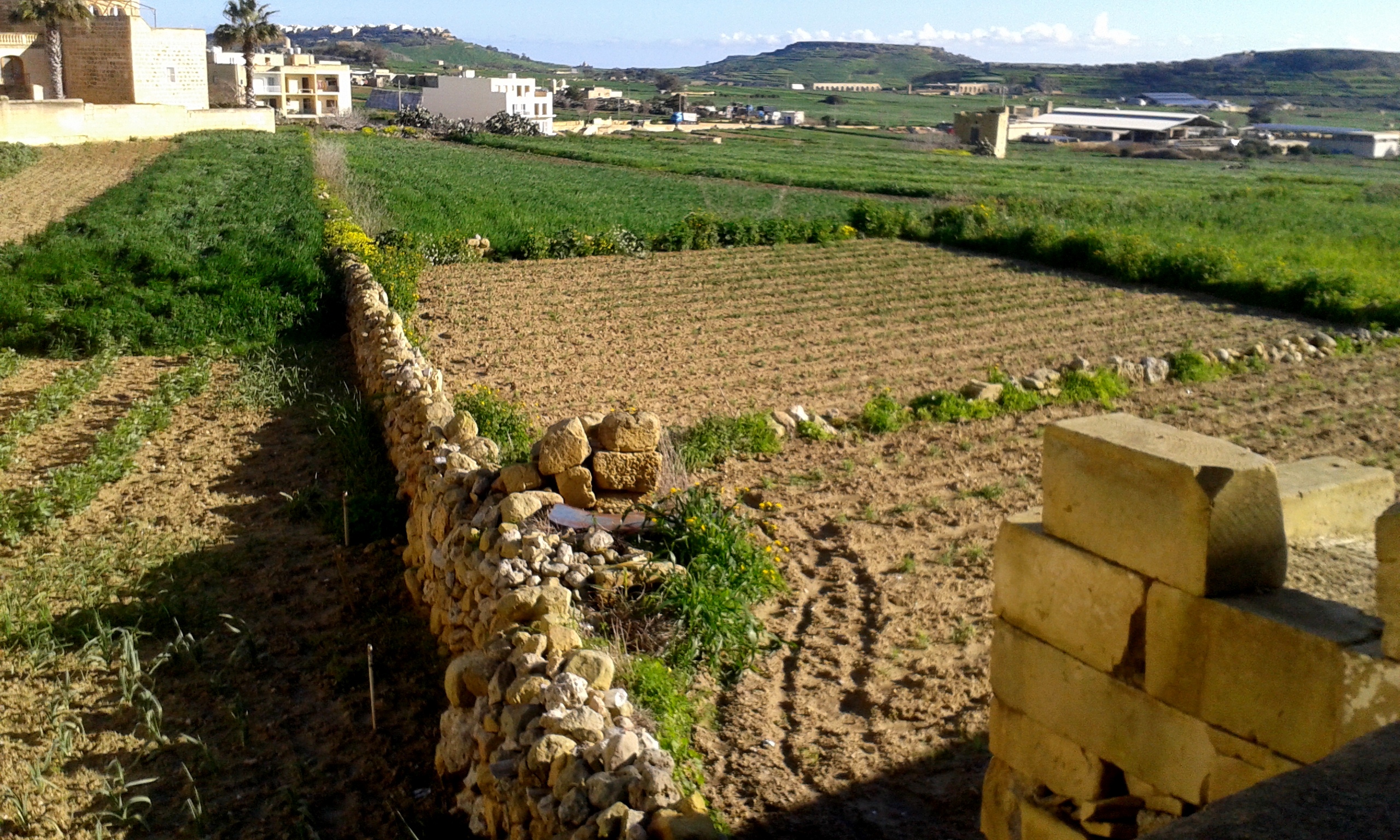
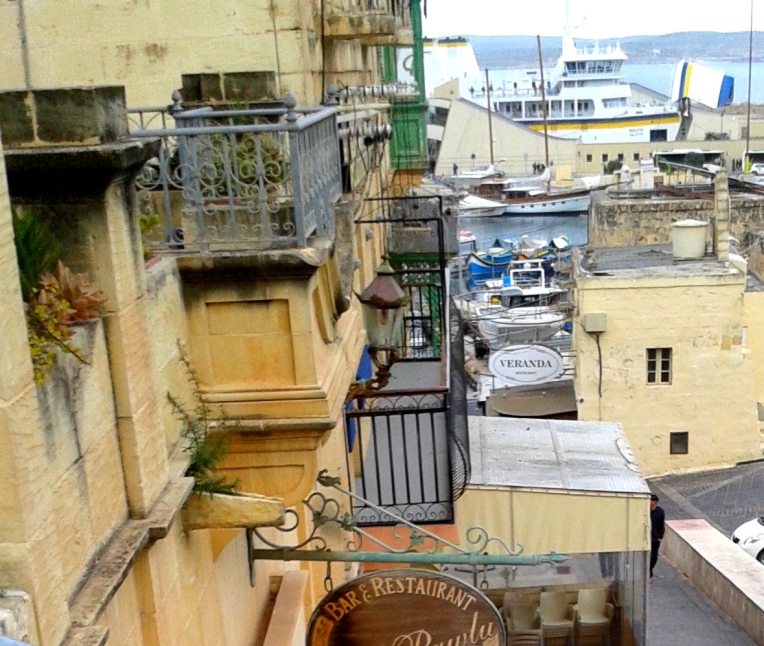
The whole village is surrounded by farmed land.

MEETING WITH THE OMBU TREE

While on the island of Gozo I took notes of and enjoyed some of the trees unfamiliar to me. It is nice and interesting to find out what they are called and then to search on Google about their uses, growth, country of origin and so on, it keeps me quite busy at times. Then I will take many photos of all the different attributions, leaves, flowers, seeds, seed hulks, shoots, trunks etc. And of course I like to share this in my blog, my blog is after all a celebration of all that the earth so generously has to offer to us and to life itself. And so here goes, I hope you enjoy.


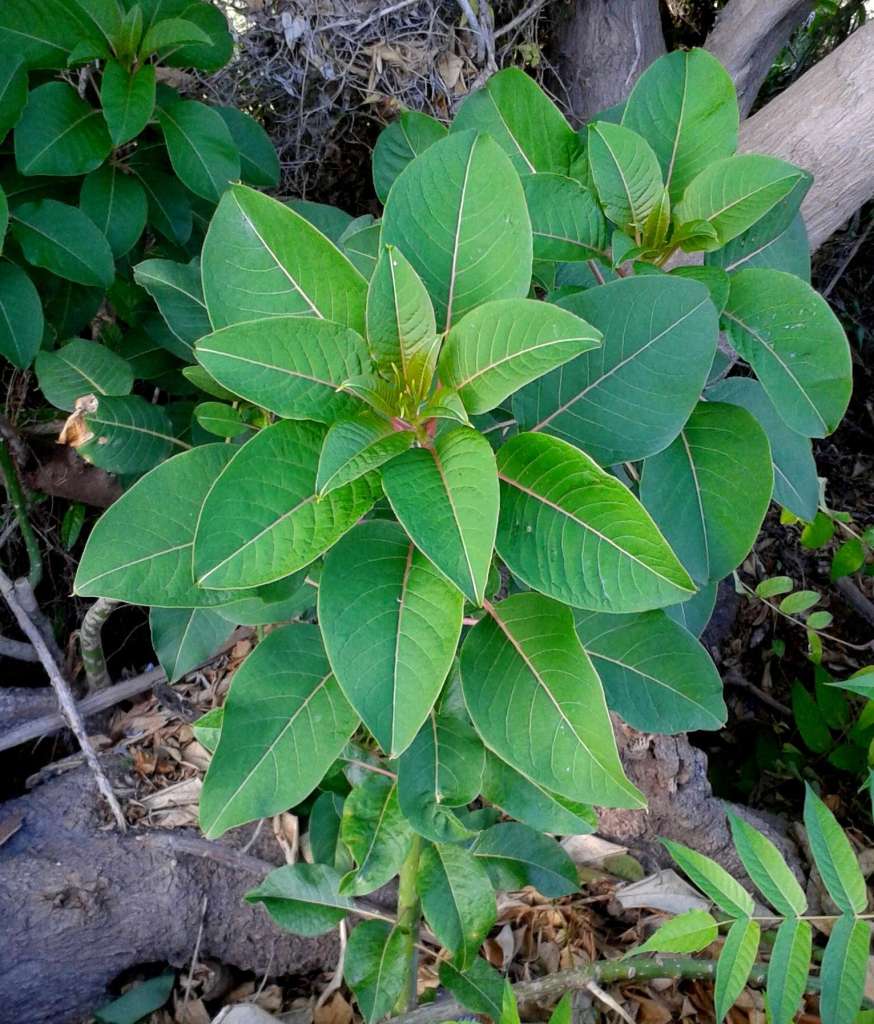
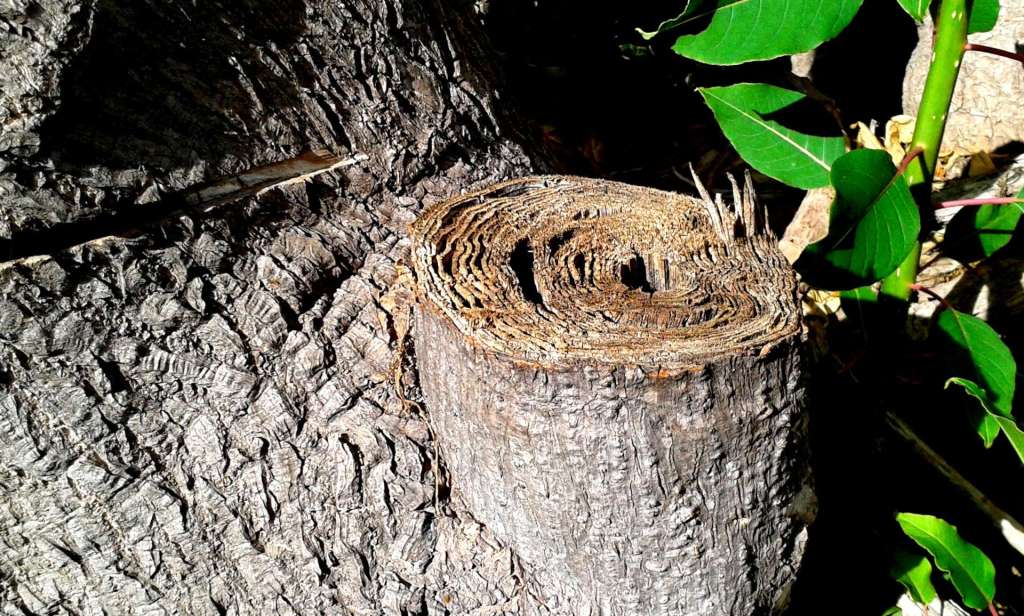
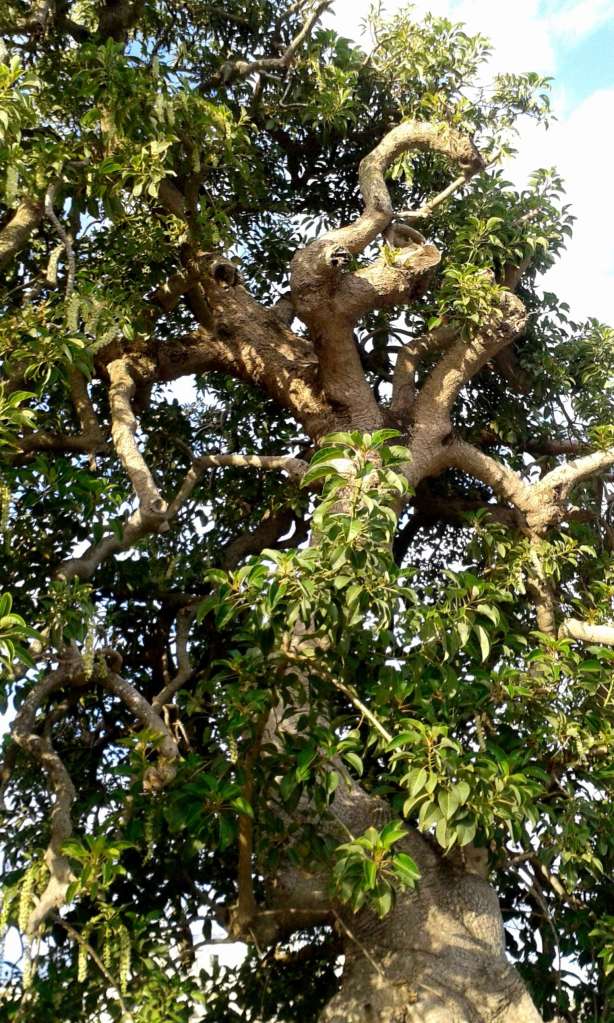
The Ombu tree, or to give it its proper name the Phytolacca dioica L. is an attractive tree. I found it growing in the area of Ghajnsielem along the main road. I was amazed to learn that this tree is actually an evergreen shrub that can become quite old and grow to look like a rather large tree. I became fascinated by the beautiful glossy dark green leaves, looking very healthy and growing very vigorously out of the trunk. Apparently the more you cut it, the more fiercely it grows. Its trunk is a soft spongy wood, the rings are loose and not at all like proper timber rings. It is resistant to fire and drought and this is due to its many trunks which store water very efficiently in its large base. Its sap is poisonous. The Ombu is a South American relative of the pokeweed (P. Americana) It is indigenous to Argentina, Brazil and Uruguay, there it grows easily in the wild, and it is there that it manages to survive on the pampas. Put to good use because of its large canopy it shelters both animals and humans alike, but is especially good for the many cattle and so it is of agricultural value.

Being a dioecious plant it produces male and female flowers on separate trees. The flowers are greenish white, little and many on one long spike. The fruit is green and is clustered in a bunch together, I see both flowers and fruits on the tree at this time (November). To date I have not myself seen the seeds but believe that they are brown, small and glossy. I shall be on the look out for them just to find out.
I learnt that extracts of the Ombu have Antifungal potencies which would probably make it interesting to Naturopaths or to pharmaceuticals.
Some of its uses are:
• Fodder – leaves are used as fodder in time of drought.
• Medicine – infusion of leaves has been used as a laxative, but don’t take my word for it please.
• Hot drink – locally the leaves may be used as a hot drink. (I am not planning to try it out myself not being sure of what the result will be).
• Soapy juice – containing salts of lime and potash.
• Shade in regions where other trees won’t grow – in the pampas it is the only tree that will naturally grow and provide shelter.
• Bonsais – something I did not know is that it is an ideal tree to grow as a bonsai, nice to know!
• Dyes – juice extracted from the berries can be used as a source of dyes.
• Berries – apparently the berries are eaten by birds as they are not affected by the toxin as the seeds contained within the berries passes through the bird intact.
I also read that in South Africa Ombu is treated as an invasive plant, possible because it grows so rapidly. Here in Gozo there is more and more emphasis on the growing of indigenous trees and plants, and eradicating to an extent the growth of invasive plants and trees. This is, of course, a tendency all over Europe these days. I am not sure at which time the Ombu tree was introduced in the Maltese islands and why, I wonder if it was introduced because of the high temperatures in the summer months, the drought some years, and the lack of tree cover in general.

One of the beautiful and typical specimen of Phytolacca dioica L.

I hope you enjoyed this little bit of information on the beautiful and interesting Ombu tree which in fact is not a tree at all. I for one will enjoy twice as much when I am passing these trees in the knowledge of all its good uses.
And finally what I would like to know but could not readily find an answer to is whether the water stored inside the Ombu tree’s large trunk can be used in case of water shortage by cattle or people, or is it already juice in which case it is toxic? I would say, it is juice and it is toxic so it cannot be used. If anyone can shed more light on this please do.

SIMPLICITY

“As we live and as we are, Simplicity – with a capital “S” – is difficult to comprehend nowadays. We are no longer truly simple. We no longer live in simple terms or places. Life is a more complex struggle now. It is now valiant to be simple: a courageous thing to even want to be simple. It is a spiritual thing to comprehend what simplicity means.”
― Frank Lloyd Wright, The Natural House
20170208_090625
Santa Lucija, Gozo

THE SCENT OF ALMOND BLOSSOMS

The Almond tree is in full bloom by now, at least those in sheltered places are and it’s a delight to the eye and the senses, their scent being subtle and sweet. To see these blossoms to me is just wonderful as it is something totally exotic in my book and my imagination is heightened merely by the beauty of this happening.
Great writers and philosophers have been inspired by the blossoms of the Almond tree. Here is a quote by Nikos Kazantzakis, from his “Report to Greco”
“I said to the almond tree, ‘Sister, speak to me of God.’ And the almond tree blossomed.”

And from his ‘Saint Francis’: “When an almond tree became covered with blossoms in the heart of winter, all the trees around it began to jeer. ‘What vanity,’ they screamed, ‘what insolence! Just think, it believes it can bring spring in this way!’ The flowers of the almond tree blushed for shame. ‘Forgive me, my sisters,’ said the tree. ‘I swear I did not want to blossom, but suddenly I felt a warm springtime breeze in my heart.”
dscf9525

dscf9509

dscf9516
The Almond blossom has inspired literary and artistic people through the ages it seems. Van Gogh painted it beautifully and often when he was in Southern France, for him they signified awakening and hope.

Almond blossoms have been used in legends in countries like Portugal, and in the bible there is mention of them too in several place.
The Almond tree was first cultivated in the Mediterranean about 3000BC. It is said native to Syria and Palestine. Almonds were carried on the trade routes by the Greeks, Egyptians and Romans.

According to Greek mythology the Queen of Thrace, Phyllis was turned into an Almond tree by the gods.
I will never forget myself the rapture when watching a movie called ‘Venus’ which made good use of Wagner’s Tannhäuser Overture, at some point, during the performance of this opera the pilgrims chorus, which to me is the most beautiful part, the staff of a pilgrim starts to blossom, it was an Almond blossom, it was a stunning moment, never left me since.
According to the book: “Myths and Legends of Flowers, Fruits, Trees and Plants” by Charles M.Skinner, branches of the Almond tree are used to find hidden treasure.
Here is a link to the book, and there you can also read a summary of Wagner’s Tannhauser story and how the Almond branch figures in it.
https://archive.org/stream/mythslegendsoffl00skin#page/40/mode/2up

I was not really aware of the fact that to me also the Almond blossom has great significance, but it has, and to see the blossoms here on Gozo opening up over the last few weeks has delighted me beyond words.


MEADOWS FULL OF FLOWERS

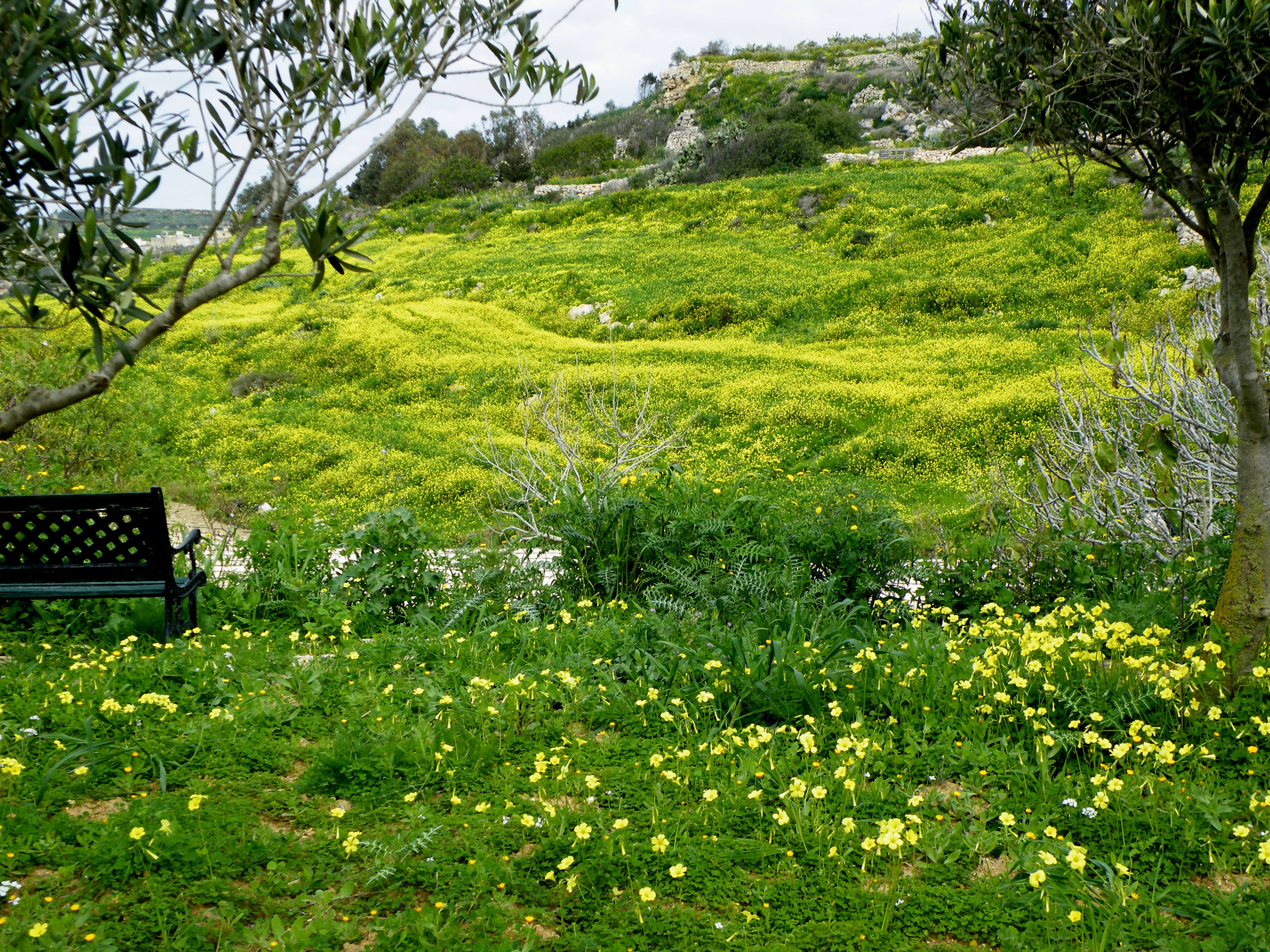
A very peaceful afternoon, the sun blazing down and smiling over mother nature and humankind, the birds singing, but otherwise stillness over the land. This was my walk yesterday. I decided that I would go see the meadows that surround the town of Victoria and see close up what is growing and flowering there. The views that greeted me were glorious to say the least, the colours a balm to the eyes, and not alone the dark and different shades of the green grass, but the way this brought out the bright yellow of the various flowers. My eyes had a feast. The warmth of the sun relaxed me and brought more than one smile to my face, oh the good that this does to the mind and the body! A few lizards were of the same thought as they were basking on the warm stones, but scuttled away before I came close.  It was lovely to see bees buzzing around, and little snails out in full strength.  The sun had encouraged nature to become alive again!

The air was pure, even so close to a major town. I could get the scent of the greenery, with a subtle whiff of flower perfume carried on the light breeze. I stood and enjoyed this for a long time. Spring is always nice, and meadows have always been my favourite, I used to watch a painting while still at school, it were a few children playing in a meadow filled with flowers. It gives a certain feeling of total peace. That peace is still with me and is heightened when I find myself among wild flowers and meadows. Our mum used to take us to a meadow when we were very small, I remember it though was only a toddler, she would sit with us among the flowers and we were allowed to pick some. Glorious days of the past, but yet with us always, renewed in the present day every springtime again and again.
Nature has so much to gift us, feelings of bliss and renewed strength at the end of winter.
20170204_125916

A Maltese bee getting nectar from the Cape Sorrel.

20170204_125340

Some of the wild flowers found in the meadow and along the road side too.

Below are some of the wild herbs I found yesterday, there is the Goose grass which in Ireland grows plentiful and which I use in soups, there is the Fumitory which is supposed to be a ‘liver’ herb, the Fennel of which there grows a lot around here, Borage which can be used in all sorts of ways, and the Nettle which is a real health giving herb and I use a lot of it in soups etc.  It is nice to see all the wild herbs growing very healthy.

FIRST DAY OF SPRING

This morning we awoke to another beautiful day, it was warm and sunny, with a fresh breeze. After a long breakfast with Ian my legs could not wait to get going again, a nice walk around the areas of Victoria which I did not get to see yet was in order. I had actually not planned anything in particular, but had to do some shopping on the way home, so I decided to go direction Xaghra, this walk would take you up a steep hill, but it looks interesting. However when I reached the bridge just before the hill I noticed some water fowl, some ducks among which I thought were a few Muscovy ducks, red head, interesting looking.  So I decided to follow the ducks, under the bridge they went away from the reservoir and into a river or is it a watery storm drain, I am not sure.  The one side is very smooth and is dug out in the limestone, with what seems blue clay toward the bottom, the other side is a path, and that is the path I decided to follow, along with the water fowl.  A class of school children were walking ahead of me but otherwise it was a very quiet place with lots of fresh greenery along the path’s borders.  I found, a little yellow flower, which at the moment is flowering all over Gozo, it is the creeping wood sorrel.  On the water side there were castor oil plants with their beautiful red leaves and dark red seeds.  Some borage gave splashed of bright blue, and the prickly pear cacti, tall and impressive made good fencing.  The path was smooth to walk on, and flat which I took note of because it would be an ideal walk for Ian too.  Toward the end of the path there are two very large eucalyptus trees, the ground at this moment is covered with the halve circle leaves, and some seed capsules that came down with the last high winds were lying around too.  I smelled them to see if I should take some home as they are good against colds (not for internal consumption though).  And then all of a sudden I was on the main road to Xaghra and turned again toward the centre of town.  Here along the road I found goosegrass growing, it is a plant that I have used before, stewed in soups.  It is great to see so much greenery around the place, when we first arrived in autumn everything was brown and dried out.

Signs of spring are everywhere, it promises to be a beautiful summer!

20170201_132357

20170201_132423

THE AZURE WINDOW

On a most beautiful late January day, today, with the sun pouring over the island, and not a breeze to be felt, there was nothing better to do than to take the bus to the Azure Window at Dwejra on the West coast of Gozo. Quite a few tourist were there with us, many Chinese in fact and I also heard some Northern Irish accents. Everyone was soaking up the sun, and unlike us, who are still wearing socks and woollies, I saw women in sandals, in bare arms and very light clothing, some were working on their tan in fact, others were taking selfies or photos like myself. The ambience was pleasant and the views breath-taking. We had been there before, I was very impressed with the amount of fossils under our feet in the rocks. Rocks are very much eroded here making for all sorts of strange and interesting shapes. The rock pools too had mirror-clear water standing in them. The sea and sky were both so very blue!
The Azure Window is special, very nice to see time and time again.  The inland sea too is a place where it is so nice to sit and see the little boats come and go

One sweet girl asked us if we would like our photo taken together, we said yes as this does not happen very often, the result was good. We took coffee in the only café that was open, and just soaked up the sun.
What a most beautiful day it was, and for a while we could forget about all the world events that has kept our minds so busy this past week.
20170131_135750

20170131_140618

20170131_140201

20170131_142018

20170131_140252

MGARR HARBOUR MUSINGS

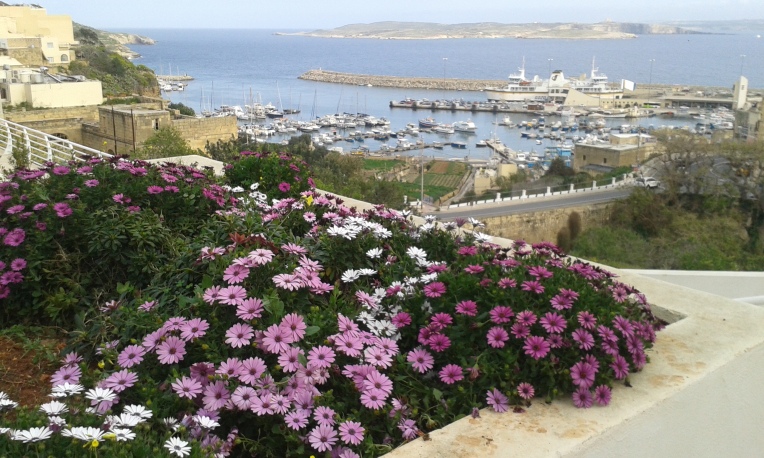
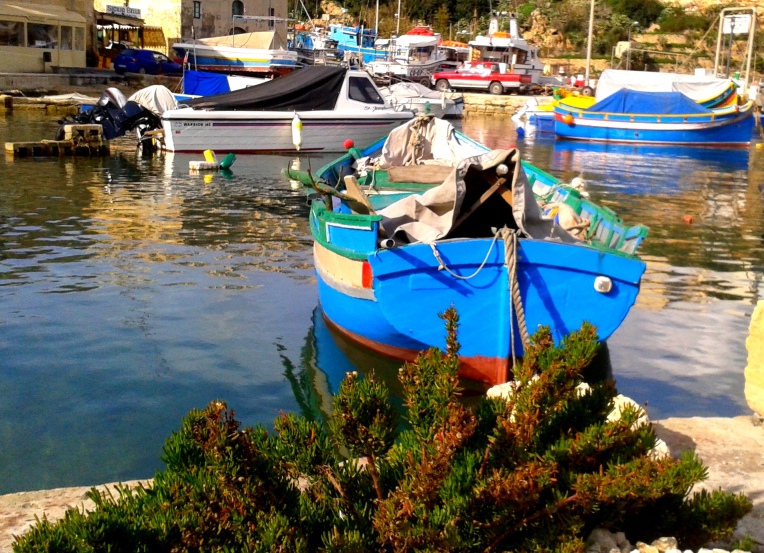
Yesterday we had took a lovely walk around the harbour of Mgarr here on Gozo. It is the first village that you get to see when you arrive on the island because the ferry docks here. I love this fishing village as it is overshadowed by beautiful rock formations, plenty of lovely greenery and wild flowers too right now, and colourful fishing boats, besides yachts and ferries of all sorts to enable visitors to visit some of the other smaller islands and take a cruise around Gozo.

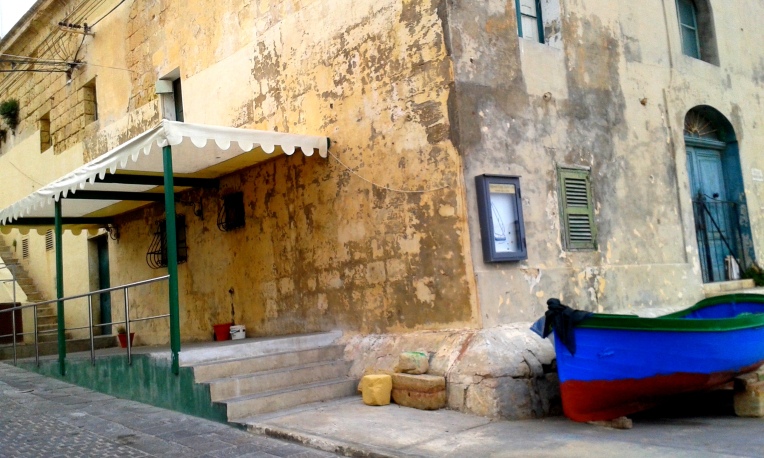
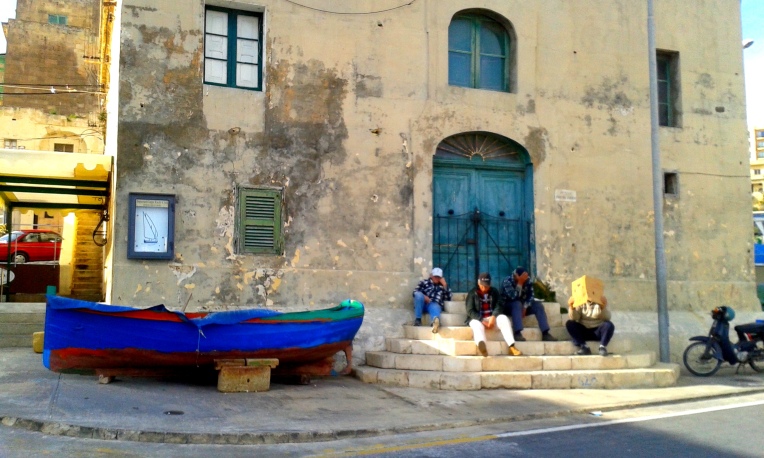
Yesterday it was quiet, or else it was the quiet time of the day (which runs from 12:30 until 16:00hrs. Some men were sitting on the stairs of a lovely old building, reading the newspaper and chatting. The ferry station was busy whenever the ferry was due to arrive or to leave.

We took coffee at a kiosk right down by the water and sat for a long time watching the few activities taking place, and enjoying the sun. It is a quiet place during winter, a peaceful place. We then walked along the original part of the harbour where the first ferries from mainland Malta used to arrive long ago at the time when the harbour was still undeep, and walked along the promenade, which for both of us had plenty to offer, Ian loves looking at the sea and the boats, while I looked upwards direction Ghajnsielem at all the wonderful rock formations, the plants, and even the few farms where I saw tomatoes ripening in the sun, and that during January!

We spent the rest of the afternoon just walking, resting, enjoying the sunshine and taking in the peace and quiet of this lovely little harbour, and it wasn’t even cold.

20170127_143144

20170127_141150

20170127_141051

20170127_140839

20170127_145233

20170127_151731

BITTER ORANGES OF GOZO

Last week I tried something new, like many Gozitans I made use of the Seville bitter oranges which are grown locally to make marmelade, something I had never been interested before. But the scent and colour of the fresh bright orange fruit on the trees locally made me want to try my hand at making marmelade, but besides, one of my new Gozitan friends, Tessie, brought us three kilos of organically grown oranges fresh from the tree, and she also gave me a recipe to make this delicious bitter jam. So, full of enthusiasm last Monday I gathered the stuff that I needed to start. Fine brown sugar, weighing scales (which the flat does not have but Tessie brought, lemons, also brought by my friend from her own tree. The pictures will tell of how I faced some challenges due to the fact that the flat did not have the right pot for cooking marmelade, but I managed with a pan that has a thick bottom. I ended up with so many pots and we shared most of them out to friends and neighbours because we ourselves only eat a little of marmelade. I tasted it and it was very much to my liking, bitter, tangy, with a sweet after taste, but everything in balance. Yes the recipe was good and simple too. It was interesting to see the fruit preserved in this way, and to see the process of getting it from the tree into the jars. Taking part in a little bit of tradition here which I surely enjoyed.

20161120_130654

This type of orange has very many pips in it, these pips are used, cooked for a little while and the juice strained and used in the marmelade as pectin.

Above, here I had to weigh all the sugar into lots of 500gr and use the pan six times filled with 6 lots of fruit all measured out.  The large pot I had being very thin almost burned immediately so I transferred it this way, it took a long time, most of the day to do it this way but it worked and all the marmelade succeeded I am happy to say.

2017-01-25-19-44-54Apart from a lovely taste, I like this marmelade for its bright colour, only fruit and sugar used, nothing else. mouth-watering.