









“When you regain a sense of your life as a journey of discovery, you return to rhythm with yourself. When you take the time to travel with reverence, a richer life unfolds before you. Moments of beauty begin to braid your days. When your mind becomes more acquainted with reverence, the light, grace and elegance of beauty find you more frequently. When the destination becomes gracious, the journey becomes an adventure of beauty”. John O’Donoghue
Excerpt from his books, Beauty.


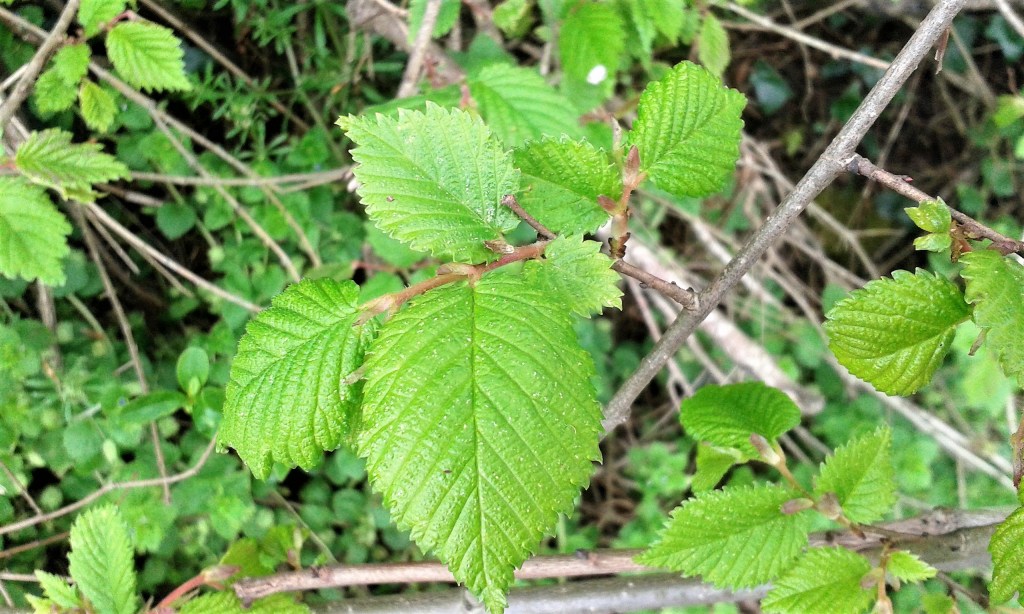


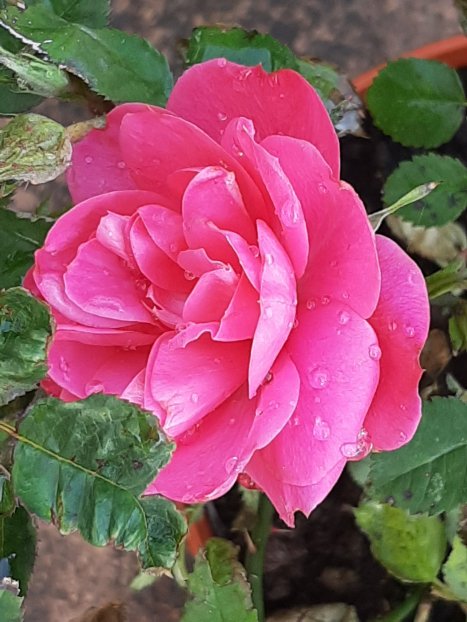
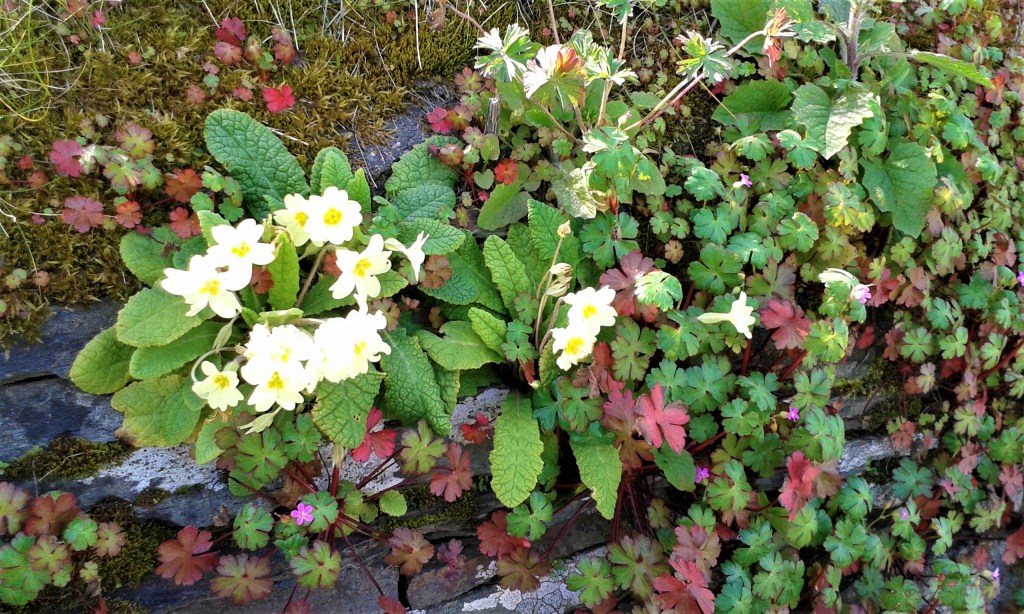
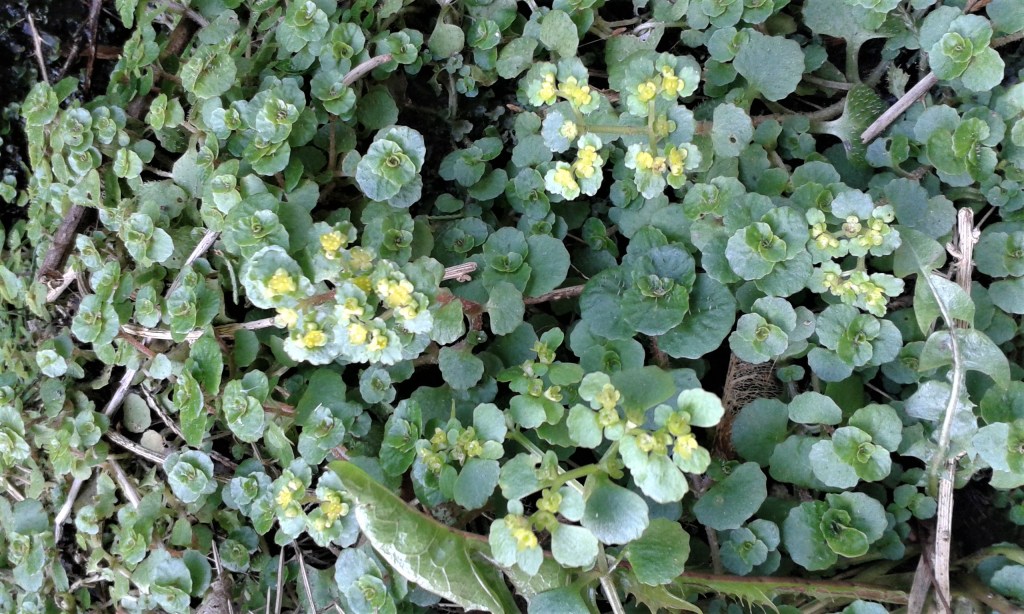
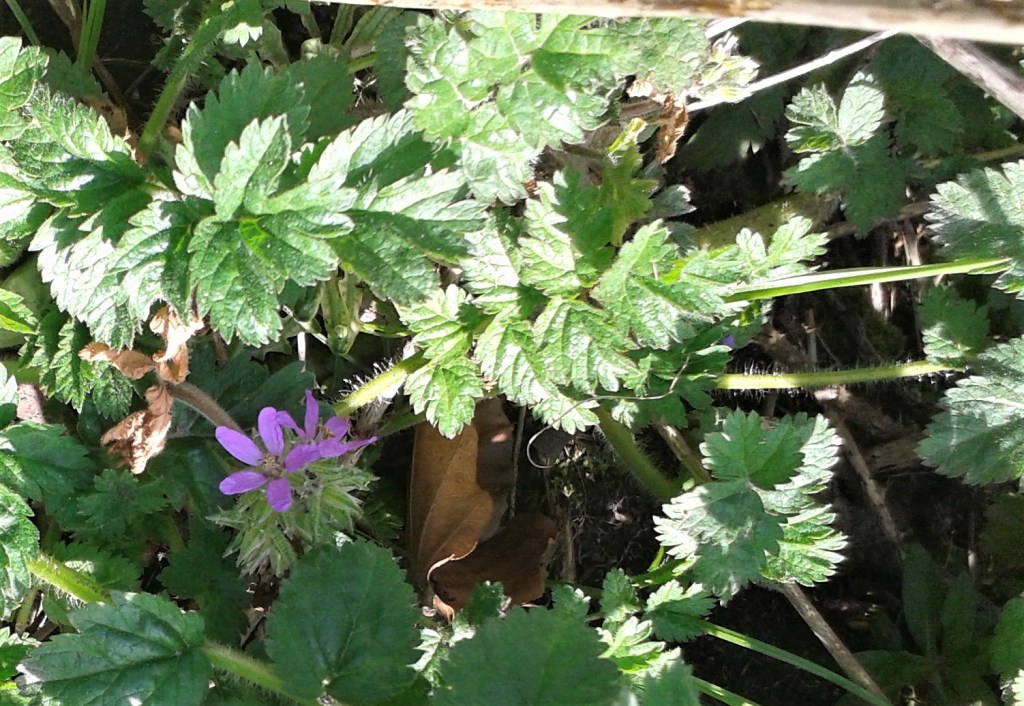
And so this walk, while very easy and on flat ground was a delight, it took me 50 minutes from where I had parked my car on the other side of town to when I returned, and by that time my head was cleared, and I felt happy with my small discoveries. Along this road I also came across many other wild flowers, and another garden escape was the tree mallow which I did not quite expect to grow here but had seen very many growing in Gozo. Further along this road there is a large area of wild garlic plants growing, I saw them there last year. It is amazing what is found along the roadside and hedgerow, for example, if this road is followed for quite a few miles there are large patches of wild roses, some dark red and beautiful, I used to take this road to work (it eventually leads to Bantry where I worked in the library) during June/July when these roses would be in bloom, it sure was lovely. I had three or four different roads that I could take to work and used to vary them according to what plants were in flower as every road had some difference in habitat and hence in plant growth.
I’m calling this walk the stone wall walk, my sister Josefine who is coming to Ireland in the summer will be walking with me, I sure look forward to this, even when I am normally a solitary walker.
My walking routine is so much more than an exercise regime ordered by my doctor. It is one of many things. It is an hankering after times past – times we spent in Gozo where it felt so good to walk everywhere and everyday, taking in the delightful scents and stunning sights of a Mediterranean land- or townscape. So my current walks here are a looking back in a sense, and a remembering of very positive energy which in itself is energising my today.
But it is more than that; it is a grounding of myself in this Irish West Cork landscape. For years I had felt restless here, discontented even, I wanted to travel and I did not feel as if I even belonged here, this landscape, this town and people – however beautiful and friendly, had totally lost its appeal for me and I often felt a stranger. And this despite there being a thriving Art Centre here and my contentedness about all my travels to India.
So when we returned from Gozo in spring 2018 I decided to do something about this, I could not continue the way I was. I started to look at this place with fresh eyes. Discovering new aspects of this town and area, nature and vernacular architecture, people, and I studied the map carefully to know all the hills, the rivers and the surrounding area, keeping in mind the four cardinal directions to orientate me precisely. And I walk, I walk everywhere and my body is feeling so grateful, I feel fitter for it in my every movement. My mind smiles and I’m constantly making plans to explore even more places in the vicinity, little walks and big walks. I have plans to visit and explore surrounding villages too, just as I did in Gozo.
And all this is giving me a sense of belonging and of feeling good in this space on earth, many is the time when I have felt very isolated here in West Cork, cut off from the rest of Europe and the world. I did not like this feeling and then I would hanker to go back, to return to Belgium, even after all these years. But I know that I am here to stay, and so I need to ground myself as much as I can, and I think that I now have found the way to do this – finally – after many years I am beginning to find a sense of place, a sense of belonging.
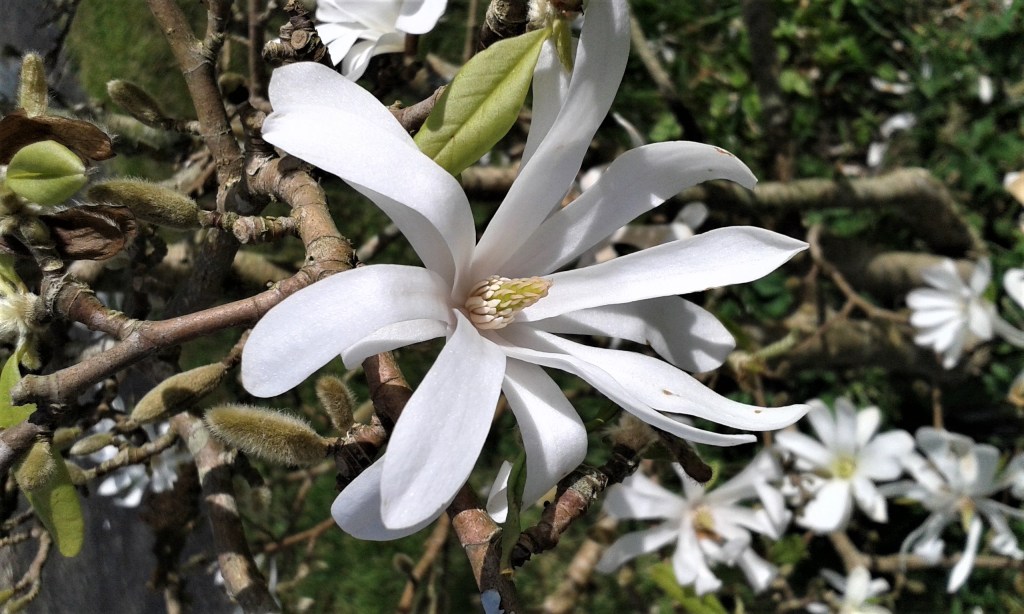
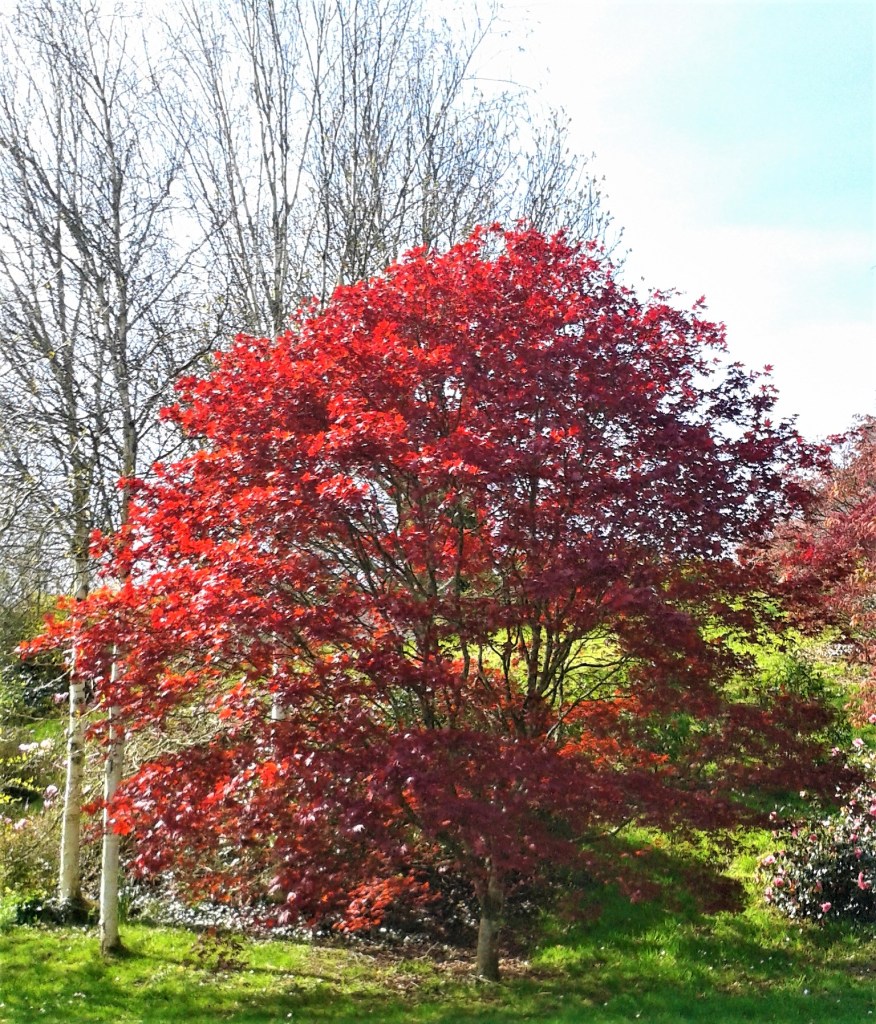
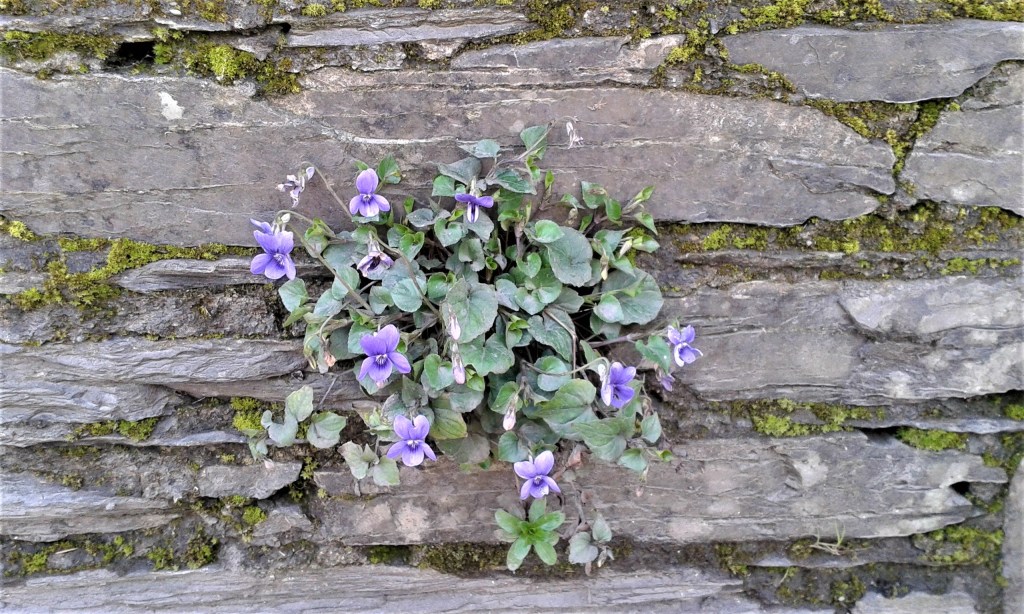
Yesterday’s walk was not long, it was in open space on the ring road around the town. It opens up views of the town and the hills behind it and shows the river Ilen upstream going off to its source, and downstream flowing into the town. These are good views. And while a constant flow of traffic does not make this walk particularly peaceful, it is nevertheless a walk I love. Many spring blossoms grace the shrubs and many wild flowers grow along the edge of the roadside. Fine stone walls have been built along some of this road, in local rock, shale, in slate-blue colour, with the odd bit of striking white quartz here and there, beautiful.
As I look towards the town centre, my eyes casting over a wide area of marshy ground, I notice works are still ongoing, the building of flood protecting walls. Skibbereen was built on marshland which makes the town prone to flooding. The town centre lies in a long valley, open to the West and North, and protected from the Atlantic Ocean by hills to the South and South-east.
I do believe that in every place on this wonderful earth of ours there are many interesting and exciting things to discover. Finding out about the place we live does give us a sense of belonging.
I would love to hear about your experiences and feelings about your sense of place or your sense of belonging. I would find it to be most interesting.

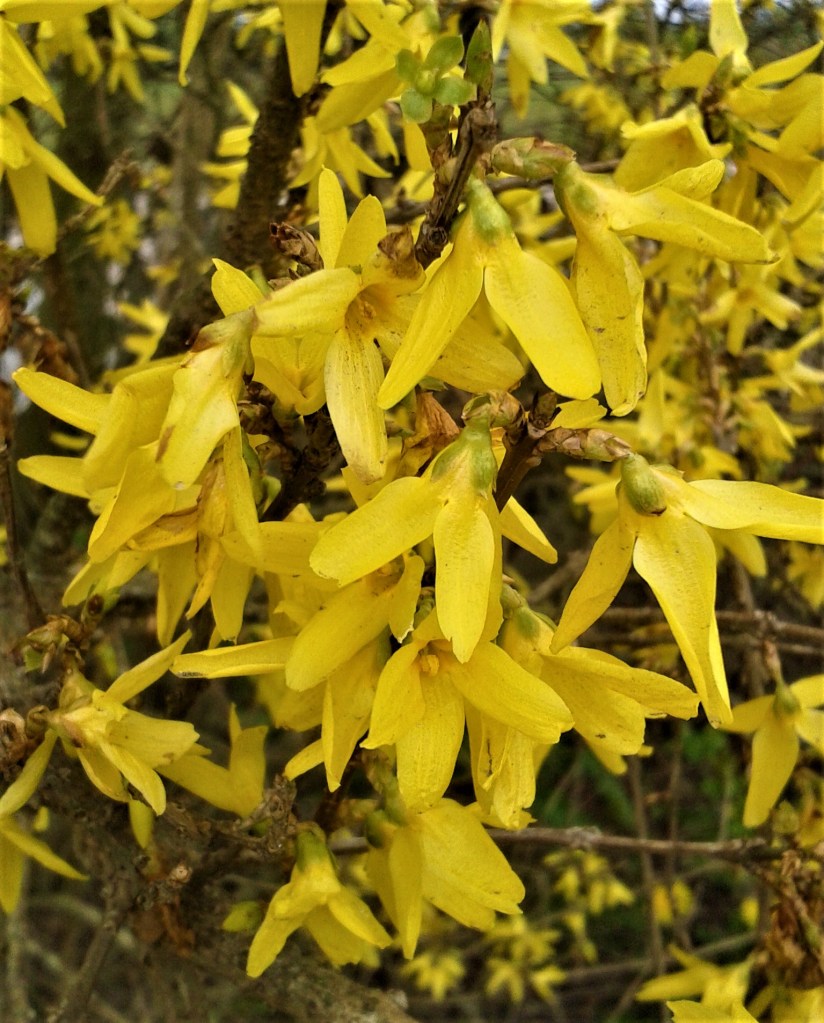


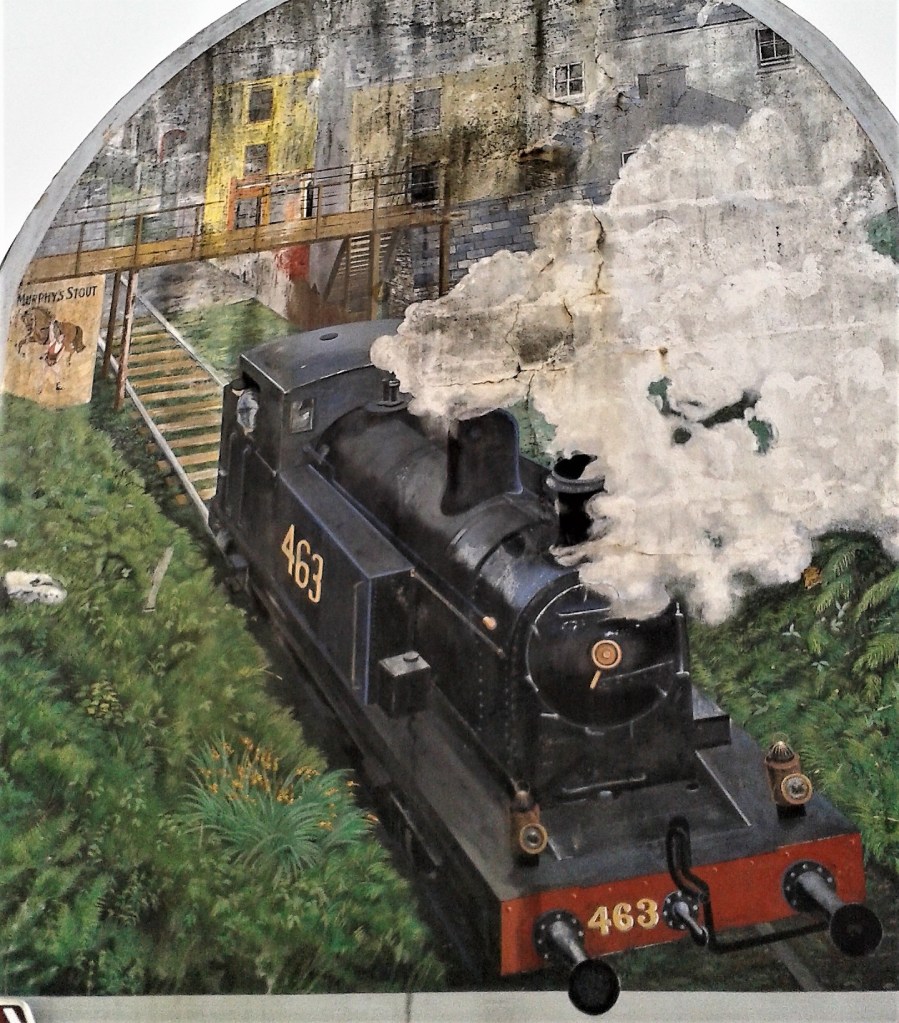
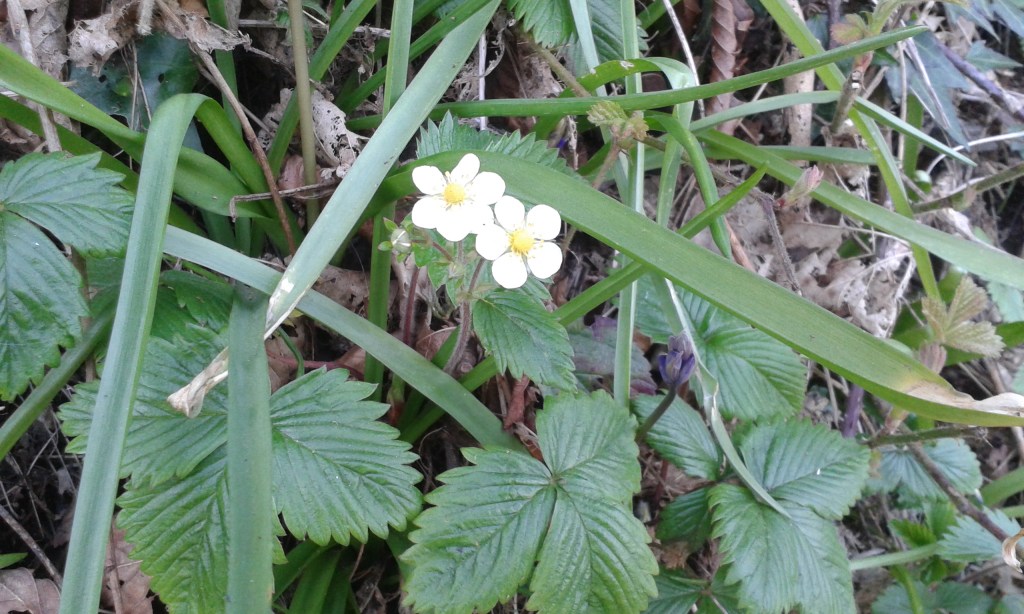
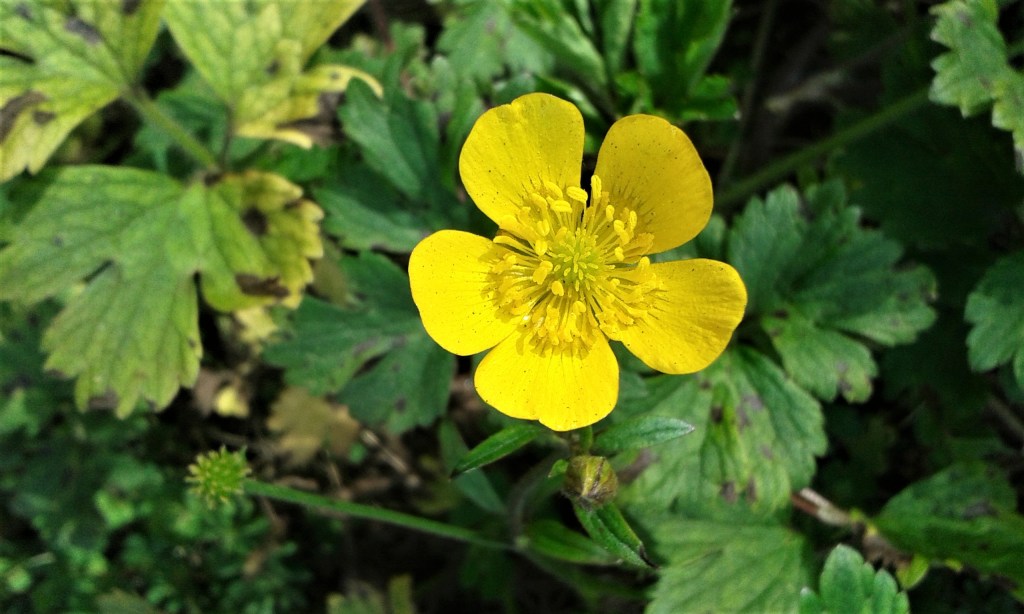
Skibbereen town has something preserved from the past that is quite interesting and has always appealed to many. This market town of old used to have a station, and a train line to Baltimore, a small seaside village, and to Cork city. It also had a narrow gauge line to Schull which is another small seaside village in the area. In the sixties the trains lost their use to bus routes and that was a great pity. And so we are left with some relics from this glorious train travel era. And one such a relic is what people here call ‘The Cutting’, and it is around this that I mapped my second walk. It was not a long walk, just 45 minutes and about 4000 steps. It was a beautiful sunny Sunday afternoon when I stepped out, I had the sun behind me as I walked along the Baltimore road. Passing many mature and beautiful gardens I then turned right and looked straight at a cottage that must have been associated with the railway I think, that’s what it looked like, maybe there was a level-crossing there. The road turns right again and passes lovely trees, birds were singing high in the branches, bluebells were in bloom even though it was only the end of March! Primroses, buttercups, wild strawberries, and long stemmed daisies were to be seen here and there. The other side of the road was mainly walls, some plastered but others lovely local stone and probably quite old behind which I could see some beautiful trees. I also saw one interesting ancient gate, I love those and always imagine what story they could tell us.






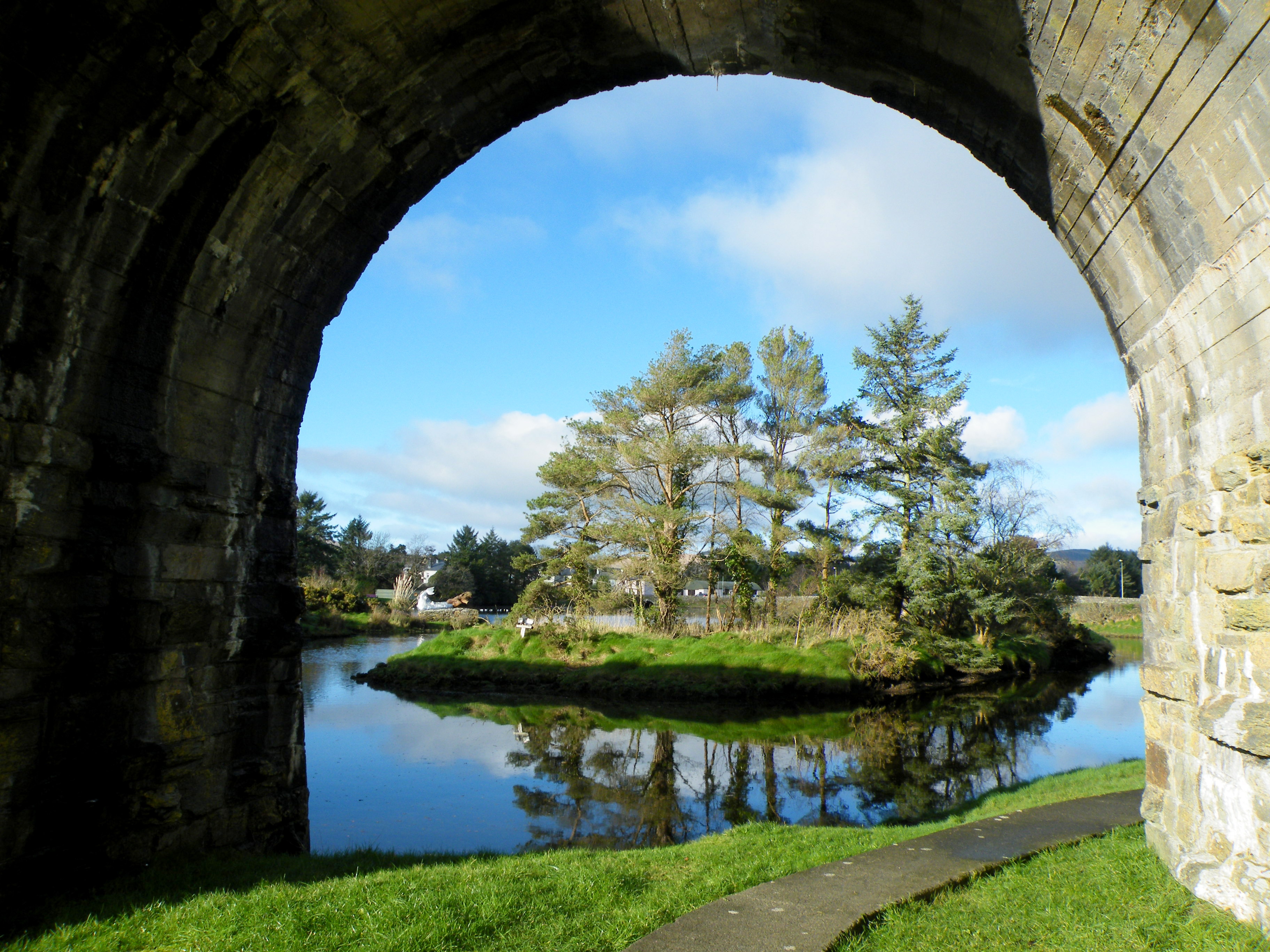
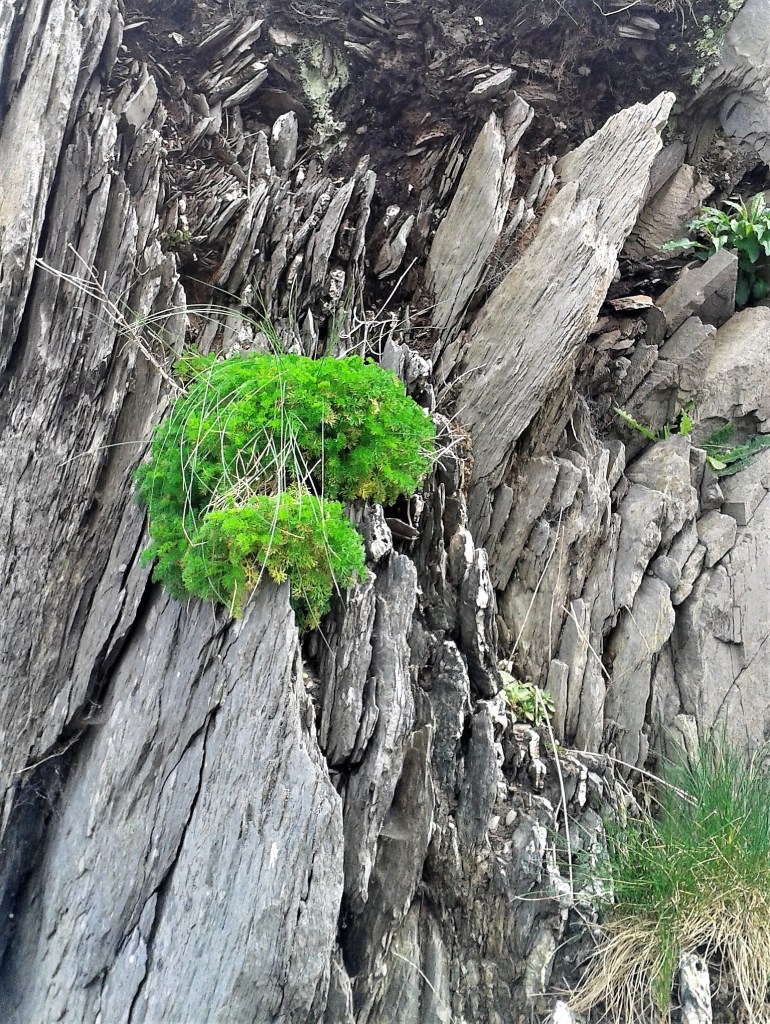
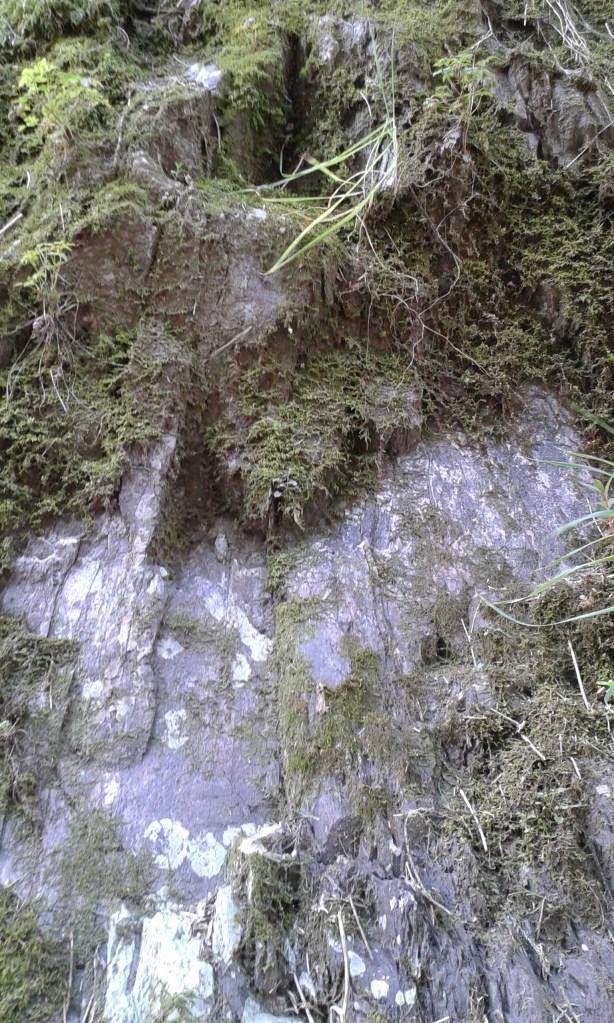
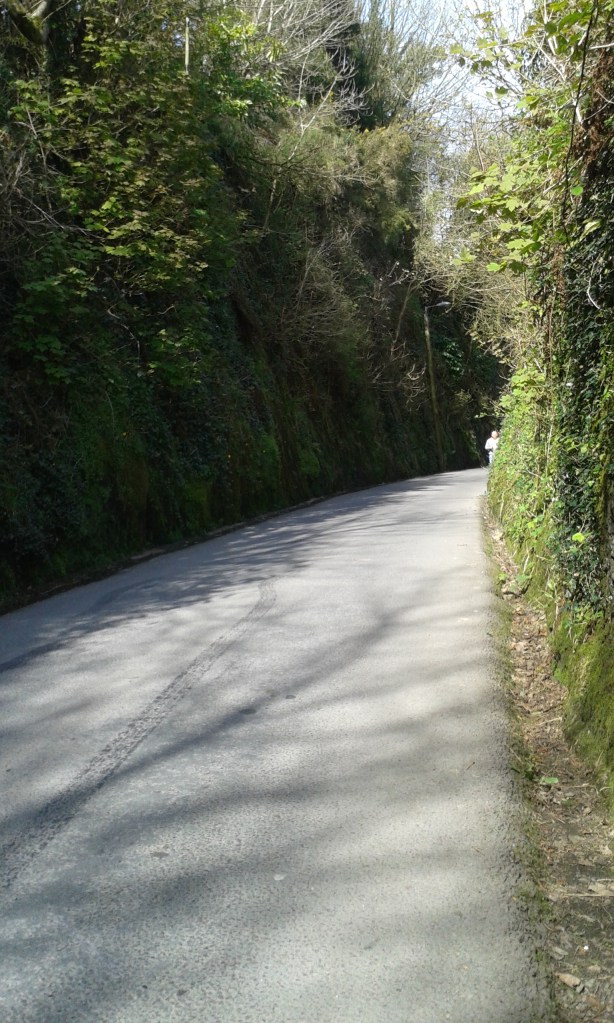
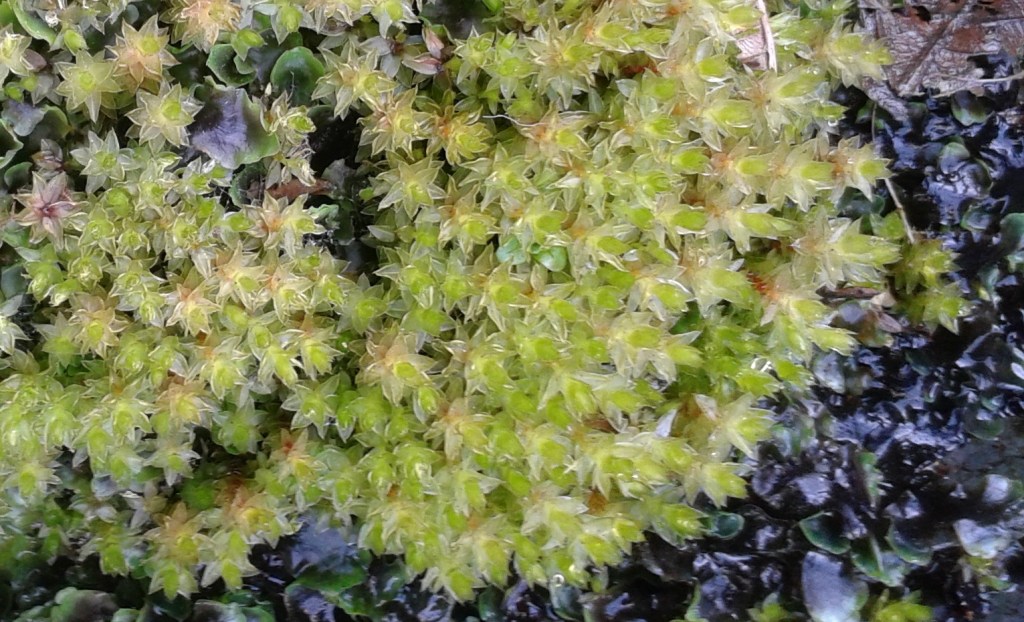
And then after passing the sign for Swanton’s Garden Centre, all of a sudden there it lies before you, The Cutting! A road sliced through the rocks, stark high rock walls covered in mosses, ivy, wild plants and even trees, everything seems to be growing out of these rock walls, rainwater drips down here and there, I walk on in the shadow and find it refreshingly chillier. Towards the end of the Cutting, the town’s houses come into sight, here we are at the Bridge street end of the town. Just a little while further there is the iron railway bridge – part of the now West Cork Hotel, and still further along there is the old station on the Marsh road. But before coming to this I found this most beautiful mural of the old steam train on the wall of a disused pub. I then walked back to where I left the car at Drinagh car park. I enjoyed this walk very much, it’s very easy and not long. Footpaths all the way.


From where we live I can see the hill that overlooks this walk, it is to the West of the town and its a long gentle hill. One of my future walks will be over this hill, the views are great from there, but that’s a story for another day.
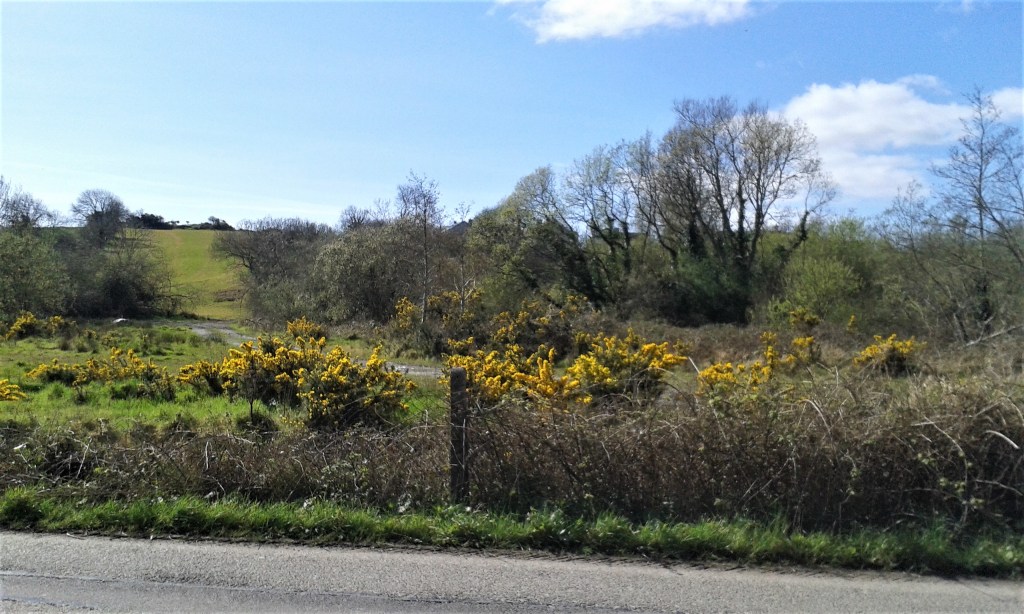
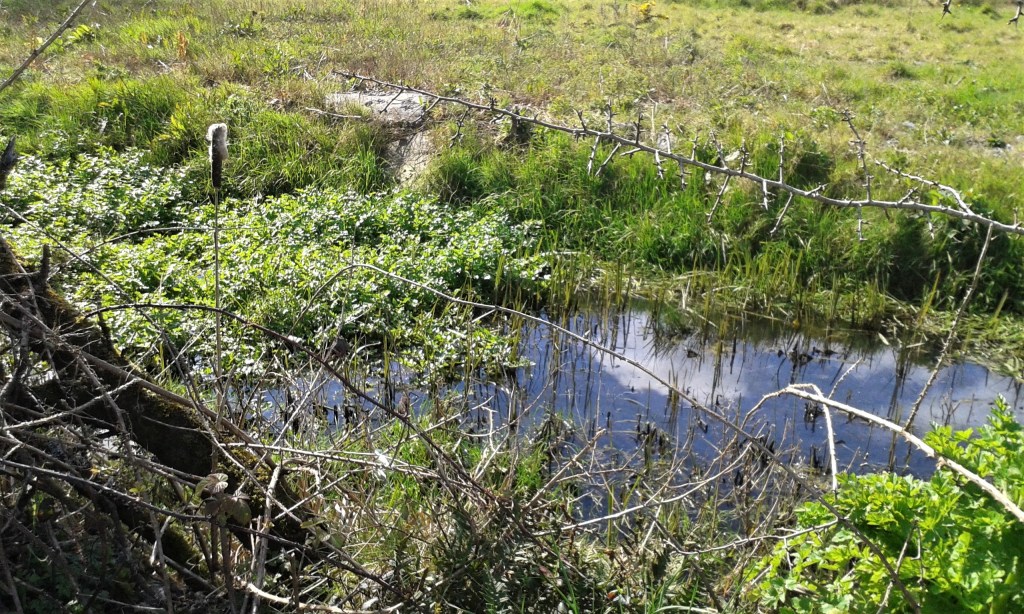


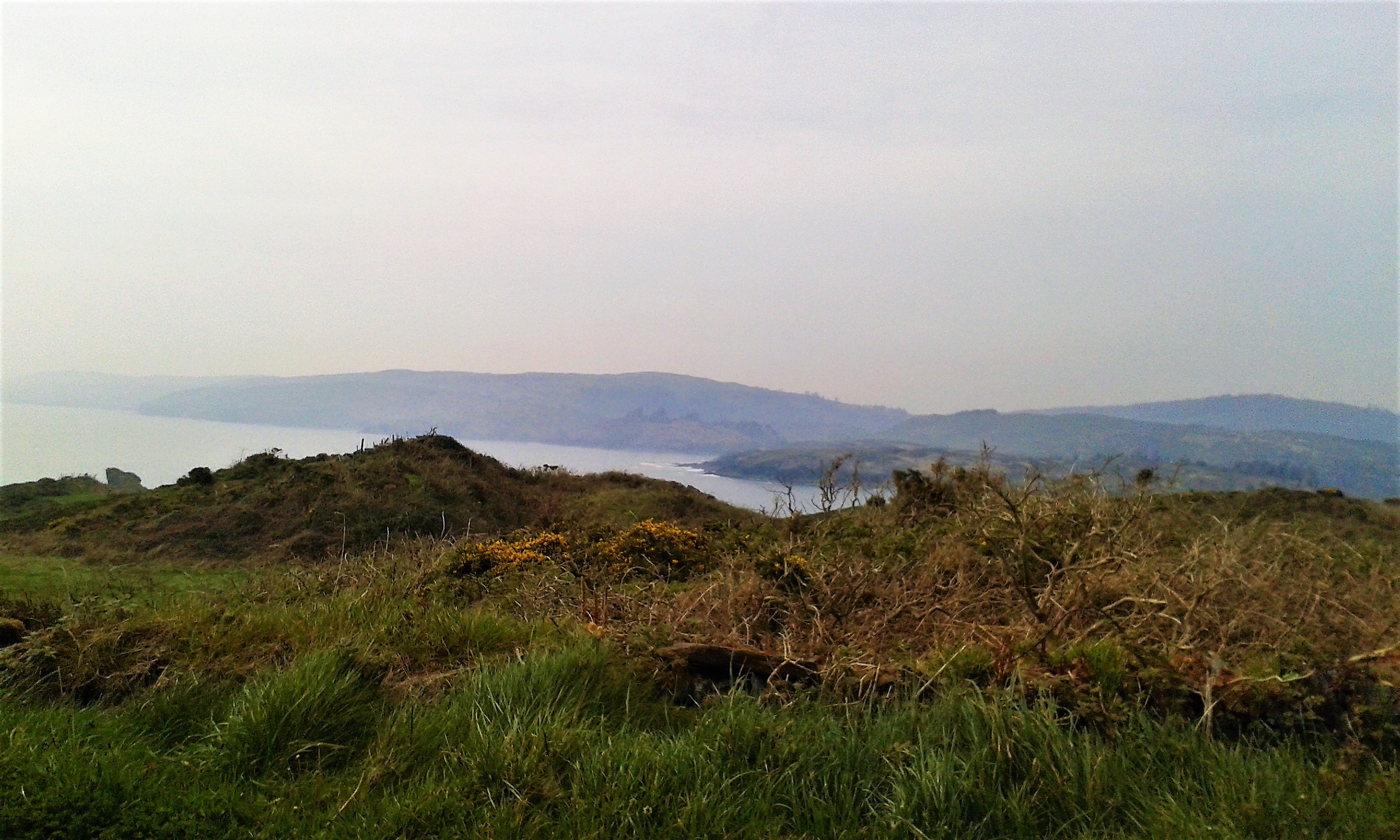
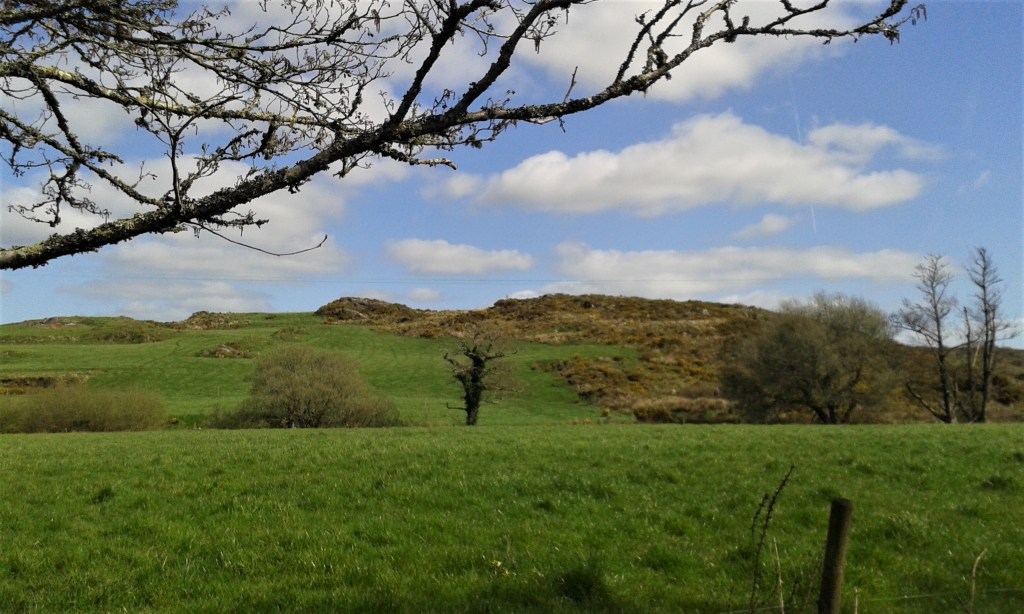
To my right was Lick Hill, a long hill which is so familiar to me as I can see it from the upstairs window where I live. Its bedrock is made up of purple mudstone and siltstone, behind it and to the South lies the sea, the wild Atlantic Sea. A little more towards the S.West lies the famous Knockomagh Hill, at Lough Hyne. But walking further along this road I passed some lovely green fields, very green, like you only get them in Ireland, typical with Gorse, Hawthorn, and Blackthorn growing in the hedgerows. And today the sky was blue, dotted with woolly white clouds, what a lovely contrast.












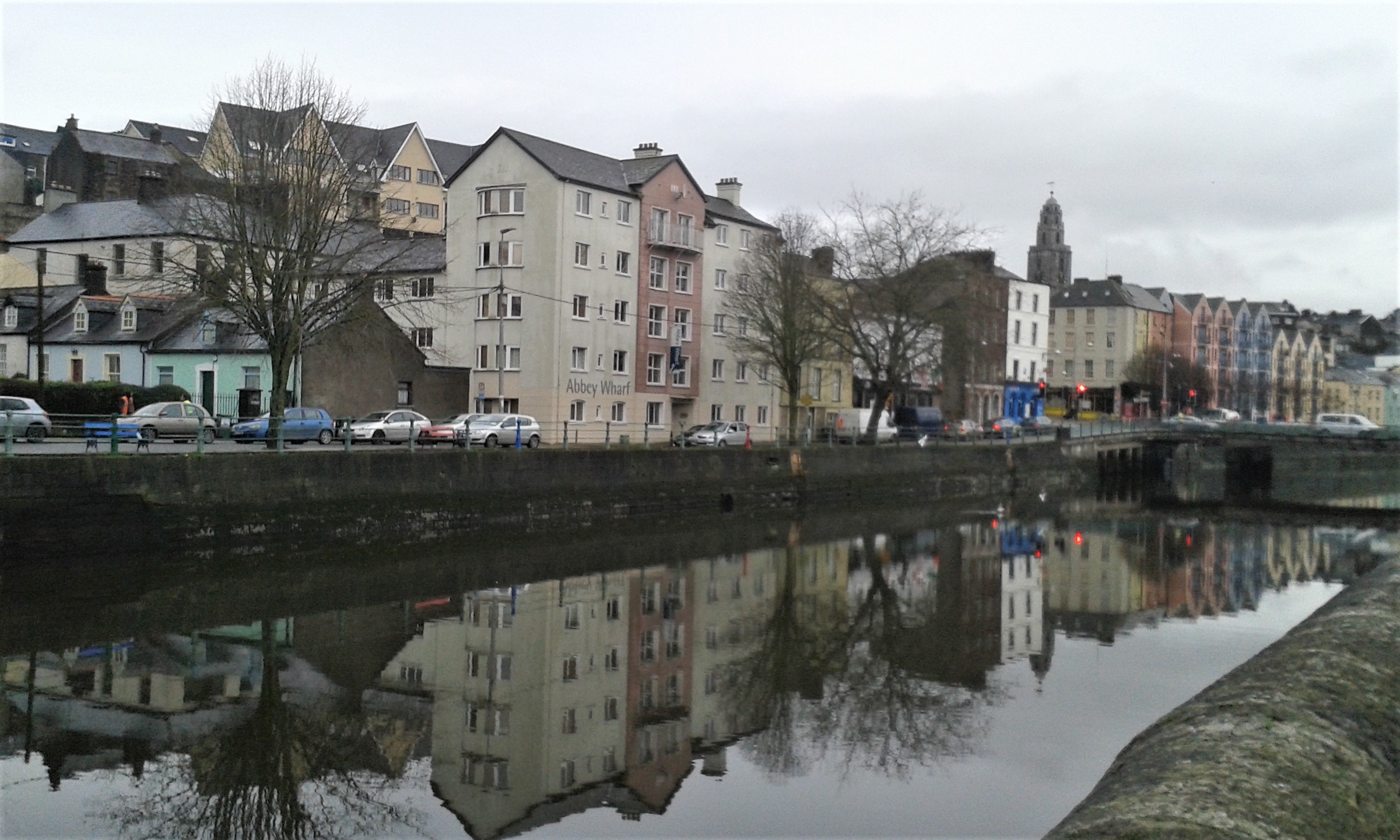
I was very lucky today because I seldom go to Cork city these days, it so happened that for the past few days I was there, unfortunately most of that time was spent with Ian in hospital, but while on the way back from parking the car in the multi-story carpark I took these snaps today. Most importantly Ian was seen to and is doing fine, and we are home again tonight. But as you can see for yourselves Cork, which is the largest city in County Cork, and to us the nearest city, an eighty minutes drive on a good day (without roadwork stops), it is above all a beautiful and charming city. Population is only about 417,211 souls. Cork was originally a Viking trade settlement around the year 915 and is now a thriving and very popular place to shop and visit.
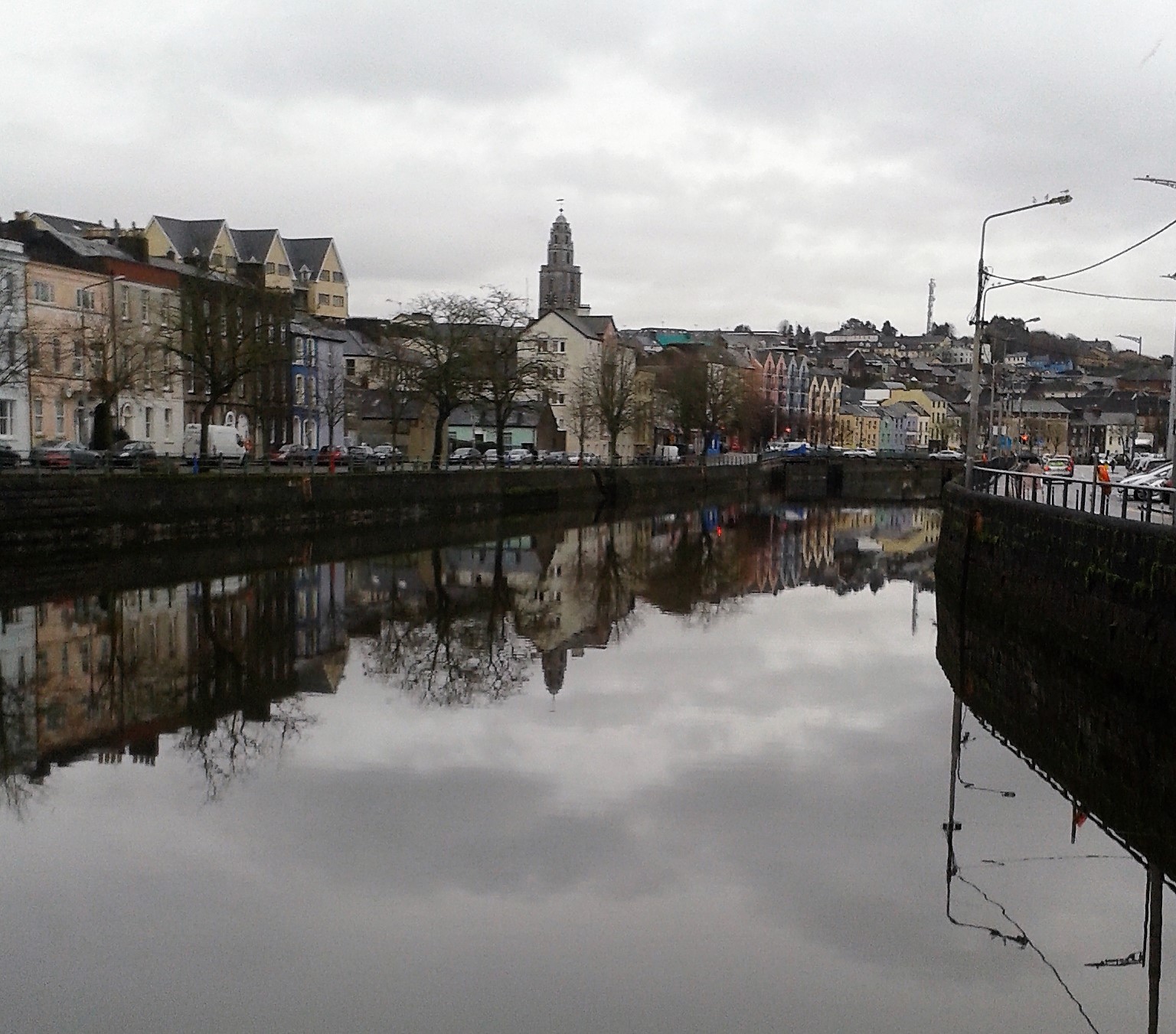
The river flowing through Cork, the river Lee, flows from a lake in Gougane Barra in the Shehy mountains on the Western border of county Cork, it winds its way down other lakes and eventually reaches Cork city where it splits into two, creating an island on which the centre of the city is built.
A lot more could be told about this lovely river but I will carry on and show you today’s photos of the views I enjoyed so much and which I hope you will enjoy too.
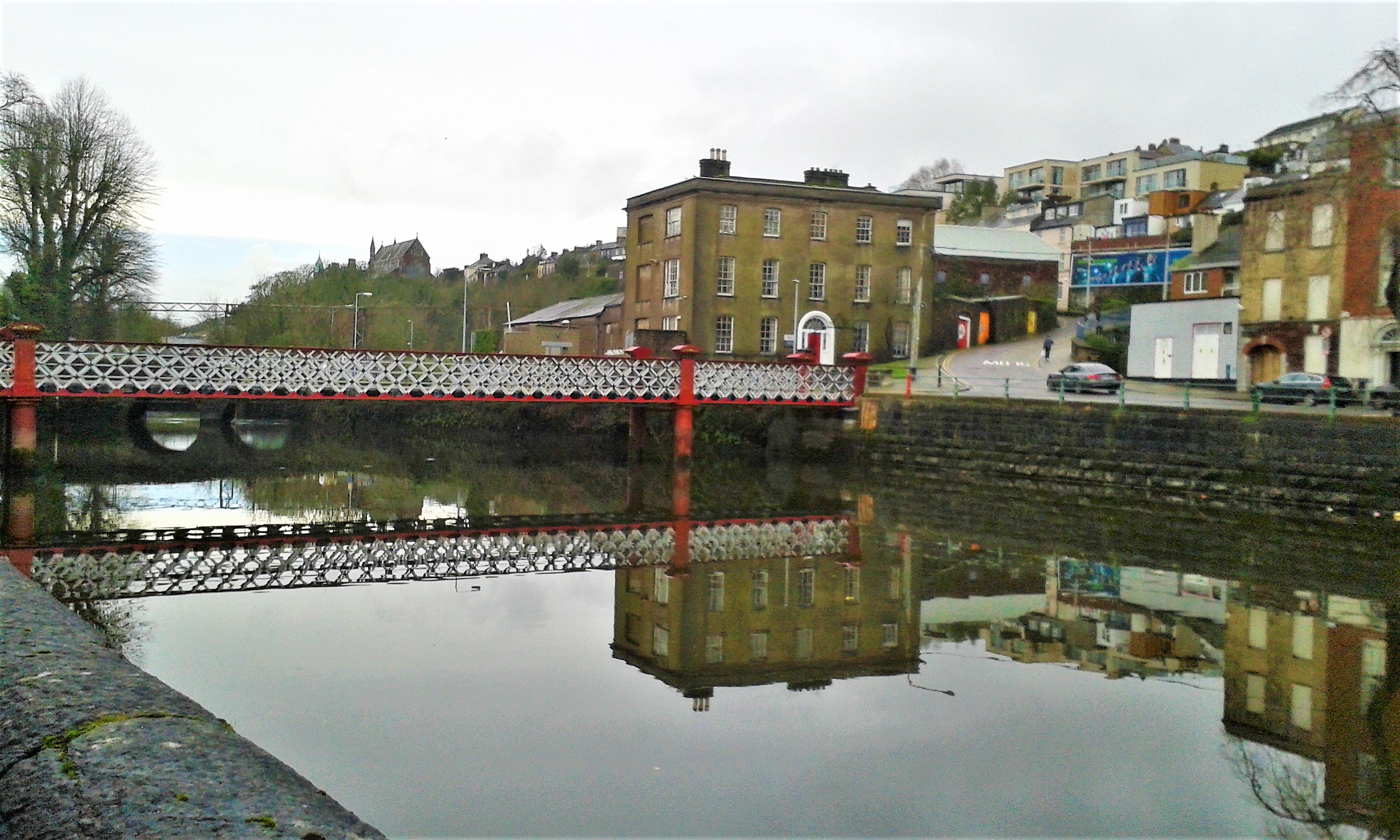
Another iron bridge, this time it is just a narrow foot bridge, very much in use!


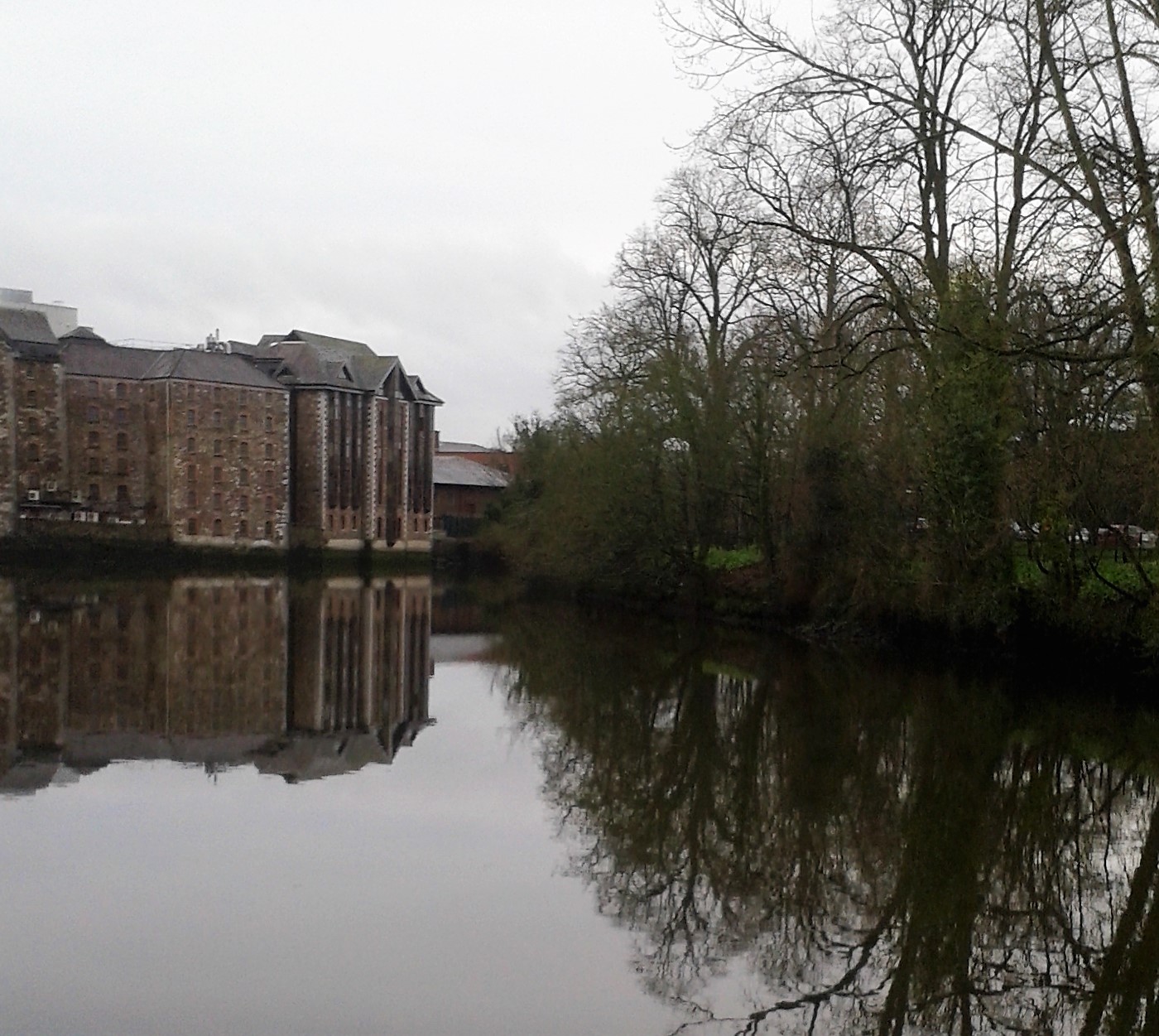
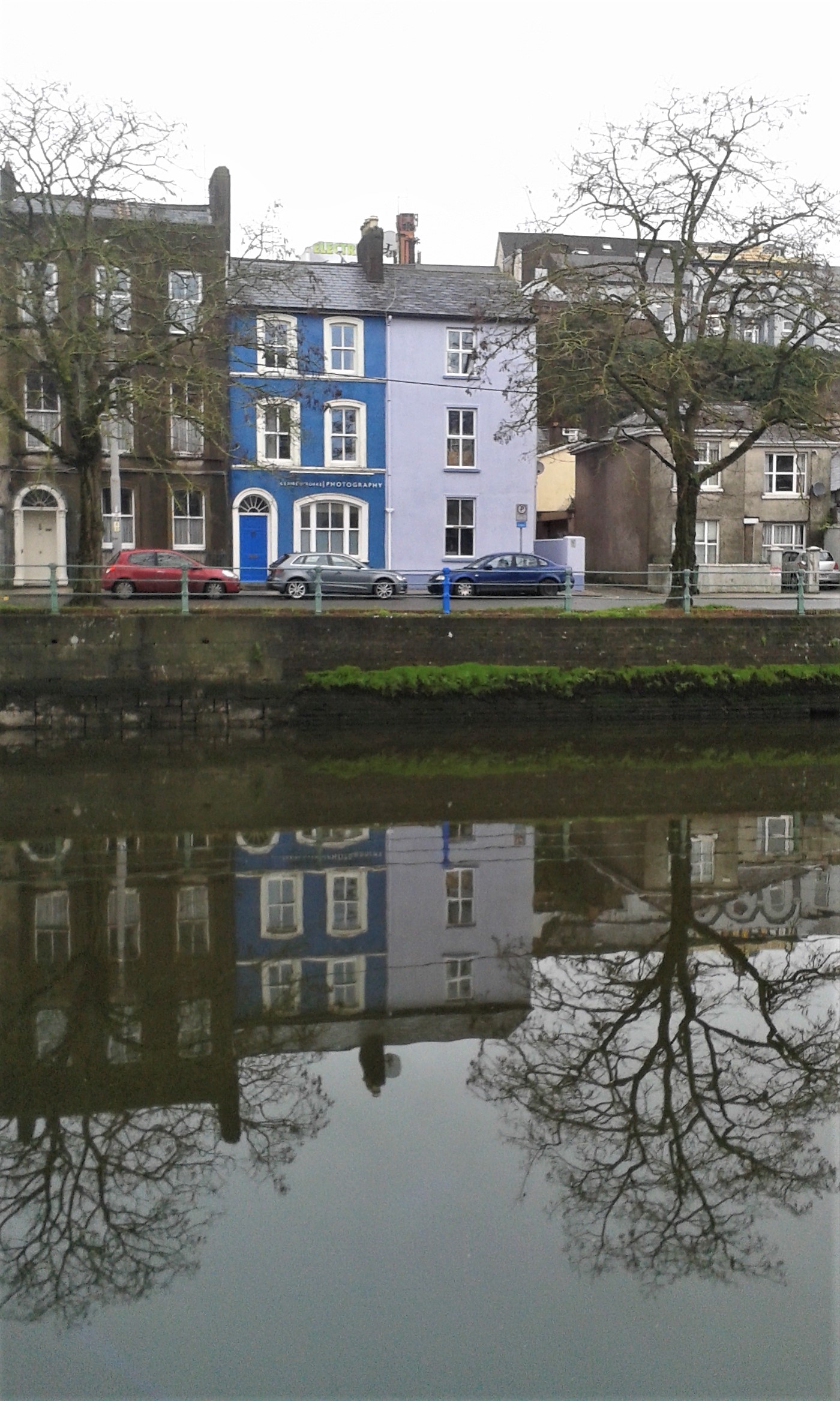


Here are some interesting and beautiful gables along the streets near the Lee river, I could not resist taking some photos of these too. Just love that gate!


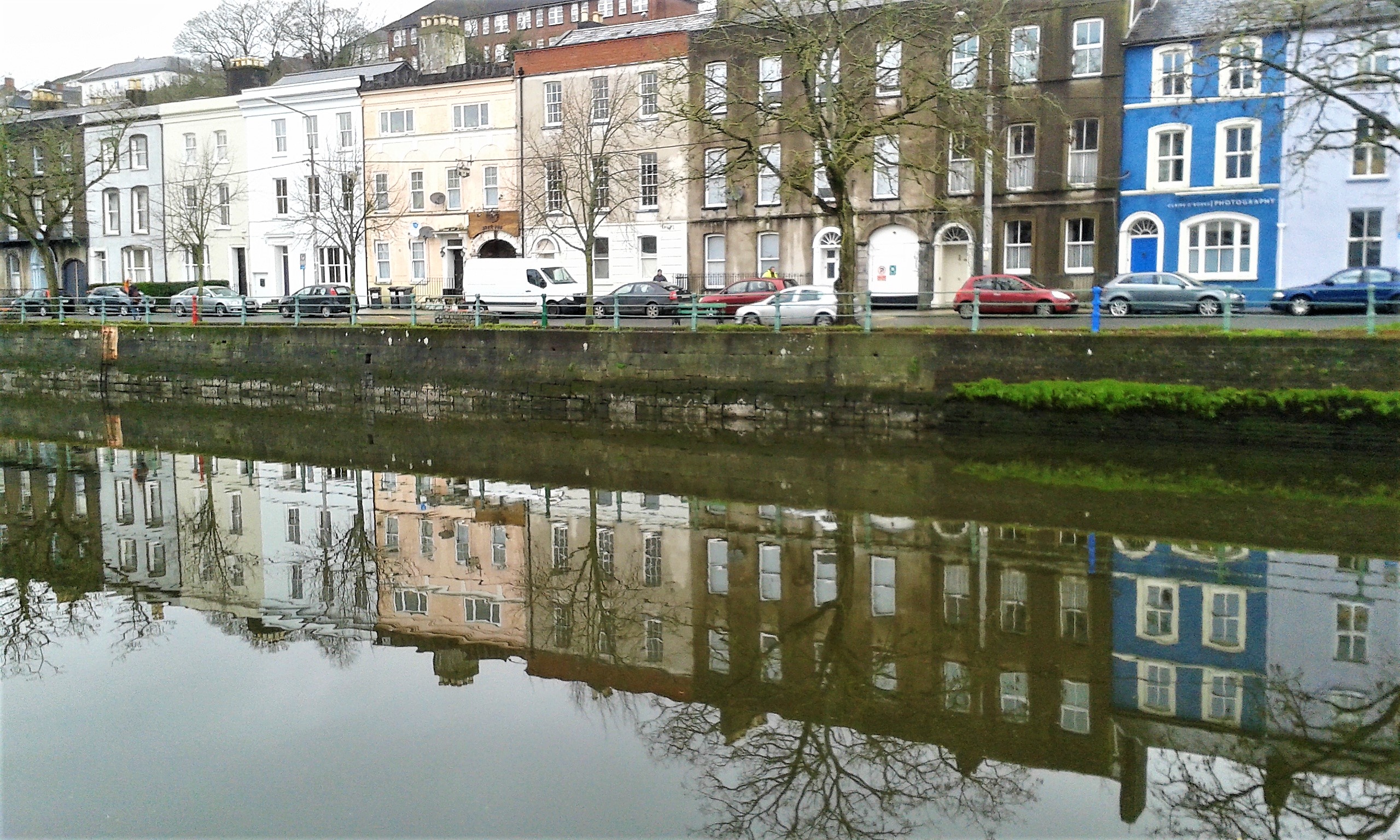

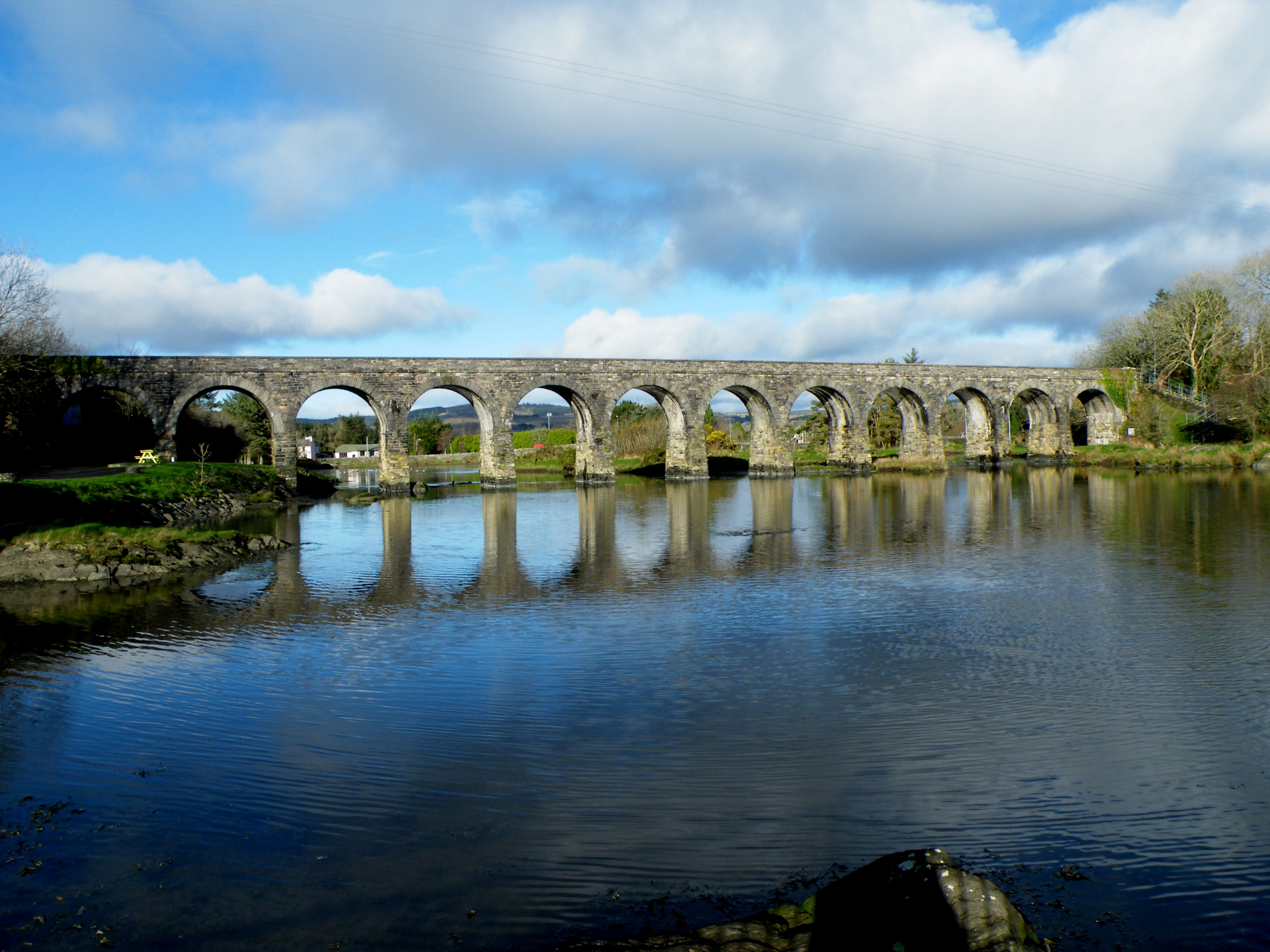
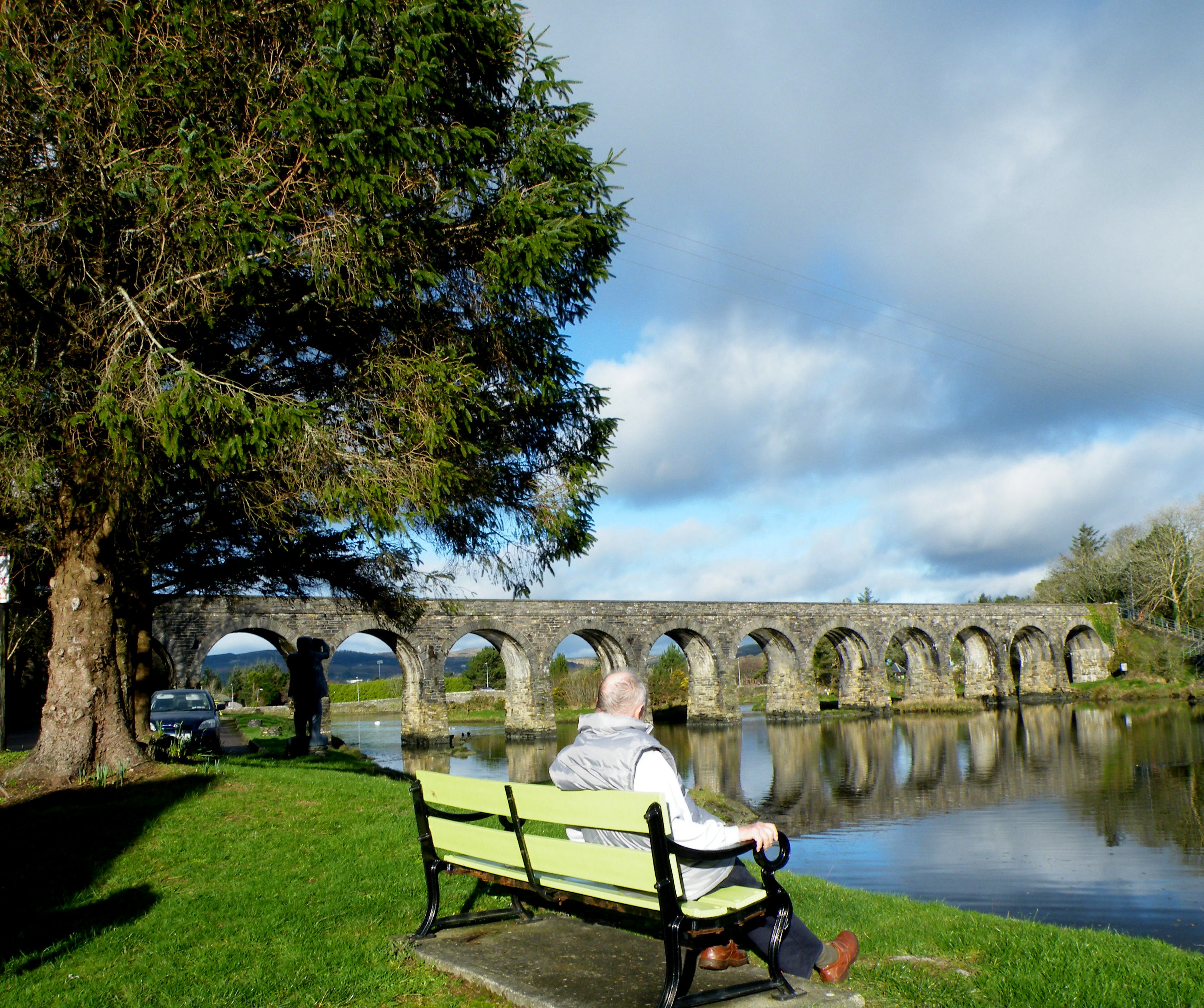
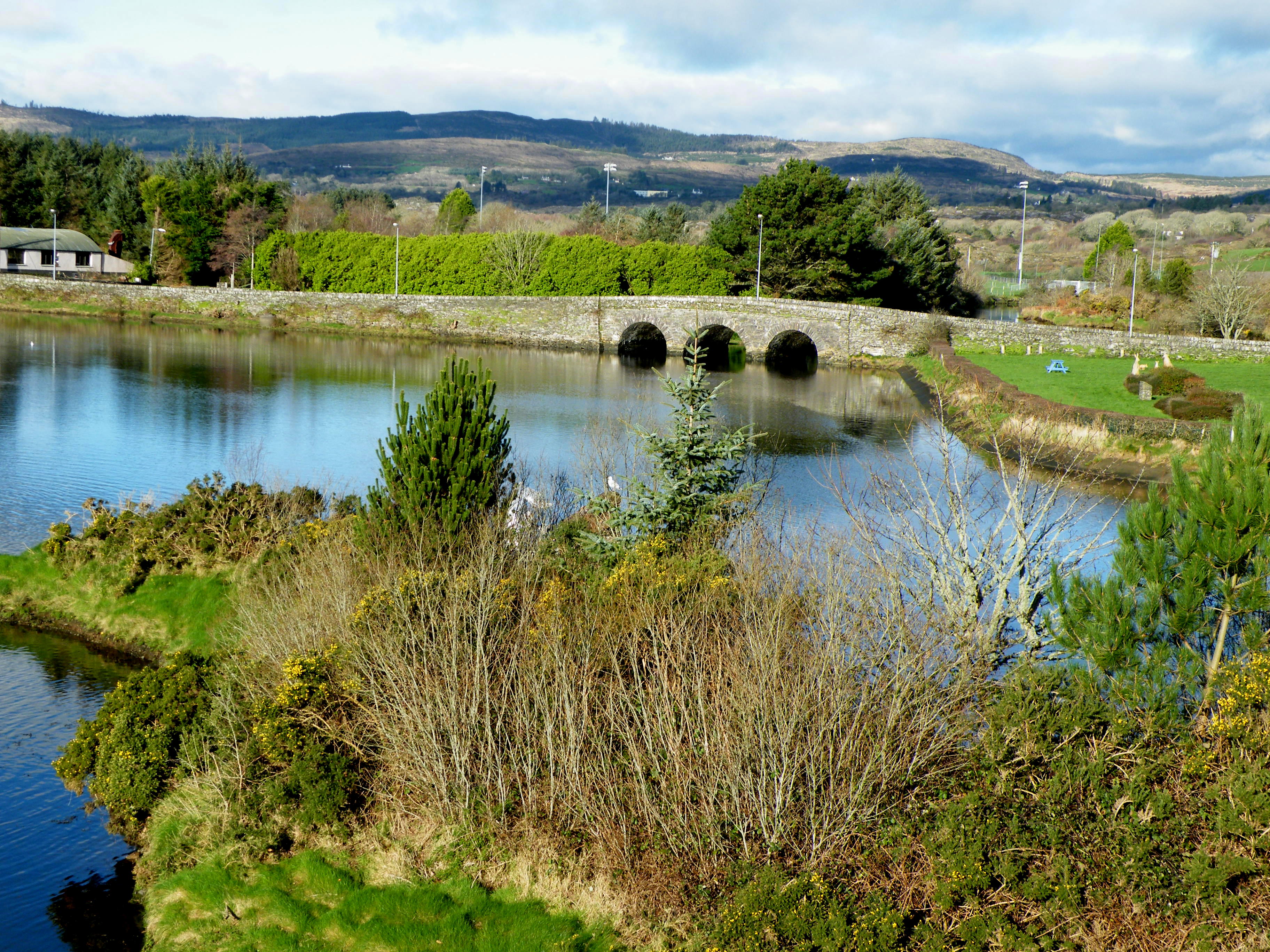
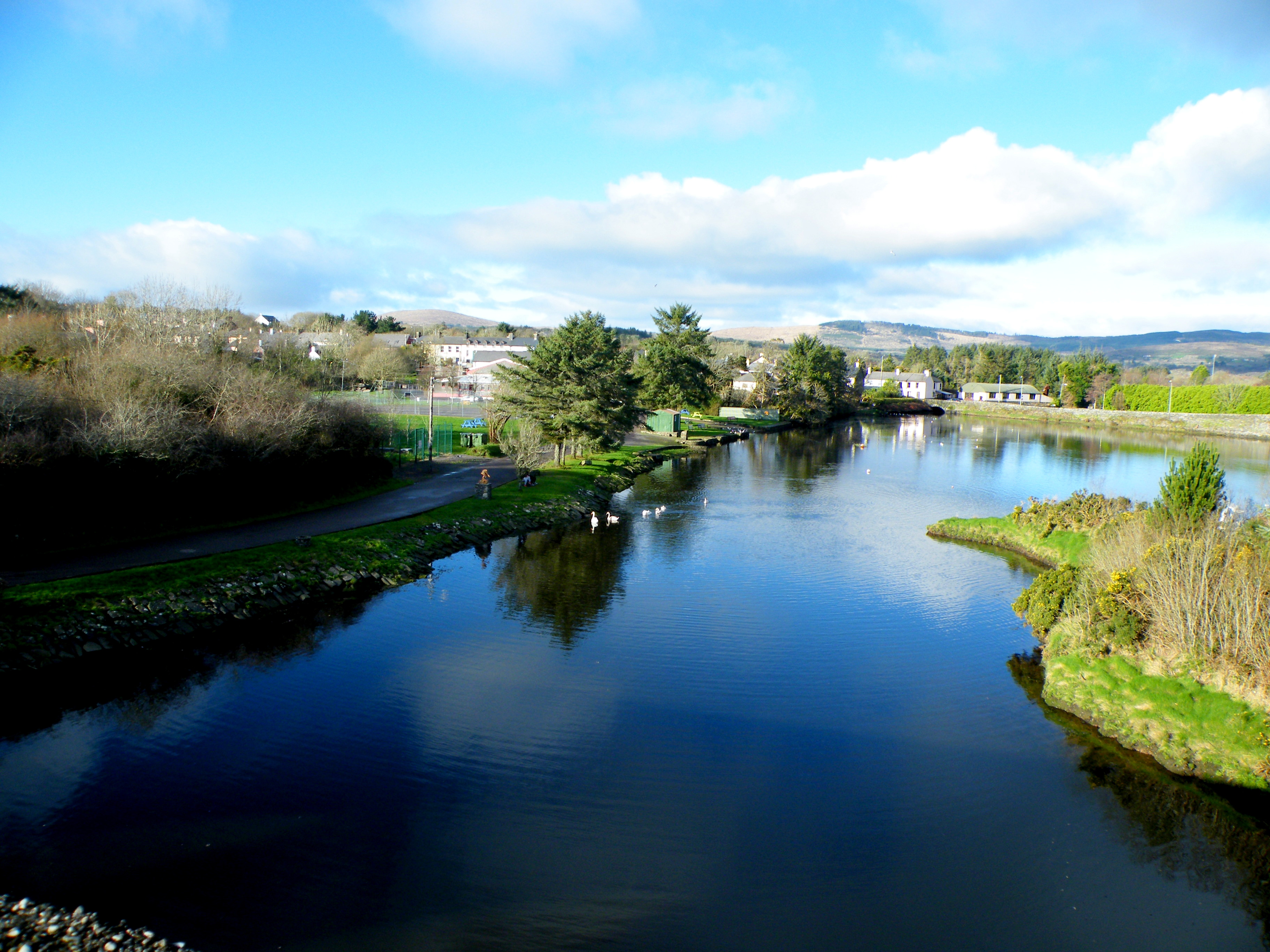
Ballydehob is a small and very charming village on the coast of West Cork, and along the Wild Atlantic route. It was once a thriving mining town, now-a-days it is still overlooked by Mount Gabriel which is where copper was mined back then. Its beauty is superb, and last Saturday we decided to go on the Nature Trail which leads around and over the old railway bridge which leads over one of Ballydehob’s two rivers, the Bawnakeane and Rathravane, but I am not sure which of the two it is! We took along one of my granddaughters, she is a real nature child and took delight in drawing pictures of some of the scenery in her note-book. Ian was well able for this walk and enjoyed it too. I took note of all the new growth along the way, there were several flowers open, Lesser Celandine, Daisies, and Herb Robert were among them. I also noticed young leaves of the March Violet, a wild Geranium, and quite a few very pretty ferns. The walk along the trail is easy for anyone and the views are magnificent. We finished our walk in the village with coffee and delicious cake at a delightful eatery called Budd’s.