THE ABORETUM AT ARDNAGASHEL

DSCF2660
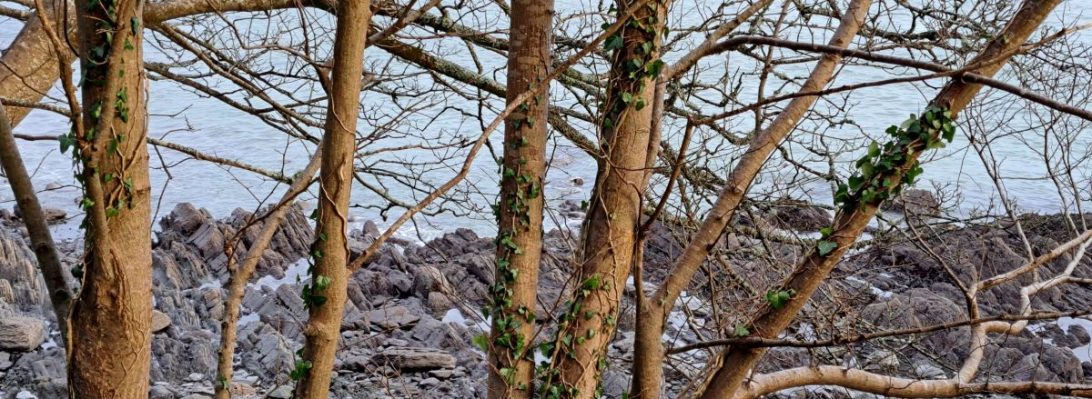
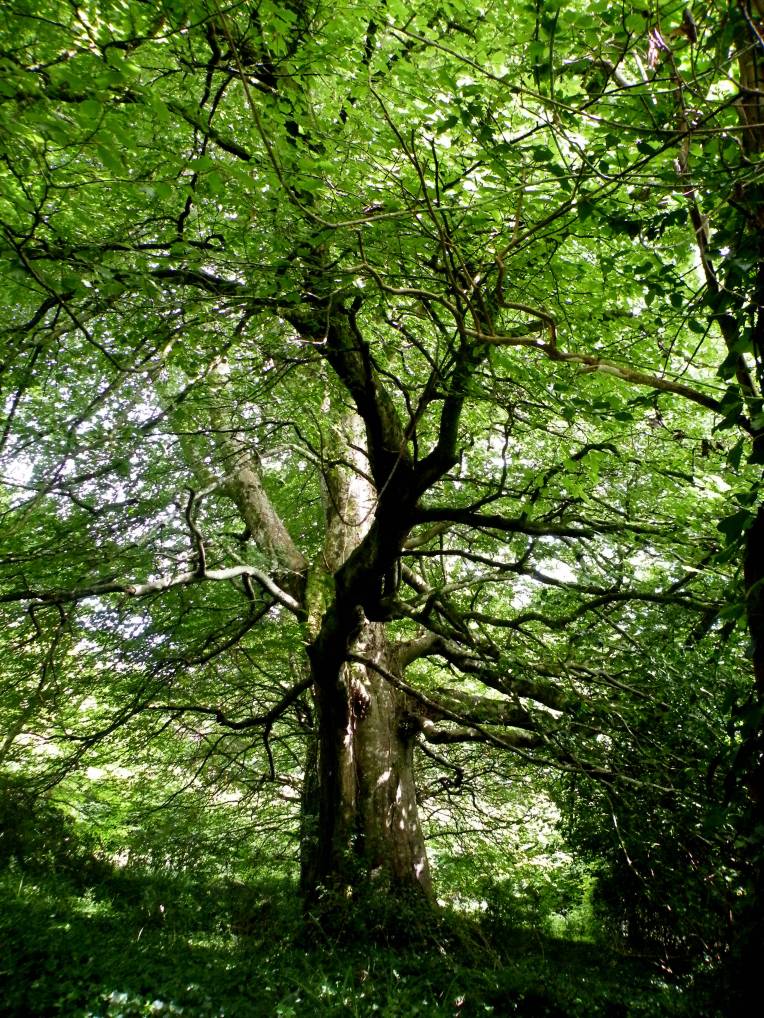
The second part of the guided tour of which I took part, it being part of the Heritage Week, was last Saturday’s visit to Ellen Hutchins gardens at Ardnagashel. Though quite overgrown, and in the sub-tropical climate of Glengarriff, in the South West of Ireland, a very lush garden, we did see a great variety of trees.  Many of them quite new to me.  Walking under their expansive canopies one becomes aware of the magnificence of their beings, our heads were constantly held high and apart from the sounds of wow and oh, the explanations of our guide, and the whispering of the leaves, the forest was quiet – the trees majestic!

One of the most impressive species in the gardens is this extraordinary large Cryptomeria japonica elegans or the Japanese red Cedar.  Its feathery leaves are so delicate.  The red brown bark peels in vertical strips, as can be seen in the photo below.  It is said that the wood is very scented and used in manufacturing of light furniture.

These are photos of the cork tree (Cuercus suber) these trees give us the cork which is used in so very many different ways.  The small tree in the middle bottom photo has actually died from the frost one year, but the large one that is standing between many other species survives and has grown very big.  Actually cork is a renewable source as when the cork is taken from the trunk it will regrow.  It is harvested about every ten years.

This is the Myrtus apiculate, closely related to the Myrtle tree.  It was introduced as a decorative tree but it soon became a very fast growing invasive weed.  The wood looks nice and is put to use when cut down for a variety of fencing and a little bridge was made out of it too.  It is not native to Ireland.  It gets beautiful white flowers.  Below is a photo.
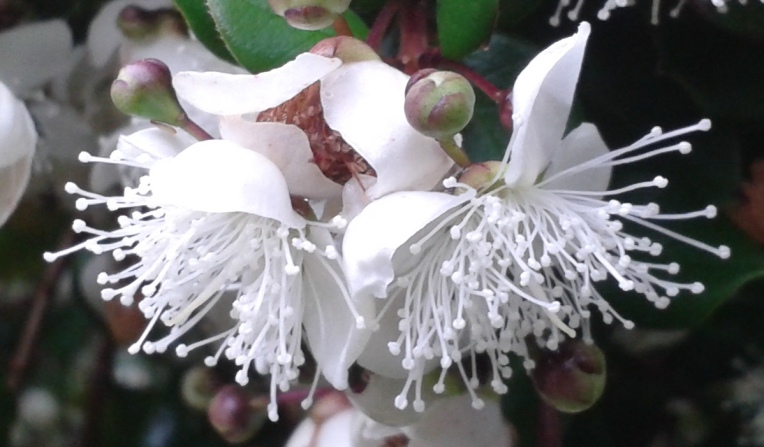
Myrtus apiculata

This tree has had its roots growing on its trunk, the reason why is because the soil around it was so crowded apparently by the suffocating growth of the Myrtus trees that there was no space for its roots to grow underground (we were told by our guide).

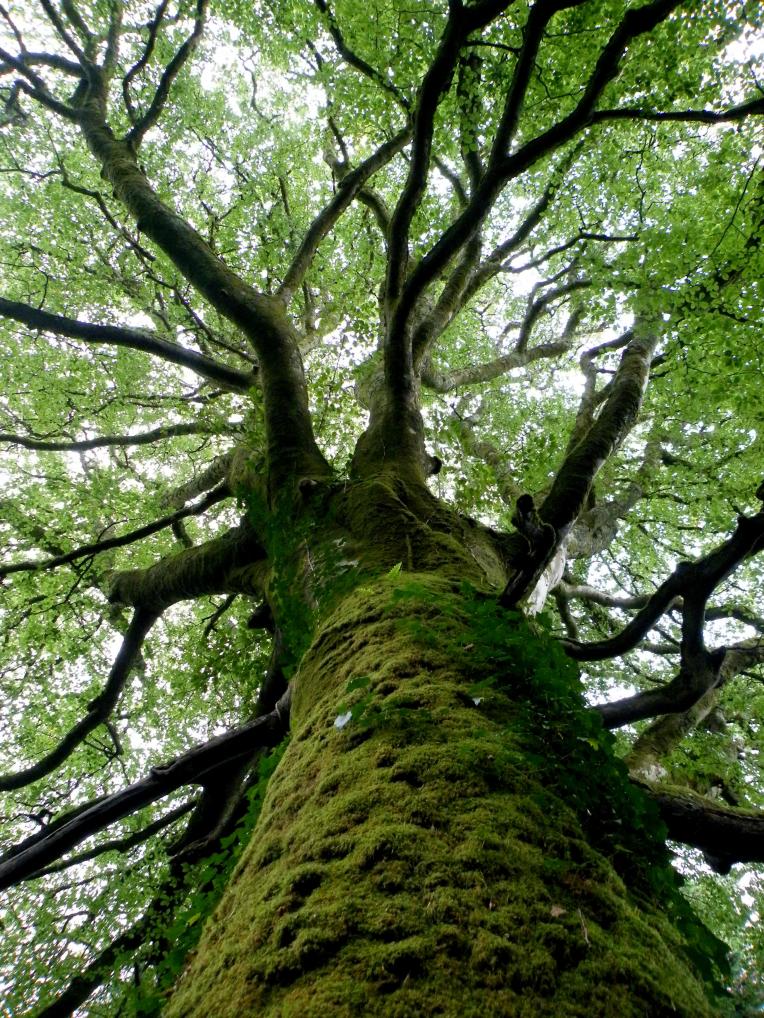
A variety of interesting looking trees of which I am not sure what they are exactly.
DSCF2732

One of my favourites, again I do not know what its name is.  A trunk covered in moss!

Ferns were everywhere, including a few tree ferns (Dicksonia Antartica).  Ferns even growing on the branch of this large tree.

Rhododendrons grow very well in this part of the world, often giving a lovely display of purple along the roads of Counties Cork and Kerry.  But in Glengarriff one is able to grow quite exotic types of Rhododendrons, from the regions of the Himalayans.  Very large leaves (as my brothers is showing) and most beautiful flowers, whites or delicate pinks, among other colours.  Some of these types bloom already in January.  Besides Rhododendrons there are a variety of Magnolias, Ammonias, Camellias and Acacias growing in this garden.

Three other fabulous species.  The top left is a Griselinia Littoralis.  The one underneath I thought is the Cypressus macrocarpa.  The trunks of trees on the right I cannot identify – ideally I will visit this garden again and become more familiar with all the trees, something to look forward to I think.
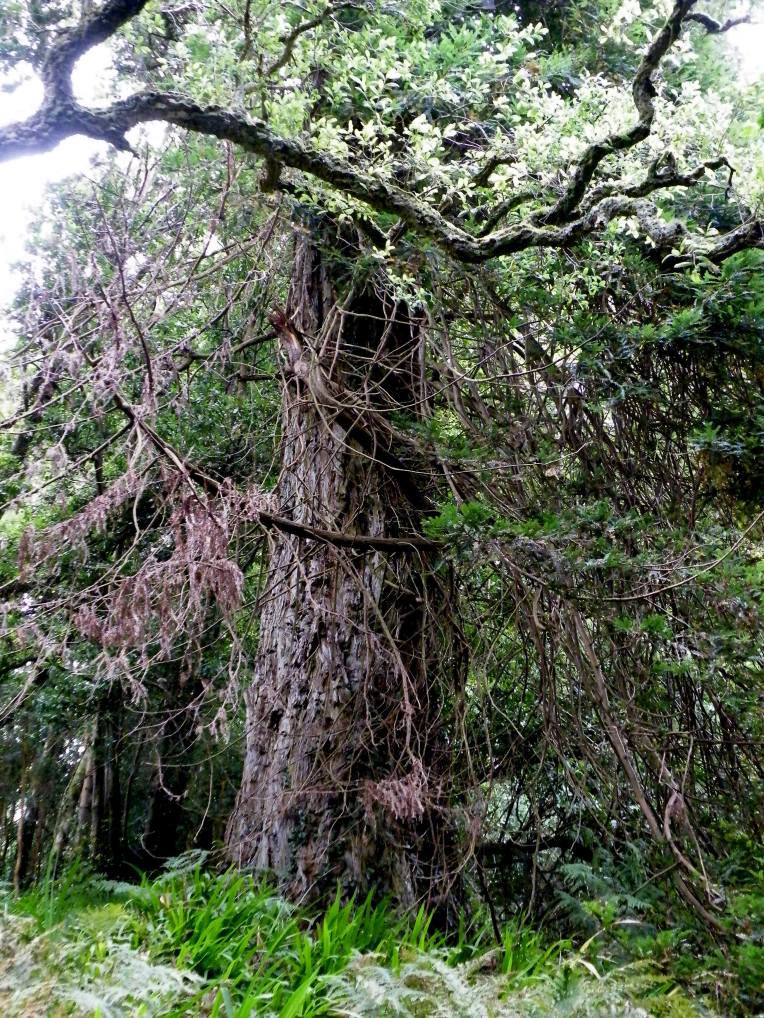
Sequoia Sempervirens - Coast Redwood

This tree, again if I am right, is the Sequoia sempervirens (Coast Redwood tree), it was pointed out to us that it was growing here. A tree of the Cypress family.  It is an endangered species.

A beautiful and interesting walk it was, wetting our appetite for more that is for sure.  This garden also contains the Davidia involucrate or Handkerchief tree but I did not see it this time.  It has plenty of Vagus Silvatica (common Beechtrees) growing too.  As I already mentioned the climate in this part of Ireland is sub-tropical, very mild and wet winters, mild summers.  This garden is lying along the coast of the Bantry Bay.
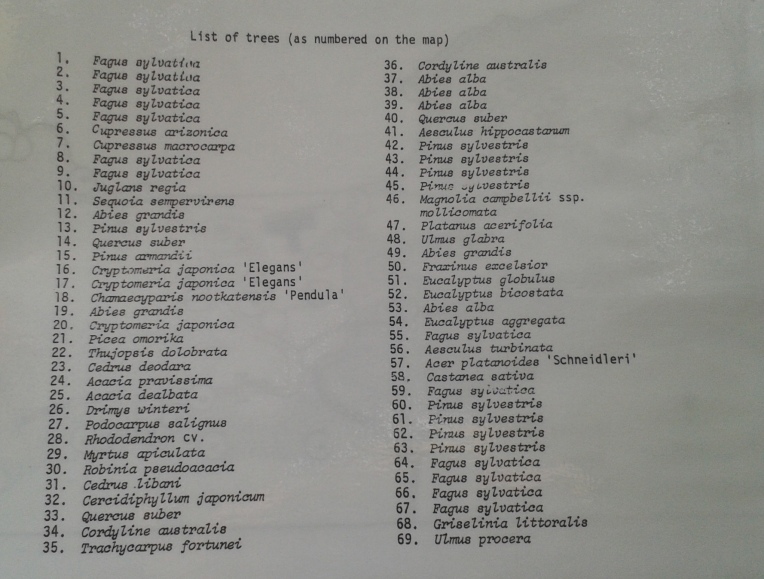
20170819_164128

This is a list of the trees found in the garden.  The list was compiled by John Bevan and can be found here:  John Bevan’s article

And here is a link to the WordPress site of Ellen Hutchins (Botanist) and the Ardnagashel Estate.  There is a lot to explore on the following blog link, I hope you enjoy as much as I did to explore this rich heritage.

Ellen Hutchins – Ardnagashel Estate


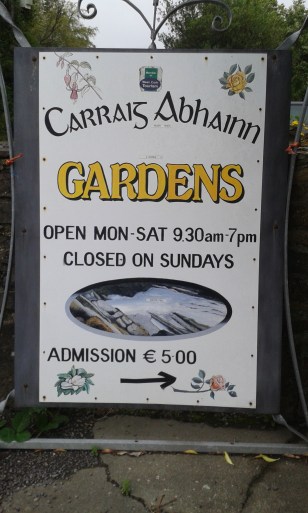
CARRAIG ABHAINN GARDENS

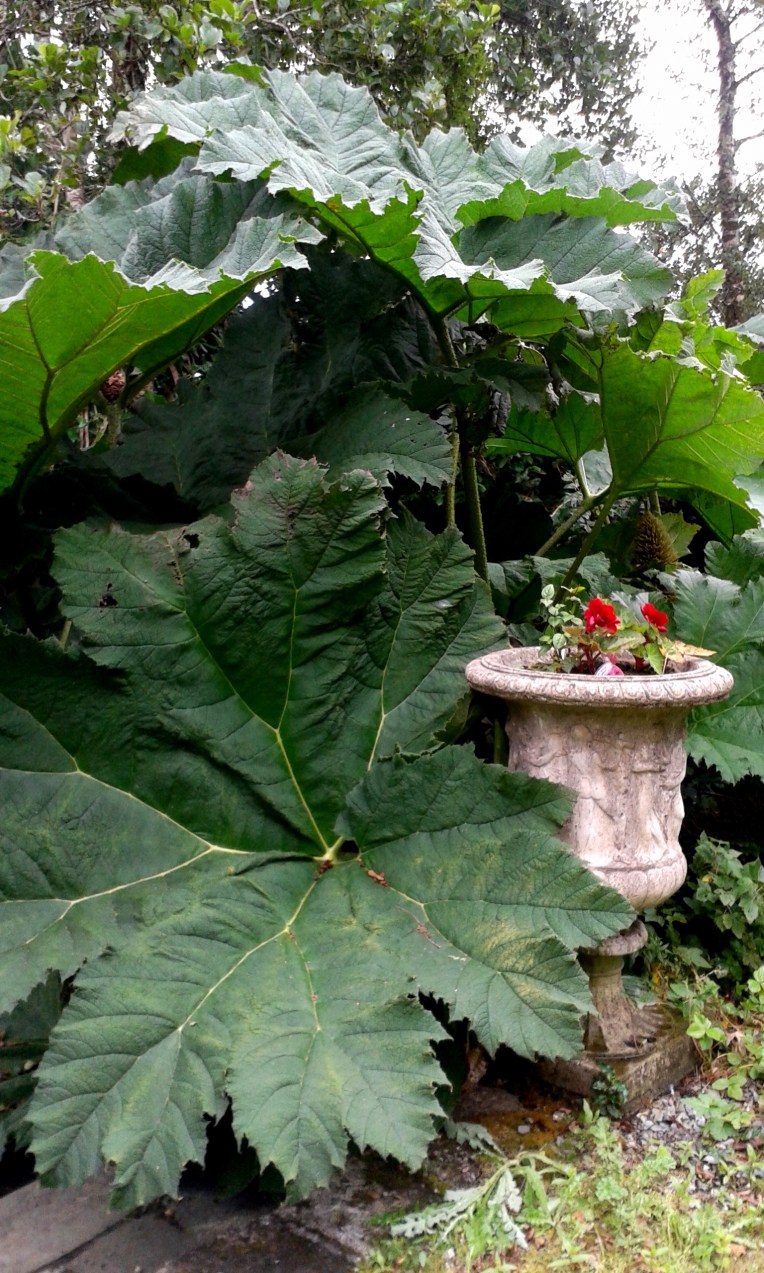
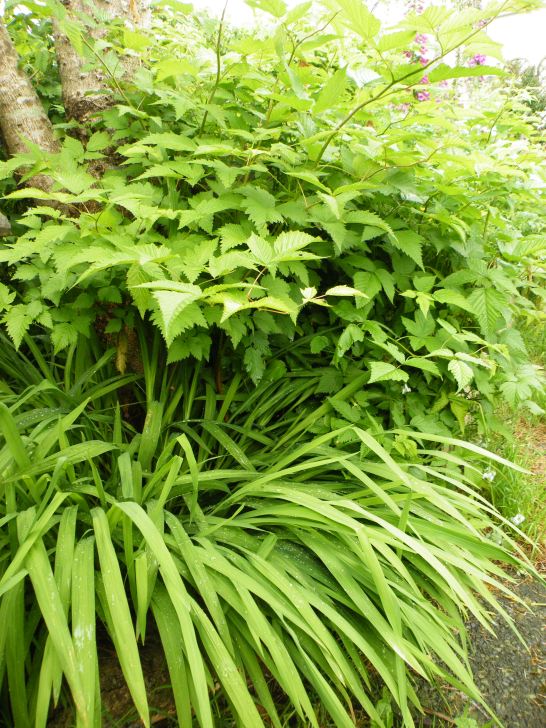
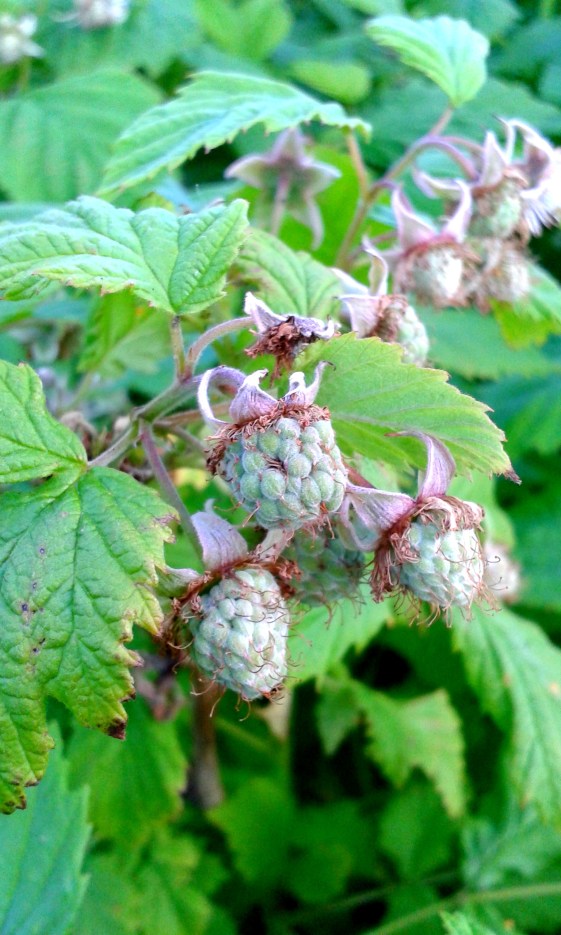
Carraig Abhainn Garden which lies in Durrus, West Cork.  It is one of the very interesting, well established and peaceful gardens in the area. It consists of 1-hectare which is bound by a mill stream. An amazing waterfall and further along the tranquil stream add to its charm and serenity. My daughter and I visited it recently with my grandchildren and the garden was loved by one and all. The children found it exciting with all its nooks and crannies, and we adults – although we often become like children when we are surrounded by nature – we just loved the tranquillity of the place. I was particularly interested in the variety of trees and plants, among them a Mimosa tree, a Korean Fir, and a whole range of other exotic trees, even a Banana tree! The variety of other subtropical plants, Palms, Rhododendrons and others was interesting too. I think it would be a lovely garden to visit in the autumn also just because of the variety of trees, although many of them are evergreens, a lot of them are deciduous trees also. I think my photos will speak for itself.  I hope that everyone enjoys the walk through this lovely garden with me.
20170803_132306

20170803_133143

20170803_132552
20170803_142255After our walk we had a chat with Eugene, the owner together with his wife of this beautiful garden.  Eugene is a goldmine of information on plants and trees and he knows his garden inside out.  I will be visiting again and he promised me a guided tour to which I am looking forward very much.  Here is a link to information on this garden.

http://www.ireland-guide.com/gardens/carraig-abhainn-gardens-.7116.html


ART EXHIBITIONS IN TOWN

Today there was a bit of a whirlwind blowing through town, at least for us as we wanted to attend openings of three separate Art Exhibitions, one of which above showed the works of Maurice Henderson.  Maurice, an old mate of Ian’s had sent him the invitation, and I was lucky to be invited along.  I have been following Maurice’s work too for a decade or two and have always enjoyed his use of colour.  I was very impressed with his current work, and the above photo is of my favourite painting, makes me think of a bluebell carpet in among trees in early spring.  The exhibition is called:  ‘Light and Atmosphere. It runs for another 9 days.

Second opening was later on in the evening.  I went on my own to this.  A great exhibition called: West Meets West – showing work from three artists from Cornwall.  Phillip Booth, Matthew Lanyon, and Tony Lattimer.  The above large painting is by Matthew Lanyon and it is my favourite, it immediately had a strong affect on me and just gave me such a good feeling.  The widow of Matthew, a lovely lady, told me that this is one of the early works of Matthew.  Very sadly Matthew passed away recently.  Top sculpture above left I was also quite impressed with, very colourful and clever use of wood and metal.  The artist, Philip Booth explained about his work to me which was very enlightening, his primal inspiration is the landscape of Cornwall, and in the case of the sculpture above it was the rocky shore along the coast.  As I have been out of circulation in Skibbereen’s Art world, I am only getting back into the swing of things and was happy that while I was scanning the room for familiar faces several new people just started to talk with me, it felt good and we had interesting conversations.  One of such conversations was with a woman called Anastasia, also an artist, an amazingly inspiring woman.  I also finally got to meet fellow wordpress bloggers Finola and Robert of https://roaringwaterjournal.com.  It was like meeting old friends as I follow there blog closely.  Very nice.

The last opening of the night was at the smaller but nevertheless lovely Art Gallery in North Street in town.  A young woman, Tara Laubach’s work was also a revelation, beautiful works of soft colours, with lots of expressions of emotion.  I need to go back to get a closer look as there were so many people that it was difficult to get a good look tonight.  The exhibition is called ‘Fiery little Ashes – a Cinderella story’.  Much enjoyed the reading by the young artist.

And finally we were treated to poems by two different poets, these were short but good and they wrapped up an evening of culture in this small town in West Cork perfectly.

Afterwards I discovered that there was also a new exhibition in one of my favourite Galleries, the Catherine Hammond Gallery in Bridge street, which I missed the opening of today, but no doubt will visit during the week.

I think that I am finding my feet again in West Cork, saw a lot of lovely people today and interacted with them, always a good grounding method when you have been away for a long time, feel at home again even if it took me the best of two months.

AN ALMOST TOTALLY WILD FLOWER GARDEN

DSCF2152
These days as we find ourselves getting towards the end of the beautiful month of May, I am delighted with the many birds, bumblebees and other insects that I am finding in our half wild garden.  Every morning I listen to the dawn chorus of blackbirds, robins, and other little birds who are nesting in our overgrown hedge.  It is a wonder to see the wealth of these creatures enjoying our smallish garden and we in turn enjoying their company and song.  The butterflies and bees have still to come, maybe the temperature is not warm enough.  Yesterday, a day of heavy rain freshened up all the plants and today the bumblebees are out in full force, the sun is out and it is warmer, a glorious day!  We are expecting friends for lunch and it seems like a day we might be able to sit outside.

DSCF2192

I have found a beautiful fern growing around the old pump and the red stone wall, both of which are in this garden from the time we first created it decades ago, my then husband Ron was a great garden creator, though I owe the present raised beds to my partner Ian who has put in a lot of work creating these also.  But the creation of the present lush wild flowers and plants has come about totally as a gift from nature, and happy I am about that.  It seems all I have to do this spring is walk around in this luxurious growth and admire the colours and shapes that nature throws out there, what a palette, what a beauty.

DSCF2188

DSCF2160

20170518_181812And so spring is slowly turning into summer, at least its got that feel about it.  Weather- wise it seems to be warming little by little, in fact we were able to sit outside sharing a lovely meal and glass of wine with friends, chatting into the late evening surrounded by the sounds and scents of our garden, wind still.  I would not wish to be anywhere else at moments like this and feel very grateful to be able to enjoy this wealth.  The moisture and warmth after a day of rain in West Cork is something you have to taste before you can believe it.


Our friends brought us some young asparagus seedlings which they planted out with me, in two years time I should be able to harvest some of them and make a lovely soup, Ian’s favourite.  This bed was full of ranunculi and it took me a whole morning to get all the roots out, much as I love buttercups, they had to make space for the asparagus.  There is great satisfaction in creating something in the garden apart from enjoying all the wild plants.

THE TOWN OF HERTFORD

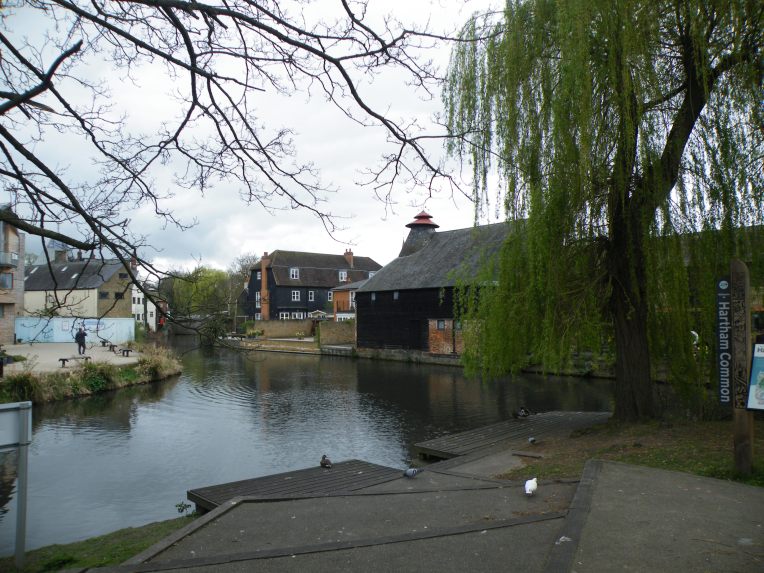
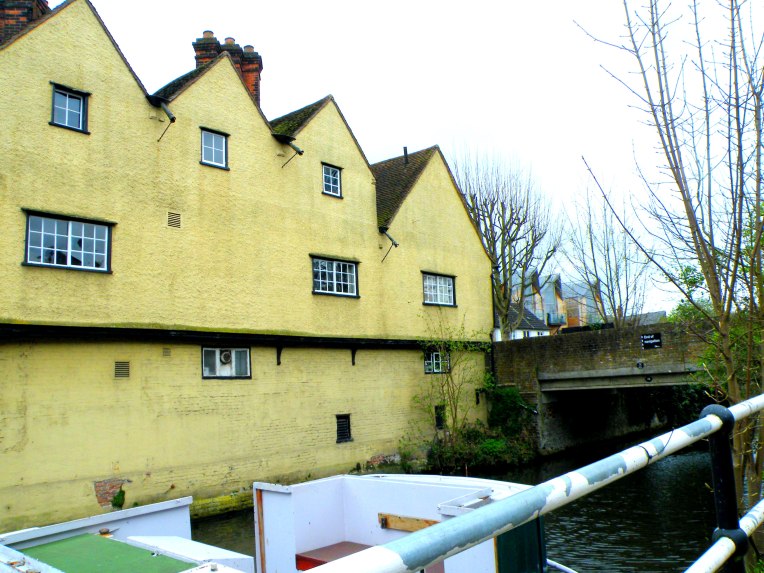
Some weeks ago we had occasion to visit the town of Hertford in England, it was a family visit but I was able to slip out for a few hours of town exploration which I greatly enjoyed because Hertford is such a lovely and picturesque place, so much of interest to see, a market town originally, most of the centre of the town is a conservation area, and this was plain to see in the many lovely facades of historical buildings. I felt a friendly and pleasant atmosphere there, people young and old looked carefree and happy that morning, it was the weekend. At first I crossed a little bridge over the river Lea, this river looked more like a canal actually, and it had some colourful narrow boats moored along its sides. Turning the corner I came upon a few market stalls selling local produce, nice one I thought, it is always good to see a market, it gives a homely feeling. I walked on just looking at the variety of town buildings, this must have been in the main street. I liked the facades of many of the buildings, highly decorative and a great variety. Turning back on my steps I decided to explore some of the many charity shops which in itself is a relaxing and nice thing to do, the thought in the back of my mind is always something like “I might find a lovely bone china cup in blue and white, or a precious book”. Anyway I knew very well that I could buy nothing as we were coming back from Gozo with three suitcases that were bulging as it was, end of story. But I did buy a book, it turned out to be the read of the year so far for me, I am enjoying it tremendously. It’s a biography cum garden history cum social history of a place in Shropshire called Morville and the author is Katherine Swift.
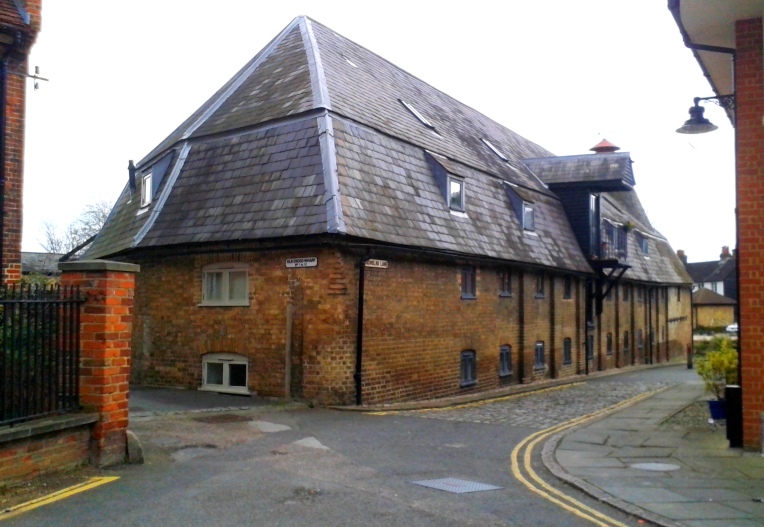
So far so good, walking on towards a church tower in the distance I then decided it was too far and turned back into the centre of the town where I saw more interesting buildings like the Old Cross Wharf of Nicholas lane. The Mill Bridge Rooms, this forms part of a 19th century Seed Warehouse. What’s very interesting about this place it that there is stored there a rare 4th century Roman Corn Dryer, that’s something I’d like to have seen all right. The Green Dragon Vaults – The Green Dragon Inn: The original inn existed already in 1621. And several other buildings. Very noticeable were some of the shapes of the roofs, I just loved them. There is an interesting museum too but I only got as far as the hall and talking with the people inside there, hoping to have time to visit later on but did not manage that.
In every shop I entered I found the people friendly and chatty, this is always a good way to glean information but there is also an excellent Tourist Office which was also exhibiting some paintings at the time.
A good all round and very pleasant visit it was, adding to the already lovely welcome we received from Ian’s daughter, all of which made for a wonderful experience.  A place I would love to return to for sure as I don’t think I saw half of it yet.

DSCF1596

The river Lea and the Old Barge Pub on Folly island

20170331_133418

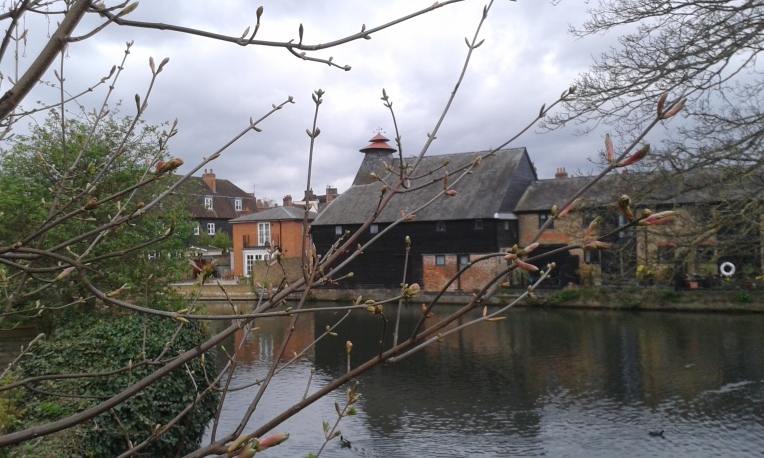
The Old Cross Wharf, historically used to as kiln, grain store, cart shed and tally house, more info on it found at https://historicengland.org.uk/listing/the-list/list-entry/1268795

Some beautiful decorative plaster work, this is called pargetting.

Here seen are the Mill Bridge Rooms and a photo of the Green Dragon Vaults/hotel

Some of the shopping areas and the market stalls

20170331_135952

This building across the river Lea here is quite distinctive looking, it is the other side of the Old Cross Warf above, but looking at it from across the river.  Cool!

20170331_133253

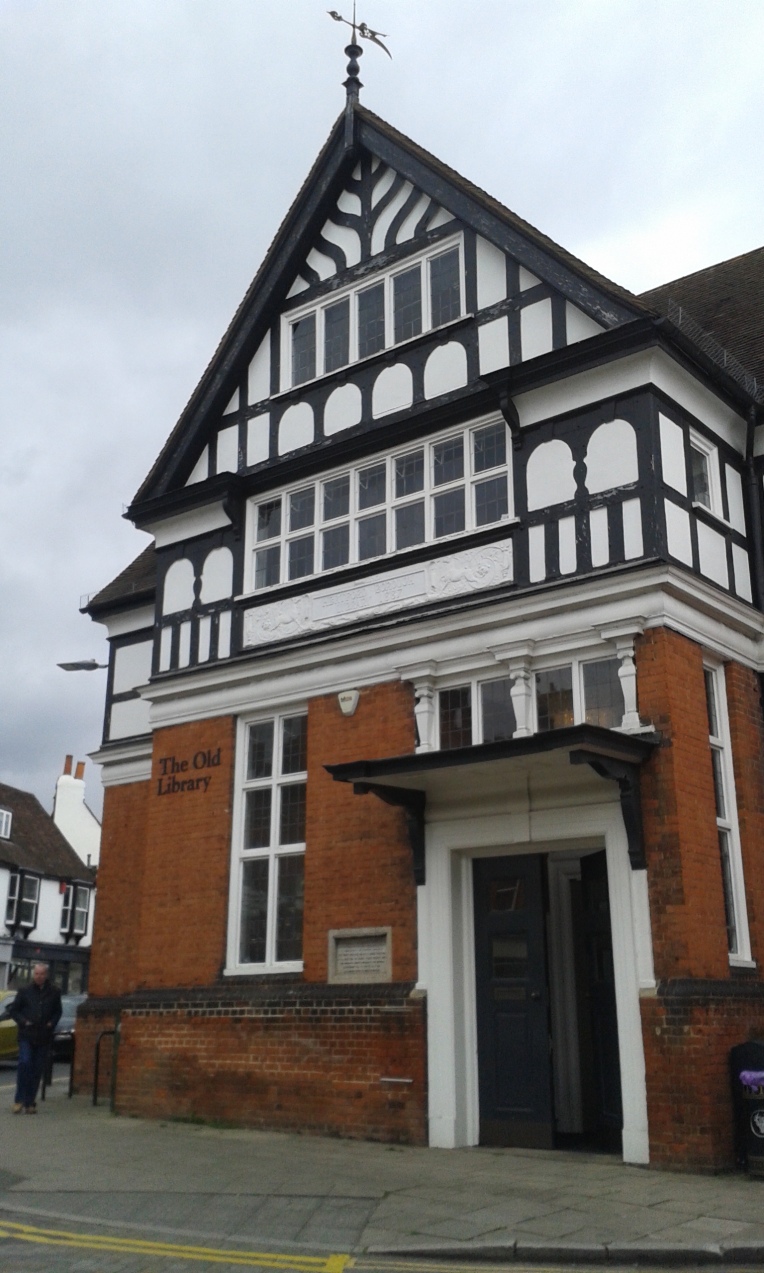
The Old Cross Library, this building was constructed by British architect Reginald Blomfield.

DSCF1593

Along the river Lea, or Lee.


DISCOVERIES IN A NEGLECTED GARDEN

A longwinded journey brought us from Gozo back to Ireland, via visits to family in Henham, Hertford, and Cambridge which was, of course, much enjoyed as was the mild spring weather and all the beauty of the English countryside this time of the year, but more about that in another blog.
So we arrived home here in West Cork greeted by my daughter and lovely grandchildren, that was a beautiful moment. Next day and after unpacking all our suitcases I went for a leisurely walk around our garden. Neglected as it was, it has not become totally overgrown yet and I was able to find many treasured wild plants and even vegetables among the grasses and on the beds. So I enjoyed myself with these discoveries, taking note of what I will be cooking in the next few days, and which wild plants I’ll be using, and also taking photos.

I found a little plant that is new to my garden, it grows wild around here in West Cork on walls, but here it came to grow in an old flowerpot, maybe birds dropped its seeds.  It is the little Ivy-leaved Toadflax.

Cymbalaria muralis - Ivy-leaved toadflax
Cymbalaria muralis – ivy-leaved toadflax
Forget-me-nots in flower
Myosotis arvensis – Forget-me-not

And a left over from last year, the lovely blue Forget-me-not I found blooming.

As far as herbs go, West Cork, because of its mild climate is good for growing these.  I found the Melissa doing just fine, the Oregano coming up, the Rosemary and Lavender doing really well.  So maybe it is time to add a few more herbs during this summer.

I was pleasantly surprised by the numerous Borage plants coming up all over the garden, even in the cracks of the concrete path.  The bees will be very happy about this.  The Chives are ready for cutting, and Nettles ready for the soup!  And I nearly forgot all the three corned wild Garlic which are just everywhere, so delicious in salads and mixed in an omelet.

Three cornered wild leeks
Three cornered wild Garlic

Delighted to have found a Mullein plant, this is also a medicinal plant of which I sowed a few last year.  And of all things I found a young silver Birch, well I know it was there as I put it in a pot to share with someone after it came growing in the garden, a baby of our large Birch.  The only damage during the winter was to our small greenhouses, wear and tear you could say.  I also found that the massive seedpods of my Evening Primrose plants had survived all the storms, these plants should be coming up soon by themselves I think.

Salad leaves are ready to eat.  Bay leaf tree is growing well and full of very green leaves which will be uses in soups nice and fresh.  I also found several broad bean plants in flower and all, Ian will be very happy about that, his favourite vegetable.  Leek plants which I planted out toward the end of last summer and just before we left are growing.  And finally, but not really finally as there is no saying what else I might find, the bed with the berries is absolutely full of flower buds, it promises to be a good summer for soft fruits.  The water barrel shows that here has been no shortage of rain!

I am totally happy with what I found, it is lovely to come back to my garden, and looking at the evidence, the garden has benefited from being left to itself for a while, there might be something in Permaculture after all.  It feels like nature is now growing what it likes to grow, and the soil in my garden is showing me what will thrive best.

I am taking note!

A WILD FLOWER WALK

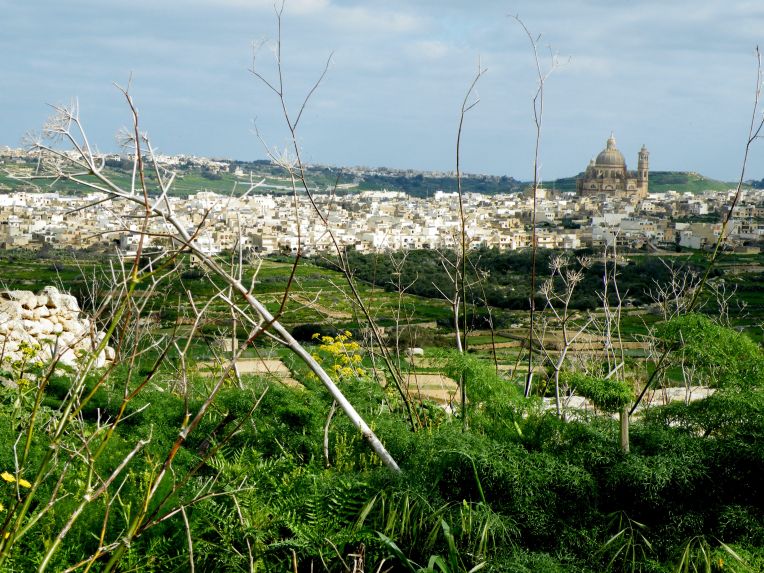
Yesterday I decided it was time to explore one of the cliff villages of Gozo. Ta-Sannat, and Il-Munxar were on the program, then to walk back from there to Ir-Rabat. It was a beautiful sunny and warm morning. Not sure what to expect as I had not read up on these villages, I was pleasantly surprised by the diversity of wild flowers that were in bloom, it really did fill out my inventory and photos of wild spring flowering plants that I have encountered so far here on Gozo. I was rather overwhelmed at the diversity, never having seen such a variety yet around the other villages, but that could be because the further in spring we get, the more flowers will be opened. The bees were buzzing, probably because the sun was rather hot, birds were singing, including the canary birds that many people here own and give fresh air whenever they can. Ta-Sannat also proved to be the first village where I heard a cock crow and saw horses and cattle outside. I got a lovely feel of the place, it is situated high enough for one to see the surrounding villages, like Ix-Xewkija, and Il-Munxar, I could also see the sea at L-Imġarr (Mgarr) from where I stood, and part of Victoria. A wide horizon is visible, and virtually the whole island of Gozo can be seen. The village itself was quiet, I was chatting with a lady in a small shop, apart from that and from the usual vegetable van which I had encountered on most of my village trips, all was still.
I know that there are quite a few things that I missed seeing around Ta-Sannat; the cliffs, the dolmen, the temple, and the ancient car ruts, but these were all outside the village and I did not like to go and see them on my own. I have a plan though, next time we spend the winter in Gozo I will link up with some friends to do things I do not like to do on my own, these activities will be on that list, I will organise that.
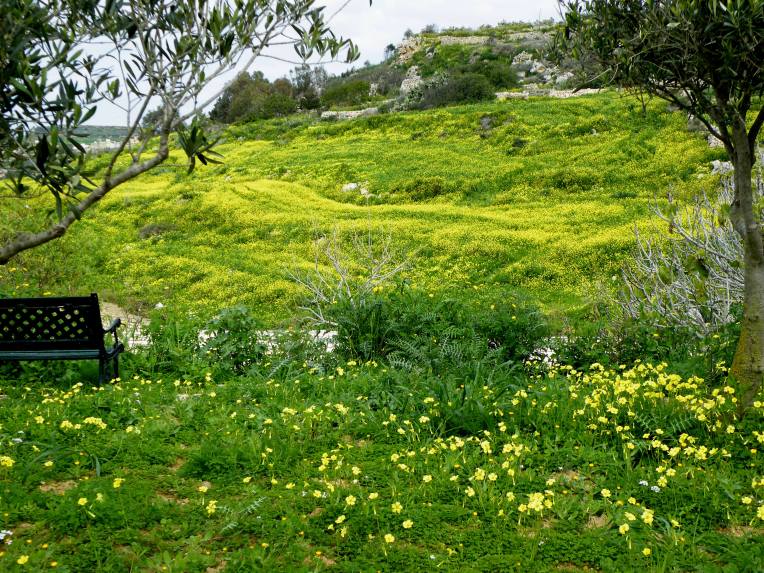
After taking many photos of the wild plants and flowers I started to walk toward the village of Il-Munxar. This is a very pleasant walk, it takes one along a whole stretch of farm land, land at this moment full of vegetables and here and there a farmer tending to his plants, heaps of manure were also to be seen lying ready to be spread out on places that were bare. I had a chat with one farmer who was obviously enjoying being on the land on such a sunny morning. Il-Munxar is another small village lying between Ta-Sannat and Ix-Xlendi, there is a walk that takes one from the Ferry Port of L-Imġarr (Mgarr) along these coastal villages toward Ix-Xlendi, the walk must be so beautiful as all along there are to be seen the highest cliff of Gozo. In Il-Munxar where I walked some bit out of the village, I saw meadows so full of flowers, like a painting with full blocks of bright yellow, so cheerful I just sat and watched it all and tried to take it in so I could take it away in my heart and mind, such a beauty!
Eventually I kept walking toward Ir-Rabat (Victoria) and reached there well in time to share lunch with Ian who had been at home meanwhile and working on writing his children’s book. We both excitedly shared our mornings adventures and decided once again how much of soulmates we really are and how thankful we can be for all that we are given day by day.

dscf9816

dscf9948

dscf9735

A SPRING IN MY STEP

Some days ago I decided on a trip to Santa Lucija, a village which is said to be probably the first human settlement in the Maltese islands. It’s not far from Ir-Rabat, but I took the bus and my plan was to walk back. The day was lovely, excellent weather for a long walk, the form was good, an inward smile that I sometimes find difficult to suppress, and which happens quite often when I’m walking on this great island, was making me light-hearted, and I had a spring in my step.

It is said that caves in the area (Il Mixta) of Santa Lucija were peopled by early settlers, this would have been around 5000-4500BC, or during the Neolithic period. At this stage people are said to have come to Gozo from Southern Sicily, according to similar pottery style found in both places. It is only after this period and around 700BC that the Phoenicians are said to have colonised Malta and Gozo. Remains of a settlement during the Punic period have also been found around this hamlet. The Punic period was followed by the Roman and Medieval times. The Romans took over from the Phoenicians in 218BC. Some sources think that Santa Lucia had a Roman settlement as shown by lots of Roman artefacts found at and around the village. After this time the Maltese islands were conquered by a whole variety of colonizers, at some stage nearly the whole population of Gozo was led into slavery or killed. Santa Lucija, like most other villages grew out of a hamlet, the hamlet was called St.Katerina at the time. It grew into a decent village with a good variety of different trades being practised, and many farms were to be found around the area too, to this day there are still many farms around this village, the land is very fertile due to natural springs. Like many of the other villages I visited on Gozo, there is a stillness about the streets, a tranquillity, only the birds I heard singing and the odd car would pass me. The little church was closed, the façade simple and small, but with a stylish bell tower.  The motto of Santa Lucija is “I pour light upon my fellow citizens” and this has everything to do with St.Lucija being the saint of the visually impaired, obviously people in the past would have travelled here for help with their eyesight.

I did not walk to the caves all though I did want to go and see them, but not on my own. I saw the old mill, and the remains of It-Torri tal-Warda. Because Santa Lucija is actually a hamlet belonging to the village of Kercem, I only had to keep walking direction Victoria to arrive in Kercem and later on to find myself back in Victoria, it was a lovely walk, a couple of kilometers. From various places I could see the dome of the St.George Basilica which showed me that I was still going in the right direction, and as it was, it was there that I was heading – to sit down in the square and relax with a well deserved cup of coffee.
20170208_084957

20170208_084823

20170208_091105

The It-Torri tal-Warda, this was a sort of watch tower, standing in the middle of the fields at the time it was apparently used by the landlord to oversee his field labourers and prevent thieves from stealing the produce of the land. The tower was damaged during a storm.

Top left is the remains of Il-mithna, the windmill which used to have sails to catch the wind and make it function.


20170208_090641
The whole village is surrounded by farmed land.

MEETING WITH THE OMBU TREE

While on the island of Gozo I took notes of and enjoyed some of the trees unfamiliar to me. It is nice and interesting to find out what they are called and then to search on Google about their uses, growth, country of origin and so on, it keeps me quite busy at times. Then I will take many photos of all the different attributions, leaves, flowers, seeds, seed hulks, shoots, trunks etc. And of course I like to share this in my blog, my blog is after all a celebration of all that the earth so generously has to offer to us and to life itself. And so here goes, I hope you enjoy.


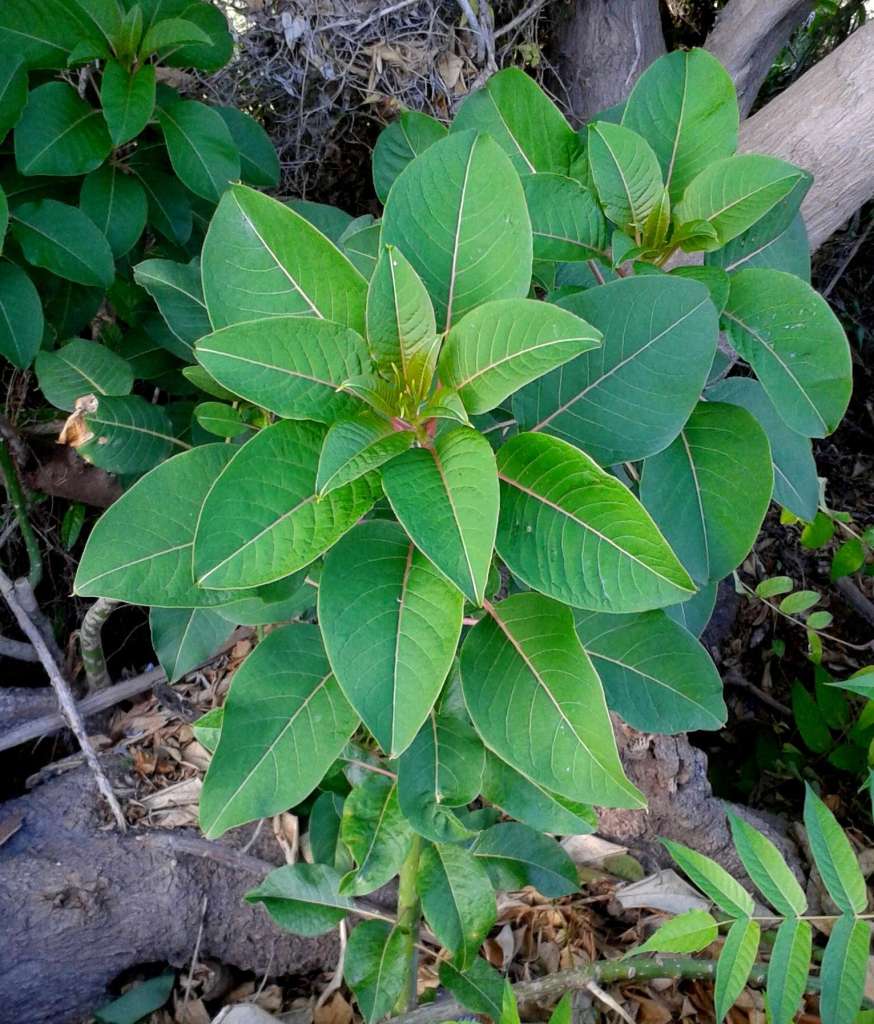
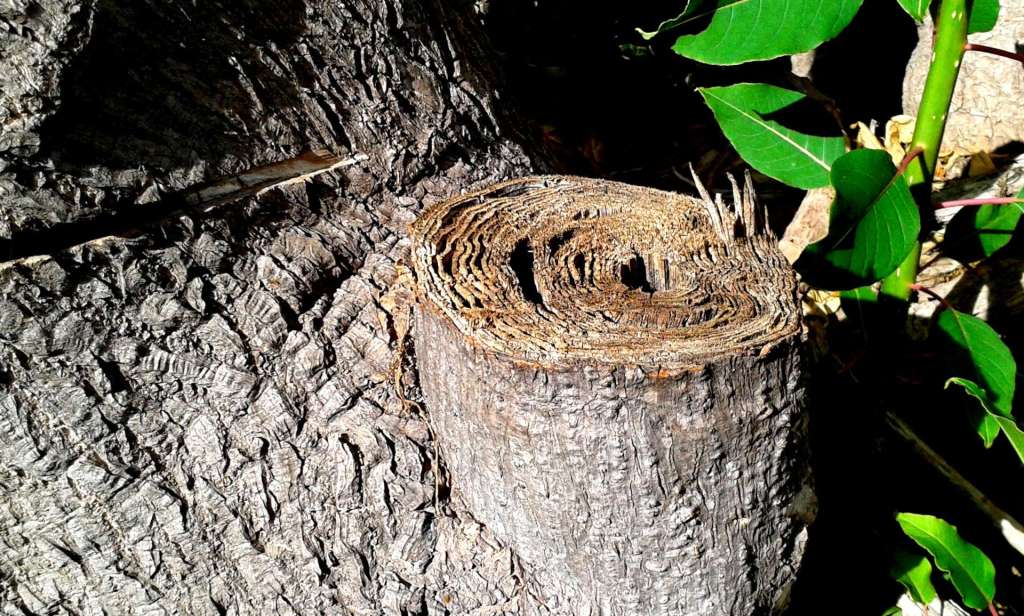
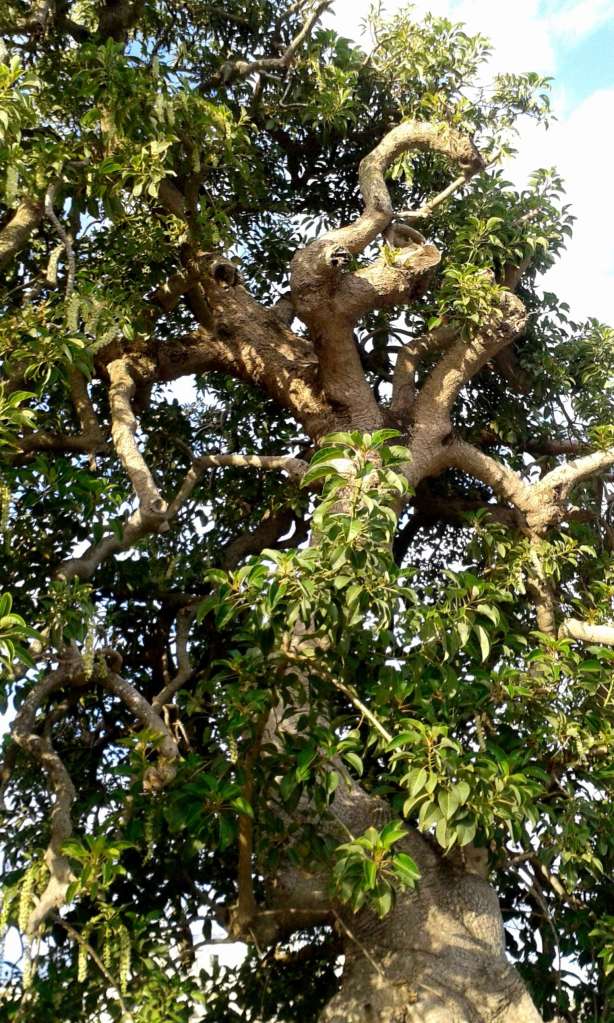
The Ombu tree, or to give it its proper name the Phytolacca dioica L. is an attractive tree. I found it growing in the area of Ghajnsielem along the main road. I was amazed to learn that this tree is actually an evergreen shrub that can become quite old and grow to look like a rather large tree. I became fascinated by the beautiful glossy dark green leaves, looking very healthy and growing very vigorously out of the trunk. Apparently the more you cut it, the more fiercely it grows. Its trunk is a soft spongy wood, the rings are loose and not at all like proper timber rings. It is resistant to fire and drought and this is due to its many trunks which store water very efficiently in its large base. Its sap is poisonous. The Ombu is a South American relative of the pokeweed (P. Americana) It is indigenous to Argentina, Brazil and Uruguay, there it grows easily in the wild, and it is there that it manages to survive on the pampas. Put to good use because of its large canopy it shelters both animals and humans alike, but is especially good for the many cattle and so it is of agricultural value.

Being a dioecious plant it produces male and female flowers on separate trees. The flowers are greenish white, little and many on one long spike. The fruit is green and is clustered in a bunch together, I see both flowers and fruits on the tree at this time (November). To date I have not myself seen the seeds but believe that they are brown, small and glossy. I shall be on the look out for them just to find out.
I learnt that extracts of the Ombu have Antifungal potencies which would probably make it interesting to Naturopaths or to pharmaceuticals.
Some of its uses are:
• Fodder – leaves are used as fodder in time of drought.
• Medicine – infusion of leaves has been used as a laxative, but don’t take my word for it please.
• Hot drink – locally the leaves may be used as a hot drink. (I am not planning to try it out myself not being sure of what the result will be).
• Soapy juice – containing salts of lime and potash.
• Shade in regions where other trees won’t grow – in the pampas it is the only tree that will naturally grow and provide shelter.
• Bonsais – something I did not know is that it is an ideal tree to grow as a bonsai, nice to know!
• Dyes – juice extracted from the berries can be used as a source of dyes.
• Berries – apparently the berries are eaten by birds as they are not affected by the toxin as the seeds contained within the berries passes through the bird intact.
I also read that in South Africa Ombu is treated as an invasive plant, possible because it grows so rapidly. Here in Gozo there is more and more emphasis on the growing of indigenous trees and plants, and eradicating to an extent the growth of invasive plants and trees. This is, of course, a tendency all over Europe these days. I am not sure at which time the Ombu tree was introduced in the Maltese islands and why, I wonder if it was introduced because of the high temperatures in the summer months, the drought some years, and the lack of tree cover in general.

One of the beautiful and typical specimen of Phytolacca dioica L.

I hope you enjoyed this little bit of information on the beautiful and interesting Ombu tree which in fact is not a tree at all. I for one will enjoy twice as much when I am passing these trees in the knowledge of all its good uses.
And finally what I would like to know but could not readily find an answer to is whether the water stored inside the Ombu tree’s large trunk can be used in case of water shortage by cattle or people, or is it already juice in which case it is toxic? I would say, it is juice and it is toxic so it cannot be used. If anyone can shed more light on this please do.