THE BATHOUSE – BAT CONSERVATION

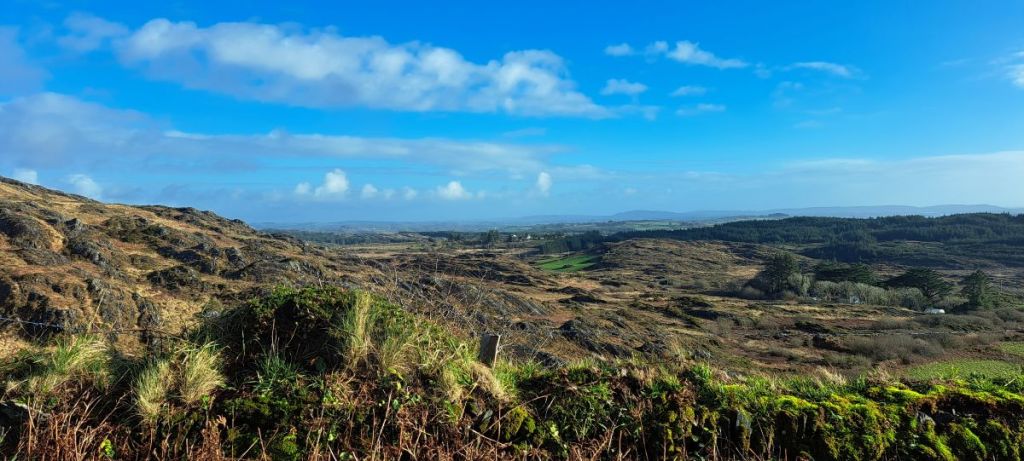
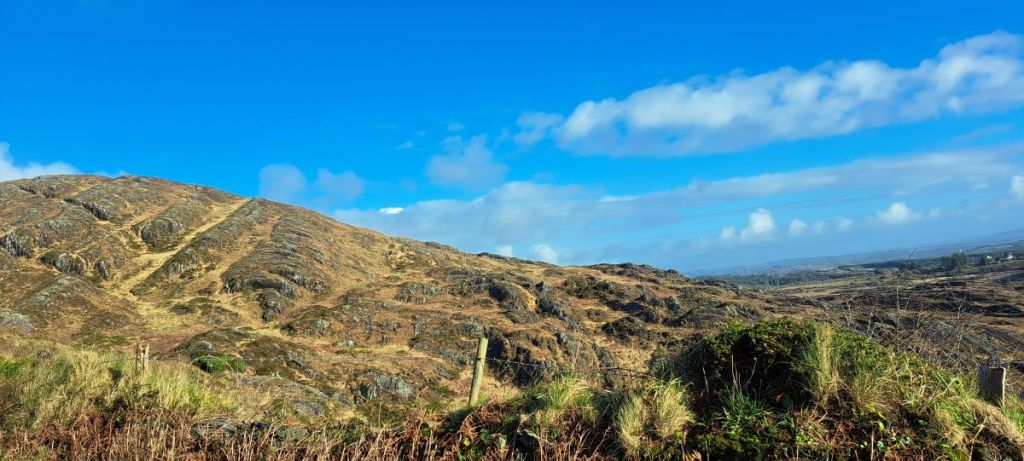
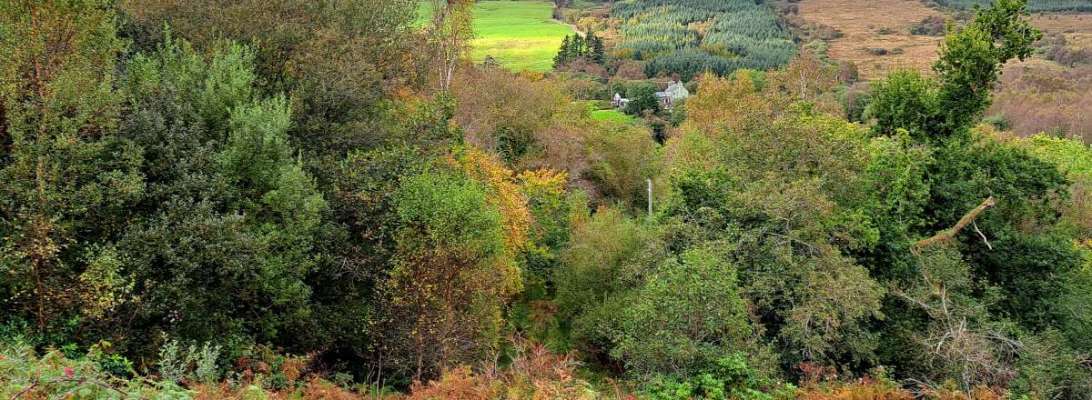
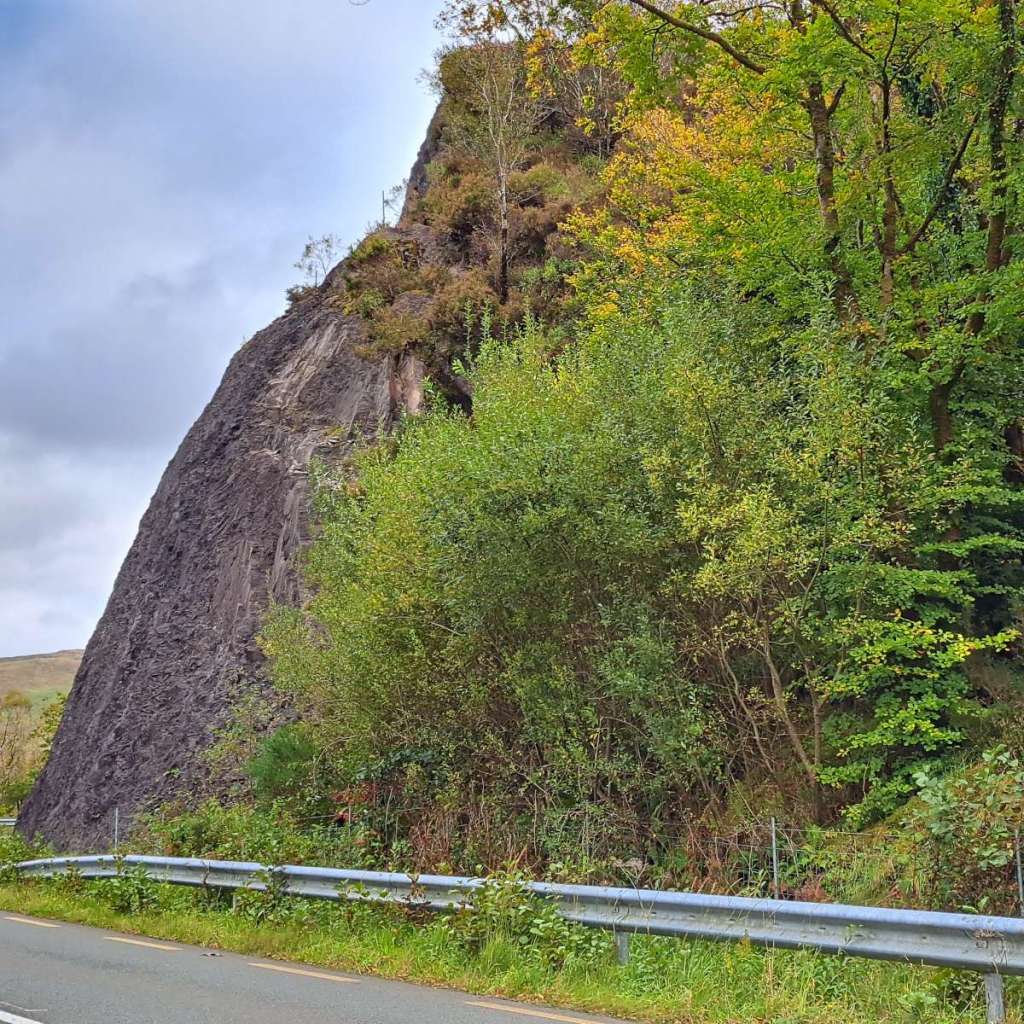
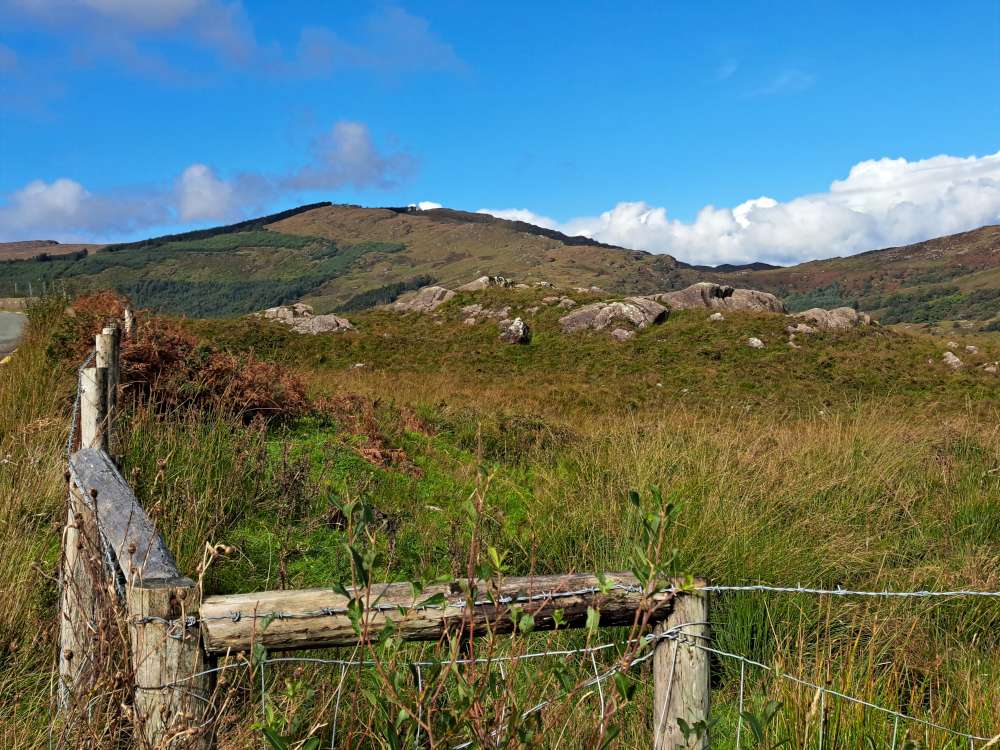
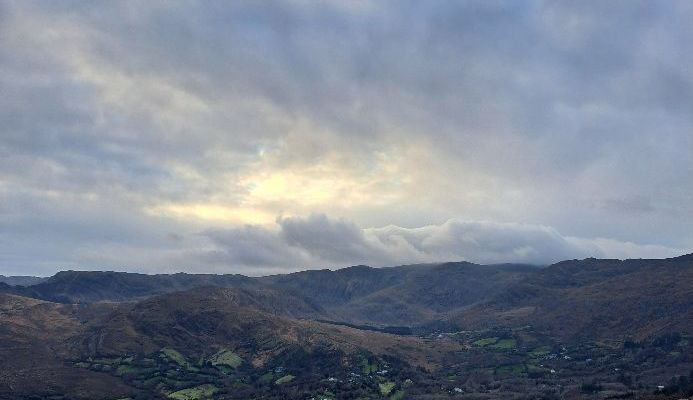
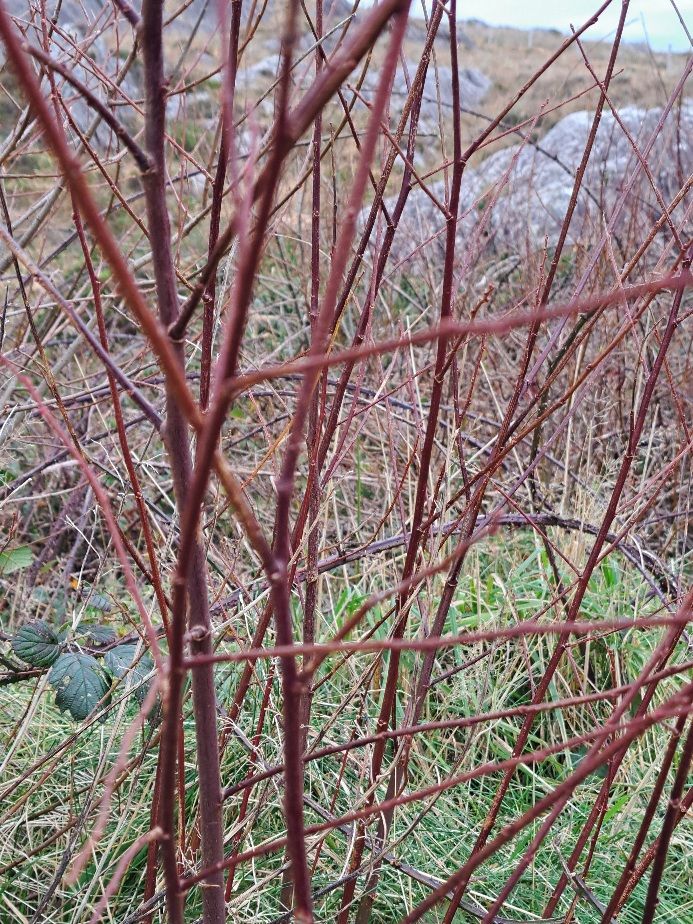
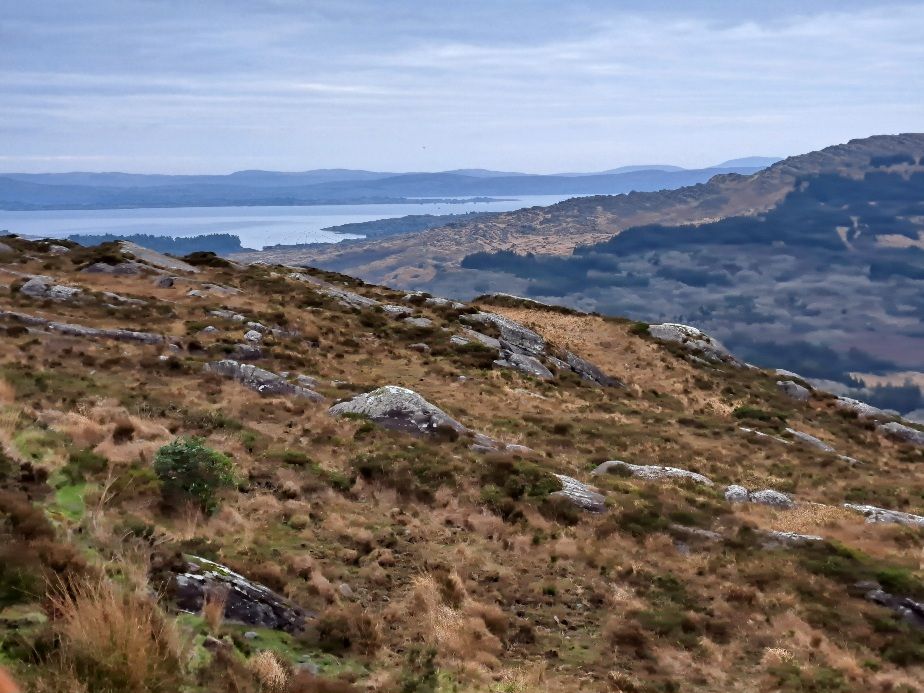
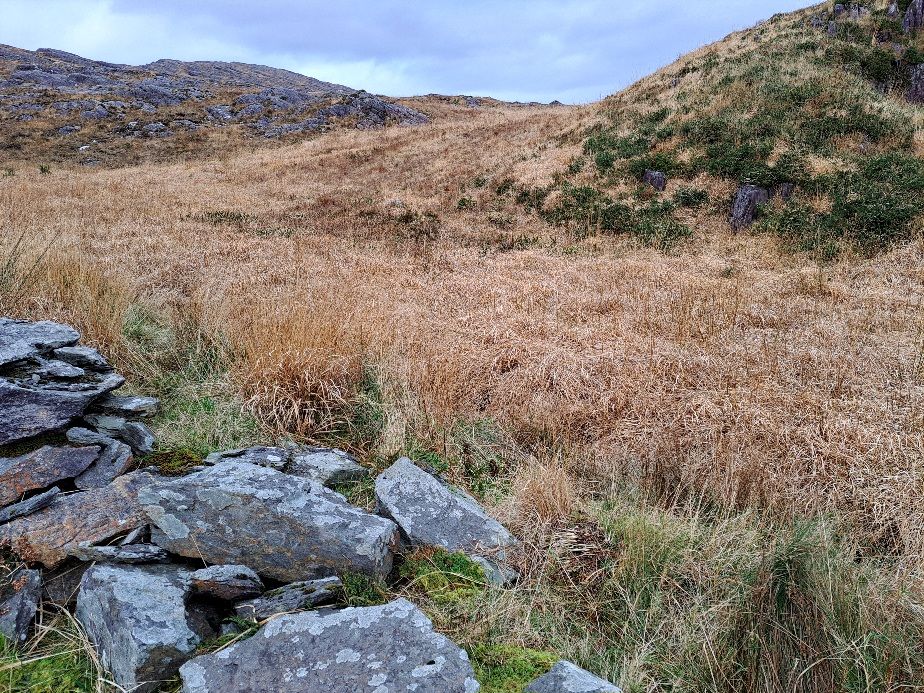
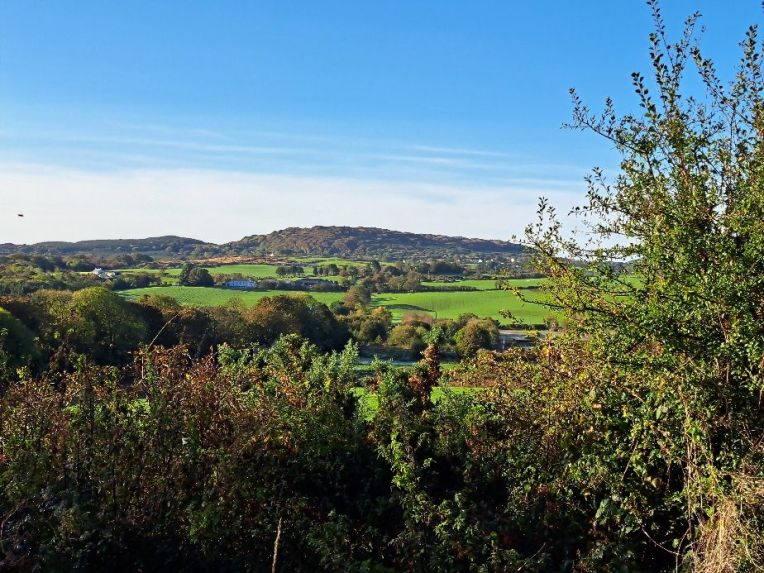
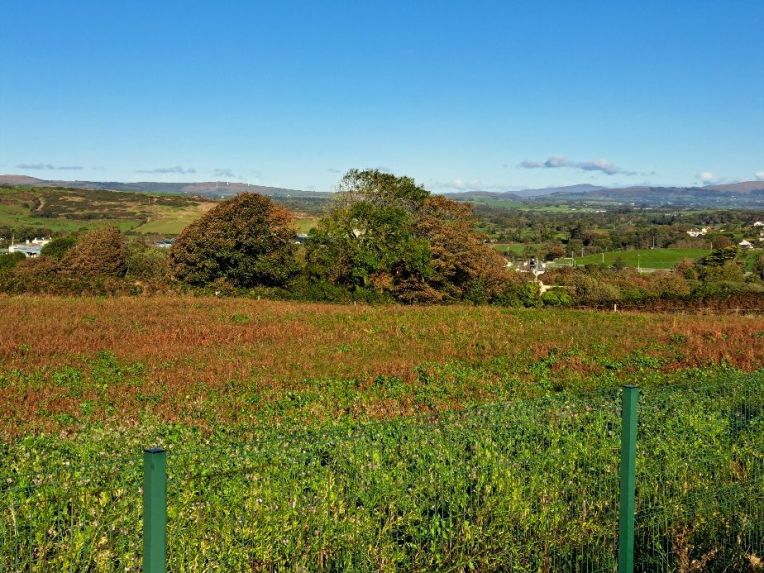
Along the road, somewhere in county Kerry I recently did a discovery. While on one of my journeys I stopped to take autumn photos and also to take a look at this cottage. I had often wondered while passing who would have lived there long ago, and why the people left, and where did they go, maybe across the sea to America as a lot of Irish people emigrated there in the late 19th or early 20th century. Anyway the house is boarded up but still looks in good repair. It is nestled among beech and other native trees, now beautifully coloured, and it looks out down the valley with hills in the distance. Some of the land is bog-like with a variety of grasses and sedges, some rocky outcrops and low bushes, and lots of bracken, beech and birch trees, a mixture of colour at this time of year.

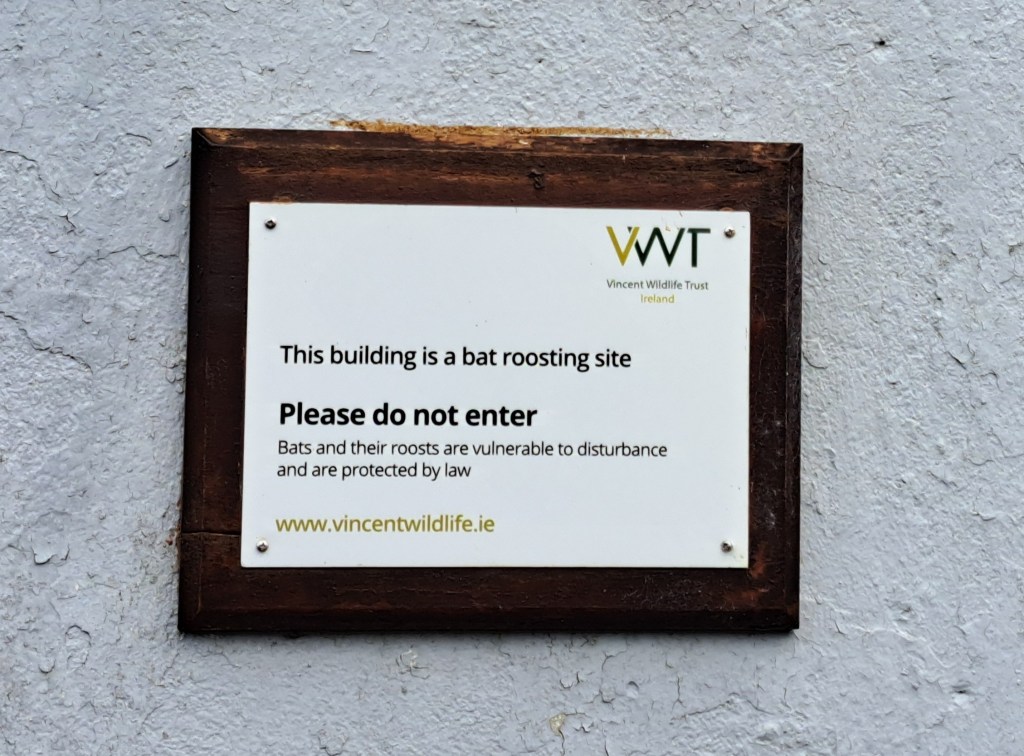
To my surprise I found a notice fastened to the wall of this cottage, it happens to be a roosting place for bats, and in particular for the lesser horseshoe bat. An organisation covering both Ireland and England called the ‘Vincent Wildlife Trust’ has a long and successful history of establishing and managing reserves for rare bat species. It manages 37 sites in Ireland, England, and Wales, all of which are roosts of the greater or lesser horseshoe bat. In Ireland, the Trust manages 12 reserves for the lesser horseshoe bat. And so this cottage has been put to very good use.

Website: Vincent Wildlife Trust Ireland | Managing Bat Reserves

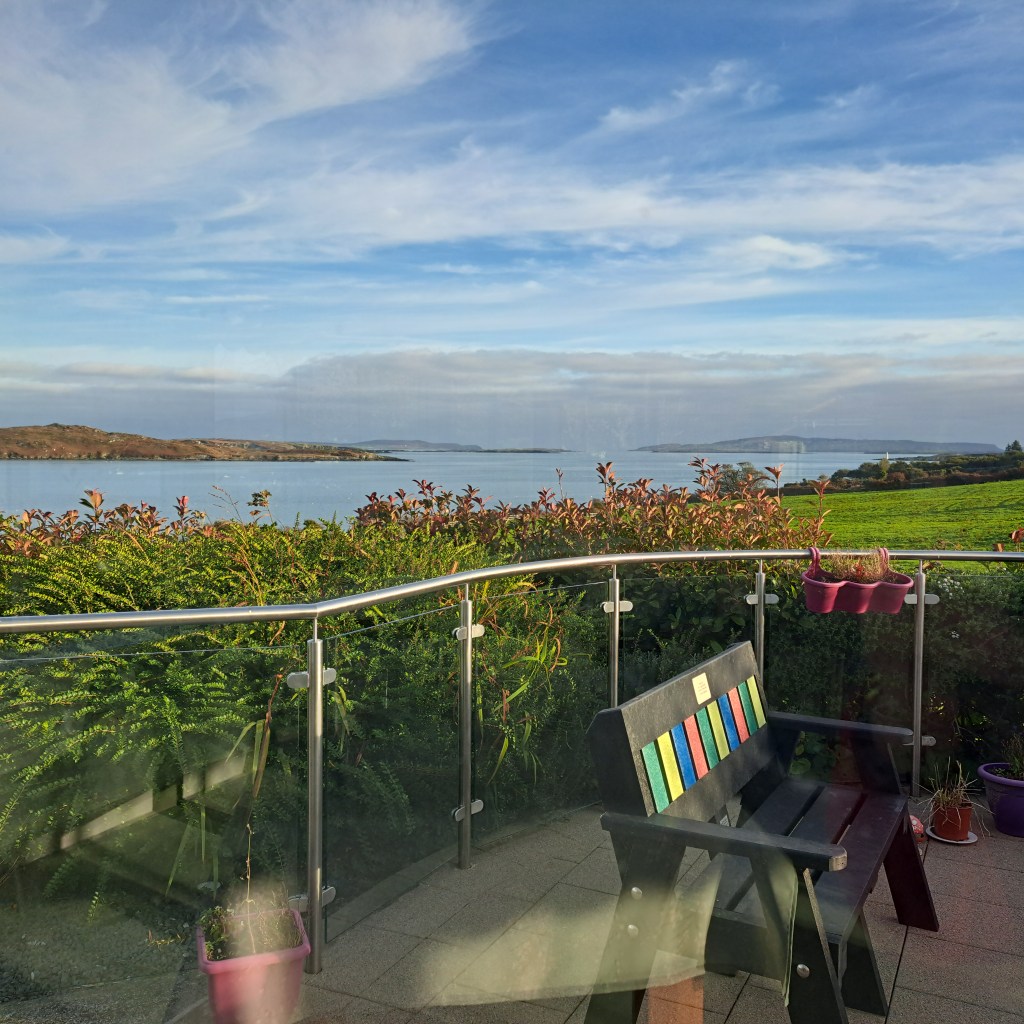
The beautiful surroundings and peaceful countryside is a great place to let the bats find their space and hopefully continue to survive.

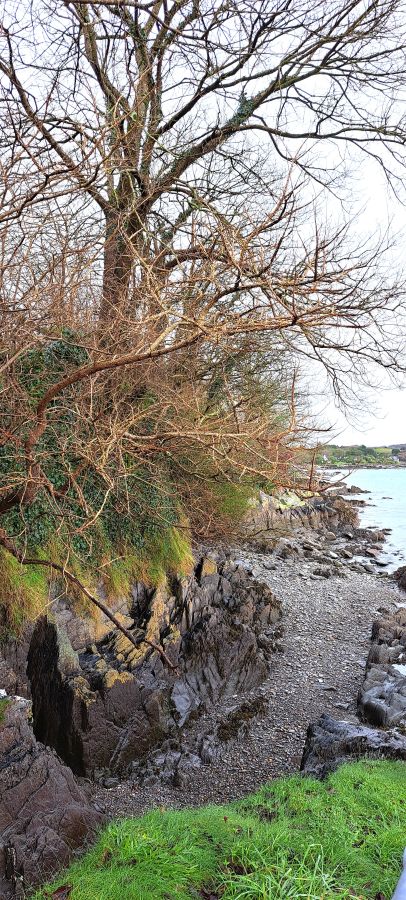
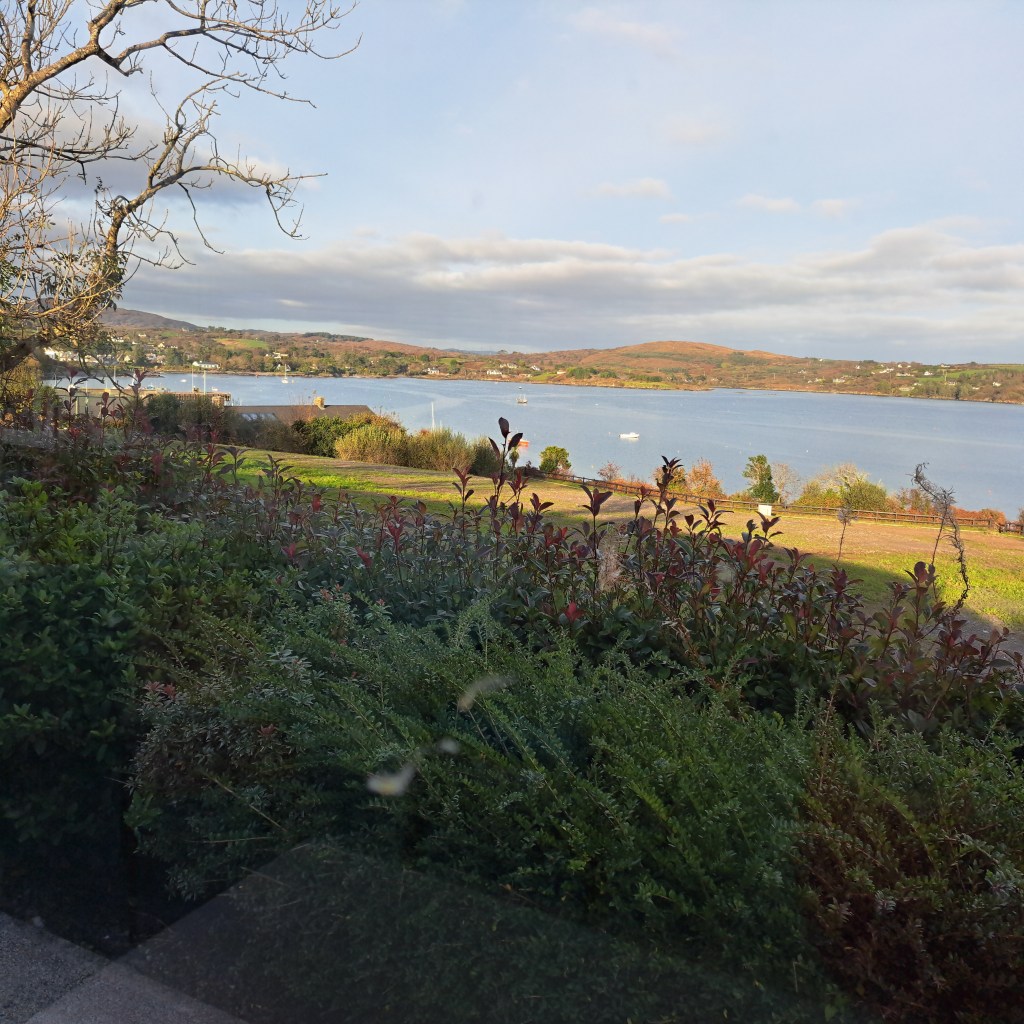
The landscape during autumn

Futher reading: https://vwt-production.ams3.digitaloceanspaces.com/uploads/VWT-Ireland/Resources/Lesser-Horseshoe-Bat-Species-Action-Plan.pdf

It was a great discovery, seeing how much effort is put into conservation of native wildlife.

CATCHING UP – TAKING STOCK

It is time for a bit of stock taking, and for catching up with many friends and followers of my blog.  Personally the year 2024 has brought many changes, some challenges, some sad, and some good.  Worldwide it’s been a sad and chaotic year too I think.  Many of us have asked ourselves serious questions about our general humanity, our deeds towards our fellow human beings.  A lot of good has been happening too during this past year, a lot of compassion has been shown, and brave and good people have shown to be always around. 

I visit Ian, my husband, in the nursing home every week, something we both look forward to very much.

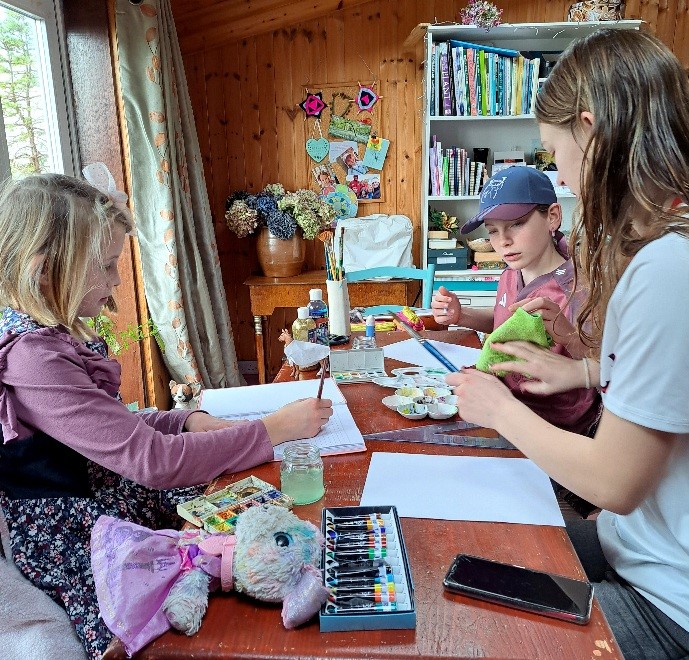
And now January is almost over and I’m still organizing my activities inside the house and out in the garden, and in society.  Lots to do, all good things.  During the winter I’ve availed of webinars and zoom meetings a lot.  Webinars about grasses and rushes, and other natural subjects.  Regular zoom meetings of a lace making group.  And an introductory course in tree identification.  Collage making or painting with my grandchildren is very rewarding too. Locally there have been meetings of the Early Retirement Group which has fabulous and interesting (mainly) other women as members and a good program, one of the things we do is a weekly chair yoga session which keeps us all quite flexible.  Then the monthly book club and the poetry circle are such a joy, as are the very regular and hugely interesting art exhibitions.  Skibbereen has it all.  There is simply not enough time to do it all.

And then there is the weather which during winter can be quite challenging, storms, heavy rain, frost, the type of weather that makes you want to crawl behind the stove with a good book.  Christmas and New Year celebrations seem to have come and went in a flash this past year.  The dark days are now getting a little lighter and soon it will be the first of February, for Ireland that heralds the beginning of spring, it is also the feast of St.Bridgid and has now become a public holiday.  And so…. I’m chitting my potatoes to have them ready for planting in March.  My garden is still my focus a lot of the time.

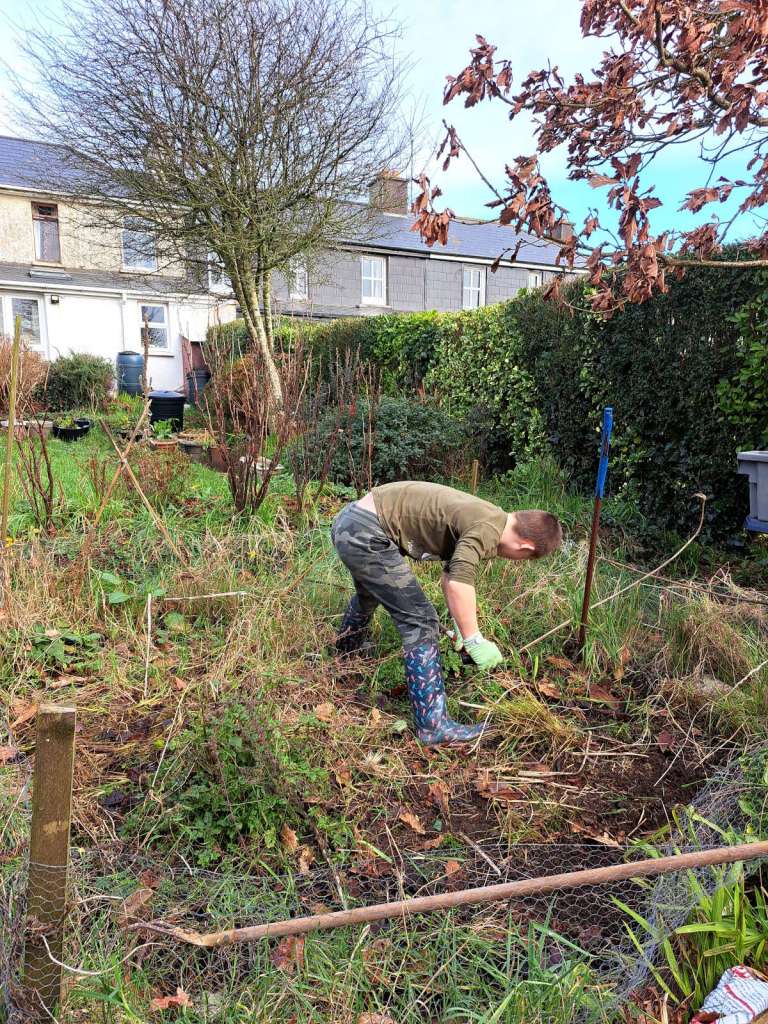
This coming season my main big plan for the garden is to plough up half my little grass field so I can plant more vegetables.  For the past five years I have added more and more shrubs because I had much less time to garden and thought it was the better way.  This meant that I now have less and less space for vegetables.  So space will have to be made.  My grandson Ruben who is now a strong teenager and very willing to help me has already cleared one plot in the back of the garden, he wants to do more.  We are great mates and I love him coming over and working alongside me, and afterwards we have pizza and watch a movie.

Luckily during the last storm none of our trees suffered, we have seven trees in a small garden.  We live in a terraced house and the garden is relatively small.  Ours are a birch, oak, chestnut, hawthorn and elderberry, and in the front garden, a currant tree and an acer.  Our hawthorn tree was affected by blight last summer and lost all of its leaves, we’ll see what happens this year.  The chestnut had been trimmed five years ago and has some rot in an outshoot and that will need looking after. 
Gardening and planning a garden, as many people know very well, is a great joy, and keeps us fit, it’s also hard work at times, but that can be done in part, an hour here and an hour there on a daily basis, weather allowing of course (I’m a fair weather gardener).  To be out in nature is such a joy, the fresh air, the scents, sounds, and seeing the growth is all delightful and will keep me going for ever.  The observation possibilities of seeing insects, birds, wild plants and herbs growing, as well as tasty vegetables and trying out new types.  And then there is the digging up of potatoes and the harvesting of edible produce, how much better can it get  I think it satisfies one of our most basic instincts as humans, that of survival. 

Not being sure what 2025 will bring for us all, I wish many blessing for each and everyone.

Loving thought to all.

WINTER LIGHT AND COLOURS

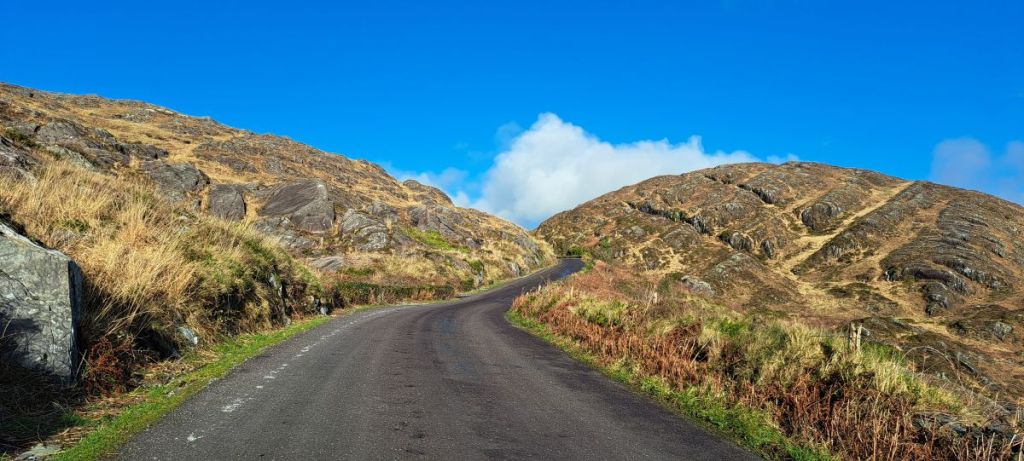
Travelling through the Caha mountains during winter I find that there is plenty of interest to see and get excited about even just along the way. While some of my drives are taken in bad weather conditions, heavy mist, rain and or wind, most of the time I’ve experienced dry and also regularly sunny weather.

Most of all, this winter I find the skies fascinating. The colours, subtle, in pastel pink, light blue, ashen grey or radiant white, and even as if with a magic brush, diffused streaks of periwinkle purple. I’ve seen it all in skies over the Bantry Bay, over the Caha mountains and over the Glengarriff valeys. Ever changing skies with light of a beautiful quality. It certainly holds the attention of the traveller. These days I drive home when the sun is setting, adding another marvel of light, the setting sun, often spectacular!

Looking down into the valley there is a whole palette of different browns, beiges and forest greens. A true feast for the eyes. As can be seen in the photo below Glengarriff National Forest has a lot of birch trees growing, and apart from their stark white trunks, their branches are particularly beautiful at the moment. Every time I pass clusters of them I try to think how to name their colour, a type of maroon, or a vintage wine, or does it look more like an English lavender, burgundy, gothic mulberry or umbral umber. It is hard to pinpoint exactly the colour of those branches, and it also depends how the light shines on them and how the rain brightens them.

Birch trees in the distance

A variety of other branches, among them the deep red of the dogwoods is always very nice in a landscape, and so is the drama of the bleached grasses, rushes and sedges covering whole stretches of hillsides with cream blonde colours or even rusty browns.

Darkness falls early these days, painting the landscape mainly in moss green, dark brown or black, though the mountains in the distance do give us some mauve. The landscape changes constantly, it is very noticeably when driving higher up, clouds throwing huge shadows over the valleys interspersed with stretches of sunlight. As I said there is a lot of interest even in winter on my journey. Probably much more to discover yet and that leaves me with a feeling of ever more excitement.

I came across two photos of winter foliage recently, these are paintings of the Danish painter Peder Mork Monsted, (1859-1941) from his ‘Winter’ series. I thought it shows the colouring of the birch trees beautifully and rather well. I think his work very nice. (Referenced from Gallery of Art) with thanks.

OCTOBER SUNSHINE

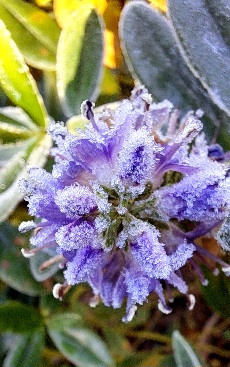
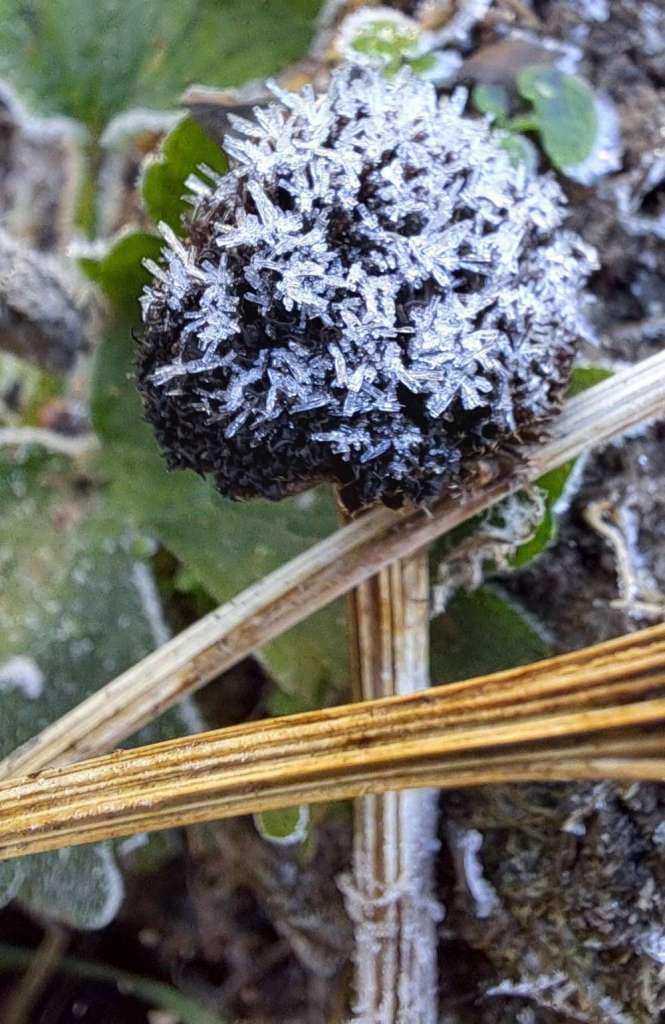
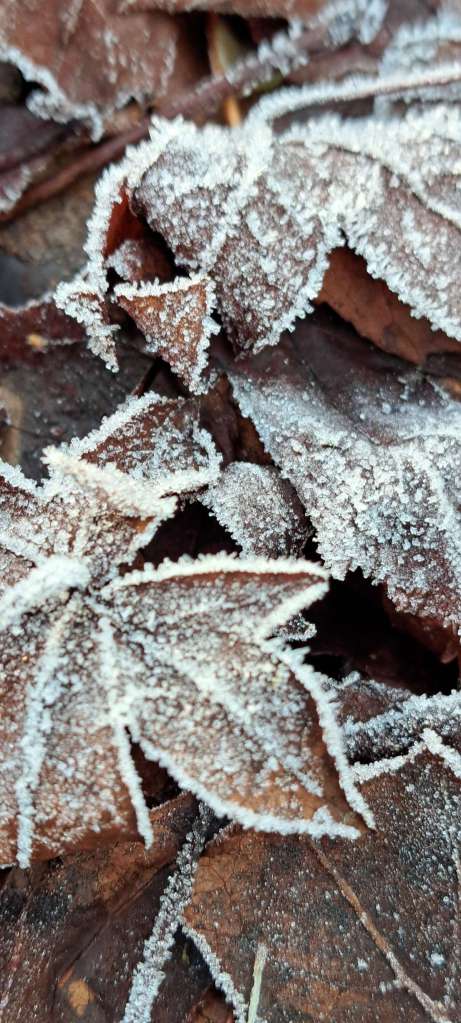
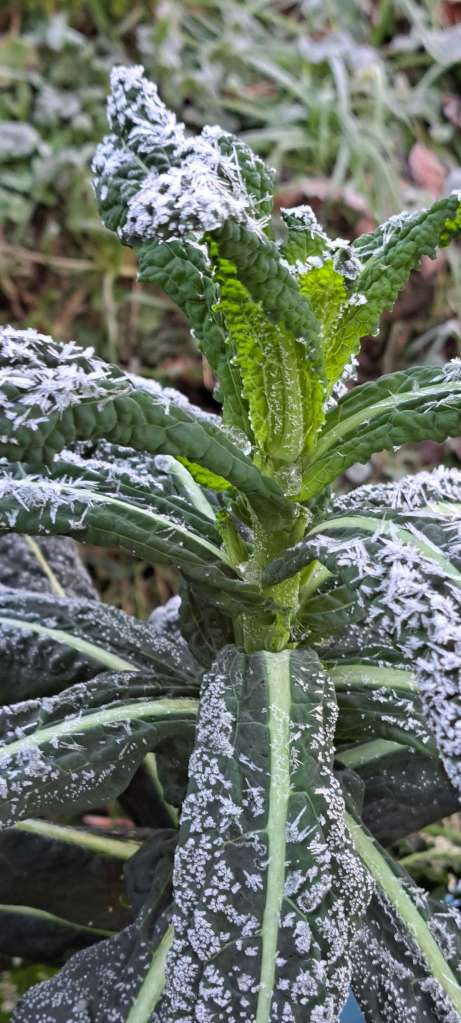
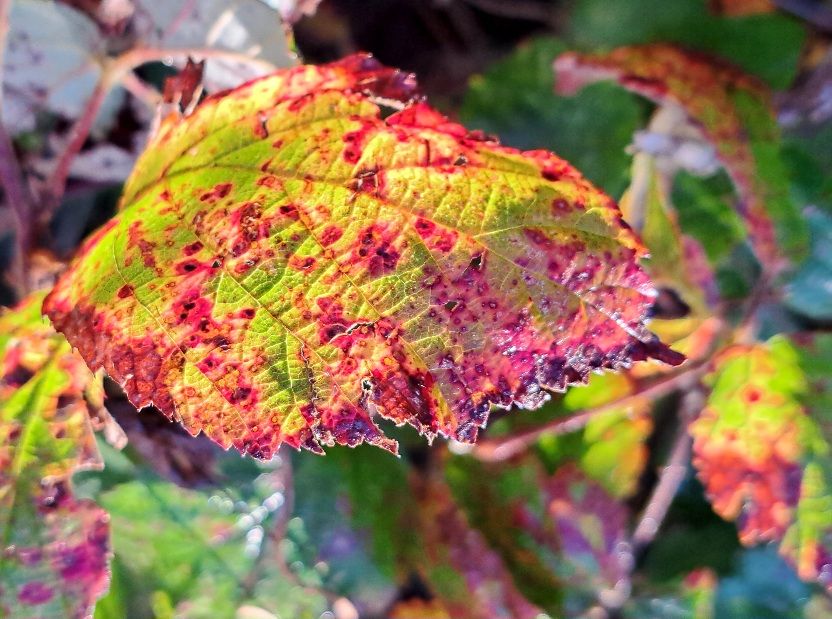
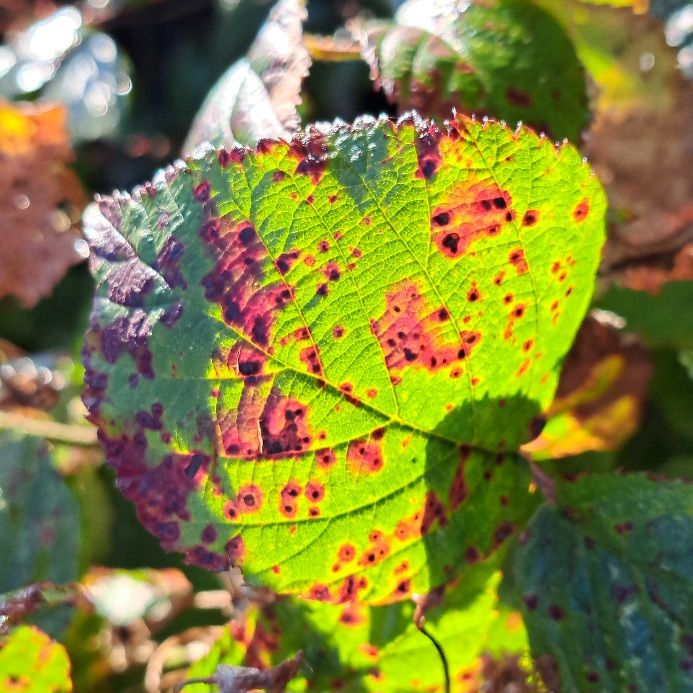
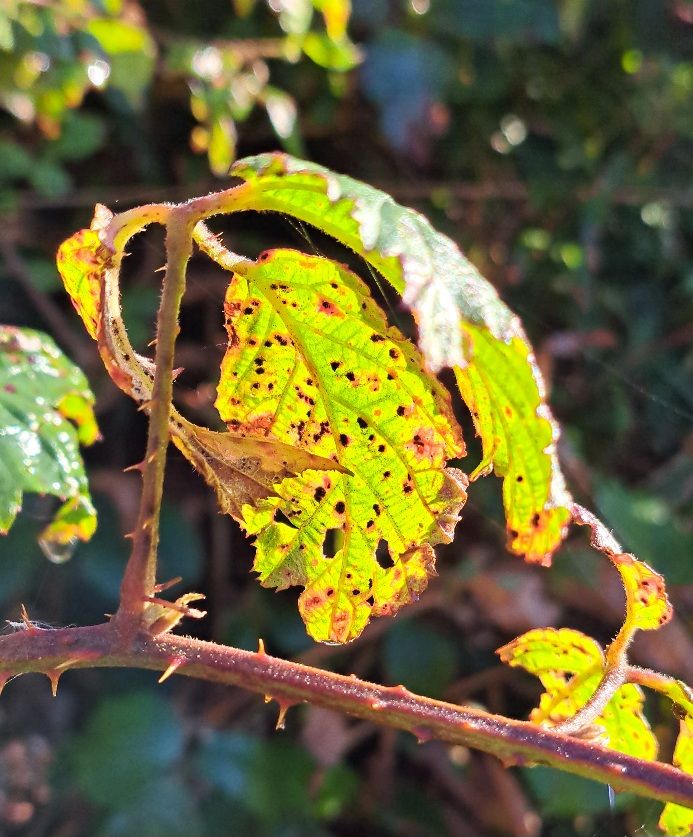
What a most beautiful autumn sunshine at the moment here in West Cork. After an incredible display of the Aurora Borealis last night, we woke up to a little bit white frost, nature has had a lot to offer this morning which I discovered during a much desired walk on the path to Russagh Mill. It’s one of my favourite walks, this path overlooks a long valley, still lush and green in the distance. Closer by I especially noticed the sunlight on the blackberry leaves lighting up their earthy colourings.

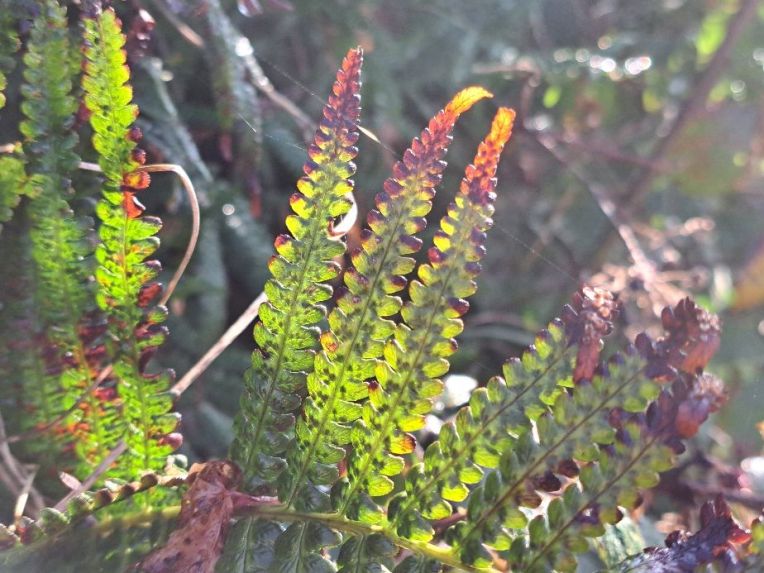
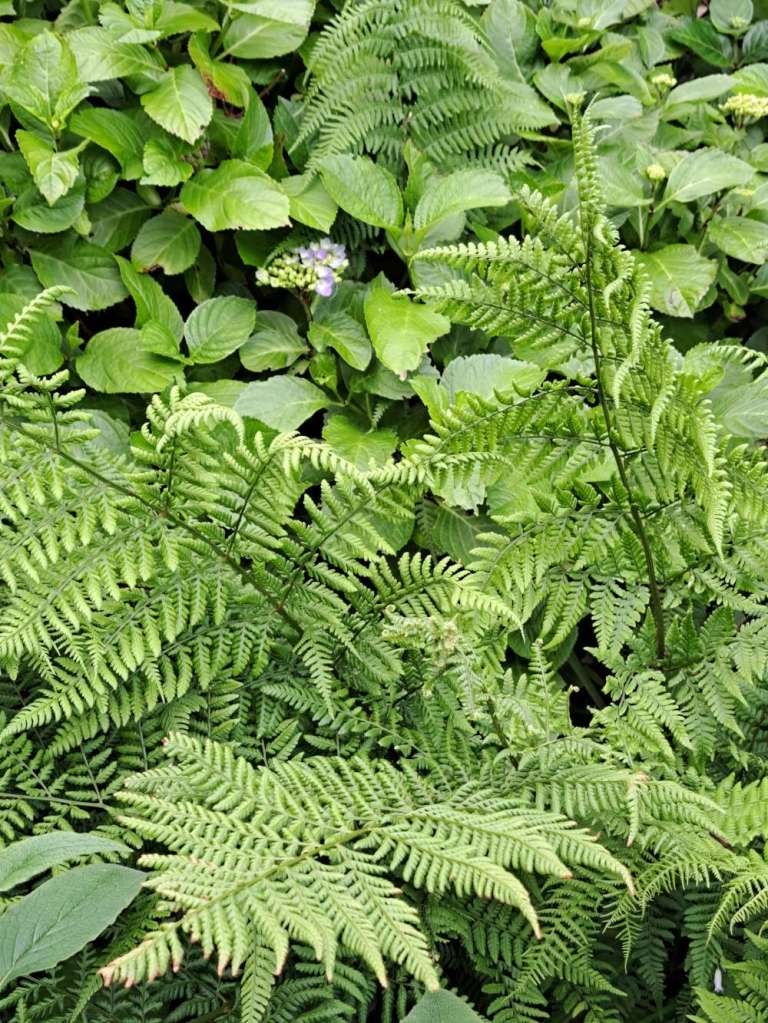
This walk also has many shaded areas with lots of ferns. The shade is created by the trees, mainly ash, willow, hawthorn, and other species too. In fact I discovered a new tree which had escaped my notice in the past. When I looked it up on my phone it turned out to be a White Willow (Salix alba), one of its common names is Golden Willow, I like that! A fact I’d like to share about this tree is that “Its inner bark – raw or cooked can be dried, ground into a powder and added to cereal flour, then used in making bread etc. It has a very bitter flavour, especially when fresh, and it is used as famine food when all else fails. The leaves and young shoots are not very palatable and used only in times of scarcity. The leaves can also be used as a tea substitute.” My Flora Incognita got this information from Wikipedia as far as I know, so that is my source of my information I want to acknowledge. I wonder if this tree was every used during the potato famine here in Ireland. Below is a photo of the said tree.

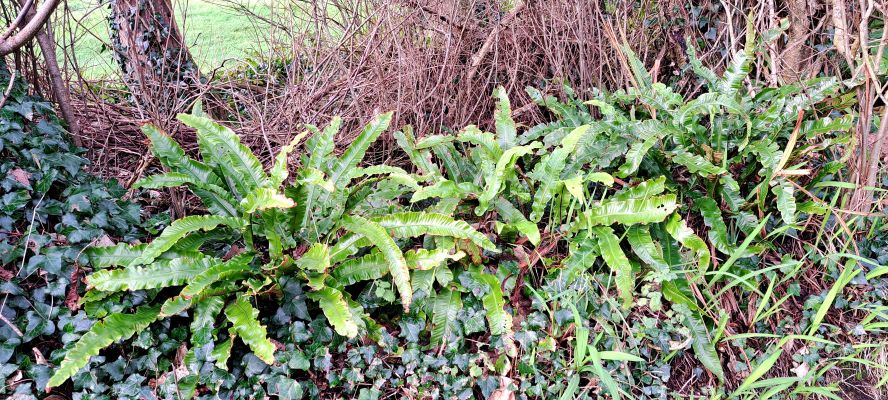
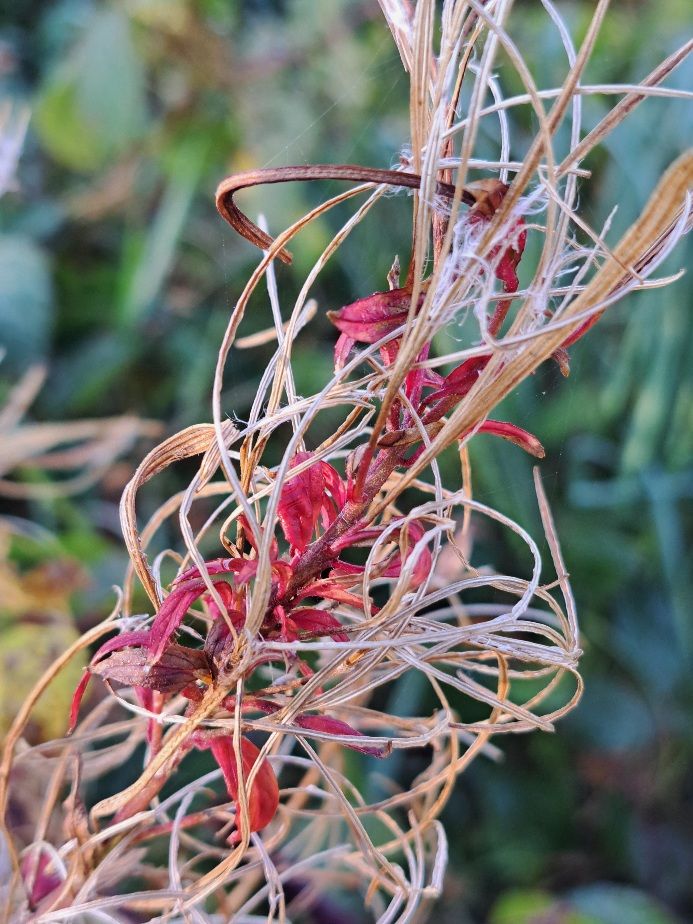
Below are the seedhead of Willow Herb, Hawthorn berries, Fern, and a late flower in the hedgerow.

Blue sky during these autumn months is very welcome.

This last photo is on another part of my walk. The farmer here was growing a plant of the legume family with lilac flowers and thick looking seed pods, there is a whole field of it here, and further along there grows a lot of Dock, now in seed. What caught my attention here was the several dozen of birds fluttering and flying around all at the same time, and definitely looking as if they had a mission in common. I whipped out my phone and checked the evolving picture before me with my Merlin app and to my delight these birds came up as Eurasian Linnets (Linaria cannabina) I was so impressed as I had not seen those before here, and so many of them together. They belong to the Finch family. Apparently they are fond of flax seeds, hence their name. The male’s colouring is beautiful during the breeding season, lots of red.

Well, that walk was so nice, and finally I’ve taken the time to write about it. I’ve missed my blog writing very much and I want to be back to it regularly. So much to research and write about. I’m still driving to Kenmare every week to see Ian, I travel through the Caha mountains and I love it, the beauty of that journey is a weekly joy. Every week something new and interesting to notice and discover. And after seeing Ian, enjoying a nice cup of tea and chat together, the journey back, very often I stop to look at a view or a rock or plant. It’s so dead quiet up in those mountains, even when I’m on a main road there are whole period of quiet. I’ll tell you more about that soon. Meanwhile, much love.

WHEN EVERYTHING IS SHADES OF GREEN, an update

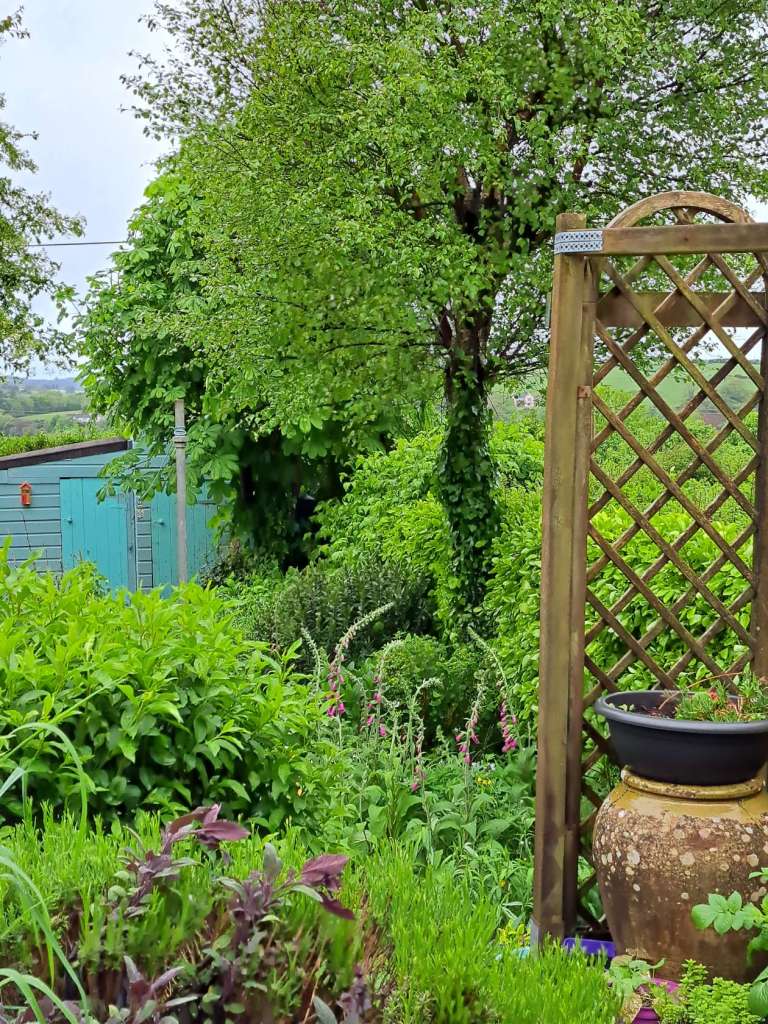
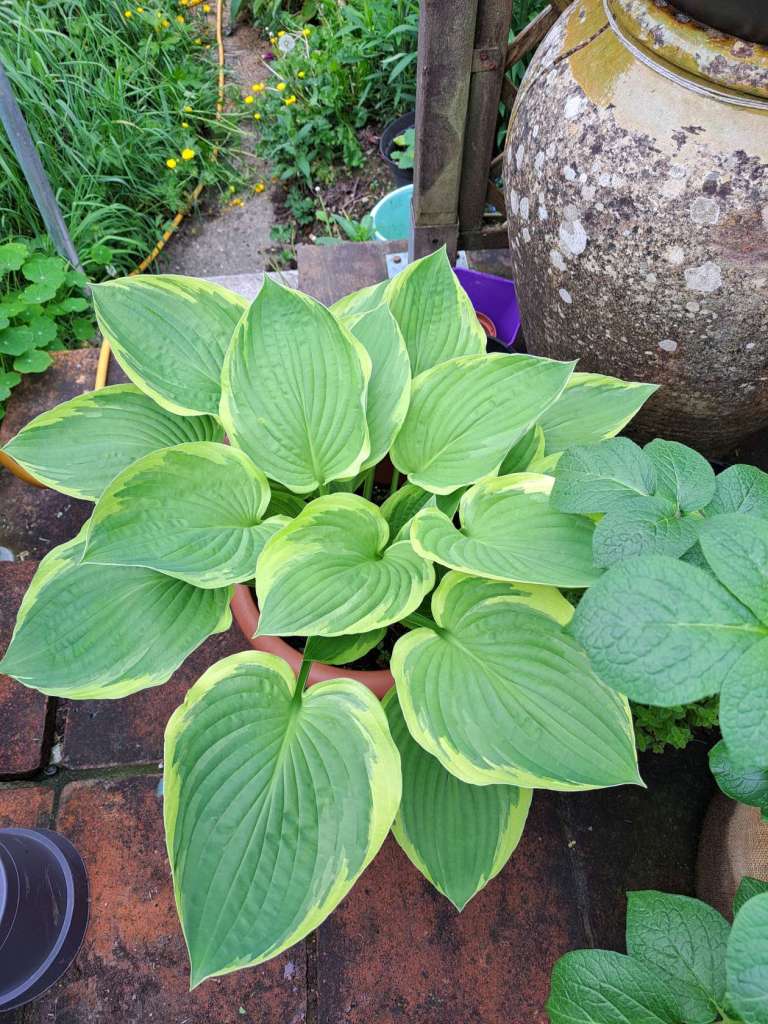
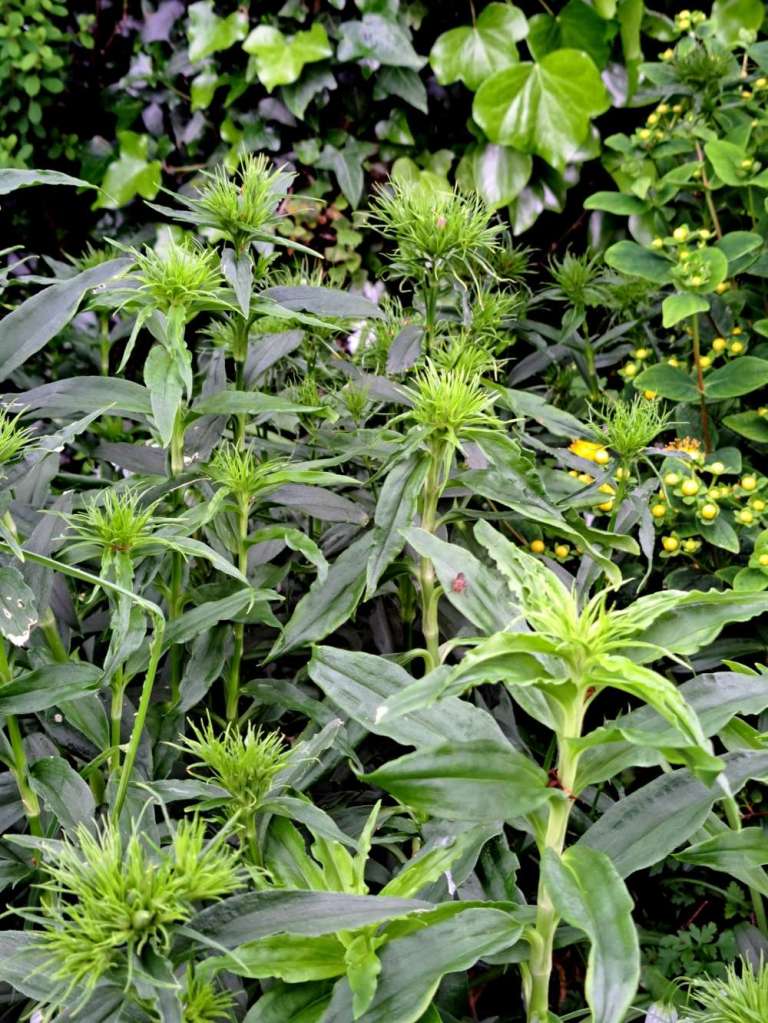
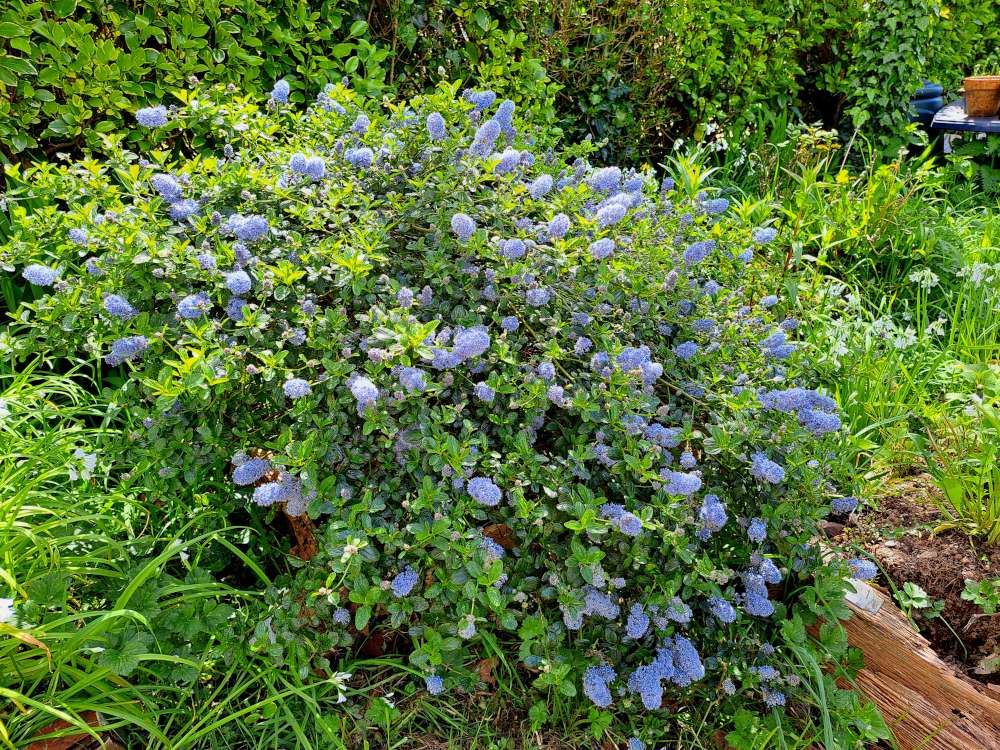
In our wild garden, and wild it is at the moment, I’m finding that everything is green, beautiful shades of green, but yet there are some colours to be seen too. I haven’t had much time, and less inclination to garden in the past few months and now everything has overgrown. But it’s beautiful, and there has been a lovely crop of very yellow buttercups in what is now a small meadow rather than a small lawn, I’ve really enjoyed that sight. The Californian lilac has also flowered in a pale blue. And the wild foxgloves that self-seed every year are in full bloom, a beautiful shade of pink.

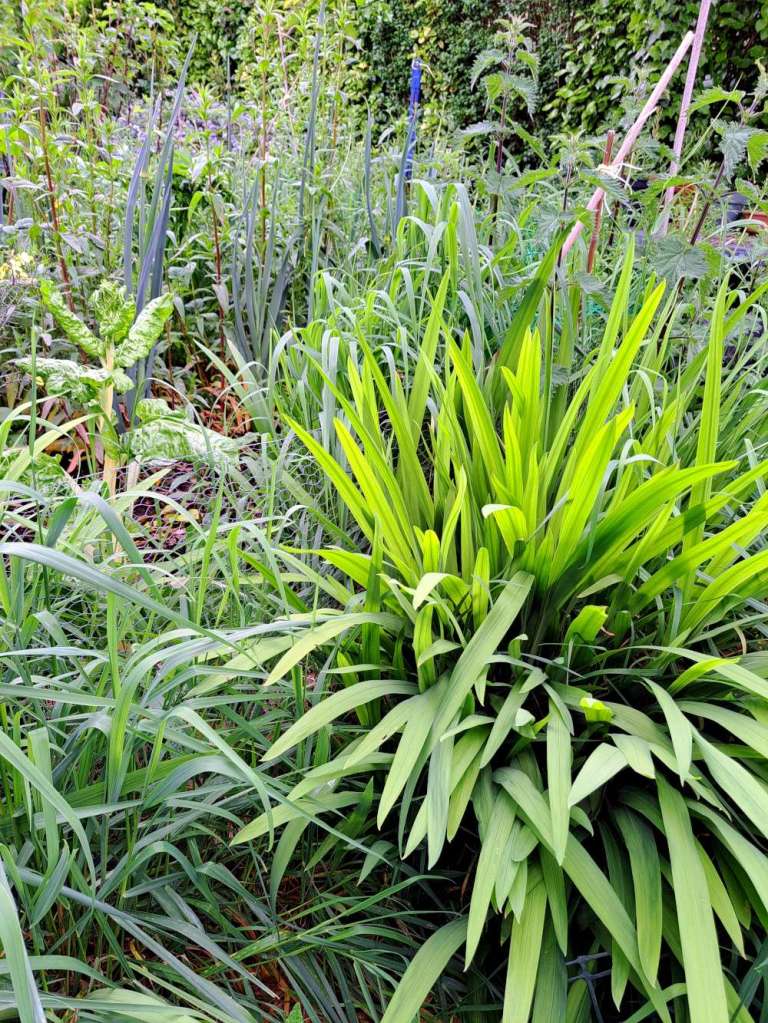
I like the garden to be lush, and to have secluded spaces where I can sit on the old bench, or totally in the back under the oak tree and surrounded by nettles and foliage of montbretia foliage not yet flowering, protected by the sheds from the cooling wind. I often pick this spot for breakfast on fine days, the sun is only just hitting that spot then and it’s a lovely light. The old bench under the hawthorn tree is another one of my favourites, but I have to watch it as it is the domain of the sparrows and there are often droppings from above, not so nice in my tea.

I am not seeing many pollinators in the garden this year yet, probably because the weather has been rather unpredictable, I’m hoping they’ll come soon. I’ve seldom seen the garden so lush, or else my memory is failing me (which I doubt}. The month of May is of course the most beautiful month in Ireland, and often one of the warmest, not so this May, in fact I’ve had to light the stove today. Probably June will be better.

I’ll let you have a stroll through our garden for now. Enjoy!

Bright beauty of buttercups (Ranunculus)

Foxgloves (digitalis purpurea)

Californian lilac (Ceanonthus)

I hope to be back to my regular blog contributions, there is a lot of material which I can develop and plenty of photos to go with it. As I get used to the changes in my life I’ll get inspired again to share some of the beauty of Ireland, and of my past and future travels. And I look forward to interacting again with the blogs of all my friends and followers.

OVERWINTERING HERBS IN WEST CORK

Rosemary – this plant is three years old

Currently it is the time to take stock and make plans for this coming growing season. I have done a little of that, and I’ve also gone through my last years garden journal to check on what did well and what is just not suited to our type of garden soil, the amount of light and the temperature, and I’ve made a few notes on that. While I was checking all the beds, seeing what is growing well during the winter months, I noticed that herbs and some wild plans do very well during the winter in this area – it being the SW of Ireland. Our climate here is influenced by the gulfstream, this makes our winters mild, usually we only get a little night frost, and this seldom harsher than minus 3 or 4. The plant hardiness zone in this oceanic climate is around 9. So today on the fourth of February I took some photos of what is growing right now, what I can use from our garden. And there is quite a lot.

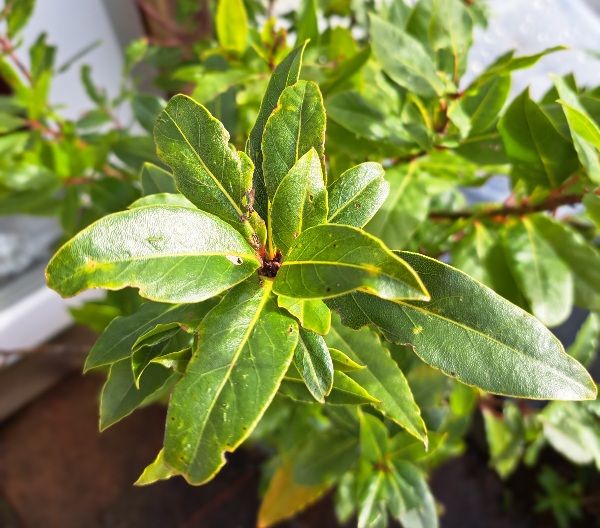
There are some large and strong lavender and rosemary plants, they are getting old now and a little woody, but still flowers profusely. Normally the rosemary blooms in the winter, beautiful pale blue flowers. I find that rosemary grows extremely well and fast here. The lavender sometimes blooms twice a year and gives a generous crop. Some years ago I planted a sage bush and it soon almost took over the plot, definitely overshadowing the oregano at the moment, again this plant gives beautiful darker blue flowers on spikes, which turn a rusty colour in the fall. Our oregano plants almost disappear during the winter, only a few leaves remaining, but they come up wonderfully well once the sun warms the soil. What does disappear are the different types of mint, the chives, and the lavas, but they also return with the warmer weather. The bay leaf plant grows in a pot, it is slow growing which suits me, I use it all the time. Curly parsley is another herb that stays green all winter. My French tarragon I’ve had to overwinter inside where it is doing ok. I have always loved growing herbs, because of their scent and of course because of their culinary uses. I like to cook with them. Other herbal plants in our garden, like the dandelion, three cornered leeks, borage, feverfew, shepherd’s purse, cleavers, and nettles, just appear and I only use some of them in my cooking, others like the feverfew for example I just like the idea of them being medicinal herbs, but because I don’t know enough about them – I do not use them. Nettles, cleavers, three cornered leeks, ransom, and dandelion I do use, but not for their flavour, more for their vitamin and mineral content. 

I enjoyed telling about my herbs and wild plants, I hope you enjoyed reading about them. Today I cooked a Gingered Sweet Potato and coconut stew with lots of cilantro (which does not do well during the winter here – at least not outside!) 

I saw a program recently where herbs were used in a border, and left to flower and bloom. It gave me an idea, I’ve tried it before with both celery and coriander plants, but I grew them in pots. I am now going try growing them in-between other flowering plants in my borders. I guess coriander is native to the Mediterranean. Celery, though, is definitely native to Ireland, there are still uncultivated wild celery plants growing on Irish soil. Their flowers are umbelliferous, lovely light delicate flowers which will definitely add interest to my border. 

When I’m reading, thinking, talking, or writing about plants, their origins, their uses, their benefits, and their beauty, and how many of them travelled from faraway places, then I’m as happy and interested as can be. So much to read and learn about them.

SILENT NATURE WALK ON SUNNY SUNDAY MORNING IN JANUARY

On this first Sunday morning of the New Year I decided to visit the small seaside village of Union Hall in West Cork. It lies just 15 minutes drive from where we live and though it had frozen during the night, the sun was pouring over the land warming and beautifying everything.  I drove past Rineen Forest which is located on an inlet of the North Atlantic Ocean, on the eastern side of the townland of Castlehaven.  I’ve often walked in this forest together with my grandchildren and family.  It is a great stretch of interesting trees and contains the remains of a lime kiln.  The birds too are forever singing and there is a wealth of wild plants, a lovely place. But I was on my way down to Union Hall a further five minutes’ drive along a steep and winding road. 

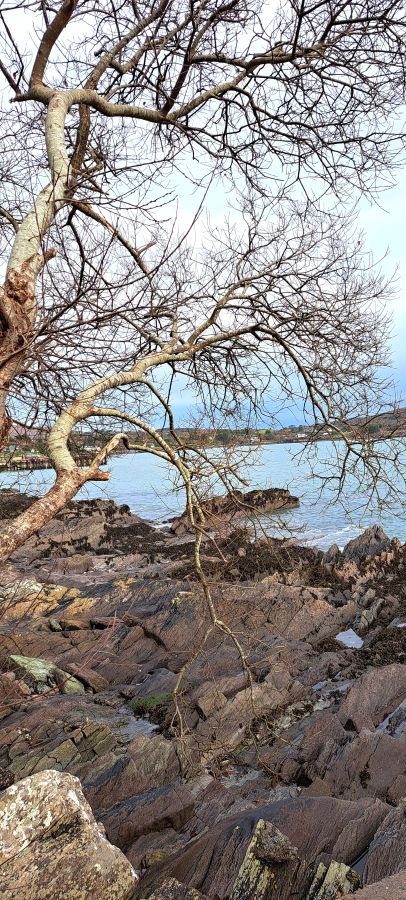
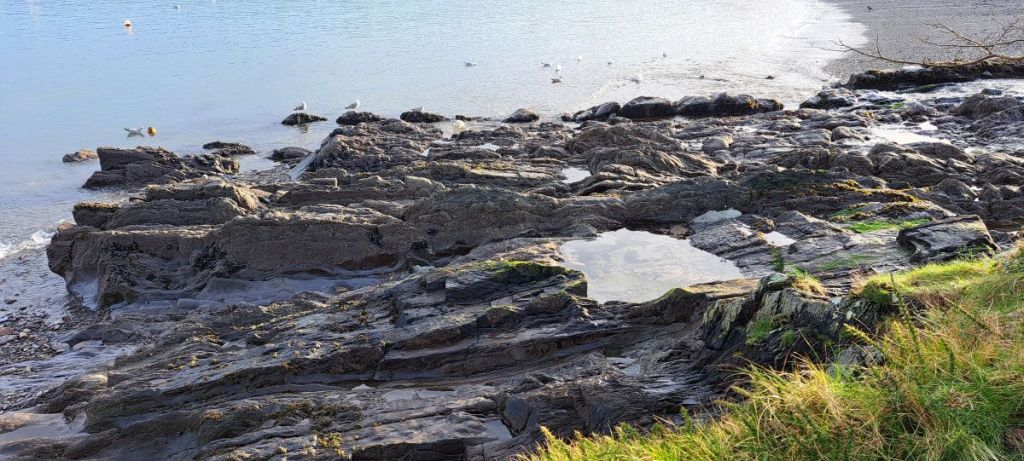
Union Hall, is a small fishing village, it is very scenic and peaceful there. I love walking along the seashore, especially to see the activity of the seabirds and the many lichen on the stone walls.  The road leads out of the village and onto the pier where there is a colourful variety of fishing nets, lobster pods and fishing boats.  I chose the place for a silent walk as I wanted to start the year with a clear head.  Locals did greet me and I did exchange a few words with other walkers and their dogs.  An occasional cry from the seagulls and other seabirds resounded over the water.  My breathing deepened from the sheer tranquillity and the refreshing sea air.  A calm descended over me like only a connection with nature can do.

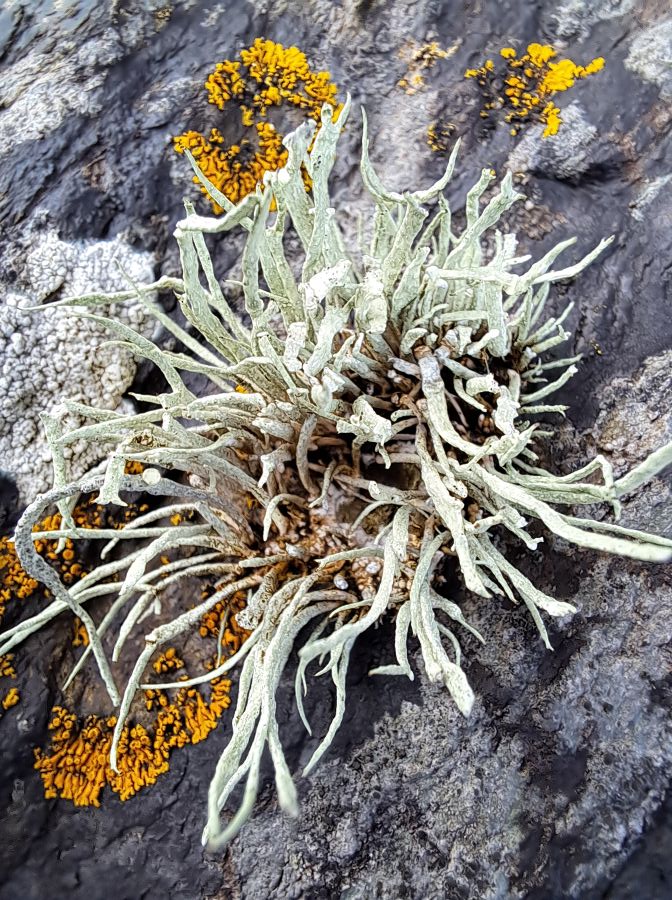
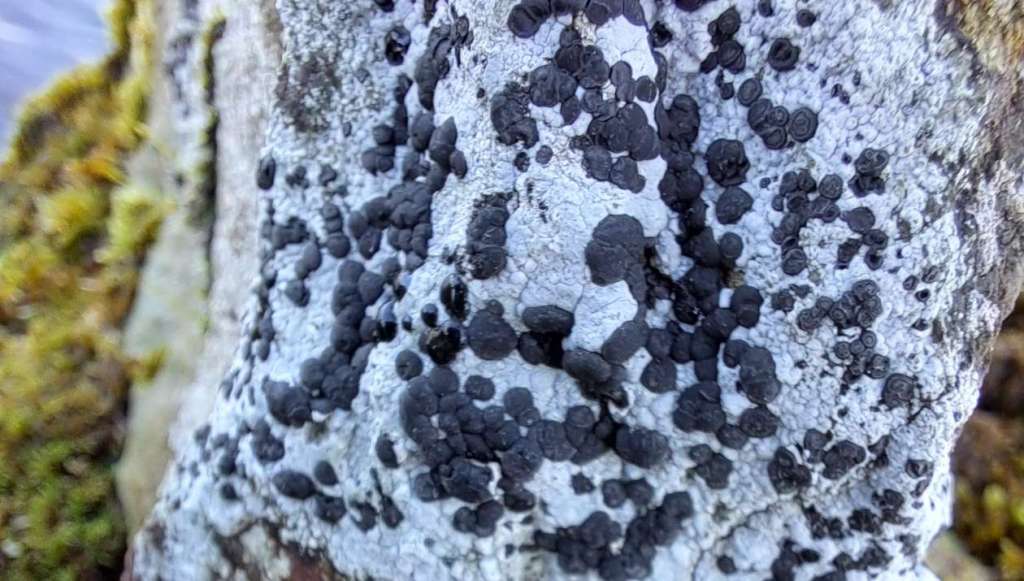
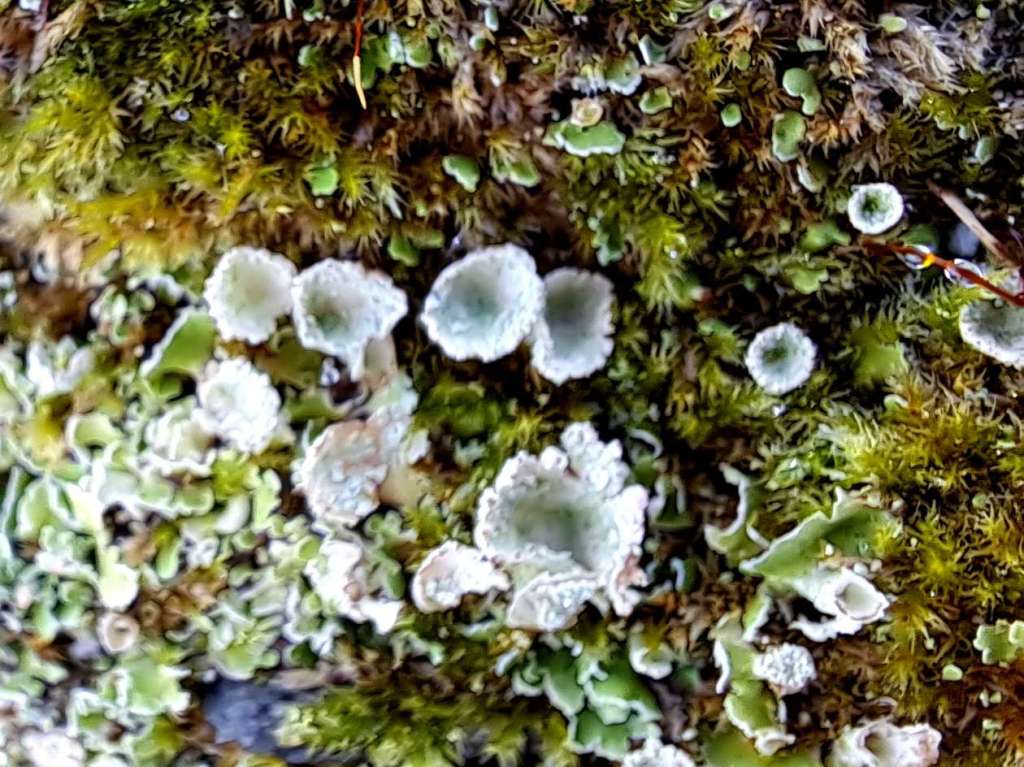
Over Christmas I obtained a little book on lichens, mainly about lichens of the National Forest in Glengarriff, but visiting that forest is for another time.  Reading through it did heighten my already interest in the lichen of the area here and I naturally took some photos of those I found while on my walk.  Lichens are fascinating, they are neither plants nor animals, they are living things that live in symbiosis with fungi. They are often very beautiful and intriguing.  I’ll learn more about them this coming year I think. 

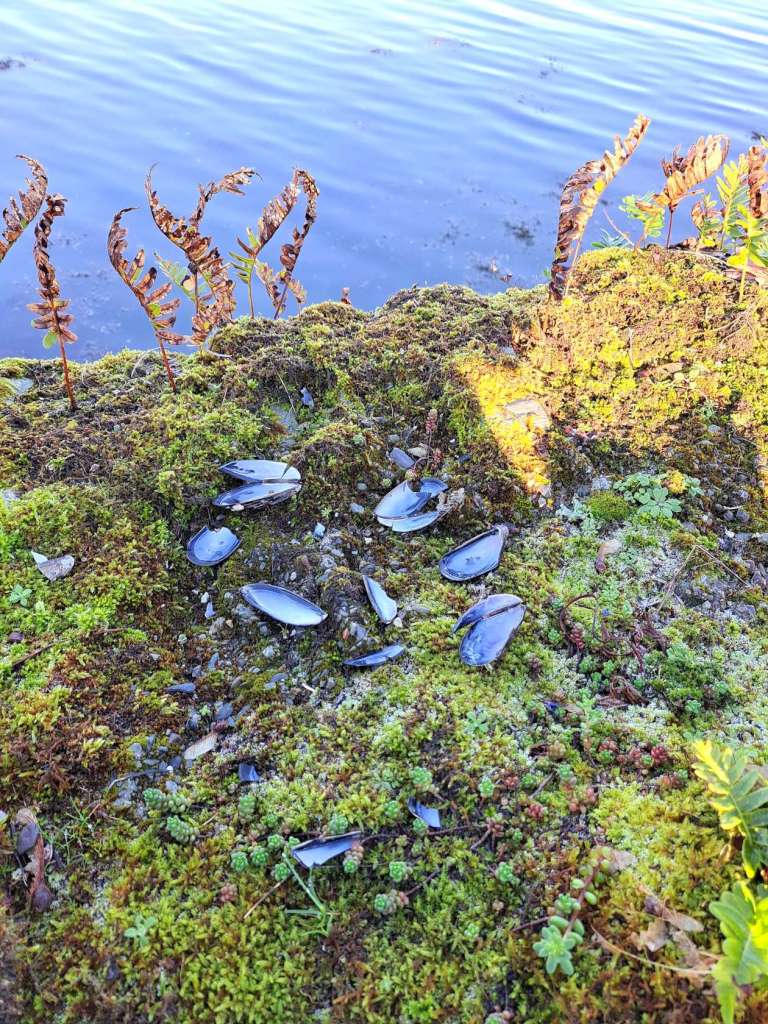
In the photo above are the mussel shells, the remains from meals of seabirds, mainly seagulls who drop those on the sea walls to break open feast on the contents.

Interesting looking old stone building, some sort of store no doubt. Much more to discover about this little place! 

Nature on CHRISTMAS EVE

All is calm in our little town on this Christmas Eve, the only sounds in our street are the wind howling and the odd car passing.  It seems that people are all heading towards home, the shops are slowly closing and town is emptying.  There is always a nice buzz in Skibbereen around this time of year.  Traditionally young people who would have emigrated to America or the UK would try and get home for the festivities, these days it is students and those that made it overseas that return, it’s always a great time for rejoicing and that is palpable in the streets and shops as old friends and families gather.  People seem cheerful.  Nice!

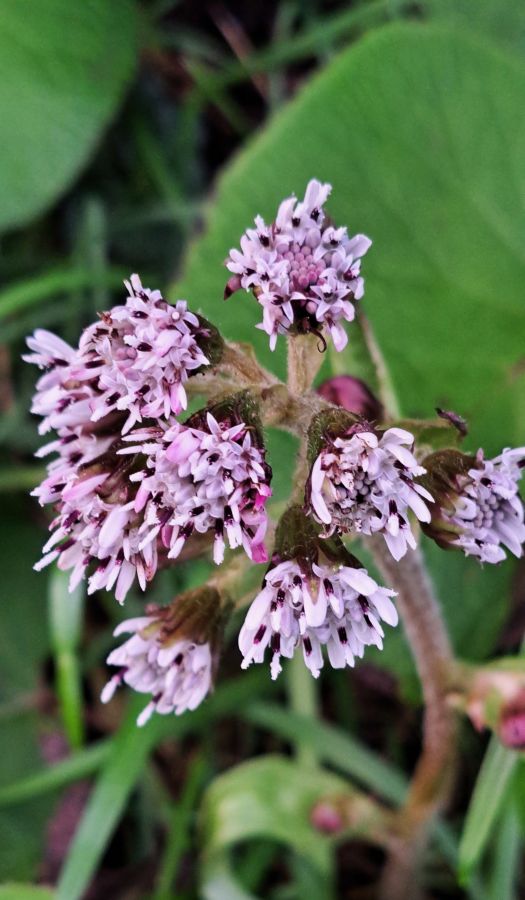
But I did not mean to write about this.  For me Christmas or Solstice time is special too but in other ways.  I feel myself pulled deeper into nature, my wish is to go for a long walk and take note of all that is happening, and so much is happening underneath all the rest that nature is supposed to be taking at this time.  Around me I not only see daffodils shooting up, but all sort of buds are getting bigger by the day. A myriad of small young plants are covering the ground where there are patches not covered by fallen leaves. 

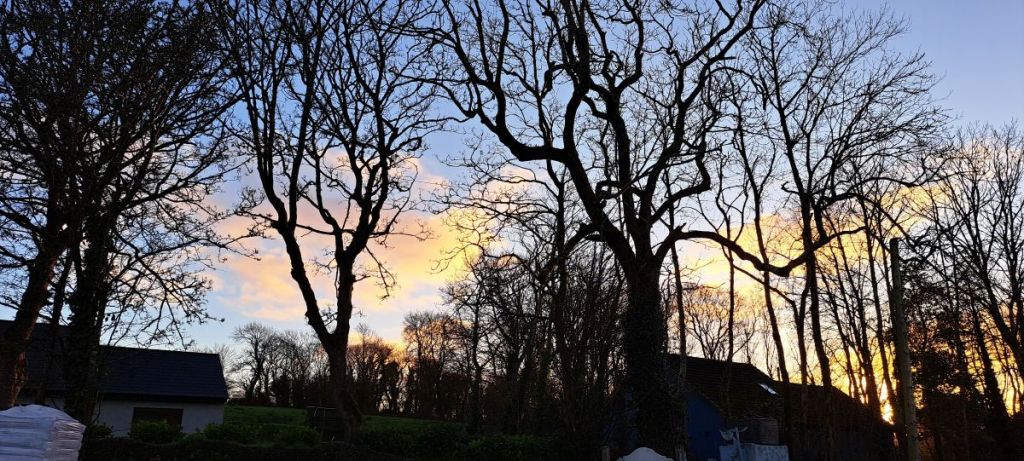
 A fine Irish mist is making everything wet and glistening, as a result the colours of the tree trunks in our garden are not dull, they are bright and beautiful.  This time of year is special, I read the old stories of animals being able to converse with each other in language on Christmas Eve, that somehow always stuck with me!  These are the darkest days, midwinter, we celebrate the solstice and look forward to the light returning, the brighter and longer days, new life and renewed energy in nature and in humans.  Christmas too is about new life, the birth of Christus, bringing light into the world.  It is a beautiful time, hopefully a time of peace for all.

Here in our little house, Ian is working on writing his book, we just had lunch and some real Flemish marzipan that my sister Josephine sent us from Lier.  Everything is peaceful, I’m listening to baroque music on rtbf Musiq3.  Work is done, our garden birds are fed, and I’m enjoying writing my blog post and wondering how all my WordPress friends and followers are celebrating this time of year.  Soon it will be 2024 and I hope that it will be a year full of blessing for you all. 

Sending love and wishing peace to everyone.

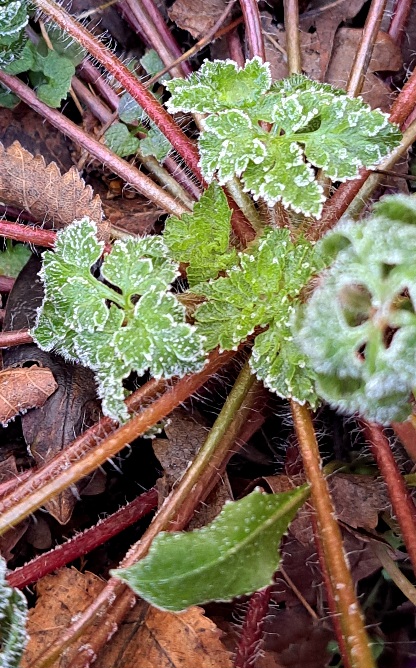
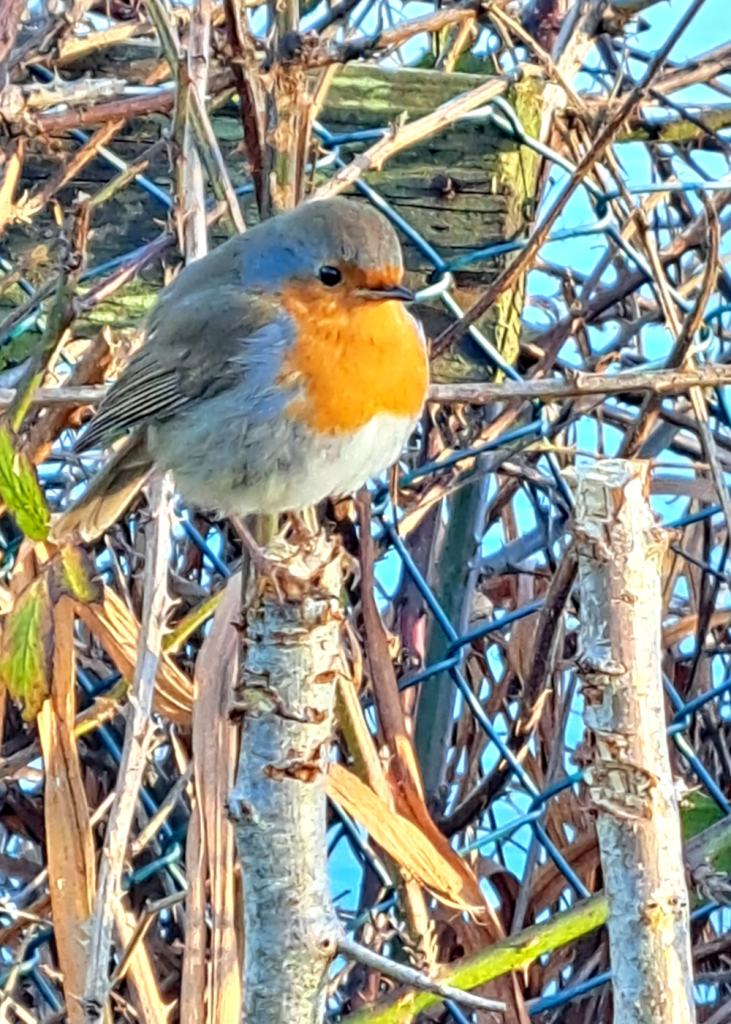
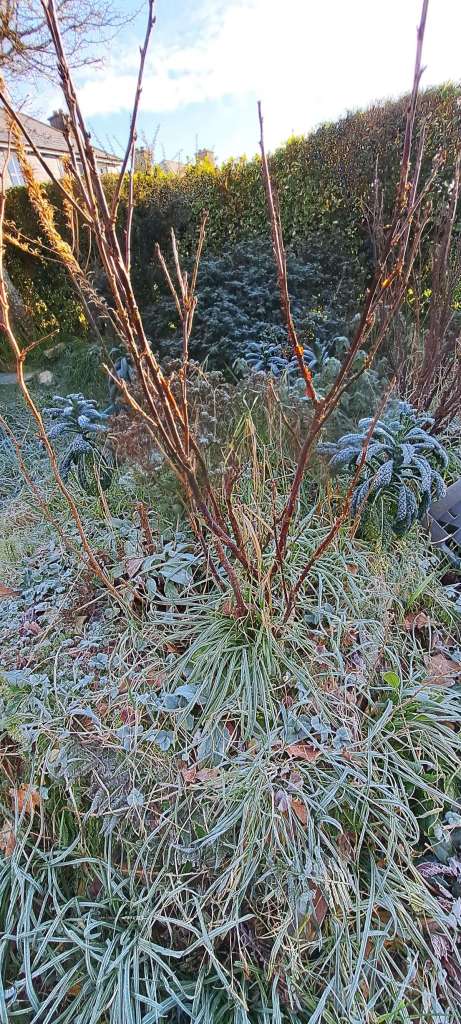
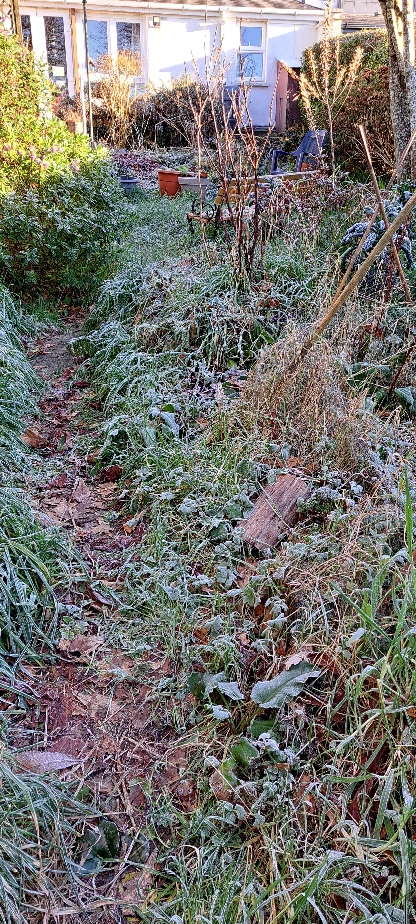
COLOUR AND TEXTURE IN THE WINTER GARDEN

‘Every gardener know that under the cloak of winter lies a miracle, a seed waiting to sprout, a bulb opening to the light, a bud straining to unfurl. And the anticipation nurtures our dream’ B.Winkler

‘What good is the warmth of summer, without the cold of winter to give it sweetness’ John Steinbeck

‘Don’t think the garden loses its ecstasy in winter. It’s quiet, but the roots are down there riotous’ RUMI

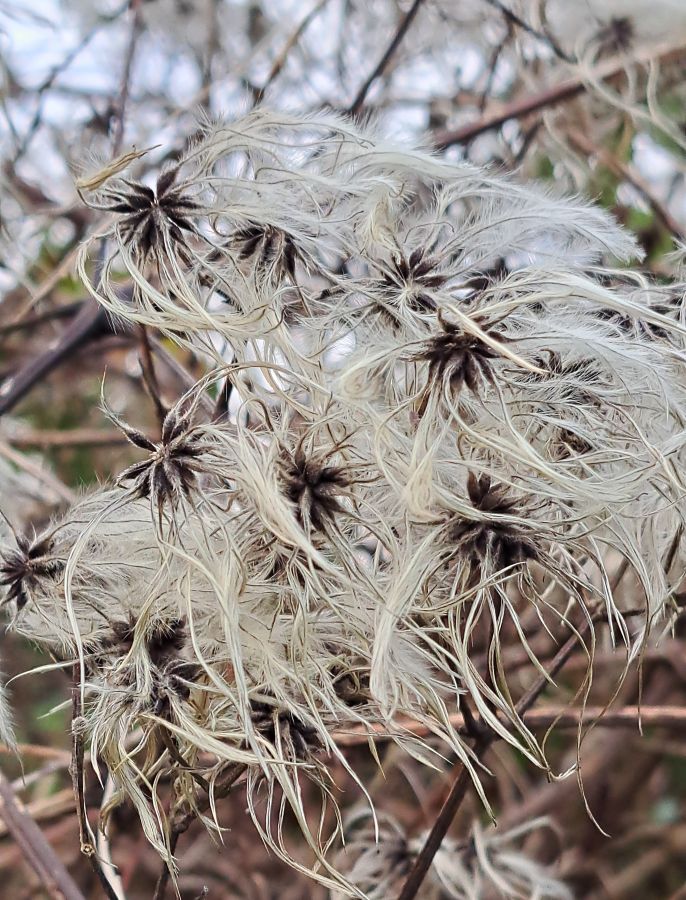
Lacework of the hydrangea flowers.

‘In seed time learn, in harvest teach, in winter enjoy’ WILLIAN BLAKE

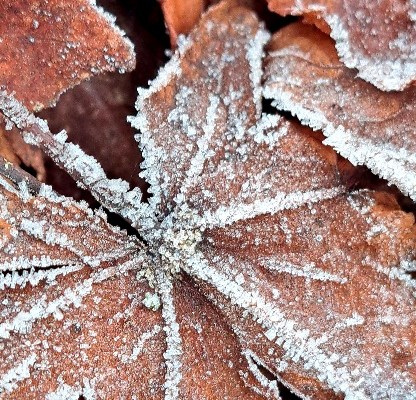
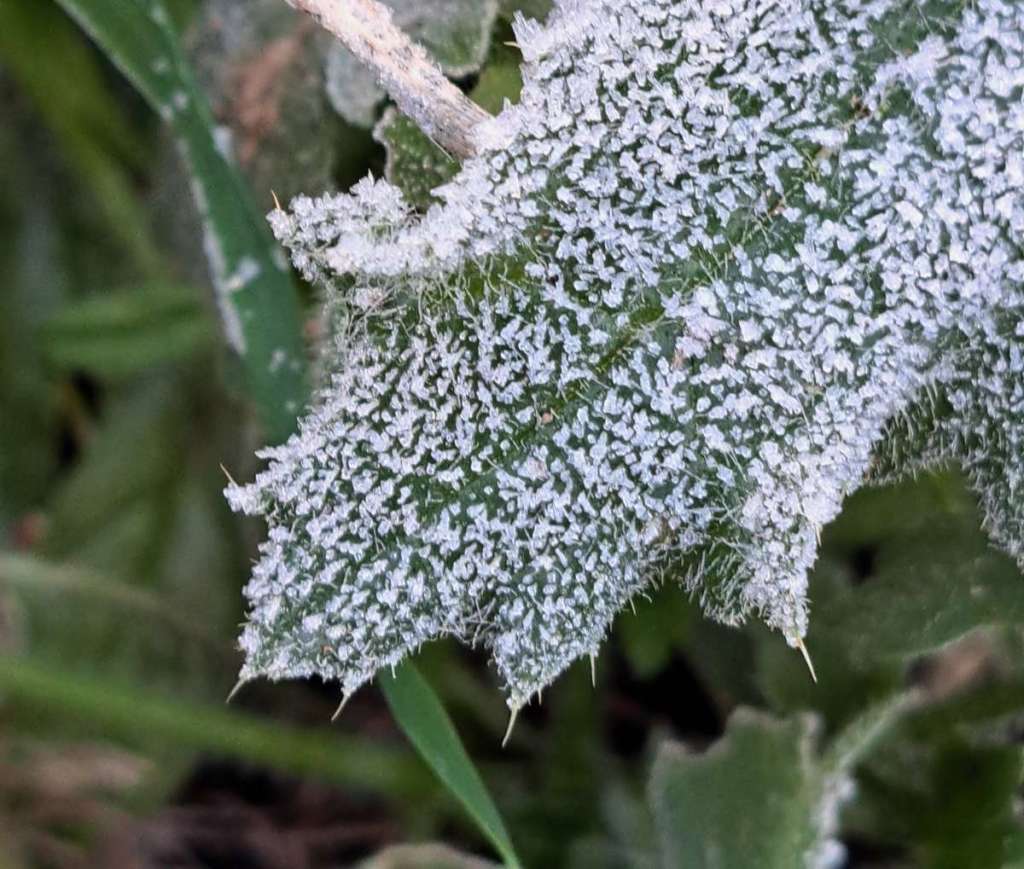
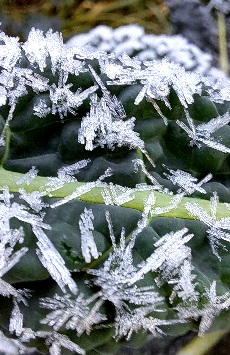
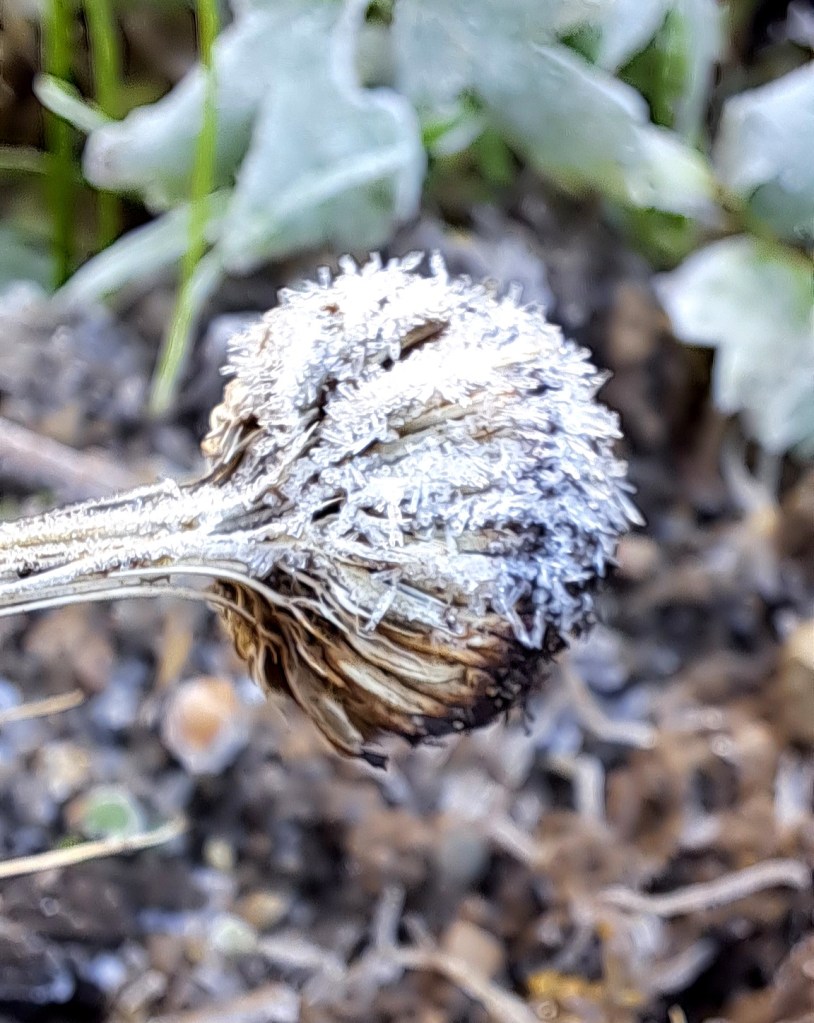
Totally enjoying a beautiful winter, the sky, the plants, seedheads, and all the little miracles that manifest during this time of year are a joy to behold. Winter is a time for reflection and restoration in nature and in ourselves.

Wishing everyone a peaceful and beautiful Christmas and mid-winter time, may peaceful blessings be upon you all.