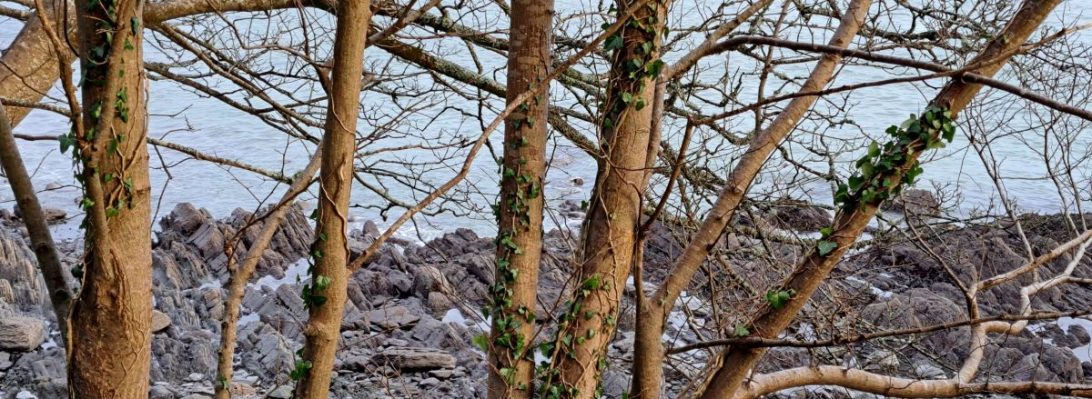
While seagulls and other sea birds fly in the wind to the sound of their own piercing keow, and the crow family fight them for the food that an elderly man is putting on the sea wall, I stroll past them on my way to the coast walk in beautiful Schull. They, the birds, don’t bat an eyelid and continue their fervent snatching and feeding. The man never looks up, so intent on his dedication to the birds.
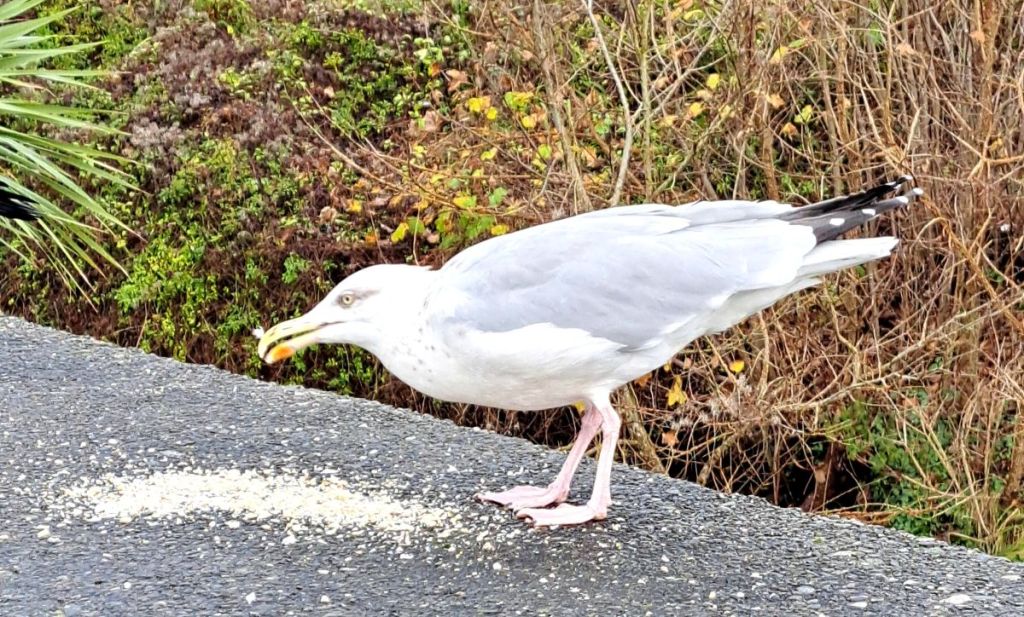
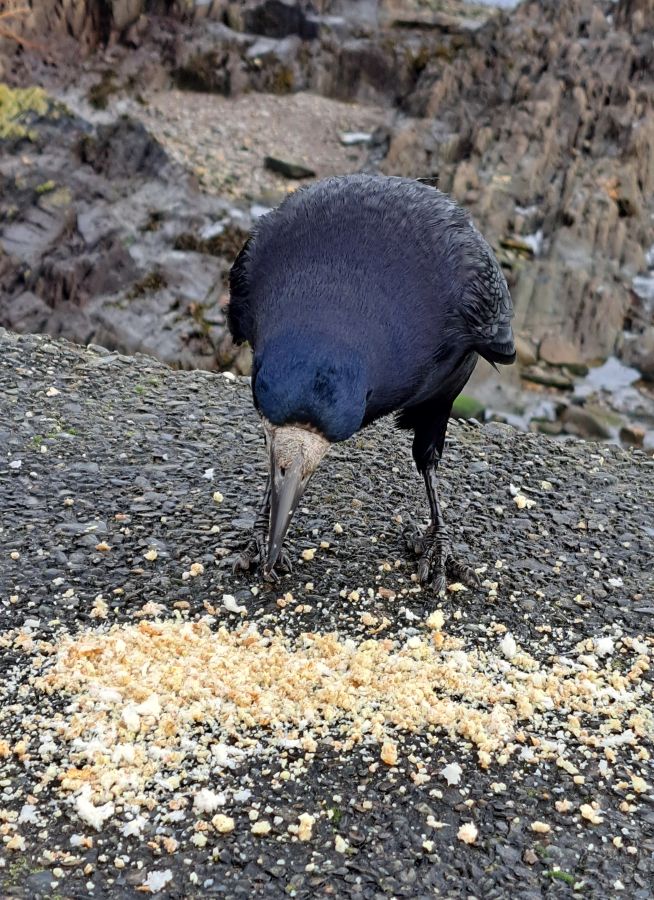
It is a sunny but very windy winter’s morning.
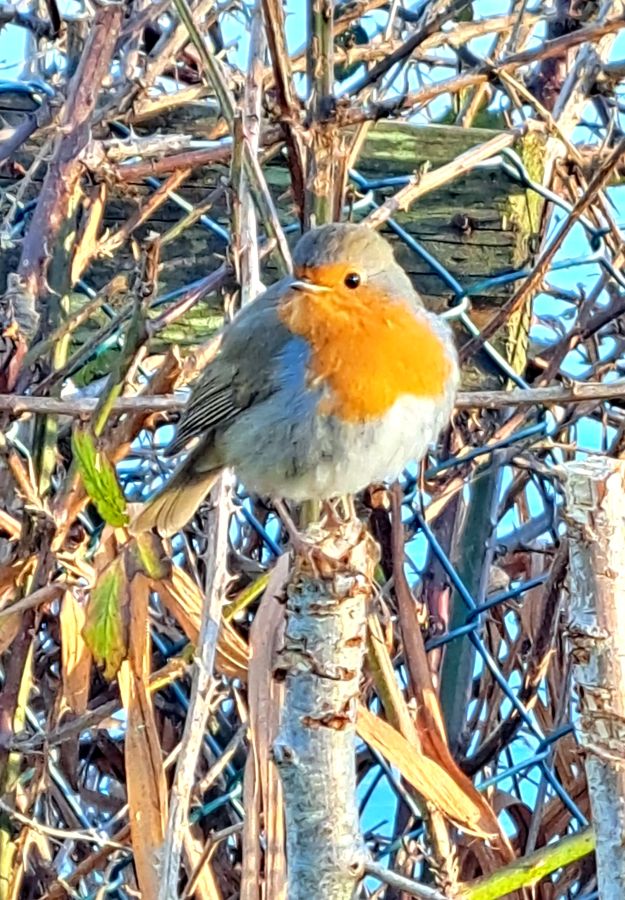
I’ve just past the path where a robin took my attention, it came up close and was making some sounds but not singing, that started later. It was the most beautiful little creature, its colours vibrant, this got me thinking that it was a male bird and that the mating season is not far off.
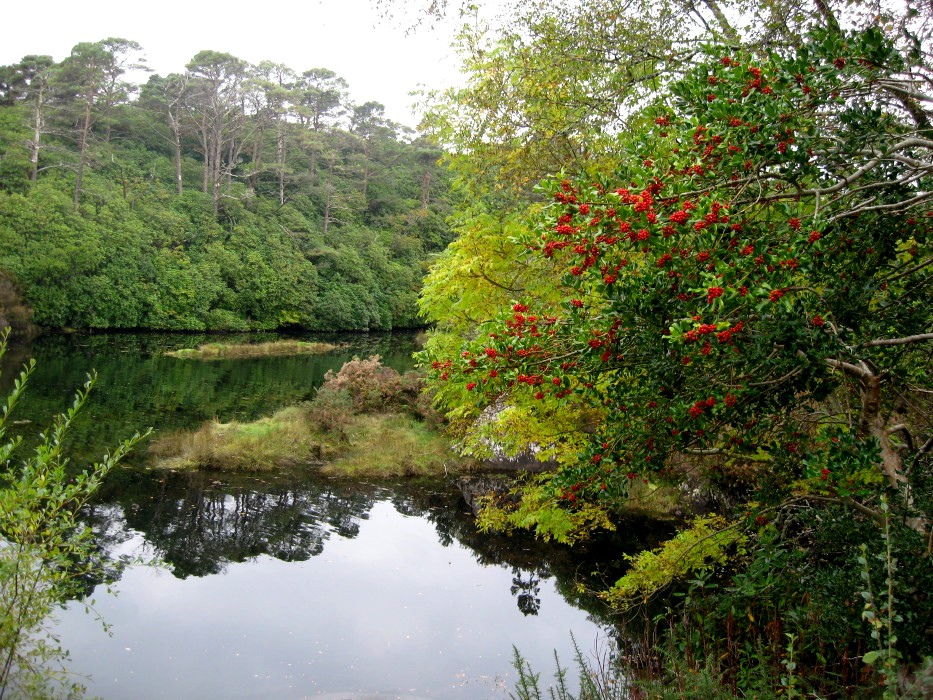
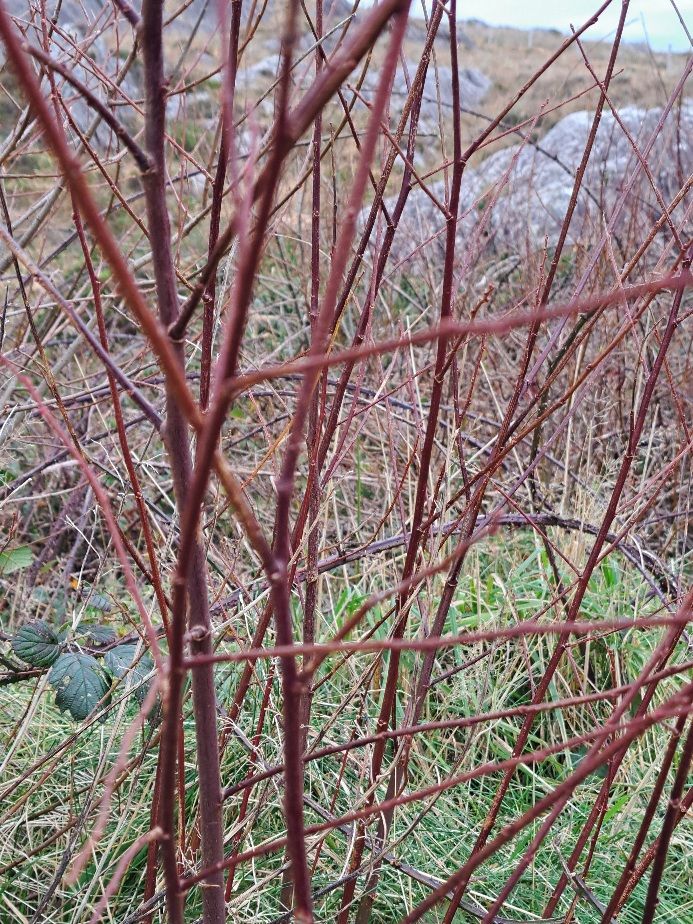
What fascinates me on this path are the trees. Ever since I did a short course last year on tree identification during the winter season, I keep wondering what this or that tree is called. I can recognise the obvious ones of course, and now I know an ash tree when I see one, its seeds, winged samaras or keys hanging down from twigs with black buds give them away. Seeing that we have a fair (but not huge) amount of trees here in West Cork, I’m thinking of taking a further course in tree identification as it’s fun to recognise what we learn.
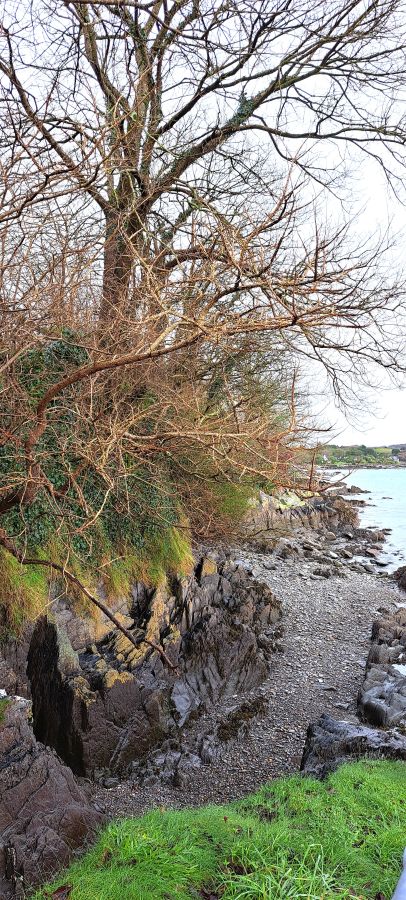
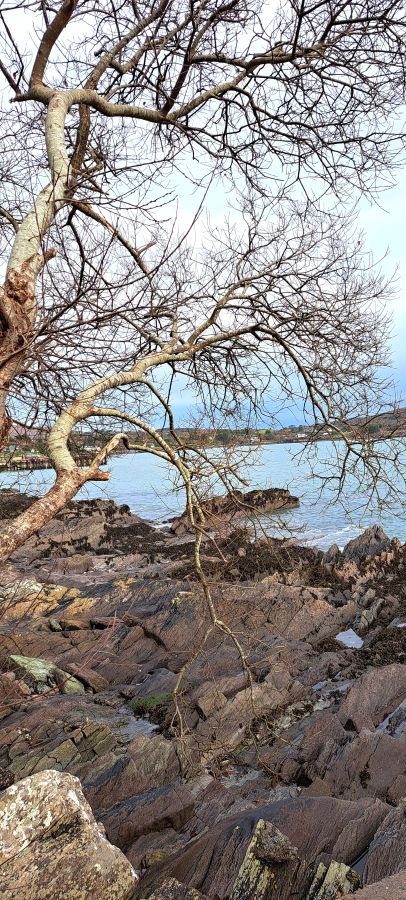
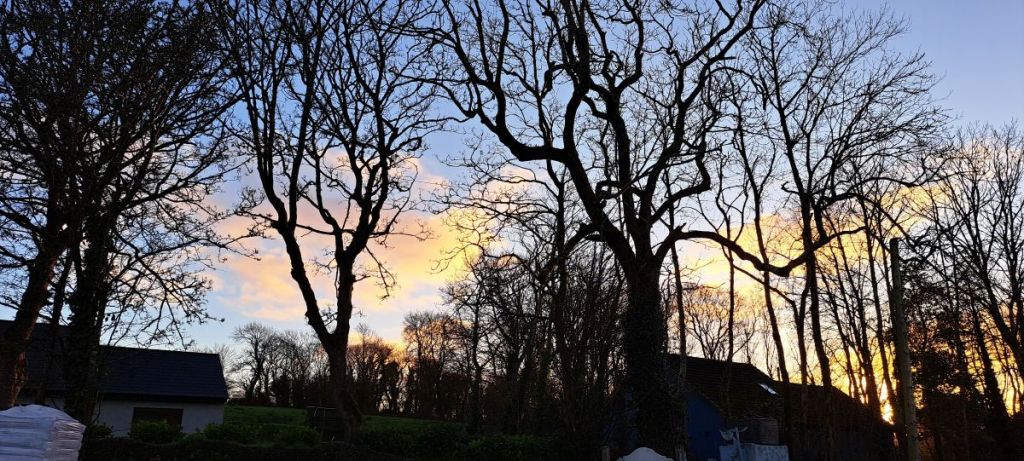
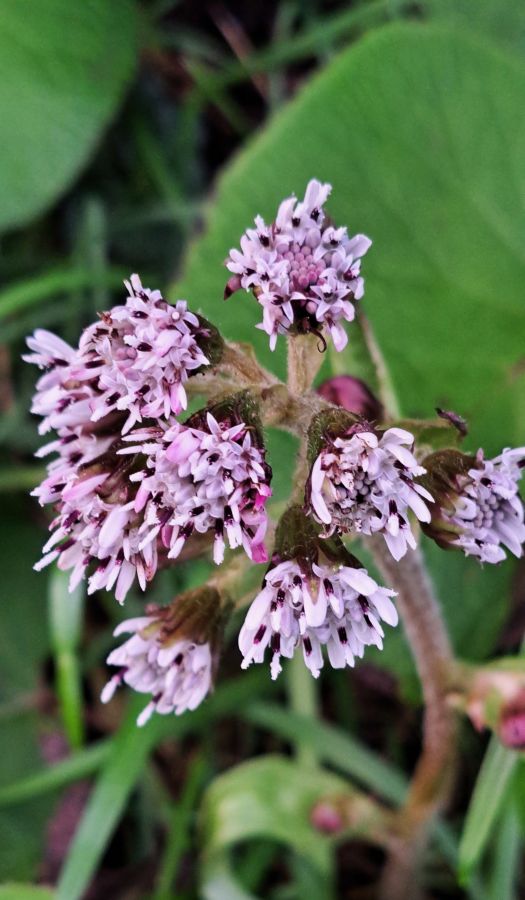
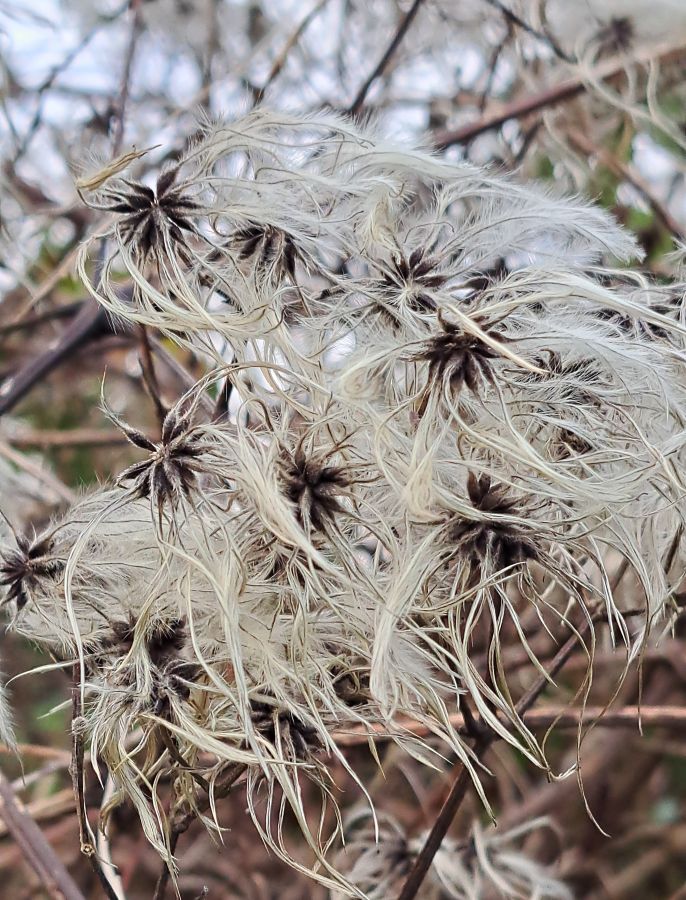
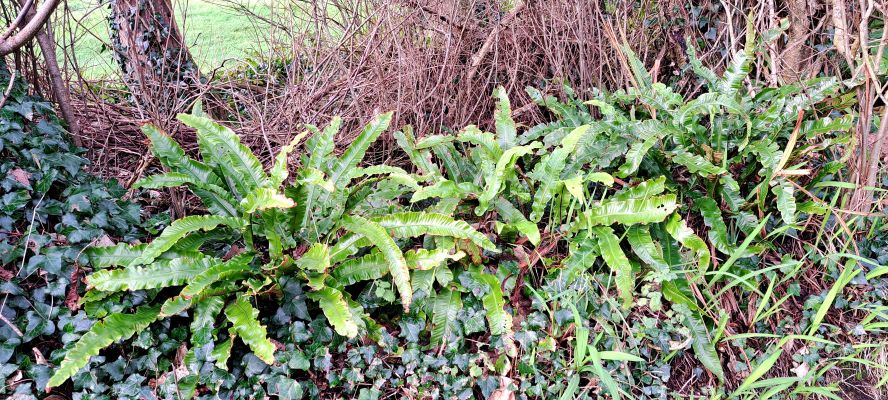
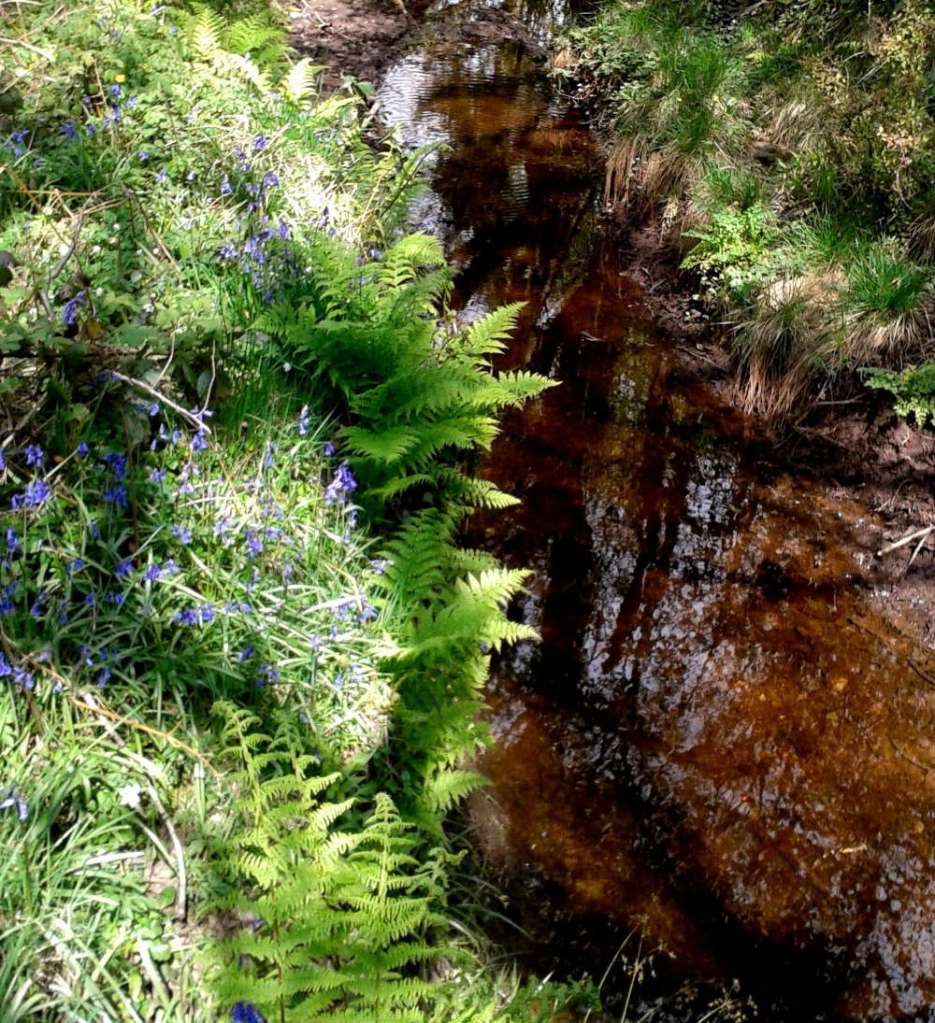
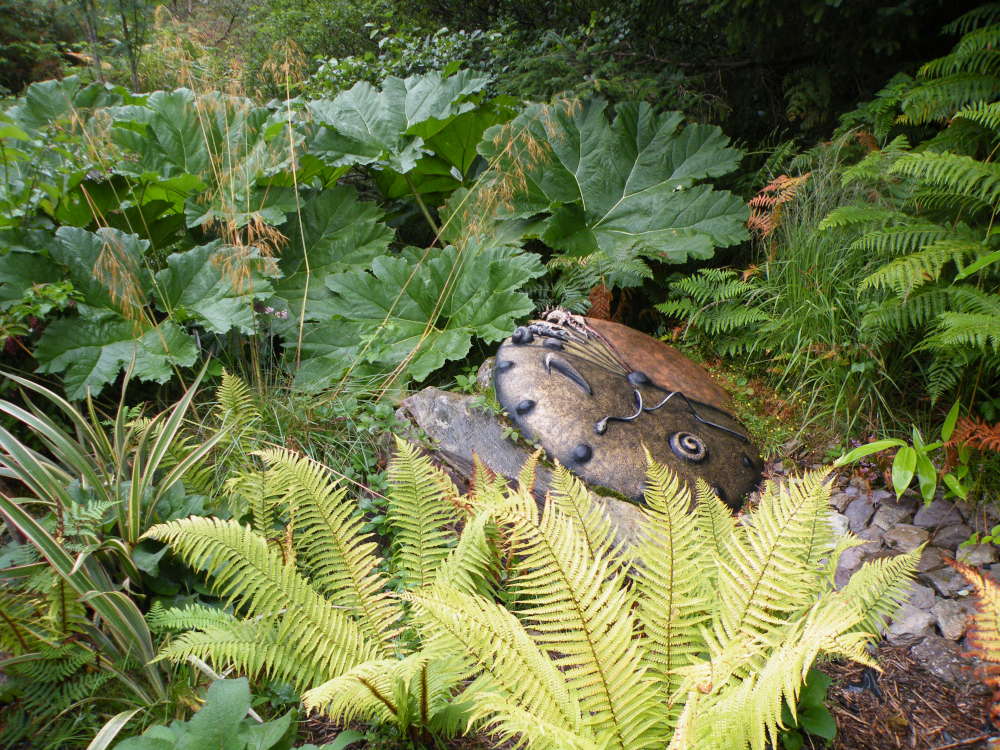
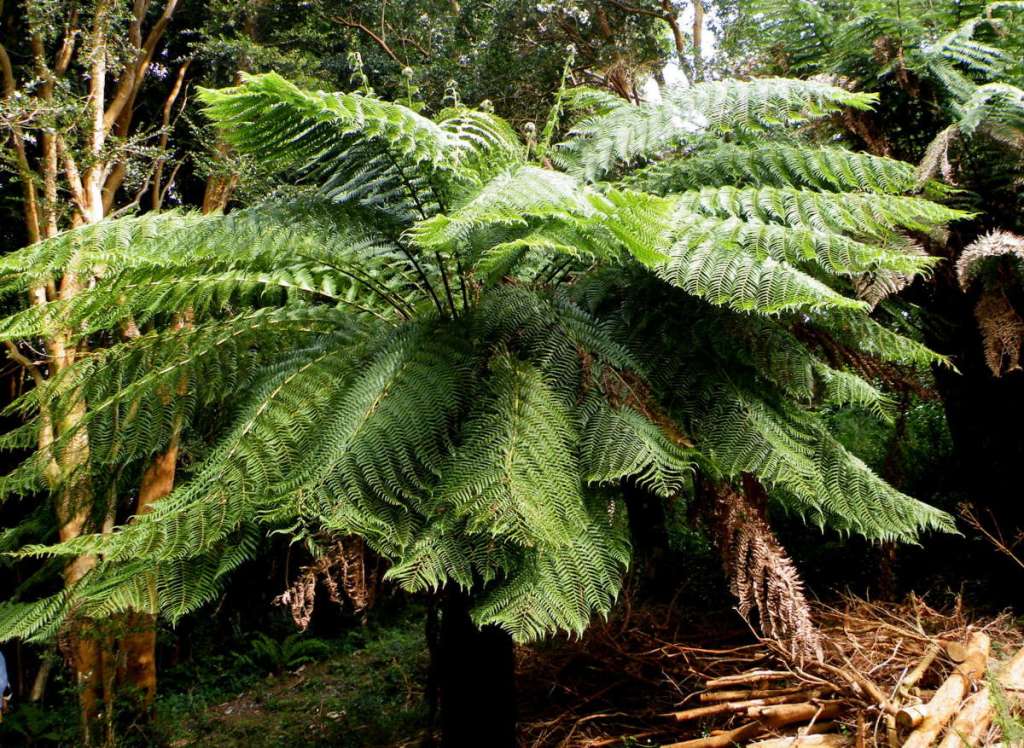
Celandine leaves, and here and there the yellow of the flowers are already to be seen, as are a more plentiful sight of winter heliotrope plants in flower, their pink breaking their greyish leaves along the path. Ferns and old man’s beard are plentiful along this walk, as is ivy covered in thick berries.
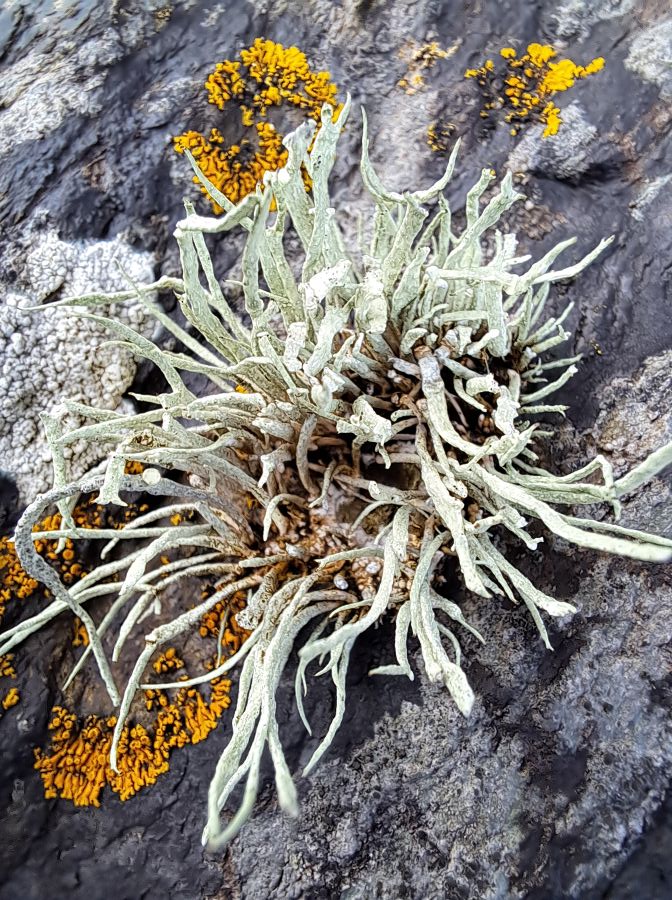
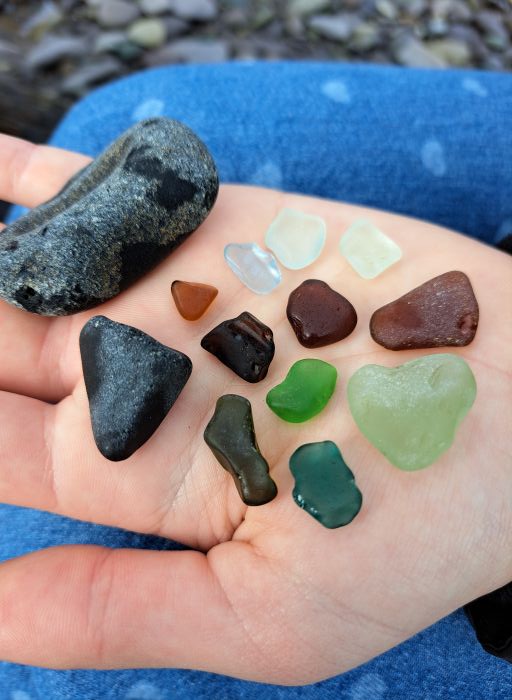
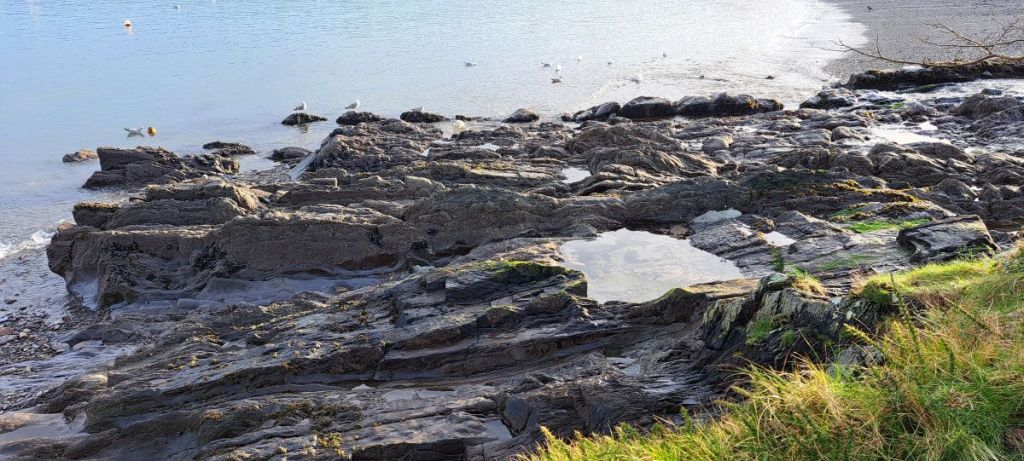
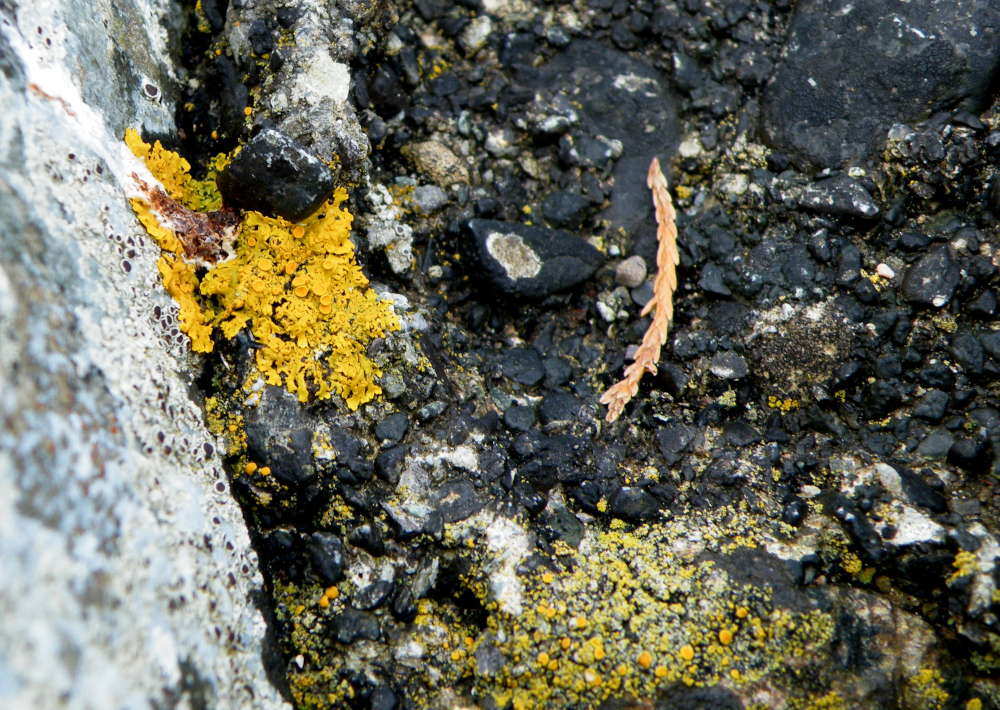
Walking further along the coastline, there is plenty to see, the rocks are covered with interesting lichens, as well as seaweeds, and sea glass can be found. The rocks themselves Devonian mud and sandstones, look dark and some of them are quite jagged but some are really smooth.
The sea here is part of Schull Harbour which opens onto the Atlantic Ocean, where it is studded with a variety of islands. During the calmer months the harbour is a lovely sight with all the yachts and plenty of activity.
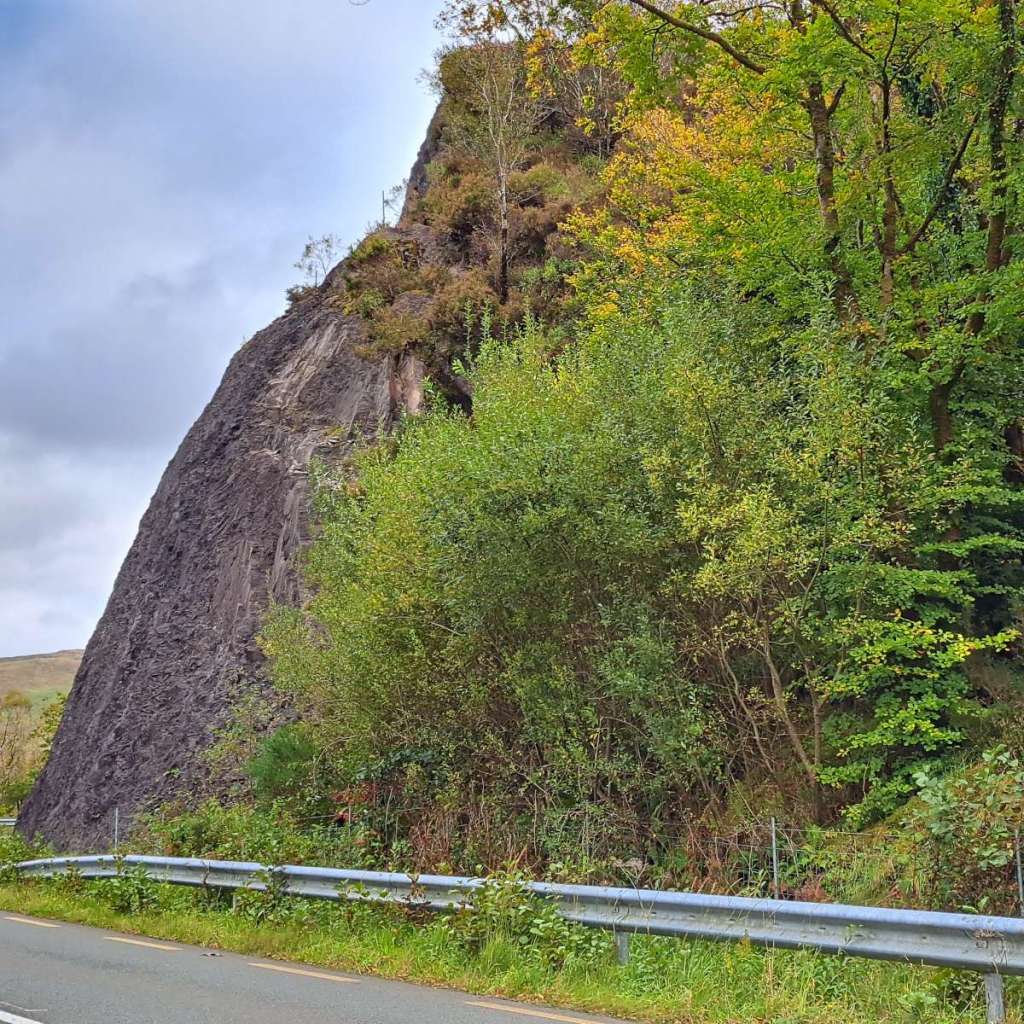
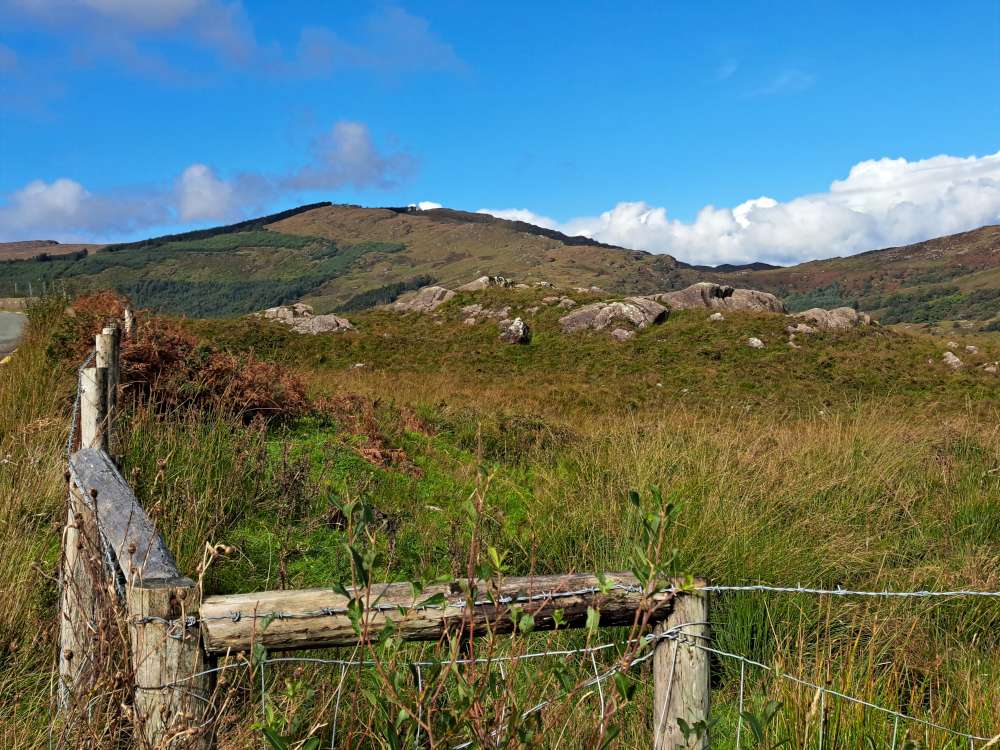
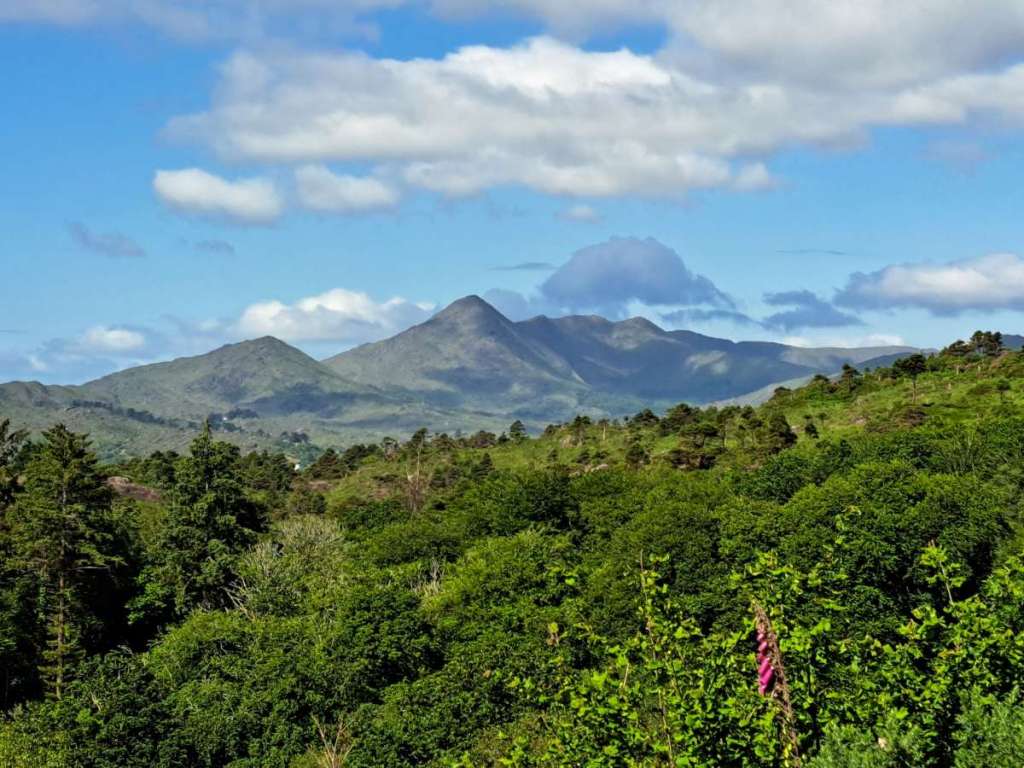
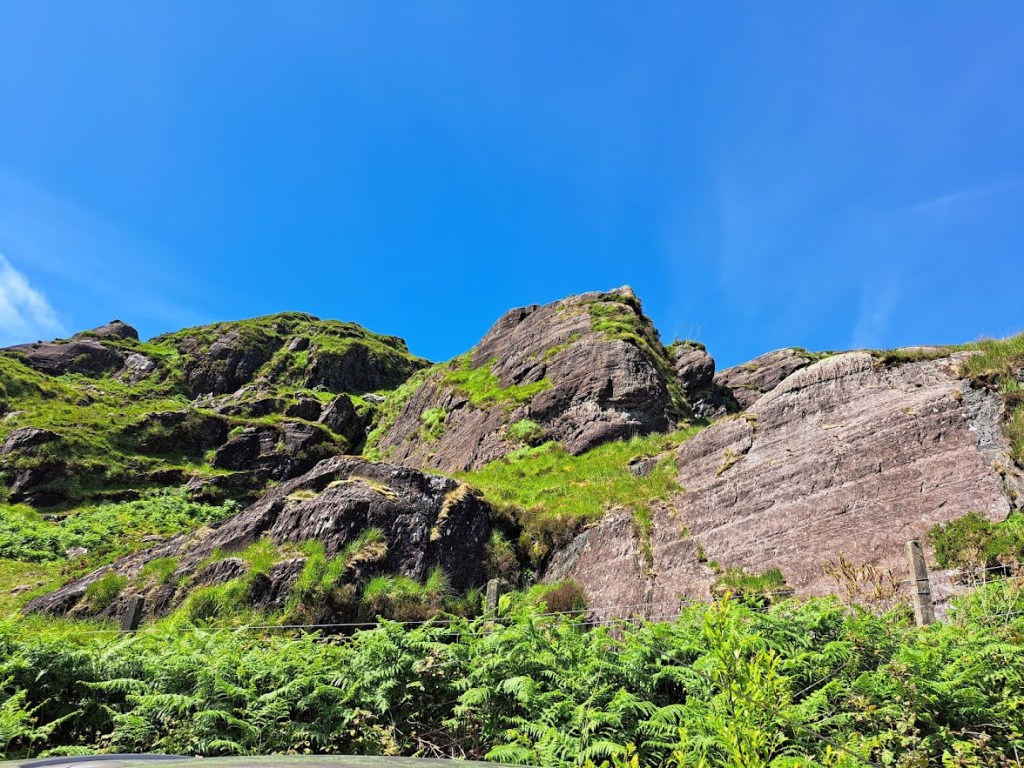
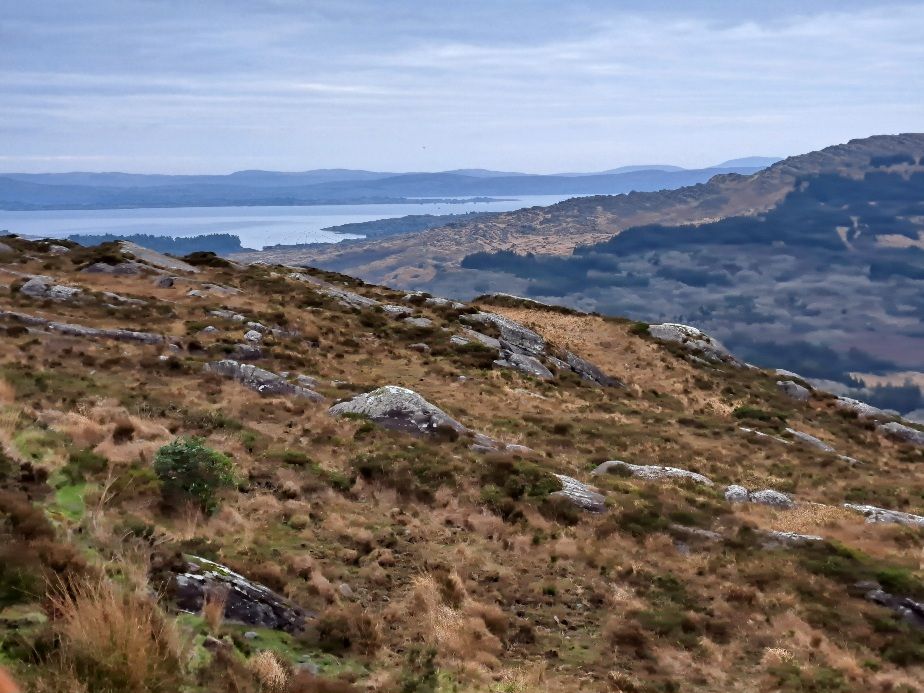
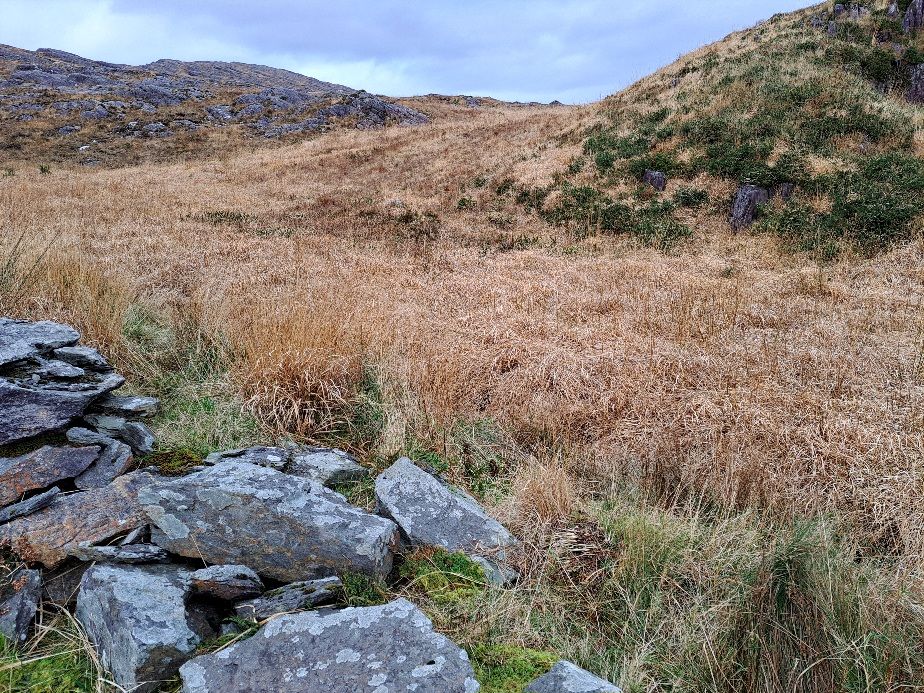
Mount Gabriel overlooks this whole area, it is a hill 407 m high. Two radar domes are to be seen on top, they monitor civilian aircraft in parts of Ireland’s air space. Recently I have travelled along the western side of this mountain on the way to Bantry, I drove through the Barancleeve Gap along which is where archaeological evidence of extensive copper and barite mining operations during the Early to Middle Bronze Age is found. I would like to explore. And looking at my map I have just discovered a few more little roads in the surrounding area which might be of interest.
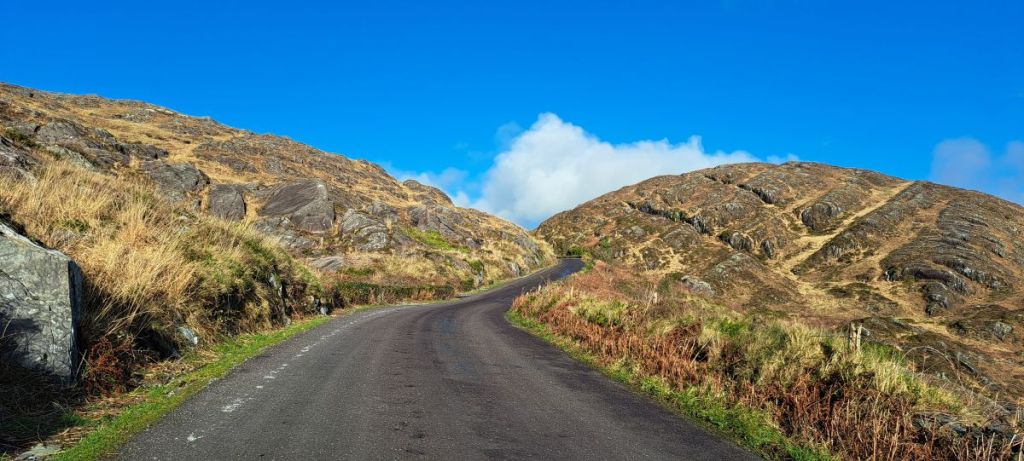
Barancleeve Gap
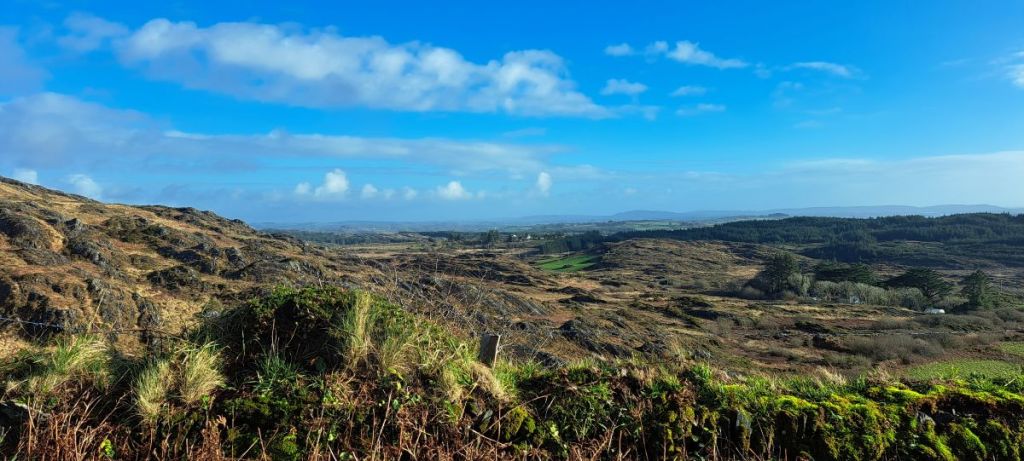
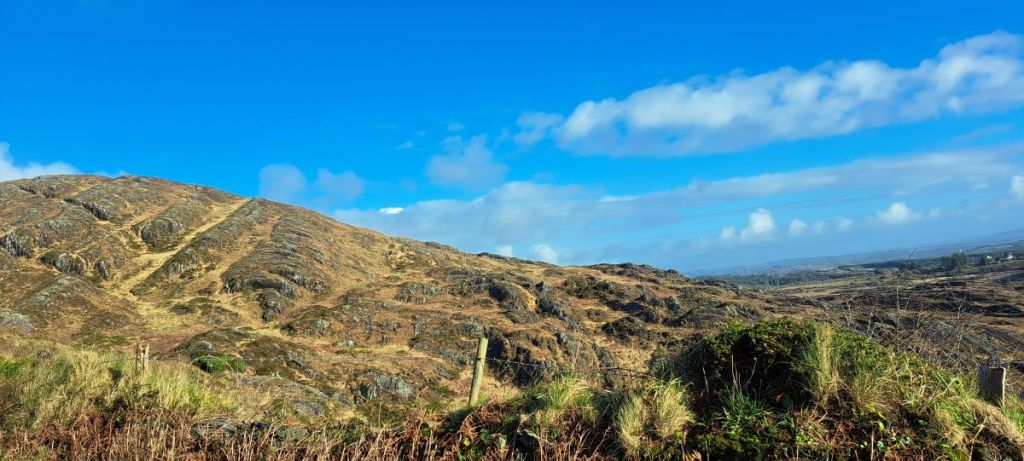
Memories of the area… Once, when I first came to Ireland with my family, I spent a year in Cork city as an au-pair, and the family took me with them for a month’s holiday to Crookhaven. I still have wonderful memories of that time, all I had to do was walk the toddler to Barley Cove beach and entertain him. It is there that I discovered coral and the bleached skeletons of sea urchins, and walking along the roads I noticed many wild seaside plants. Crookhaven is about 23km from Schull, it is a peninsula and has a very rocky shore towards the top end facing the Atlantic, looking over this view, it was an amazing sight, and very invigorating as strong winds blow relentless there.
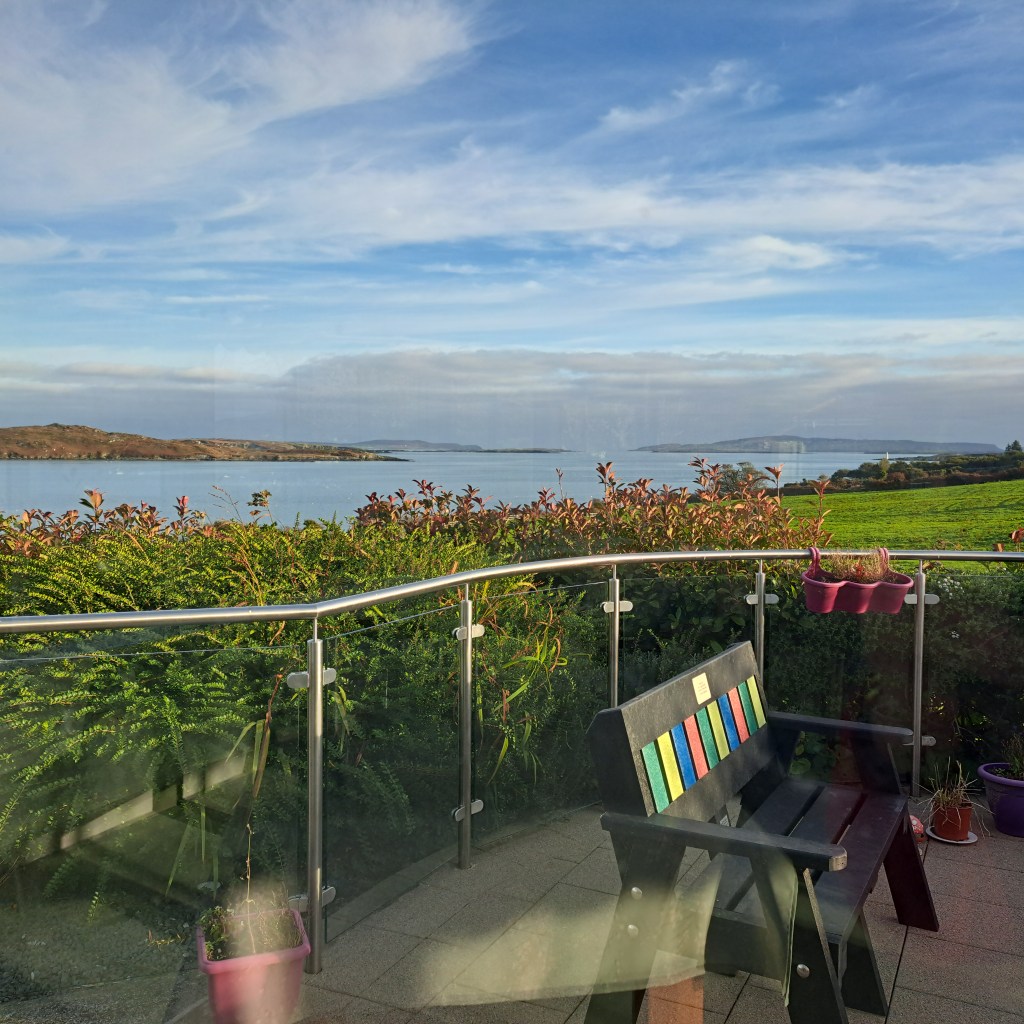
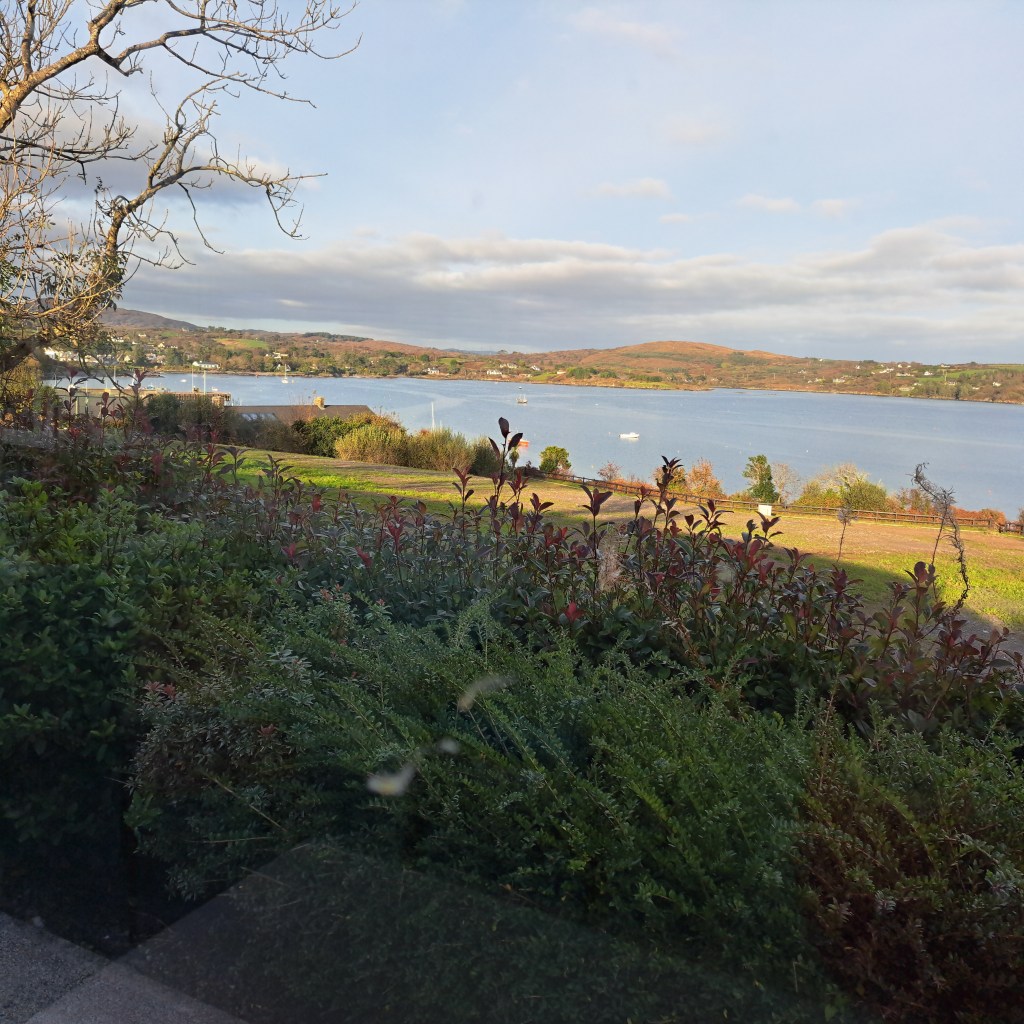
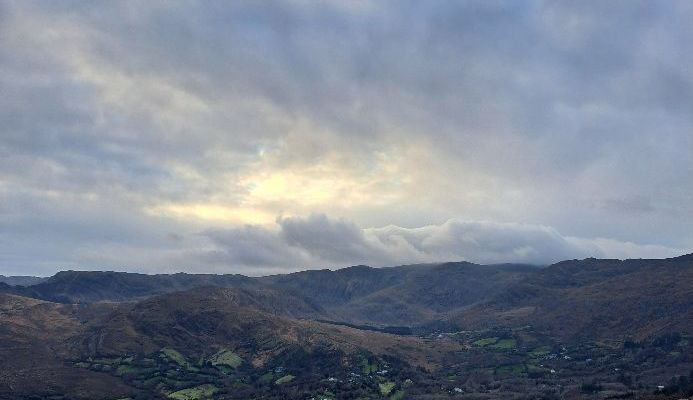
Views from the nursing home which is situated at Colla road in Schull and is a lovely place.
Seeing that I have the occasion to travel to Schull twice a week to visit Ian in the nursing home, which also lies along this coast line and has lovely views overlooking Schull Harbour, I’m spoiled really with a wealth of interesting walks and great photo opportunities. And with spring and summer coming up I look forward to this, map in hand and Google for research as a stand by. There is lots to discover I think, and I will take full opportunity of combining both seeing Ian and discovering this amazing landscape and what it has to offer.



















 agoyvaerts