
Recently I heard a delightful warbling song coming from the garden, it stopped me in my tracks. I did not recognise this song and so I turned on Merlin app on my phone to identify it, and was told that it was the song of the blackcap. I knew that, from time to time there are blackcaps in our garden, both male and female. They are easily recognisable by their black (male) or chestnut brown (female) cap on their head. They come to my peanut filled bird feeders. It was some years ago also in January that I first saw them in our garden. Another identifying mark is their beak which is black and sharp, useful as they feed on insects and berries, but also on peanuts it seems! It is a handsome bird, its wings and tail some shade of grey. And like I mentioned above its song is beautiful, no wonder then that it is sometimes called ‘the northern nightingale’.
Blackcaps (Sylvia atricapilla) belong to the warble family, they are found these days also during the winter in Ireland, they used to spend their winters in the Mediterranean regions. I read that they nest in this country but they originate from mid-Europe. Their conservation status in Ireland is ‘green’, so we don’t have to worry about their disappearing yet, luckily.
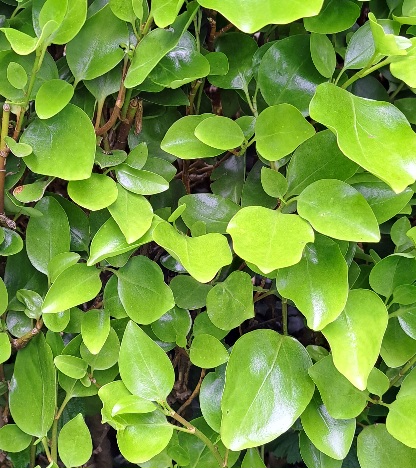
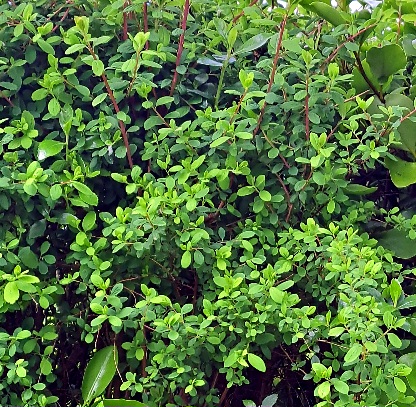
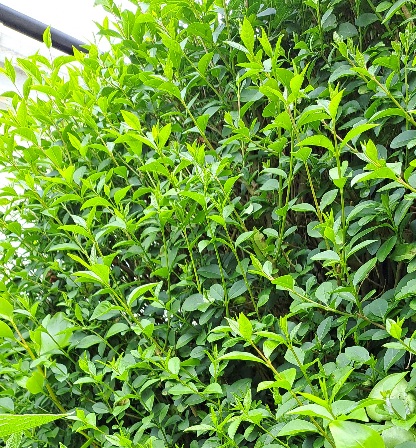
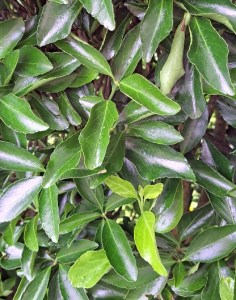
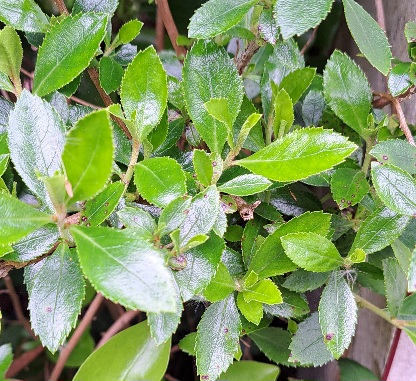
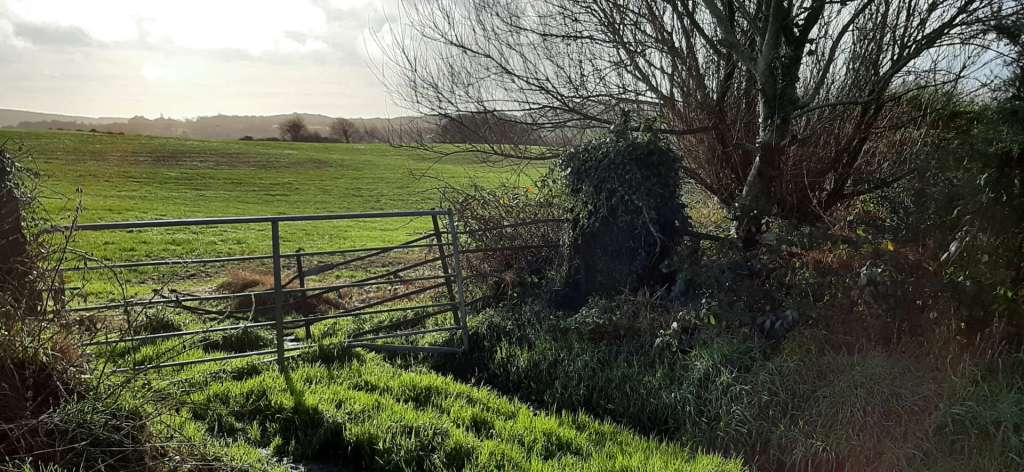
It is no wonder that they like our garden as we have lots of berry bushes and even a currant tree (amelanchier lamarckii) which also produces a multitude of lovely berries. As well as cotoneaster (Franchetii) and a hawthorn tree (crataegus monogyna), and Berberis darwinii, all attracting and feeding birds. Another plus point is our very thick hedges, originally we planted cuttings, and they grew into an ever expanding hedge, among them are privet, griselinia, fuchsia, escallonia, spiracaea nipponica, and last but not least the evergreen spindle (euonymus japonicas). I know that there are wrens nesting there for years, also blackbirds, and the sparrows disappear in the hedgerow often, I sometimes wonder if that is where they go at night, or when it rains! Anyway, I digress, the blackcap is known to nest in hedgerows, and our hedges only get a cut once a year in September or there about.
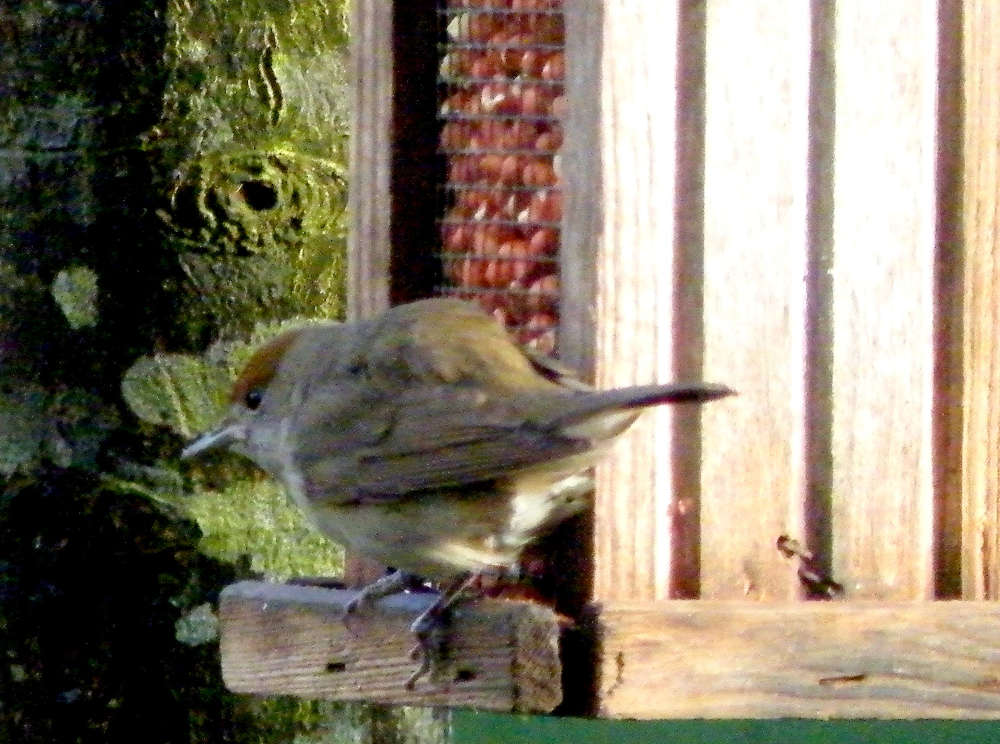
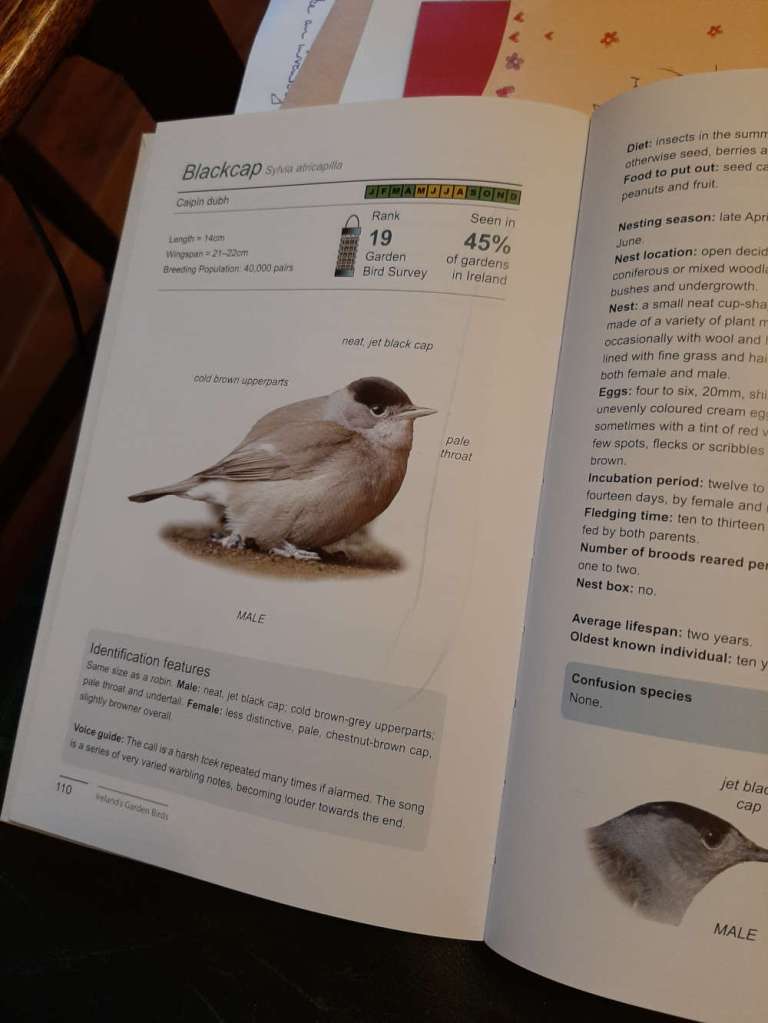
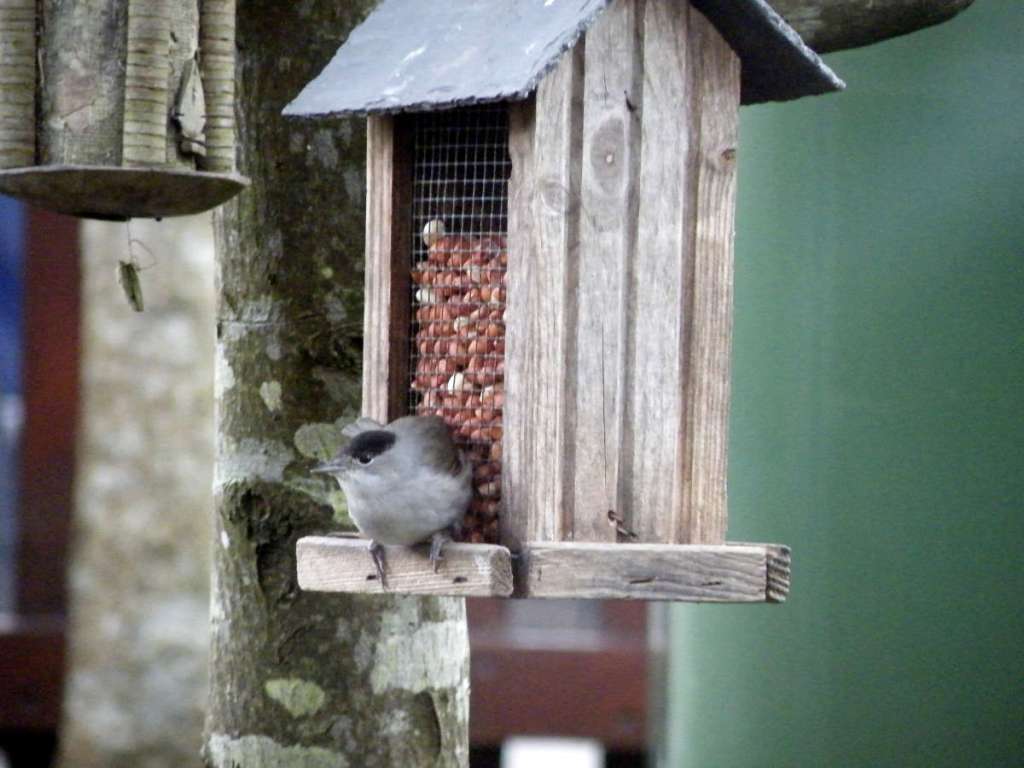
Now that I’ve heard the blackcap, I’ve become interested in other birds of the warble family, birds like the chiffchaff (phylloscopus collybita) for example which I hear here all day long recently.
Another lovely singing bird is the Dunnock, I have two of them every winter and even now, they are there picking up the grains on the ground that fall from the bird feeders (I’ve stopped feeding though now). Striking brown colouring, easy to mix up with sparrows but having a distinctive different beak, their colour move vivid. I love their song and hear them regularly.
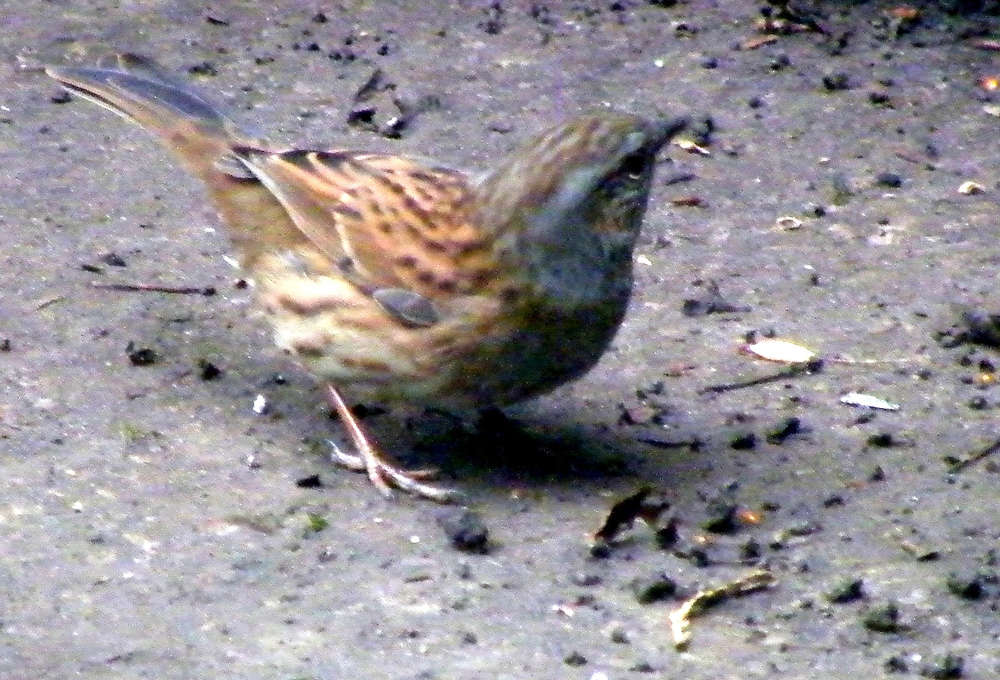
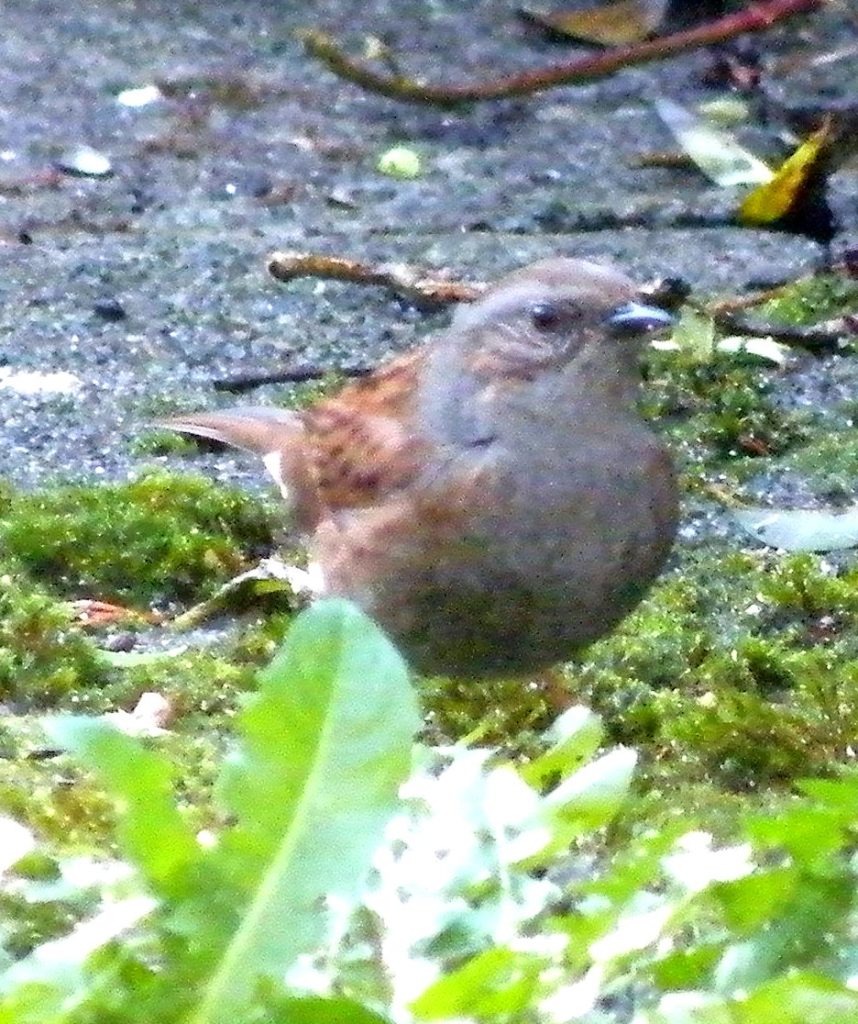
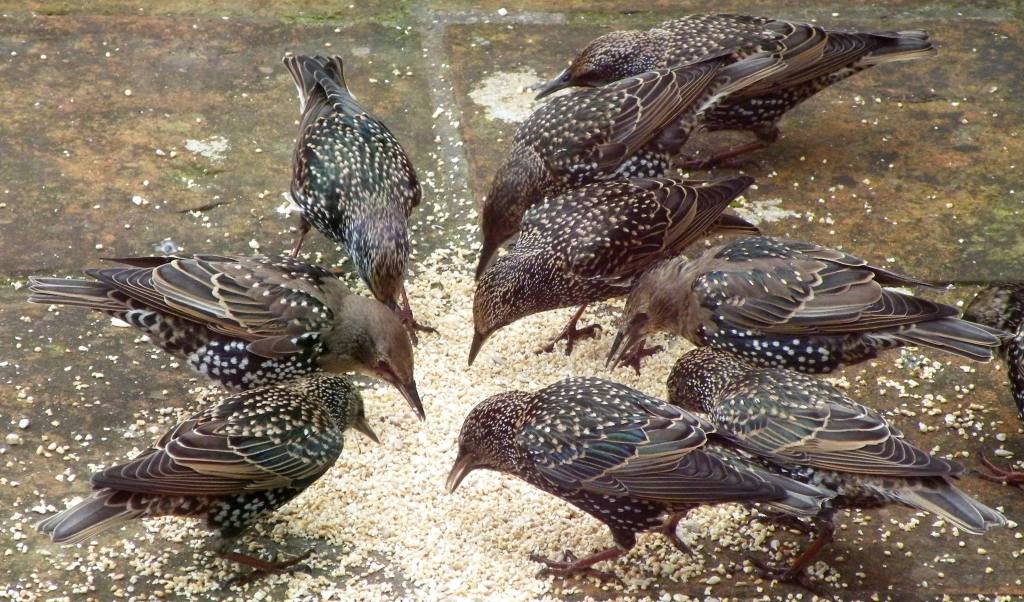
It is amazing how many bird species are found in suburban gardens. I was delighted last winter to spot a flock of long-tailed tits feeding and flying very fast among the shrubs close by, delightful birds. Lovely to spot them.
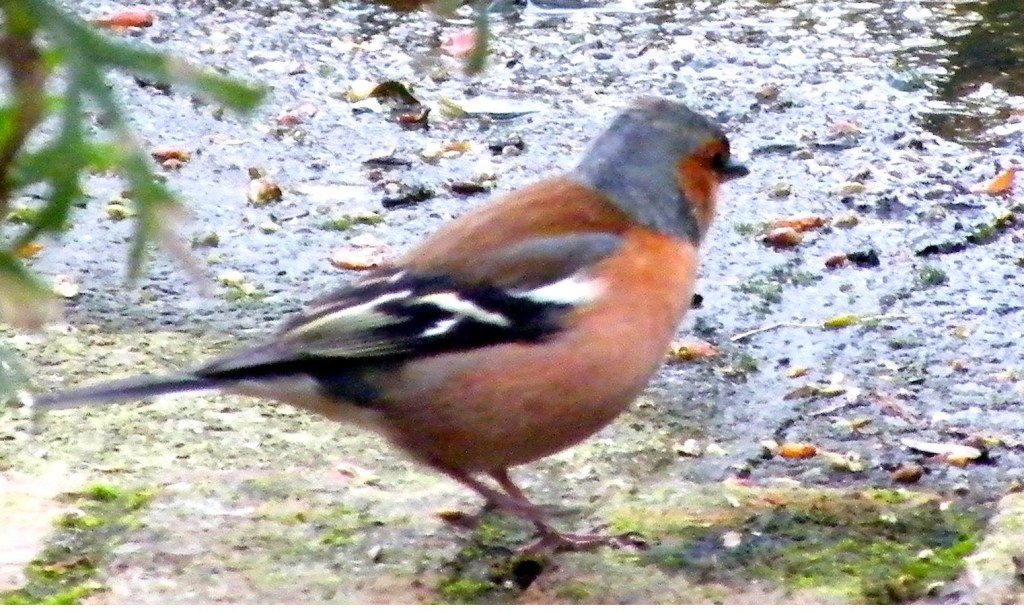
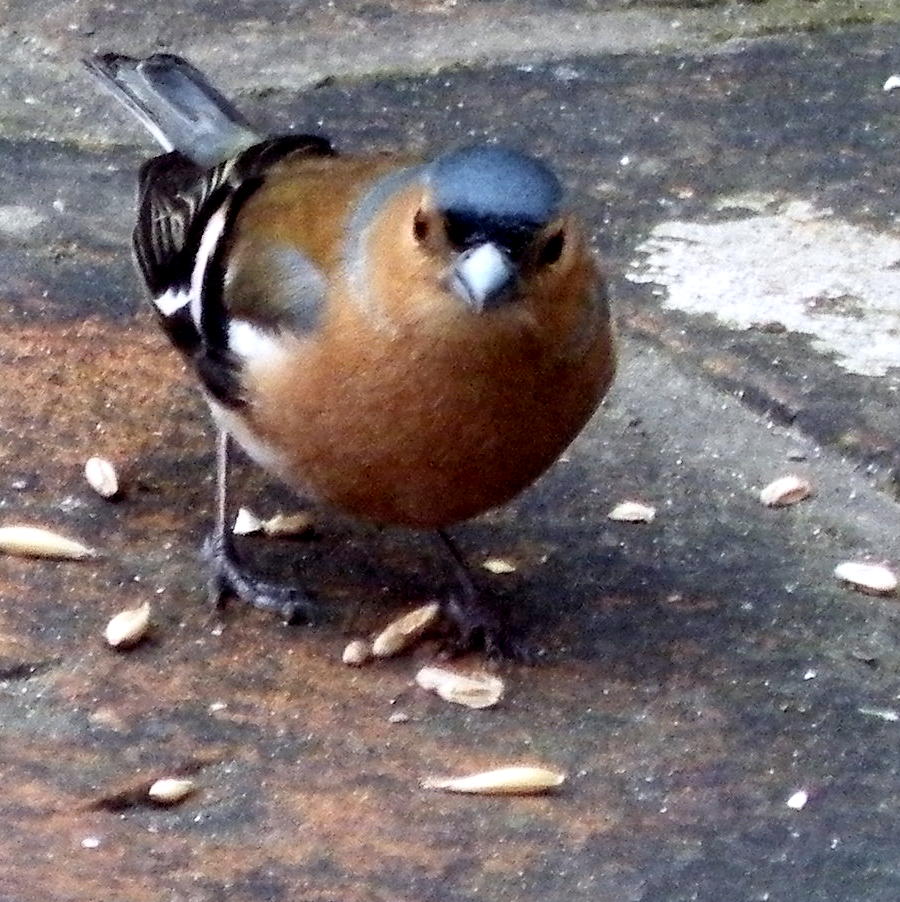
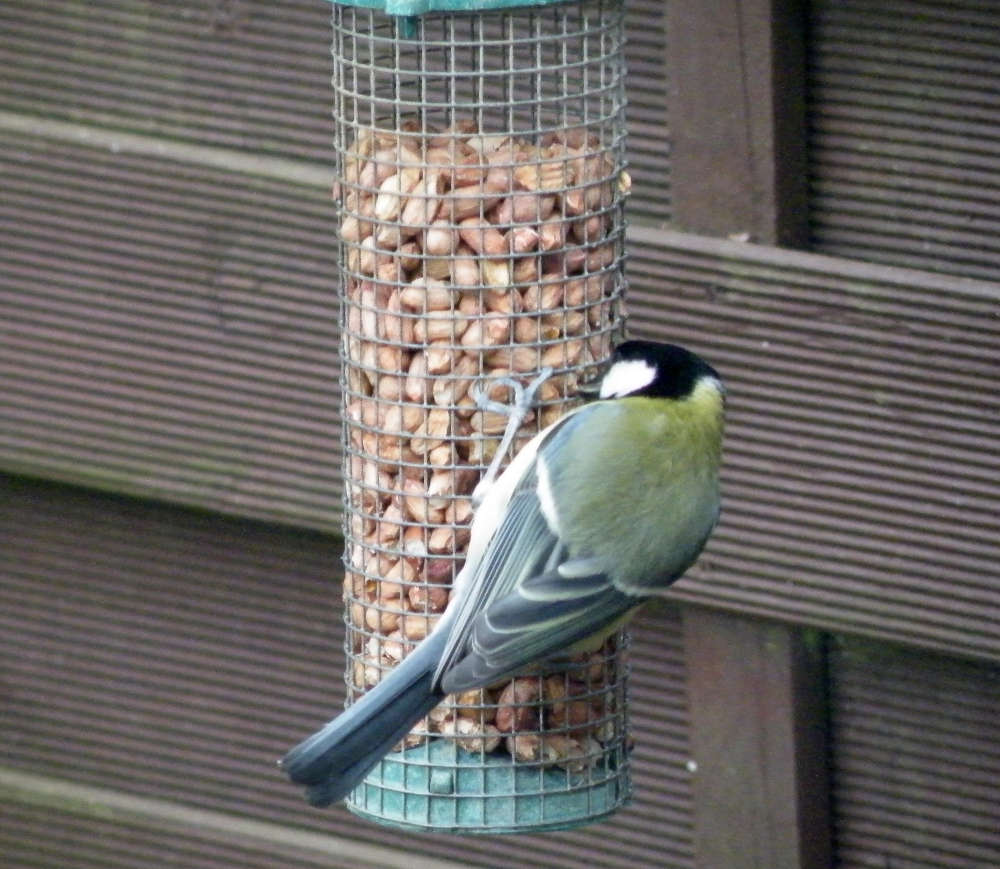
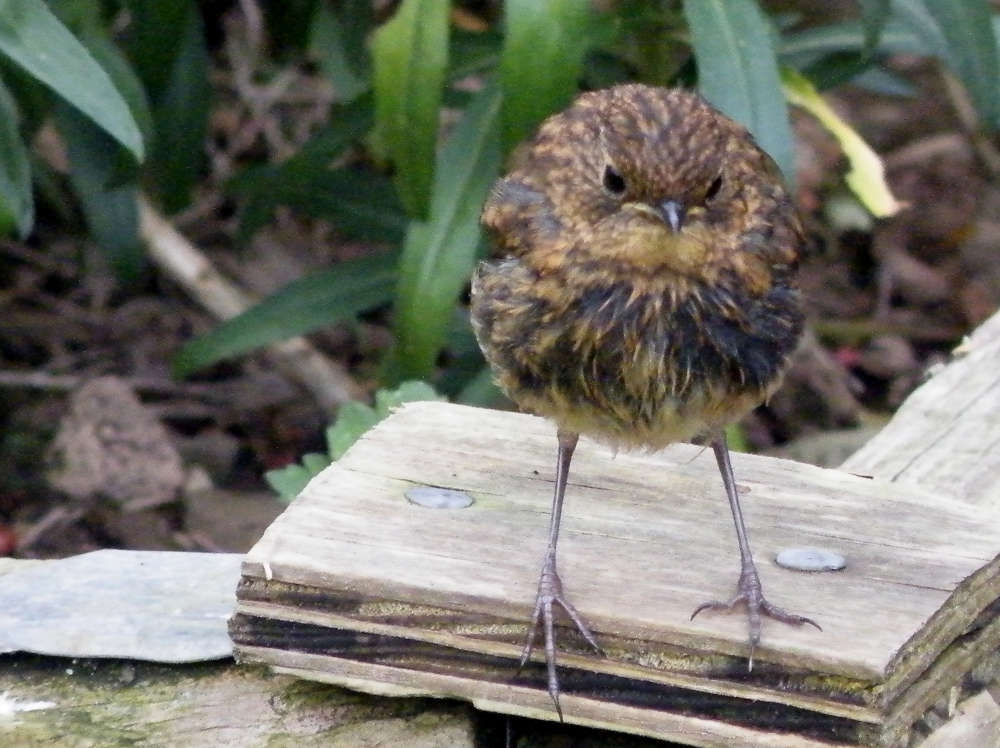
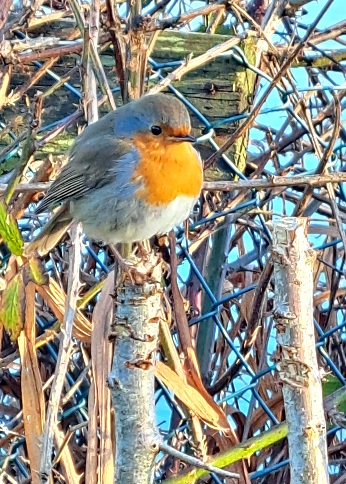
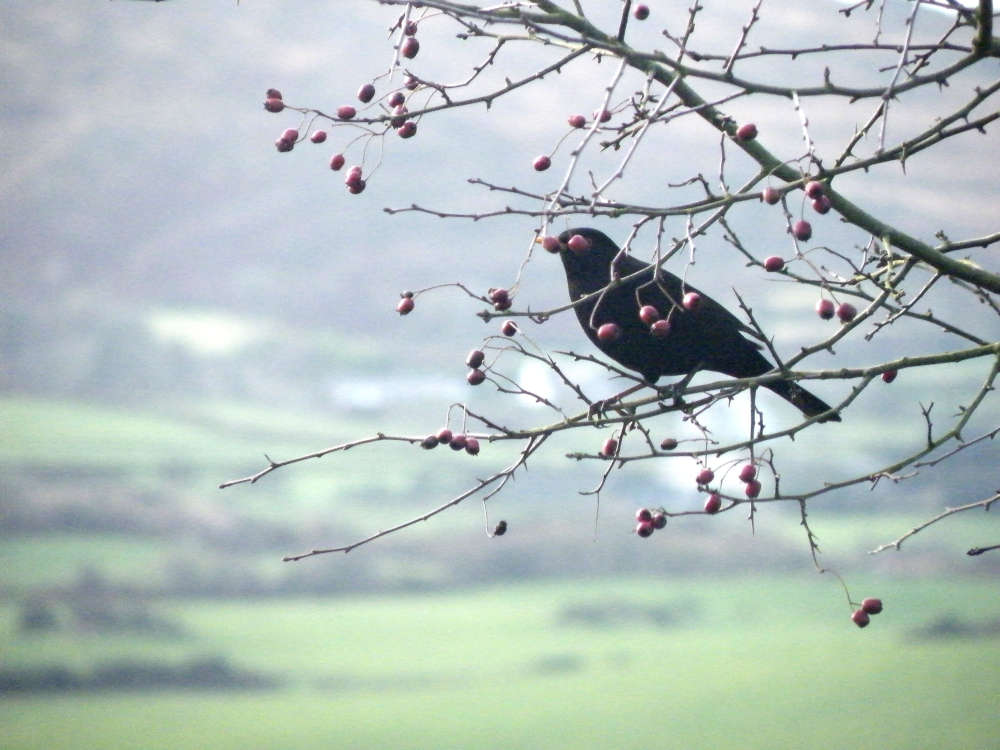
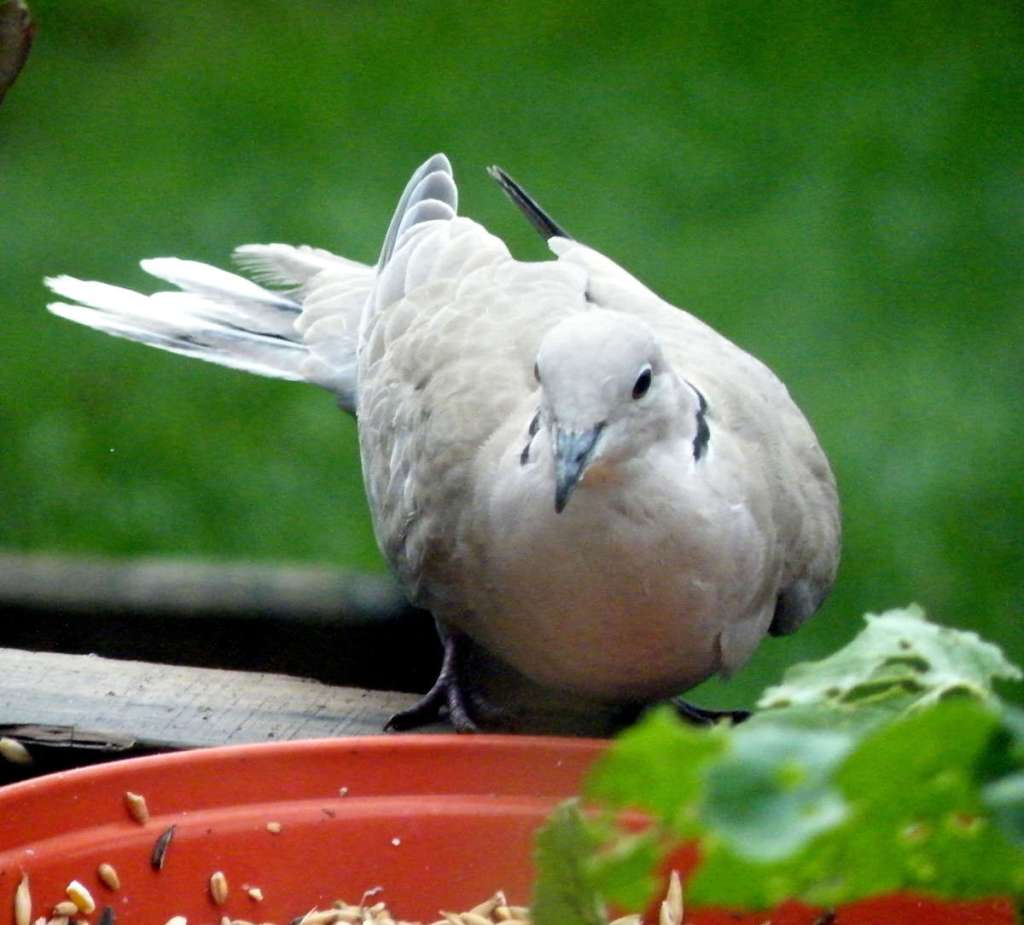
The two collared doves (it used to be six), also come every winter. And the blue and great tits are plentiful always, as are the starlings, jackdaws, rooks, and sparrows. Recently also pied wagtails came to feed. But the chaff finches are diminishing, only about four of them now visiting our garden. We do have a resident wren, robin and two blackbirds, thankfully. They nest nearby, most probably in our hedges.
Goldfinch have been in our garden every winter due to the seed heads that I grow especially, or rather grow plants like evening primrose, tansy and others, and leave the seed heads for them. And last winter I saw a bullfinch, the one bird that I seldom see, and a very beautiful bird I think.
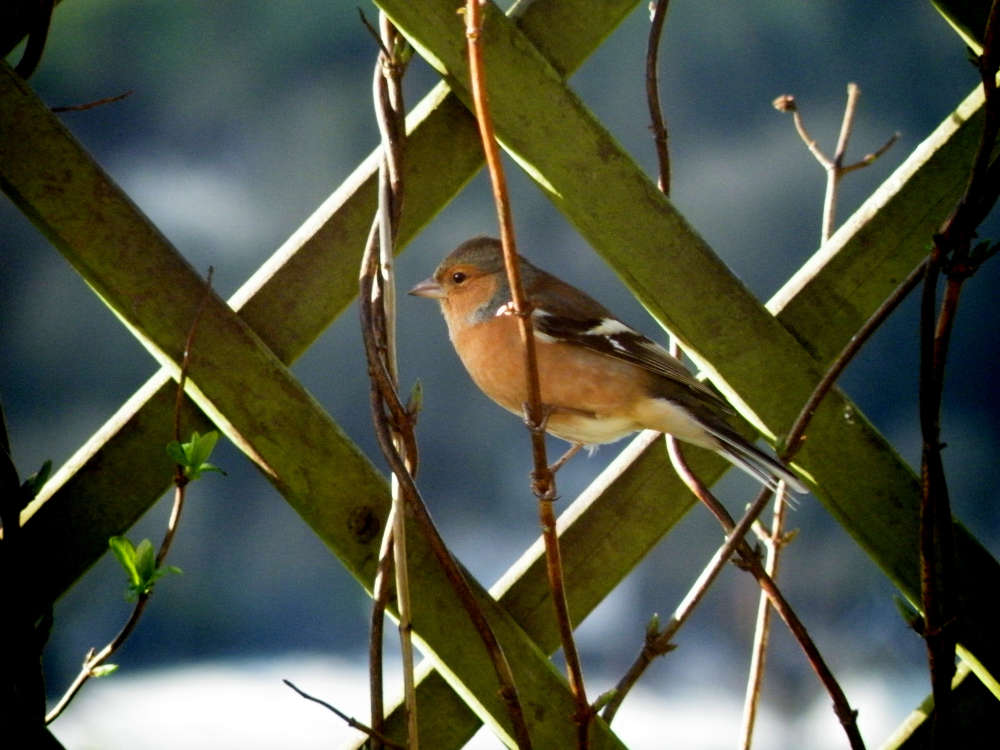
I do the Irish Garden Bird Survey every winter and I spend a lot of time looking after the garden birds, watching them and recording, in the end it becomes easy to even identify them just by their silhouette or by their behaviour. Much fun actually.
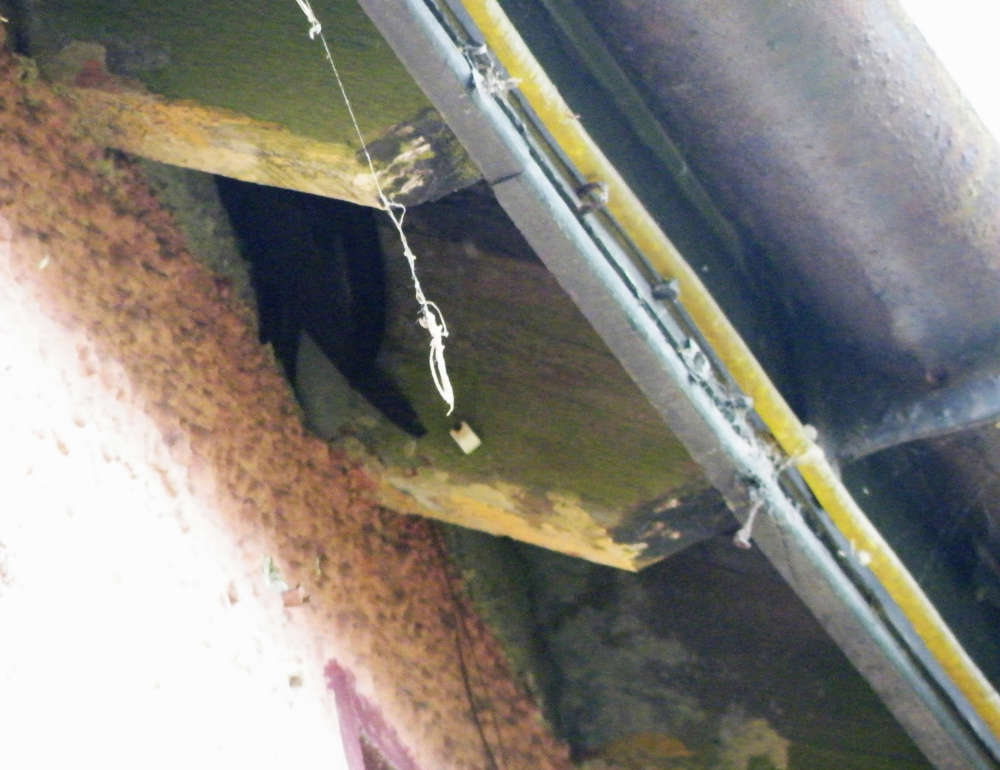
Our houses here were built in 1933 which meant that for a long time their eaves would have been exposed, and birds like the swifts and swallows used to nest there. Today this is not the way as a lot of houses have closed eaves. My neighbour told me that long ago there were a multitude of swallows flying over these houses and nesting here, but much less so now. The swifts which I have watched myself for many years have much reduced numbers now. One can get swift nesting boxes, my next-door neighbour has them and every summer I hear the young swifts, such a delight. But the swift numbers above our houses have dwindled from two dozen some 20 years ago to about 6 arriving and raising about 2 or 3 young during the summer. A real disappointment, but hoping that the numbers will increase again, there is a lot of awareness about swift conservation these days, I think in fact that the numbers are rising. We could all add some nesting boxes to help things along…. (Note to self).
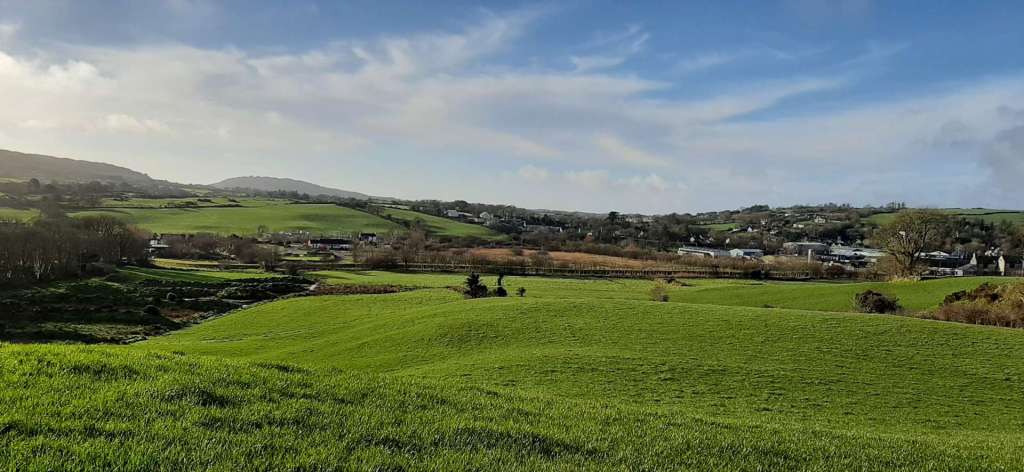
Some of our hedges below





 agoyvaerts