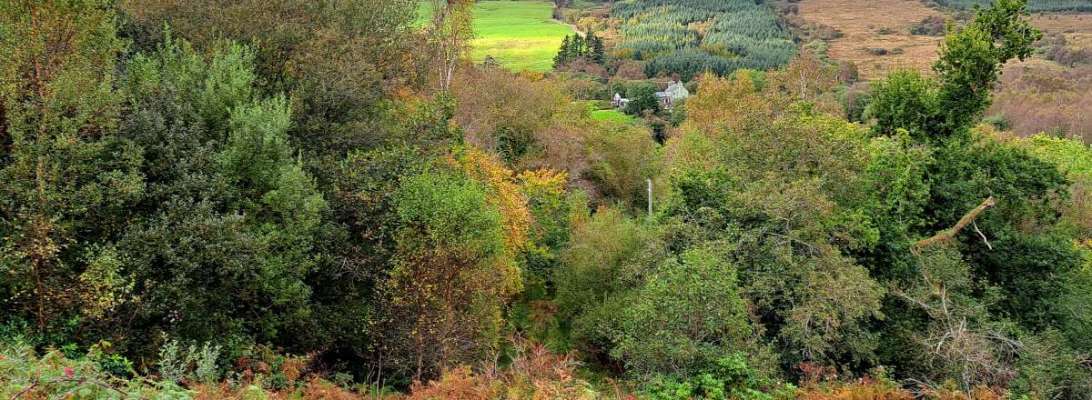
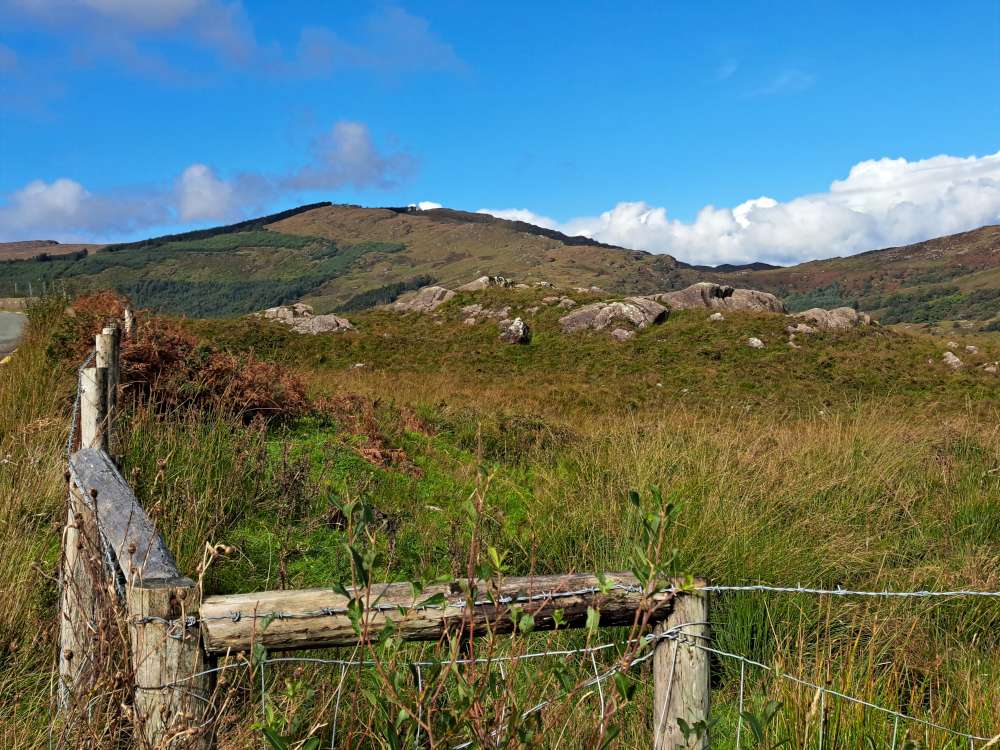
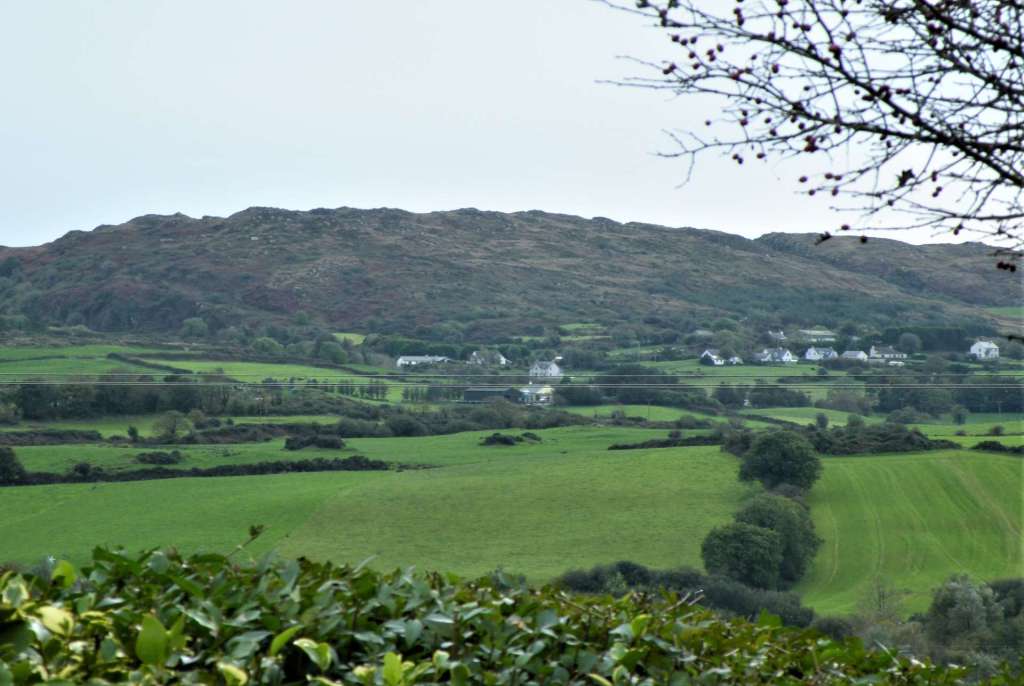
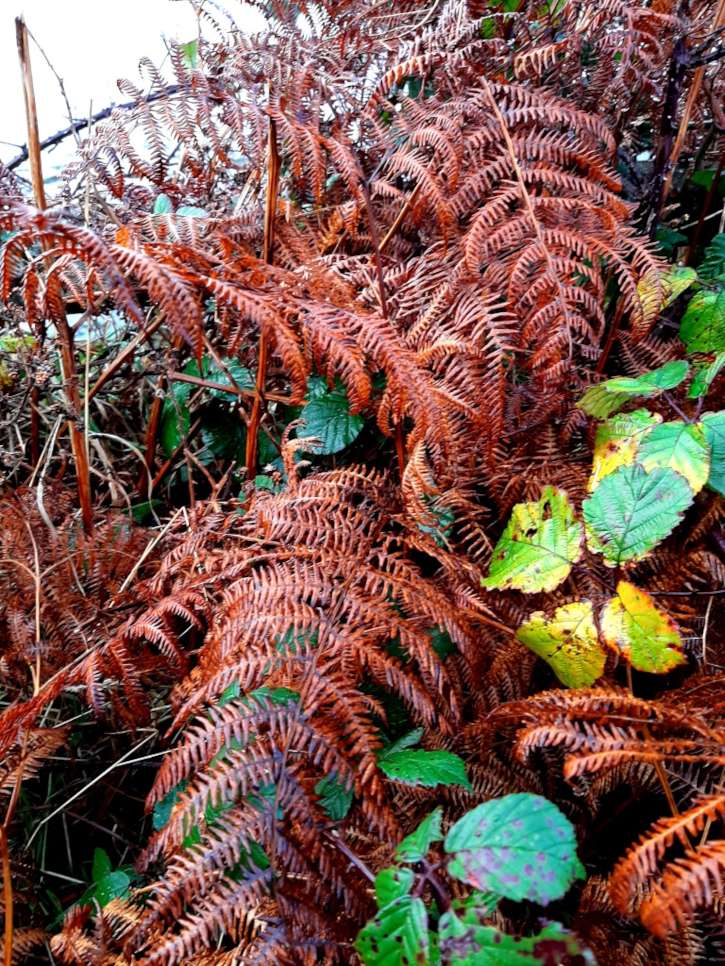
Along the road, somewhere in county Kerry I recently did a discovery. While on one of my journeys I stopped to take autumn photos and also to take a look at this cottage. I had often wondered while passing who would have lived there long ago, and why the people left, and where did they go, maybe across the sea to America as a lot of Irish people emigrated there in the late 19th or early 20th century. Anyway the house is boarded up but still looks in good repair. It is nestled among beech and other native trees, now beautifully coloured, and it looks out down the valley with hills in the distance. Some of the land is bog-like with a variety of grasses and sedges, some rocky outcrops and low bushes, and lots of bracken, beech and birch trees, a mixture of colour at this time of year.

To my surprise I found a notice fastened to the wall of this cottage, it happens to be a roosting place for bats, and in particular for the lesser horseshoe bat. An organisation covering both Ireland and England called the ‘Vincent Wildlife Trust’ has a long and successful history of establishing and managing reserves for rare bat species. It manages 37 sites in Ireland, England, and Wales, all of which are roosts of the greater or lesser horseshoe bat. In Ireland, the Trust manages 12 reserves for the lesser horseshoe bat. And so this cottage has been put to very good use.
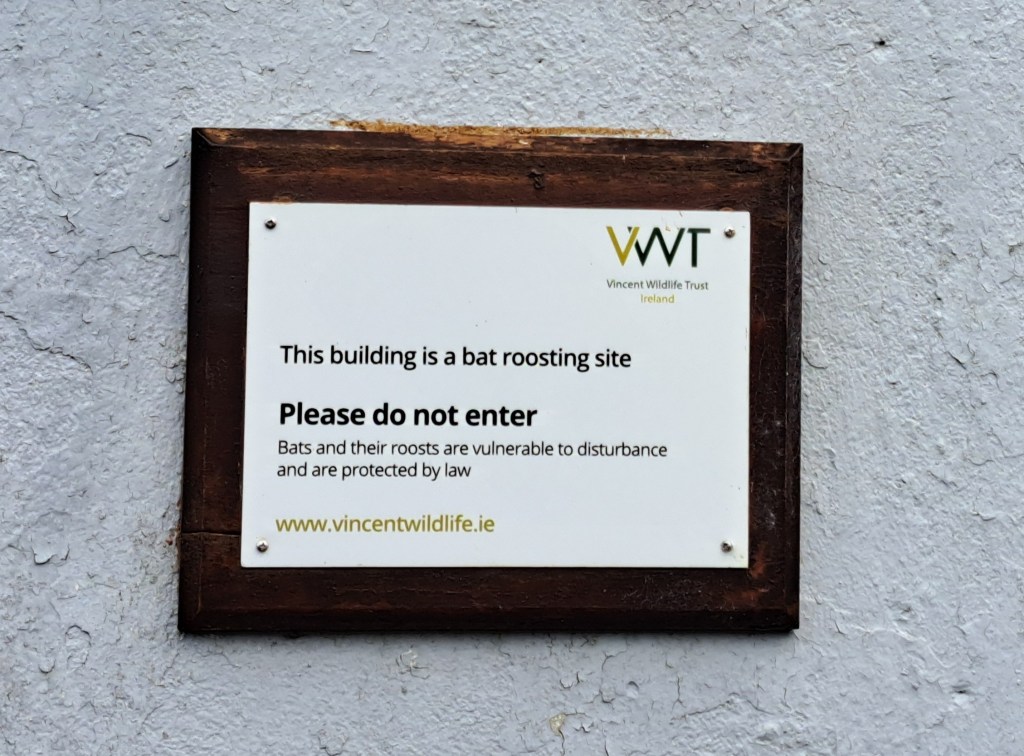
Website: Vincent Wildlife Trust Ireland | Managing Bat Reserves

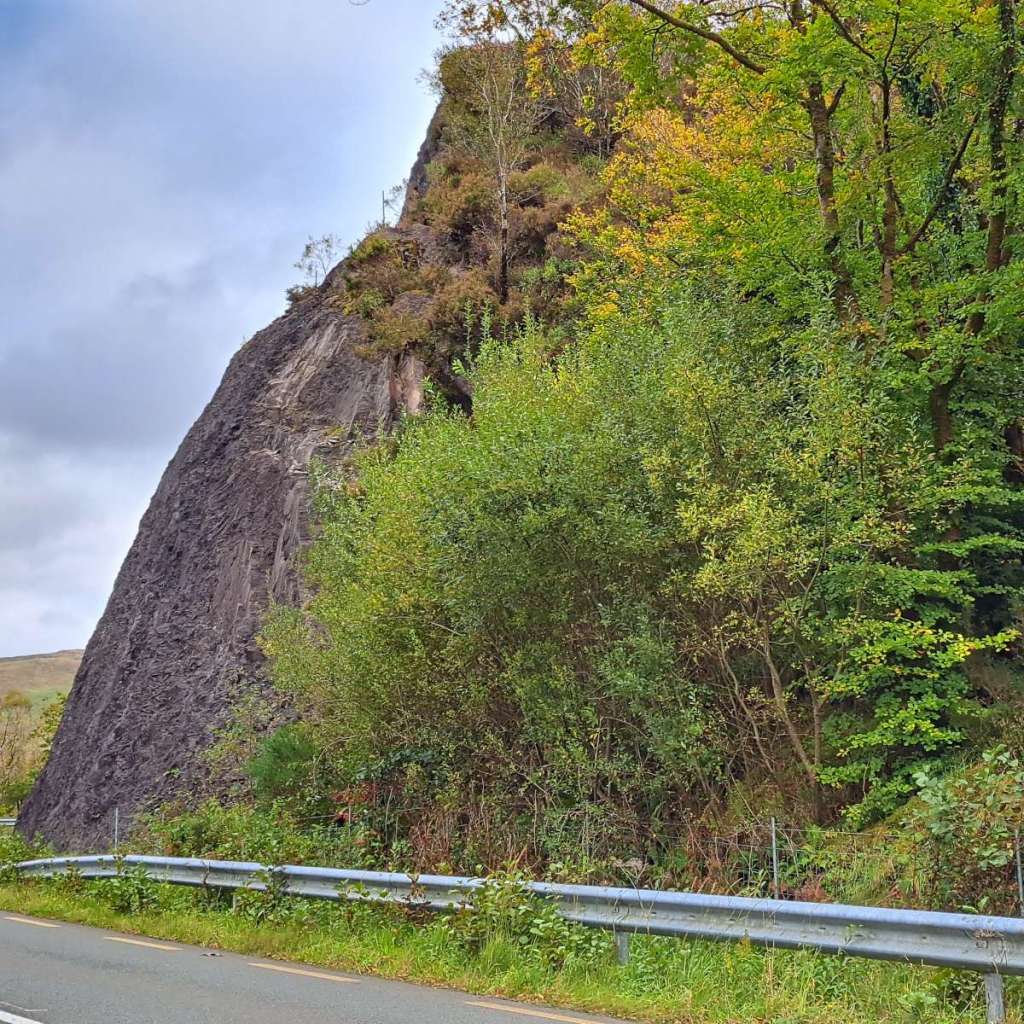
The beautiful surroundings and peaceful countryside is a great place to let the bats find their space and hopefully continue to survive.

The landscape during autumn


Futher reading: https://vwt-production.ams3.digitaloceanspaces.com/uploads/VWT-Ireland/Resources/Lesser-Horseshoe-Bat-Species-Action-Plan.pdf
It was a great discovery, seeing how much effort is put into conservation of native wildlife.










 agoyvaerts