LATE SUMMER COLOURS

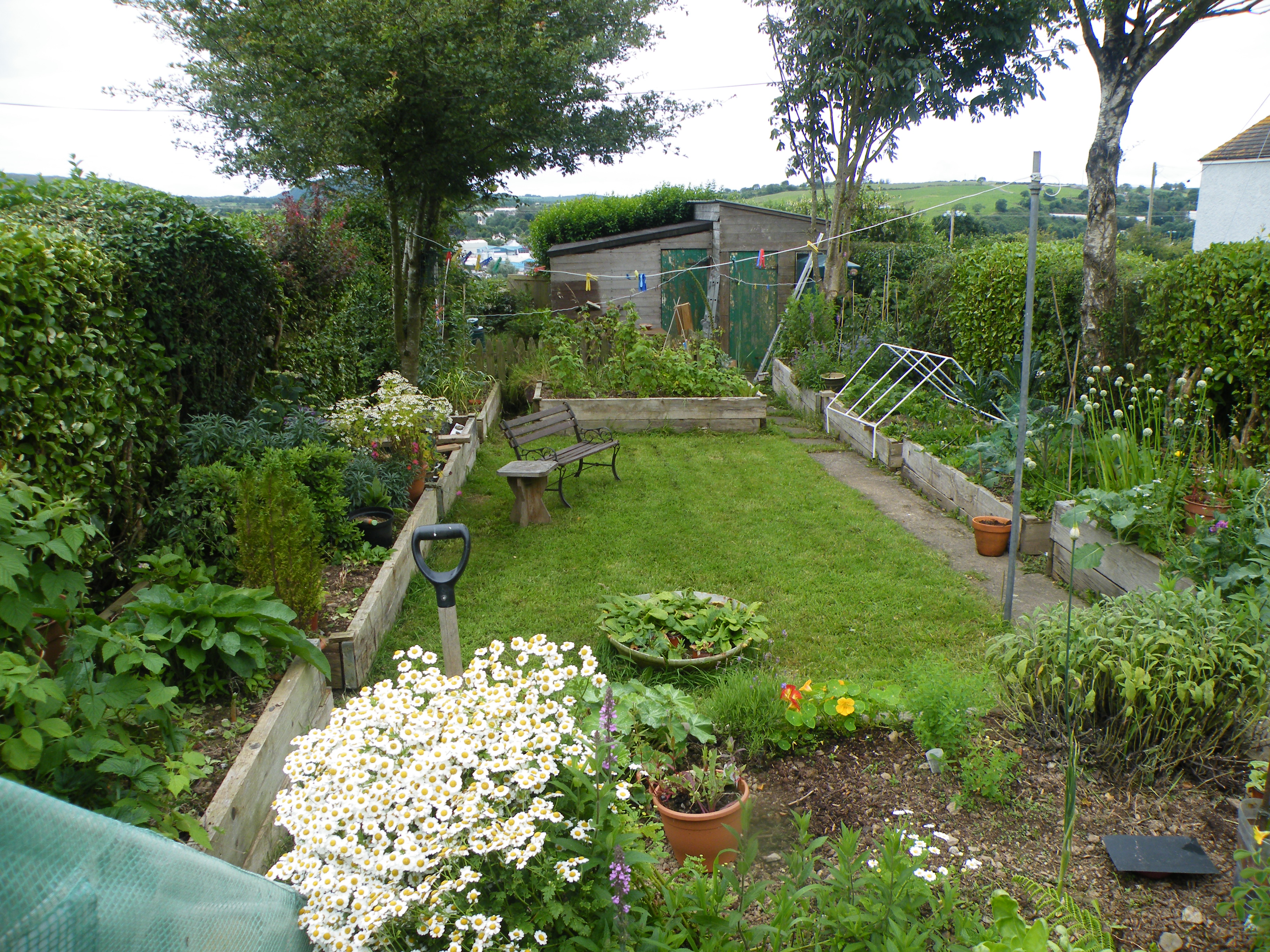
It’s amazing how much colour and produce the garden has at this time of the year. Around here it is considered late summer and some days might really have the feel of autumn about them.
But that is not to say that there is less growth, lately we have had a few warm days, temperatures going up a high as 20C, delightful of course and naturally resulting in good growth. The leeks, kale and other winter vegetables that I planted out over the last few weeks have established themselves really well. I am also drying very many herbs and wild plants for winter use, and it gives me great satisfaction to do this.
Among the vegetables are the flowers which give plenty of variety in colour and beauty. Plenty of bumblebees visit especially the oregano and the wall flowers.
I’ve been infusing oils lately, the latest now is the hypericum perforatum, started that today, more flowers need to open over the next few days so I get enough to make a good infusion.
It is an interesting time of the year what with so much harvesting going on, granted in my garden it’s mainly herbs and wild foods this time due to having had a bad season, but that is also interesting in itself.
The slug and snail hunt is still on every night and it is helping to keep my vegetables safe, so worth the effort.
DSCF9538    DSCF9517    DSCF9537

Kale, onions, and some type of marrow – lovely patterns and colours.

DSCF9571

Bumblebee on a wallflower

DSCF9556   DSCF9559

Two very favourite herbs, the St.John’s worth (hypericum perforatum), and the tansy (Tanacetum vulgare)  I seem to remember that my dad used to make us a pancake every spring time adding the leaves of the tansy, it was to protect us kids from worms.  Not sure if this was a regular herbal remedy, I think it was rather a traditional thing to do in the town where my dad is from (Diest in Belgium).  I remember the very peculiar taste, and enjoyed it.  (not saying it is safe to do this by the way, do your own research please.)
DSCF9530

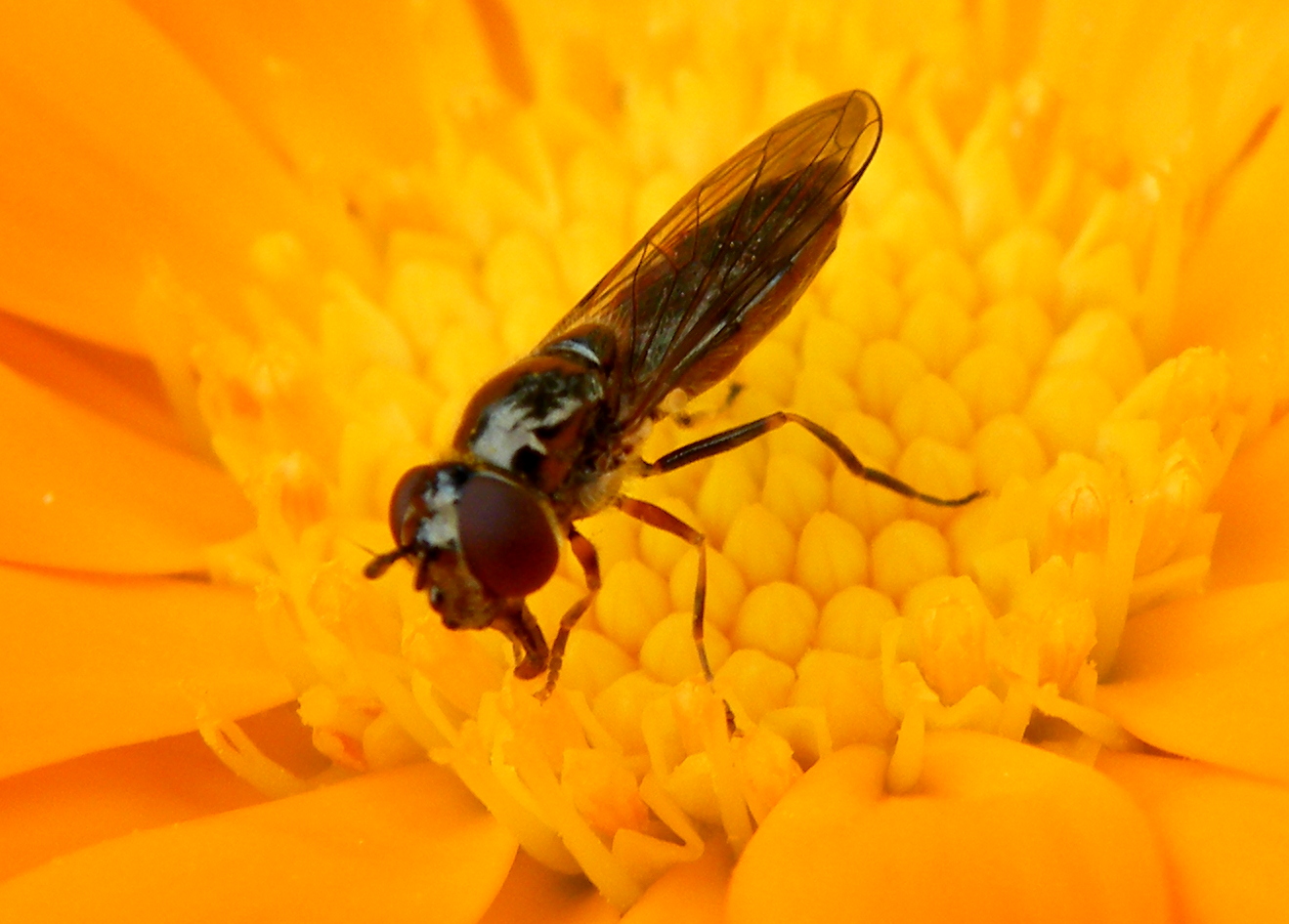
Some sort of fly on the calendula flower, nice to have come across this today.

DSCF9552  DSCF9521

My sprouts are growing very well, can’t wait to see the sprouts coming on the plants.  And a bumblebee on the oregano flowers.  Real nice to get them come into flower and so the insects can enjoy them too.

SELF HEAL – A LITTLE HERB

Deep among the strawberry and raspberry plants I have discovered a little herb, one that I have actually known about for years, that is I knew about it’s beautiful appearance, but I knew nothing about it’s uses, and it is amazing how useful this plant really is.
So I did some research and came up with quite a bit of information on the self heal (Prunella vulgaris). I learnt that modern Western herbalists had almost forgotten about it. But in Ayurvedic and Chinese medicine it has been used extensively to date. I was very surprised to hear that this plant belongs to the mint family. It appears that we can use the young shoots and leaves in salads, or we could add some of them when making soup. It apparently makes a nice cup of tea too, and the taste is said to be a little like rosemary. I don’t know yet as I did not acutally taste or made tea with the herb. But I will.  And I like getting to know more and more plants that I can brew tea with, there is something fascinating about picking and drying your own teas, and then using some nice porcelain cups and teapot to drink in this health giving liquid, and serve them to friends or family.

Medicinally it appears that the plant is a real good wound healer. What also interested me very much about self heal is that in traditional Chinese medicine, self-heal is looked upon as a cooling herb, making it useful against fevers and liver and kidney disorders, and it mentions that it is often used as a tonic. It is also said to be good for throat infections, and historically it was used for just such ailment.

Importantly;    I must add though that I am not a herbalist and I am only repeating what I read in articles found on Google, so please let anyone do their own research, and check interactions etc…
I found information at these links, but also I learnt facts about self heal at my herbal course (HerbMentor.com).
I am sure that you will fine a lot more interesting information on self heal.
https://en.wikipedia.org/wiki/Prunella_vulgaris
http://www.motherearthliving.com/plant-profile/an-herb-to-know-7.aspx?PageId=2
http://www.wildflowersofireland.net/plant_detail.php?id_flower=237
http://www.botanical.com/botanical/mgmh/s/selfhe40.html
DSCF9100

DRYING – STORING – SOWING… FOR WINTER STORAGE AND GROWTH

It is this time of summer again when thoughts turn to harvest, saving seeds, drying herbs, sowing winter vegetables, and pruning some of the soft fruits. It is also time to make a note of what to, and what not to do next year, and where to grow what. Every season I learn more and so the garden is ever changing as I try to make it all better and more productive for us and also for the rest of nature, so incorporating plants, flowers, and berries for the birds, the bees and for any other creatures in the ecosystem that this urban garden is.
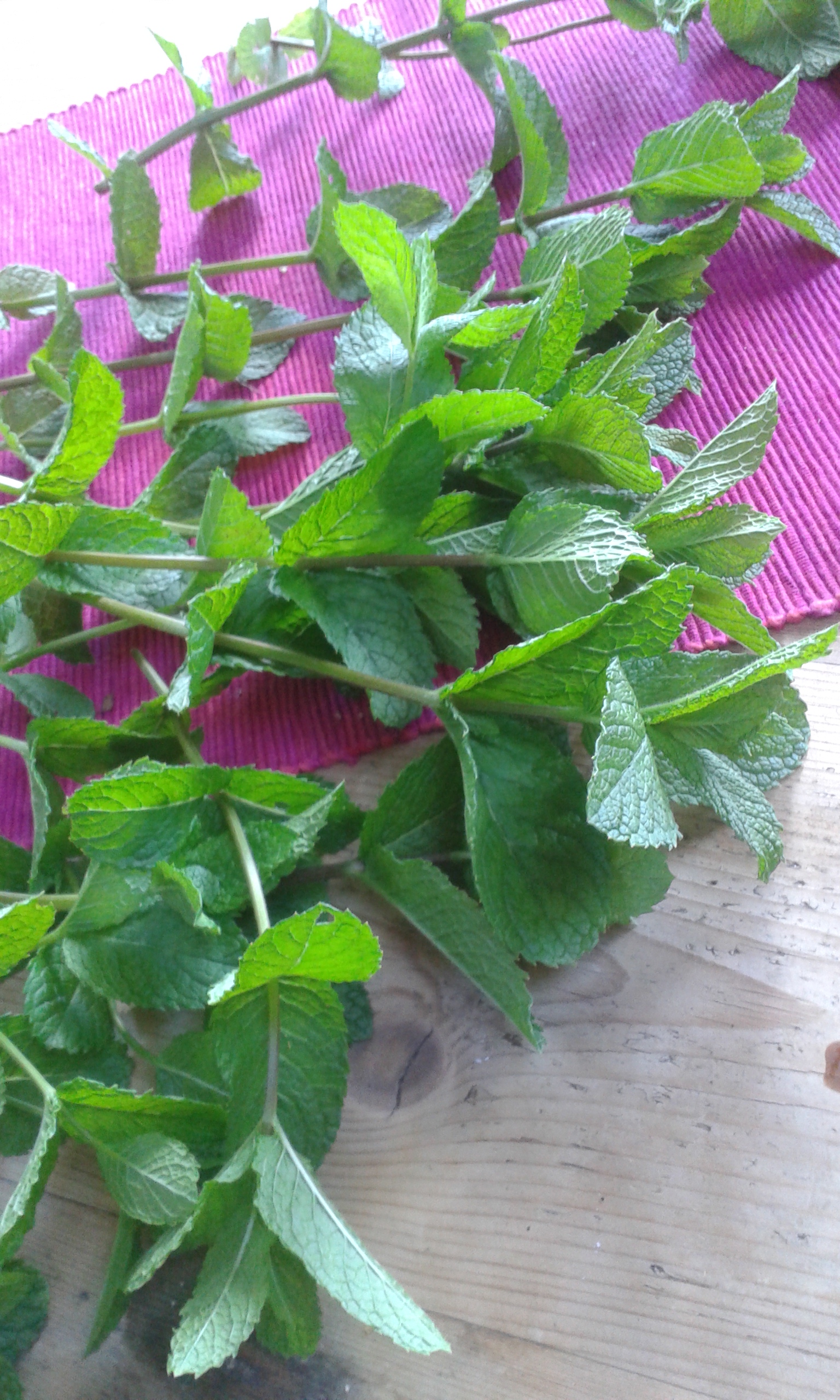
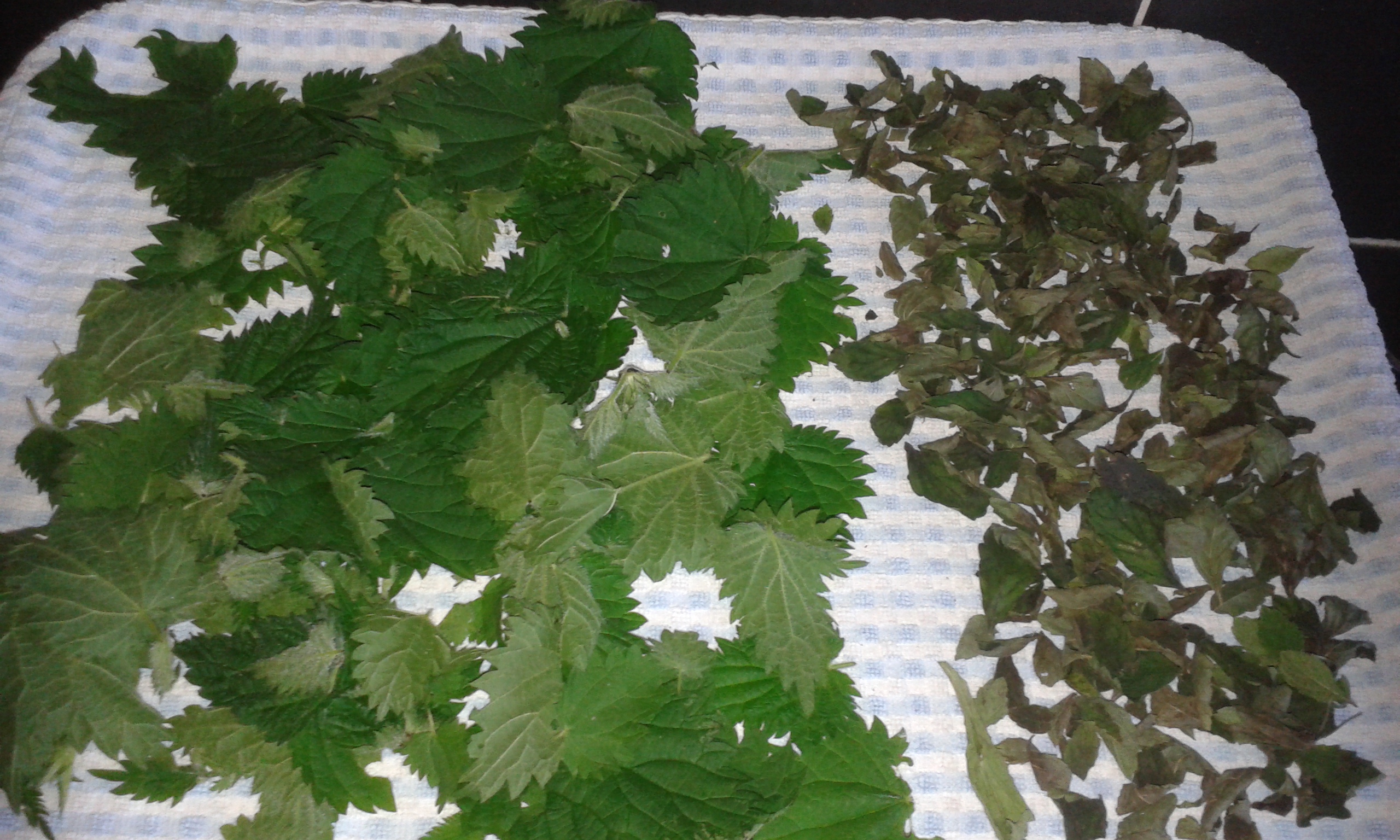
So the last few days I collected different leaves, among them dandelion (leaf and roots), mint, lemon balm, hawthorn, and nettle. I am working towards having a good store to see us through the winter months, and as these plants contain lots of valuable minerals and vitamins I think that it will be a valuable addition to our soups and stews. Some I will also use as teas.
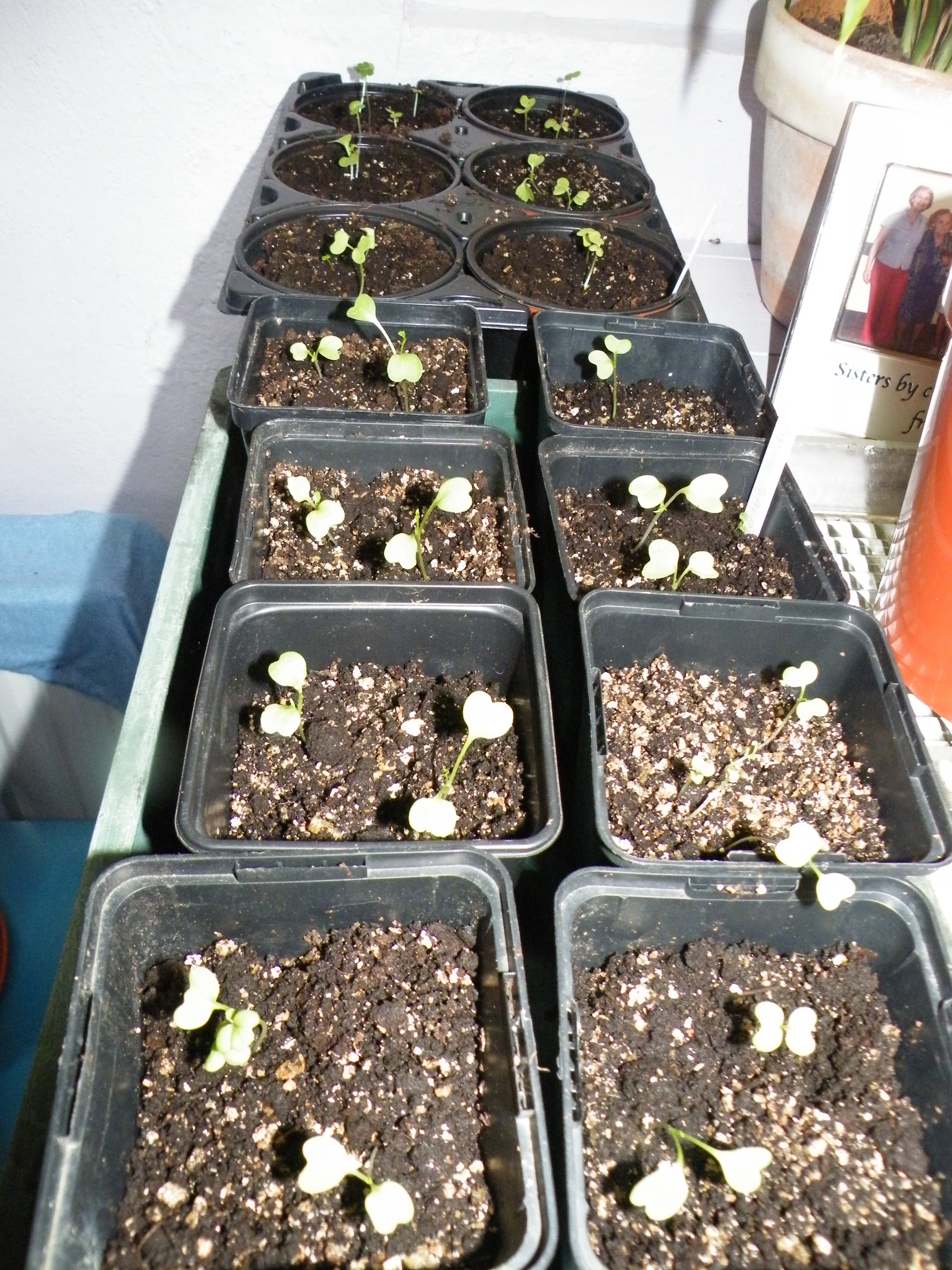
Last week I sowed some winter vegetables, kale, salad leaves, and beetroot mainly, they are coming up well and some I potted off in order to become stronger so they can go into the soil outside. I will make use of the cold frames this winter. The temperatures drop to around -0C or just below it during the night, and daytime temperatures mainly around +5C so it is an ideal climate to grow winter produce. Leeks do very well here in my garden and I have planted out dozen of them during the past few days.
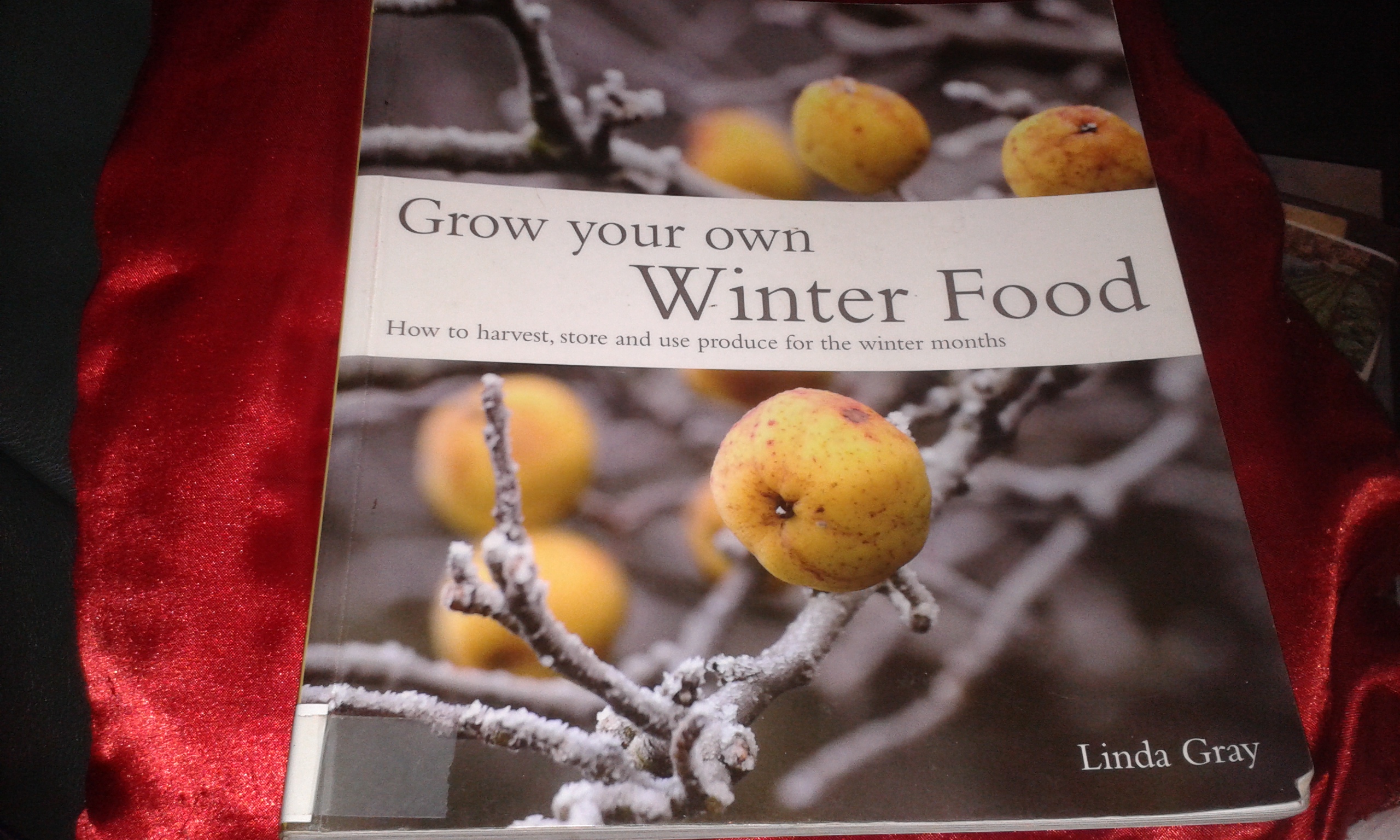
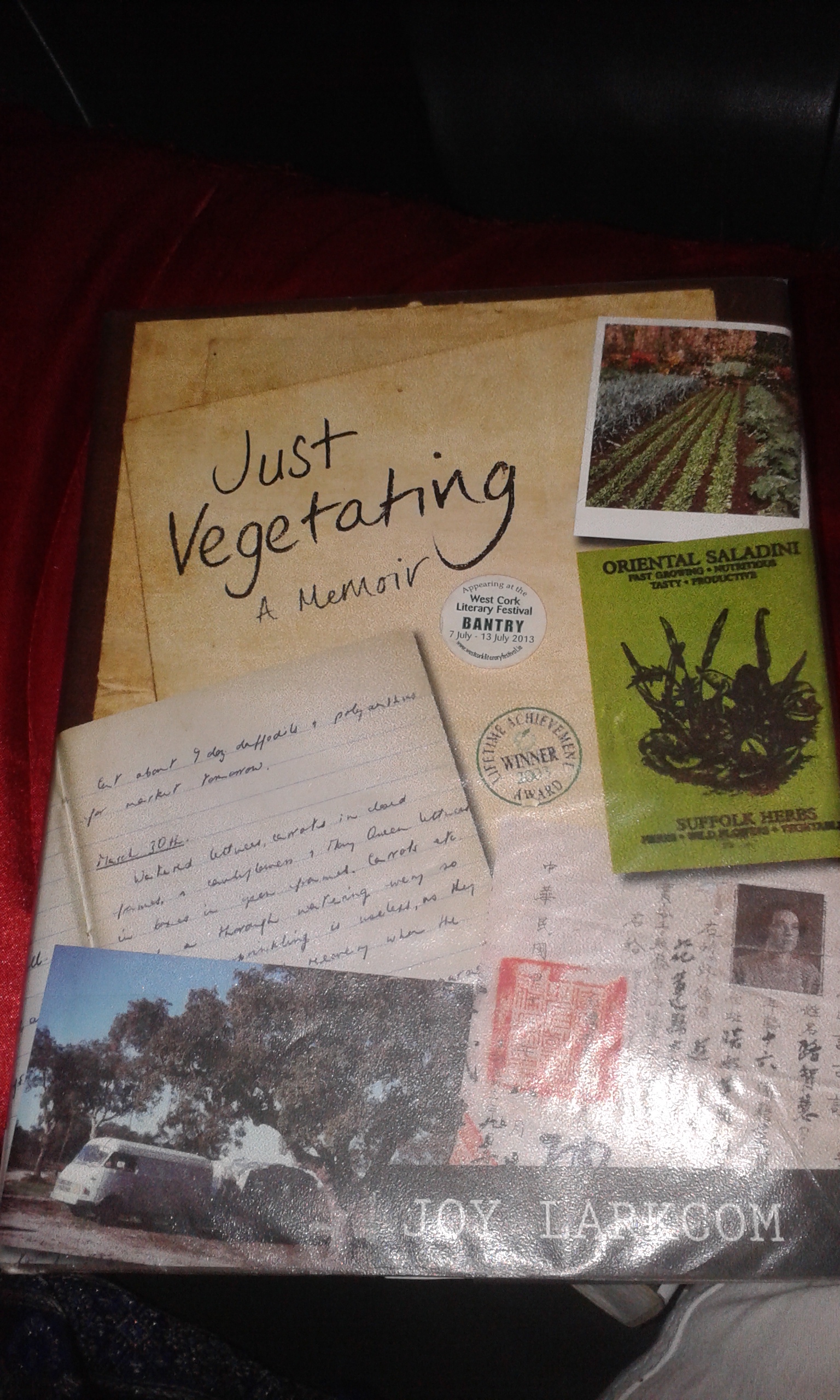
This morning, being Saturday and time to take a stock of what I have been doing and looking for ideas and information, I went to the library and again got a great selection of books, among them, two that I want to mention, one is about Winter vegetable growing by Linda Gray,  and the other one is a book to relax with at night, it’s another memoir of a gardener, (Just Vegetating by Linda Larcom),  I have read some good memoirs lately and enjoyed.  Great inspiration can be got in books, it is a never ending pleasure.
20150807_164137

Mint, delightful scent!

20150807_162032    DSCF9375

Nettle, and lemon balm, great for teas, and or soups, broths etc…         And more seedlings, I am looking forward to winter growth.  Making meticulous plans right now, find it exciting and motivating.  Taking the providing role very seriously, that is, providing or rather enabling mother nature to provide us with lots of lovely foods.  So enjoyable, and good for the soul.

20150808_174523    20150808_174436

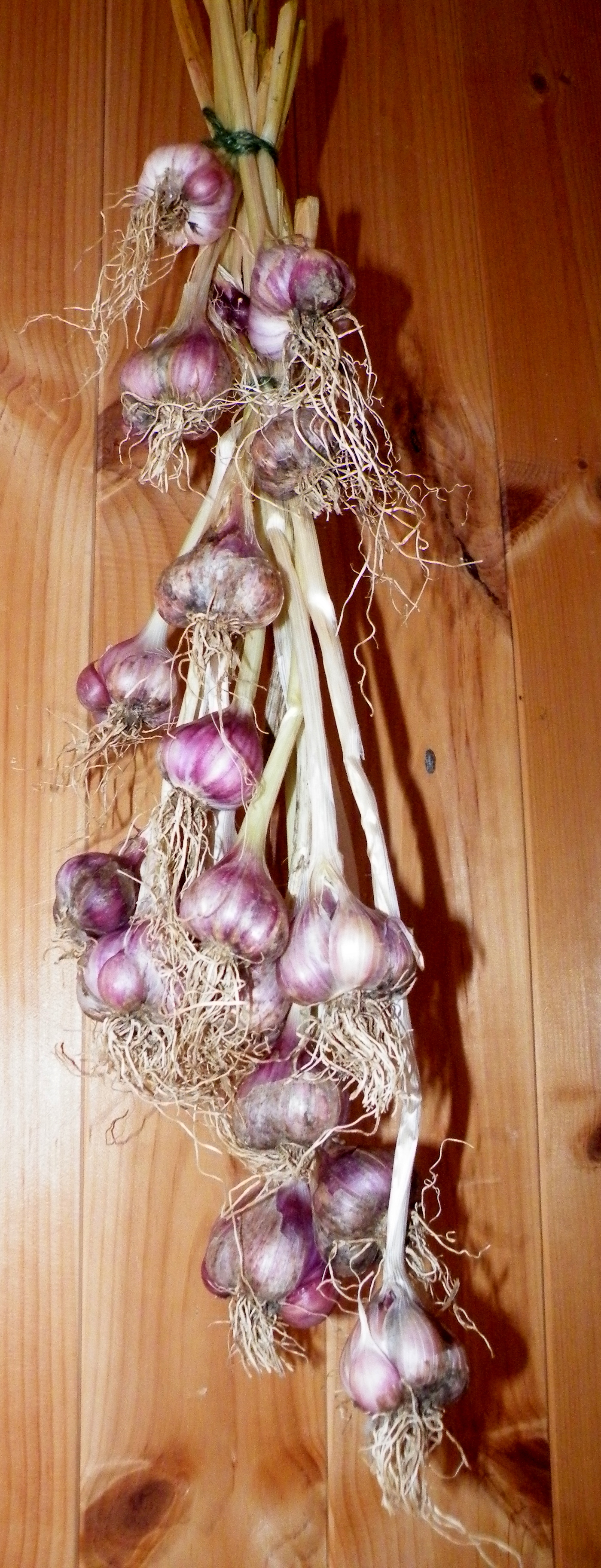
2015 GARLIC EARLY HARVEST     20150807_162019

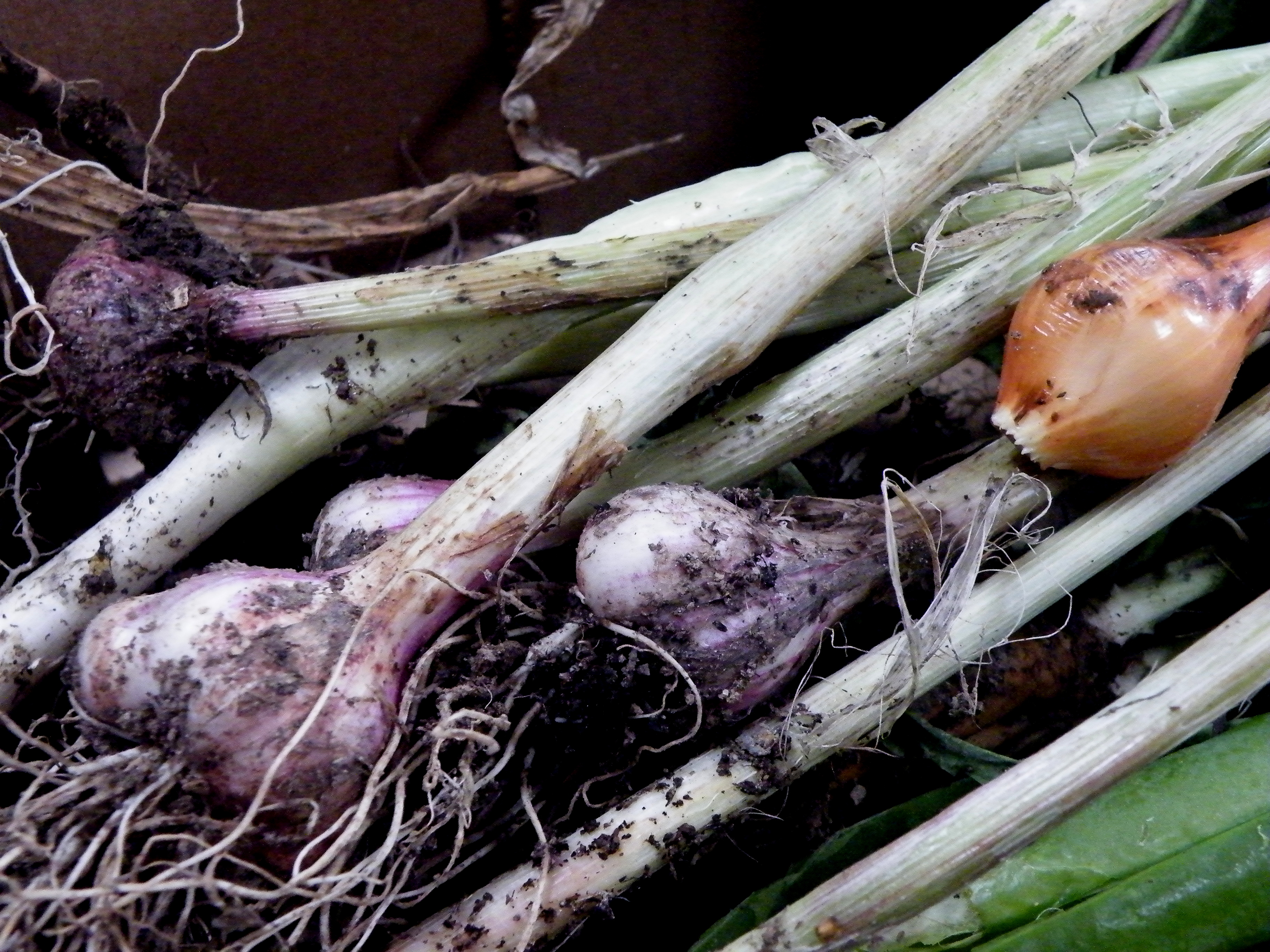
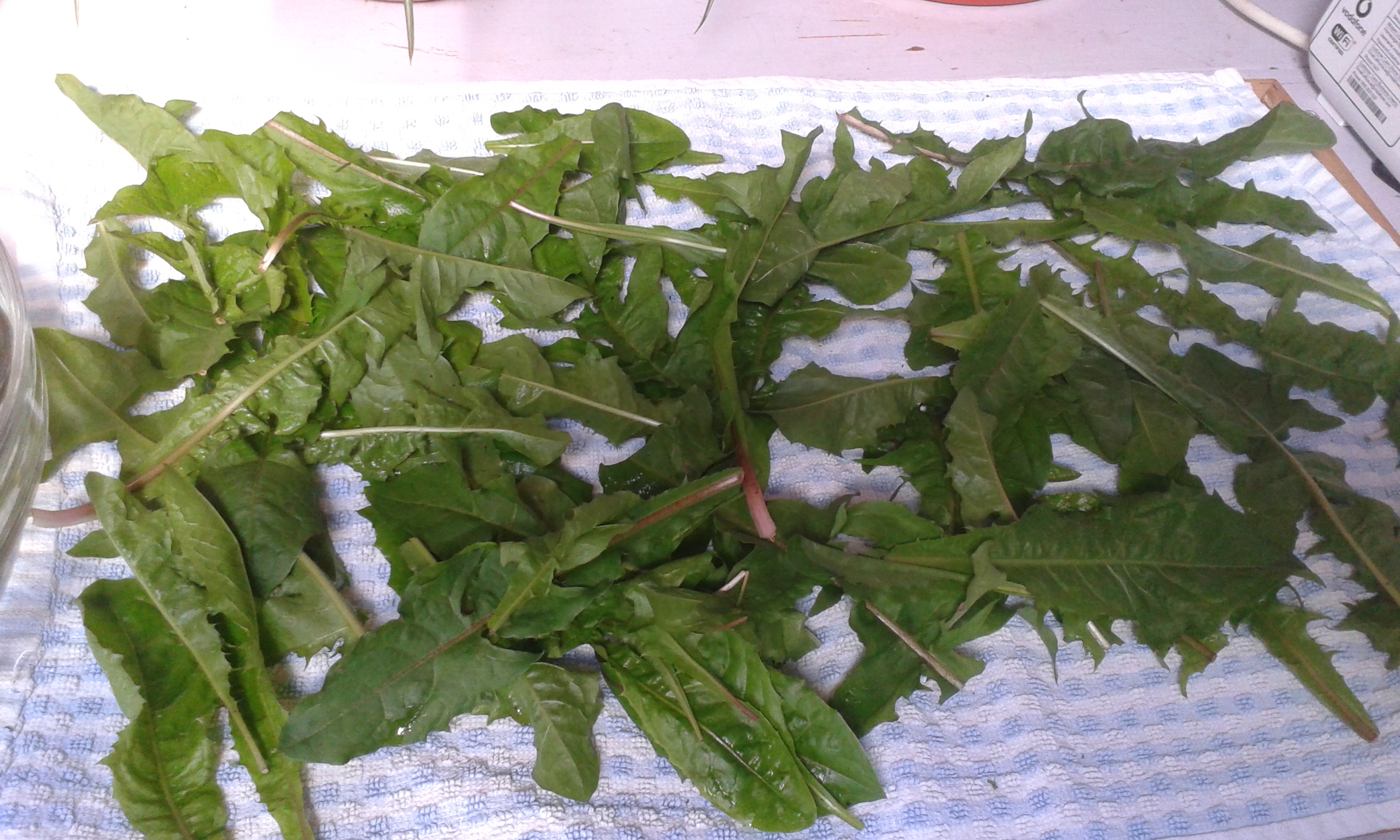
Garlic, and dandelion leaves, very fond of both.  A huge crop of dandelion leaves this year, due to the rains.

2015 HARVEST

Peas and broad beans, it was not a great harvest this summer and so I will need to change the type I am actually growing, though I think that this year’s bad summer had something to do with it too.
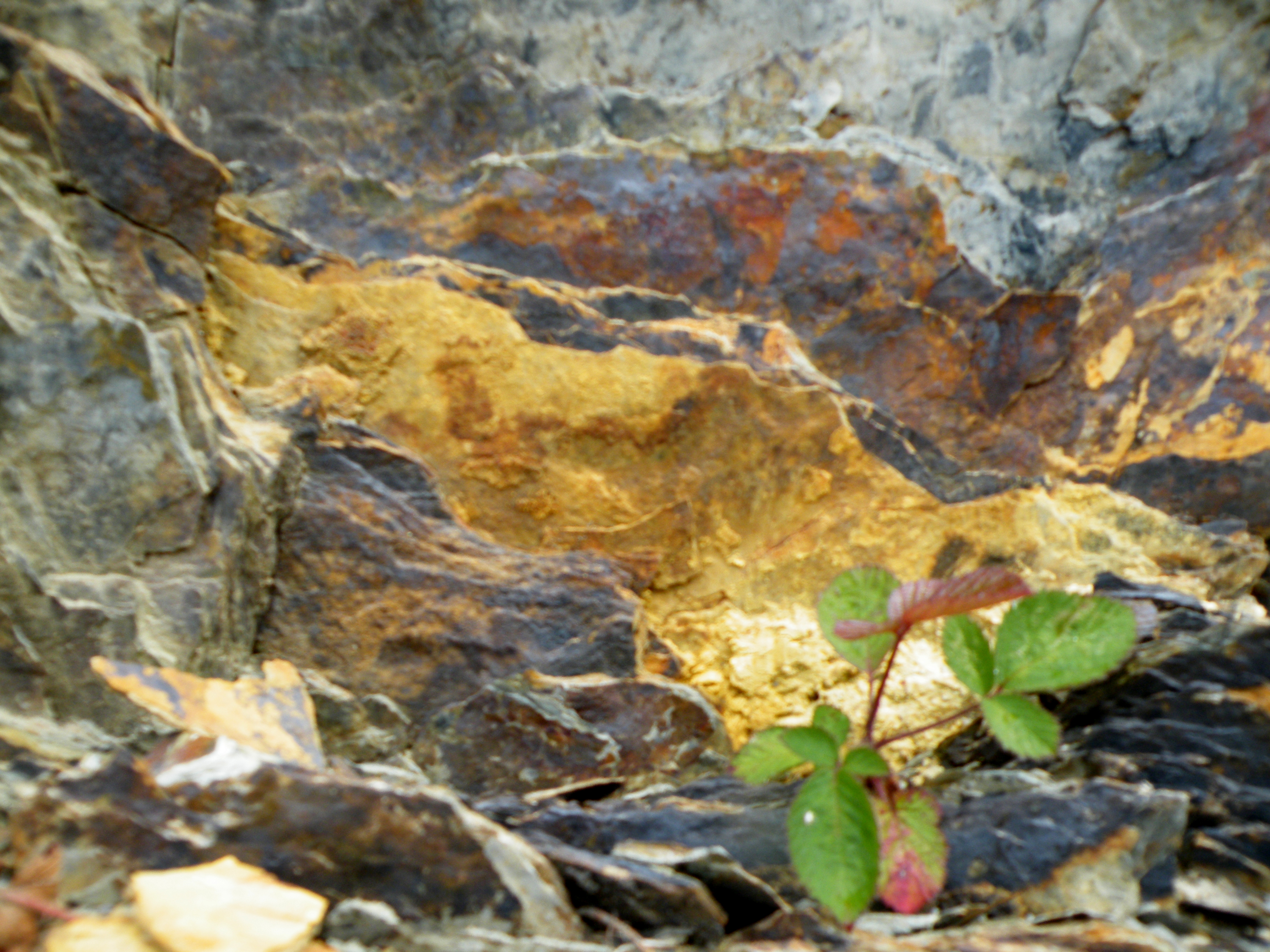
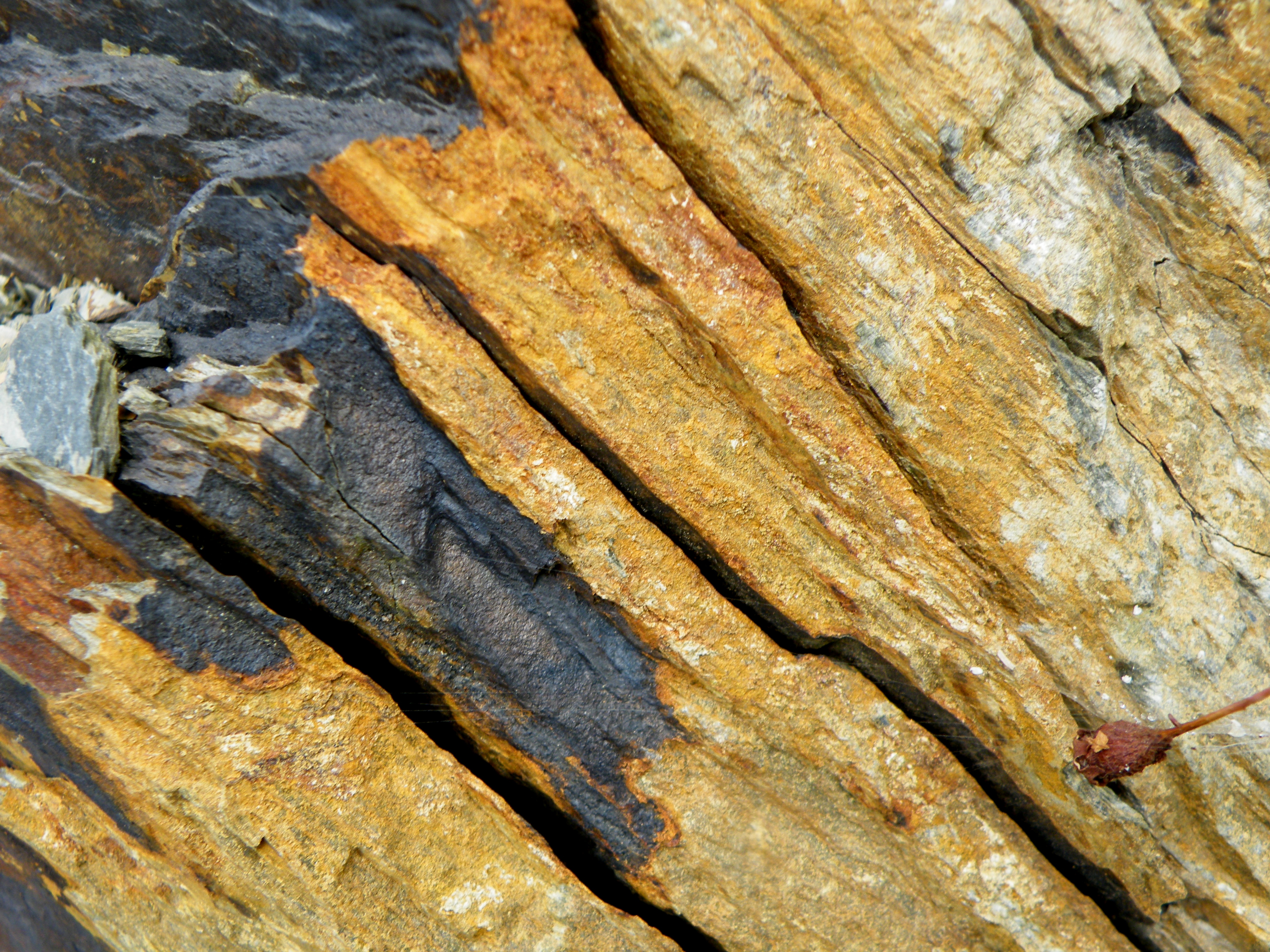
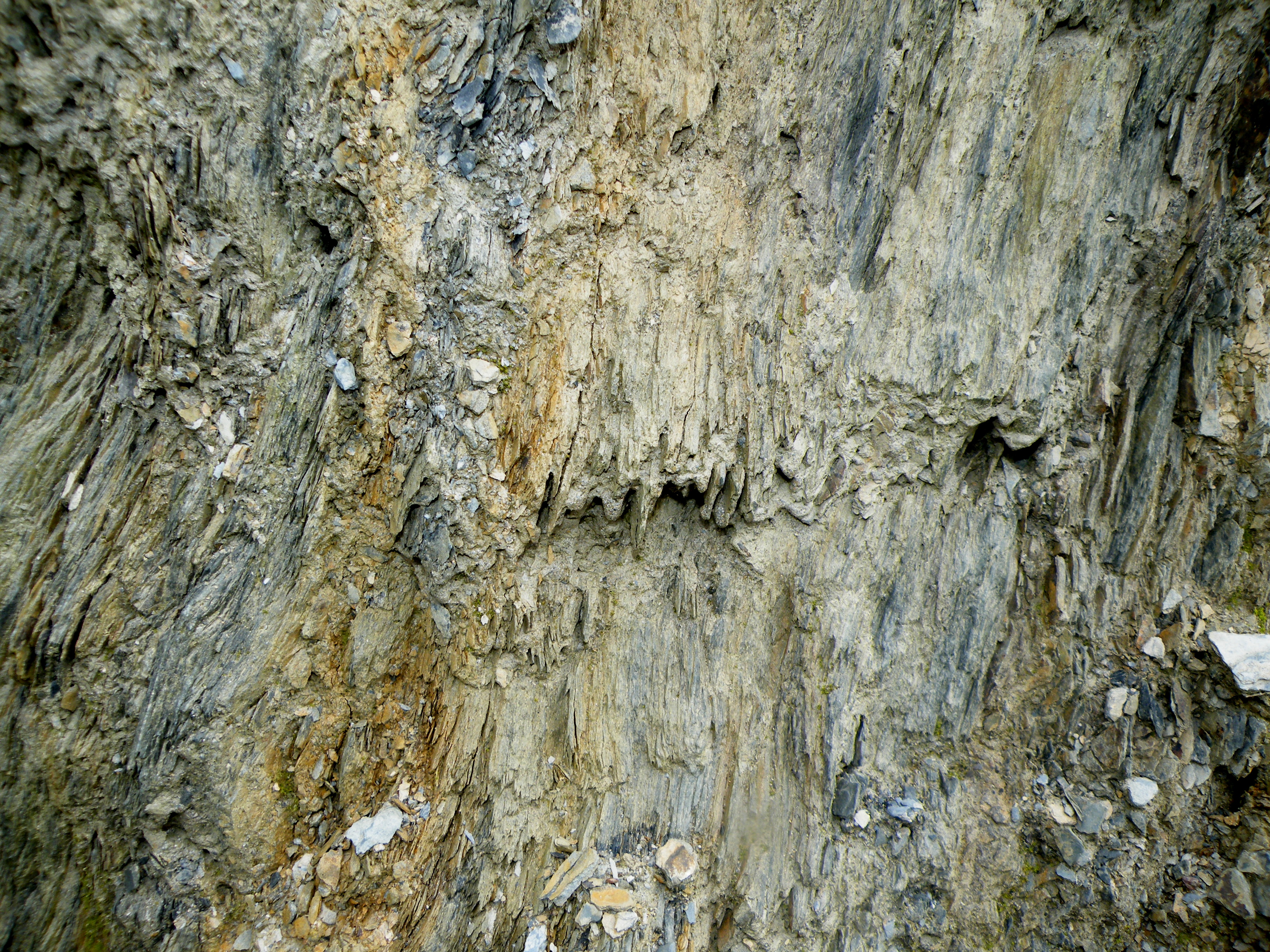
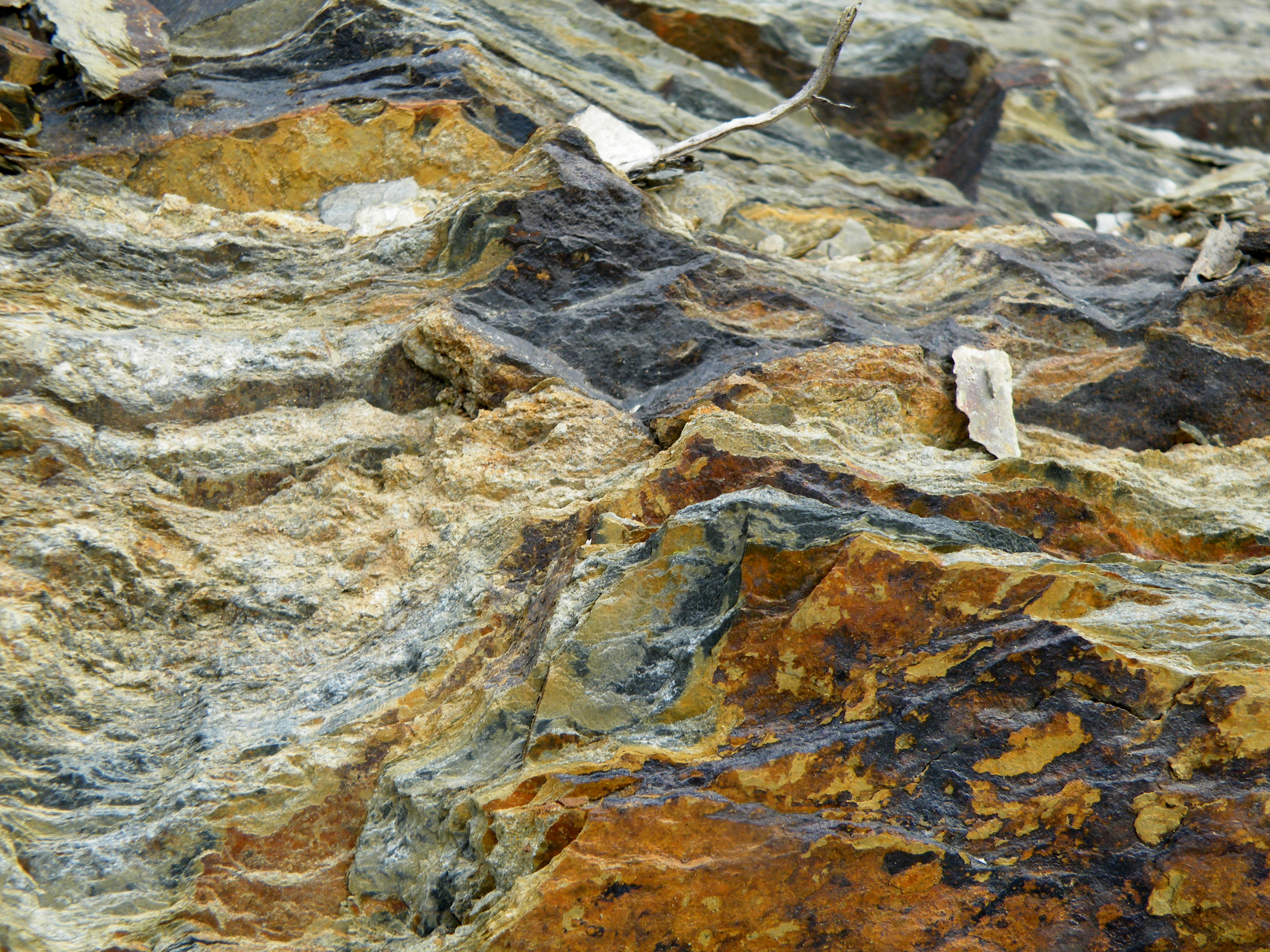
SHALE – A COLOURFUL ROCK

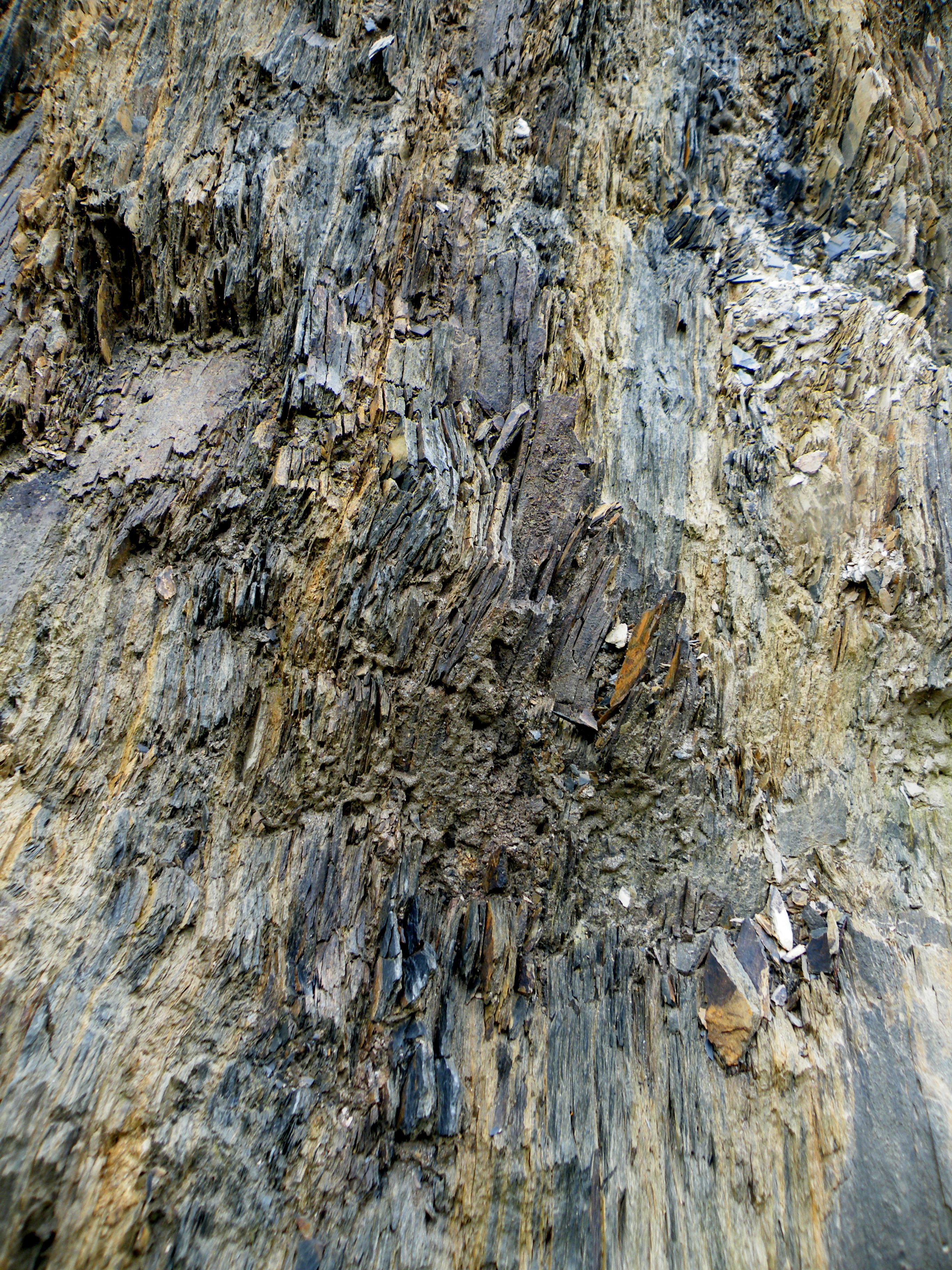
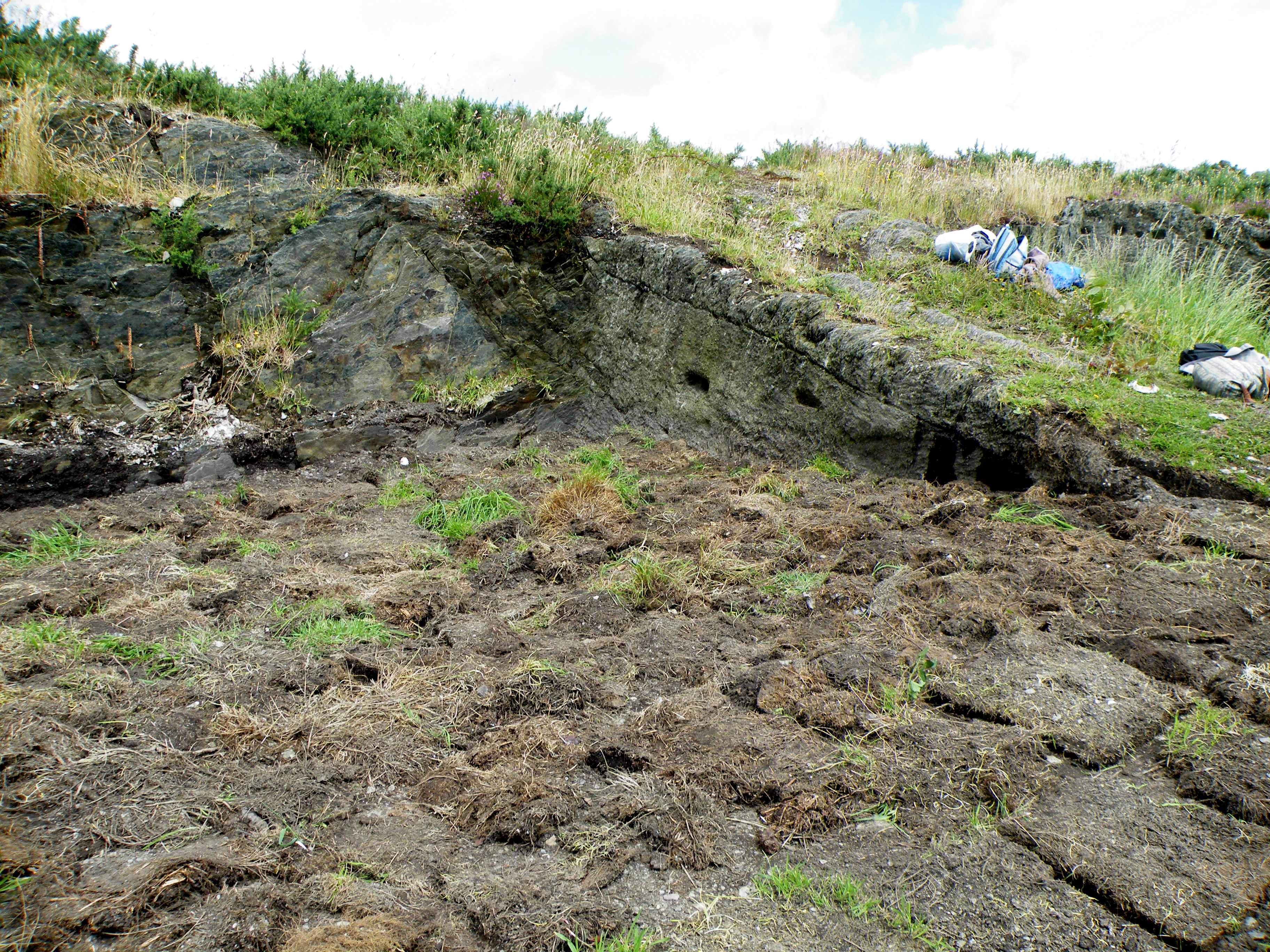
While documenting a procedure at Ian’s boat the other day, I had the opportunity to take a few photos of some of the local rock structures. I found these particular rocks, which had been exposed when the owners of the boatyard wanted to extend their working space, and just had to photograph them.

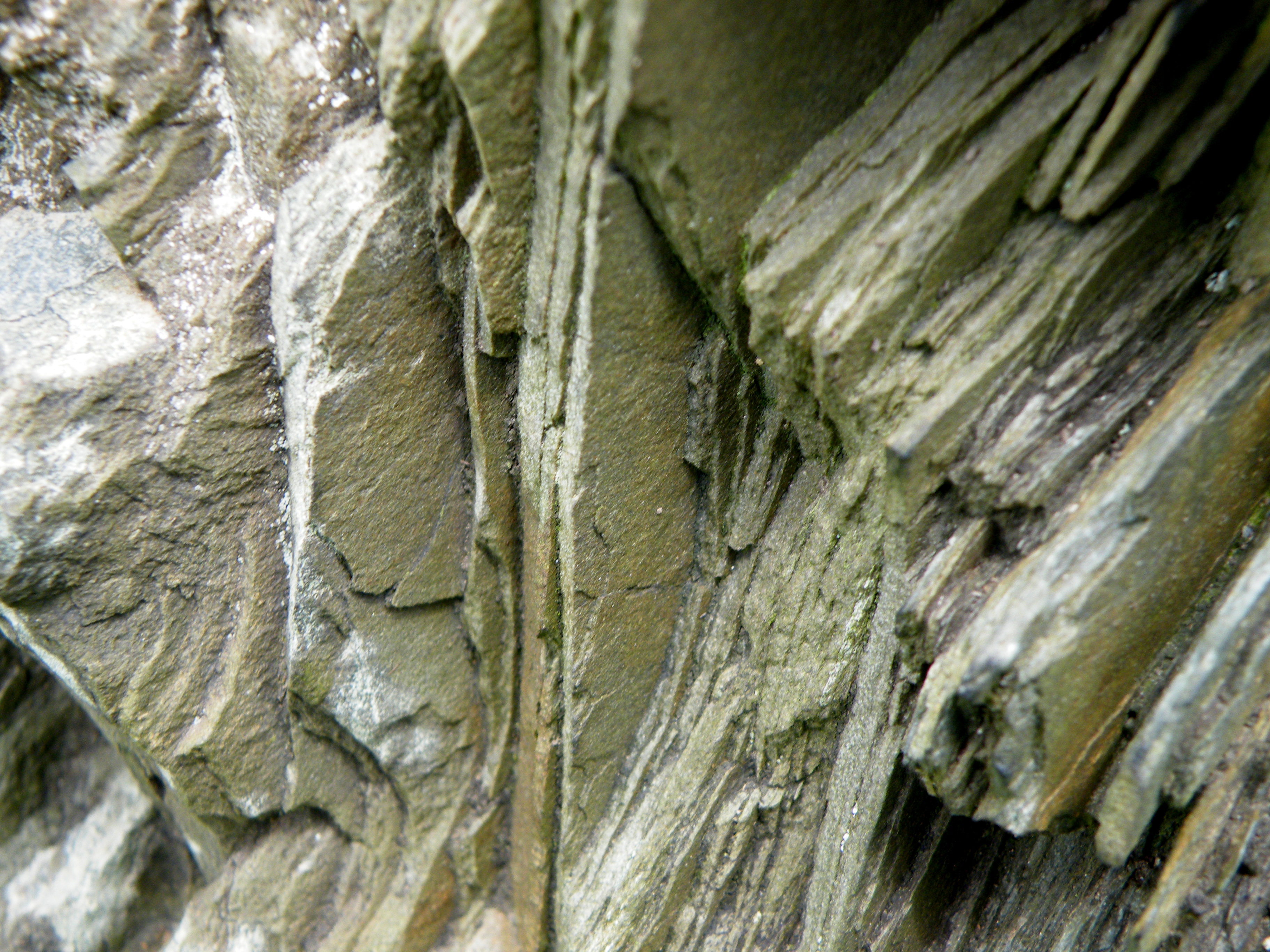
I believe these rocks are shale, but I am not a geologist. The whole rocky outcrop looked amazing, the colours of the shale quite bright and beautiful. I read that the yellow colours are caused by iron oxide or iron hydroxide which can cause reddish, yellow or brown colouring. The shale came apart in my hands, very poorly compacted material.

Ireland is an excellent place, like so many other places on the earth, to look at and have an interest in rocks and minerals. I have a large rock collection, I only wish that I knew more about it all, something that I always wanted to get absorbed in when I retired. It is a fascinating subject with plenty of examples all around us.

DSCF9293

DSCF9295     DSCF9313

DSCF9291       DSCF9304

DSCF9323

DSCF9322

DSCF9299     DSCF9311

GROWING BITTER GOURD

My first attempt to grow bitter gourds – Momordica charantia.
It’s a sentiment thing really, that is what was big on the menu of everyday foods which I ate while spending time in South India, and I developed a taste for it, it is a walk down memory lane for me, a pleasant one.
While there I learnt that bitter gourd is a healthy vegetable, reported to be of some help in lowering blood sugar among other things. I learnt to cook it too, quite simple really, we stir fried it either with a tomato sauce, or with potato, or onion, or on it’s own. It can also be served with yogurt to help set off it’s bitterness.

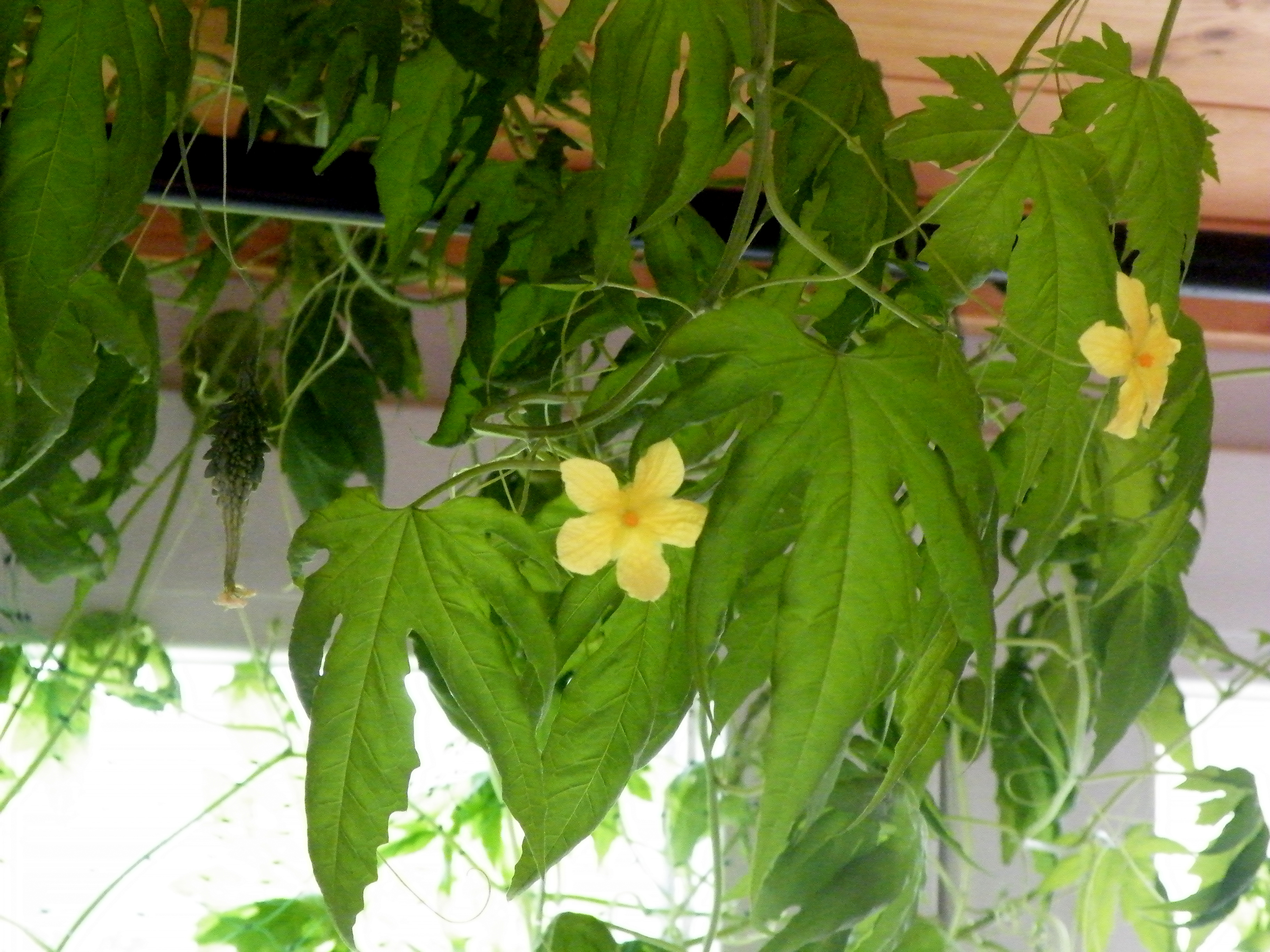
A dear friend of mine sent me the seeds early in spring and I went about to sow them, it took a while for the seeds to germinate and I had to put the container on the radiator for it to happen, so I lost some seeds, but finally I had five healthy plants that climbed on netting which I had put up on a sunny window. I was so excited when the plant started to flower, lovely yellow flowers with a faint, delicate fragrance. Even more excited was it to discover a ‘female’ flower one day with a young gourd forming. This gourd is growing slowly but fine. Meanwhile, and this is about two months ago, there have been many flowers but only ‘male’ ones. I fear that we will only have one precious bitter gourd this year!  As the summer has been very chilly with minimal sunshine I think this will have added to the problem of growing this plant here.  But I have kept some seeds and next spring will sow it again as this climbing, trailing plant with brilliantly green and beautifully shaped leaves has given me much joy.

DSCF9051

DSCF9033

THE UNIVERSE

“The more clearly we can focus our attention on the wonders and realities of the universe about us, the less taste we shall have for destruction.”
Rachel Carson

DSCF9363

“Through our eyes, the universe is perceiving itself. Through our ears, the universe is listening to its harmonies. We are the witnesses through which the universe becomes conscious of its glory, of its magnificence.”
Alan W.Watts

DSCF9362

CATCHING UP

Having had a break from blogging, not out of choice, but collected my laptop today and it seems to be fine again, so I am happy, and have a lot of catching up to do.  In these last few weeks a lot has happened in the garden.

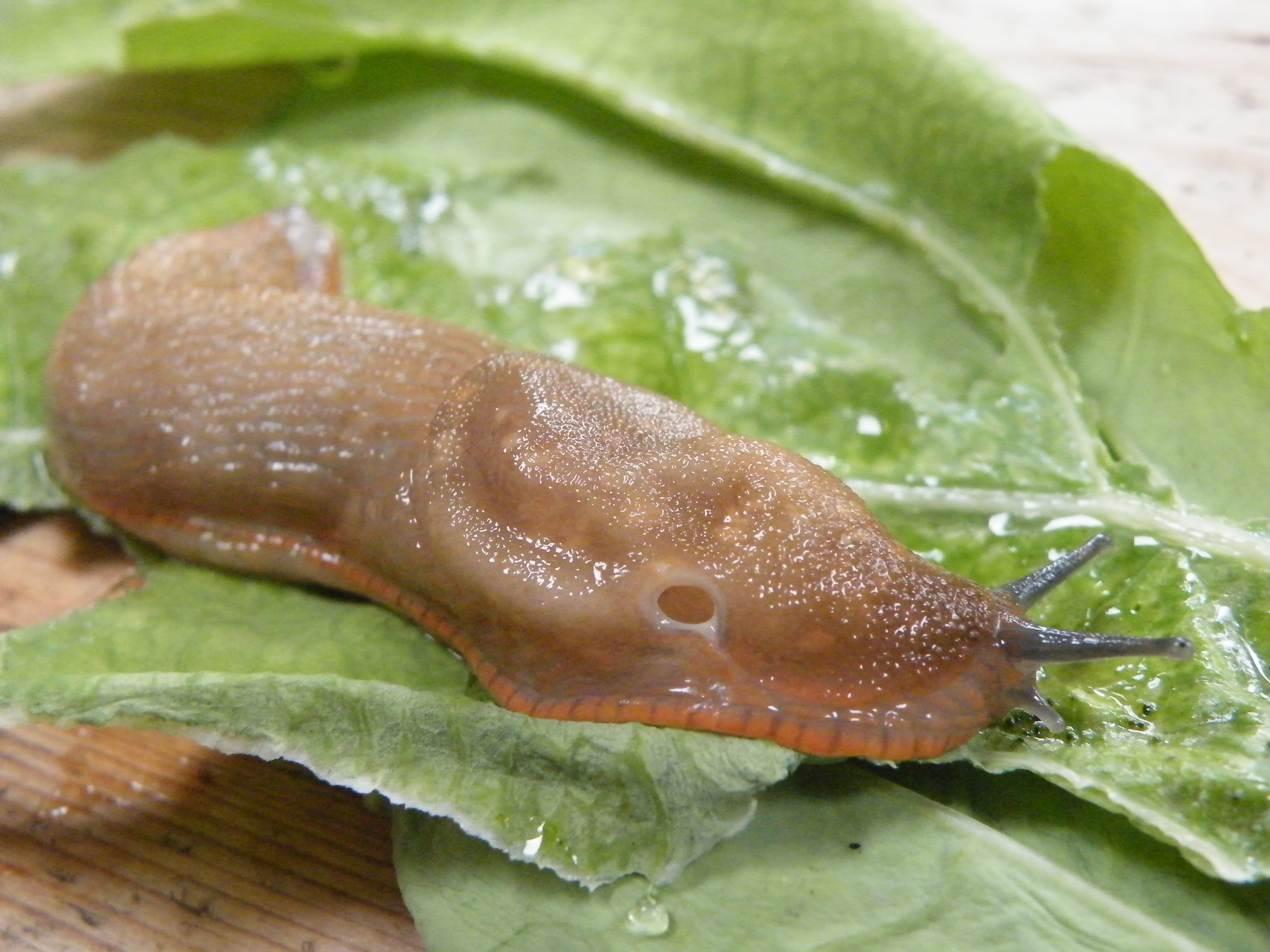
Due to fluctuations in temperature and cool weather the produce has not been plentiful, but most of all there was trouble with slugs and snails this year, there has been quite a bit of rain which did not help. In order to keep some vegetable plants alive I had to do something, and urgently, so I asked around as did not want to use regular slug pellets, and people said to go pick them off every night with a torch, which I did. One of the first nights I collected about four dozen of them, and for a week the story was the same. Eventually they started to become fewer and by now I collect only about one dozen a night. In order to help things along I also put out little bowls of beer. Yes the beer is working too.  Meanwhile I had become quite enthralled by these little creatures, there is a large variety of them and they are beautiful, gentle and the slime is not as bad as I thought it would be, before washing you use a dry paper tissue and it wipes off very easy. I have also realised that the paths around the vegetable beds needed to be clean and free of leaves etc… so I started a great clean up. The hedges had been cut and some leaves were still lying around, a great place for slugs to hide in.
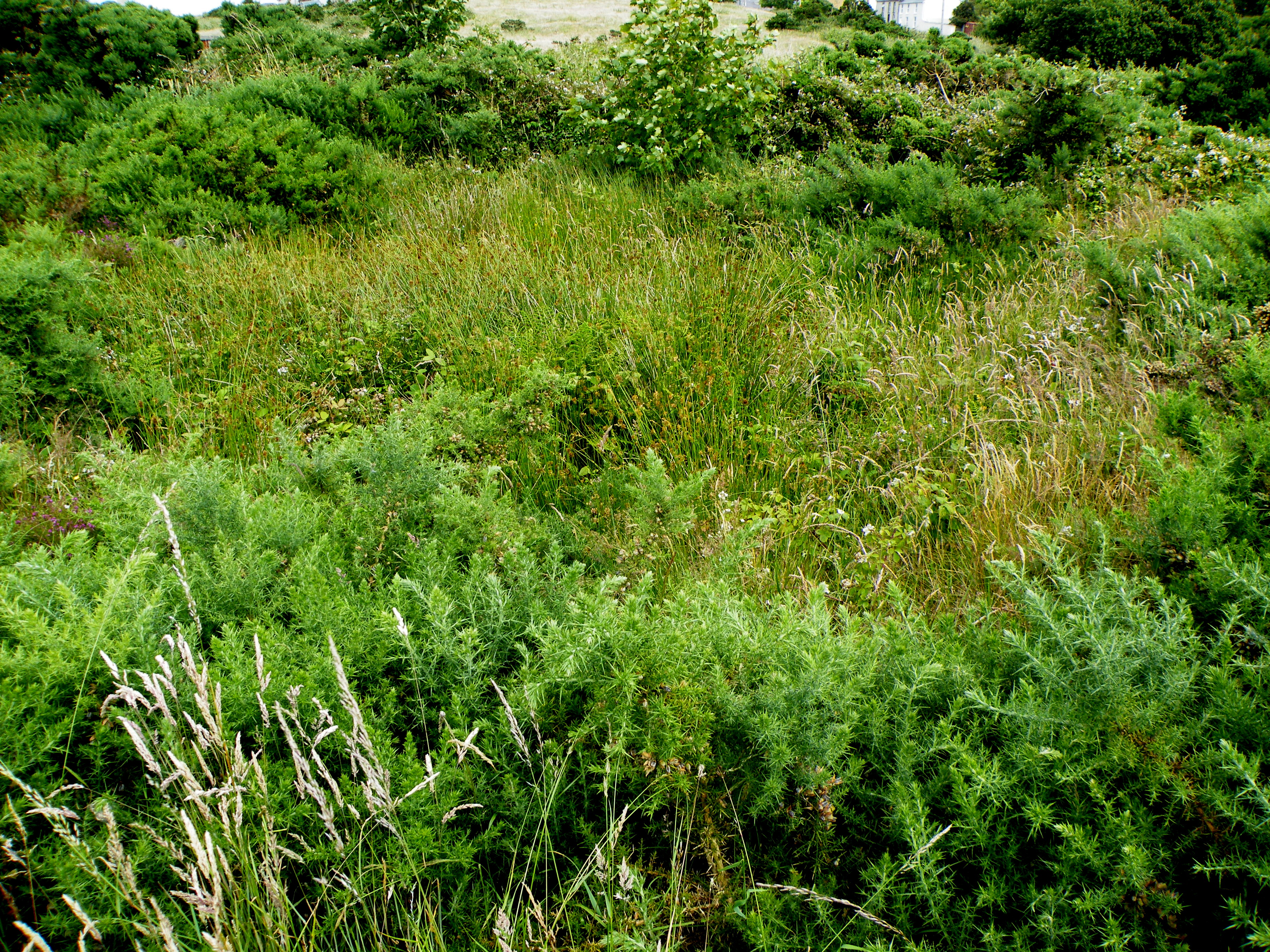
Meanwhile I sowed more winter vegetables and bought beetroot plants as all my young plants had been eaten. I almost became discouraged when a cat again used the newly prepared soil and disturbed more plants. So off to the hardware store and bought piping (which was very cheap) stuck them in the ground and covered with netting which worked really well, kept cats out. I then started to prune some of the overgrown vegetation and the garden started to look real good again. Planted out leeks, sprouts, and beetroot for a winter crop.

One of the biggest permaculture lessons I learnt this summer is that when the wild plants start growing in spring, rather than just let them take over, as I did in my garden, I would give them some direction, and pull up a few here and there. When I decided last spring that I was going to let my cleavers (goosegrass) grow as I now considered it as food, I did not realise that they would take over several of the raised beds, they were entangled in the bean plants, the garlic, the fruit bushes and as for the back of the garden, that was totally overgrown.

As always, the garden keeps challenging me in different ways, giving tremendous joy and inspiration.

DSCF9055

20150725_174809

DSCF9065   DSCF9036


AN INTERESTING DIG IN SKIBBEREEN

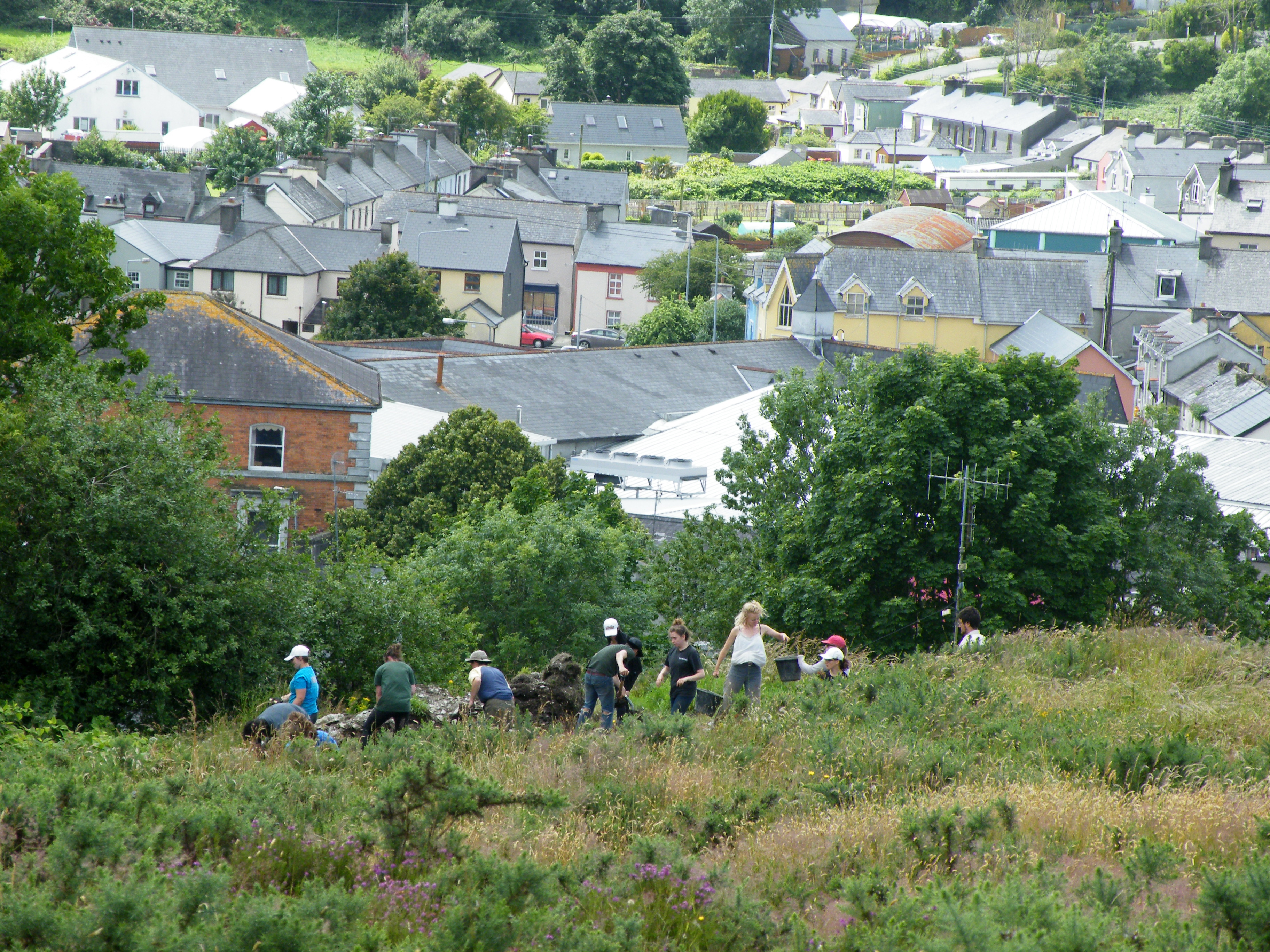
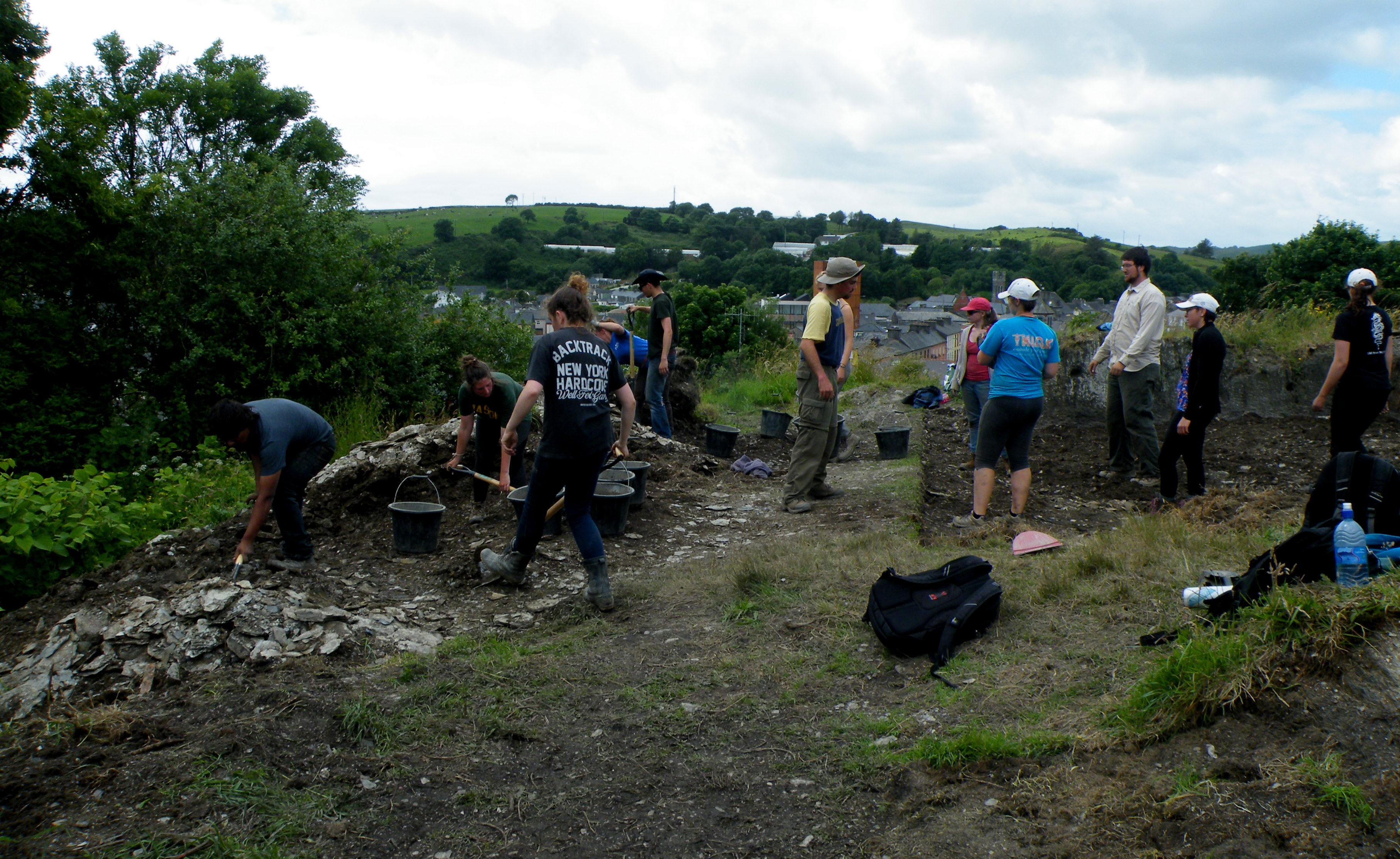
We recently had an archaeological dig here at Skibbereen in West Cork. The work was undertaken by students of the university of Maryland in US, under the supervision of their professor Stephen Brighton and Drew Webster.
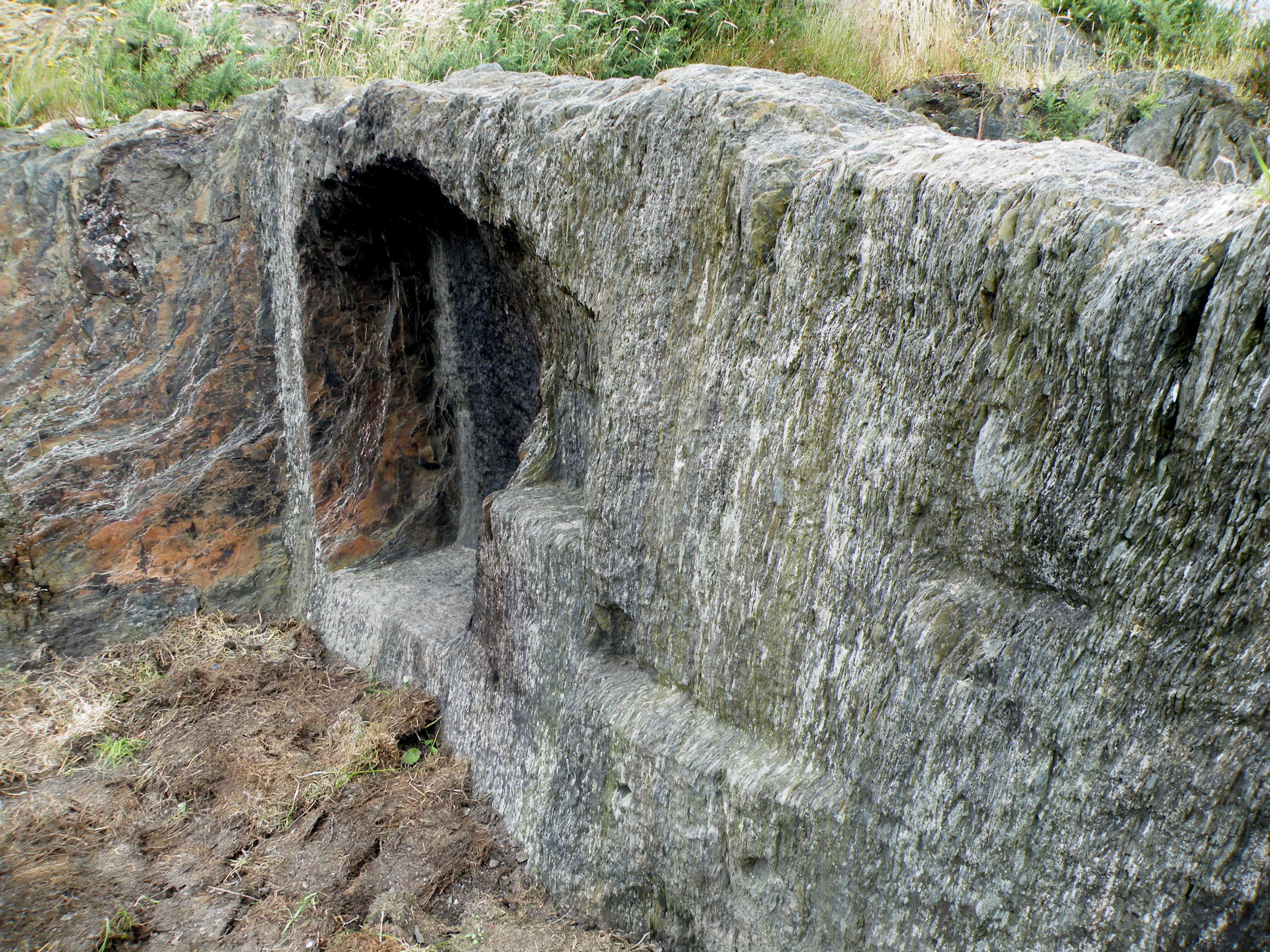
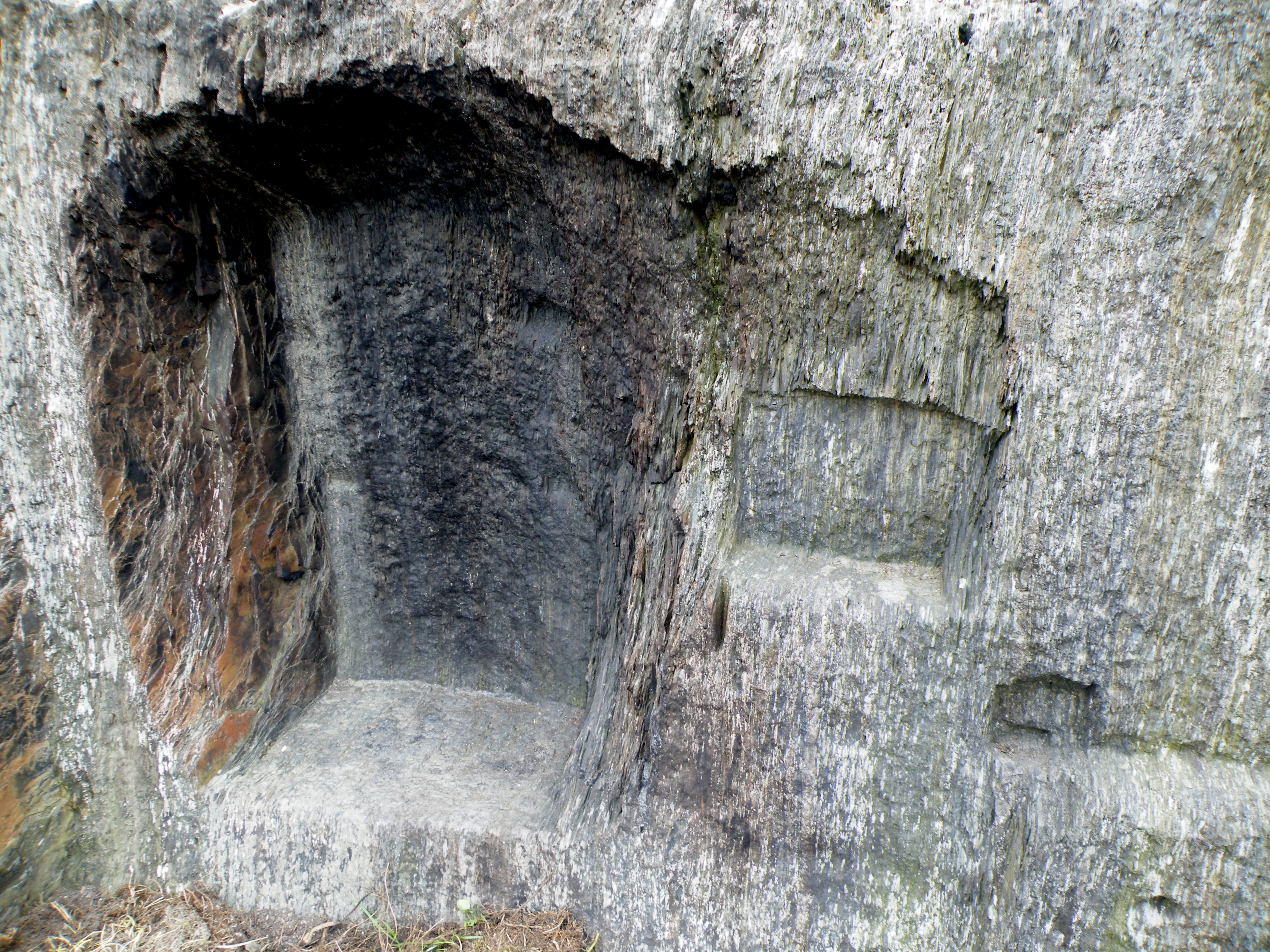
Seems that during the 19th century there was a lot of activity going on at the site of the  Rock, which towers above the town of Skibbereen behind the town hall and the houses of North street and High street. It was called Windmill hill. Prior to the structures hewn out from the rocks being used as houses, six of them, the place was probably used for industry, perhaps related to the windmill. The houses would probably have had grass roofs at first Dr S.Brighton told me, you can see where timbers had been inserted into the rock. It’s a very interesting site. By the time I reached it and made photos, the students were filling in the sights again after six weeks of excavations. Artefacts were found at the site, like potsherds and other bits and pieces. Please visit the Facebook site for more photos and information. And also the WordPress.com site at:
Archaeology of the Irish Diaspora and Modern Ireland

DSCF8845

Where the dig is situated above the town of Skibbereen

DSCF8861     DSCF8862

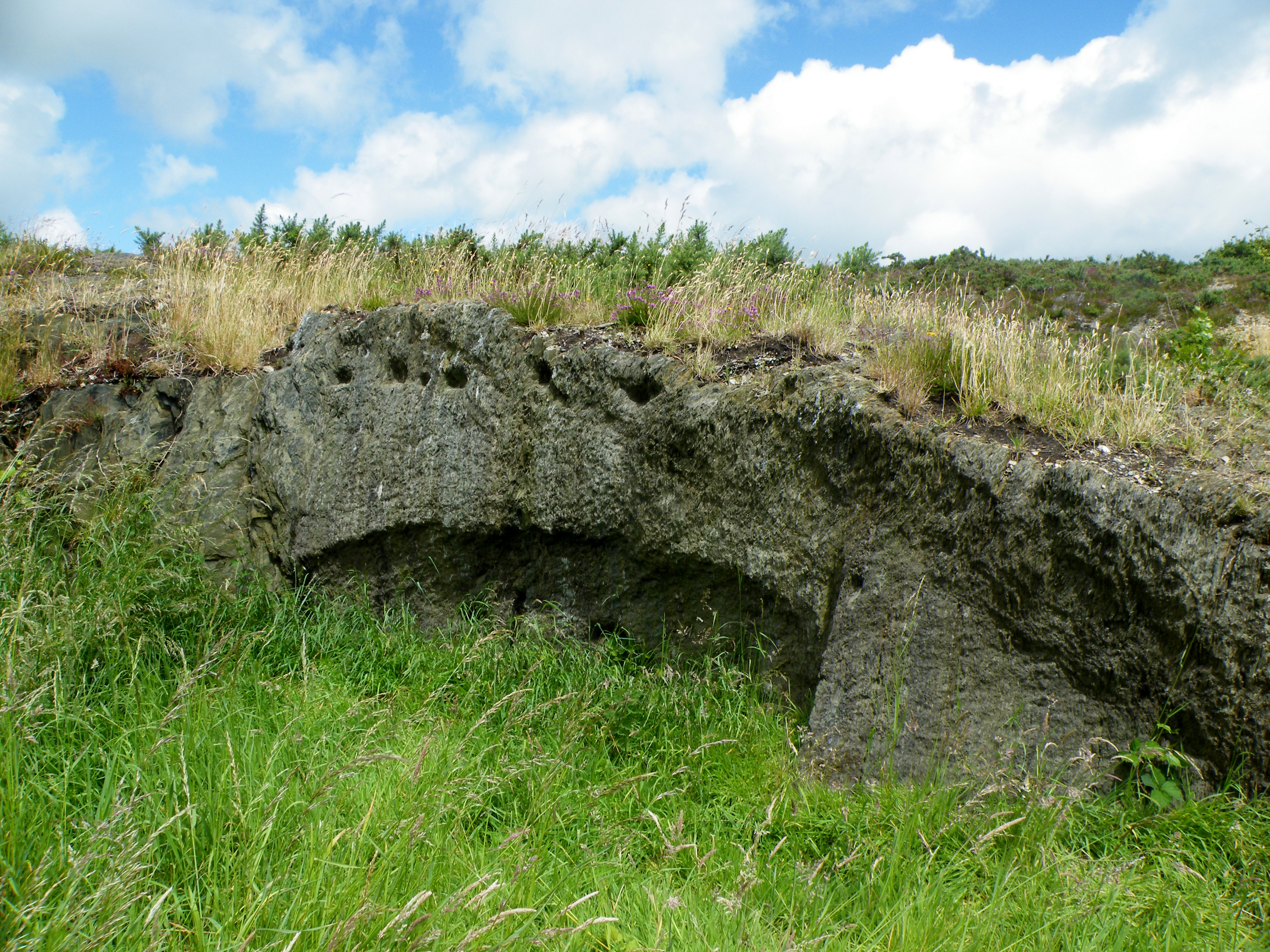
Seen here are what is thought to be indentations where timber would have been fitted, probably for industrial purposes when these sites were used previous to when people were living here in the 19th century.

DSCF8857   DSCF8851

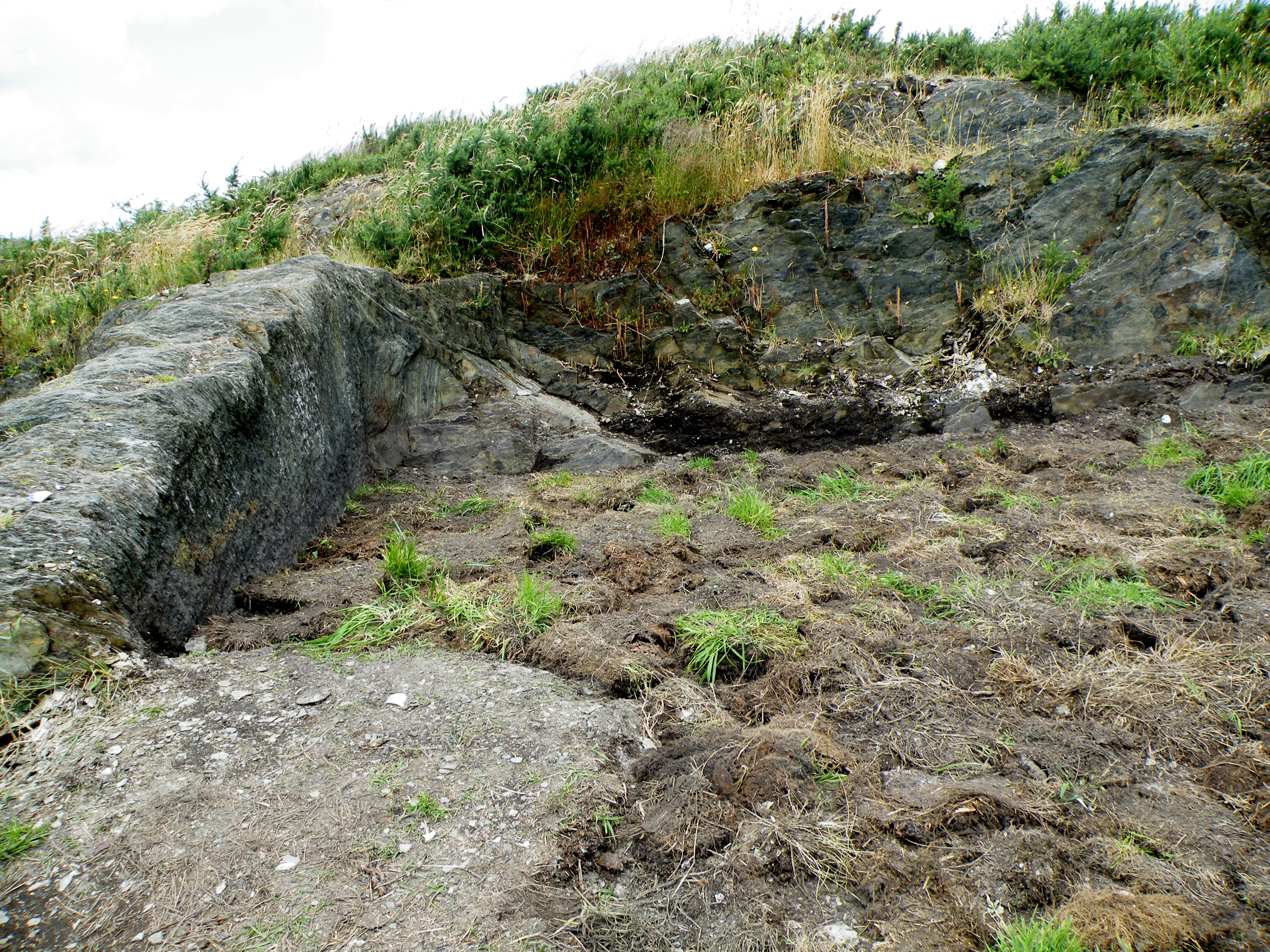
More indentations seen in the rocks and pieces hewed out.  This site has been filled in again by the students.

DSCF8855    DSCF8859

The type of rock found here, slate or shale.  And students at work.

DSCF8852   DSCF8856

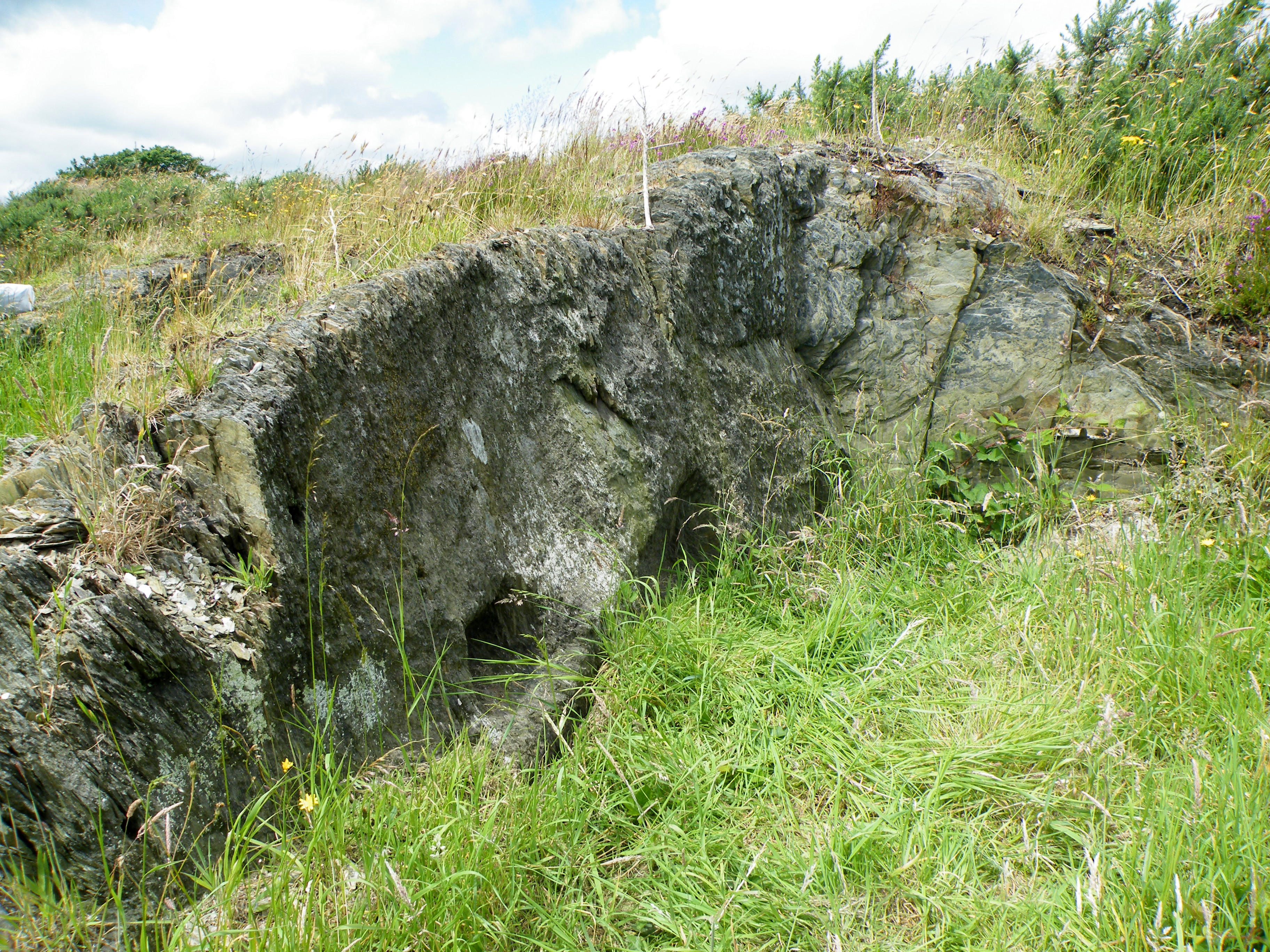
More sites of the houses, there were six in total.  The floors of the houses consisted of flat rock, and a drain would have been hacked out in the ground to allow water running from the rock behind to drain away from the house.  It must have been uncomfortable living quarters.  Who lived there?  It’s quite an exposed area of Skibbereen, but high up and far away from the flooding which sometimes afflicted the town.  Then again as there was a windmill a few meters away from this site, there must have been work available for people.  A lane (Windmill lane) is there still today and one wonders if this lane linked up to other boreens (Irish for lane) in the area.  The houses were inhabited at the time of the Irish potato famine 1847-49, one can only wonder at what tragedy played out here among these rocks as the famine claimed so many lives here.

It’s all very interesting and I will hope to find out more.

PLACE WHERE THE WINDMILL USED TO STAND - ON THE ROCK

This overgrown site is where the windmill would have stood.  It is only a few meters away from the ruins of the houses.

MAURITIUS JOURNEY PART 2

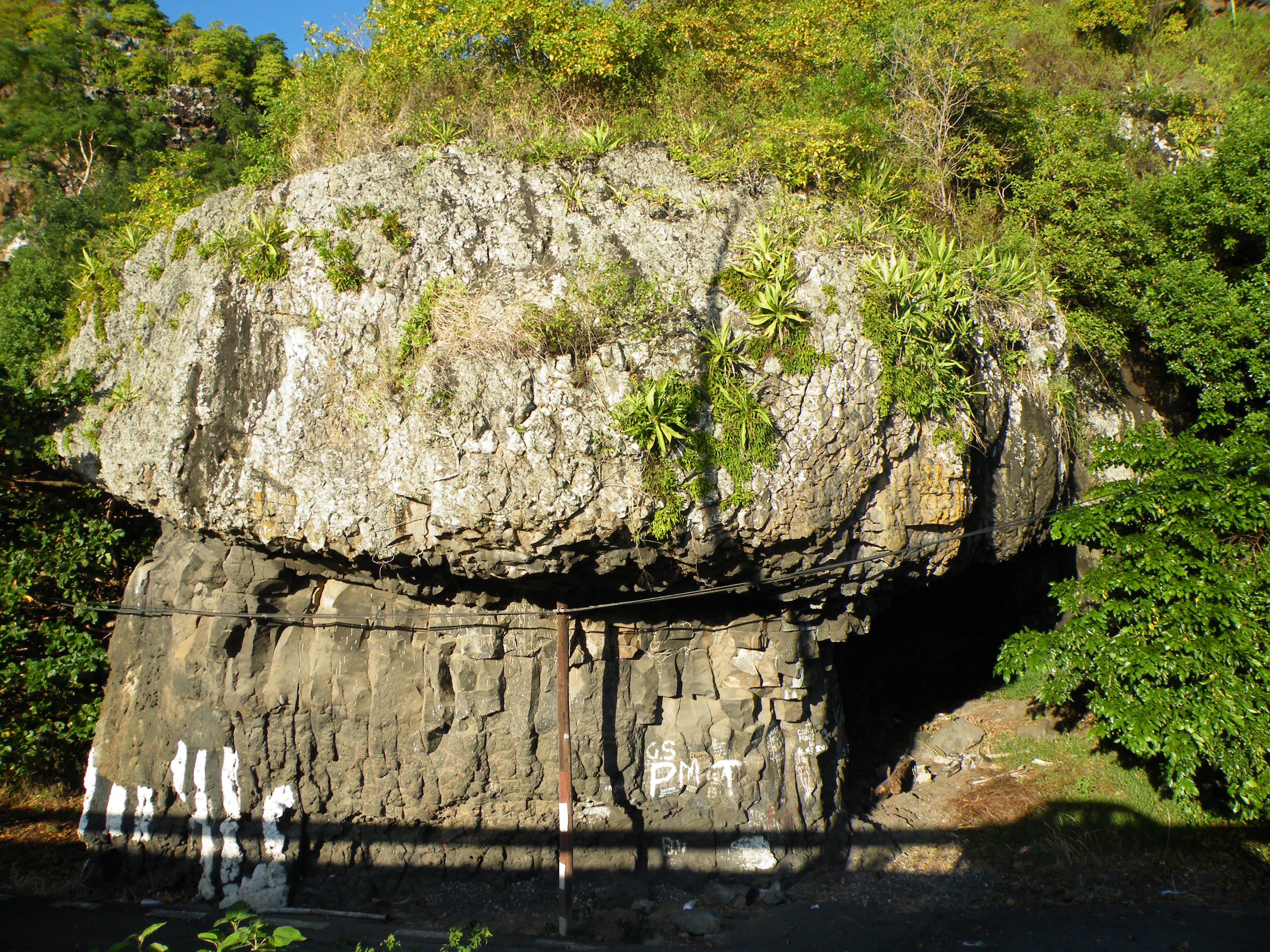
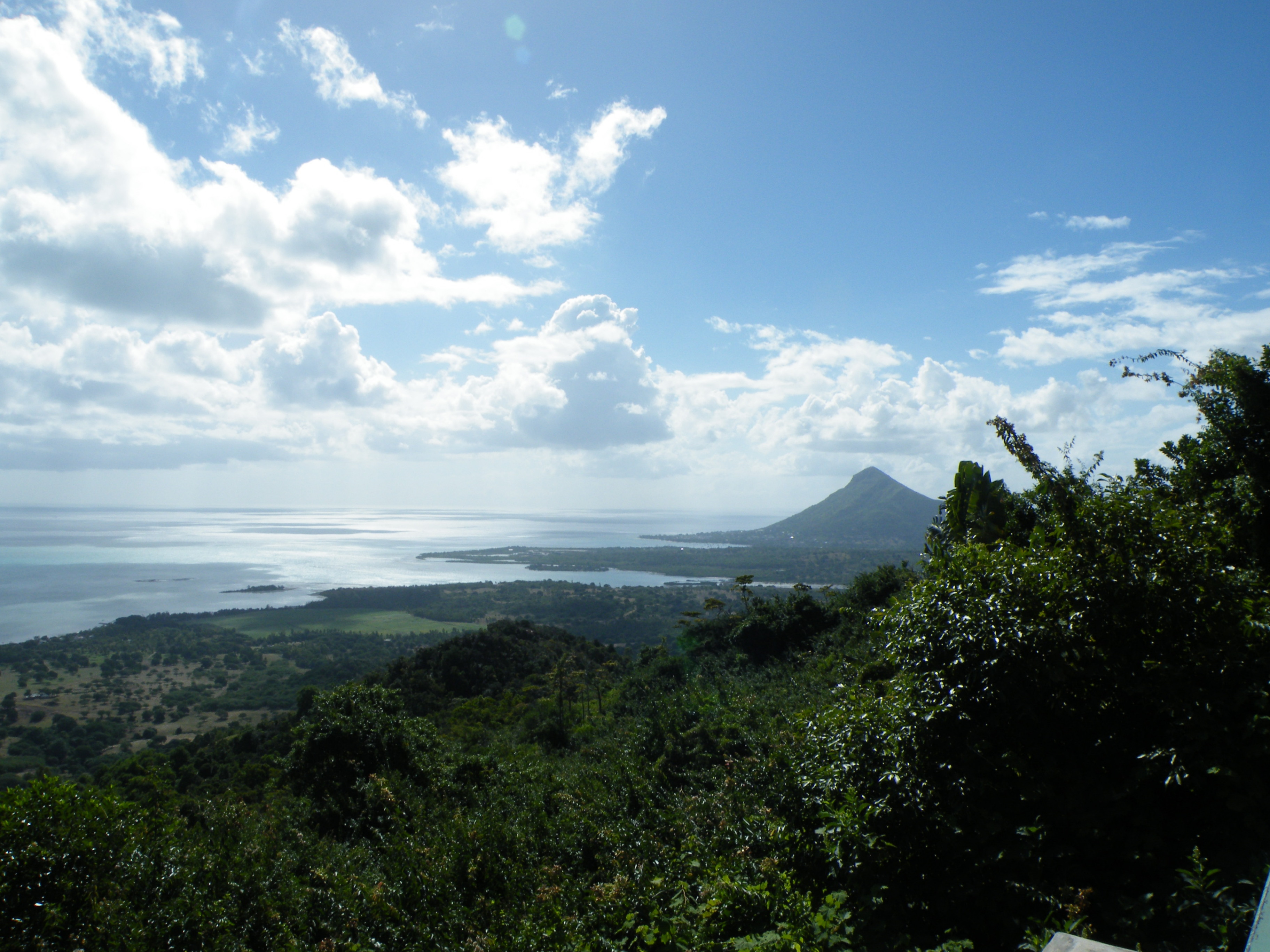
The beauty of the island of Mauritius, experienced some years ago when I went to visit a friend of mine from over there, and I was warmly welcomed by all his family and relatives. Situated on the less touristy South side of the island, It was a very interesting journey, with an introduction also to Mauritian foods, cooking, flora and fauna, and golden sand beaches where the women would dance to very cool music.  Very friendly and lively people, many are from Indian descent.   I was and am still very impressed.  I took so many photos some of which I am revisiting these days.

DSCF3960
DSCF3945
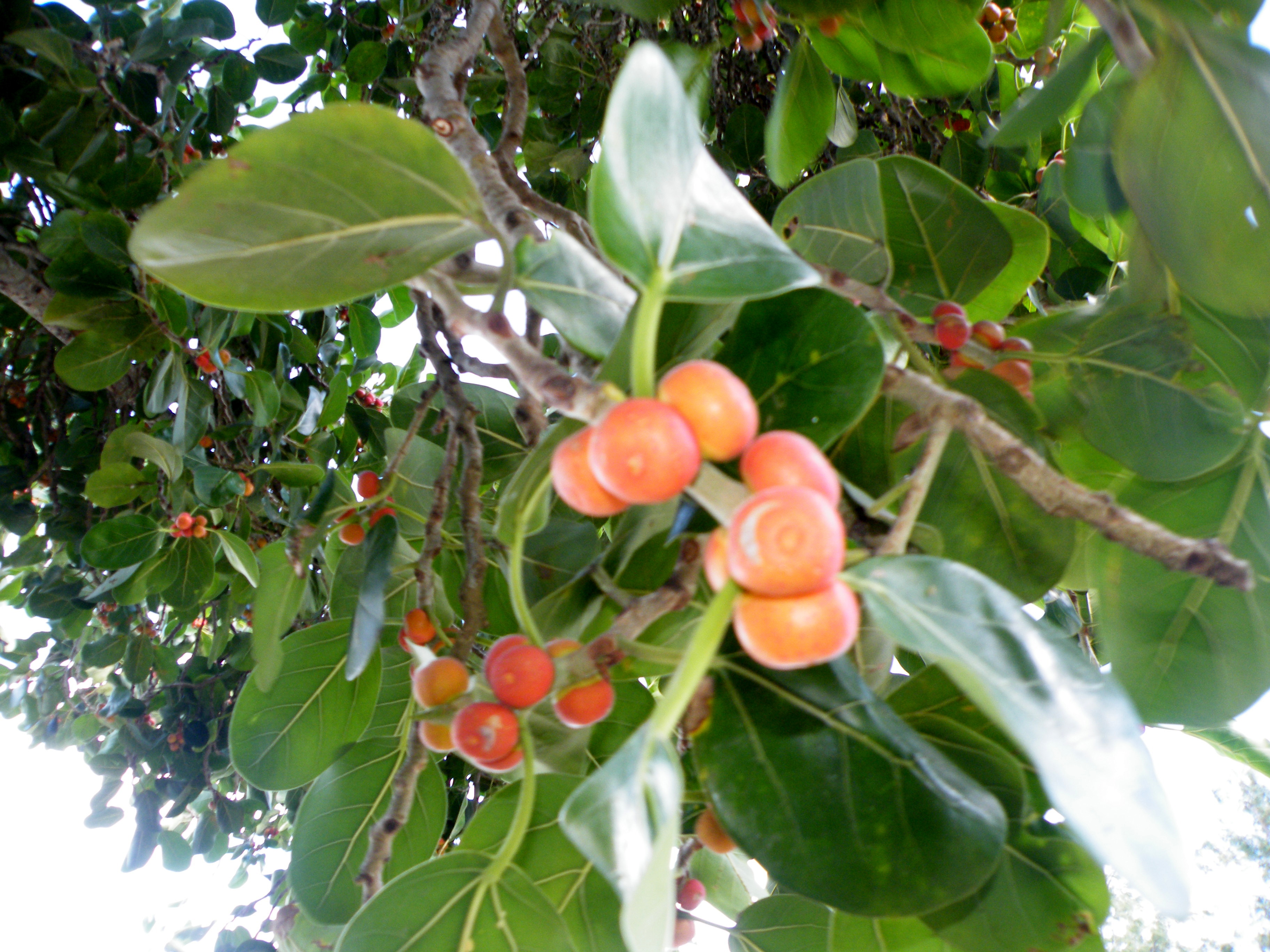
Fruit tree Mauritius

Some fruit tree, not sure what exactly it is called.

DSCF3908

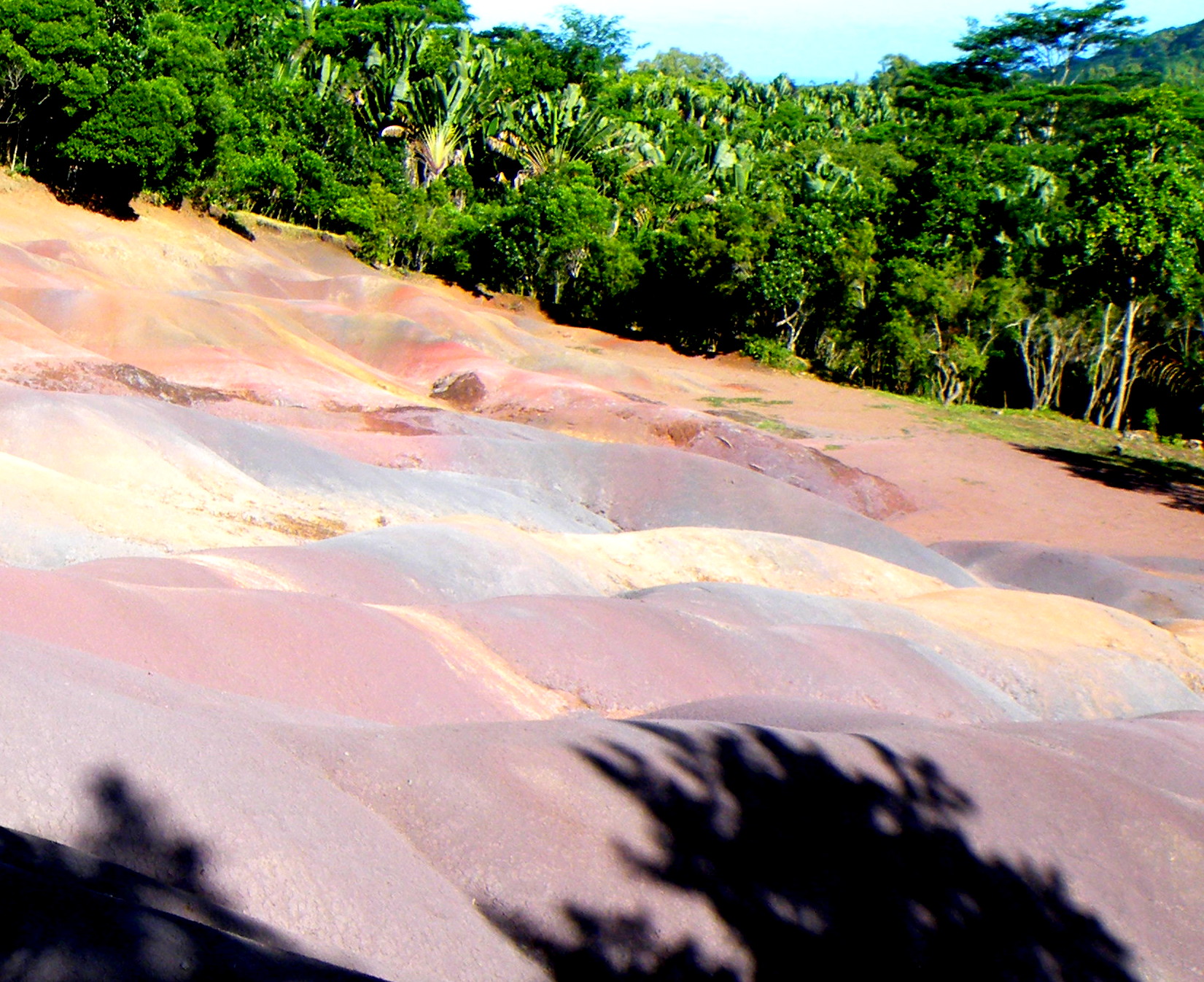
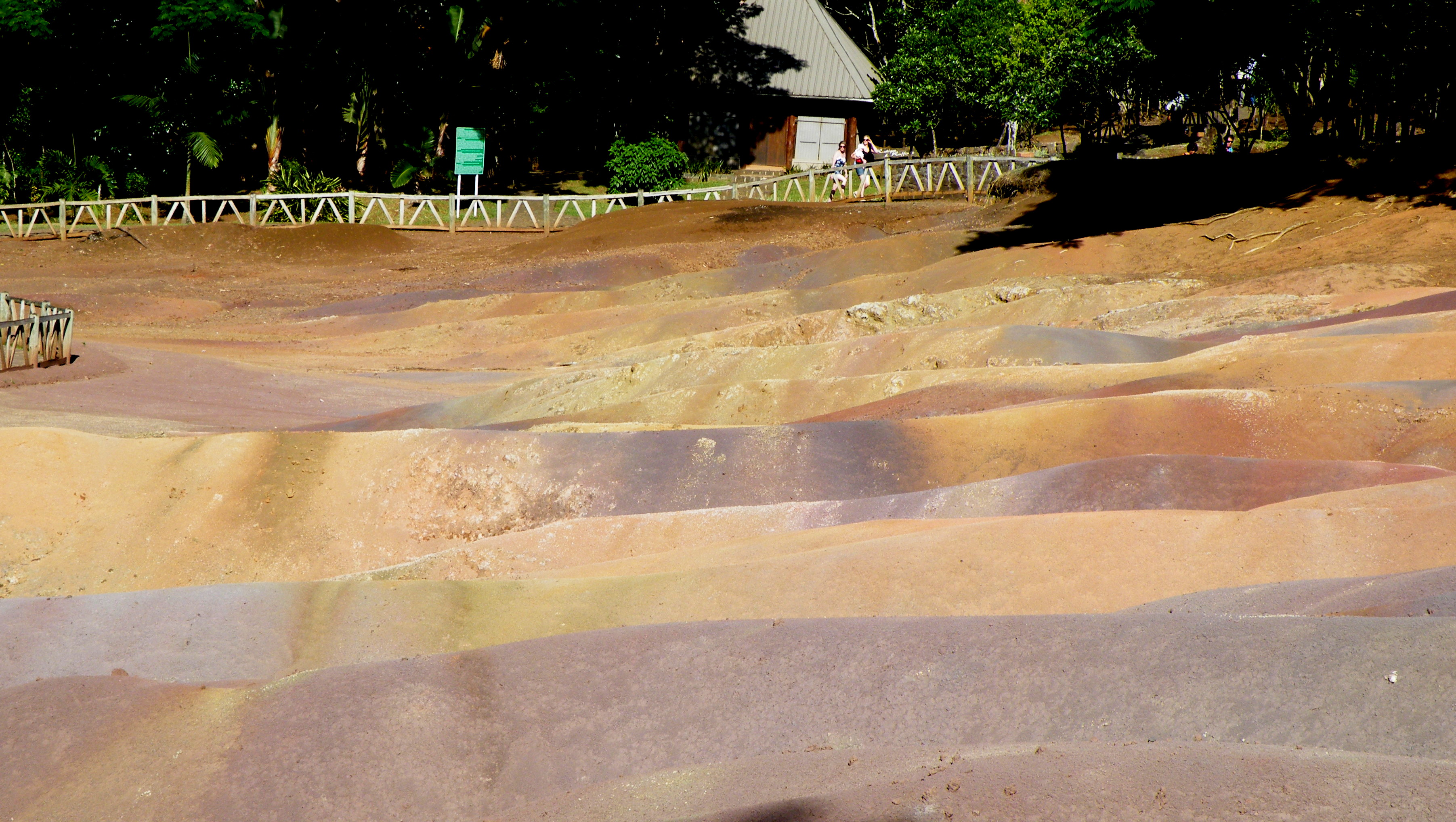
At the village of Chamarel, the coloured Earths, this natural phenomenon is due to decomposed basalt gullies.  The hot and humid climate helps in the decomposition of the (volcanic rock) basalt into clay.  As a result of total hydrolysis (chemical breakdown of minerals by water, leaving a large composition of iron and aluminium which constitute a ferralitic soil.  the iron sesquioxydes have a red and anthracite colour, whereas the aluminium sesquioxydes have a blue or purplish colour.  It is a most beautiful sight to behold.

DSCF3905
DSCF3939
DSCF3852
DSCF3875