WHAT HAPPENED TO MY BITTER GOURD?

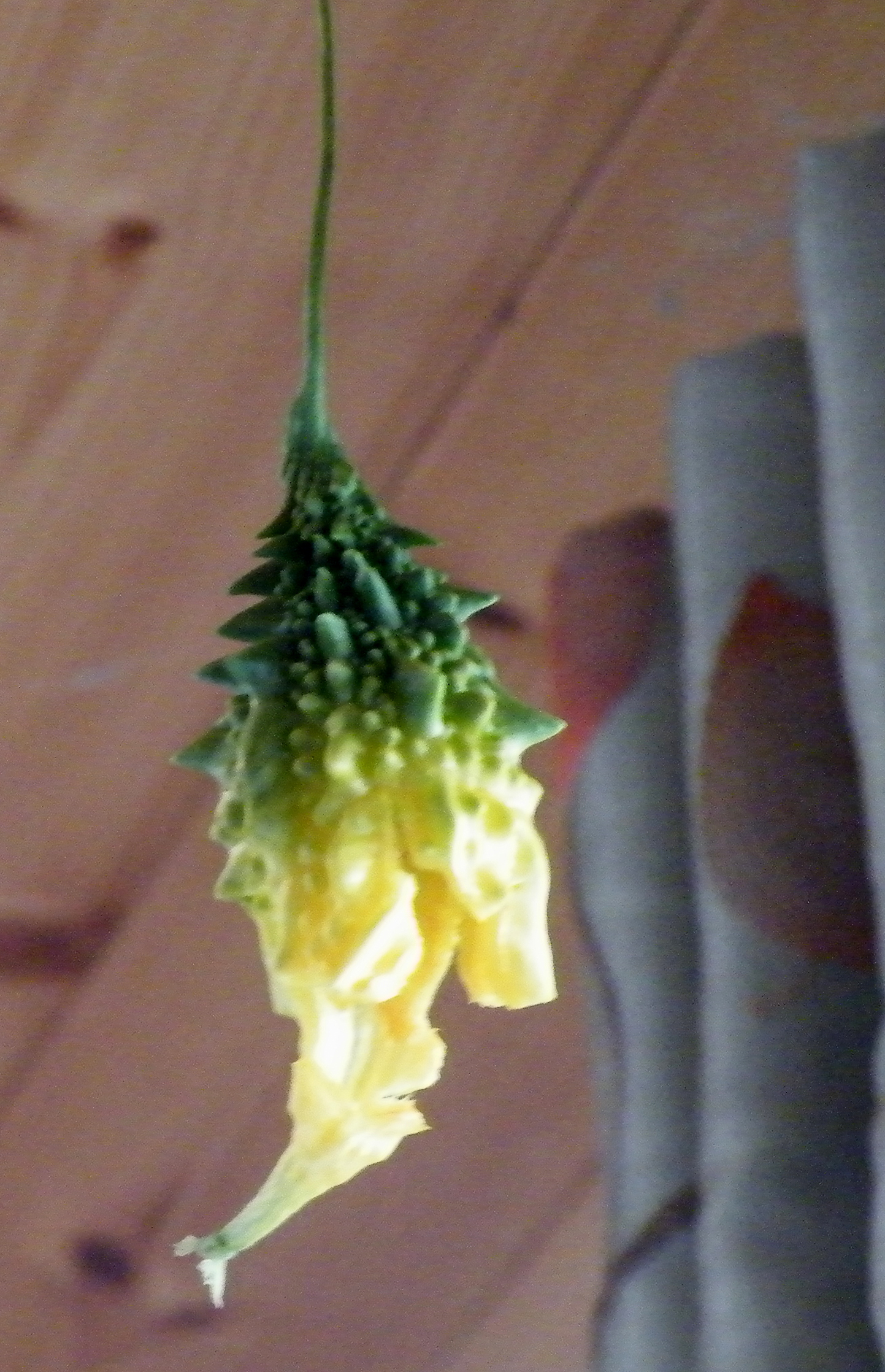
This evening while having a bite to eat in the conservatory, Ian all of a sudden noticed something about the bitter gourd. The other day I had taken away the four other gourd plants that had done nothing all summer and were obviously not going to produce any gourds. Because I have been busy with other stuff today I had not noticed that something was happening with the gourd, and happening it was! First thing we noticed was the change in colour, from green to yellow, this had happened very fast, then the fact that the bottom of the gourd had split open, and red seeds were to be seen. Amazed, I had never expected the gourd to act in this way, I was planning to harvest it some day soon, maybe I waited too long. What a surprise it was. I better make a note of this for my next year’s management of growing gourds. Well it was my first time growing them, and I only got one female flower which in turn became this particular gourd. I’m very glad to have been able to follow it’s development even despite this surprising end 🙂
DSCF9742

DSCF9746    DSCF9744


LATE SUMMER COLOURS

It’s amazing how much colour and produce the garden has at this time of the year. Around here it is considered late summer and some days might really have the feel of autumn about them.
But that is not to say that there is less growth, lately we have had a few warm days, temperatures going up a high as 20C, delightful of course and naturally resulting in good growth. The leeks, kale and other winter vegetables that I planted out over the last few weeks have established themselves really well. I am also drying very many herbs and wild plants for winter use, and it gives me great satisfaction to do this.
Among the vegetables are the flowers which give plenty of variety in colour and beauty. Plenty of bumblebees visit especially the oregano and the wall flowers.
I’ve been infusing oils lately, the latest now is the hypericum perforatum, started that today, more flowers need to open over the next few days so I get enough to make a good infusion.
It is an interesting time of the year what with so much harvesting going on, granted in my garden it’s mainly herbs and wild foods this time due to having had a bad season, but that is also interesting in itself.
The slug and snail hunt is still on every night and it is helping to keep my vegetables safe, so worth the effort.
DSCF9538    DSCF9517    DSCF9537

Kale, onions, and some type of marrow – lovely patterns and colours.

DSCF9571

Bumblebee on a wallflower

DSCF9556   DSCF9559

Two very favourite herbs, the St.John’s worth (hypericum perforatum), and the tansy (Tanacetum vulgare)  I seem to remember that my dad used to make us a pancake every spring time adding the leaves of the tansy, it was to protect us kids from worms.  Not sure if this was a regular herbal remedy, I think it was rather a traditional thing to do in the town where my dad is from (Diest in Belgium).  I remember the very peculiar taste, and enjoyed it.  (not saying it is safe to do this by the way, do your own research please.)

DSCF9530

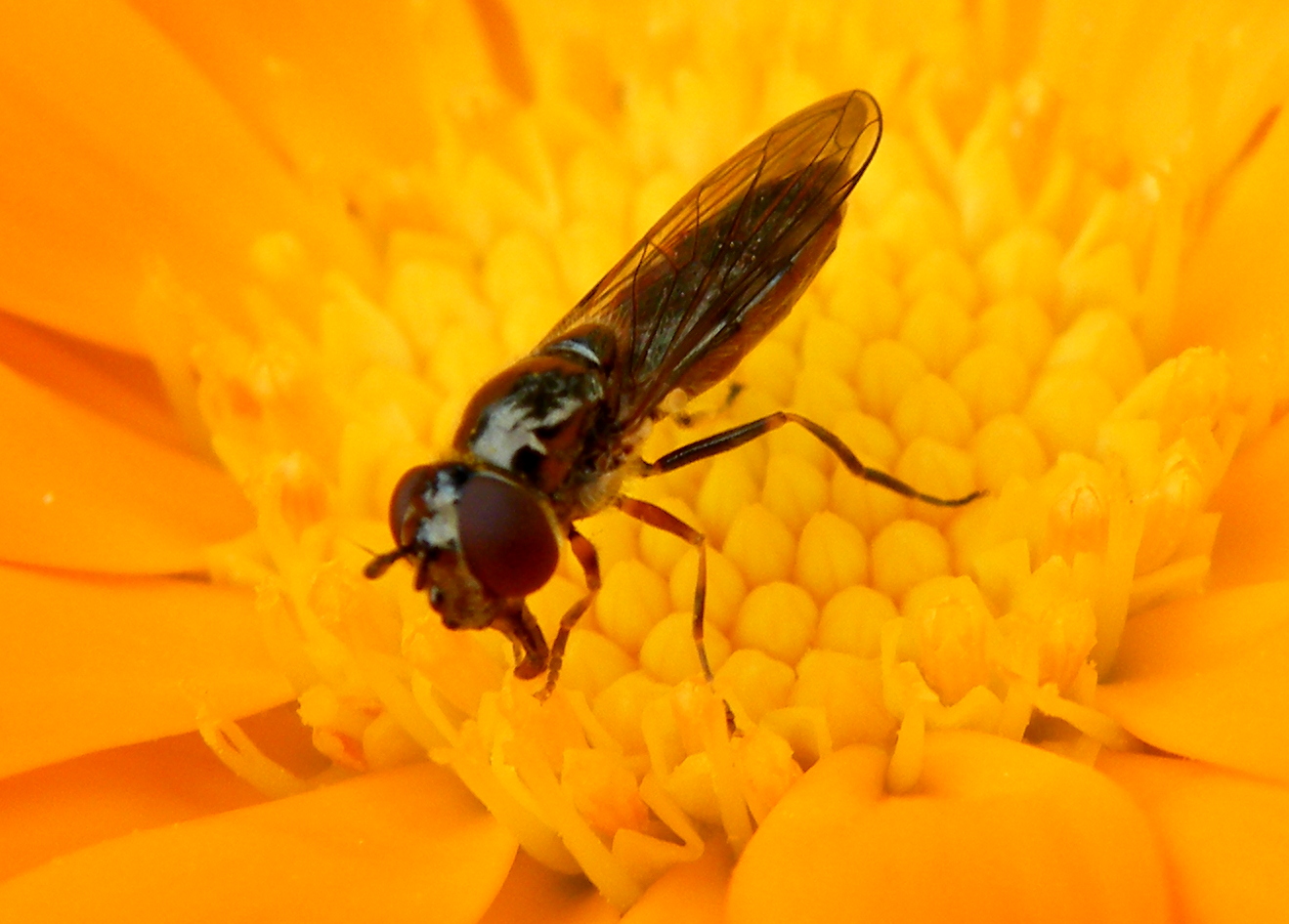
Some sort of fly on the calendula flower, nice to have come across this today.

DSCF9552  DSCF9521

My sprouts are growing very well, can’t wait to see the sprouts coming on the plants.  And a bumblebee on the oregano flowers.  Real nice to get them come into flower and so the insects can enjoy them too.

SELF HEAL – A LITTLE HERB

Deep among the strawberry and raspberry plants I have discovered a little herb, one that I have actually known about for years, that is I knew about it’s beautiful appearance, but I knew nothing about it’s uses, and it is amazing how useful this plant really is.
So I did some research and came up with quite a bit of information on the self heal (Prunella vulgaris). I learnt that modern Western herbalists had almost forgotten about it. But in Ayurvedic and Chinese medicine it has been used extensively to date. I was very surprised to hear that this plant belongs to the mint family. It appears that we can use the young shoots and leaves in salads, or we could add some of them when making soup. It apparently makes a nice cup of tea too, and the taste is said to be a little like rosemary. I don’t know yet as I did not acutally taste or made tea with the herb. But I will.  And I like getting to know more and more plants that I can brew tea with, there is something fascinating about picking and drying your own teas, and then using some nice porcelain cups and teapot to drink in this health giving liquid, and serve them to friends or family.

Medicinally it appears that the plant is a real good wound healer. What also interested me very much about self heal is that in traditional Chinese medicine, self-heal is looked upon as a cooling herb, making it useful against fevers and liver and kidney disorders, and it mentions that it is often used as a tonic. It is also said to be good for throat infections, and historically it was used for just such ailment.

Importantly;    I must add though that I am not a herbalist and I am only repeating what I read in articles found on Google, so please let anyone do their own research, and check interactions etc…
I found information at these links, but also I learnt facts about self heal at my herbal course (HerbMentor.com).
I am sure that you will fine a lot more interesting information on self heal.
https://en.wikipedia.org/wiki/Prunella_vulgaris
http://www.motherearthliving.com/plant-profile/an-herb-to-know-7.aspx?PageId=2
http://www.wildflowersofireland.net/plant_detail.php?id_flower=237
http://www.botanical.com/botanical/mgmh/s/selfhe40.html
DSCF9100

DRYING – STORING – SOWING… FOR WINTER STORAGE AND GROWTH

It is this time of summer again when thoughts turn to harvest, saving seeds, drying herbs, sowing winter vegetables, and pruning some of the soft fruits. It is also time to make a note of what to, and what not to do next year, and where to grow what. Every season I learn more and so the garden is ever changing as I try to make it all better and more productive for us and also for the rest of nature, so incorporating plants, flowers, and berries for the birds, the bees and for any other creatures in the ecosystem that this urban garden is.
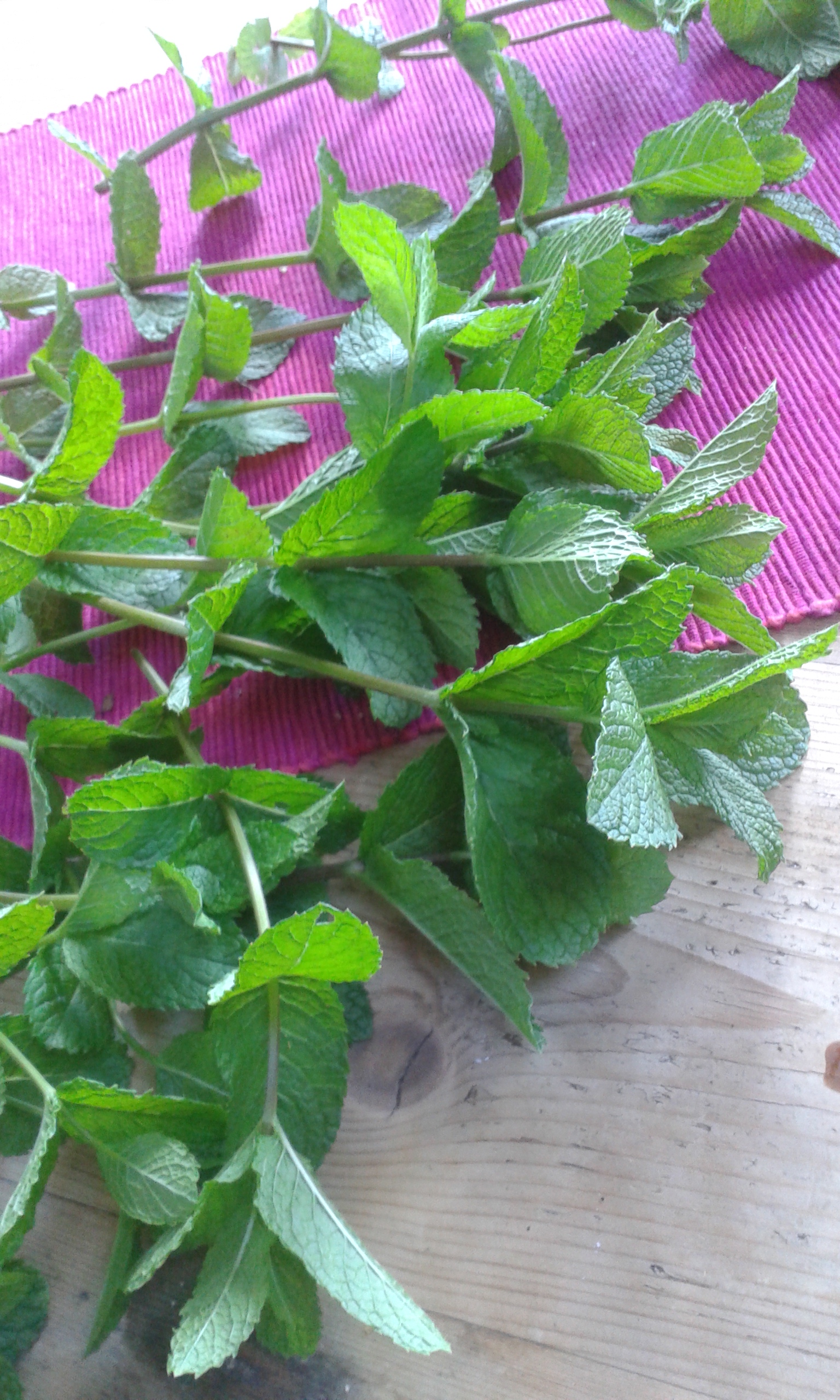
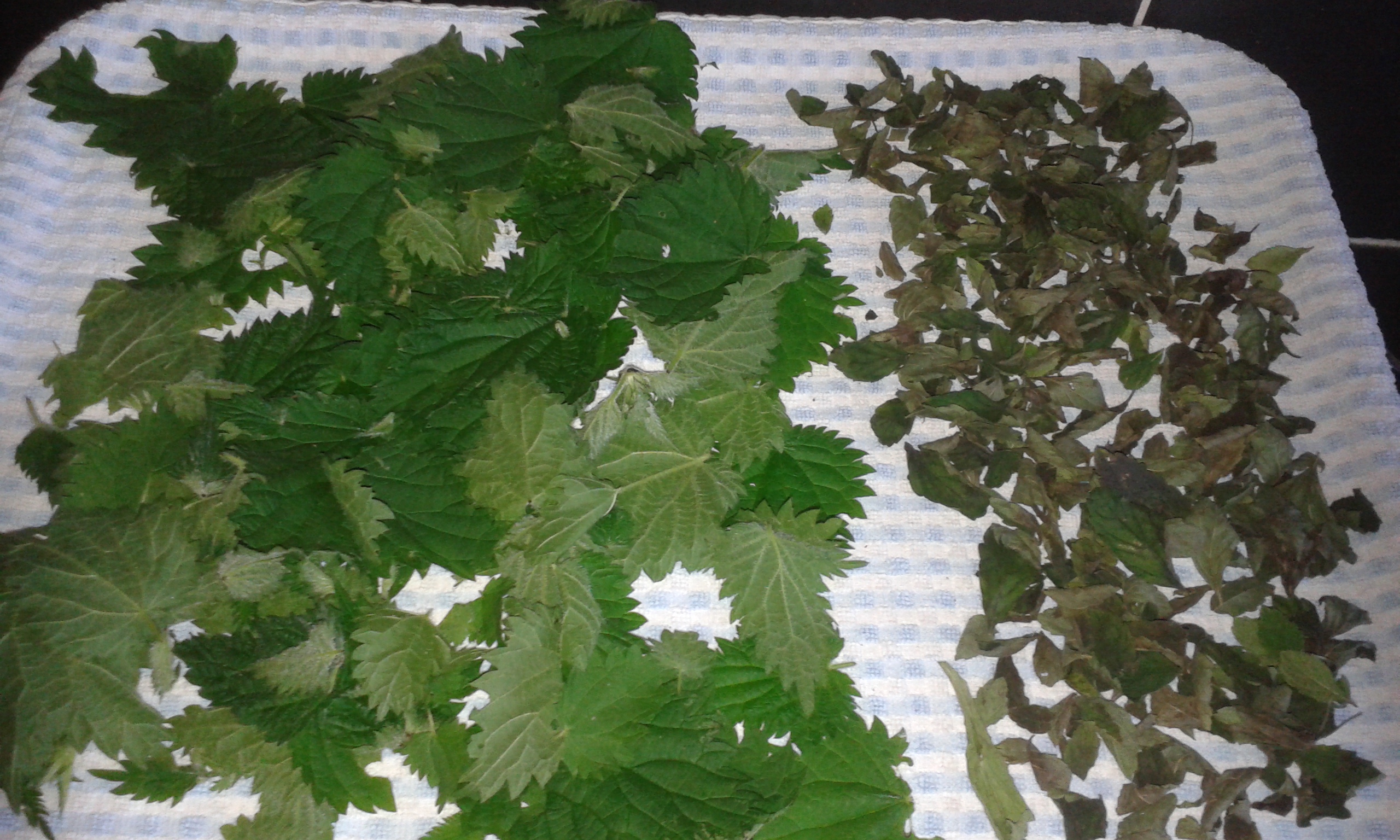
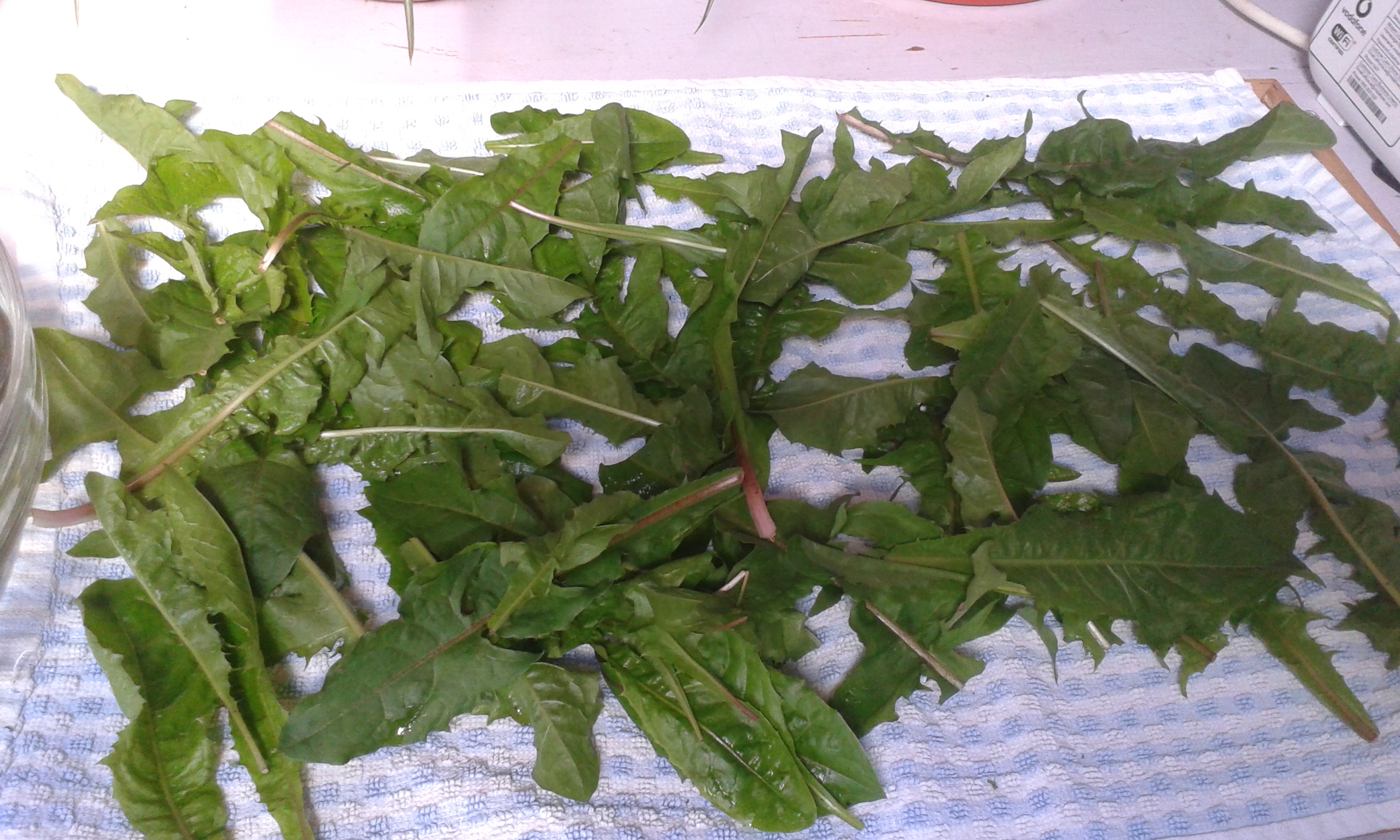
So the last few days I collected different leaves, among them dandelion (leaf and roots), mint, lemon balm, hawthorn, and nettle. I am working towards having a good store to see us through the winter months, and as these plants contain lots of valuable minerals and vitamins I think that it will be a valuable addition to our soups and stews. Some I will also use as teas.
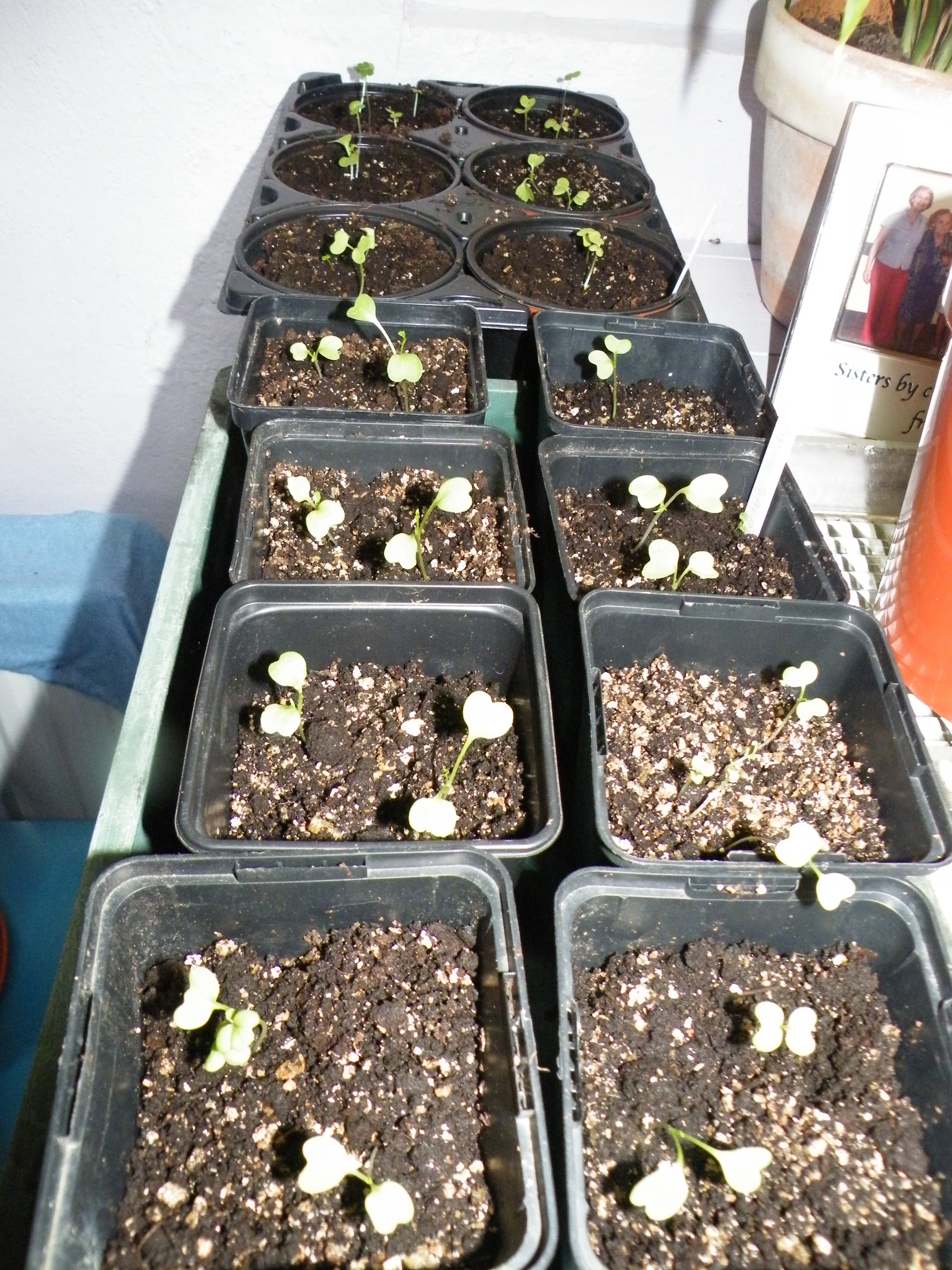
Last week I sowed some winter vegetables, kale, salad leaves, and beetroot mainly, they are coming up well and some I potted off in order to become stronger so they can go into the soil outside. I will make use of the cold frames this winter. The temperatures drop to around -0C or just below it during the night, and daytime temperatures mainly around +5C so it is an ideal climate to grow winter produce. Leeks do very well here in my garden and I have planted out dozen of them during the past few days.
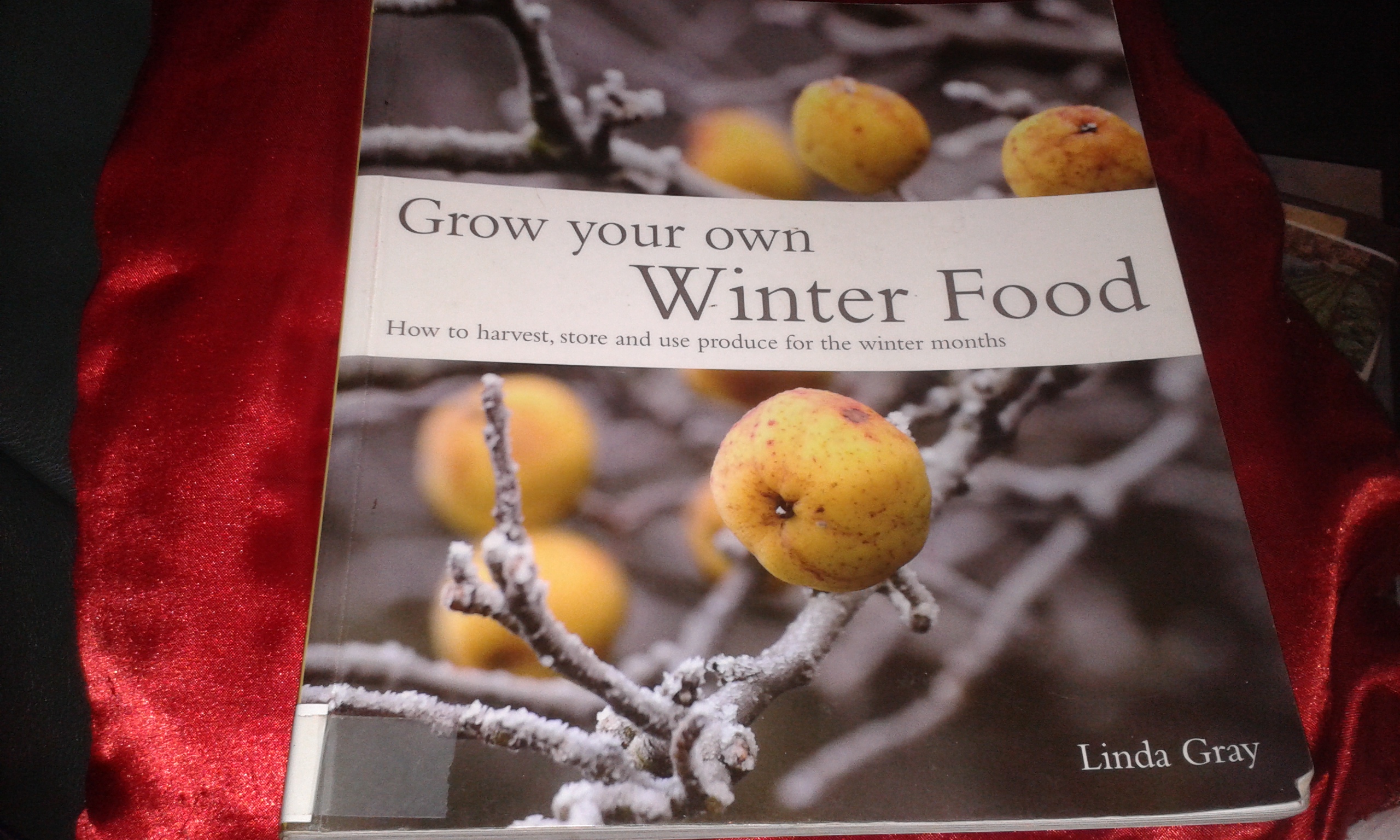
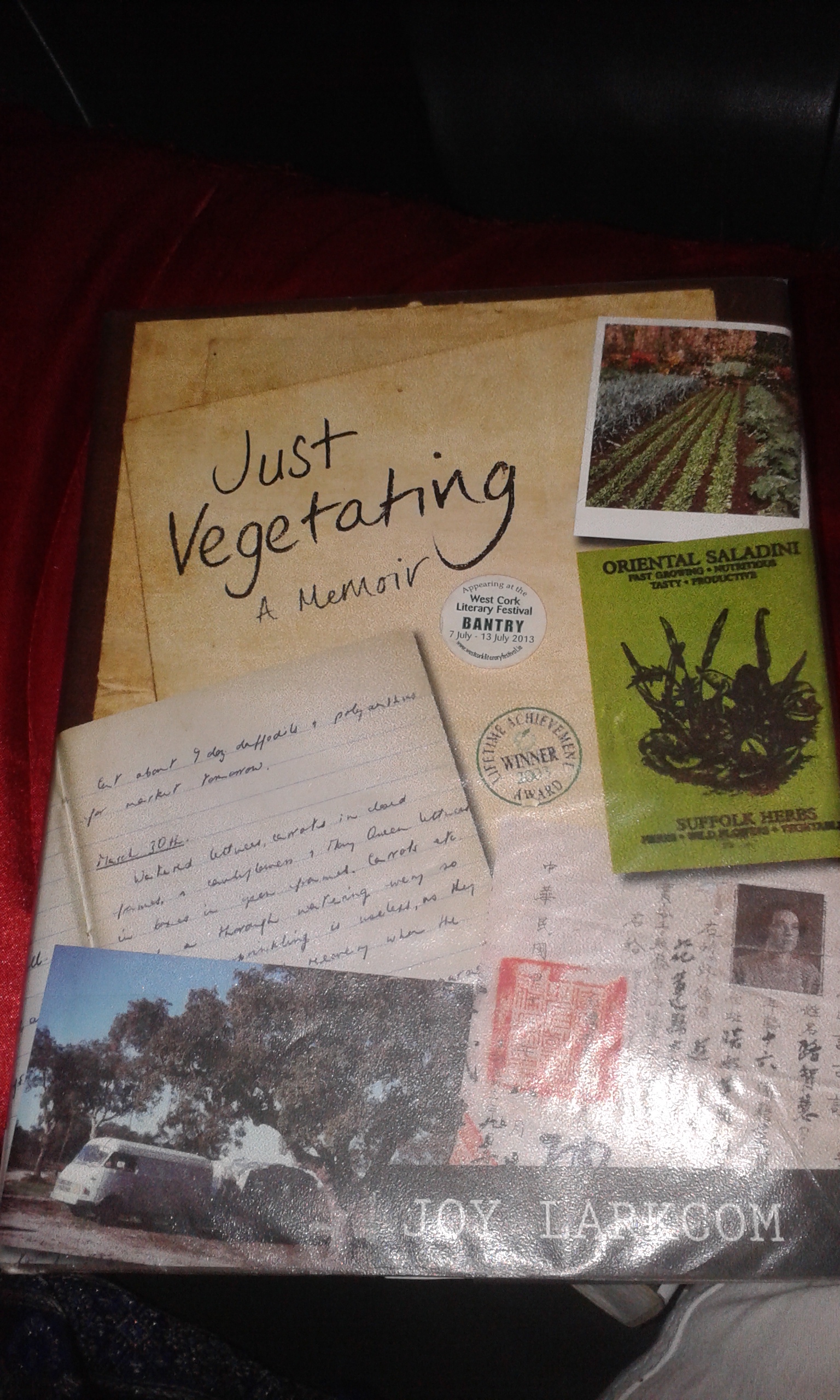
This morning, being Saturday and time to take a stock of what I have been doing and looking for ideas and information, I went to the library and again got a great selection of books, among them, two that I want to mention, one is about Winter vegetable growing by Linda Gray,  and the other one is a book to relax with at night, it’s another memoir of a gardener, (Just Vegetating by Linda Larcom),  I have read some good memoirs lately and enjoyed.  Great inspiration can be got in books, it is a never ending pleasure.
20150807_164137

Mint, delightful scent!

20150807_162032    DSCF9375

Nettle, and lemon balm, great for teas, and or soups, broths etc…         And more seedlings, I am looking forward to winter growth.  Making meticulous plans right now, find it exciting and motivating.  Taking the providing role very seriously, that is, providing or rather enabling mother nature to provide us with lots of lovely foods.  So enjoyable, and good for the soul.

20150808_174523    20150808_174436

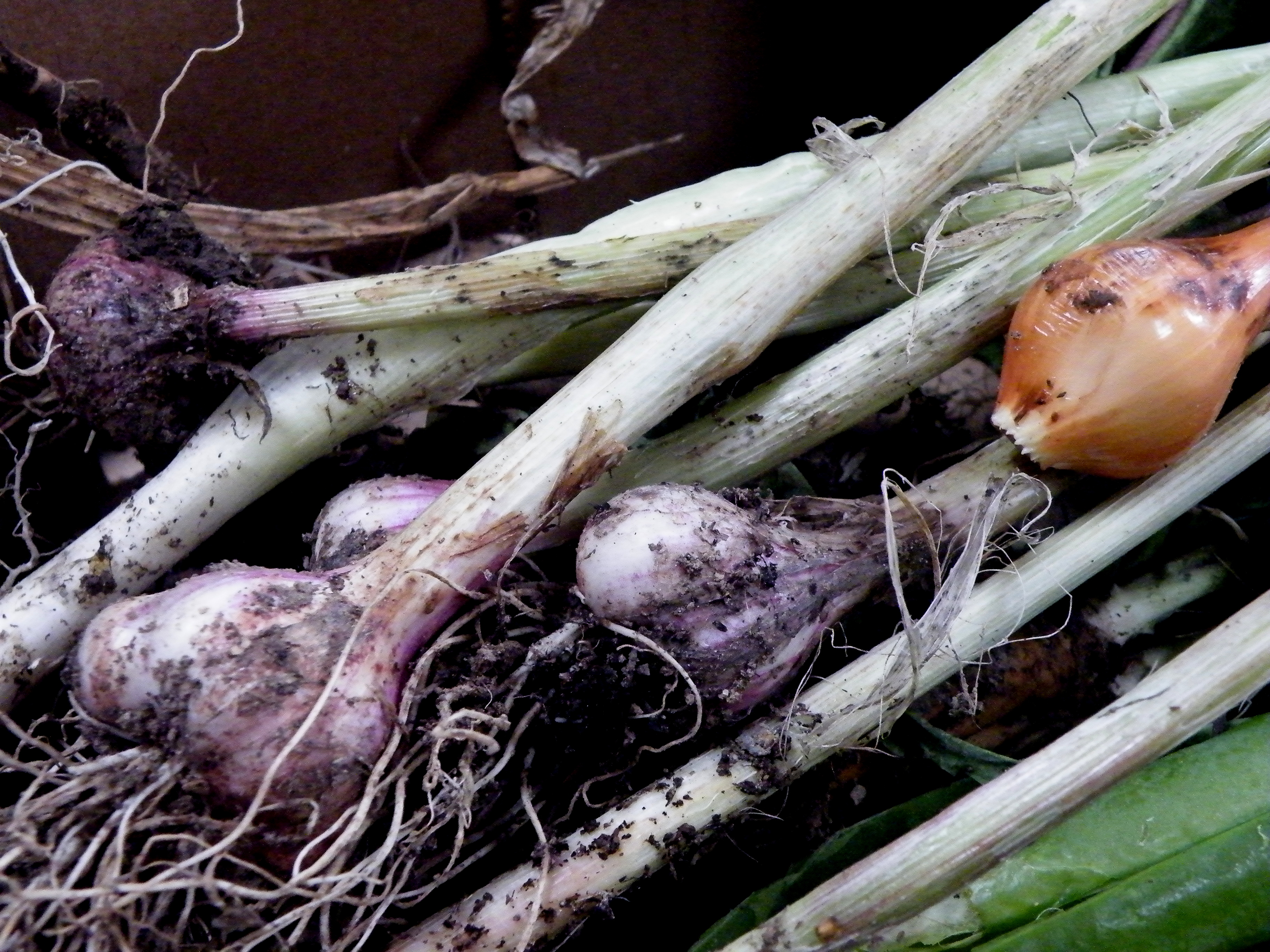
2015 GARLIC EARLY HARVEST     20150807_162019

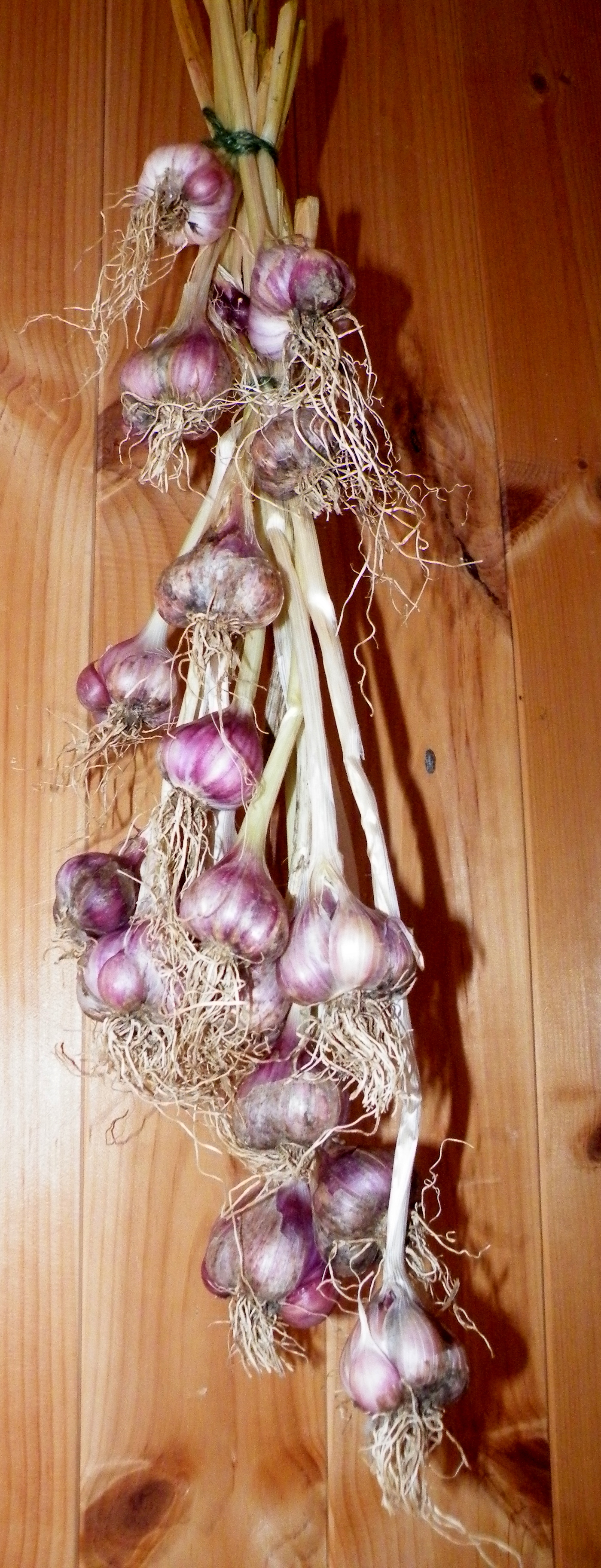
Garlic, and dandelion leaves, very fond of both.  A huge crop of dandelion leaves this year, due to the rains.

2015 HARVEST

Peas and broad beans, it was not a great harvest this summer and so I will need to change the type I am actually growing, though I think that this year’s bad summer had something to do with it too.

GROWING BITTER GOURD

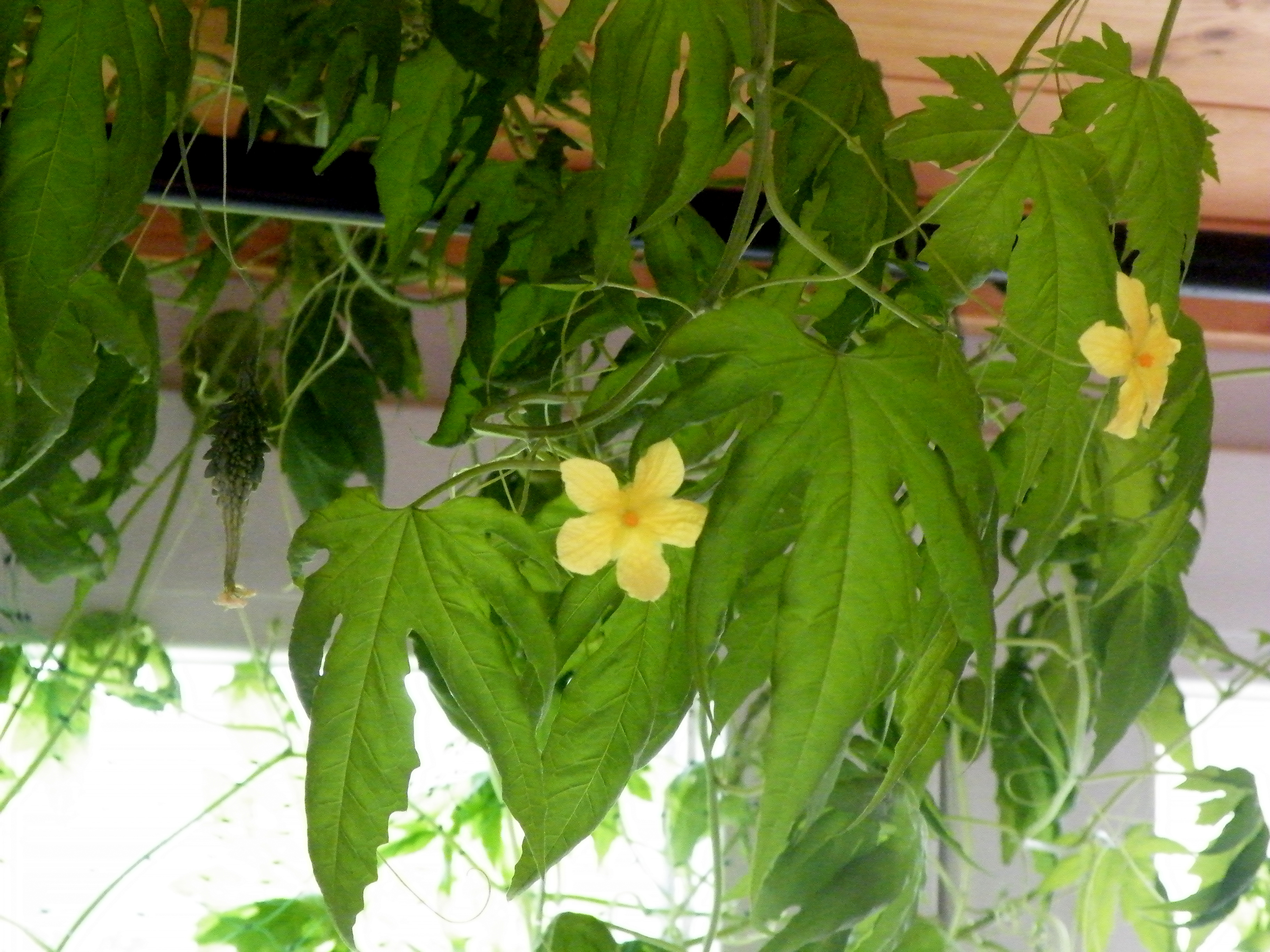
My first attempt to grow bitter gourds – Momordica charantia.
It’s a sentiment thing really, that is what was big on the menu of everyday foods which I ate while spending time in South India, and I developed a taste for it, it is a walk down memory lane for me, a pleasant one.
While there I learnt that bitter gourd is a healthy vegetable, reported to be of some help in lowering blood sugar among other things. I learnt to cook it too, quite simple really, we stir fried it either with a tomato sauce, or with potato, or onion, or on it’s own. It can also be served with yogurt to help set off it’s bitterness.

A dear friend of mine sent me the seeds early in spring and I went about to sow them, it took a while for the seeds to germinate and I had to put the container on the radiator for it to happen, so I lost some seeds, but finally I had five healthy plants that climbed on netting which I had put up on a sunny window. I was so excited when the plant started to flower, lovely yellow flowers with a faint, delicate fragrance. Even more excited was it to discover a ‘female’ flower one day with a young gourd forming. This gourd is growing slowly but fine. Meanwhile, and this is about two months ago, there have been many flowers but only ‘male’ ones. I fear that we will only have one precious bitter gourd this year!  As the summer has been very chilly with minimal sunshine I think this will have added to the problem of growing this plant here.  But I have kept some seeds and next spring will sow it again as this climbing, trailing plant with brilliantly green and beautifully shaped leaves has given me much joy.

DSCF9051

DSCF9033

PERMACULTURE – A LEARNING CURVE

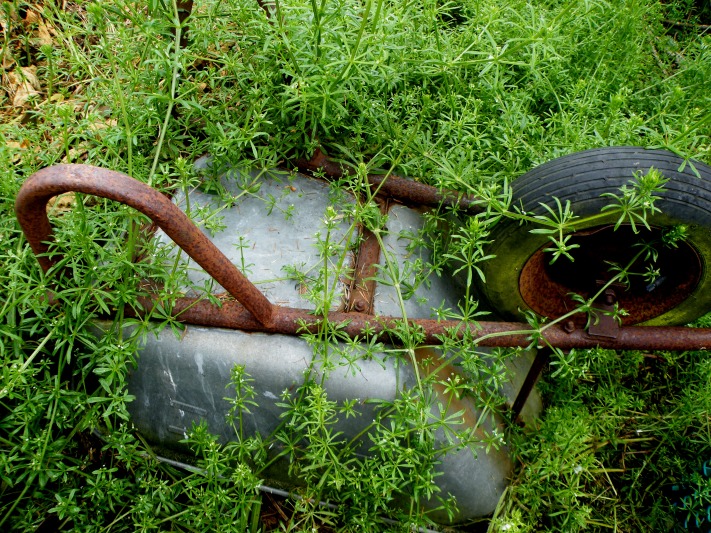
Two weeks ago I used this wheelbarrow. Today I found it totally overgrown with cleavers, or goosegrass like we call it. And so it is with quite a few other areas of the garden. During the last week or two growth has been fierce due to weather conditions, it has been very damp with temperatures between 15 and 17 degrees.
Last year I started to try and apply permaculture principles in the garden. My main reason was that I am very interested in foraging, in wild plants. I noticed that these plants, such as dandelions, nettles, or goosegrass would grow really well, while some vegetables were having difficulties. I thought that maybe mixing them all, letting them grow together so to say, would help keep pests at bay. So I read up on permaculture and found that it is all about getting a balance in the garden, or rather getting the ecosystem balanced. Therefore when during the early months of this year the dandelions started to grow well, I used a lot of them in our foods, same with nettles, and even goosegrass. But then I made a mistake, for which I am now paying, I let all these wild plants grow without disturbing them at all.  The goosegrass has totally taken over, I guess I did not use enough of it.  I now realise that I should have kept the upper hand and at least tamed the wild plants a little.
So today I made a start at clearing.
The other motivation to clearing up around the raised beds is the problem with the slugs and snails. Everyday now I gather them, but the supply keeps coming, and my plants are being attacked and eaten faster than I can replant them. This morning I discovered two mature broccoli plants, and one kale plant with leaves full of holes. In desperation I started to cut the hedges around the raised beds, and cleared away any leaves lying around, sure enough I filled a jar with the culprits in no time.
I went and googled permaculture and slug control and learnt a lot. It said in the article that it was no good transporting the slugs to another area, this only un-balances that ecosystem there, so I got to stop doing that. It gave quite a few good ideas to deal with this plague, one I liked is the use of beer, and tomorrow I will purchase a six pack and hope to have a lot of drunken slugs! Not sure which type of beer to use though 🙂 so will get the light beers I think. Some of the other options mentioned in the article, such as frogs, hedgehogs, nematodes, toads, or ducks etc… did not appeal to me, one other option though I liked, it is the encouragement of the carob beetle, a predator of slugs. It explained how to build a nest for these creatures, something I might try out at some stage as I quite like beetles.

One of the principles of permaculture is that one should just observe the garden, see what goes on, and take note.  I do that on a daily basis and have found that the beds that have herbs, such as oregano, lemon balm, rosemary, calendula, sage, and mint growing in them, have much less damage from said slugs and snails.  There is also one type of lettuce that survives every time, so that is the one that I should definitely sow next time round.  The broad beans remain untouched, they are also growing on the bed with garlic.

Its a learning curve, exciting and challenging – it can be very discouraging when so much of what you sow or plant gets eaten, but there has got to be a way around it.  I am sure to be getting on top of this particular problem.
DSCF8934

DSCF8930   DSCF8938

Goosegrass taking over part of the garden!

DSCF8940  DSCF8924

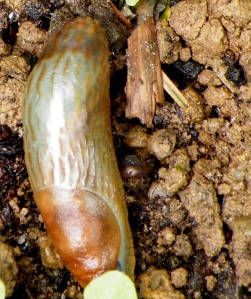
Snail and slug, two culprits which while I love them, I must rebalance the eco system of my garden.

DSCF8922   DSCF8920 - Copy

DSCF8917 - Copy

Some of the damage in the above photos, damage of mature plants!

DSCF8916 - Copy  DSCF8923

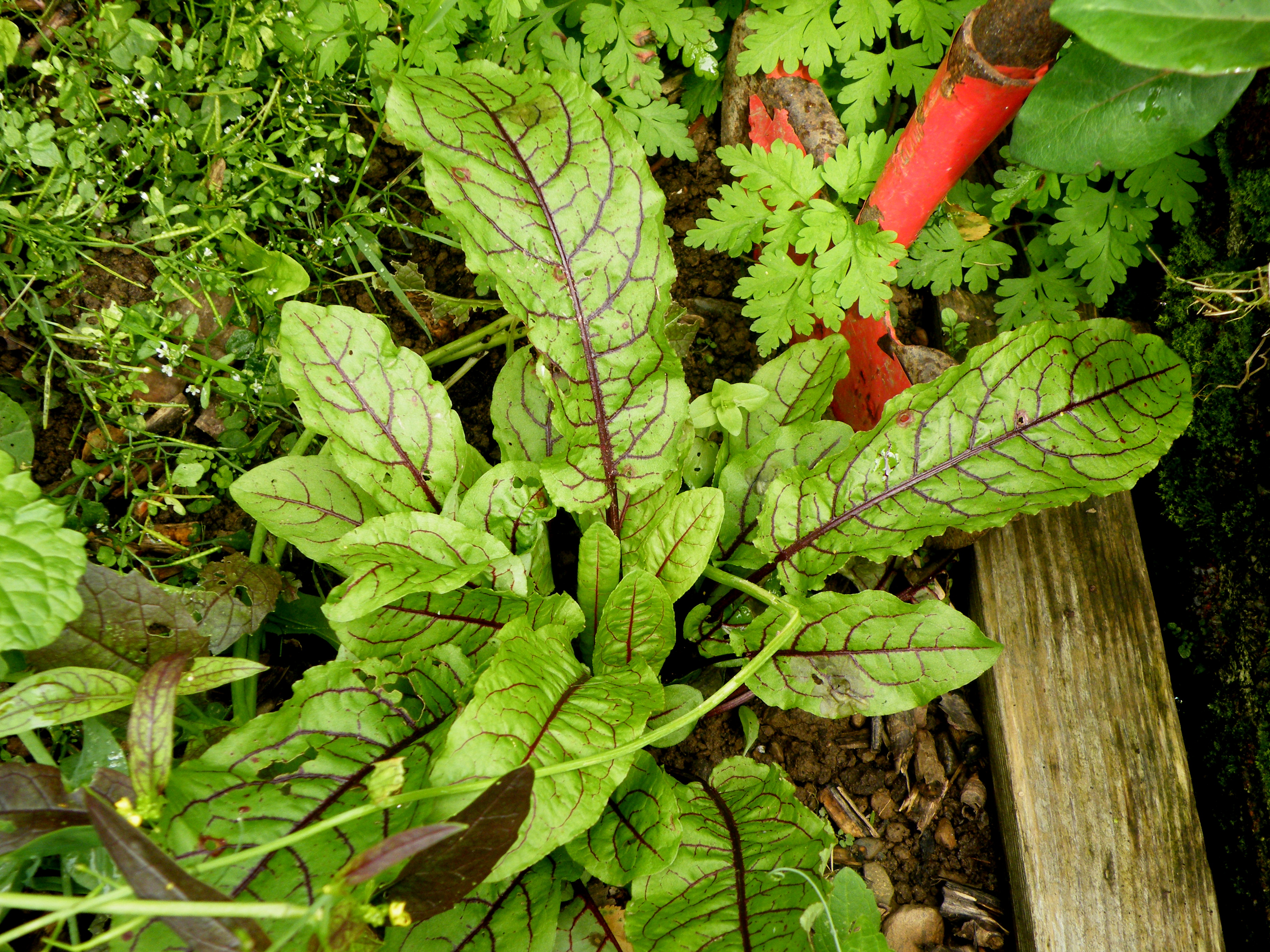
The type of lettuce the slugs don’t touch.  And around the beds clearing up is being done seriously now!